Terrier Group
Patterdale Terrier
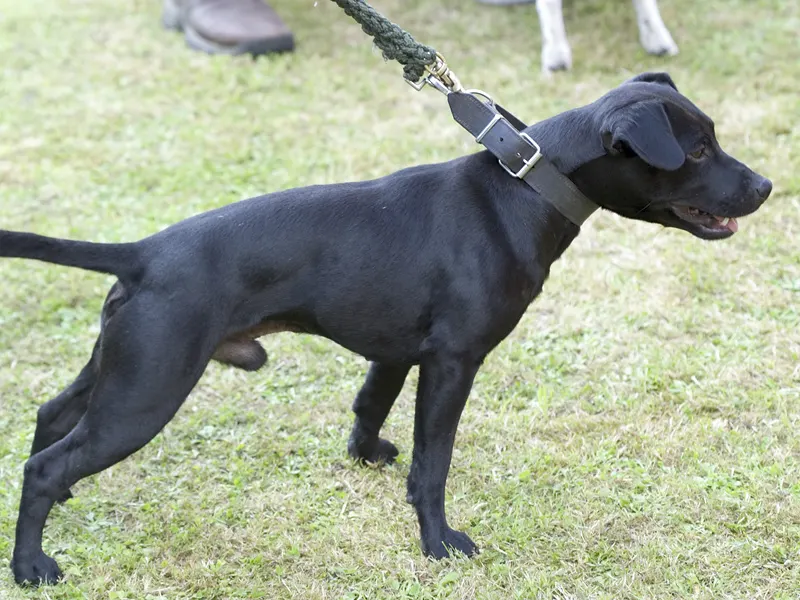
Working terrier men in England's Lake District, including notable figures like Joe Bowman and later Frank Buck, developed and refined this breed through the 20th century specifically for fox-hunting and den work in the region's demanding fell terrain, prioritizing raw working ability over any formal show-ring standard throughout the breed's entire development. That working-first history means the Patterdale Terrier never pursued AKC recognition, remaining instead primarily registered through working-terrier organizations like the Jack Russell Terrier Club of America's affiliated registries and dedicated Patterdale-specific clubs rather than mainstream kennel-club structures. The breed's name comes from Patterdale, a village in the Lake District region where much of this early development work took place, though the type itself draws on a broader tradition of Northern English fell terriers bred purely for function across several generations of dedicated working-terrier enthusiasts. Because the Patterdale Terrier was never bred toward a fixed cosmetic standard the way many AKC breeds were, real physical variation exists between individual dogs and different working lines, a genuine diversity that working-terrier enthusiasts generally consider a feature rather than a flaw, prioritizing functional soundness over visual uniformity.
Common health predispositions
- Generally hardy working line
- Few documented hereditary issues from limited show breeding
Temperament
Bold, tenacious, and genuinely fearless, the Patterdale Terrier carries real hunting drive in a compact, powerfully built frame, a working intensity shaped by generations of selective breeding purely for fox-hunting and den-work ability rather than any show-ring temperament standard. The right owner earns real loyalty from this breed, but make no mistake — it stays a working terrier at heart, and most individuals show genuine assertiveness with unfamiliar dogs plus real prey drive toward smaller animals. Working terrier trials in the UK and, increasingly, the US continue to test exactly this combination of drive and gameness, and dedicated Patterdale breeders generally weigh performance in those trials at least as heavily as any physical trait when deciding which dogs to breed forward. That combination of intensity and independence means the Patterdale Terrier suits an experienced terrier owner far better than someone hoping for a purely mellow companion breed.
Living with a Patterdale Terrier
Don't let the compact size fool you into skimping on exercise — a solid 75 minutes of vigorous activity is the real minimum here, and mental engagement matters every bit as much given how sharp and hunting-focused the Patterdale actually is. Smooth, rough, and broken coat types all turn up within the breed, but whichever an individual carries, grooming stays minimal across the board. Formal health-screening data is genuinely thin here since the breed was never bred toward a fixed cosmetic standard the way mainstream AKC breeds were, though direct experience from working-terrier enthusiasts generally describes a hardy, robust dog. Secure fencing and a legitimate outlet for real hunting instincts are non-negotiable for this breed, and it suits an experienced terrier owner far better than a first-time one or a household wanting a purely low-key companion. Networks that overlap with Jack Russell and general working-terrier rescue occasionally place Patterdales in the US. Costs stay modest given the small size and near-zero grooming needs, though secure fencing and durable gear are worth budgeting for upfront.
FAQ
Is the Patterdale Terrier AKC recognized?
No — the breed's working-first history means it never pursued AKC recognition, remaining instead primarily registered through working-terrier organizations and dedicated Patterdale-specific clubs rather than mainstream kennel-club structures.
Why do Patterdale Terriers look different from each other?
Because the breed was never bred toward a fixed cosmetic standard, real physical variation exists between individual dogs and different working lines, a genuine diversity most working-terrier enthusiasts consider a feature rather than a flaw.
Is a Patterdale Terrier a good first dog?
Generally not — the breed's real intensity, prey drive, and hunting-bred independence call for an experienced terrier owner, and it isn't well suited to someone hoping for a purely mellow, low-key companion.
Where does the Patterdale Terrier get its name?
From Patterdale, a village in England's Lake District region, where working terrier men including Joe Bowman and later Frank Buck did much of the early development work refining the breed for fox-hunting and den work.
How much exercise does a Patterdale Terrier need?
Plenty — figure on 75 real minutes daily at minimum, and genuine mental engagement matters just as much given this breed's sharp intelligence and strong hunting instincts.
Is the Patterdale Terrier recognized by the AKC?
No — the breed remains unrecognized by the AKC and most major kennel clubs, having developed and stayed almost entirely within English working-terrier circles in the Lake District, bred purely for underground fox and vermin work rather than for conformation showing, which is part of why written breed standards vary more than they do for AKC breeds.
Related on FetchBreed
Lists this breed appears in
Whichever breed fits your life, consider adoption or breed-specific rescue first — many purebred and mixed-breed dogs and cats are already waiting for homes.
General breed information, not veterinary advice — consult a vet for your pet's specific health, diet, and behavior needs.