Terrier Group
Scottish Terrier
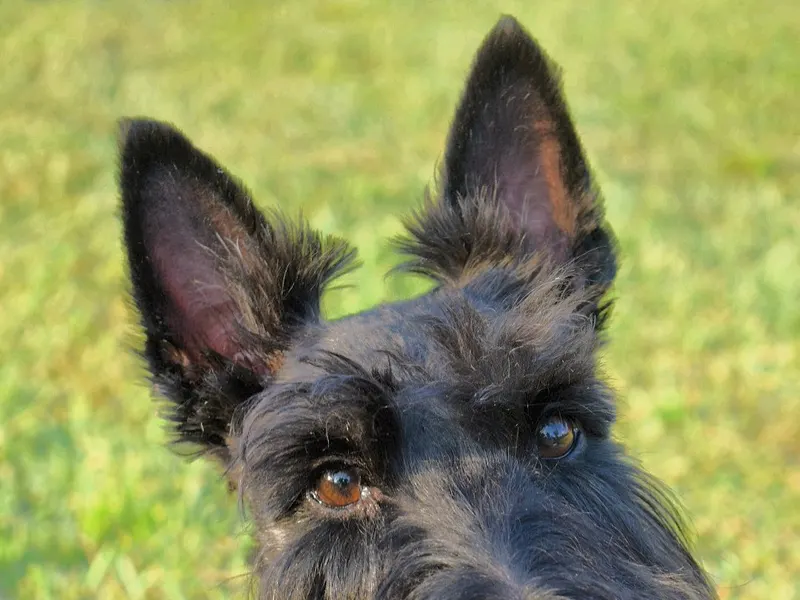
The Scottish Terrier developed in the Scottish Highlands as one of several related terrier types bred to hunt foxes, badgers, and other burrowing vermin, sharing early ancestry with the Cairn, West Highland White, and Skye Terriers before formal breed standards separated them in the late 19th century. The breed earned the nickname "Diehard," a term that stuck partly through association with a Scottish regiment known for tenacity in battle, an image that meshed well with the terrier's own famously stubborn, game disposition. The AKC recognized the Scottish Terrier in 1885, and few breeds have matched its political visibility in America since: Franklin D. Roosevelt's Scottie, Fala, was a near-constant public presence throughout his presidency, and decades later George W. Bush kept Scotties in the White House as well.
Common health predispositions
- Scottie cramp
- Von Willebrand's disease
- Elevated bladder cancer risk
Temperament
"Diehard" isn't just a historical nickname — it describes the breed's actual temperament reasonably well, since Scotties are famously independent, dignified, and sometimes outright stubborn, a trait that keeps trainability on the lower end relative to more eager-to-please breeds despite genuine intelligence. GoodWithOtherPets compatibility runs on the lower side too, reflecting the breed's real terrier prey drive and its tendency toward same-sex dog aggression if not carefully socialized. Scotties tend to bond closely with their own family while staying reserved, sometimes aloof, with strangers, a combination that makes the breed a naturally alert watchdog despite its small size.
Living with a Scottish Terrier
Scotties don't demand the relentless exercise some other terriers do — 45 minutes covers most days well — making the breed a reasonably good fit for calmer households willing to match its independent personality. Keeping that wiry double coat looking sharp takes real, recurring effort — periodic hand-stripping or clipping plus consistent brushing between appointments — though the payoff is a dog that sheds comparatively little. Scottie cramp — a neuromuscular condition causing temporary gait abnormalities during exercise or excitement — is documented so specifically in this breed that its very name references the Scottish Terrier directly, and von Willebrand's disease, an inherited clotting disorder, is also tracked in the breed's lines. Perhaps most notably, veterinary studies have found Scottish Terriers at meaningfully elevated risk for bladder and other urinary-tract cancers compared with dogs generally, a finding specific enough to the breed that some vets recommend more vigilant monitoring for urinary symptoms in older Scotties. The breed's dignified bearing and famously piercing dark eyes have made it a recognizable presence in advertising and pop culture for generations, from the Scottie-shaped Monopoly token to countless whisky and tartan-brand mascots.
FAQ
Why is the Scottish Terrier called 'Diehard'?
The nickname stuck partly through association with a Scottish regiment known for its tenacity, a reputation that meshed naturally with the terrier's own famously stubborn, game temperament — the name has been used informally for the breed for well over a century.
What is Scottie cramp?
A breed-specific neuromuscular condition, closely enough tied to this breed that it carries the Scottish Terrier's name, in which exercise or excitement triggers temporary gait abnormalities and muscle stiffness. It's not typically dangerous but is a distinctive, well-documented breed trait worth knowing about.
Are Scottish Terriers prone to cancer?
Veterinary research has found the breed at meaningfully elevated risk for bladder and other urinary-tract cancers compared with dogs generally, a finding specific enough that some vets recommend closer monitoring for urinary symptoms as Scotties age.
Are Scottish Terriers easy to train?
It takes real consistency — Scotties are smart enough to learn quickly but famously willful about deciding whether a command is worth following, and that stubborn streak is exactly why trainability ratings for the breed land lower than for more eager-to-please dogs.
Which U.S. presidents had Scottish Terriers?
Franklin D. Roosevelt's Scottie, Fala, was one of the most publicly visible presidential pets in American history, and decades later George W. Bush also kept Scottish Terriers, including one named Barney, in the White House.
How much exercise does a Scottish Terrier need?
Modest — around 45 minutes daily covers most Scotties well, and the breed's independent, somewhat low-key personality doesn't demand the relentless activity some other terriers do.
Are Scottish Terriers good apartment dogs?
Reasonably, yes — the breed's moderate exercise needs and naturally alert but not overly hyperactive temperament suit smaller living spaces, provided its tendency to bark at unfamiliar noises is managed with training in close-quarters housing.
What coat colors do Scottish Terriers come in?
Black is the most iconic and widely recognized, but wheaten and brindle are also accepted within the breed standard, all purely cosmetic variations with no documented link to temperament or health differences.
How long do Scottish Terriers live?
Typically 11 to 13 years, and given the breed's documented elevated cancer risk, many owners find that regular veterinary checkups and prompt attention to any urinary symptoms make a real difference in quality of life through those years.
How big does a Scottish Terrier get?
Small but sturdy — typically 18 to 22 pounds on a frame just around 10 inches tall, a compact, low-slung shape built for pushing through dense Highland brush after badgers and foxes.
Is a Scottish Terrier good with other pets?
Not consistently — genuine terrier prey drive plus an independent streak pull goodWithOtherPets compatibility toward the lower end, and same-sex dog conflicts crop up often enough to be a real consideration too.
Is a Scottish Terrier a good first dog?
Only for an owner ready for a genuinely independent breed — the Scottie's stubbornness and lower trainability mean it rewards patience and consistency more than instant obedience, which can frustrate a first-time owner expecting an easier ride.
Related on FetchBreed
Lists this breed appears in
Care equipment for a Scottish Terrier
As an Amazon Associate we earn from qualifying purchases made through these links, at no extra cost to you.
- Terrier stripping knife
Periodic hand-stripping or clipping plus consistent brushing between appointments is this page's own description of the work.
Whichever breed fits your life, consider adoption or breed-specific rescue first — many purebred and mixed-breed dogs and cats are already waiting for homes.
General breed information, not veterinary advice — consult a vet for your pet's specific health, diet, and behavior needs.