Terrier Group
Japanese Terrier
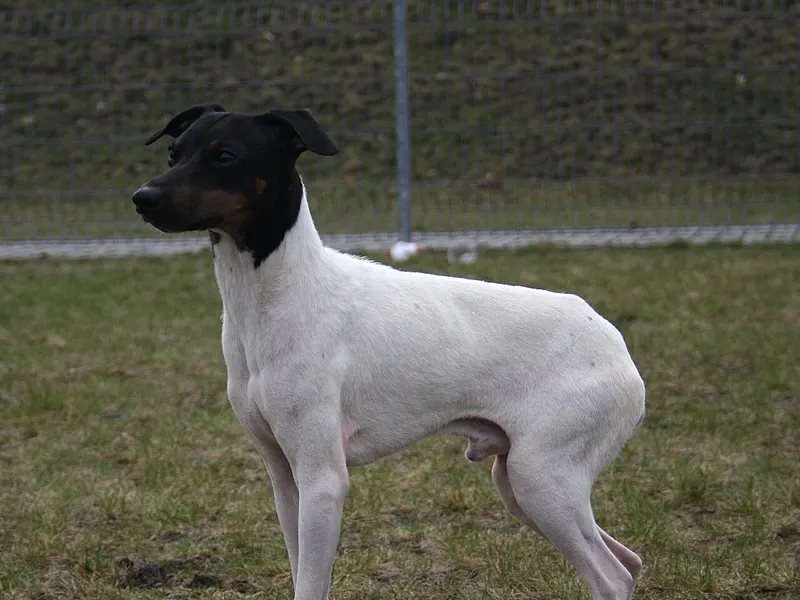
Japanese breeders developed this small terrier during the early-to-mid 20th century by crossing imported Smooth Fox Terriers and other small European terrier types with local Japanese dogs, producing a genuinely petite terrier suited to Japan's more compact urban and rural households compared with the larger imported breeds it partly descended from. The breed never achieved wide popularity even within Japan, remaining a genuinely uncommon regional favorite rather than a nationally dominant companion breed, and its population has stayed correspondingly small for decades since its mid-20th-century development. The Japanese Terrier holds no AKC recognition and remains genuinely obscure outside Japan, with international breed enthusiasts generally learning about it specifically through Japanese-breed enthusiast networks rather than mainstream kennel-club channels. Japanese breed preservation groups continue working to maintain what remains a genuinely small domestic population, treating the Japanese Terrier as a lesser-known piece of the country's broader 20th-century dog-breeding history alongside its more famous native spitz-type breeds.
Common health predispositions
- Patellar luxation
- Generally hardy small breed
Temperament
Lively, alert, and genuinely affectionate, the Japanese Terrier carries real terrier spirit inherited from its Smooth Fox Terrier ancestry, tempered by a somewhat calmer overall disposition that Japanese breeders selected for alongside the compact size. A properly socialized puppy typically grows into a dog that handles children and other household pets without much fuss. Real curiosity and genuine playfulness show up consistently too, traits the breed's small population of dedicated Japanese fanciers often point to as its most endearing characteristics. Because the breed never developed the kind of extensive international following some other small terriers have, most available temperament information comes directly from Japanese breed enthusiasts and preservation groups working closely with the small surviving population.
Living with a Japanese Terrier
This genuinely petite terrier doesn't need much — 45 minutes daily is plenty, reflecting both its small size and its more companion-focused development compared with larger working terrier types. The short, smooth, tricolor coat needs minimal grooming beyond occasional brushing. Formal health-registry data stays limited for this uncommon breed, though patellar luxation is the main item worth raising with a breeder given the small size, and the Japanese Terrier is otherwise generally considered a hardy small breed. Real liveliness and genuine affection make for an engaging little companion, though the breed's genuine rarity even within Japan means potential owners should expect real difficulty simply locating information, let alone a puppy. US availability is essentially nonexistent through conventional channels, and truly interested owners would need to work directly through Japanese breed preservation contacts. Ongoing costs stay modest given the small size, though the practical challenge here is sourcing the breed at all rather than any ongoing expense.
FAQ
Are Japanese Terriers related to the Japanese Chin or Shiba Inu?
No — despite sharing 'Japanese' in the name, the Japanese Terrier has a completely separate origin from Japan's native spitz-type breeds like the Shiba Inu and Akita, and from the ancient companion breed Japanese Chin. It's a genuinely modern breed built primarily from imported European terrier stock, making it one of Japan's few nationally-associated breeds without deep roots in the country's older native dog lineages.
Is the Japanese Terrier recognized by any major kennel club?
The Japan Kennel Club recognizes the breed domestically, and the FCI, the international federation many European kennel clubs belong to, lists it as well, but the AKC has never granted it any recognition status, not even Foundation Stock Service — a genuinely unusual gap for a breed with over half a century of documented history. That reflects just how little the Japanese Terrier has ever been exported or promoted outside Japan.
Is the Japanese Terrier AKC recognized?
No, it holds no AKC recognition and remains genuinely obscure outside Japan, with international interest limited mainly to dedicated Japanese-breed enthusiast networks rather than mainstream kennel-club channels.
Is a Japanese Terrier good with kids?
Generally yes in a properly socialized household — a somewhat calmer overall disposition than most small terriers carry means kids and existing household pets usually pose little problem for this breed.
Can you get a Japanese Terrier outside Japan?
Only with real, genuine difficulty — the breed's small population and lack of established international breeding networks mean sourcing one outside Japan essentially requires direct contact with Japanese breed preservation groups.
How big does a Japanese Terrier get?
A genuinely petite dog, typically 6 to 9 pounds and 8 to 13 inches at the shoulder, noticeably smaller than the Smooth Fox Terrier lines it partly descends from, reflecting deliberate Japanese breeding toward a size that fit comfortably inside compact mid-20th-century urban and rural homes.
What does a Japanese Terrier look like?
A slim, fine-boned dog with a short, smooth tricolor coat, usually white with black-and-tan markings concentrated on the head and a saddle over the back, folded ears, and a docked or naturally short tail — a build closer to a scaled-down English terrier than to any of Japan's native spitz-type breeds.
Does the Japanese Terrier compete in dog shows?
Rarely outside Japan, given the near-total absence of the breed from international kennel-club circuits, though a small number of dedicated Japanese fanciers do continue exhibiting the breed domestically at events organized specifically around Japan's lesser-known native and companion breeds rather than mainstream FCI or AKC conformation shows.
Related on FetchBreed
Lists this breed appears in
Whichever breed fits your life, consider adoption or breed-specific rescue first — many purebred and mixed-breed dogs and cats are already waiting for homes.
General breed information, not veterinary advice — consult a vet for your pet's specific health, diet, and behavior needs.