Non-Sporting Group
Lhasa Apso
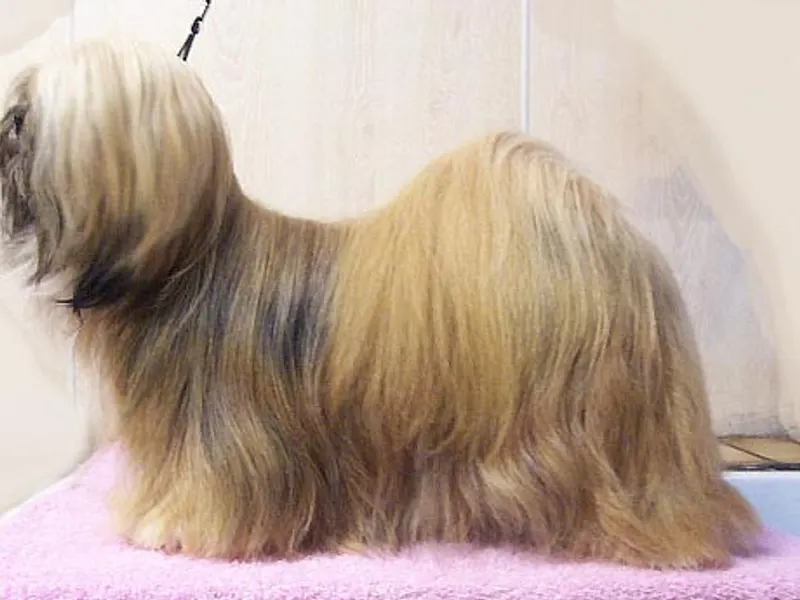
Buddhist monks in Lhasa, Tibet, bred the Lhasa Apso over centuries to serve as indoor sentinel dogs in monasteries and palaces, valued for keen hearing and an alert bark that would warn of intruders before larger guard dogs stationed outside ever needed to react. Tibetan tradition held that the dogs carried a kind of spiritual significance, sometimes described as housing the souls of lamas between reincarnations, and for centuries Lhasa Apsos were considered too sacred to sell, given only as gifts by the Dalai Lama to honored foreign visitors — a practice that's part of why the breed remained rare and largely unknown outside Tibet until relatively recently. The 14th Dalai Lama gave a pair of Lhasa Apsos to an American diplomat in 1933, among the earliest documented arrivals of the breed in the United States, and the AKC formally recognized the breed in 1935.
Common health predispositions
- Progressive retinal atrophy
- Keratoconjunctivitis sicca
- Renal dysplasia
Temperament
Centuries of work as a watchful indoor sentinel rather than an affectionate lapdog shaped a Lhasa Apso temperament that's alert, independent, and often reserved with strangers — the breed takes its watchdog heritage seriously, and a Lhasa's readiness to bark at anything unfamiliar is a genuine, deliberately preserved trait rather than a training failure. GoodWithKids ratings run on the lower end, reflecting both the breed's small size and its generally more standoffish, less overtly affectionate personality compared with breeds developed purely as companions. Training requires patience given the breed's independent streak, though Lhasas are loyal and can bond closely with their own family even while staying reserved toward everyone else.
Living with a Lhasa Apso
Thirty minutes of daily activity is typically enough for this small, indoor-oriented breed. Grooming is the real commitment: the long, heavy, straight double coat mats without daily or near-daily brushing, and most pet owners keep the coat trimmed to a shorter, more manageable "puppy cut" rather than maintaining the floor-length coat seen in the show ring. No dog is truly allergen-free, but the breed's low shedding is a real, commonly cited reason it's suggested to allergy-sensitive households, worth confirming with the specific dog. Progressive retinal atrophy, keratoconjunctivitis sicca (chronic dry eye), and renal dysplasia, a congenital kidney malformation documented at a meaningful rate in the breed, are the main health concerns to discuss with a breeder. Given the Lhasa Apso's long facial hair, regular trimming or tying back around the eyes matters for both comfort and to prevent irritation, a small but genuinely necessary grooming detail beyond general coat maintenance.
FAQ
Why were Lhasa Apsos never sold in Tibet?
Traditional Tibetan Buddhist belief held the breed to have spiritual significance, and for centuries Lhasa Apsos were considered too sacred to sell, given only as gifts, often by the Dalai Lama to honored visitors — one reason the breed stayed rare outside Tibet until relatively recently in its long history.
Are Lhasa Apsos good watchdogs?
Yes, genuinely — the breed was bred specifically as an indoor sentinel in Tibetan monasteries and palaces, valued for alert hearing and a readiness to bark at anything unfamiliar, and that watchful temperament remains a strong, deliberately preserved trait today.
How much grooming does a Lhasa Apso need?
In full coat, essentially a daily job — the long, heavy, straight double coat mats fast without it, which is exactly why so many pet Lhasas wear a shorter, easier-to-manage trim instead of the floor-length coat seen in the show ring.
Are Lhasa Apsos good with children?
Only a moderate match — small size plus an independent, somewhat reserved temperament means the breed does better in a calm household with gentle handling than in one full of boisterous, unpredictable play.
What is renal dysplasia in Lhasa Apsos?
A congenital kidney malformation documented at a meaningful rate in the breed, present from birth and affecting how well the kidneys function over a dog's life. It's a specific enough concern in this breed that discussing kidney health history with a breeder is standard advice before buying a puppy.
How much exercise does a Lhasa Apso need?
Not much — around 30 minutes daily suits this small, historically indoor-oriented breed, and much of that can happen through play inside the home rather than requiring long outdoor walks.
How long do Lhasa Apsos live?
Twelve to 15 years is the norm, and dogs that get consistent eye care plus monitoring for the breed's documented kidney and dry-eye risks tend to age comfortably through that whole span.
Are Lhasa Apsos hypoallergenic?
Not truly, since the claim doesn't hold up for any breed, but the low-shedding coat genuinely means less loose hair around the house than most dogs produce, a real practical plus for some allergy-sensitive households.
How big does a Lhasa Apso get?
Adults weigh 12 to 18 pounds and stand about 10 to 11 inches tall, a compact size well suited to the breed's original job patrolling the interior of monasteries and palace rooms.
Is a Lhasa Apso a good first dog?
The coat-care commitment and a genuinely independent streak are the two real hurdles, but its manageable size otherwise makes the breed approachable for a newcomer willing to take those seriously.
Do Lhasa Apsos get along with other pets?
Reasonably, with proper introduction — the breed's independent, somewhat reserved temperament means it isn't automatically sociable with unfamiliar animals, but a Lhasa raised alongside other pets from puppyhood generally does fine.
What colors do Lhasa Apsos come in?
Gold, cream, black, white, and particolor combinations all appear within the breed standard, cosmetic variations traditionally believed in Tibet to carry differing degrees of good fortune, though no health or temperament link exists.
Related on FetchBreed
Care equipment for a Lhasa Apso
As an Amazon Associate we earn from qualifying purchases made through these links, at no extra cost to you.
- Steel grooming comb
The long heavy coat mats without daily or near-daily brushing, this page says.
- Rounded-tip grooming scissors
The page calls trimming or tying back the long facial hair around the eyes a small but genuinely necessary grooming detail for comfort.
Whichever breed fits your life, consider adoption or breed-specific rescue first — many purebred and mixed-breed dogs and cats are already waiting for homes.
General breed information, not veterinary advice — consult a vet for your pet's specific health, diet, and behavior needs.