Terrier Group
Smooth Fox Terrier
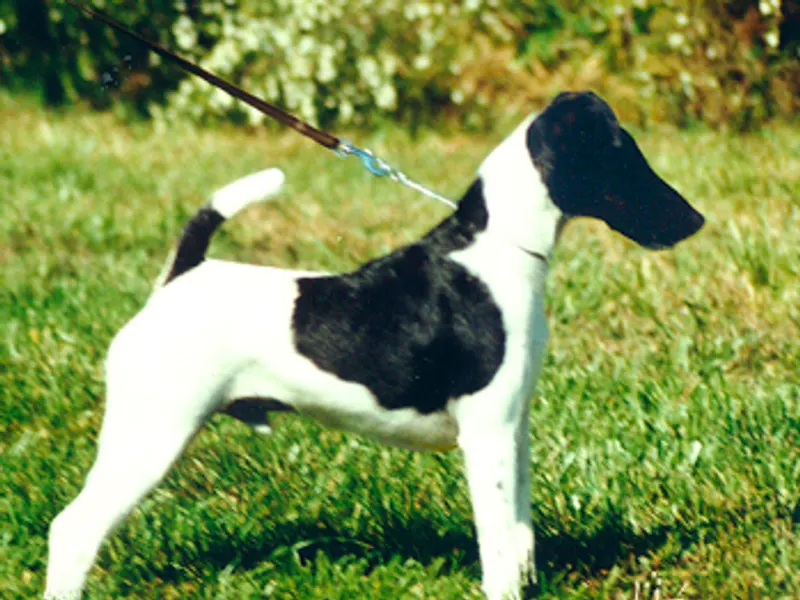
Fox hunts in 18th and 19th-century England needed a terrier that could bolt foxes from underground dens after the hounds ran them to ground, and the Smooth Fox Terrier — developed alongside its wire-coated cousin from a mix of Beagle, Bull Terrier, and Black and Tan Terrier stock — filled that role with a build fast enough to keep pace on horseback follows and a temperament fearless enough to face a cornered fox underground. The AKC recognized the breed in 1885, among its earliest terrier recognitions, and for decades Smooth and Wire Fox Terriers were considered coat varieties of one breed before being split into two separate breeds. The breed's popularity peaked in the early-to-mid 20th century when it was among the most fashionable companion dogs in both Britain and America, frequently appearing in period advertising and photography as the archetypal smart, well-dressed family's terrier. That popularity has faded considerably since, and the Smooth Fox Terrier now ranks among the less common AKC breeds by registration, even as its wire-coated cousin has retained somewhat stronger numbers.
Common health predispositions
- Deafness (piebald-linked)
- Patellar luxation
- Lens luxation
Temperament
Fast, bold, and rarely short on confidence, the Smooth Fox Terrier brings genuine working drive into a companion setting — this is a dog that notices movement, investigates sounds, and generally assumes it's in charge unless taught otherwise early on. With people, most individuals are affectionate and playful, but the same tenacity that made them useful in the field can translate to real stubbornness at training time, and a soft-handed approach tends to work less well than clear, consistent structure. Other dogs and small animals can trigger the breed's strong prey drive, so introductions should be managed carefully. Digging is a genuinely persistent trait in this breed too, inherited from its underground fox-bolting work, and owners with a yard often find that providing a designated digging area or sandpit redirects the behavior more successfully than attempting to eliminate it outright through training alone.
Living with a Smooth Fox Terrier
Running, fetch, structured play — 60 minutes of real daily exercise keeps this genuinely athletic terrier's body and mind in far better shape than a leisurely walk alone. The short, flat coat needs little beyond weekly brushing, a welcome contrast to its wire-coated cousin's stripping demands. One breed-specific note worth knowing: the piebald coat-color gene behind the Smooth Fox Terrier's white-and-color pattern also carries elevated deafness risk, which is why responsible breeders typically BAER-test puppies before placement. Patellar luxation and lens luxation are the breed's other more common veterinary concerns. An active owner drawn to classic terrier tenacity but not wanting a demanding grooming routine will find a good match here, though the same energy and prey drive that make it entertaining also make it a poor match for a sedentary household or one with small pets. Smooth Fox Terrier rescue tends to be organized through national breed-club networks given the relatively small population, and mixed terriers with Smooth Fox ancestry also appear periodically in general shelters.
FAQ
Are Smooth Fox Terriers deaf more often than other breeds?
The white-based piebald coat pattern common in the breed carries a somewhat elevated deafness risk linked to that same pigment gene, which is why reputable breeders BAER-test litters before placing puppies.
What's the difference between a Smooth and Wire Fox Terrier?
Coat texture is the main distinction — smooth, flat, and low-maintenance versus wiry and requiring periodic hand-stripping — though the two share nearly identical temperament and working history, having been considered one breed for much of their development.
Do Smooth Fox Terriers get along with cats?
Not reliably without careful, early introductions — the breed's strong prey drive, honed for hunting small game, means an unfamiliar cat or small pet can trigger a chase response regardless of general training.
Are Smooth Fox Terriers good with cats they're raised with?
Often better with a familiar household cat than with unfamiliar ones, since the bond formed through early exposure can override some of the prey drive, though supervision and gradual introduction still matter given the breed's hunting instincts.
How popular is the Smooth Fox Terrier today?
Considerably less popular than in its early-20th-century heyday — it now sits well down the AKC's annual registration rankings, making it something of an overlooked breed relative to its historical prominence.
How does a Smooth Fox Terrier compare temperament-wise to a Beagle, another common small hunting breed in this cross's ancestry pool?
Considerably more independent and terrier-typical in temperament — while both breeds share hunting backgrounds, the Smooth Fox Terrier's prey drive and confidence run higher, and it doesn't share the Beagle's more food-driven, sociable pack temperament.
Related on FetchBreed
Lists this breed appears in
Whichever breed fits your life, consider adoption or breed-specific rescue first — many purebred and mixed-breed dogs and cats are already waiting for homes.
General breed information, not veterinary advice — consult a vet for your pet's specific health, diet, and behavior needs.