Toy Group
Italian Greyhound
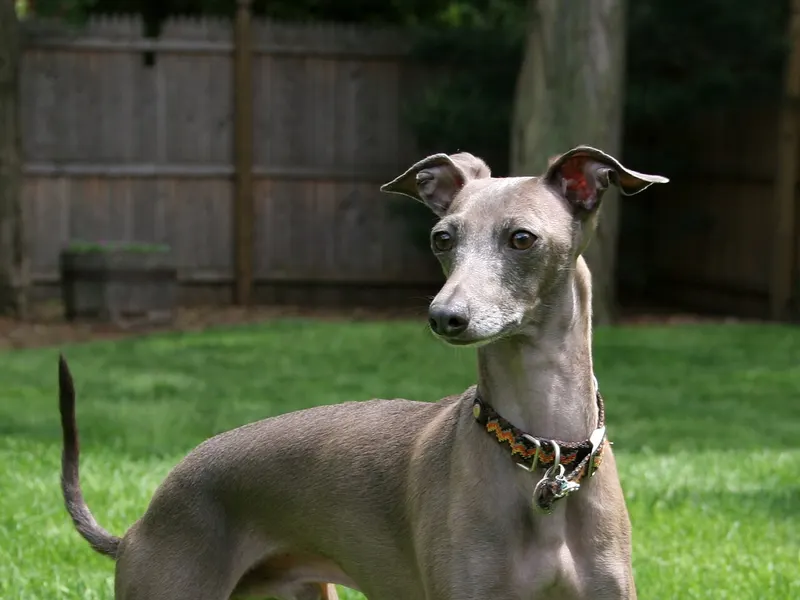
The Italian Greyhound is an ancient miniaturized sighthound type, with archaeological and artistic evidence placing dogs of this general build in the Mediterranean region over 2,000 years ago, and the breed became especially associated with Italian Renaissance nobility, appearing in period paintings by artists including Pisanello as a fashionable court companion rather than a working hunting dog by that point in its history. Unlike most sighthounds, the Italian Greyhound was bred down specifically for companionship rather than for coursing performance, making it one of the older deliberately miniaturized breed lines. The breed nearly disappeared in parts of Europe during and after both World Wars due to food shortages that made keeping a purely decorative companion dog impractical for many families, and American and British breeders played a significant role in rebuilding population numbers in the postwar decades. The AKC recognized the breed in 1886, notably early given how close it later came to a mid-20th-century population collapse.
Common health predispositions
- Leg fractures
- Luxating patella
- Periodontal disease
Temperament
Italian Greyhounds carry the alert, gentle sensitivity typical of sighthounds in miniature form — the breed is affectionate with its own family but can be genuinely reserved or anxious around strangers and unfamiliar situations without consistent early socialization, and its compatibility rating with young children runs on the lower side primarily due to physical fragility rather than temperament. The breed's moderate trainability reflects real intelligence paired with a sensitive nature that responds poorly to harsh correction, much like its sighthound relatives.
Living with a Italian Greyhound
Forty minutes daily is a reasonable target, and building in a real chance to sprint inside a securely fenced area matters given the smaller-scale but genuine sighthound speed this breed inherited. The short coat needs next to no grooming, but pair it with the breed's minimal body fat and you get a dog that genuinely shivers in cool weather — most owners keep a warm layer on hand for anything below a mild afternoon. The single most significant everyday consideration is physical fragility: the breed's extremely thin, lightweight leg bones are genuinely prone to fracture from jumping off furniture or rough play, a well-documented and common veterinary issue in the breed, making careful management of furniture access and play with larger dogs a real, ongoing responsibility rather than an occasional concern. Periodontal disease is also common given the breed's small jaw. The breed's coat comes in a range of solid colors, from fawn to blue to black, and unlike some sighthounds it carries no notable documented deafness association with any particular color pattern. The breed's naturally low body fat and thin skin also mean it bruises and scrapes more easily than most breeds, another reason owners tend to be especially cautious around rough surfaces and boisterous play with larger dogs.
FAQ
Why do Italian Greyhounds break bones so easily?
The breed's extremely thin, lightweight leg bones, an inherited trait tied to its miniaturized sighthound build, are genuinely more fracture-prone than in most breeds, and jumping off furniture or rough play with larger dogs is a well-documented common cause of injury — many owners use ramps or steps and limit unsupervised furniture access as a result.
Are Italian Greyhounds good with young children?
Often not recommended without careful supervision — the concern is less about temperament than about the breed's genuine physical fragility, since normal rough play from a young child can realistically injure a dog this delicate.
Do Italian Greyhounds need a coat in cold weather?
Most do — between the single thin coat and almost no body fat to insulate with, this breed feels cold far sooner than a typical dog its size, so a sweater or jacket for outdoor time isn't an indulgence, it's basic comfort.
How long do Italian Greyhounds live?
Typically 14 to 15 years, notably long even among small breeds, which is worth factoring into the long-term commitment of ownership alongside the breed's real physical fragility considerations.
How close did the Italian Greyhound come to disappearing?
The breed's population dropped sharply in parts of Europe during and after both World Wars, when keeping a purely decorative companion dog was impractical amid widespread food shortages; American and British breeders played a significant role in rebuilding the population in the postwar decades.
Do Italian Greyhounds bruise or scrape easily?
Yes, more than most breeds — the combination of thin skin and very low body fat means minor scrapes and bruises happen more readily during normal outdoor activity, which is part of why careful supervision around rough surfaces and larger, boisterous dogs matters for this breed specifically.
Did Italian Greyhounds ever serve a working hunting role?
Historically only a modest one — while true Greyhounds were prized coursing dogs, the smaller Italian Greyhound was bred mainly as a companion for Italian nobility and, later, European royalty going back over two thousand years, valued more for its elegant appearance and affectionate nature than for any serious hunting output despite its obvious sighthound build.
Related on FetchBreed
Lists this breed appears in
Care equipment for a Italian Greyhound
As an Amazon Associate we earn from qualifying purchases made through these links, at no extra cost to you.
- Winter dog coat
The page says the combination of short coat and minimal body fat gives a dog that genuinely shivers in cool weather.
- Pet steps
Physical fragility is called the single most significant everyday consideration here — thin leg bones genuinely prone to fracture from jumping off furniture.
Whichever breed fits your life, consider adoption or breed-specific rescue first — many purebred and mixed-breed dogs and cats are already waiting for homes.
General breed information, not veterinary advice — consult a vet for your pet's specific health, diet, and behavior needs.