Quietest Dog Breeds
Vocalization tendency in dogs is a real, measurably heritable trait, not simply a matter of individual training, and it traces back to what a breed was originally bred to do: hounds and terriers bred to alert hunters to prey location or vermin activity through sustained barking or baying carry that vocal instinct forward regardless of modern household context, while breeds bred purely as companions or for quiet, close-range working roles tend to bark far less by nature. A quiet breed isn't simply a well-trained one — some breeds genuinely default to silence or low-volume communication even with minimal training, while others will bark readily even in an experienced, consistent household because the instinct is that deeply wired in. The Basenji is the most extreme and well-documented example: the breed is often called the "barkless dog" because its unusual laryngeal structure makes it physically incapable of a typical bark, producing instead a distinctive yodel-like sound the breed is known for — a genuine anatomical difference, not just a behavioral tendency, that sets it apart from every other breed on this list. Sighthounds like the Greyhound and Whippet also rank consistently quiet, likely tied to their historical role as visual hunters relying on sight and speed rather than vocal signaling, and several giant breeds bred for calm household guarding — presence and size doing the deterring rather than constant vocal alerting — round out the list for a related but distinct reason. It's worth being direct about what "quiet" doesn't mean: even the quietest breeds will bark in genuine alarm, excitement, or distress, and individual dogs within any breed vary based on socialization, anxiety history, and how consistently an owner has (often unintentionally) reinforced barking behavior by responding to it. A generally quiet breed raised with high separation anxiety or under-socialization can still develop a persistent barking habit, just as a typically vocal breed can be trained toward relative quiet with consistent, early management — breed tendency sets a baseline probability, not a guarantee in either direction. Inclusion criteria here draw on breed-club descriptions, veterinary behaviorist consensus, and — where available — the more anecdotal but consistent reporting from owners and rescue organizations about typical vocalization levels, since formal bark-frequency studies are limited compared to research on other traits like trainability or aggression. Breeds bred specifically for watchdog or guard work are generally excluded even where their overall temperament is otherwise mild, since alert barking is close to the point of that breed's original purpose and tends to persist regardless of environment. For apartment dwellers or noise-sensitive households specifically drawn to this list, it's worth pairing breed selection with genuine anti-barking training from puppyhood — desensitization to common trigger sounds, teaching a reliable "quiet" cue, and avoiding accidentally rewarding alert barking with attention — since even a naturally quiet breed benefits from proactive management, and a naturally vocal breed raised this way from early puppyhood can still end up a far more livable neighbor than breed reputation alone would predict. A few more breeds worth mentioning for their consistently quiet reputation: the Newfoundland, despite its large size, is documented as a notably calm, low-barking breed suited to its historical role as a steady water-rescue companion rather than an alert-focused guardian; the Bullmastiff's low-key indoor temperament extends to lower vocalization than many other large guardian breeds; and the Great Dane, despite an imposing size that might suggest an equally imposing bark, is frequently reported by owners as a surprisingly quiet, gentle presence indoors. It's worth distinguishing between a dog that barks rarely and a dog that's been actively, if unintentionally, trained into more frequent barking through owner response patterns — a dog that barks at a delivery truck and then sees the truck drive away learns, from its own perspective, that barking "worked" to make the perceived threat leave, reinforcing the behavior over repeated instances regardless of the breed's baseline vocal tendency. Breaking this specific pattern typically involves redirecting the dog's attention before it fully escalates into barking, rather than simply telling an already-barking dog to stop, which trainers note is a subtly different and more effective technique than most new owners initially try. It's worth naming a related but distinct communication style some quiet breeds use instead of barking: the Basenji's yodel-like vocalization already noted, alongside more general body-language-heavy communication (ear position, tail carriage, subtle posture shifts) that several quiet breeds rely on more heavily than vocal signaling, meaning an owner of a genuinely quiet breed benefits from learning to read these subtler cues, since the dog is still communicating constantly — just not primarily through sound the way a more vocal breed would.
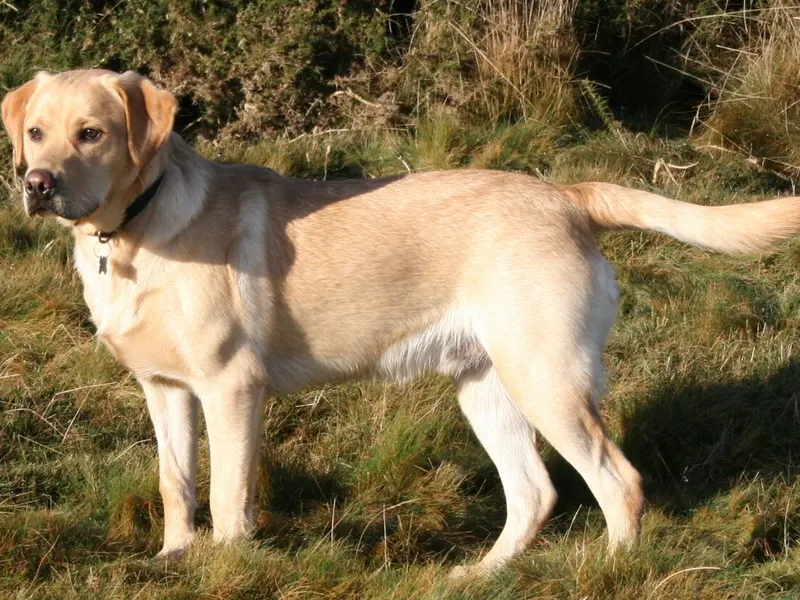
Labrador Retriever
Sporting
55–80 lbs · 10–12 yrs
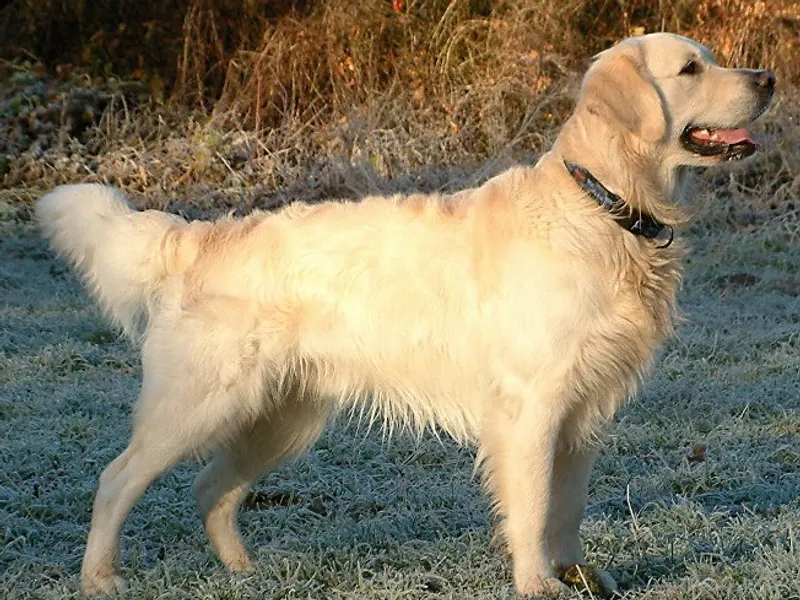
Golden Retriever
Sporting
55–75 lbs · 10–12 yrs
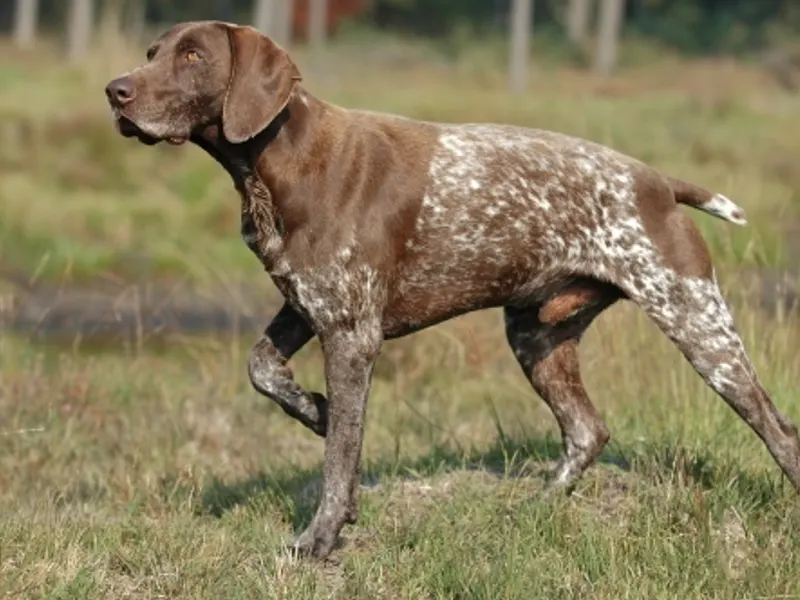
German Shorthaired Pointer
Sporting
45–70 lbs · 10–12 yrs
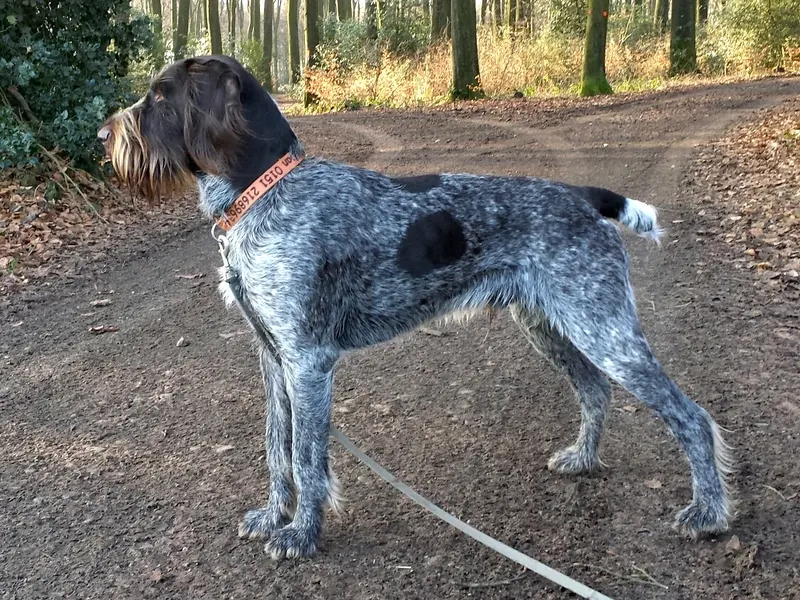
German Wirehaired Pointer
Sporting
50–70 lbs · 12–14 yrs
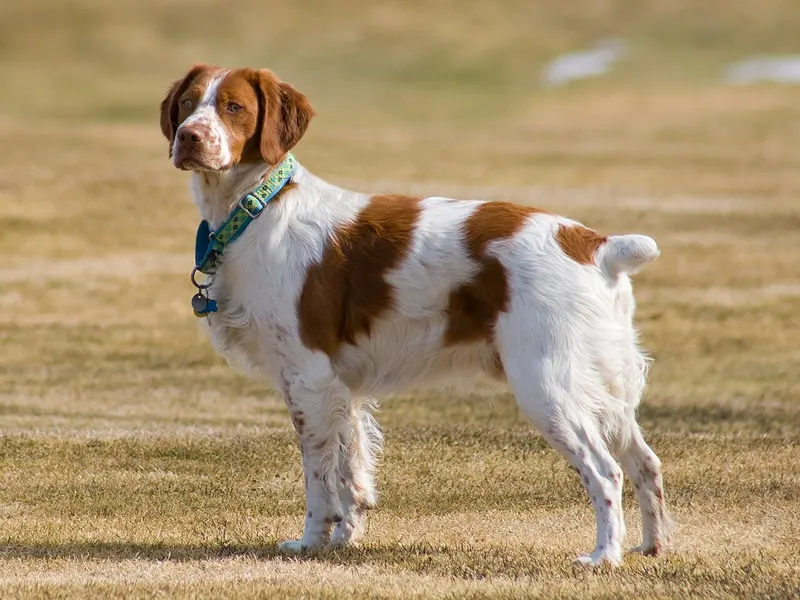
Brittany
Sporting
30–40 lbs · 12–14 yrs
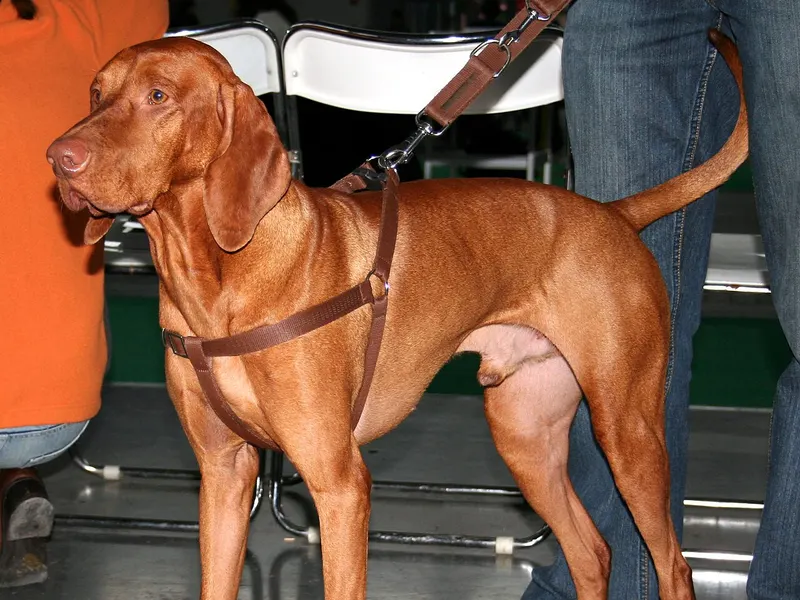
Vizsla
Sporting
44–60 lbs · 12–14 yrs
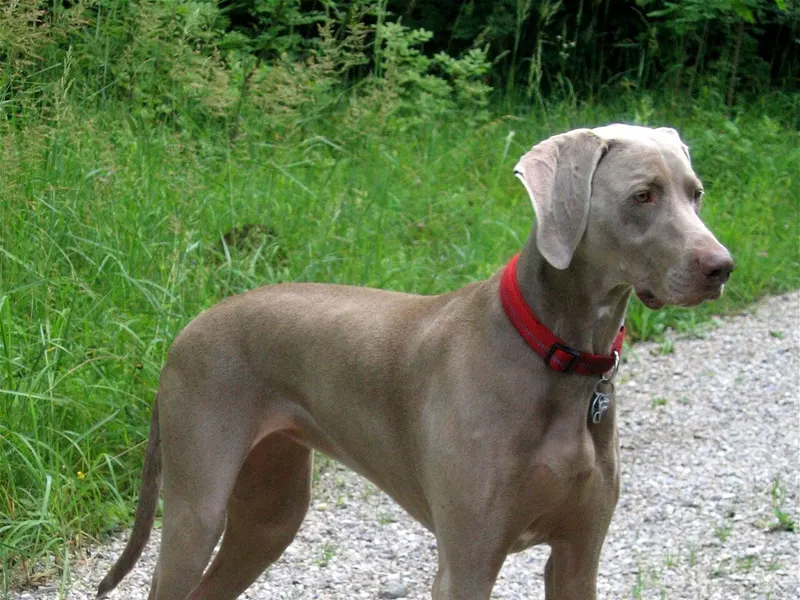
Weimaraner
Sporting
55–90 lbs · 10–13 yrs
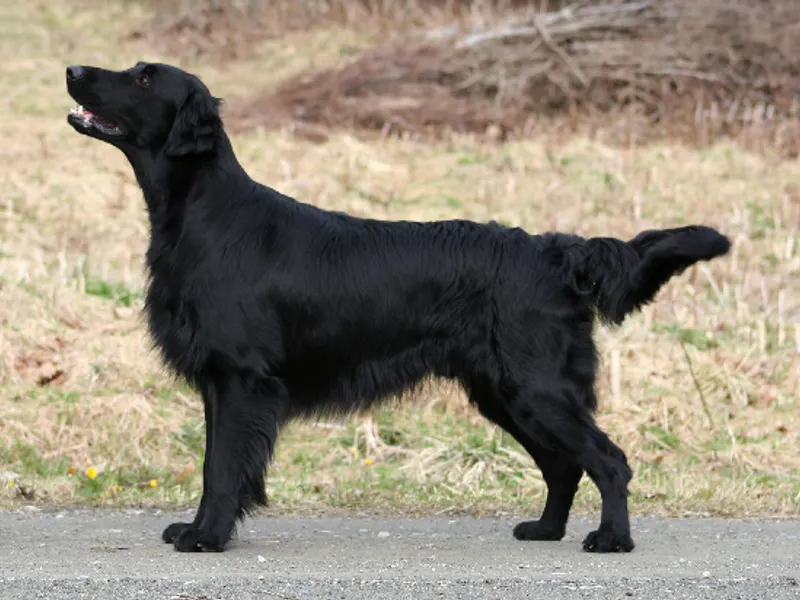
Flat-Coated Retriever
Sporting
55–70 lbs · 8–10 yrs
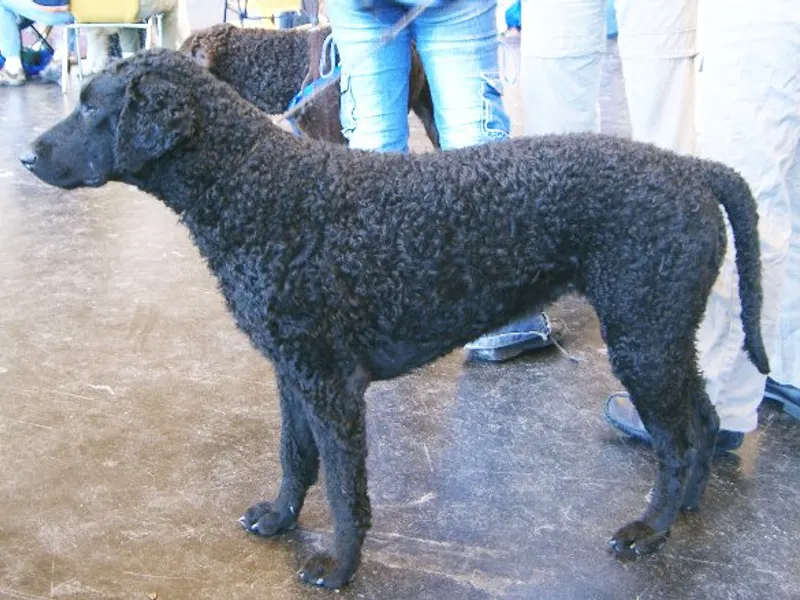
Curly-Coated Retriever
Sporting
60–95 lbs · 10–12 yrs
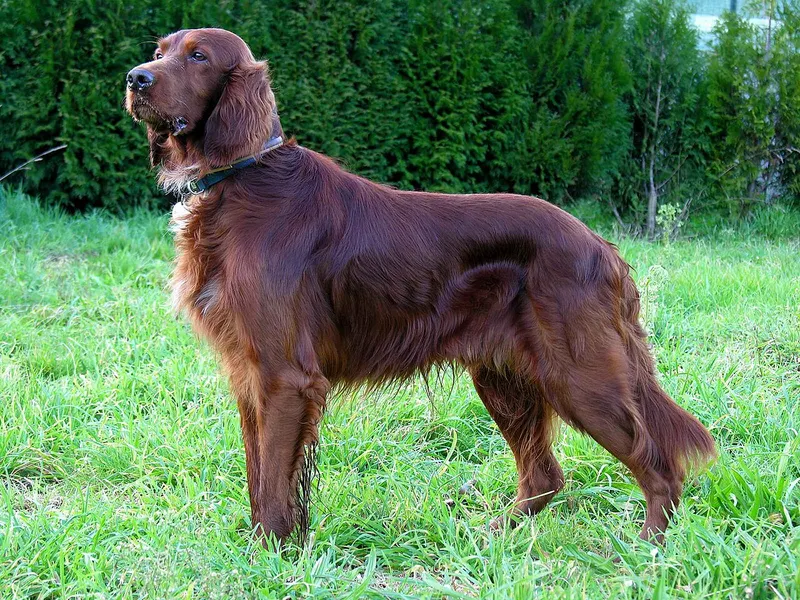
Irish Setter
Sporting
60–70 lbs · 12–15 yrs
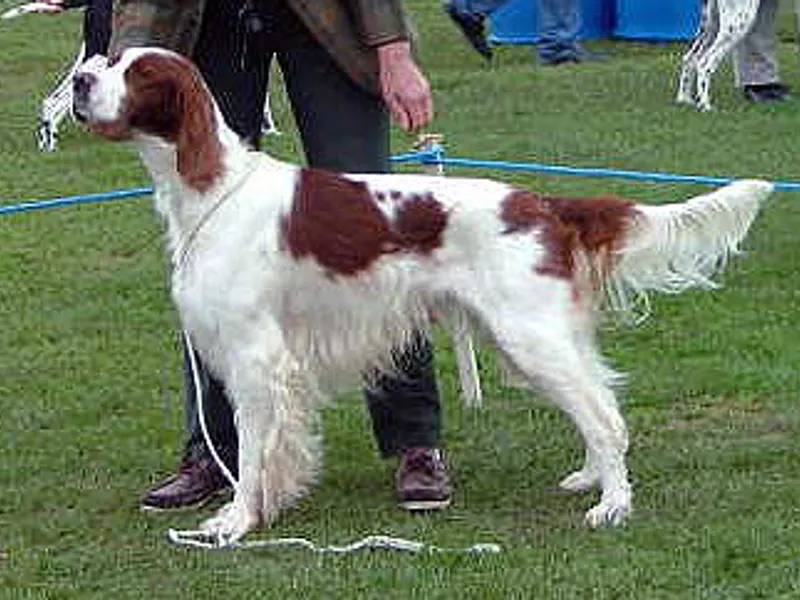
Irish Red and White Setter
Sporting
45–70 lbs · 11–13 yrs
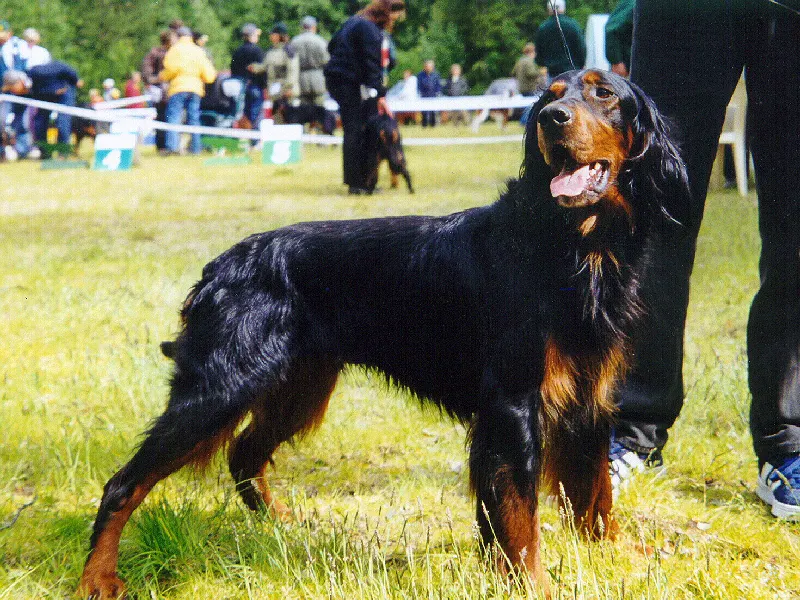
Gordon Setter
Sporting
45–80 lbs · 10–12 yrs
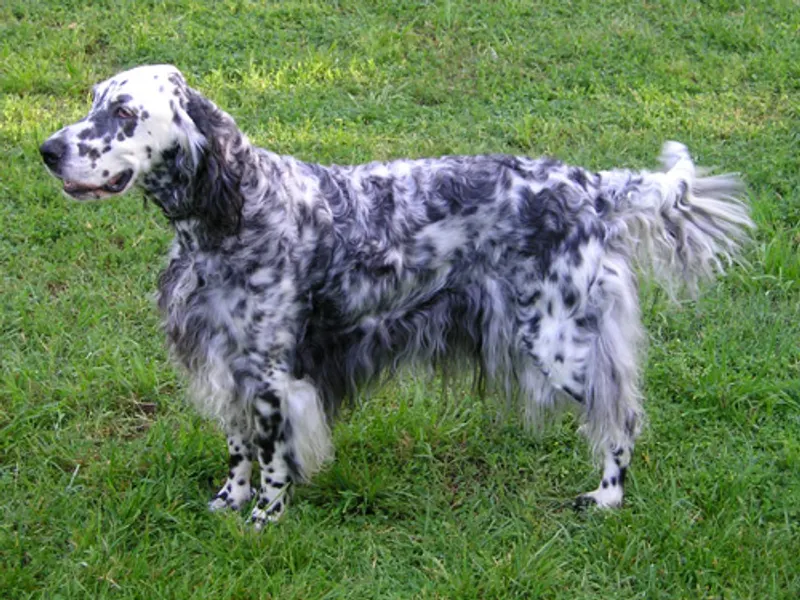
English Setter
Sporting
45–80 lbs · 11–15 yrs
Pointer
Sporting
45–75 lbs · 12–17 yrs
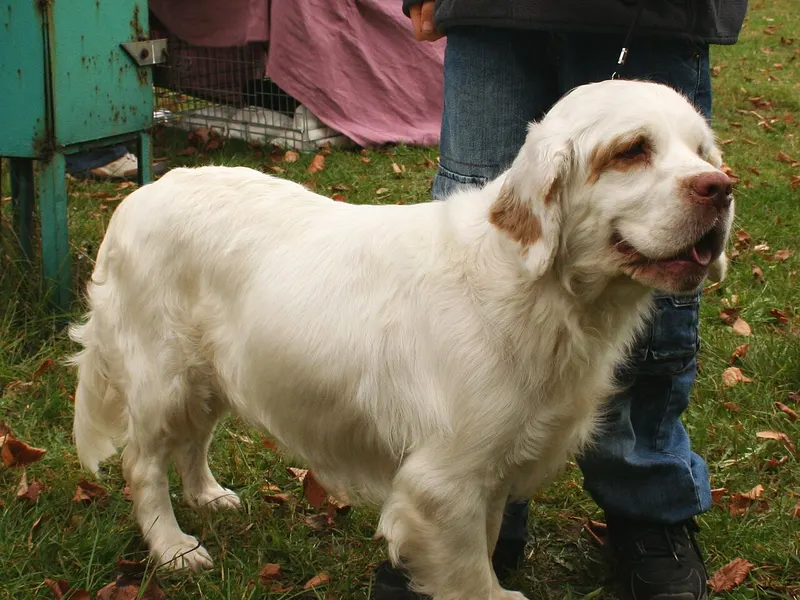
Clumber Spaniel
Sporting
40–85 lbs · 10–12 yrs
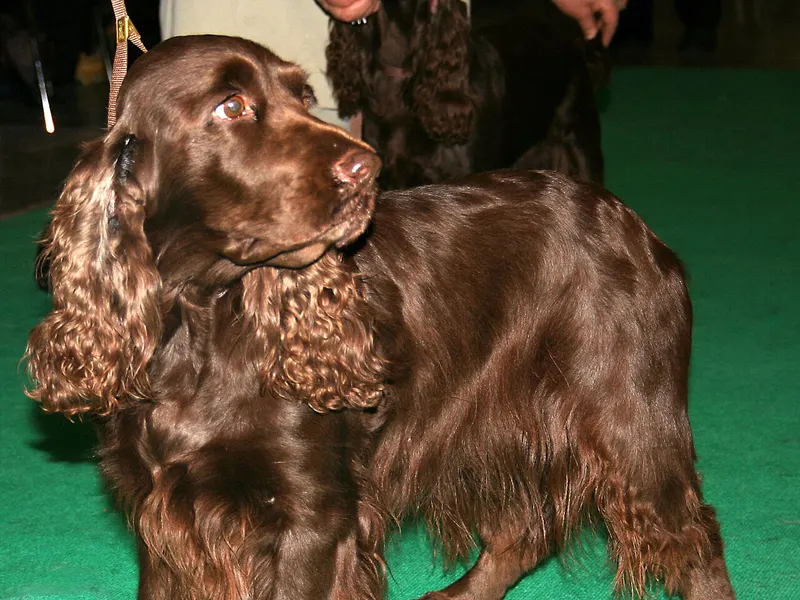
Field Spaniel
Sporting
35–50 lbs · 10–12 yrs
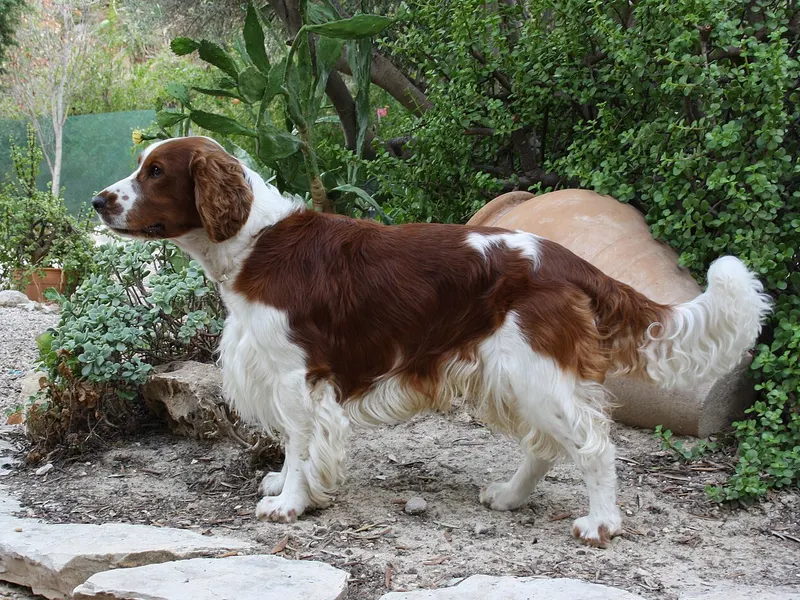
Welsh Springer Spaniel
Sporting
35–45 lbs · 12–15 yrs
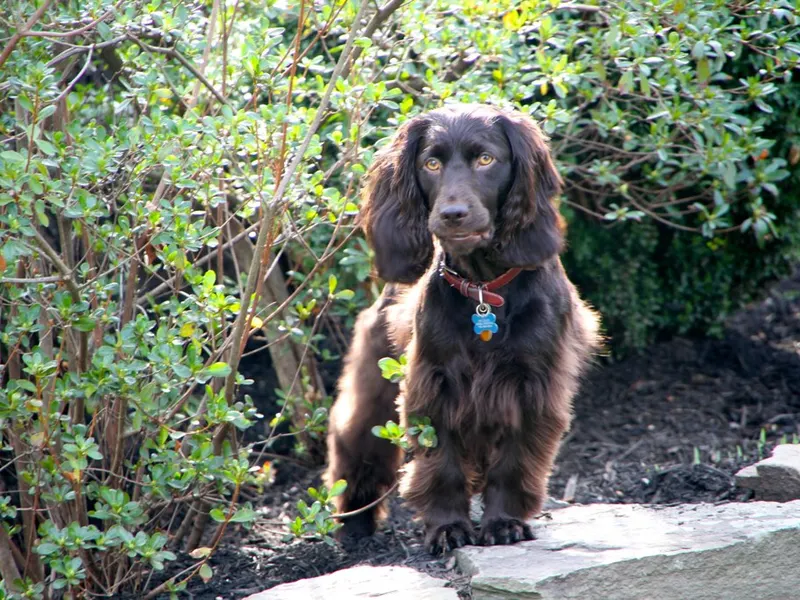
Boykin Spaniel
Sporting
25–40 lbs · 10–15 yrs
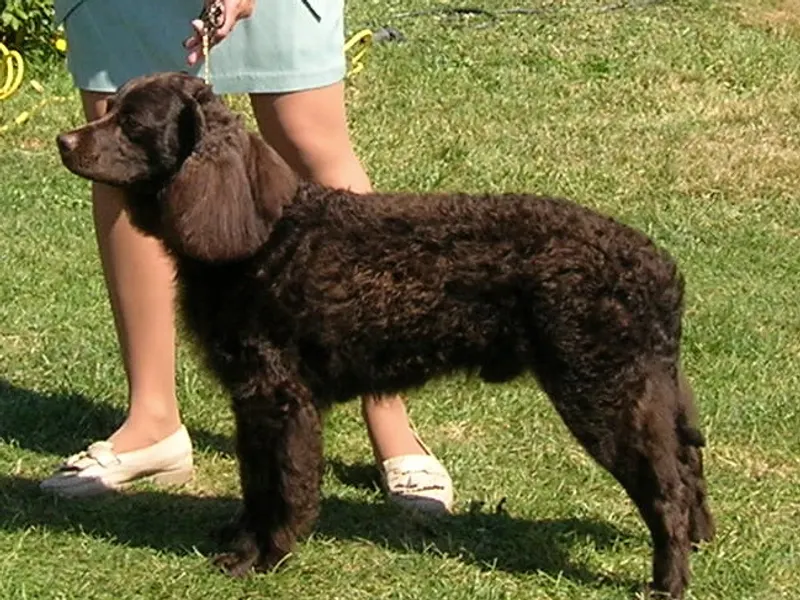
American Water Spaniel
Sporting
25–45 lbs · 10–14 yrs
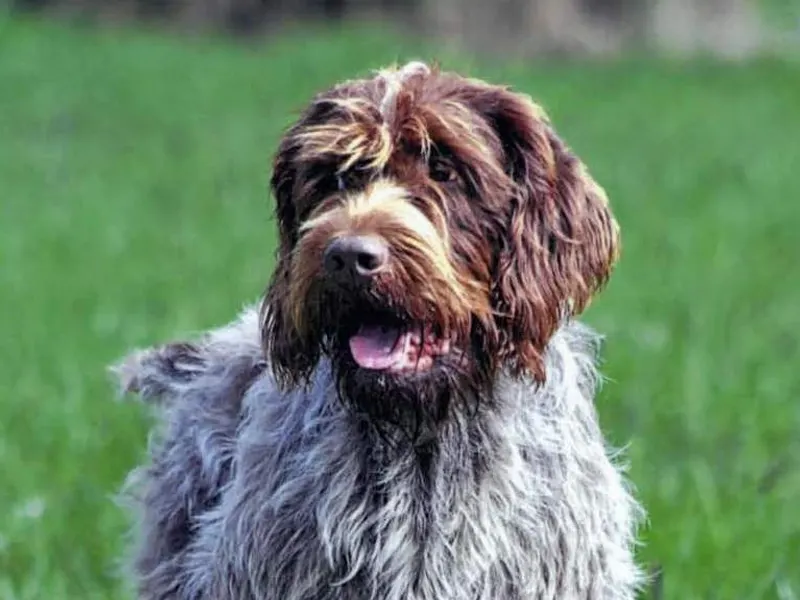
Wirehaired Pointing Griffon
Sporting
35–70 lbs · 12–14 yrs
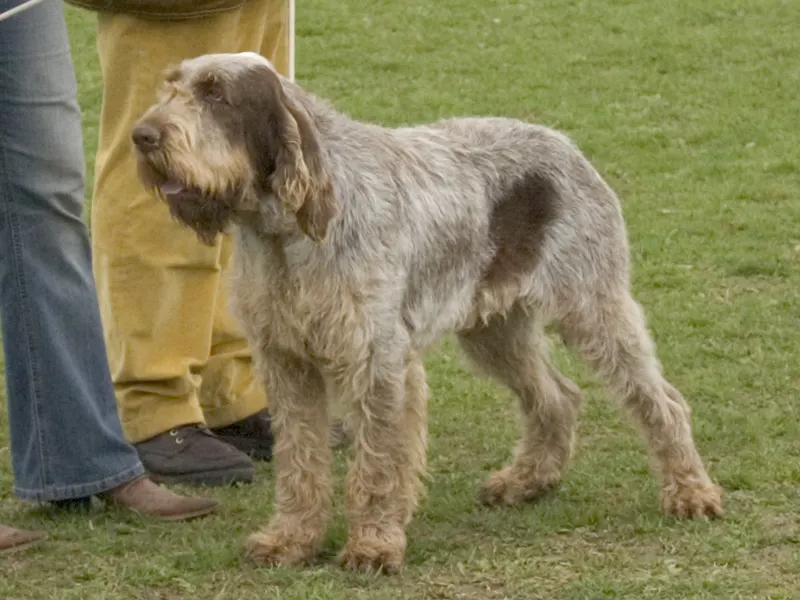
Spinone Italiano
Sporting
62–85 lbs · 10–12 yrs
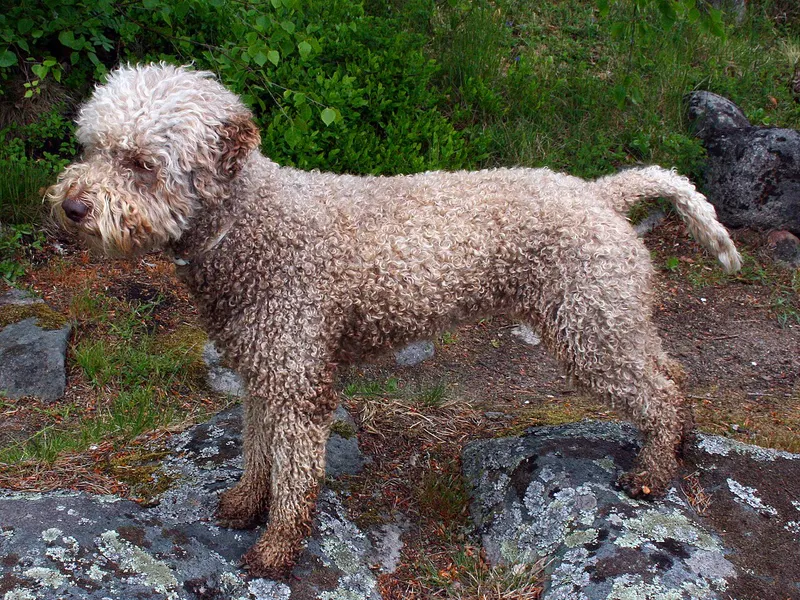
Lagotto Romagnolo
Sporting
24–35 lbs · 15–17 yrs
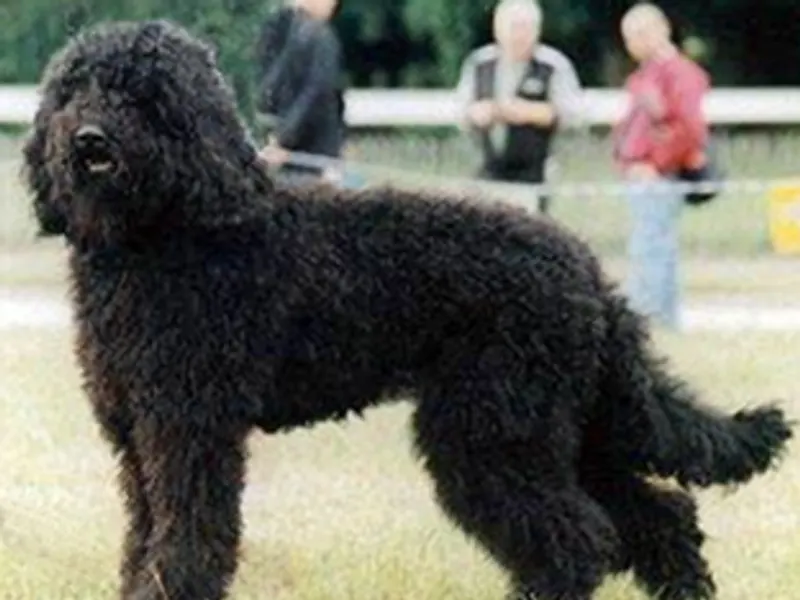
Barbet
Sporting
35–65 lbs · 13–15 yrs
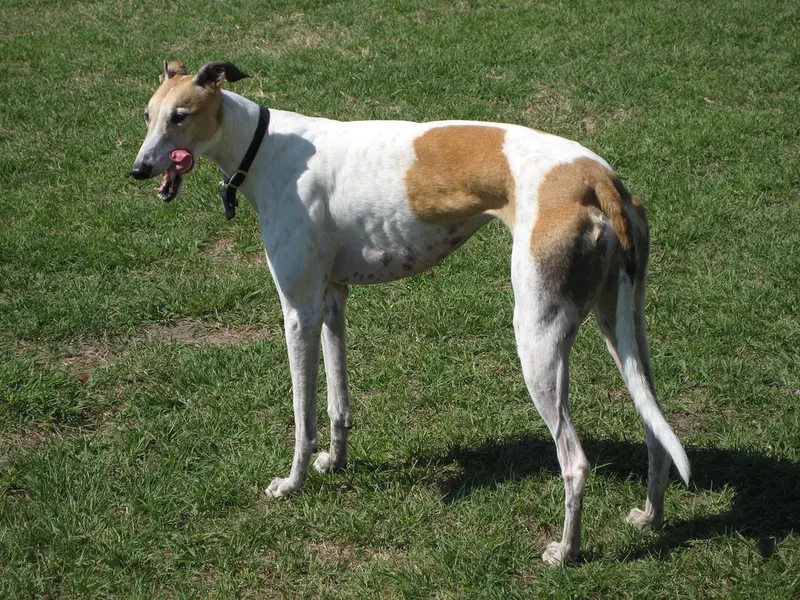
Greyhound
Hound
60–88 lbs · 10–14 yrs
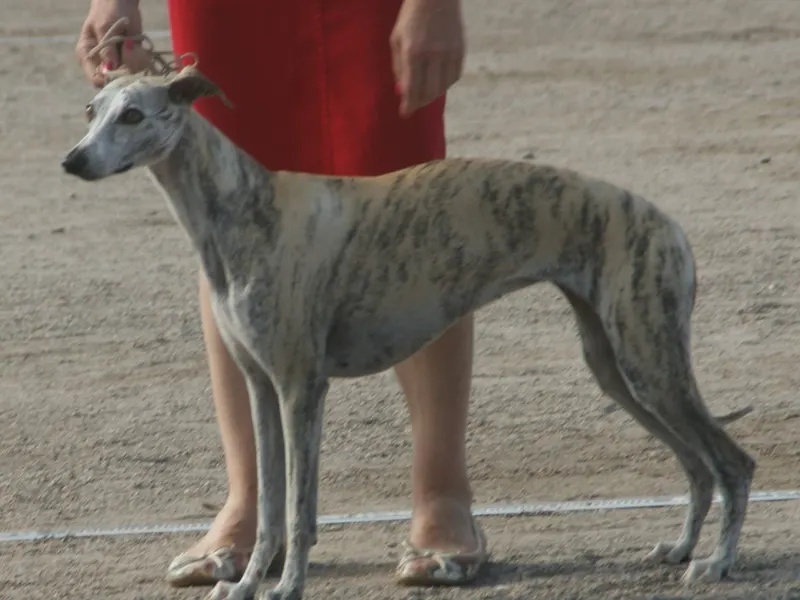
Whippet
Hound
25–40 lbs · 12–15 yrs
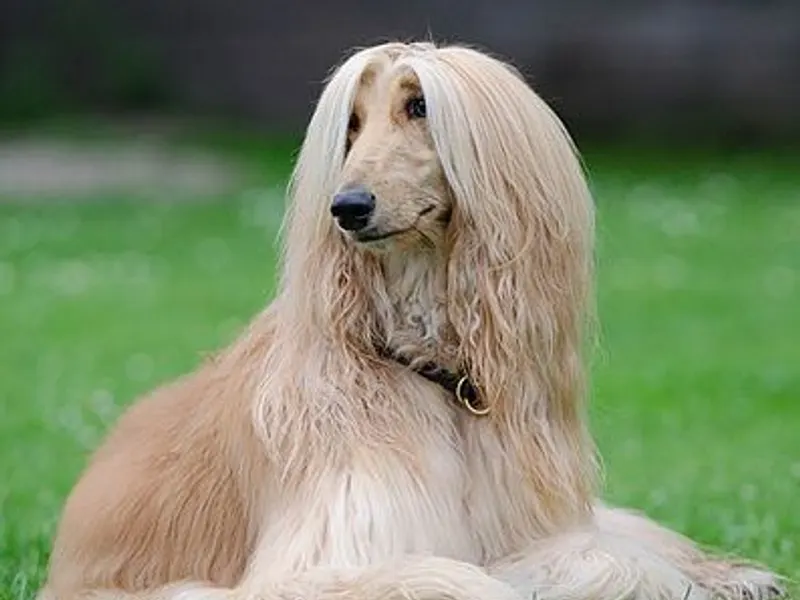
Afghan Hound
Hound
50–60 lbs · 12–18 yrs
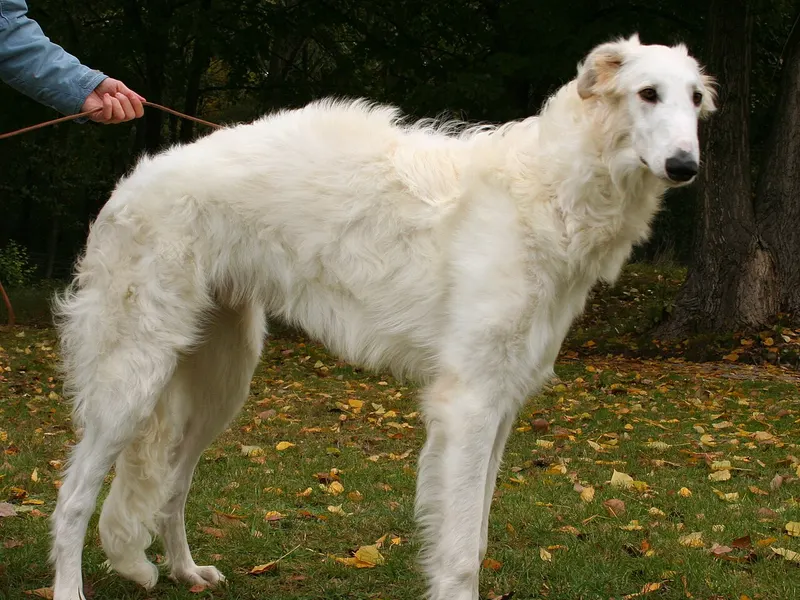
Borzoi
Hound
60–105 lbs · 9–14 yrs
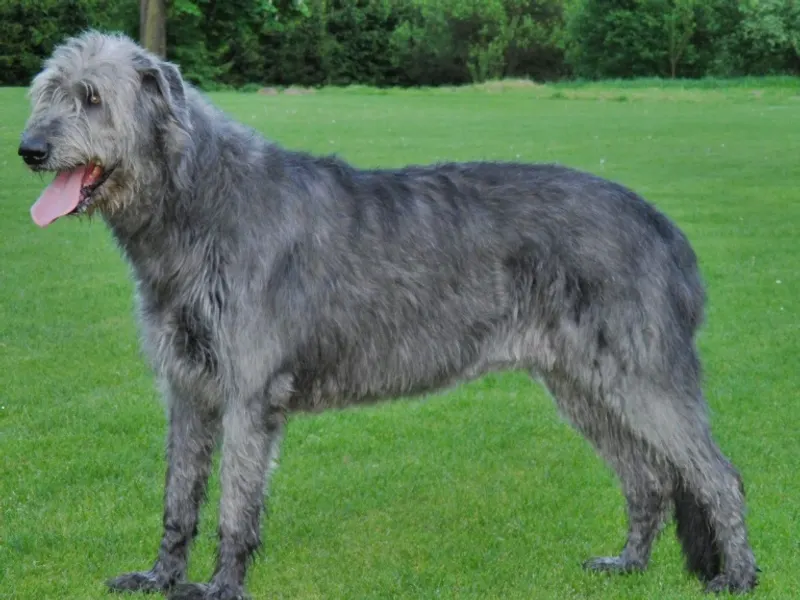
Irish Wolfhound
Hound
105–180 lbs · 6–8 yrs
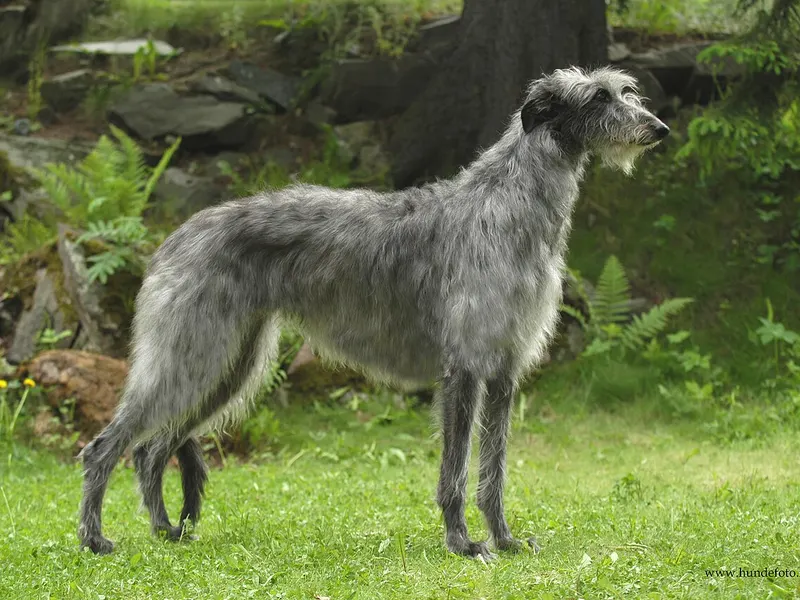
Scottish Deerhound
Hound
75–110 lbs · 8–11 yrs
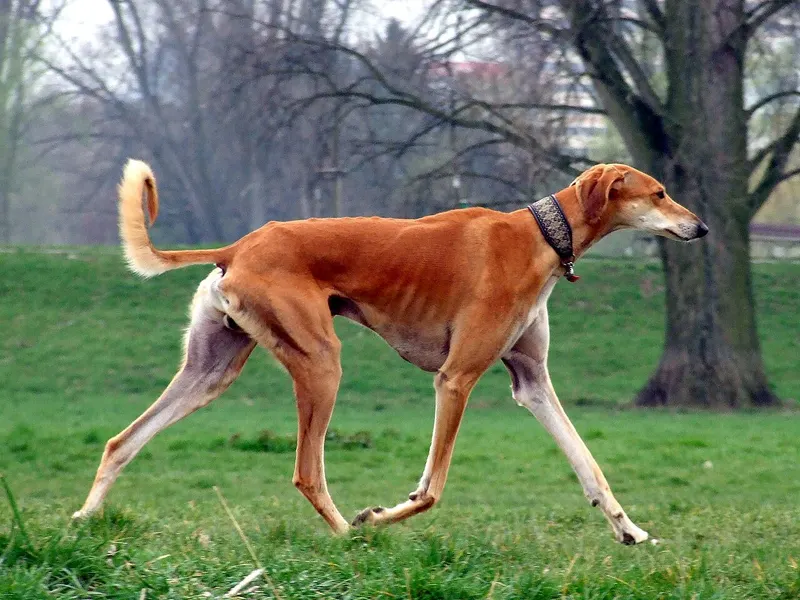
Saluki
Hound
40–65 lbs · 12–14 yrs
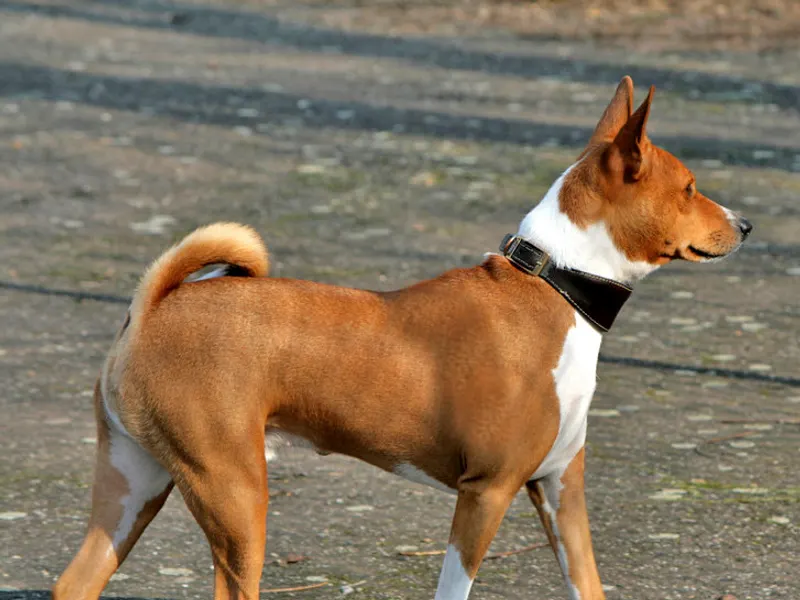
Basenji
Hound
22–24 lbs · 13–14 yrs
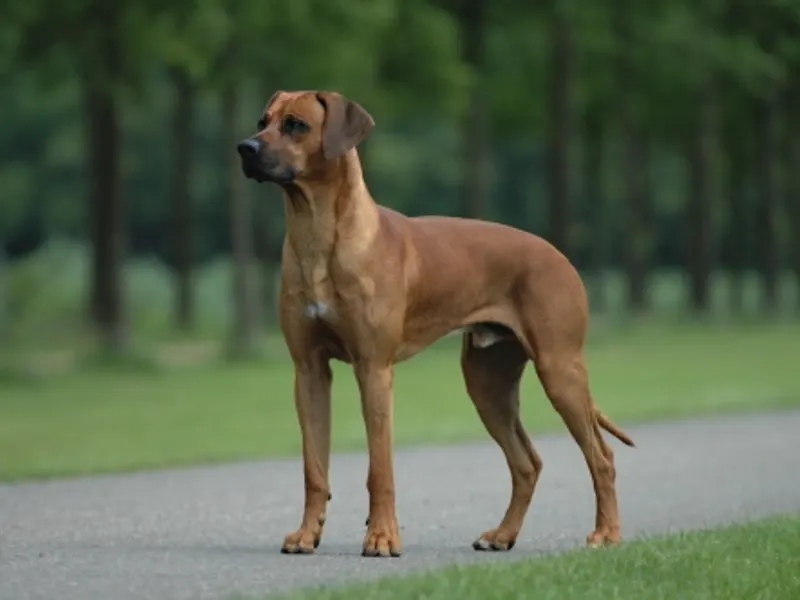
Rhodesian Ridgeback
Hound
70–85 lbs · 10–12 yrs
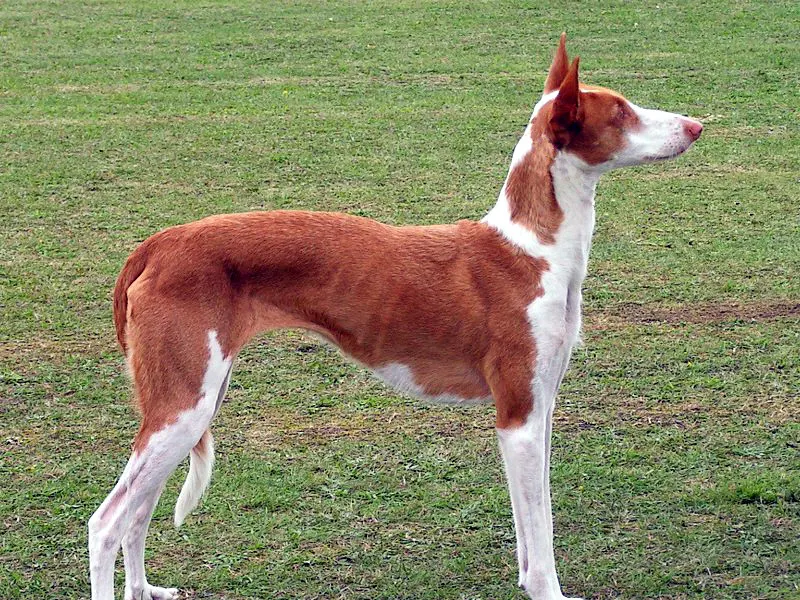
Ibizan Hound
Hound
45–50 lbs · 11–14 yrs
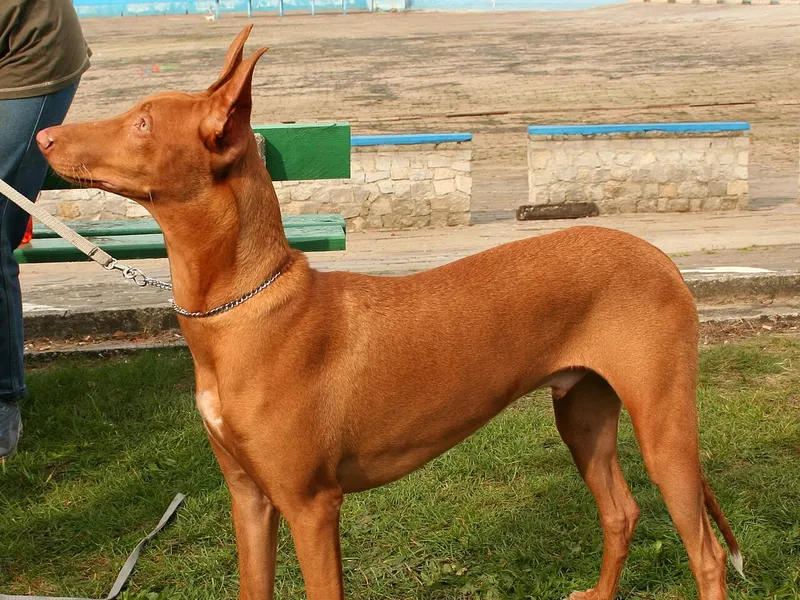
Pharaoh Hound
Hound
45–55 lbs · 11–14 yrs
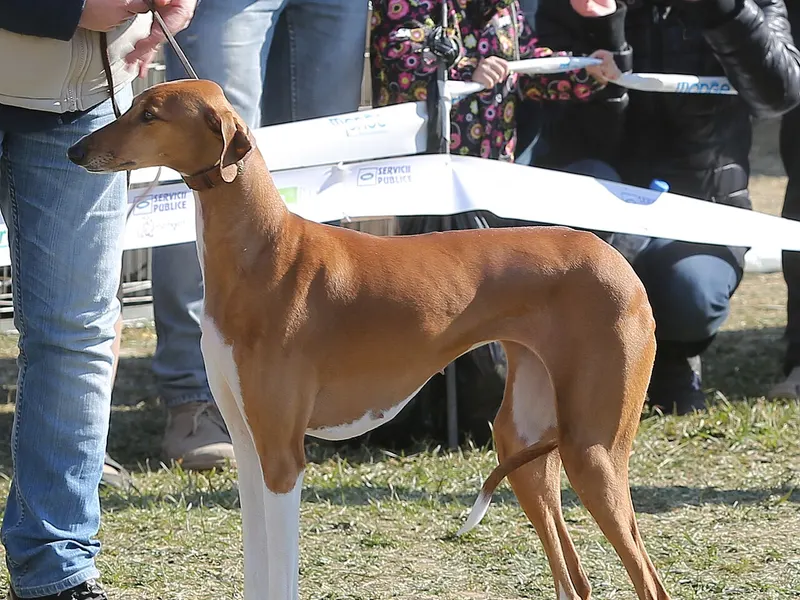
Azawakh
Hound
33–55 lbs · 12–15 yrs
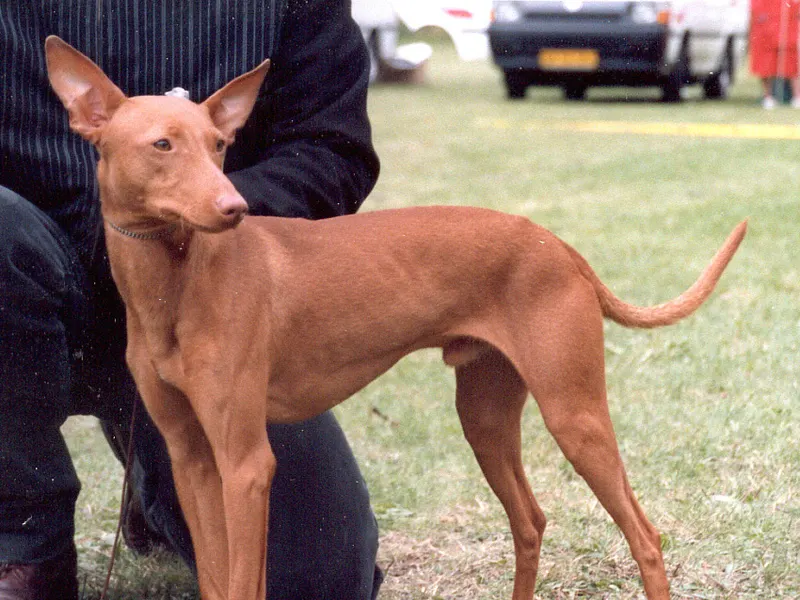
Cirneco dell'Etna
Hound
17–26 lbs · 12–14 yrs
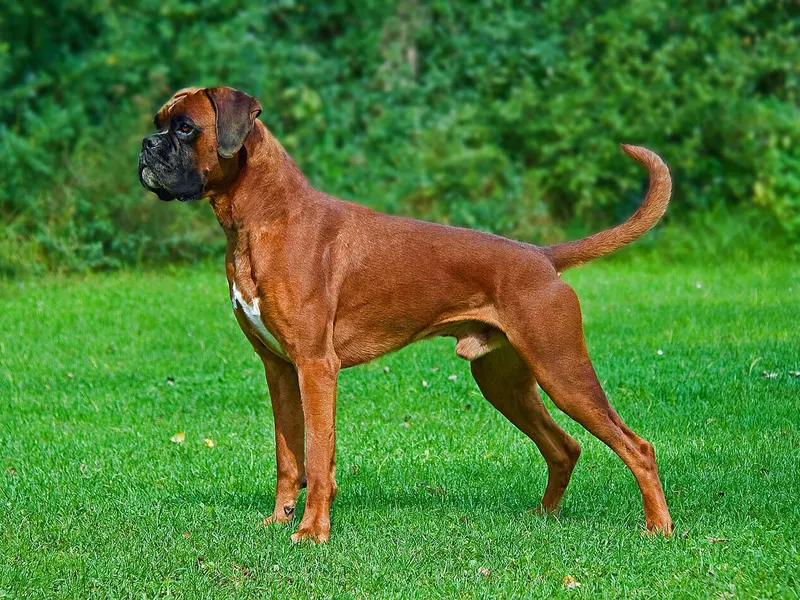
Boxer
Working
50–80 lbs · 10–12 yrs
Doberman Pinscher
Working
60–100 lbs · 10–13 yrs
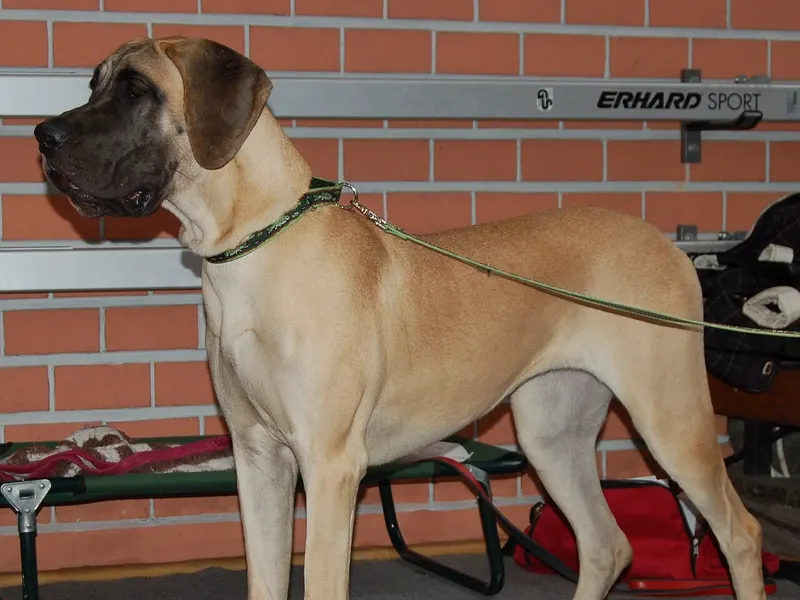
Great Dane
Working
110–175 lbs · 7–10 yrs
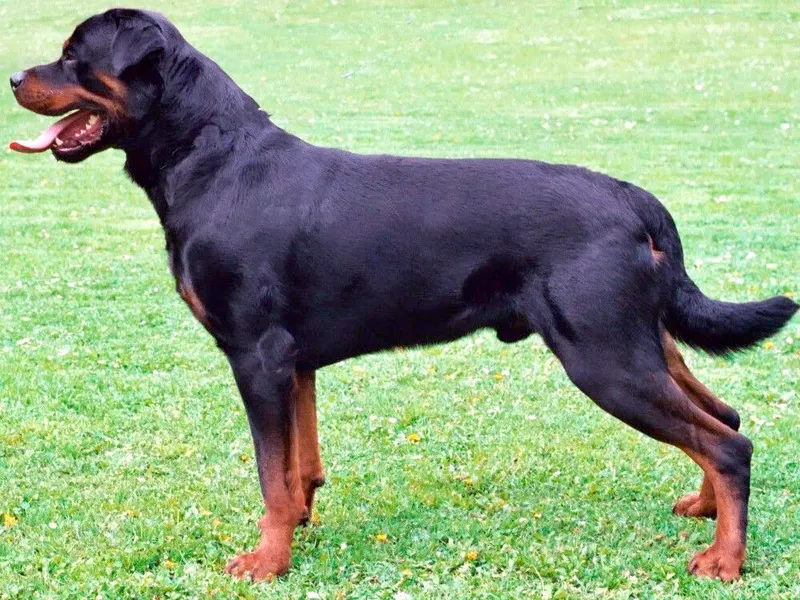
Rottweiler
Working
80–135 lbs · 8–10 yrs
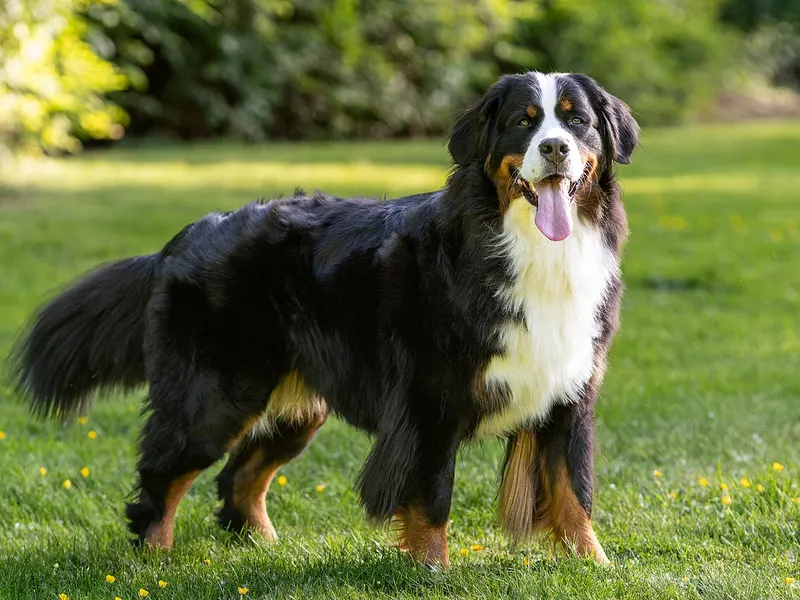
Bernese Mountain Dog
Working
70–115 lbs · 7–10 yrs
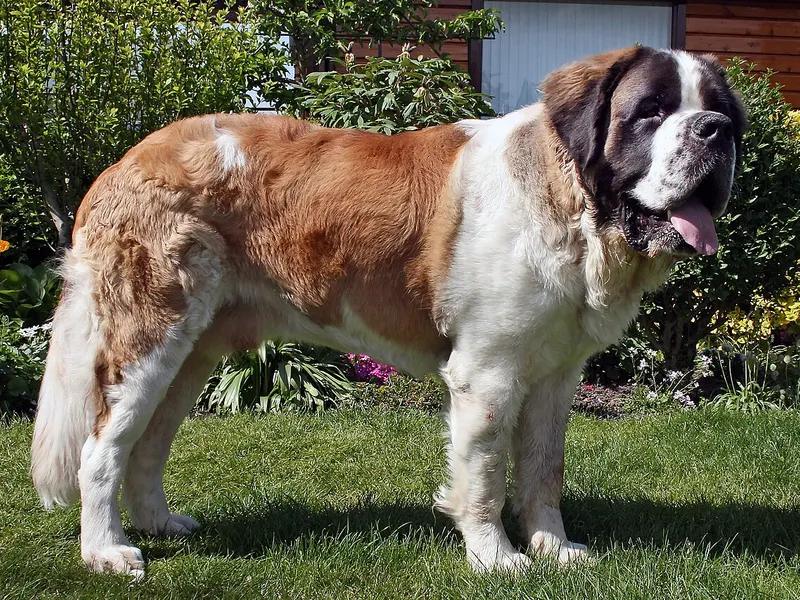
Saint Bernard
Working
120–180 lbs · 8–10 yrs
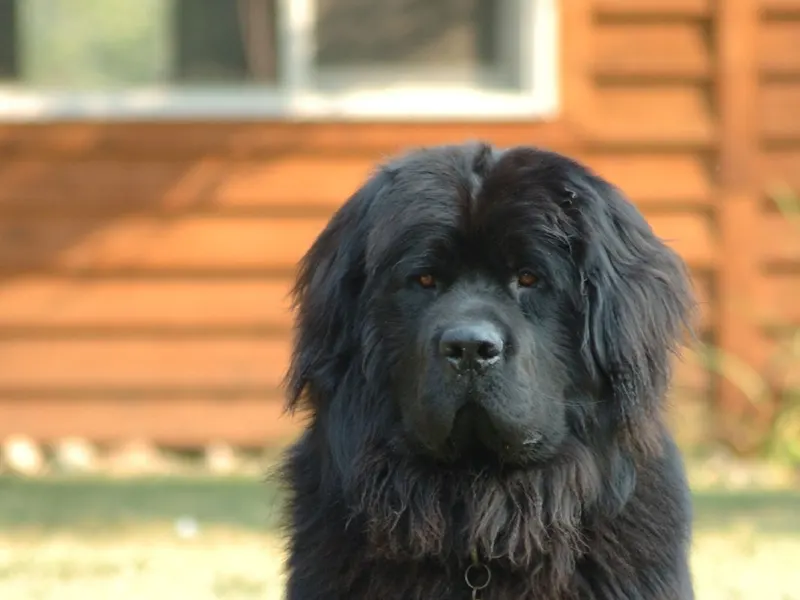
Newfoundland
Working
100–150 lbs · 9–10 yrs
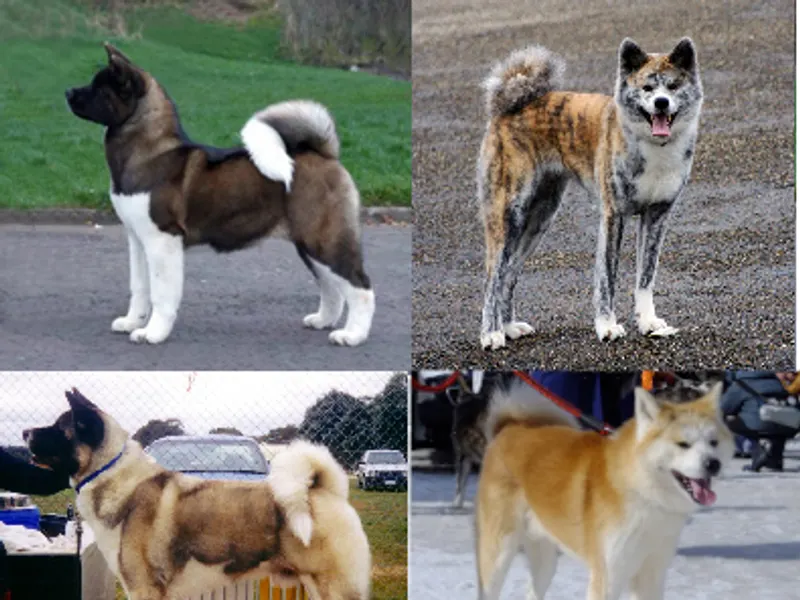
Akita
Working
70–130 lbs · 10–13 yrs
Mastiff
Working
120–230 lbs · 6–10 yrs
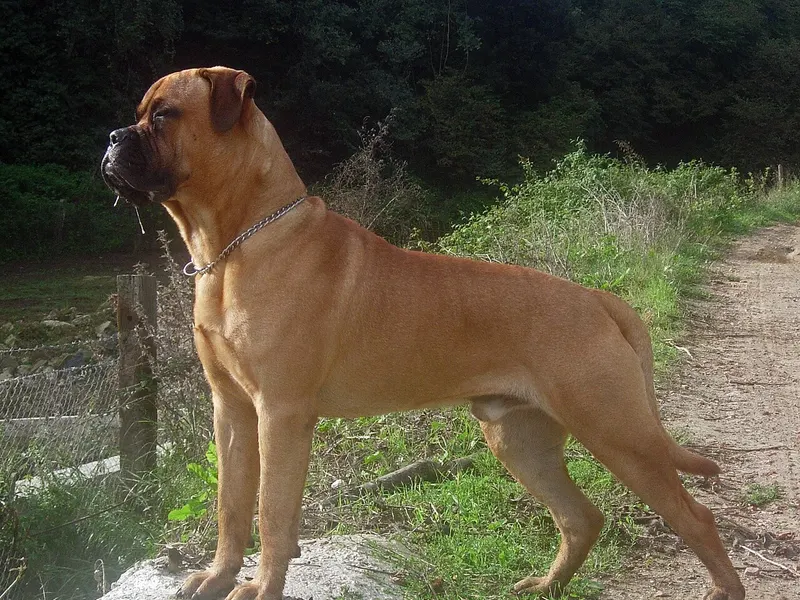
Bullmastiff
Working
100–130 lbs · 7–9 yrs
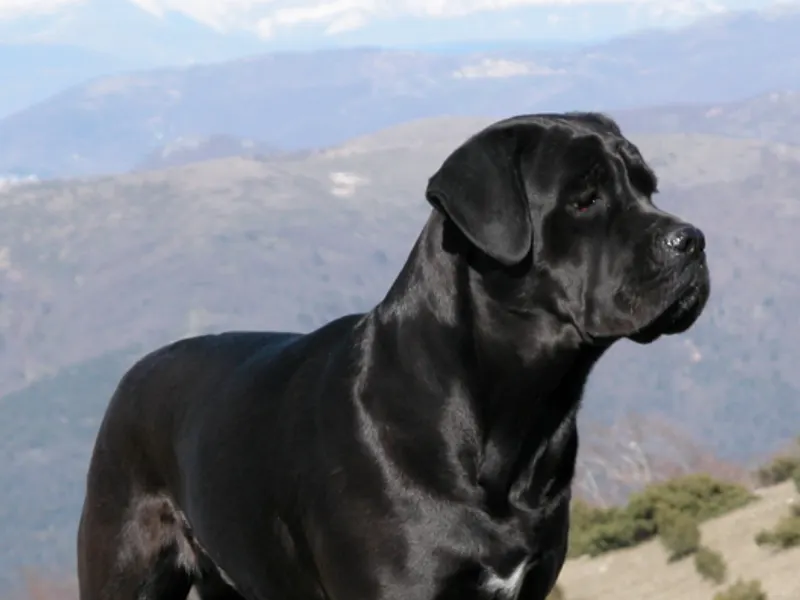
Cane Corso
Working
88–120 lbs · 9–12 yrs
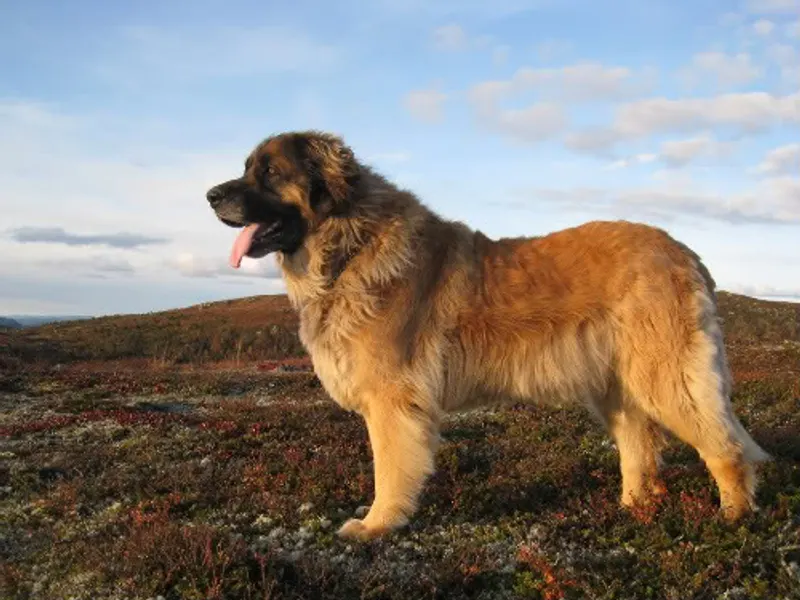
Leonberger
Working
90–170 lbs · 7–9 yrs
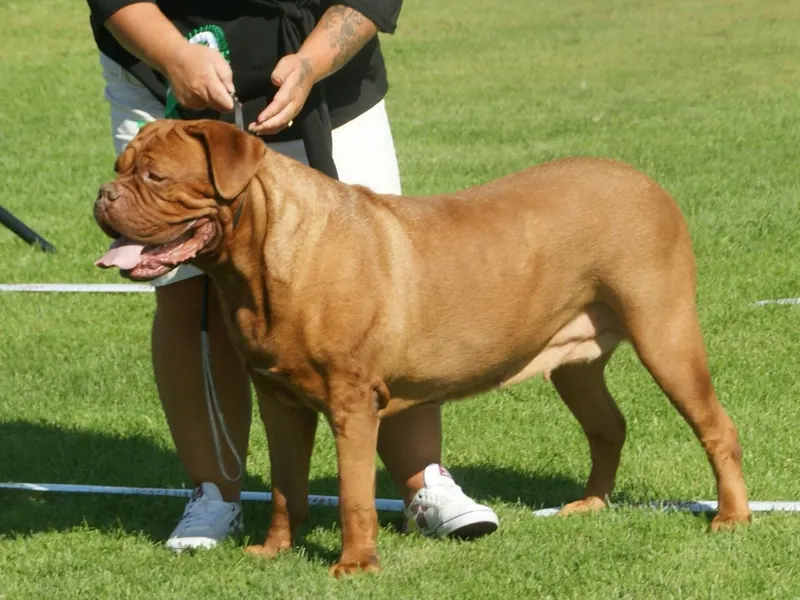
Dogue de Bordeaux
Working
99–110 lbs · 5–8 yrs
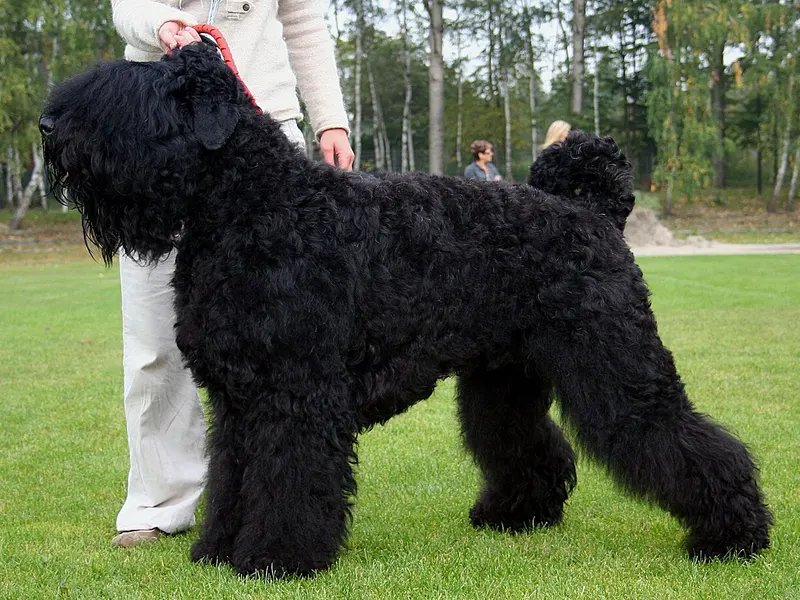
Black Russian Terrier
Working
80–140 lbs · 10–12 yrs
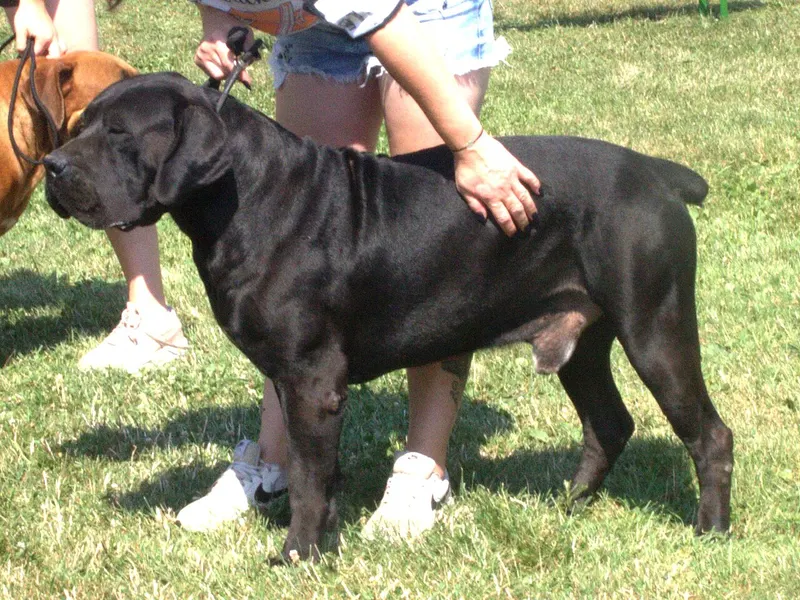
Boerboel
Working
150–200 lbs · 9–11 yrs
Chinook
Working
50–90 lbs · 12–15 yrs
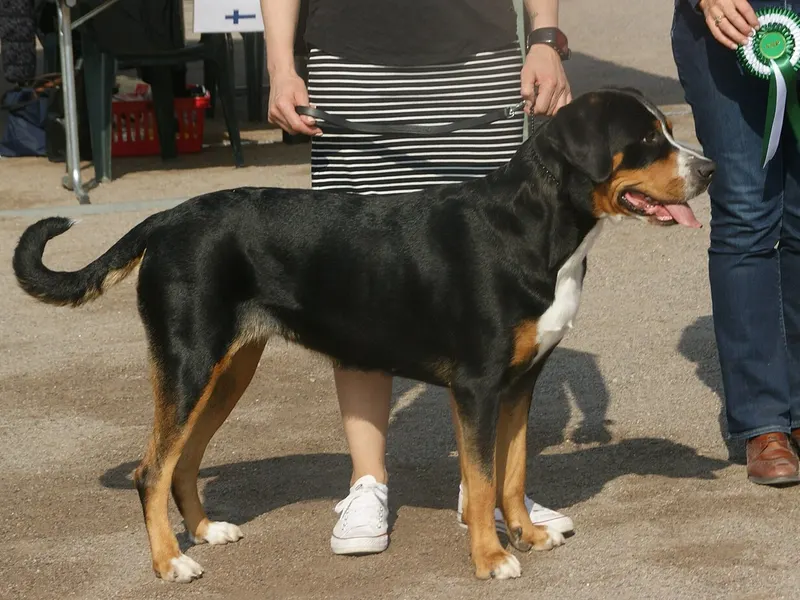
Greater Swiss Mountain Dog
Working
85–140 lbs · 8–11 yrs
Neapolitan Mastiff
Working
110–150 lbs · 7–9 yrs
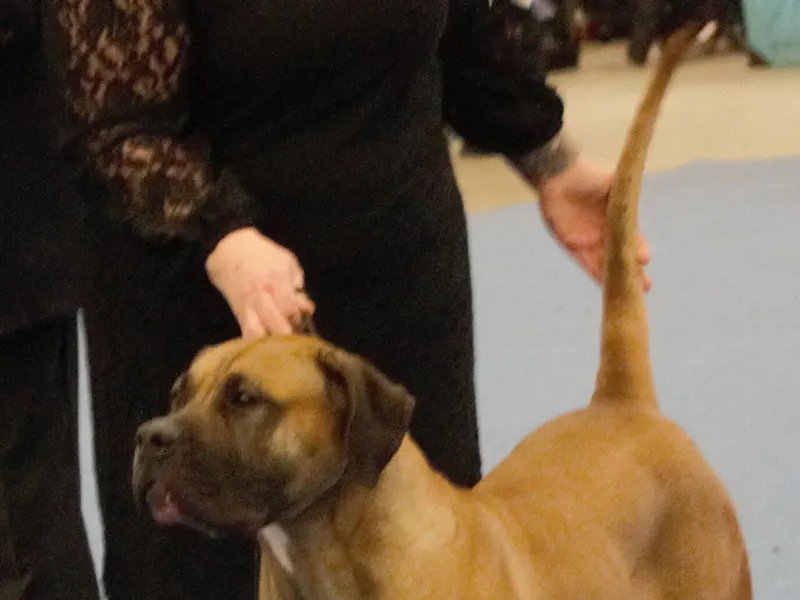
Presa Canario
Working
80–130 lbs · 9–11 yrs
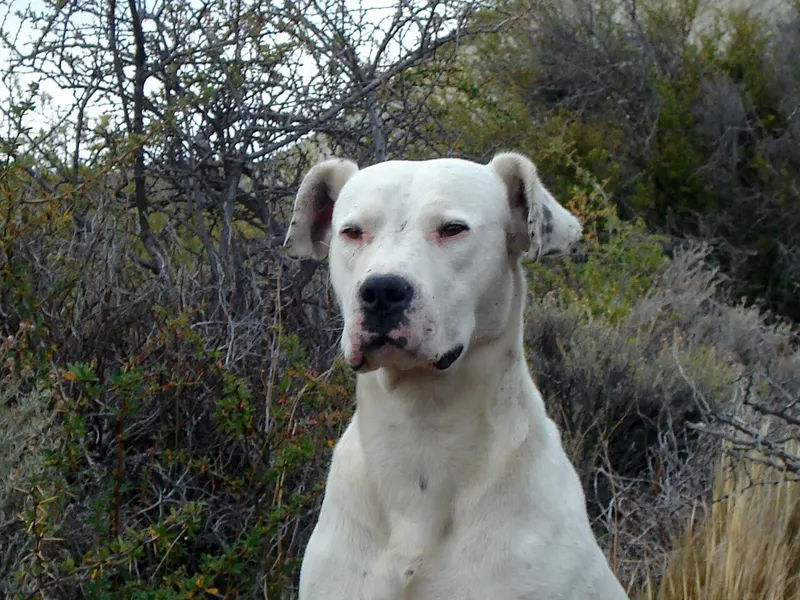
Dogo Argentino
Working
80–100 lbs · 9–15 yrs
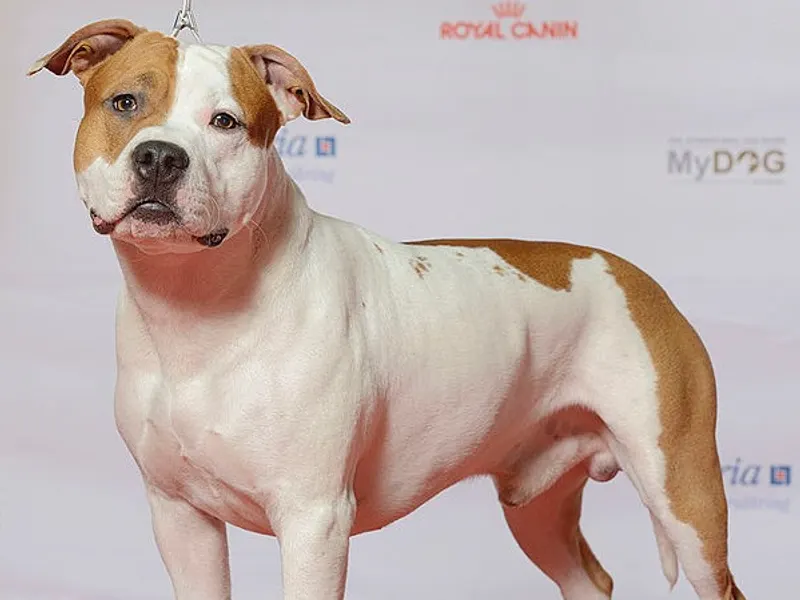
American Staffordshire Terrier
Terrier
40–70 lbs · 12–16 yrs
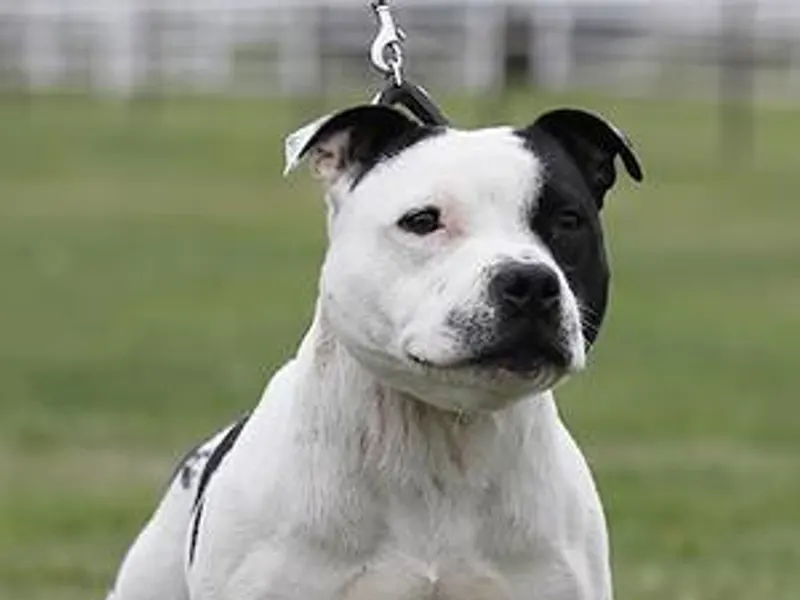
Staffordshire Bull Terrier
Terrier
24–38 lbs · 12–14 yrs
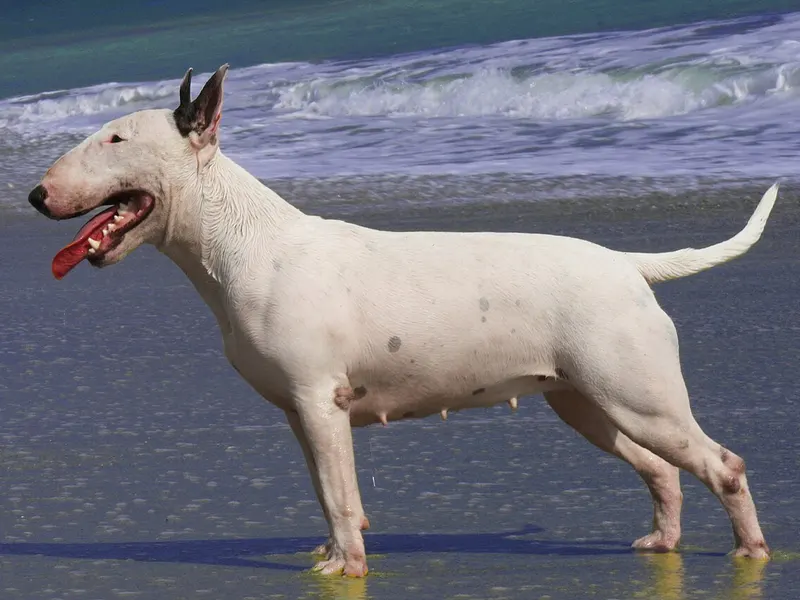
Bull Terrier
Terrier
35–65 lbs · 11–13 yrs
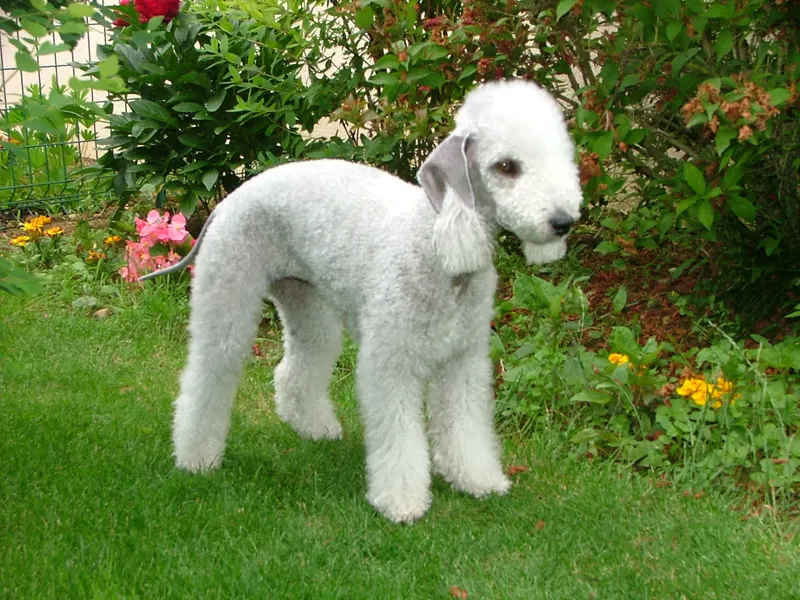
Bedlington Terrier
Terrier
17–23 lbs · 11–16 yrs
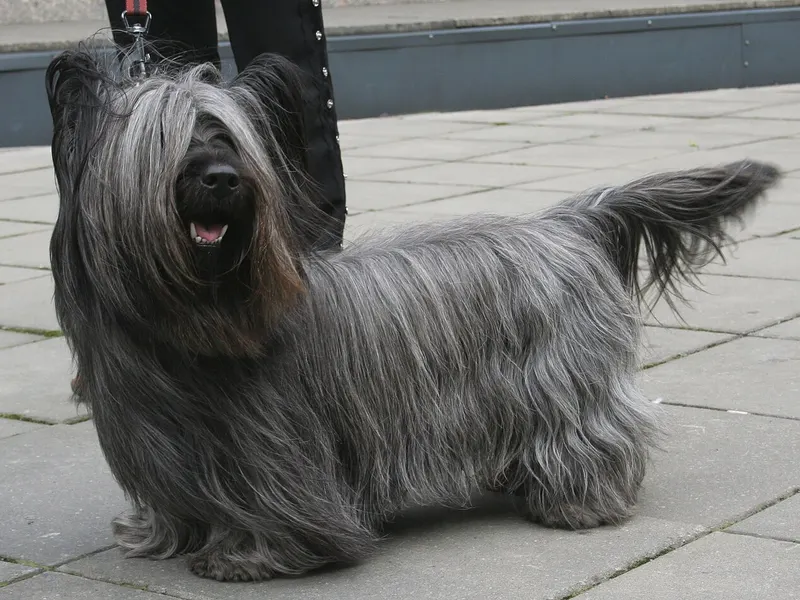
Skye Terrier
Terrier
25–40 lbs · 12–14 yrs
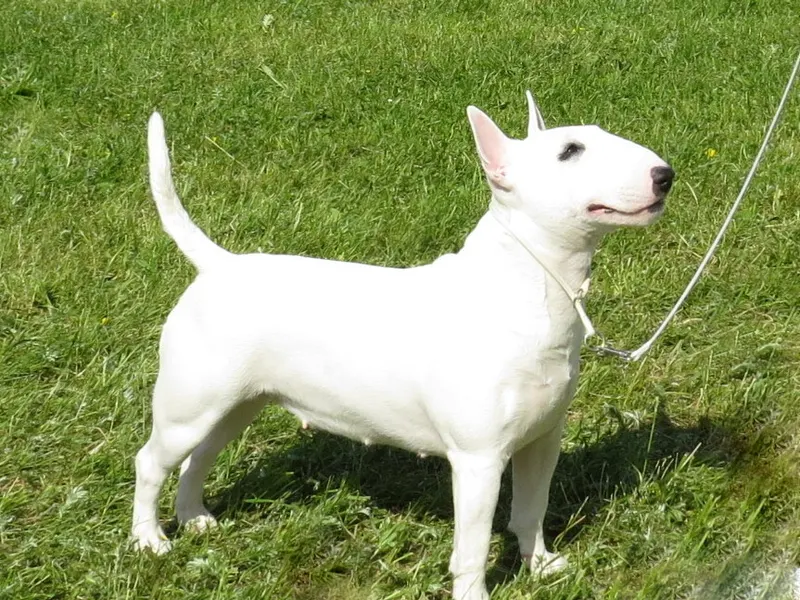
Miniature Bull Terrier
Terrier
25–33 lbs · 11–14 yrs
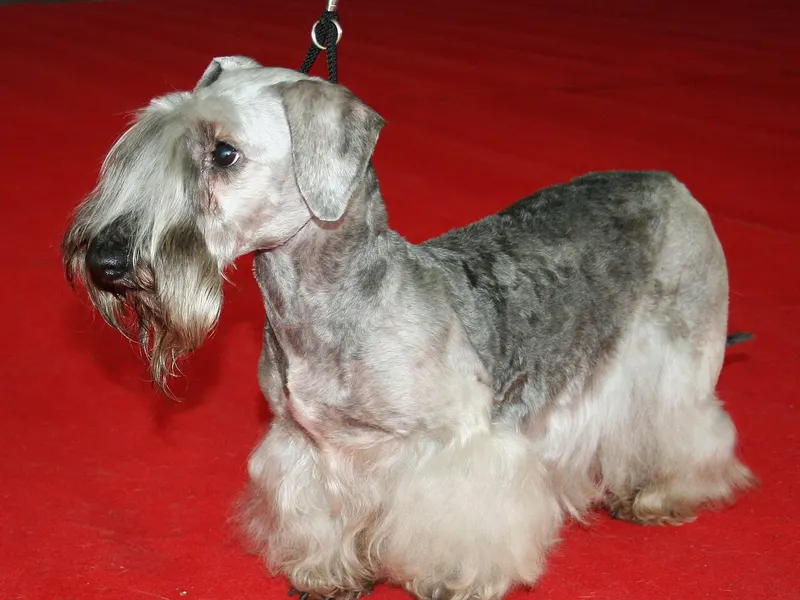
Cesky Terrier
Terrier
13–24 lbs · 12–15 yrs
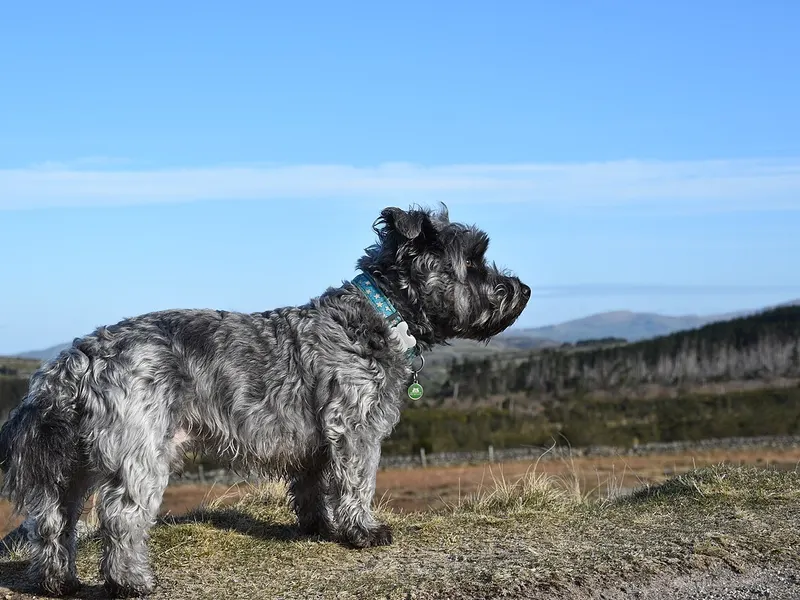
Glen of Imaal Terrier
Terrier
32–40 lbs · 10–15 yrs
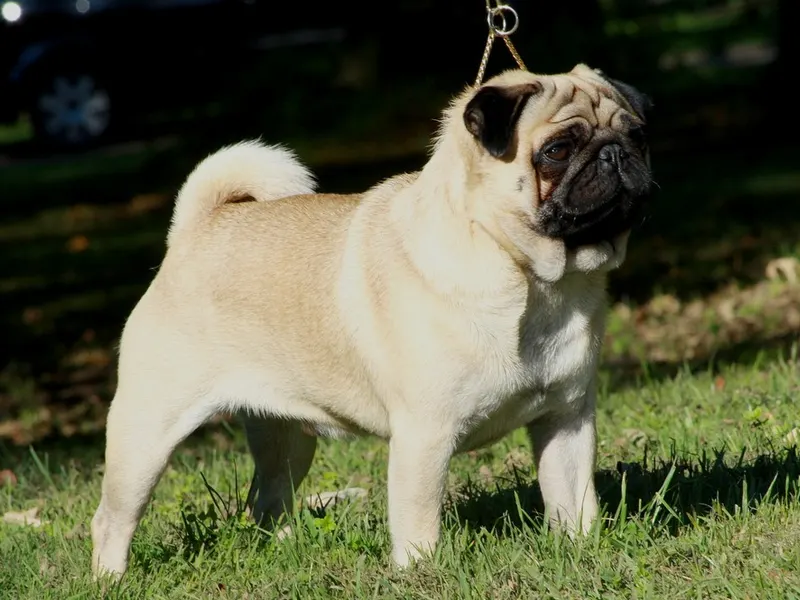
Pug
Toy
14–18 lbs · 13–15 yrs
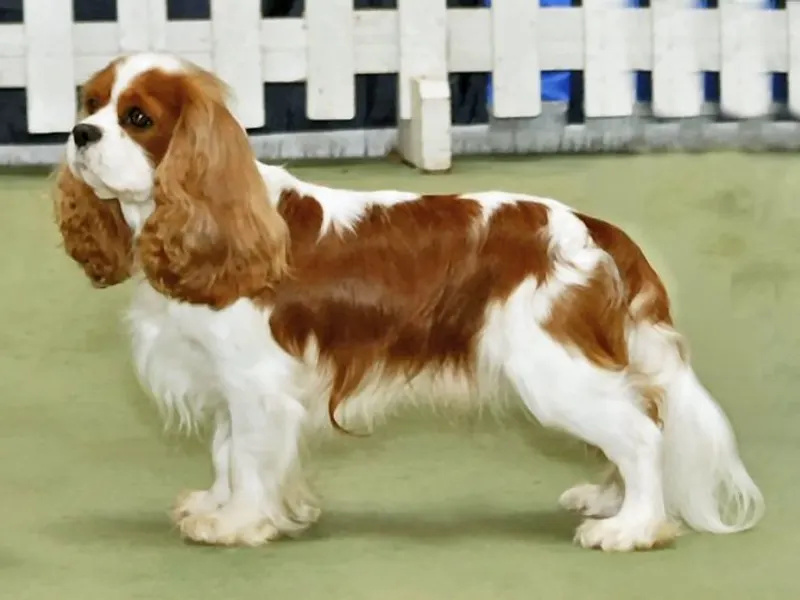
Cavalier King Charles Spaniel
Toy
13–18 lbs · 9–14 yrs
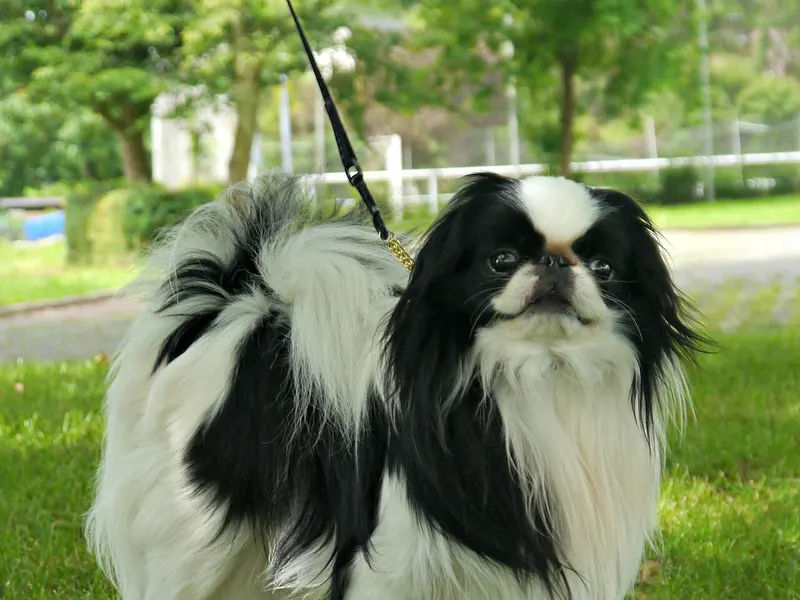
Japanese Chin
Toy
7–11 lbs · 10–12 yrs
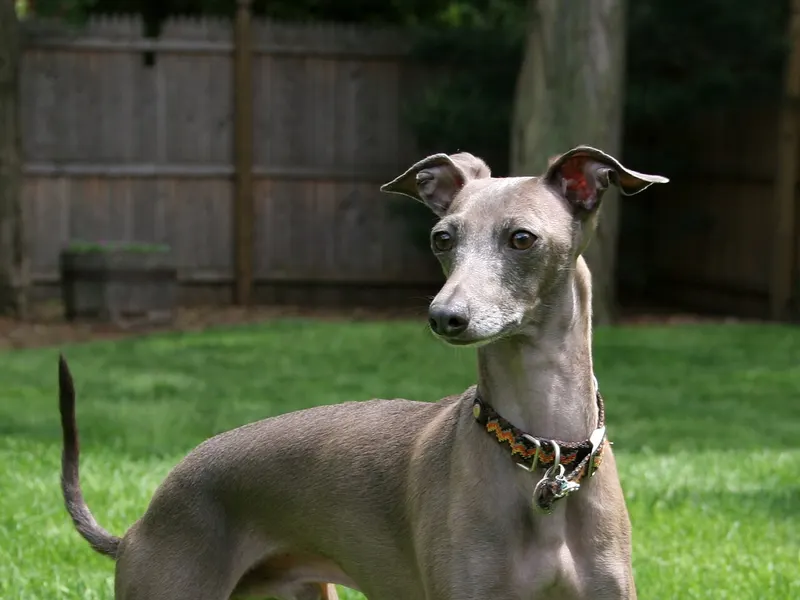
Italian Greyhound
Toy
7–14 lbs · 14–15 yrs
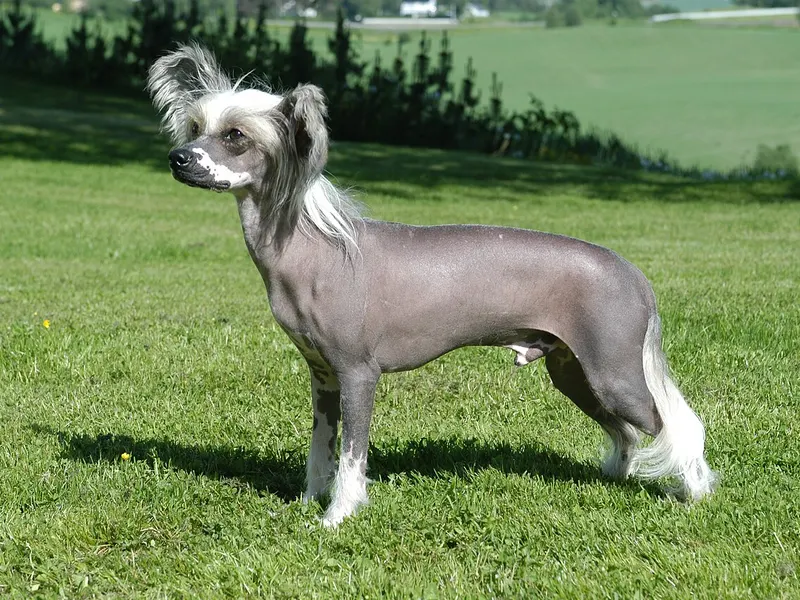
Chinese Crested
Toy
8–12 lbs · 13–15 yrs
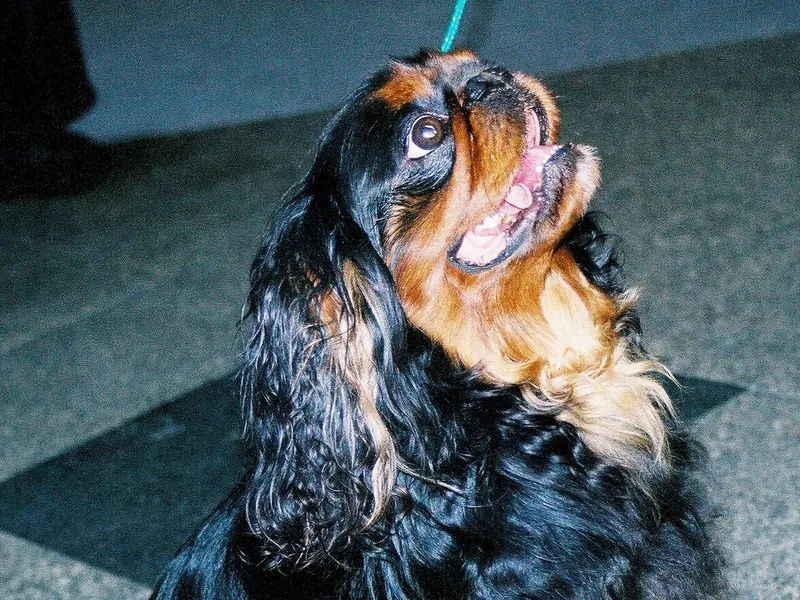
English Toy Spaniel
Toy
8–14 lbs · 10–12 yrs
Bulldog
Non-Sporting
40–55 lbs · 8–10 yrs
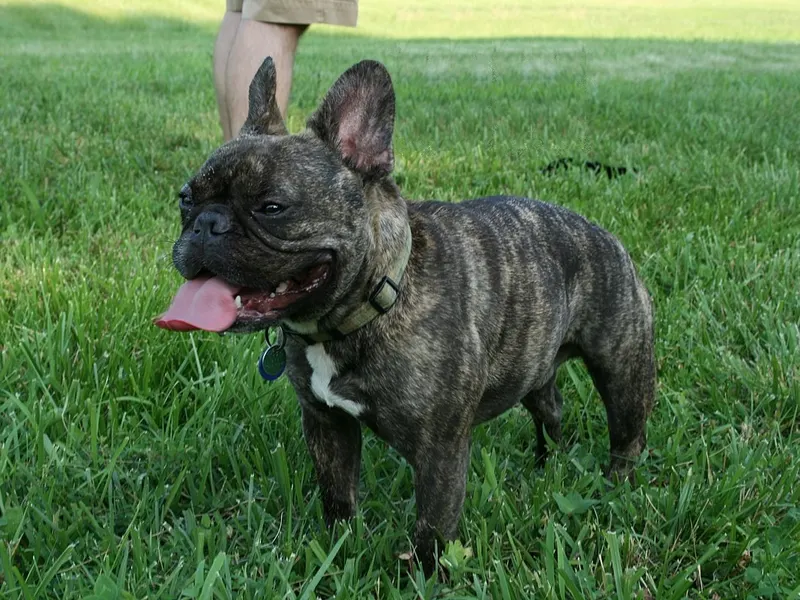
French Bulldog
Non-Sporting
16–28 lbs · 10–14 yrs
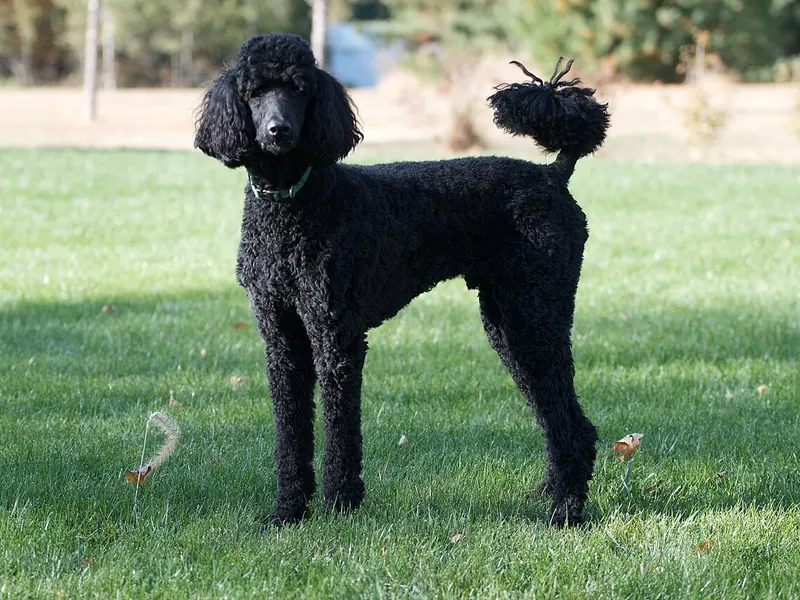
Standard Poodle
Non-Sporting
45–70 lbs · 10–13 yrs
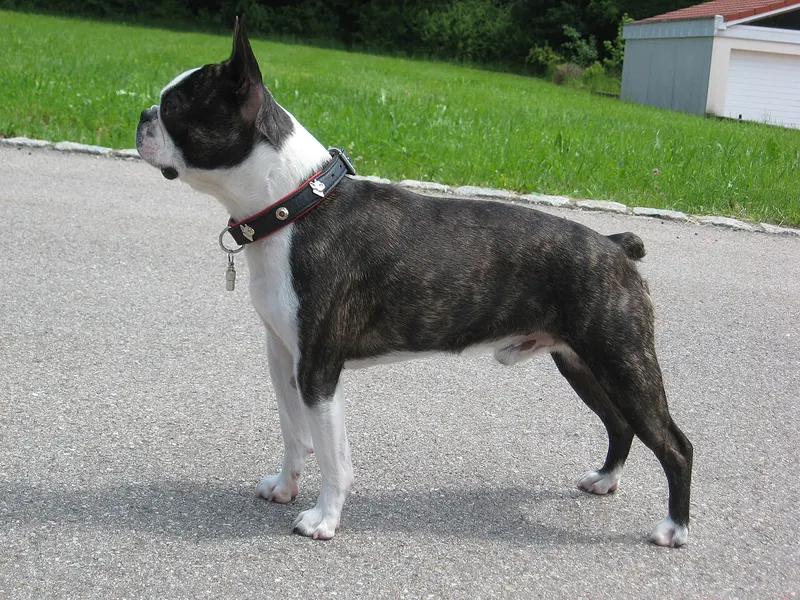
Boston Terrier
Non-Sporting
12–25 lbs · 11–13 yrs
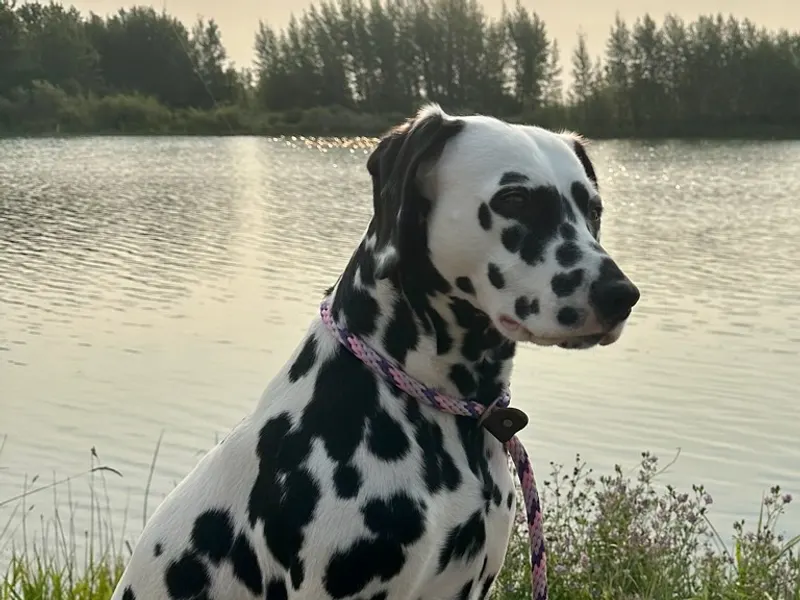
Dalmatian
Non-Sporting
45–70 lbs · 11–13 yrs
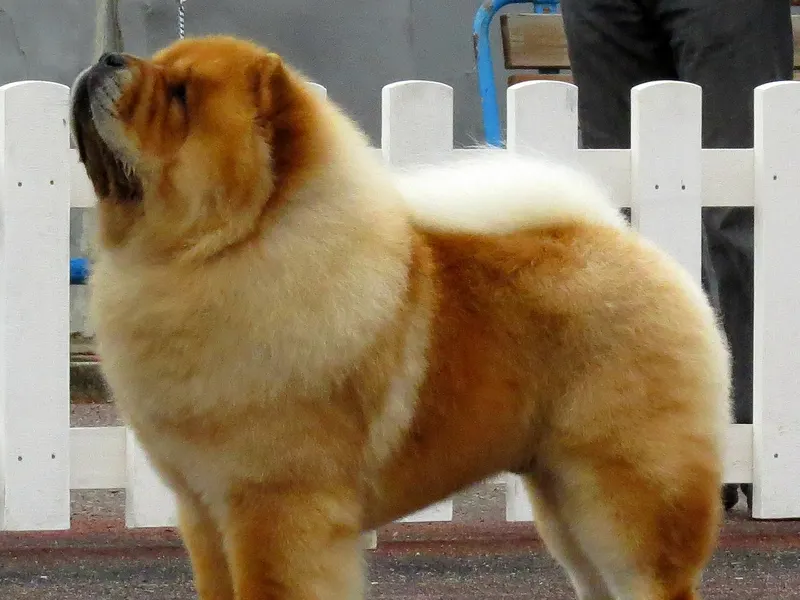
Chow Chow
Non-Sporting
45–70 lbs · 9–15 yrs
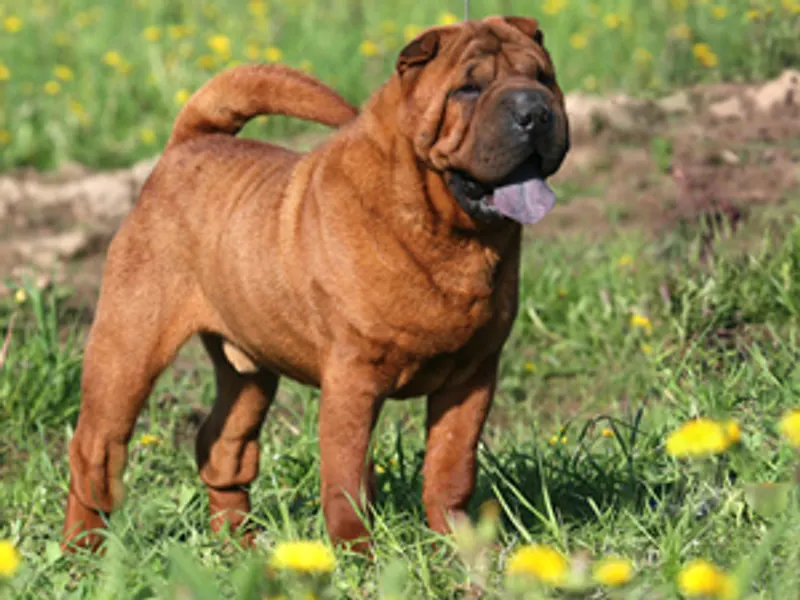
Shar-Pei
Non-Sporting
45–60 lbs · 8–12 yrs
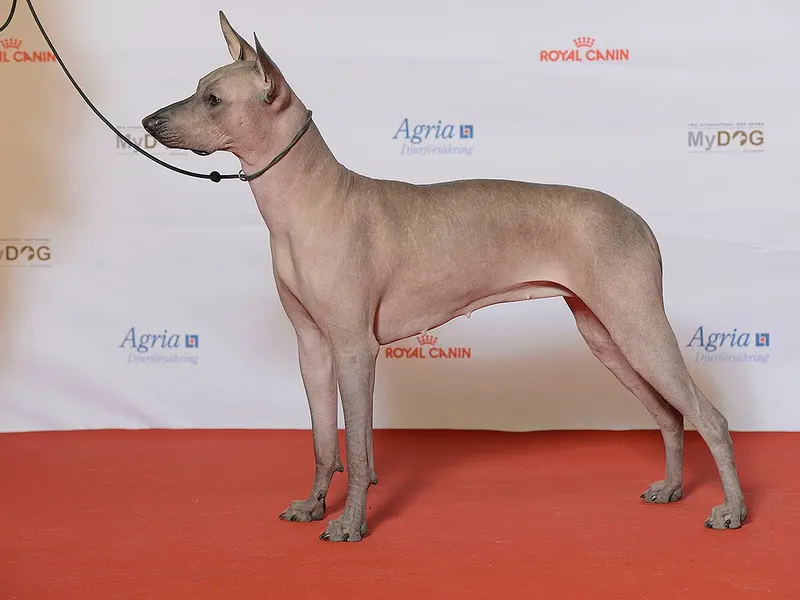
Xoloitzcuintli
Non-Sporting
10–50 lbs · 13–18 yrs
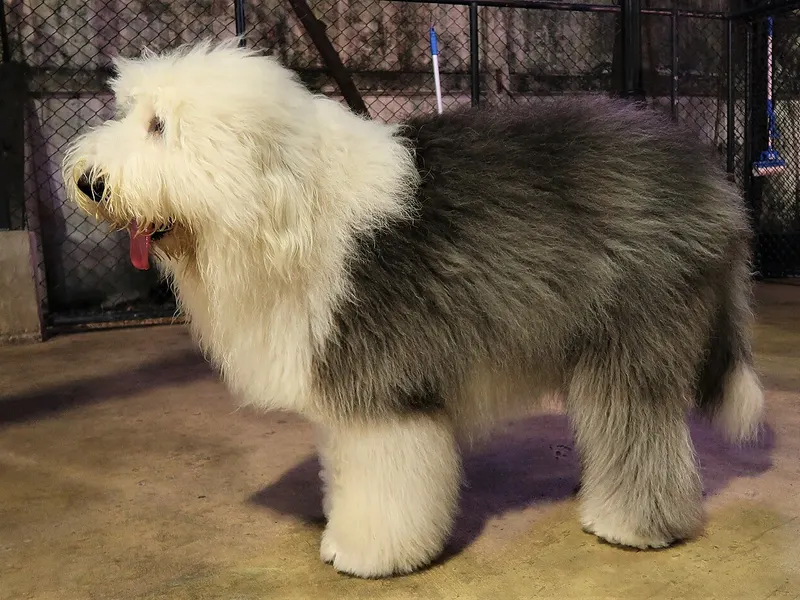
Old English Sheepdog
Herding
60–100 lbs · 10–12 yrs
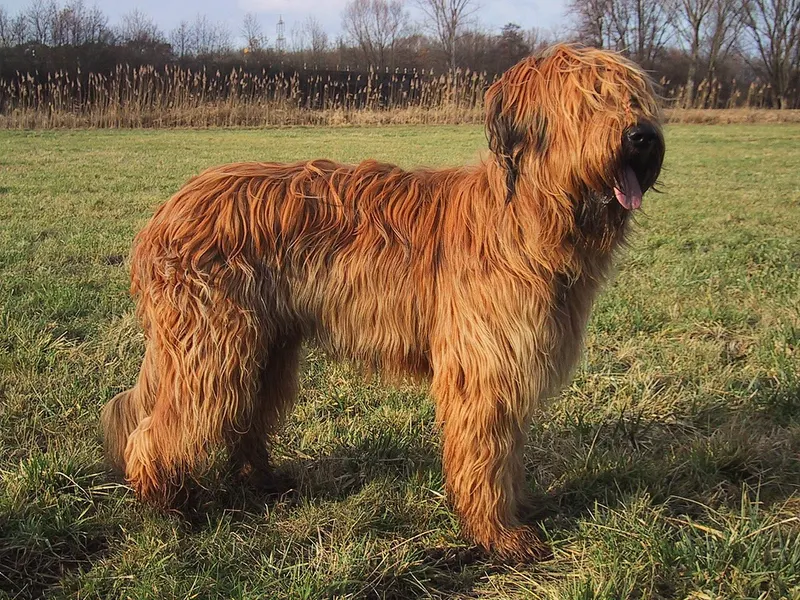
Briard
Herding
55–100 lbs · 10–12 yrs
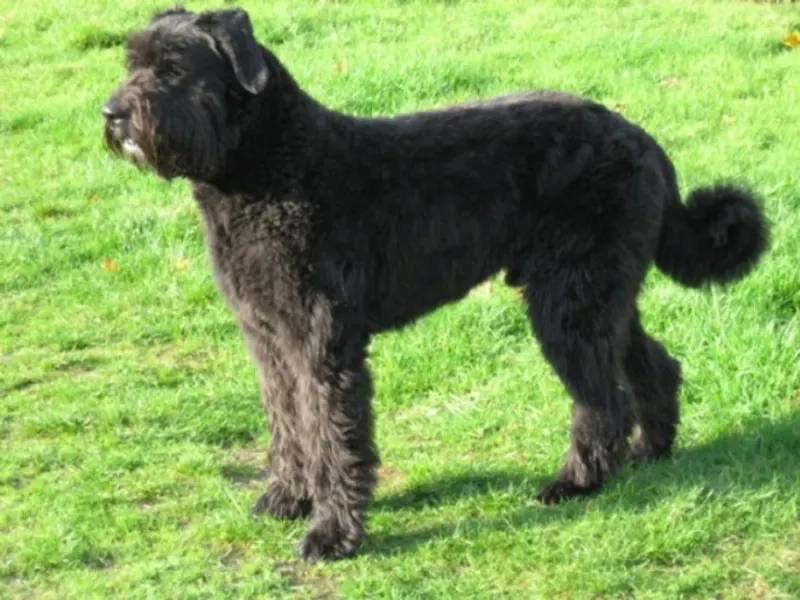
Bouvier des Flandres
Herding
70–110 lbs · 10–12 yrs
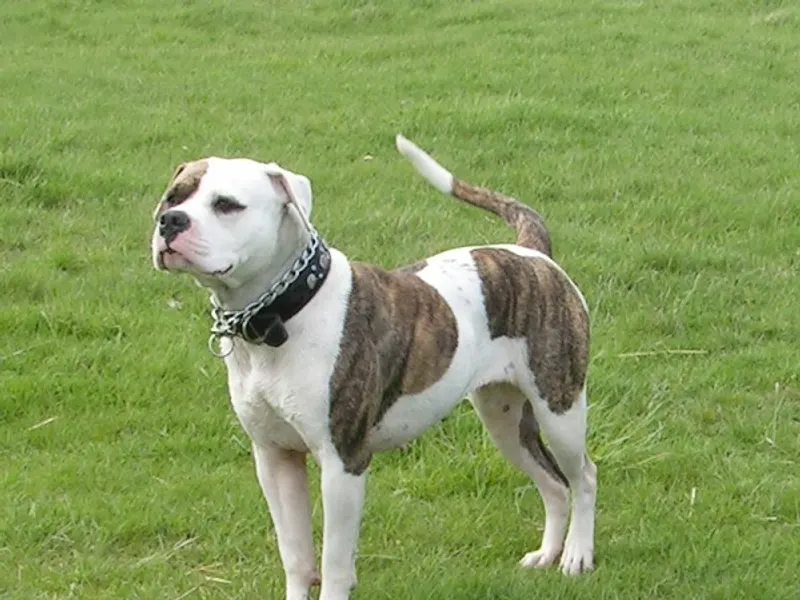
American Bulldog
Foundation Stock
60–120 lbs · 10–12 yrs
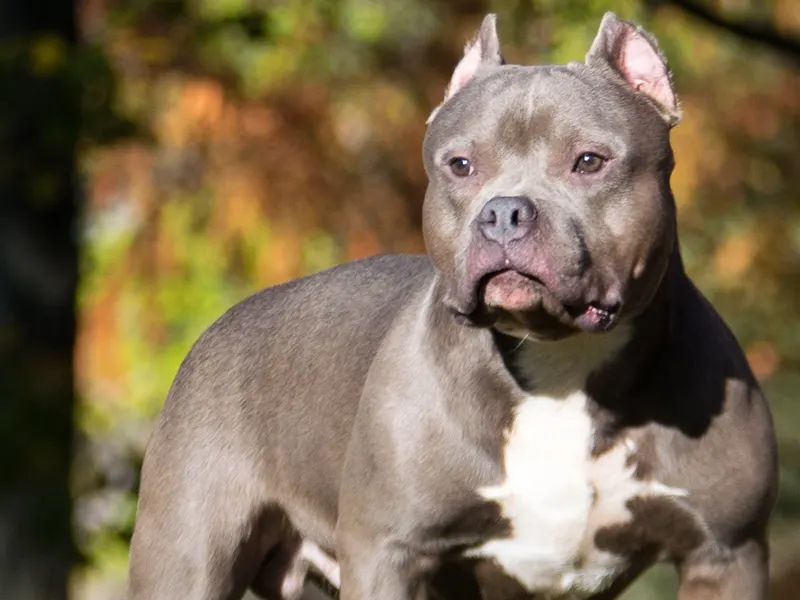
American Bully
Foundation Stock
30–150 lbs · 10–13 yrs
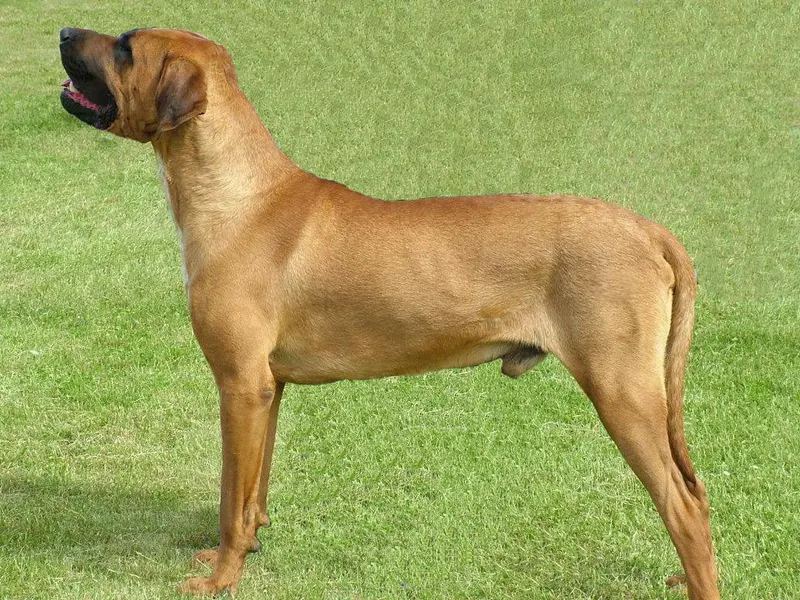
Tosa Inu
Foundation Stock
90–200 lbs · 9–11 yrs
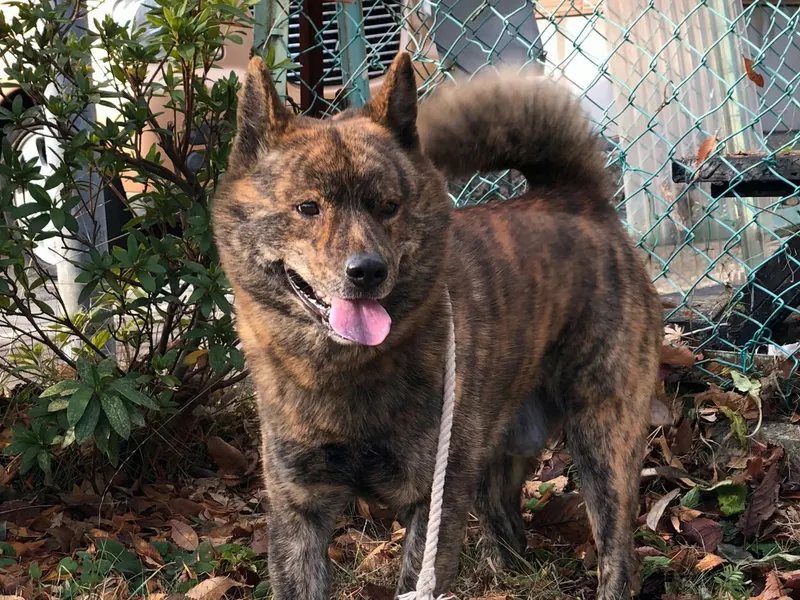
Kai Ken
Foundation Stock
25–40 lbs · 12–15 yrs
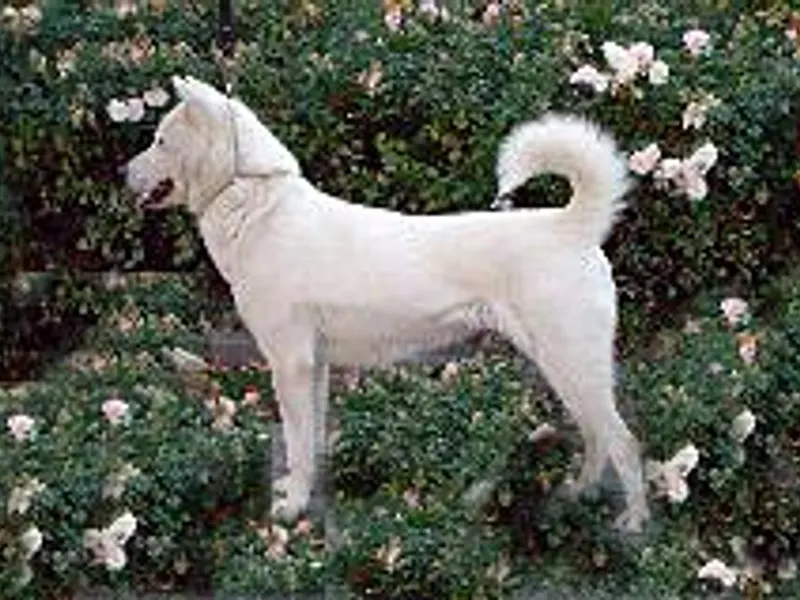
Kishu Ken
Foundation Stock
30–60 lbs · 11–13 yrs
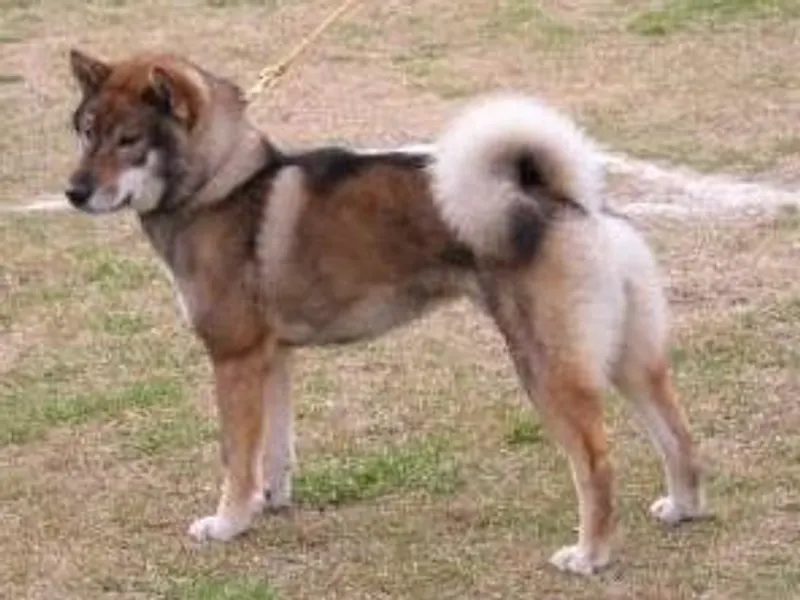
Shikoku
Foundation Stock
30–55 lbs · 10–12 yrs
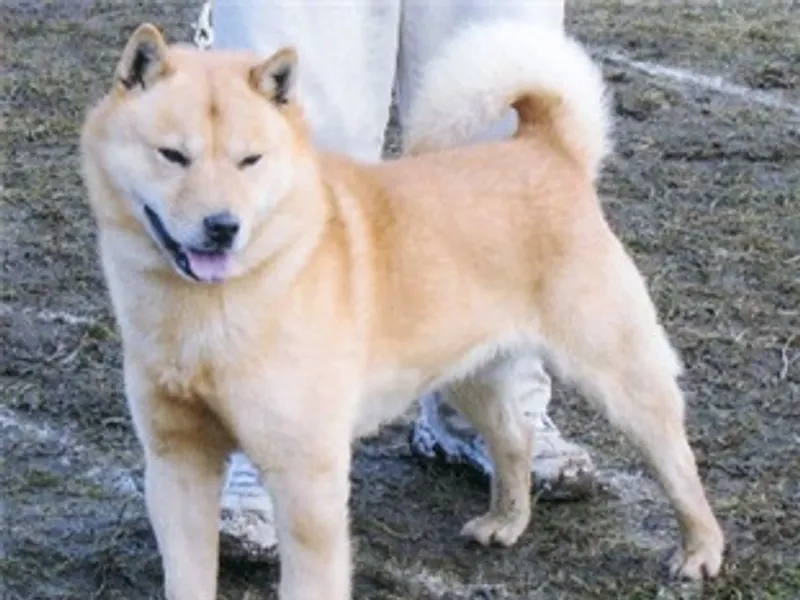
Hokkaido
Foundation Stock
45–65 lbs · 11–13 yrs
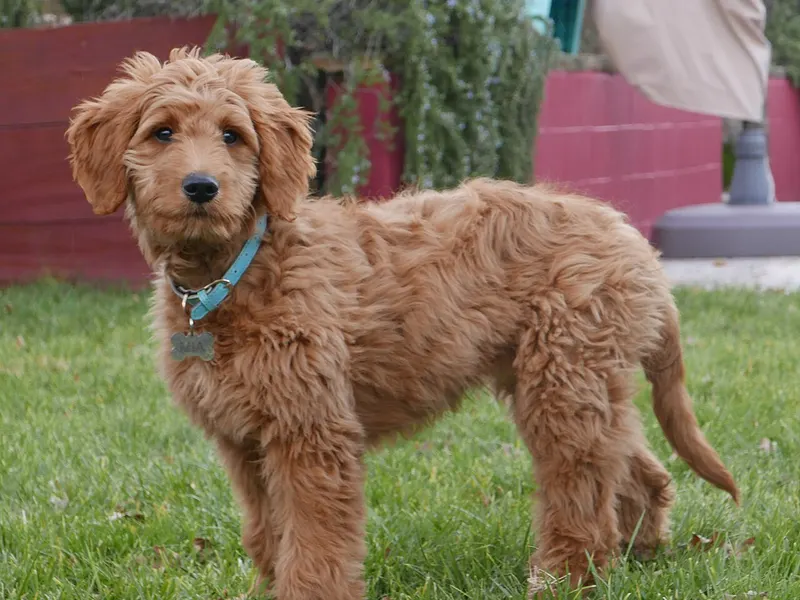
Goldendoodle
Crossbreed
50–90 lbs · 10–15 yrs
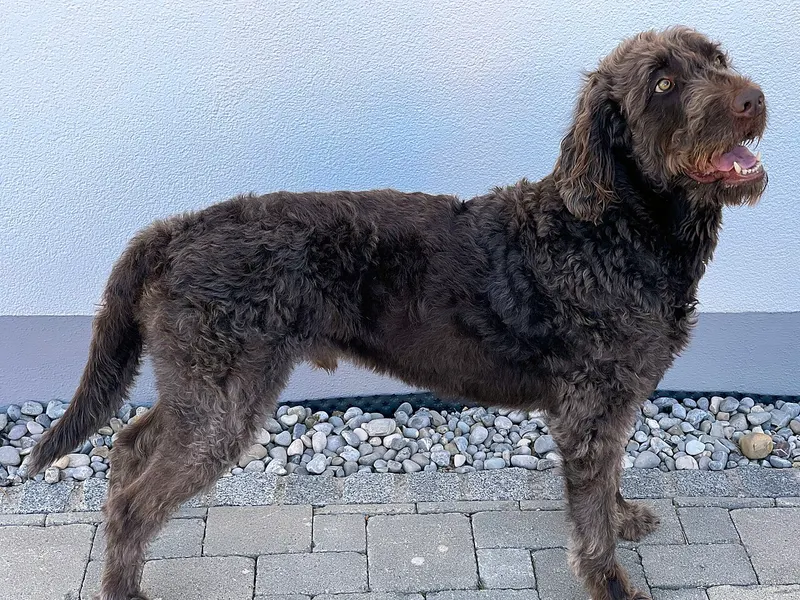
Labradoodle
Crossbreed
45–80 lbs · 12–14 yrs
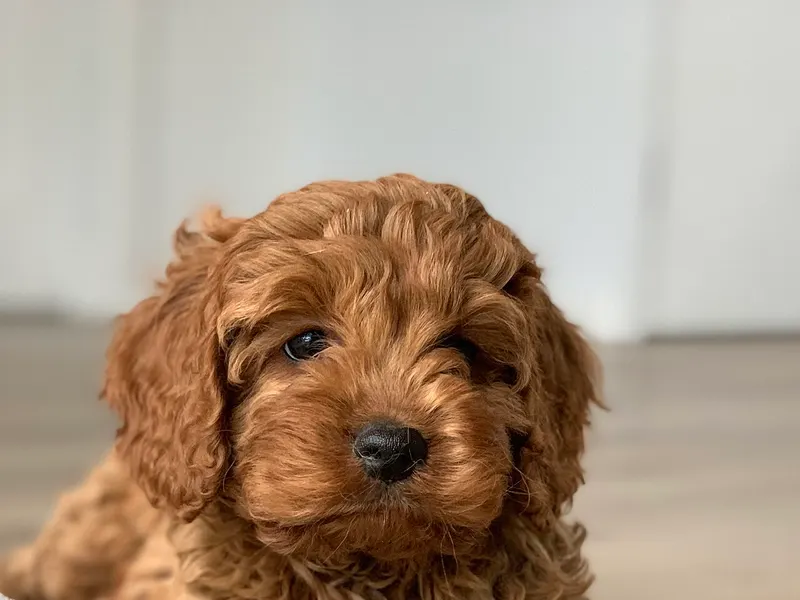
Cavapoo
Crossbreed
9–25 lbs · 12–15 yrs
Sheepadoodle
Crossbreed
45–80 lbs · 12–15 yrs
Bernedoodle
Crossbreed
50–90 lbs · 12–15 yrs
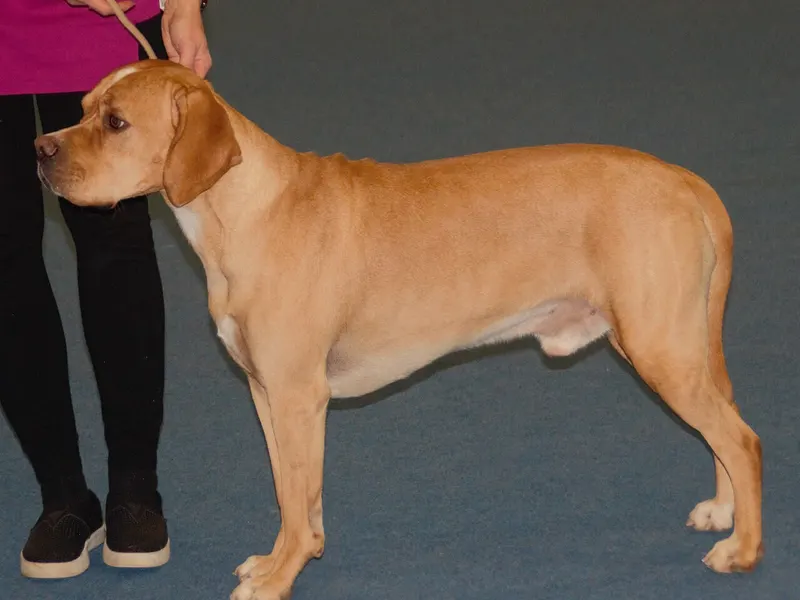
Portuguese Pointer
Sporting
35–55 lbs · 12–14 yrs
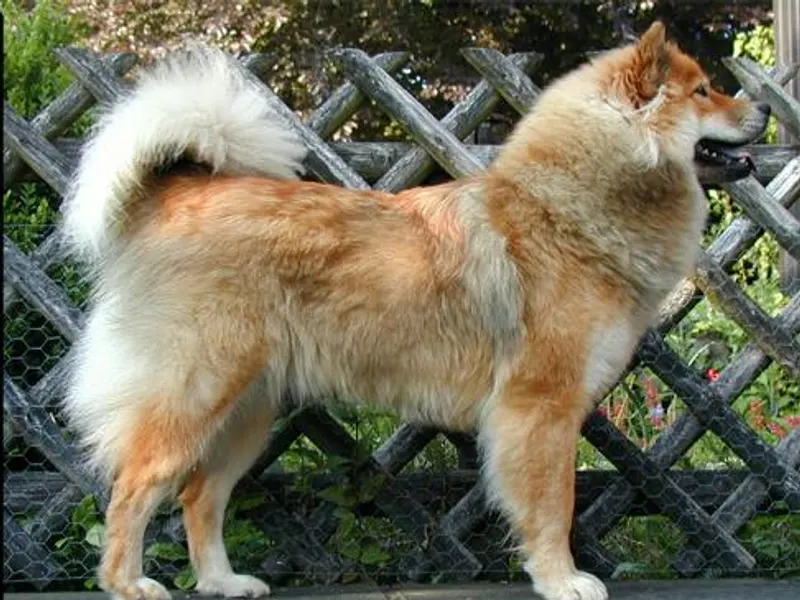
Eurasier
Non-Sporting
40–70 lbs · 11–13 yrs
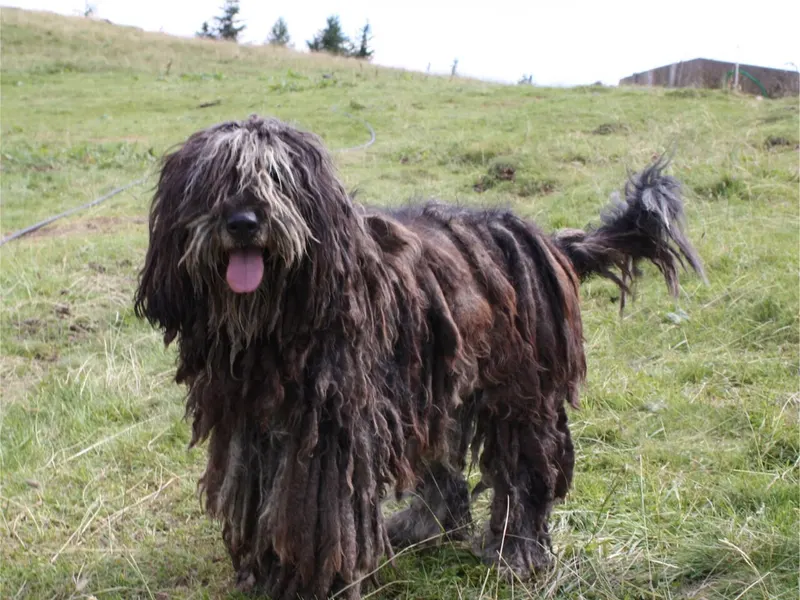
Bergamasco Sheepdog
Herding
57–84 lbs · 13–15 yrs
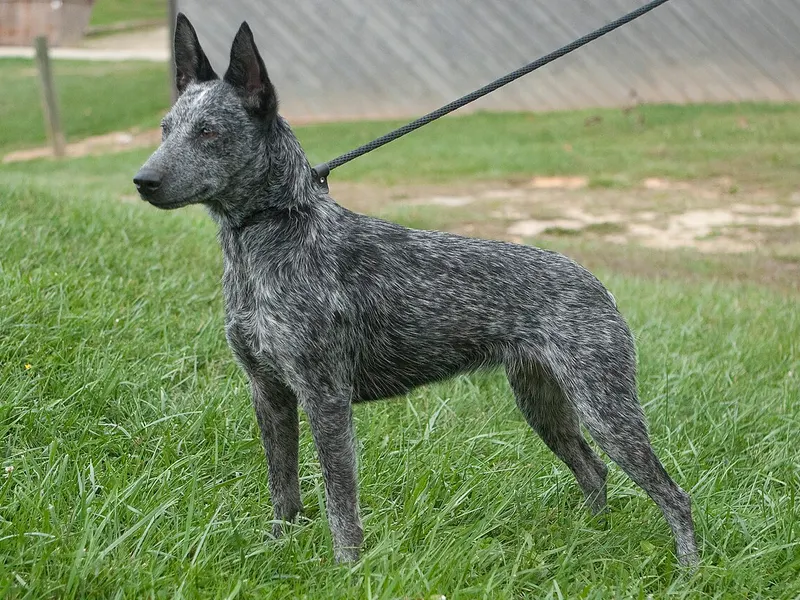
Australian Stumpy Tail Cattle Dog
Herding
33–49 lbs · 12–15 yrs
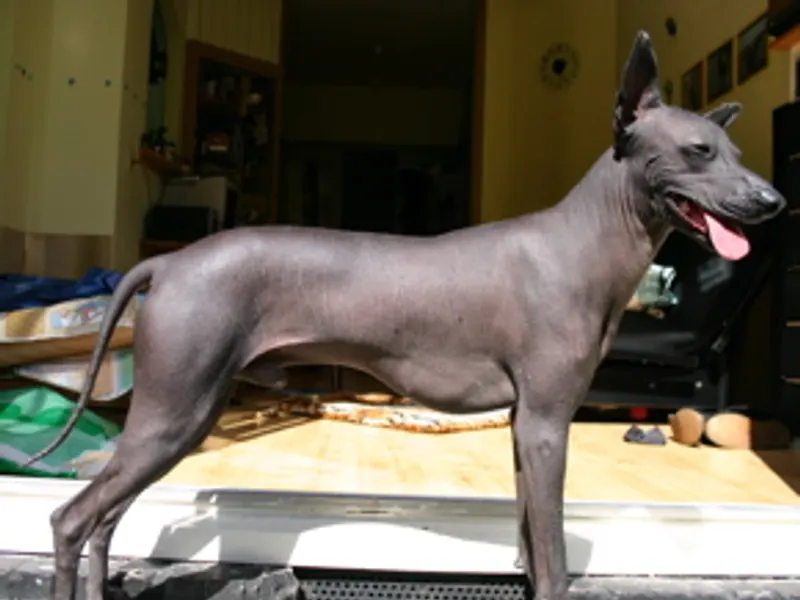
Peruvian Inca Orchid
Foundation Stock
12–55 lbs · 11–12 yrs