Non-Sporting Group
Chow Chow
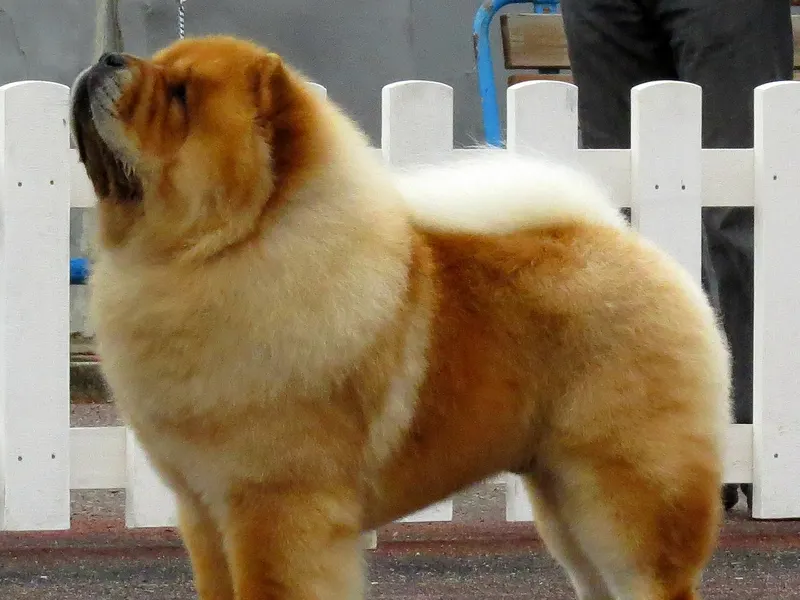
The Chow Chow is widely considered one of the oldest dog breeds still in existence, with archaeological and artistic evidence suggesting ancestors of the modern breed existed in China well over 2,000 years ago, historically pressed into service as an all-purpose working dog for hunting, herding, pulling carts, and guarding property. Unusually among dog breeds, the Chow Chow has a naturally blue-black tongue, a trait it shares with only a small number of other breeds and one that fanciers and breed historians have long treated as evidence of the breed's genuinely ancient, distinct lineage. The AKC recognized the breed in 1903, and its name in English is generally believed to derive from a catch-all pidgin term 19th-century traders used loosely for various Chinese goods rather than from any specific Chinese word for the dog itself.
Common health predispositions
- Hip/elbow dysplasia
- Entropion
- Gastric torsion
Temperament
Independent almost to the point of aloofness, the Chow Chow carries a dignified, reserved temperament that's genuinely closer to a cat's than most dog breeds' — this shows up clearly in the breed's low goodWithKids and goodWithOtherPets ratings, since Chows tend to bond selectively, often with one primary person, and don't extend automatic warmth to strangers, children, or other animals the way many companion breeds do. Trainability runs low as well, less from a lack of intelligence than from a genuine, deeply bred-in independence that doesn't prioritize pleasing a handler. Early, extensive socialization matters more for this breed than for most, and even well-socialized Chows tend to stay reserved by nature rather than becoming outgoing.
Living with a Chow Chow
Forty minutes of daily activity is typically sufficient — the Chow Chow is a lower-energy breed relative to its size, and this is not a dog that needs or particularly wants extensive exercise. Grooming, on the other hand, is a serious ongoing commitment: the dense double coat, in either its rough or smooth variety, sheds heavily and mats without regular brushing, and the breed's thick coat also makes it more prone to overheating in warm weather than its calm demeanor might suggest. Hip and elbow dysplasia are documented at meaningful rates in the breed, and entropion — an eyelid condition where the lid rolls inward and irritates the cornea, connected to the breed's distinctive deep-set eyes — is common enough that many Chow Chows require corrective surgery at some point. Gastric torsion, or bloat, is also a genuine risk given the breed's deep chest. The Chow Chow's unusual, stiff-legged gait, distinct from how most dog breeds move, is a genuine physical trait tied to the structure of the breed's hind legs rather than a health problem, though it does mean the breed isn't built for high-speed athletic activity even when it's otherwise fit and healthy.
FAQ
Why does a Chow Chow have a blue-black tongue?
It's a genuine, distinctive physical trait shared by only a small number of dog breeds, and fanciers have long pointed to it as evidence of the Chow Chow's ancient, genetically distinct lineage stretching back well over 2,000 years in China.
Are Chow Chows good family dogs?
Not typically the best match for families wanting an outgoing, affectionate companion — the breed's independent, reserved temperament means goodWithKids ratings run low, and Chows generally bond selectively rather than extending automatic warmth to everyone in the household.
How much grooming does a Chow Chow need?
A serious, ongoing commitment — whether rough or smooth, this dense double coat tangles and mats fast the moment brushing lapses, making coat care by far the most demanding part of owning an otherwise low-energy breed.
Why do Chow Chows walk differently from other dogs?
The breed has an unusual, stiff-legged gait tied to the structure of its hind legs, a genuine physical trait rather than a health issue, though it does mean the breed isn't built for high-speed athletic activity even when otherwise healthy.
Are Chow Chows easy to train?
Not typically — the breed's deeply independent temperament, closer to a cat's reserve than a typical dog's eagerness to please, keeps trainability ratings low, and skipping early socialization tends to produce an even more standoffish adult.
How much exercise does a Chow Chow need?
Relatively little — about 40 minutes daily suits the breed's naturally lower energy level well, and Chow Chows generally show little interest in the kind of vigorous, prolonged activity many working breeds crave.
Do Chow Chows handle heat well?
Poorly — the dense double coat that once suited a working, outdoor life makes hot, humid weather genuinely uncomfortable and even risky, so shaded rest areas and limited midday activity matter in warm climates.
Are Chow Chows good guard dogs?
Reasonably, yes — the breed's natural reserve and wariness toward strangers translate into a genuinely watchful temperament, though its independence means it won't necessarily take direction the way a purpose-bred guard breed would.
How big does a Chow Chow get?
Adults run 45 to 70 pounds and stand 17 to 20 inches tall, though the dense coat makes most Chow Chows look noticeably bulkier than the actual body frame underneath it.
How long do Chow Chows live?
The range runs 9 to 15 years, wide enough that individual variation matters more than any single average, and breeders who screen proactively for hip and eye conditions tend to skew toward the longer end of it.
Is a Chow Chow a good first dog?
Not typically recommended — the breed's independent, sometimes aloof temperament and low trainability call for real handling experience, and a novice owner without a clear socialization plan often ends up with an overly reserved, hard-to-manage adult.
Related on FetchBreed
Lists this breed appears in
Care equipment for a Chow Chow
As an Amazon Associate we earn from qualifying purchases made through these links, at no extra cost to you.
- Slicker brush
The dense coat sheds heavily and mats without regular brushing, in either the rough or the smooth variety.
- Cooling mat
The same thick coat makes the breed more prone to overheating than its calm demeanour suggests, this page warns.
Whichever breed fits your life, consider adoption or breed-specific rescue first — many purebred and mixed-breed dogs and cats are already waiting for homes.
General breed information, not veterinary advice — consult a vet for your pet's specific health, diet, and behavior needs.