Hound Group
Borzoi
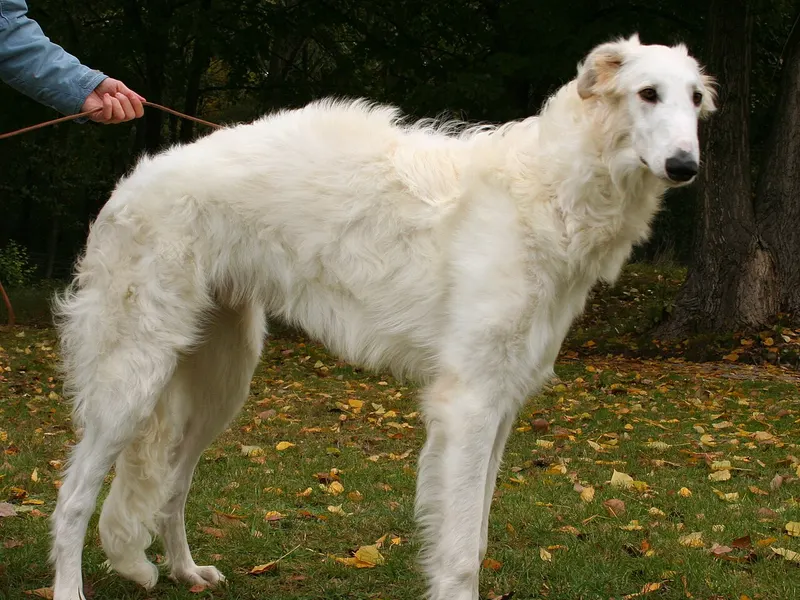
Russian nobility developed the Borzoi over centuries specifically to hunt wolves in coordinated pairs or small packs across the open Russian countryside, a demanding job that required tremendous speed, sight-based hunting instinct, and enough size and courage to physically hold a wolf until hunters arrived — the breed's other historical name, Russian Wolfhound, describes that function directly. Elaborate aristocratic Borzoi kennels were a genuine status symbol in Imperial Russia, and the breed came close to disappearing entirely after the 1917 Revolution, when much of that aristocratic infrastructure, including many kennels, was destroyed; the modern population survives largely because of dogs exported to Western Europe and the United States before the Revolution took hold. The AKC recognized the breed in 1891, predating the Revolution by more than two decades.
Common health predispositions
- Bloat
- Cardiac disease
- Osteosarcoma
Temperament
Borzois carry the classic sighthound temperament: independent, quiet, and dignified rather than eager to please, with a strong prey drive built for chasing large, fast game that translates into genuinely low compatibility with small pets and cats. GoodWithKids ratings run moderate — Borzois are generally gentle and non-aggressive with familiar children but aren't a rough-and-tumble playmate breed, and their large size means unsupervised play with very young kids carries some real physical risk simply from accidental knockdowns. Training requires patience; like most sighthounds, the Borzoi's intelligence doesn't naturally translate into eagerness to obey, and harsh correction tends to produce a shut-down or evasive dog rather than a more compliant one.
Living with a Borzoi
Don't mistake the Borzoi's calm indoor demeanor for low exercise needs — about 45 minutes of activity daily is typical, but this is a sprinter built for short, explosive bursts of speed rather than sustained jogging, so regular access to a securely fenced area to run flat-out matters more than time spent on a slow leash walk. The long, silky, wavy coat needs regular brushing to prevent matting, particularly around the feathering on the legs, tail, and chest. Bloat is a serious, well-documented risk given the breed's deep, narrow chest, a concern shared broadly across large sighthound and working breeds, and cardiac disease along with osteosarcoma, a form of bone cancer more common in large and giant breeds generally, round out the most commonly flagged health issues. Like other sighthounds, Borzois carry low body fat and can be more sensitive to anesthesia than average, a point worth raising with a vet ahead of any procedure. Despite the breed's imposing size and speed, well-socialized Borzois are typically calm, quiet housemates indoors, content to lounge for much of the day once their exercise needs are met.
FAQ
What was the Borzoi originally bred to do?
Russian nobility developed the breed to hunt wolves in coordinated pairs or small packs, relying on speed and sight-based hunting instinct to chase down and hold a wolf until hunters arrived — a demanding job reflected in the breed's older name, Russian Wolfhound.
How did the Borzoi survive the Russian Revolution?
Most of the aristocratic Russian kennels that maintained the breed were destroyed after the 1917 Revolution, and the modern Borzoi population survives largely thanks to dogs that had already been exported to Western Europe and the United States before the Revolution disrupted breeding in Russia.
Do Borzois get along with cats?
Rarely without careful management — the breed's strong sighthound prey drive, developed for chasing fast game, makes small pets and cats a genuine risk, and this is not a breed known for reliable off-leash recall around them.
How much exercise does a Borzoi need?
About 45 minutes daily, but the emphasis matters more than the number — Borzois are sprinters, not distance runners, so regular chances to run flat-out in a securely fenced space serve the breed better than a long, slow walk.
Are Borzois calm indoors?
Generally yes — despite their size and speed, well-exercised Borzois are typically quiet, low-key housemates that spend much of the day resting, a classic sighthound pattern of intense activity in short bursts followed by long periods of calm.
How big do Borzois get?
Genuinely giant — commonly 60 to 105 pounds and 26 to 28 inches at the shoulder for males, with females running somewhat smaller, a size the breed needed to physically hold a wolf until Russian hunters could arrive on horseback.
Are Borzois easy to train?
Not particularly — like most sighthounds, Borzois are intelligent but genuinely independent, and training tends to go better with patient, reward-based methods than with any approach expecting quick, automatic obedience.
Do Borzois need a lot of space?
A securely fenced yard matters more than sheer square footage — the breed's sprinting instinct means it needs room to run flat-out periodically, but a well-exercised Borzoi is calm enough indoors to adapt to a range of home sizes.
How long do Borzois live?
Typically 9 to 14 years, a fairly typical range for a giant sighthound breed, with proactive attention to bloat risk and cardiac health being the main preventive priorities for owners.
How is a Borzoi different from a Greyhound?
Both are sighthounds built for speed, but a Borzoi carries more bone and a long, silky coat instead of the Greyhound's smooth, close coat, an adaptation to Russia's cold winters that the warmer-climate Greyhound never needed. Borzois were also bred to physically grapple and hold a wolf until hunters arrived, a job requiring genuine size and courage on top of raw speed, whereas Greyhounds were developed purely to outrun game like hare rather than confront it directly.
Is a Borzoi a good family dog?
Reasonably, for a household that understands sighthounds — the breed is gentle and calm with familiar people but isn't an especially interactive playmate, and its size means supervision matters around very young children regardless of temperament.
Related on FetchBreed
Lists this breed appears in
Care equipment for a Borzoi
As an Amazon Associate we earn from qualifying purchases made through these links, at no extra cost to you.
- Slicker brush
The long wavy coat needs regular brushing, particularly around the feathering on the legs, tail and chest.
- Long training line
This page wants regular access to a securely fenced area to run flat-out — a long line is how a sprinter gets that where no fenced field is available.
Whichever breed fits your life, consider adoption or breed-specific rescue first — many purebred and mixed-breed dogs and cats are already waiting for homes.
General breed information, not veterinary advice — consult a vet for your pet's specific health, diet, and behavior needs.