Toy Group
English Toy Spaniel
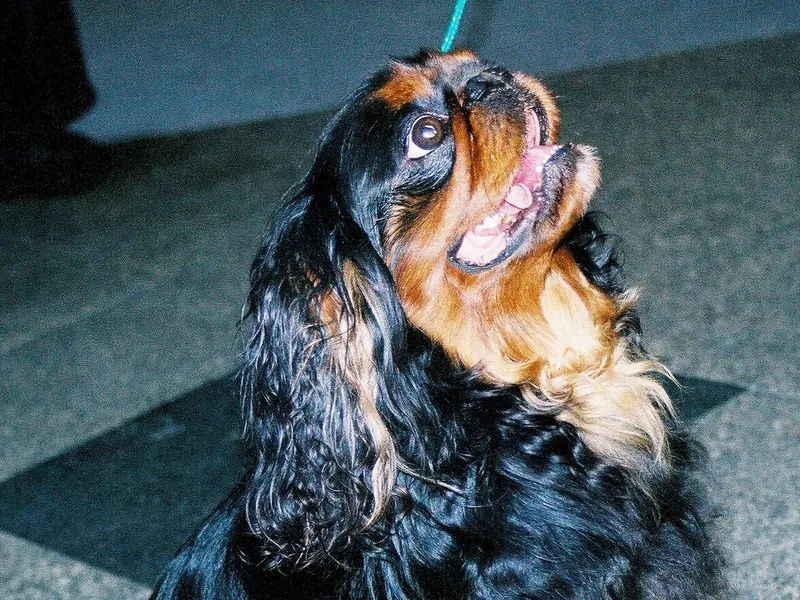
This small companion breed has roots in English royal courts stretching back centuries, with two historically distinct color varieties — the black-and-tan King Charles and the red-and-white Blenheim — that trace their names directly to English royalty and nobility, King Charles II's well-documented fondness for the breed in the 17th century, and the Duke of Marlborough's Blenheim Palace estate where the red-and-white variety was reportedly favored. Two additional color varieties, the solid red Ruby and the tricolor Prince Charles, round out four recognized colorations under a single AKC breed standard, a genuinely unusual structure among toy breeds where color varieties are typically split into separate breeds or given no formal recognition at all. Portraits of English nobility from the 17th through 19th centuries frequently included small spaniels matching this breed's description, giving art historians an unusually rich visual record of the breed's development across several hundred years compared to breeds without that same aristocratic patronage. Full AKC recognition dates to 1886. The breed's distinctive short muzzle and domed skull developed gradually over centuries of selective breeding purely for companion appearance in wealthy English households, a trajectory distinct from most sporting spaniels, which retained working muzzle length and build even as toy variants of other spaniel types emerged separately.
Common health predispositions
- Mild brachycephalic airway restriction
- Patellar luxation
- Mitral valve disease
Temperament
Gentle, affectionate, and genuinely devoted to family, the English Toy Spaniel developed purely as a companion breed for centuries, and that history shows clearly in its calm, people-oriented temperament. Most individuals are reserved rather than boisterous, content to settle quietly near their owner rather than seek constant activity, a trait distinct from the more energetic working spaniel breeds it distantly relates to. The breed generally does well with familiar children and other pets, though its small size calls for gentle handling regardless. Centuries spent purely as a court and household companion also left the breed with comparatively little independent working drive, meaning an English Toy Spaniel is generally content to follow its owner's rhythm rather than pursue any agenda of its own. The breed's flattened, almost pushed-in nose gives it a distinctive facial expression frequently described by fanciers as endearingly serious or thoughtful, a look that has remained recognizably consistent in portraiture and photographs across several centuries.
Living with a English Toy Spaniel
Thirty minutes of gentle daily activity covers this small breed's modest exercise needs well. Matting is the enemy of the long, silky coat, especially around the feathered ears and legs, so a firm weekly-plus brushing habit is non-negotiable. The breed's short muzzle carries mild brachycephalic airway restriction, generally less severe than more extremely flat-faced breeds but still worth monitoring in hot weather, and patellar luxation along with mitral valve disease — a heart condition documented at an elevated rate in several small toy breeds including this one — round out the health conversation worth having with a breeder. A household wanting a calm, devoted small companion without high exercise demands, ready to keep up a genuine grooming routine, is the right match for an English Toy Spaniel. Rescue placements are rare for this breed simply because so few exist in the US, so prospective owners generally end up working with one of the limited number of dedicated breeders instead. Monthly costs land moderate for a small toy breed, and the ongoing coat-care routine plus any brachycephalic-related vet monitoring make up the bulk of what goes beyond basic food costs.
FAQ
What's the difference between King Charles, Blenheim, Ruby, and Prince Charles English Toy Spaniels?
These are the breed's four recognized color varieties under a single AKC standard — King Charles is black-and-tan, Blenheim is red-and-white, Ruby is solid red, and Prince Charles is tricolor — all considered the same breed rather than separate ones.
Is the English Toy Spaniel related to the Cavalier King Charles Spaniel?
The two breeds share historical roots in the same English royal-court companion tradition and similar naming, but they've developed as genuinely separate breeds with different builds — the English Toy Spaniel has a shorter muzzle and more compact structure than the Cavalier.
Does the English Toy Spaniel have breathing problems?
The related Cavalier King Charles Spaniel, often confused with this breed, actually has a considerably longer muzzle and milder brachycephalic profile — 20th-century breeders deliberately restored that longer nose specifically to move away from the more extreme flat face the English Toy Spaniel had been bred toward for centuries. That distinction matters for a prospective owner drawn to the toy-spaniel look but concerned about airway issues, since the Cavalier can be a meaningfully easier-breathing alternative within the same general type.
Is an English Toy Spaniel good for apartment living?
Generally yes — modest exercise needs and a calm, reserved temperament suit smaller living spaces well, so long as someone keeps up with the coat-care routine on a regular schedule.
Why is the breed associated with King Charles II?
The English monarch was well documented as genuinely fond of the breed during his 17th-century reign, an association close enough that the black-and-tan color variety carries his name directly to this day.
Related on FetchBreed
Whichever breed fits your life, consider adoption or breed-specific rescue first — many purebred and mixed-breed dogs and cats are already waiting for homes.
General breed information, not veterinary advice — consult a vet for your pet's specific health, diet, and behavior needs.