Foundation Stock Group
Tosa Inu
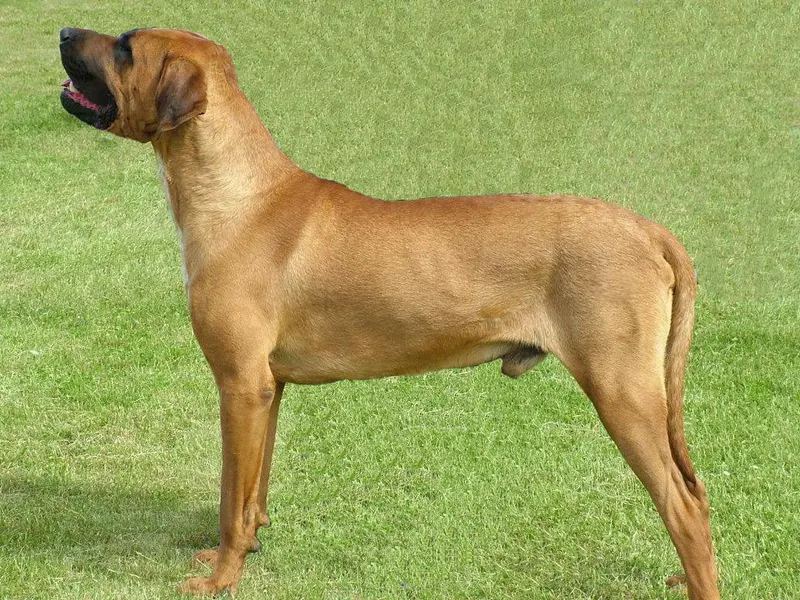
Japanese breeders in the Tosa region developed this breed during the late 19th century specifically for the traditional Japanese sport of dog fighting, deliberately crossing native Japanese dogs with a range of imported Western breeds, including the Mastiff, Bulldog, and Great Dane, to add size and fighting capability the smaller native stock lacked. That deliberate cross-breeding gave the Tosa Inu a genuinely massive frame and considerable physical power, and in Japan the breed still carries real cultural weight tied to that dog-fighting tradition, where it's sometimes referred to with a sumo-inspired honorific reflecting the sport's continued, if controversial, cultural presence there. The breed's origins and continued association with organized fighting have led several countries, including the UK and a number of US jurisdictions, to restrict or outright ban Tosa Inu ownership through breed-specific legislation, a genuinely serious practical consideration for anyone considering the breed regardless of an individual dog's temperament. Full AKC group recognition has never materialized for the breed — Foundation Stock Service status is as far as it's gotten — and in the US it stays a rare, specialist choice sought mainly by experienced large-breed owners who go in with eyes open about both its history and its legal complications.
Common health predispositions
- Hip/elbow dysplasia
- Gastric dilatation-volvulus (bloat)
- Entropion
Temperament
Calm and notably quiet for its imposing size, the Tosa Inu carries real physical power alongside a temperament that, in a properly bred and socialized individual, tends toward genuine stoicism rather than aggression for its own sake — a trait some breed historians attribute to deliberate selection for controlled, directed intensity rather than indiscriminate reactivity. Real devotion to its own family shows up consistently, and well-raised Tosa Inus are often described as surprisingly gentle at home. That said, genuine guarding instincts and real physical capability mean this breed demands serious, experienced handling and thorough socialization from puppyhood, and an owner without that experience is taking on real risk regardless of any individual dog's baseline temperament. Japanese breed enthusiasts continue to maintain and promote the Tosa Inu domestically, treating it as a genuine piece of regional Japanese dog history despite the breed's controversial competitive origins.
Living with a Tosa Inu
A full hour of activity suits this powerful, physically imposing breed well, though its calmer baseline temperament means it isn't a constant-motion dog the way some working breeds are. The short, dense coat asks for little beyond an occasional brush. Hip and elbow dysplasia are real concerns given the breed's sheer size, and a bloated, twisted stomach is a genuine emergency risk for any deep-chested giant breed of this build, with entropion rounding out the health checklist. This is fundamentally not a breed for a first-time or inexperienced owner — real physical power combined with genuine guarding instinct demands serious handling experience, thorough early socialization, and honest self-assessment about whether a household can meet that bar. Breed-specific legislation restricting or banning Tosa Inu ownership exists in a number of jurisdictions, including the UK and parts of the US, so checking local and state law before pursuing this breed at all is a genuinely necessary first step, well before finding a breeder even enters the picture. Between the sheer food volume a dog this size requires and the rarity of established domestic breeders, budget meaningfully above what a typical large breed costs.
FAQ
Why was the Tosa Inu bred?
Japanese breeders in the Tosa region developed it during the late 19th century specifically for traditional Japanese dog fighting, deliberately crossing native Japanese dogs with imported Western breeds including the Mastiff, Bulldog, and Great Dane to add size and fighting capability.
Is the Tosa Inu legal to own?
It really depends on where you live — a number of jurisdictions, the UK and parts of the US among them, restrict or ban the breed outright through breed-specific legislation, so checking local and state law comes before anything else.
Is a Tosa Inu a good family dog?
Only for a genuinely experienced owner — well-socialized individuals are often calm and devoted at home, but the breed's real physical power and guarding instincts demand serious handling experience and thorough early socialization regardless of any individual dog's baseline temperament.
How big does a Tosa Inu get?
Genuinely massive — weight ranges from roughly 90 to 200 pounds depending on the individual and bloodline, reflecting the breed's deliberate 19th-century crossing with large Western breeds like the Mastiff and Great Dane to add size.
Is a Tosa Inu aggressive?
Not by default in a properly bred and socialized dog — many individuals are notably calm and quiet for their size, though the breed's fighting-dog origins and real physical capability mean poor breeding, socialization, or handling carries genuine risk.
What's the sumo-inspired title sometimes used for a Tosa Inu?
Japan's dog-fighting tradition borrows sumo terminology, occasionally referring to a particularly accomplished Tosa as a 'yokozuna,' the same rank name given to sumo wrestling's highest-ranked champions, a linguistic nod to how seriously the sport and its top dogs are still regarded in the specific circles where the practice continues.
Related on FetchBreed
Lists this breed appears in
Whichever breed fits your life, consider adoption or breed-specific rescue first — many purebred and mixed-breed dogs and cats are already waiting for homes.
General breed information, not veterinary advice — consult a vet for your pet's specific health, diet, and behavior needs.