Hound Group
Afghan Hound
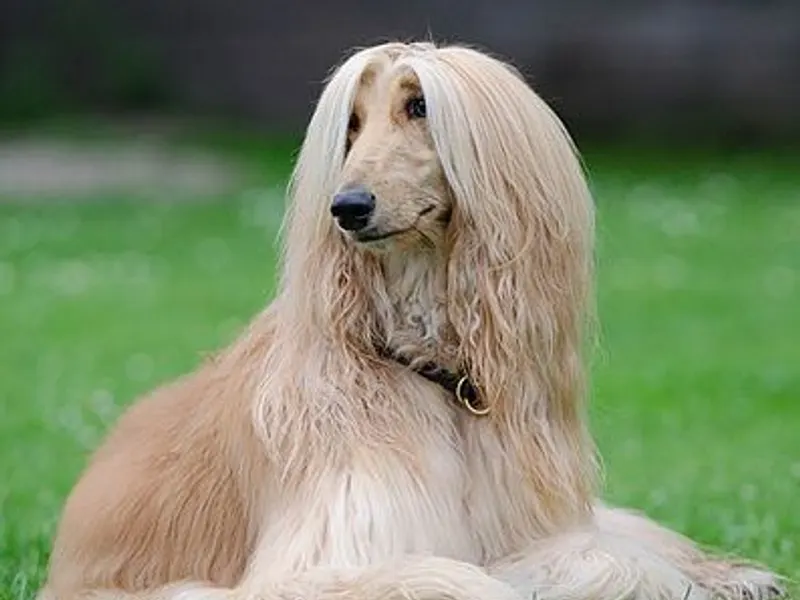
The Afghan Hound descends from ancient sighthounds developed in the mountainous terrain of Afghanistan and the surrounding region, bred over many centuries to course gazelle and other fast game by sight across rugged, rocky ground where a dog's speed and independent judgment mattered more than close direction from a handler. The breed's thick, long coat likely developed as genuine protection against the harsh mountain cold of its native range rather than for the decorative effect it's known for today. AKC recognition came in 1926, and the breed later found an unusual place in scientific history: in 2005, South Korean researchers produced Snuppy, the world's first cloned dog, using cells from an Afghan Hound.
Common health predispositions
- Hip dysplasia
- Hypothyroidism
- Cataracts
Temperament
Bred to hunt independently across difficult terrain rather than to take constant direction, the Afghan Hound carries a reserved, dignified temperament that fanciers often describe as aloof or even cat-like, and trainability ratings for the breed run on the lower end — not from a lack of intelligence, but because the dog's instinct to make its own decisions in the field doesn't translate naturally into eager obedience at home. GoodWithKids and goodWithOtherPets both land in the moderate range; Afghans can do well in a calm household but aren't typically the exuberant, rough-and-tumble family playmate that some sporting breeds are. Strong sighthound prey drive means small pets and unsecured cats deserve real caution, and off-leash recall around fast-moving small animals is genuinely unreliable in this breed.
Living with a Afghan Hound
Afghans are sprinters, not distance runners, so an hour of exercise works best broken up with genuine off-leash sprinting time in a secure, fenced space rather than one long, steady outing. Coat care is the real, ongoing expense of this breed: the long, silky, flowing coat needs brushing several times a week at minimum to stay ahead of painful matting, and many owners budget for professional grooming help given how time-intensive full coat maintenance becomes. Hip dysplasia, hypothyroidism, and cataracts round out the breed's most frequently cited health issues. Because Afghan Hounds are sighthounds with a low body-fat percentage and thin skin under that dramatic coat, they're also more sensitive to anesthesia than many breeds — a detail worth discussing with a vet before any surgical procedure. The breed's dramatic, flowing coat and unusual, high-stepping gait have made it a consistent presence in the show ring and in dog-fashion photography for decades, even as its working sighthound instincts remain fully intact underneath the glamour.
FAQ
Why was an Afghan Hound the first cloned dog?
In 2005, South Korean researchers selected an Afghan Hound as the source for Snuppy, the world's first successfully cloned dog — the choice reflected the research team's specific project rather than any breed trait that made Afghans easier to clone.
How much grooming does an Afghan Hound need?
A great deal — the long, silky, flowing coat requires brushing several times a week to prevent matting, and many owners bring in professional grooming help given how time-consuming full coat care becomes on a dog this size.
Are Afghan Hounds easy to train?
Genuinely intelligent but rarely obedient for its own sake — solo hunting across difficult terrain selected for a dog that makes its own calls, and that independence means Afghan Hound training tends to move slower than with more naturally biddable breeds.
Do Afghan Hounds get along with small pets?
Caution is warranted — the breed's strong sighthound prey drive makes small, fast-moving animals a genuine risk, and off-leash recall around cats, rabbits, or similar animals is generally unreliable in this breed.
Why is the Afghan Hound more sensitive to anesthesia?
Like many sighthounds, Afghans have low body fat and a lean build that affects how anesthetic drugs are metabolized and distributed, making anesthesia protocol a genuine discussion point with a vet before any surgery rather than a routine, one-size-fits-all decision.
How long do Afghan Hounds typically live?
Commonly 12 to 18 years, an unusually wide and generally long range for a large sighthound breed, reflecting genuine variation across individual Afghan Hound lines more than a single tightly clustered life expectancy.
Are Afghan Hounds good with children?
Moderately — the breed is usually gentle rather than aggressive, but its aloof, independent temperament means it isn't the exuberant, rough-and-tumble playmate some other breeds are, and calm, respectful households tend to suit it better than chaotic ones.
What's distinctive about how an Afghan Hound moves?
A high-stepping, springy gait unlike most other sighthounds, a trait specifically prized in the show ring and tied to the breed's mountain-hunting origin, where sure-footed movement over rocky, uneven terrain genuinely mattered for its working performance.
How big does an Afghan Hound get?
Large — typically 50 to 60 pounds and 25 to 27 inches at the shoulder, a lean, leggy build made for covering rugged mountain terrain at speed while chasing gazelle and other fast game by sight.
Is the Afghan Hound a good apartment dog?
Rarely ideal — while the breed's exercise needs are moderate, its size and dramatic coat make close-quarters living genuinely impractical, and regular access to a secure space for real off-leash sprinting matters more than square footage alone.
What colors do Afghan Hounds come in?
Black, cream, red, blue, and brindle all appear within the breed standard, sometimes paired with a black facial mask — purely cosmetic differences that don't track with temperament or health in any documented way.
Do Afghan Hounds shed a lot?
Moderately, despite the coat's dramatic volume — regular brushing removes most loose hair before it hits the floor, which is why the shedding rating for this breed lands lower than its long, flowing coat might otherwise suggest.
Related on FetchBreed
Lists this breed appears in
Care equipment for a Afghan Hound
As an Amazon Associate we earn from qualifying purchases made through these links, at no extra cost to you.
- Pin brush
The flowing coat needs brushing several times a week at minimum to stay ahead of painful matting.
- Steel grooming comb
For a coat this long, a comb is what confirms the brush actually reached the skin.
Whichever breed fits your life, consider adoption or breed-specific rescue first — many purebred and mixed-breed dogs and cats are already waiting for homes.
General breed information, not veterinary advice — consult a vet for your pet's specific health, diet, and behavior needs.