Short-Coat Dog Breeds
95 breeds in this group.
Short coats are the most common coat type in the dog world by a wide margin, and the category spans an enormous range of underlying genetics and functions rather than representing one uniform "type" the way it might first appear — a Labrador Retriever's dense, water-resistant double coat, a Greyhound's ultra-thin single coat built for minimal wind resistance, and a Boxer's short guard-hair coat over a muscular frame are all "short-coated" by casual description, but each serves a genuinely different original purpose and comes with meaningfully different care and climate needs, which is worth understanding rather than assuming "short coat" automatically means "low maintenance" across the board. The double-coated short-haired breeds — Labrador Retriever, German Shepherd Dog, Rottweiler, most of the retriever and many Working Group breeds — carry both a coarser outer guard-hair layer and a denser, insulating undercoat beneath it, and despite the short overall length, this coat type sheds heavily and continuously, with a more dramatic seasonal "blowing coat" period in spring and fall when the undercoat sheds in large amounts as the season changes. This is a genuinely common surprise for first-time owners who assume "short hair" means minimal shedding — a double-coated short-haired breed can shed as much hair volume as, or more than, some longer-coated single-layer breeds, just distributed in shorter individual hairs that some owners find easier to vacuum but that stick just as readily to upholstery and clothing. Weekly brushing with a proper undercoat rake, rather than a basic slicker brush suited to longer coats, is generally the more effective grooming approach for this coat type. The single-layer short-haired breeds — Greyhound, Whippet, Boxer, Doberman Pinscher, Dalmatian, Vizsla, and most sighthounds and many guardian breeds — lack the dense insulating undercoat of the double-coated group, which means genuinely lower shedding volume and less grooming demand overall, but it also means meaningfully less natural cold tolerance. Thin-coated sighthounds in particular are well known for needing a coat or sweater in cold weather in a way a double-coated Husky or Labrador simply doesn't, and owners in colder climates should factor this into both walking routines and indoor temperature expectations rather than assuming a short coat automatically means a hardier, lower-maintenance dog in every season. The wirehaired-adjacent short coats found in some pointing breeds (German Shorthaired Pointer, Vizsla) sit somewhere between these two categories, generally dense enough for reasonable weather resistance during active field work without the heavy shedding of a true double coat. A meaningful subset of short-coated breeds also carries brachycephalic (flat-faced) skull structure — Bulldog, French Bulldog, Boxer, Boston Terrier, Pug — and for this group, coat length is almost incidental compared with the far more significant breathing, heat-tolerance, and exercise-intensity considerations that come with a flattened muzzle; a short coat on a brachycephalic breed doesn't meaningfully offset the breed's documented heat sensitivity, and owners of these breeds should prioritize temperature and exertion management over coat-specific grooming concerns. At the other end of the spectrum, hairless and near-hairless breeds like the Xoloitzcuintli and American Hairless Terrier represent the logical extreme of the short-coat category, requiring sun protection and moisturizing skin care that a fully coated short-haired dog doesn't need at all. Across the category as a whole, short-coated dogs generally require less time-intensive grooming than long or wire-coated breeds — no mat prevention, minimal professional grooming needs, easier at-home bathing — but "less grooming time" doesn't universally mean "less shedding" or "better suited to every climate," and it's worth checking a specific breed's actual coat structure (single versus double layer) rather than assuming short hair length alone predicts shedding volume or cold tolerance. For allergy-sensitive households specifically, short coat length has little bearing on allergen levels one way or the other, since cat and dog allergens come primarily from dander and saliva proteins rather than from hair itself, and no short-coated breed should be assumed hypoallergenic purely on the basis of coat length. It's worth walking through the practical grooming routine differences across the short-coat subtypes directly, since "brush occasionally" undersells what several of these breeds actually need. Double-coated short-haired breeds benefit most from a dedicated undercoat rake used weekly year-round and more frequently — sometimes daily for a week or two — during the spring and fall coat-blow periods, since a slicker brush alone mostly catches the outer guard hairs and misses the loose undercoat driving most of the shedding. Single-layer short-haired breeds do well with a simple rubber curry brush or grooming mitt used weekly, mainly to distribute skin oils and catch loose hair before it lands on furniture, a genuinely quick routine compared with the double-coated group. Bathing frequency also differs: double-coated breeds generally need less frequent bathing than their shedding volume might suggest, since over-bathing can strip the natural oils that help the coat repel water and dirt, while thinner single-coated breeds tolerate more frequent bathing without the same oil-stripping concern. Sun exposure and skin protection matter more for this coat category than owners often expect, particularly for pale-coated or thin-coated breeds. Dogs with light-colored, thin coats and pink skin — some Dalmatians, white-coated breeds, and certain sighthounds — are genuinely susceptible to sunburn on exposed areas like the nose, ear tips, and belly, and dog-safe sunscreen or protective clothing is a real, if under-discussed, consideration for these dogs during long outdoor exposure, not merely a novelty product. Finally, it's worth flagging that short coat length says nothing reliable about a breed's actual exercise needs or temperament, a common but mistaken shortcut some first-time owners take when browsing purely by coat. A short-coated Greyhound and a short-coated Labrador have almost nothing in common in terms of daily exercise needs, prey drive, or trainability despite both being conveniently low-grooming-maintenance breeds, and coat type should be treated as one practical filter among several — alongside size, original working history, and temperament — rather than a standalone basis for choosing a breed. Seasonal shedding management is worth planning around proactively for the double-coated breeds in this category specifically, since scheduling a deliberate, more intensive deshedding session at the start of each spring and fall — rather than waiting until loose fur has already accumulated noticeably around the home — tends to produce meaningfully better results with less total owner effort than reactive, after-the-fact brushing once shedding season is already well underway. Flea and tick visibility is worth a small practical mention specific to this coat category: a short coat makes it considerably easier to spot fleas, ticks, and early skin irritation during routine petting than a longer or denser coat would, a genuine, if minor, practical advantage for owners who prioritize catching parasite or skin issues early, and one more reason this coat type is often recommended for households without much grooming time but who still want to stay closely attuned to a dog's skin condition. Skin health monitoring benefits meaningfully from a short coat's easy visibility, and owners of short-coated breeds are generally better positioned to catch early signs of allergies, hot spots, or parasite activity during routine petting than owners of longer or denser-coated breeds, a genuine secondary advantage of this coat category worth weighing alongside the more commonly cited grooming-time savings when choosing a breed partly on coat-maintenance grounds. Because short coats show a dog's actual muscle tone and body condition more clearly than a longer coat would, some trainers and veterinarians note this makes weight and fitness changes somewhat easier to visually track over time in short-coated breeds compared with breeds whose body shape is more obscured beneath a dense or long coat. This visual clarity is a genuine, if secondary, practical advantage worth naming alongside the more commonly cited grooming-time savings, and it's part of why body-builders and working-dog trainers alike often find a short-coated dog's actual physical condition easier to assess accurately at a glance than a heavily coated dog's, where excess weight or muscle loss can hide more effectively beneath a dense layer of fur until the change becomes fairly advanced. Because short-coated breeds are so common across every AKC group, this coat category offers one of the widest possible ranges of temperament, size, and working history available under a single practical filter, and prospective owners specifically prioritizing low grooming maintenance above other factors can genuinely find a well-matched short-coated breed across almost any other combination of size, energy level, and temperament they're separately looking for. Coat color and pattern variation within the short-coat category also tends to be genuinely wide, since coat length and coat color are governed by largely independent genetic mechanisms, meaning a prospective owner drawn to a specific color or pattern rarely needs to compromise on coat length preference to get it, a practical point worth knowing when narrowing a breed search by multiple criteria simultaneously. Because this category spans such a wide range of underlying coat structures, from the finest single-layer sighthound coat to the densest double-coated retriever coat, prospective owners are generally better served researching a specific breed's actual coat structure directly rather than relying on the general "short-coated" label alone to predict shedding volume, cold tolerance, or grooming needs with any real precision. Because a short coat leaves comparatively little room to hide poor body condition or skin problems, reputable breeders and show judges alike often treat a short-coated breed's visible coat and skin quality as a fairly direct, honest indicator of that individual dog's overall health and nutritional care.
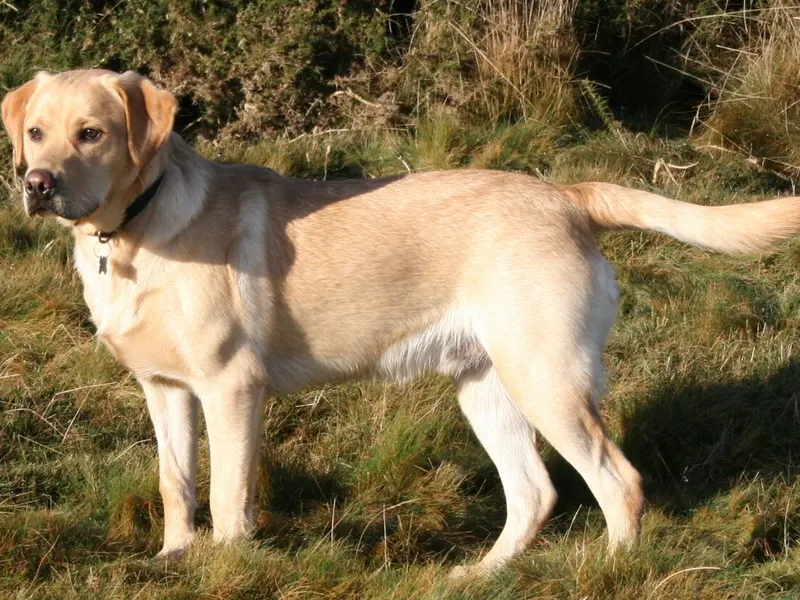
Labrador Retriever
Sporting
55–80 lbs · 10–12 yrs
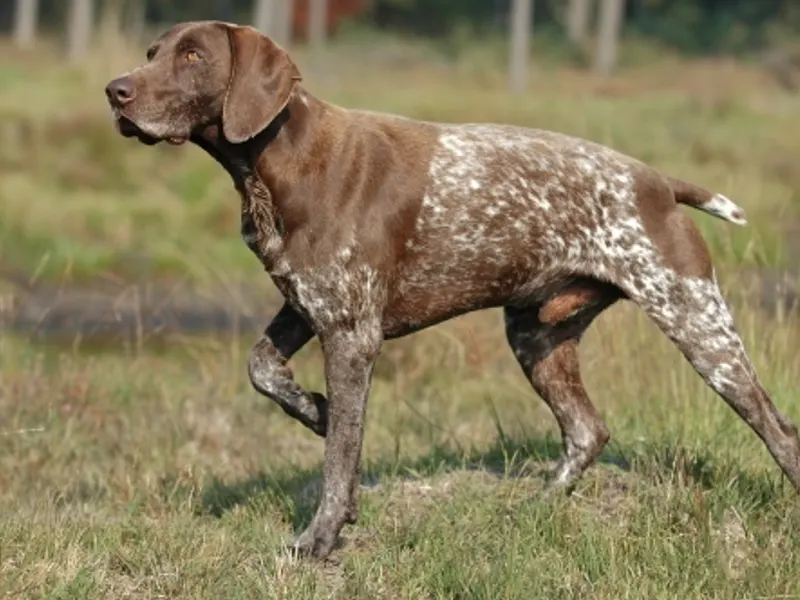
German Shorthaired Pointer
Sporting
45–70 lbs · 10–12 yrs
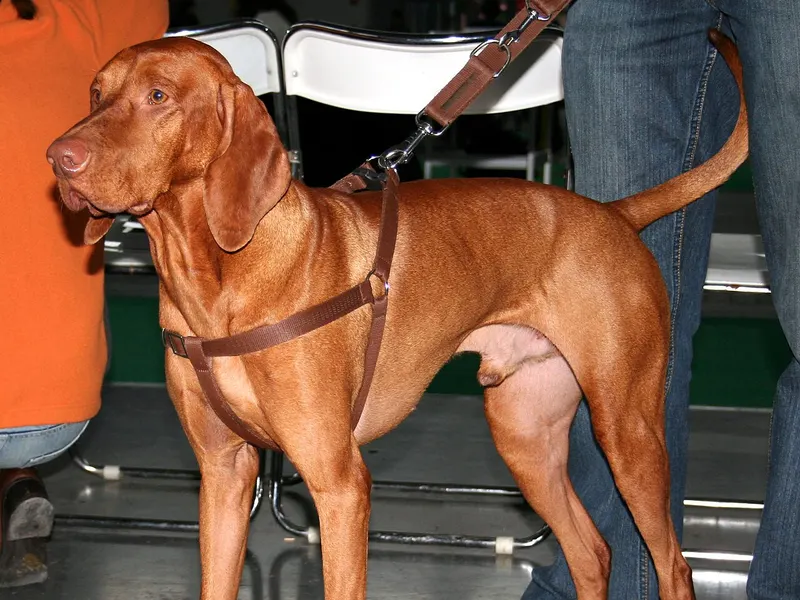
Vizsla
Sporting
44–60 lbs · 12–14 yrs
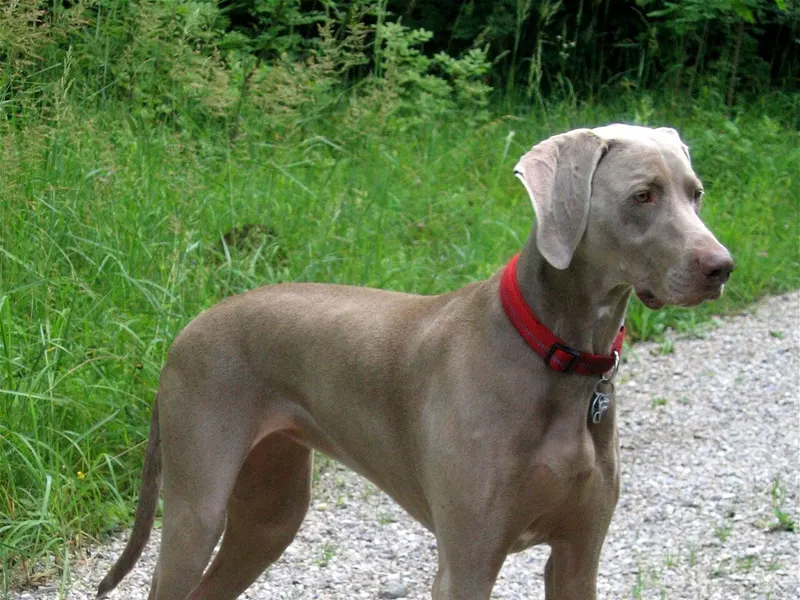
Weimaraner
Sporting
55–90 lbs · 10–13 yrs
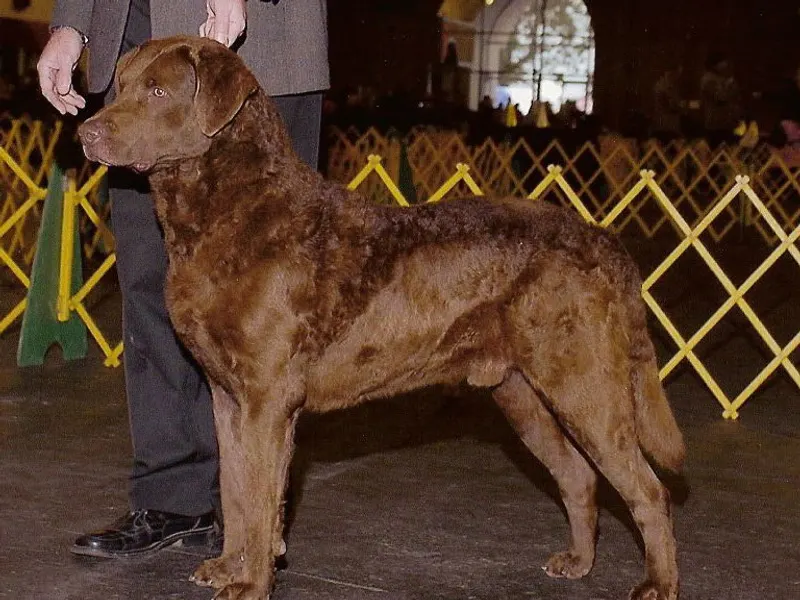
Chesapeake Bay Retriever
Sporting
55–80 lbs · 10–13 yrs
Pointer
Sporting
45–75 lbs · 12–17 yrs
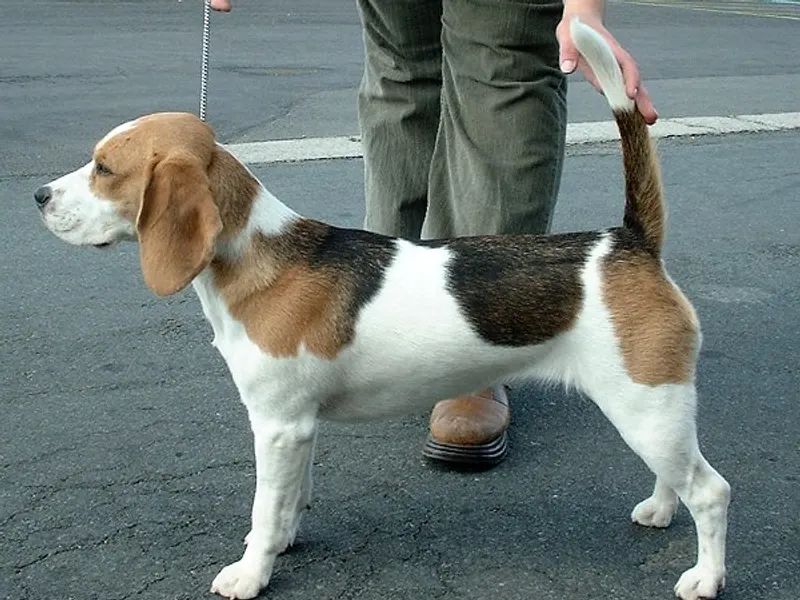
Beagle
Hound
18–30 lbs · 10–15 yrs
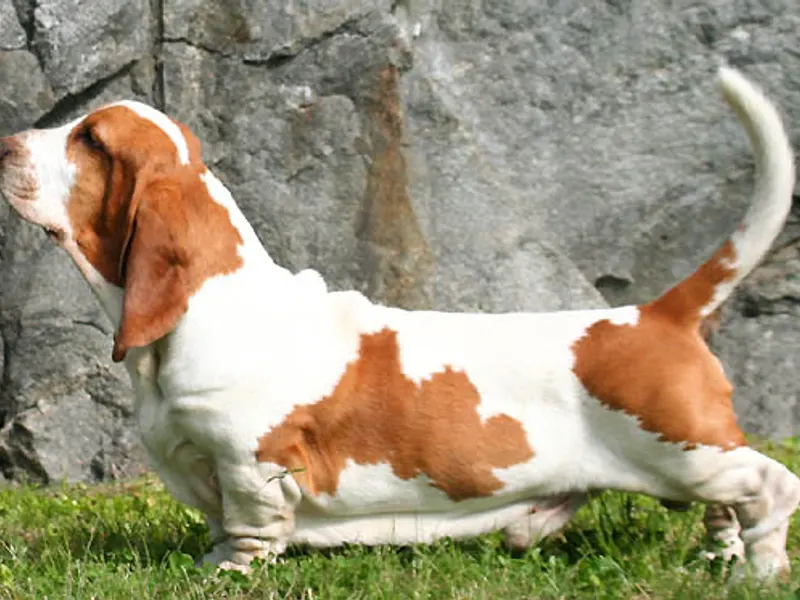
Basset Hound
Hound
40–65 lbs · 12–13 yrs
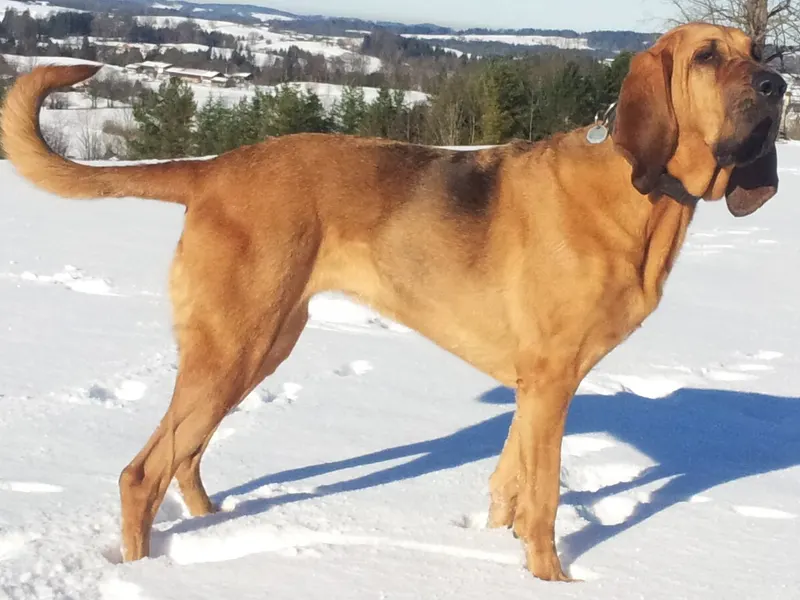
Bloodhound
Hound
80–110 lbs · 10–12 yrs
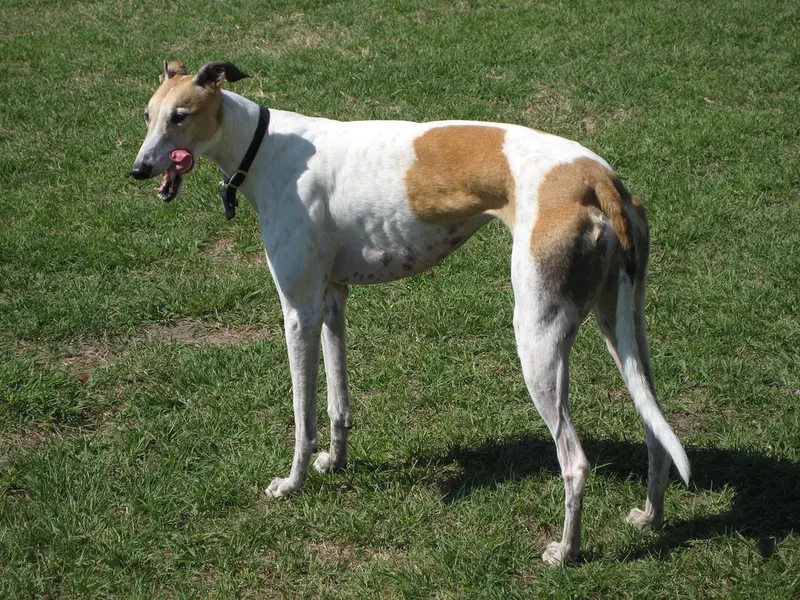
Greyhound
Hound
60–88 lbs · 10–14 yrs
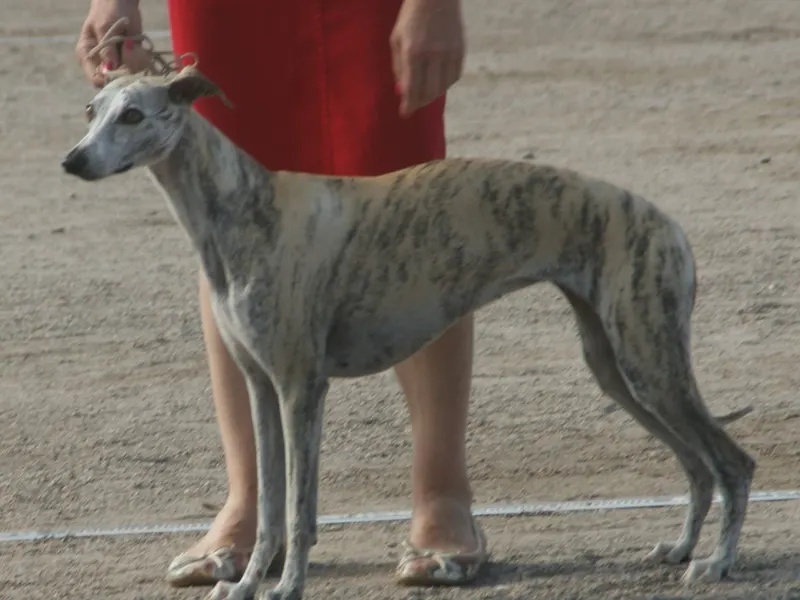
Whippet
Hound
25–40 lbs · 12–15 yrs
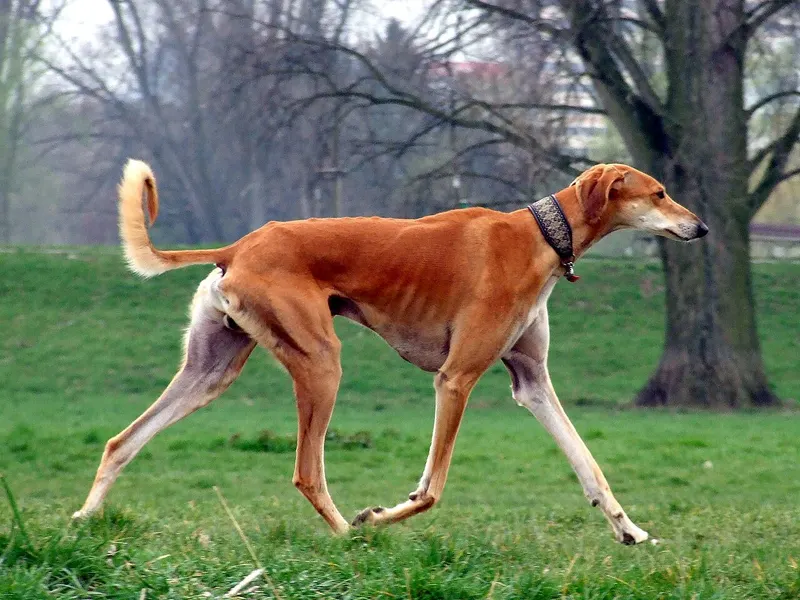
Saluki
Hound
40–65 lbs · 12–14 yrs
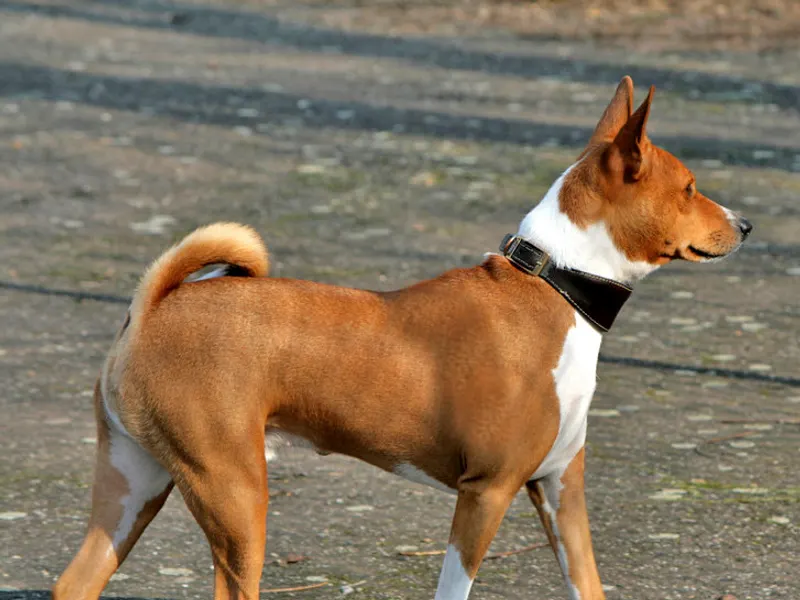
Basenji
Hound
22–24 lbs · 13–14 yrs
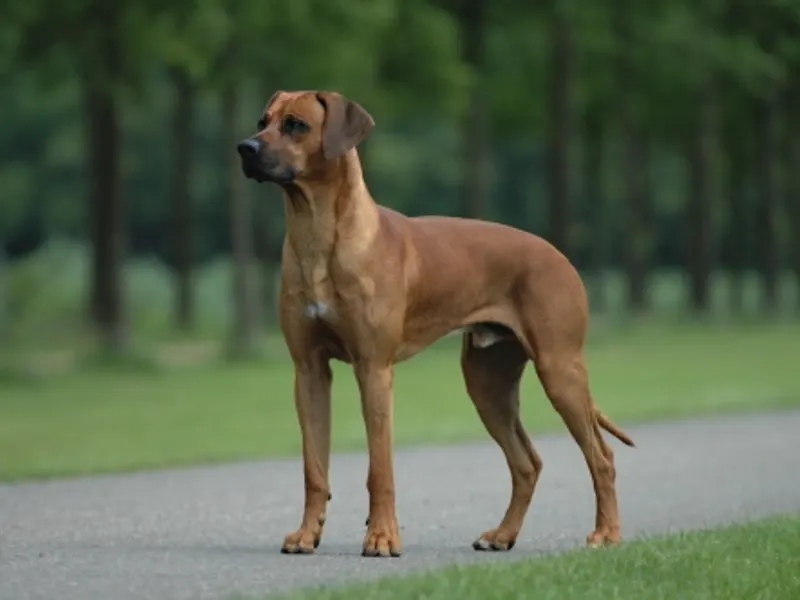
Rhodesian Ridgeback
Hound
70–85 lbs · 10–12 yrs
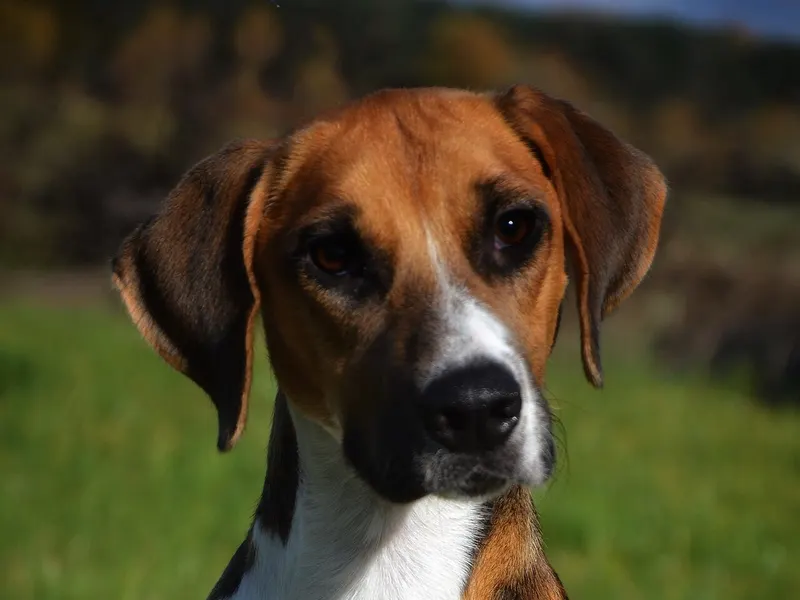
Harrier
Hound
45–60 lbs · 10–12 yrs
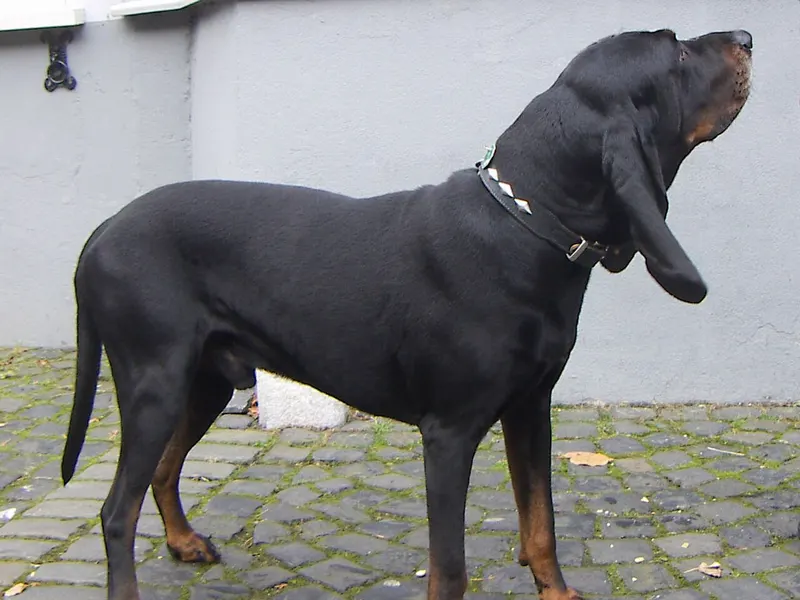
Black and Tan Coonhound
Hound
55–110 lbs · 10–12 yrs
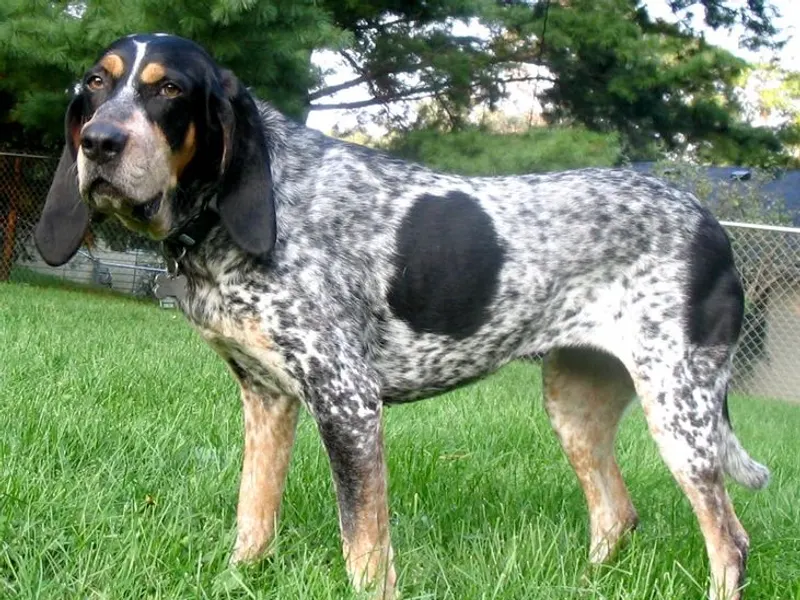
Bluetick Coonhound
Hound
45–100 lbs · 11–12 yrs
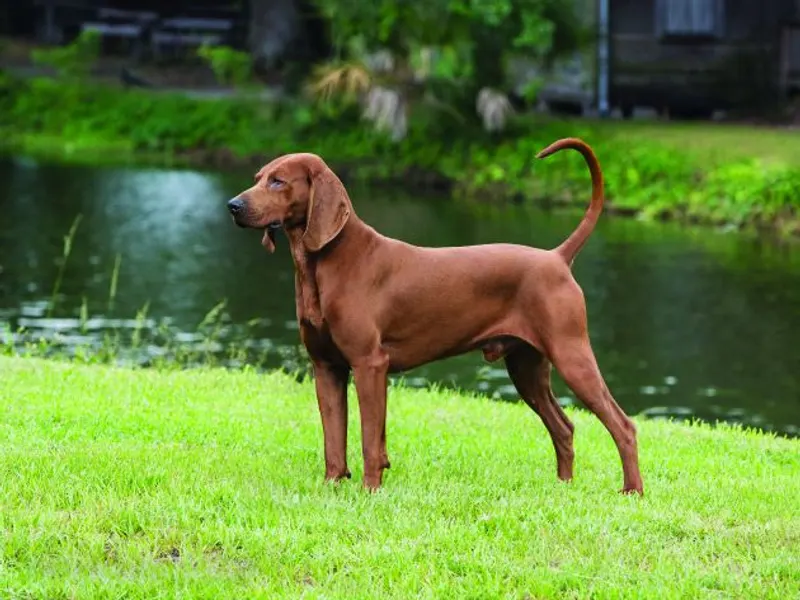
Redbone Coonhound
Hound
45–70 lbs · 12–15 yrs
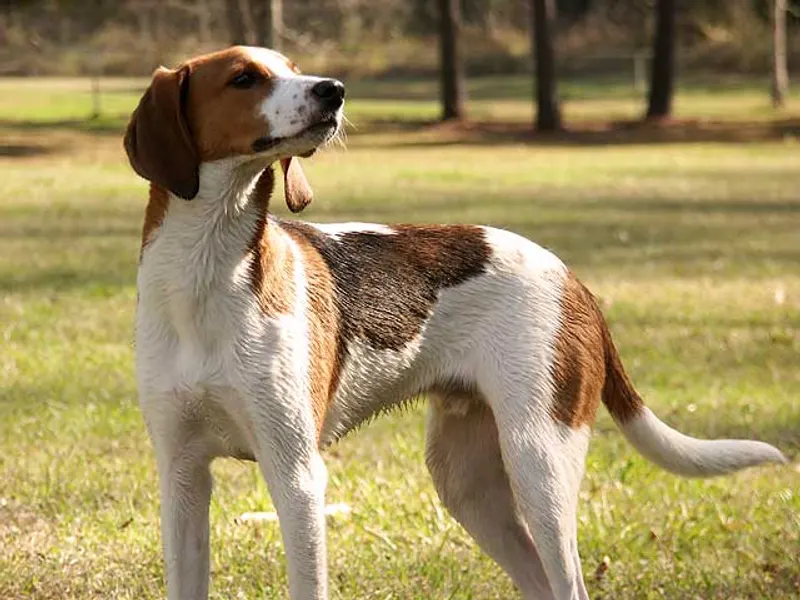
Treeing Walker Coonhound
Hound
50–70 lbs · 12–13 yrs
American English Coonhound
Hound
45–65 lbs · 11–12 yrs
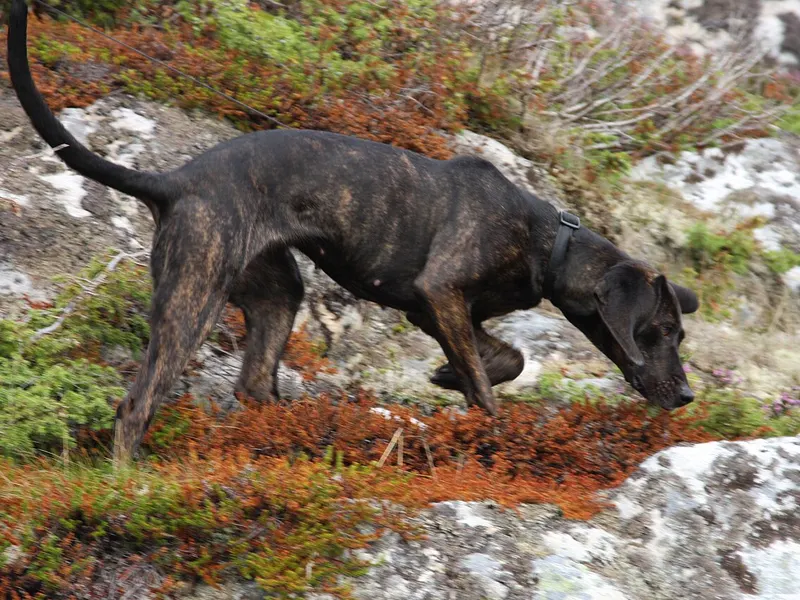
Plott Hound
Hound
40–60 lbs · 12–14 yrs
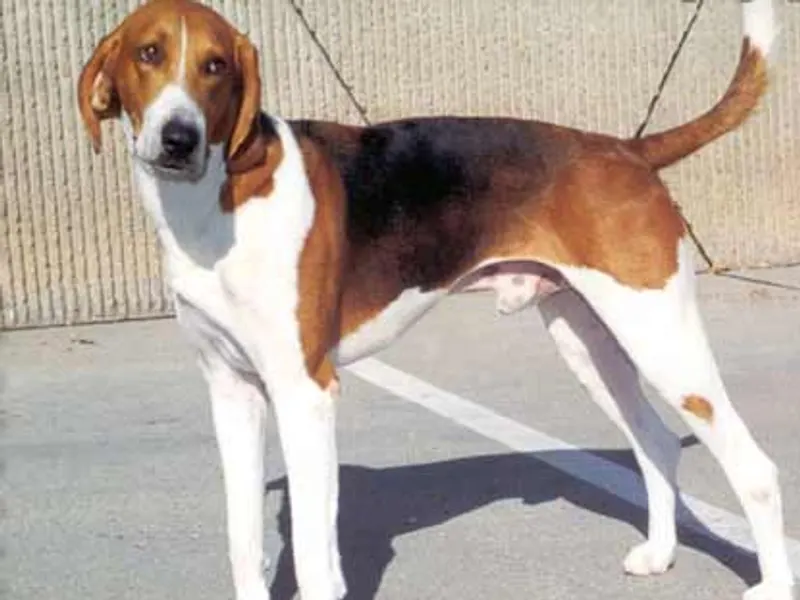
American Foxhound
Hound
45–70 lbs · 11–13 yrs
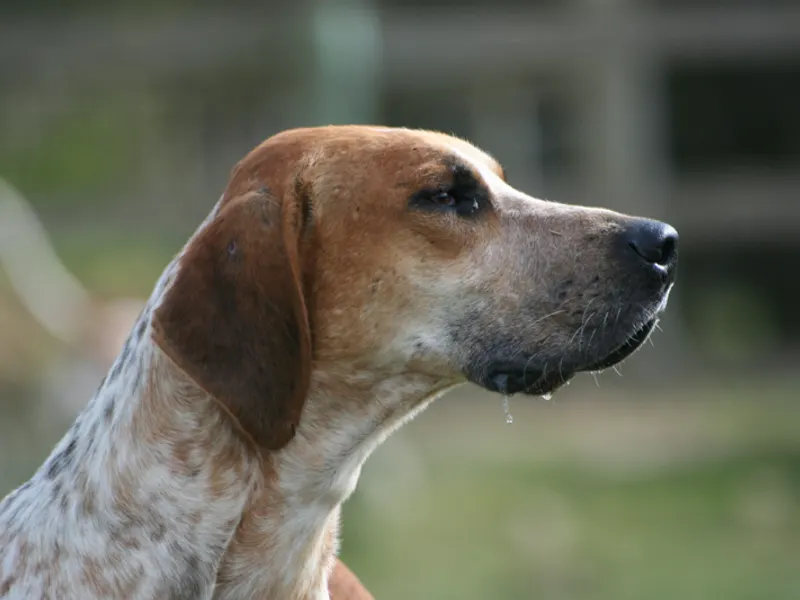
English Foxhound
Hound
55–75 lbs · 10–13 yrs
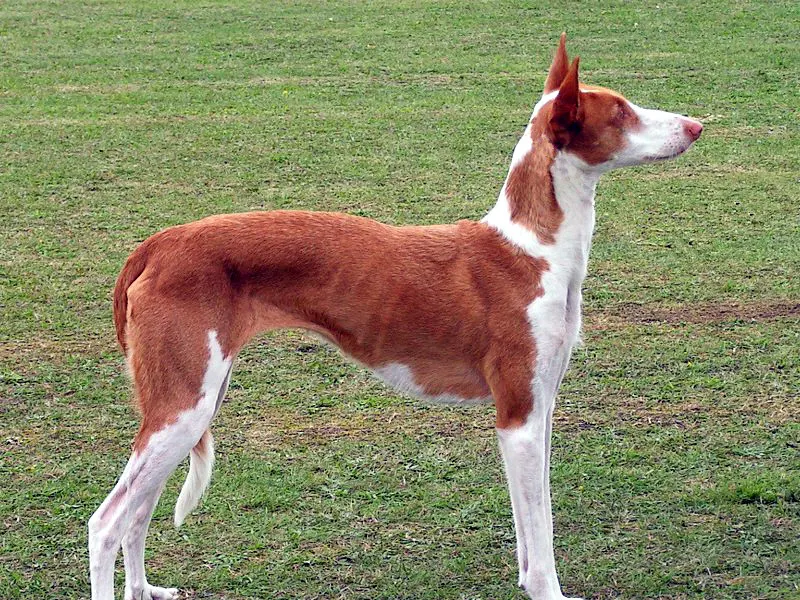
Ibizan Hound
Hound
45–50 lbs · 11–14 yrs
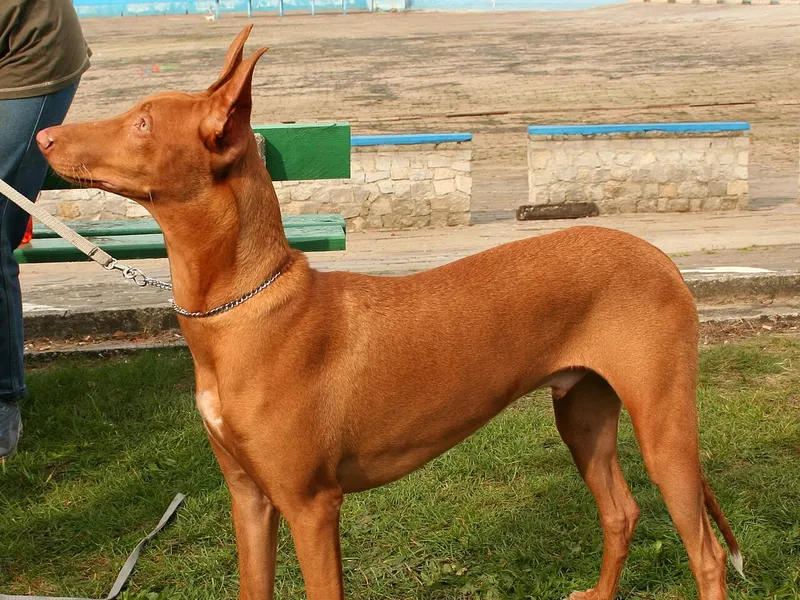
Pharaoh Hound
Hound
45–55 lbs · 11–14 yrs
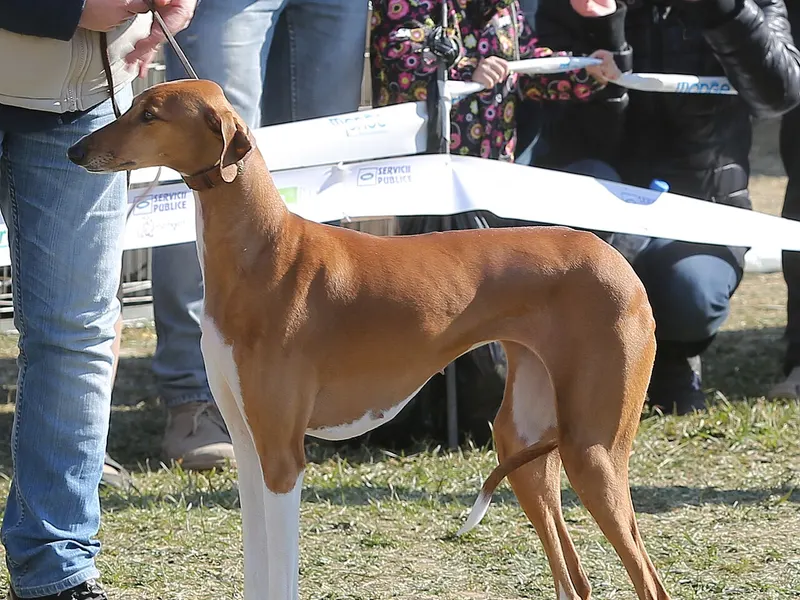
Azawakh
Hound
33–55 lbs · 12–15 yrs
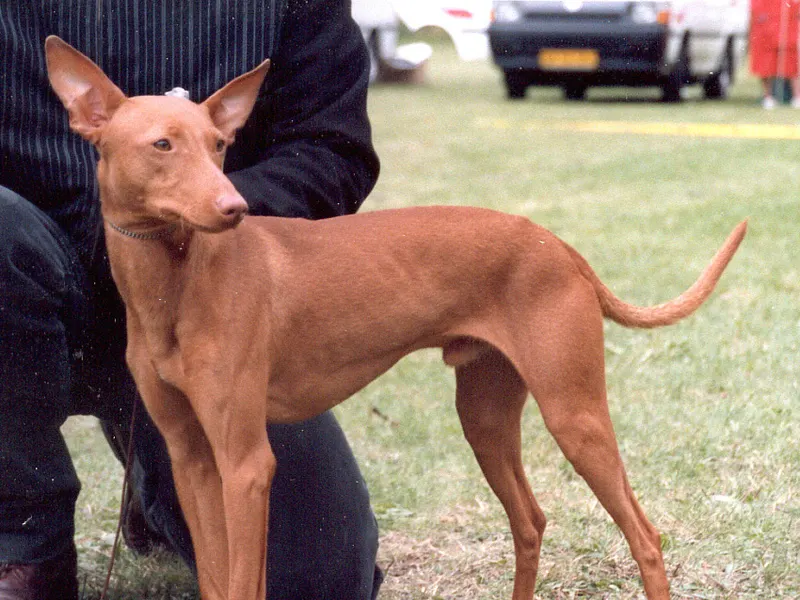
Cirneco dell'Etna
Hound
17–26 lbs · 12–14 yrs
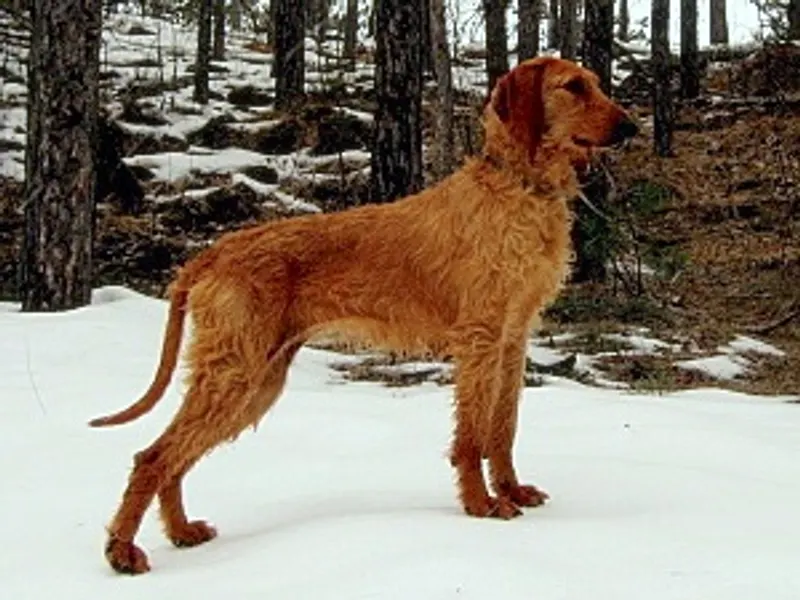
Segugio Italiano
Hound
40–62 lbs · 13–15 yrs
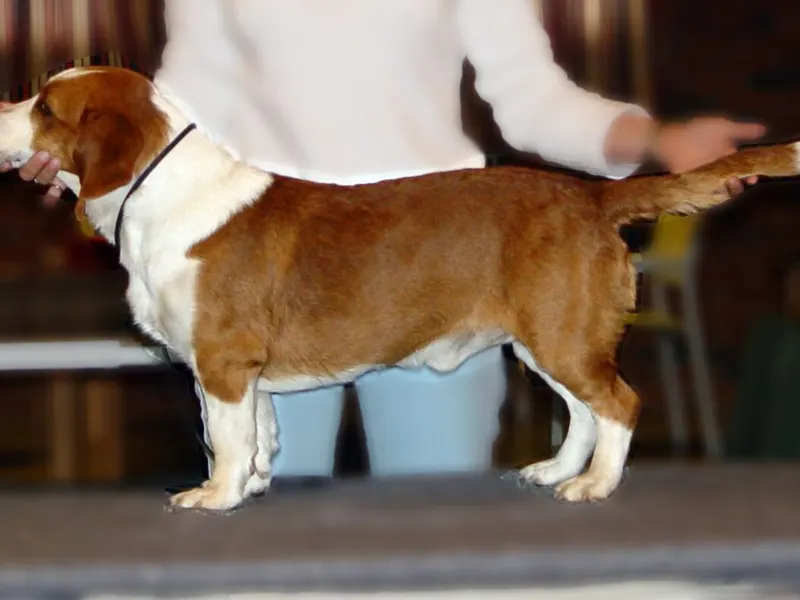
Drever
Hound
30–35 lbs · 12–14 yrs
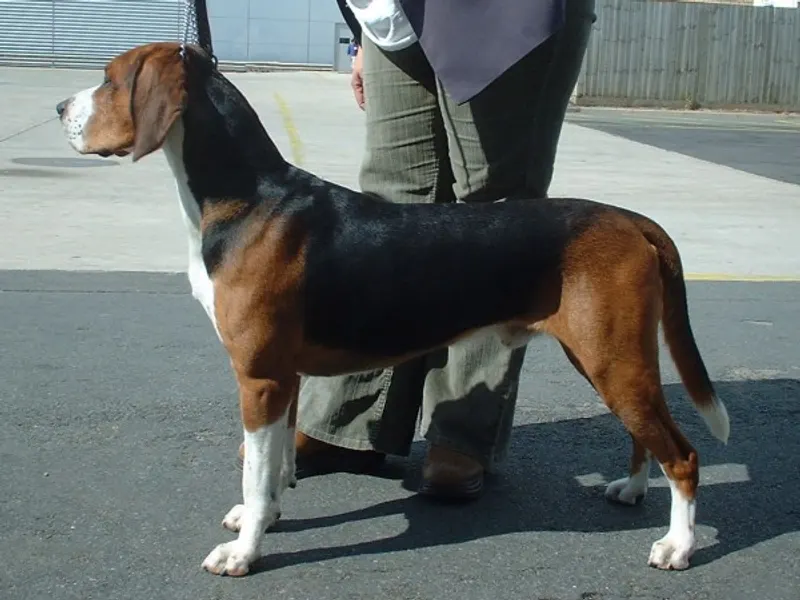
Hamiltonstovare
Hound
40–60 lbs · 12–13 yrs
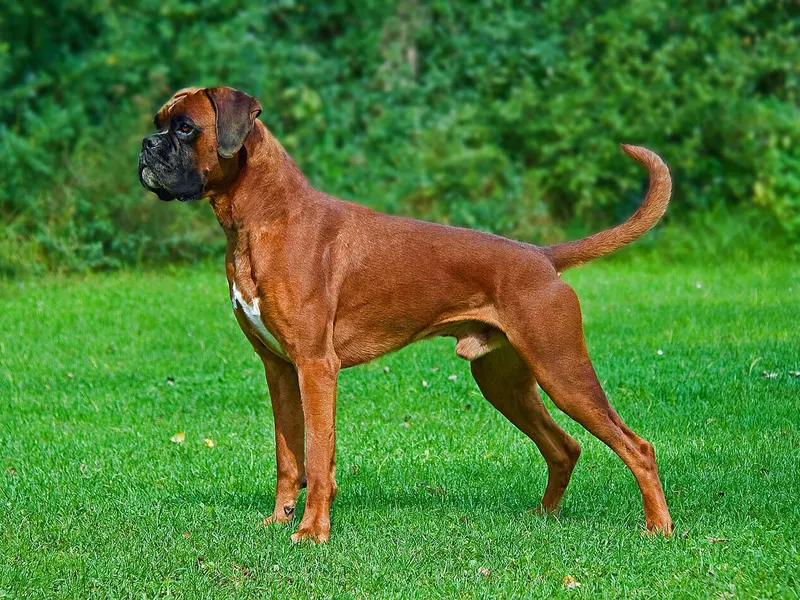
Boxer
Working
50–80 lbs · 10–12 yrs
Doberman Pinscher
Working
60–100 lbs · 10–13 yrs
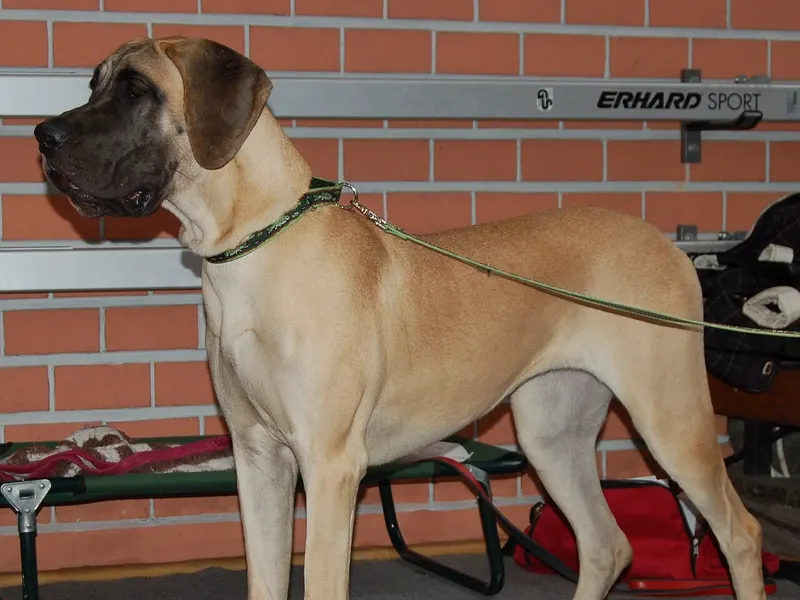
Great Dane
Working
110–175 lbs · 7–10 yrs
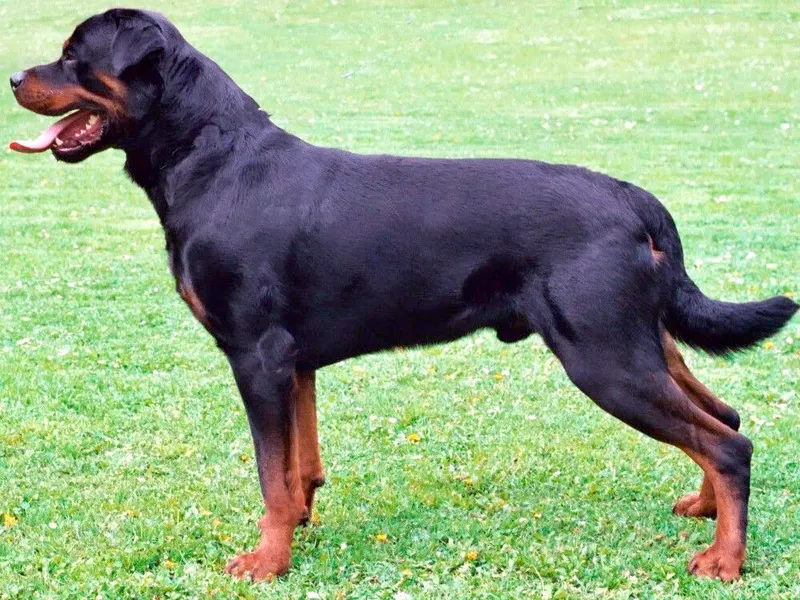
Rottweiler
Working
80–135 lbs · 8–10 yrs
Mastiff
Working
120–230 lbs · 6–10 yrs
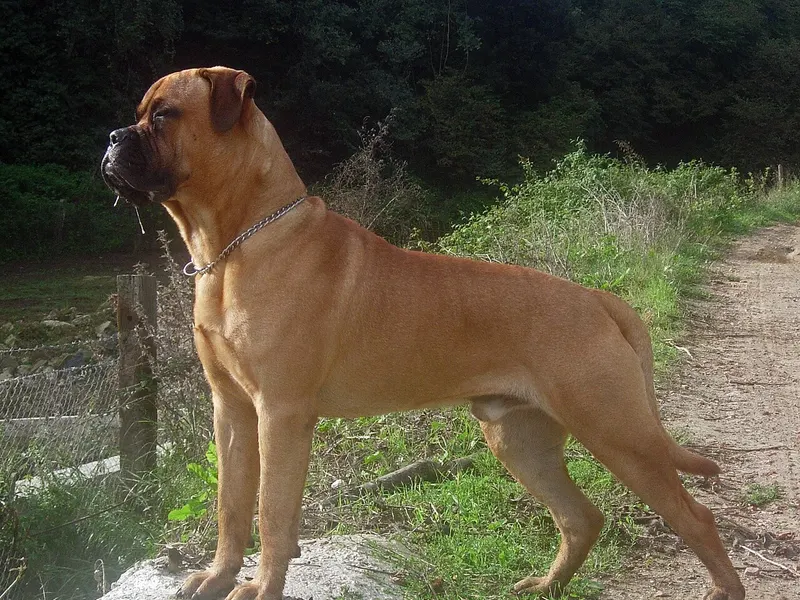
Bullmastiff
Working
100–130 lbs · 7–9 yrs
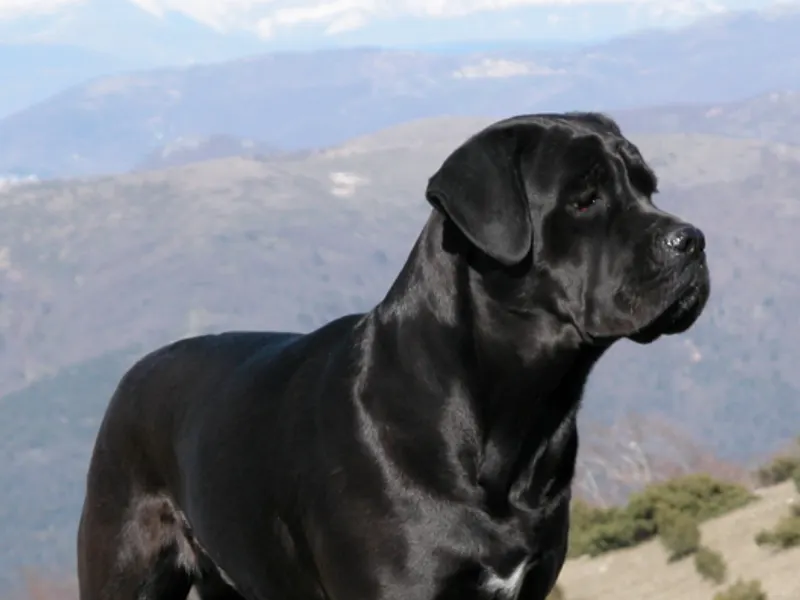
Cane Corso
Working
88–120 lbs · 9–12 yrs
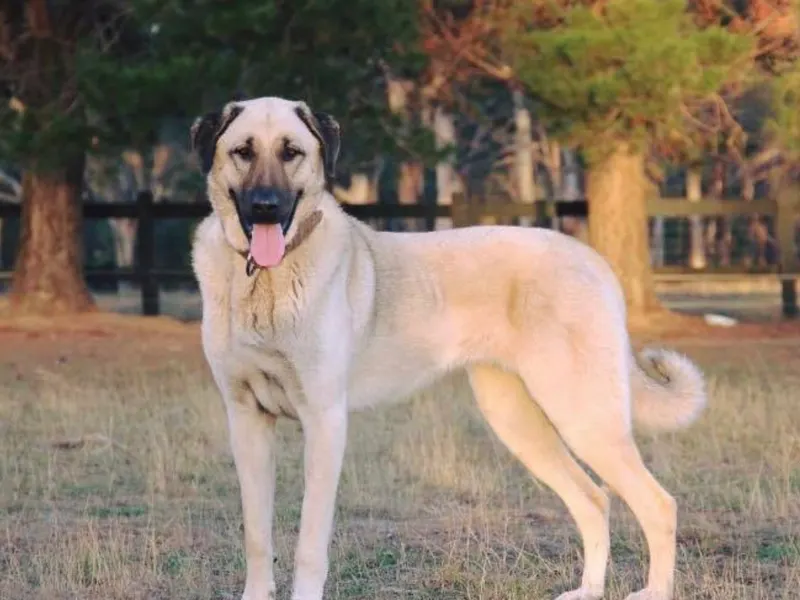
Anatolian Shepherd Dog
Working
80–150 lbs · 11–13 yrs
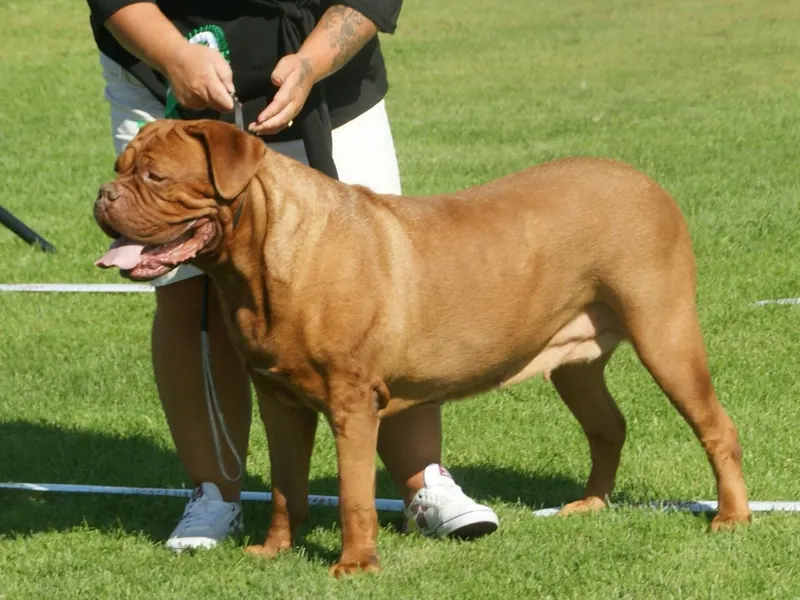
Dogue de Bordeaux
Working
99–110 lbs · 5–8 yrs
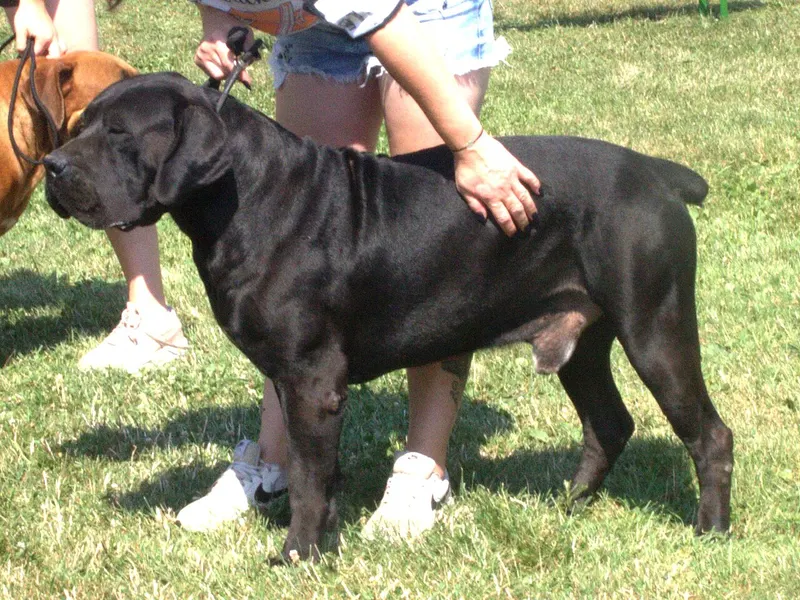
Boerboel
Working
150–200 lbs · 9–11 yrs
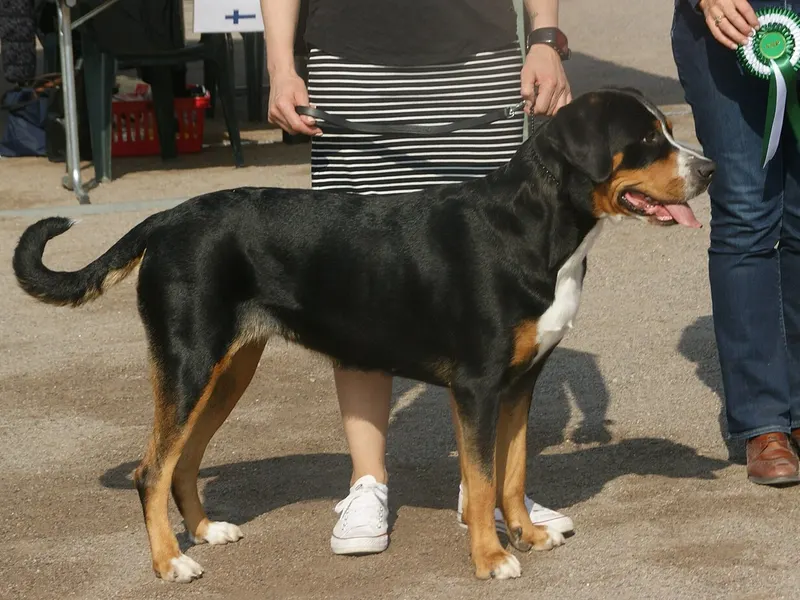
Greater Swiss Mountain Dog
Working
85–140 lbs · 8–11 yrs
Neapolitan Mastiff
Working
110–150 lbs · 7–9 yrs
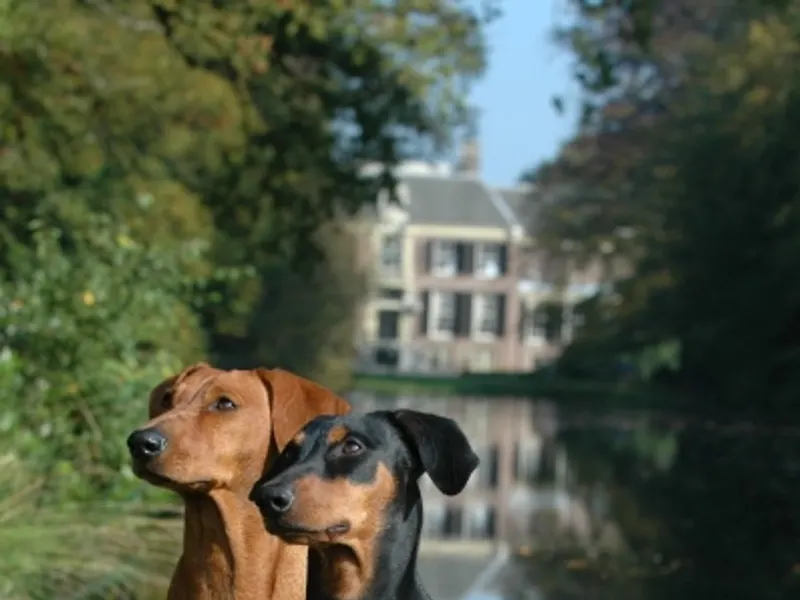
German Pinscher
Working
25–45 lbs · 12–14 yrs
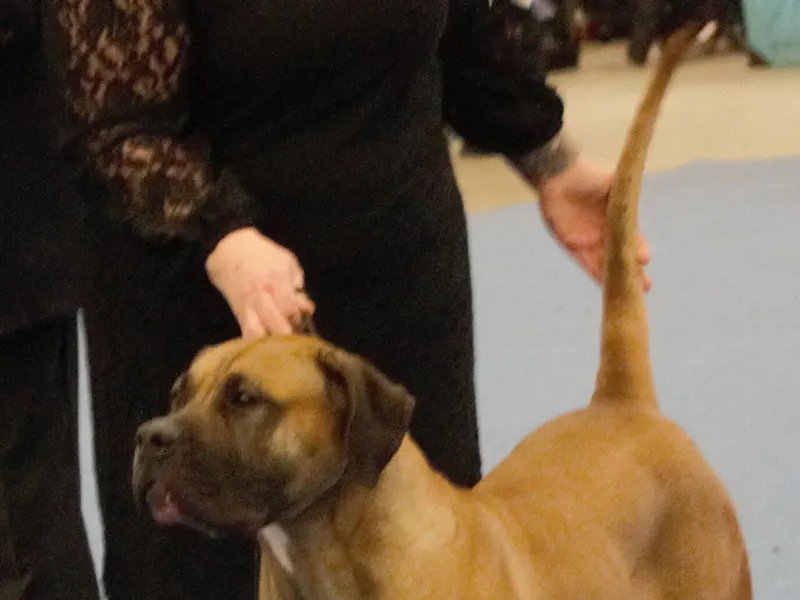
Presa Canario
Working
80–130 lbs · 9–11 yrs
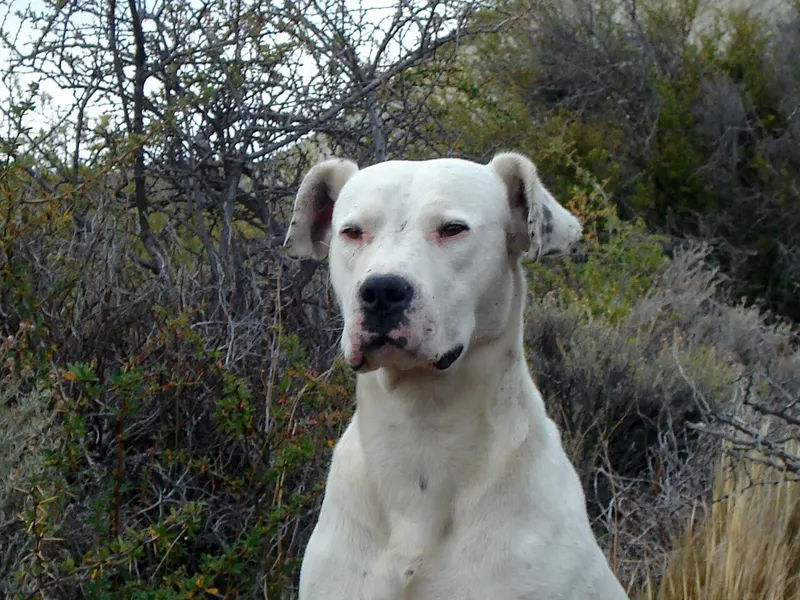
Dogo Argentino
Working
80–100 lbs · 9–15 yrs
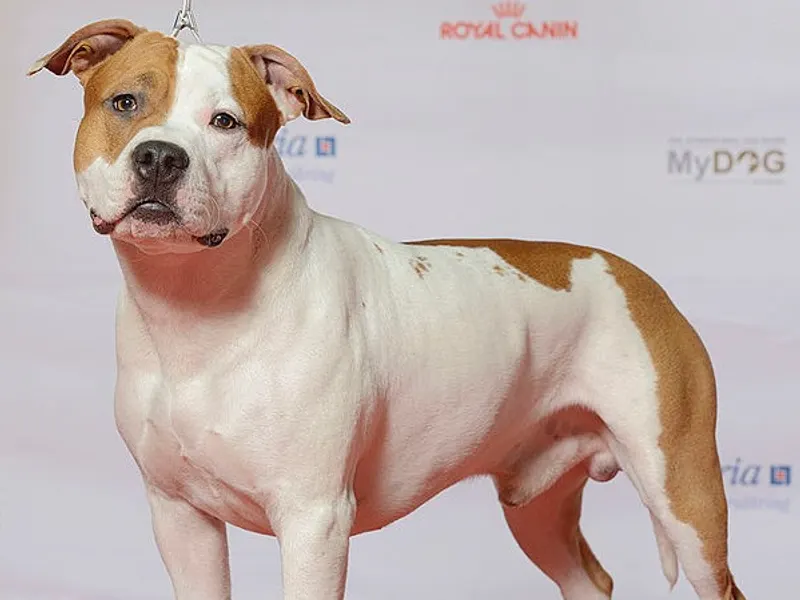
American Staffordshire Terrier
Terrier
40–70 lbs · 12–16 yrs
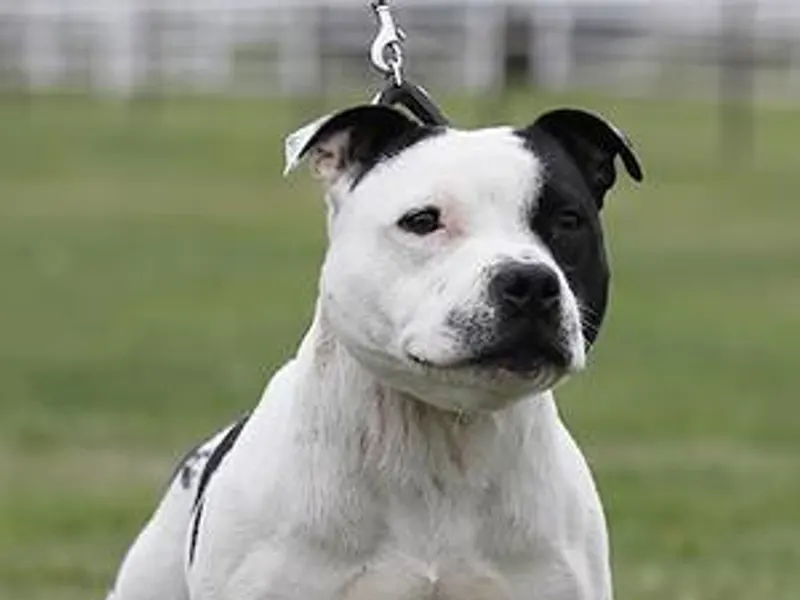
Staffordshire Bull Terrier
Terrier
24–38 lbs · 12–14 yrs
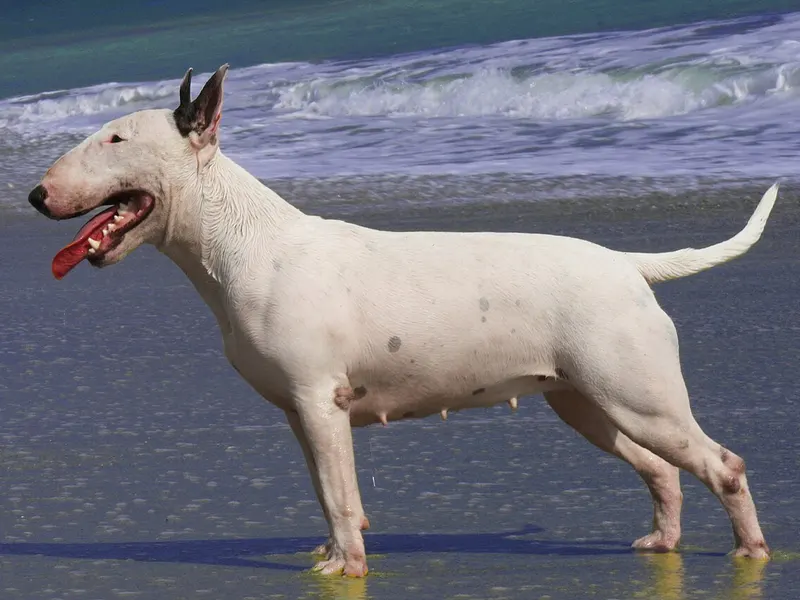
Bull Terrier
Terrier
35–65 lbs · 11–13 yrs
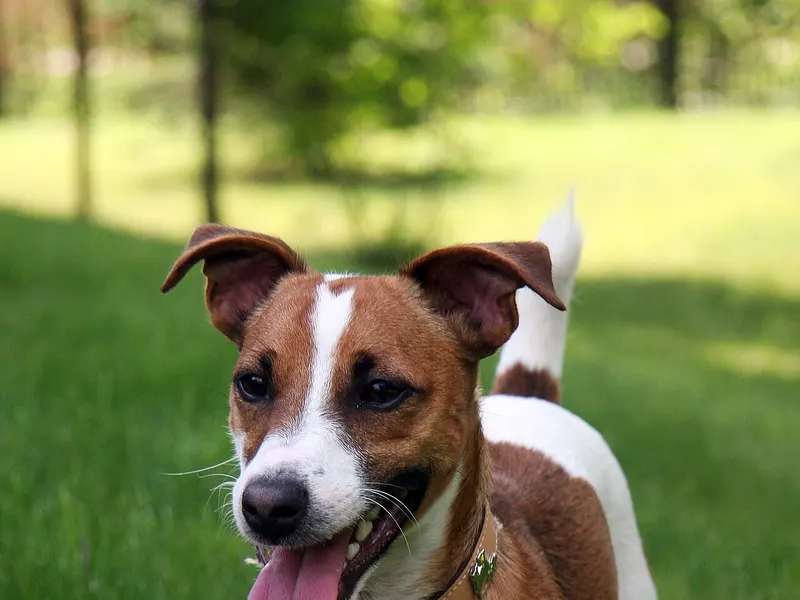
Jack Russell Terrier
Terrier
9–15 lbs · 13–16 yrs
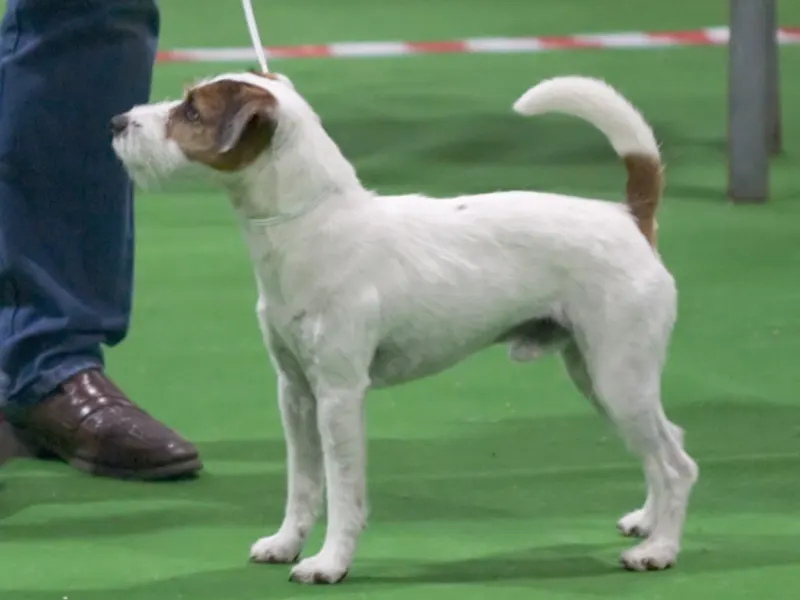
Parson Russell Terrier
Terrier
13–17 lbs · 13–15 yrs
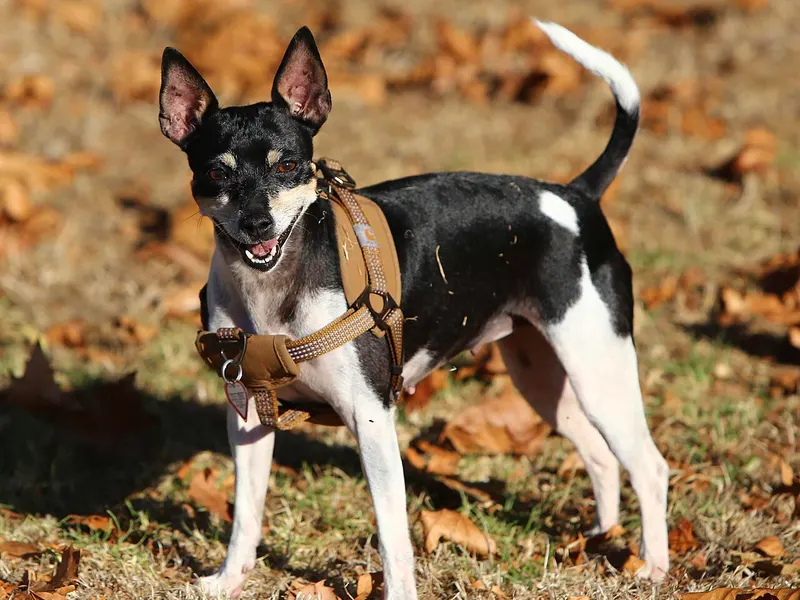
Rat Terrier
Terrier
10–25 lbs · 15–18 yrs
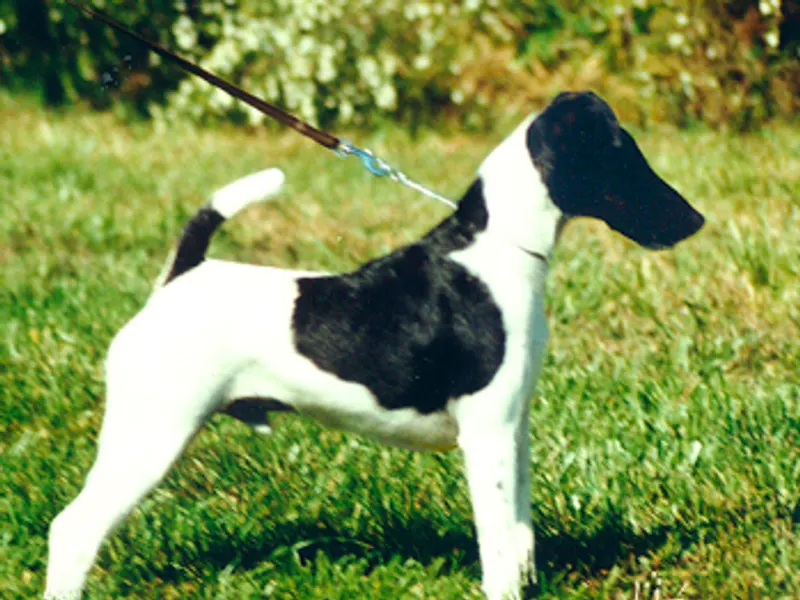
Smooth Fox Terrier
Terrier
15–18 lbs · 12–15 yrs
Manchester Terrier
Terrier
12–22 lbs · 15–17 yrs
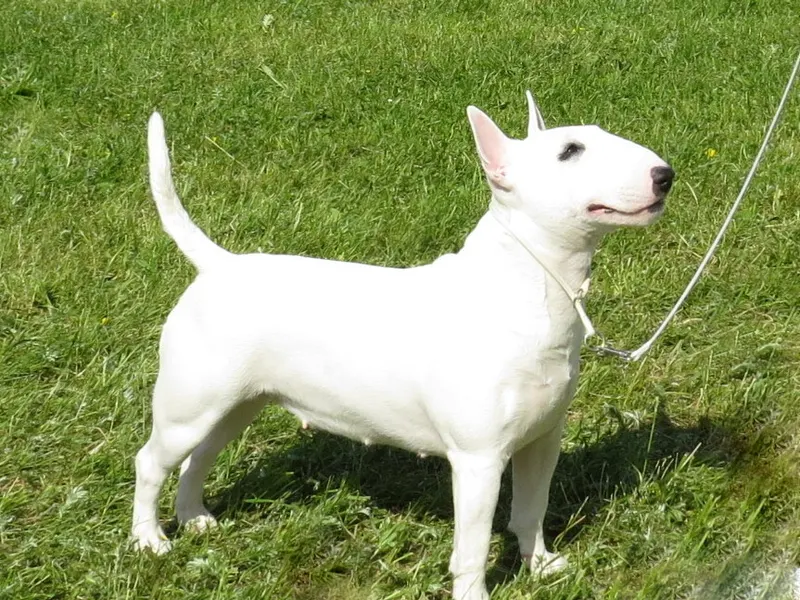
Miniature Bull Terrier
Terrier
25–33 lbs · 11–14 yrs
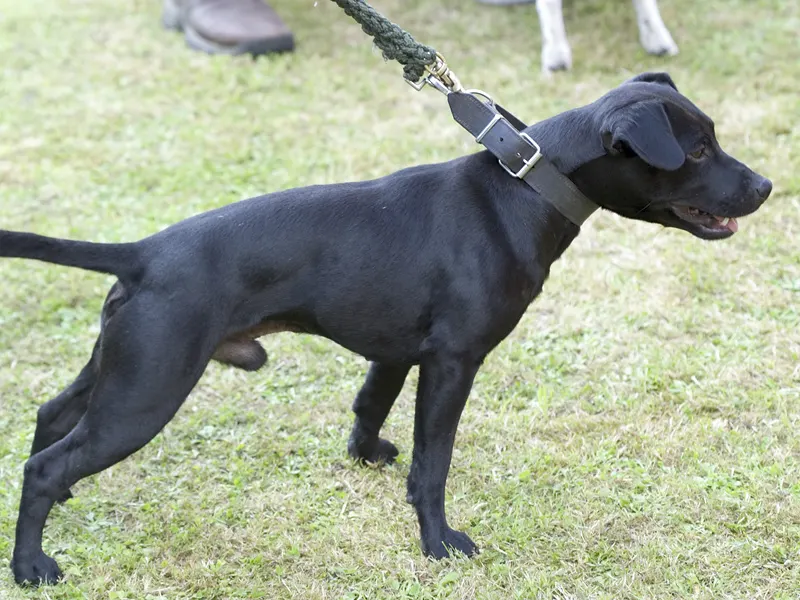
Patterdale Terrier
Terrier
11–13 lbs · 11–13 yrs
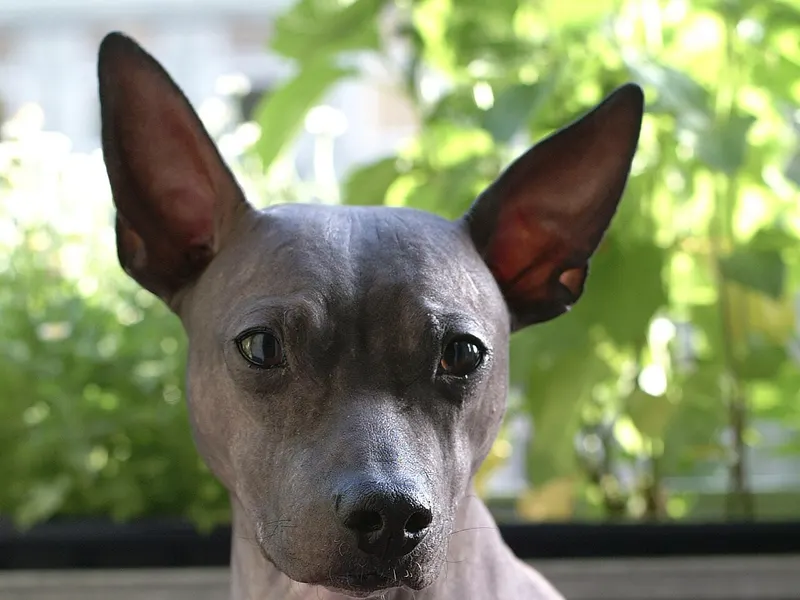
American Hairless Terrier
Terrier
5–16 lbs · 14–16 yrs
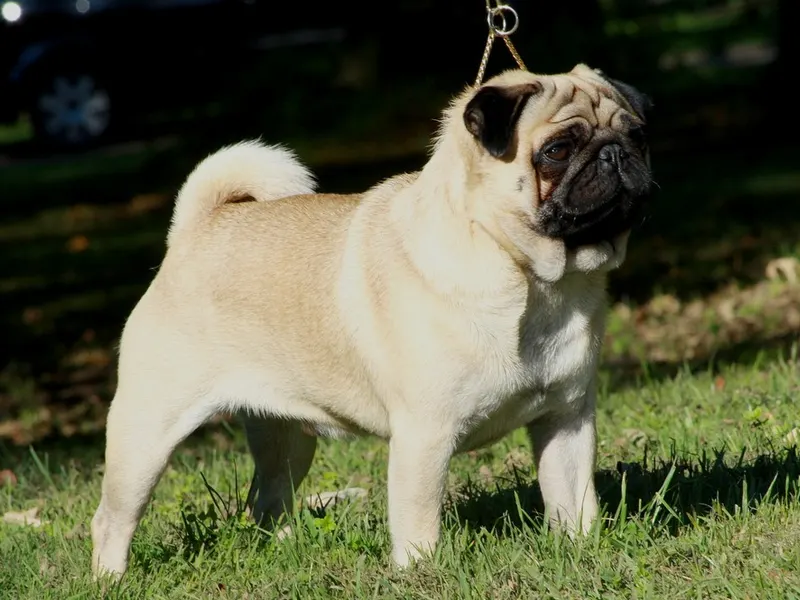
Pug
Toy
14–18 lbs · 13–15 yrs
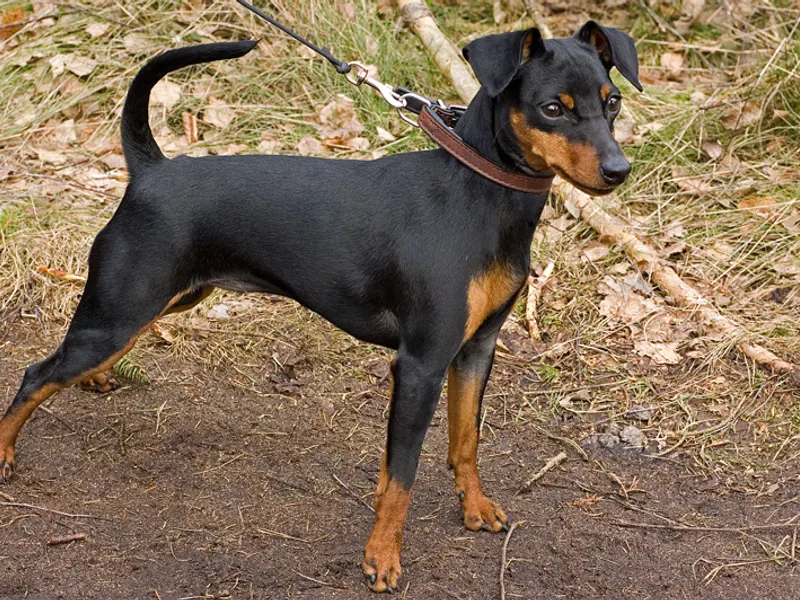
Miniature Pinscher
Toy
8–11 lbs · 12–16 yrs
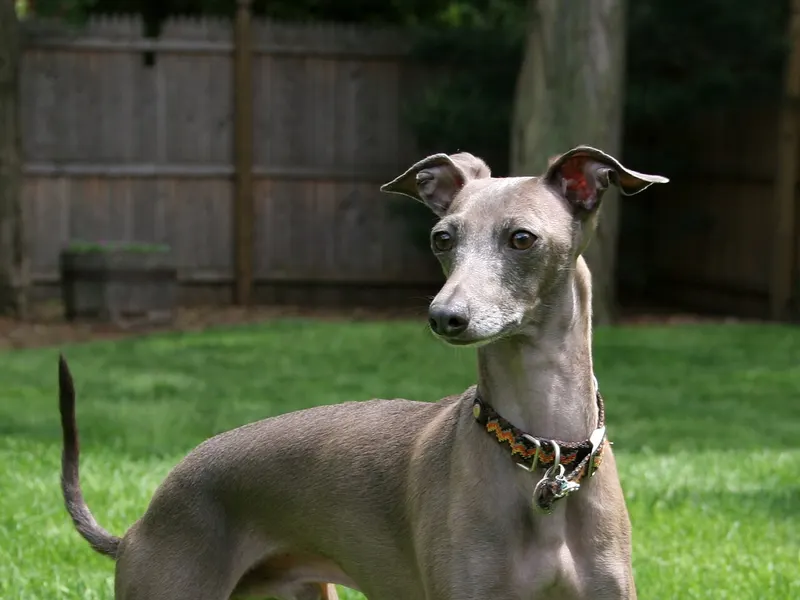
Italian Greyhound
Toy
7–14 lbs · 14–15 yrs
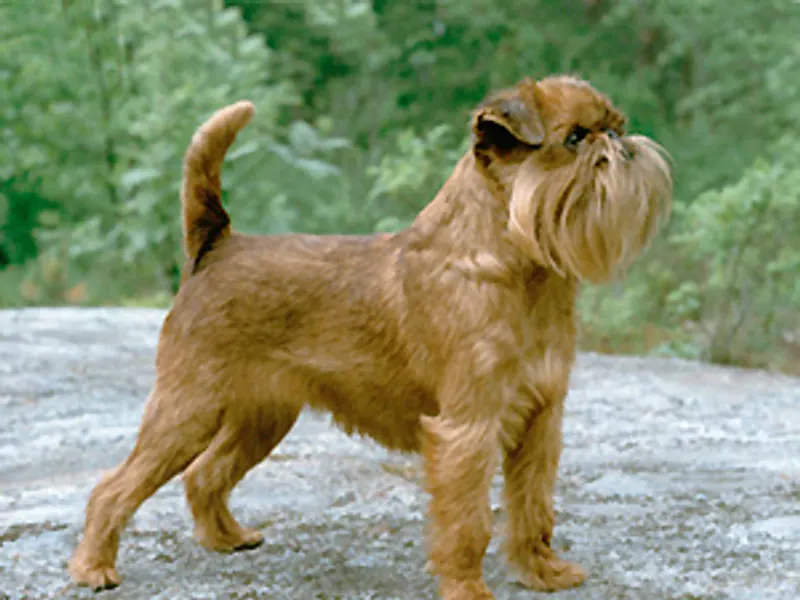
Brussels Griffon
Toy
6–12 lbs · 12–15 yrs
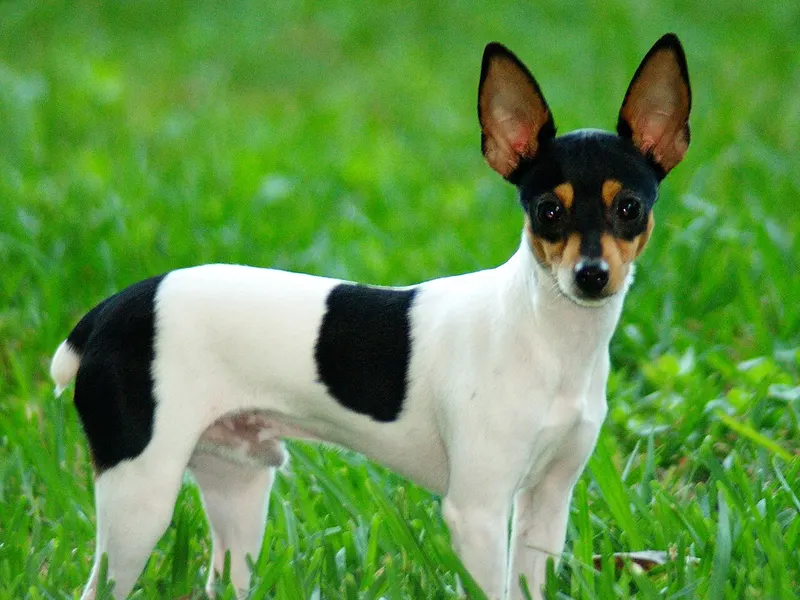
Toy Fox Terrier
Toy
3.5–7 lbs · 13–15 yrs
Bulldog
Non-Sporting
40–55 lbs · 8–10 yrs
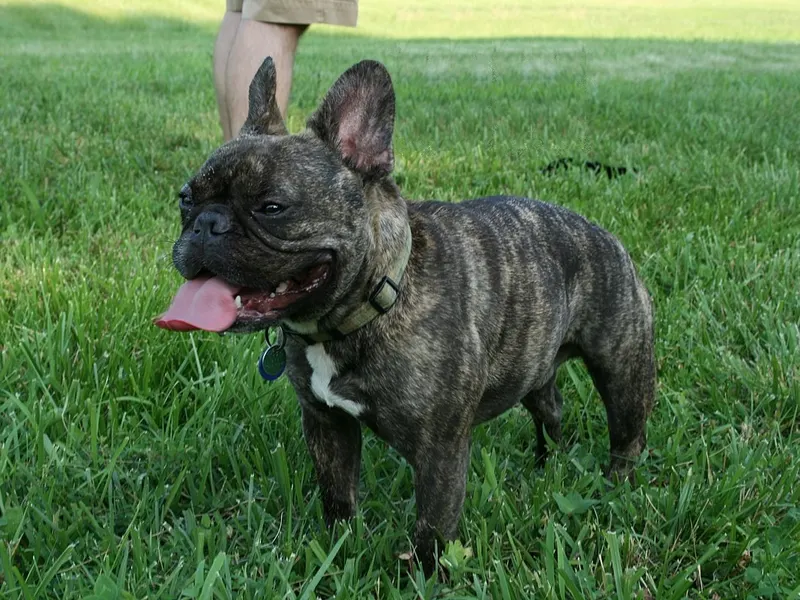
French Bulldog
Non-Sporting
16–28 lbs · 10–14 yrs
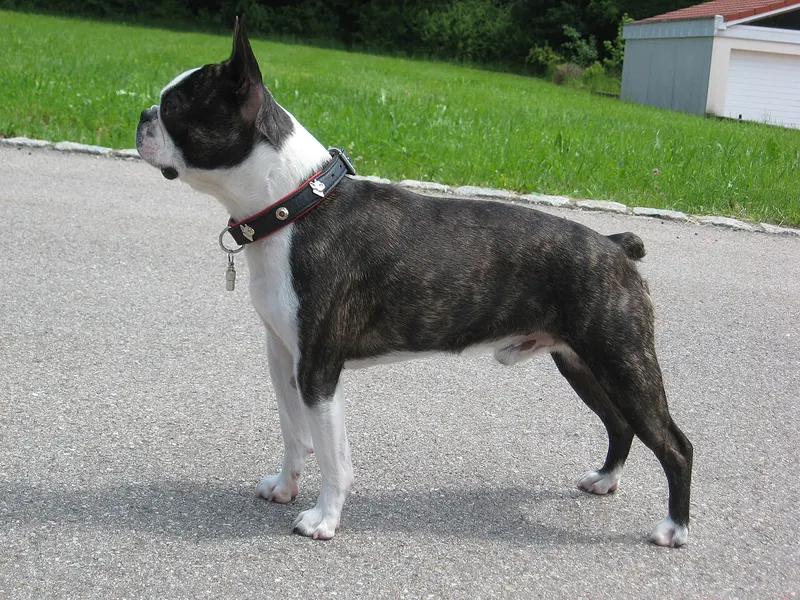
Boston Terrier
Non-Sporting
12–25 lbs · 11–13 yrs
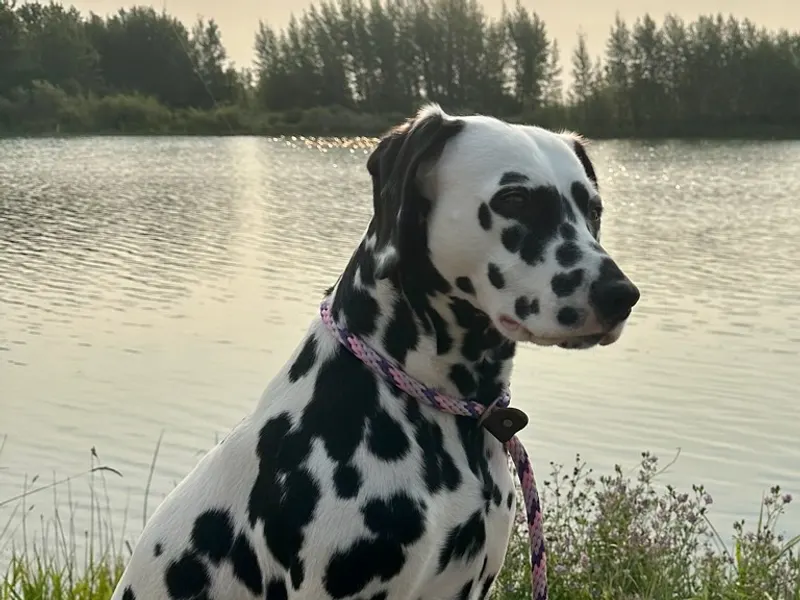
Dalmatian
Non-Sporting
45–70 lbs · 11–13 yrs
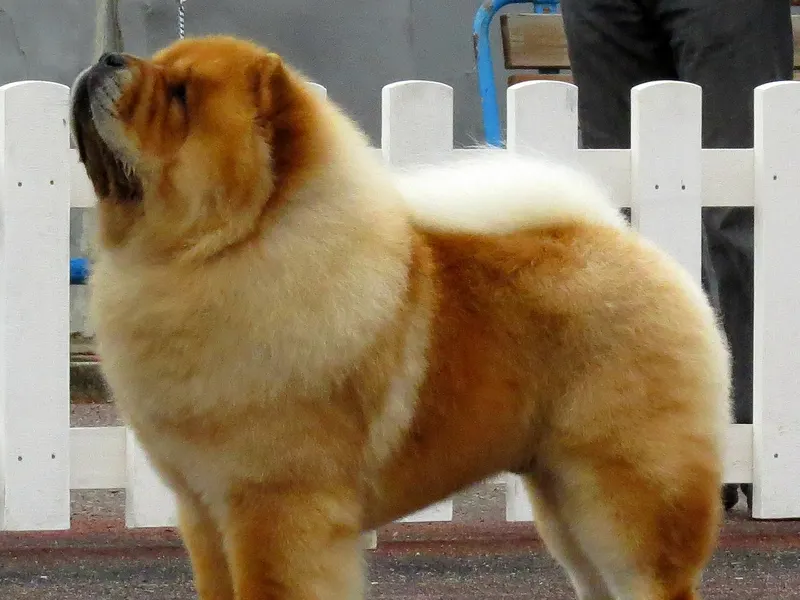
Chow Chow
Non-Sporting
45–70 lbs · 9–15 yrs
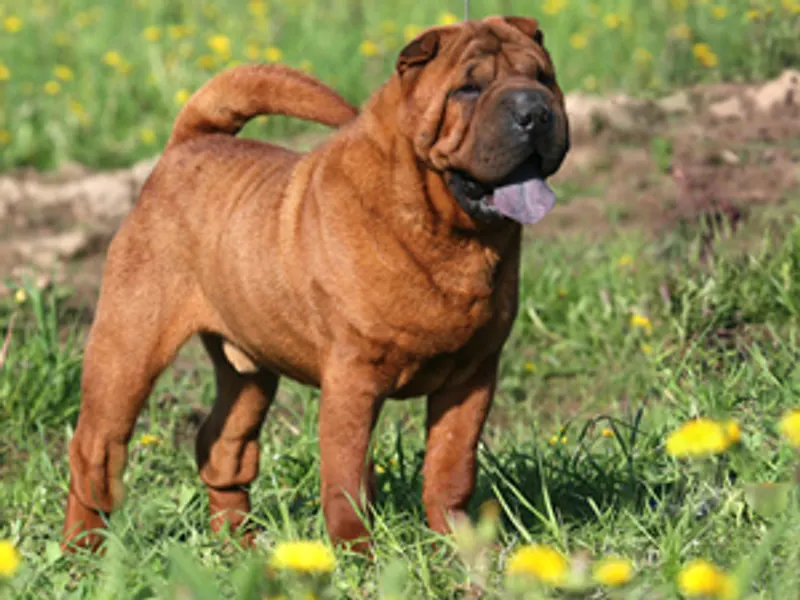
Shar-Pei
Non-Sporting
45–60 lbs · 8–12 yrs
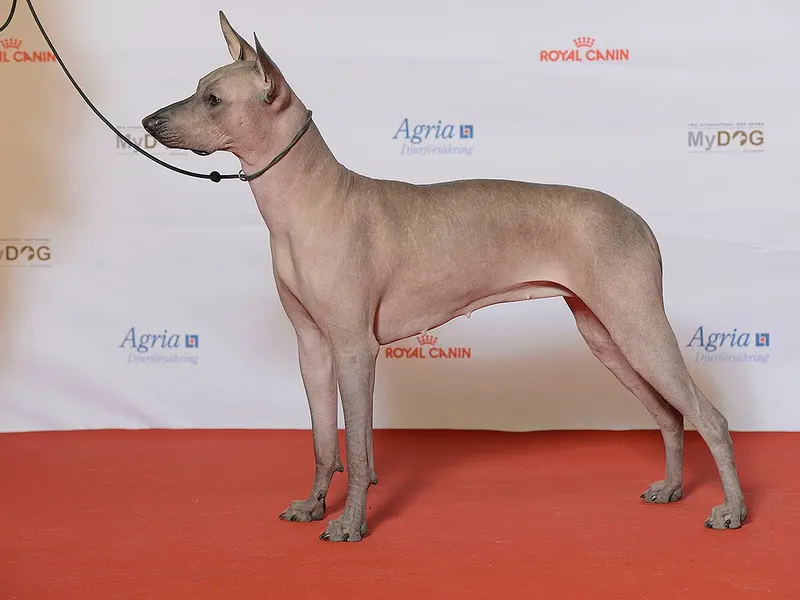
Xoloitzcuintli
Non-Sporting
10–50 lbs · 13–18 yrs
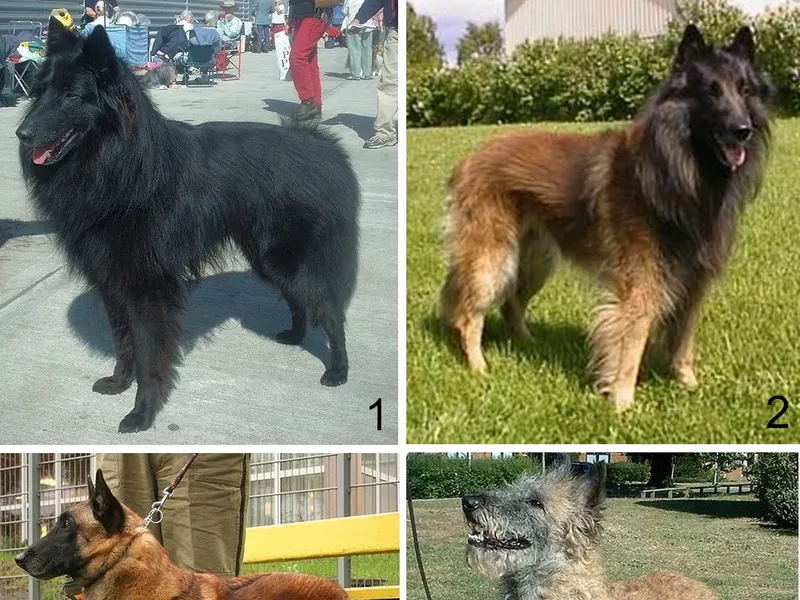
Belgian Malinois
Herding
40–80 lbs · 12–14 yrs
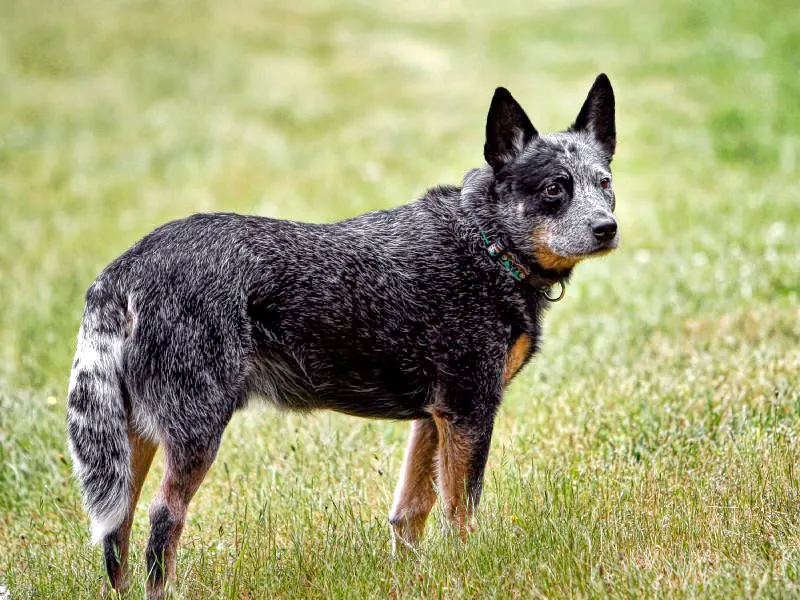
Australian Cattle Dog
Herding
35–50 lbs · 12–16 yrs
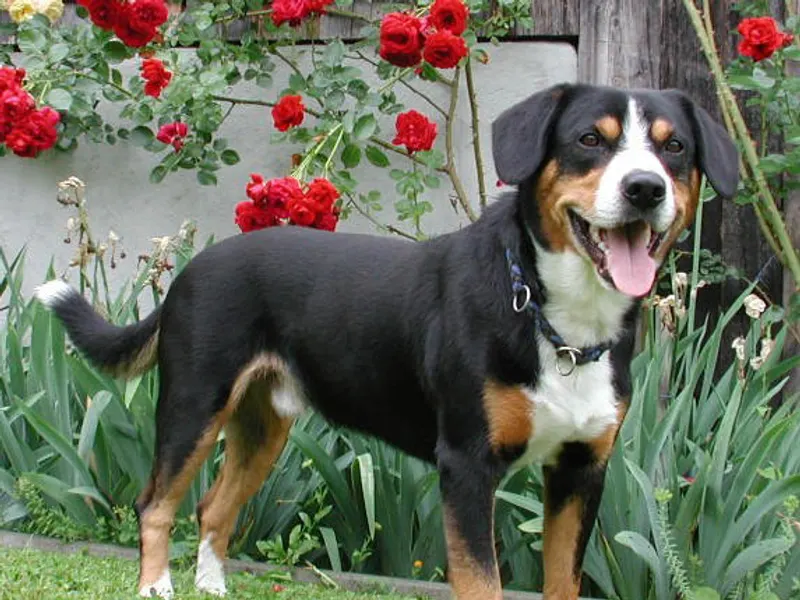
Entlebucher Mountain Dog
Herding
40–65 lbs · 11–15 yrs
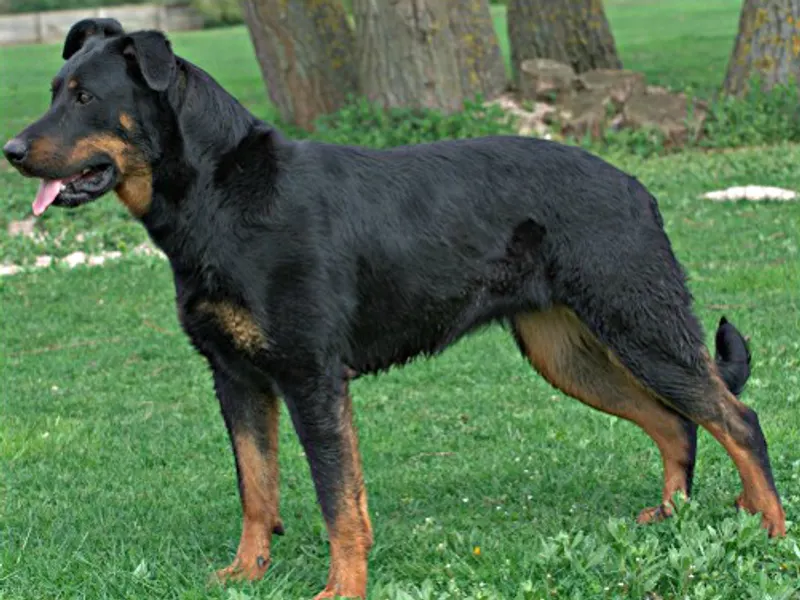
Beauceron
Herding
70–110 lbs · 10–12 yrs
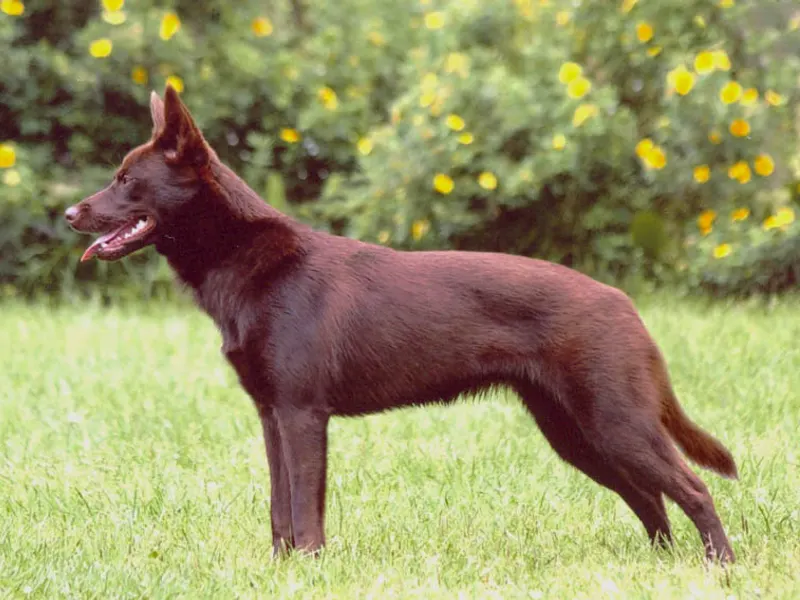
Australian Kelpie
Herding
25–45 lbs · 10–14 yrs
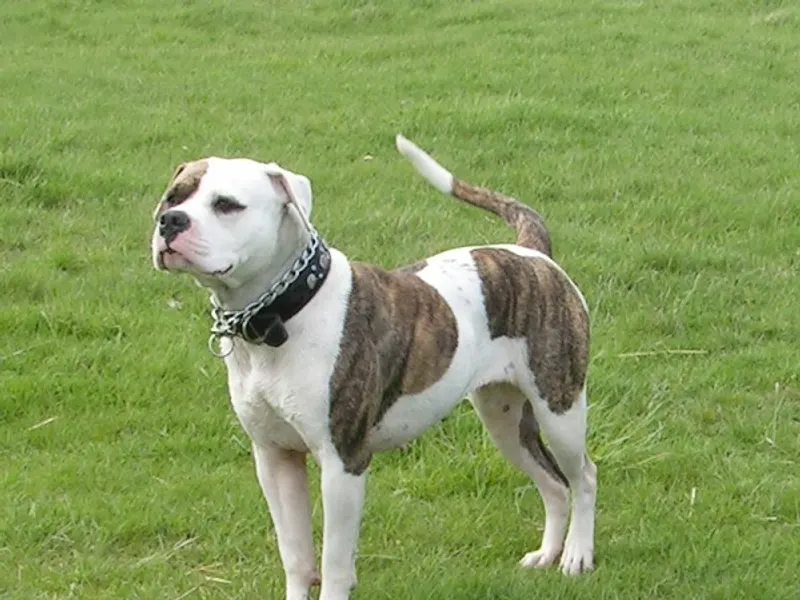
American Bulldog
Foundation Stock
60–120 lbs · 10–12 yrs
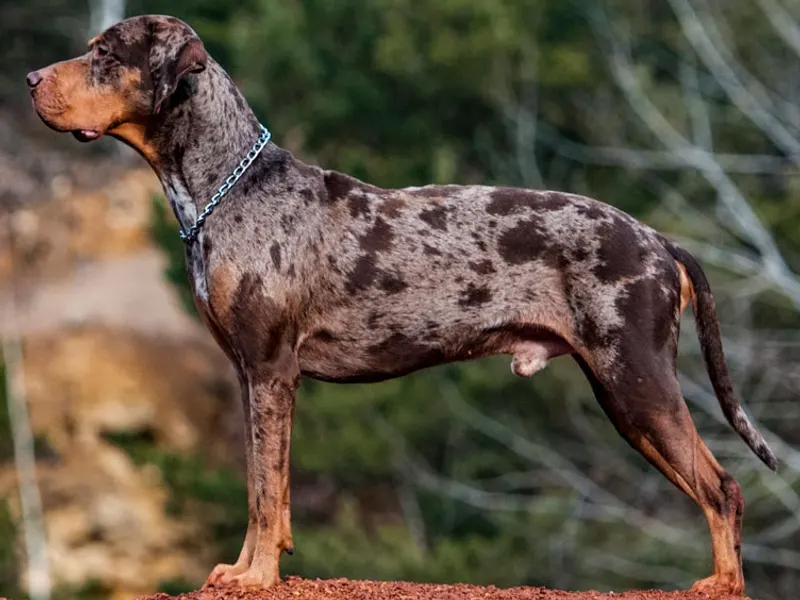
Catahoula Leopard Dog
Foundation Stock
50–95 lbs · 10–14 yrs
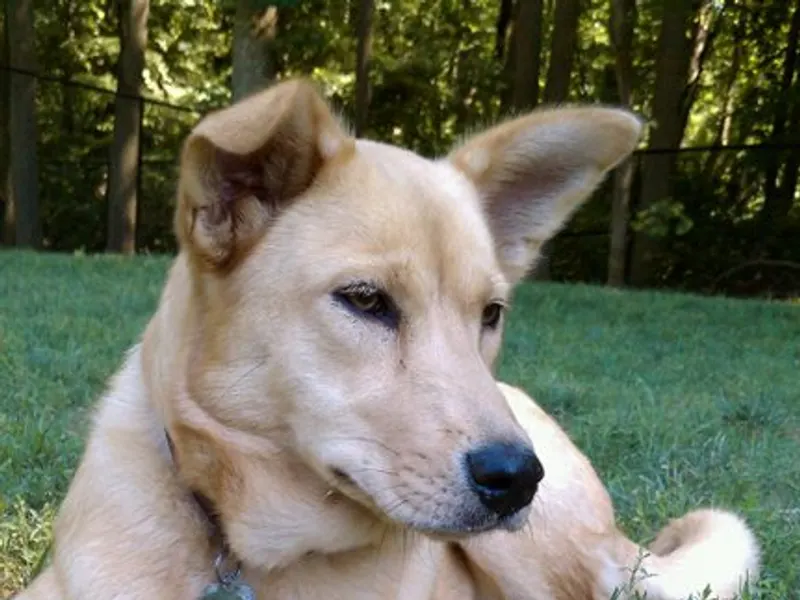
Carolina Dog
Foundation Stock
30–65 lbs · 12–15 yrs
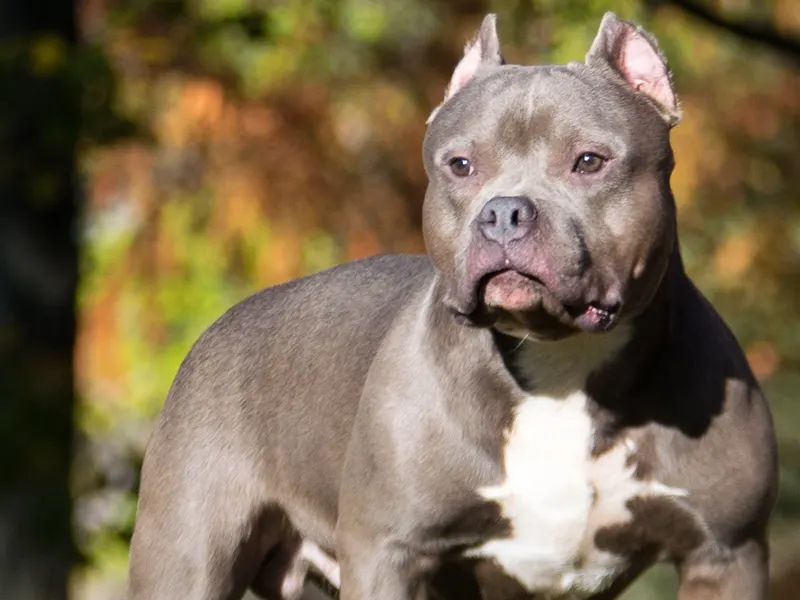
American Bully
Foundation Stock
30–150 lbs · 10–13 yrs
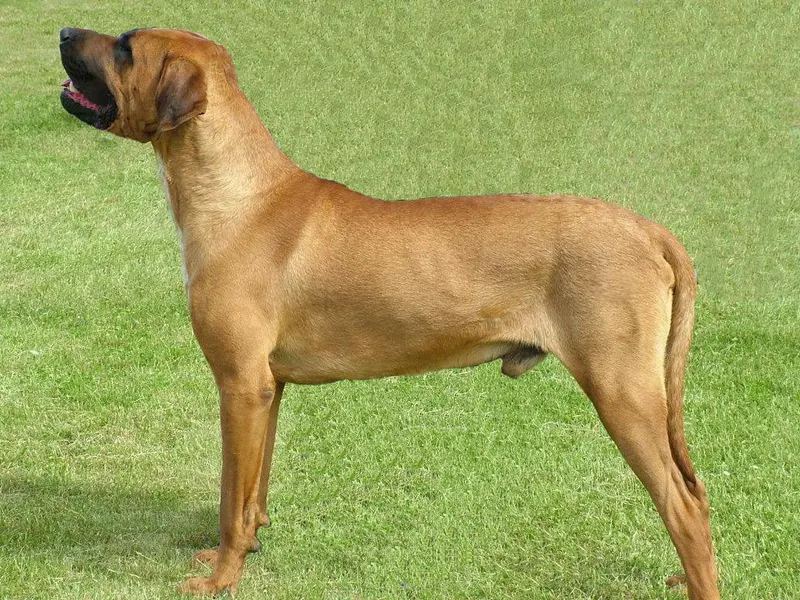
Tosa Inu
Foundation Stock
90–200 lbs · 9–11 yrs
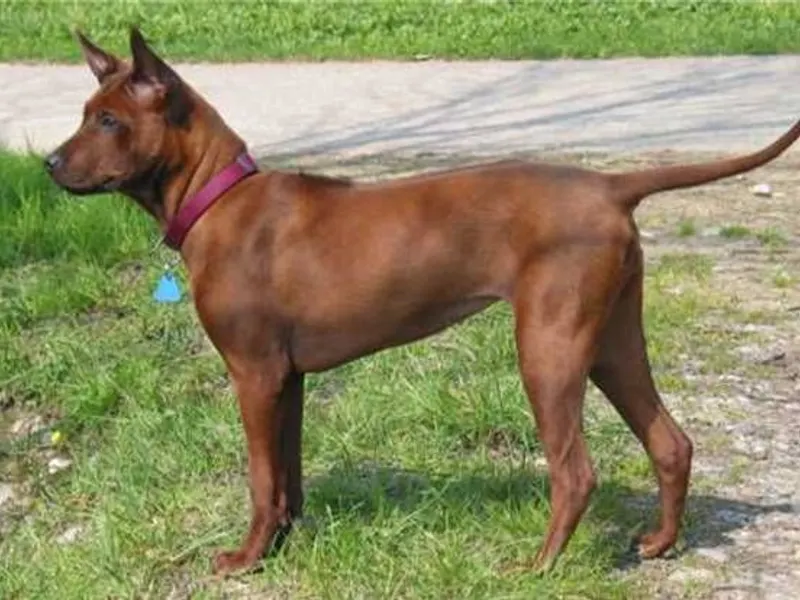
Thai Ridgeback
Foundation Stock
35–75 lbs · 12–13 yrs
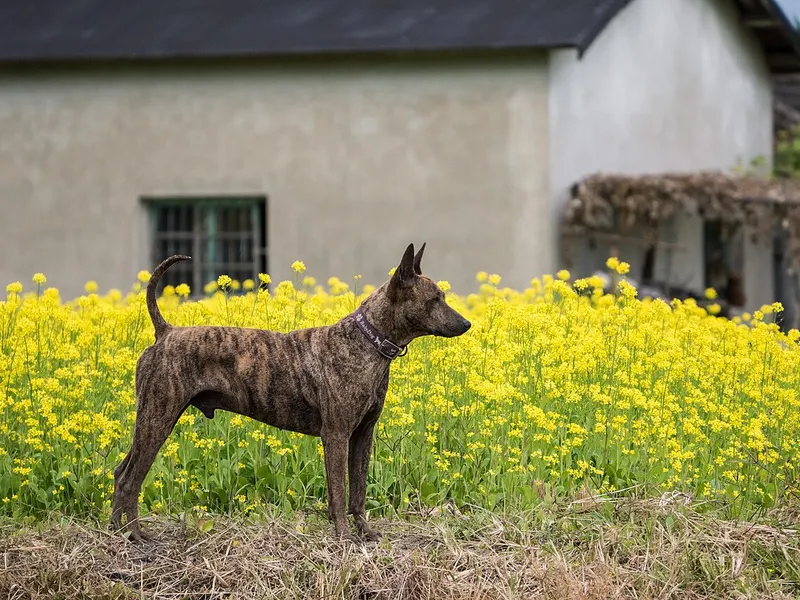
Formosan Mountain Dog
Foundation Stock
26–50 lbs · 13–16 yrs
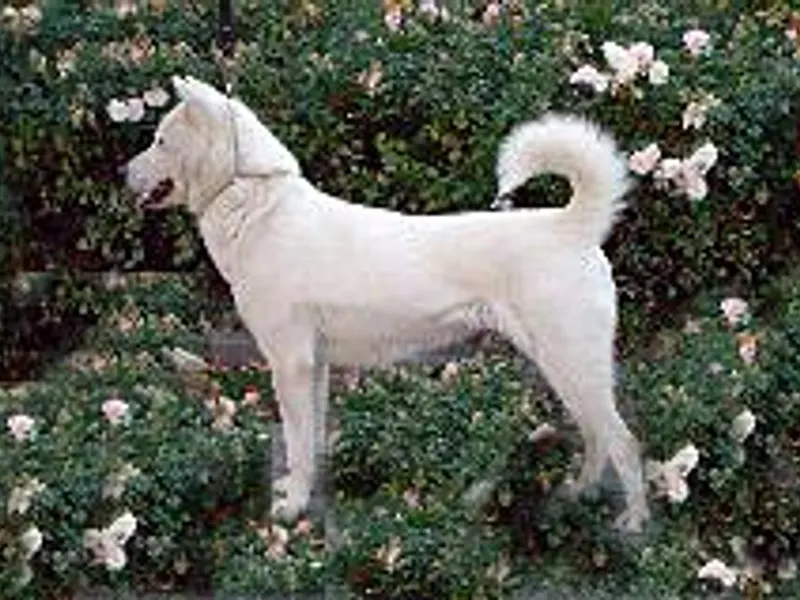
Kishu Ken
Foundation Stock
30–60 lbs · 11–13 yrs
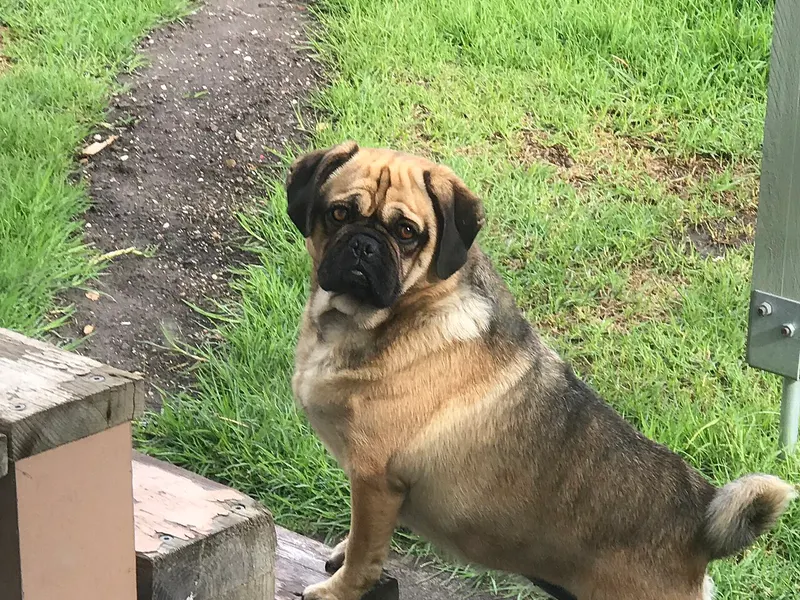
Puggle
Crossbreed
18–30 lbs · 10–13 yrs
Chiweenie
Crossbreed
5–12 lbs · 13–16 yrs
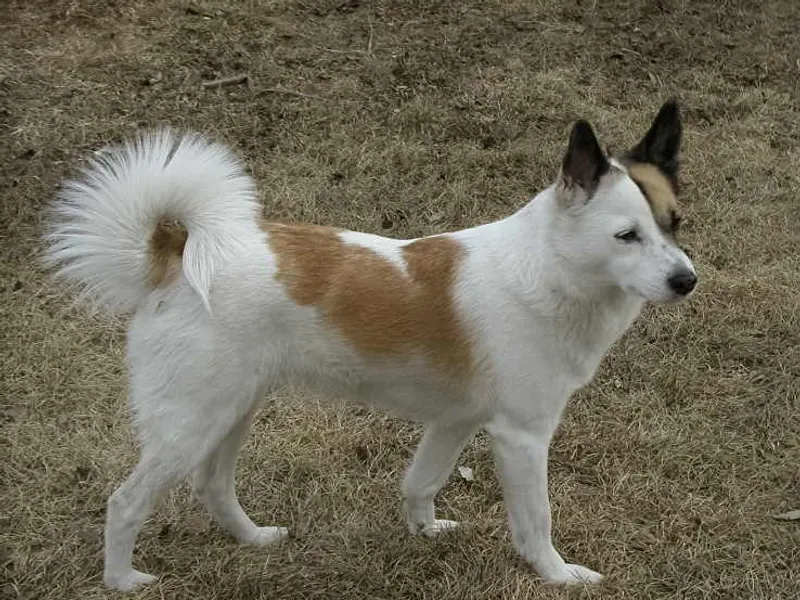
Norrbottenspets
Sporting
20–33 lbs · 14–16 yrs
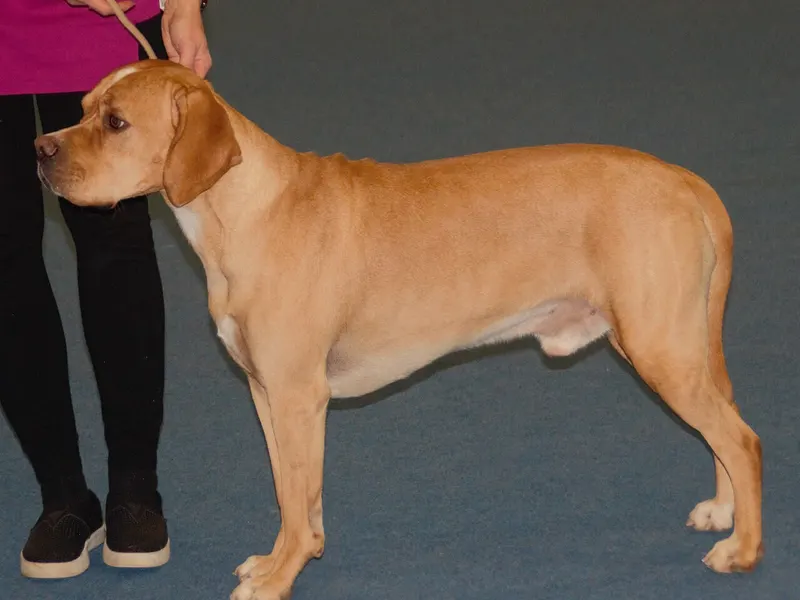
Portuguese Pointer
Sporting
35–55 lbs · 12–14 yrs
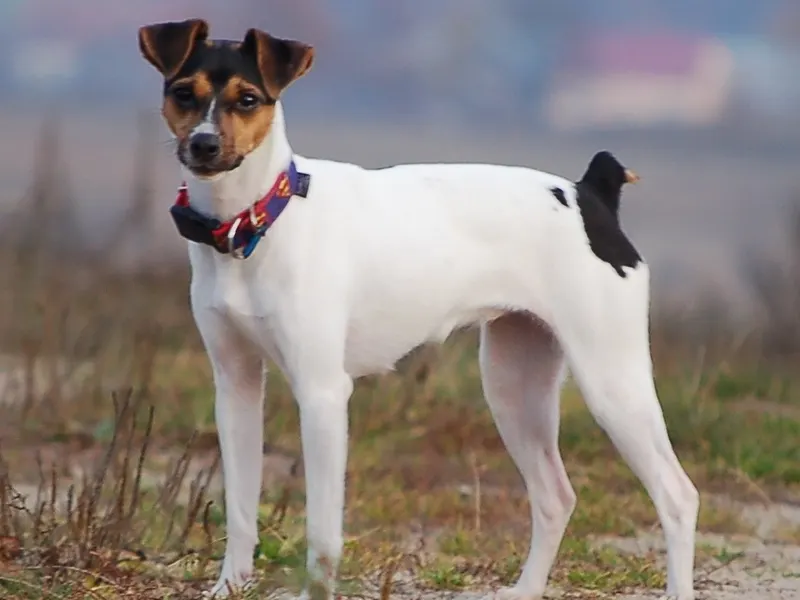
Brazilian Terrier
Terrier
14–22 lbs · 12–14 yrs
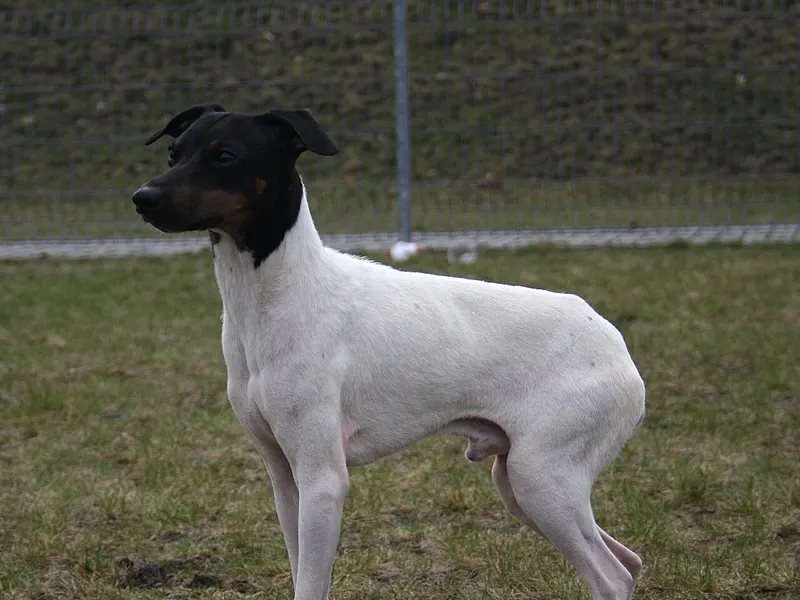
Japanese Terrier
Terrier
5–9 lbs · 12–15 yrs
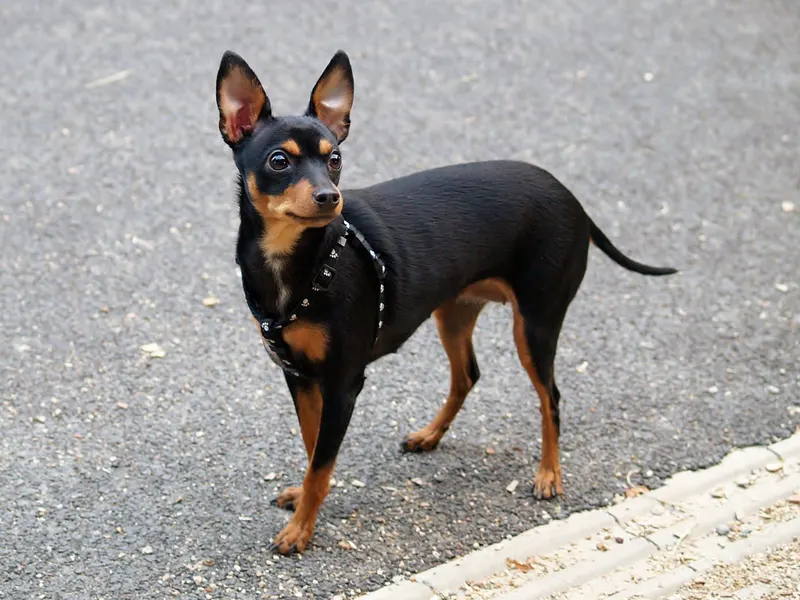
Prague Ratter
Toy
2–6 lbs · 12–15 yrs
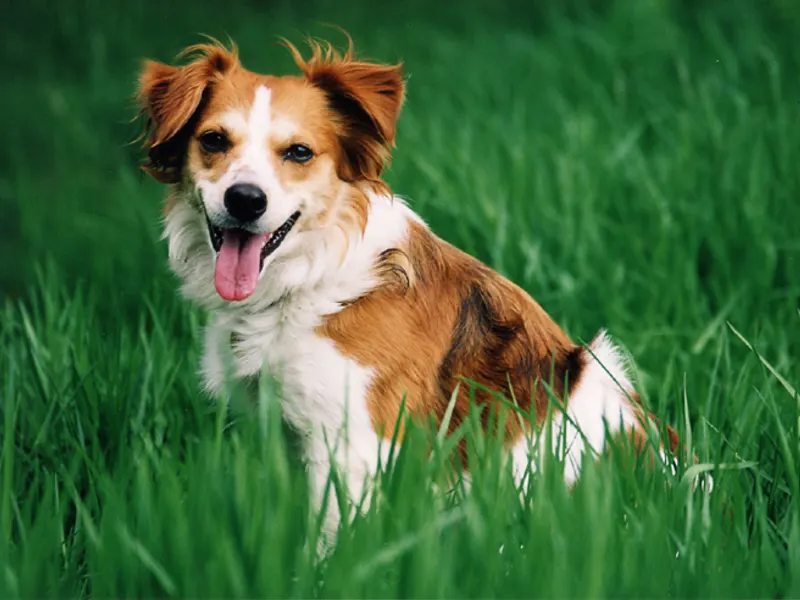
Kromfohrländer
Non-Sporting
20–30 lbs · 13–15 yrs
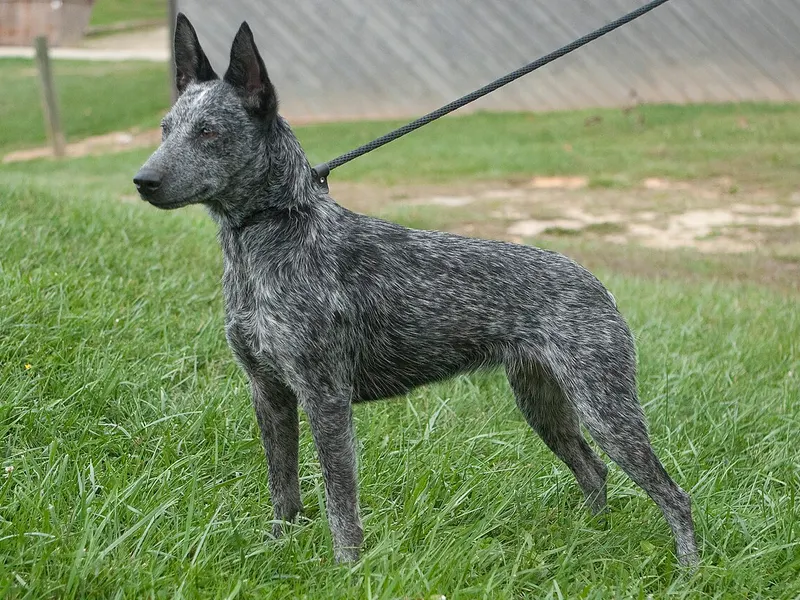
Australian Stumpy Tail Cattle Dog
Herding
33–49 lbs · 12–15 yrs
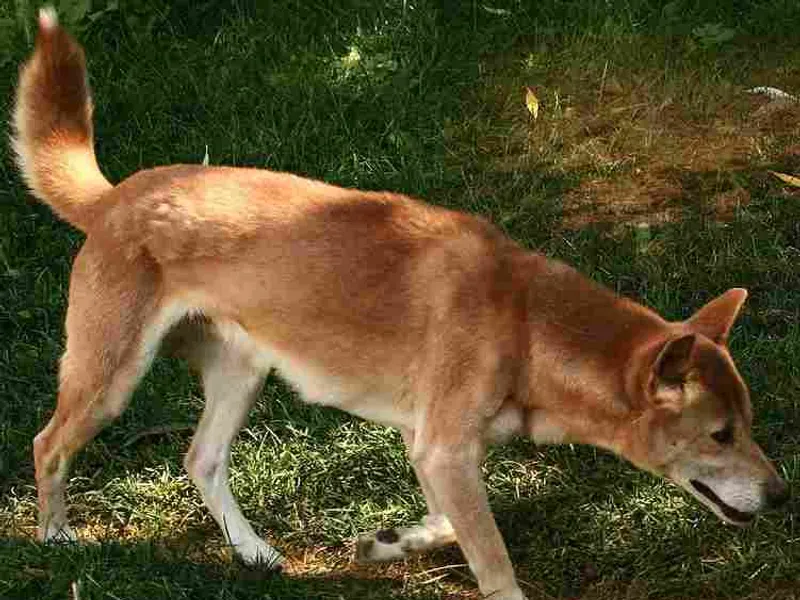
New Guinea Singing Dog
Foundation Stock
17–30 lbs · 15–18 yrs
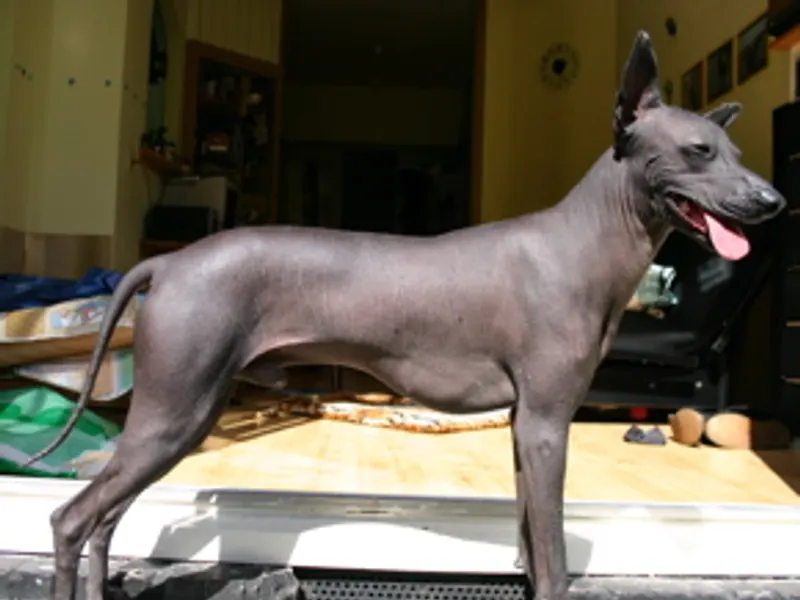
Peruvian Inca Orchid
Foundation Stock
12–55 lbs · 11–12 yrs
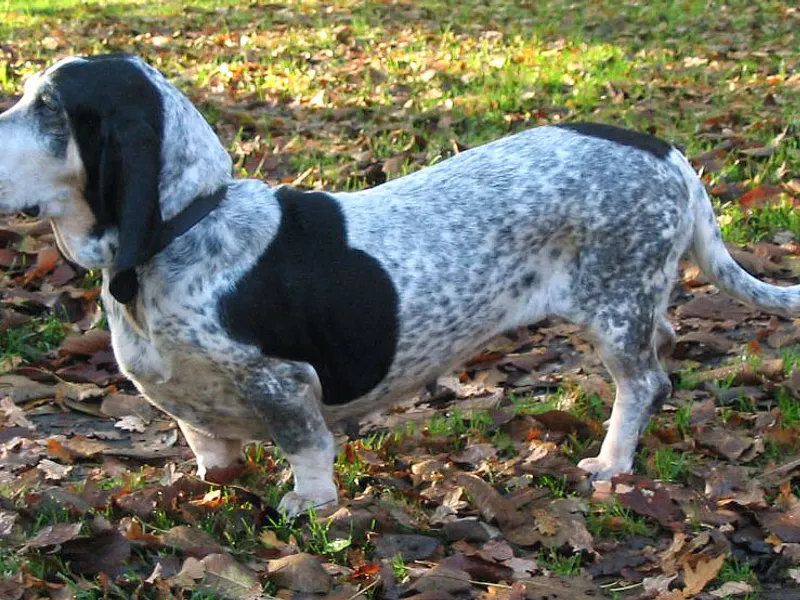
Basset Bleu de Gascogne
Hound
35–45 lbs · 11–13 yrs
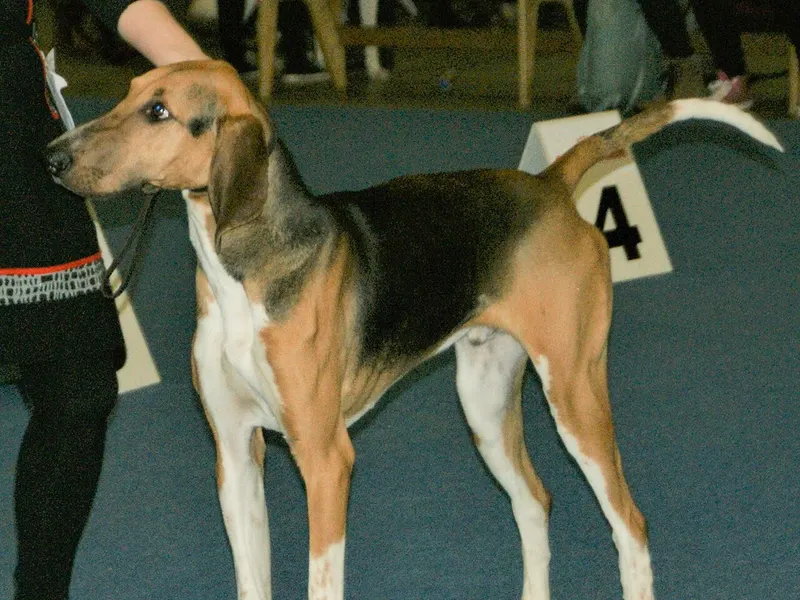
Poitevin
Hound
55–70 lbs · 11–13 yrs
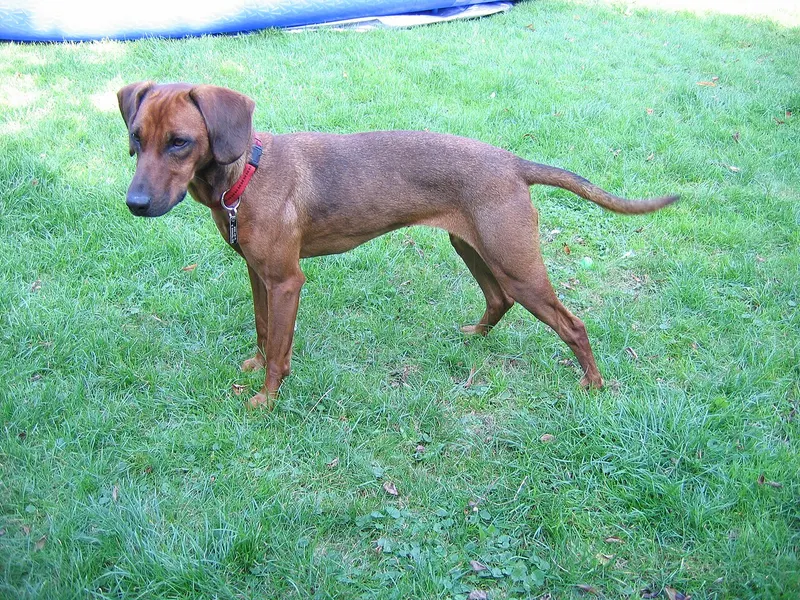
Tyrolean Hound
Hound
33–48 lbs · 12–14 yrs