Working Group
Anatolian Shepherd Dog
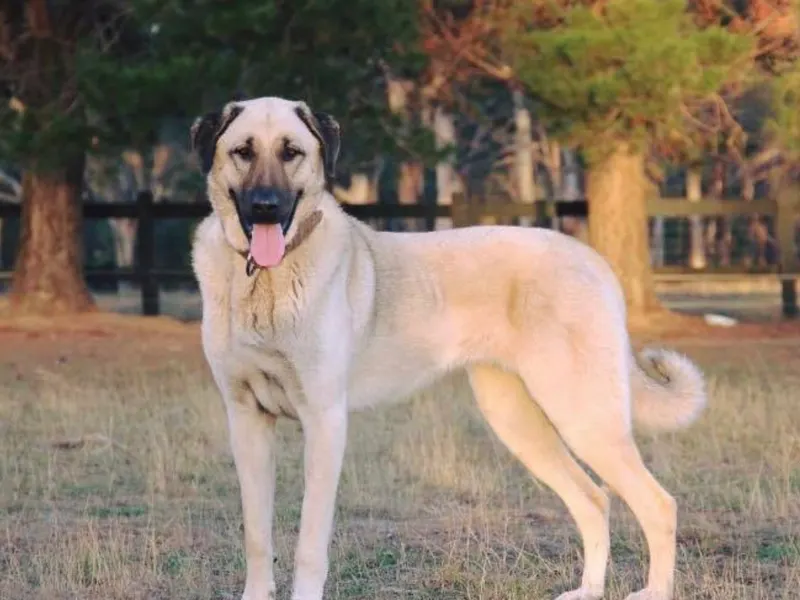
Turkish shepherds developed the Anatolian Shepherd Dog over thousands of years as a livestock guardian rather than a herder, and that distinction matters: guardian breeds like this one live among a flock and independently defend it from predators, without taking direction from a shepherd the way herding breeds do. The breed's effectiveness against wolves and other predators has drawn genuine modern conservation interest — Namibia's Cheetah Conservation Fund has placed Anatolian Shepherds with livestock farmers specifically to reduce predator attacks on herds, a program credited with meaningfully lowering farmers' retaliatory killing of cheetahs by giving them a non-lethal way to protect their livestock. The AKC granted the breed full recognition in 1996.
Common health predispositions
- Hip dysplasia
- Bloat
- Entropion
Temperament
Bred to make independent life-or-death decisions about threats without a handler present, the Anatolian Shepherd Dog carries a temperament that's genuinely protective, territorial, and reserved with strangers, translating into below-average goodWithOtherPets and moderate goodWithKids ratings — this is a serious guardian breed, not a casual family companion, and it does best with owners who understand and respect that working identity. Trainability runs on the lower end, not from any lack of intelligence but because the breed's job has always required it to assess situations and act on its own judgment rather than deferring automatically to a person's commands. Early, extensive socialization is genuinely important for this breed given its natural wariness and substantial size.
Living with a Anatolian Shepherd Dog
An hour of daily exercise suits the breed's working build, though Anatolian Shepherds are calmer and lower-key indoors than their imposing size might suggest, conserving energy for genuine threats rather than constant activity, much like other livestock guardian breeds. Grooming stays fairly minimal thanks to the short-to-medium double coat, though it does shed at a meaningful rate. Hip dysplasia is documented at meaningful rates, the deep chest carries the same bloat vulnerability seen across large guardian breeds, and entropion rounds out the short list of conditions breeders screen for most. Because of the breed's genuine size, strength, and protective instincts, secure fencing and early boundary training matter enormously, and this is generally not a breed recommended for first-time dog owners or households without the experience and space to manage a serious guardian dog properly. The breed's independent guardian temperament also means it doesn't naturally seek out play or attention the way many companion breeds do, and owners sometimes need to recalibrate their expectations for how an Anatolian Shepherd expresses affection compared with more overtly demonstrative breeds.
FAQ
What's the difference between a livestock guardian breed and a herding breed?
Guardian breeds like the Anatolian Shepherd Dog live among a flock and independently defend it from predators without taking direction, while herding breeds actively move and direct livestock under a handler's guidance — the two working styles produce genuinely different temperaments, with guardian breeds trained less toward obedience and more toward independent judgment.
Are Anatolian Shepherd Dogs used in wildlife conservation?
Beyond the well-known Namibia program, Anatolian Shepherds and their close relative the Kangal have also been placed with ranchers in parts of the western United States specifically to reduce wolf and coyote predation on livestock, part of a broader trend among wildlife agencies exploring livestock guardian dogs as a non-lethal alternative to predator culling. Similar guardian-dog placement programs have since been tried in parts of Africa and Central Asia targeting other large predators, borrowing directly from the model the Cheetah Conservation Fund pioneered.
Is the Anatolian Shepherd Dog good for first-time owners?
Genuine size, protective instincts, and an independent guardian temperament call for real handling experience — this breed suits someone who specifically understands livestock-guardian breeds, not a person hoping for a casual family dog.
Are Anatolian Shepherd Dogs easy to train?
Not especially — the breed's job has always required independent judgment about threats rather than close obedience to a handler, so trainability runs on the lower end despite the dog's genuine intelligence, and consistent, patient, experienced handling matters.
How much exercise does an Anatolian Shepherd Dog need?
About an hour daily, though the breed is generally calmer indoors than its size suggests — like most livestock guardian breeds, it conserves energy rather than staying constantly active, saving intensity for genuine threats rather than play.
How big does an Anatolian Shepherd Dog get?
Genuinely giant — commonly 80 to 150 pounds and 27 to 29 inches at the shoulder, a size and strength built specifically to physically confront wolves and other serious predators threatening livestock.
How long do Anatolian Shepherd Dogs live?
Eleven to 13 years is a genuinely good outcome for a breed this large, and the two preventive steps responsible owners lean on most are proactive hip screening and staying alert to bloat risk.
Do Anatolian Shepherd Dogs get along with other dogs?
Territorial behavior toward unfamiliar dogs is a real risk with this breed's guardian instincts, and only thorough, early socialization reliably keeps that tendency from becoming a genuine problem.
How much grooming does an Anatolian Shepherd Dog need?
Minimal — the short-to-medium double coat needs only occasional brushing, one of the more genuinely low-maintenance parts of owning a breed that demands so much elsewhere in space, training, and experience.
Is the Anatolian Shepherd Dog restricted by breed-specific legislation?
In some places, yes — the breed's size and guardian temperament put it on the radar of a number of municipalities and insurance carriers with restricted-breed policies, so checking local regulations before committing is genuinely worthwhile.
Do Anatolian Shepherd Dogs bark a lot?
Yes, often at night specifically — the breed's traditional guarding schedule involved staying alert after dark, and that heritage shows up in a genuine tendency to vocalize at perceived threats during nighttime hours.
Do Anatolian Shepherd Dogs make good family pets?
Only in the right setting — the breed can be loyal and protective of its own family, but its independent guardian temperament and imposing size mean it suits a rural or working property far better than a typical suburban household.
Whichever breed fits your life, consider adoption or breed-specific rescue first — many purebred and mixed-breed dogs and cats are already waiting for homes.
General breed information, not veterinary advice — consult a vet for your pet's specific health, diet, and behavior needs.