Medium Dog Breeds
74 breeds in this group.
Medium dogs, roughly the 25-to-50-pound range on this site, make up the single largest and most functionally diverse size bracket in the registry, spanning working retrievers and setters, scent-and-sight hounds, herding breeds bred for both flock and cattle work, spitz breeds from three different continents, and a wide scatter of guardian, bull-and-terrier, and crossbreed types that don't share much beyond landing in a comparable weight class. If the toy and small brackets can be reasonably summarized by a few shared care themes, the medium bracket genuinely can't — a Border Collie, a Basset Hound, and a Bulldog are all "medium" dogs by weight and share almost nothing else about their exercise needs, temperament, or health profile, which makes this the size category where researching the specific breed matters more than researching the size class itself. That said, several coherent clusters exist within the bracket worth understanding as groups. The mid-sized Sporting breeds — English Springer and Cocker Spaniels, Brittany, Vizsla, Nova Scotia Duck Tolling Retriever, and the rarer field and water spaniels — carry the Sporting Group's characteristic high stamina and biddable, people-focused temperament into a frame more manageable for smaller yards and lighter-framed owners than the larger retrievers, and the Vizsla in particular has developed a reputation, deserved by most working-line accounts, as one of the most physically demanding "medium" dogs in the registry despite its moderate weight, a reminder that weight class and exercise needs don't always track together. The mid-sized Herding breeds — Border Collie, Australian Shepherd, Australian Cattle Dog, Finnish Lapphund, Norwegian Buhund, Puli, Entlebucher Mountain Dog, Canaan Dog, Dutch Shepherd, Spanish Water Dog, Australian Kelpie — bring the group's characteristic high trainability and equally high need for mental engagement into this weight range, and the Border Collie's frequent citation as the single most trainable dog breed in existence applies at this size just as it would to a larger working dog. The bracket also holds a meaningful cluster of Asian spitz and primitive hunting breeds developed for boar and deer hunting in mountainous or forested terrain — the Japanese Kai Ken, Kishu Ken, Shikoku, and Hokkaido, the Korean Jindo, and the Thai Ridgeback — most of which are Foundation Stock Service breeds still building AKC registration history in the U.S. despite long, well-documented working histories in their countries of origin, generally sharing an independent, watchful temperament shaped by hunting work that required real initiative away from direct handler control. A separate scent-and-sight hound cluster in this size range — Basset Hound, Whippet, Norwegian Elkhound, Harrier, and several French and Scandinavian scent breeds (Segugio Italiano, Grand Basset Griffon Vendéen, Hamiltonstövare) — brings the Hound Group's nose-or-sight-driven independence and, in the scenthounds' case, characteristic baying vocalization into a mid-sized, often more apartment-viable frame than the largest sighthounds and coonhounds. The bull-and-terrier breeds landing in this weight class — American Staffordshire Terrier, Staffordshire Bull Terrier, Bull Terrier — carry the Terrier Group's documented tenacity and frequently strong people-friendliness alongside the dog-selectivity common across bull-and-terrier lines, a combination that makes early, structured socialization with other dogs a genuinely higher priority for this cluster than for most other medium-sized breeds. The flat-faced breeds in this range — Bulldog, Chow Chow, Shar-Pei — carry the brachycephalic-related heat intolerance and breathing considerations documented across other flat-faced breeds regardless of the group they're formally classified under, and owners of any medium-weight flat-faced breed should plan exercise and travel around cooler parts of the day and avoid high-heat conditions more actively than most other medium breeds require. Given how little this bracket shares beyond weight, the practical use of a "medium dog" size filter is narrower than for the toy or giant brackets: it's a reasonable way to rule out breeds requiring either the smallest apartment-scale accommodations or the largest, most space-and-cost-intensive giant-breed setups, but it shouldn't be treated as a proxy for exercise needs, temperament, or grooming demands, all of which vary as widely within this bracket as they do across the registry as a whole — a household should generally narrow from function and temperament first, using size mainly as a final practical filter rather than a starting point, at least within this particular weight range. Given how functionally scattered this bracket is, it's worth offering a more concrete navigation strategy than "research each breed individually." Start with the original job: a dog bred for sustained field work (the Sporting and mid-sized Herding breeds here) will generally need daily vigorous exercise regardless of its moderate weight, while a dog bred primarily as a companion or guard animal, even at an identical weight, often tolerates a lower activity level reasonably well. Follow that with coat: the group includes everything from the wash-and-wear short coats of the Bulldog and Boxer to the serious grooming demands of the Chow Chow and Shar-Pei, and coat maintenance time varies as dramatically here as anywhere on this site. Finally weigh temperament and socialization needs specifically, since this bracket includes both some of the most reliably people-friendly breeds in the registry (Cocker Spaniel, Brittany) and some of the more independent, watchful breeds that need earlier and more deliberate socialization (Chow Chow, Basenji, several of the primitive Asian hunting breeds). Health themes in this bracket track more closely with breed lineage than with the shared weight class itself. The brachycephalic members (Bulldog, Shar-Pei, Chow Chow to a lesser extent given its longer muzzle than a true Bulldog) carry the same heat-intolerance and breathing considerations documented for flat-faced breeds elsewhere in the registry. The scenthounds and elongated-spine breeds carry the disc-disease and ear-infection risks documented on this site's Hound Group hub. The Herding breeds in this range carry elevated hip dysplasia risk given their athletic builds and, in several cases, the MDR1 medication-sensitivity gene discussed in more detail on the Herding Group hub. None of these risks is exclusive to the medium bracket specifically — they follow breed lineage across every size class — but they're worth flagging here since a household filtering by this particular weight range will encounter representatives of nearly every one of these lineages within a single search. Ultimately this bracket rewards more research effort per breed than either the toy or giant brackets, precisely because weight class predicts so little here compared with those two extremes, and prospective owners are best served treating "medium dog" as a starting search filter to narrow a very long list, then researching each specific breed's actual working history and temperament in real depth before choosing. Rental housing and breed-restriction policies are worth researching directly for this bracket, since several individual breeds within it — American Staffordshire Terrier, Staffordshire Bull Terrier, Bull Terrier chief among them — are subject to housing and insurance restrictions in some areas despite their moderate size and frequently excellent temperament testing results, a practical, non-temperament-related factor worth confirming before committing to a specific breed in this range. Breed-specific clubs and national rescue networks are especially well developed for many breeds in this bracket given how long several have been established in the U.S., and reaching out directly to a national breed club, rather than relying solely on general online marketplaces, tends to be one of the more dependable ways to find both a reputable breeder and, for many of these breeds, an active regional rescue chapter specifically experienced with that breed's particular needs. Grooming-cost budgeting deserves specific mention for this bracket given how widely coat type varies within it — a medium-sized wire-coated terrier's periodic hand-stripping costs and a medium-sized double-coated Herding breed's occasional professional deshedding session run at genuinely different price points than the near-zero grooming cost of a short-coated Bulldog or Boxer in the same weight class, making coat type, not weight, the better predictor of ongoing grooming expense within this particular bracket. Weight verification at regular veterinary visits matters across every bracket but is particularly useful in this one given how differently "ideal weight" is defined breed to breed within an identical general size class, and relying on a specific breed's own standard rather than a generic medium-dog weight range gives a more accurate health benchmark. A body condition scoring system, which assesses palpable rib coverage and waist definition rather than raw weight alone, is generally considered a more useful day-to-day tool than the scale for tracking a medium breed's fitness given how much natural build variation exists within this size bracket. Because this bracket includes breeds originally developed on nearly every populated continent, it also offers one of the widest ranges of climate adaptability in the entire registry, and prospective owners in unusually hot, cold, or humid regions can often find a medium-sized breed genuinely well suited to local conditions by researching a specific breed's original geographic and climate origin directly. Because this bracket includes breeds developed across such a wide span of centuries, from ancient hunting lineages to twentieth-century deliberate crosses, researching a specific breed's actual era of development alongside its function can offer a useful additional lens for understanding how much of its modern temperament reflects genuinely old, deeply ingrained instinct versus more recent, deliberately engineered traits. Because a number of this bracket's breeds were bred for broad, all-purpose usefulness rather than one narrow specialty, prospective owners looking for a genuinely adaptable, all-purpose companion dog may find this bracket's more versatile working breeds a better match than either the highly specialized toy companion breeds or the narrowly task-bred giant guardians at the size extremes of the registry.
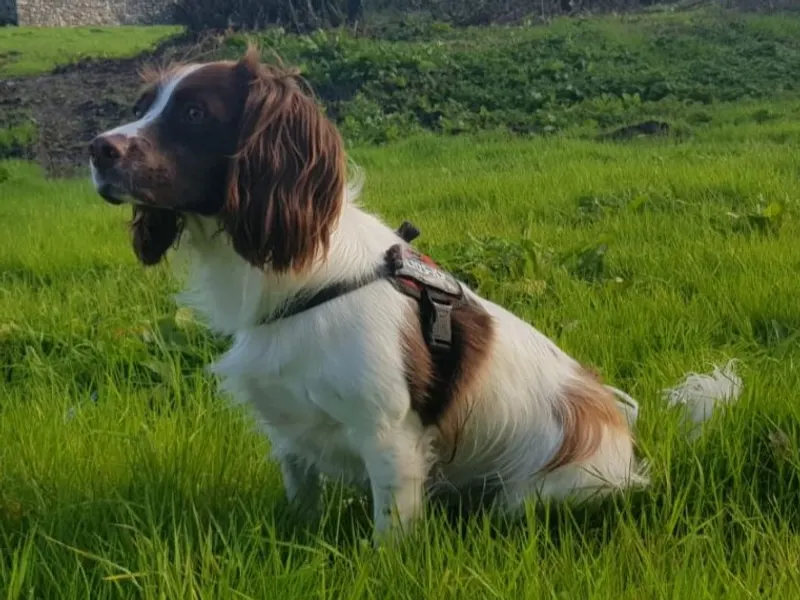
English Springer Spaniel
Sporting
40–50 lbs · 12–14 yrs
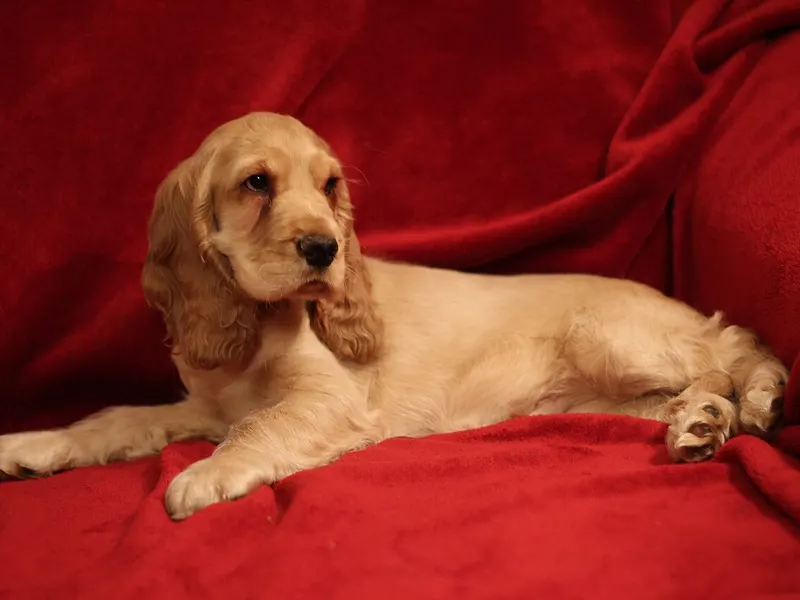
English Cocker Spaniel
Sporting
26–34 lbs · 12–14 yrs
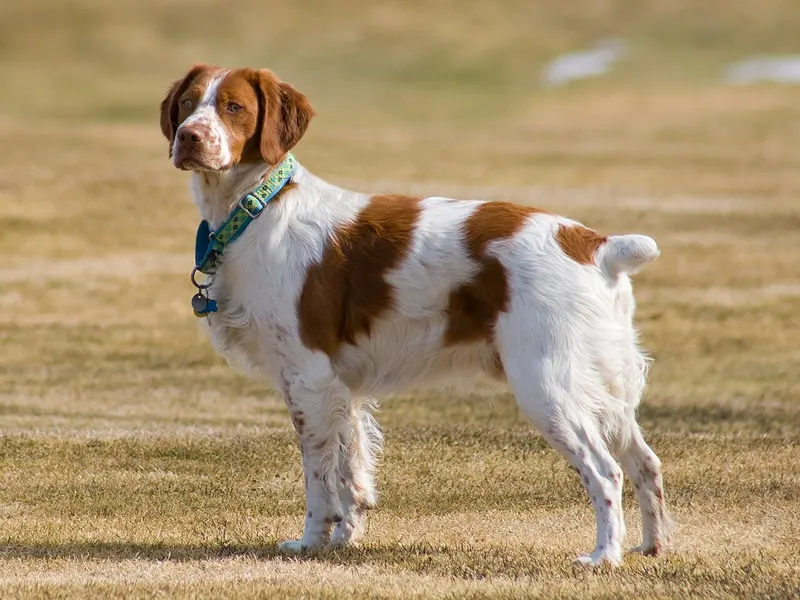
Brittany
Sporting
30–40 lbs · 12–14 yrs
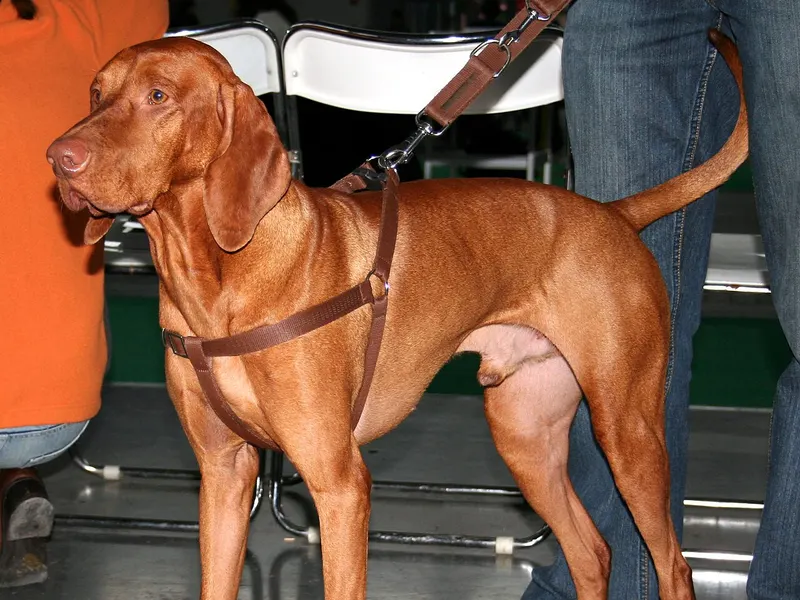
Vizsla
Sporting
44–60 lbs · 12–14 yrs
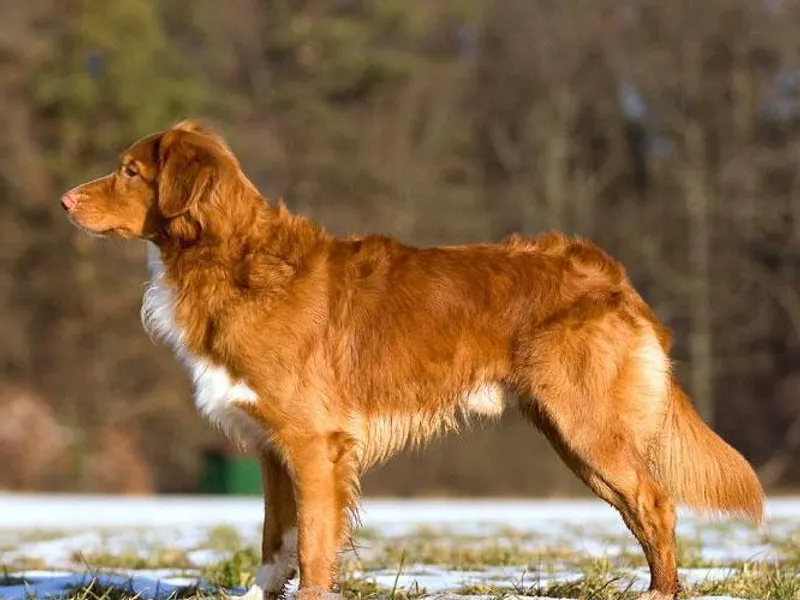
Nova Scotia Duck Tolling Retriever
Sporting
35–50 lbs · 12–14 yrs
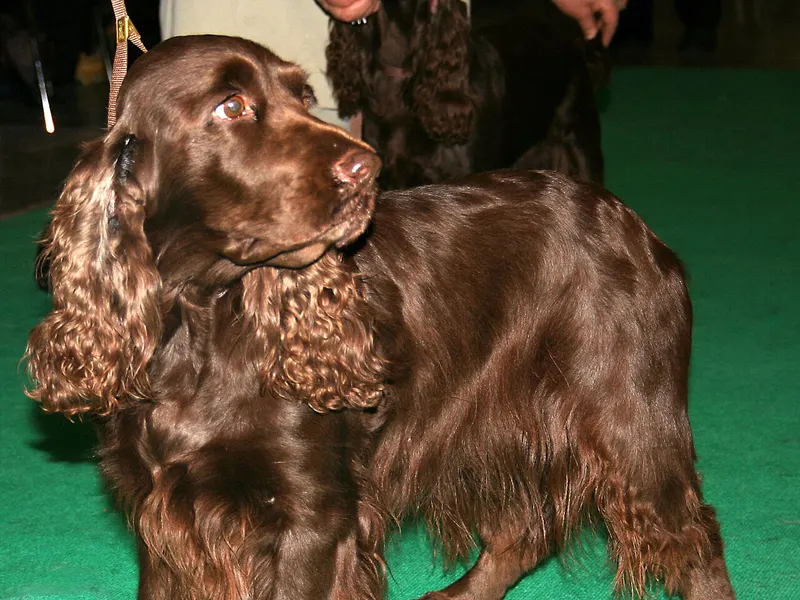
Field Spaniel
Sporting
35–50 lbs · 10–12 yrs
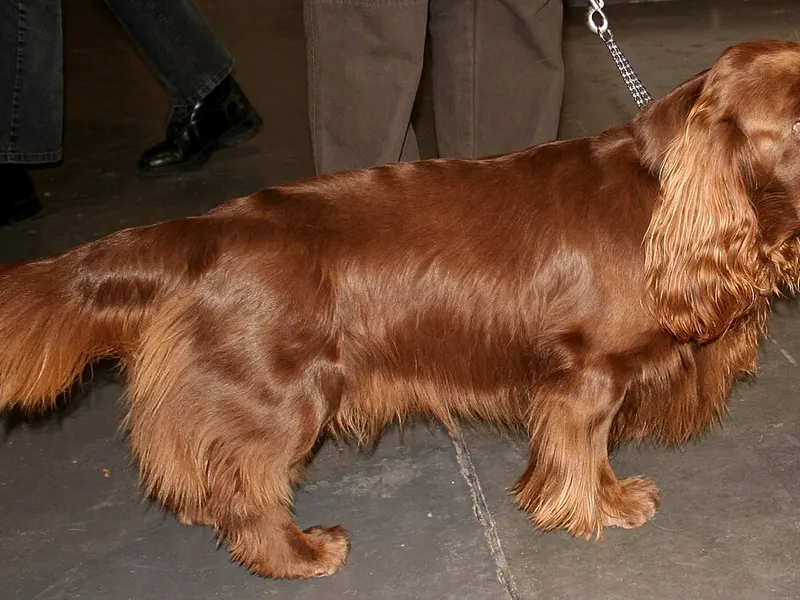
Sussex Spaniel
Sporting
35–45 lbs · 11–13 yrs
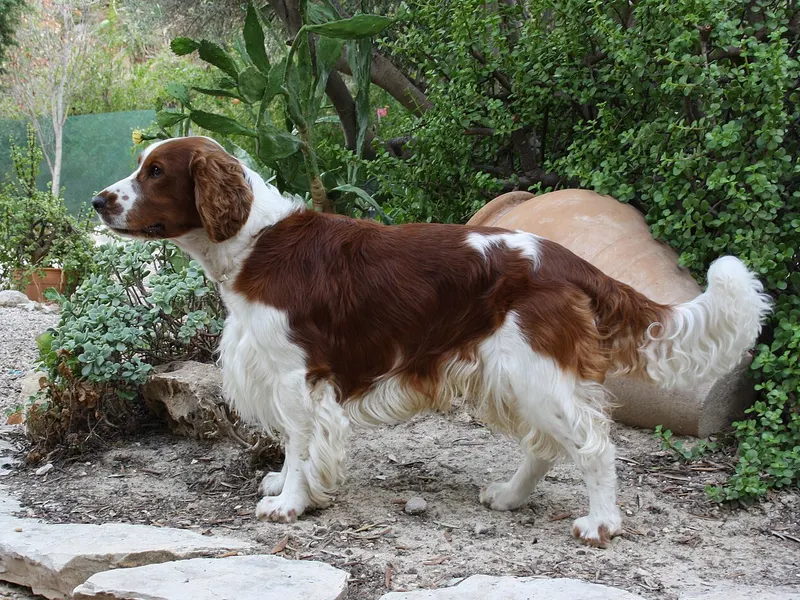
Welsh Springer Spaniel
Sporting
35–45 lbs · 12–15 yrs
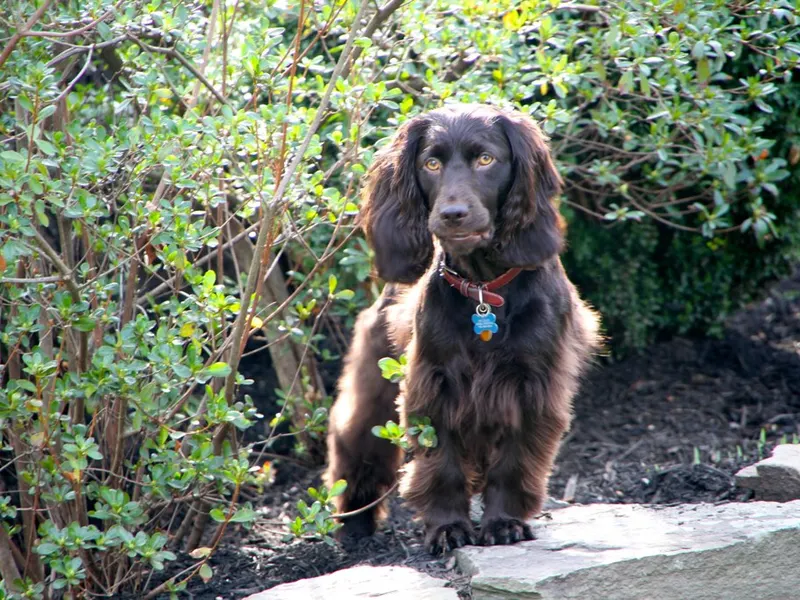
Boykin Spaniel
Sporting
25–40 lbs · 10–15 yrs
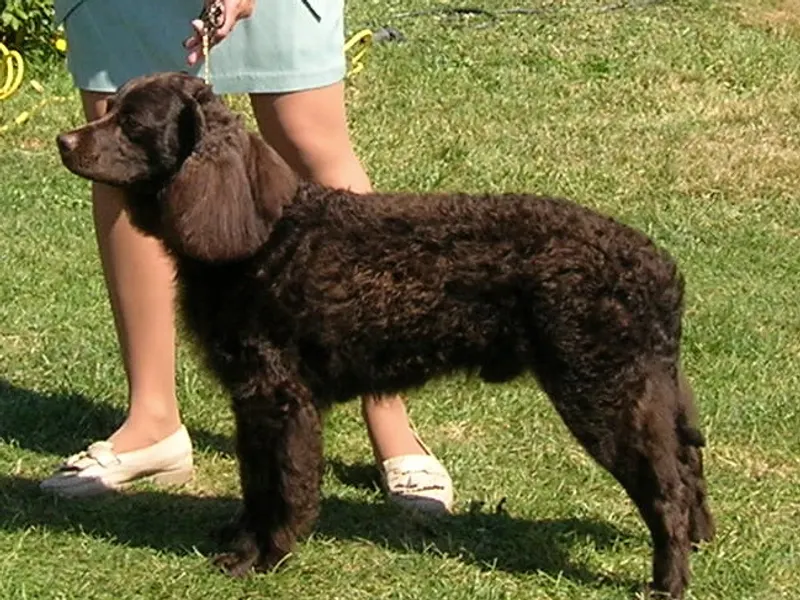
American Water Spaniel
Sporting
25–45 lbs · 10–14 yrs
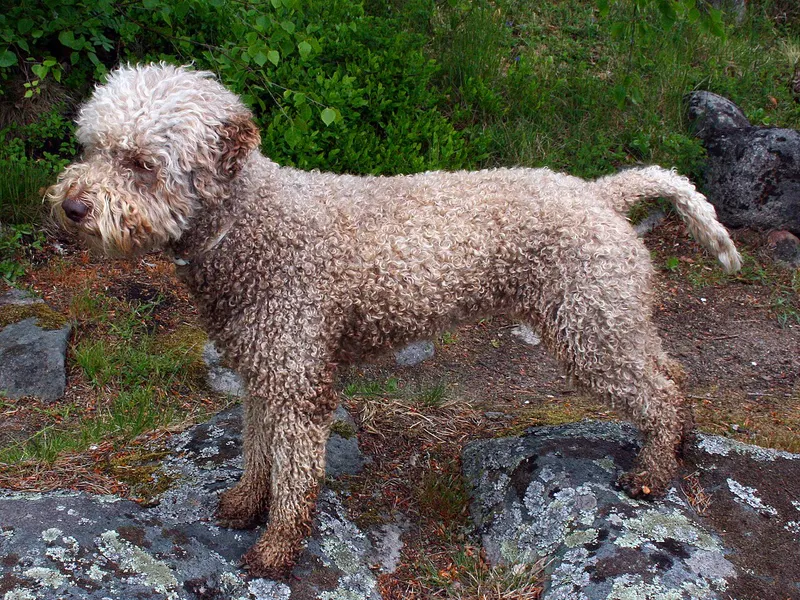
Lagotto Romagnolo
Sporting
24–35 lbs · 15–17 yrs
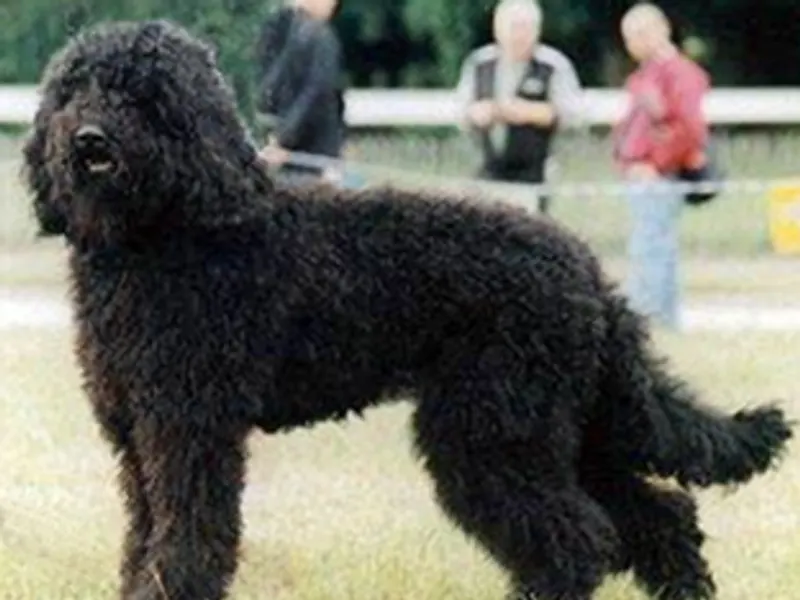
Barbet
Sporting
35–65 lbs · 13–15 yrs
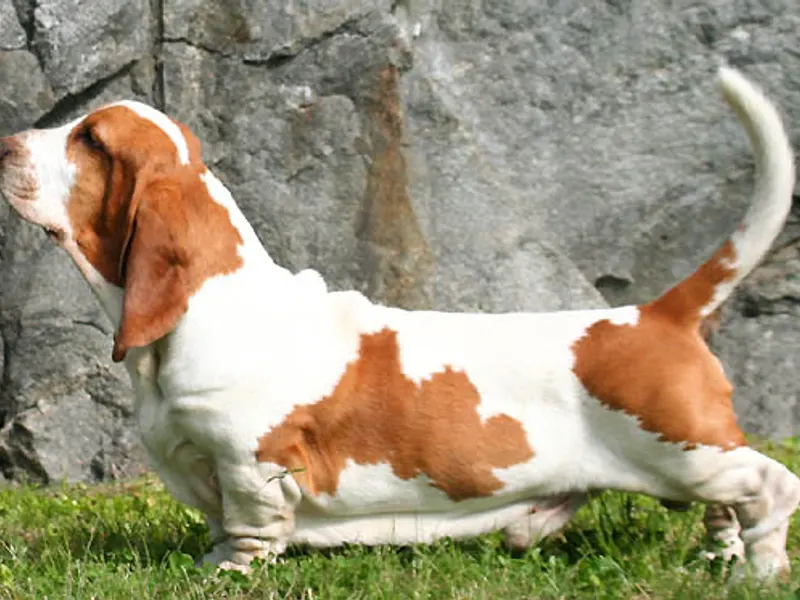
Basset Hound
Hound
40–65 lbs · 12–13 yrs
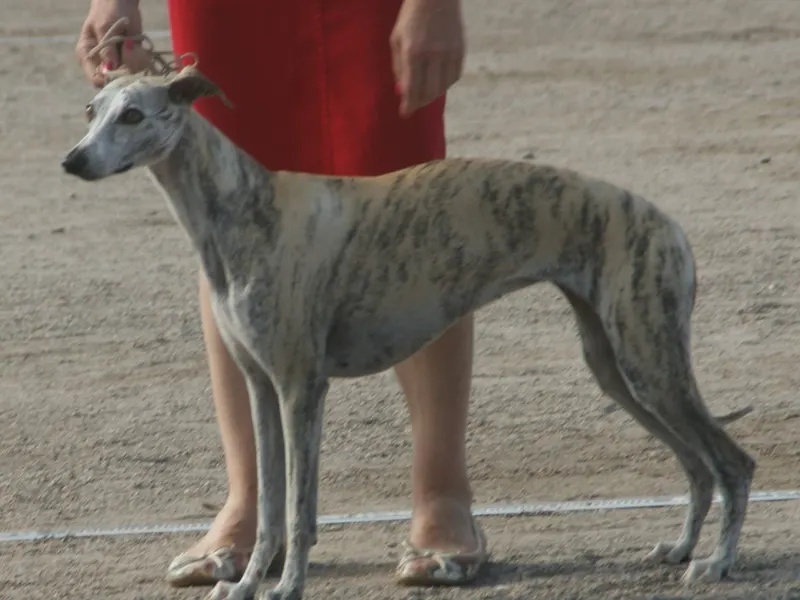
Whippet
Hound
25–40 lbs · 12–15 yrs
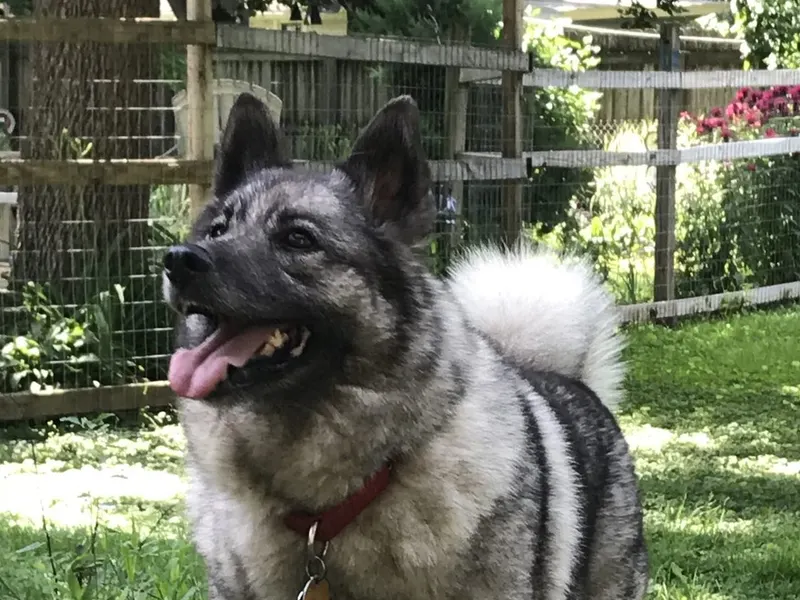
Norwegian Elkhound
Hound
48–55 lbs · 12–15 yrs
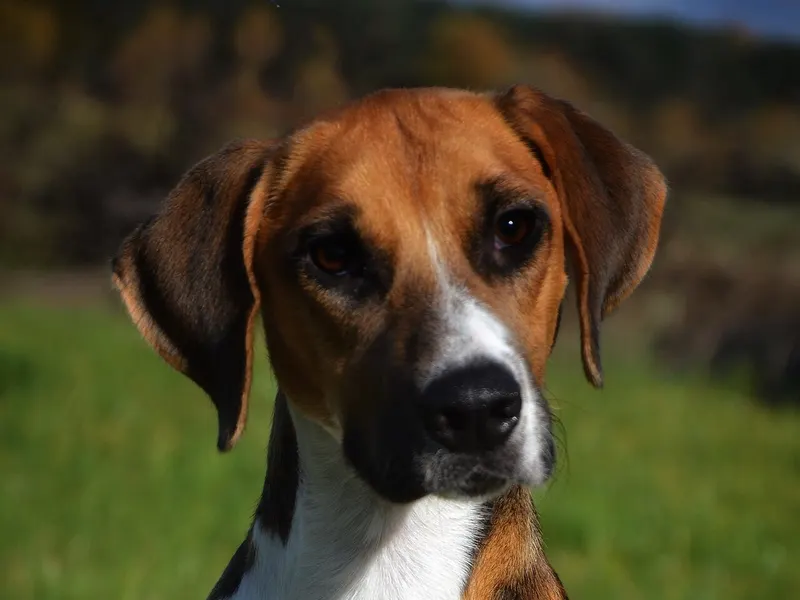
Harrier
Hound
45–60 lbs · 10–12 yrs
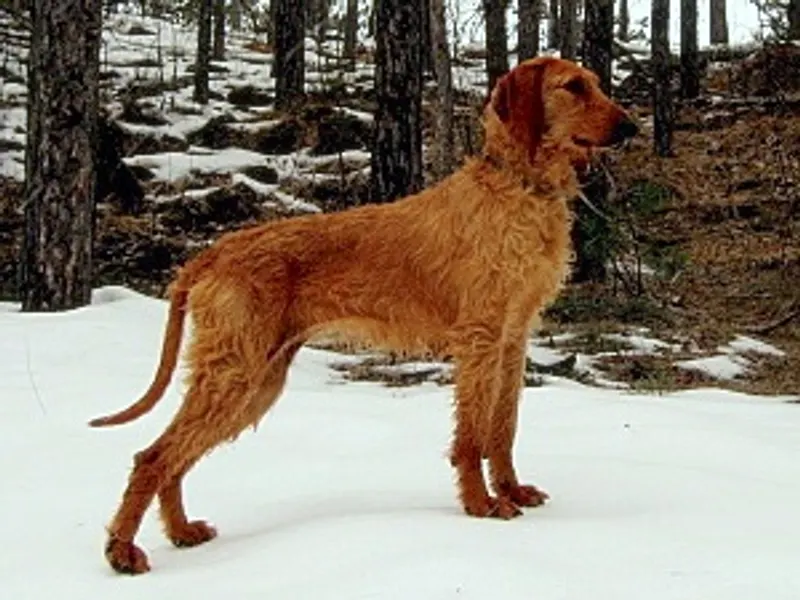
Segugio Italiano
Hound
40–62 lbs · 13–15 yrs
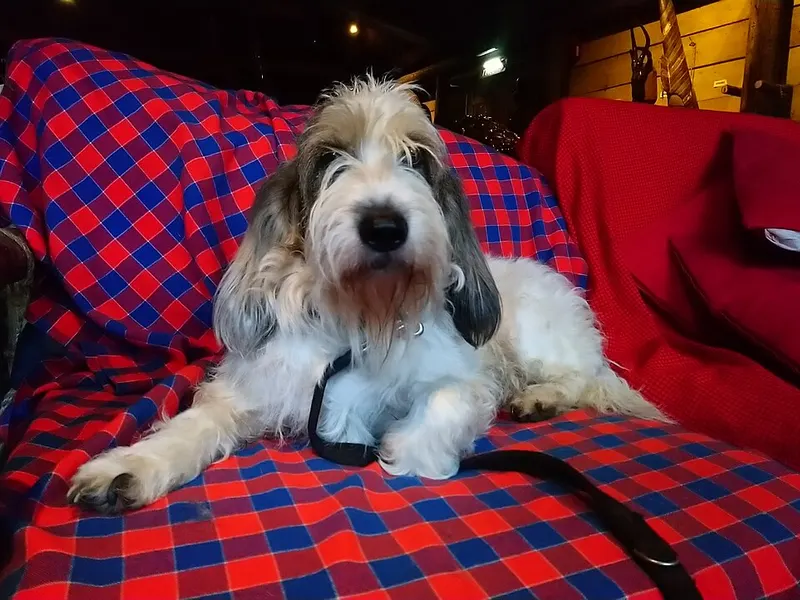
Grand Basset Griffon Vendéen
Hound
40–45 lbs · 12–14 yrs
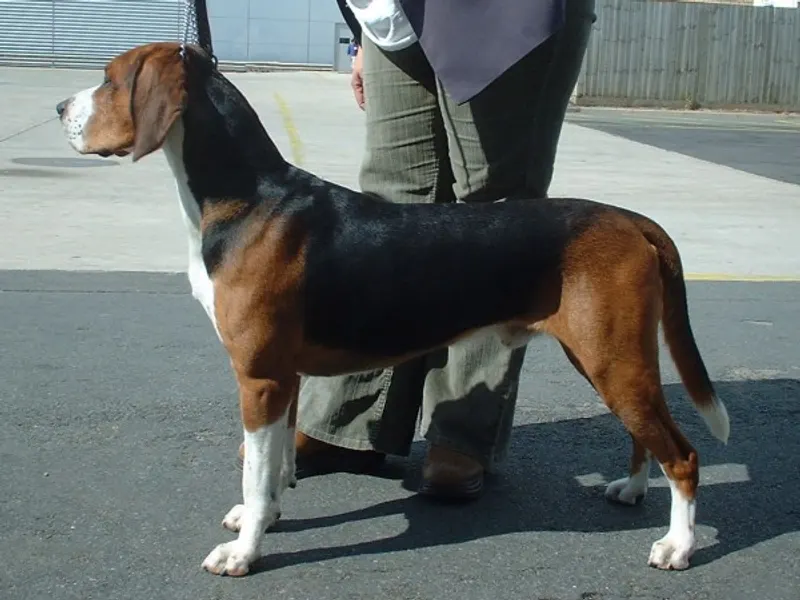
Hamiltonstovare
Hound
40–60 lbs · 12–13 yrs
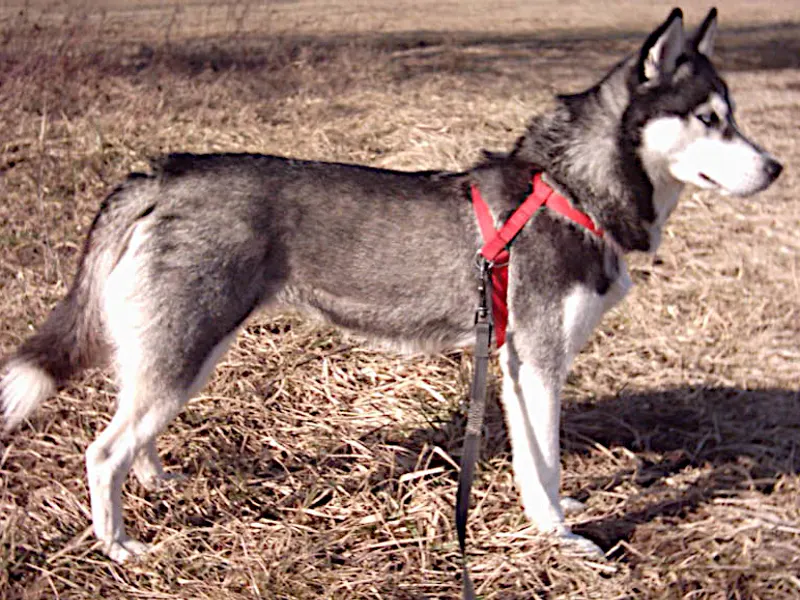
Siberian Husky
Working
35–60 lbs · 12–14 yrs
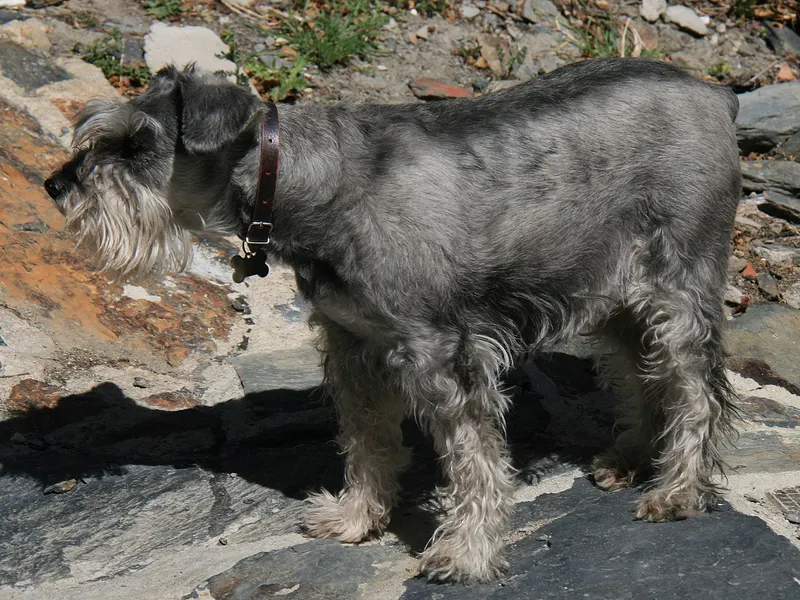
Standard Schnauzer
Working
30–50 lbs · 13–16 yrs
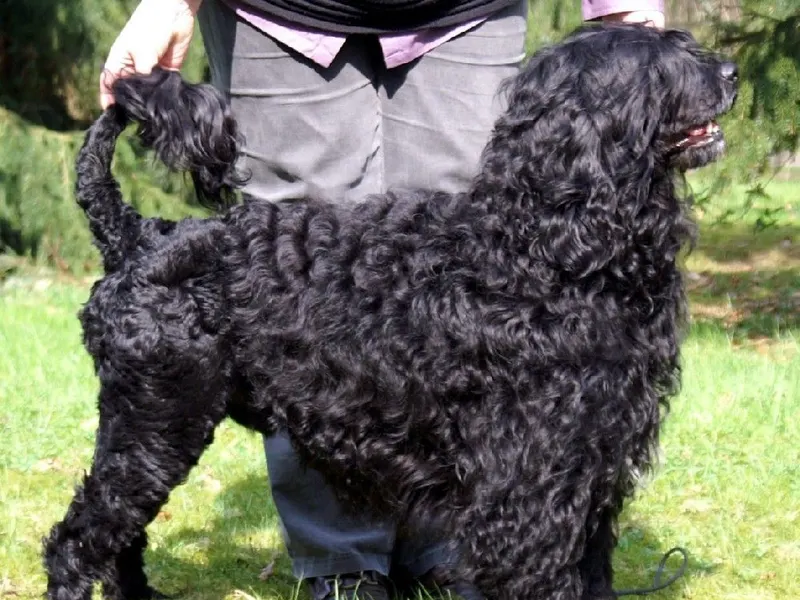
Portuguese Water Dog
Working
35–60 lbs · 11–13 yrs
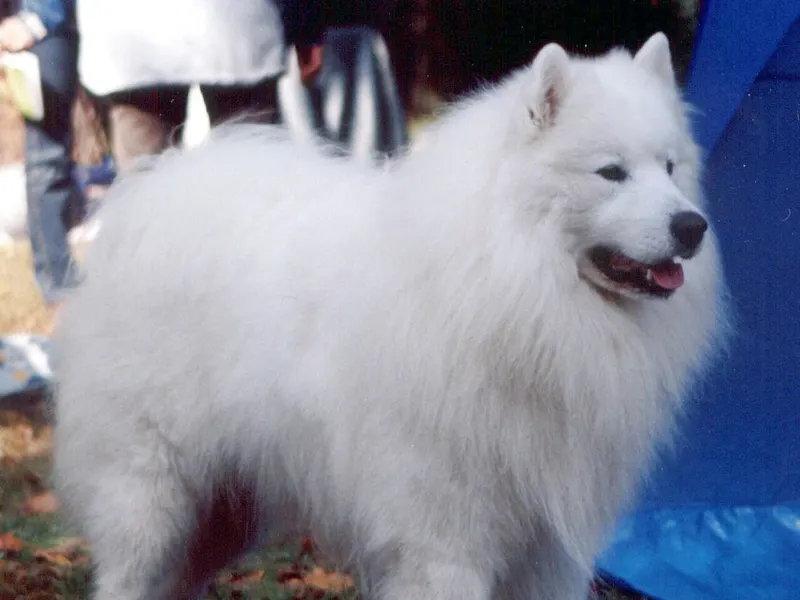
Samoyed
Working
35–65 lbs · 12–14 yrs
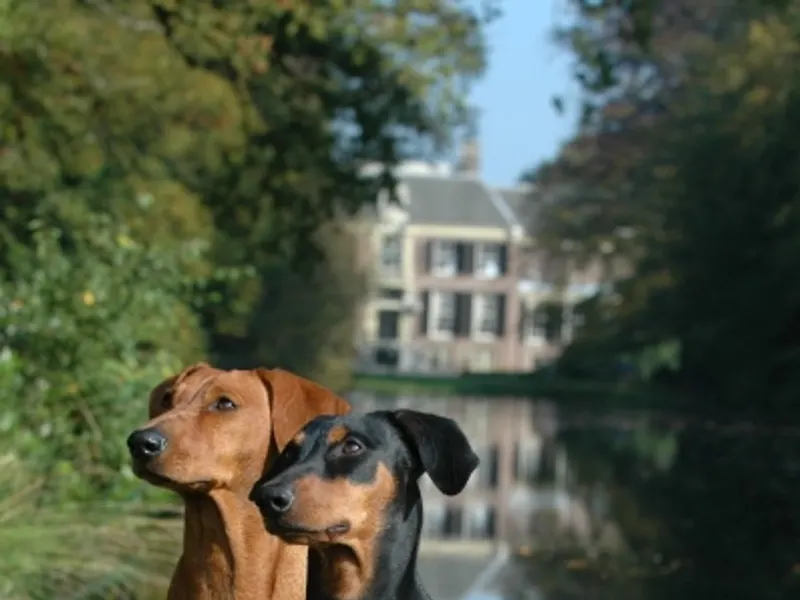
German Pinscher
Working
25–45 lbs · 12–14 yrs
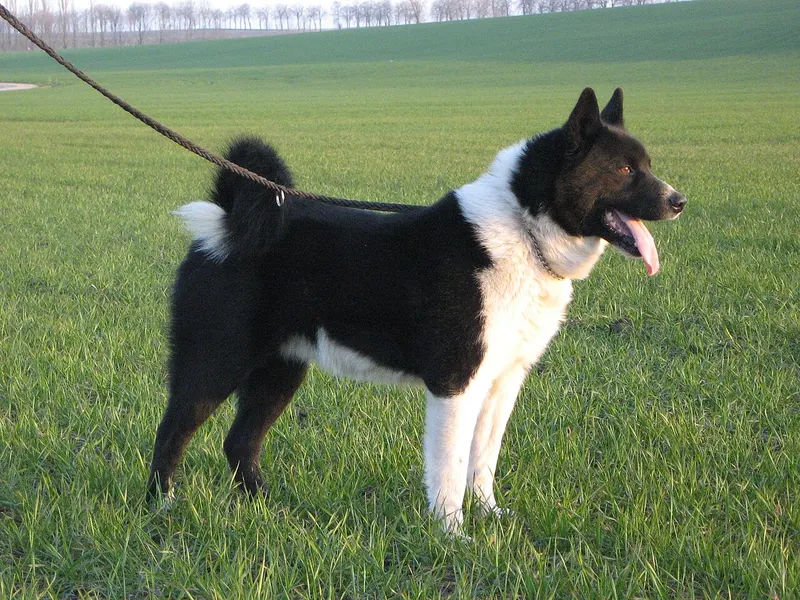
Karelian Bear Dog
Working
44–50 lbs · 11–13 yrs
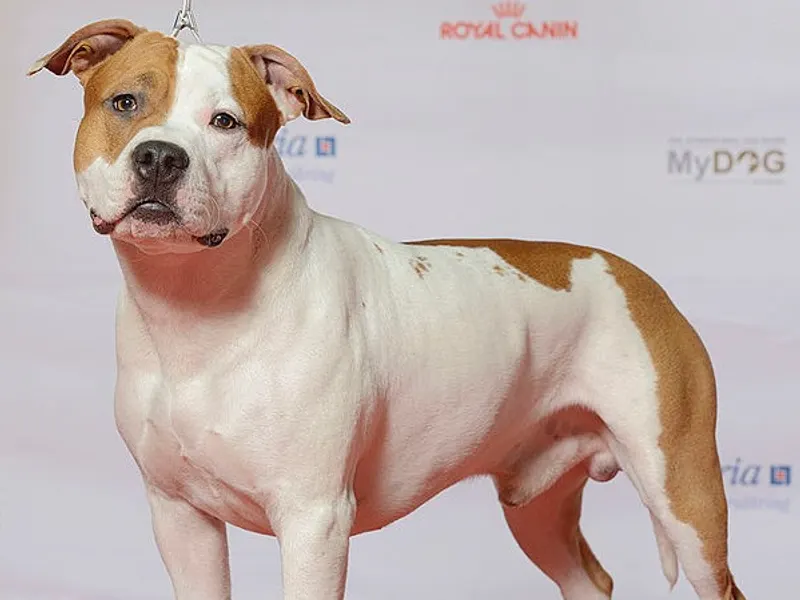
American Staffordshire Terrier
Terrier
40–70 lbs · 12–16 yrs
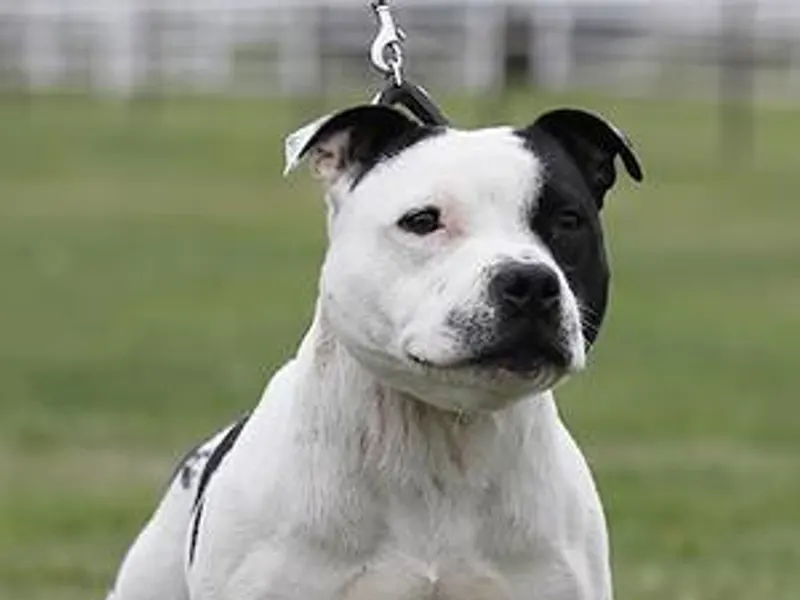
Staffordshire Bull Terrier
Terrier
24–38 lbs · 12–14 yrs
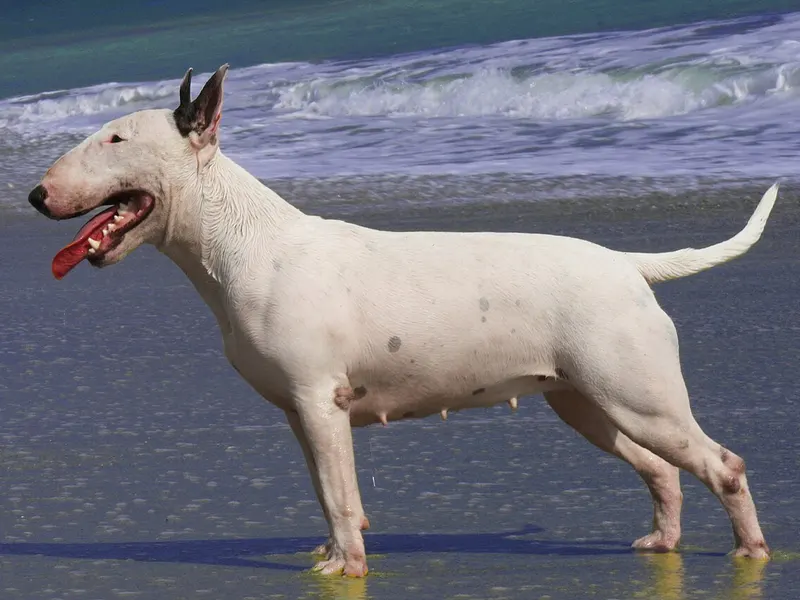
Bull Terrier
Terrier
35–65 lbs · 11–13 yrs
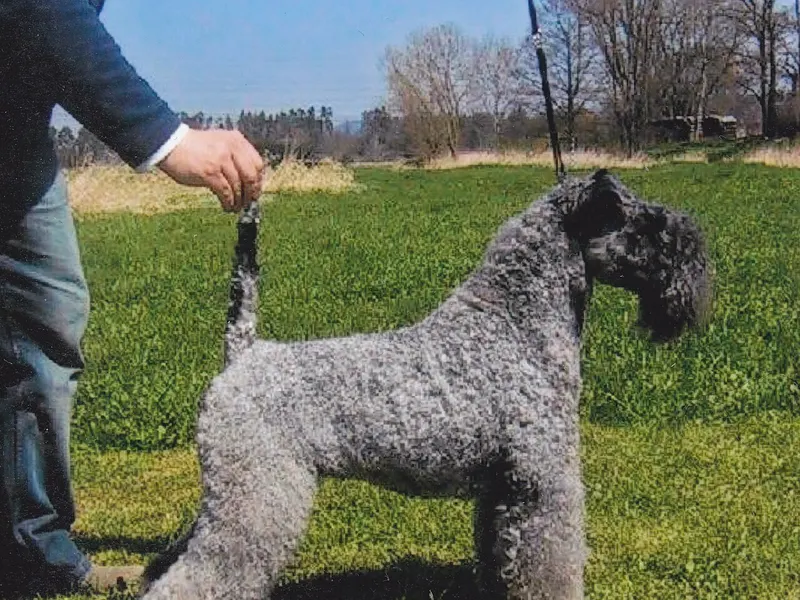
Kerry Blue Terrier
Terrier
33–40 lbs · 12–15 yrs
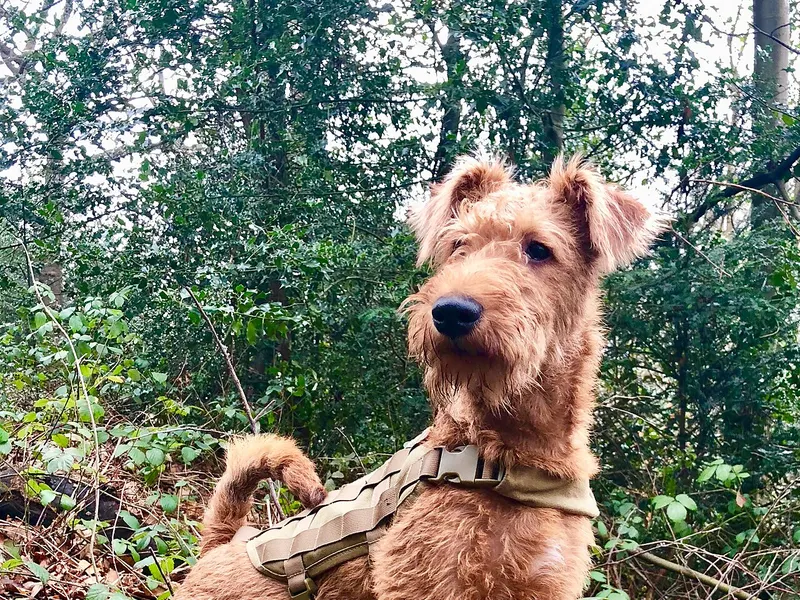
Irish Terrier
Terrier
25–27 lbs · 13–15 yrs
Bulldog
Non-Sporting
40–55 lbs · 8–10 yrs
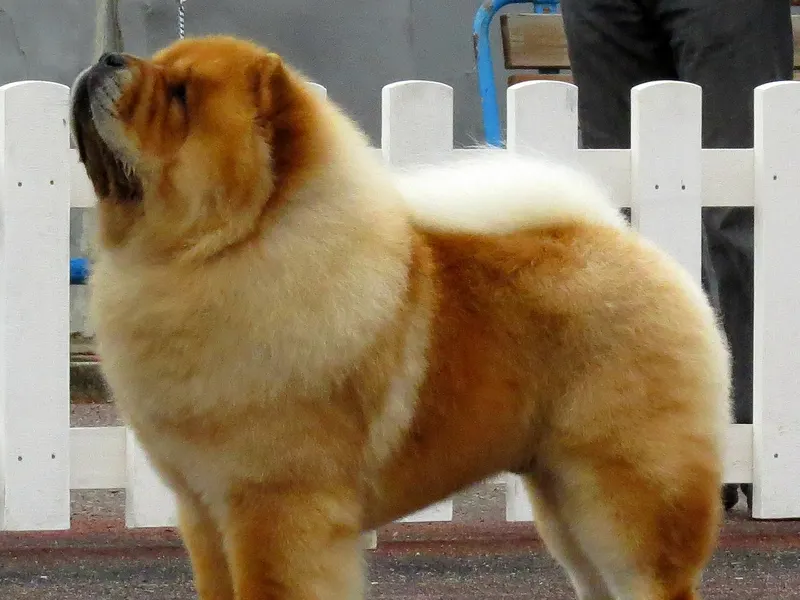
Chow Chow
Non-Sporting
45–70 lbs · 9–15 yrs
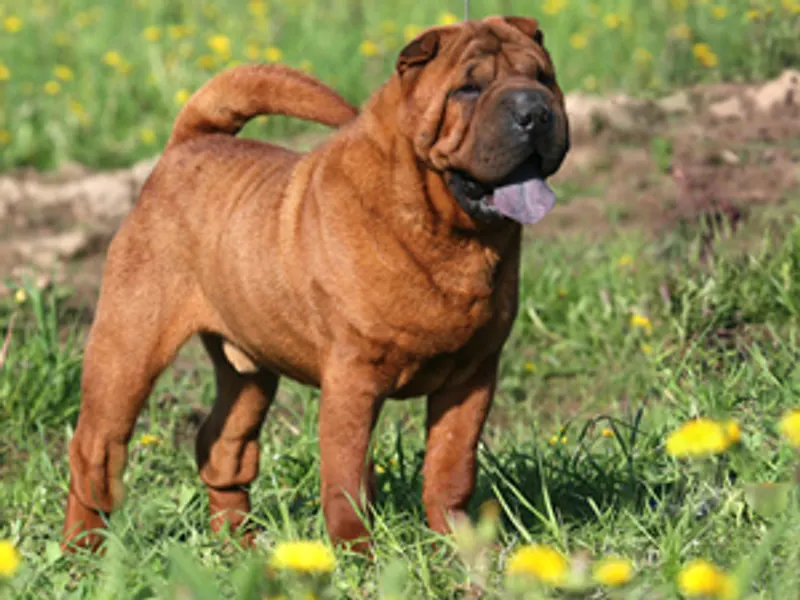
Shar-Pei
Non-Sporting
45–60 lbs · 8–12 yrs
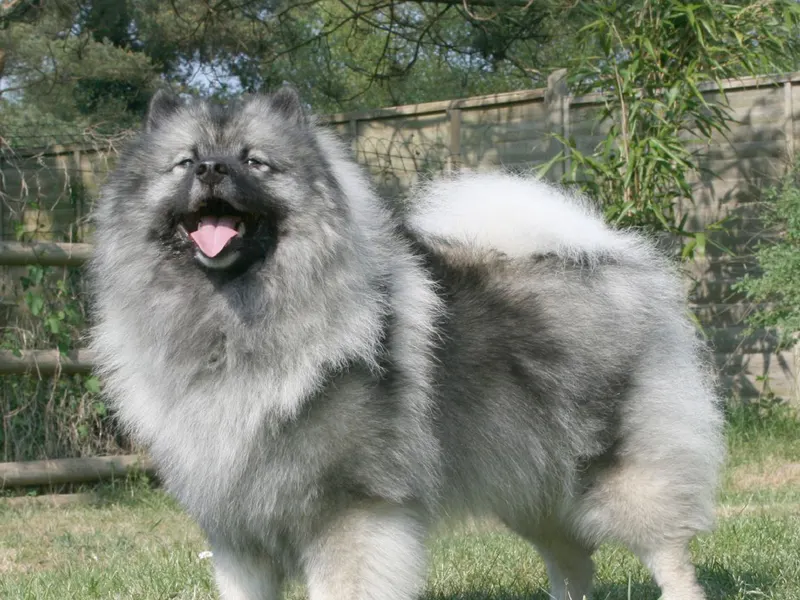
Keeshond
Non-Sporting
35–45 lbs · 12–15 yrs
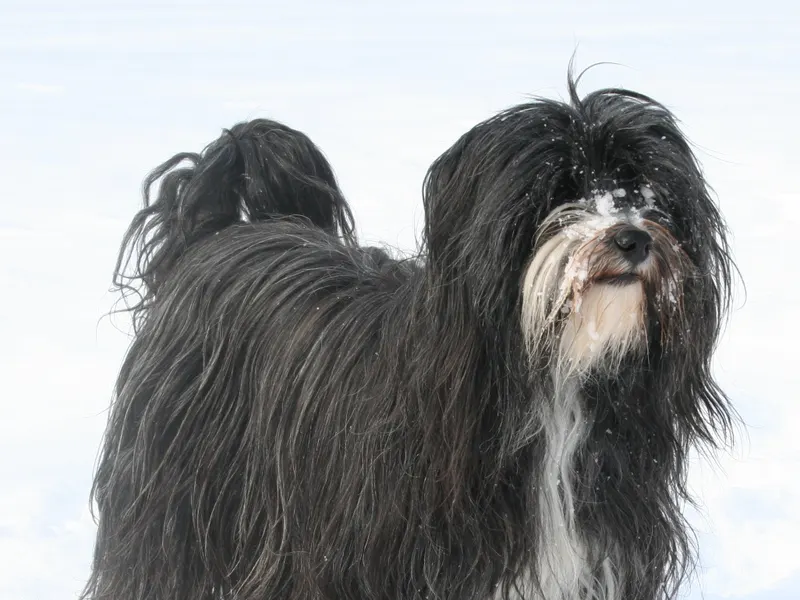
Tibetan Terrier
Non-Sporting
18–30 lbs · 12–15 yrs
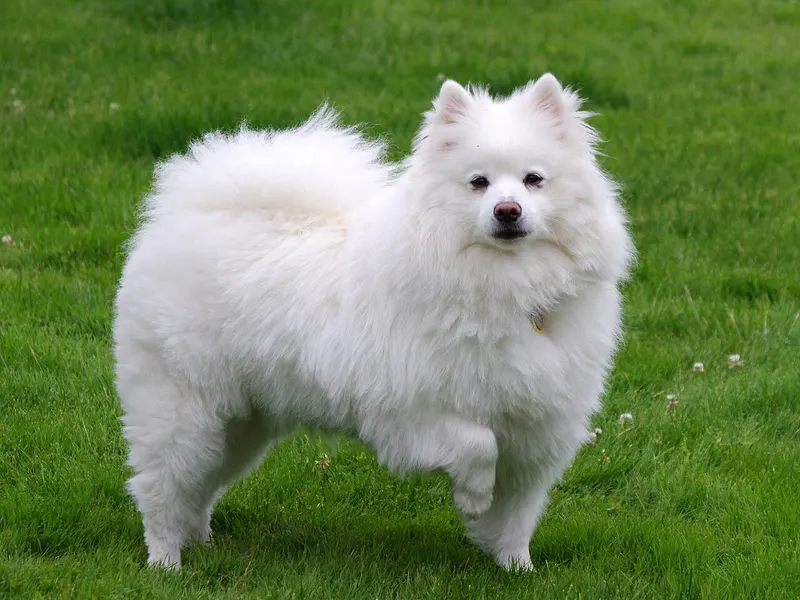
American Eskimo Dog
Non-Sporting
25–35 lbs · 13–15 yrs
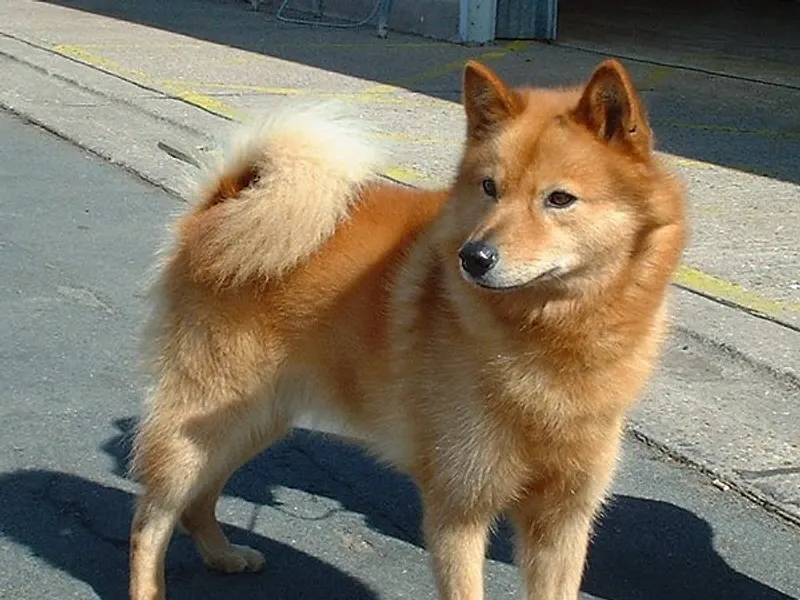
Finnish Spitz
Non-Sporting
20–33 lbs · 13–15 yrs
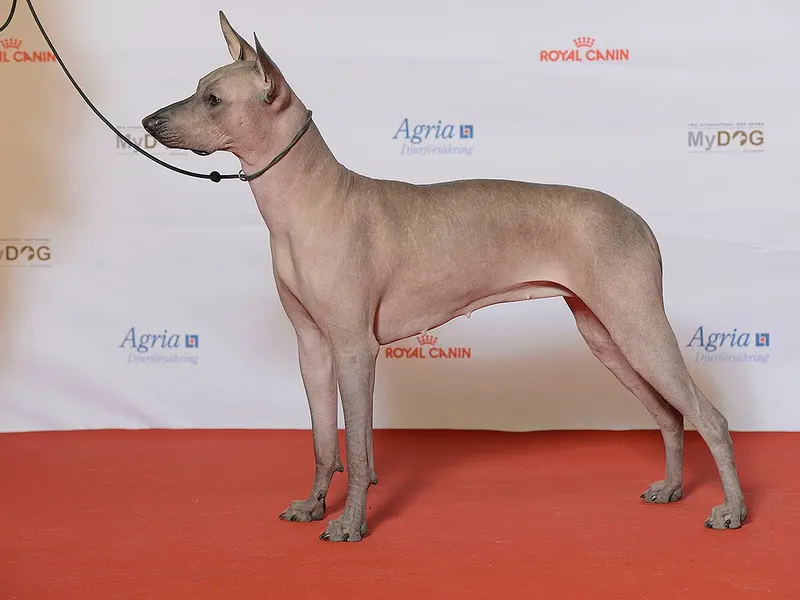
Xoloitzcuintli
Non-Sporting
10–50 lbs · 13–18 yrs
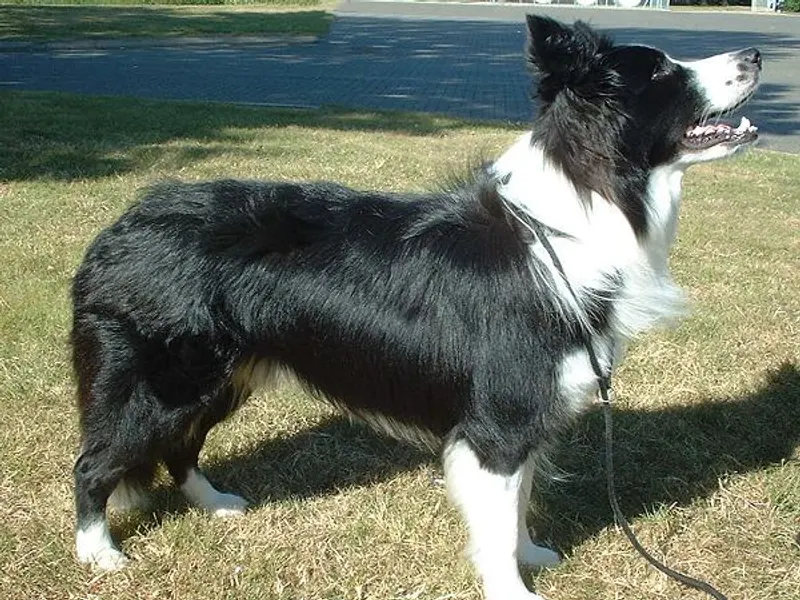
Border Collie
Herding
30–55 lbs · 12–15 yrs
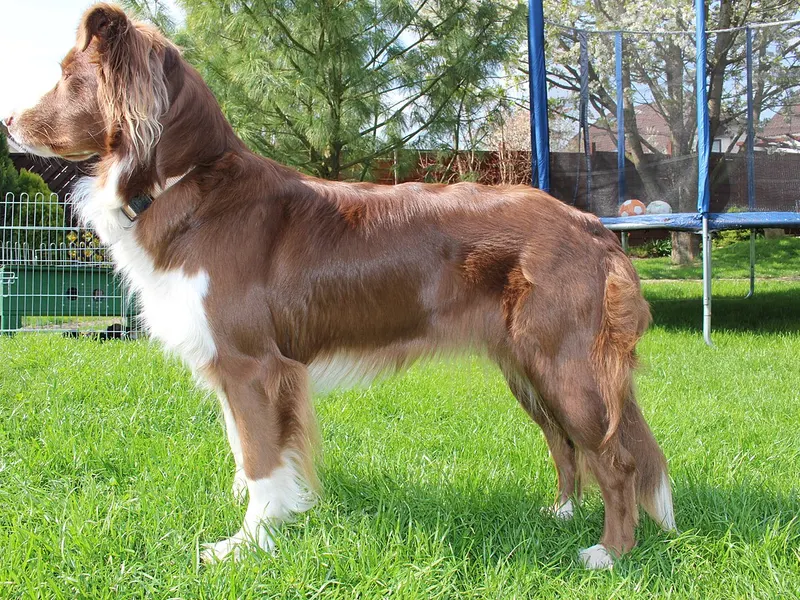
Australian Shepherd
Herding
40–65 lbs · 12–15 yrs
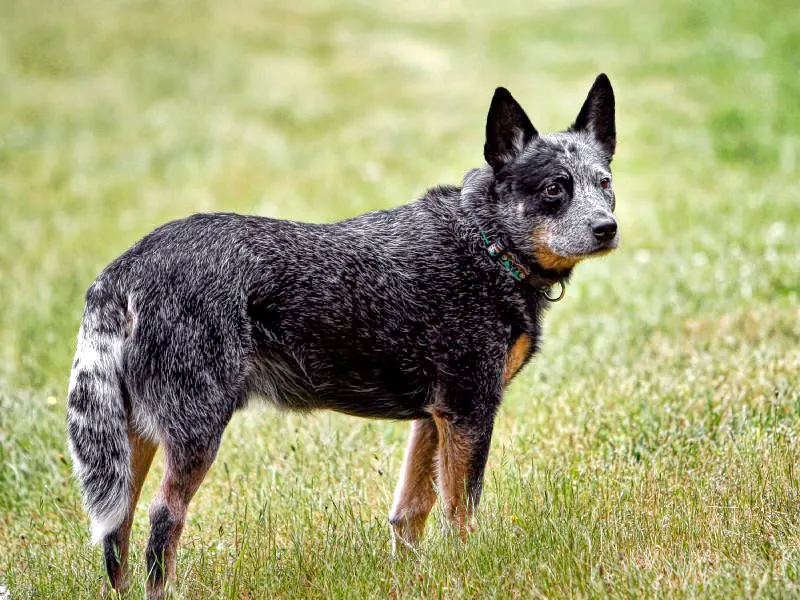
Australian Cattle Dog
Herding
35–50 lbs · 12–16 yrs
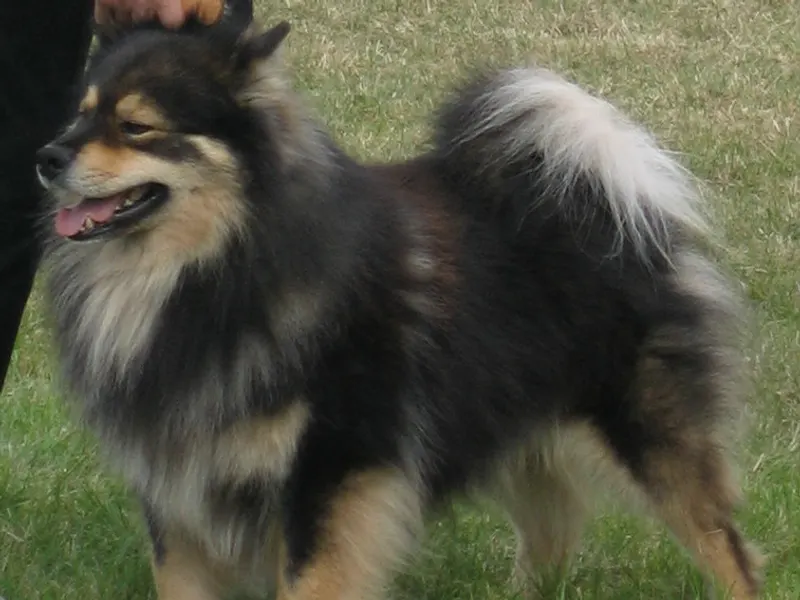
Finnish Lapphund
Herding
33–53 lbs · 12–14 yrs
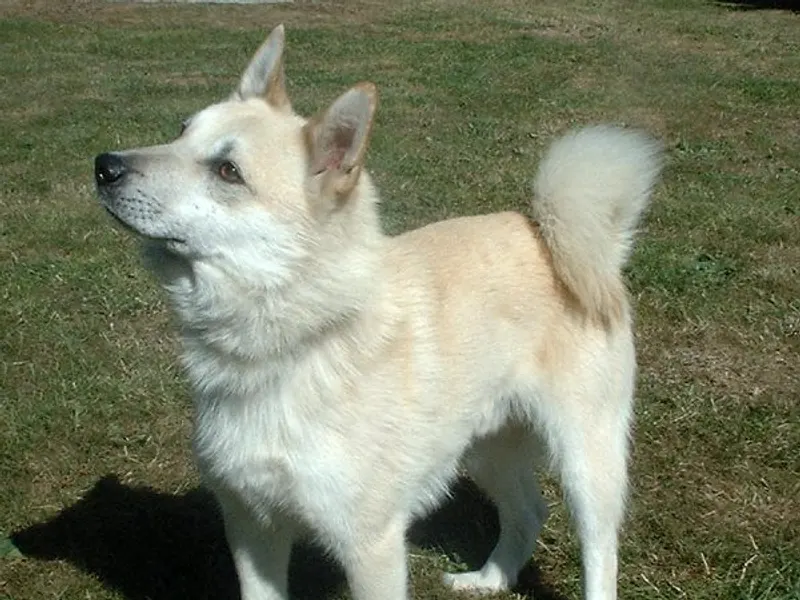
Norwegian Buhund
Herding
26–40 lbs · 12–15 yrs
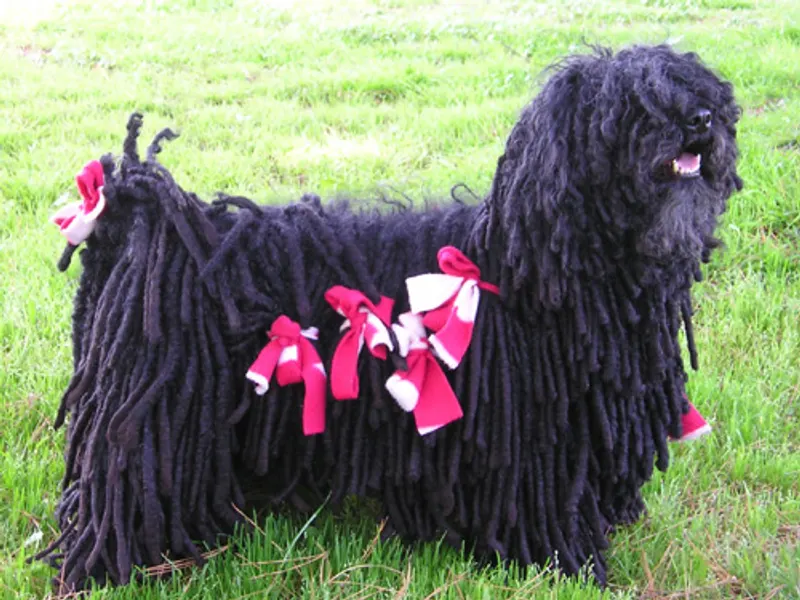
Puli
Herding
25–35 lbs · 10–15 yrs
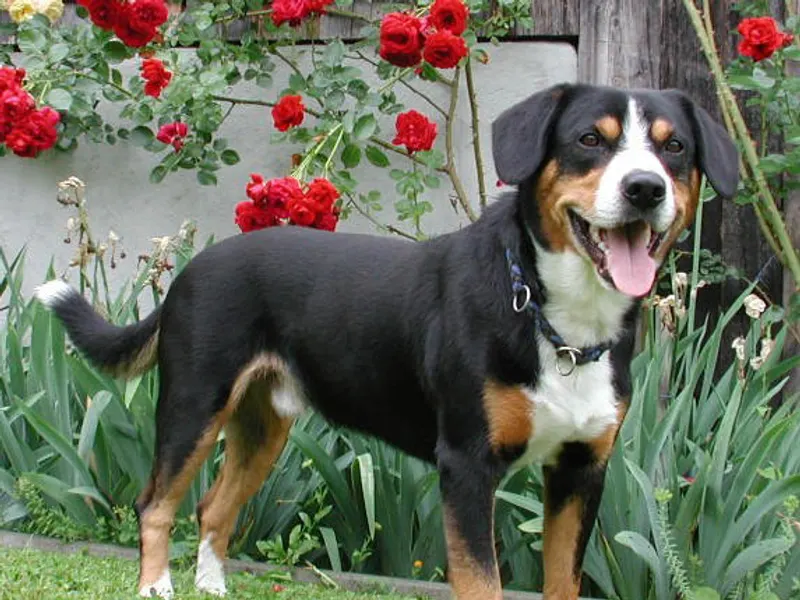
Entlebucher Mountain Dog
Herding
40–65 lbs · 11–15 yrs
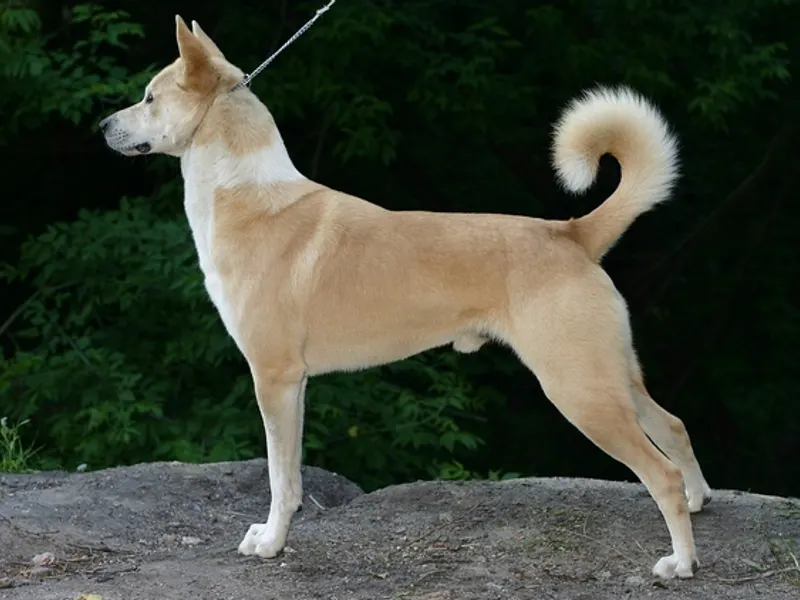
Canaan Dog
Herding
35–55 lbs · 12–15 yrs
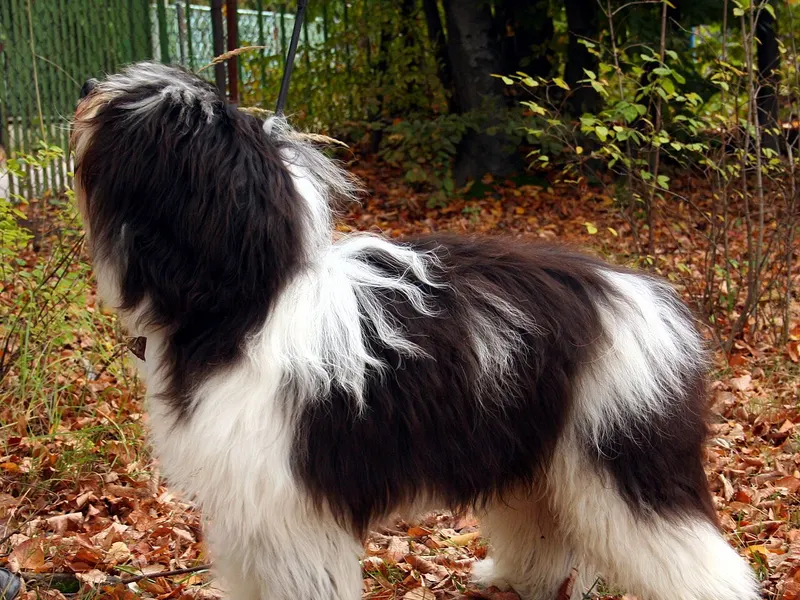
Polish Lowland Sheepdog
Herding
30–50 lbs · 12–14 yrs
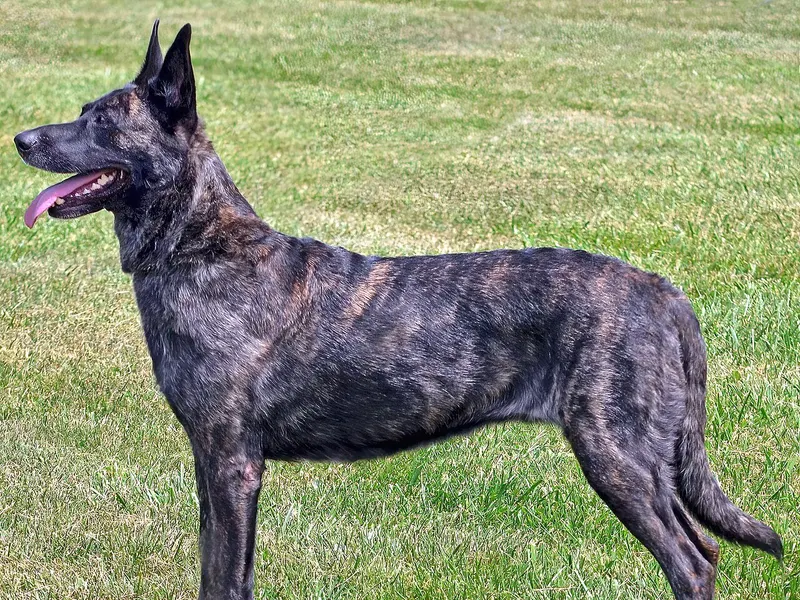
Dutch Shepherd
Herding
42–75 lbs · 11–14 yrs
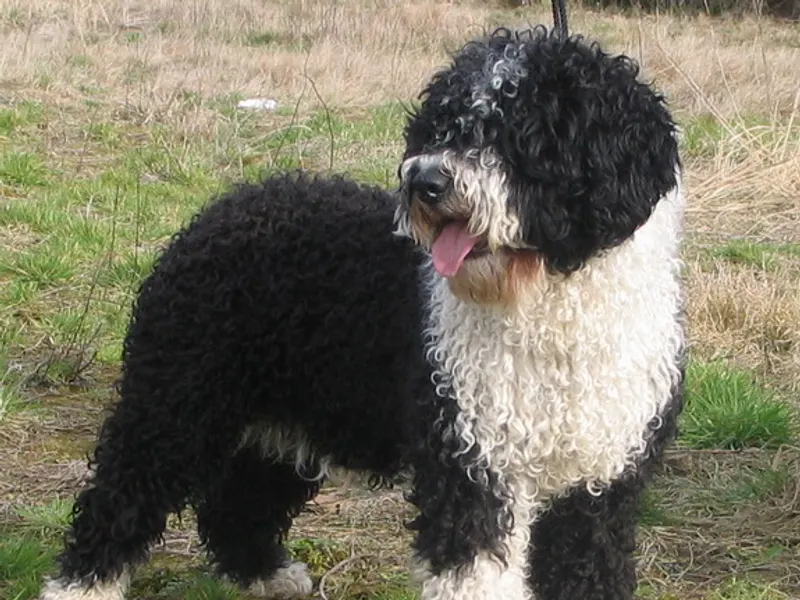
Spanish Water Dog
Herding
31–49 lbs · 12–14 yrs
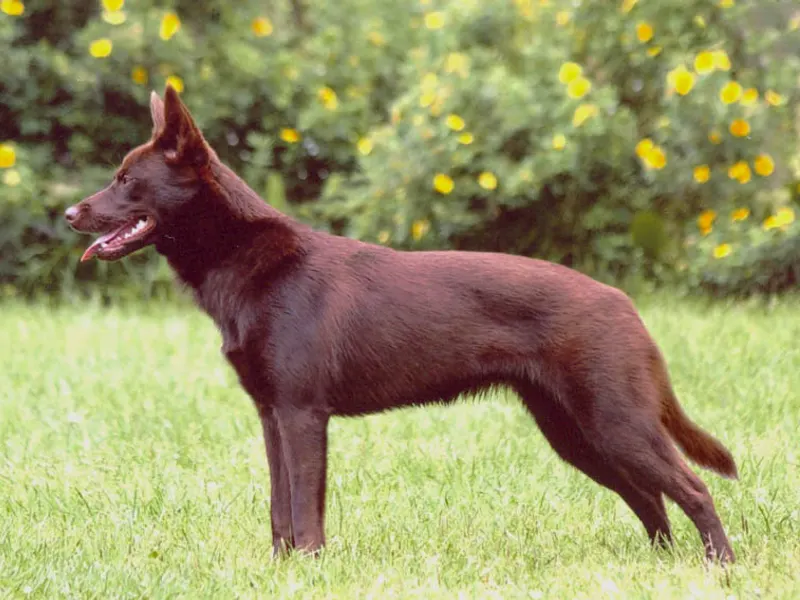
Australian Kelpie
Herding
25–45 lbs · 10–14 yrs
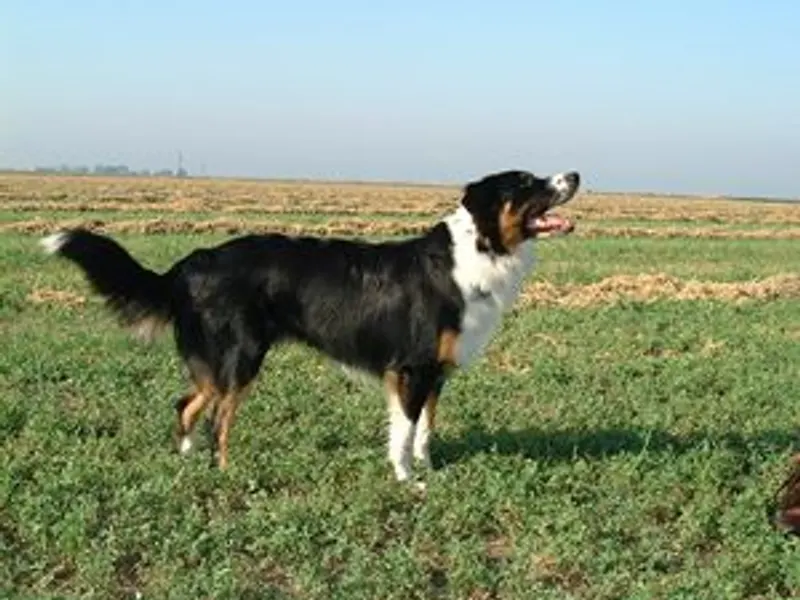
English Shepherd
Herding
40–60 lbs · 12–15 yrs
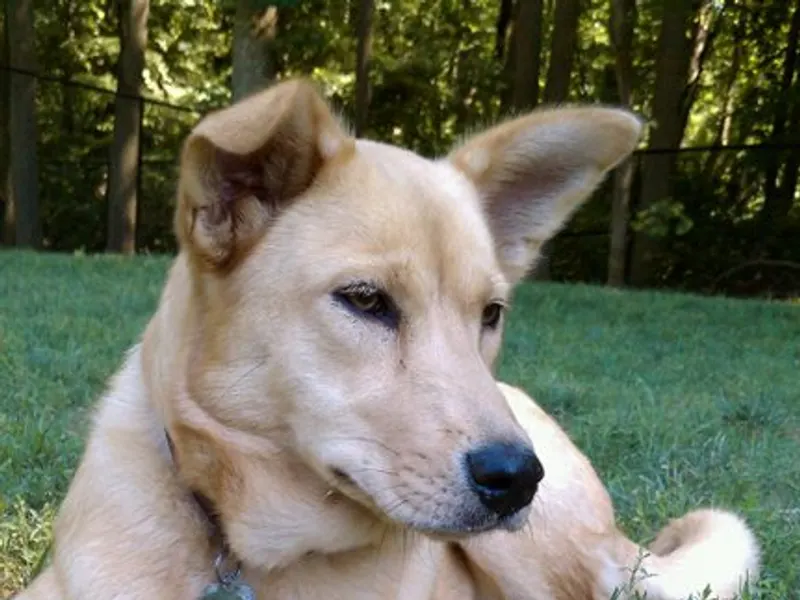
Carolina Dog
Foundation Stock
30–65 lbs · 12–15 yrs
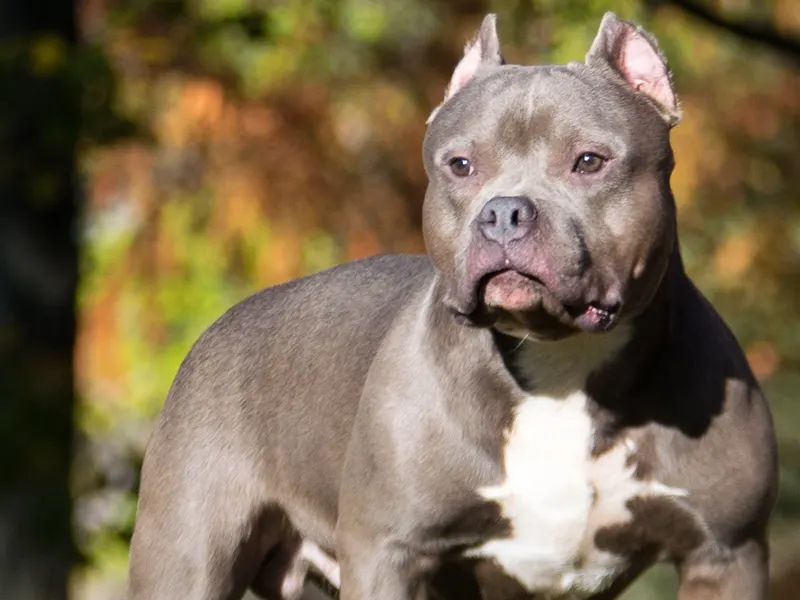
American Bully
Foundation Stock
30–150 lbs · 10–13 yrs
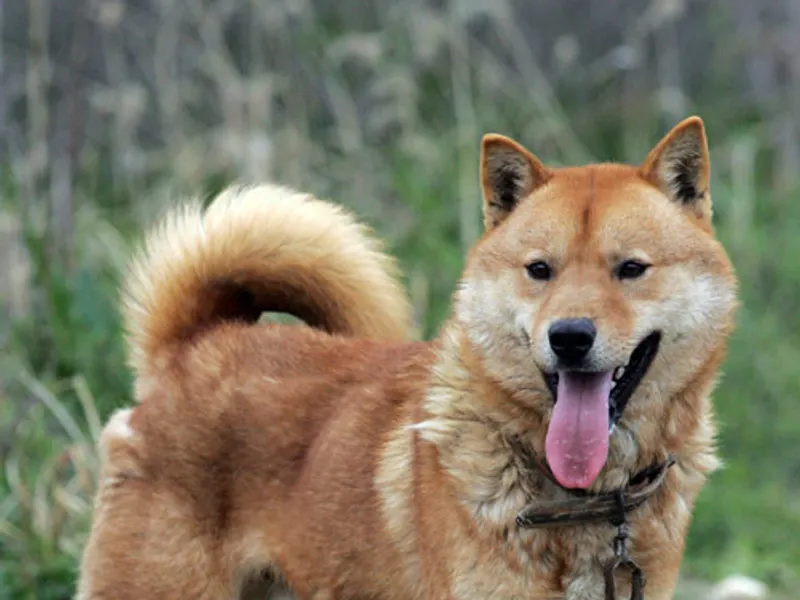
Korean Jindo Dog
Foundation Stock
30–50 lbs · 12–15 yrs
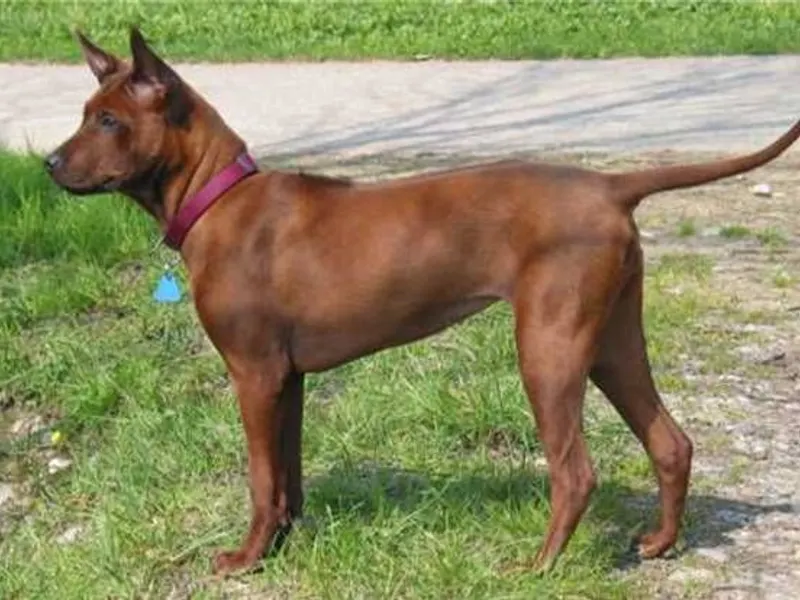
Thai Ridgeback
Foundation Stock
35–75 lbs · 12–13 yrs
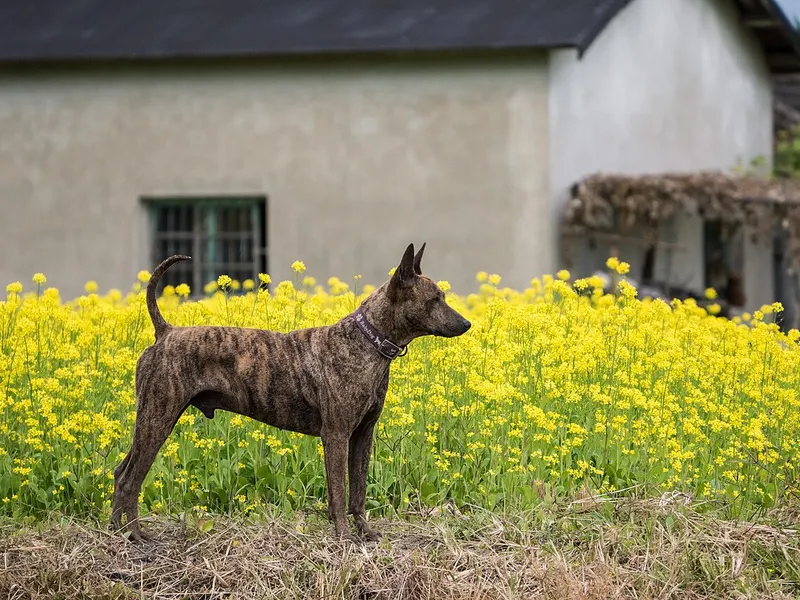
Formosan Mountain Dog
Foundation Stock
26–50 lbs · 13–16 yrs
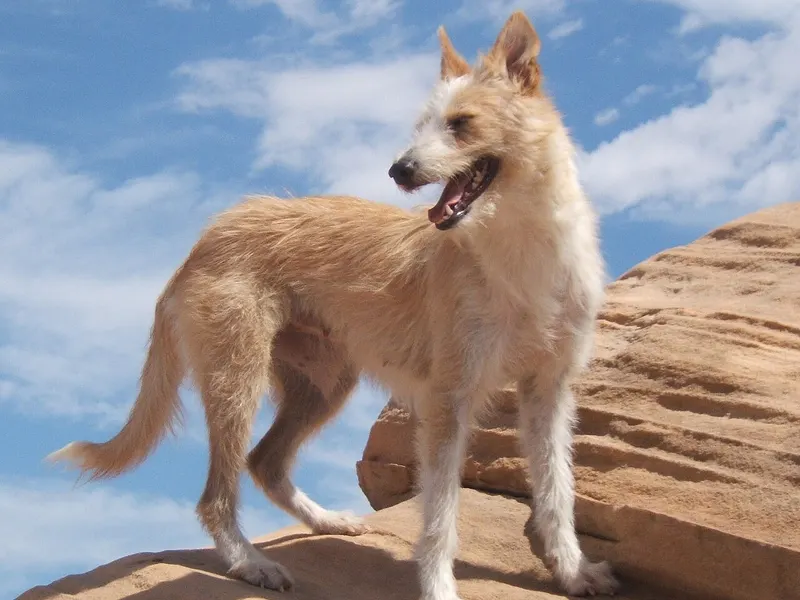
Podengo Português
Foundation Stock
35–44 lbs · 12–15 yrs
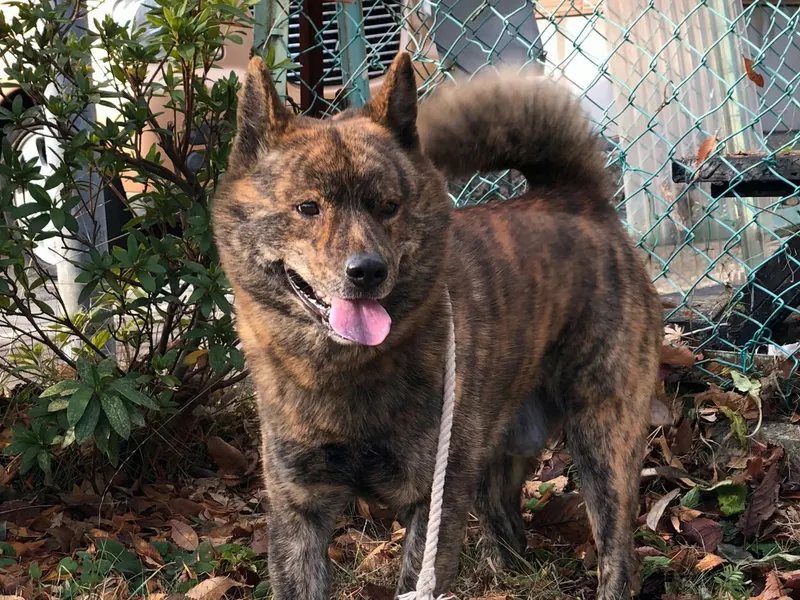
Kai Ken
Foundation Stock
25–40 lbs · 12–15 yrs
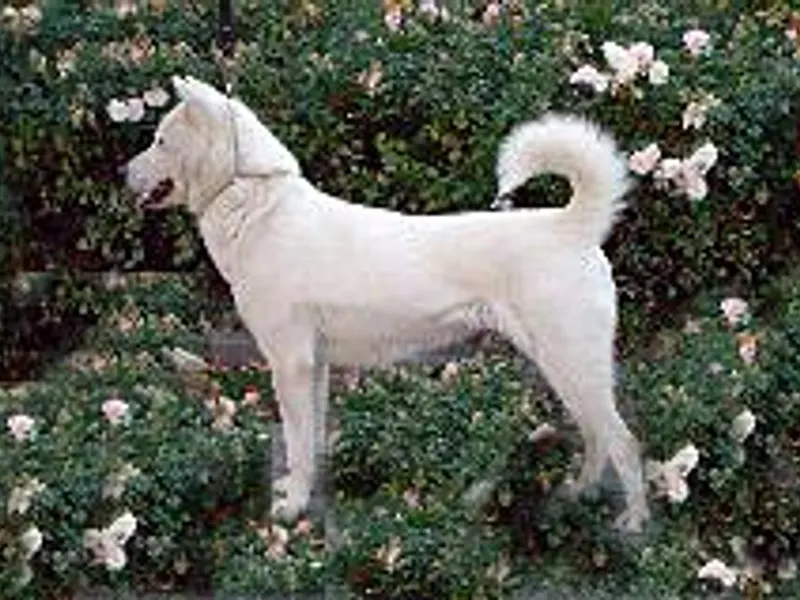
Kishu Ken
Foundation Stock
30–60 lbs · 11–13 yrs
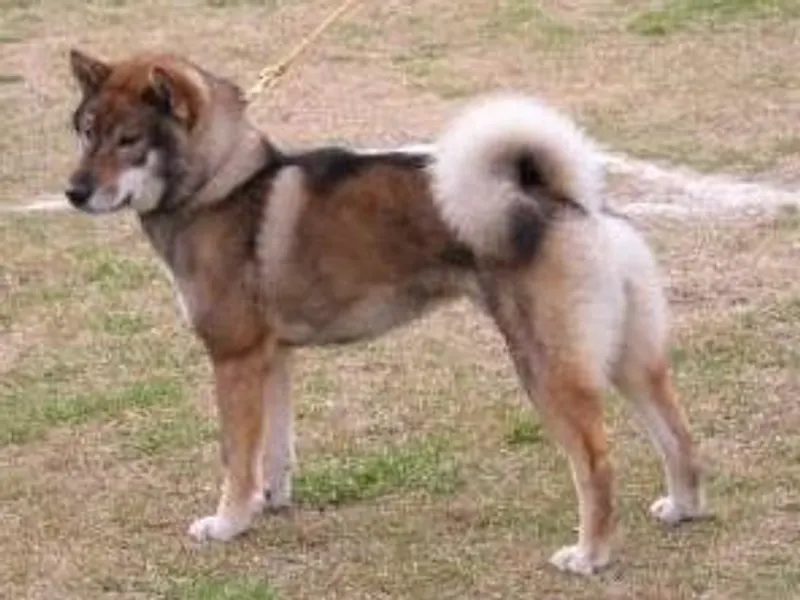
Shikoku
Foundation Stock
30–55 lbs · 10–12 yrs
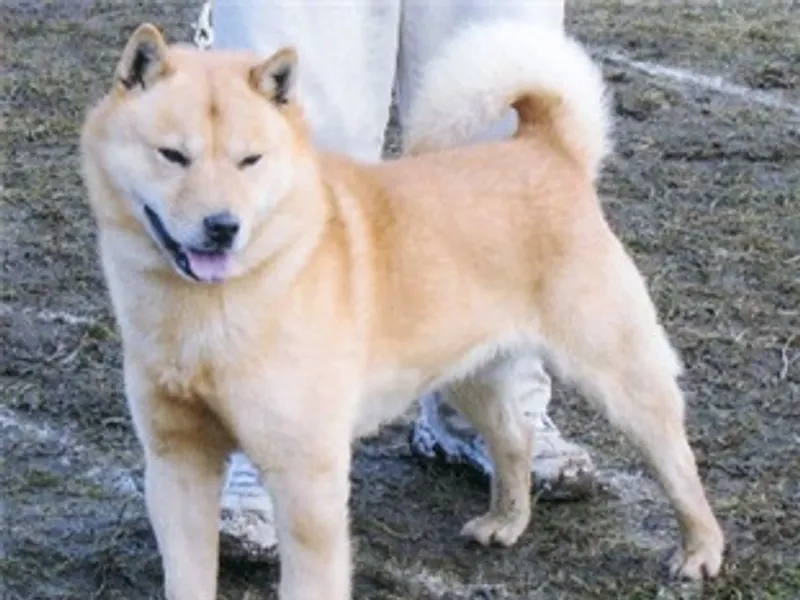
Hokkaido
Foundation Stock
45–65 lbs · 11–13 yrs
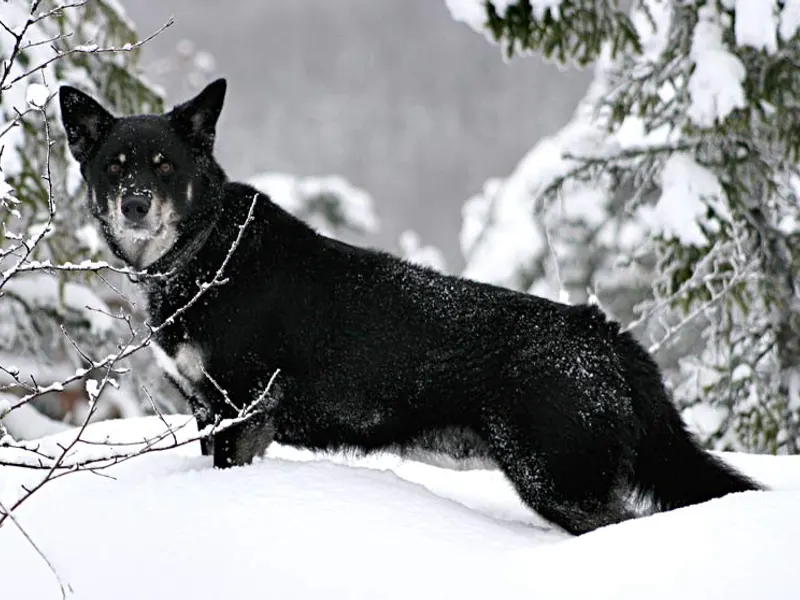
Lapponian Herder
Foundation Stock
40–55 lbs · 12–14 yrs
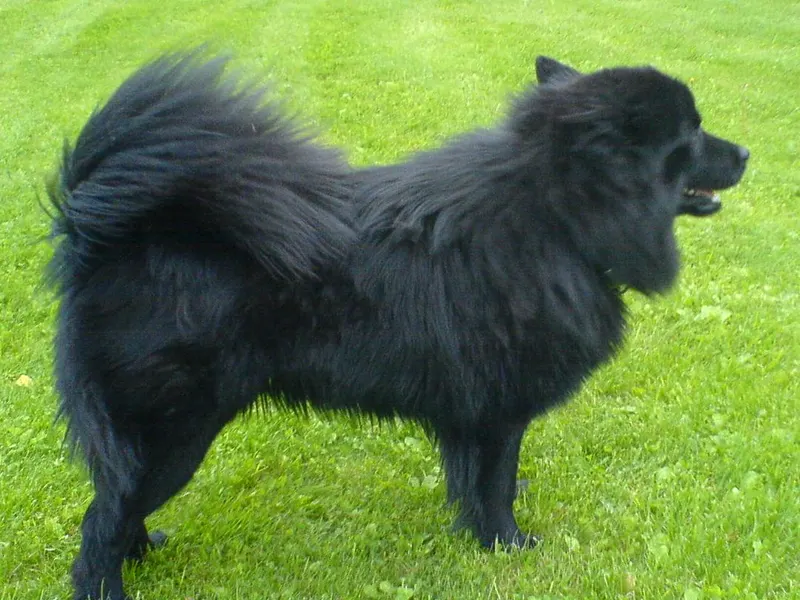
Swedish Lapphund
Foundation Stock
30–44 lbs · 12–15 yrs
Schnoodle
Crossbreed
6–75 lbs · 10–16 yrs
Aussiedoodle
Crossbreed
25–70 lbs · 12–15 yrs
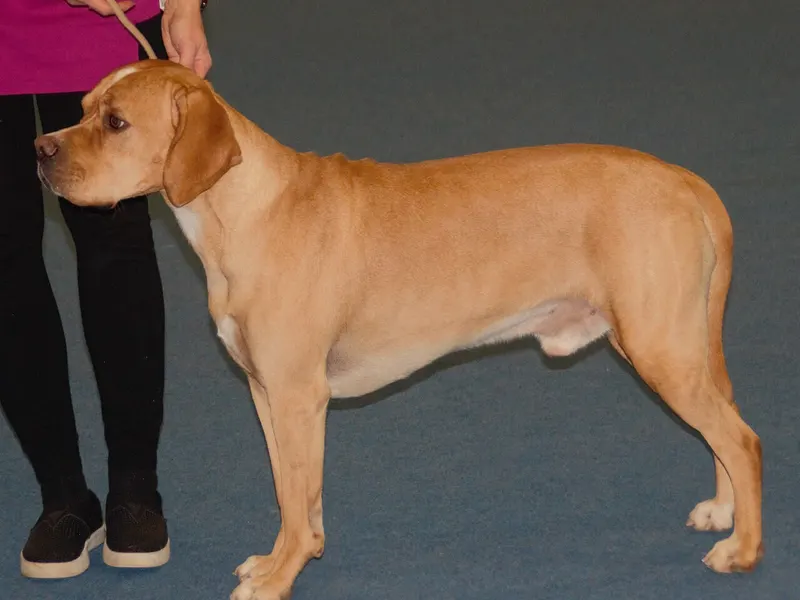
Portuguese Pointer
Sporting
35–55 lbs · 12–14 yrs
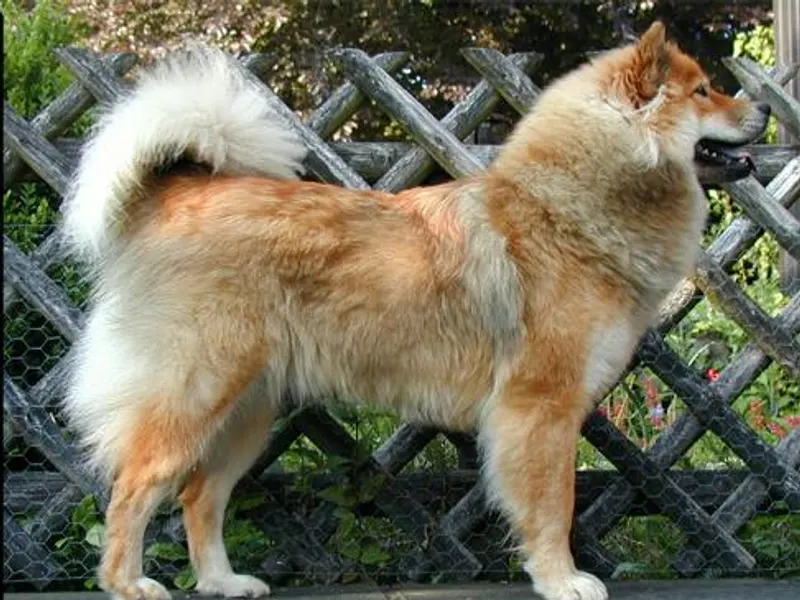
Eurasier
Non-Sporting
40–70 lbs · 11–13 yrs
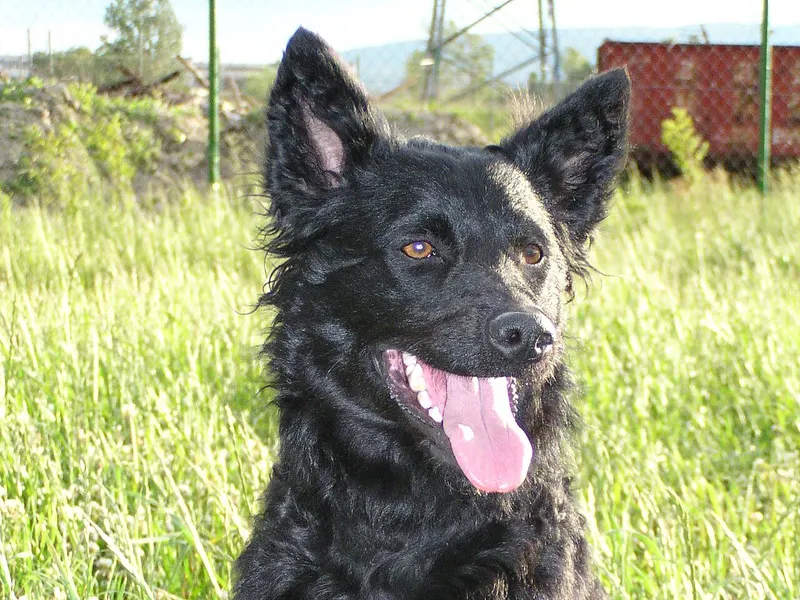
Croatian Sheepdog
Herding
29–44 lbs · 12–14 yrs
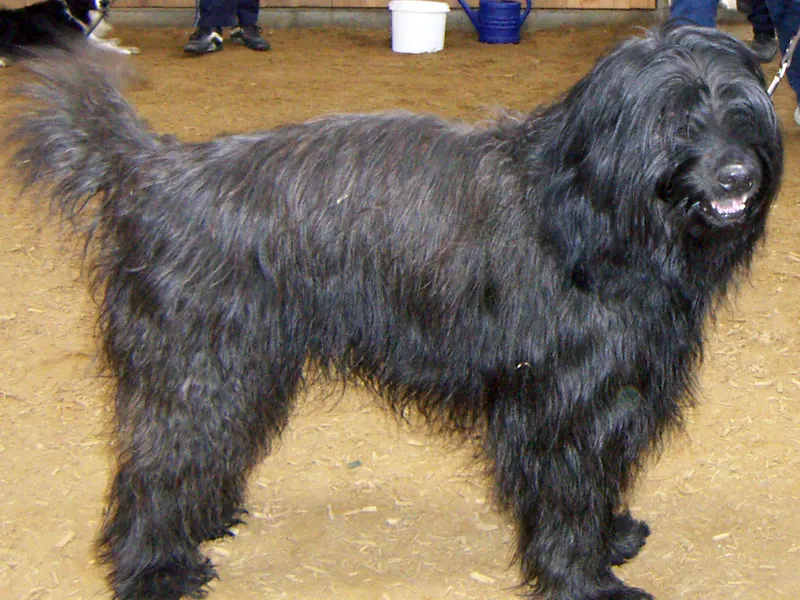
Catalan Sheepdog
Herding
35–55 lbs · 12–14 yrs
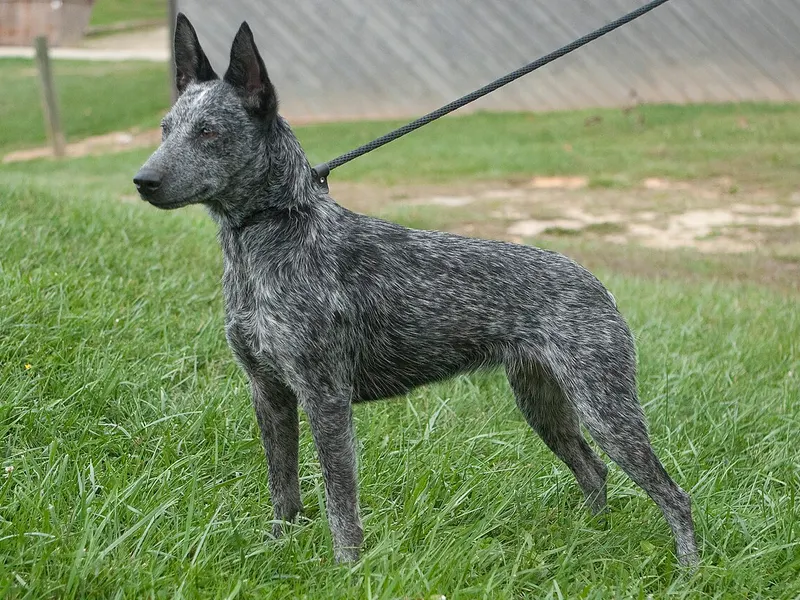
Australian Stumpy Tail Cattle Dog
Herding
33–49 lbs · 12–15 yrs
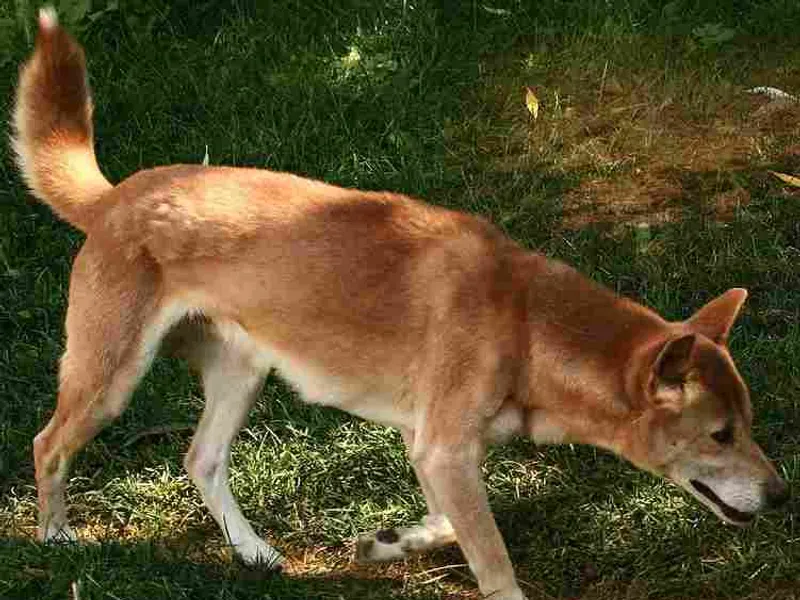
New Guinea Singing Dog
Foundation Stock
17–30 lbs · 15–18 yrs
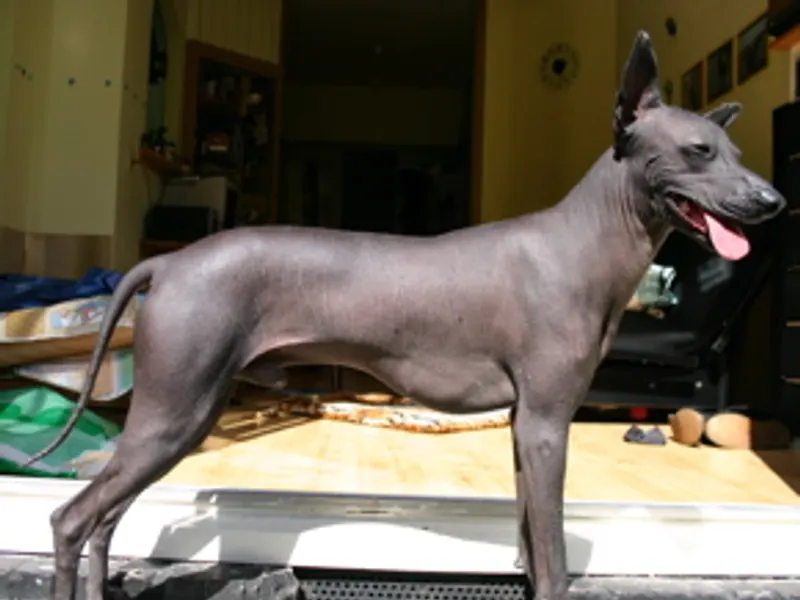
Peruvian Inca Orchid
Foundation Stock
12–55 lbs · 11–12 yrs
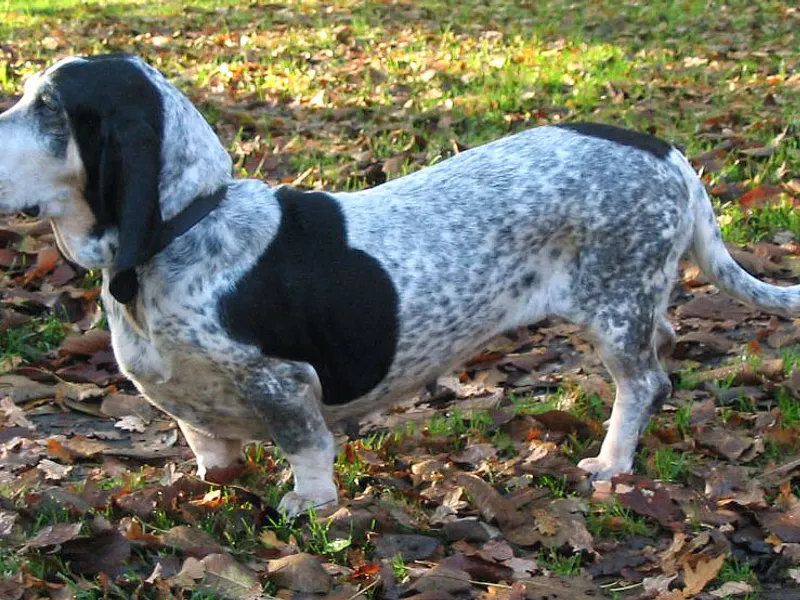
Basset Bleu de Gascogne
Hound
35–45 lbs · 11–13 yrs
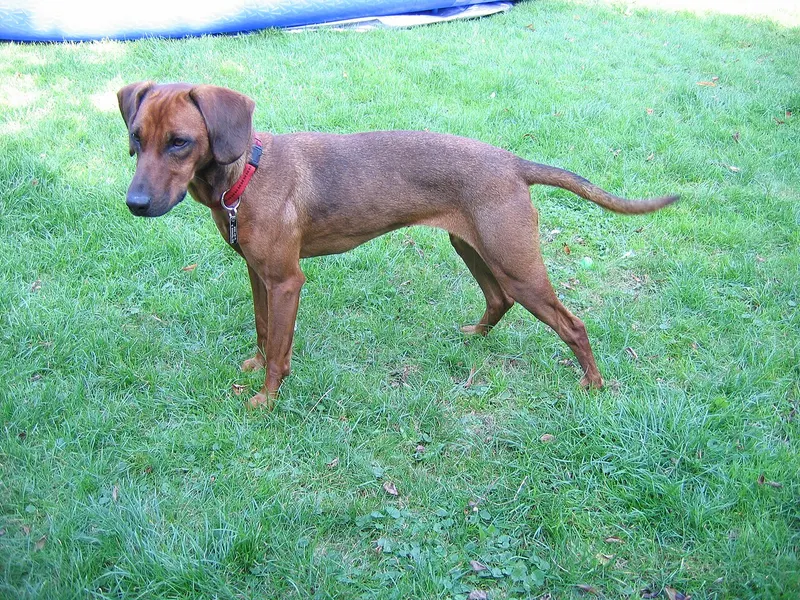
Tyrolean Hound
Hound
33–48 lbs · 12–14 yrs