Herding Group
Canaan Dog
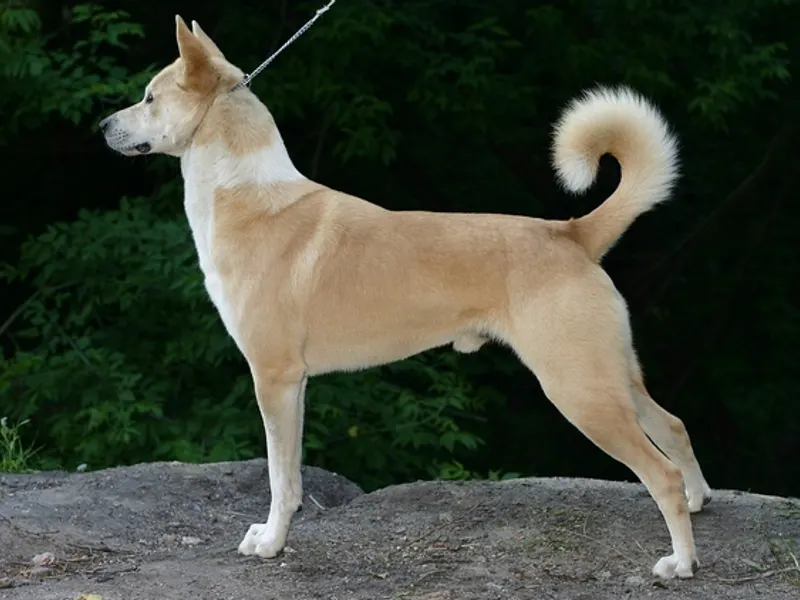
Israel's Negev Desert is home to the Canaan Dog's ancient roots, with feral pariah-type dogs surviving in the region for millennia before Israeli breeder and researcher Rudolphina Menzel began domesticating and formalizing the breed in the 1930s for use as military and guard dogs during the founding years of the Israeli state; Canaan Dogs served in mine-detection and messenger roles during that period. The breed is recognized as Israel's national dog, and archaeological evidence, including ancient dog burial sites in the region, supports the idea that Canaan-type dogs have inhabited the area for thousands of years, making the breed one of the more genuinely old, minimally-altered types still in existence. Rudolphina Menzel's work went beyond simply domesticating existing pariah-type dogs — she established a formal breeding and training program specifically to prepare Canaan Dogs for landmine detection during a period when Israel faced genuine, ongoing security concerns, and the breed's success in that role helped establish its reputation for trainability alongside its independent streak. The breed later found additional service roles as guide dogs and in search-and-rescue, applications that continue in parts of Israel today.
Common health predispositions
- Hip dysplasia
- Hypothyroidism
- Patellar luxation
Temperament
As a breed shaped substantially by natural desert survival before formal domestication, the Canaan Dog carries real independence and territorial alertness, traits that made it an effective guard dog but require deliberate socialization to prevent excessive wariness or reactivity toward strangers and unfamiliar dogs. With family, most individuals are loyal and affectionate, and the breed's intelligence makes it genuinely trainable once a handler earns its trust, though this isn't a dog that defers automatically the way some more purpose-bred companion breeds do. The breed's desert-survival ancestry left behind genuine resourcefulness that shows up in everyday behavior as a dog that investigates and problem-solves independently rather than looking to a handler for constant direction, a trait that makes the Canaan Dog intellectually engaging for an experienced owner but potentially frustrating for someone expecting automatic obedience.
Living with a Canaan Dog
Mental stimulation through training or scent work channels this alert, athletic breed's natural intelligence productively, alongside roughly an hour of daily activity. The medium double coat sheds moderately, more during seasonal changes, and does well with regular brushing. Territorial instincts and a history as a guard dog make a securely fenced yard and consistent early socialization genuinely important here, more so than with a naturally sociable breed. Hip dysplasia, hypothyroidism, and patellar luxation are the conditions most worth raising with a breeder before choosing a puppy. An owner drawn to a genuinely ancient, self-reliant working temperament, and committed to consistent socialization starting in puppyhood, is the right fit — anyone wanting a dog that's immediately affectionate with strangers should look elsewhere. A small but genuinely dedicated national breed-club network handles most Canaan Dog rescue placements in the US, and given how modest the breed's population is, prospective adopters should plan on waiting.
FAQ
Is the Canaan Dog Israel's national dog?
Yes — the breed holds that official designation, reflecting both its ancient presence in the region and its historical service during the founding years of the modern Israeli state.
Are Canaan Dogs good with strangers?
Rarely without work — a background as a territorial guard dog leaves most individuals genuinely wary of unfamiliar people, and consistent socialization from puppyhood matters for channeling that instinct constructively.
How old is the Canaan Dog breed?
Archaeological evidence, including ancient dog burial sites in the region, suggests Canaan-type dogs have inhabited the area for thousands of years, making it one of the older, less artificially altered breed types still recognized today.
Did Canaan Dogs really detect landmines?
Yes — Rudolphina Menzel's formal breeding and training program specifically prepared Canaan Dogs for landmine detection during a period of real security concern in Israel's founding years, work that helped establish the breed's reputation for trainability alongside its independent nature.
Is the Canaan Dog still used as a working dog in Israel?
In some capacities, yes — beyond its original military role, the breed has been used for guide-dog and search-and-rescue work in parts of Israel, continuing a service tradition that dates back to its formal domestication in the 1930s.
Do Canaan Dogs bond with the whole family or just one person?
Most bond genuinely with the whole household once trust is established, though the breed's history as an independent desert survivor means that trust typically builds more gradually than with a breed selected purely for immediate friendliness toward everyone it meets.
Is the Canaan Dog considered a naturally evolved breed?
Largely yes — unlike most AKC breeds shaped primarily through deliberate selective breeding, the Canaan Dog descends from feral pariah dogs that survived for centuries in the deserts of the Middle East with minimal human intervention, and Israeli breeders in the 20th century worked mainly to standardize and domesticate existing natural-type dogs rather than to construct the breed from scratch.
Related on FetchBreed
Lists this breed appears in
Whichever breed fits your life, consider adoption or breed-specific rescue first — many purebred and mixed-breed dogs and cats are already waiting for homes.
General breed information, not veterinary advice — consult a vet for your pet's specific health, diet, and behavior needs.