Foundation Stock Group
Korean Jindo Dog
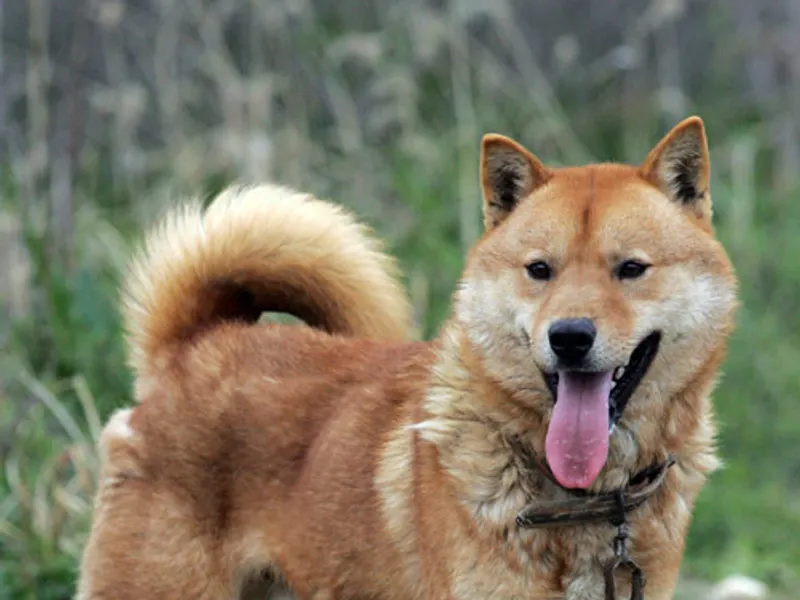
South Korea's Jindo Island gave this breed its name and, according to most accounts, its isolated development — centuries spent with minimal outside breed influence on the island produced a distinctly loyal, self-reliant hunting and guarding dog that South Korea later designated a national treasure, formally protecting the breed's genetic purity through government regulation. Jindos were traditionally used for hunting small and occasionally large game, and their fierce loyalty to a single owner is a recurring theme in Korean folklore, including well-documented stories of Jindos traveling extraordinary distances to return to a previous owner after being separated. The AKC recognized the breed through its Foundation Stock Service; it remains relatively uncommon in the US. South Korea's protection of the breed's genetic purity is enforced through actual legal restrictions on exporting purebred Jindos, a policy the government has maintained since designating the breed a national treasure in 1962, meaning most Jindos found outside Korea today descend from a relatively small number of historically exported dogs or more recent, carefully negotiated exceptions. The breed's loyalty stories are taken seriously enough in Korea that a statue commemorating one particularly famous Jindo, who reportedly walked roughly 187 miles back to a previous owner, stands on Jindo Island itself.
Common health predispositions
- Hip dysplasia
- Allergies
- Hypothyroidism
Temperament
Loyalty in the Korean Jindo runs deep but often narrow — this is a breed famous for bonding intensely with one primary person or household rather than being generally friendly toward everyone, and that focused devotion comes paired with real independence and a strong prey drive from its hunting background. Jindos are notably clean, alert, and intelligent, but they can be reserved or outright standoffish with strangers and don't always tolerate other dogs well, particularly of the same sex, making early socialization a genuine priority rather than a formality. South Korea's government-backed breeding programs have historically emphasized both working ability and temperament stability, testing dogs for the independent problem-solving skills the breed needed as a hunting dog while also screening against excessive aggression, an approach that has helped maintain a fairly consistent temperament profile across the protected population.
Living with a Korean Jindo Dog
The Jindo's intelligence and independent problem-solving mean mental engagement matters just as much as the roughly hour of daily physical activity this alert, athletic breed needs. Seasonal shedding from the medium double coat runs heavy, and staying ahead of it generally takes two or three brushing sessions weekly during those stretches. Strong prey drive and territorial instincts make a securely fenced yard and careful pet introductions a real priority here, more so than with a naturally easygoing breed. Hip dysplasia, allergies, and hypothyroidism round out what's worth raising with a breeder before committing. A genuinely independent, one-person-loyal dog is the reward for an owner with patience for careful, sustained socialization work — a household expecting instant friendliness toward visitors, or one without a securely fenced yard, is a poor match. Korean Jindo rescue in the US operates through a small number of dedicated breed enthusiasts given how few Jindos exist outside Korea, and international rescue transports occasionally bring dogs over as well.
FAQ
Are Korean Jindo Dogs loyal to just one person?
Often, yes — the breed has a well-documented tendency to bond most intensely with a single primary owner rather than the whole household equally, a trait reinforced by numerous Korean folk stories of Jindos traveling long distances to return to a previous owner.
Is the Korean Jindo Dog protected by law?
In South Korea, yes — the government formally protects the breed as a national treasure and regulates its breeding to preserve genetic purity, a level of official protection uncommon among dog breeds worldwide.
Do Korean Jindo Dogs get along with other dogs?
Not always reliably — same-sex pairings in particular can turn tense, and the breed's independent, territorial streak makes early, ongoing socialization genuinely important for any multi-dog household.
Can you legally export a purebred Korean Jindo from Korea?
It's restricted — South Korea has maintained legal protections on the breed's genetic purity since designating it a national treasure in 1962, meaning most Jindos outside Korea trace to a relatively small number of historically permitted exports rather than an open, ongoing export market.
Is there a famous loyal Jindo story?
Yes — one widely told account involves a Jindo that reportedly traveled roughly 187 miles back to a previous owner after being sold to a new home, a story significant enough in Korean culture that a statue commemorating the dog stands on Jindo Island.
Are Korean Jindo Dogs good with children?
With their own family and proper socialization from puppyhood, many Jindos form close, protective bonds with children in the household, though the breed's general wariness toward unfamiliar people extends to unfamiliar kids as well, making early exposure genuinely important.
Related on FetchBreed
Lists this breed appears in
Whichever breed fits your life, consider adoption or breed-specific rescue first — many purebred and mixed-breed dogs and cats are already waiting for homes.
General breed information, not veterinary advice — consult a vet for your pet's specific health, diet, and behavior needs.