Working Group
Karelian Bear Dog
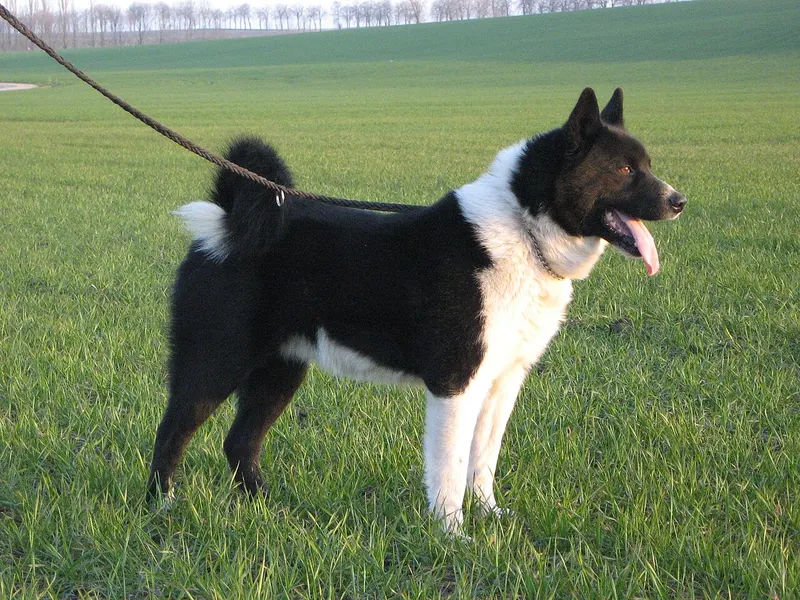
Developed across the Karelia region straddling Finland and Russia, the Karelian Bear Dog descends from ancient Nordic spitz-type hunting stock used for centuries to hunt formidable large game, including bear, moose, elk, and lynx, using a distinctive working method that relies on real courage and a loud, sustained bark rather than any attempt to physically overpower an animal many times the dog's own size. That baying-and-holding technique — the dog corners and vocally harasses the animal, keeping it distracted and in place until the hunter arrives to finish the job — demands a genuinely fearless temperament, since a dog working close to an angry bear or moose has essentially no margin for hesitation. Finnish breed clubs formally standardized the modern Karelian Bear Dog in the early 20th century, working from regional variations of the older Nordic hunting-spitz type into the more consistent breed recognized today, primarily in Finland though also with real recognition in Russia under a closely related designation. The breed has held AKC Foundation Stock Service status since 1996 without progressing to full group recognition, reflecting both its continued rarity outside Scandinavia and Russia and its genuinely demanding temperament, which most American kennel-club breeders and judges have shown limited appetite for formally promoting.
Common health predispositions
- Hip dysplasia
- Progressive retinal atrophy
- Generally rugged
Temperament
Bold to the point of genuine fearlessness, the Karelian Bear Dog carries a working intensity almost unmatched among spitz breeds, a direct product of centuries spent bred specifically to confront and hold dangerous large game without backing down. Real independence and a strong prey drive run deep, and the breed's history working essentially alone against formidable animals has left it with a self-reliant, sometimes genuinely stubborn streak that makes training a serious undertaking best suited to an experienced handler. Family loyalty can run real and deep with the right owner, but this is emphatically not a casual companion breed, and most reputable sources are honest that the Karelian Bear Dog's combination of intensity, prey drive, and independence makes it a poor match for anyone without genuine working-dog experience.
Living with a Karelian Bear Dog
This breed's real working intensity demands serious daily exercise — 75 minutes at minimum, and genuinely more for a dog without an actual job to do, since under-stimulation in a breed this driven tends to produce real behavioral problems fast. The straight, harsh, black-and-white double coat sheds substantially and needs regular brushing, especially during seasonal blowouts. Hip dysplasia and progressive retinal atrophy both warrant standard screening, and the breed is broadly considered rugged and hardy by the limited veterinary literature available, consistent with its demanding Nordic hunting-dog development. Only an experienced household genuinely prepared for a bold, independent, high-prey-drive working breed — ideally one with real space and a legitimate outlet like organized hunting or serious working-dog sports — should consider a Karelian Bear Dog; this is not a breed suited to a first-time owner or a purely companion-focused household. Very few dedicated North American breeders work with this specific breed, so prospective owners typically need to look toward Finland, Russia, or the handful of established US kennels that do. Monthly costs, where obtainable, run moderate for a mid-sized breed, though genuine scarcity affects acquisition far more than ongoing care.
FAQ
Is a Karelian Bear Dog dangerous to own?
Not inherently dangerous to its own family, but the breed's real intensity, independence, and strong prey drive make it a poor match for anyone without genuine working-dog experience, and most reputable sources are honest that it isn't suited to casual or first-time ownership.
How does a Karelian Bear Dog actually hunt bears?
Rather than attempting to physically overpower an animal many times its size, the breed corners and vocally harasses large game with a loud, sustained bark, keeping it distracted and in place until the hunter arrives — a technique that demands genuine fearlessness rather than physical dominance.
Why doesn't the Karelian Bear Dog have full AKC recognition?
Finland's own wildlife agencies still actively use Karelian Bear Dogs today for a program called bear shepherding, where trained dogs harass and chase problem bears away from populated areas without harming them, a modern conservation application of the same bold, close-working temperament bred into the dog centuries ago. That continued Scandinavian working role, more than any specific AKC politics, is part of why breed clubs there have shown limited enthusiasm for reshaping the Karelian Bear Dog toward American show-ring or companion-dog expectations.
Where was the Karelian Bear Dog developed?
The Karelia region straddling Finland and Russia, descending from ancient Nordic spitz-type hunting stock, with Finnish breed clubs formally standardizing the modern breed in the early 20th century from older regional hunting-spitz variations.
Is a Karelian Bear Dog good for a first-time owner?
Generally no — the breed's real independence, intensity, and prey drive call for an experienced handler with a legitimate working outlet, and most reputable breed sources actively discourage placement with first-time or purely companion-seeking owners.
Is the Karelian Bear Dog still used for its original hunting purpose?
Yes, extensively in Finland and Russia, where it remains a working big-game hound used to hold bear, moose, and wild boar at bay through fearless barking and blocking until a hunter arrives, a genuinely dangerous job that shaped its bold, independent temperament.
Related on FetchBreed
Lists this breed appears in
Whichever breed fits your life, consider adoption or breed-specific rescue first — many purebred and mixed-breed dogs and cats are already waiting for homes.
General breed information, not veterinary advice — consult a vet for your pet's specific health, diet, and behavior needs.