Small Dog Breeds
77 breeds in this group.
The small-dog bracket on this site spans roughly 12 to 25 pounds at maturity, a genuinely wide range that pulls together the bulk of the Terrier Group, most spaniels bred smaller than the retrieving-line Sporting breeds, several corgi-and-Nordic-spitz Herding breeds, and a substantial cluster of Poodle-mix crossbreeds — which means, unlike the Toy bracket, "small" here doesn't correlate with any single shared temperament or working history the way it more loosely does for the toy breeds. A small dog in this range might be a Beagle bred for stamina-heavy scent trailing, a West Highland White Terrier bred to bolt foxes from underground dens, or a Pembroke Welsh Corgi bred to nip cattle heels across a working farm — genuinely different jobs that happen to have converged on a broadly similar body-weight range. This size bracket includes the largest concentration of true Terrier Group breeds on the site — Cairn, West Highland White, Scottish, Jack Russell, Parson Russell, Rat, Wire and Smooth Fox, Norfolk, Norwich, Border, Welsh, Lakeland, Bedlington, Sealyham, Skye, Dandie Dinmont, Manchester, Miniature Schnauzer, Miniature Bull, Australian, Cesky, Glen of Imaal, and Patterdale Terriers — and it's genuinely worth remembering, when browsing a list this long, that "small" in this group rarely translates to "low energy" or "easygoing." These are earth-hunting dogs bred for tenacity and independence, and the digging, prey-chasing, and vocal-alerting instincts documented across the Terrier Group in general apply just as strongly to the smaller members of that group as to the larger Airedale — a common mismatch story involves an owner choosing a small terrier expecting a toy-breed-like lapdog temperament, only to discover the same earth-dog intensity in a more portable package. Several breeds here descend from working spaniel and scent-hound lines rather than terrier stock, and carry meaningfully different care needs as a result. The Beagle and Dachshund both need genuinely secure containment given their nose-driven wandering instinct, more so than their moderate size alone would suggest, and the Dachshund in particular carries a serious, well-known risk of spinal disc disease tied directly to its long back and short legs, and owners should actively limit jumping and stair use from puppyhood onward rather than treating occasional back strain as incidental. The Cocker Spaniel and the smaller spitz and companion breeds in this range (Shiba Inu, Lhasa Apso, Bichon Frise, Schipperke, Tibetan Spaniel, Coton de Tulear, Löwchen) each bring their own coat-care demands, from the Cocker's silky, mat-prone ears and legs to the Bichon's dense curly coat that needs regular professional grooming to avoid painful matting against the skin. The Welsh corgis and several other compact Herding breeds — Shetland Sheepdog, Icelandic Sheepdog, Pumi, Swedish Vallhund, Miniature American Shepherd, Pyrenean Shepherd — sit in this size range too, and they carry the herding instinct and trainability documented for the Herding Group generally into a considerably smaller, more apartment-friendly frame than a full-sized German Shepherd or Border Collie, and that combination has made the Pembroke Welsh Corgi in particular one of the more popular urban and suburban family dogs in this size bracket: real intelligence and biddability without the giant-breed space demands. The crossbreed cluster in this range — Cockapoo, Puggle, Maltipoo, Cavapoo, Yorkipoo, Pomsky, Chiweenie — carries the same genuine unpredictability in size, coat, and temperament documented for the Crossbreed Group generally, since a first-generation cross's traits depend on which parent breed's genes happen to dominate in an individual puppy rather than following a fixed, predictable standard. Because this bracket spans such different working backgrounds, the most useful generalization for a prospective owner isn't about exercise or grooming — both vary enormously breed to breed within this range — but about matching a specific breed's original job to the household's actual lifestyle rather than assuming size alone predicts fit. A 20-pound terrier bred for underground vermin work and a 20-pound corgi bred for calm, structured livestock work are wildly different day-to-day companions despite landing in an identical weight class, and browsing this size hub is best used as a first filter for households genuinely constrained by space or handling strength, then narrowed further by each individual breed's actual working history and temperament profile rather than treated as a shortcut past that research. Coat and grooming variety within this bracket is genuinely as wide as anywhere in the registry, and it's worth walking through the main categories directly rather than assuming small size predicts low maintenance. The wire-coated terriers in this range need periodic hand-stripping to maintain correct texture, a real time-and-cost commitment discussed at length on this site's wire-coat hub. The silky-eared spaniel-descended breeds like the Cocker Spaniel need regular brushing of the ears and leg feathering specifically to prevent matting, plus routine ear cleaning given how much moisture those long ears trap. The dense double-coated spitz and corgi breeds in this range shed heavily during seasonal blows despite their moderate size. And the smooth-coated breeds — Beagle, Dachshund, Whippet — need comparatively minimal grooming, a genuine point in their favor for owners specifically seeking a lower-maintenance small dog. Exercise needs split about as widely as coat type does. The scent-driven Beagle and the herding-bred corgis and Shetland Sheepdog both need real daily activity and mental engagement despite their moderate size — a bored corgi or Beagle is a genuinely common source of destructive or vocal behavior complaints — while several of the companion-bred small breeds in this range, particularly the Bichon Frise, Lhasa Apso, and Shih Tzu-adjacent crosses, are content with shorter daily walks and indoor play. This is precisely the kind of variation that makes "small dog" alone a poor predictor of exercise needs, and it's worth researching a specific breed's original working history — earth-dog terrier, scent hound, herding dog, or companion breed — as a much better predictor of actual daily activity requirements than weight class provides. Apartment and multi-pet suitability also varies meaningfully within this bracket. Terriers with strong prey drive can be a genuinely poor match for households with cats or small pets despite their manageable size, while the corgis, Beagle, and most companion breeds in this range generally integrate well into multi-pet homes with appropriate introductions. Vocal tendency is another real differentiator: several small terriers and the Shetland Sheepdog in particular are known for readily alert-barking, a consideration worth weighing seriously for anyone in close-quarters or noise-sensitive housing. Training classes and group socialization opportunities are worth seeking out specifically for this bracket, since many general obedience classes default to mixing all sizes together in ways that can intimidate a smaller dog working alongside considerably larger classmates — looking specifically for a class experienced with smaller breeds, or at minimum one that manages size groupings thoughtfully, tends to produce better outcomes than assuming any general class will serve a small dog equally well. Weight management deserves specific mention for this bracket, since even a small amount of excess weight represents a proportionally larger burden on a 15-to-25-pound dog's joints than the same few pounds would on a large breed, and several small-breed health conditions discussed above, notably patellar luxation and disc disease in elongated-spine breeds, are measurably worsened by excess weight, making portion control a genuinely higher-stakes daily habit in this bracket than its modest food-portion sizes might suggest. Multi-generational breeder reputation is worth researching specifically for the more popular breeds in this bracket, since long-established breed clubs for breeds like the Beagle, Cairn Terrier, and Shetland Sheepdog often maintain detailed, decades-deep health and temperament data that a prospective owner can access directly, a genuinely valuable resource less commonly available for newer or rarer breeds elsewhere on this site. Because this bracket includes so many distinct working histories, cross-referencing a specific breed's AKC group classification alongside its size is generally a more useful research shortcut than browsing by size alone, since group classification captures the functional history that predicts day-to-day temperament far more reliably than weight does. A prospective owner who cross-references both filters together — narrowing first by group, then by size — typically arrives at a more genuinely well-matched shortlist than browsing either dimension in isolation. Because this bracket's breeds originate from such a wide range of countries and working traditions, researching a specific breed's country of origin alongside its size can also reveal useful climate-adaptability information, similar to the pattern discussed for the medium bracket, letting a prospective owner in an unusually hot or cold region find a small breed genuinely suited to local outdoor conditions rather than relying on size alone to predict comfort. Because breed popularity within this bracket has shifted noticeably over recent decades, with several corgi and doodle-cross breeds climbing sharply in registration numbers while some of the classic wire-coated terriers have become comparatively rarer, current adoption and breeder availability for any specific breed in this range is worth checking directly rather than assuming historical popularity data still reflects today's actual local availability. Because several breeds in this bracket were developed for genuinely cold working climates despite their small size, owners in northern regions researching this bracket specifically for winter hardiness should look closely at original breed origin rather than assuming small size alone predicts poor cold tolerance across the board. Because household stairs and furniture height pose a real joint-injury risk for several small breeds prone to disc or knee problems, pet ramps and steps are a genuinely worthwhile investment for many households in this bracket well before any injury actually occurs.
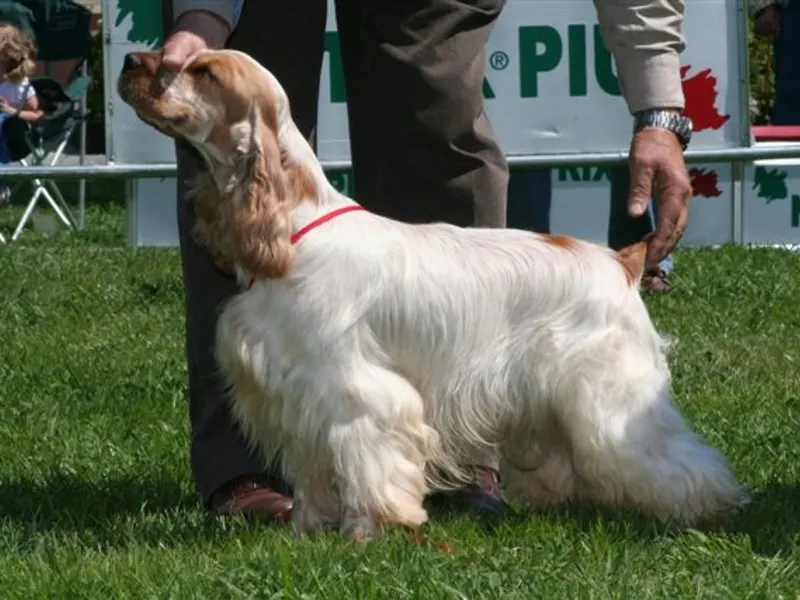
Cocker Spaniel
Sporting
20–30 lbs · 12–15 yrs
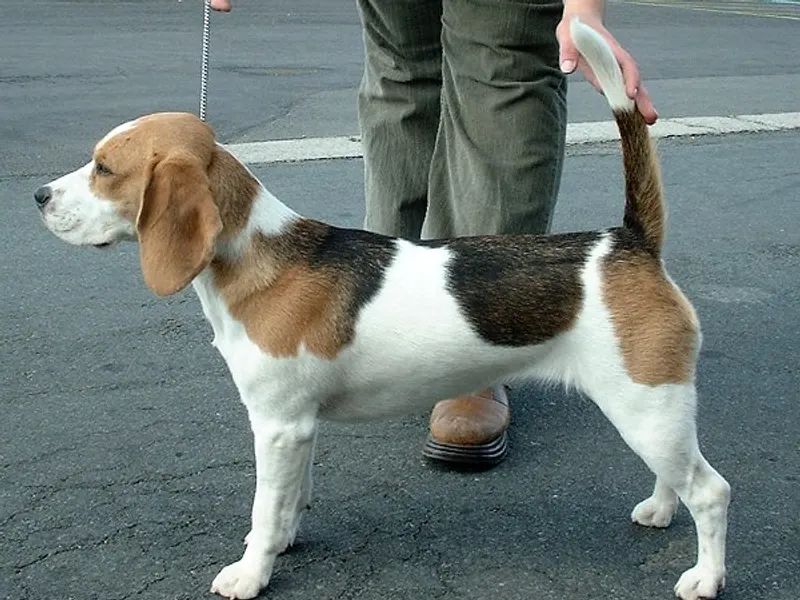
Beagle
Hound
18–30 lbs · 10–15 yrs
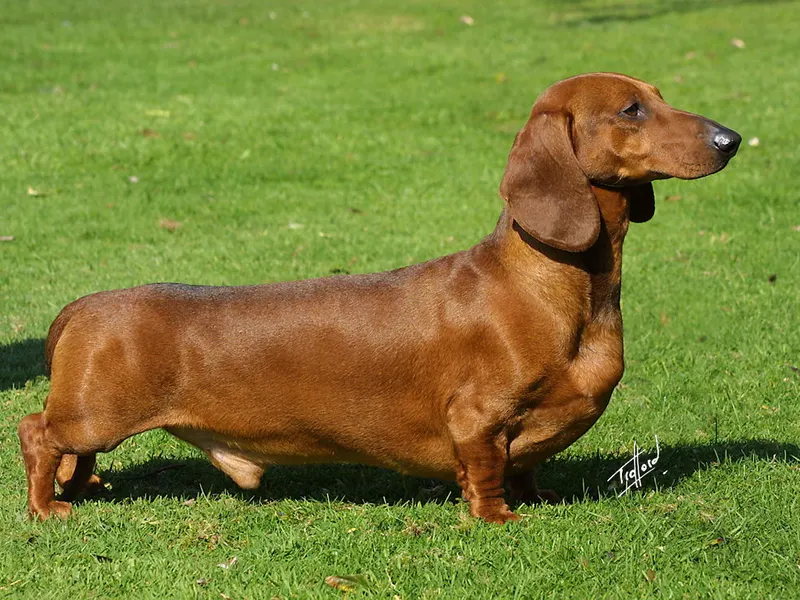
Dachshund
Hound
11–32 lbs · 12–16 yrs
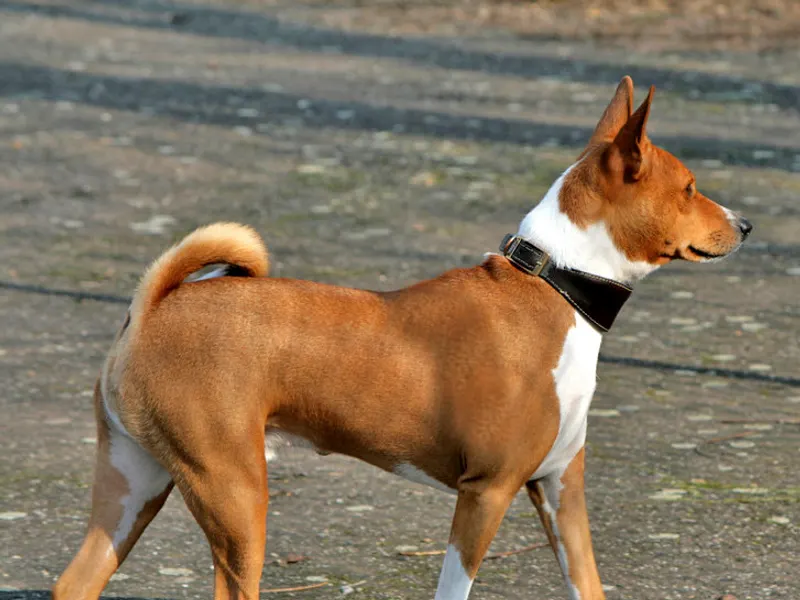
Basenji
Hound
22–24 lbs · 13–14 yrs
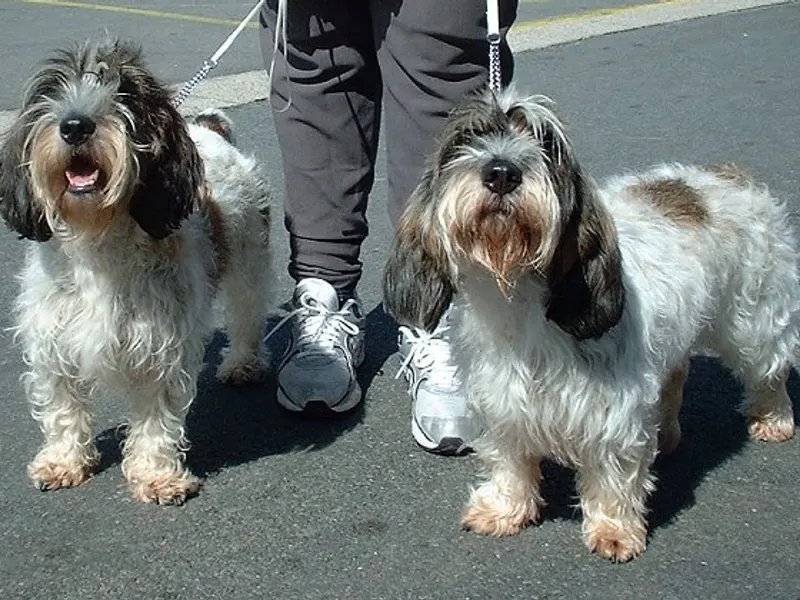
Petit Basset Griffon Vendéen
Hound
25–40 lbs · 13–15 yrs
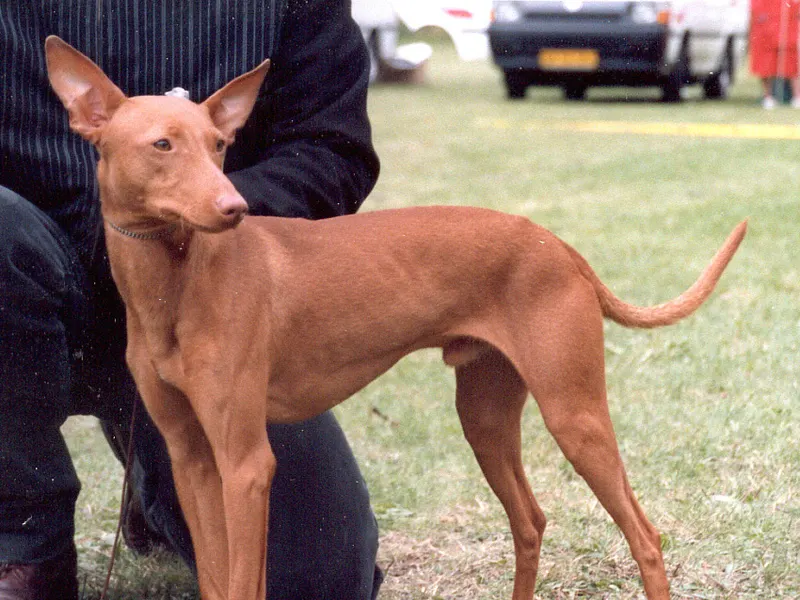
Cirneco dell'Etna
Hound
17–26 lbs · 12–14 yrs
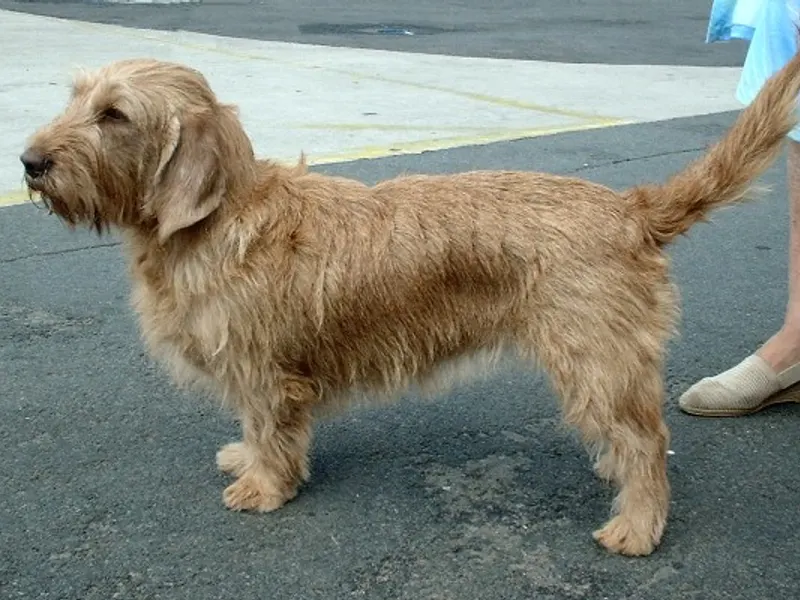
Basset Fauve de Bretagne
Hound
25–35 lbs · 13–14 yrs
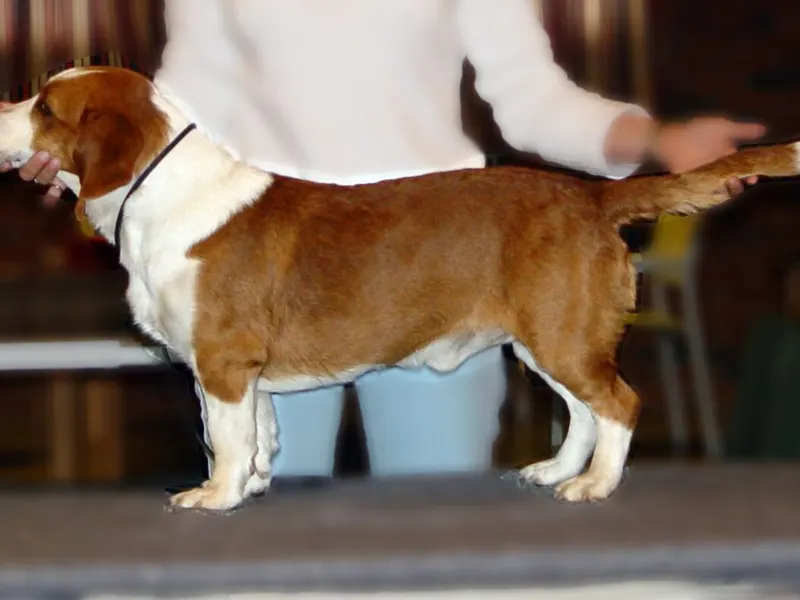
Drever
Hound
30–35 lbs · 12–14 yrs
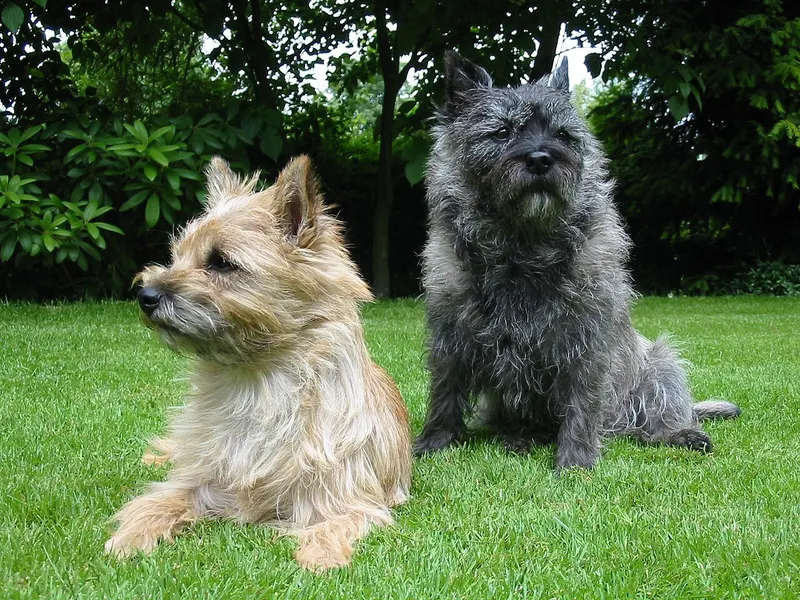
Cairn Terrier
Terrier
13–14 lbs · 13–15 yrs
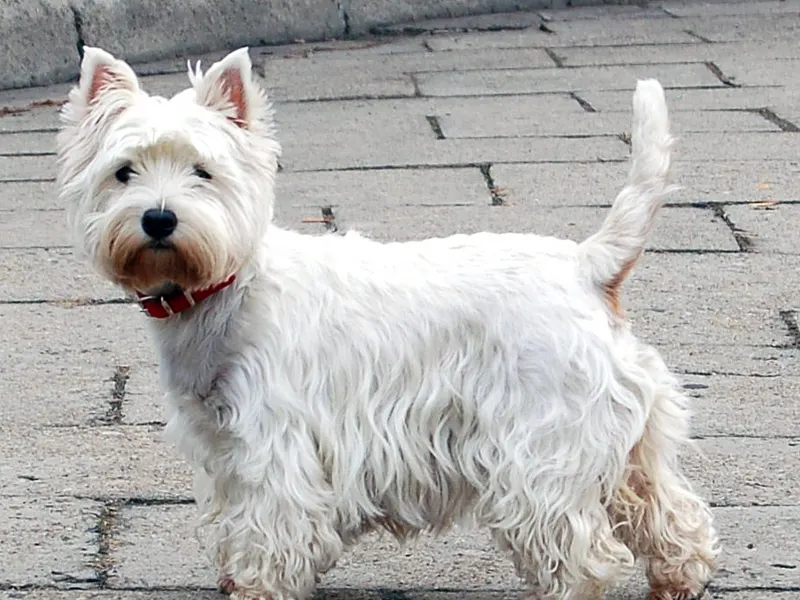
West Highland White Terrier
Terrier
13–22 lbs · 12–16 yrs
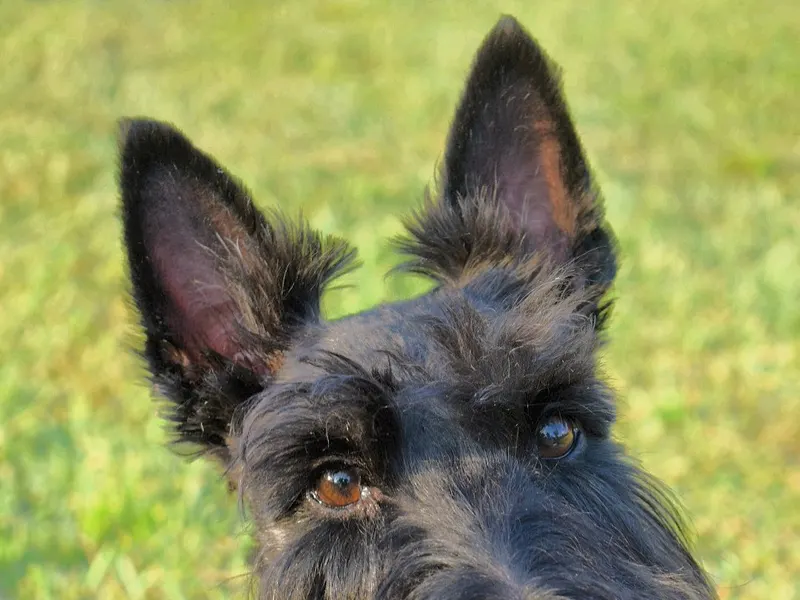
Scottish Terrier
Terrier
18–22 lbs · 11–13 yrs
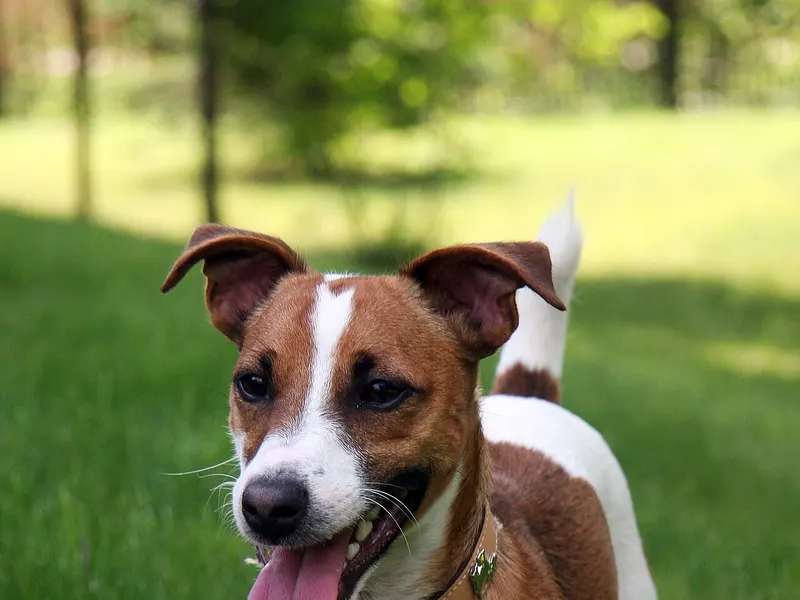
Jack Russell Terrier
Terrier
9–15 lbs · 13–16 yrs
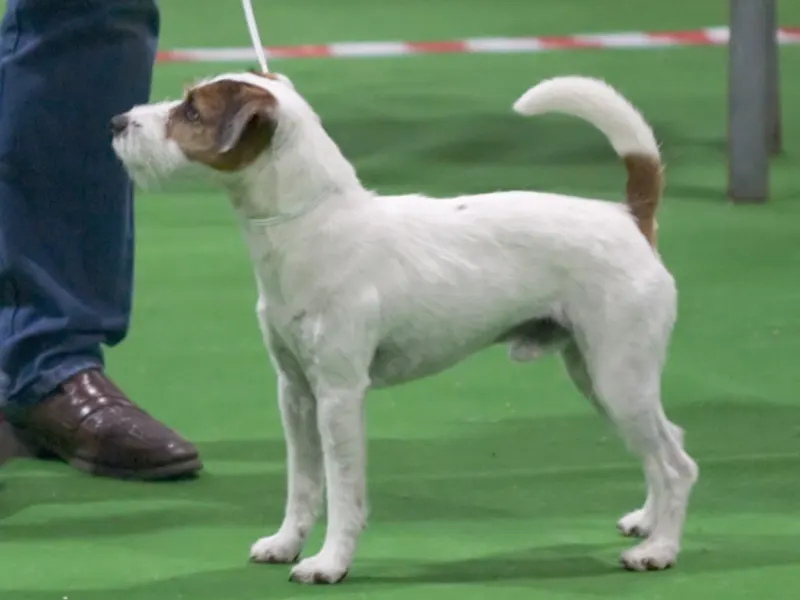
Parson Russell Terrier
Terrier
13–17 lbs · 13–15 yrs
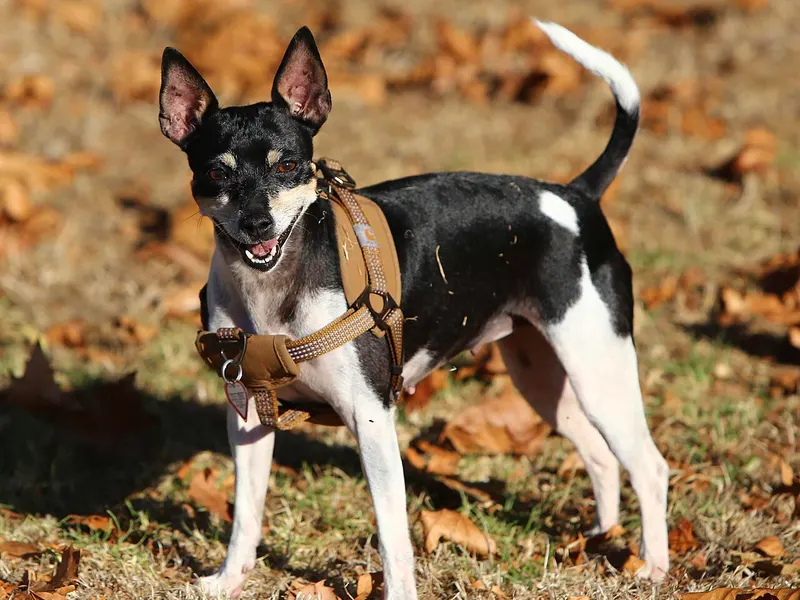
Rat Terrier
Terrier
10–25 lbs · 15–18 yrs
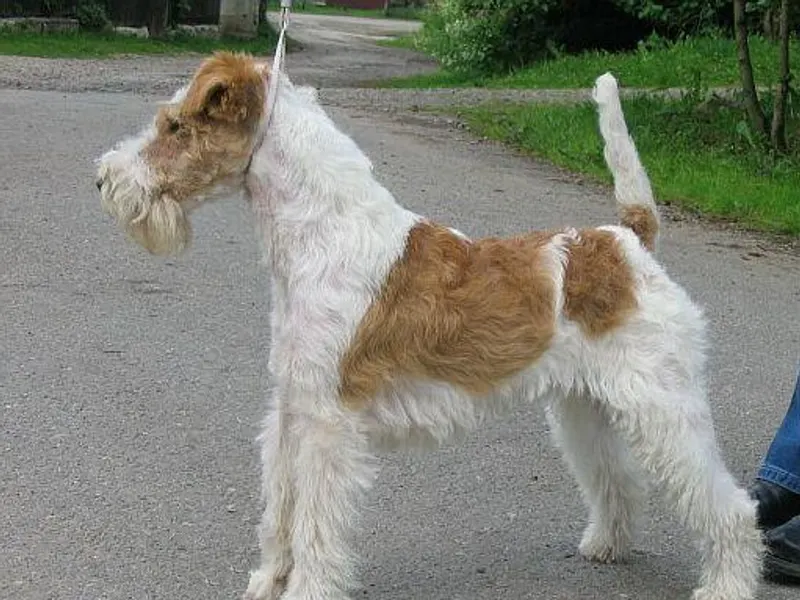
Wire Fox Terrier
Terrier
15–19 lbs · 12–15 yrs
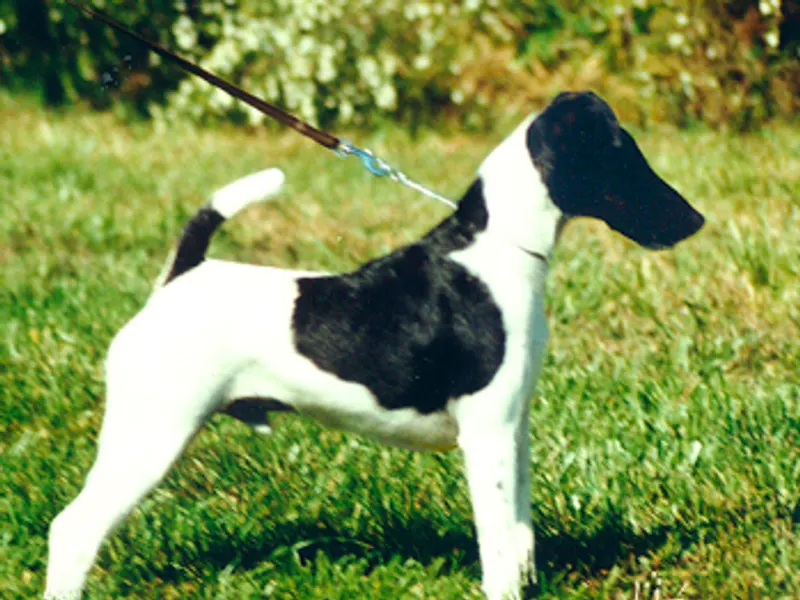
Smooth Fox Terrier
Terrier
15–18 lbs · 12–15 yrs
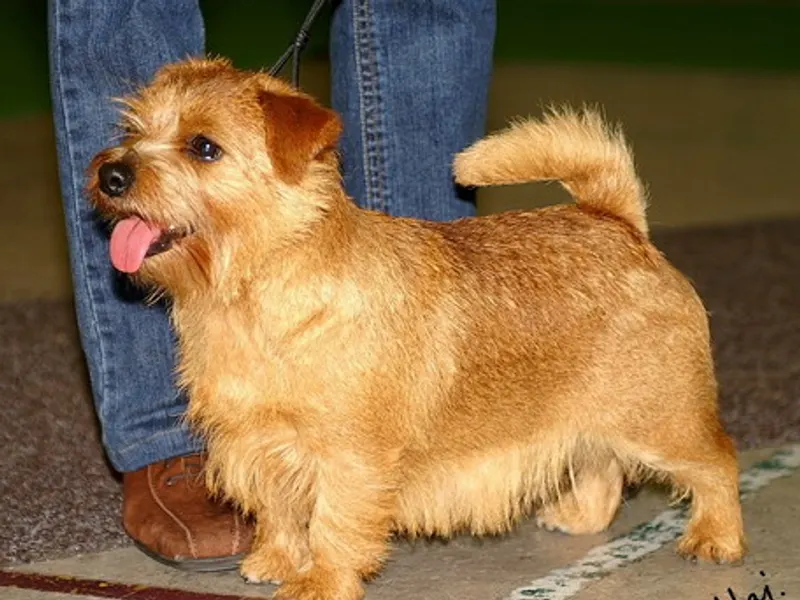
Norfolk Terrier
Terrier
11–12 lbs · 12–15 yrs
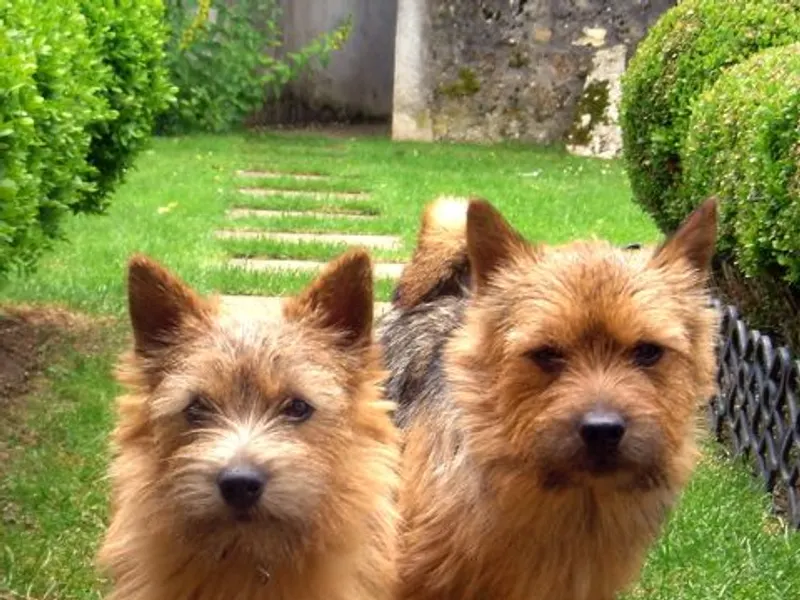
Norwich Terrier
Terrier
11–12 lbs · 12–15 yrs
Border Terrier
Terrier
11.5–15.5 lbs · 12–15 yrs
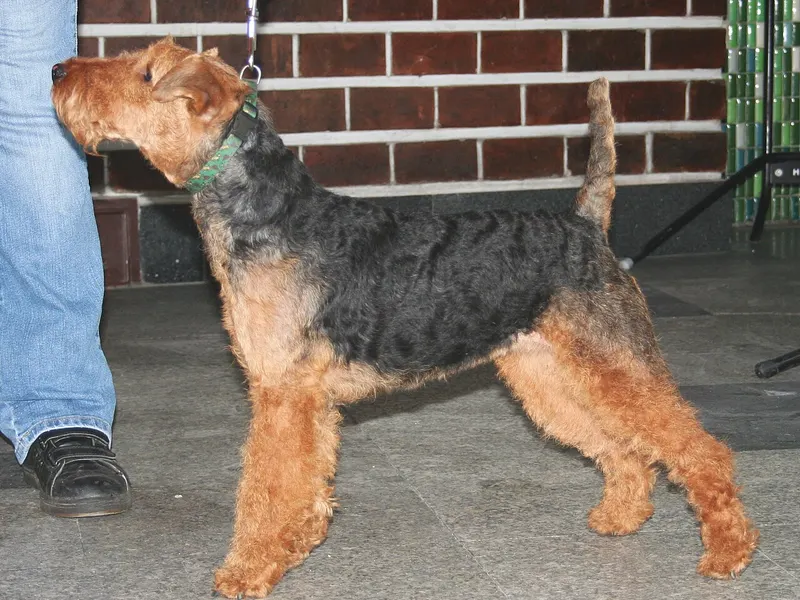
Welsh Terrier
Terrier
20–21 lbs · 12–15 yrs
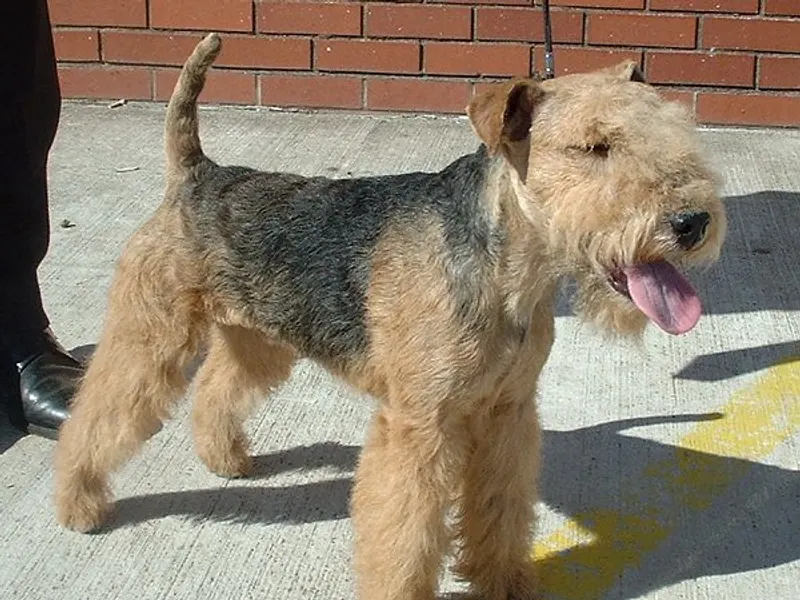
Lakeland Terrier
Terrier
15–17 lbs · 12–16 yrs
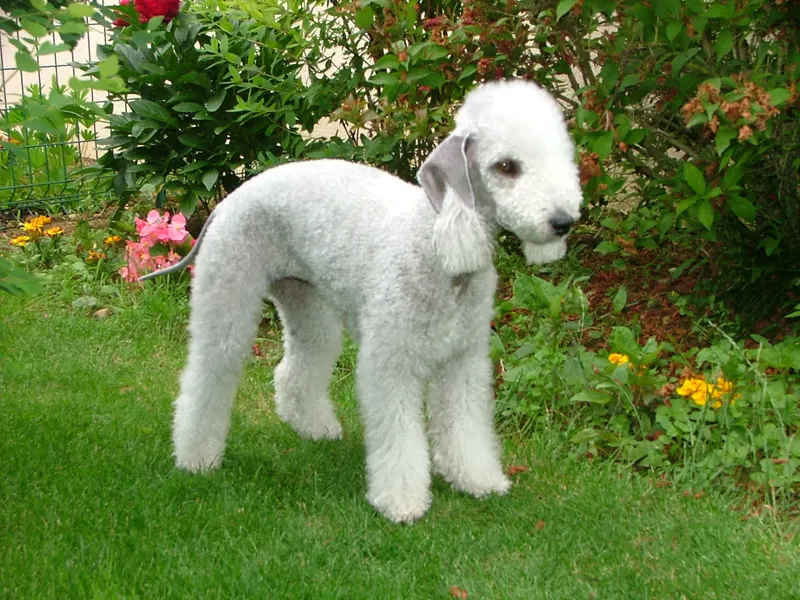
Bedlington Terrier
Terrier
17–23 lbs · 11–16 yrs
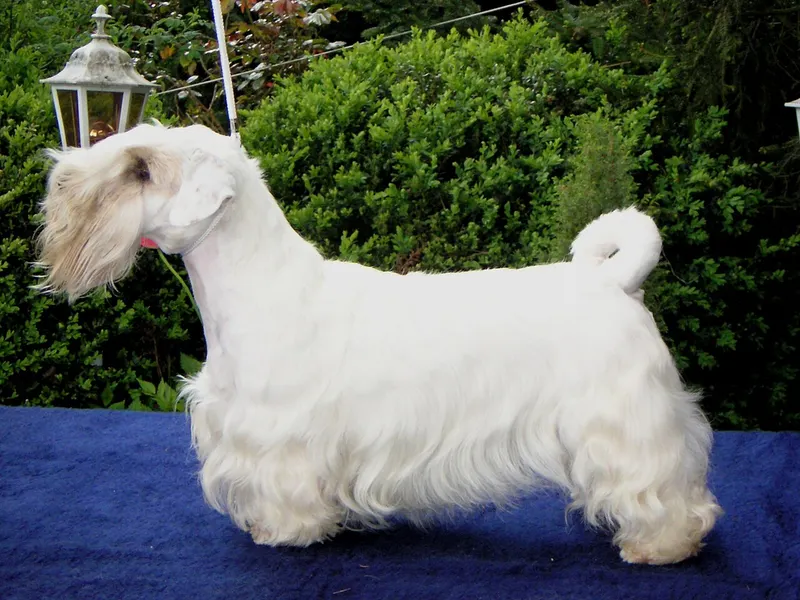
Sealyham Terrier
Terrier
23–24 lbs · 12–14 yrs
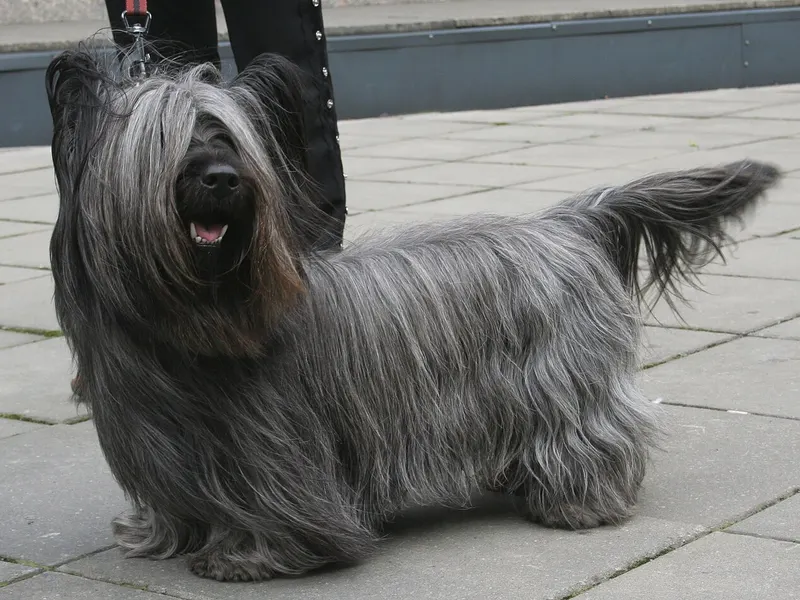
Skye Terrier
Terrier
25–40 lbs · 12–14 yrs
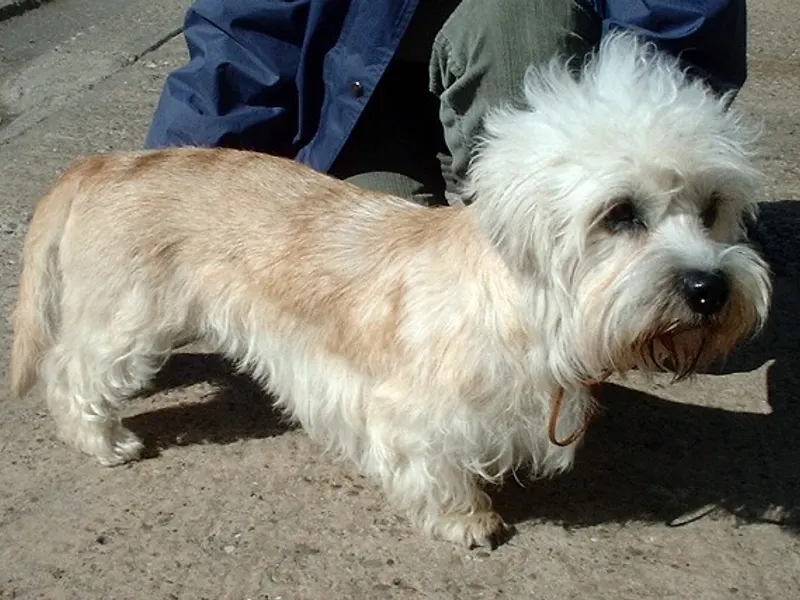
Dandie Dinmont Terrier
Terrier
18–24 lbs · 12–15 yrs
Manchester Terrier
Terrier
12–22 lbs · 15–17 yrs
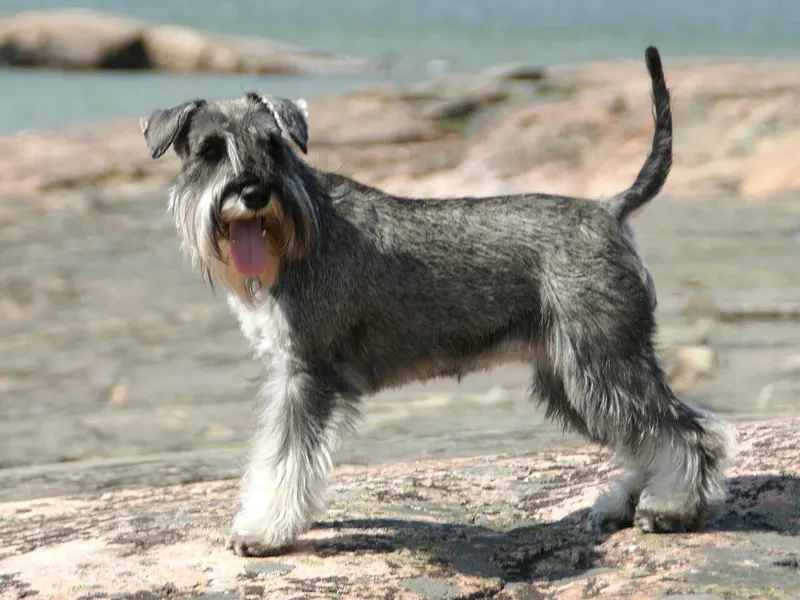
Miniature Schnauzer
Terrier
11–20 lbs · 12–15 yrs
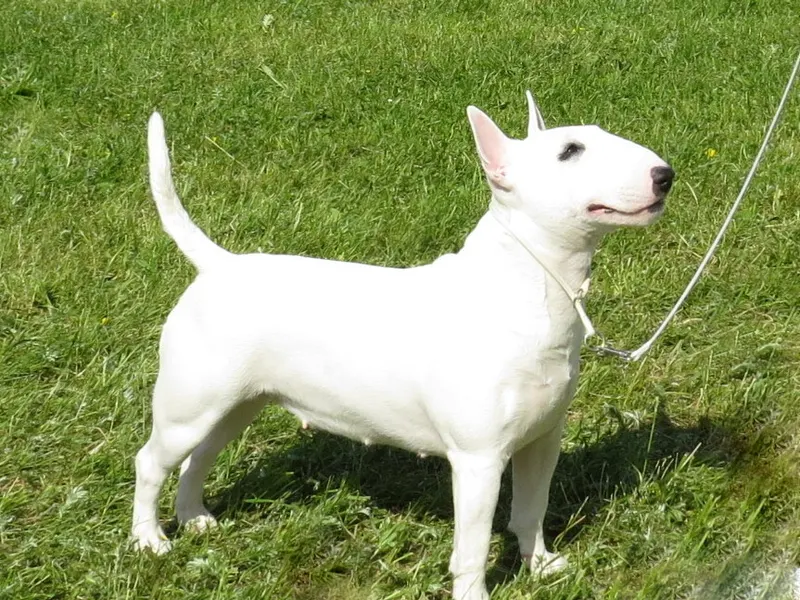
Miniature Bull Terrier
Terrier
25–33 lbs · 11–14 yrs
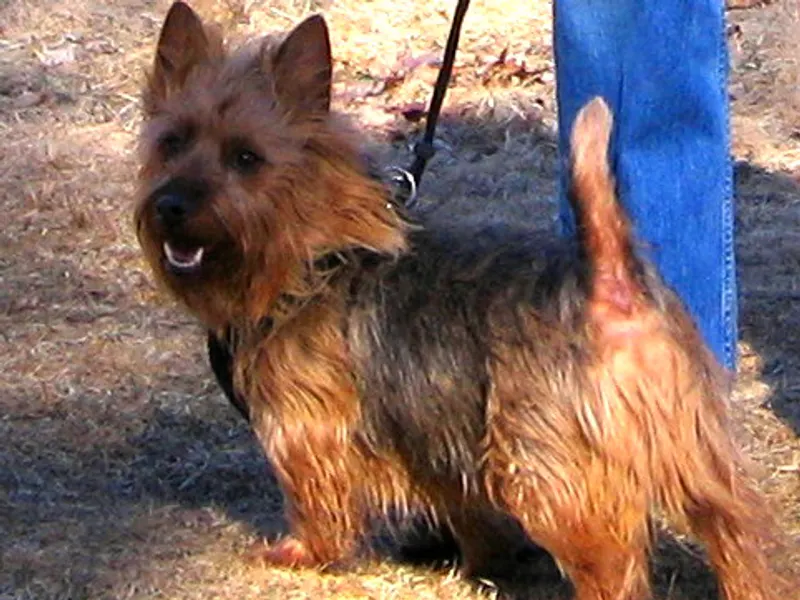
Australian Terrier
Terrier
14–16 lbs · 11–15 yrs
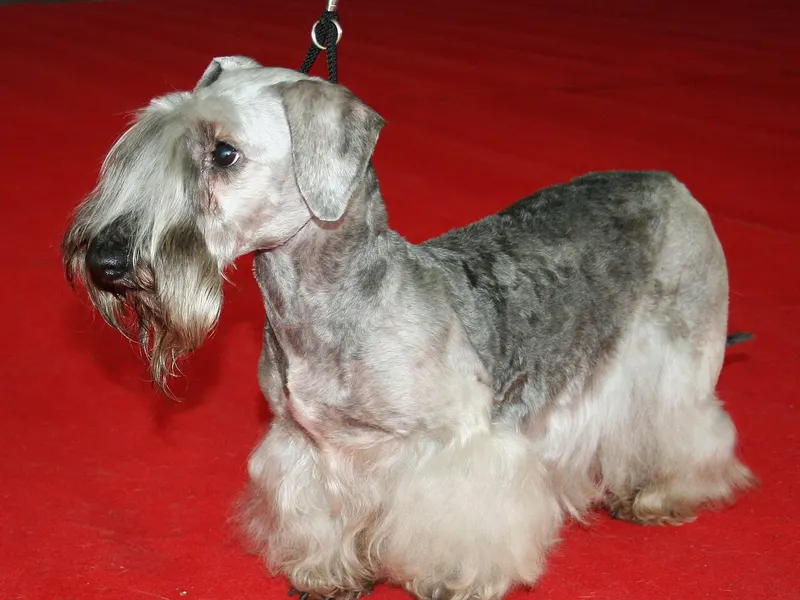
Cesky Terrier
Terrier
13–24 lbs · 12–15 yrs
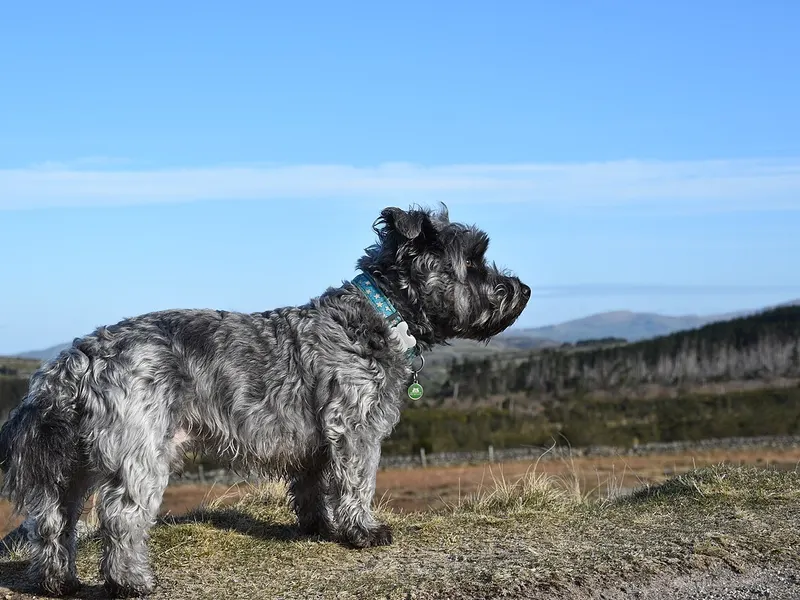
Glen of Imaal Terrier
Terrier
32–40 lbs · 10–15 yrs
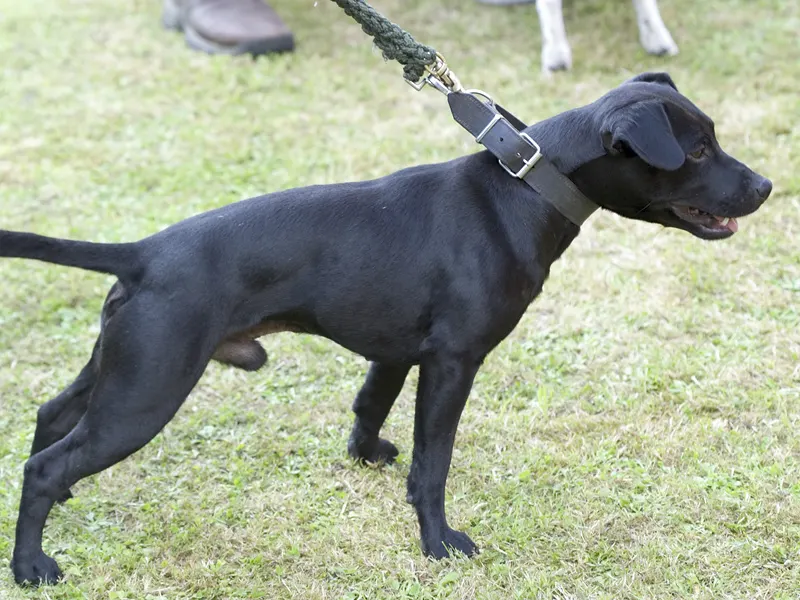
Patterdale Terrier
Terrier
11–13 lbs · 11–13 yrs
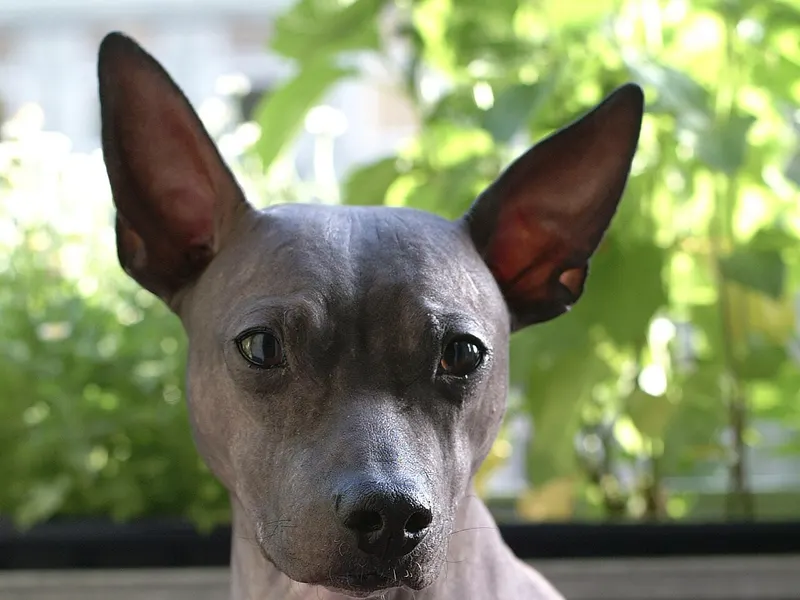
American Hairless Terrier
Terrier
5–16 lbs · 14–16 yrs
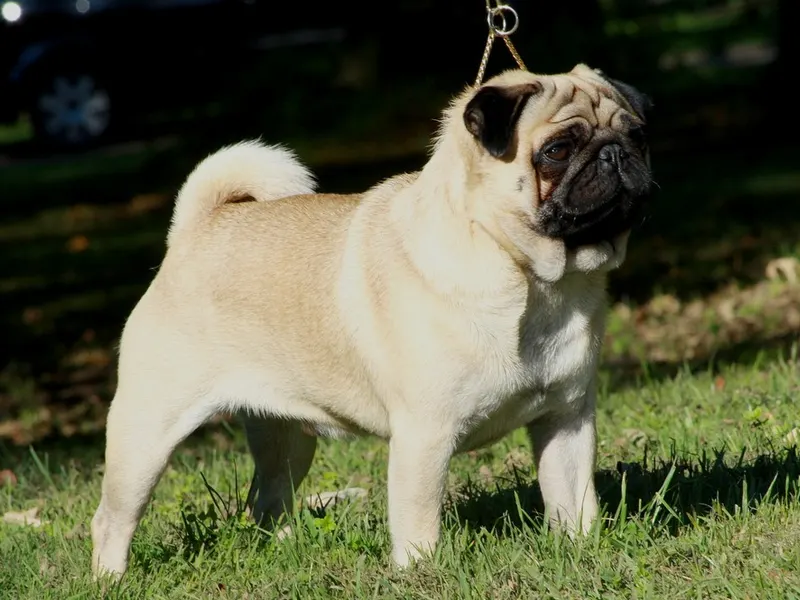
Pug
Toy
14–18 lbs · 13–15 yrs
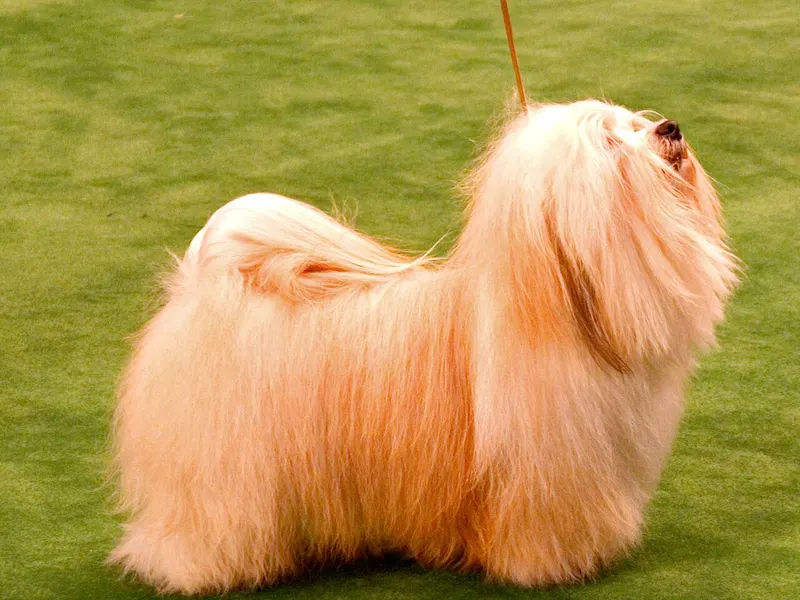
Havanese
Toy
7–13 lbs · 14–16 yrs
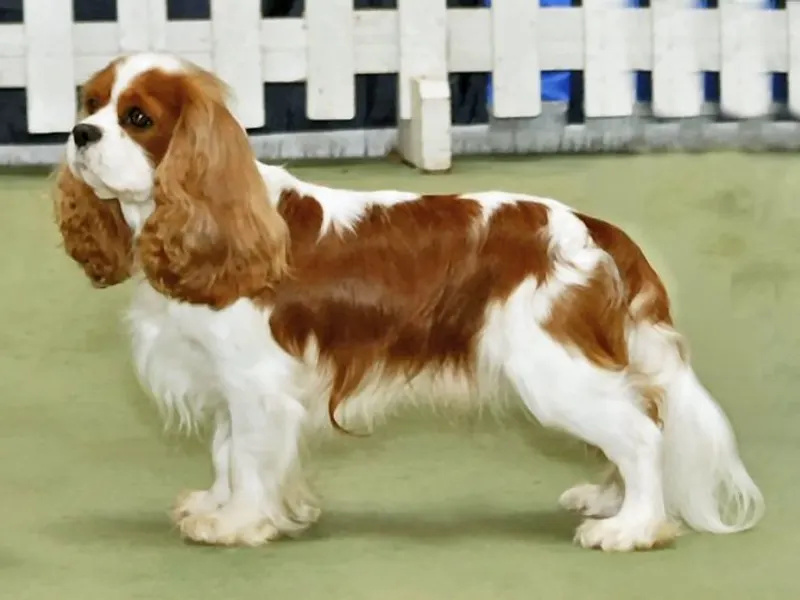
Cavalier King Charles Spaniel
Toy
13–18 lbs · 9–14 yrs
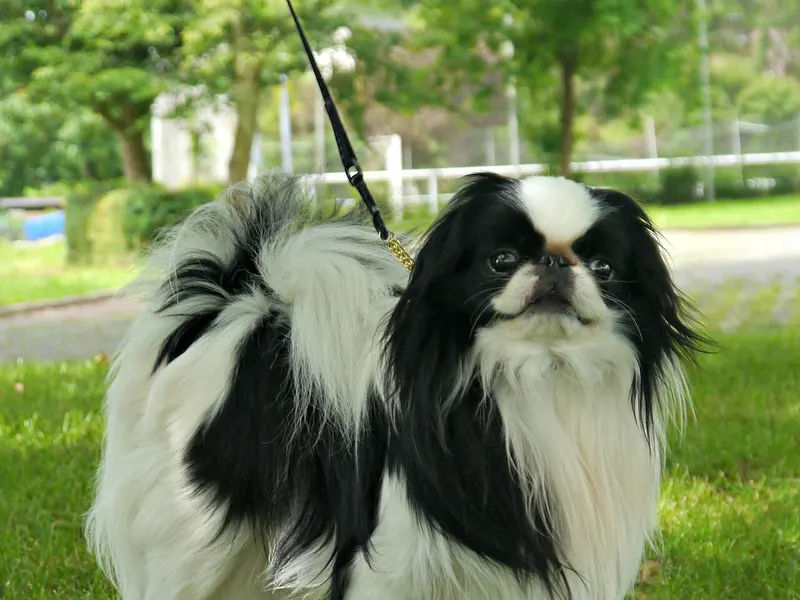
Japanese Chin
Toy
7–11 lbs · 10–12 yrs
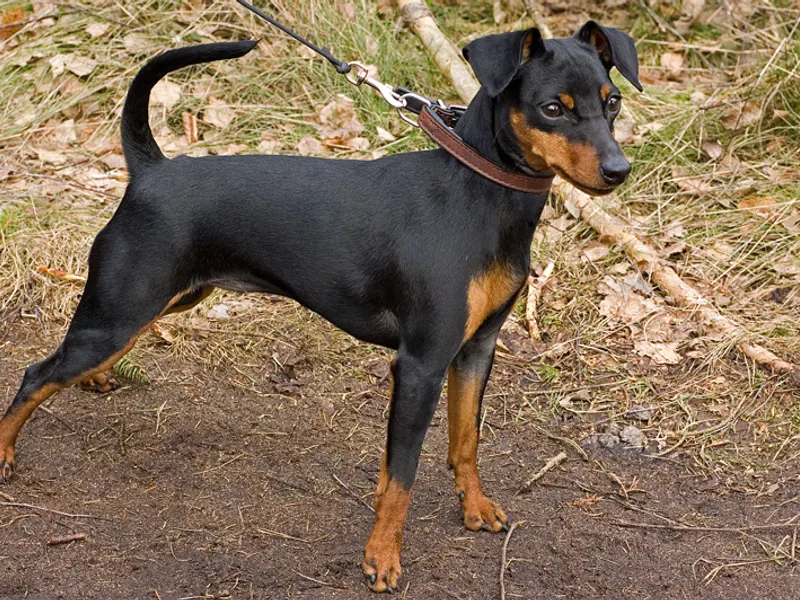
Miniature Pinscher
Toy
8–11 lbs · 12–16 yrs
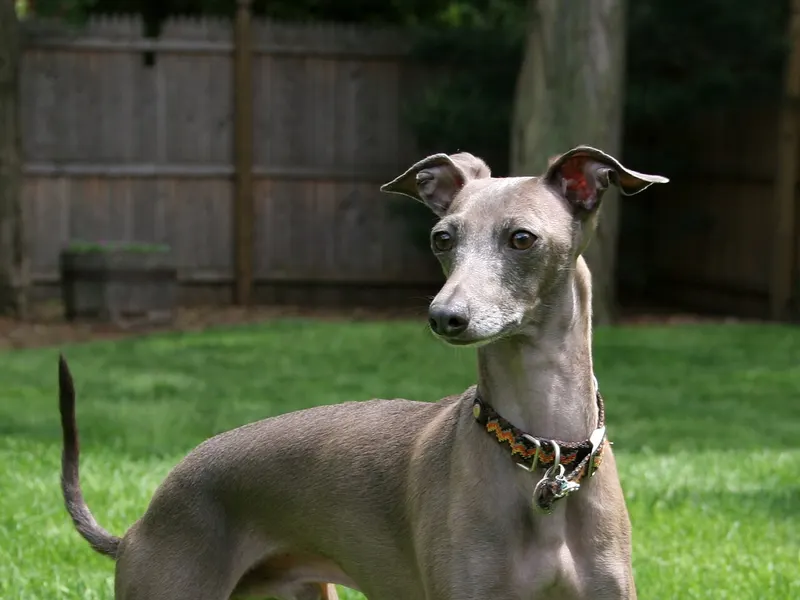
Italian Greyhound
Toy
7–14 lbs · 14–15 yrs
Affenpinscher
Toy
7–10 lbs · 12–15 yrs
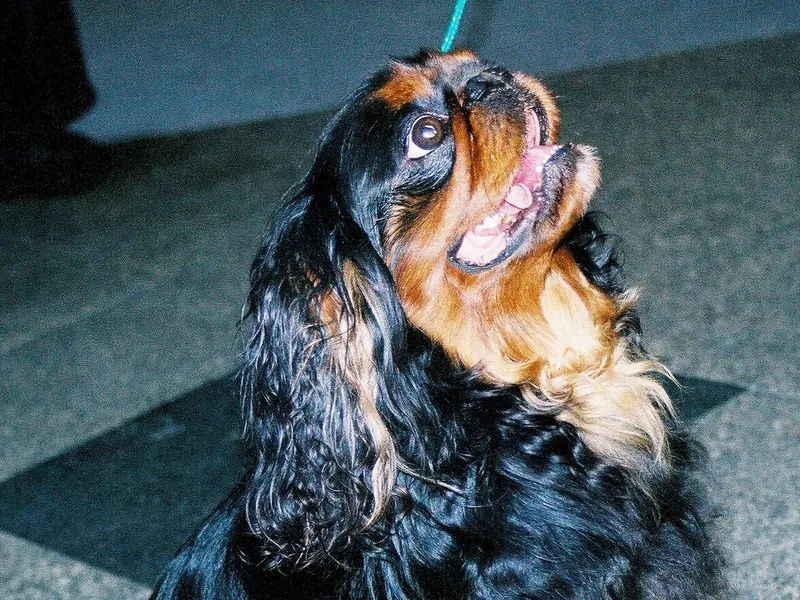
English Toy Spaniel
Toy
8–14 lbs · 10–12 yrs
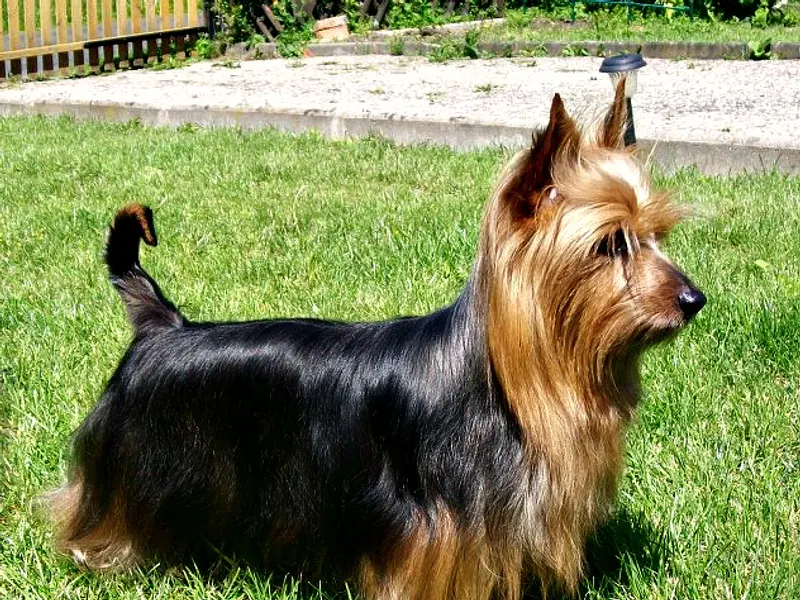
Silky Terrier
Toy
8–10 lbs · 13–15 yrs
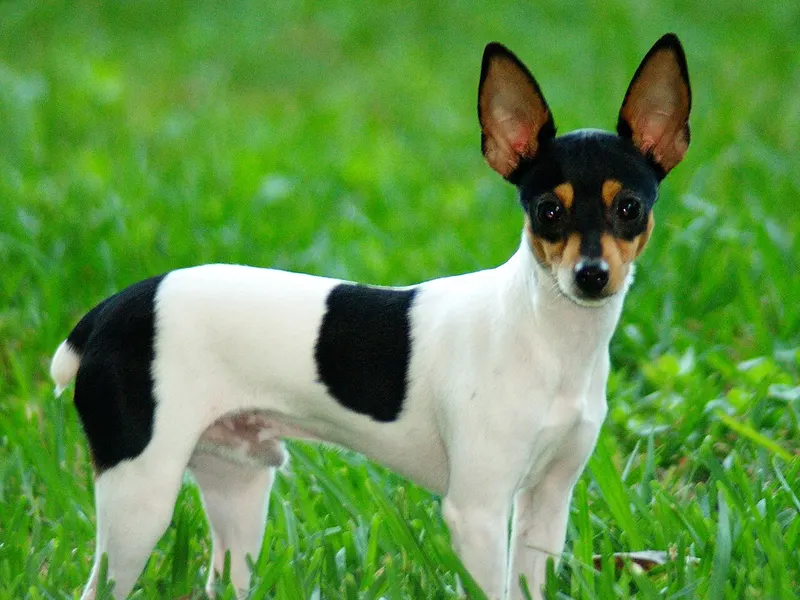
Toy Fox Terrier
Toy
3.5–7 lbs · 13–15 yrs
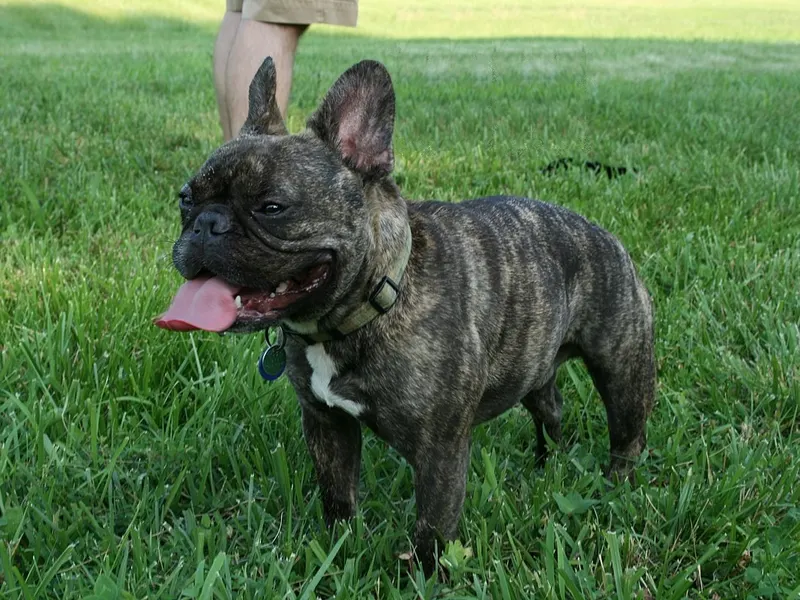
French Bulldog
Non-Sporting
16–28 lbs · 10–14 yrs
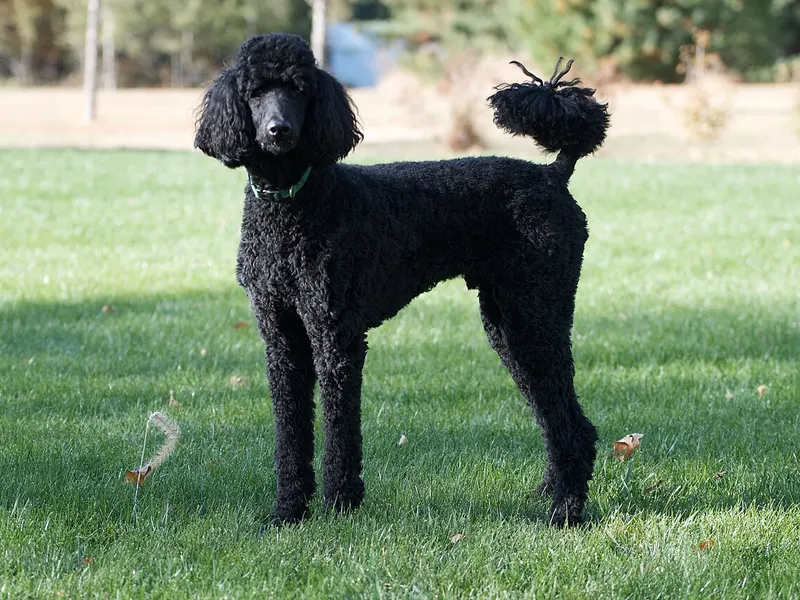
Miniature Poodle
Non-Sporting
10–15 lbs · 12–15 yrs
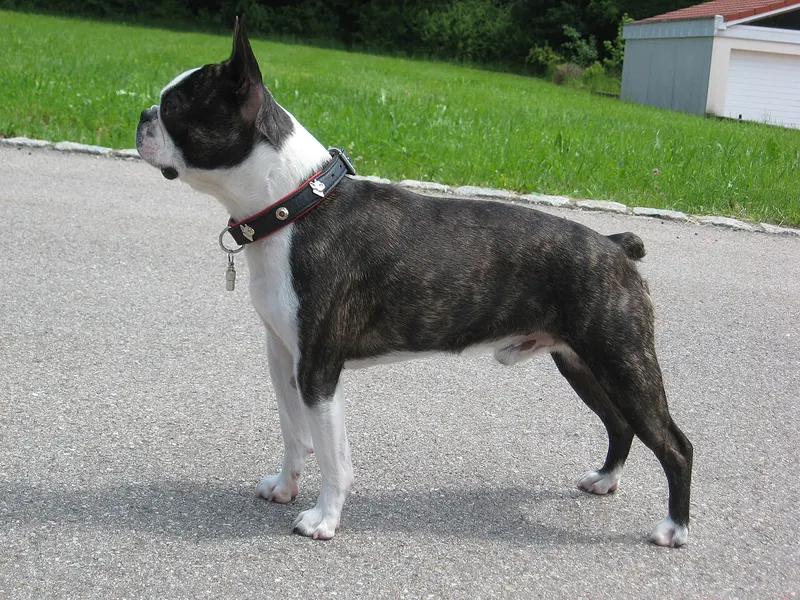
Boston Terrier
Non-Sporting
12–25 lbs · 11–13 yrs
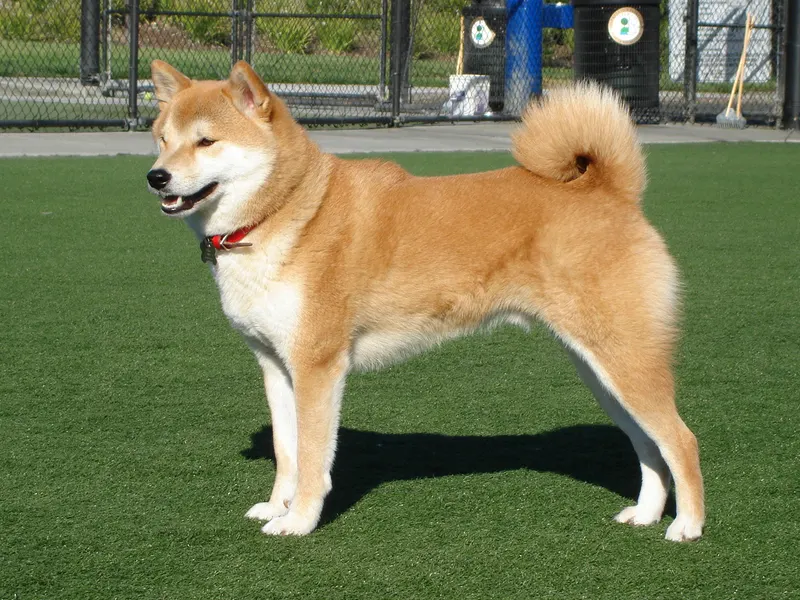
Shiba Inu
Non-Sporting
17–23 lbs · 12–16 yrs
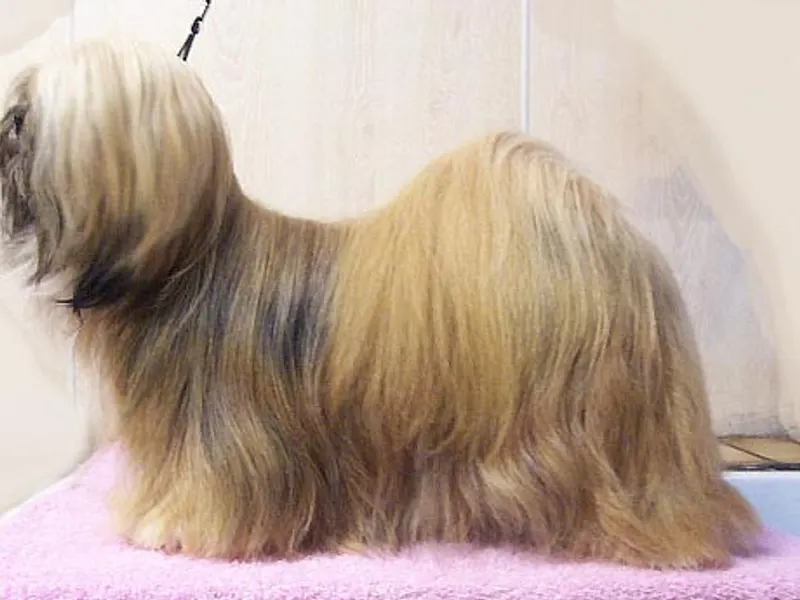
Lhasa Apso
Non-Sporting
12–18 lbs · 12–15 yrs
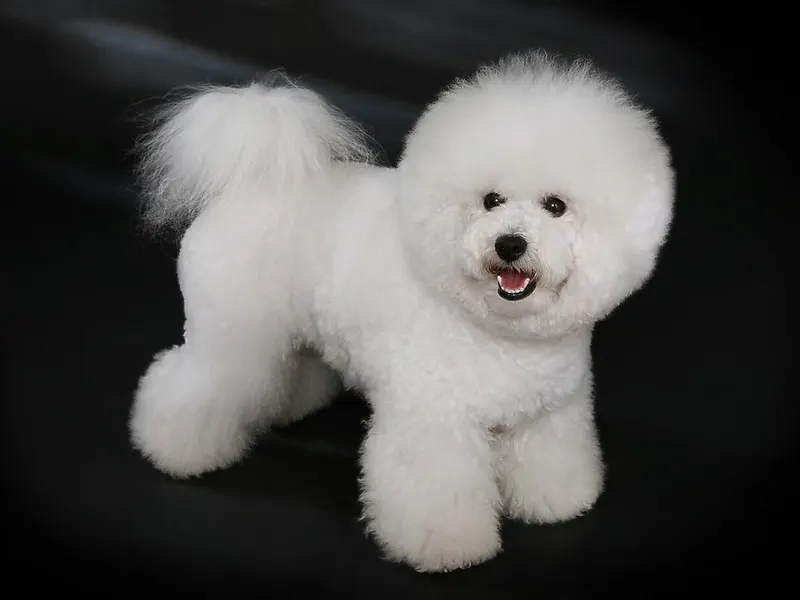
Bichon Frise
Non-Sporting
12–18 lbs · 14–15 yrs
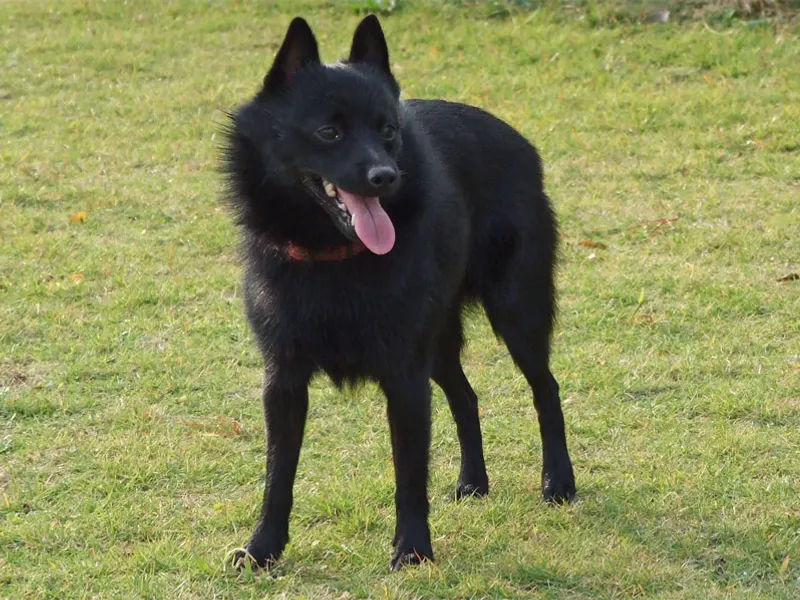
Schipperke
Non-Sporting
10–16 lbs · 12–14 yrs
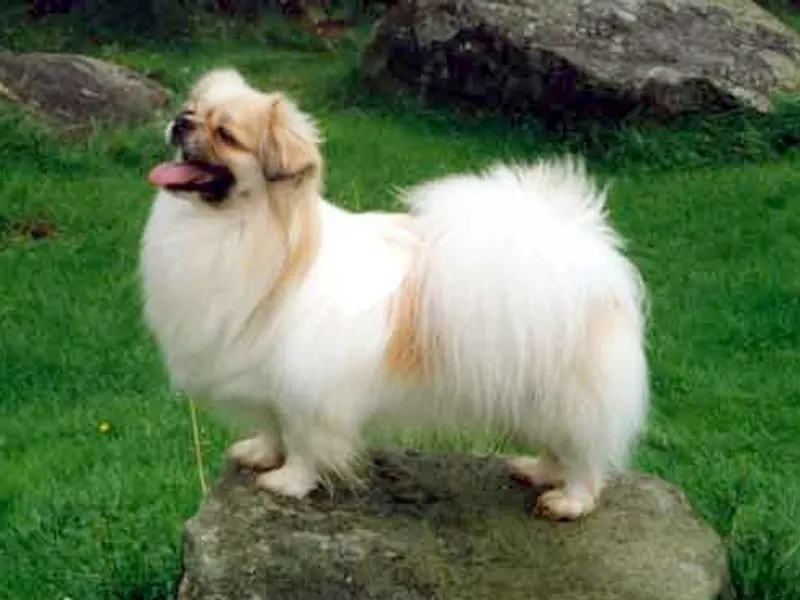
Tibetan Spaniel
Non-Sporting
9–15 lbs · 12–15 yrs
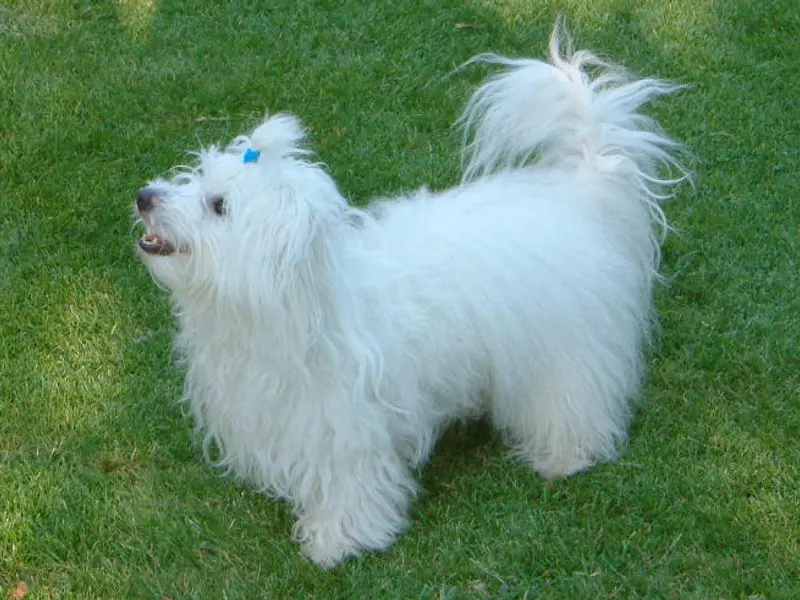
Coton de Tulear
Non-Sporting
8–15 lbs · 14–16 yrs
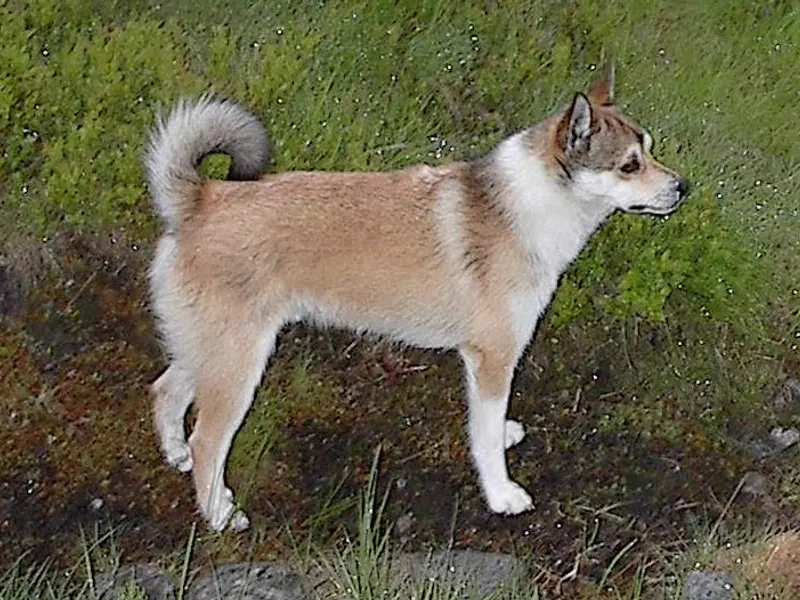
Norwegian Lundehund
Non-Sporting
13–16 lbs · 12–15 yrs
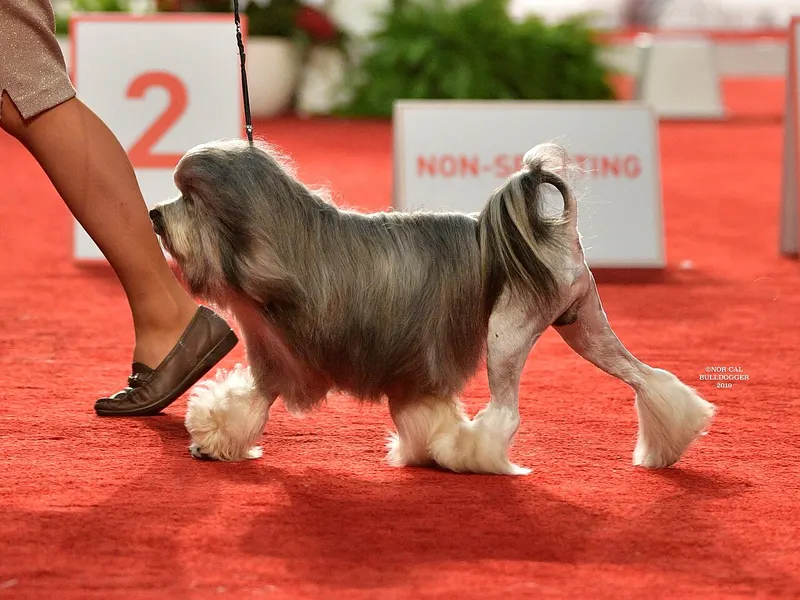
Löwchen
Non-Sporting
9–18 lbs · 13–15 yrs
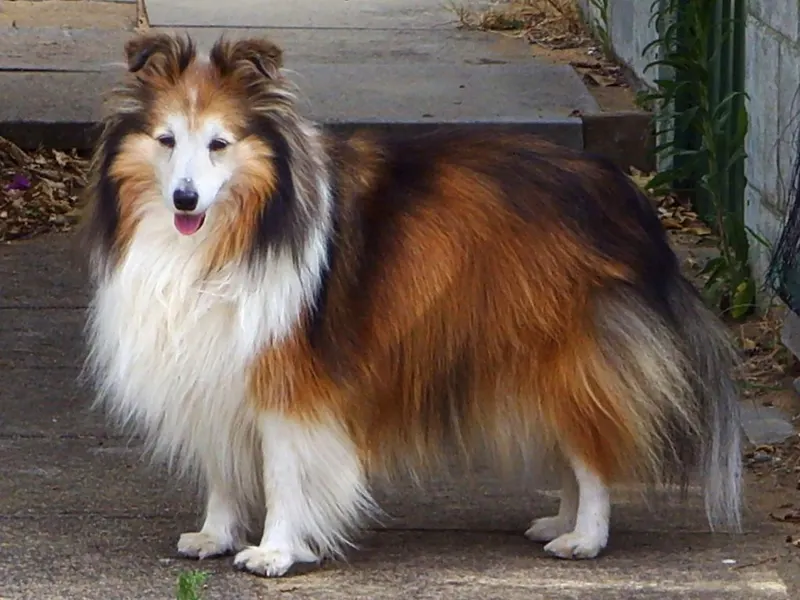
Shetland Sheepdog
Herding
15–25 lbs · 12–14 yrs
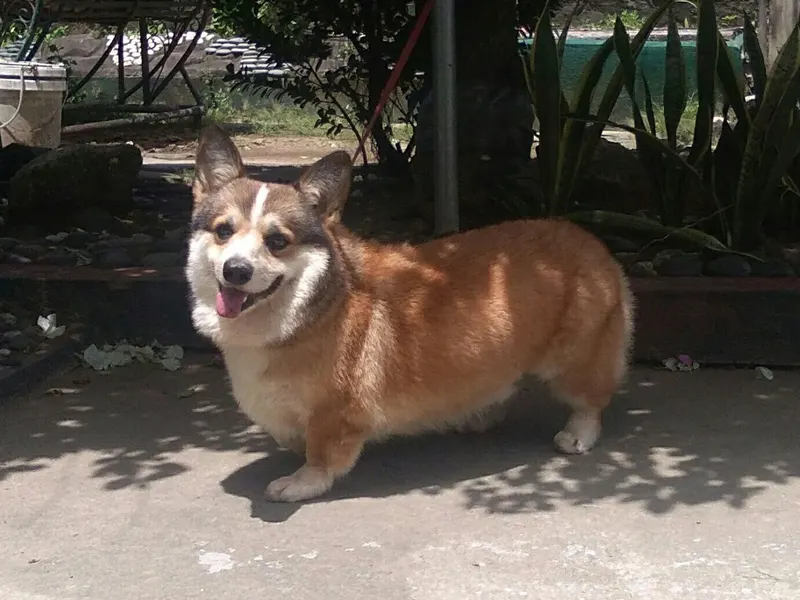
Pembroke Welsh Corgi
Herding
24–30 lbs · 12–13 yrs
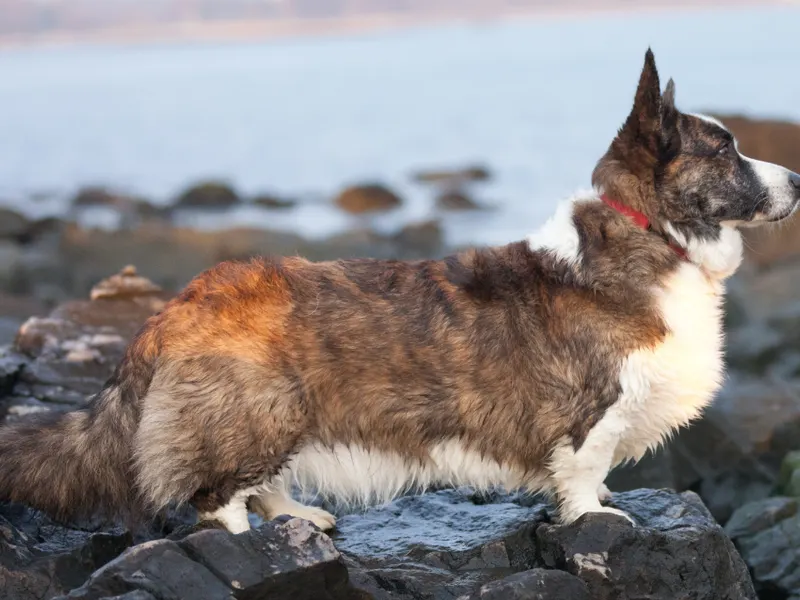
Cardigan Welsh Corgi
Herding
25–38 lbs · 12–15 yrs
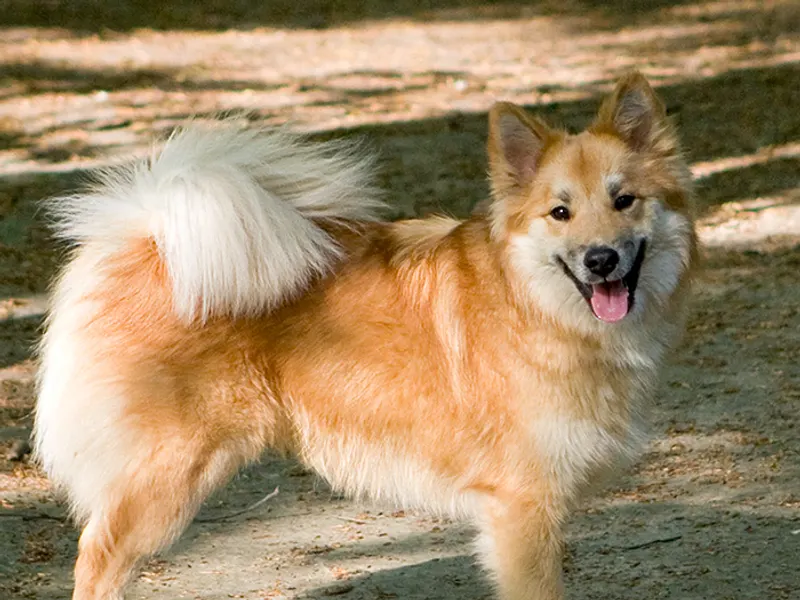
Icelandic Sheepdog
Herding
20–30 lbs · 12–14 yrs
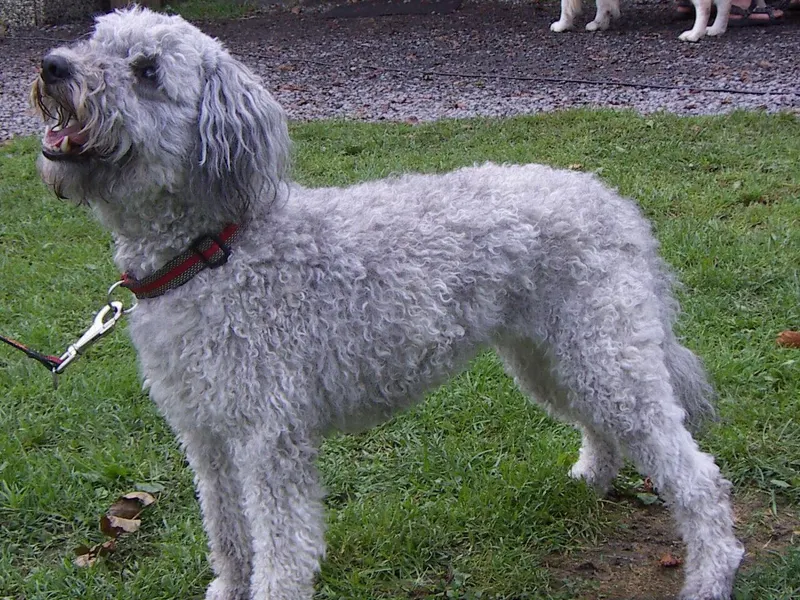
Pumi
Herding
18–33 lbs · 12–13 yrs
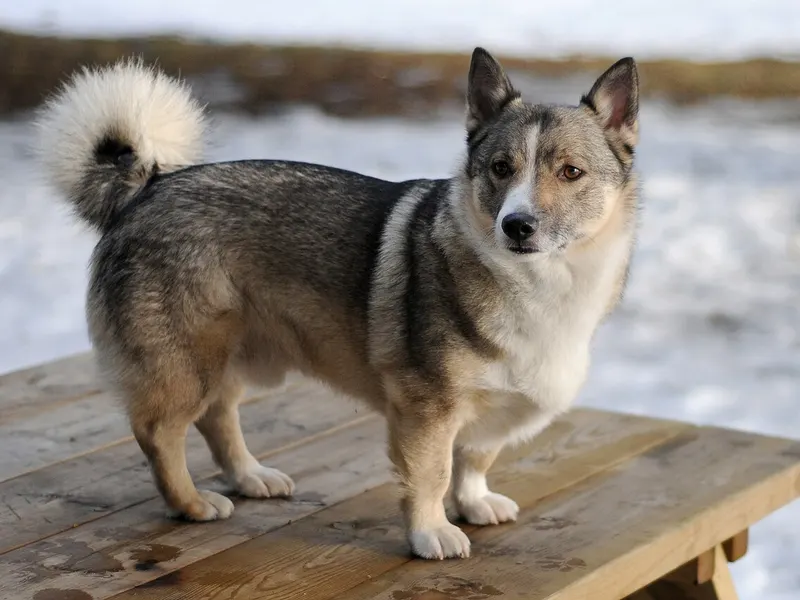
Swedish Vallhund
Herding
20–35 lbs · 12–15 yrs
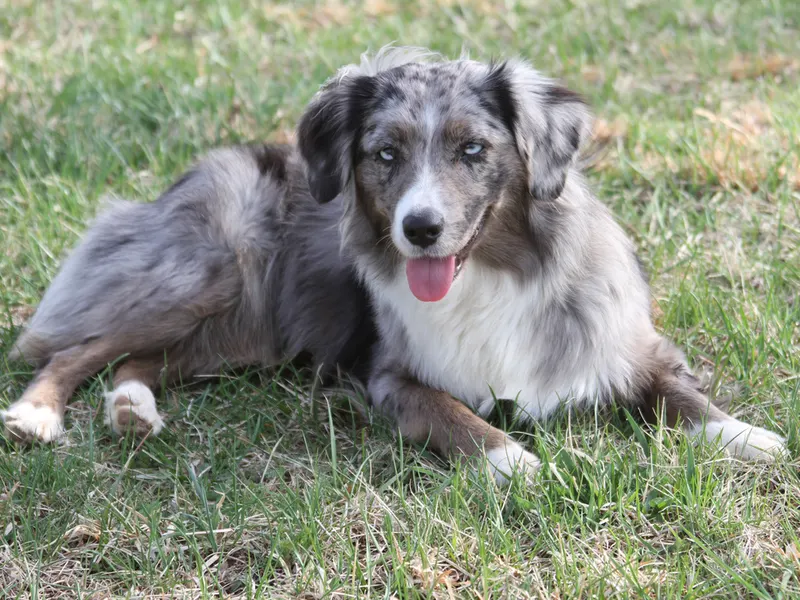
Miniature American Shepherd
Herding
20–40 lbs · 12–13 yrs
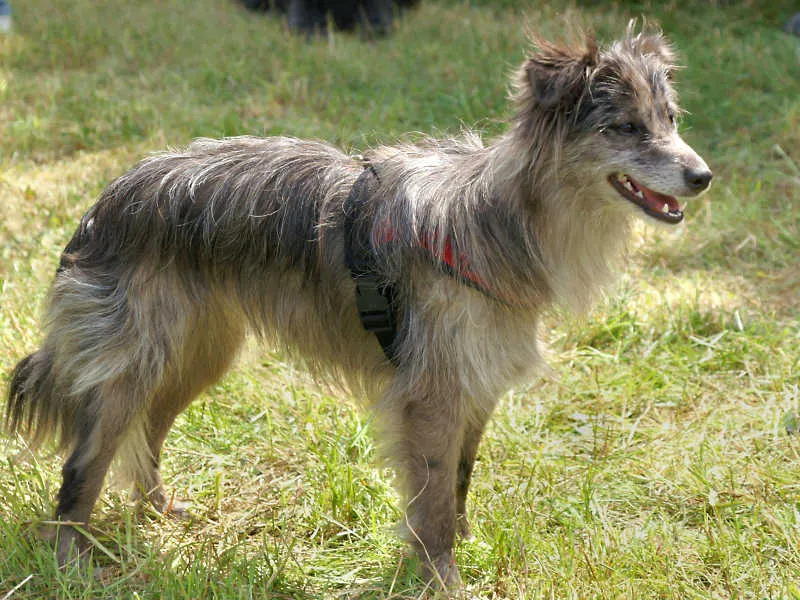
Pyrenean Shepherd
Herding
15–32 lbs · 15–17 yrs
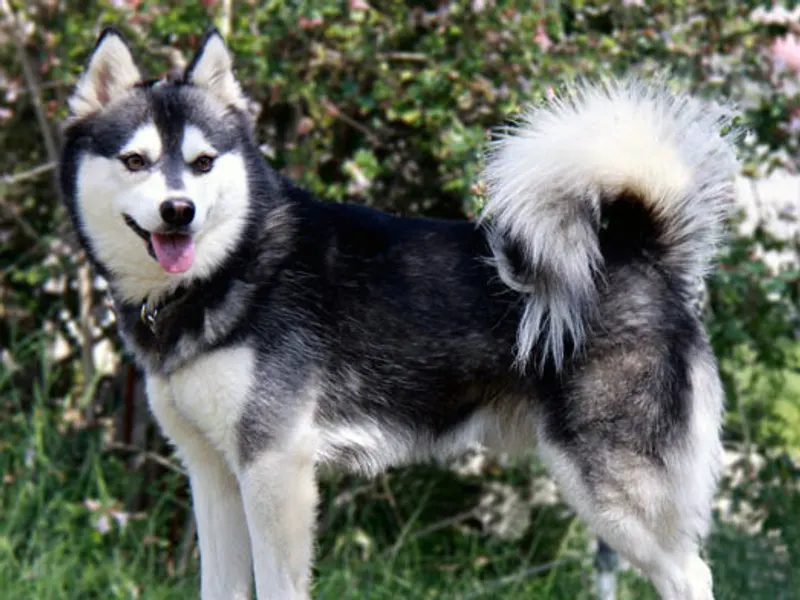
Alaskan Klee Kai
Foundation Stock
10–23 lbs · 13–16 yrs
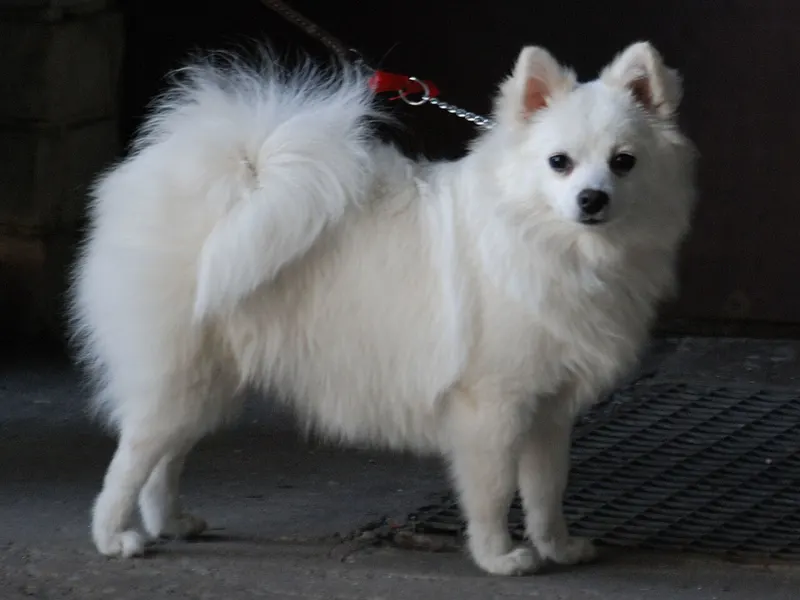
Volpino Italiano
Foundation Stock
9–14 lbs · 14–16 yrs
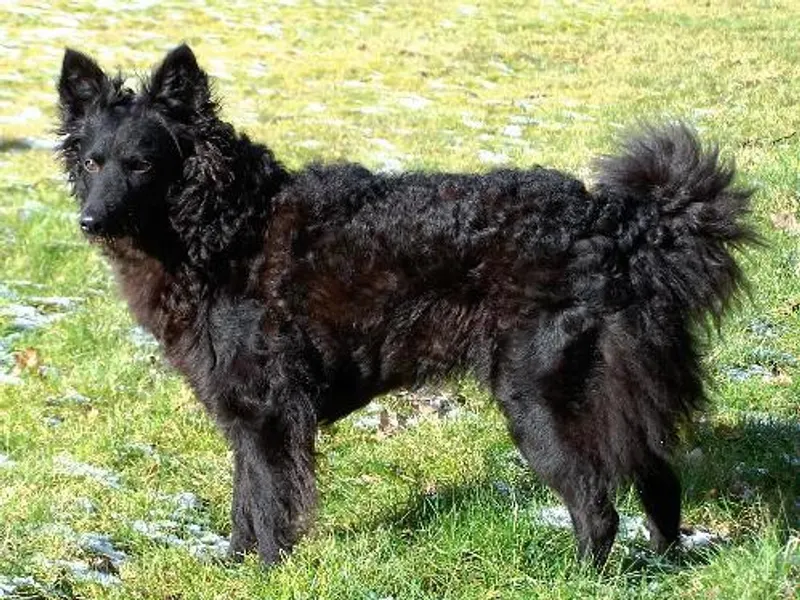
Mudi
Foundation Stock
18–29 lbs · 12–14 yrs
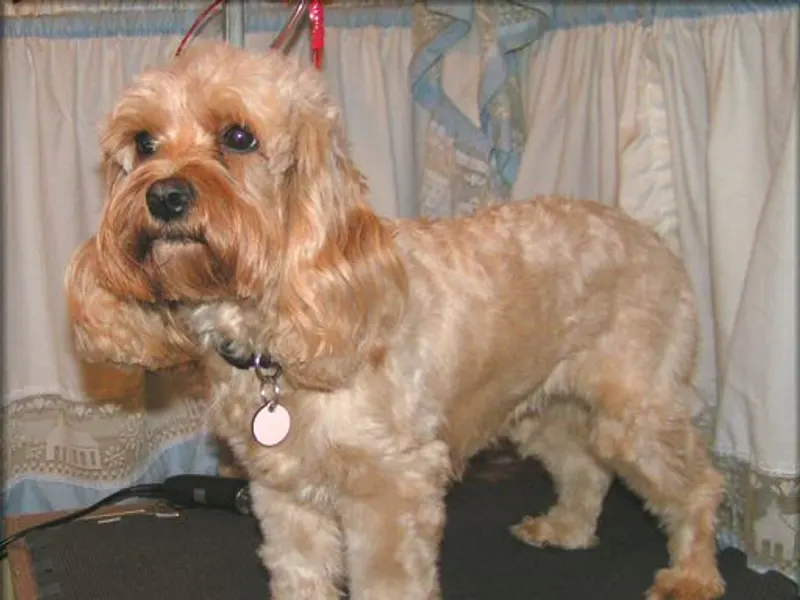
Cockapoo
Crossbreed
12–24 lbs · 13–15 yrs
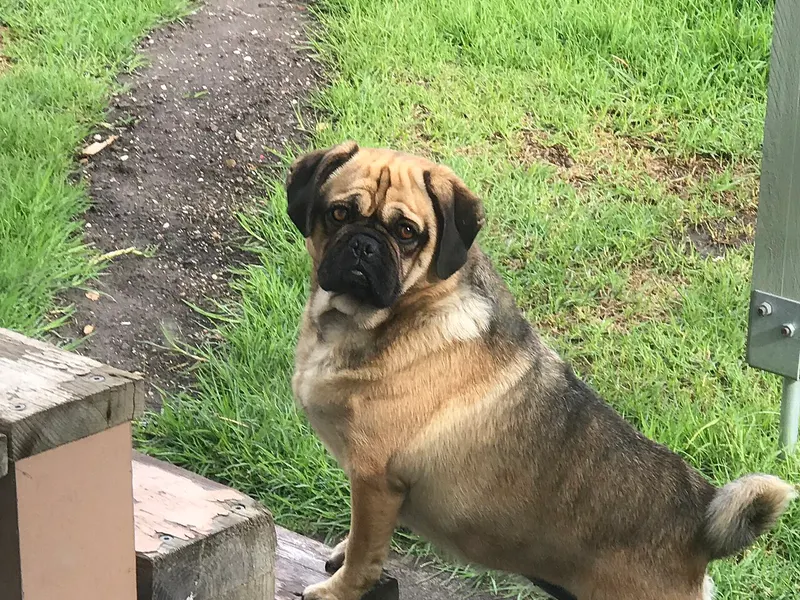
Puggle
Crossbreed
18–30 lbs · 10–13 yrs
Maltipoo
Crossbreed
5–20 lbs · 12–15 yrs

Cavapoo
Crossbreed
9–25 lbs · 12–15 yrs
Yorkipoo
Crossbreed
3–14 lbs · 12–15 yrs
Pomsky
Crossbreed
15–30 lbs · 13–15 yrs
Chiweenie
Crossbreed
5–12 lbs · 13–16 yrs
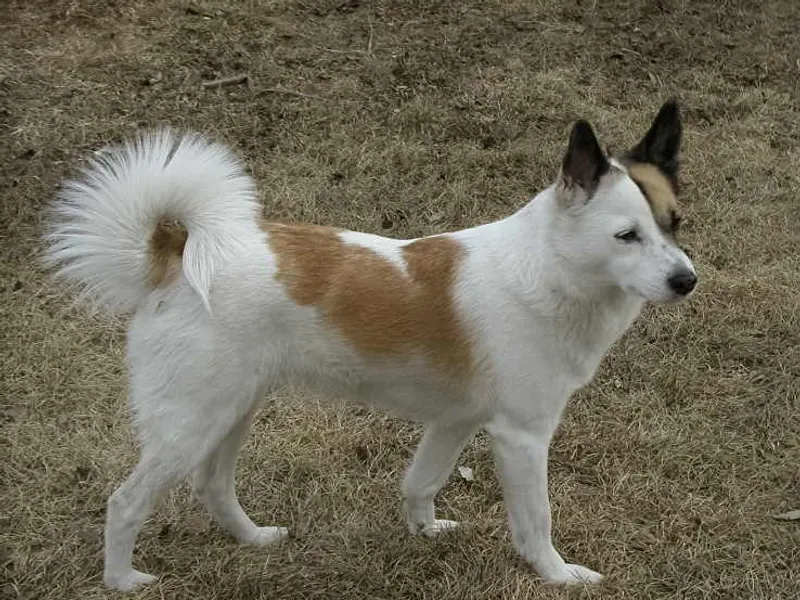
Norrbottenspets
Sporting
20–33 lbs · 14–16 yrs
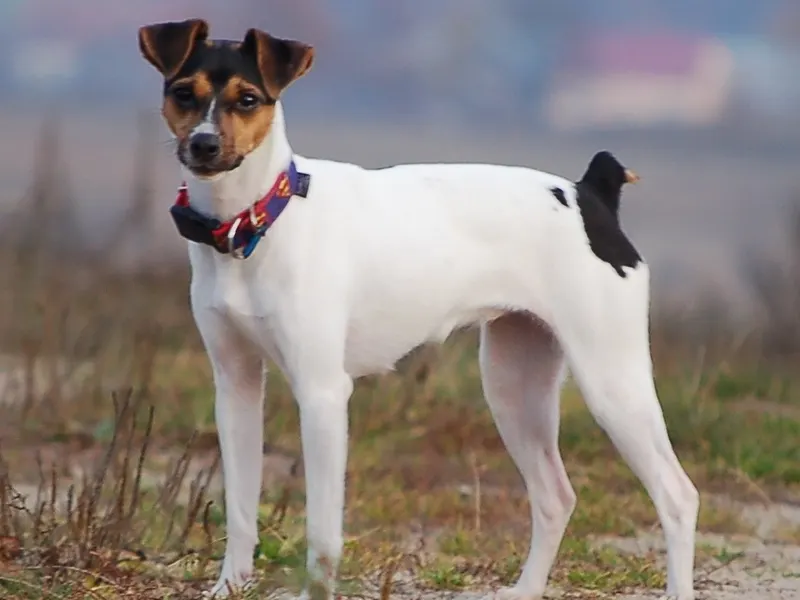
Brazilian Terrier
Terrier
14–22 lbs · 12–14 yrs
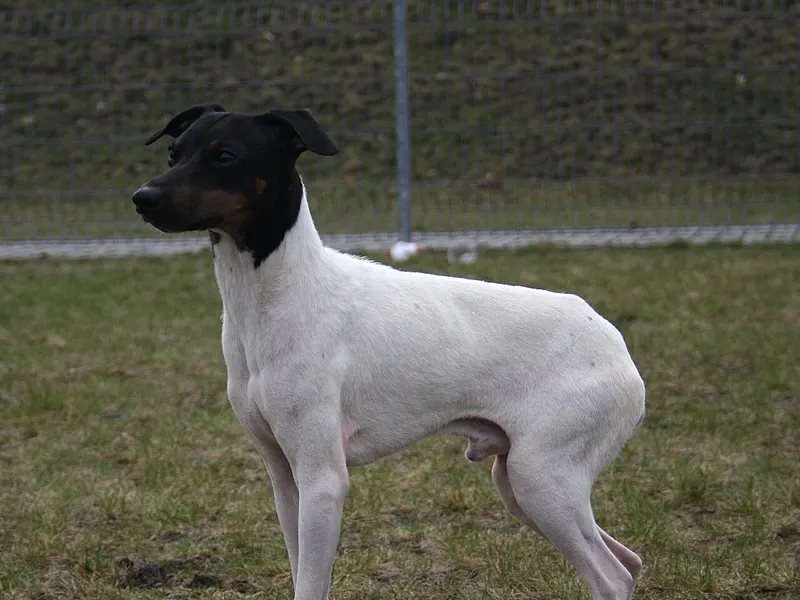
Japanese Terrier
Terrier
5–9 lbs · 12–15 yrs
German Spitz
Non-Sporting
18–29 lbs · 13–15 yrs
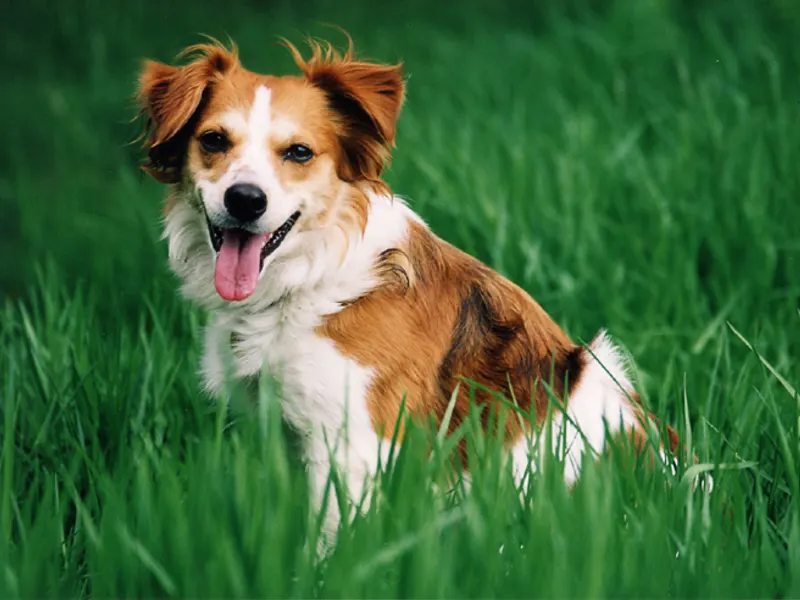
Kromfohrländer
Non-Sporting
20–30 lbs · 13–15 yrs