Foundation Stock Group
Alaskan Klee Kai
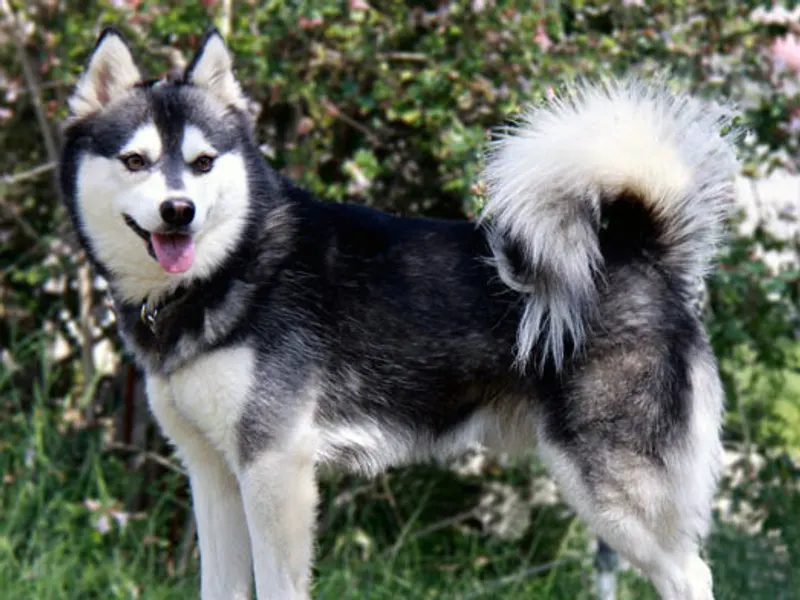
Alaska breeder Linda Spurlin developed the Alaskan Klee Kai in the 1970s and 80s, deliberately downsizing Alaskan Husky-type dogs with the help of Siberian Husky, Alaskan Husky, and Schipperke bloodlines to create a companion-sized dog that kept the visual look of a Husky without the size or working drive most households can't accommodate. Spurlin kept the breed largely private for years before releasing it more widely in 1988, and it remains one of the more recently developed breeds on the AKC's Foundation Stock Service list, still uncommon enough that most people who see one assume it's simply a small Husky rather than a genuinely distinct breed. Linda Spurlin's original inspiration reportedly came from seeing an unusually small Husky-type dog and wanting to deliberately recreate that miniature look through selective breeding rather than by chance, a project she pursued privately for roughly a decade before going public. The breed comes in three recognized size varieties — Toy, Miniature, and Standard — based on height, giving prospective owners a genuine size choice within the same breed that most other companion breeds don't offer.
Common health predispositions
- Juvenile cataracts
- Patellar luxation
- Liver disease
Temperament
Despite its miniature size, the Alaskan Klee Kai carries real Husky-adjacent alertness and independence, a breed that tends to be reserved with strangers and closely bonded to its own family, sometimes described as almost cat-like in its selective affection. Intelligent and curious, most individuals need consistent mental stimulation to stay content, and the breed's vocal range — including the same distinctive Husky-style vocalizations, though at a smaller scale — means apartment living requires real consideration of noise tolerance among neighbors. Because the breed remains genuinely uncommon, most owners find themselves fielding constant questions from strangers assuming they own a small Husky, and while the resemblance is intentional by design, the Klee Kai's more reserved, selectively affectionate temperament sets it apart behaviorally from its larger, generally more universally friendly Husky ancestor.
Living with a Alaskan Klee Kai
Physical exercise alone doesn't fully satisfy this small, genuinely energetic breed — mental engagement matters just as much given the Klee Kai's intelligence and Husky-influenced independence, with roughly 45 minutes of activity as a daily baseline. The medium double coat blows out substantially during seasonal changes, calling for brushing several times weekly during those periods and considerably less the rest of the year. Given the breed's relative rarity and recent development, an established, health-testing breeder is worth prioritizing over a more casual source, and juvenile cataracts, patellar luxation, and liver disease are documented concerns worth asking about directly. This breed suits an owner who wants Husky aesthetics in a smaller package and can commit to genuine mental stimulation — it's a poor fit for anyone expecting a purely decorative, low-maintenance small dog, since the underlying Husky-adjacent intelligence and independence require real engagement. Alaskan Klee Kai rescue is quite limited given the breed's small, relatively recent population, typically coordinated informally through breeder networks rather than dedicated rescue organizations.
FAQ
Is an Alaskan Klee Kai just a mini Husky?
Not exactly — while it was deliberately bred down from Husky-type dogs to look similar in miniature, the Alaskan Klee Kai is a genuinely distinct breed developed relatively recently, in the 1970s and 80s, with its own standard and health profile.
Do Alaskan Klee Kai bark or howl a lot?
They can vocalize in the same distinctive way Siberian Huskies do, including howls and unusual noises, just at a smaller scale — worth factoring in for apartment living or noise-sensitive neighbors.
Are Alaskan Klee Kai good with strangers?
Generally reserved rather than immediately friendly — the breed tends to bond closely with its own family and take longer than average to warm to new people, a trait inherited from its Husky and Schipperke ancestry.
Does the Alaskan Klee Kai come in different sizes?
Yes — the breed has three recognized size varieties based on height at the shoulder: Toy, Miniature, and Standard, giving prospective owners a genuine choice of scale within what is otherwise a single consistent breed.
How did Linda Spurlin develop the Alaskan Klee Kai?
She reportedly set out deliberately to recreate an unusually small Husky-type dog she'd once seen, pursuing the breeding project privately for roughly a decade through the 1970s and early 80s before releasing the breed more widely to the public in 1988.
Is the Alaskan Klee Kai good with strangers?
Not automatically — the breed tends toward genuine reserve with unfamiliar people, a trait some describe as almost cat-like in its selectiveness, and consistent early socialization matters for preventing that natural wariness from developing into shyness or reactivity.
How recently was the Alaskan Klee Kai developed?
Quite recently — Linda Spurlin of Wasilla, Alaska began developing the breed in the 1970s and 1980s by breeding down Alaskan Huskies with input from Siberian Husky and Schipperke lines, specifically aiming to create a smaller companion dog with the Husky's striking appearance, and the breed remains rare enough that most major kennel clubs still do not fully recognize it.
Related on FetchBreed
Lists this breed appears in
Whichever breed fits your life, consider adoption or breed-specific rescue first — many purebred and mixed-breed dogs and cats are already waiting for homes.
General breed information, not veterinary advice — consult a vet for your pet's specific health, diet, and behavior needs.