Non-Sporting Group
Tibetan Spaniel
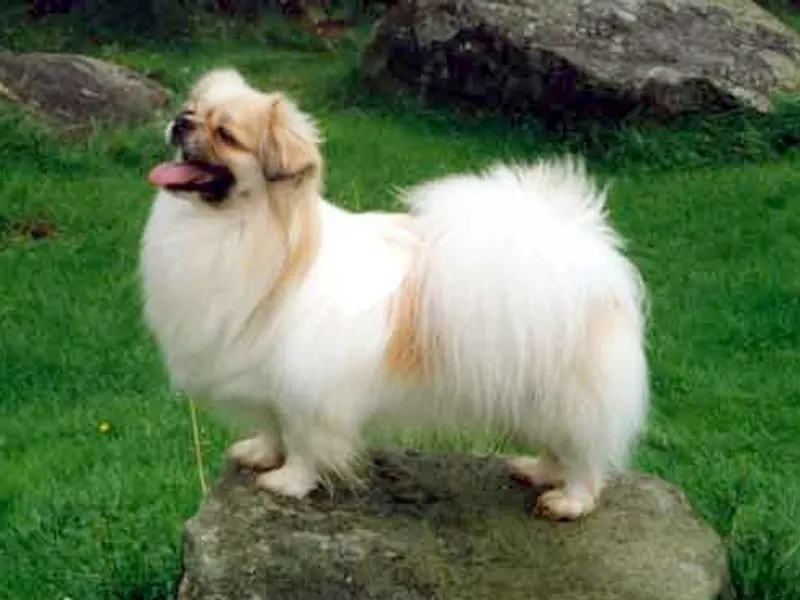
Tibetan Buddhist monasteries kept this small breed for centuries, using its alert nature and elevated vantage point — Tibetan Spaniels were often placed on monastery walls specifically because their height let them watch for approaching visitors from a distance, then bark to alert the resident Tibetan Mastiffs, who handled actual physical defense of the grounds. That functional division of labor between a small watchful alert-dog and a large guarding breed working the same monastery grounds is a genuinely distinct working arrangement compared to most companion breeds' more purely decorative historical roles. Limited historical records from isolated Tibetan monasteries make it hard to pin down precisely where the breed originated, though Tibetan Spaniels are believed to be among the ancestors contributing to several other Asian companion breeds that later developed along the trade routes leading out of Tibet. AKC recognition came relatively late, in 1984, reflecting how long the breed remained largely confined to Tibet and small pockets of Western fanciers before wider adoption. Western breed clubs formed only in the mid-20th century, after a small number of dogs were brought out of the region by travelers and diplomats, meaning nearly the entire modern global population traces back to a genuinely narrow founding group of imported dogs.
Common health predispositions
- Progressive retinal atrophy
- Patellar luxation
- Portosystemic liver shunt
Temperament
Alert and genuinely independent, the Tibetan Spaniel carries a bit more self-possession than many toy companion breeds, a trait consistent with its monastery-watchdog history rather than a purely lap-oriented companion role. Family affection comes naturally, though most individuals stay reserved toward strangers, alert enough to sound off the moment something unusual approaches the household. The breed generally gets along well with other pets, reflecting centuries spent coexisting alongside working Tibetan Mastiffs on shared monastery grounds. That same watchful streak means a Tibetan Spaniel often positions itself at a favorite elevated vantage point in the home — a windowsill or the back of a couch — a domestic echo of the monastery-wall lookout role the breed performed for centuries. Despite the small size, the breed carries itself with genuine self-assurance rather than the nervous energy sometimes seen in other toy breeds, a composure breed fanciers generally attribute to centuries of calm monastery life rather than the more anxious circumstances that shaped some other companion breeds' temperaments.
Living with a Tibetan Spaniel
Thirty minutes of gentle daily activity suits this small breed's modest exercise needs. Shedding and matting both stay manageable on the silky double coat with regular brushing, with extra attention warranted around the ears and tail where the feathering is heaviest. Progressive retinal atrophy and patellar luxation are two documented concerns in the breed, and portosystemic liver shunt — a condition in which blood bypasses the liver's normal filtering function — is a third item worth screening for with a knowledgeable breeder. Anyone wanting a small, alert, moderately independent companion with a genuinely interesting monastery-watchdog backstory should find a good match here, though a buyer hoping for a purely clingy lapdog needs to understand this breed's real self-possessed streak going in. This breed's modest US population keeps dedicated rescue uncommon, though Tibetan-breed rescue networks that also cover the Lhasa Apso and Tibetan Terrier occasionally place Tibetan Spaniels. Monthly costs stay modest for a small breed, with grooming representing the larger recurring time commitment relative to food or typical veterinary costs.
FAQ
Why were Tibetan Spaniels kept on monastery walls?
Tibetan Buddhist monasteries used the breed's alert nature and small size to their advantage, placing the dogs on elevated walls to watch for approaching visitors from a distance, then bark to alert the resident Tibetan Mastiffs, who handled actual physical guarding duties on the ground.
Is a Tibetan Spaniel the same as a Tibetan Terrier?
No — despite sharing regional origin and some general appearance, they're distinct AKC breeds with different sizes, coat types, and historical functions; the Tibetan Spaniel is smaller and was primarily an alert-watchdog, while the Tibetan Terrier served a broader working and companion role in Tibetan households and monasteries.
Is a Tibetan Spaniel good with other pets?
Most do fine — centuries of coexisting alongside working Tibetan Mastiffs on shared monastery grounds seem to have shaped a temperament that adapts reasonably well to sharing a household with other animals.
When was the Tibetan Spaniel recognized by the AKC?
Britain granted recognition decades earlier, back in 1937, so the breed had a well-established following there long before American clubs caught up in 1984. That nearly fifty-year gap reflects how much more slowly the breed's small founding population spread across the Atlantic compared with its adoption in the UK.
What health issues affect Tibetan Spaniels?
Progressive retinal atrophy and patellar luxation are both documented in the breed, and portosystemic liver shunt, a condition where blood bypasses the liver's normal filtering function, is also documented at a rate worth screening for with a breeder.
Related on FetchBreed
Lists this breed appears in
Whichever breed fits your life, consider adoption or breed-specific rescue first — many purebred and mixed-breed dogs and cats are already waiting for homes.
General breed information, not veterinary advice — consult a vet for your pet's specific health, diet, and behavior needs.