Longest Living Cat Breeds
Cat lifespan doesn't show the same strong, near-linear relationship with body size that dominates canine longevity patterns, since cats as a species occupy a much narrower overall size range than dogs do — instead, feline longevity correlates more strongly with genetic diversity, absence of extreme physical structure, and, quite significantly, whether a cat lives strictly indoors versus with outdoor access, a factor that affects lifespan more dramatically in cats than almost any single breed trait does. Indoor-outdoor status deserves the most direct, prominent mention on this list because its effect size dwarfs most breed-level differences: veterinary and shelter-medicine literature consistently documents indoor-only cats living significantly longer on average than cats with regular outdoor access, largely due to reduced exposure to vehicle accidents, predators, disease transmission from other animals, and environmental hazards — meaning an indoor lifestyle choice, available to any owner regardless of breed, is arguably a more impactful longevity lever than breed selection itself, and worth foregrounding before any breed-specific discussion. Among breeds specifically, the Siamese and several related Oriental breeds are frequently documented reaching into the high teens and occasionally low twenties with good care, a longevity pattern some researchers tie to the breed's relatively broad historical gene pool and general absence of extreme structural exaggeration compared with some more recently developed or narrowly-bred breeds, though it's worth flagging the Siamese also carries some documented elevated risk for specific conditions (certain cancers and respiratory issues have been noted in breed-health surveys), meaning longevity and complete health robustness aren't perfectly identical claims even for a breed that scores well on the longevity measure specifically. Domestic shorthair and longhair mixed-breed cats also deserve mention on a genuine longevity list rather than being treated as a footnote: well-cared-for mixed-breed indoor cats commonly live well into their high teens, and the broad genetic diversity typical of the mixed-breed population plausibly contributes to that longevity in a similar way it's associated with lower hereditary-condition rates generally, making mixed-breed cats a genuinely strong, often overlooked longevity option alongside the purebreds that dominate most "longest living" list content. It's worth being direct that longevity figures here represent population averages and documented ranges from breed-health surveys and veterinary literature, not individual guarantees, and that an individual cat's actual lifespan depends heavily on controllable factors: maintaining a lean body weight (obesity measurably shortens feline lifespan and increases diabetes and joint-disease risk), an indoor or safely managed outdoor-access lifestyle, routine preventive veterinary care and dental care, and — for breeds with documented hereditary condition risk — screening through a health-tested breeding line. Choosing a breed for longevity potential is worth weighing honestly against the whole trait picture this site covers, since a longer-lived breed doesn't automatically suit every household's temperament or care-capacity needs. A few more long-lived breeds worth naming: the Burmese commonly reaches well into its high teens with good care, plausibly aided by the breed's generally sound genetic health; the Manx, despite a documented spinal condition tied to its signature taillessness that responsible breeders screen carefully for, can still live a long, healthy life when bred thoughtfully; and the American Shorthair frequently reaches fifteen to twenty years, benefiting from both its broad genetic base and typically indoor-focused modern lifestyle. It's worth naming a specific, research-backed reason indoor life extends feline lifespan so dramatically beyond the obvious accident and predator risks: outdoor cats face significantly higher exposure to infectious diseases transmitted through contact with other cats (feline leukemia virus and feline immunodeficiency virus among the most consequential), and consistent, routine vaccination combined with an indoor lifestyle meaningfully reduces this transmission risk in a way that's fully within an owner's control regardless of which breed or individual cat is involved, making the indoor-outdoor decision arguably the single most impactful lifespan lever available to any cat owner. Dental health deserves specific emphasis on a longevity-focused list, since periodontal disease is both extremely common in cats and documented to affect broader systemic health if left untreated over years — bacteria from advanced dental disease can enter the bloodstream and affect organs including the heart and kidneys, making routine dental checks and, when recommended by a vet, professional cleanings a genuinely meaningful lifespan factor that's easy to underweight compared with more obviously dramatic health interventions. A consistent, age-appropriate diet transition as a cat moves from adult to senior life stages, ideally guided by a vet rather than a package's generic age cutoff, supports the kind of steady long-term health that the breeds on this list are already statistically inclined toward. None of these longevity factors work in isolation — weight, diet, indoor lifestyle, and preventive care compound together over a cat's full lifetime more than any single measure could on its own.
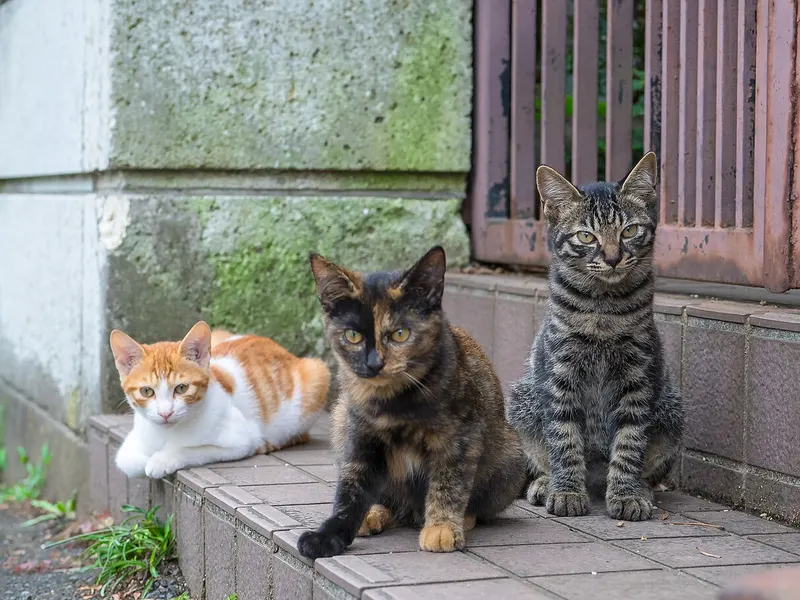
Domestic Shorthair
Semi-foreign
8–12 lbs · 12–18 yrs
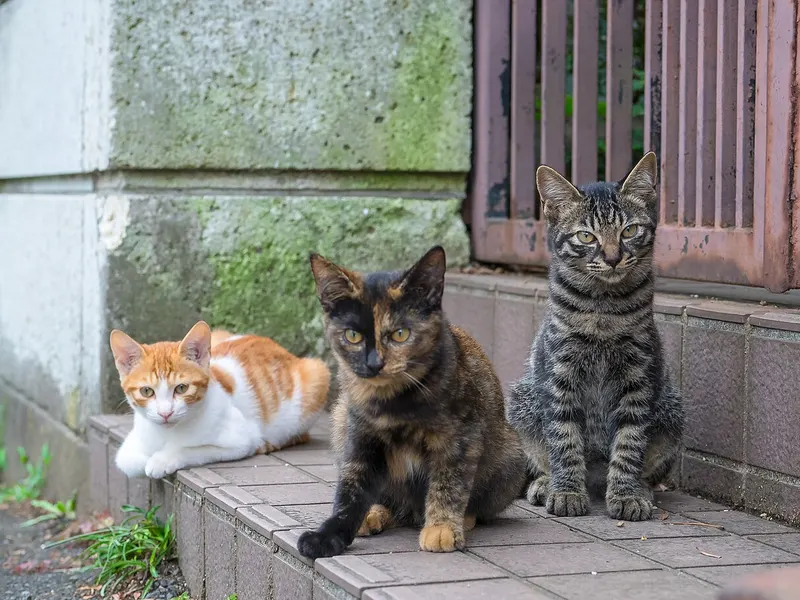
Domestic Longhair
Semi-foreign
8–15 lbs · 12–18 yrs
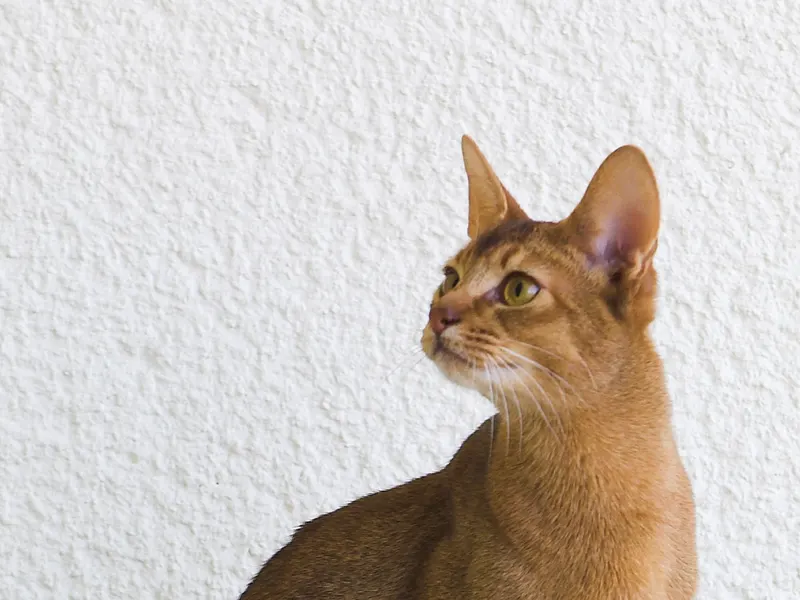
Abyssinian
Foreign
6–10 lbs · 9–15 yrs
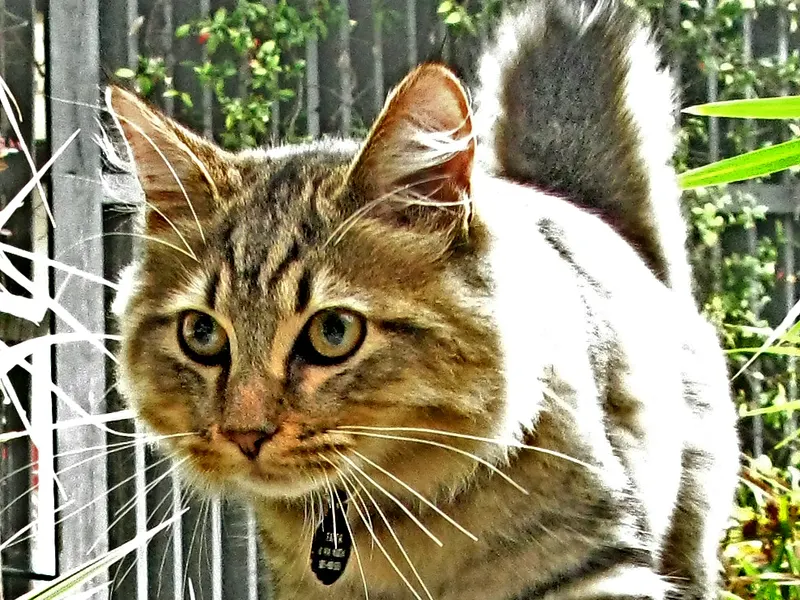
American Bobtail
Semi-cobby
7–16 lbs · 11–15 yrs
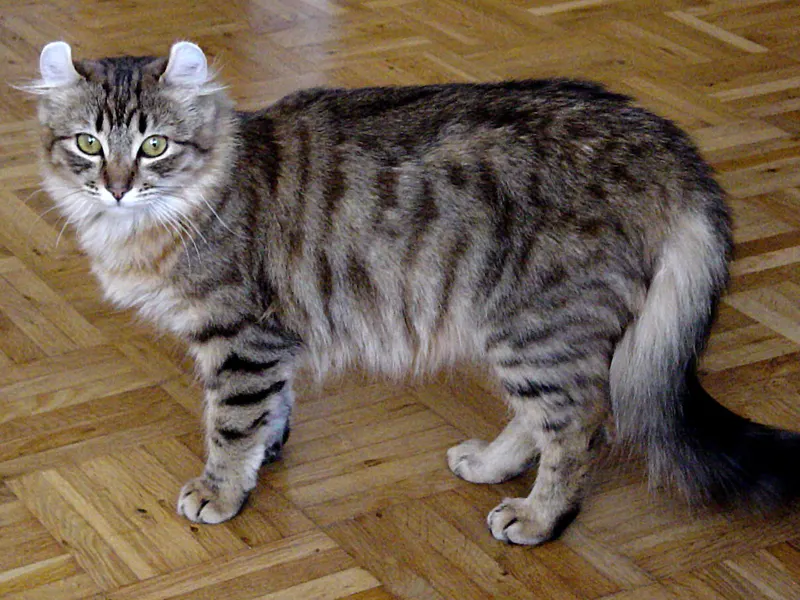
American Curl
Semi-foreign
5–10 lbs · 12–16 yrs
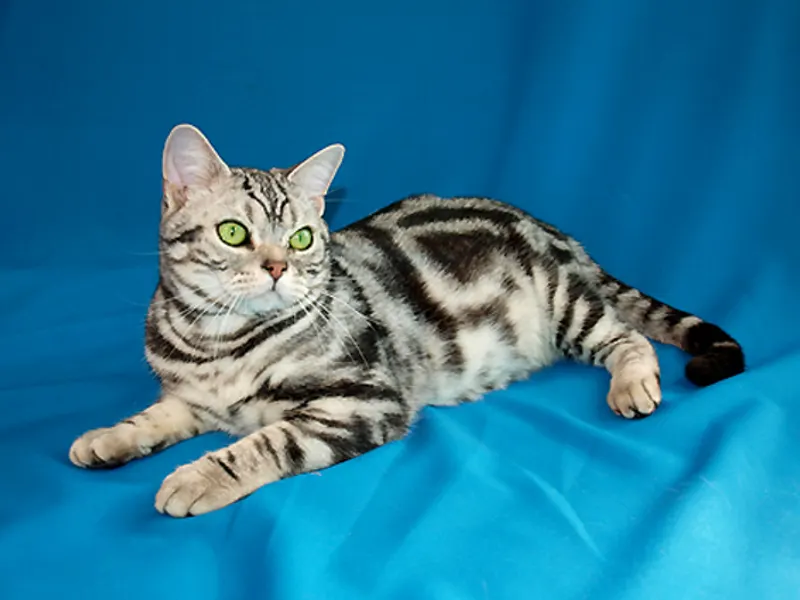
American Shorthair
Cobby
8–15 lbs · 15–20 yrs
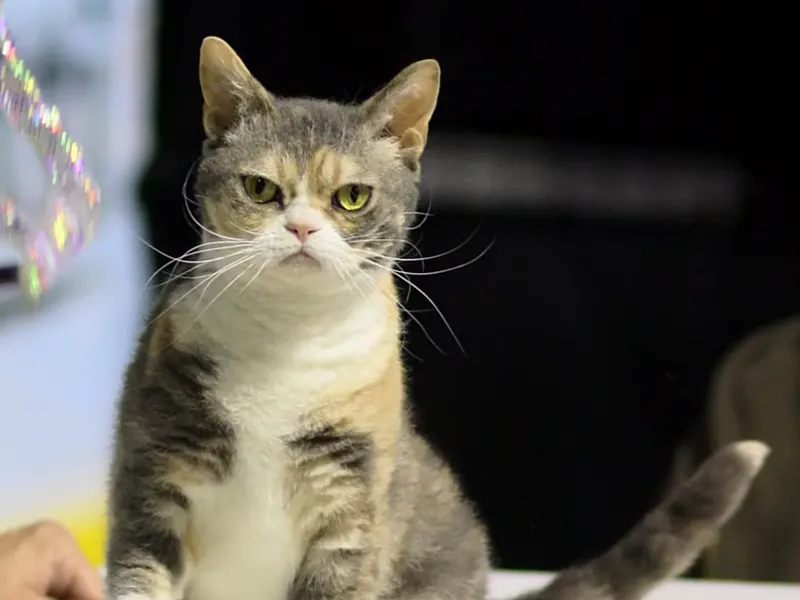
American Wirehair
Cobby
8–15 lbs · 14–18 yrs
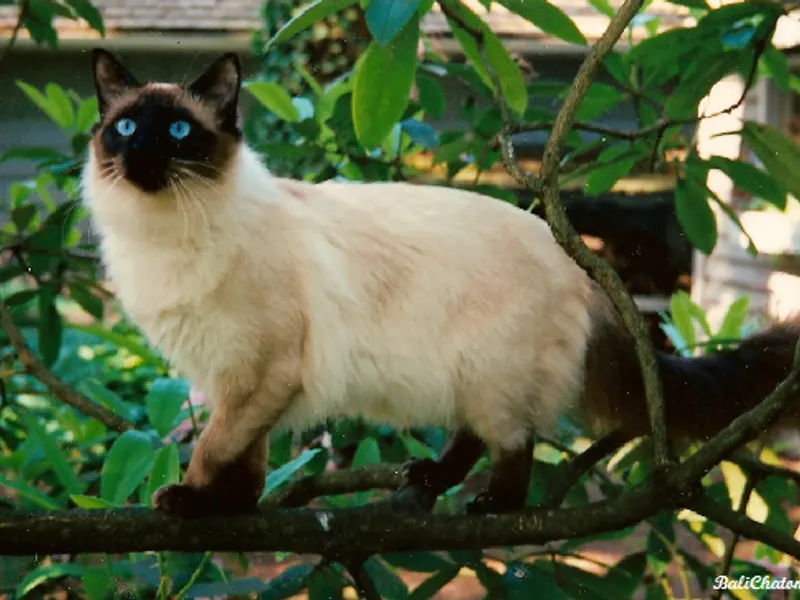
Balinese
Oriental
6–10 lbs · 12–18 yrs
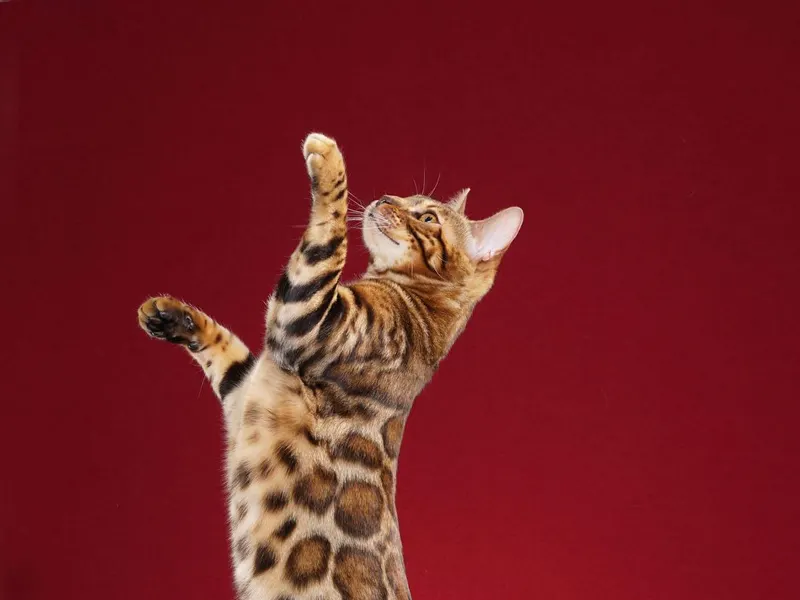
Bengal
Foreign
8–15 lbs · 12–16 yrs
Birman
Semi-cobby
8–12 lbs · 12–16 yrs
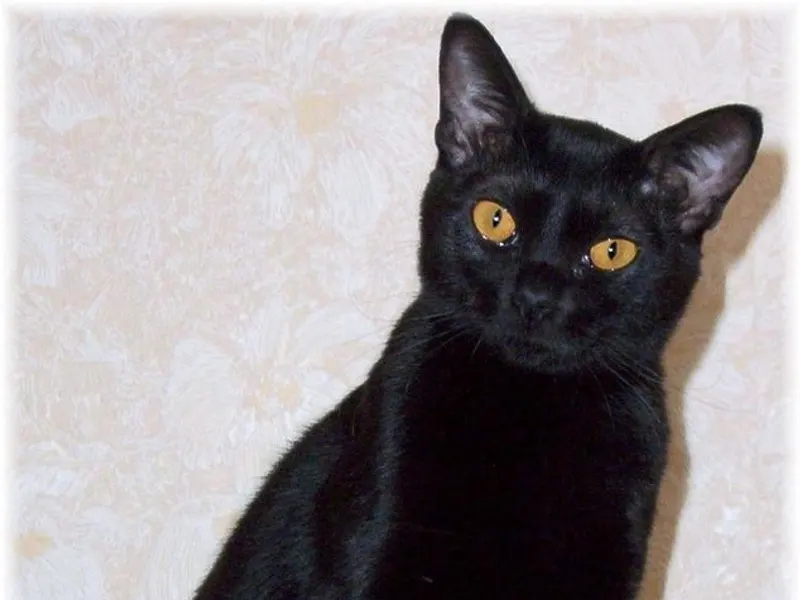
Bombay
Semi-cobby
6–11 lbs · 12–16 yrs
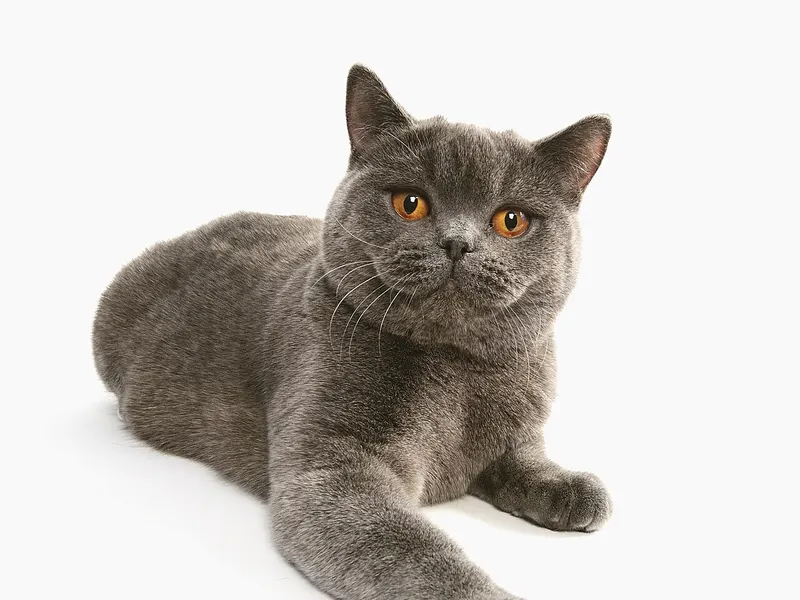
British Shorthair
Cobby
9–18 lbs · 12–17 yrs
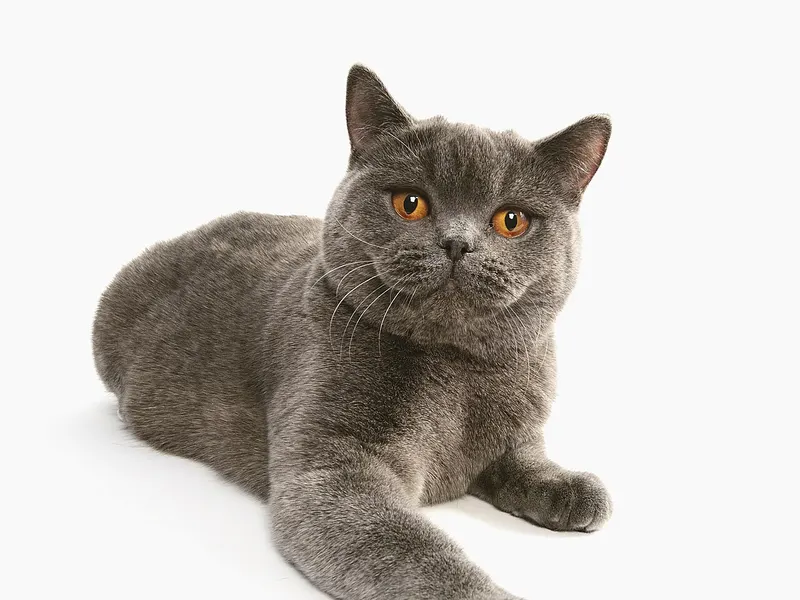
British Longhair
Cobby
9–17 lbs · 12–17 yrs
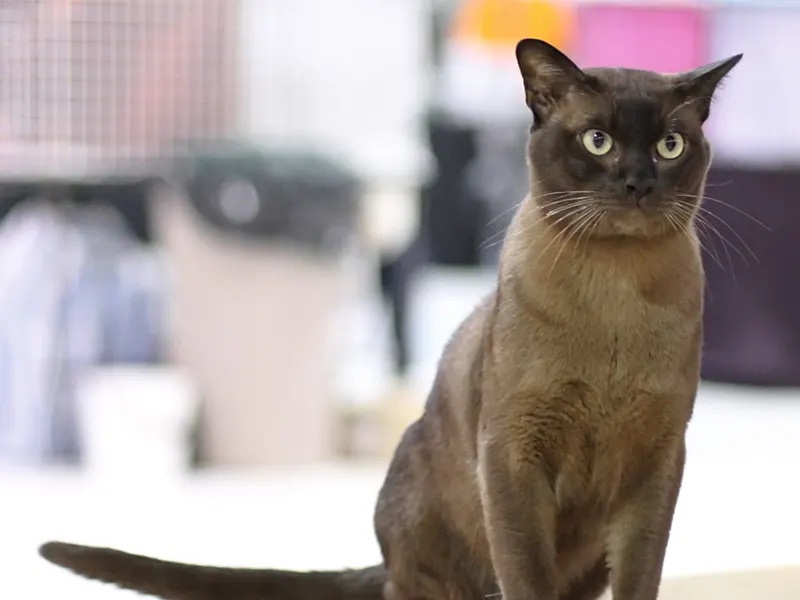
Burmese
Cobby
6–12 lbs · 10–16 yrs
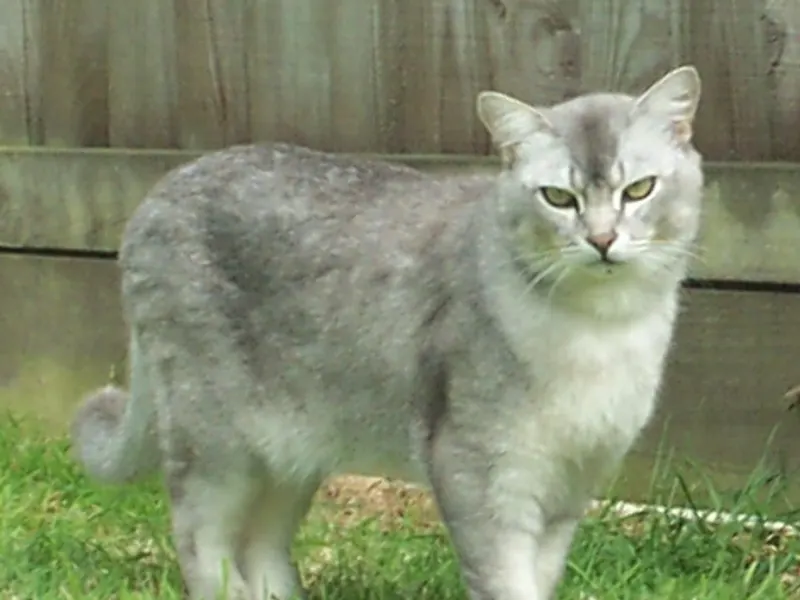
Burmilla
Semi-cobby
6–12 lbs · 10–15 yrs
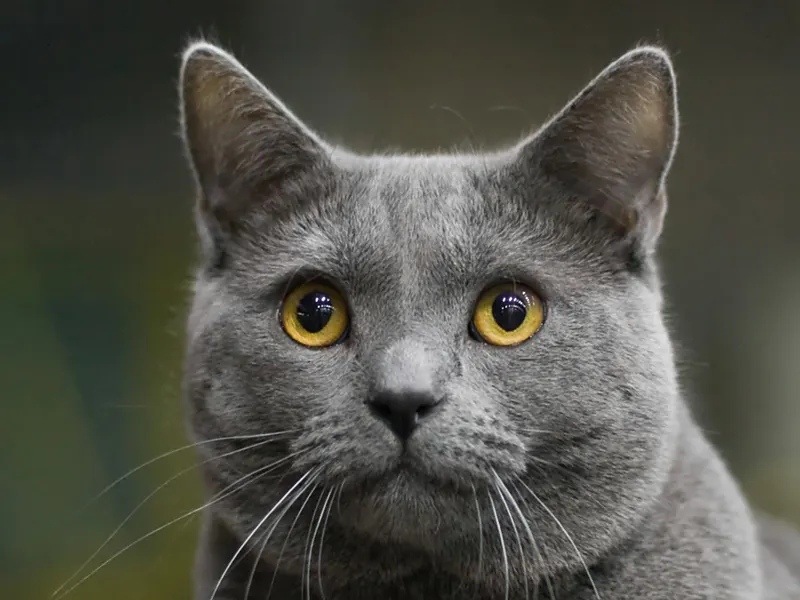
Chartreux
Semi-cobby
7–16 lbs · 12–15 yrs
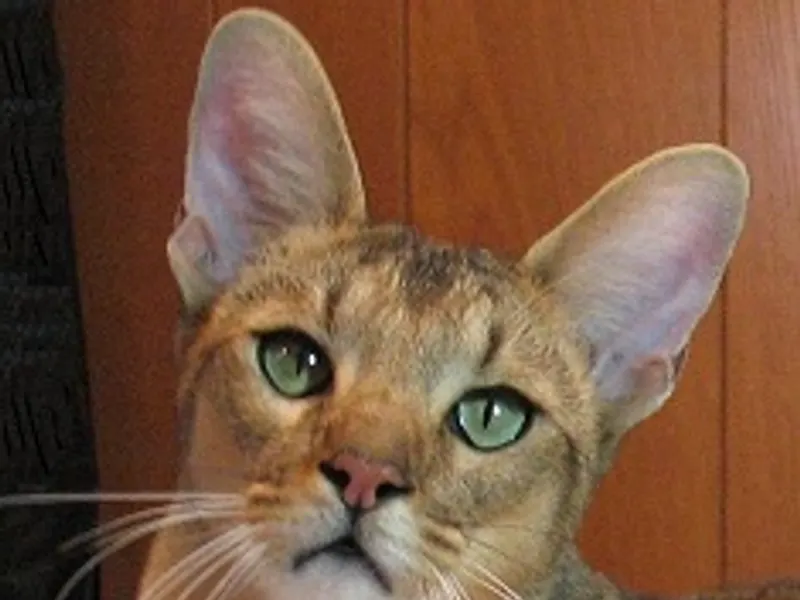
Chausie
Foreign
15–25 lbs · 12–15 yrs
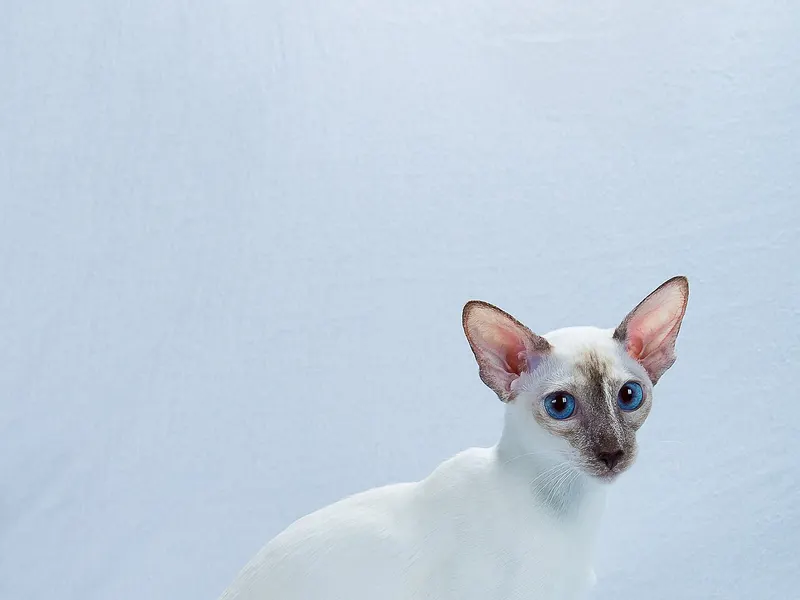
Colorpoint Shorthair
Oriental
6–10 lbs · 12–16 yrs
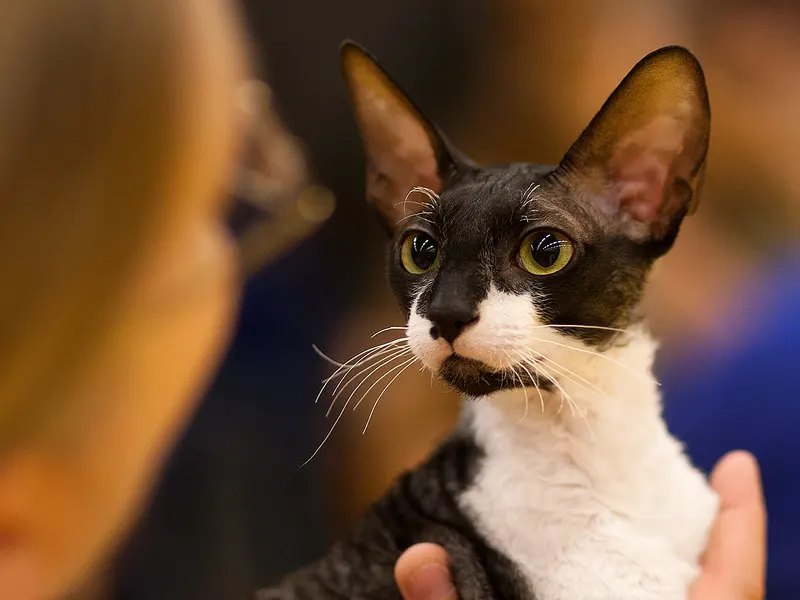
Cornish Rex
Rex
6–10 lbs · 11–15 yrs
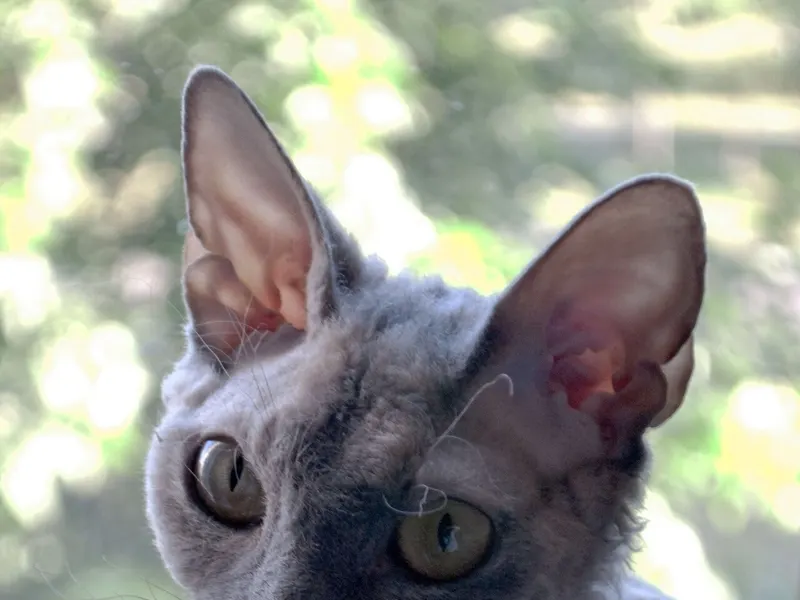
Devon Rex
Rex
6–9 lbs · 9–15 yrs
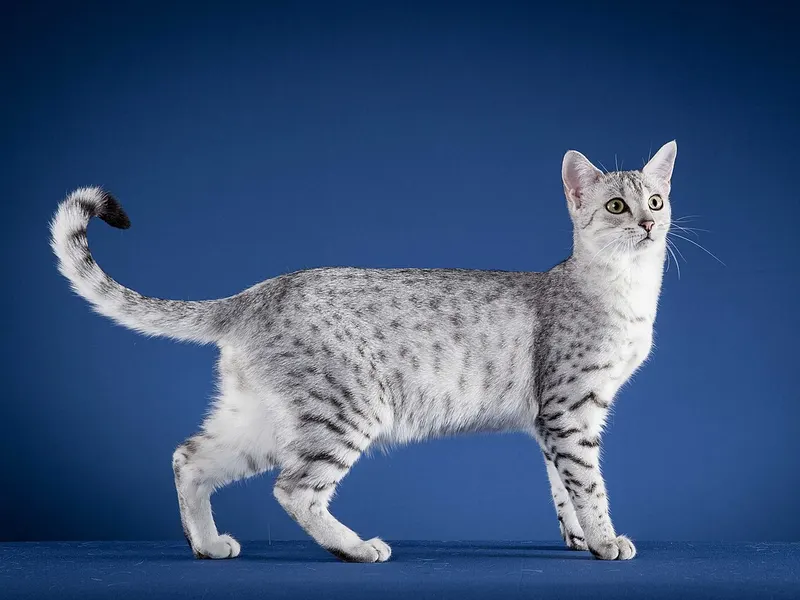
Egyptian Mau
Foreign
6–11 lbs · 12–15 yrs

Exotic Shorthair
Cobby
7–14 lbs · 12–15 yrs
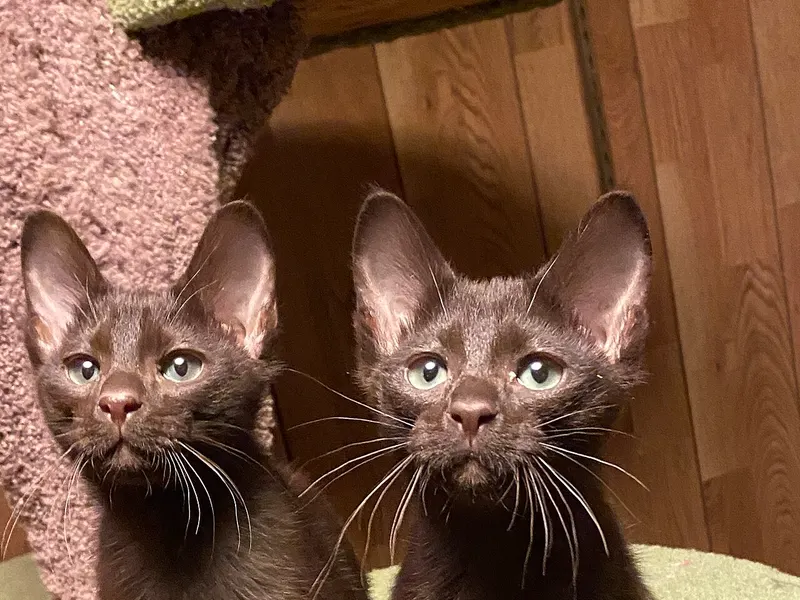
Havana Brown
Foreign
6–10 lbs · 9–15 yrs
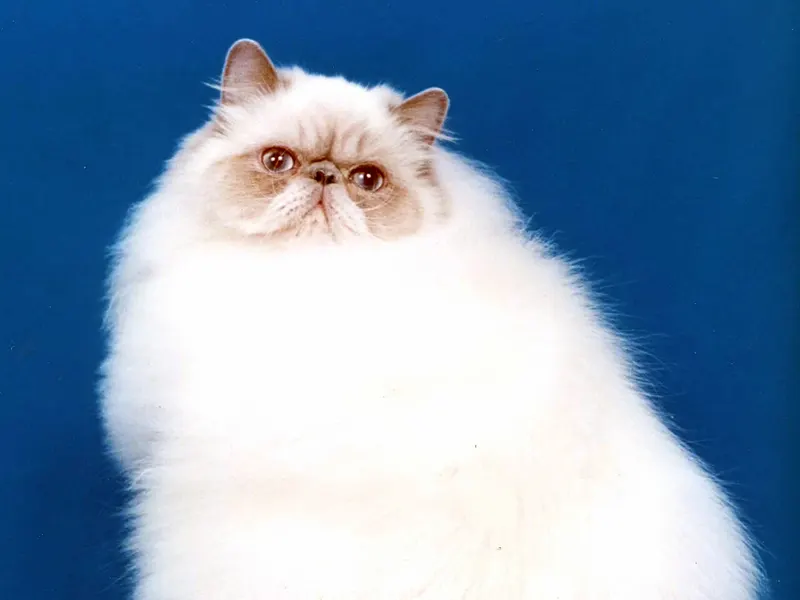
Himalayan
Cobby
7–12 lbs · 9–15 yrs
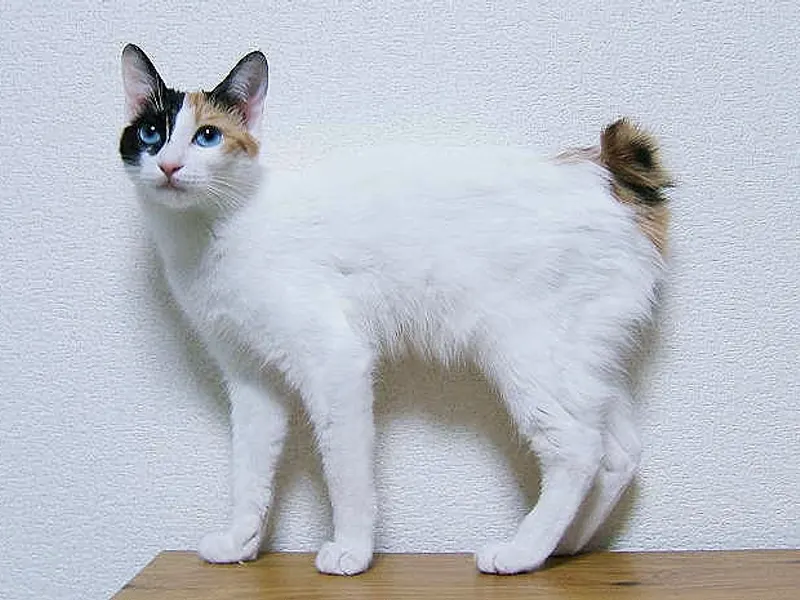
Japanese Bobtail
Semi-foreign
6–10 lbs · 12–16 yrs
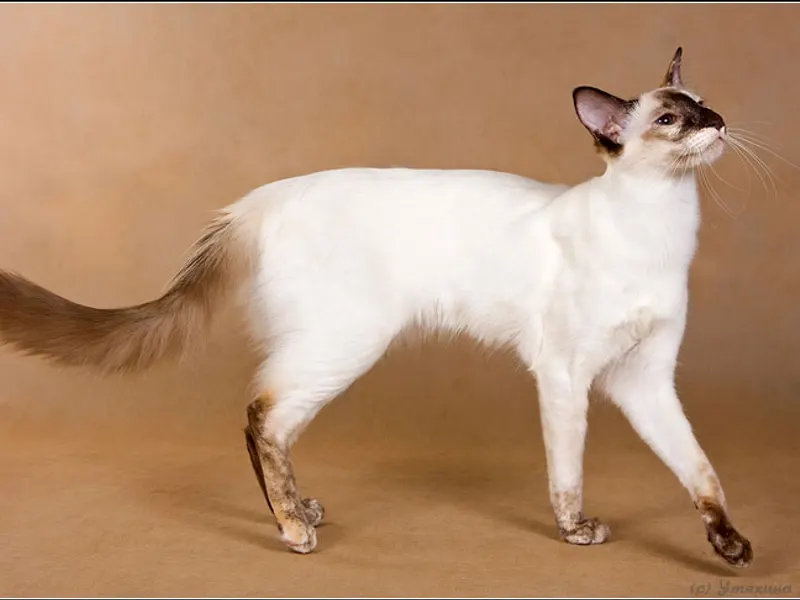
Javanese
Oriental
6–10 lbs · 12–18 yrs
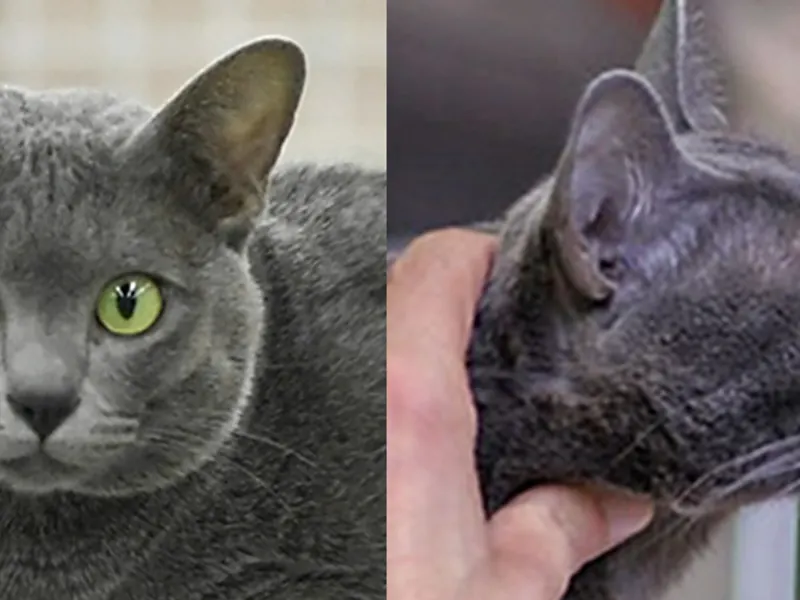
Korat
Foreign
6–10 lbs · 15–20 yrs
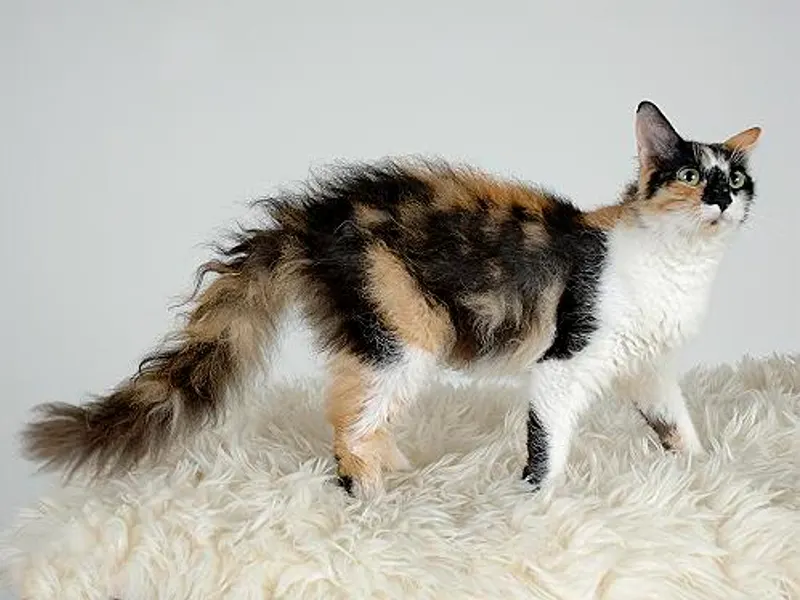
LaPerm
Semi-foreign
6–10 lbs · 10–15 yrs
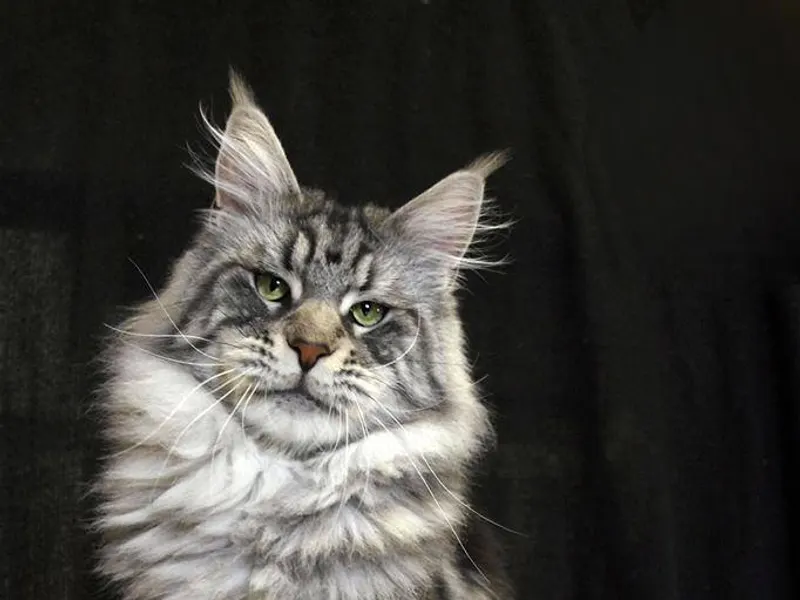
Maine Coon
Long & Substantial
10–25 lbs · 12–15 yrs
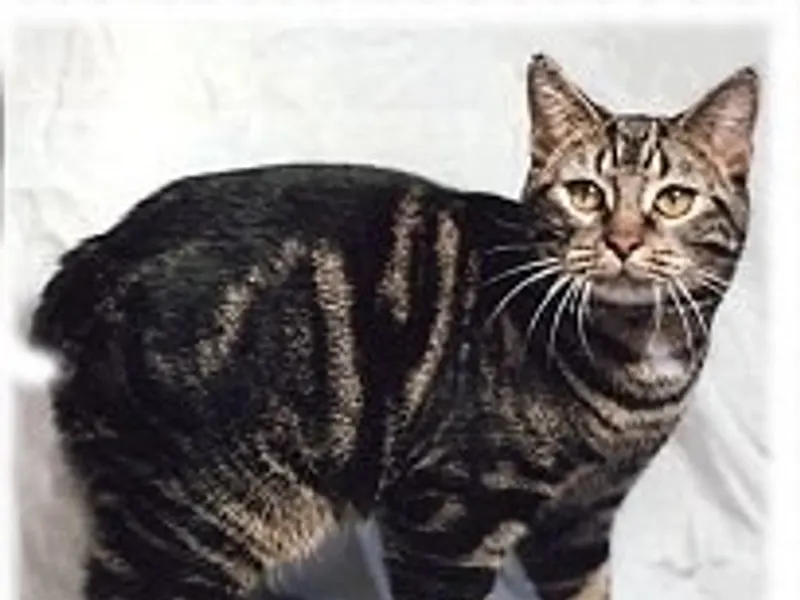
Manx
Cobby
8–12 lbs · 8–14 yrs

Munchkin
Semi-cobby
5–9 lbs · 12–15 yrs

Nebelung
Foreign
7–11 lbs · 15–18 yrs
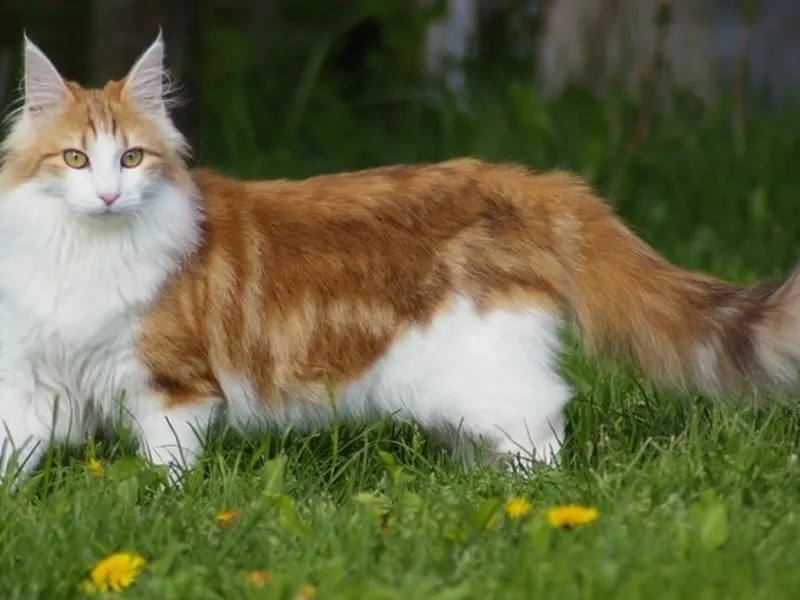
Norwegian Forest Cat
Long & Substantial
10–22 lbs · 14–16 yrs
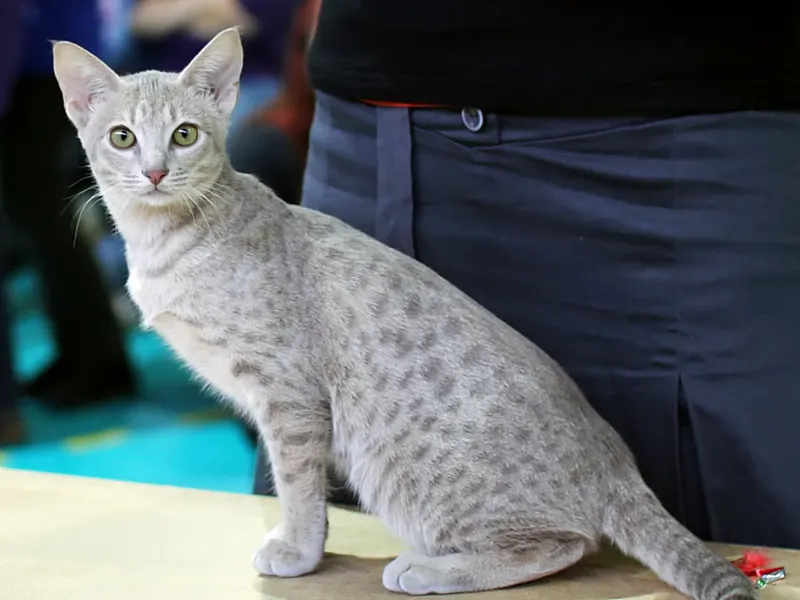
Ocicat
Foreign
6–15 lbs · 12–18 yrs
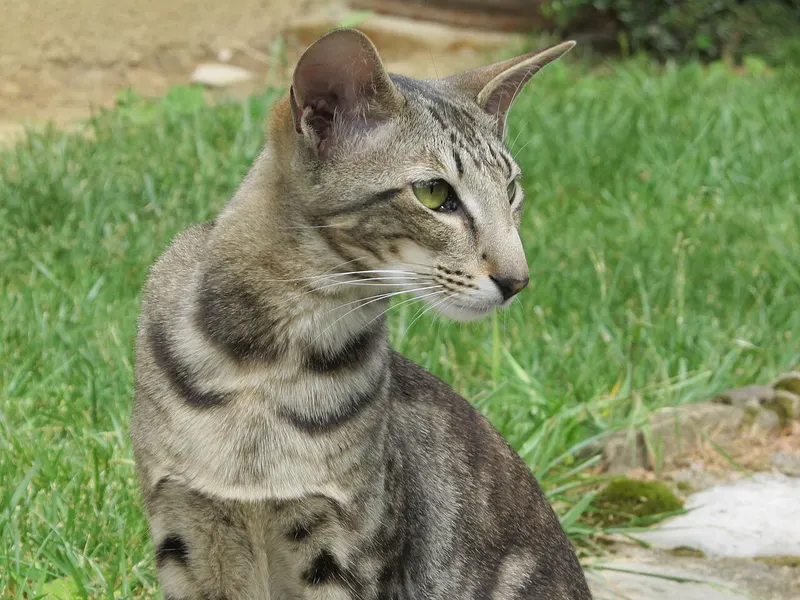
Oriental Shorthair
Oriental
6–10 lbs · 12–15 yrs
Oriental Longhair
Oriental
6–10 lbs · 12–15 yrs
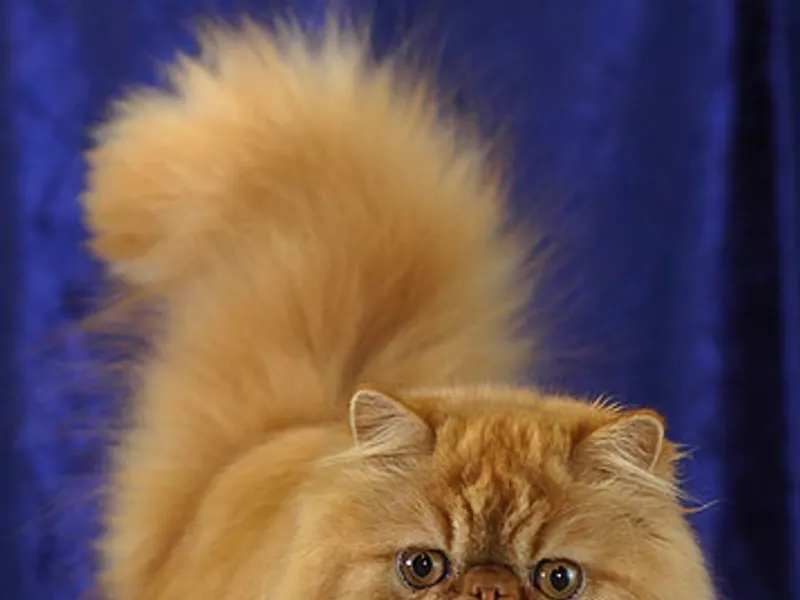
Persian
Cobby
7–12 lbs · 10–17 yrs
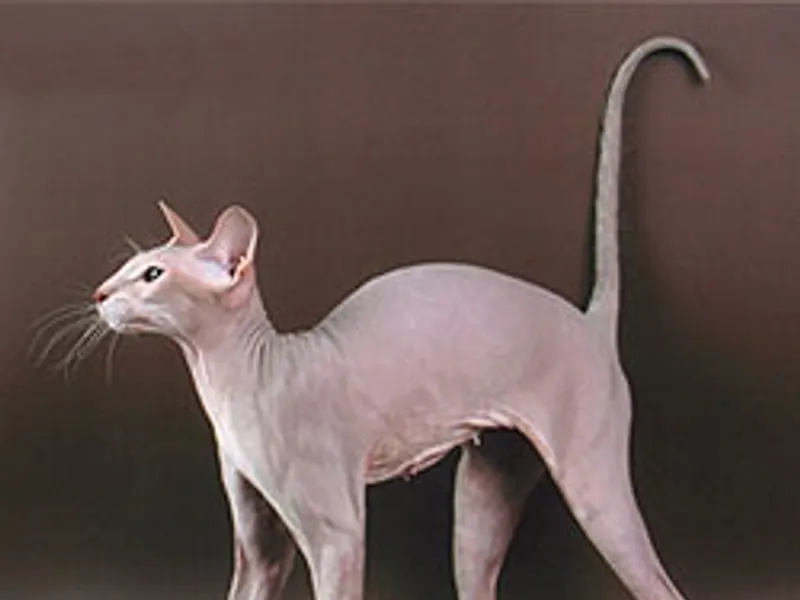
Peterbald
Rex
6–10 lbs · 12–15 yrs
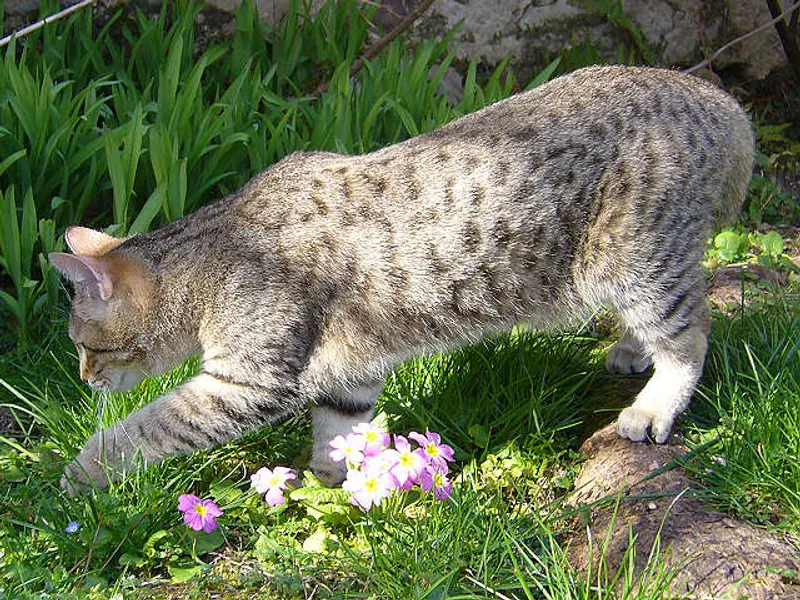
Pixie-bob
Semi-cobby
8–17 lbs · 13–16 yrs
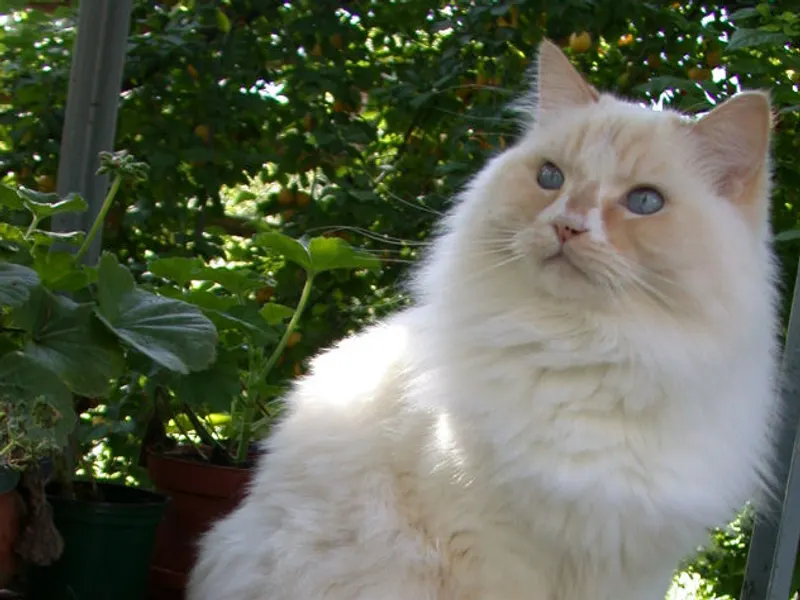
Ragamuffin
Semi-cobby
8–20 lbs · 12–16 yrs
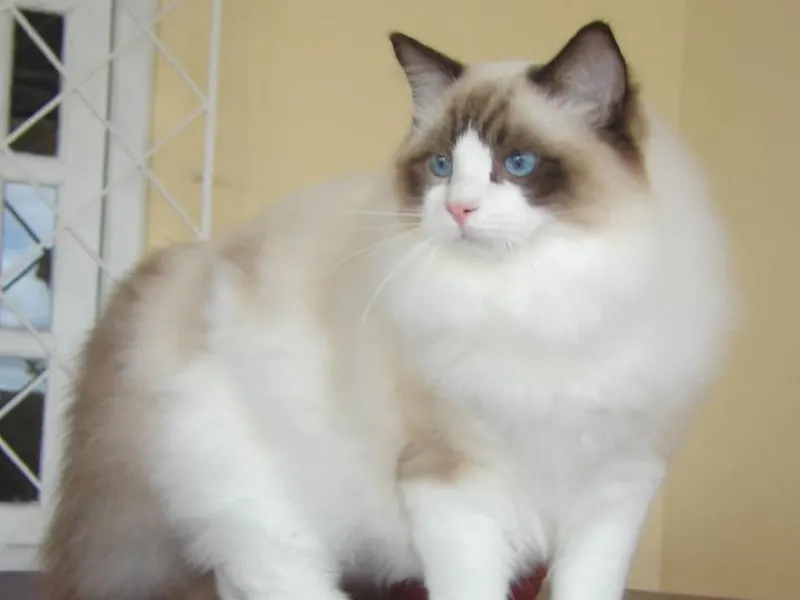
Ragdoll
Semi-cobby
10–20 lbs · 12–17 yrs
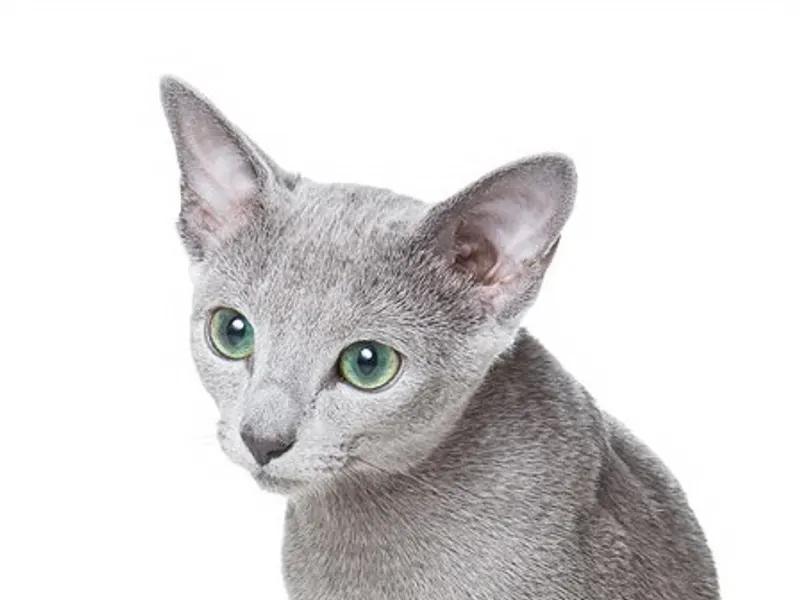
Russian Blue
Foreign
7–12 lbs · 15–20 yrs
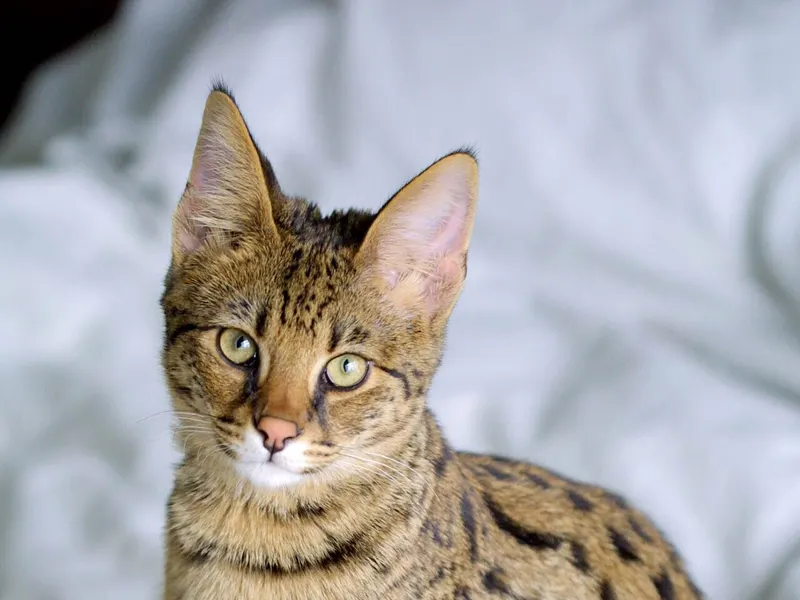
Savannah
Foreign
12–25 lbs · 12–20 yrs
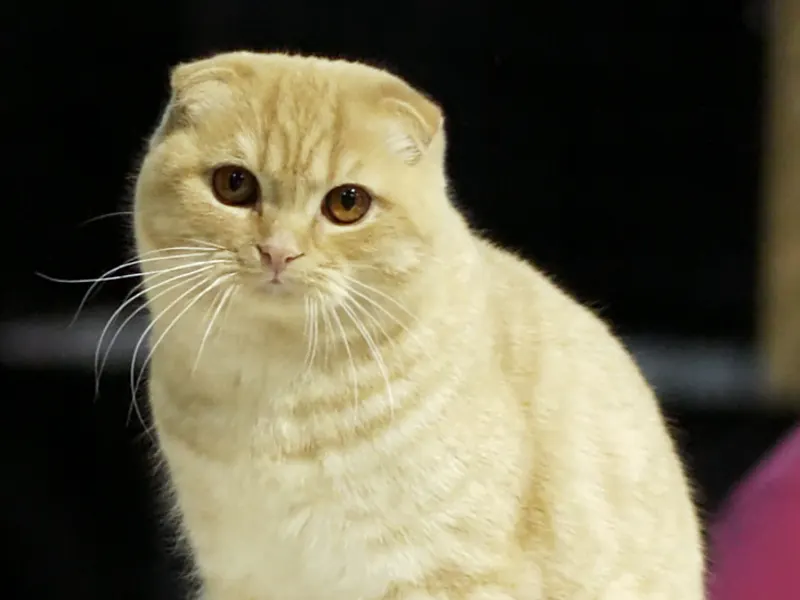
Scottish Fold
Semi-cobby
6–13 lbs · 11–15 yrs
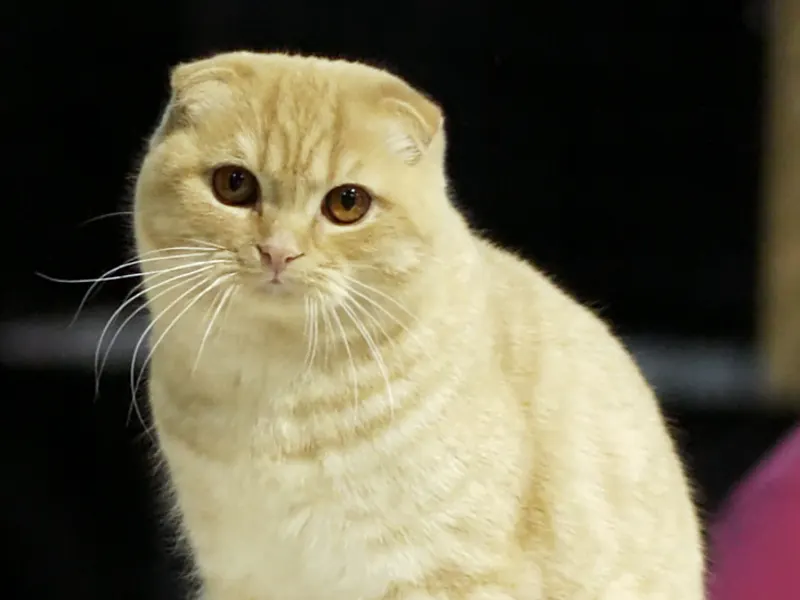
Scottish Straight
Semi-cobby
6–13 lbs · 11–15 yrs

Selkirk Rex
Cobby
7–15 lbs · 10–15 yrs

Siamese
Oriental
6–14 lbs · 12–20 yrs
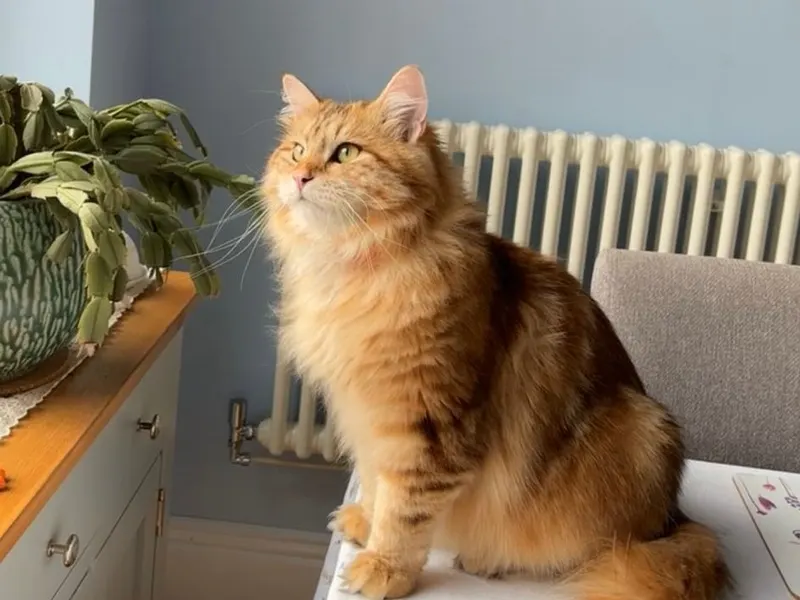
Siberian
Long & Substantial
8–17 lbs · 11–18 yrs
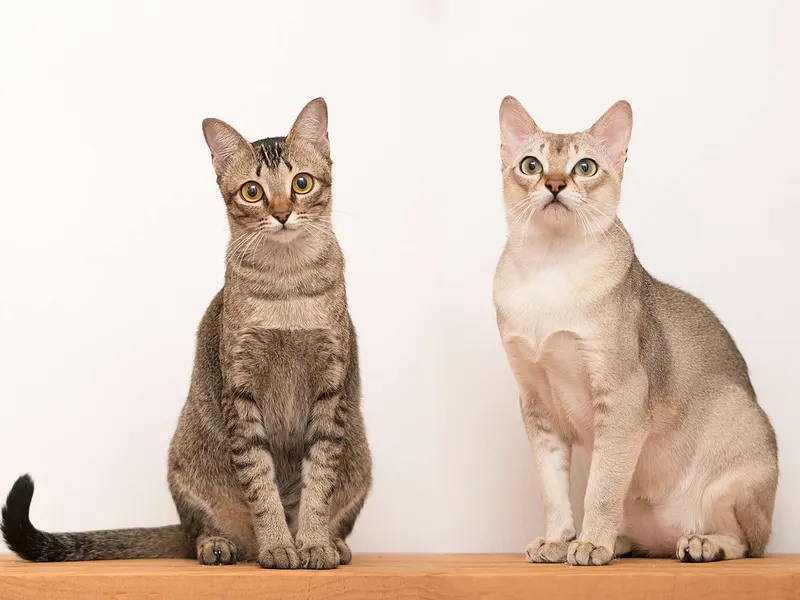
Singapura
Foreign
4–8 lbs · 12–16 yrs
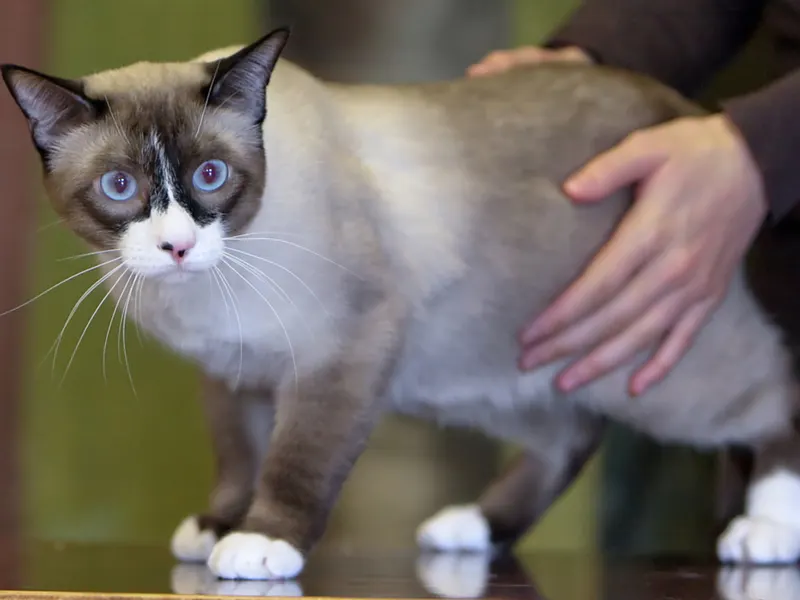
Snowshoe
Semi-cobby
7–12 lbs · 12–15 yrs
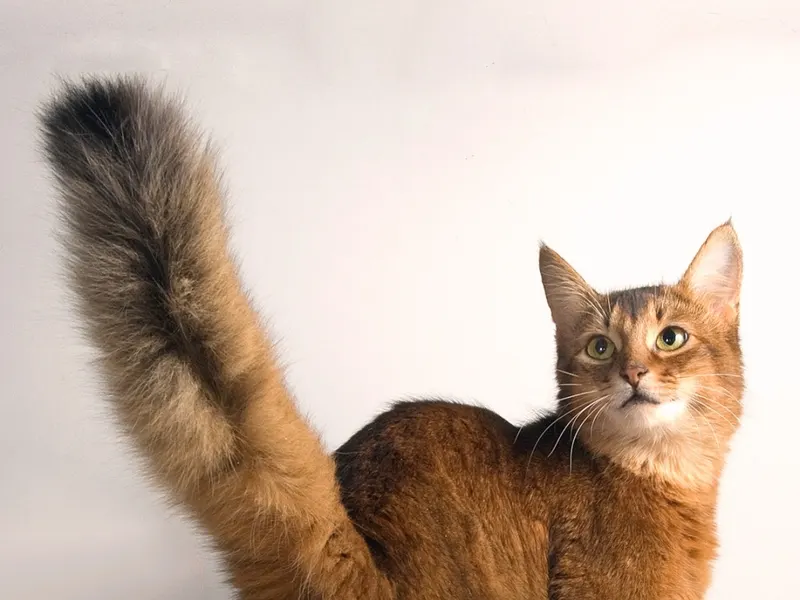
Somali
Foreign
6–10 lbs · 11–16 yrs
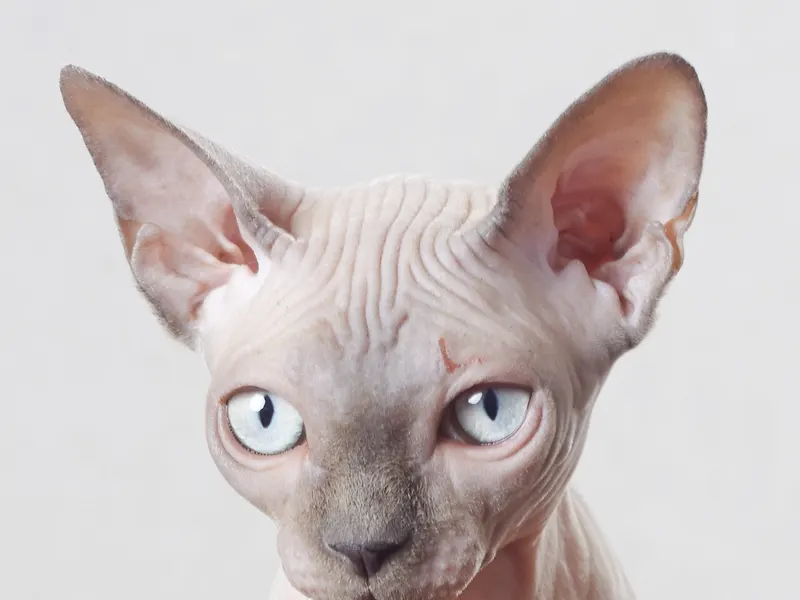
Sphynx
Rex
6–12 lbs · 8–14 yrs
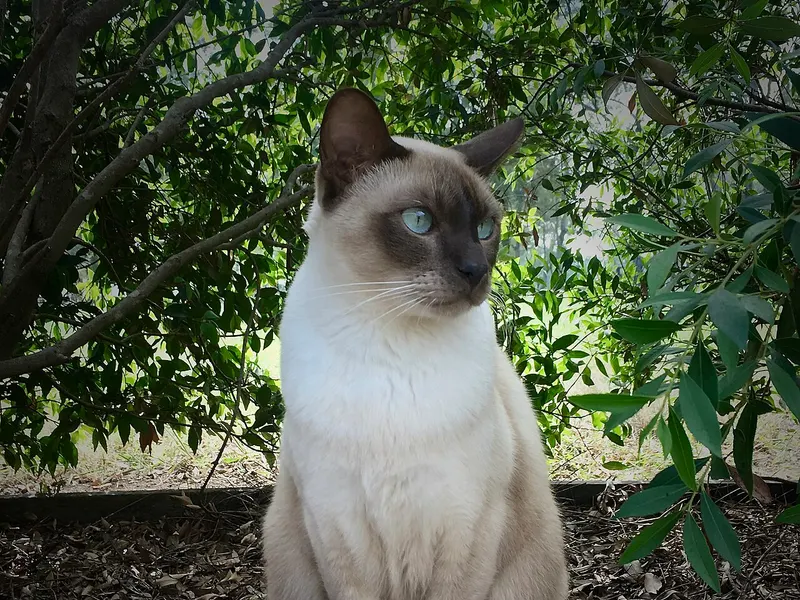
Tonkinese
Semi-foreign
6–12 lbs · 12–16 yrs
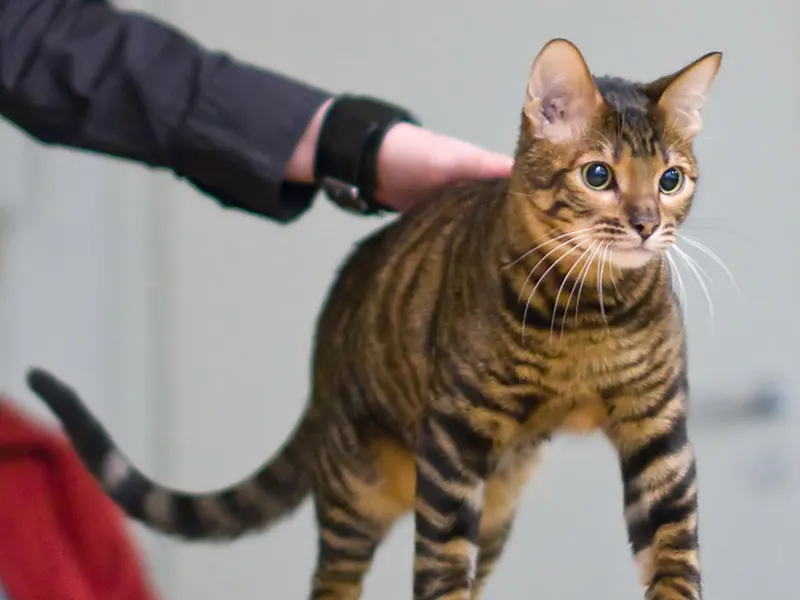
Toyger
Foreign
7–15 lbs · 12–15 yrs
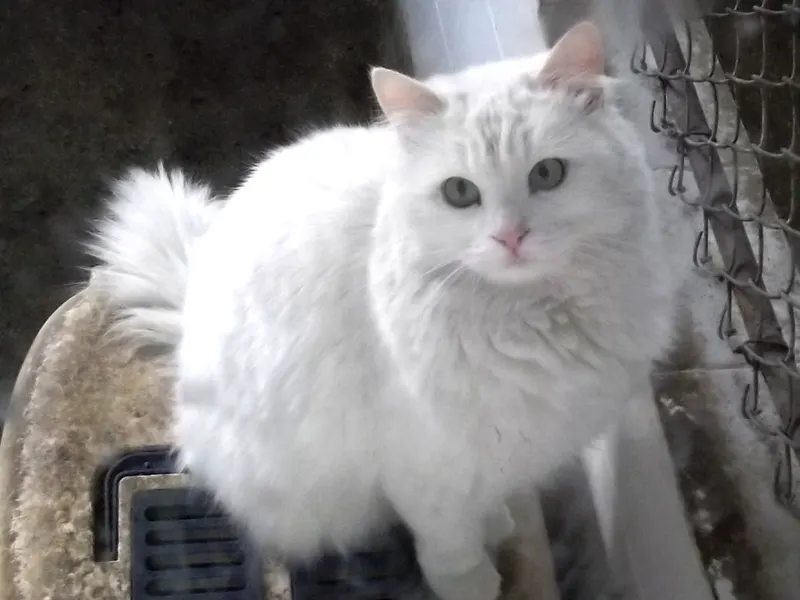
Turkish Angora
Semi-foreign
5–9 lbs · 12–18 yrs
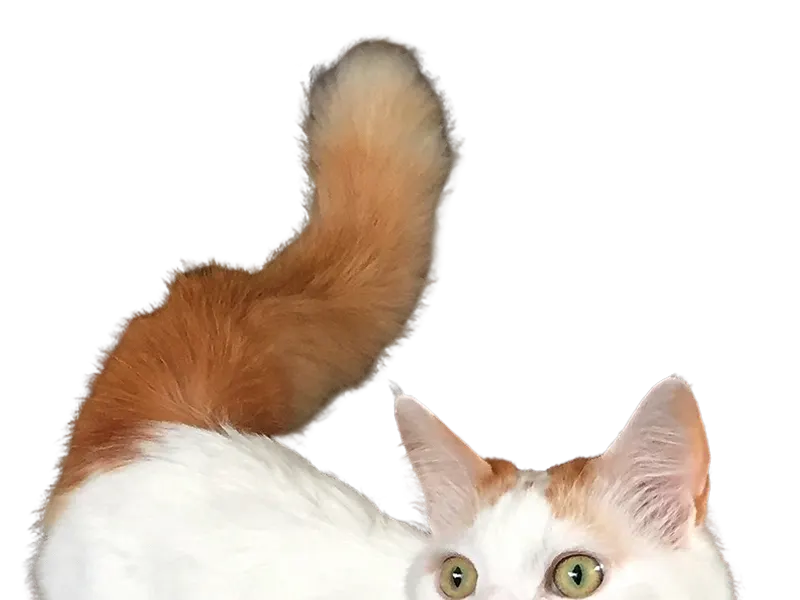
Turkish Van
Semi-foreign
7–19 lbs · 12–17 yrs
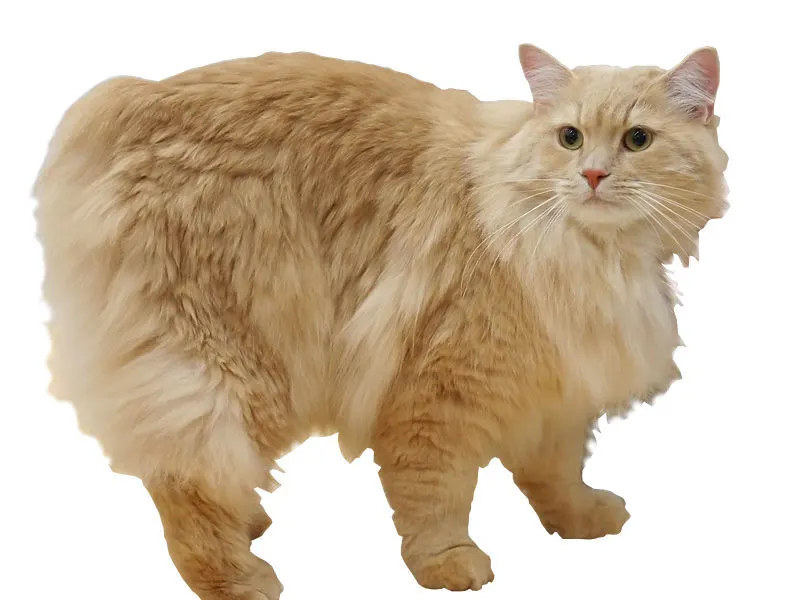
Cymric
Cobby
8–12 lbs · 8–14 yrs
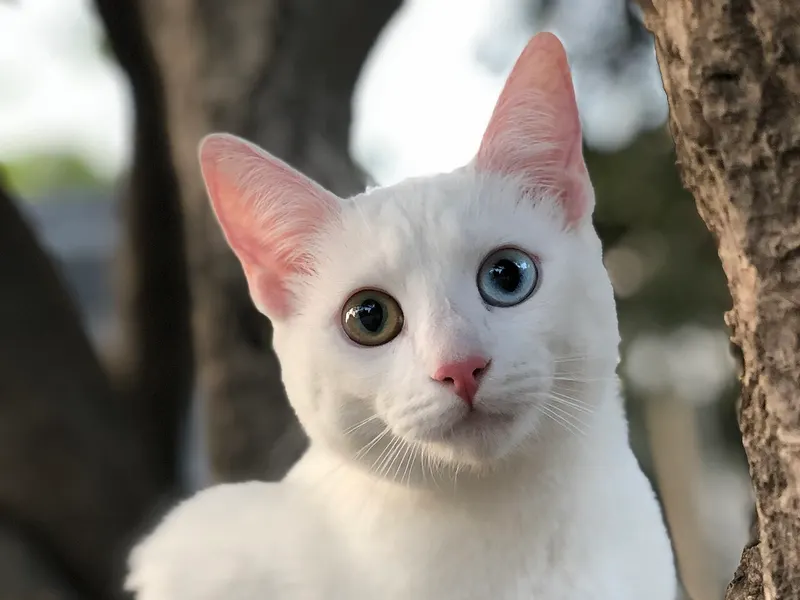
Khao Manee
Foreign
6–10 lbs · 10–15 yrs
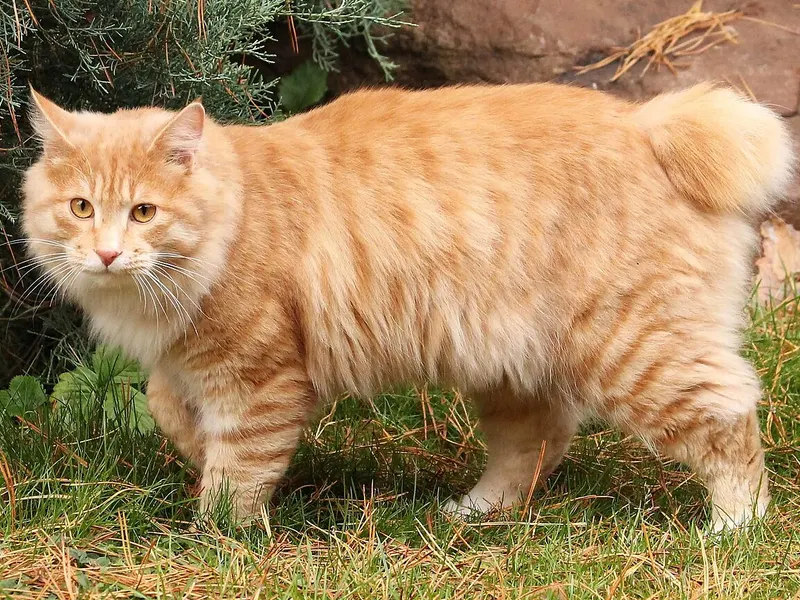
Kurilian Bobtail
Semi-cobby
7–15 lbs · 12–15 yrs
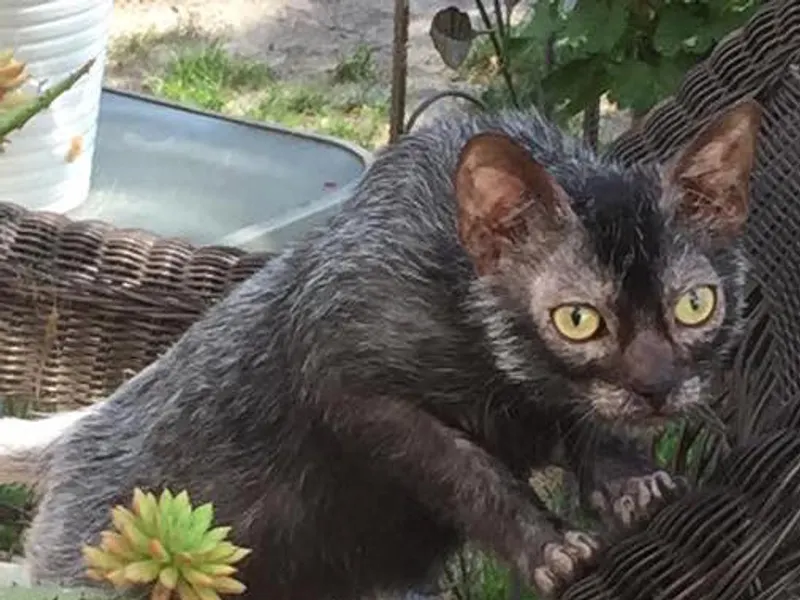
Lykoi
Rex
4–9 lbs · 12–15 yrs
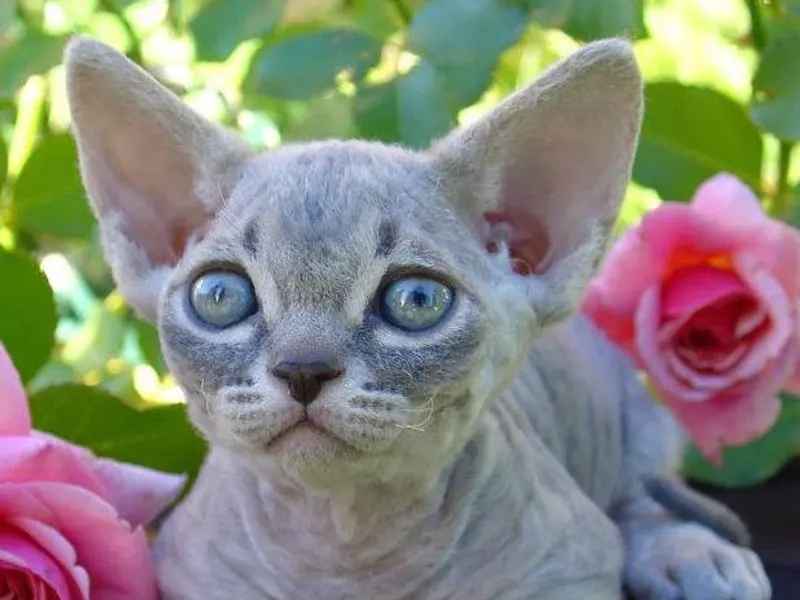
Minskin
Rex
4–6 lbs · 12–14 yrs
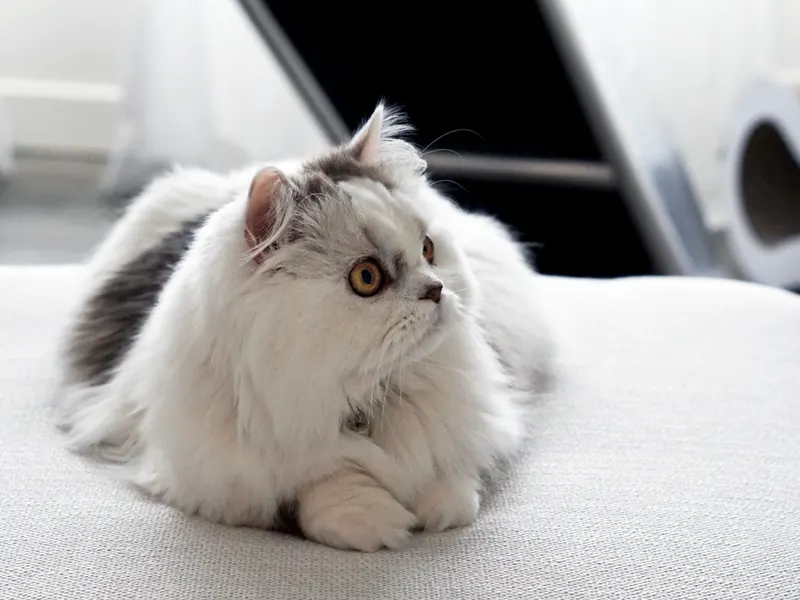
Napoleon (Minuet)
Semi-cobby
5–9 lbs · 12–14 yrs
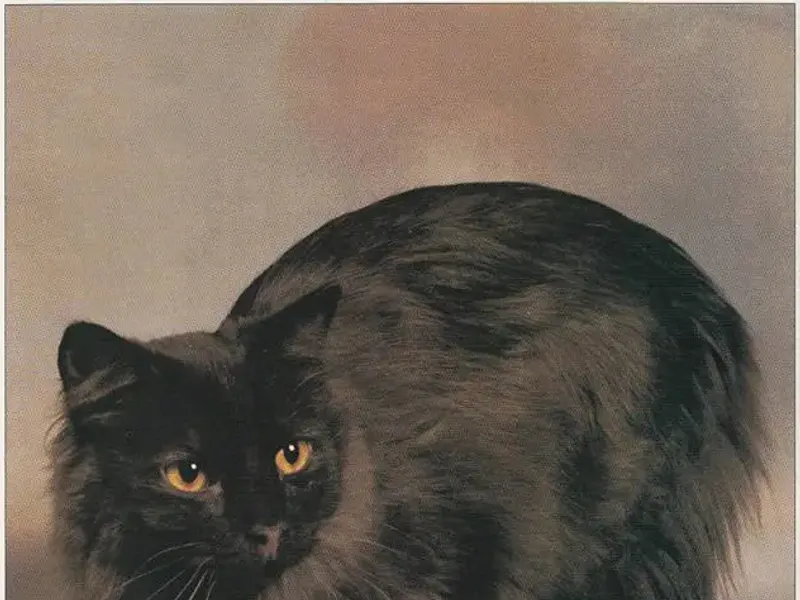
Chantilly-Tiffany
Semi-foreign
7–12 lbs · 12–16 yrs
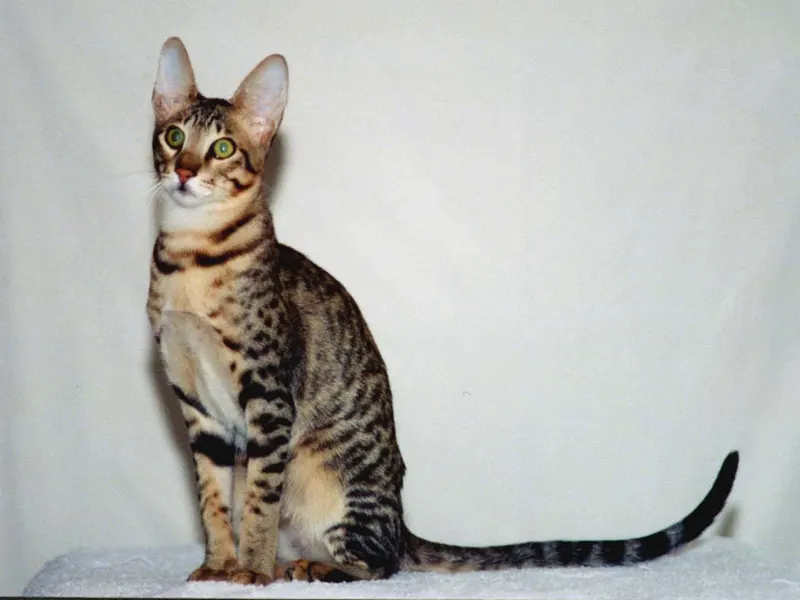
Serengeti
Foreign
8–15 lbs · 12–15 yrs
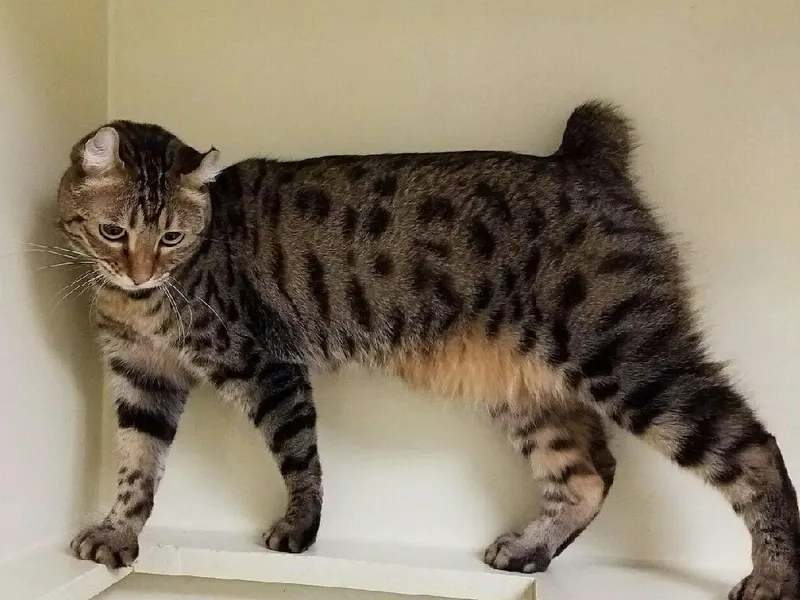
Highlander
Semi-cobby
10–20 lbs · 12–15 yrs
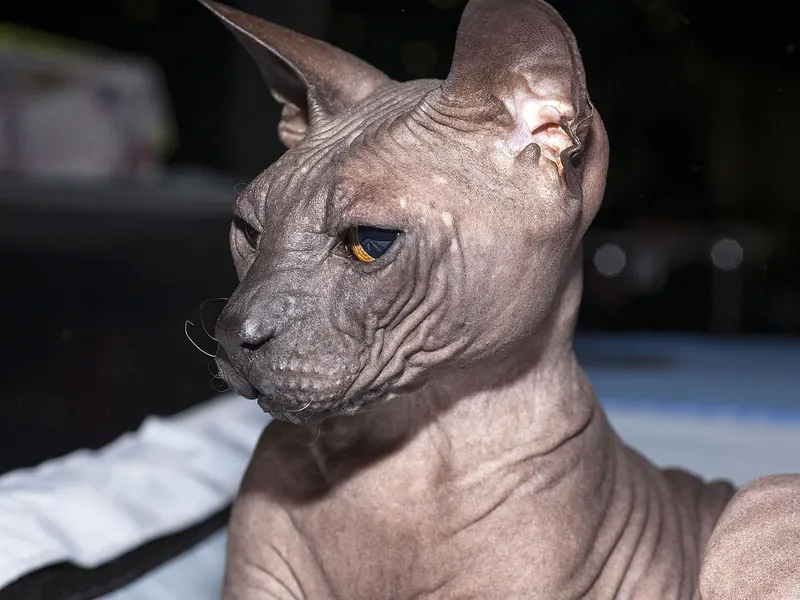
Donskoy
Rex
6–12 lbs · 12–15 yrs