Foreign Body Type
Ocicat
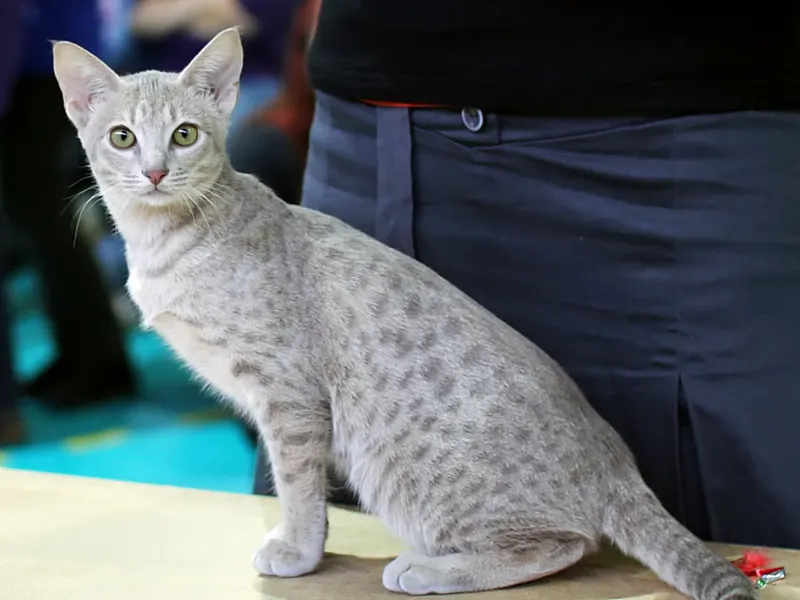
The Ocicat was created entirely by accident in 1964, when Michigan breeder Virginia Daly crossed a Siamese with an Abyssinian aiming to produce a Siamese-pointed cat with an Abyssinian-style ticked coat, and one kitten in the resulting litter, later bred with an American Shorthair to add size and additional color genetics, unexpectedly displayed a spotted coat pattern that reminded Daly's daughter of a baby ocelot — hence the name Ocicat, despite the breed having no wildcat ancestry whatsoever. Daly initially considered the spotted kitten, named Tonga, a one-off oddity and had him neutered, but renewed interest from other breeders in the distinctive spotted pattern led to a formal breeding program, and CFA granted the Ocicat championship recognition in 1987. Later Ocicat breeding programs also incorporated additional American Shorthair and Abyssinian lines to widen the color palette beyond the original chocolate spotted cats, eventually producing the twelve color varieties recognized in the modern breed standard.
Common health predispositions
- Progressive retinal atrophy
- Hypertrophic cardiomyopathy
- Pyruvate kinase deficiency (via Abyssinian ancestry)
Temperament
Ocicats are notably active, athletic, and dog-like in their trainability — many owners successfully teach the breed to walk on a leash, fetch small toys, and respond to basic commands, reflecting a genuine intelligence and eagerness to engage that breed clubs specifically promote as a defining trait. They tend to be highly social with people and other pets, and a solitary schedule with hours of alone time doesn't suit the breed well; its playful energy persists well into adulthood rather than mellowing sharply with age. Many Ocicat owners describe the breed as having an almost pack-oriented social structure when kept in multi-cat households, often forming close bonds with other cats in addition to their people, a trait some attribute to the breed's mixed multi-breed foundation.
Living with a Ocicat
Grooming is a light commitment — a quick brush now and then handles the short, spotted coat's moderate shedding. Because the breed's foundation includes Abyssinian ancestry, pyruvate kinase deficiency (an inherited blood disorder) is a documented concern that reputable breeders test for genetically, alongside progressive retinal atrophy and hypertrophic cardiomyopathy, two further conditions worth screening for in the breed. Given the Ocicat's high energy and intelligence, owners should plan for genuine daily interactive play, puzzle feeders, and climbing space — an under-stimulated Ocicat is prone to the same kind of boredom-driven mischief seen in other highly active, intelligent breeds. Because the breed's spotted pattern is a genuine show-standard focus, breeders pay close attention to spot shape, thumbprint markings on the whisker pads, and overall pattern clarity — purely cosmetic details that matter for a ribbon but say nothing about a pet-quality cat's health or temperament. The breed is also notably vocal for a spotted breed, often greeting owners with a range of chirps and trills rather than a plain meow, a detail that surprises new owners expecting a quieter, less talkative cat.
FAQ
Does the Ocicat have any wildcat ancestry?
No — despite its spotted, wild-looking coat and a name referencing the ocelot, the Ocicat is entirely a domestic breed created by crossing Siamese, Abyssinian, and American Shorthair cats, with no wildcat genetics involved at all.
Was the Ocicat's spotted coat intentional?
No — it appeared as a complete surprise in a 1964 litter bred by Virginia Daly, who was actually aiming to produce a Siamese-pointed, Abyssinian-ticked cat; the unexpected spotted kitten was originally neutered as a one-off oddity before renewed breeder interest led to a formal breeding program.
Can Ocicats be trained like dogs?
To a real degree, yes — the breed is known for above-average trainability among cats, and many owners successfully teach Ocicats to walk on a leash, fetch toys, and respond to basic verbal or hand-signal commands.
What health testing should Ocicat breeders do?
Given the breed's Abyssinian ancestry, testing for pyruvate kinase deficiency (an inherited blood disorder) is important, alongside general screening for progressive retinal atrophy and hypertrophic cardiomyopathy, two other conditions the breed is known to carry some risk for.
How many colors are recognized in the Ocicat breed standard?
Twelve — later breeding programs incorporated additional American Shorthair and Abyssinian lines beyond the original chocolate spotted cats specifically to widen the color palette, resulting in the twelve color varieties recognized in the modern standard.
Do Ocicats get along well with other cats?
Generally very well — many owners describe the breed as almost pack-oriented in multi-cat households, forming genuine bonds with other resident cats in addition to their people, a trait some attribute to the breed's mixed multi-breed foundation.
Why is the Ocicat named after the ocelot if it has no wildcat ancestry?
The name was chosen purely for the visual resemblance of the breed's bold, thumbprint-style spots to a wild ocelot's coat, not because of any genuine wildcat genetics — the Ocicat is entirely descended from Siamese, Abyssinian, and American Shorthair lines. Breeder Virginia Daly reportedly settled on the name somewhat casually after her daughter remarked that an early spotted kitten looked like a baby ocelot, and it simply stuck.
Related on FetchBreed
Care equipment for a Ocicat
As an Amazon Associate we earn from qualifying purchases made through these links, at no extra cost to you.
- Puzzle feeder
The page asks for genuine daily interactive play, puzzle feeders and climbing space, warning that an under-stimulated Ocicat turns to boredom-driven mischief.
- Cat tree
The climbing-space half of that same requirement. Grooming is called a light commitment, so no brush appears here.
Whichever breed fits your life, consider adoption or breed-specific rescue first — many purebred and mixed-breed dogs and cats are already waiting for homes.
General breed information, not veterinary advice — consult a vet for your pet's specific health, diet, and behavior needs.