Foreign Body Type
Chausie
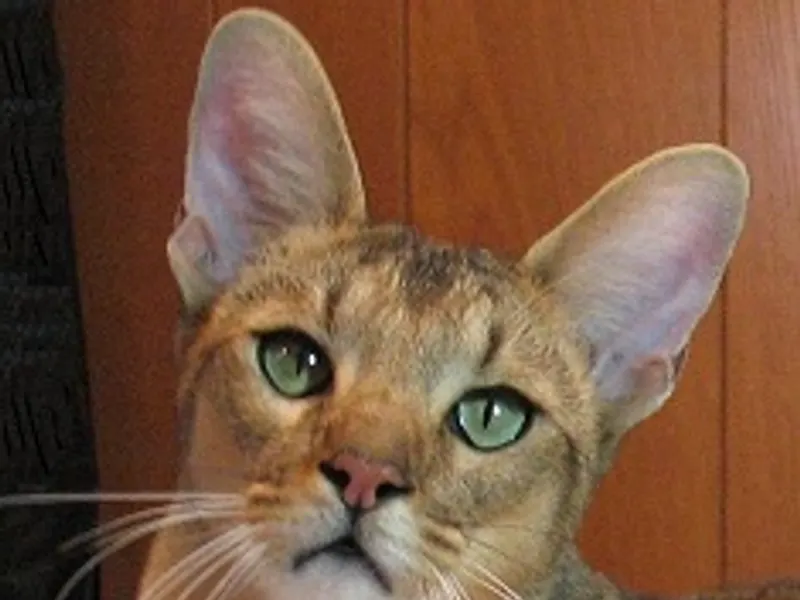
The Chausie is a hybrid breed developed by crossing domestic cats with the jungle cat (Felis chaus), a wild feline native to parts of the Middle East and Asia, with organized breeding programs emerging in the United States in the 1990s aiming for a large, athletic, dog-like companion cat. TICA granted the Chausie advanced-new-breed status in 1995 and full championship recognition in 2003. As with other wild hybrids like the Bengal and Savannah, Chausies are categorized by filial generation, with F1 cats (first-generation, closest to the wild jungle cat parent) retaining the most wild-type behavior and size, while cats several generations removed settle into a more consistently domestic, predictable temperament. Breed founders specifically selected jungle cat lines known for a calmer, more people-tolerant temperament in the wild parent species, since not every jungle cat individual is equally suited to eventually producing manageable domestic-hybrid offspring even several generations removed.
Common health predispositions
- Hip dysplasia
- Digestive sensitivity in some lines
Temperament
Chausies are highly active, athletic cats with strong jumping ability and a pronounced prey drive carried forward from their jungle cat ancestry — this is not a passive lap-cat breed, and under-stimulated individuals can become restless or destructive. Many Chausies are notably dog-like, following commands, playing fetch, and forming close bonds with their people, but the breed's intensity and independence mean it suits experienced cat owners better than first-time ones, particularly with earlier-generation cats that retain more pronounced wild-type instincts. Chausies typically retain strong hunting instincts even many generations removed from their jungle cat ancestor, and owners often report the breed excelling at interactive toys that mimic real prey movement far more convincingly than a typical domestic cat needs to be entertained.
Living with a Chausie
A Chausie needs substantial daily interactive play and enrichment — without tall climbing structures, puzzle feeders, and genuinely active sessions of play, its behavioral wellbeing suffers given the breed's high energy and intelligence. As with other wild-hybrid breeds, prospective owners must check state and local exotic-hybrid ownership laws before acquiring a Chausie, since regulations on jungle-cat hybrids vary meaningfully by jurisdiction and some places restrict or ban earlier generations specifically. The short, dense coat needs minimal grooming. Hip dysplasia is documented in the breed given its large, athletic frame, and some individuals show digestive sensitivity, which breeders and vets recommend managing with a consistent, high-quality diet. Because later-generation Chausies (roughly F4 and beyond) are considered fully domestic under most jurisdictions' regulations, they face fewer ownership restrictions than earlier generations, and prospective buyers should always ask a breeder for clear documentation of a specific kitten's generation before purchasing.
FAQ
Is it legal to own a Chausie cat?
It varies by jurisdiction and by the cat's filial generation — because the breed carries jungle cat ancestry, some states and cities restrict or ban earlier-generation hybrids specifically, so a quick call to local animal control before buying is a genuinely worthwhile step.
How big do Chausie cats get?
Large for a domestic cat — commonly 15-25 lbs with a notably long-legged, athletic build, reflecting the breed's jungle cat ancestry more visibly in body proportions than in overall temperament for later-generation cats.
Are Chausie cats good for first-time owners?
Not usually recommended — the breed's high energy, strong prey drive, and need for significant daily enrichment suit experienced cat owners better, particularly with earlier-generation cats that retain more pronounced wild-type behavior.
What does 'F1' mean for a Chausie cat?
It indicates the cat is a first-generation hybrid, meaning one parent was a jungle cat — F1 Chausies retain the most wild-type size and behavior, while each subsequent generation (F2, F3, and beyond) settles further into a calmer, more predictably domestic temperament.
Can a Chausie be kept as a purely indoor cat?
Yes, and most breeders and vets recommend it — despite the breed's athleticism and wild ancestry, an indoor Chausie with plenty of climbing and enrichment sidesteps the predator, traffic, and disease exposure that comes with roaming outside, the same recommendation given for most pedigreed breeds.
Do later-generation Chausies still count as wild hybrids legally?
In most jurisdictions, no — later-generation Chausies (roughly F4 and beyond) are generally treated as fully domestic cats under most regulations, though rules vary by state and city, so confirming a specific kitten's documented generation with the breeder before purchase is still worthwhile.
What coat colors does the Chausie breed standard allow?
TICA recognizes just three: solid black, black grizzled tabby, and black silver grizzled tabby, all colors that occur naturally in wild jungle cat populations rather than colors bred in for novelty. The grizzled tabby pattern in particular echoes the jungle cat parent species' own banded coat closely, which is part of why breeders kept the standard narrow instead of expanding into the wider color range seen in fully domestic breeds.
Related on FetchBreed
Lists this breed appears in
Care equipment for a Chausie
As an Amazon Associate we earn from qualifying purchases made through these links, at no extra cost to you.
- Tall climbing structure
The page is blunt that without tall climbing structures, puzzle feeders and genuinely active play, this breed's behavioural wellbeing suffers.
- Puzzle feeder
Named in that same sentence. The short, dense coat needs minimal grooming, so there is no brush here.
Whichever breed fits your life, consider adoption or breed-specific rescue first — many purebred and mixed-breed dogs and cats are already waiting for homes.
General breed information, not veterinary advice — consult a vet for your pet's specific health, diet, and behavior needs.