Semi-foreign Body Type
Turkish Angora
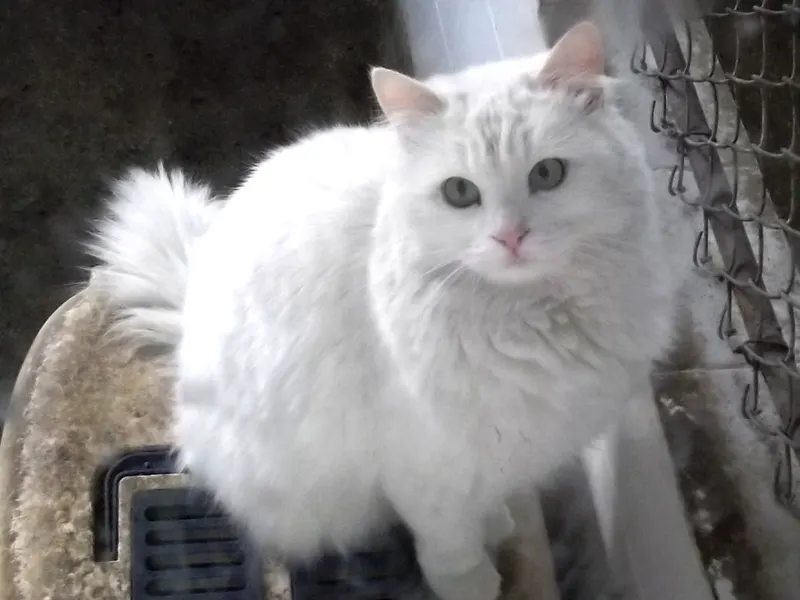
The Turkish Angora is a genuinely ancient breed native to the area around Ankara, Turkey (historically Angora), with European writings documenting it since at least the 1600s, when the breed's elegant, silky white coat made it a prized gift among European nobility and one of the earliest longhaired cats known in the West. The Ankara Zoo in Turkey maintained a dedicated breeding program for white, odd-eyed Turkish Angoras through much of the 20th century specifically to preserve the breed's traditional look, and the modern breed, now recognized in many colors beyond the traditional white, reached the US in the 1950s-60s through American servicemen and diplomats returning from Turkey. Beyond the Ankara Zoo's formal program, individual Turkish families in the breed's home region have informally kept and bred white Angoras for generations, meaning the breed's preservation in Turkey has always rested on both institutional and everyday grassroots efforts working in parallel.
Common health predispositions
- Congenital deafness (linked to white coat/blue-eye genetics)
- Hereditary ataxia (rare)
Temperament
Turkish Angoras are typically described as intelligent, active, and strongly bonded to their households — the breed tends to select a favorite person and follow them closely, while remaining generally playful and curious well into adulthood. They're often more assertive and vocal than a typical shorthaired breed, and many owners describe the Turkish Angora as having a genuine independent streak alongside its affectionate side, capable of entertaining itself but equally eager for interaction when a person is available. Turkish Angoras are often reported to enjoy heights more than most breeds, frequently choosing the top of a bookshelf, refrigerator, or door frame as a preferred resting spot, a trait some owners attribute to the breed's historically semi-outdoor, self-sufficient lifestyle in its native region.
Living with a Turkish Angora
The medium-long, fine, silky single coat lacks a dense undercoat, so two brushing sessions a week is generally plenty rather than a daily grooming chore. Congenital deafness is common enough in the breed to be a genuine concern, tracing to the same genetics behind a pure white coat and blue eyes — a pattern seen across many white cat breeds generally, not unique to the Turkish Angora, but worth testing for given how strongly the traditional white coloring is associated with the breed. A rare hereditary form of ataxia (loss of muscle coordination) has also been documented in some lines, and reputable breeders can speak to testing history. Because the breed is relatively lean and athletic compared with many other longhaired cats, Turkish Angoras generally need more interactive play and climbing opportunity than a purely sedentary longhaired breed like the Persian, and owners should plan for genuine daily engagement rather than assume a long coat automatically means a low-energy cat.
FAQ
Are all Turkish Angoras white?
No, though white was the traditional and historically most prized color — the modern breed standard now recognizes Turkish Angoras in a wide range of colors and patterns, even though the white, blue- or odd-eyed variety remains the one most associated with the breed's history.
Why are white Turkish Angoras sometimes deaf?
Congenital deafness is linked to the same genetics responsible for a pure white coat and blue eyes, a well-documented connection across many white cat breeds generally, not unique to the Turkish Angora — hearing testing is worth asking a breeder about for a white, blue-eyed kitten specifically.
Is the Turkish Angora the same breed as the Turkish Van?
No, though both are ancient Turkish breeds that likely share some regional ancestry — the Turkish Van is generally larger, has a distinctive auburn-and-white Van pattern coat limited mostly to the head and tail with a white body, and carries a well-documented reputation for genuinely enjoying water, while the Turkish Angora comes in a much wider range of colors and lacks that same strong water-loving reputation. The two developed in different regions of Turkey and are recognized as fully separate breeds by every major registry.
How did the Turkish Angora reach the United States?
Largely through American servicemen and diplomats stationed in Turkey during the 1950s-60s who brought cats back with them, seeding the breed's early American population before formal breed clubs and registries picked it up.
Do Turkish Angoras like to climb?
Yes, often more than expected for a longhaired breed — many individuals seek out high perches like bookshelves or door frames, a preference some owners attribute to the breed's historically semi-outdoor, self-sufficient lifestyle in its native Turkish region.
Is the Turkish Angora a high-energy breed?
Relatively, yes, compared with many other longhaired breeds — it's leaner and more athletic than a sedentary breed like the Persian, so a long coat shouldn't be mistaken for a low-energy temperament here.
Does the Turkish Angora have an undercoat like a Persian?
No — one of the defining features of the breed's coat is that it's single-layered, lacking the dense wool undercoat a Persian or Maine Coon carries, which is why the Turkish Angora's fur lies close to the body and mats far less despite its length. That lighter coat structure also means less overall shedding volume compared with double-coated longhaired breeds, even though regular brushing still helps keep it silky.
Related on FetchBreed
Care equipment for a Turkish Angora
As an Amazon Associate we earn from qualifying purchases made through these links, at no extra cost to you.
- Fine-tooth cat comb
The fine, silky single coat lacks a dense undercoat, so this page says two sessions a week is generally plenty rather than a daily chore.
- Tall cat tree
The page warns explicitly against assuming a long coat means a low-energy cat: Angoras need more interactive play and climbing opportunity than a sedentary longhair.
Whichever breed fits your life, consider adoption or breed-specific rescue first — many purebred and mixed-breed dogs and cats are already waiting for homes.
General breed information, not veterinary advice — consult a vet for your pet's specific health, diet, and behavior needs.