Cobby Body Type
Manx
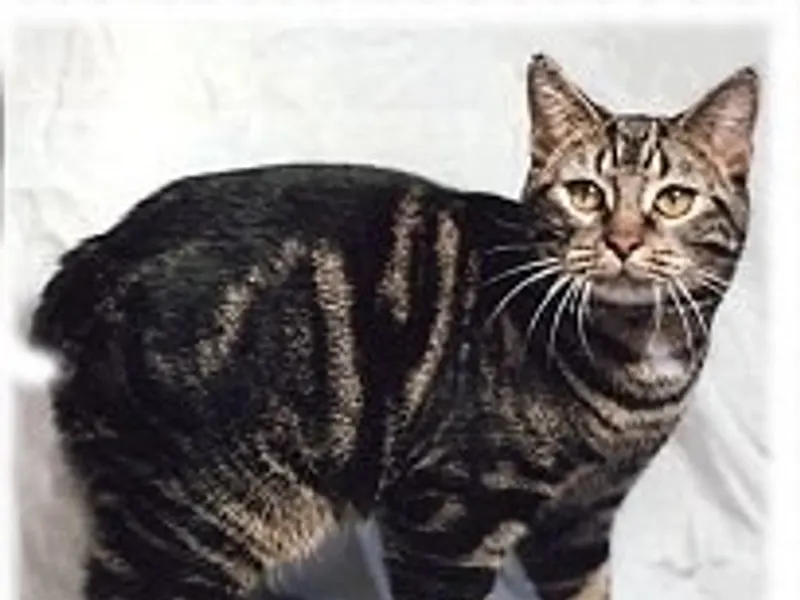
The Manx originates from the Isle of Man, a small island in the Irish Sea, where a spontaneous genetic mutation eliminating some or all of the tail became established in the island's isolated cat population, likely through generations of breeding within a limited local gene pool rather than any single dramatic origin event, despite various folk legends (including one claiming the cat's tail was shut in Noah's Ark door) that have grown up around the breed over time. The tailless trait ranges in expression from "rumpy" (no tail at all) to "stumpy" (a short partial tail) to "longy" (a nearly full-length tail), and the breed has been recognized in Western cat shows since the earliest organized competitions in the late 1800s. The breed's isolated island origin means the gene pool historically stayed relatively contained, and even today reputable Manx breeders on and off the Isle of Man maintain careful pedigree records specifically to track and manage the tailless gene's inheritance responsibly.
Common health predispositions
- Manx syndrome (spina bifida-like spinal cord/vertebral defects tied to the tailless gene)
- Constipation/megacolon in affected individuals
Temperament
Manx cats are typically described as intelligent, loyal, and notably dog-like in their willingness to follow commands, fetch toys, and bond closely with a particular person or household. Households with kids or other resident pets tend to suit the breed well, and many Manx retain a strong hunting and jumping instinct — the breed's powerful hindquarters, originally an adaptation for the tailless body's balance, give it real athletic jumping ability that surprises owners expecting a less physically capable cat. Manx cats often display a rounded, rabbit-like hopping gait when running at full speed, a distinctive movement pattern tied to the breed's unique hindquarter structure that owners frequently describe as one of the more visually memorable things about living with the breed.
Living with a Manx
Coat care is modest — a short, dense double coat needs only occasional brushing, though shedding can be moderate to heavy seasonally. The single most important health consideration in the breed is Manx syndrome: because the same gene responsible for the tailless trait also affects the development of the spinal cord and surrounding vertebrae, cats that inherit two copies of the gene (which happens when two "rumpy" tailless cats are bred together) can develop serious, sometimes fatal spina bifida-like defects, along with bladder, bowel, and mobility problems. Responsible breeders manage this by pairing tailless cats with longer-tailed "stumpy" or "longy" individuals rather than breeding two fully tailless cats together, and it's worth raising the topic directly with any Manx breeder — this is one of the more serious welfare considerations in the pedigreed cat world. Because of Manx syndrome's severity in affected kittens, responsible breeders typically don't sell fully tailless kittens younger than about four months old, using that window to confirm normal bladder, bowel, and mobility function before placing a kitten in a new home.
FAQ
What is Manx syndrome?
A serious condition where the same gene that produces the Manx's tailless trait also disrupts spinal cord and vertebral development when a kitten inherits two copies of the gene, leading to spina bifida-like defects and bladder, bowel, or mobility problems — it's one of the more significant welfare concerns in the breed, and responsible breeders avoid it by never pairing two fully tailless cats together.
Do all Manx cats have no tail at all?
No — the breed shows a genuine range, from "rumpy" (completely tailless) to "stumpy" (a short partial tail) to "longy" (a nearly full-length tail), and all variations can appear within the same litter depending on which combination of genes a kitten inherits.
Are Manx cats good jumpers despite having no tail?
Yes, often surprisingly so — the breed's powerful, well-muscled hindquarters, which likely developed partly to help balance the body without a tail, give many Manx cats real jumping ability that can catch owners off guard who assume a tailless cat would be less physically capable.
Where does the Manx cat come from?
The Isle of Man, a small island in the Irish Sea, where the tailless mutation became established in the local cat population over generations of breeding within a relatively isolated, limited gene pool — several colorful folk legends about the tail's disappearance exist, but none are historically verified.
Why do Manx cats sometimes have a distinctive hopping run?
It's tied to the breed's unique hindquarter structure and longer hind legs relative to the front, which developed partly to help balance the tailless body — many Manx cats show a distinctive rounded, rabbit-like gait when running at full speed.
Why do responsible Manx breeders wait to sell tailless kittens?
Because Manx syndrome symptoms related to spinal cord and bladder or bowel function can take a few months to become apparent, responsible breeders typically hold fully tailless kittens until around four months old to confirm normal function before placing them in new homes.
Related on FetchBreed
Whichever breed fits your life, consider adoption or breed-specific rescue first — many purebred and mixed-breed dogs and cats are already waiting for homes.
General breed information, not veterinary advice — consult a vet for your pet's specific health, diet, and behavior needs.