Semi-foreign Body Type
Chantilly-Tiffany
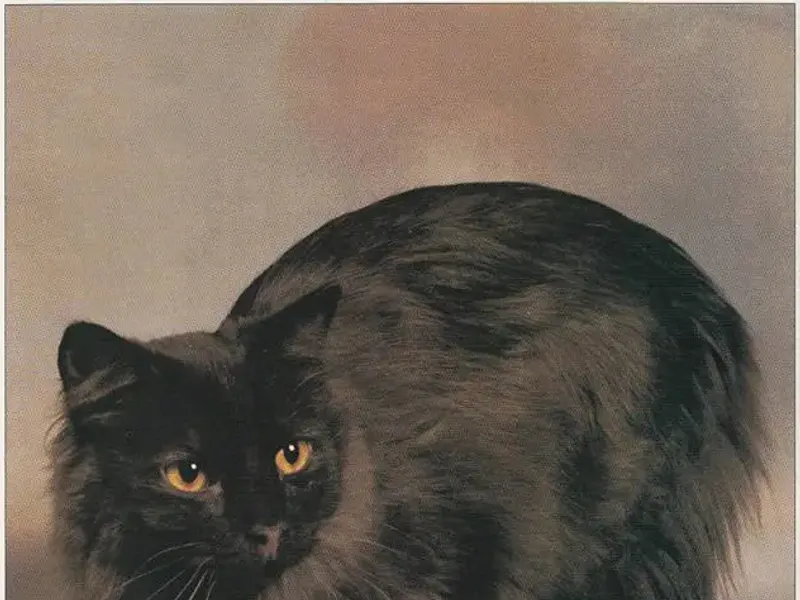
The Chantilly-Tiffany traces to a pair of cats, Thomas and Shirley, purchased in the early 1960s by American breeders Jennie Robinson and Sigyn Lund from an estate sale following a New York breeder's death, with the exact prior ancestry of the two cats never fully documented — a genuine, acknowledged gap in the breed's founding history rather than a settled origin story. Robinson and Lund were struck by the cats' rich, solid chocolate-brown, semi-long coat and began a deliberate breeding program around it; the breed has gone through several name changes over the decades (including Foreign Longhair and Tiffany before settling on Chantilly-Tiffany) and remains genuinely rare, recognized by only a handful of smaller registries. Some cat-fancy historians have speculated the founding cats, Thomas and Shirley, may have carried Burmese or Havana Brown ancestry given their coat color and texture, but without documented pedigree records, this remains an informed guess rather than a confirmed lineage.
Common health predispositions
- Generally healthy; small founding gene pool is a genuine ongoing breeder concern
Temperament
Chantilly-Tiffanys are typically described as affectionate, gentle, and moderately vocal, often forming close one-on-one bonds with a particular household member while remaining generally friendly with the rest of the family. They tend to be playful without the high-intensity energy of a genuinely active breed, and many owners describe the temperament as a comfortable, undemanding middle ground — interactive enough to be engaging, calm enough not to require constant stimulation. Chantilly-Tiffanys are also known for a somewhat delayed but genuine vocalization style — the breed doesn't meow constantly, but many individuals develop a distinctive, soft, chirping voice they use selectively to communicate specific needs.
Living with a Chantilly-Tiffany
The medium-long, silky, low-shedding coat is a moderate rather than intensive commitment — lacking the dense undercoat that makes some longhaired breeds mat so readily, it stays tidy with a couple of brushing sessions weekly. Because the breed's exact founding ancestry was never fully documented and its population has always been small, its genetic diversity is a real, ongoing concern that breeders actively work to manage; the Chantilly-Tiffany is not associated with any single well-documented breed-specific health condition the way some more established breeds are, but that absence partly reflects how few long-term studies exist for such a small population rather than a confirmed clean bill of health. Because the breed's small population and multiple historical name changes have made comprehensive record-keeping genuinely difficult, prospective buyers should expect real variation in how consistently different breeders describe or classify their cats, and asking directly about a specific breeder's registry affiliation is a reasonable, useful step.
FAQ
Is the full history of the Chantilly-Tiffany breed known?
No, genuinely not — the breed's two founding cats, Thomas and Shirley, were acquired from an estate sale in the early 1960s with their prior ancestry never fully documented, an acknowledged gap in the breed's history rather than a settled, complete origin story.
Why has the Chantilly-Tiffany changed names over the years?
The breed has been known under several names over the decades, including Foreign Longhair and Tiffany, before settling on Chantilly-Tiffany, reflecting both evolving registry classifications and the breed's relatively low profile compared with more established, consistently-named breeds.
Is the Chantilly-Tiffany recognized by major registries like CFA?
Not widely — the breed remains genuinely rare and is recognized by only a handful of smaller registries rather than the major organizations like CFA, making it one of the harder breeds to find through conventional channels.
Does the Chantilly-Tiffany have a small gene pool?
Yes, genuinely — because the breed's population has always been small and its founding ancestry only partially documented, genetic diversity is an ongoing, real concern that breeders actively work to manage rather than a settled non-issue.
Why does the Chantilly-Tiffany have so few registered breeders?
The breed's population has stayed small for decades in part because it isn't recognized by CFA, the largest US cat registry, limiting its visibility and appeal to breeders focused on mainstream show competition; instead it holds recognition mainly through smaller registries like TICA and ACFA, which draws a correspondingly smaller pool of dedicated breeders. That limited breeder base makes the Chantilly-Tiffany one of the harder purebred cats to actually locate for anyone specifically seeking one out, often requiring a genuine wait list.
Are Chantilly-Tiffany cats vocal?
Selectively, rather than constantly — many individuals develop a distinctive, soft chirping voice they use to communicate specific needs, rather than the frequent, insistent vocalization typical of a breed like the Siamese.
What colors do Chantilly-Tiffany cats come in?
The breed is best known for a solid chocolate-brown coat with gold eyes, though cinnamon, black, blue, lilac, and cream variants have appeared in breeding lines over the decades as records were reconstructed. Because so much of the breed's early paperwork was lost, some registries remain more conservative about which of these colors they'll accept onto a show bench compared with the original chocolate.
Related on FetchBreed
Whichever breed fits your life, consider adoption or breed-specific rescue first — many purebred and mixed-breed dogs and cats are already waiting for homes.
General breed information, not veterinary advice — consult a vet for your pet's specific health, diet, and behavior needs.