Semi-foreign Body Type
Turkish Van
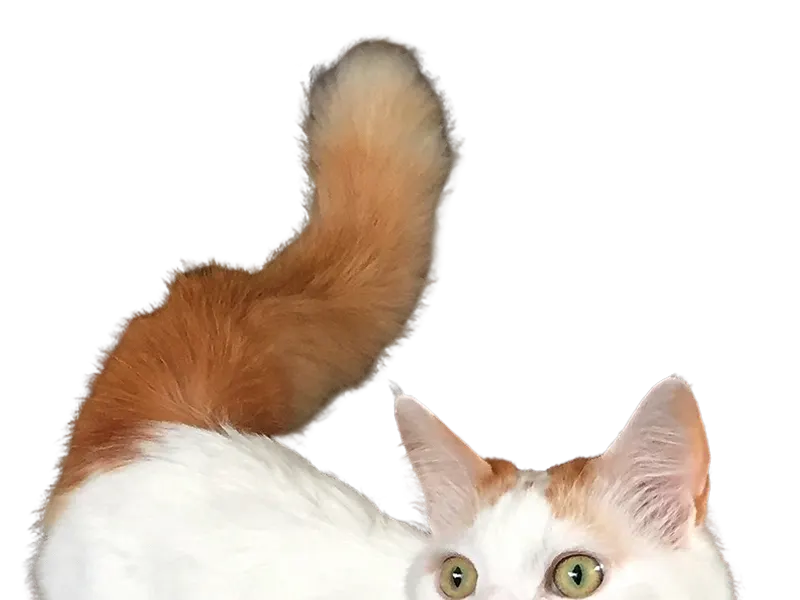
The Turkish Van is an ancient, naturally-occurring breed from the region around Lake Van in eastern Turkey, distinguished by a striking mostly-white coat with color confined to the head and tail (the "Van pattern") and by a well-documented, unusually strong enthusiasm for water and swimming among individuals of the breed — a genuinely reported trait rather than folklore, likely tied to the semi-arid Lake Van region's climate and the breed's water-resistant coat structure. British breeders Laura Lushington and Sonia Halliday are credited with bringing the first Turkish Vans to the West in the 1950s after encountering the type during travels in Turkey, and the breed reached full recognition through the following decades. Lushington and Halliday reportedly first became interested in the breed after being given two Van-pattern kittens as a gift during their travels, only later realizing how consistently the water-loving trait and coat pattern appeared across the wider regional cat population near Lake Van.
Common health predispositions
- Congenital deafness (linked to white coat/blue-eye genetics)
- Cardiomyopathy (occasionally documented)
Temperament
Turkish Vans are typically described as intelligent, athletic, and strongly bonded to their households, with a notably high energy level for a longhaired breed — this is not a passive lap-cat type, and many individuals retain real climbing and jumping enthusiasm well into adulthood. They tend to be affectionate but somewhat independent, choosing when to engage rather than constantly seeking attention, and their well-documented fondness for water means many owners find their Van investigating running faucets, bathtubs, or even joining them in the shower. Turkish Vans often retain a notably independent streak alongside their athleticism, and some owners describe the breed as more cat-directed in its daily routine than a constantly attention-seeking breed, engaging enthusiastically on its own terms rather than following a person everywhere.
Living with a Turkish Van
The semi-long, cashmere-like single coat lacks a dense undercoat and has a naturally water-resistant texture, which combined with its single-layer structure means it resists matting better than many longhaired breeds and needs only a couple of brushings a week. As with other predominantly white breeds, congenital deafness linked to the white coat and blue-eye genetics is a documented concern worth testing for, and cardiomyopathy has also been occasionally noted in the breed's health literature. Because Turkish Vans are large, athletic, and genuinely enjoy water, some owners provide a shallow water feature or simply allow supervised access to a sink or tub as an enrichment outlet the breed appreciates more than most cats would. Because the breed is so large and athletic, Turkish Vans benefit from tall cat trees and secure climbing space, and given their well-documented water enthusiasm, some owners find a shallow, supervised water feature genuinely improves the cat's day-to-day enrichment more than it would for most other breeds.
FAQ
Do Turkish Van cats really like water?
Yes, genuinely — it's a well-documented breed trait rather than folklore, likely tied to the semi-arid climate around the breed's native Lake Van region in Turkey and the coat's naturally water-resistant structure, and many owners report their Van investigating faucets, tubs, or even joining them in the shower.
What is the 'Van pattern'?
A coat pattern with color confined mainly to the head and tail over an otherwise all-white body, the defining visual trait the Turkish Van breed is named for and one of the breed standard's central identifying features.
How big do Turkish Van cats get?
Large for a domestic breed, with males sometimes reaching close to 20 lbs, and the breed's athletic, muscular build reflects its history as an active, semi-wild landrace cat rather than a purely ornamental companion type.
Is deafness common in Turkish Van cats?
It's a documented concern linked to the white coat and blue-eye genetics common in the breed, the same connection seen across many predominantly white cat breeds generally, and testing hearing in white, blue-eyed kittens specifically is a reasonable precaution.
How did Turkish Vans first reach the West?
British breeders Laura Lushington and Sonia Halliday encountered the type during travels in Turkey in the 1950s, reportedly first given two Van-pattern kittens as a gift, and only later recognized how consistently the coat pattern and water-loving trait appeared across the wider regional cat population near Lake Van.
Are Turkish Vans clingy or independent?
Generally more independent than clingy — many owners describe the breed as engaging enthusiastically on its own terms rather than constantly seeking attention, a trait consistent with its history as a semi-wild, self-sufficient regional landrace cat.
What makes the Turkish Van's coat well-suited to getting wet?
Like the Turkish Angora, the Van's semi-longhaired coat lacks a dense woolly undercoat, and the individual hairs carry a cashmere-like, water-resistant texture that sheds moisture rather than soaking it up the way a double coat would. That's part of the practical basis behind the breed's well-documented enthusiasm for water, since a Van's coat dries out relatively quickly and doesn't weigh the cat down the way a heavier coat would after a swim.
Related on FetchBreed
Care equipment for a Turkish Van
As an Amazon Associate we earn from qualifying purchases made through these links, at no extra cost to you.
- Tall cat tree
Because Turkish Vans are large and athletic, this page says they benefit from tall cat trees and secure climbing space.
- Cat water fountain
The page's own enrichment suggestion for this breed is water: its well-documented water enthusiasm makes a moving water source matter more here than it would for most cats.
Whichever breed fits your life, consider adoption or breed-specific rescue first — many purebred and mixed-breed dogs and cats are already waiting for homes.
General breed information, not veterinary advice — consult a vet for your pet's specific health, diet, and behavior needs.