High Energy Dogs
Every breed on this list shares a specific origin story: they were developed to perform sustained physical labor for hours at a stretch, whether that's herding livestock across open terrain, retrieving downed birds through cold water repeatedly over a hunting day, or pulling sleds across long distances, and that working history didn't disappear when the breed moved from job to household pet. High energy in a dog isn't restlessness for its own sake — it's a genuine physiological and behavioral need for sustained daily exertion, often an hour or more of real aerobic activity, that if unmet reliably shows up as destructive chewing, excessive barking, escape attempts, or anxious pacing. Herding breeds — Border Collies, Australian Shepherds, Belgian Malinois — sit at the extreme end of this list for a reason worth understanding rather than just accepting: these breeds were selected not just for physical stamina but for intense visual focus and quick reactive decision-making while working stock, and that combination of high physical drive plus high mental drive is what makes them simultaneously among the most trainable and among the most likely to develop serious behavioral problems in an underexercised home. A Border Collie given a demanding job — agility, herding trials, structured daily training — tends to be a remarkably stable, easy dog; the same breed with only a daily walk frequently develops fixations, reactivity, or obsessive behaviors that owners mistake for a temperament flaw rather than an unmet need. Sporting breeds bred for hunting — pointers, setters, spaniels, retrievers in their field lines specifically — carry a somewhat different high-energy profile, often more social and less obsessive-focused than herding breeds but still requiring genuine off-leash running, swimming, or retrieving work rather than leash walks alone to feel satisfied. Northern working breeds like Huskies and Malamutes add a further wrinkle: bred to pull for hours in cold climates, they combine high energy with an independent, sometimes stubborn working style that resists the more biddable training response seen in retrievers, meaning the exercise commitment and the training commitment are both demanding here rather than one offsetting the other. Inclusion on this list is based on documented breed-standard exercise requirements exceeding roughly sixty minutes of vigorous daily activity, historical working purpose, and consistent behaviorist consensus that under-exercise in the breed correlates with specific, well-documented behavior problems rather than generic restlessness. It's worth being honest that "high energy" is not automatically a harder trait to live with — it's a trait that requires a specific kind of household, one with genuine time, space, or access to structured outlets like dog sports, hiking, or a securely fenced yard for real running. The households that do best with a high-energy breed are ones actively looking for a training or athletic partner, not simply people with a big yard, since a yard alone doesn't provide the mental engagement many of these breeds need as much as the physical outlet. Owners considering a breed from this list should honestly audit their own weekly schedule against the breed's real exercise floor before falling for a puppy's looks, since a mismatch here is one of the most common reasons high-energy breeds end up surrendered to shelters or rescues in adolescence. Beyond the herding and sporting breeds already covered, a few additional high-energy breeds deserve mention for anyone building a genuinely complete shortlist: the Australian Shepherd combines herding-bred intensity with strong trainability, the Brittany brings a sporting breed's stamina in a somewhat more compact frame than a full-sized pointer, and the Jack Russell Terrier packs a genuinely demanding exercise and mental-stimulation requirement into a small body that regularly surprises owners who assumed small size meant modest needs. Dog sports deserve a more concrete mention here as the structured outlet these breeds are best matched to: agility (obstacle course work against time), flyball (a relay-style retrieving sport), dock diving (distance and height jumping into water), and herding trials (for breeds with genuine herding instinct, working actual or simulated livestock) all give a high-energy breed's drive a genuine, structured job, often with active local clubs that welcome newcomers regardless of competitive ambition. Many owners of high-energy breeds report that a weekly structured class or practice session, combined with daily exercise, does more for behavioral stability than daily exercise alone, since it engages the mental problem-solving component these breeds' working history also selected for alongside raw physical stamina. It's worth naming a specific, low-cost enrichment option that complements physical exercise for high-energy breeds: a flirt pole (a long pole with a lure attached by a cord, essentially a giant cat-toy-style wand for dogs) lets an owner give a high-drive dog an intense, genuinely tiring chase-and-catch session in a small backyard space in far less time than an equivalent walk would take, making it a particularly useful tool for owners with limited time or space who still need to meet a high-energy breed's real exercise floor on a busy day.
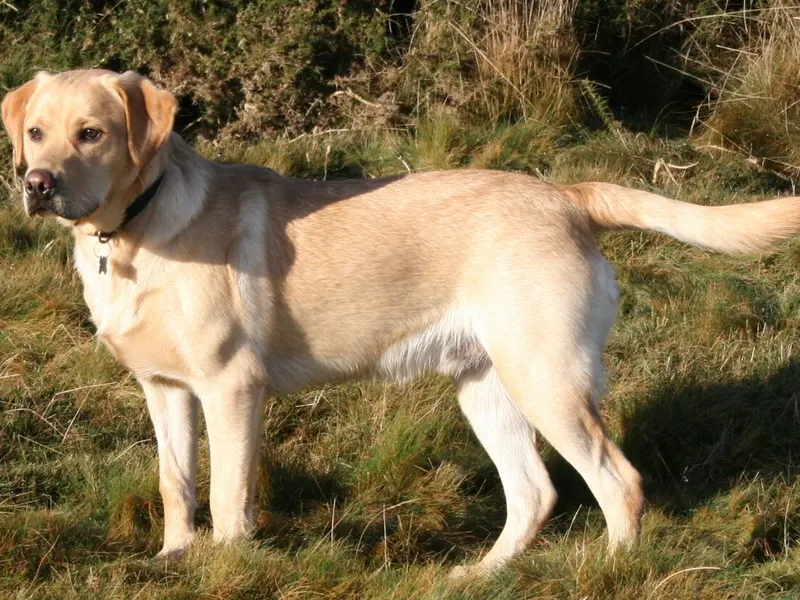
Labrador Retriever
Sporting
55–80 lbs · 10–12 yrs
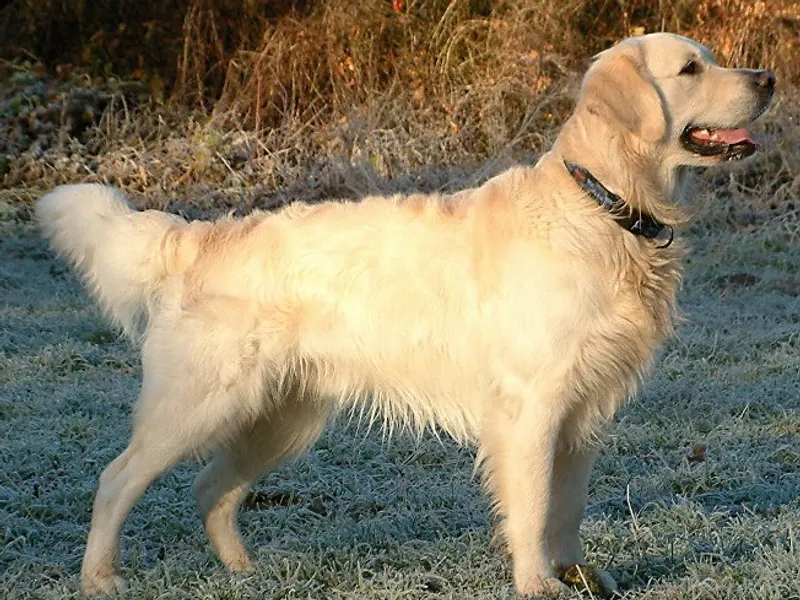
Golden Retriever
Sporting
55–75 lbs · 10–12 yrs
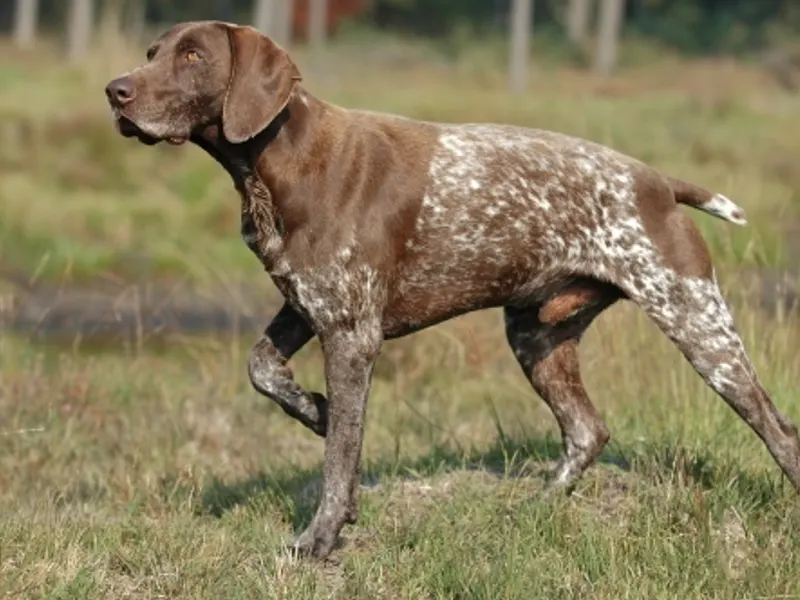
German Shorthaired Pointer
Sporting
45–70 lbs · 10–12 yrs
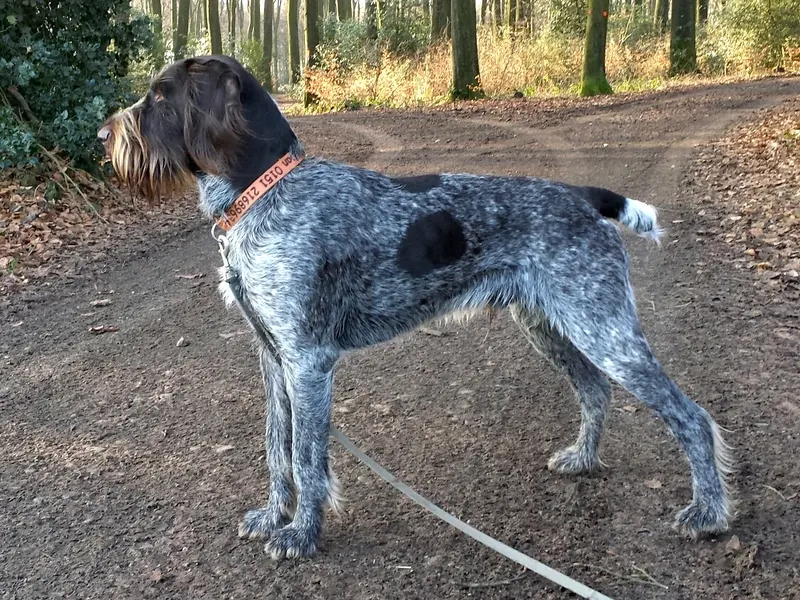
German Wirehaired Pointer
Sporting
50–70 lbs · 12–14 yrs
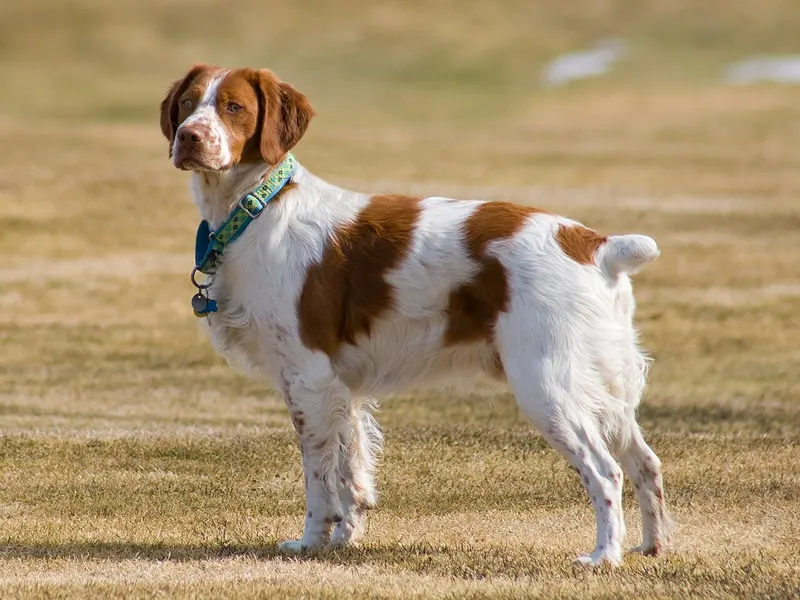
Brittany
Sporting
30–40 lbs · 12–14 yrs
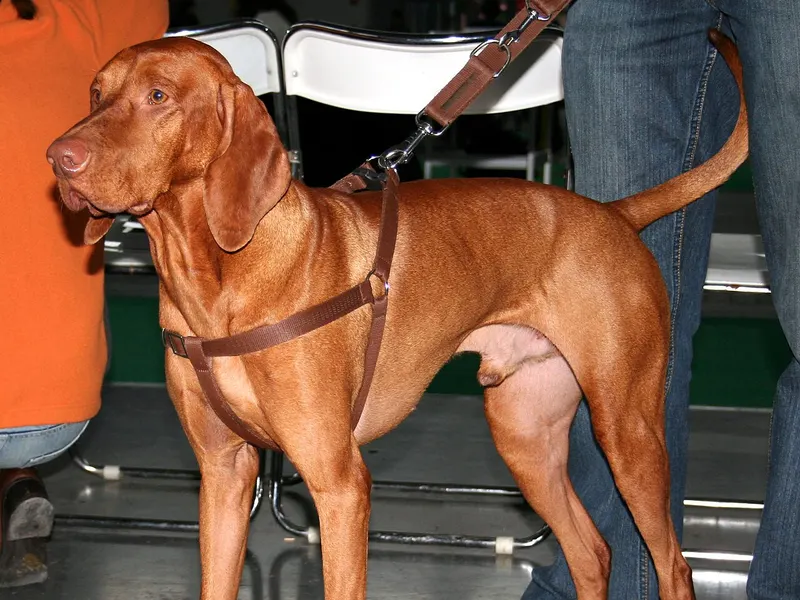
Vizsla
Sporting
44–60 lbs · 12–14 yrs
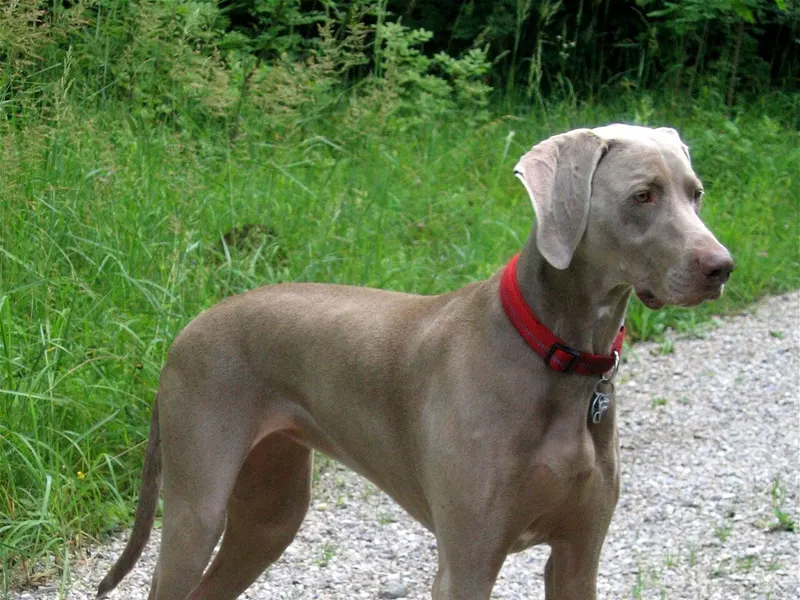
Weimaraner
Sporting
55–90 lbs · 10–13 yrs
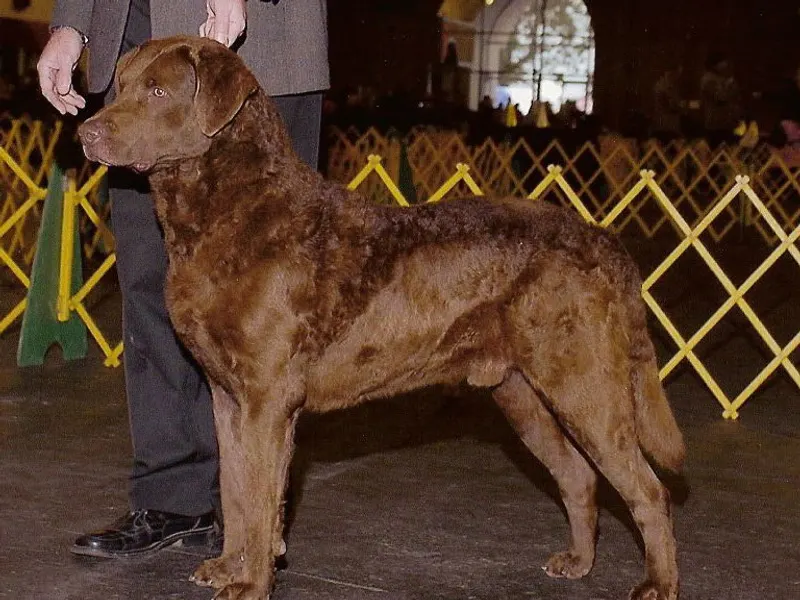
Chesapeake Bay Retriever
Sporting
55–80 lbs · 10–13 yrs
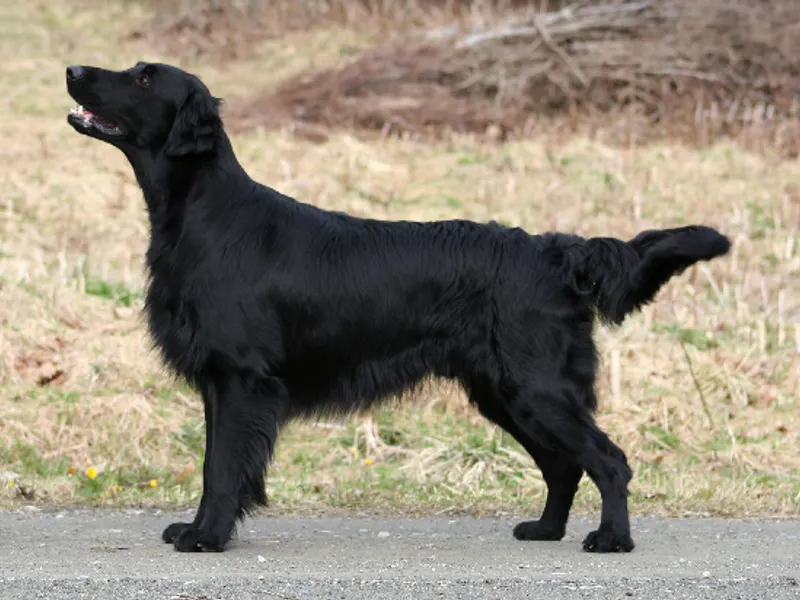
Flat-Coated Retriever
Sporting
55–70 lbs · 8–10 yrs
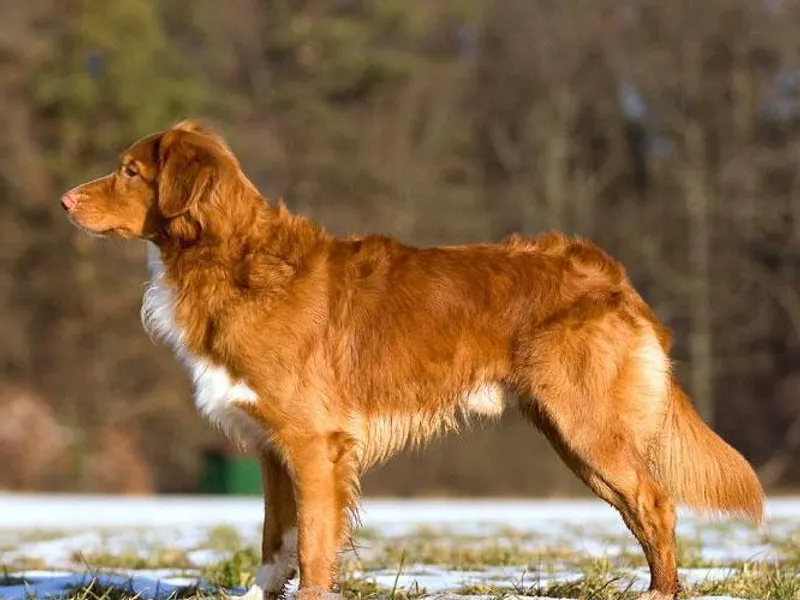
Nova Scotia Duck Tolling Retriever
Sporting
35–50 lbs · 12–14 yrs
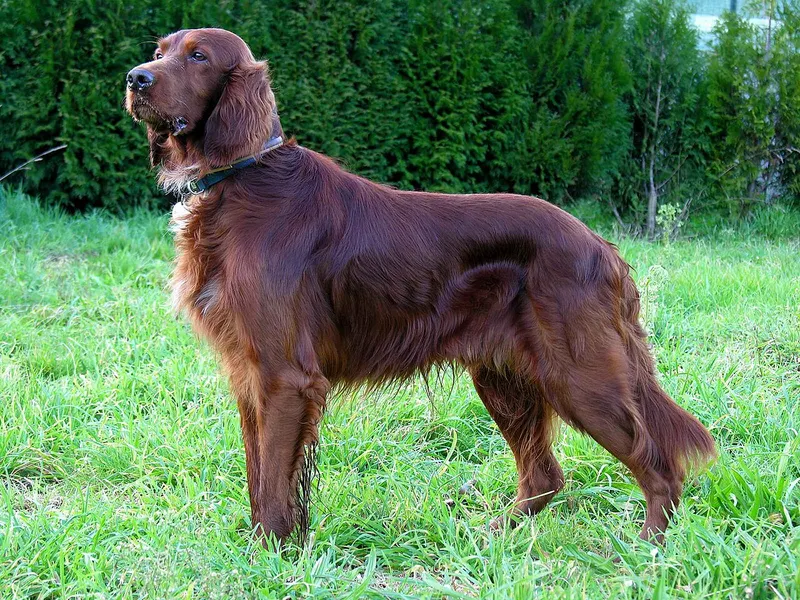
Irish Setter
Sporting
60–70 lbs · 12–15 yrs
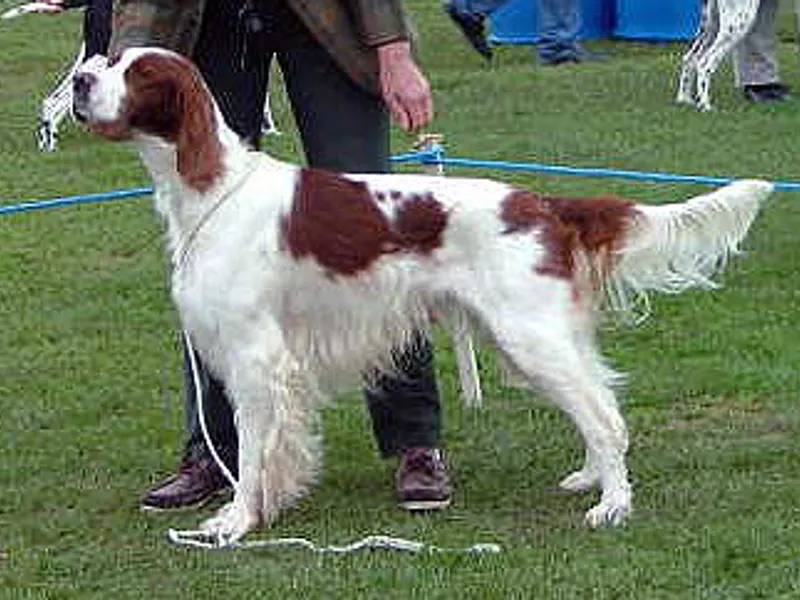
Irish Red and White Setter
Sporting
45–70 lbs · 11–13 yrs
Pointer
Sporting
45–75 lbs · 12–17 yrs
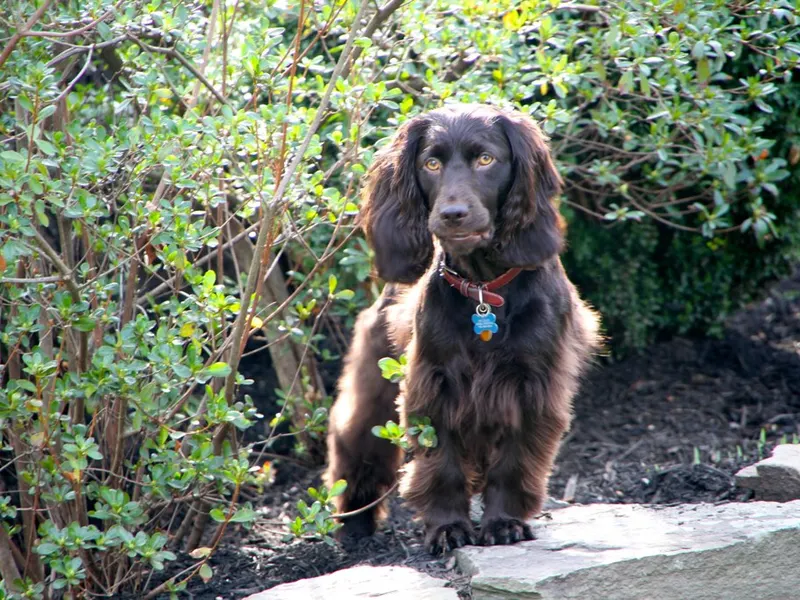
Boykin Spaniel
Sporting
25–40 lbs · 10–15 yrs
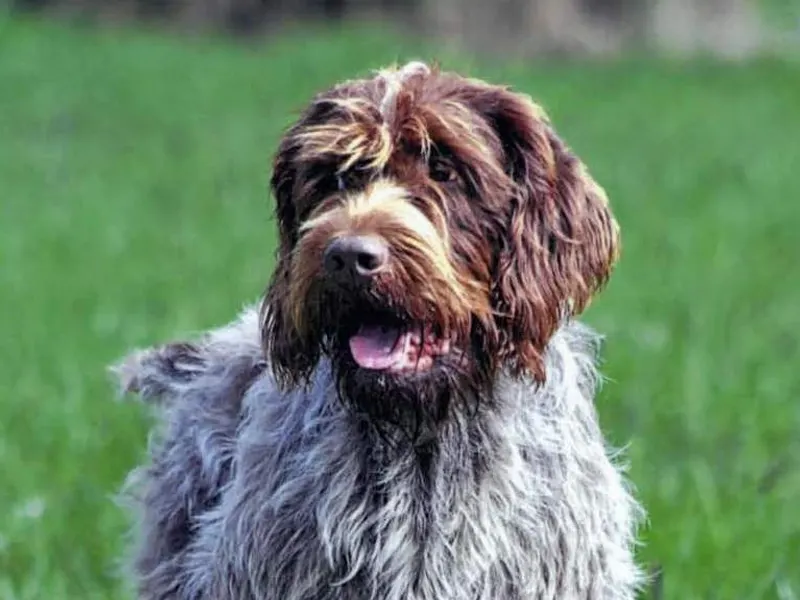
Wirehaired Pointing Griffon
Sporting
35–70 lbs · 12–14 yrs
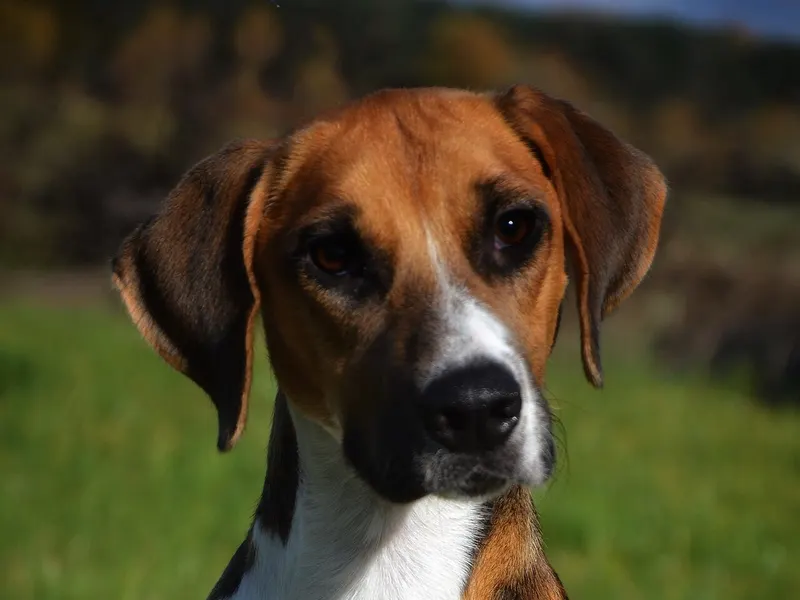
Harrier
Hound
45–60 lbs · 10–12 yrs
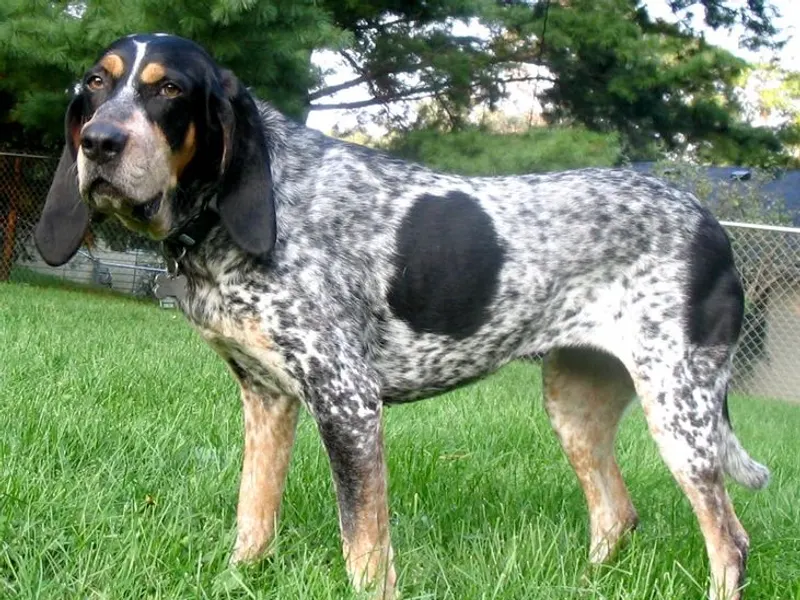
Bluetick Coonhound
Hound
45–100 lbs · 11–12 yrs
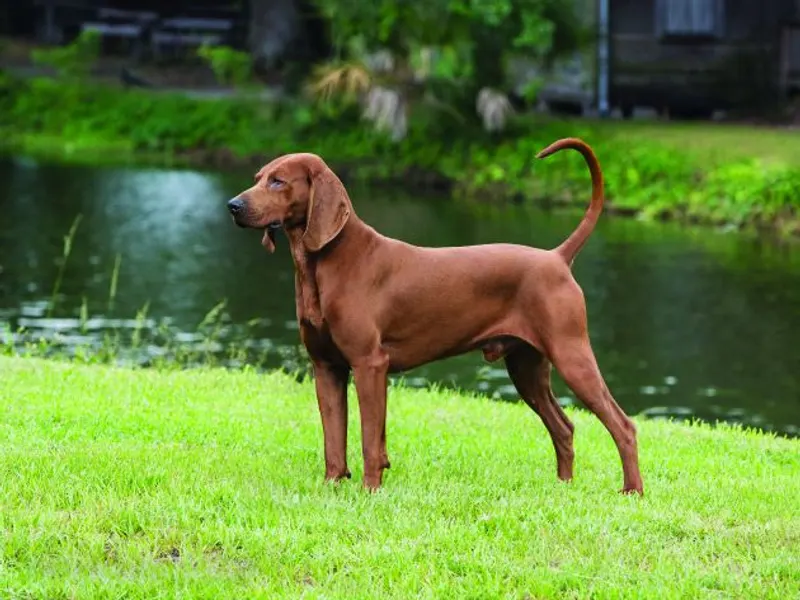
Redbone Coonhound
Hound
45–70 lbs · 12–15 yrs
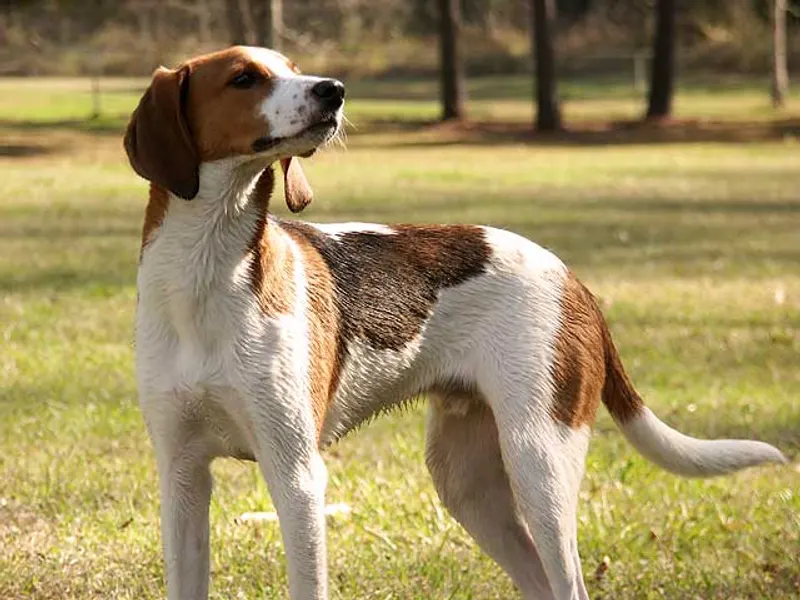
Treeing Walker Coonhound
Hound
50–70 lbs · 12–13 yrs
American English Coonhound
Hound
45–65 lbs · 11–12 yrs
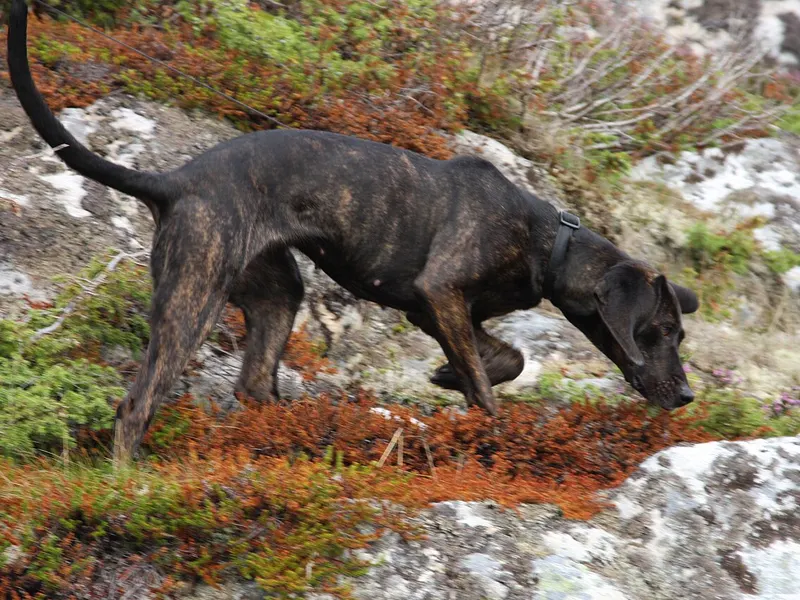
Plott Hound
Hound
40–60 lbs · 12–14 yrs
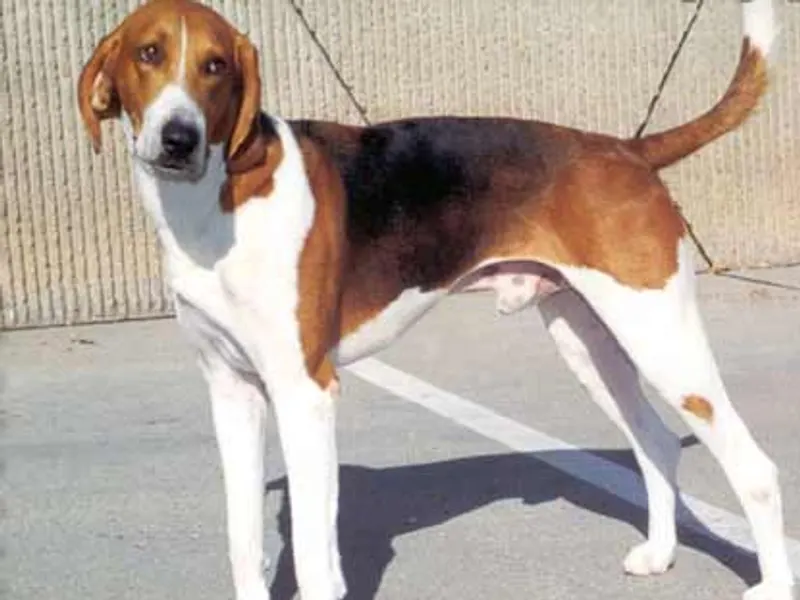
American Foxhound
Hound
45–70 lbs · 11–13 yrs
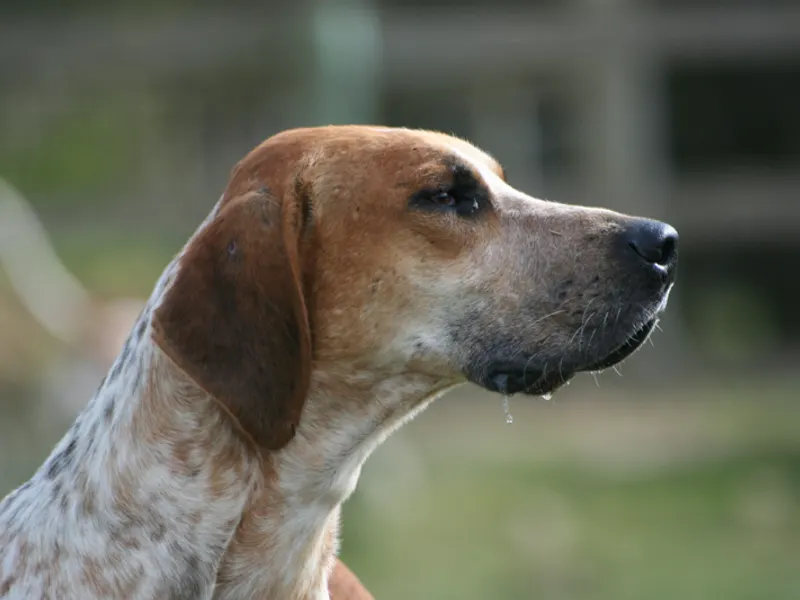
English Foxhound
Hound
55–75 lbs · 10–13 yrs
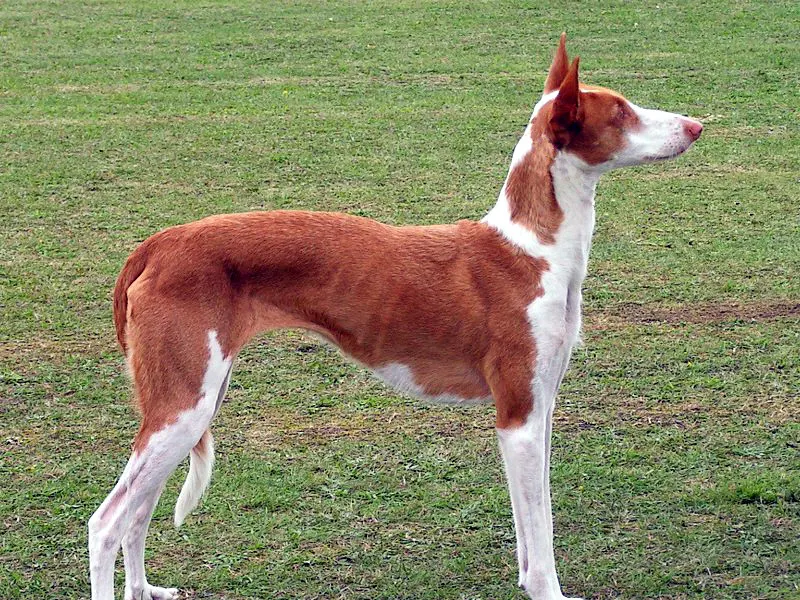
Ibizan Hound
Hound
45–50 lbs · 11–14 yrs
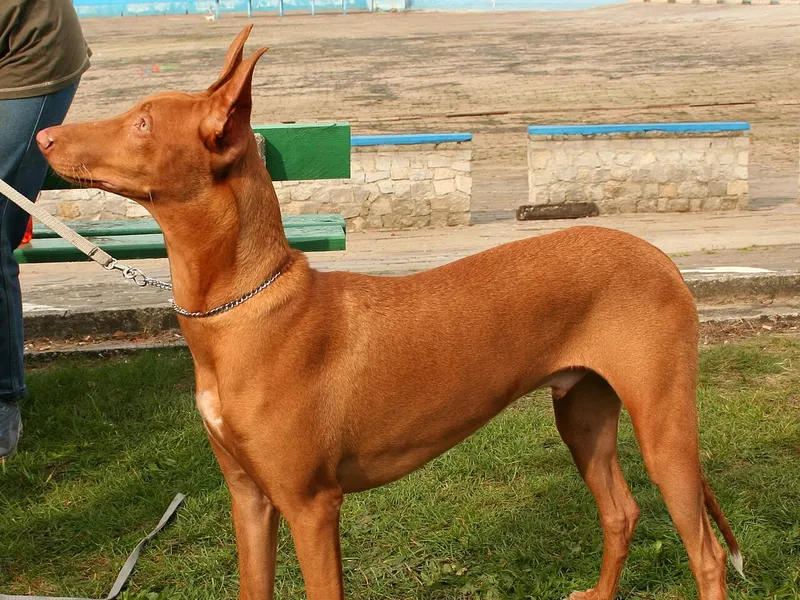
Pharaoh Hound
Hound
45–55 lbs · 11–14 yrs
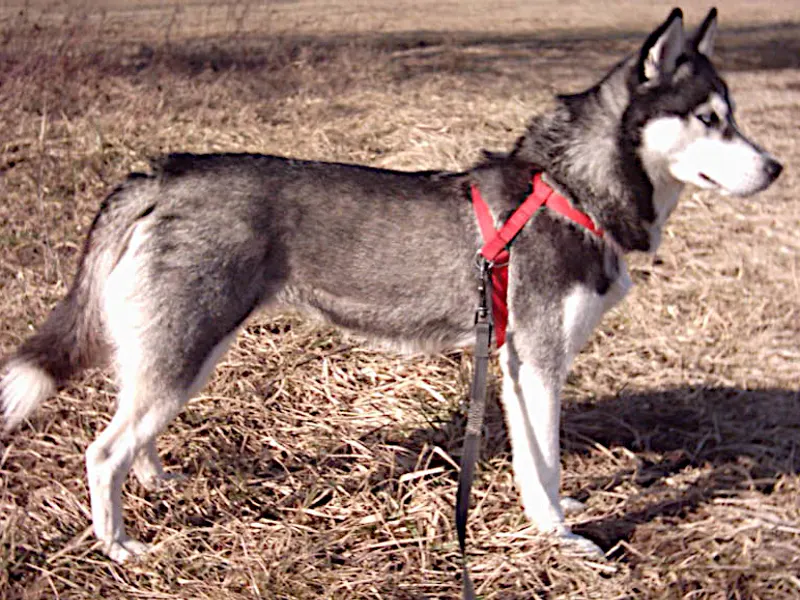
Siberian Husky
Working
35–60 lbs · 12–14 yrs
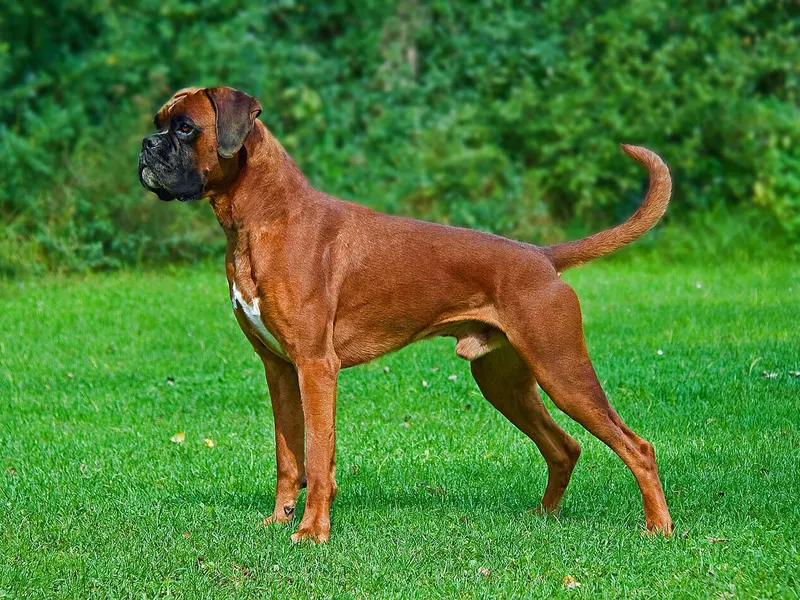
Boxer
Working
50–80 lbs · 10–12 yrs
Doberman Pinscher
Working
60–100 lbs · 10–13 yrs
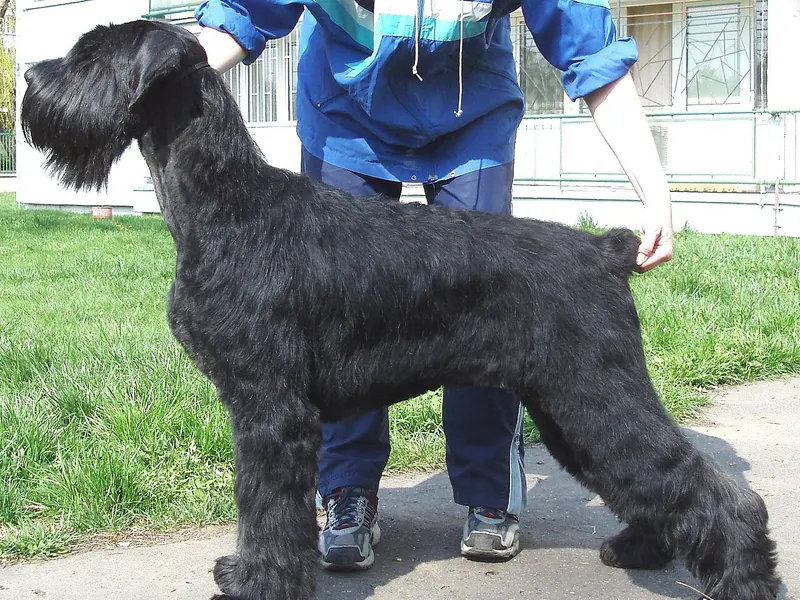
Giant Schnauzer
Working
55–85 lbs · 12–15 yrs
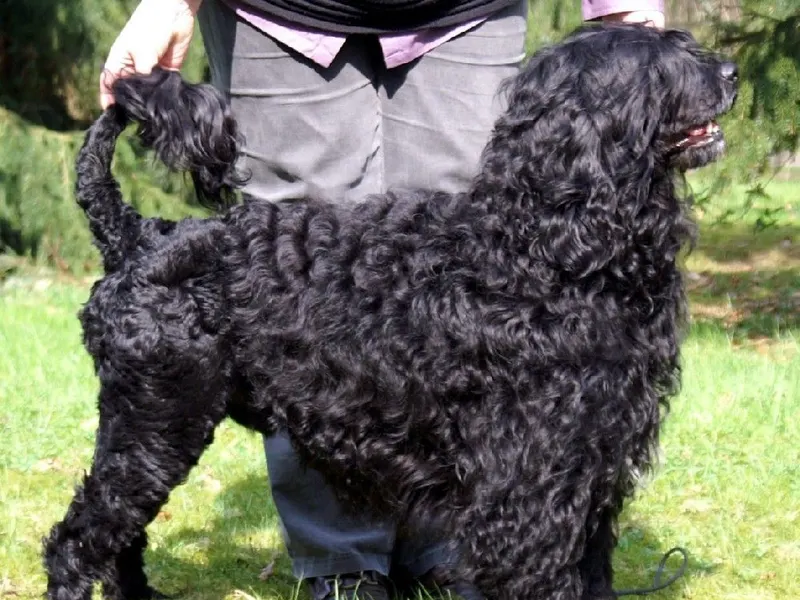
Portuguese Water Dog
Working
35–60 lbs · 11–13 yrs
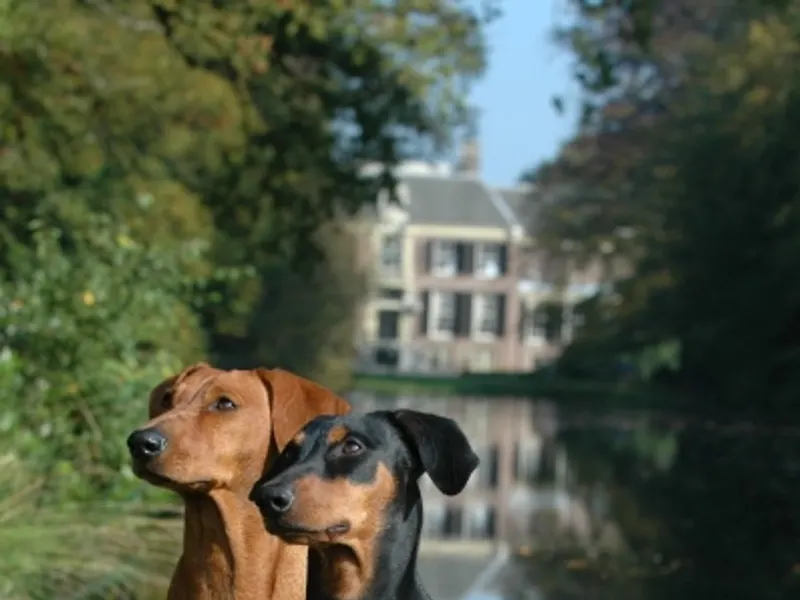
German Pinscher
Working
25–45 lbs · 12–14 yrs
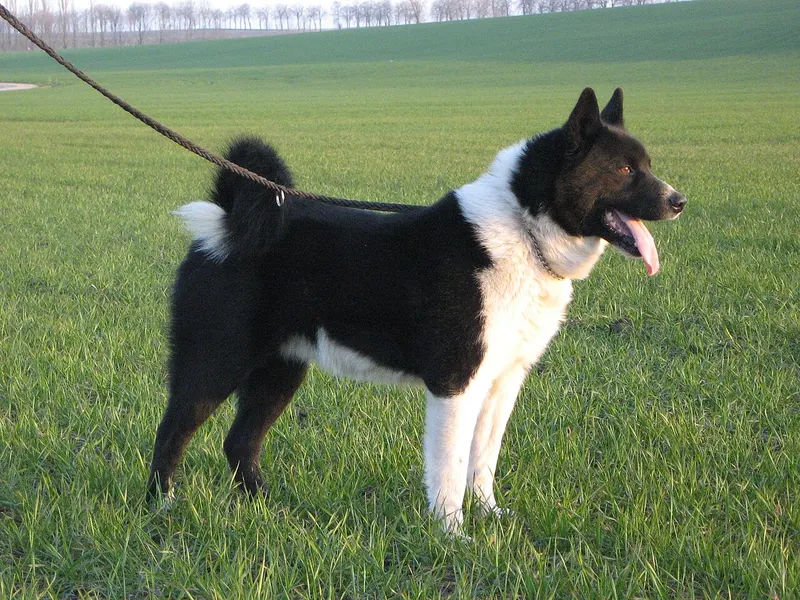
Karelian Bear Dog
Working
44–50 lbs · 11–13 yrs
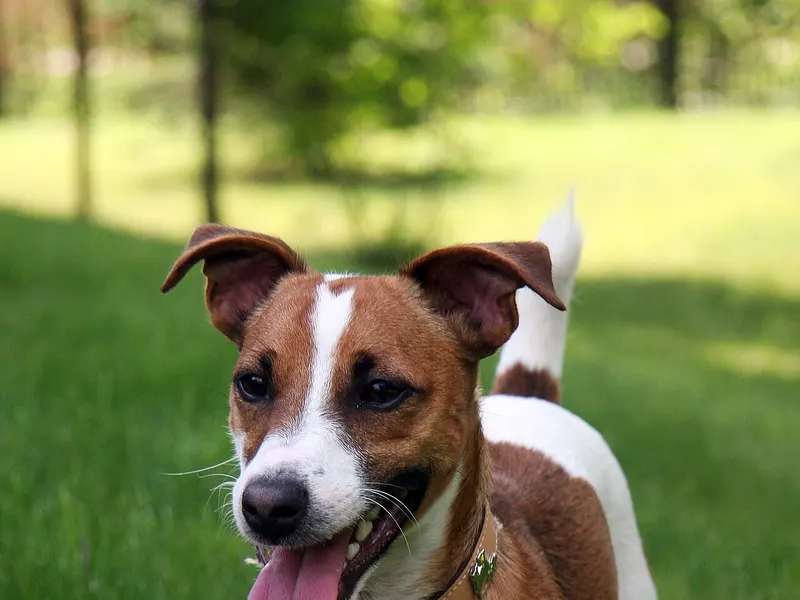
Jack Russell Terrier
Terrier
9–15 lbs · 13–16 yrs
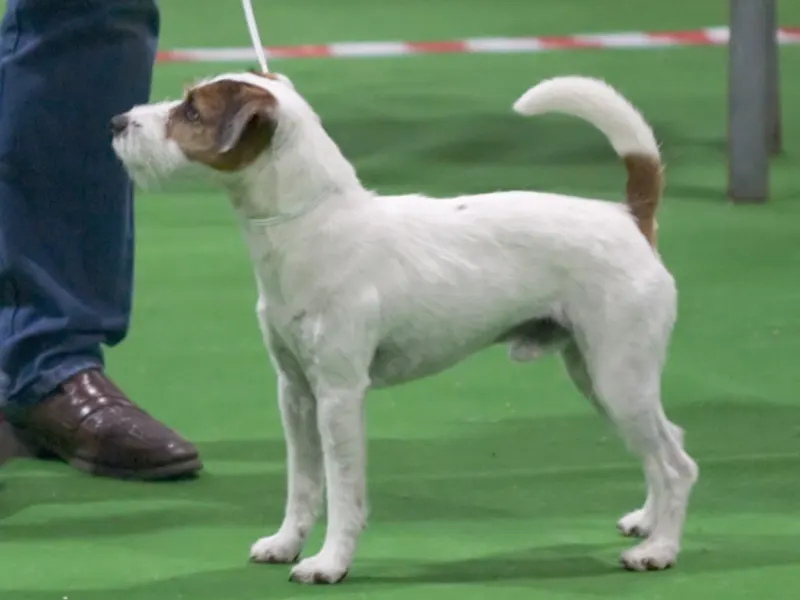
Parson Russell Terrier
Terrier
13–17 lbs · 13–15 yrs
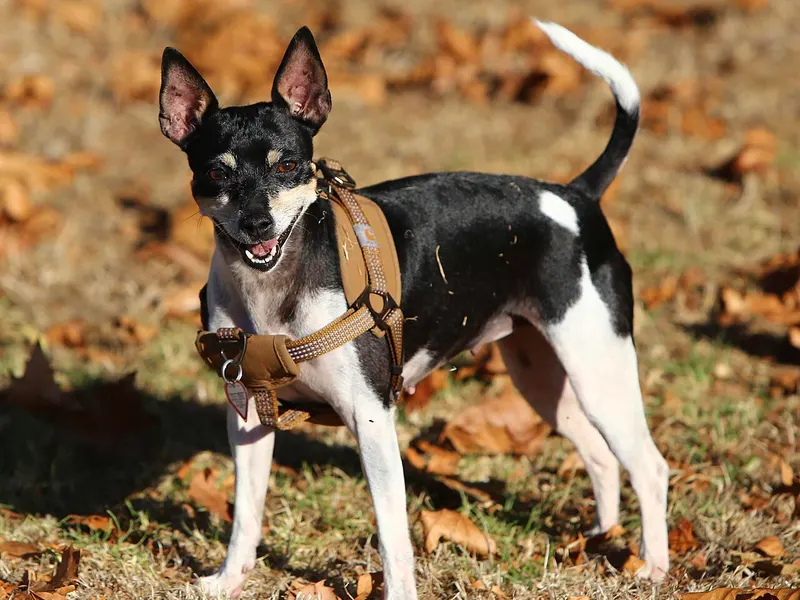
Rat Terrier
Terrier
10–25 lbs · 15–18 yrs
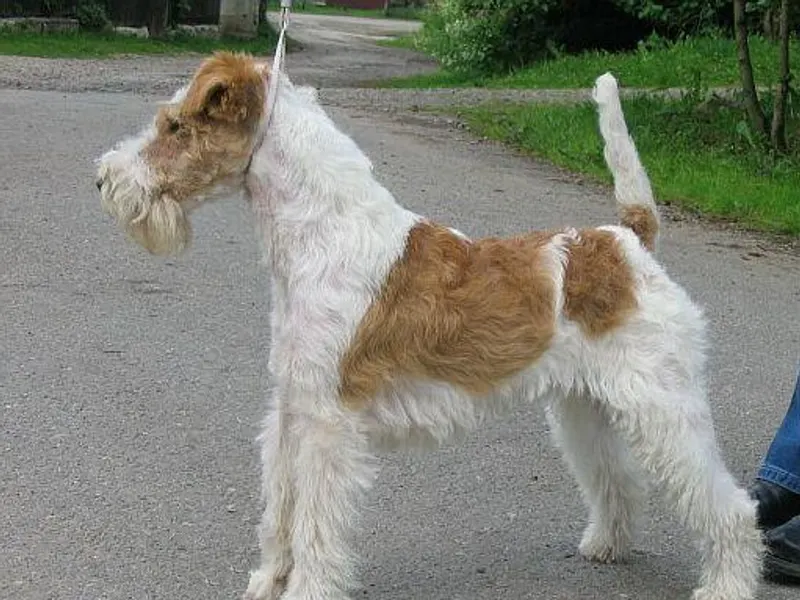
Wire Fox Terrier
Terrier
15–19 lbs · 12–15 yrs
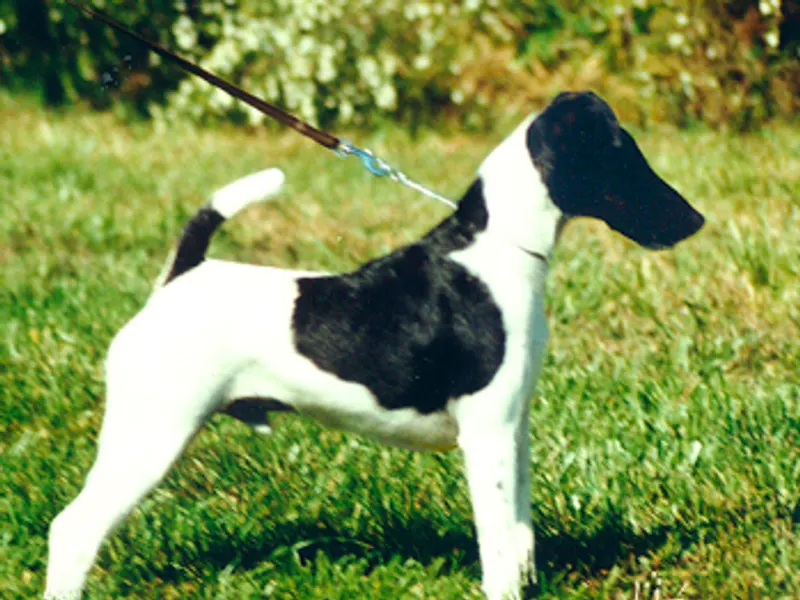
Smooth Fox Terrier
Terrier
15–18 lbs · 12–15 yrs
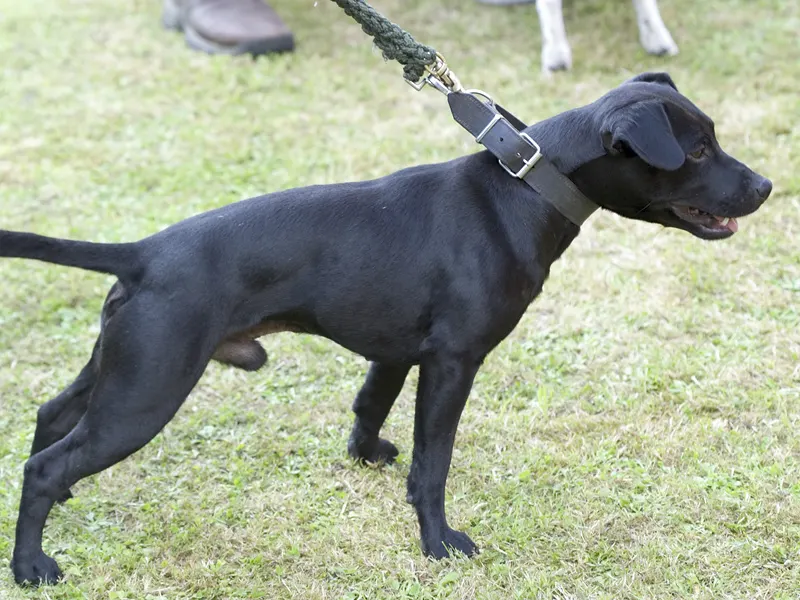
Patterdale Terrier
Terrier
11–13 lbs · 11–13 yrs
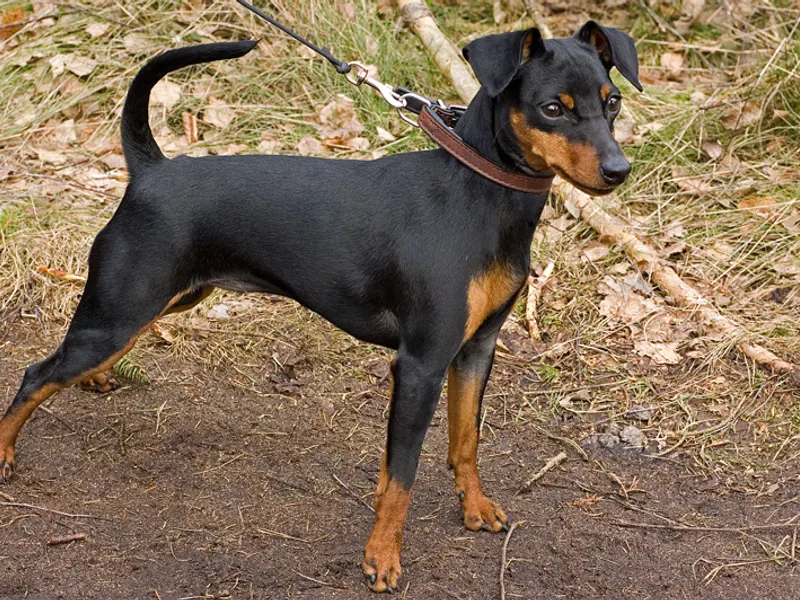
Miniature Pinscher
Toy
8–11 lbs · 12–16 yrs
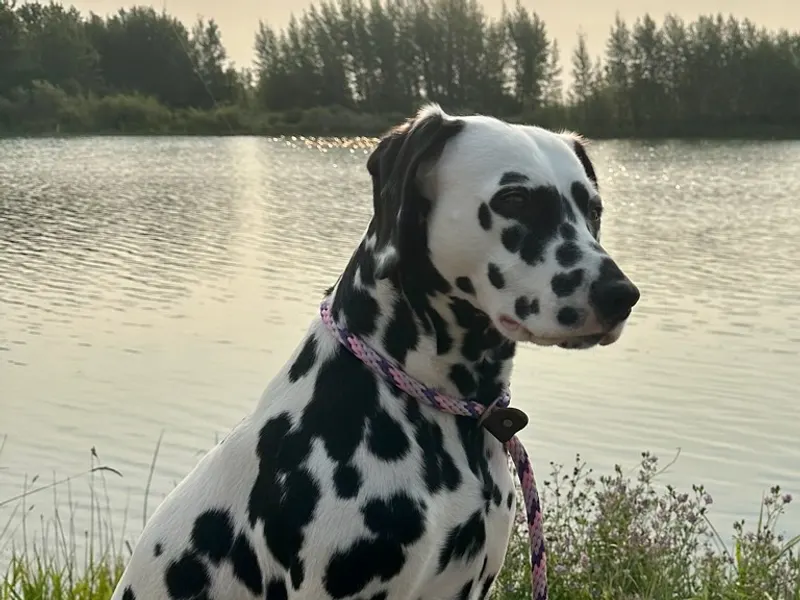
Dalmatian
Non-Sporting
45–70 lbs · 11–13 yrs
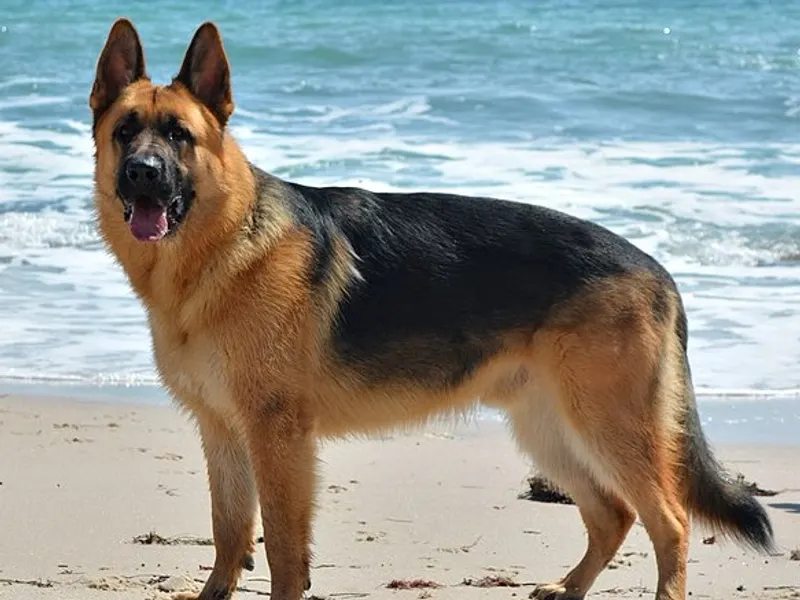
German Shepherd Dog
Herding
50–90 lbs · 9–13 yrs
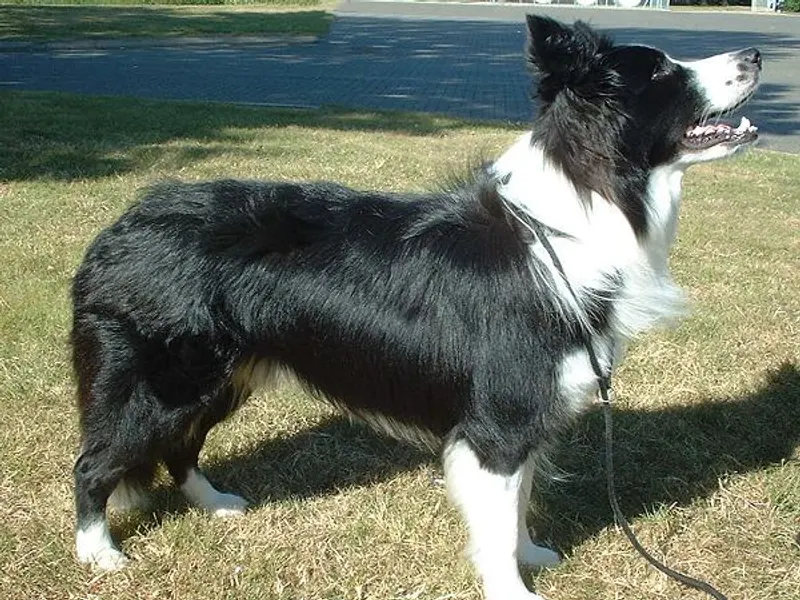
Border Collie
Herding
30–55 lbs · 12–15 yrs
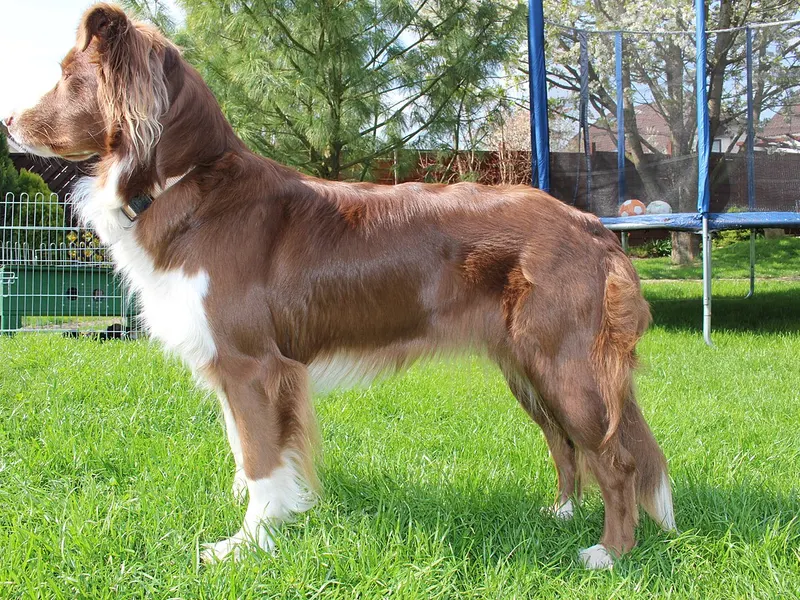
Australian Shepherd
Herding
40–65 lbs · 12–15 yrs
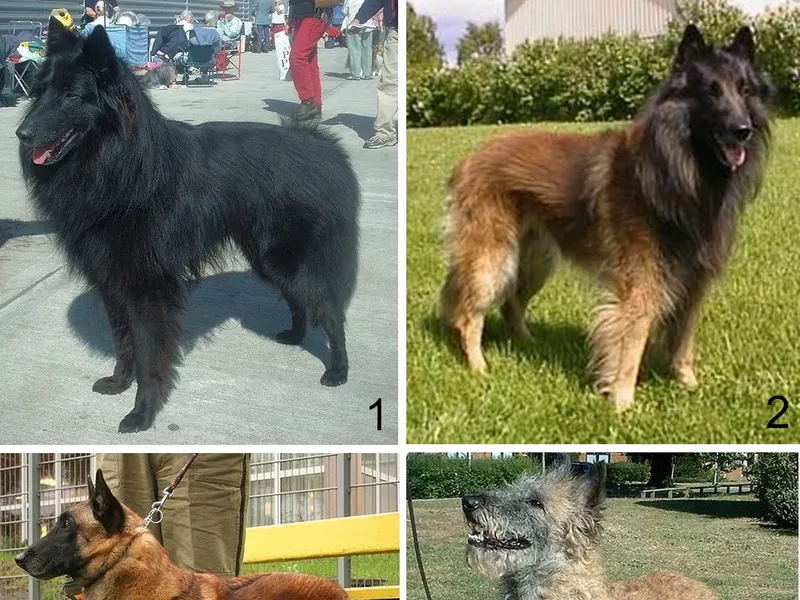
Belgian Malinois
Herding
40–80 lbs · 12–14 yrs
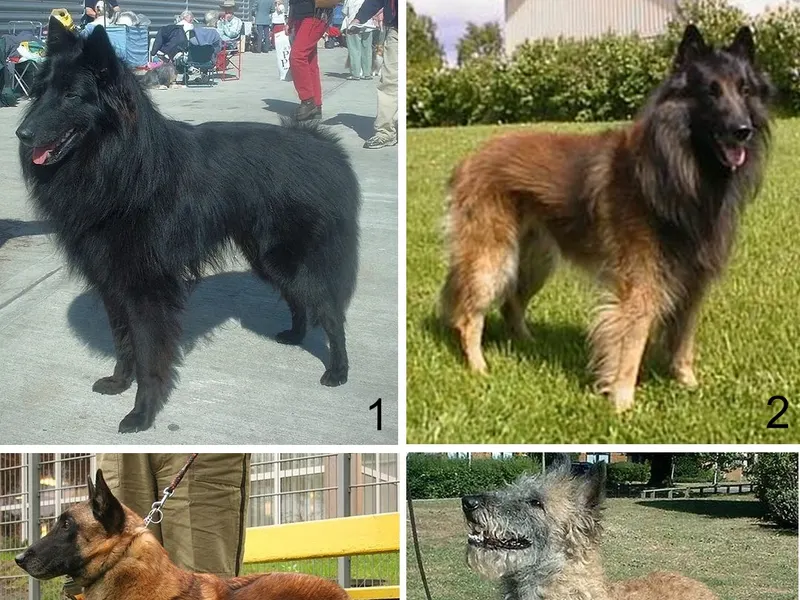
Belgian Tervuren
Herding
45–75 lbs · 12–14 yrs
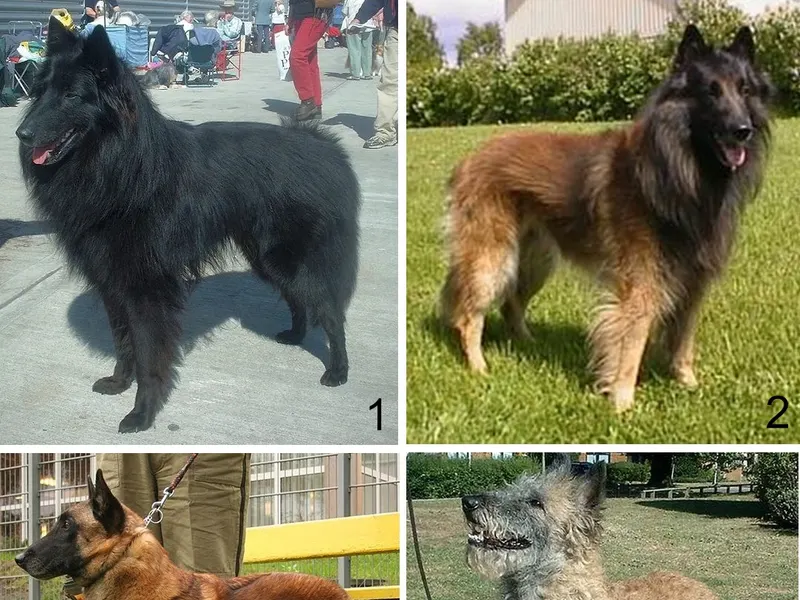
Belgian Sheepdog
Herding
45–75 lbs · 12–14 yrs
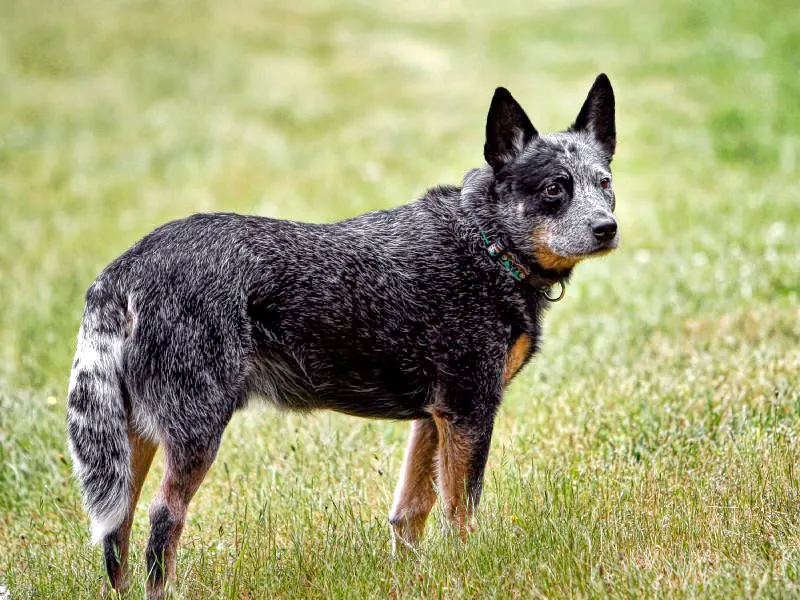
Australian Cattle Dog
Herding
35–50 lbs · 12–16 yrs
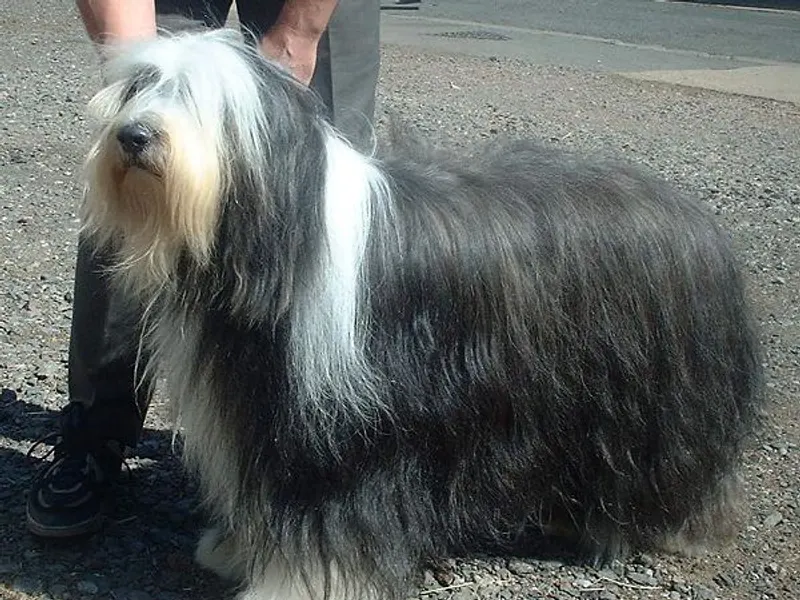
Bearded Collie
Herding
45–55 lbs · 12–14 yrs
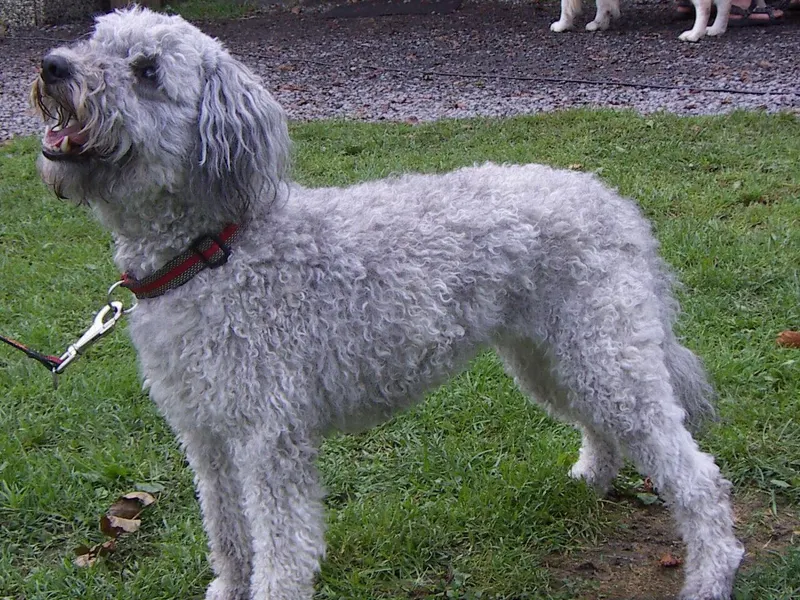
Pumi
Herding
18–33 lbs · 12–13 yrs
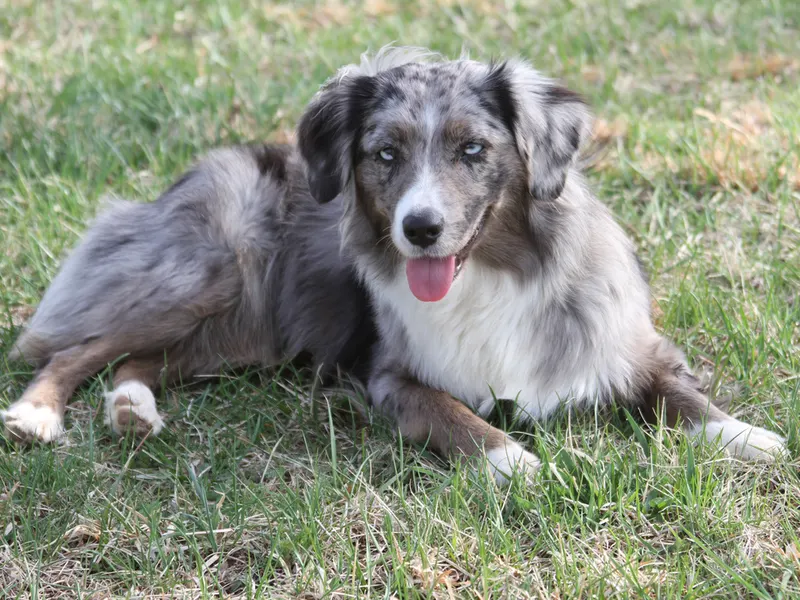
Miniature American Shepherd
Herding
20–40 lbs · 12–13 yrs
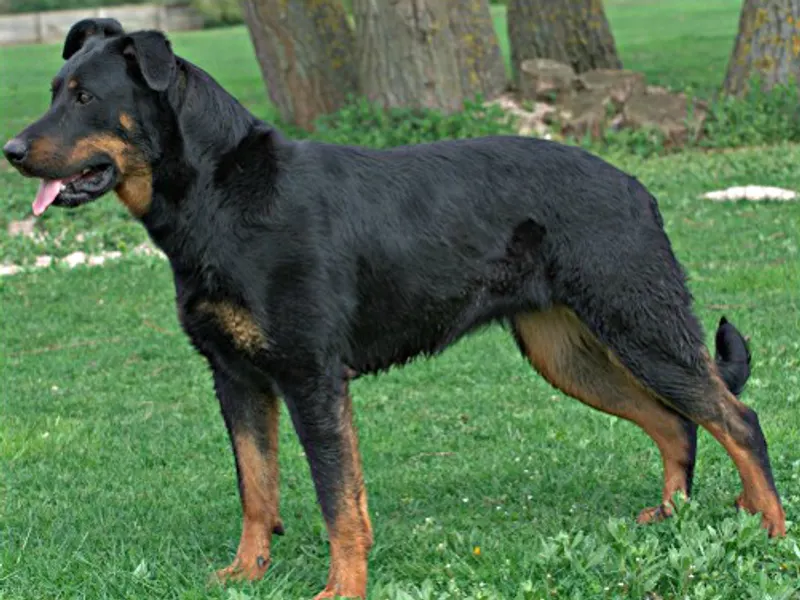
Beauceron
Herding
70–110 lbs · 10–12 yrs
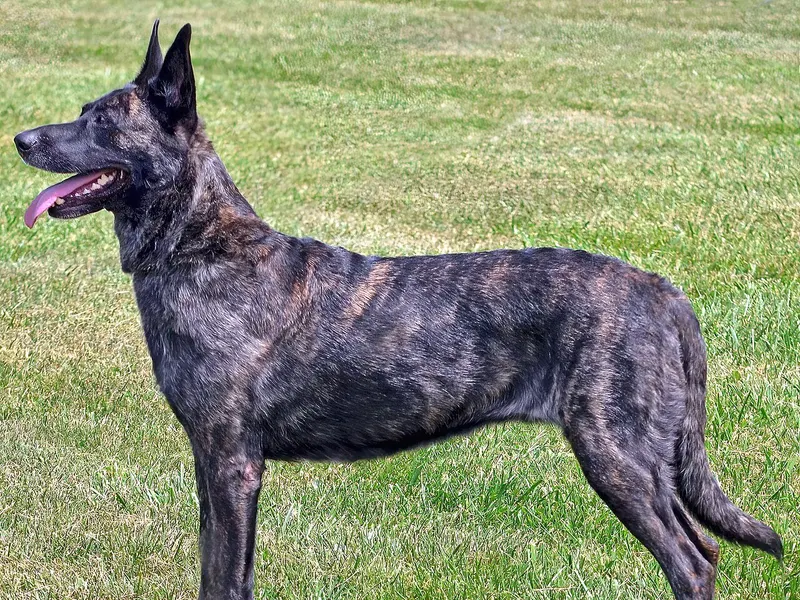
Dutch Shepherd
Herding
42–75 lbs · 11–14 yrs
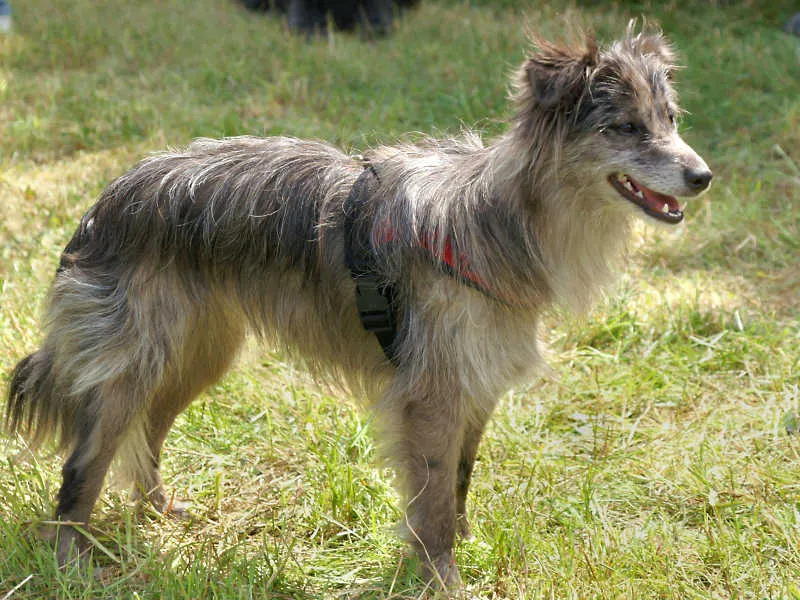
Pyrenean Shepherd
Herding
15–32 lbs · 15–17 yrs
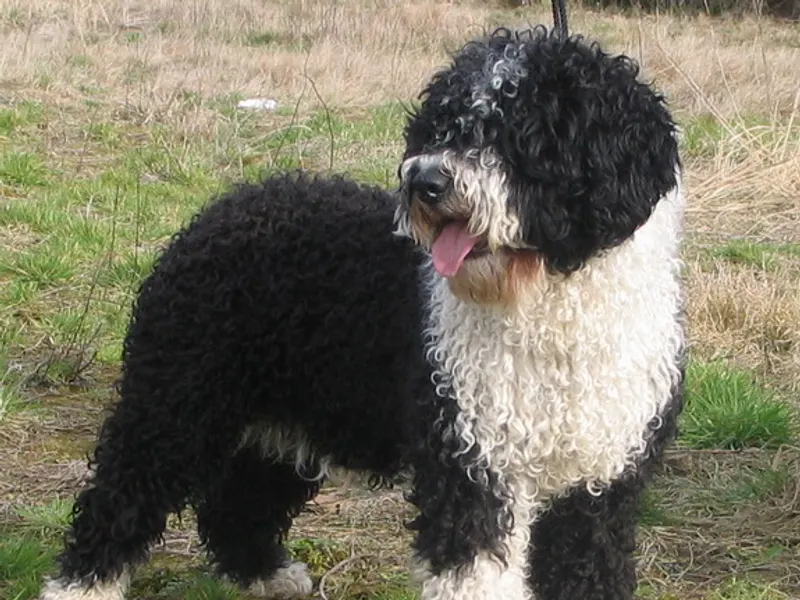
Spanish Water Dog
Herding
31–49 lbs · 12–14 yrs
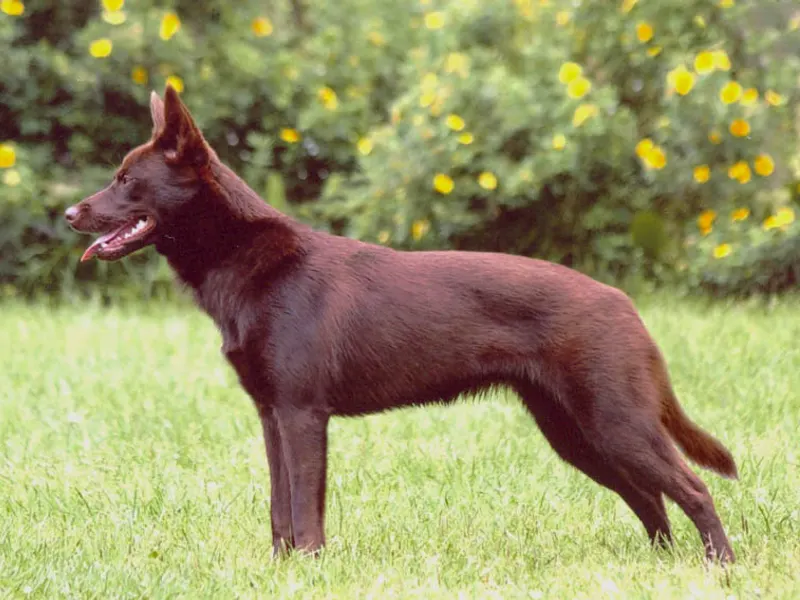
Australian Kelpie
Herding
25–45 lbs · 10–14 yrs
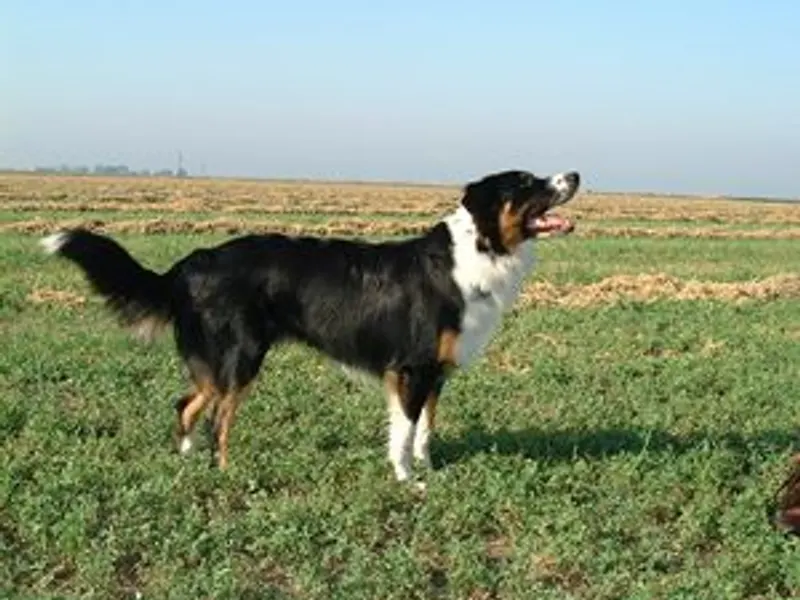
English Shepherd
Herding
40–60 lbs · 12–15 yrs
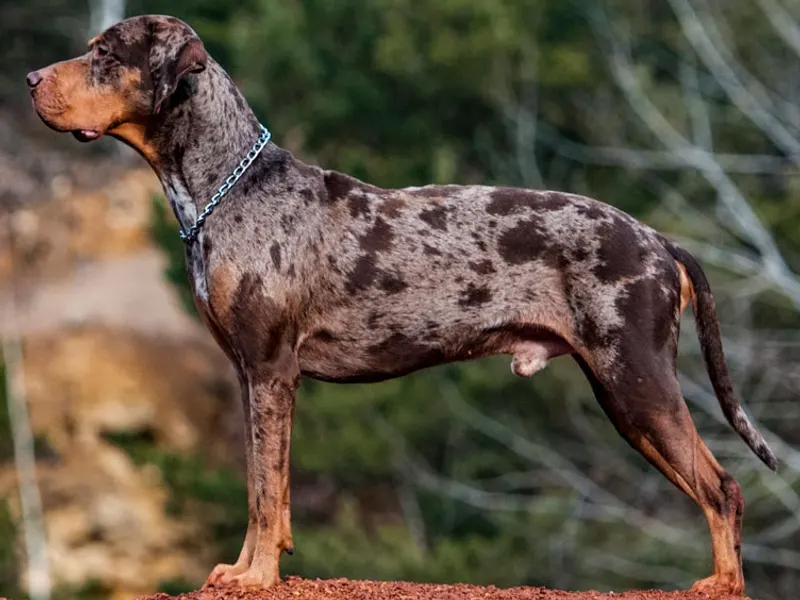
Catahoula Leopard Dog
Foundation Stock
50–95 lbs · 10–14 yrs
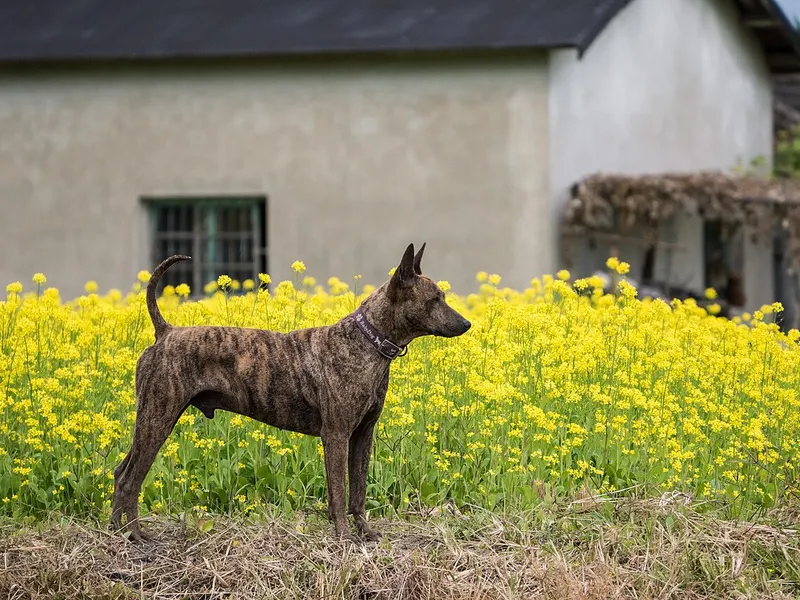
Formosan Mountain Dog
Foundation Stock
26–50 lbs · 13–16 yrs
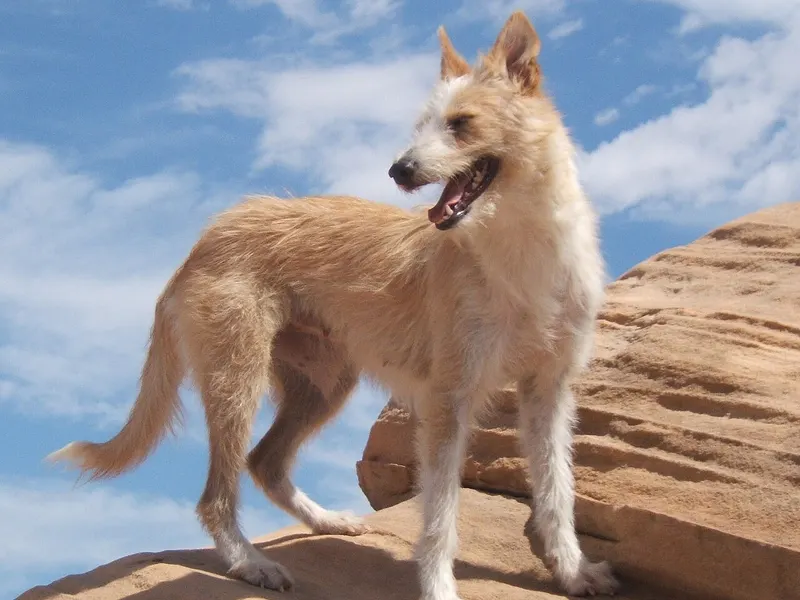
Podengo Português
Foundation Stock
35–44 lbs · 12–15 yrs
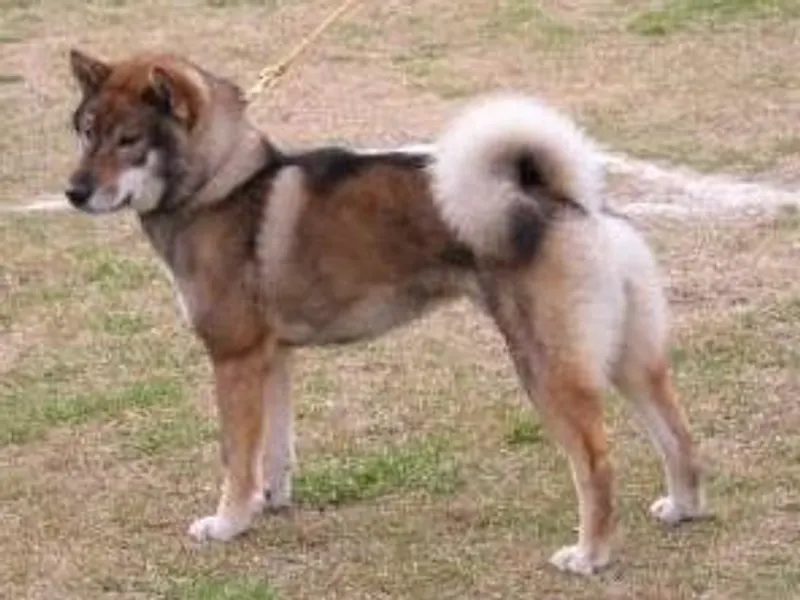
Shikoku
Foundation Stock
30–55 lbs · 10–12 yrs
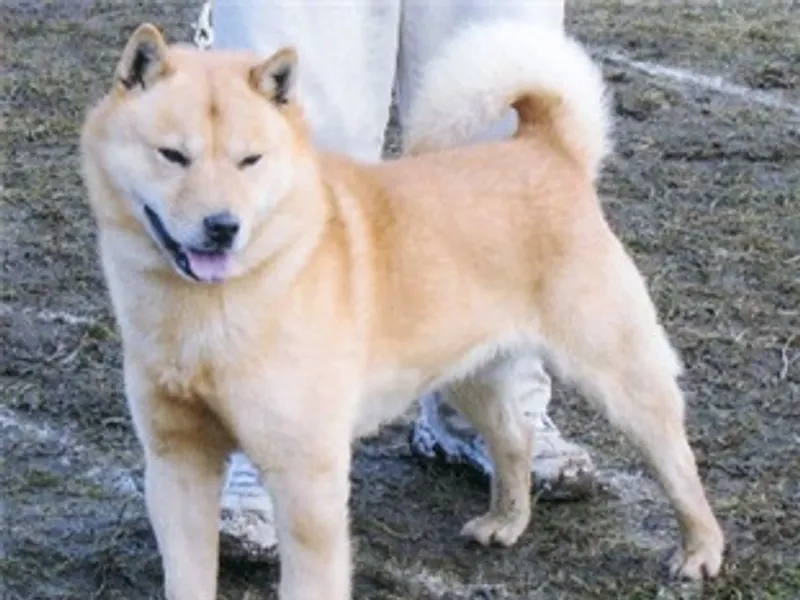
Hokkaido
Foundation Stock
45–65 lbs · 11–13 yrs
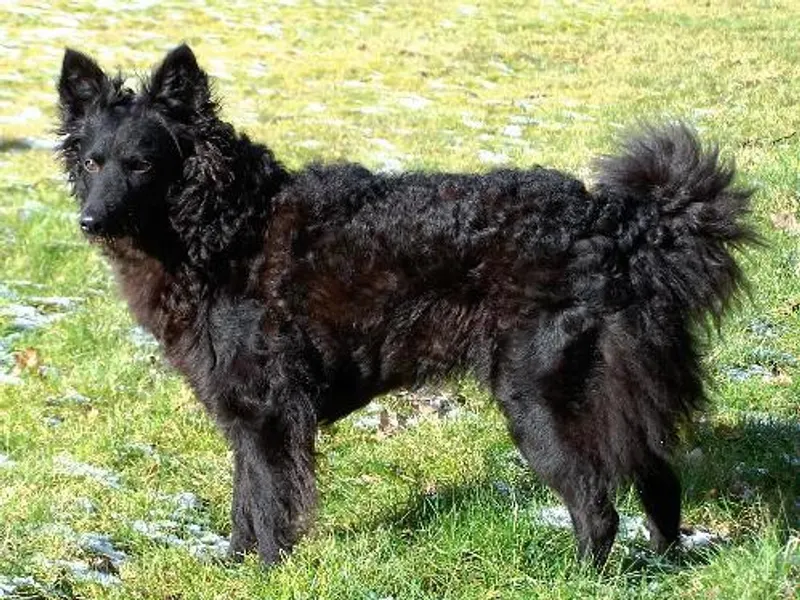
Mudi
Foundation Stock
18–29 lbs · 12–14 yrs
Aussiedoodle
Crossbreed
25–70 lbs · 12–15 yrs
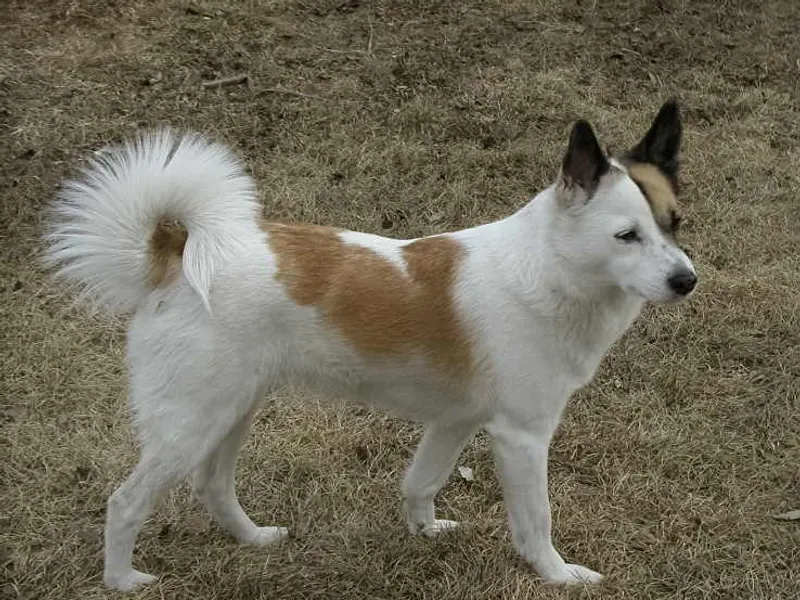
Norrbottenspets
Sporting
20–33 lbs · 14–16 yrs
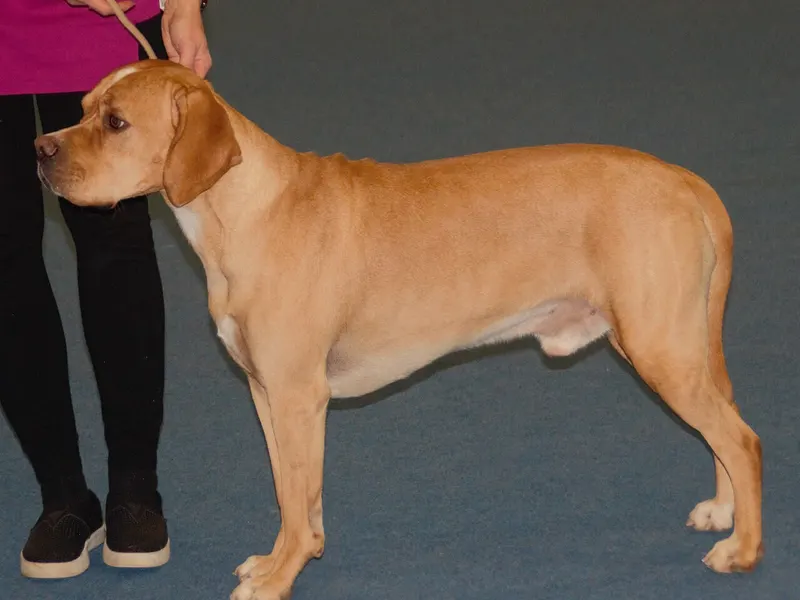
Portuguese Pointer
Sporting
35–55 lbs · 12–14 yrs
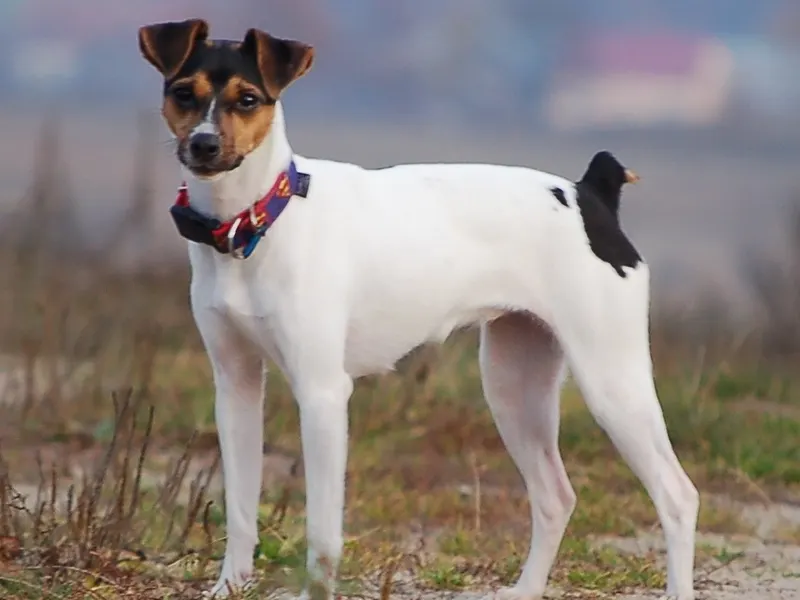
Brazilian Terrier
Terrier
14–22 lbs · 12–14 yrs
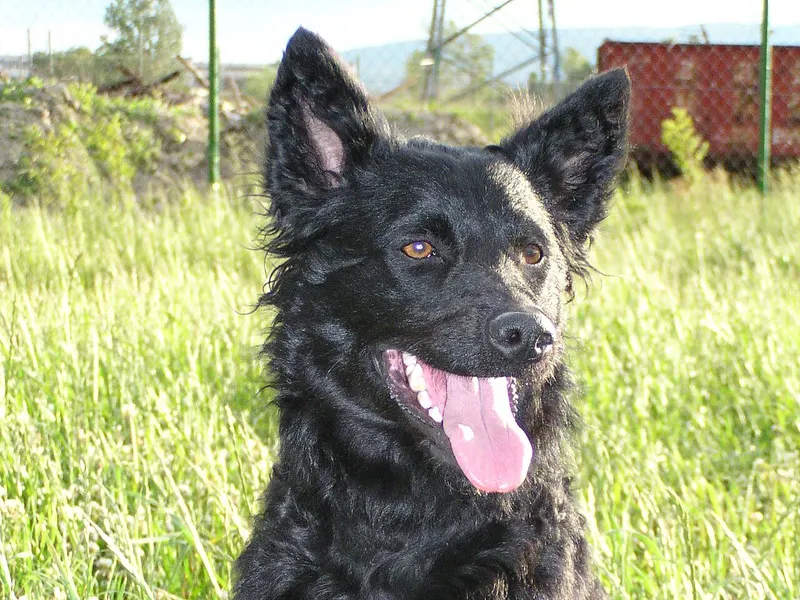
Croatian Sheepdog
Herding
29–44 lbs · 12–14 yrs
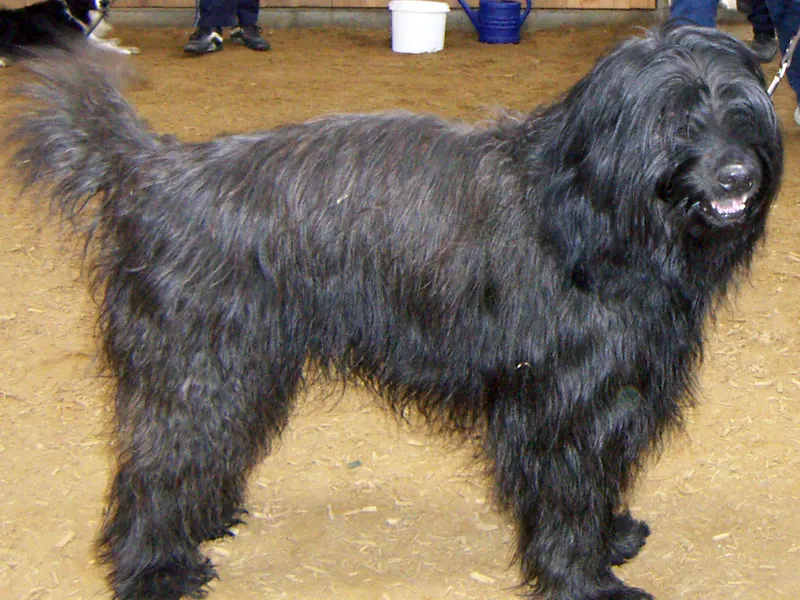
Catalan Sheepdog
Herding
35–55 lbs · 12–14 yrs
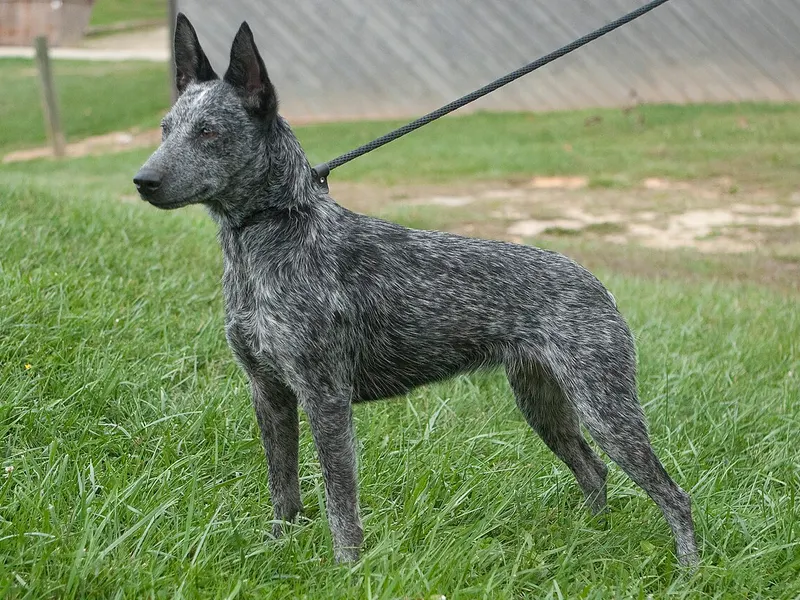
Australian Stumpy Tail Cattle Dog
Herding
33–49 lbs · 12–15 yrs
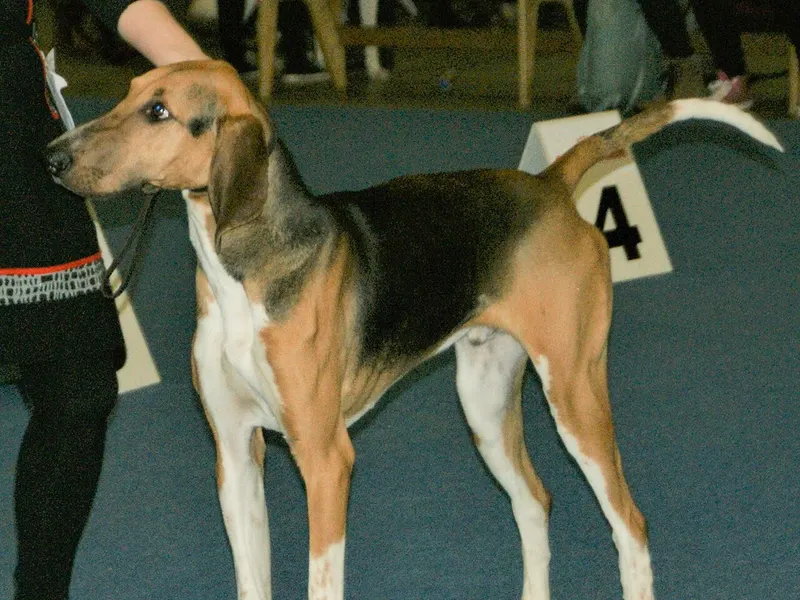
Poitevin
Hound
55–70 lbs · 11–13 yrs
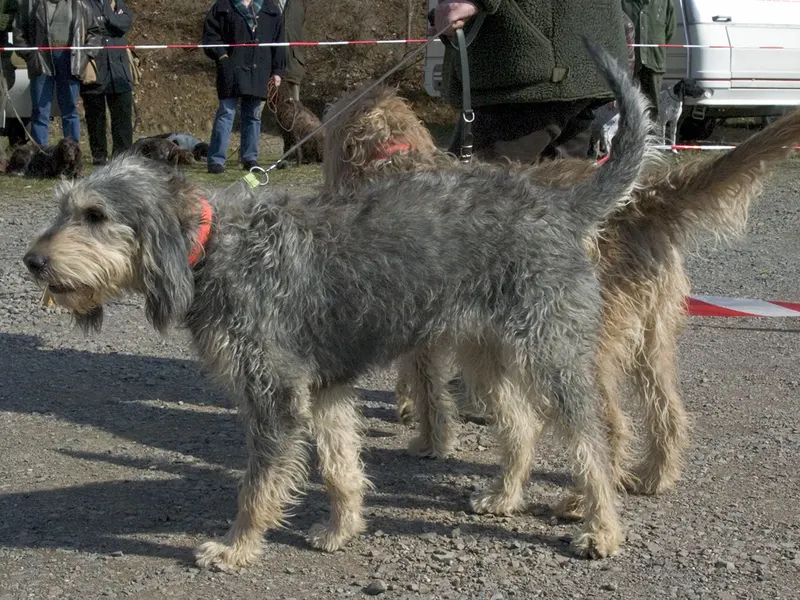
Griffon Nivernais
Hound
50–65 lbs · 12–14 yrs