Best Dogs Good With Cats
Dog-cat compatibility comes down largely to prey drive — the instinctive tendency to chase, and in some breeds pursue with intent to catch, small fast-moving animals — which varies dramatically by breed based on historical purpose. Breeds developed for sight-hunting small game (many sighthounds and terriers bred specifically to hunt and kill vermin) carry genuinely high prey drive that can make cohabitation with a cat risky regardless of individual training, since a fast-moving cat can trigger a chase response that isn't really "aggression" in the social sense but an instinctive predatory reflex that's very difficult to fully train out. Breeds bred for cooperative human-directed work rather than independent small-game hunting — retrievers, several herding breeds, many companion breeds — generally carry lower baseline prey drive and adapt to cat cohabitation more readily. Golden Retrievers and Labradors again lead this list for a familiar reason: their retrieving history selected for a soft mouth and cooperative temperament oriented toward bringing things back intact rather than pursuing and dispatching small prey, which translates into a generally lower drive to chase a resident cat with predatory intent, though individual dogs still vary and early, careful introductions matter regardless of breed. Several herding breeds also do reasonably well here, though it's worth flagging that herding instinct itself — nipping, circling, staring intently — can look alarming to a cat and needs active management even in breeds with generally low prey drive, since herding and predation are related but distinct behavioral drives. Breed alone, however, explains only part of real-world dog-cat success — individual dog temperament, the specific cat's confidence and past experience with dogs, and especially the introduction process matter enormously, and animal behaviorists consistently note that a gradual, well-managed introduction — trading scents before any face-to-face meeting, keeping early encounters brief and supervised, building duration slowly over days — predicts long-term success better than breed selection alone does. A breed with generally low prey drive introduced carelessly and too fast can still end badly, while a breed with a more mixed reputation introduced patiently and correctly, ideally as a puppy alongside an established confident cat, can settle into genuine companionship. Age and individual history matter as much as breed: a puppy raised alongside a cat from an early age, during the critical socialization window, is far more likely to see that cat as a permanent household member regardless of breed tendency than an adult dog with no prior cat exposure being introduced cold — this is one of the clearest cases across this whole site where early socialization history can outweigh breed-level generalization. Breeds included here are selected based on documented lower average prey drive from breed-club and veterinary behaviorist sources, not a guarantee that any individual dog of that breed will get along with any individual cat. Anyone bringing home a new dog to a cat household, or a new cat to a dog household, should still plan for a gradual, supervised introduction process regardless of how favorably the specific breed scores on this list, and should be prepared to seek a professional trainer's help if early interactions show genuine tension rather than assuming breed reputation alone will resolve it. A few more breeds worth naming for cat-friendly households: the Basset Hound's low prey drive and generally mellow, unbothered temperament suit cohabitation with a confident cat reasonably well; the Newfoundland's famously gentle, patient disposition extends to other animals as readily as it does to children; and the Cavalier King Charles Spaniel, bred purely for companionship with essentially no hunting or working role in its history, generally shows low prey drive suited to multi-pet households. It's worth naming specific warning signs during a dog-cat introduction that suggest professional help is warranted rather than simply "more time": a dog that fixates intensely on the cat (a stiff body, hard stare, and refusal to disengage even when called) is showing predatory focus rather than simple curiosity, and this specific pattern — sometimes called "prey drive lock-on" by trainers — tends not to resolve with more unsupervised exposure and can escalate rather than fade with repetition, unlike more general nervous or excited behavior around a new animal, which often does improve gradually with patient, well-managed exposure over time. It's worth naming a specific management tool that helps during the introduction period regardless of breed match on either side: a tall baby gate the cat can hop over but the dog can't clear gives both animals a way to see and scent each other from a safe distance without full physical access, a genuinely useful intermediate step between full separation and unsupervised full contact that many successful multi-pet households use for the first several weeks of a new pairing before removing the barrier entirely.
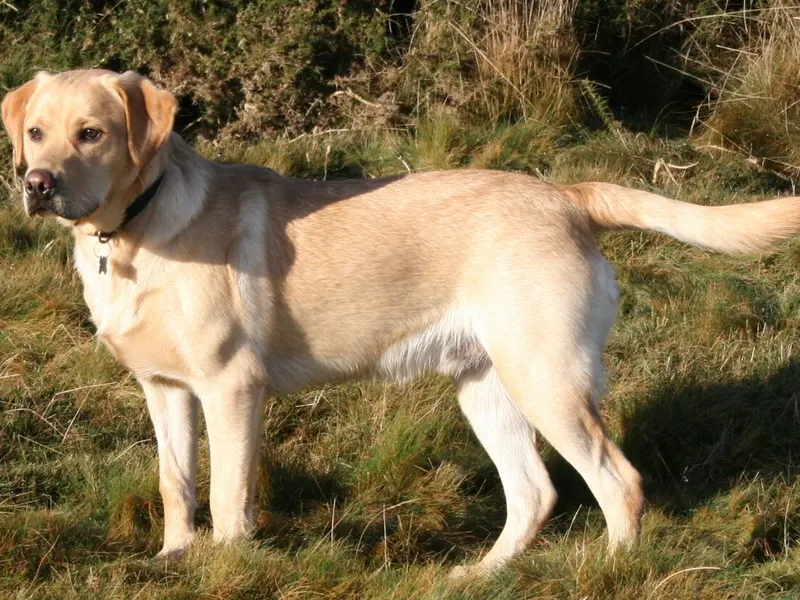
Labrador Retriever
Sporting
55–80 lbs · 10–12 yrs
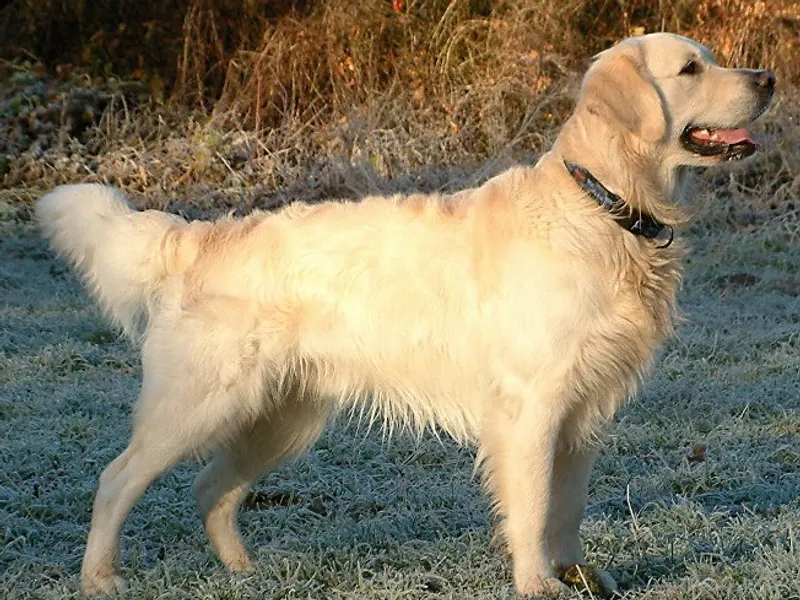
Golden Retriever
Sporting
55–75 lbs · 10–12 yrs

English Springer Spaniel
Sporting
40–50 lbs · 12–14 yrs

English Cocker Spaniel
Sporting
26–34 lbs · 12–14 yrs
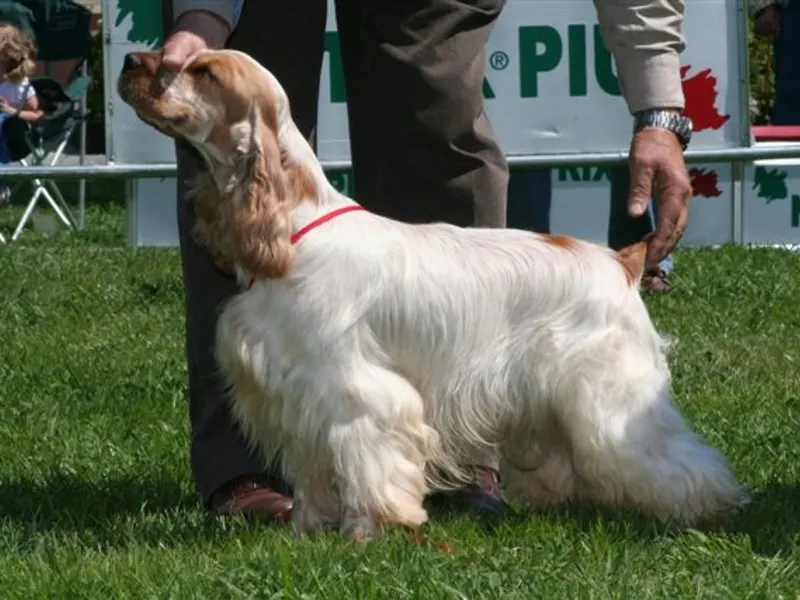
Cocker Spaniel
Sporting
20–30 lbs · 12–15 yrs
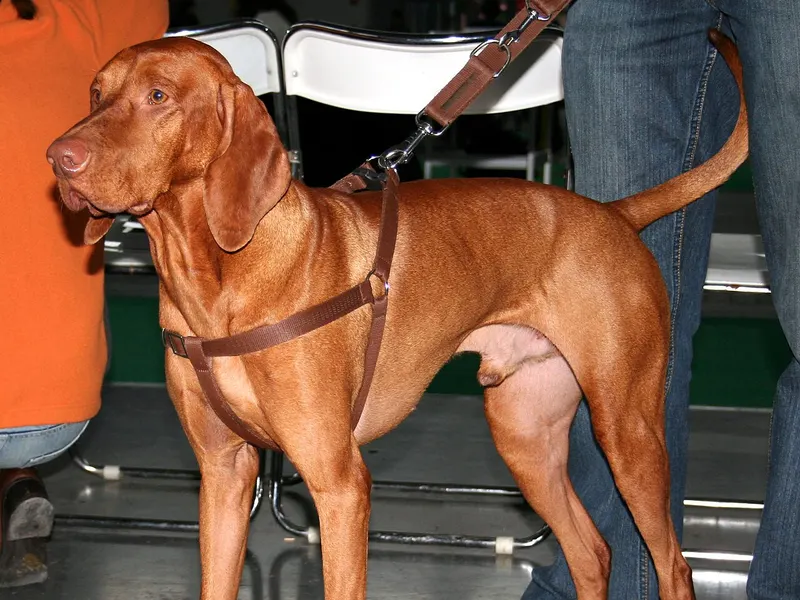
Vizsla
Sporting
44–60 lbs · 12–14 yrs
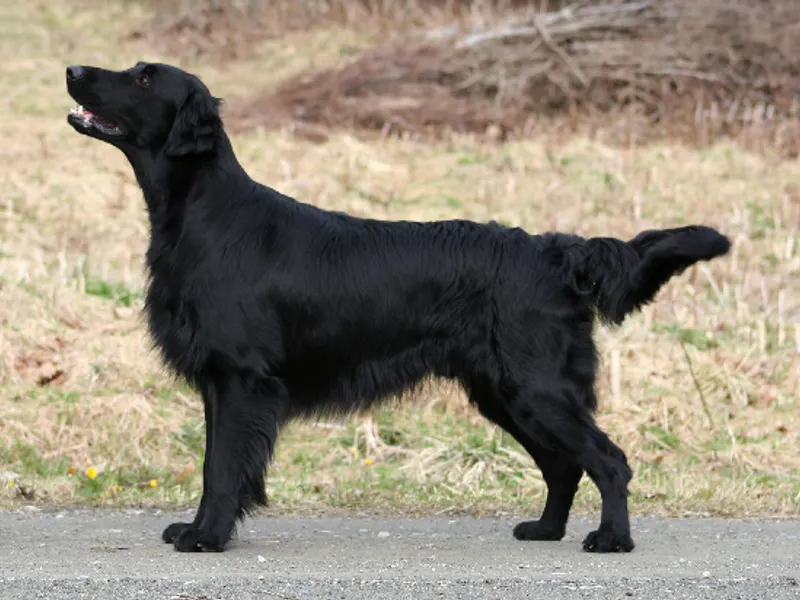
Flat-Coated Retriever
Sporting
55–70 lbs · 8–10 yrs
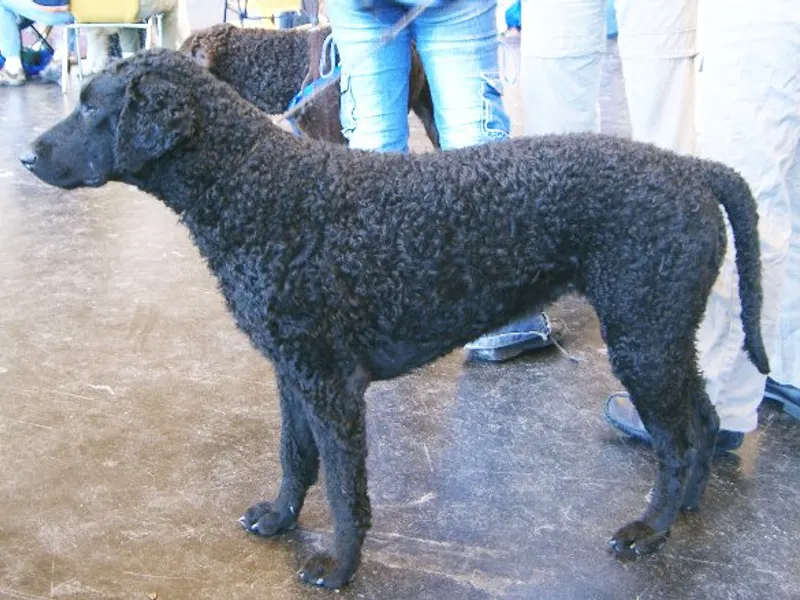
Curly-Coated Retriever
Sporting
60–95 lbs · 10–12 yrs
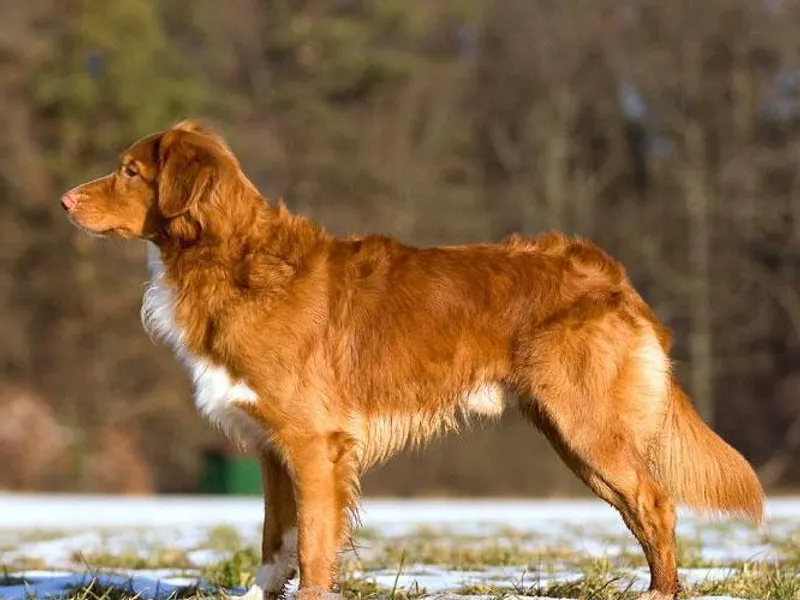
Nova Scotia Duck Tolling Retriever
Sporting
35–50 lbs · 12–14 yrs
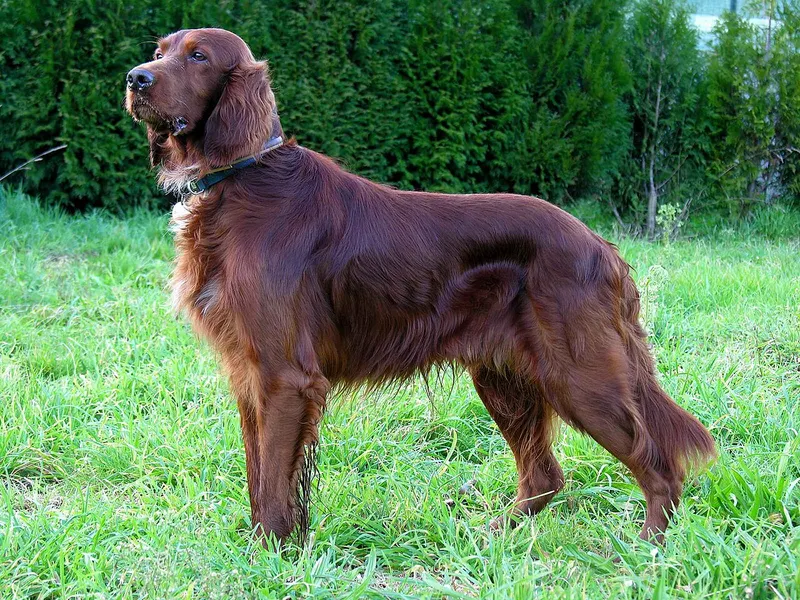
Irish Setter
Sporting
60–70 lbs · 12–15 yrs
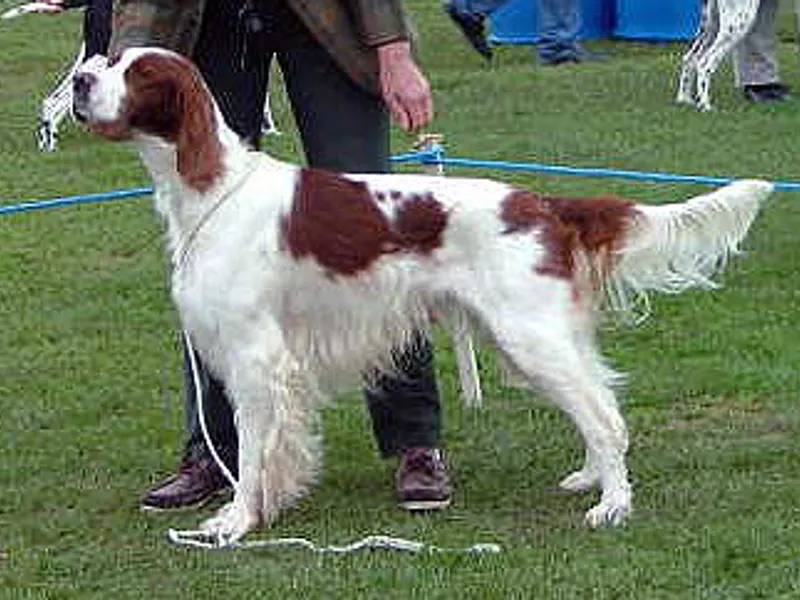
Irish Red and White Setter
Sporting
45–70 lbs · 11–13 yrs
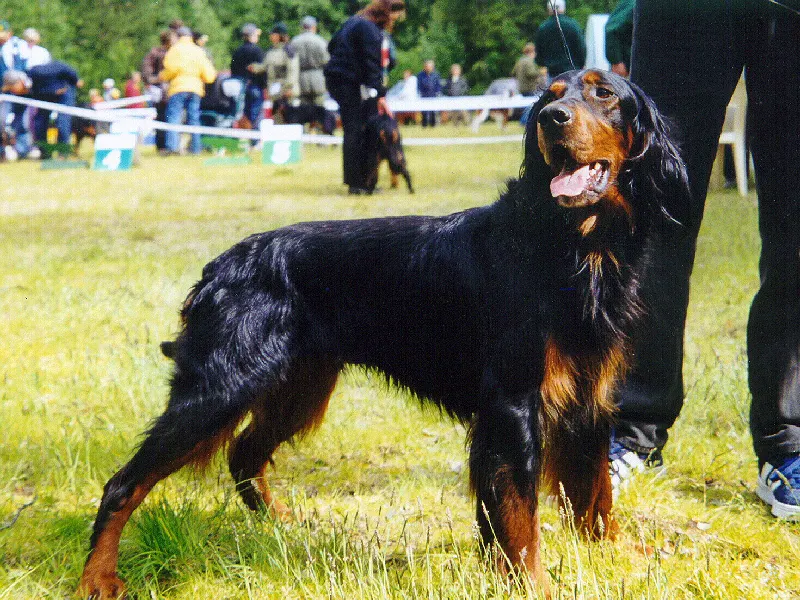
Gordon Setter
Sporting
45–80 lbs · 10–12 yrs
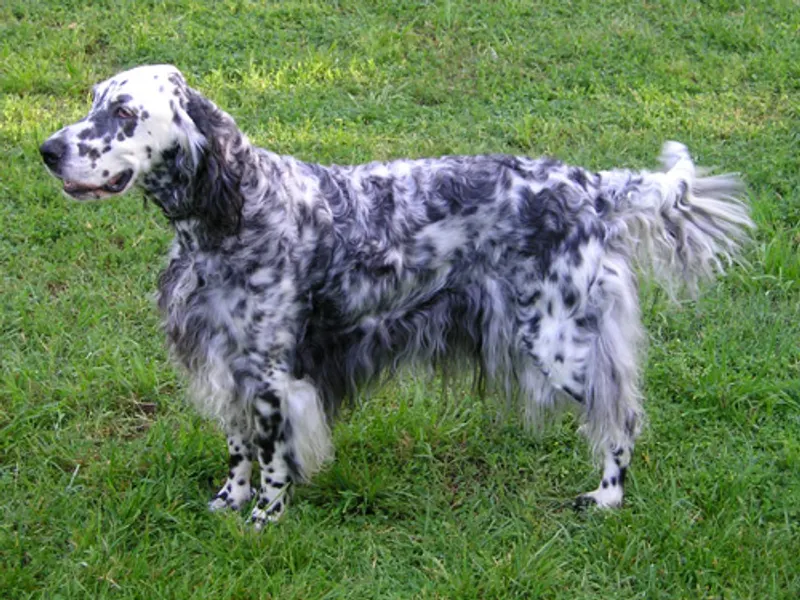
English Setter
Sporting
45–80 lbs · 11–15 yrs
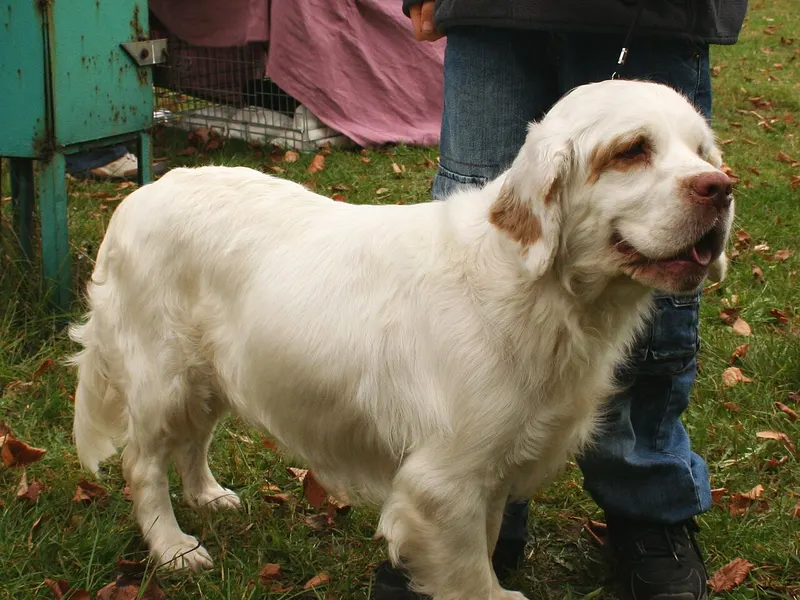
Clumber Spaniel
Sporting
40–85 lbs · 10–12 yrs
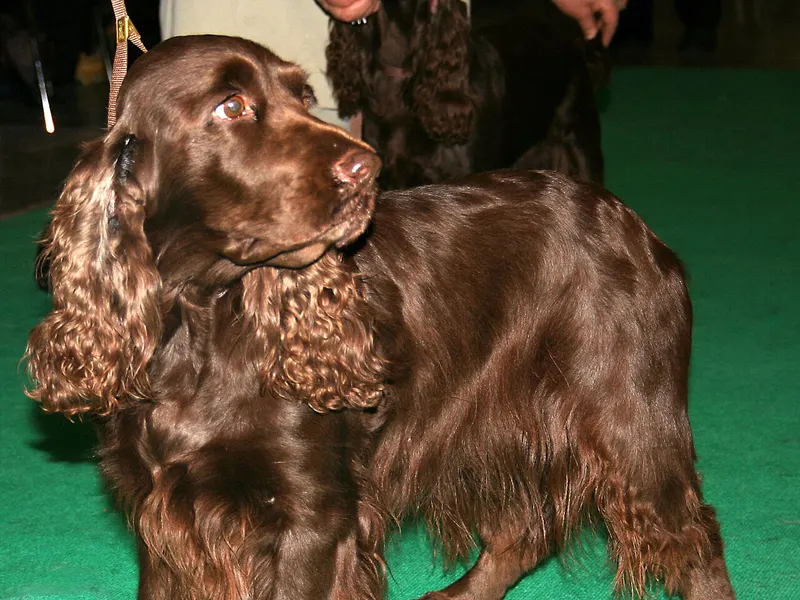
Field Spaniel
Sporting
35–50 lbs · 10–12 yrs
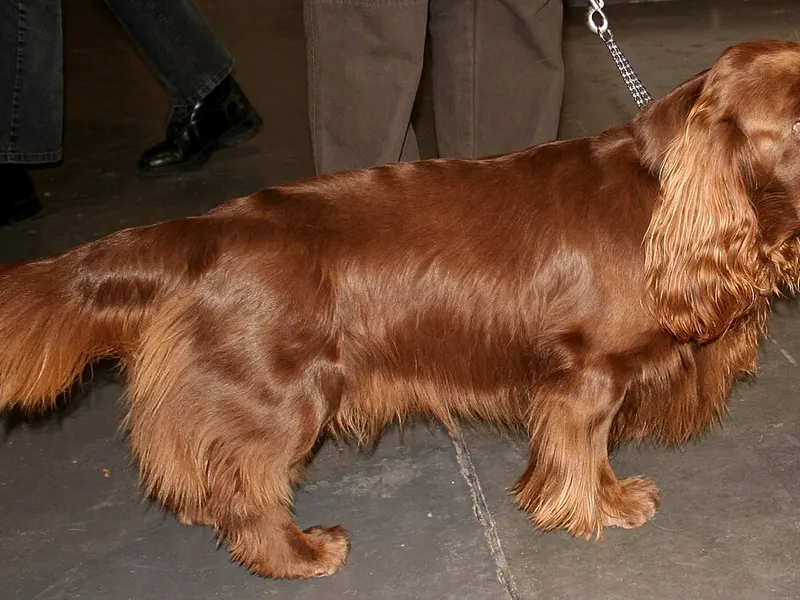
Sussex Spaniel
Sporting
35–45 lbs · 11–13 yrs
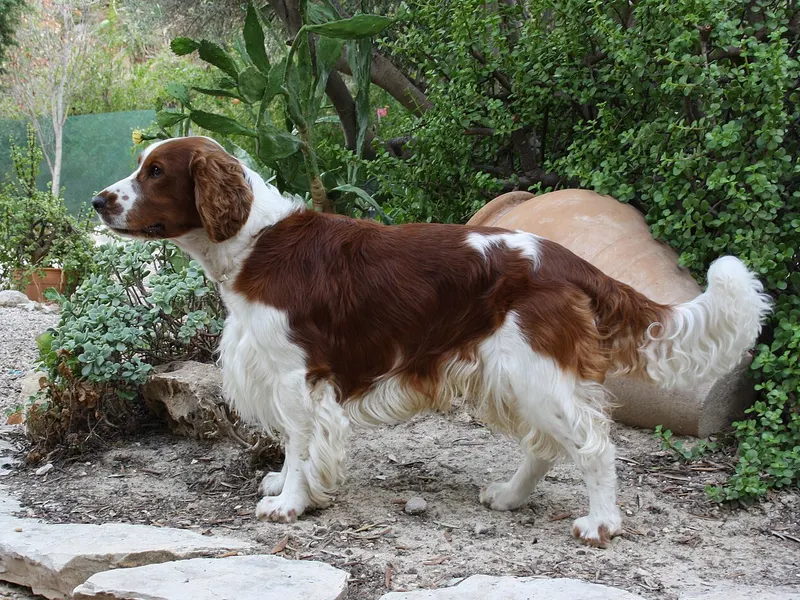
Welsh Springer Spaniel
Sporting
35–45 lbs · 12–15 yrs
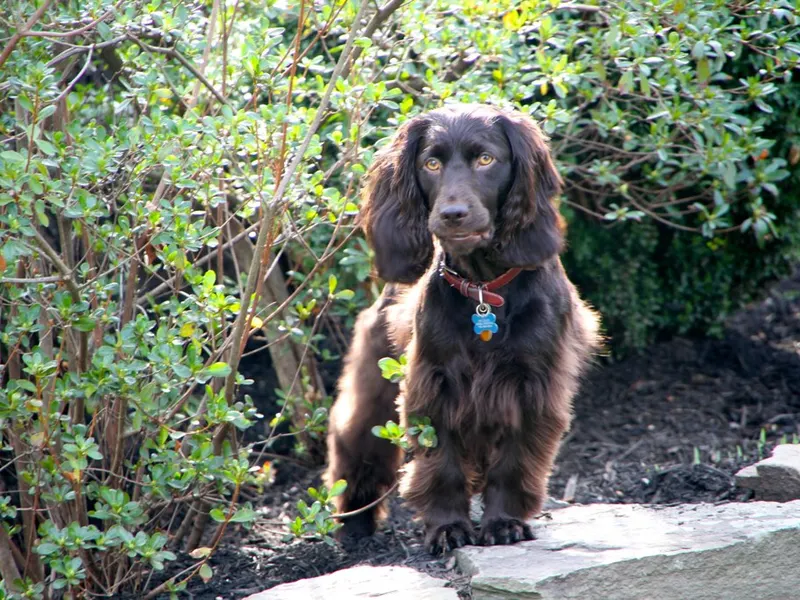
Boykin Spaniel
Sporting
25–40 lbs · 10–15 yrs
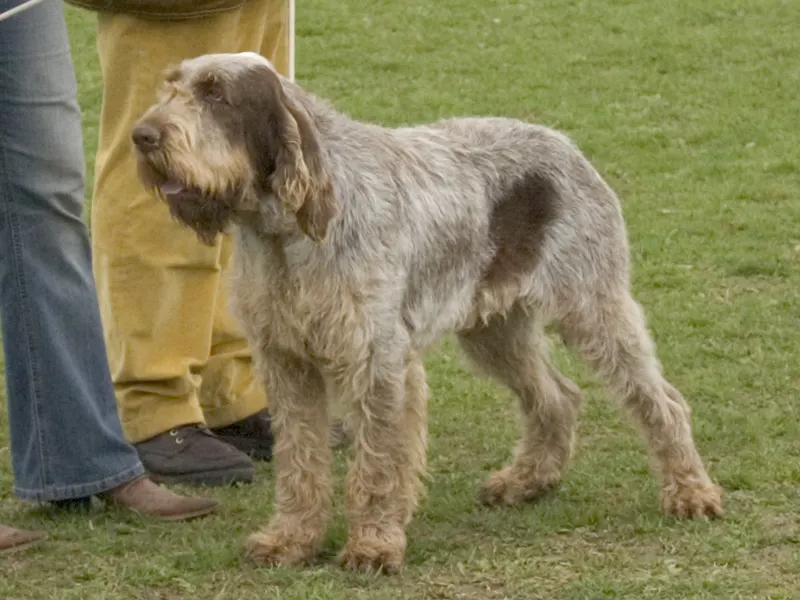
Spinone Italiano
Sporting
62–85 lbs · 10–12 yrs
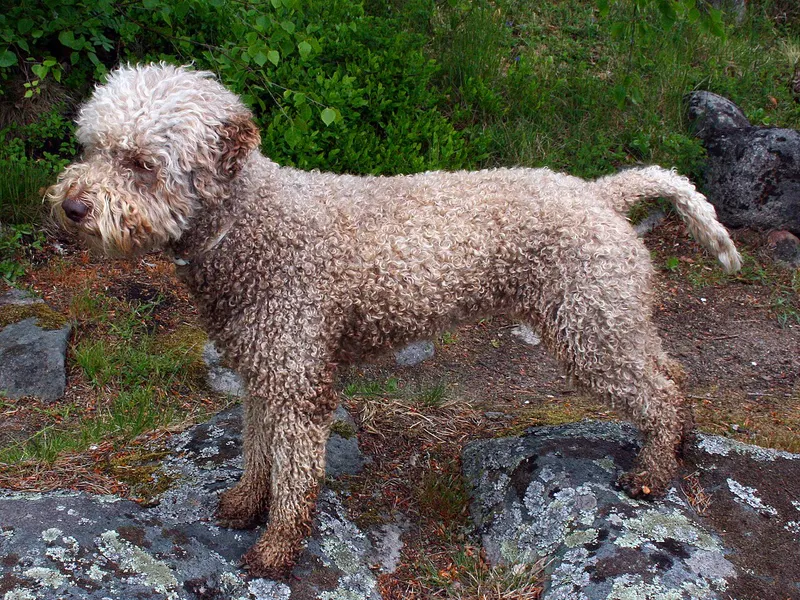
Lagotto Romagnolo
Sporting
24–35 lbs · 15–17 yrs
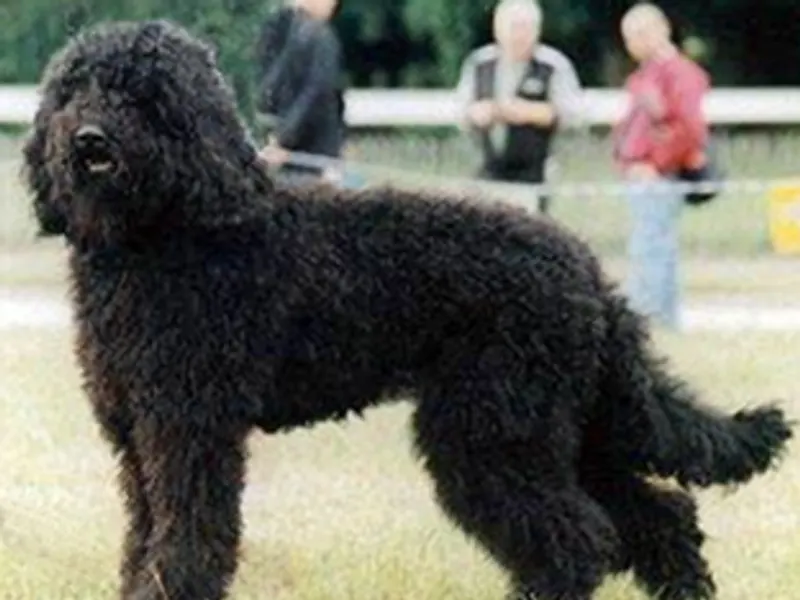
Barbet
Sporting
35–65 lbs · 13–15 yrs
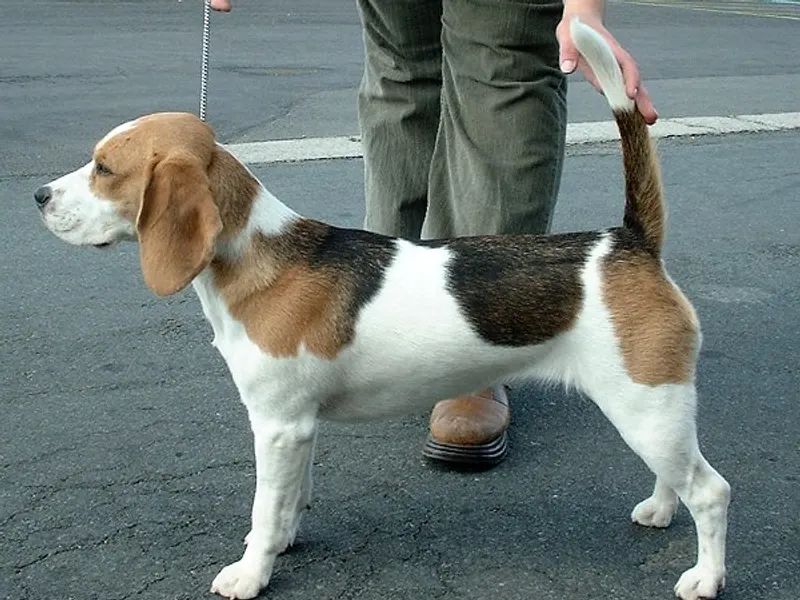
Beagle
Hound
18–30 lbs · 10–15 yrs
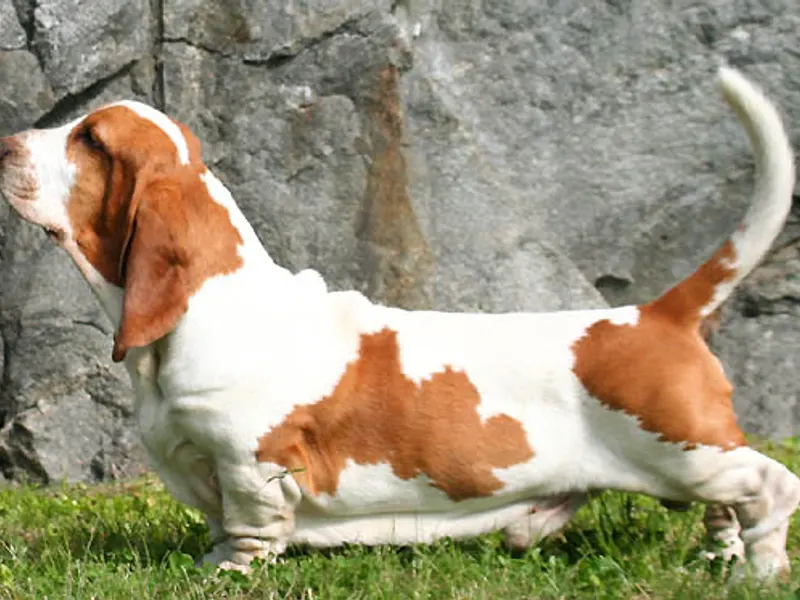
Basset Hound
Hound
40–65 lbs · 12–13 yrs
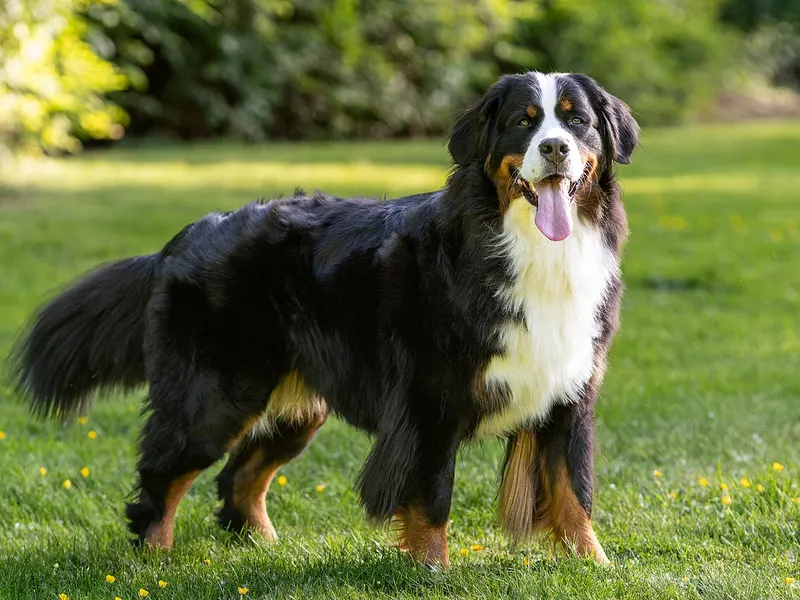
Bernese Mountain Dog
Working
70–115 lbs · 7–10 yrs
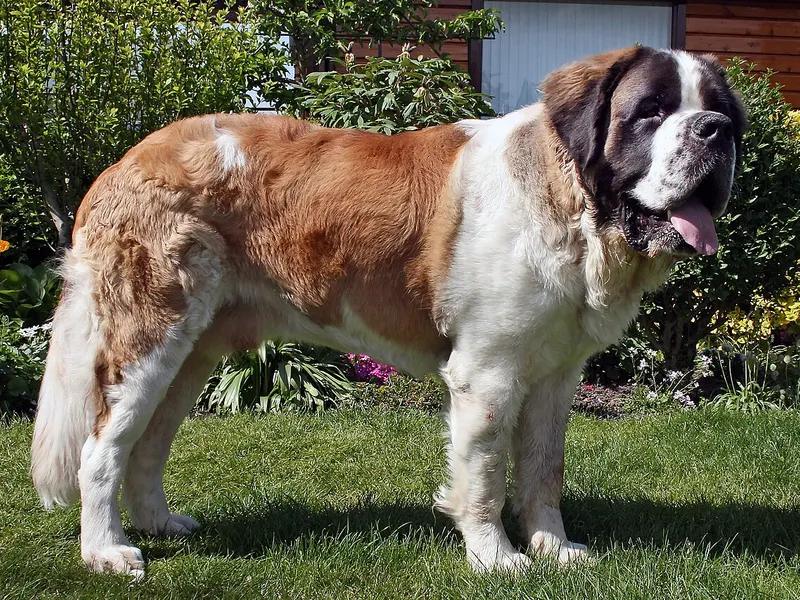
Saint Bernard
Working
120–180 lbs · 8–10 yrs
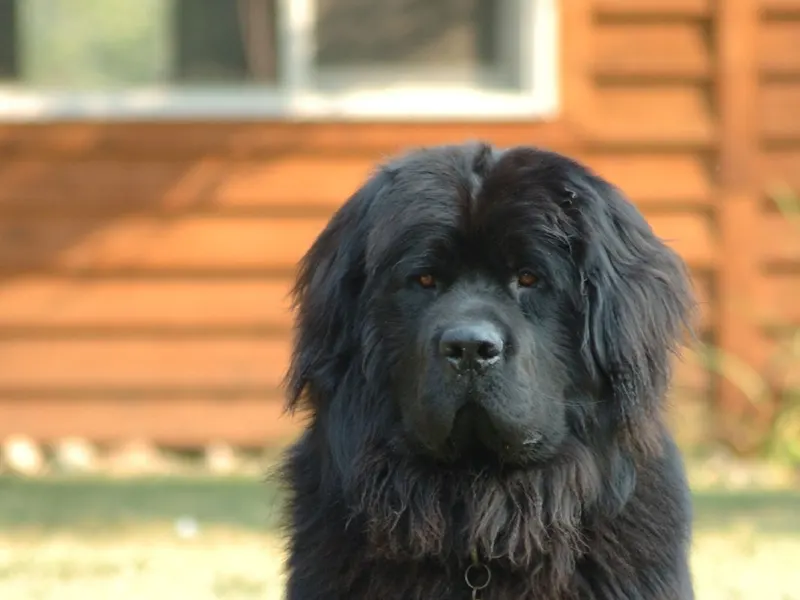
Newfoundland
Working
100–150 lbs · 9–10 yrs
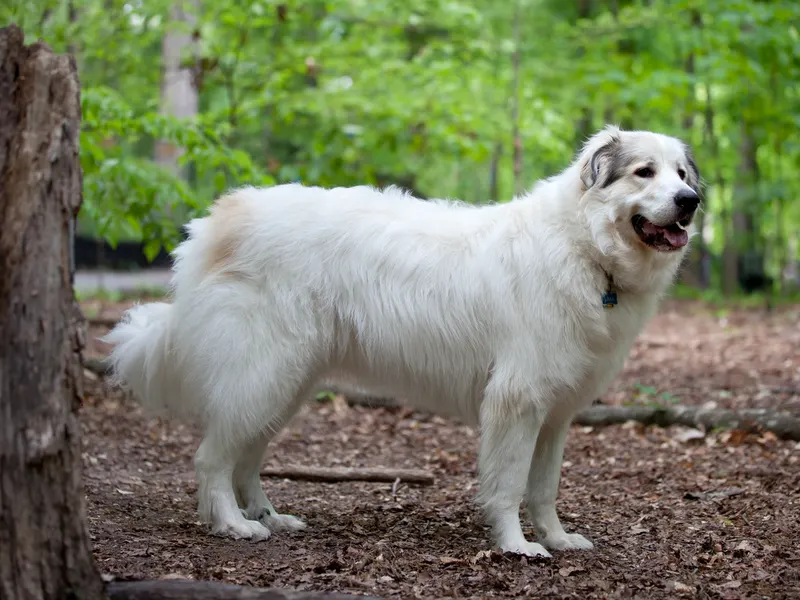
Great Pyrenees
Working
85–115 lbs · 10–12 yrs
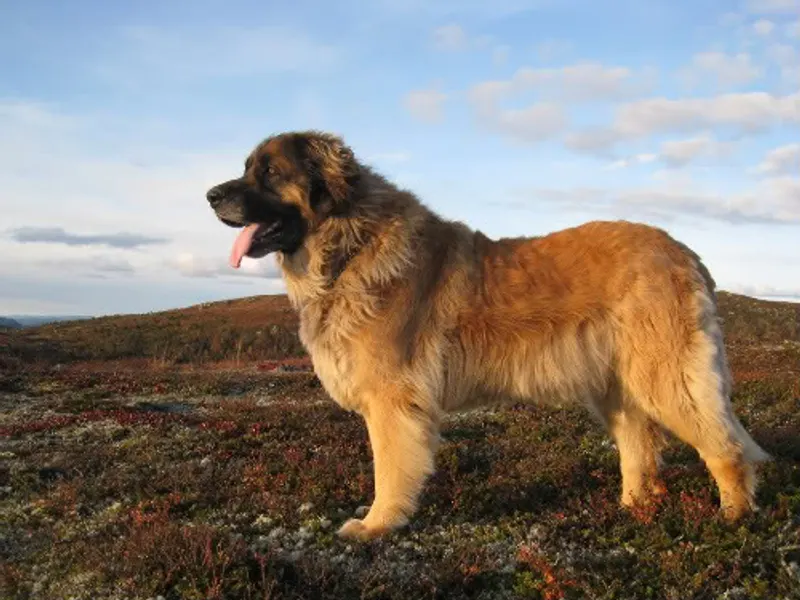
Leonberger
Working
90–170 lbs · 7–9 yrs
Chinook
Working
50–90 lbs · 12–15 yrs
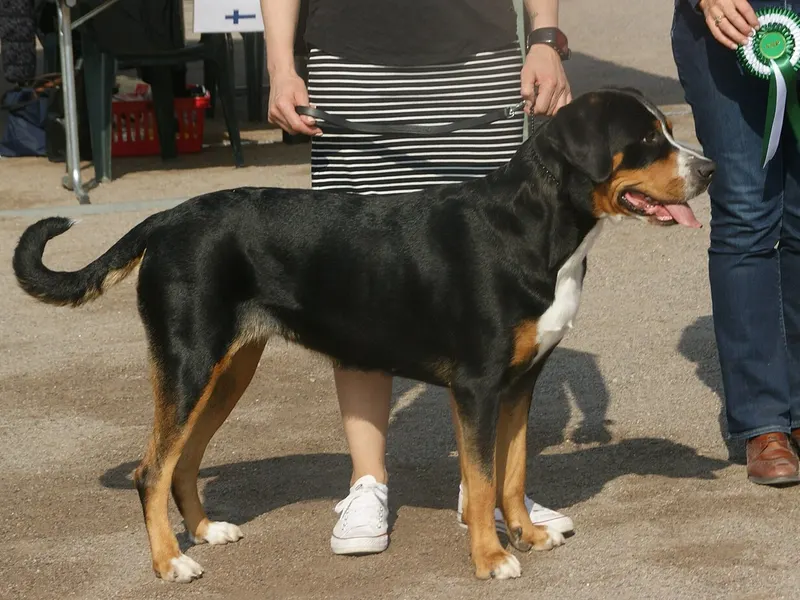
Greater Swiss Mountain Dog
Working
85–140 lbs · 8–11 yrs
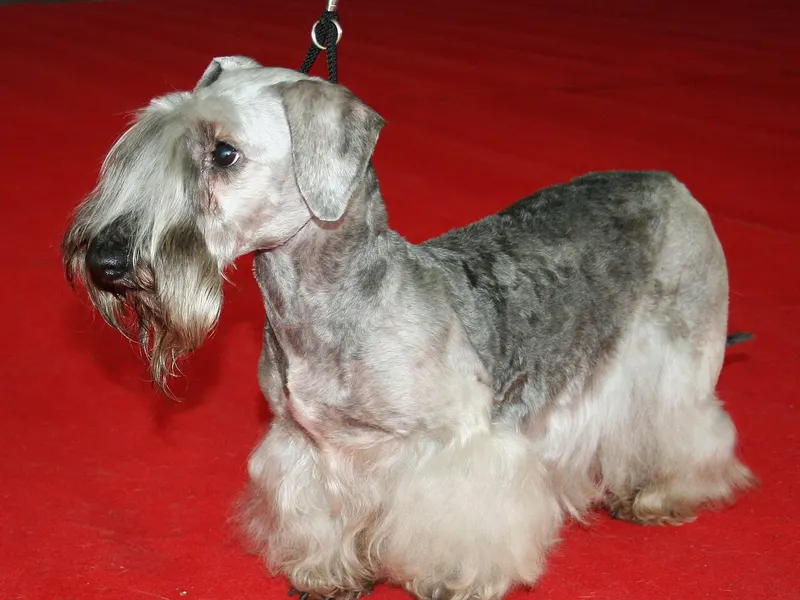
Cesky Terrier
Terrier
13–24 lbs · 12–15 yrs
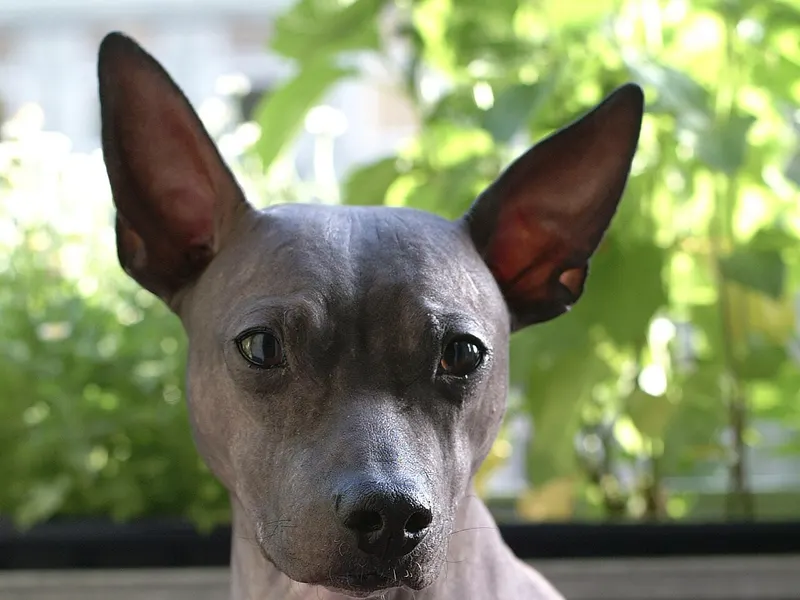
American Hairless Terrier
Terrier
5–16 lbs · 14–16 yrs
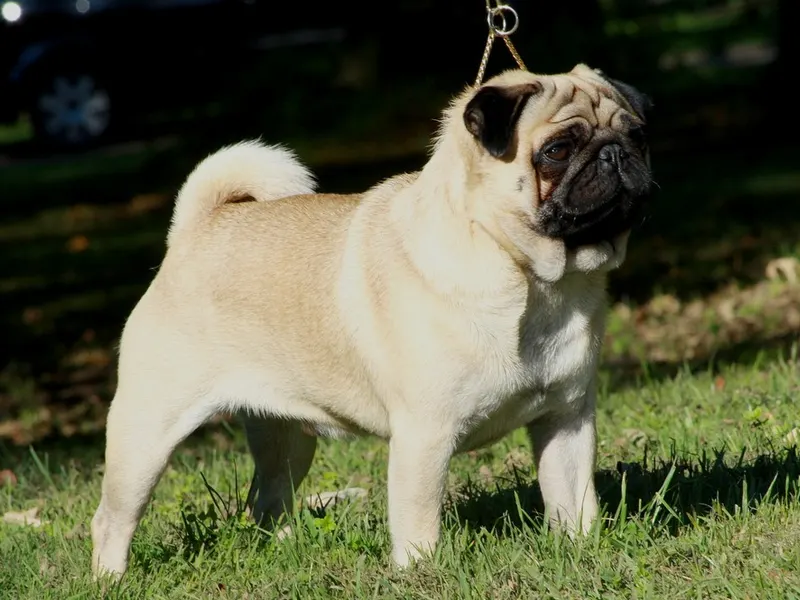
Pug
Toy
14–18 lbs · 13–15 yrs
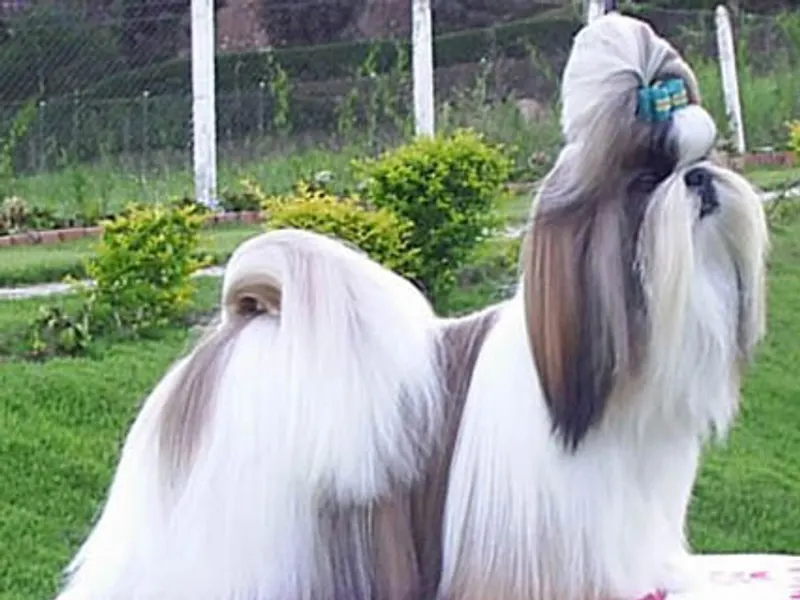
Shih Tzu
Toy
9–16 lbs · 10–16 yrs
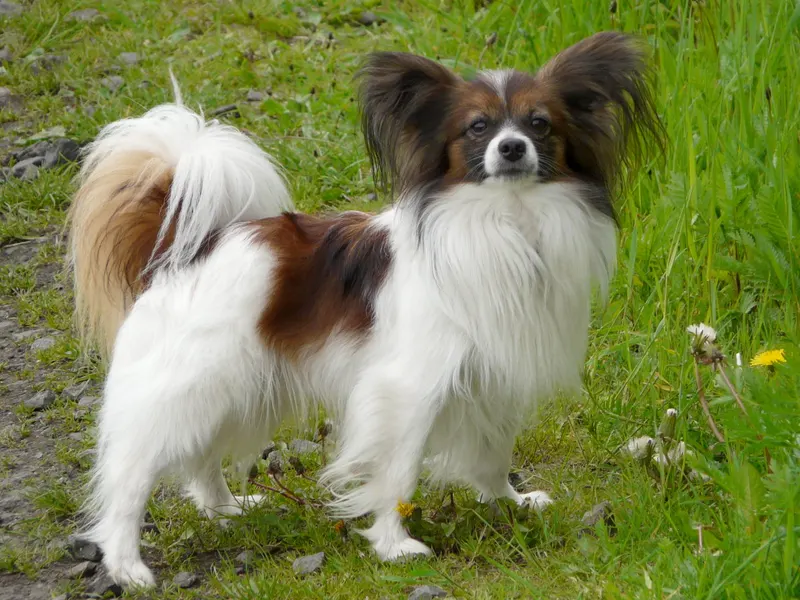
Papillon
Toy
5–10 lbs · 14–16 yrs
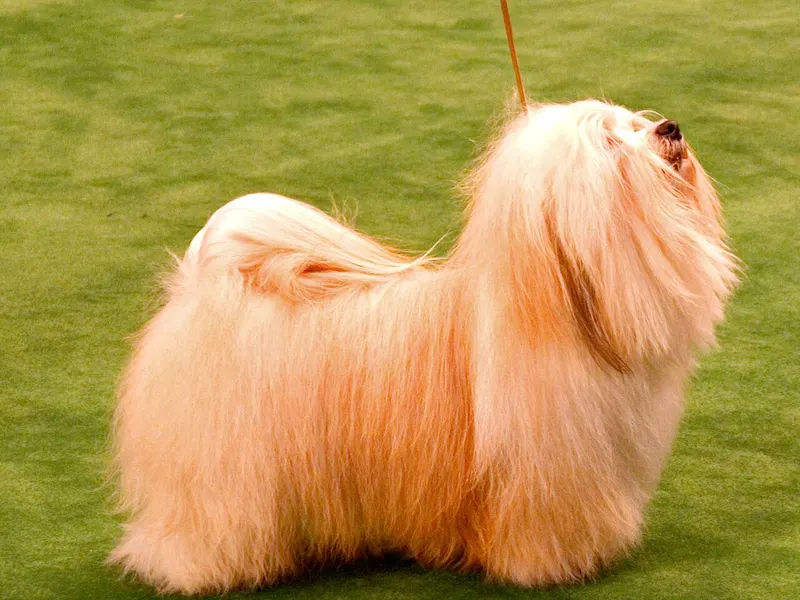
Havanese
Toy
7–13 lbs · 14–16 yrs
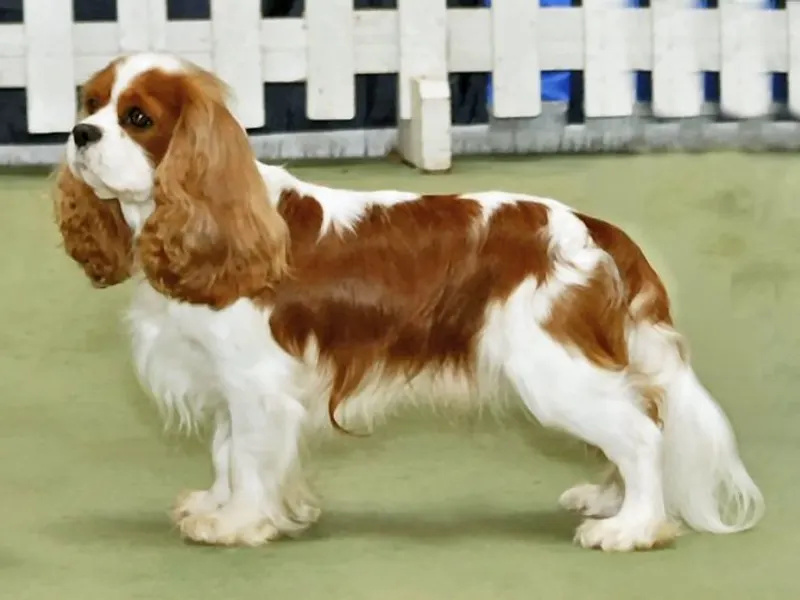
Cavalier King Charles Spaniel
Toy
13–18 lbs · 9–14 yrs
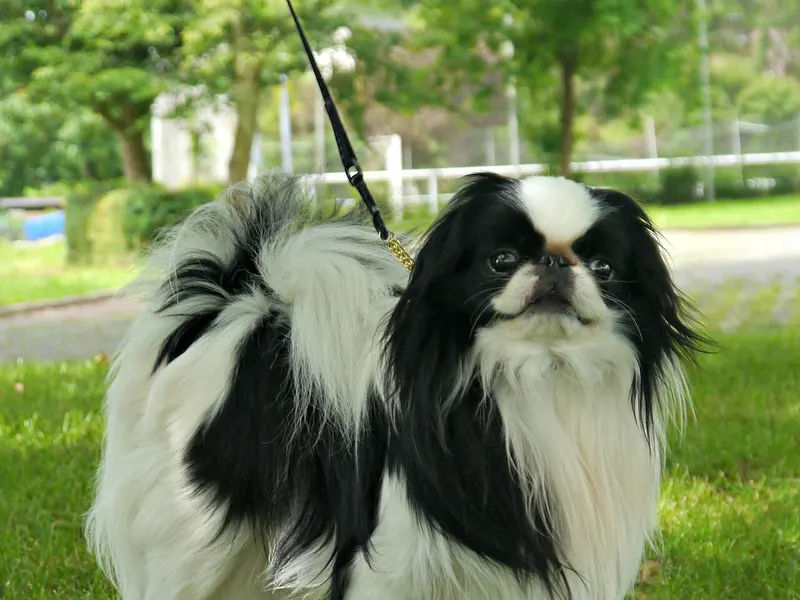
Japanese Chin
Toy
7–11 lbs · 10–12 yrs
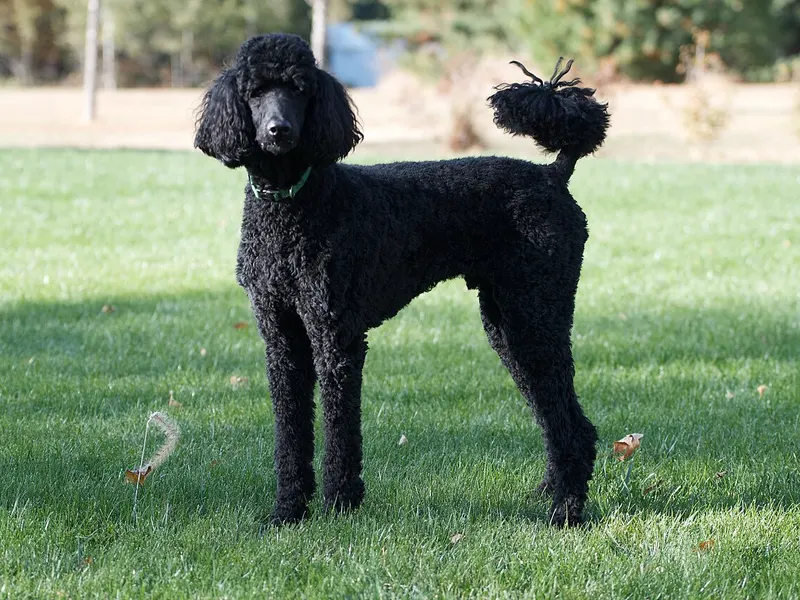
Toy Poodle
Toy
4–6 lbs · 12–15 yrs
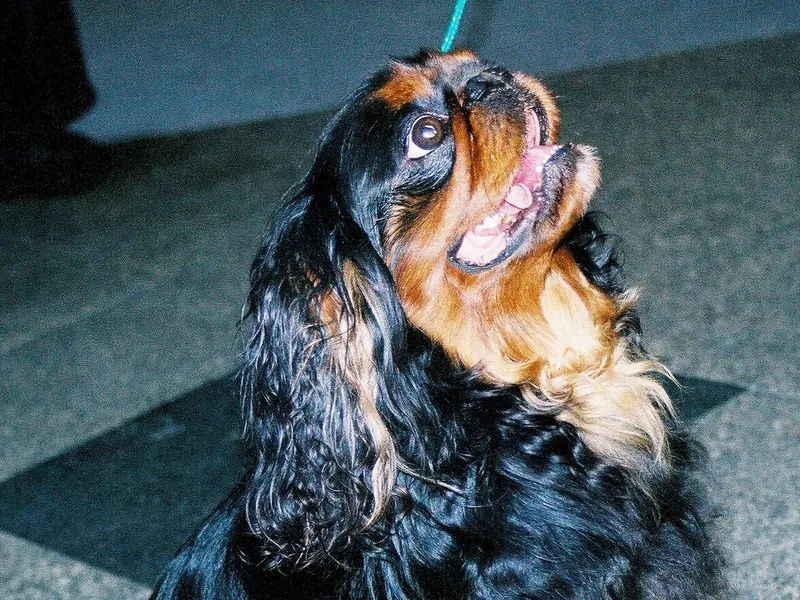
English Toy Spaniel
Toy
8–14 lbs · 10–12 yrs
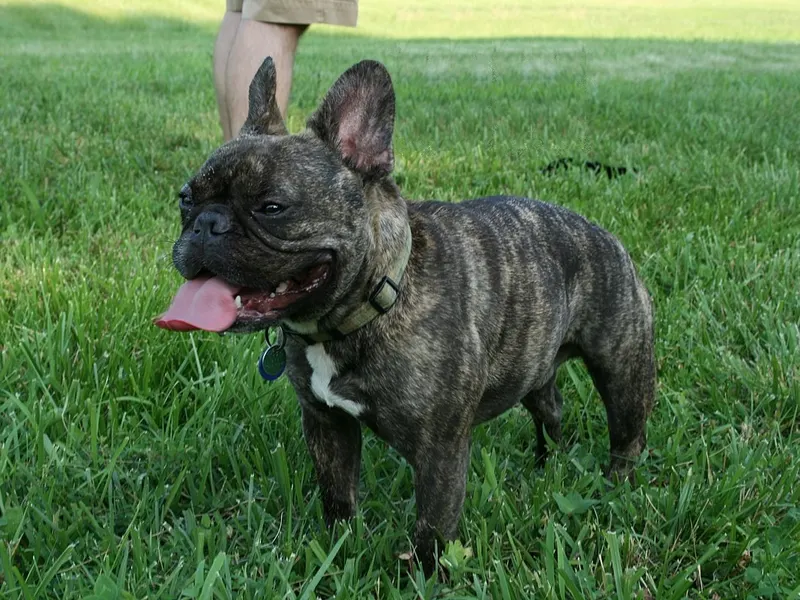
French Bulldog
Non-Sporting
16–28 lbs · 10–14 yrs
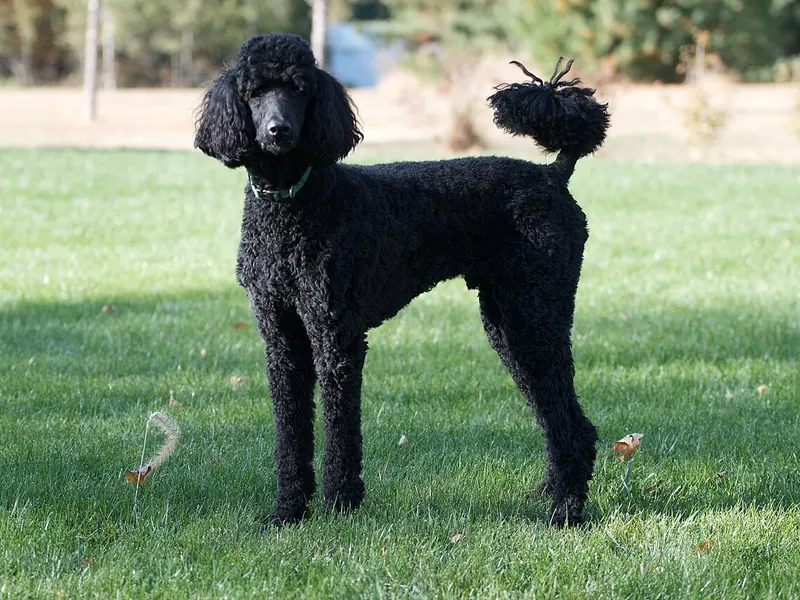
Standard Poodle
Non-Sporting
45–70 lbs · 10–13 yrs
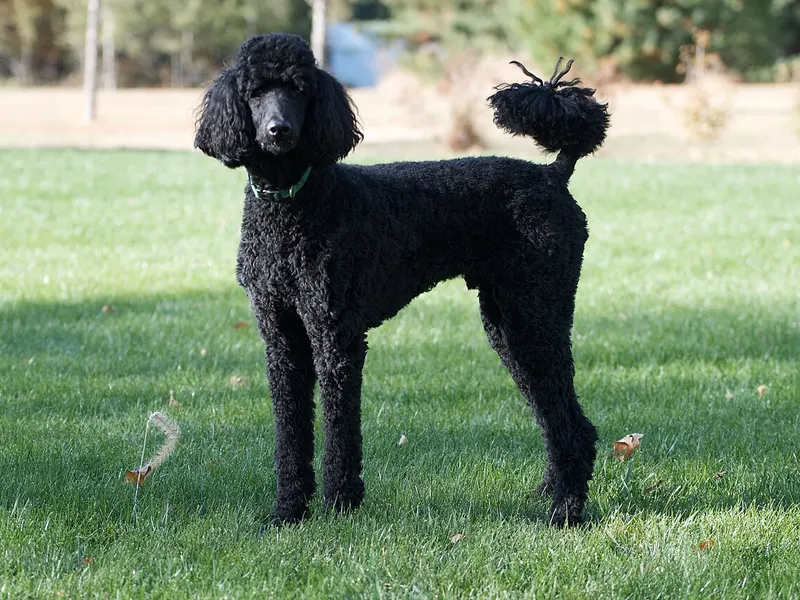
Miniature Poodle
Non-Sporting
10–15 lbs · 12–15 yrs
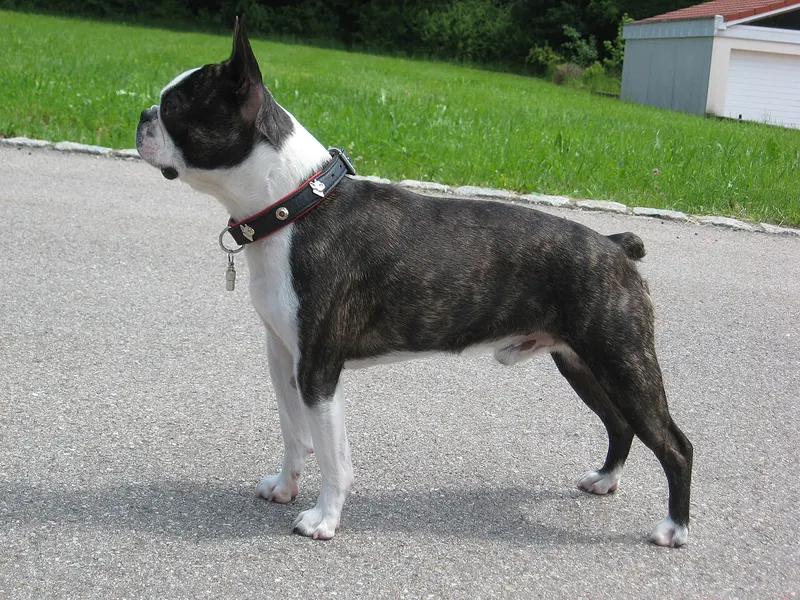
Boston Terrier
Non-Sporting
12–25 lbs · 11–13 yrs

Bichon Frise
Non-Sporting
12–18 lbs · 14–15 yrs
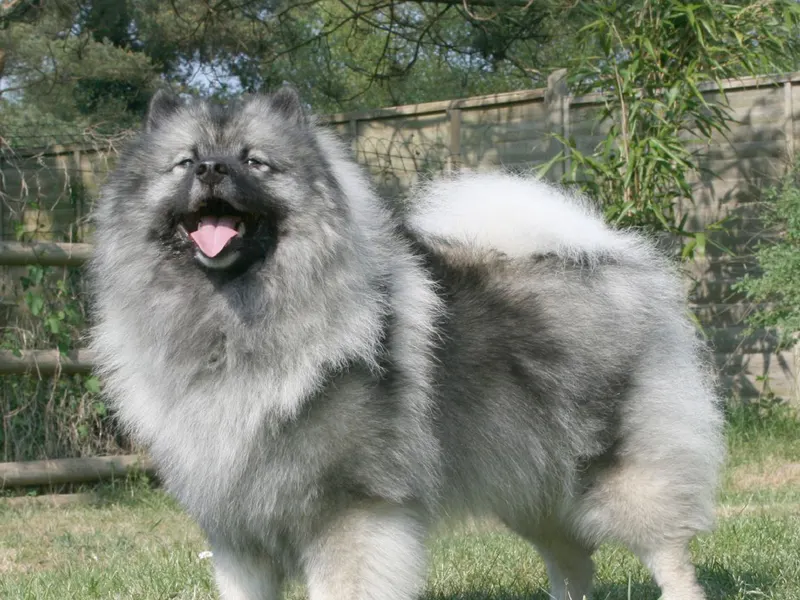
Keeshond
Non-Sporting
35–45 lbs · 12–15 yrs
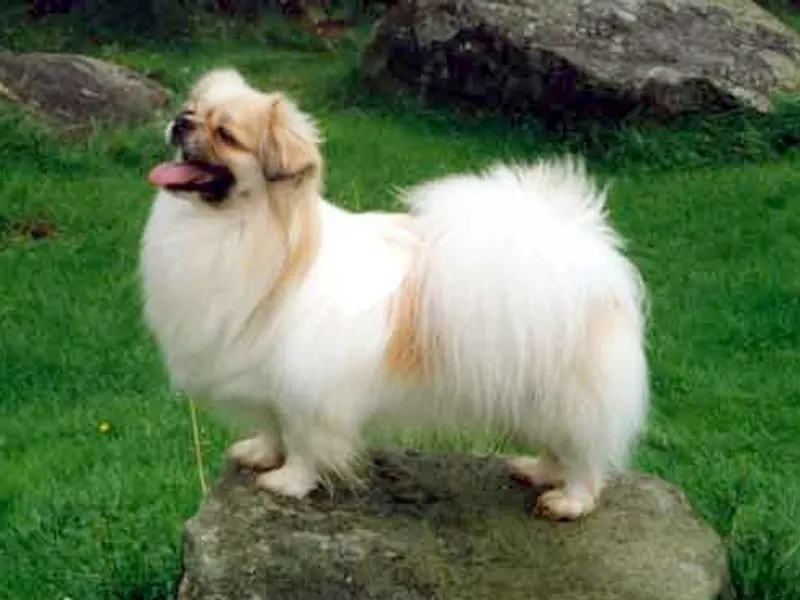
Tibetan Spaniel
Non-Sporting
9–15 lbs · 12–15 yrs
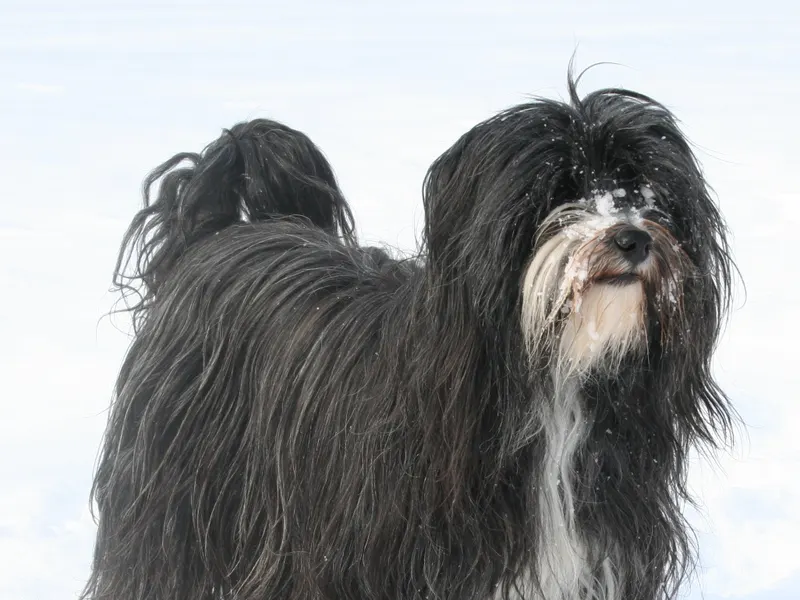
Tibetan Terrier
Non-Sporting
18–30 lbs · 12–15 yrs
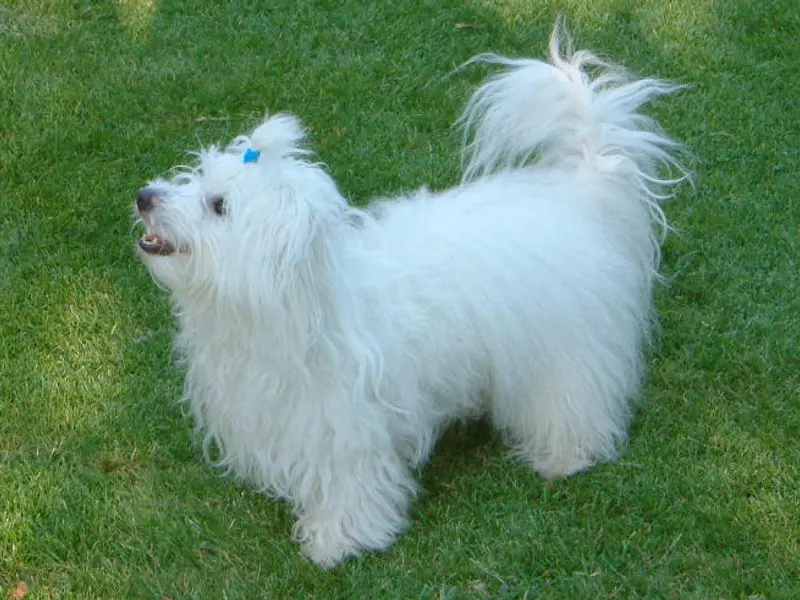
Coton de Tulear
Non-Sporting
8–15 lbs · 14–16 yrs
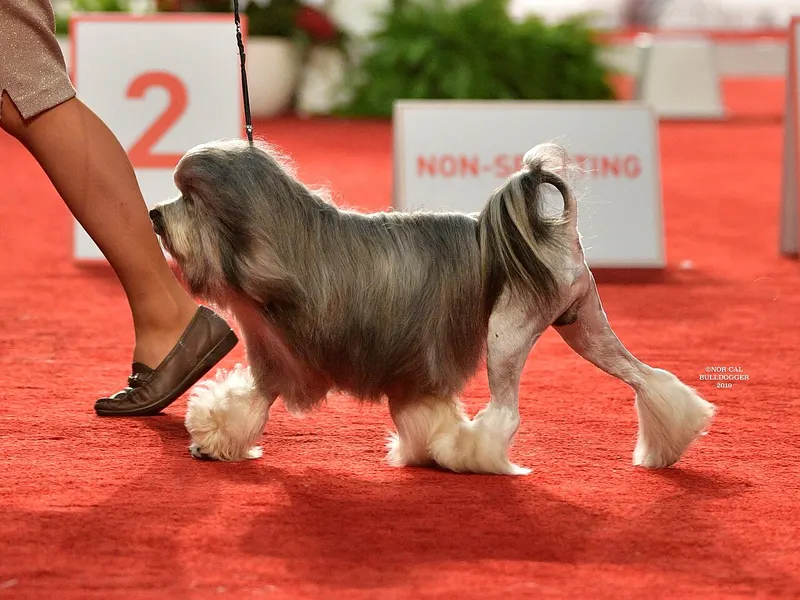
Löwchen
Non-Sporting
9–18 lbs · 13–15 yrs
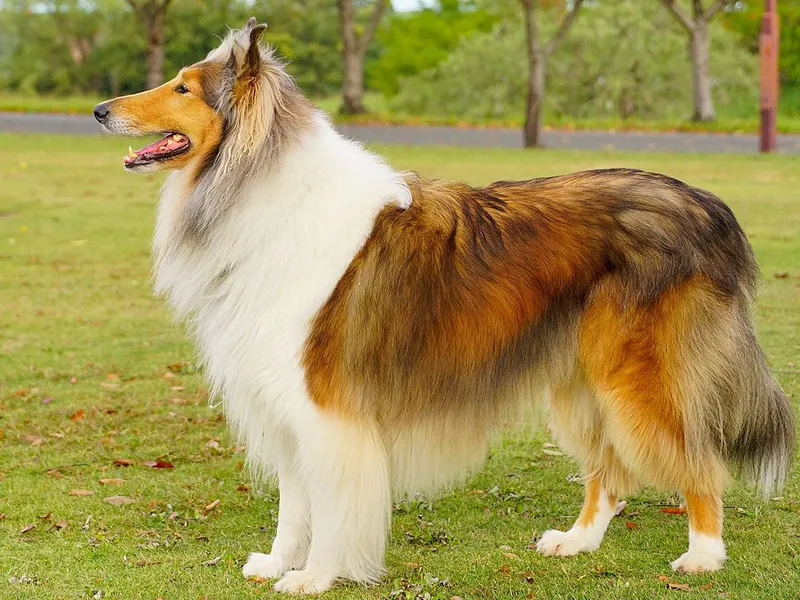
Collie
Herding
50–75 lbs · 12–14 yrs
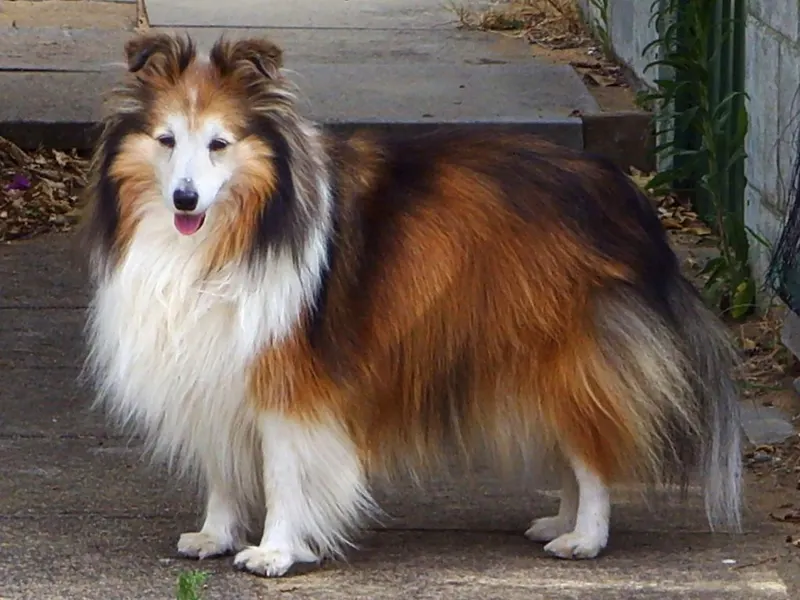
Shetland Sheepdog
Herding
15–25 lbs · 12–14 yrs
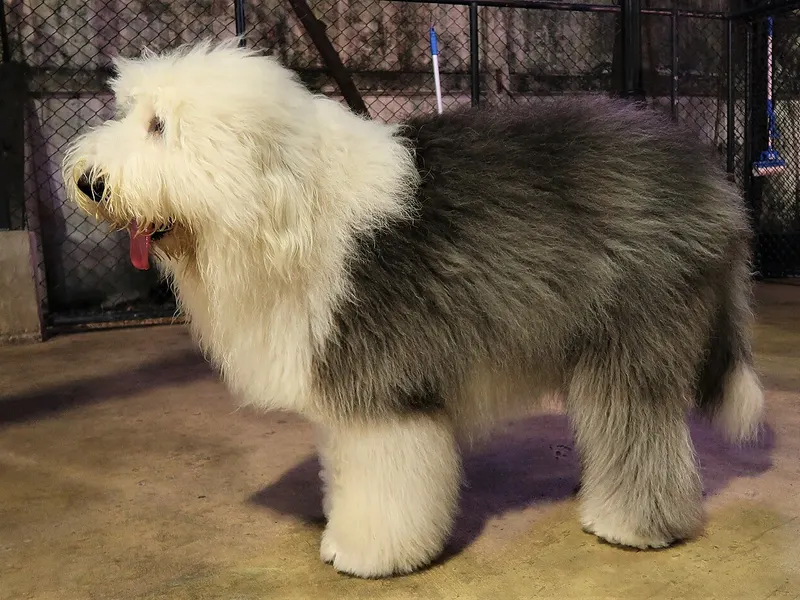
Old English Sheepdog
Herding
60–100 lbs · 10–12 yrs
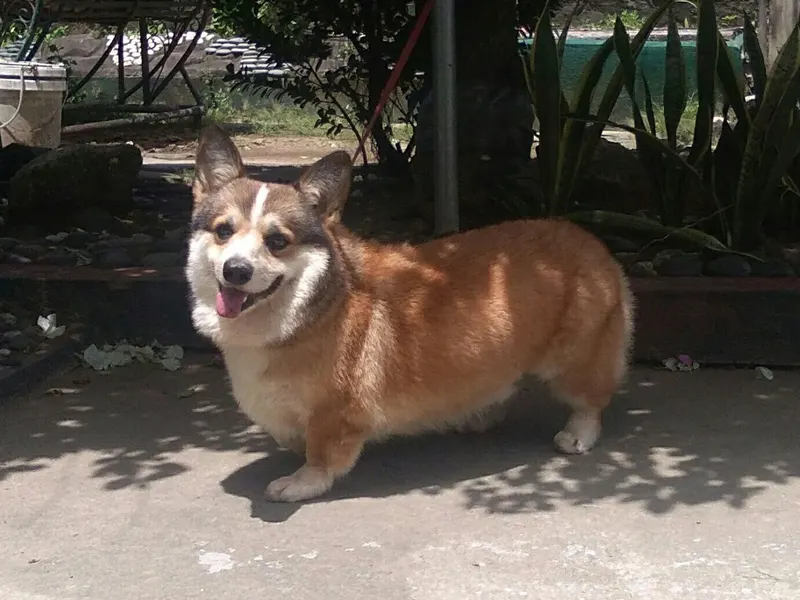
Pembroke Welsh Corgi
Herding
24–30 lbs · 12–13 yrs
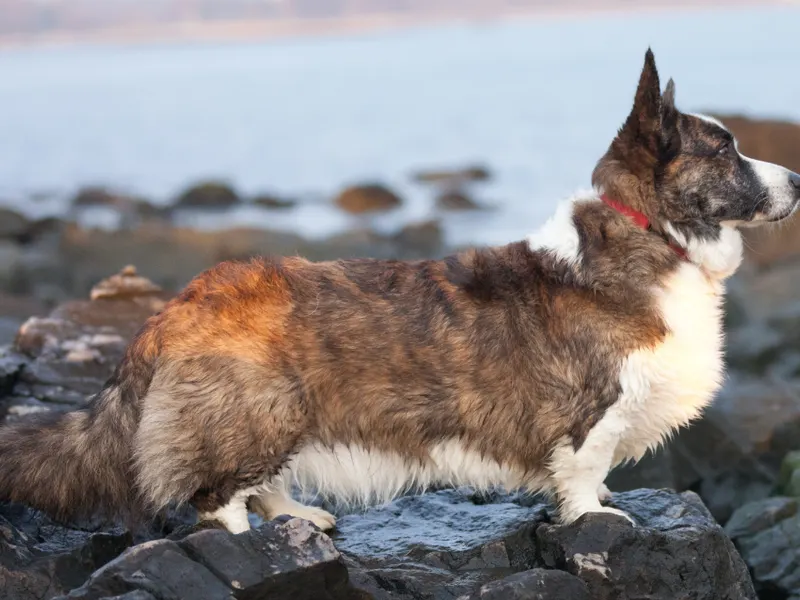
Cardigan Welsh Corgi
Herding
25–38 lbs · 12–15 yrs
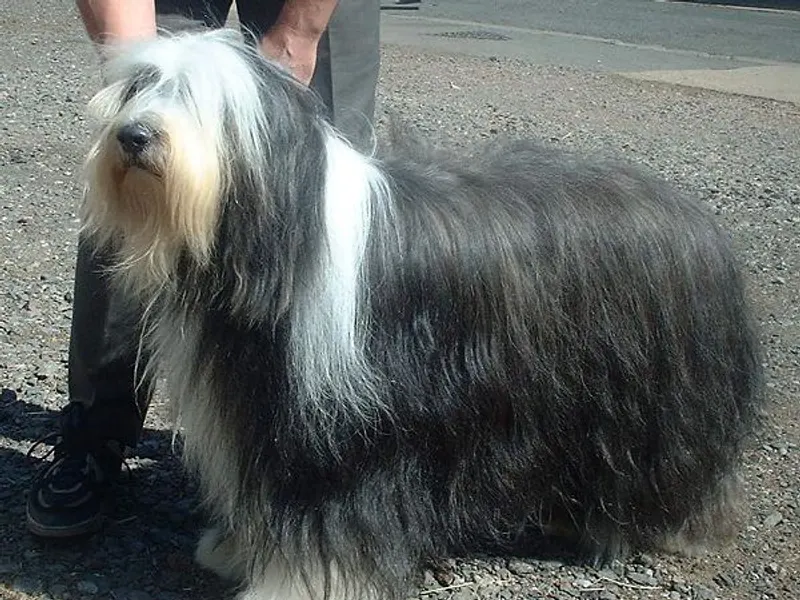
Bearded Collie
Herding
45–55 lbs · 12–14 yrs
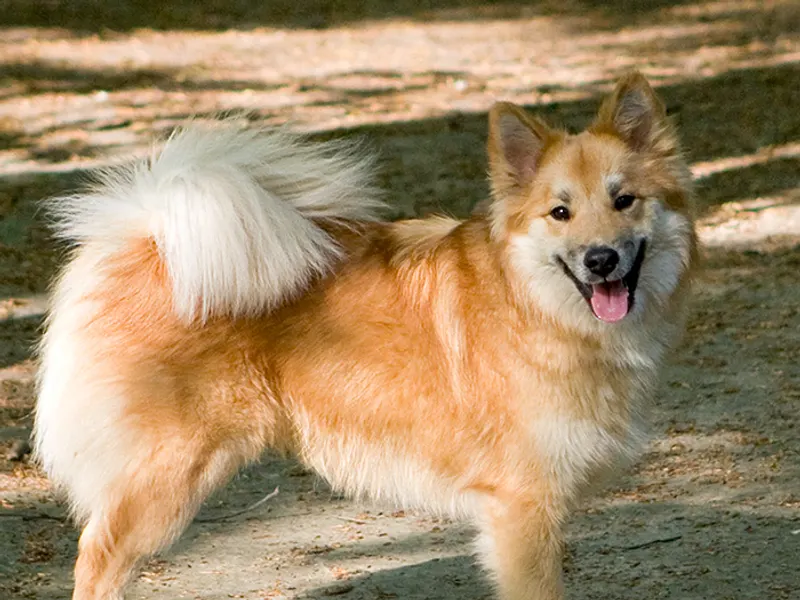
Icelandic Sheepdog
Herding
20–30 lbs · 12–14 yrs
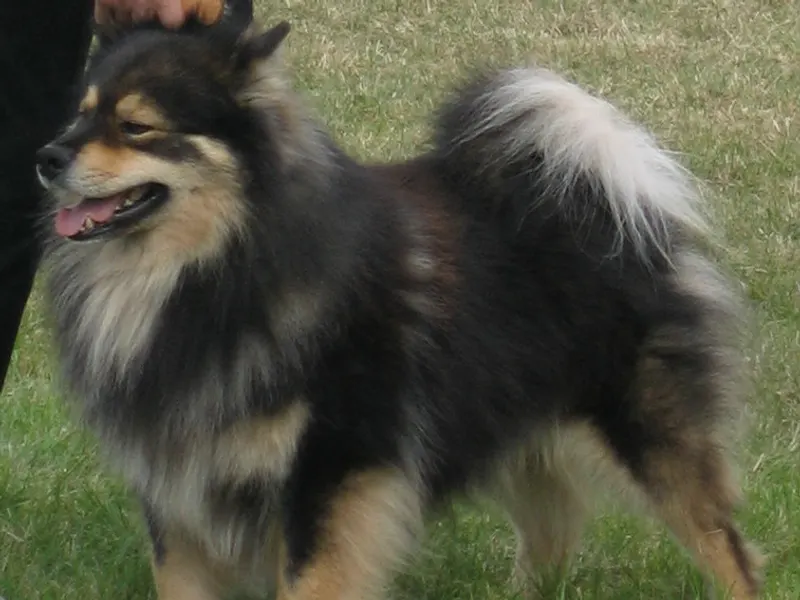
Finnish Lapphund
Herding
33–53 lbs · 12–14 yrs
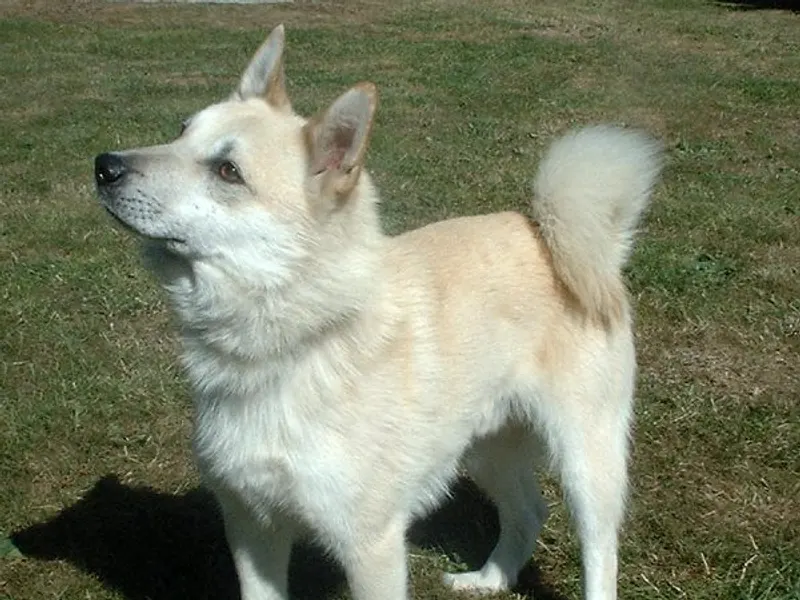
Norwegian Buhund
Herding
26–40 lbs · 12–15 yrs
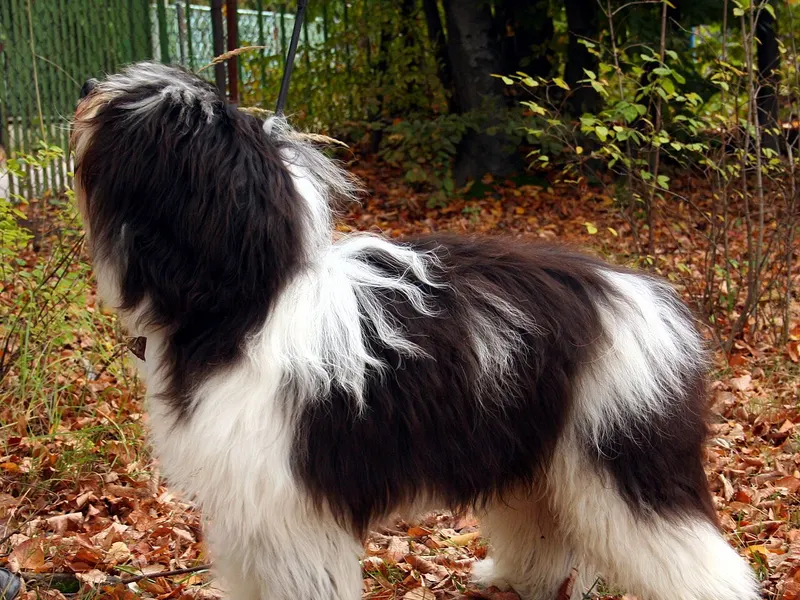
Polish Lowland Sheepdog
Herding
30–50 lbs · 12–14 yrs
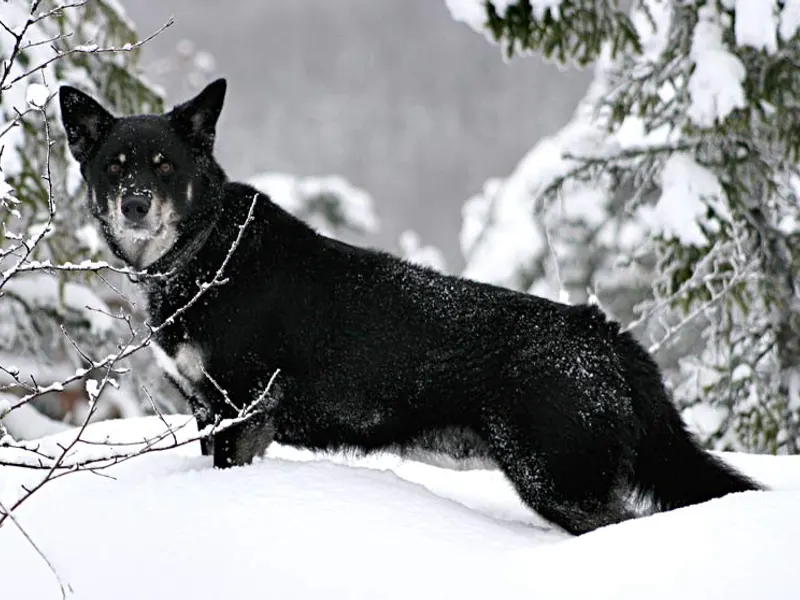
Lapponian Herder
Foundation Stock
40–55 lbs · 12–14 yrs
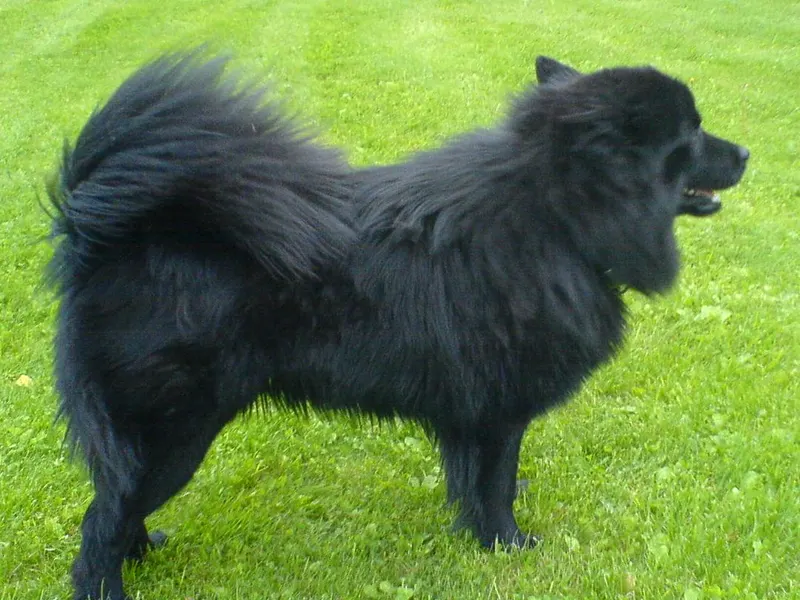
Swedish Lapphund
Foundation Stock
30–44 lbs · 12–15 yrs
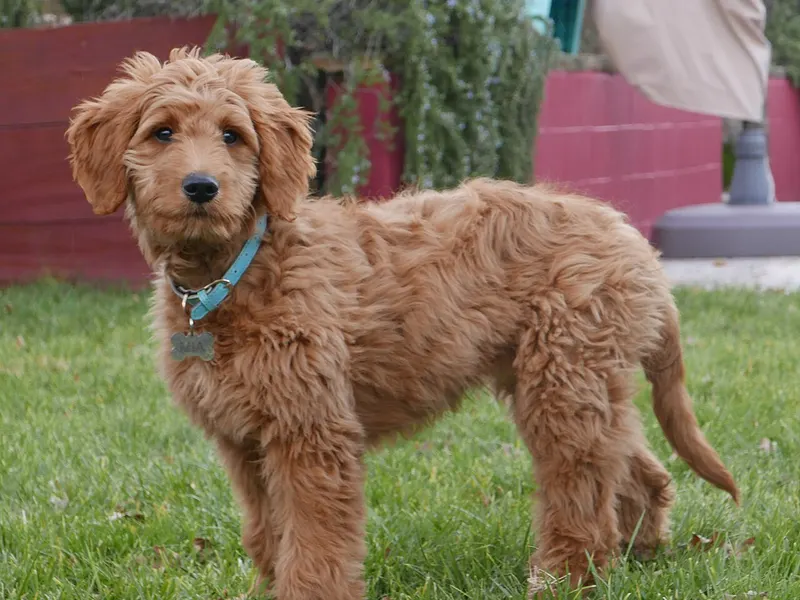
Goldendoodle
Crossbreed
50–90 lbs · 10–15 yrs
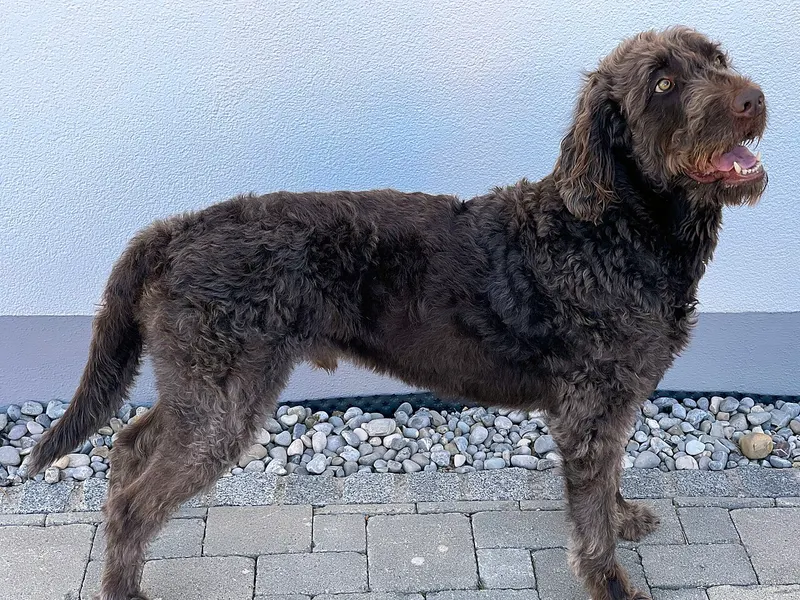
Labradoodle
Crossbreed
45–80 lbs · 12–14 yrs

Cockapoo
Crossbreed
12–24 lbs · 13–15 yrs

Puggle
Crossbreed
18–30 lbs · 10–13 yrs

Cavapoo
Crossbreed
9–25 lbs · 12–15 yrs
Sheepadoodle
Crossbreed
45–80 lbs · 12–15 yrs
Bernedoodle
Crossbreed
50–90 lbs · 12–15 yrs
Shorkie
Crossbreed
8–16 lbs · 11–16 yrs
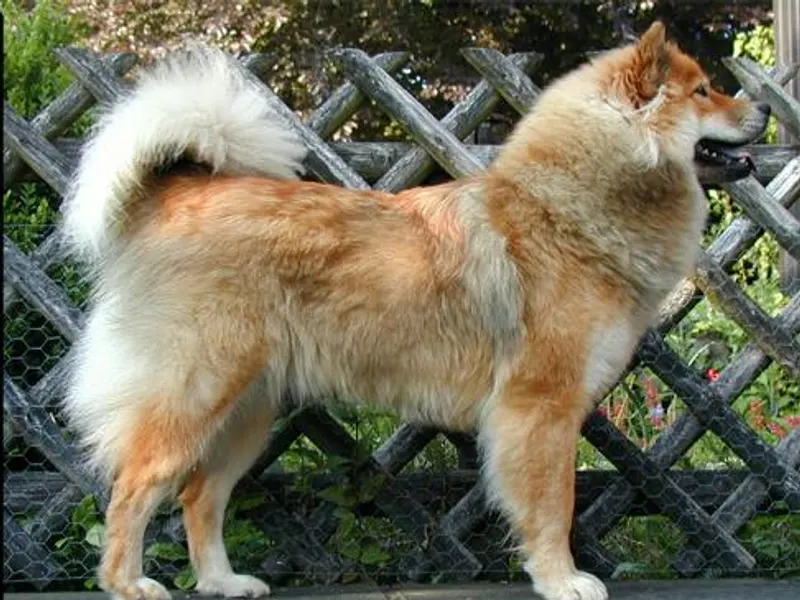
Eurasier
Non-Sporting
40–70 lbs · 11–13 yrs
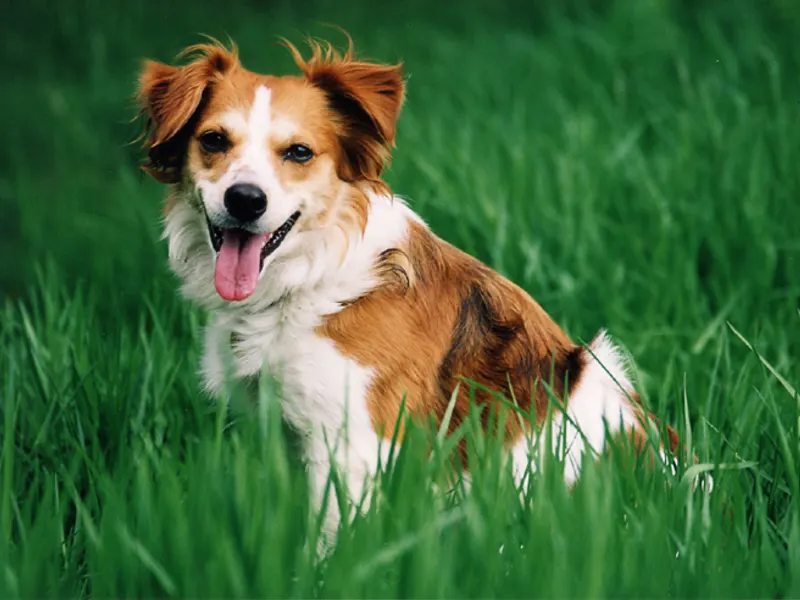
Kromfohrländer
Non-Sporting
20–30 lbs · 13–15 yrs
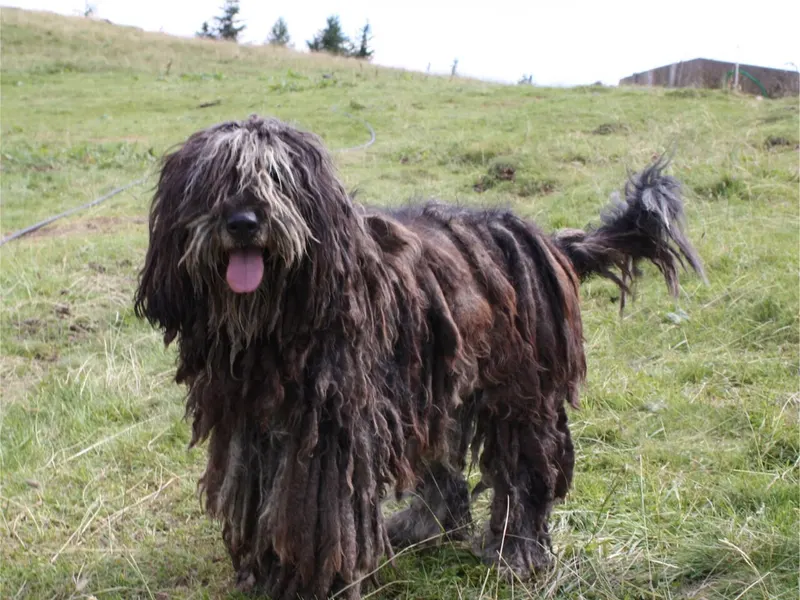
Bergamasco Sheepdog
Herding
57–84 lbs · 13–15 yrs
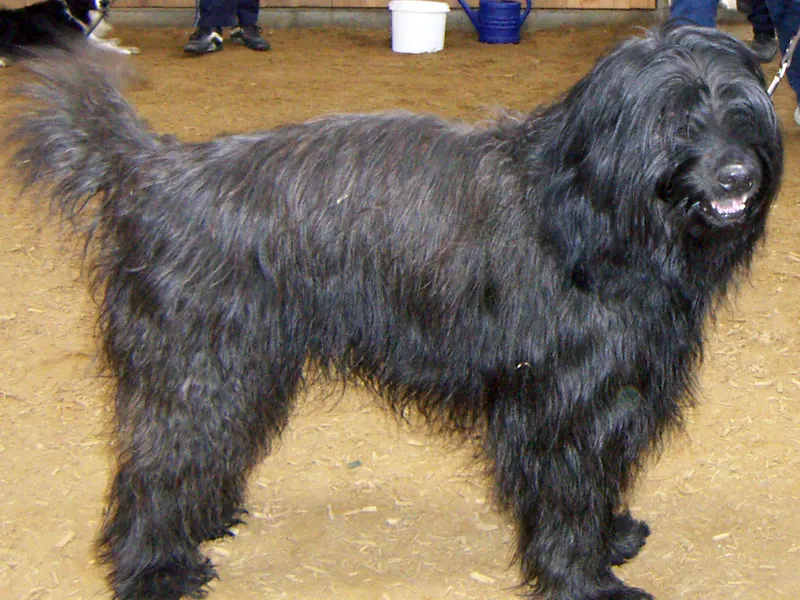
Catalan Sheepdog
Herding
35–55 lbs · 12–14 yrs