Best Cats For Families With Kids
Cat temperament research and veterinary behaviorist consensus point to a fairly consistent profile for cats that do well with children: high tolerance for handling and noise, low startle reactivity, and a generally patient, unbothered demeanor rather than the more easily overstimulated or independent-and-avoidant temperament some breeds carry — traits that, much like the dog equivalent covered elsewhere on this site, trace back partly to breed history and partly to how consistently a specific cat was socialized to gentle handling during its own kittenhood. Ragdolls are the breed most consistently recommended for families with children, and the name itself reflects the trait directly: Ragdolls are documented as an unusually relaxed breed that tends to go limp and tolerate handling calmly rather than the more typical feline startle-and-flee response, a genuinely distinctive temperament trait that makes the breed notably forgiving of the less gentle, more unpredictable handling young children sometimes bring even with the best supervision and teaching. Maine Coons, despite their large size, are similarly recommended for families due to a documented easygoing, sociable temperament that trainers and breed enthusiasts often describe as "dog-like" in its tolerance and engagement, alongside a sturdy enough build that normal childhood roughhousing is less likely to cause the cat physical stress than it might for a more delicate, smaller breed. It's worth being honest that cats, as a species, generally have a lower tolerance threshold for the kind of loud, sudden, grabbing behavior young children display than dogs typically do, and even a well-suited breed can become stressed or defensive without consistent adult supervision and active teaching of gentle handling — a cat retreating and hiding rather than a dog's more visible, harder-to-miss stress signals means a poorly matched or poorly supervised cat-child relationship can go unnoticed longer before escalating to scratching or biting, which makes proactive supervision arguably even more important with cats than with dogs specifically because the warning signs are quieter. Claws are a real, cat-specific safety consideration this list needs to address directly rather than skip: regular nail trimming, appropriate scratching post training, and never declawing (a procedure increasingly recognized by veterinary organizations including the American Association of Feline Practitioners as involving amputation of the last toe bone, with documented long-term physical and behavioral downsides) are the responsible approaches to managing scratch risk around children, rather than choosing a breed based on claw-related assumptions that don't meaningfully differ across most breeds. This page's selections rest on documented low reactivity, high physical tolerance for handling, and consistent breed-club and veterinary-behaviorist reporting of success in households with children — though individual cat temperament and a specific household's supervision matter just as much, and any family bringing home a cat around young children should introduce the pairing gradually and teach children early to recognize and respect feline stress signals rather than leaning on breed reputation alone to prevent a mismatch. A few more breeds worth naming for households with children: the Birman's gentle, even temperament and moderate activity level suit family life well; the American Shorthair's generally robust health and easygoing, adaptable personality make it a longtime family favorite; and the Exotic Shorthair offers much of the Persian's calm, patient temperament in a coat requiring considerably less daily grooming investment, a genuinely practical advantage for a busy family household. It's worth naming specific, concrete teaching points parents can use directly with young children rather than relying on general "be gentle" instructions alone: teaching a child to let the cat approach rather than chasing or cornering it, to avoid picking the cat up in ways that don't support its full body weight (a common source of feline stress and occasional injury), to recognize a swishing tail or flattened ears as signs to back off rather than escalate contact, and to always supervise interactions during the cat's first several weeks in a new home specifically, since that adjustment period is when a cat is most likely to feel overwhelmed and react defensively to well-intentioned but overly enthusiastic handling. It's worth naming a specific practical setup that helps a family cat feel secure around a busy household with children: maintaining a permanent, child-free elevated or enclosed retreat space (a tall cat tree, a baby-gated room) the cat can access at any time gives it genuine control over its own exposure to household chaos, which behaviorists consistently note reduces defensive scratching and biting incidents more effectively than breed selection alone, since even the most tolerant breed benefits from having a reliable way to opt out of interaction when it needs to.
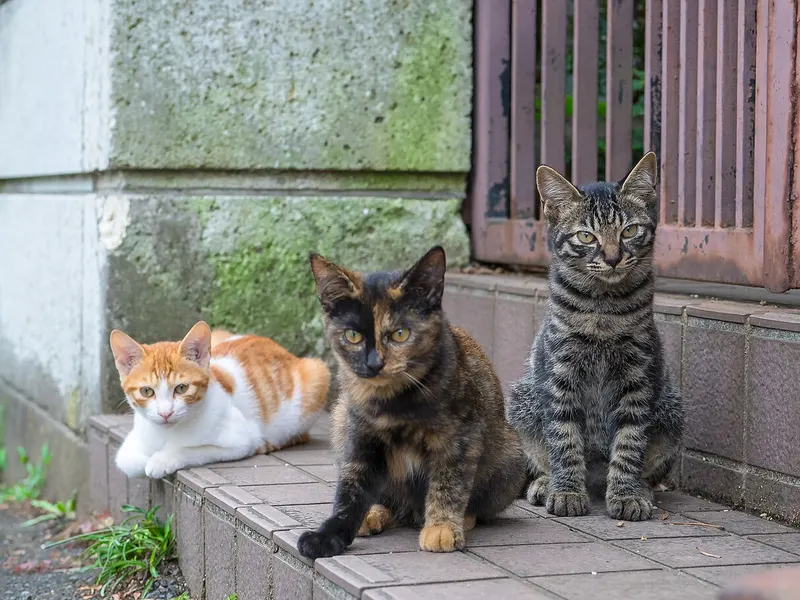
Domestic Shorthair
Semi-foreign
8–12 lbs · 12–18 yrs
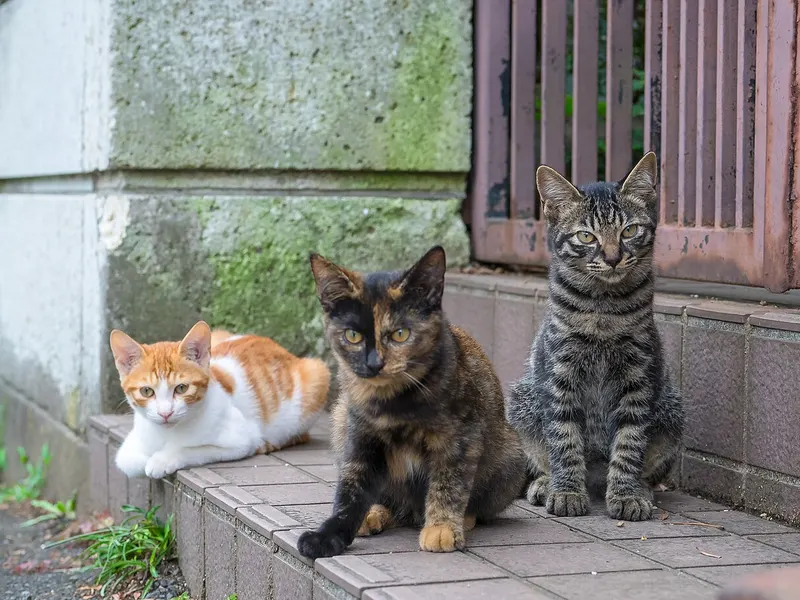
Domestic Longhair
Semi-foreign
8–15 lbs · 12–18 yrs
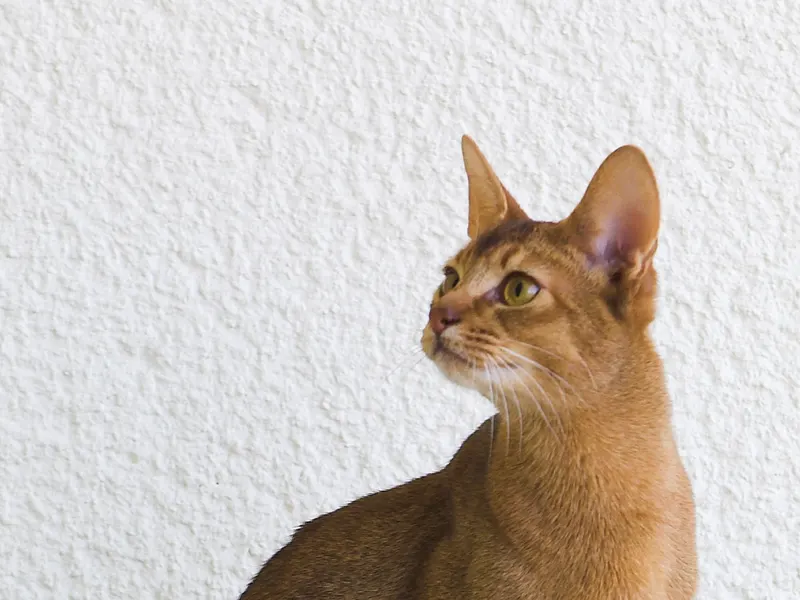
Abyssinian
Foreign
6–10 lbs · 9–15 yrs
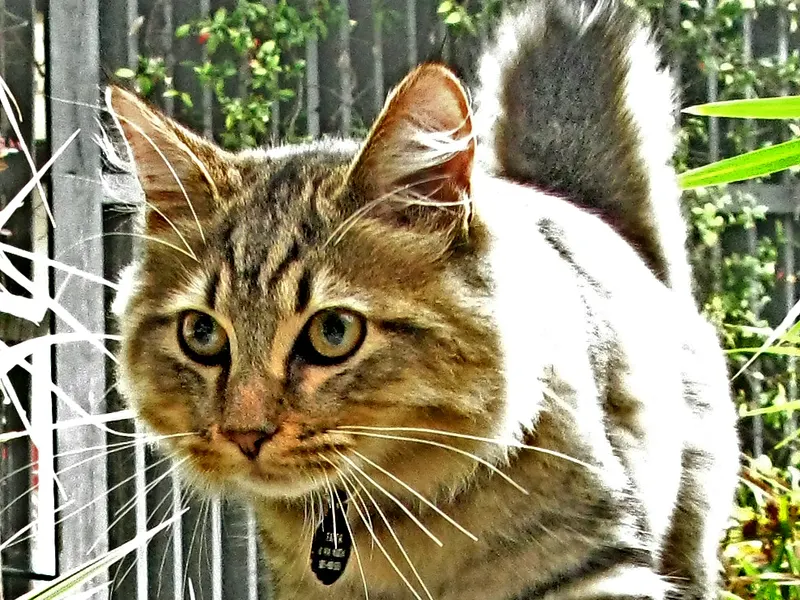
American Bobtail
Semi-cobby
7–16 lbs · 11–15 yrs
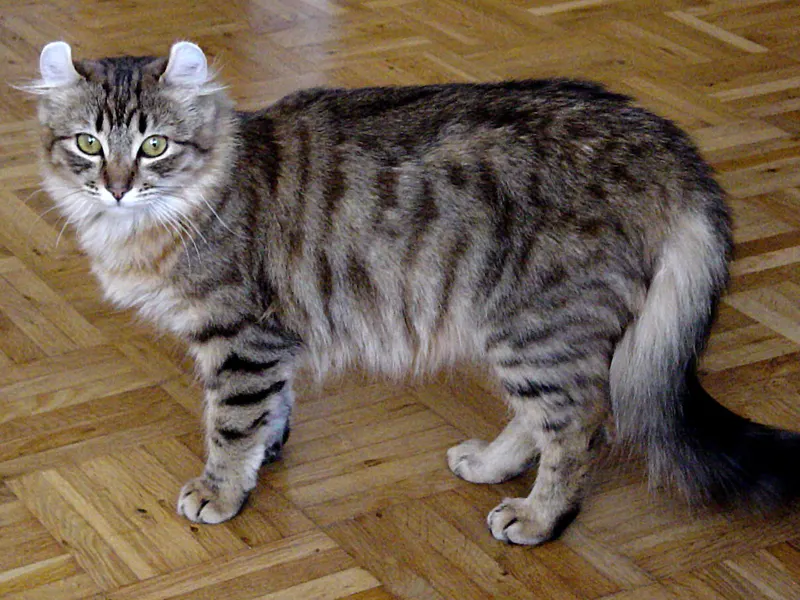
American Curl
Semi-foreign
5–10 lbs · 12–16 yrs
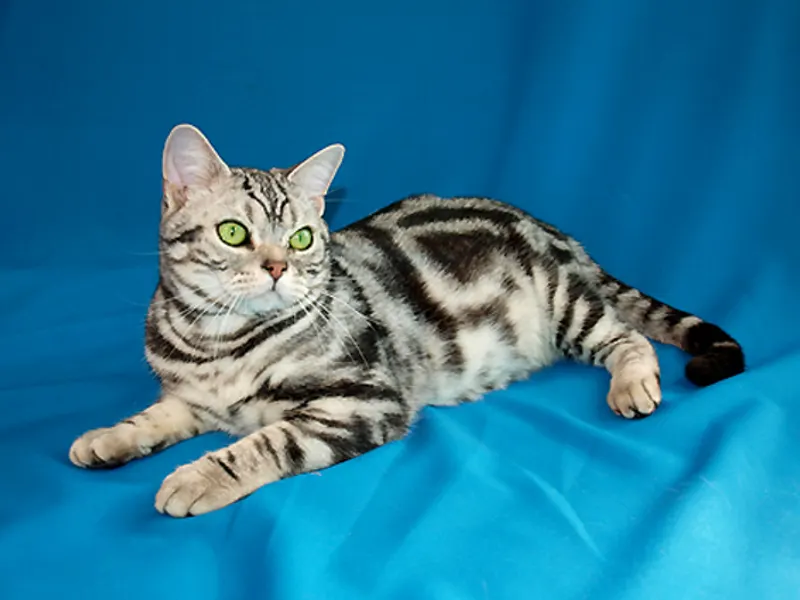
American Shorthair
Cobby
8–15 lbs · 15–20 yrs
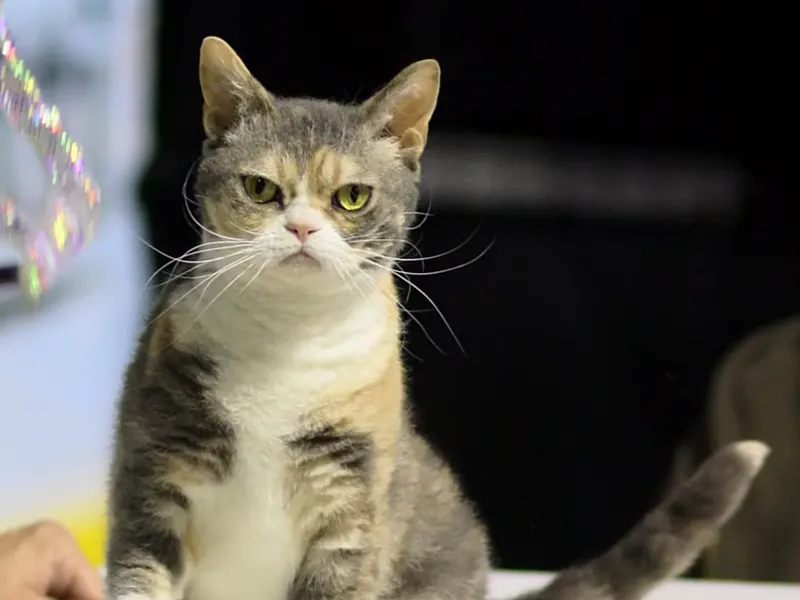
American Wirehair
Cobby
8–15 lbs · 14–18 yrs
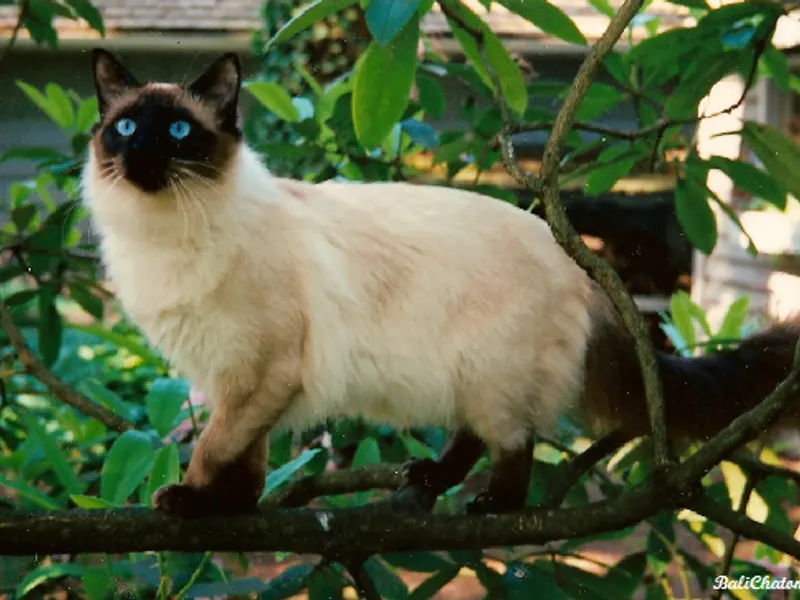
Balinese
Oriental
6–10 lbs · 12–18 yrs
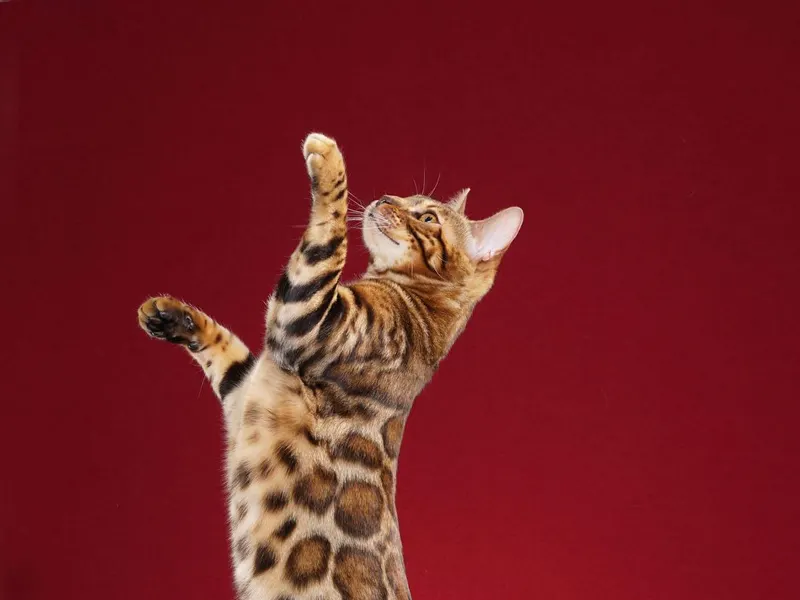
Bengal
Foreign
8–15 lbs · 12–16 yrs
Birman
Semi-cobby
8–12 lbs · 12–16 yrs
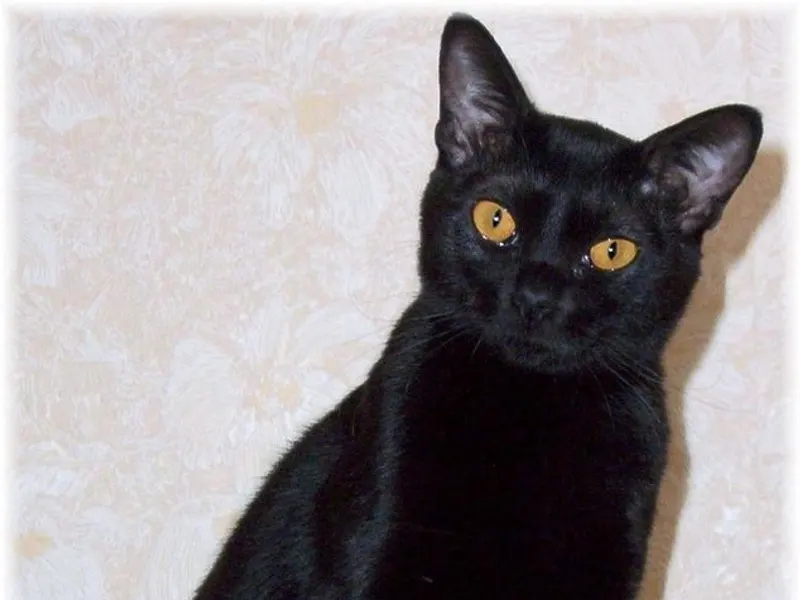
Bombay
Semi-cobby
6–11 lbs · 12–16 yrs
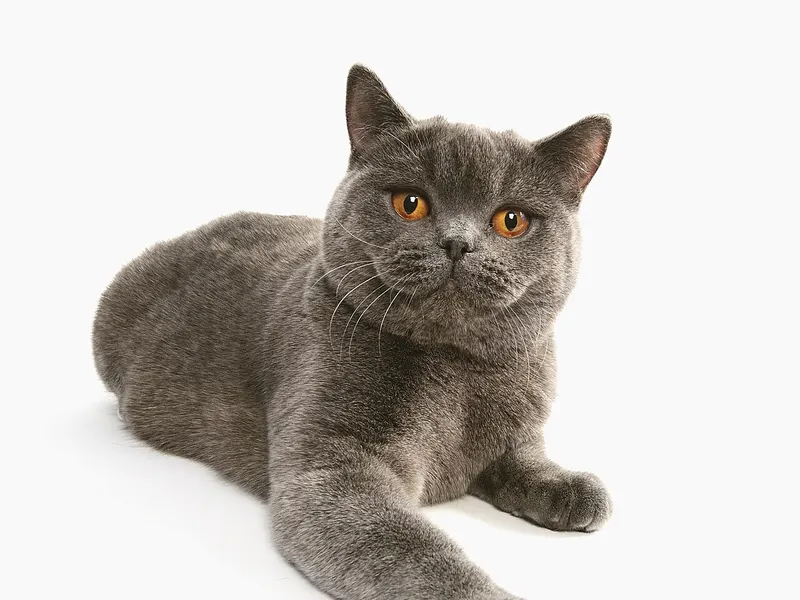
British Shorthair
Cobby
9–18 lbs · 12–17 yrs
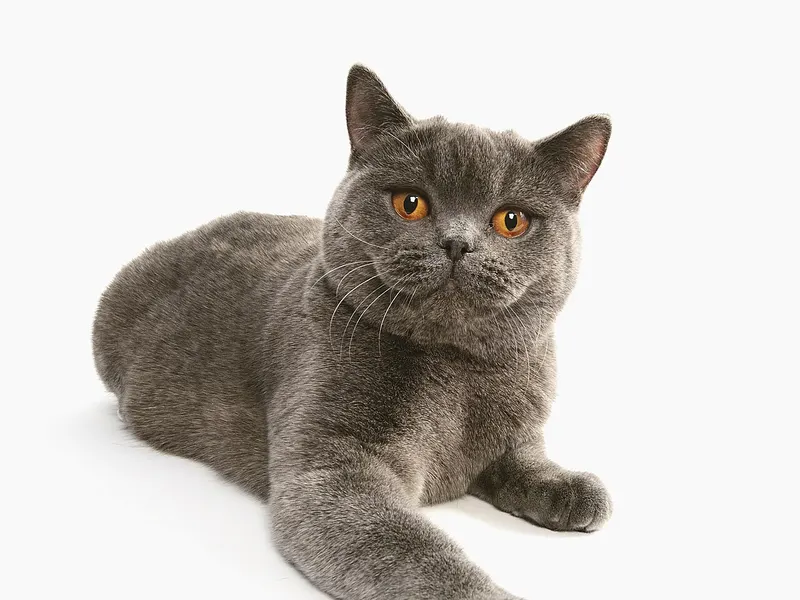
British Longhair
Cobby
9–17 lbs · 12–17 yrs
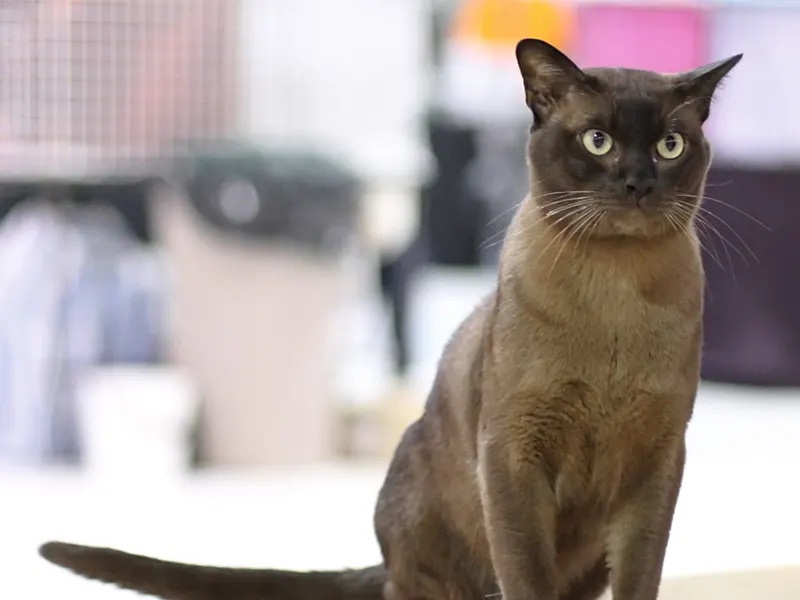
Burmese
Cobby
6–12 lbs · 10–16 yrs
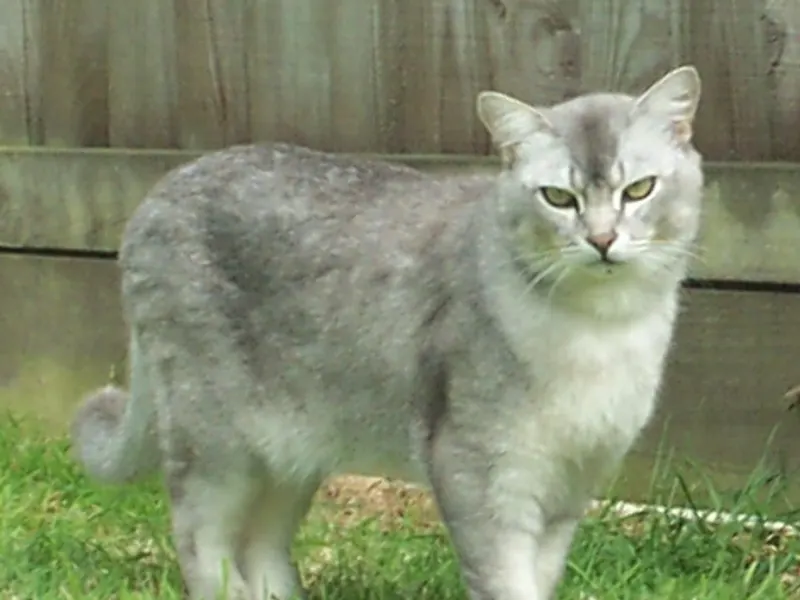
Burmilla
Semi-cobby
6–12 lbs · 10–15 yrs
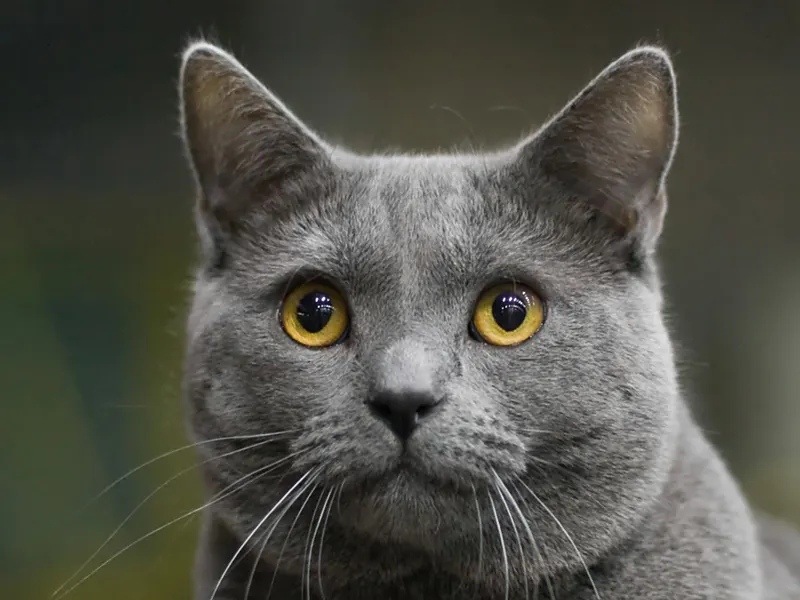
Chartreux
Semi-cobby
7–16 lbs · 12–15 yrs
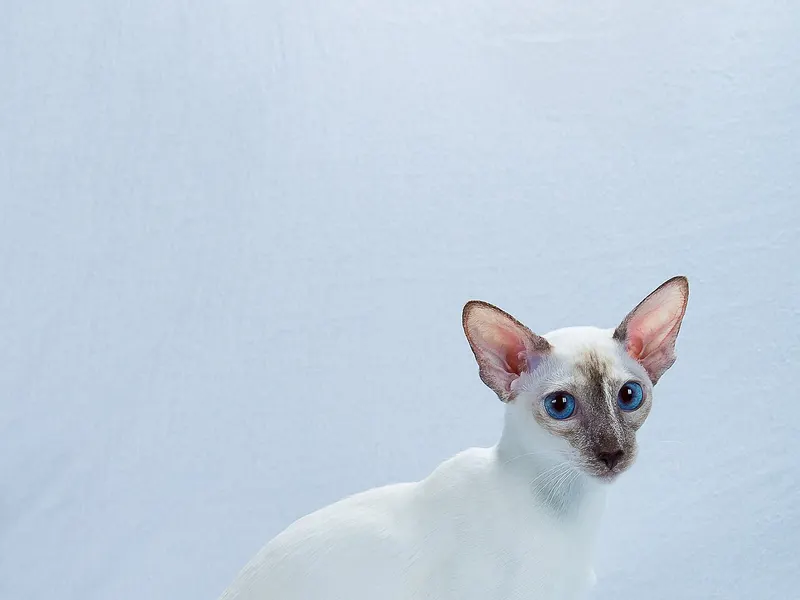
Colorpoint Shorthair
Oriental
6–10 lbs · 12–16 yrs
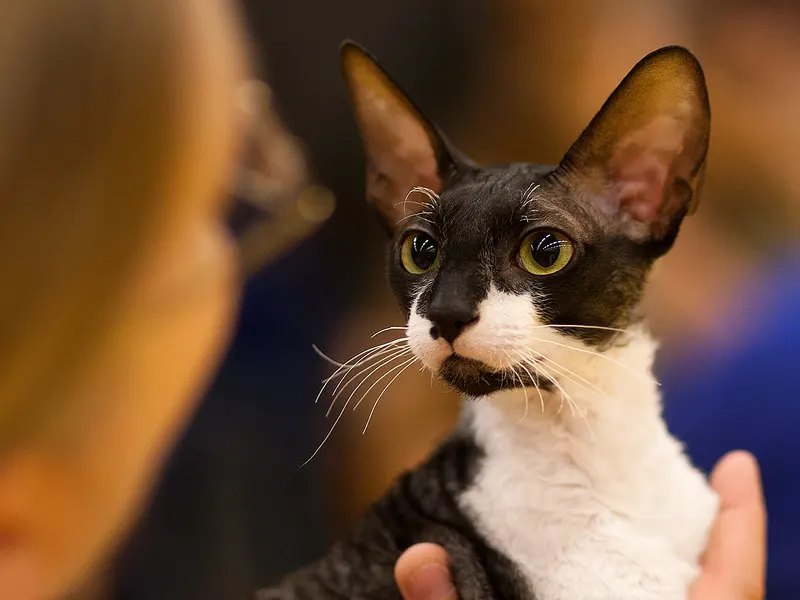
Cornish Rex
Rex
6–10 lbs · 11–15 yrs
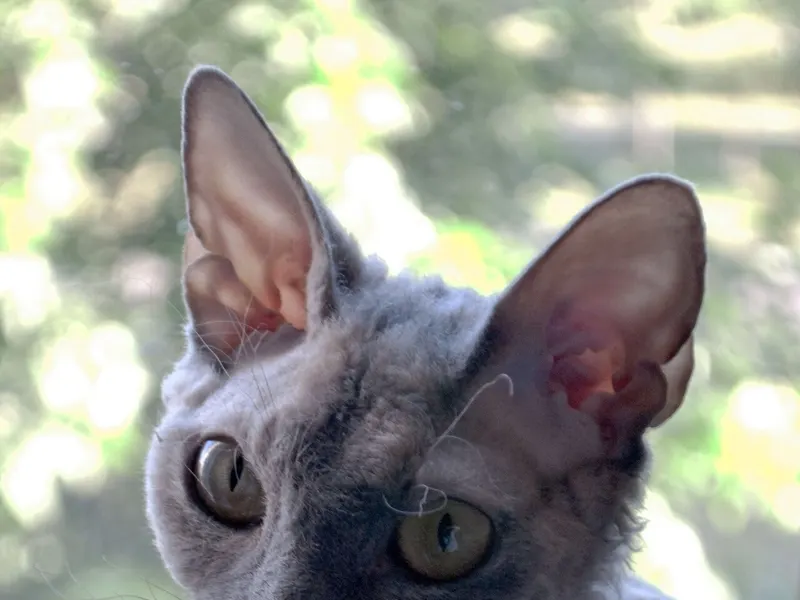
Devon Rex
Rex
6–9 lbs · 9–15 yrs
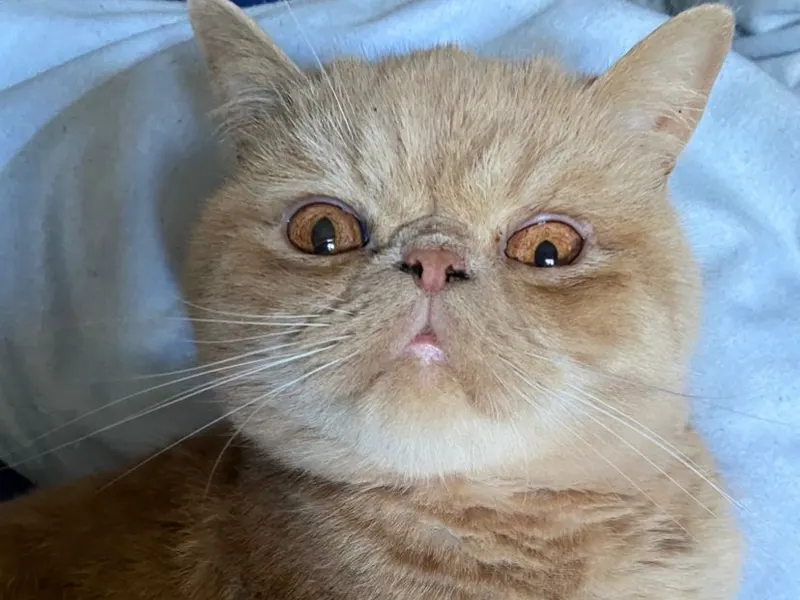
Exotic Shorthair
Cobby
7–14 lbs · 12–15 yrs
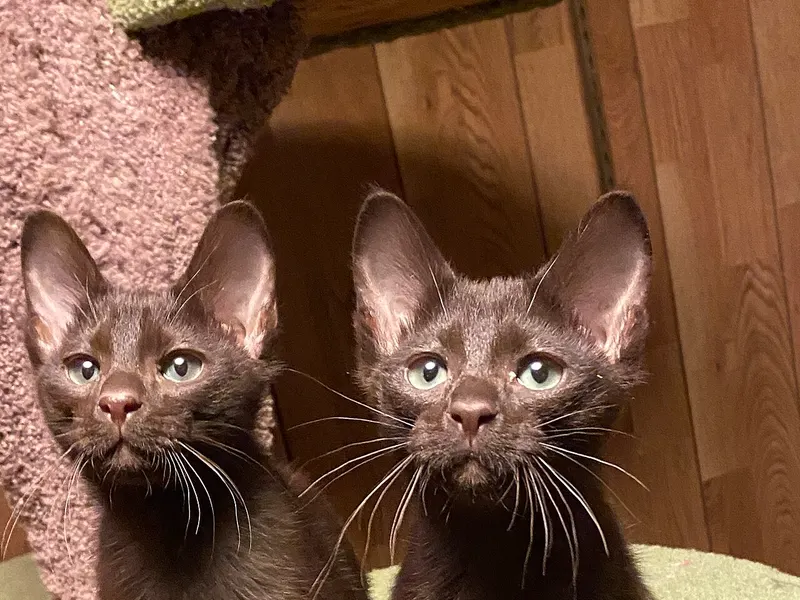
Havana Brown
Foreign
6–10 lbs · 9–15 yrs
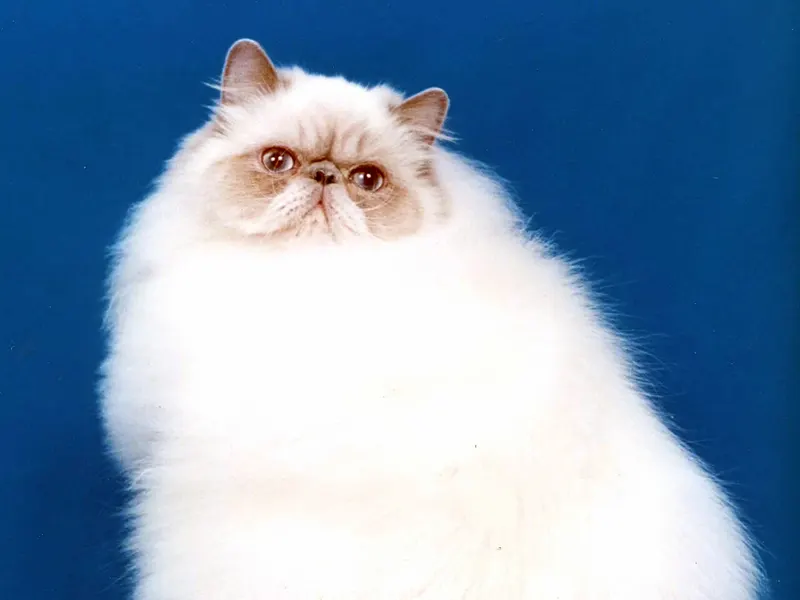
Himalayan
Cobby
7–12 lbs · 9–15 yrs
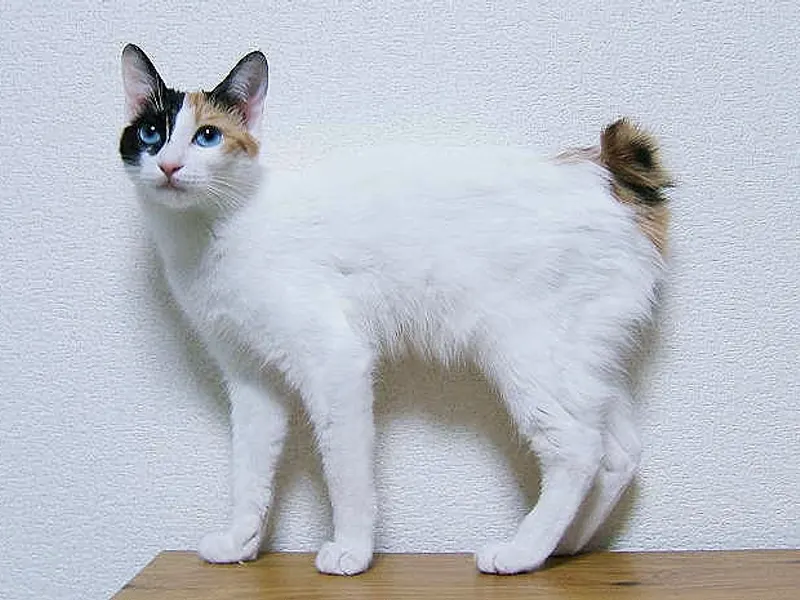
Japanese Bobtail
Semi-foreign
6–10 lbs · 12–16 yrs
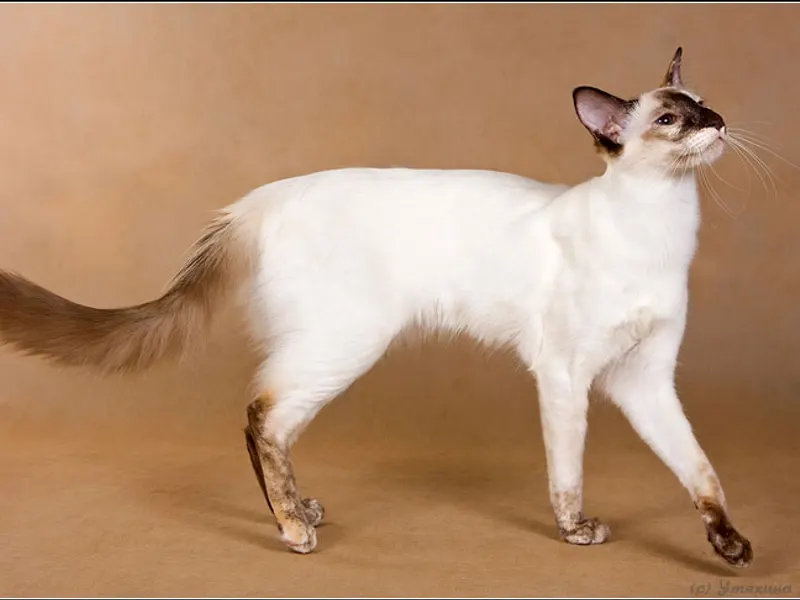
Javanese
Oriental
6–10 lbs · 12–18 yrs
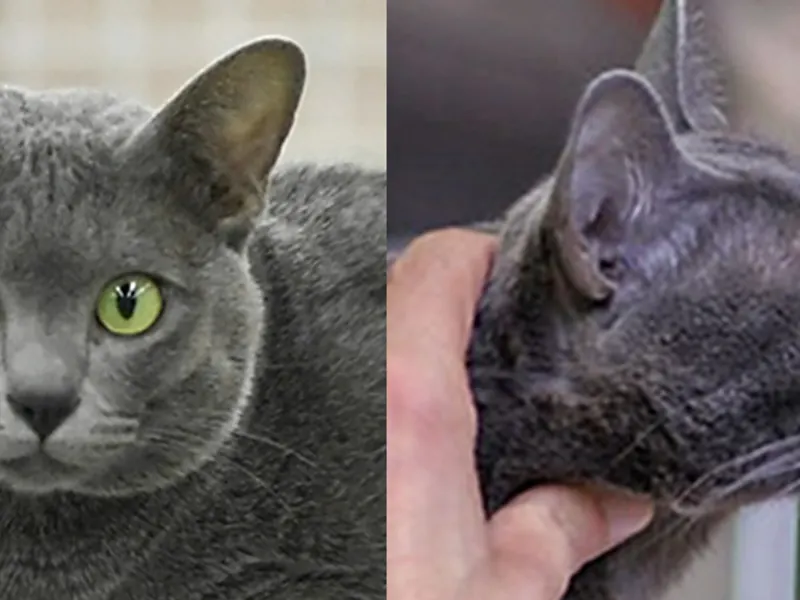
Korat
Foreign
6–10 lbs · 15–20 yrs
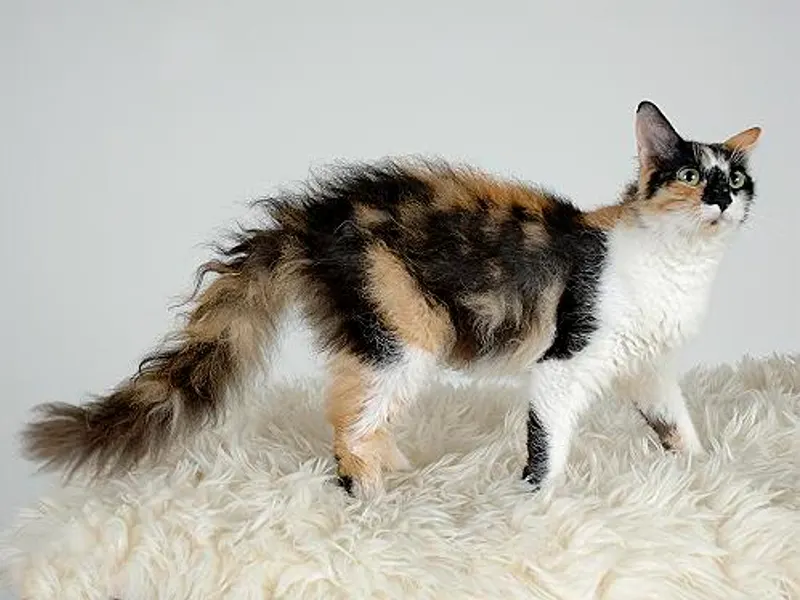
LaPerm
Semi-foreign
6–10 lbs · 10–15 yrs
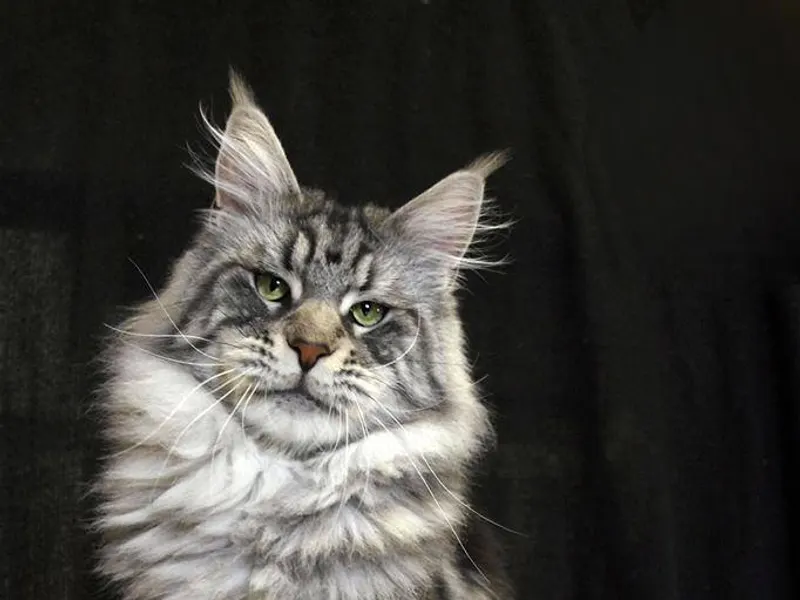
Maine Coon
Long & Substantial
10–25 lbs · 12–15 yrs
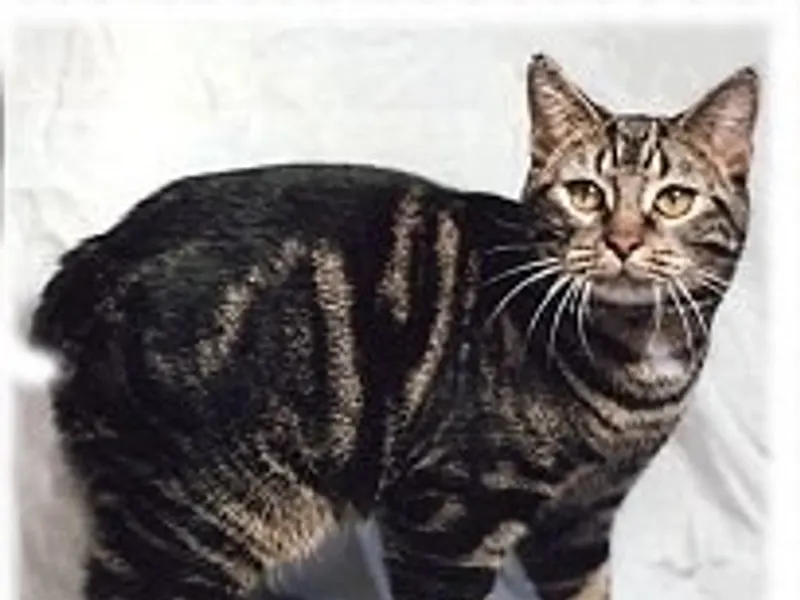
Manx
Cobby
8–12 lbs · 8–14 yrs
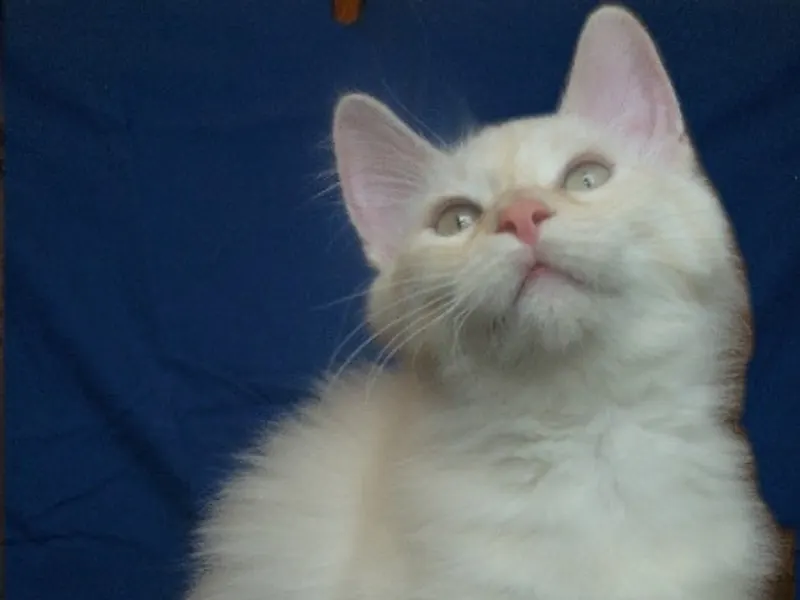
Munchkin
Semi-cobby
5–9 lbs · 12–15 yrs
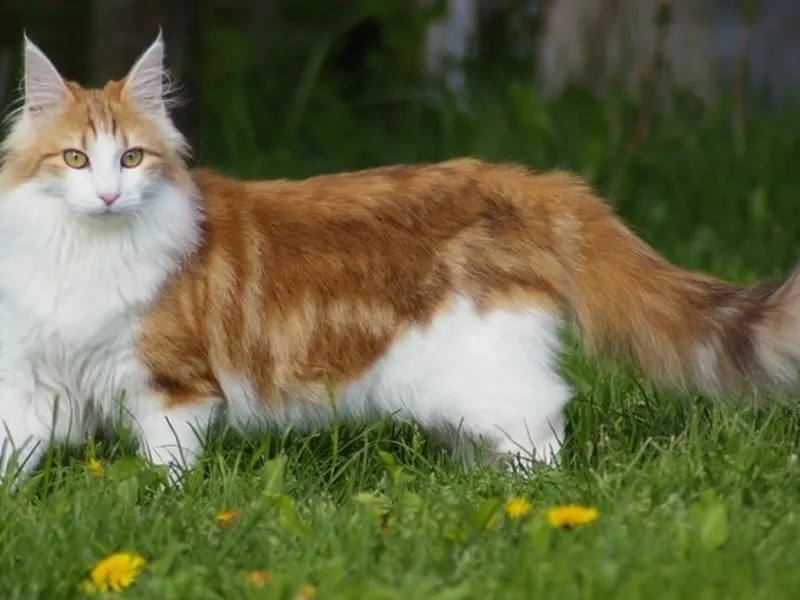
Norwegian Forest Cat
Long & Substantial
10–22 lbs · 14–16 yrs
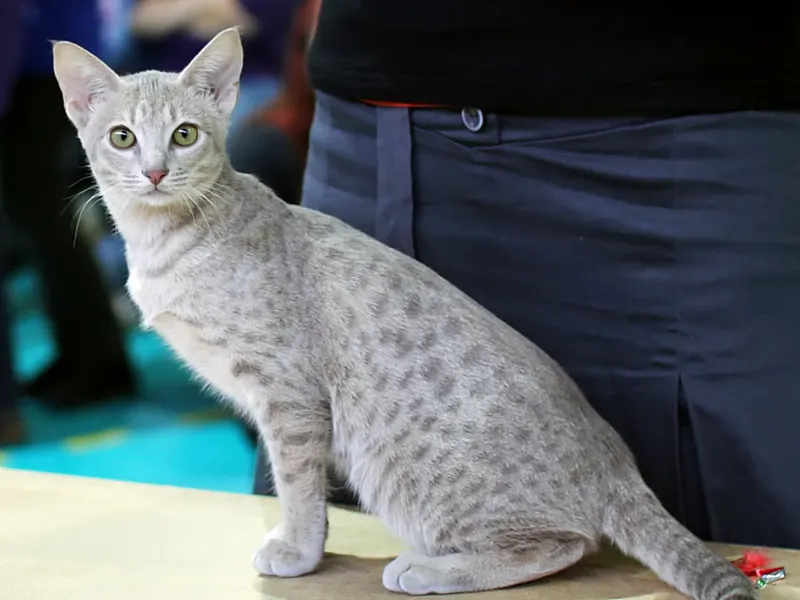
Ocicat
Foreign
6–15 lbs · 12–18 yrs
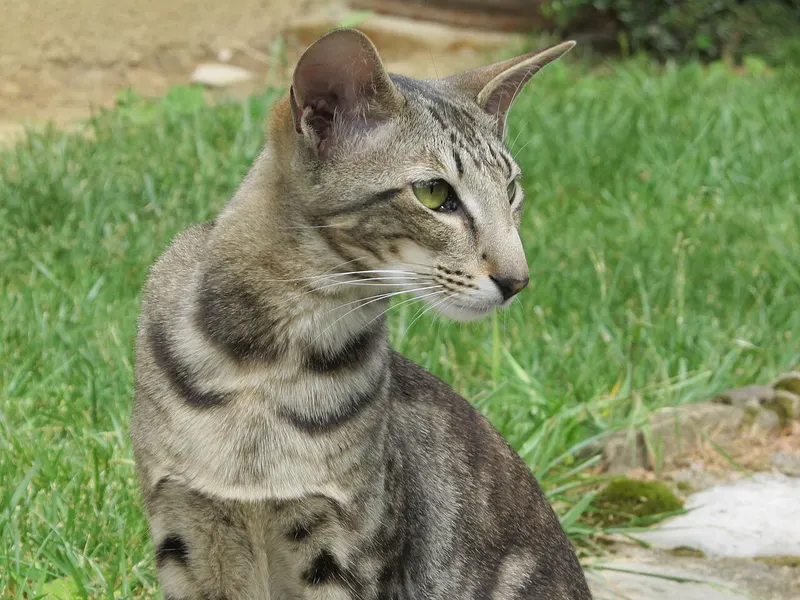
Oriental Shorthair
Oriental
6–10 lbs · 12–15 yrs
Oriental Longhair
Oriental
6–10 lbs · 12–15 yrs
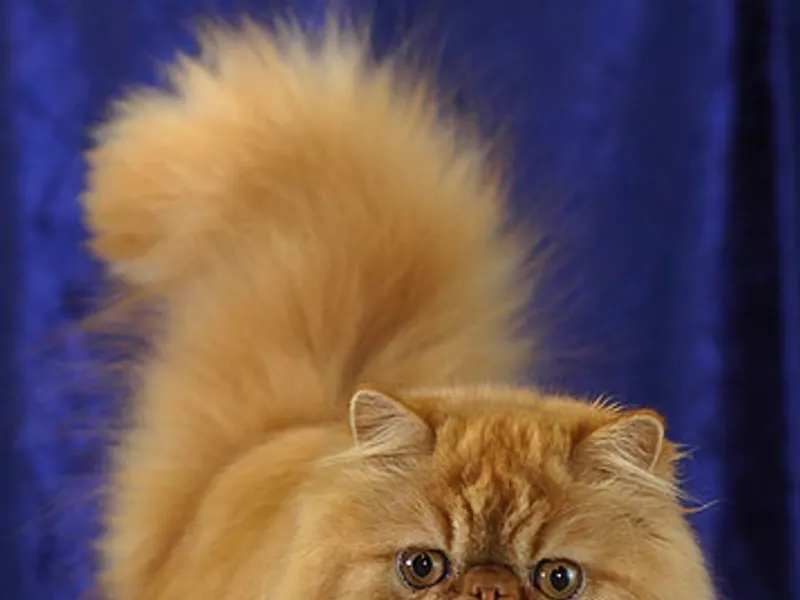
Persian
Cobby
7–12 lbs · 10–17 yrs
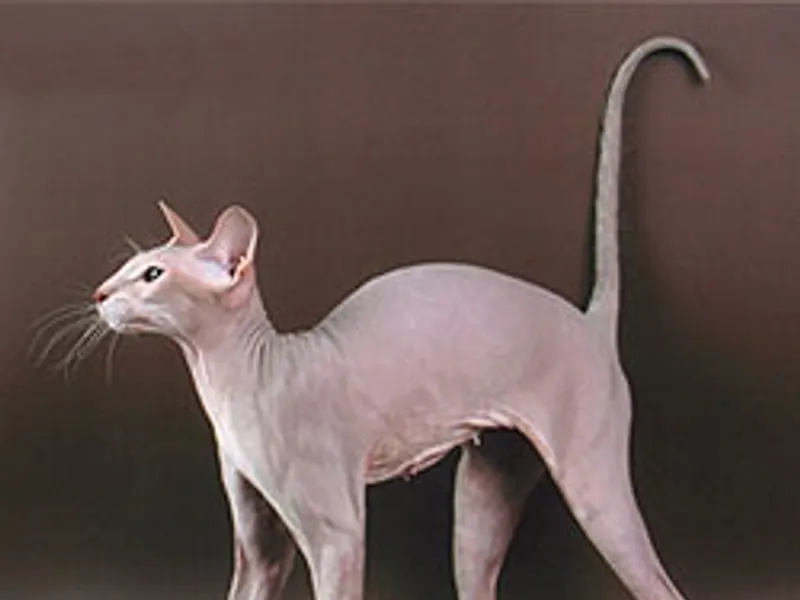
Peterbald
Rex
6–10 lbs · 12–15 yrs
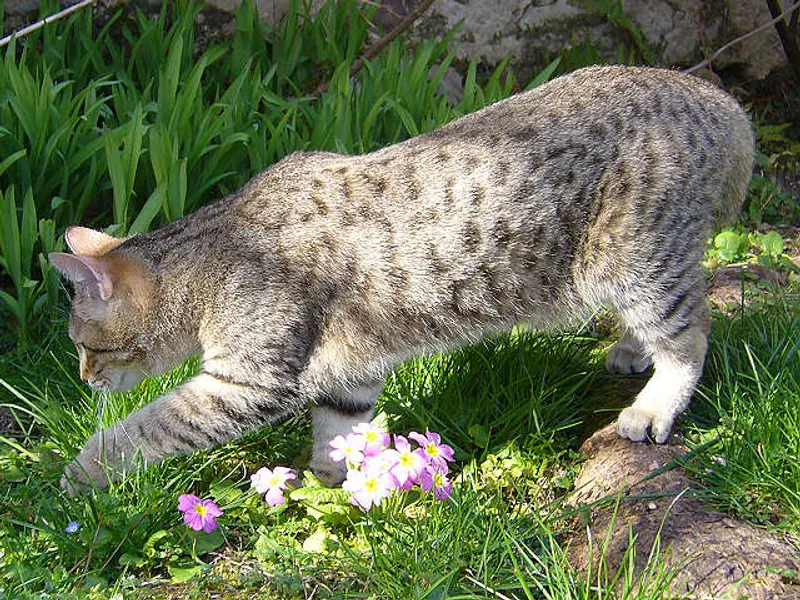
Pixie-bob
Semi-cobby
8–17 lbs · 13–16 yrs
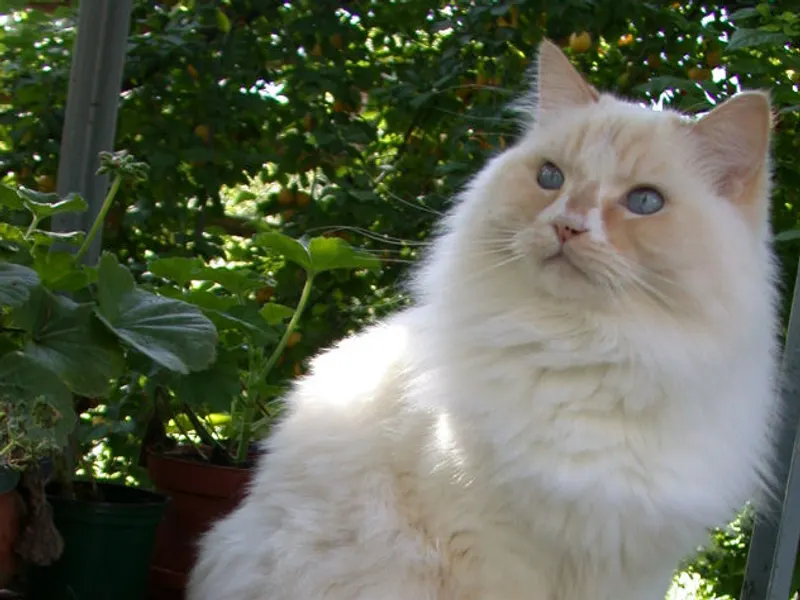
Ragamuffin
Semi-cobby
8–20 lbs · 12–16 yrs
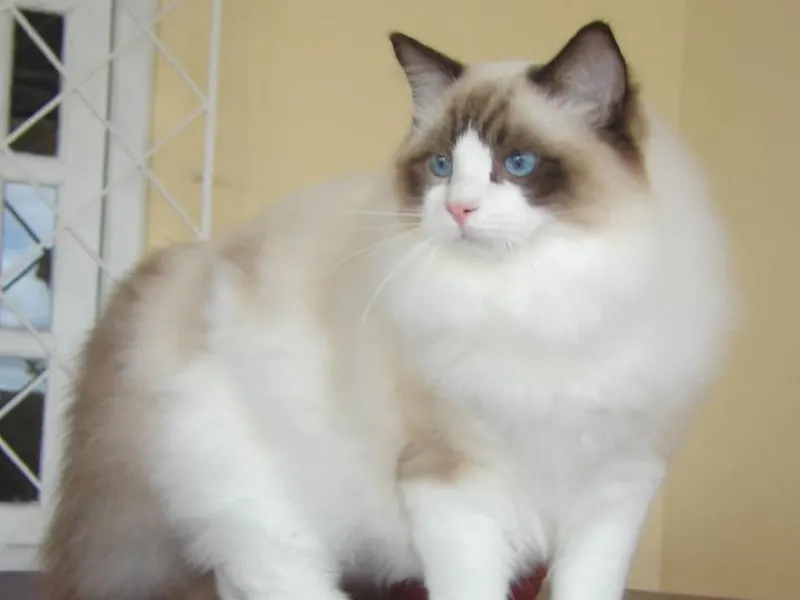
Ragdoll
Semi-cobby
10–20 lbs · 12–17 yrs
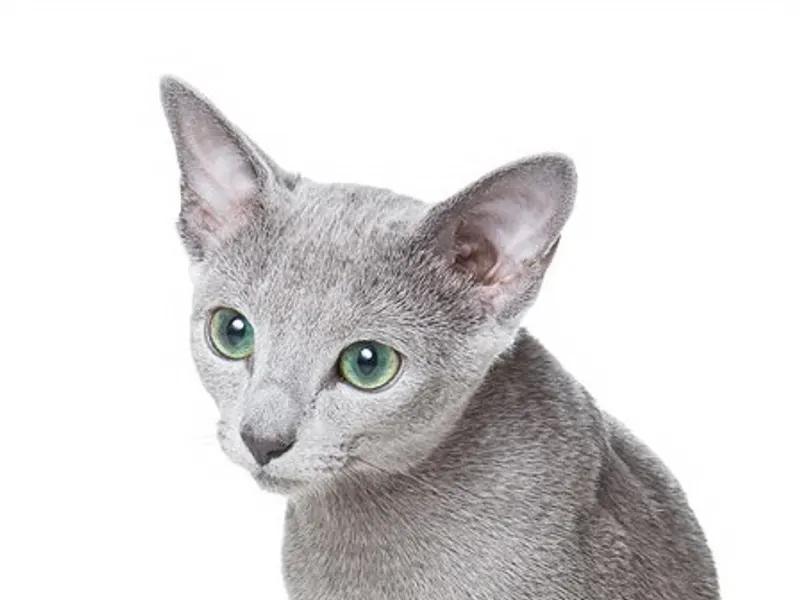
Russian Blue
Foreign
7–12 lbs · 15–20 yrs
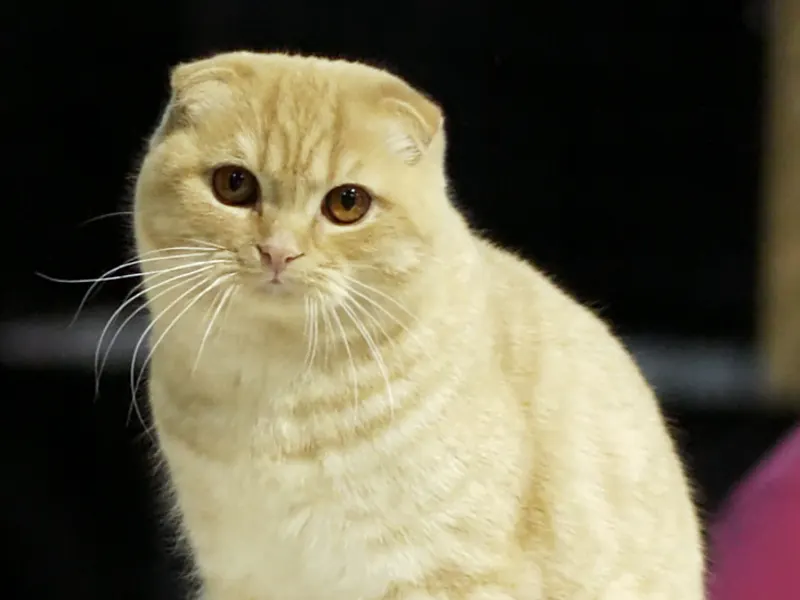
Scottish Fold
Semi-cobby
6–13 lbs · 11–15 yrs
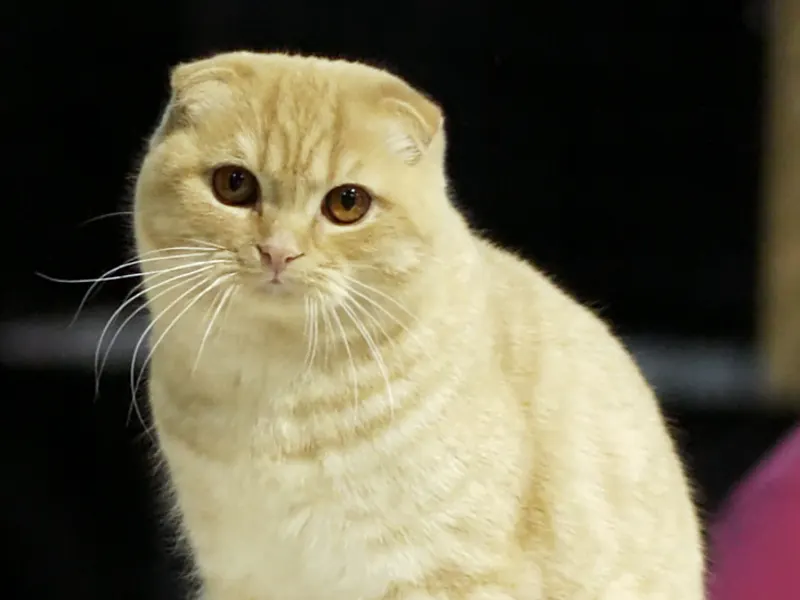
Scottish Straight
Semi-cobby
6–13 lbs · 11–15 yrs
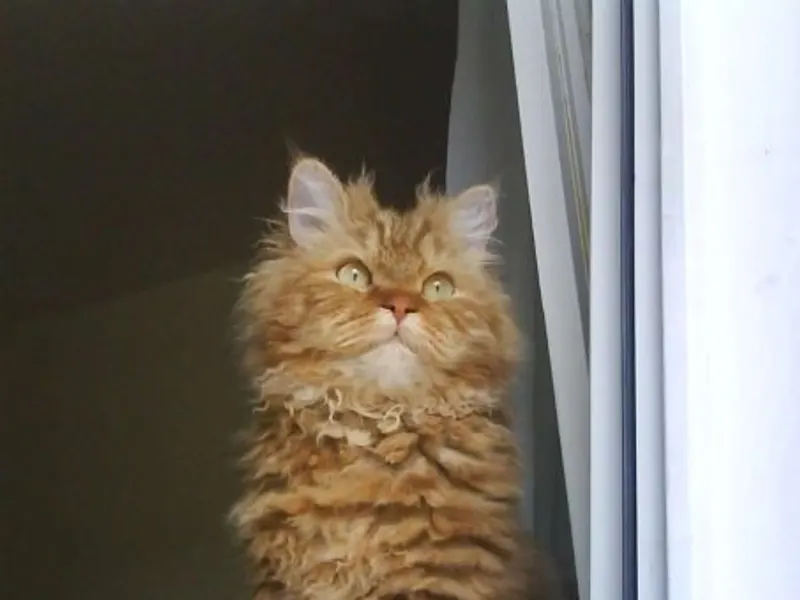
Selkirk Rex
Cobby
7–15 lbs · 10–15 yrs

Siamese
Oriental
6–14 lbs · 12–20 yrs
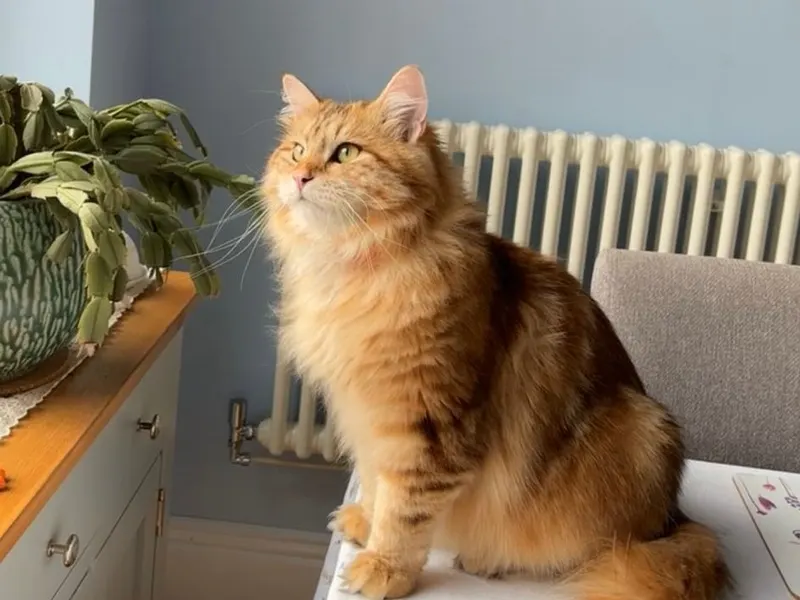
Siberian
Long & Substantial
8–17 lbs · 11–18 yrs
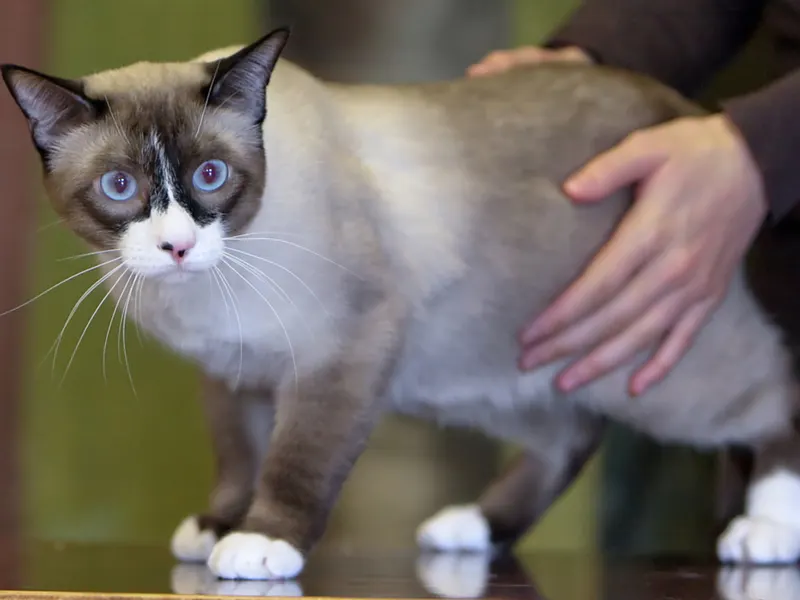
Snowshoe
Semi-cobby
7–12 lbs · 12–15 yrs
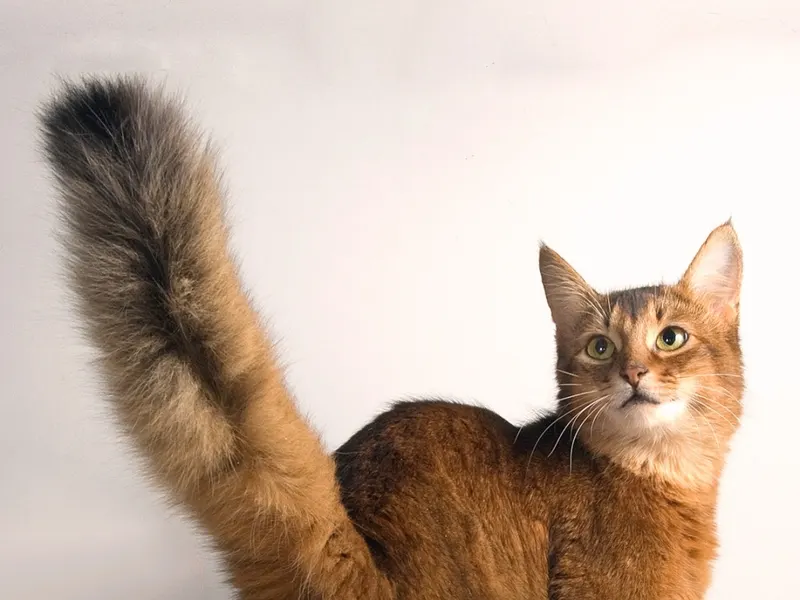
Somali
Foreign
6–10 lbs · 11–16 yrs
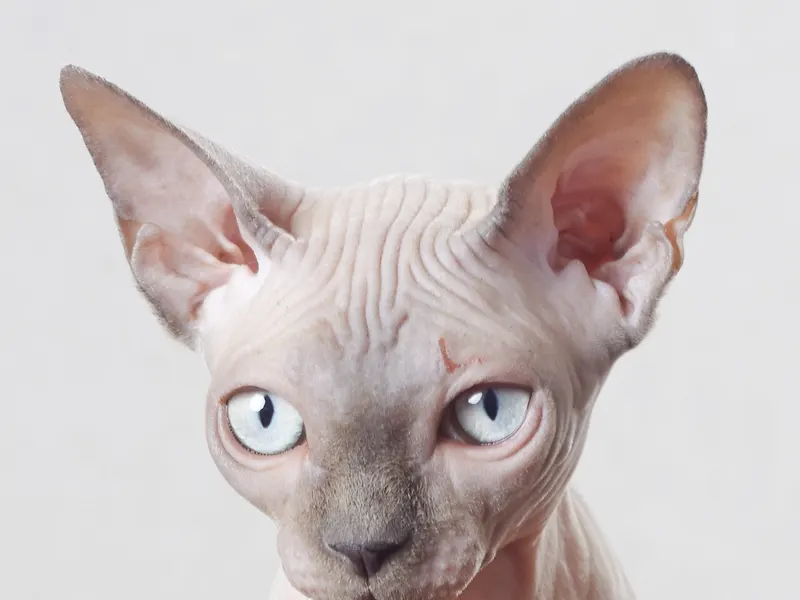
Sphynx
Rex
6–12 lbs · 8–14 yrs
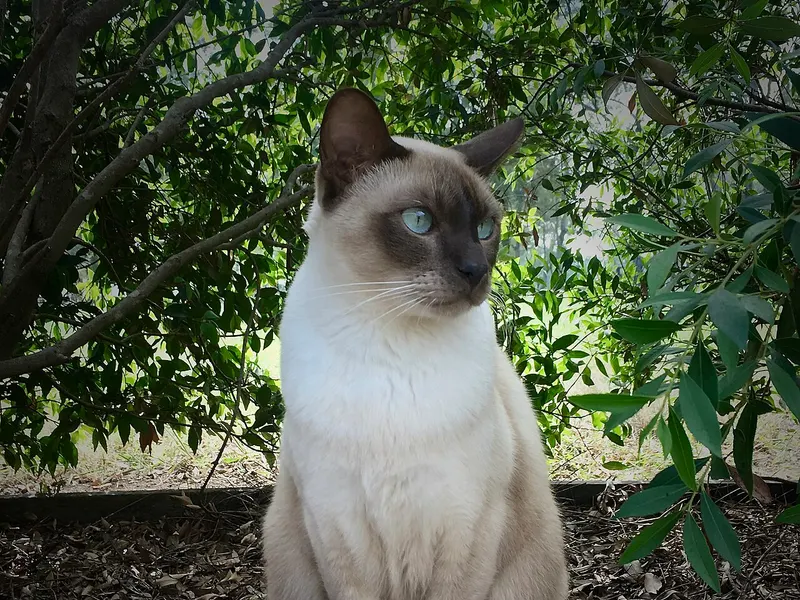
Tonkinese
Semi-foreign
6–12 lbs · 12–16 yrs
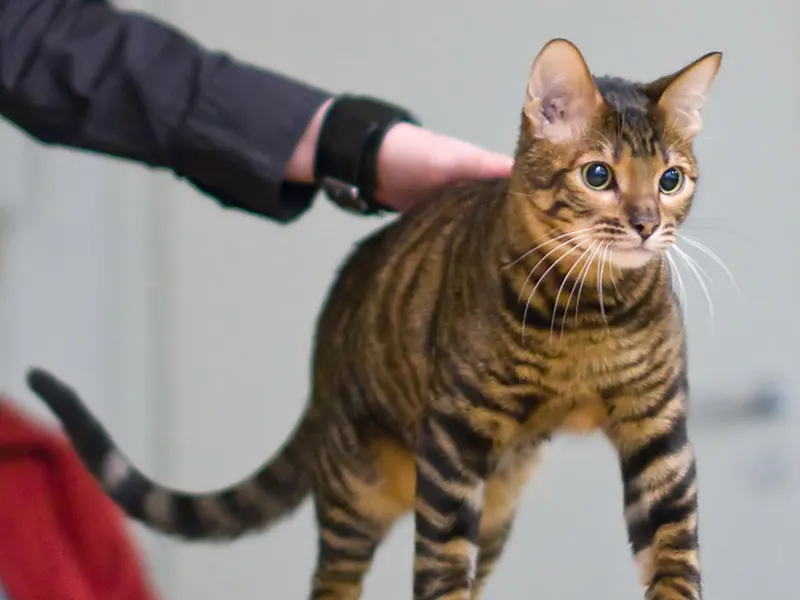
Toyger
Foreign
7–15 lbs · 12–15 yrs
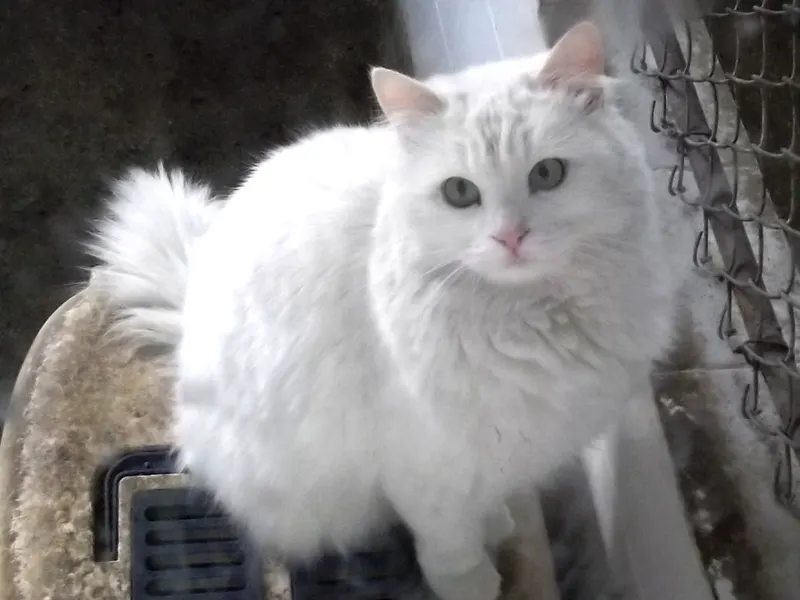
Turkish Angora
Semi-foreign
5–9 lbs · 12–18 yrs
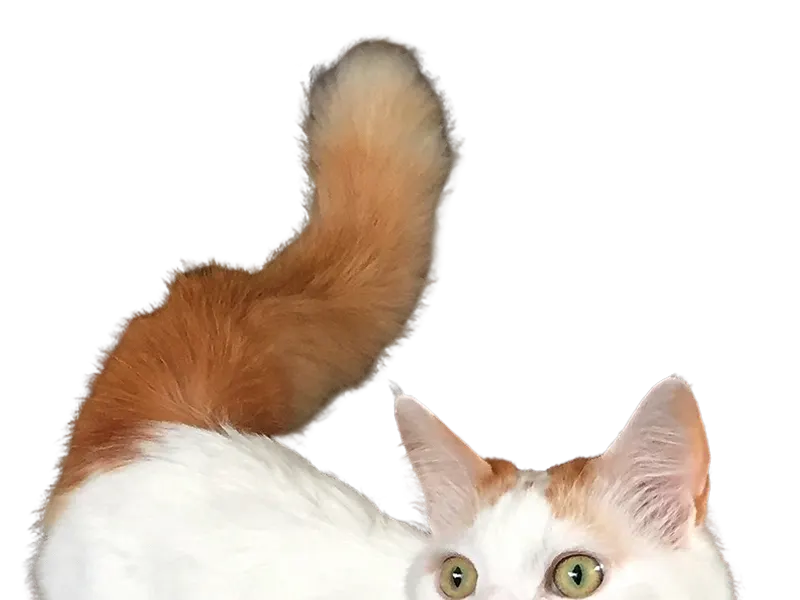
Turkish Van
Semi-foreign
7–19 lbs · 12–17 yrs
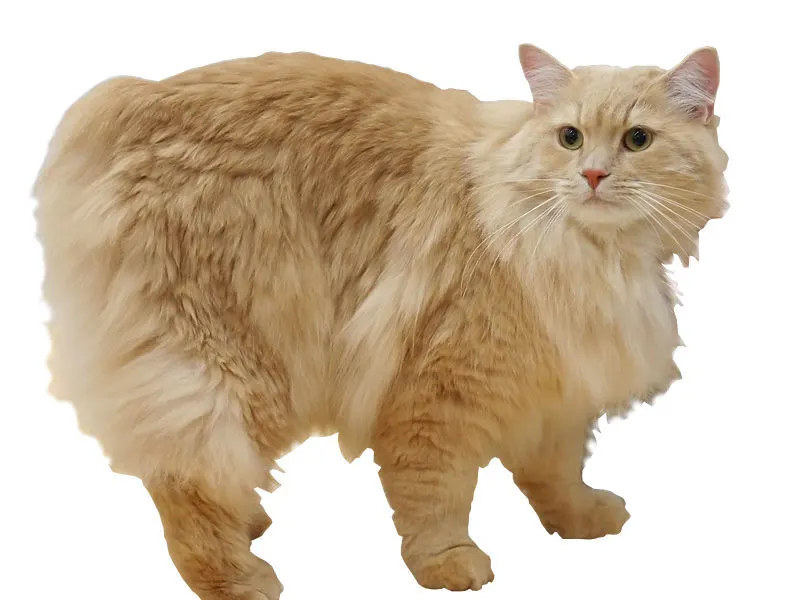
Cymric
Cobby
8–12 lbs · 8–14 yrs
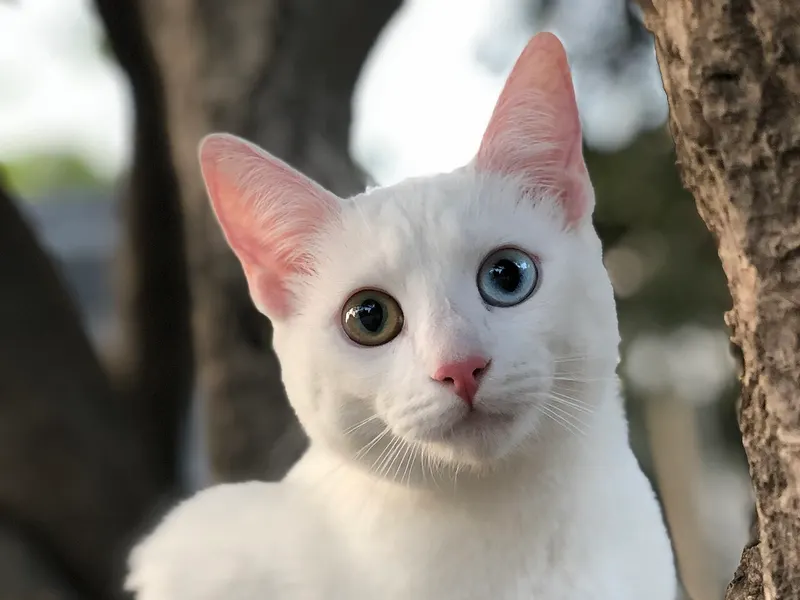
Khao Manee
Foreign
6–10 lbs · 10–15 yrs
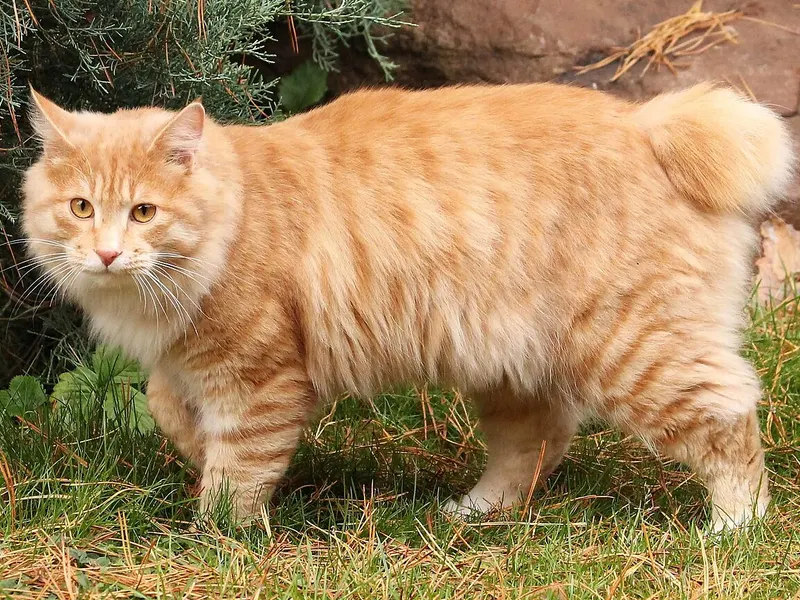
Kurilian Bobtail
Semi-cobby
7–15 lbs · 12–15 yrs
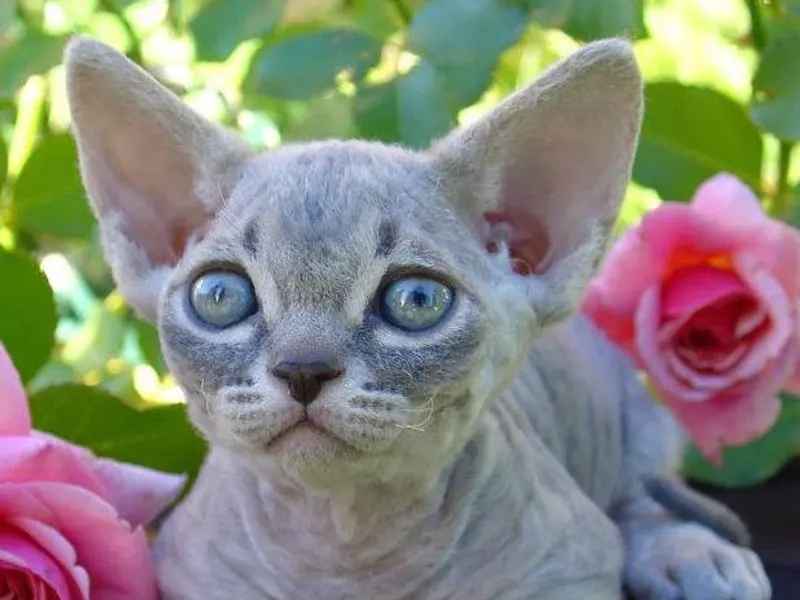
Minskin
Rex
4–6 lbs · 12–14 yrs
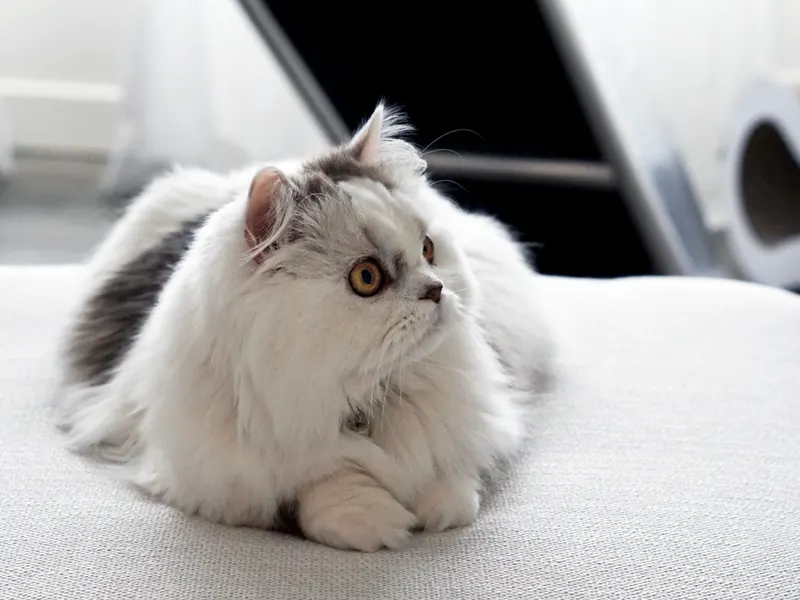
Napoleon (Minuet)
Semi-cobby
5–9 lbs · 12–14 yrs
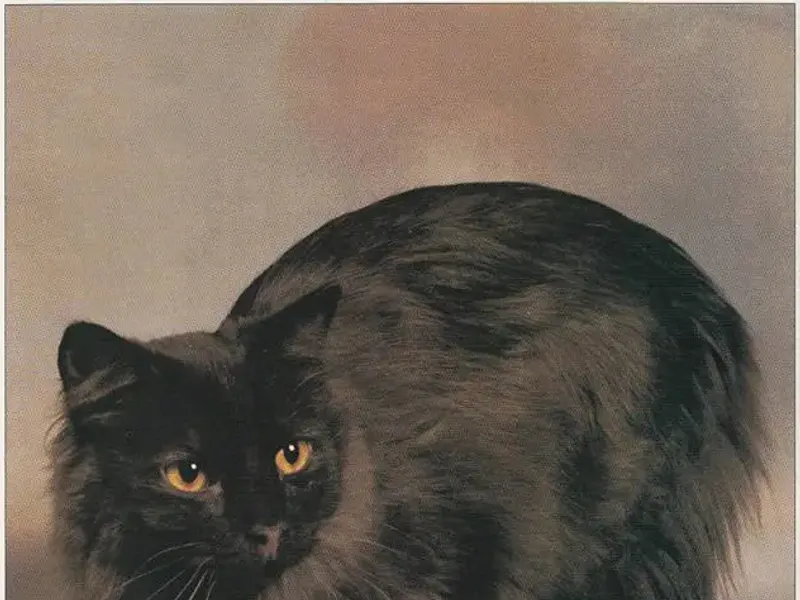
Chantilly-Tiffany
Semi-foreign
7–12 lbs · 12–16 yrs
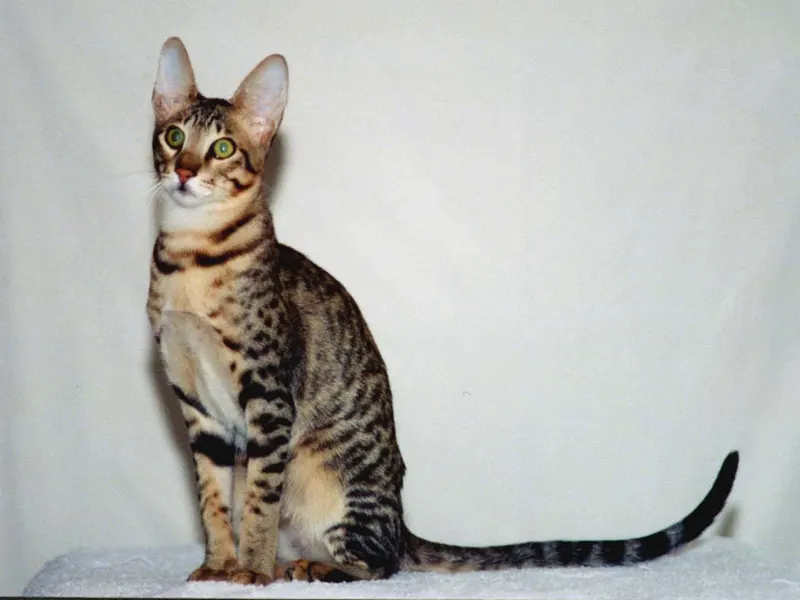
Serengeti
Foreign
8–15 lbs · 12–15 yrs
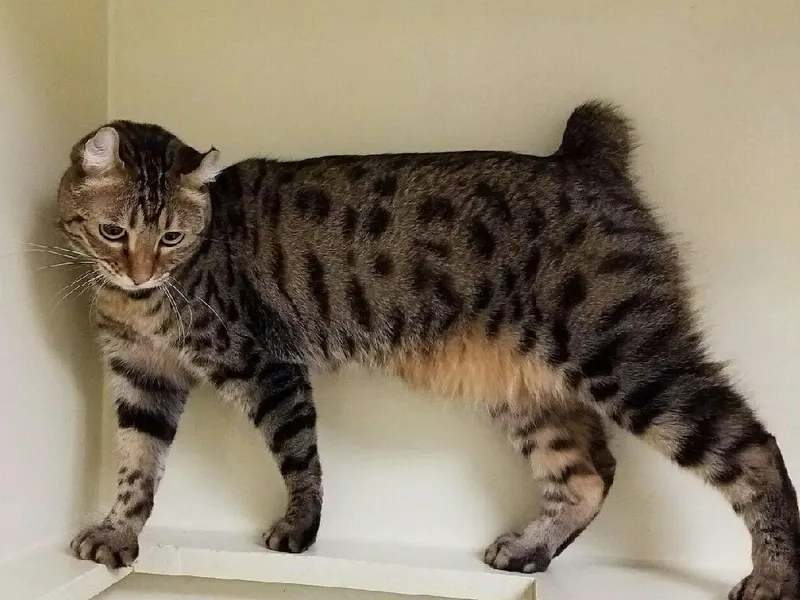
Highlander
Semi-cobby
10–20 lbs · 12–15 yrs
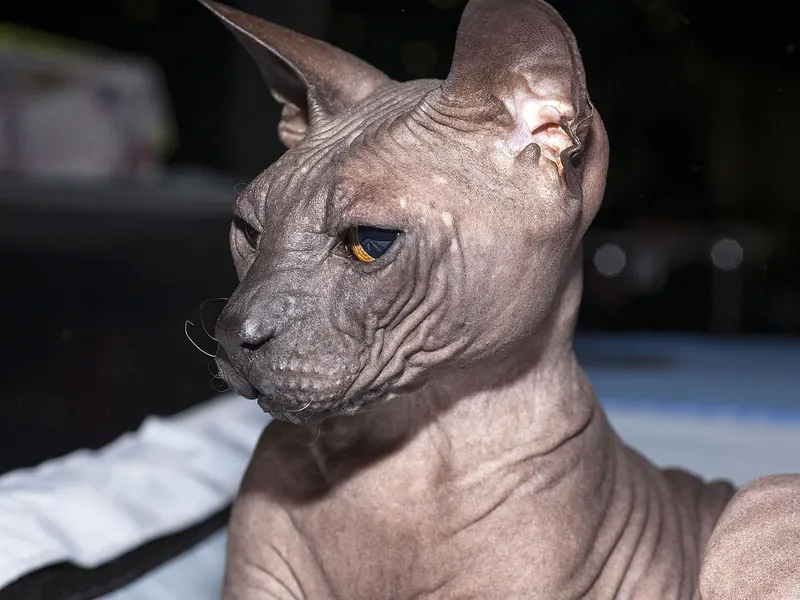
Donskoy
Rex
6–12 lbs · 12–15 yrs