Best Large Family Dogs
Large family dogs need to clear a genuinely higher bar than "big and friendly," because size amplifies the consequences of temperament problems that a smaller dog could get away with — a 90-pound dog that jumps on a child, pulls hard on leash, or startles at a loud noise creates real physical risk in a way a 15-pound dog with the same reaction largely doesn't. Breeds that succeed here combine that large frame with genuinely low reactivity, high impulse control, and a documented gentle, patient temperament around unpredictable child behavior — grabbing, loud noises, sudden movement — rather than simply a reputation for being "good with kids" that hasn't been tested against real toddler chaos. Retrievers again dominate this category for the same reasons they dominate general family-dog lists: bred for generations to work cooperatively and gently (a Labrador or Golden Retriever's job historically involved carrying a downed bird in its mouth without damaging it, which selected directly for a soft mouth and even temperament that translates well to gentle handling of small children). Several giant breeds also earn a place here specifically because their historical role as calm household guardians or draft animals selected for a steady, unbothered temperament rather than the higher reactivity seen in some working or herding breeds — size and gentleness aren't opposites in dog breeding, even though that surprises people meeting a 100-plus-pound dog for the first time. Space and cost considerations are real and specific to large breeds in a way smaller-dog family lists don't need to address: large dogs require more food (a meaningful ongoing budget line, not a rounding error), more space to move comfortably indoors, larger and more expensive medical equipment and medication dosing, and generally a shorter average lifespan than small breeds due to well-documented size-related biological aging effects, meaning families should go in clear-eyed about a large-breed dog's total lifetime cost and roughly eight-to-twelve-year average lifespan rather than assuming size doesn't affect the practical planning. Joint health deserves specific attention for growing large-breed puppies in households with young kids, since large and giant breeds are more prone to hip and elbow dysplasia and benefit from controlled growth (appropriate large-breed puppy food, limited high-impact exercise like jumping and stair use until growth plates close) — a puppy-raising responsibility that's more consequential in a large breed than a small one, and worth researching alongside temperament before bringing a large-breed puppy into an active family household. Ultimately, the same rule that applies across every family-dog list applies here with extra force given the size differential: supervision, training, and teaching children to respect a dog's space matter more than breed alone, and even the gentlest large breed can accidentally injure a small child simply through size and enthusiasm during normal play. Families choosing from this list should prioritize meeting the actual dog or puppy's individual temperament, ask breeders and shelters directly about behavior around children, and commit to structured obedience training that accounts for how much more physically consequential an untrained large dog's behavior can be. A few more large breeds worth naming for families specifically: the Bernese Mountain Dog combines a calm, affectionate temperament with a documented gentle patience around children, though its shorter average lifespan (often seven to eight years) is a real emotional consideration for families with young kids who may face that loss earlier than with a longer-lived breed; the Boxer brings a playful, patient temperament often described as particularly good with children's energy levels specifically; and the Great Dane, despite its imposing size, is frequently described by owners and breed clubs as a gentle "lap dog in a big body" with a notably patient disposition around kids. Pet insurance deserves a specific, practical mention for large-breed families given the higher veterinary costs covered elsewhere on this list: premiums for large and giant breeds run higher than for small breeds, reflecting real claims data on larger dogs' higher rates of costly conditions like joint disease, but a policy taken out while a puppy is still young and healthy — before any pre-existing conditions can exclude coverage — is generally far more cost-effective over a dog's lifetime than waiting until a costly diagnosis makes coverage difficult or impossible to obtain at a reasonable rate. It's worth naming a specific practical consideration for families with very young children and a large-breed puppy simultaneously: a growing large-breed puppy can be genuinely clumsy and physically boisterous well before it's fully trained, and supervised separation (baby gates, separate rooms during unsupervised moments) during this specific developmental window protects both a toddler from being accidentally knocked over and a puppy from an overwhelmed, unintentionally rough young child, until both have matured enough — the puppy through training, the child through age — for calmer supervised interaction.
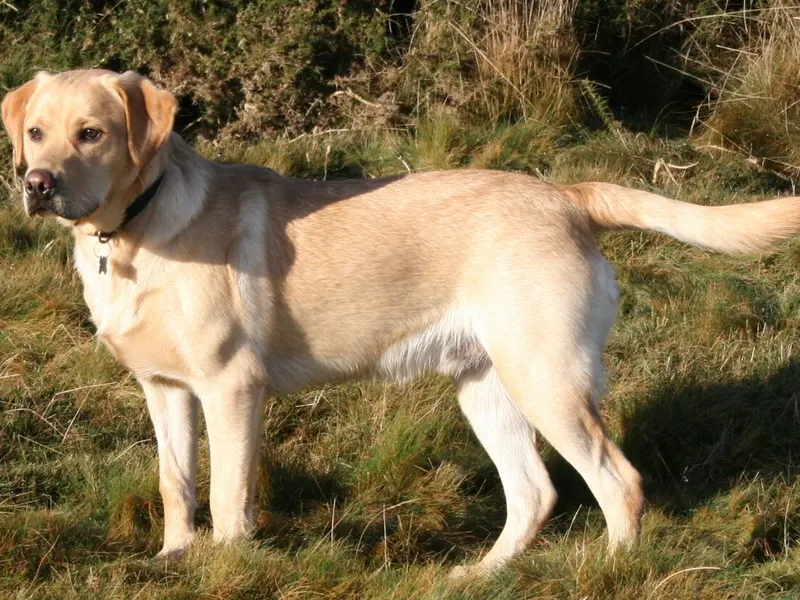
Labrador Retriever
Sporting
55–80 lbs · 10–12 yrs
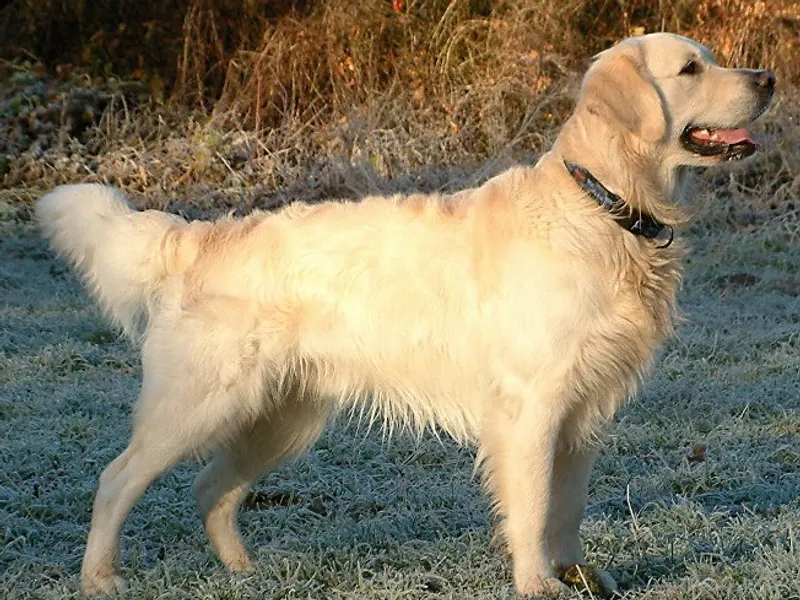
Golden Retriever
Sporting
55–75 lbs · 10–12 yrs
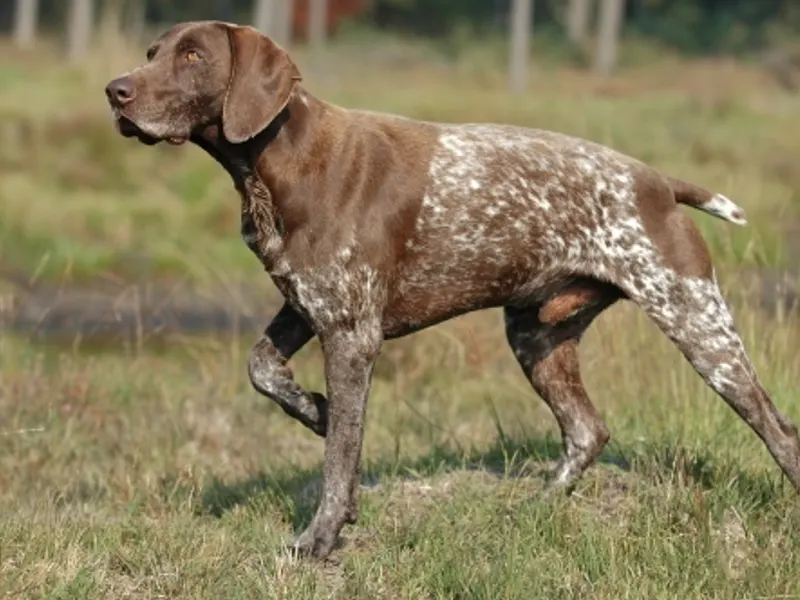
German Shorthaired Pointer
Sporting
45–70 lbs · 10–12 yrs
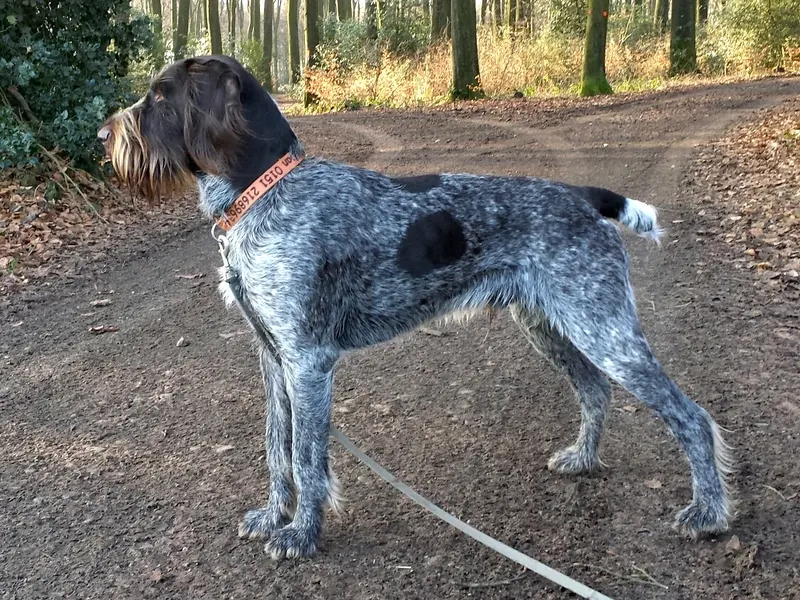
German Wirehaired Pointer
Sporting
50–70 lbs · 12–14 yrs
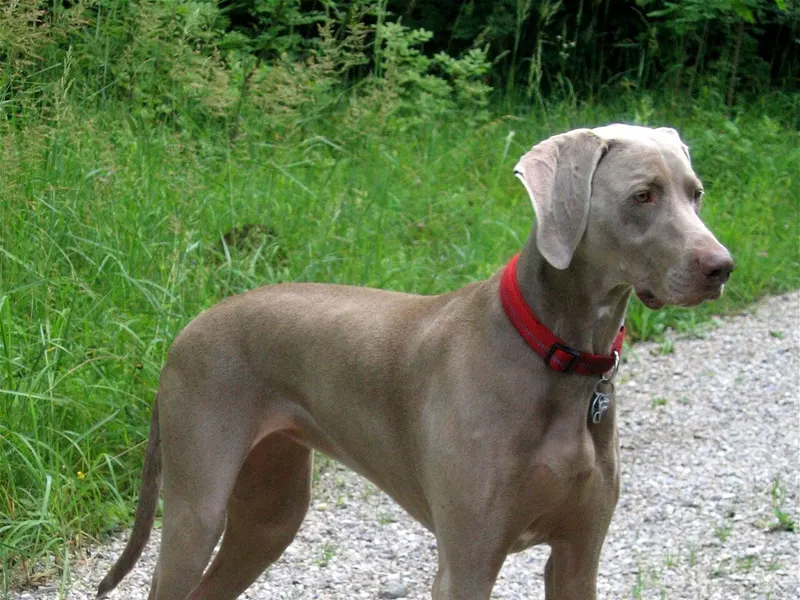
Weimaraner
Sporting
55–90 lbs · 10–13 yrs
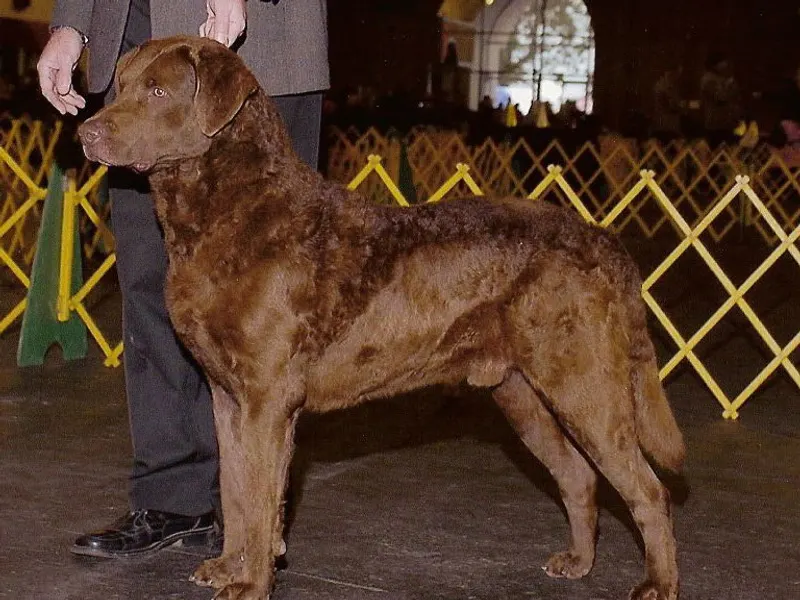
Chesapeake Bay Retriever
Sporting
55–80 lbs · 10–13 yrs
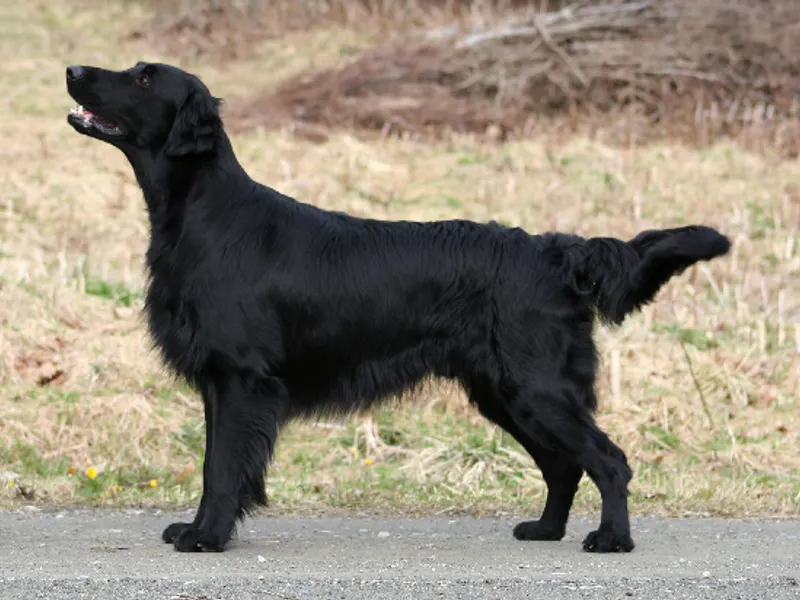
Flat-Coated Retriever
Sporting
55–70 lbs · 8–10 yrs
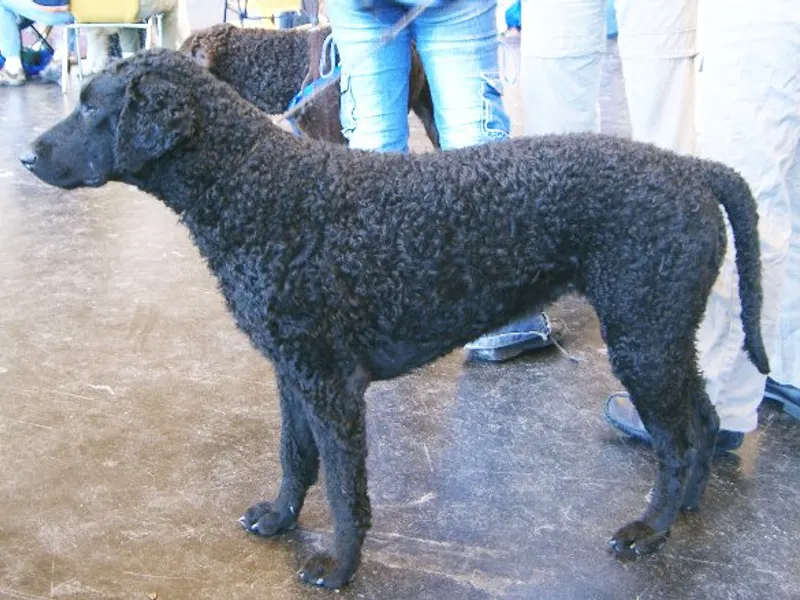
Curly-Coated Retriever
Sporting
60–95 lbs · 10–12 yrs
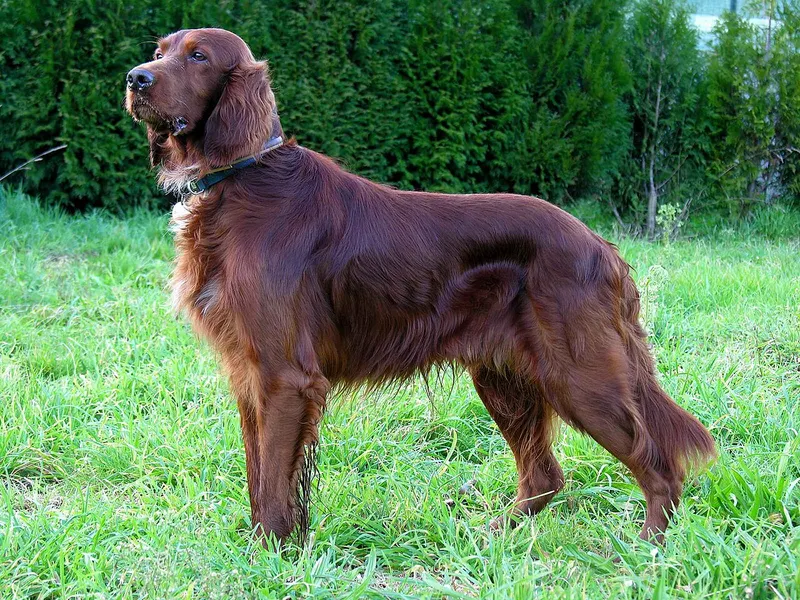
Irish Setter
Sporting
60–70 lbs · 12–15 yrs
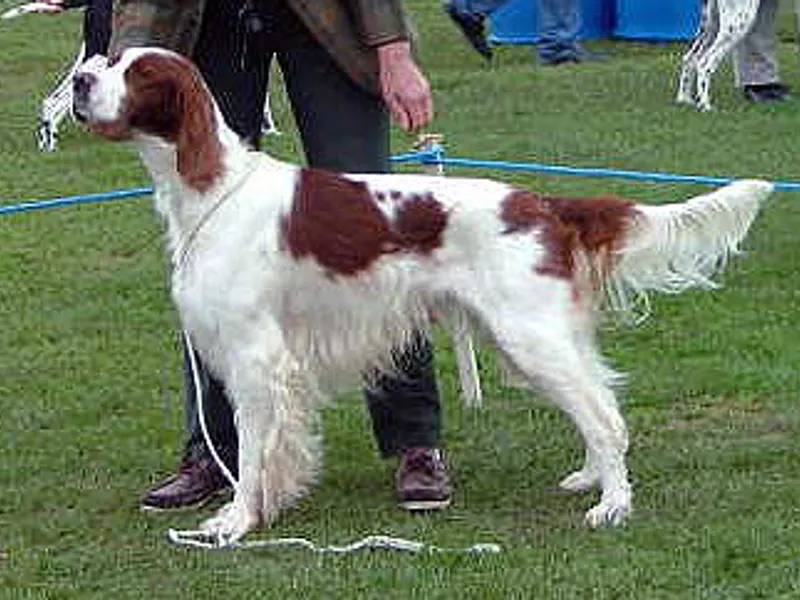
Irish Red and White Setter
Sporting
45–70 lbs · 11–13 yrs
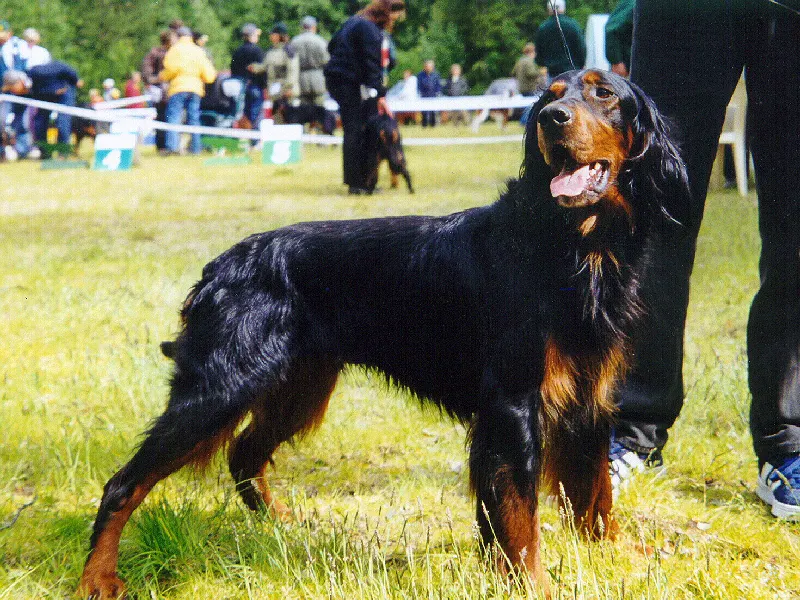
Gordon Setter
Sporting
45–80 lbs · 10–12 yrs
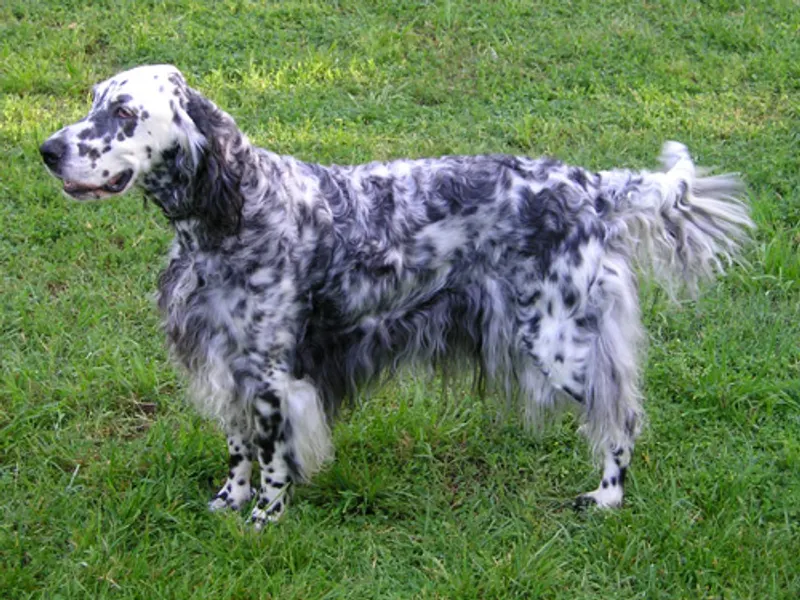
English Setter
Sporting
45–80 lbs · 11–15 yrs
Pointer
Sporting
45–75 lbs · 12–17 yrs
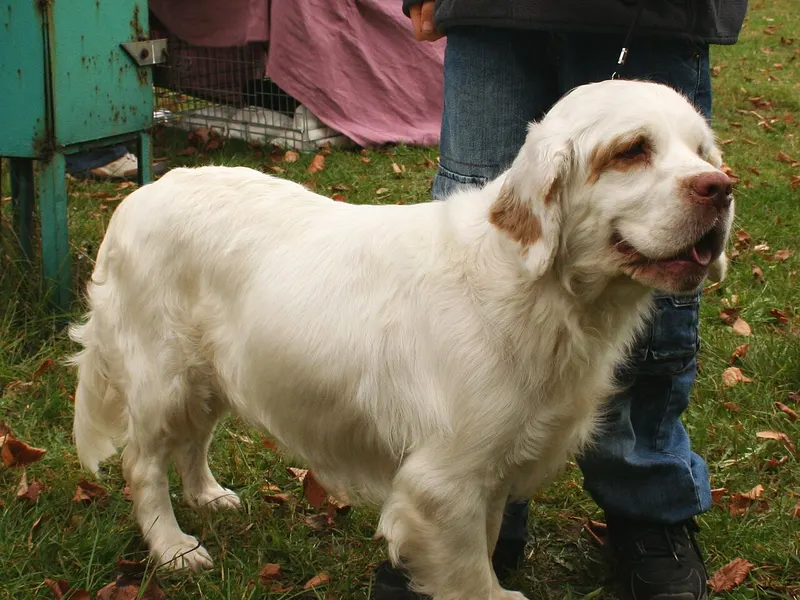
Clumber Spaniel
Sporting
40–85 lbs · 10–12 yrs
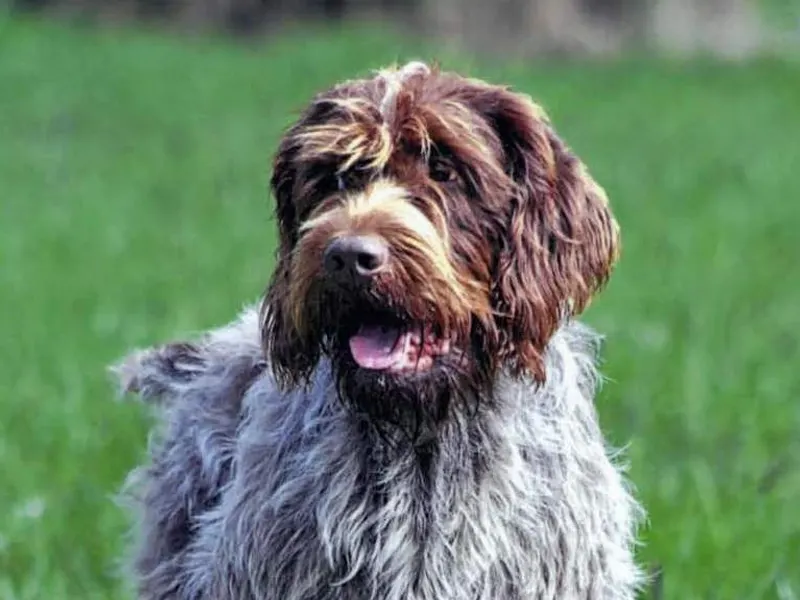
Wirehaired Pointing Griffon
Sporting
35–70 lbs · 12–14 yrs
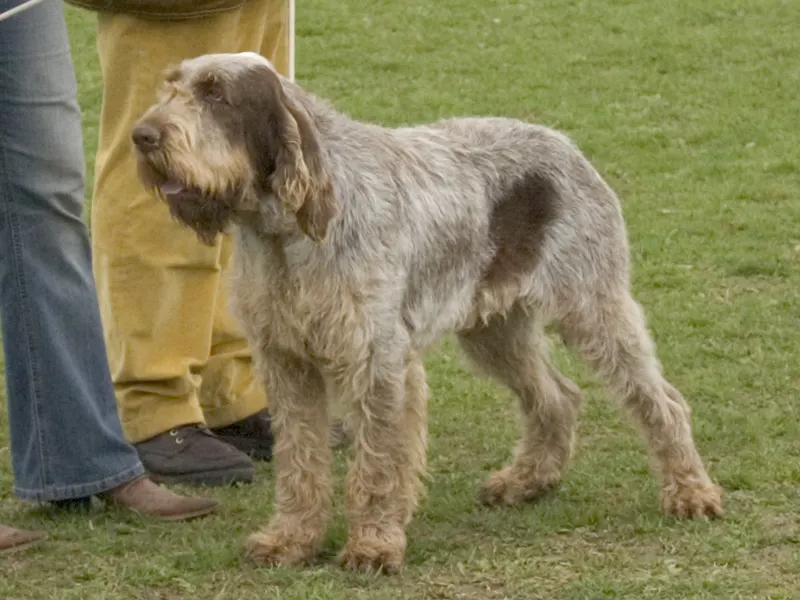
Spinone Italiano
Sporting
62–85 lbs · 10–12 yrs
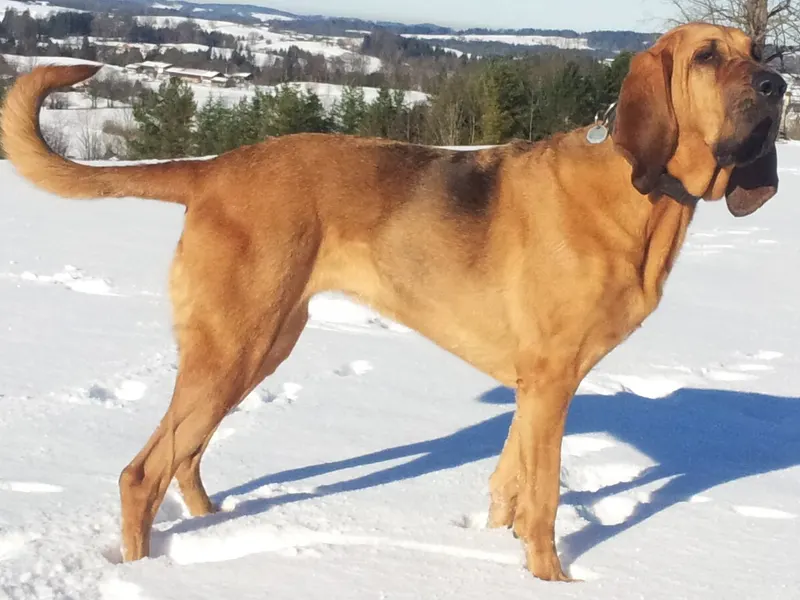
Bloodhound
Hound
80–110 lbs · 10–12 yrs
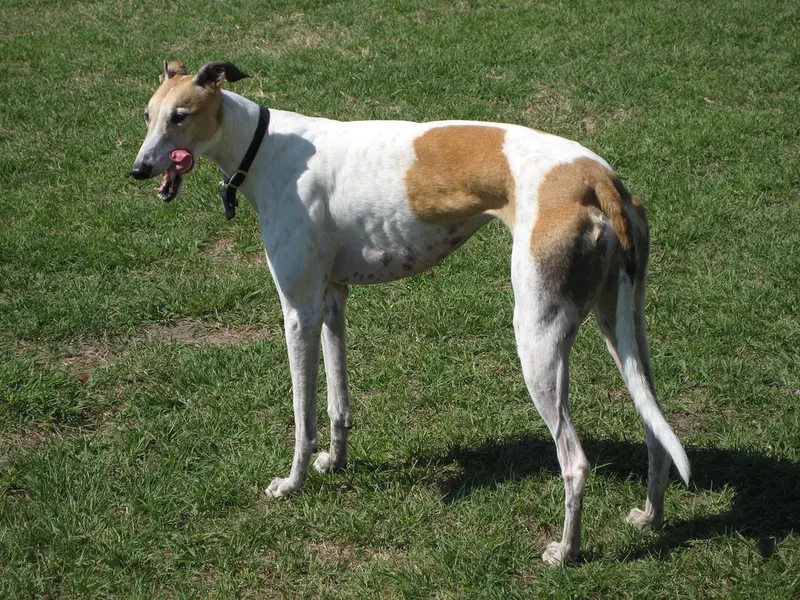
Greyhound
Hound
60–88 lbs · 10–14 yrs
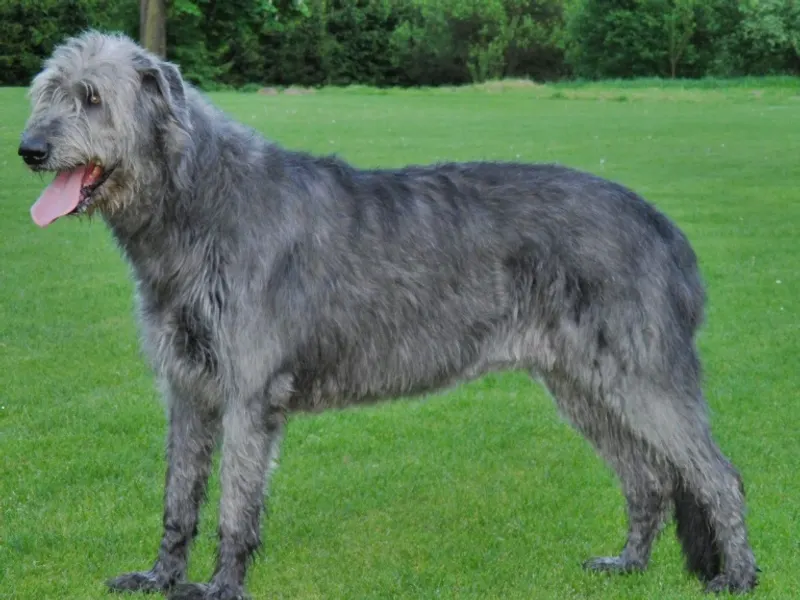
Irish Wolfhound
Hound
105–180 lbs · 6–8 yrs
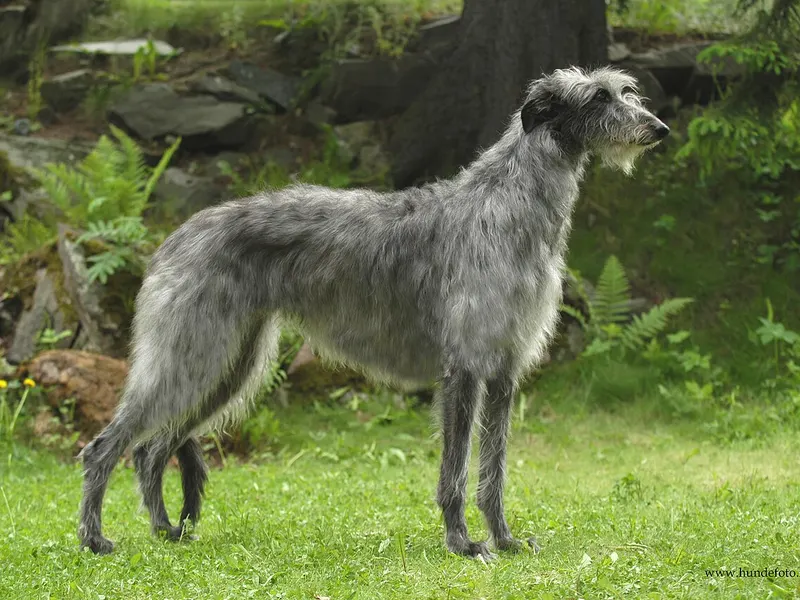
Scottish Deerhound
Hound
75–110 lbs · 8–11 yrs
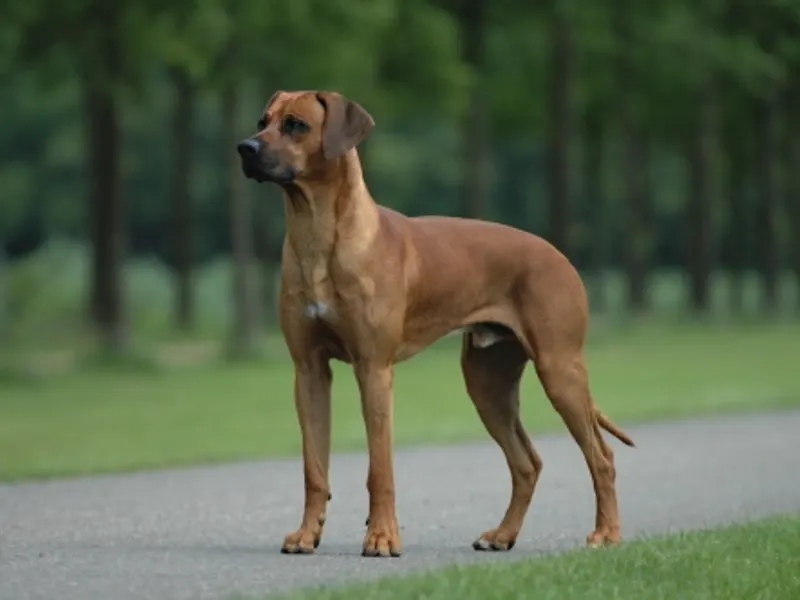
Rhodesian Ridgeback
Hound
70–85 lbs · 10–12 yrs
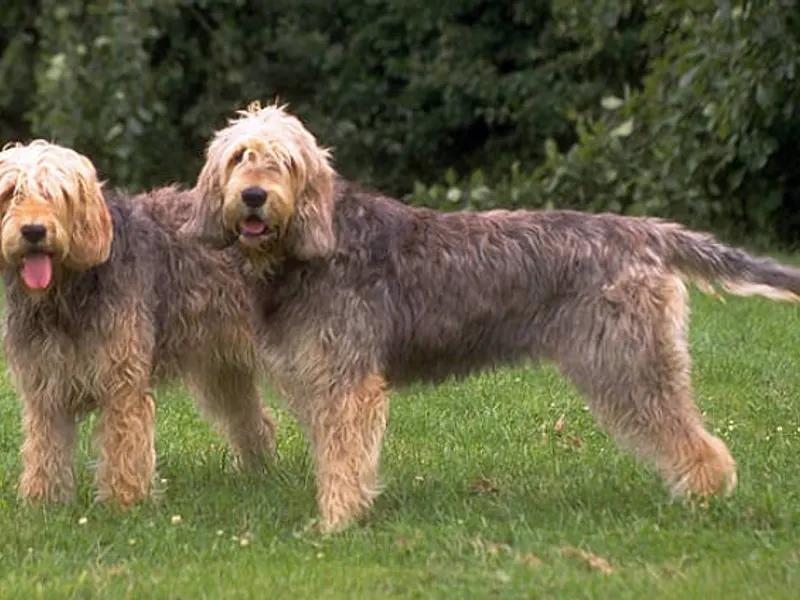
Otterhound
Hound
65–115 lbs · 10–13 yrs
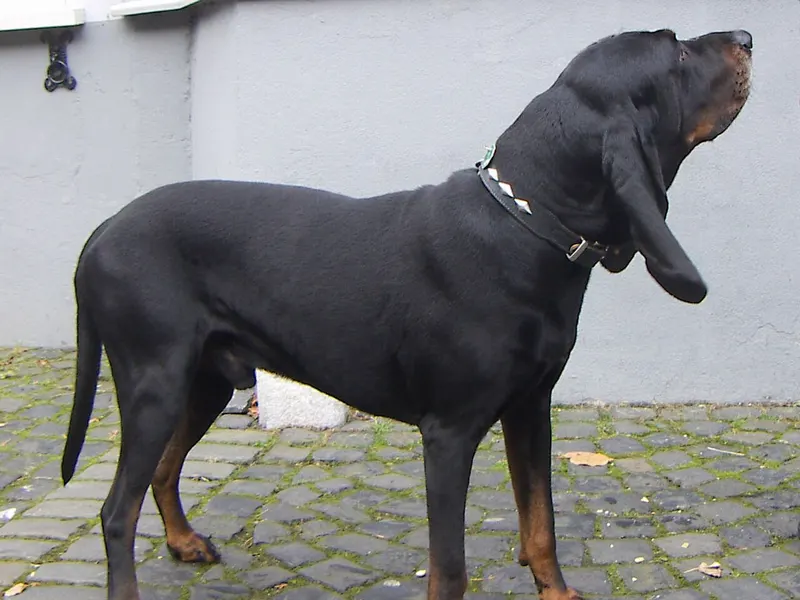
Black and Tan Coonhound
Hound
55–110 lbs · 10–12 yrs
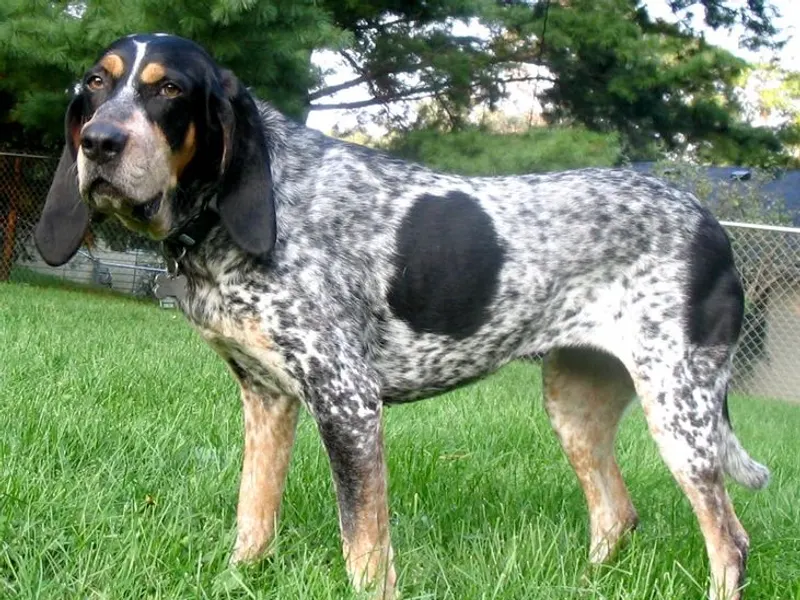
Bluetick Coonhound
Hound
45–100 lbs · 11–12 yrs
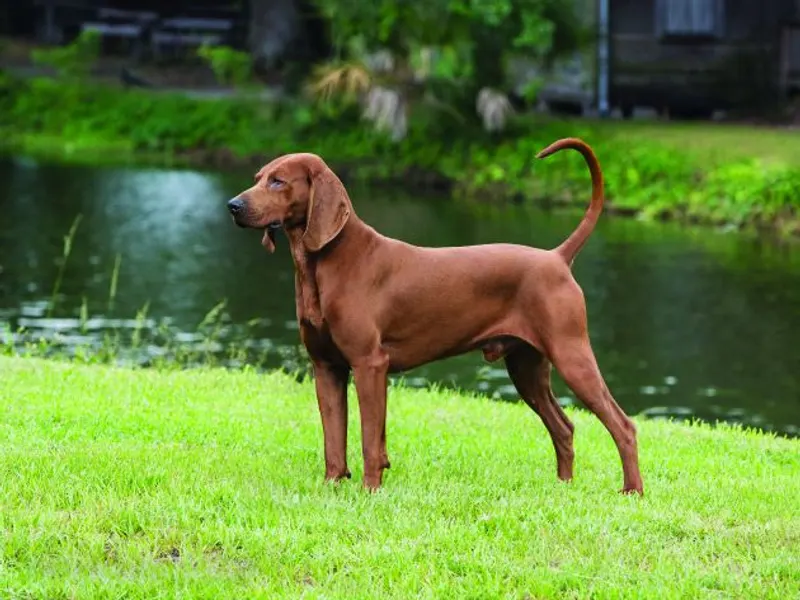
Redbone Coonhound
Hound
45–70 lbs · 12–15 yrs
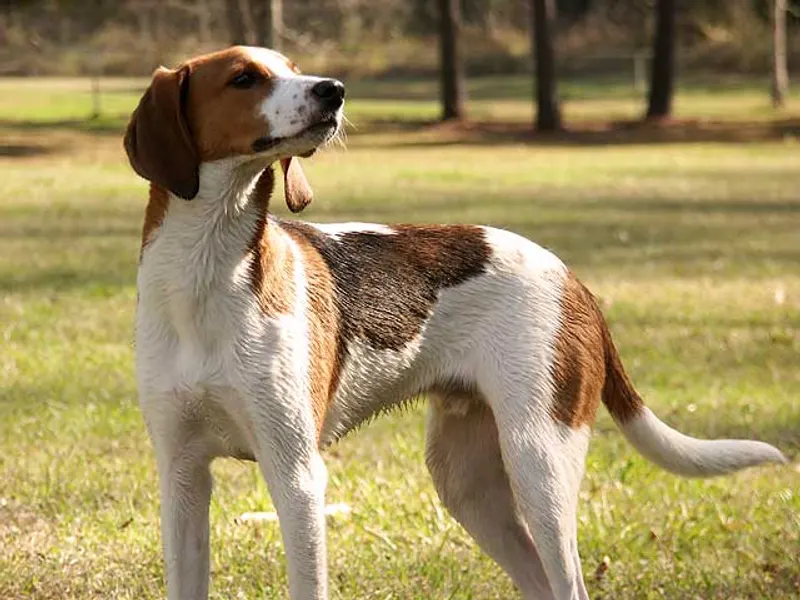
Treeing Walker Coonhound
Hound
50–70 lbs · 12–13 yrs
American English Coonhound
Hound
45–65 lbs · 11–12 yrs
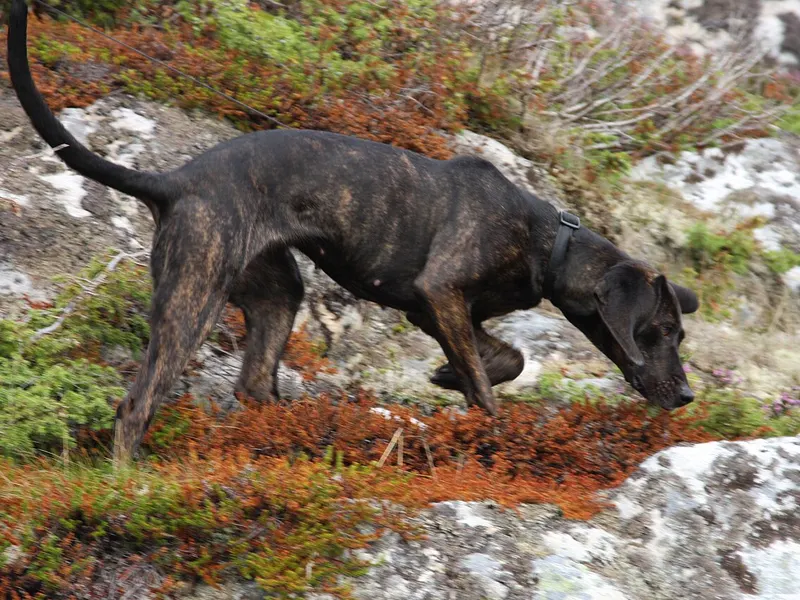
Plott Hound
Hound
40–60 lbs · 12–14 yrs
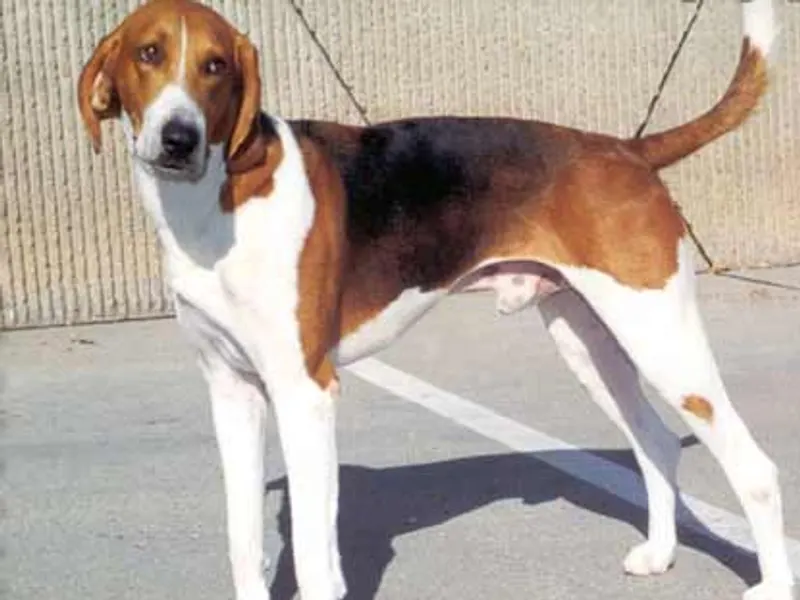
American Foxhound
Hound
45–70 lbs · 11–13 yrs
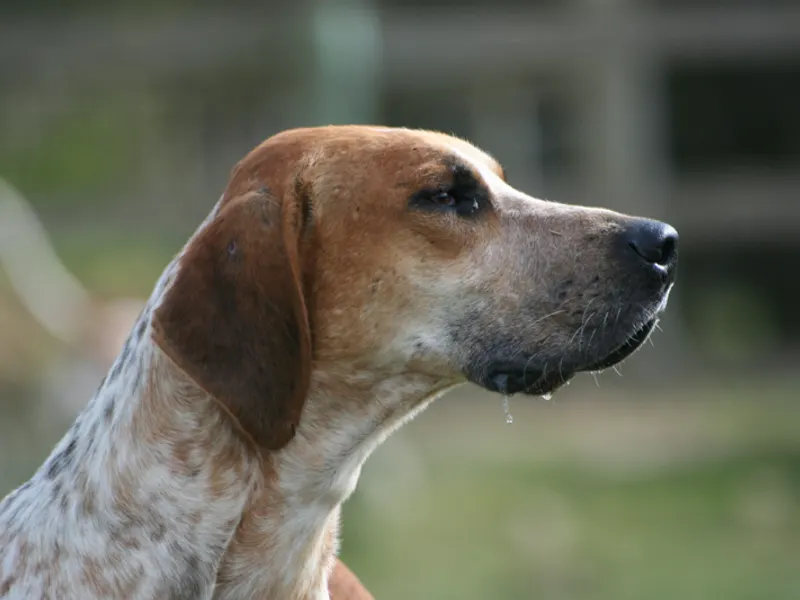
English Foxhound
Hound
55–75 lbs · 10–13 yrs
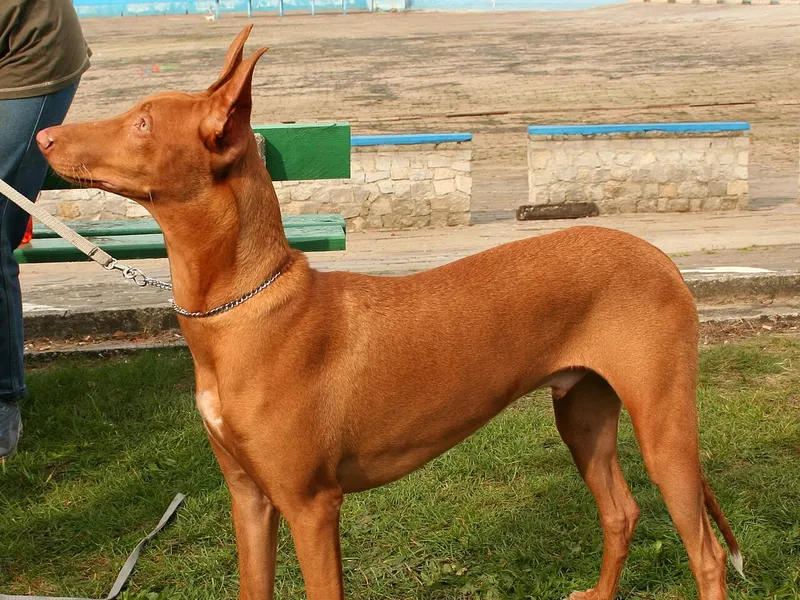
Pharaoh Hound
Hound
45–55 lbs · 11–14 yrs
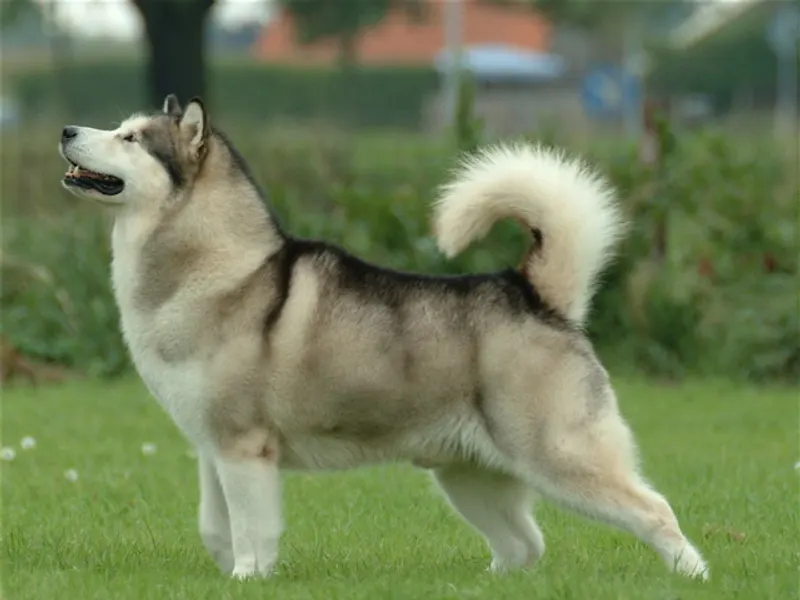
Alaskan Malamute
Working
75–85 lbs · 10–14 yrs
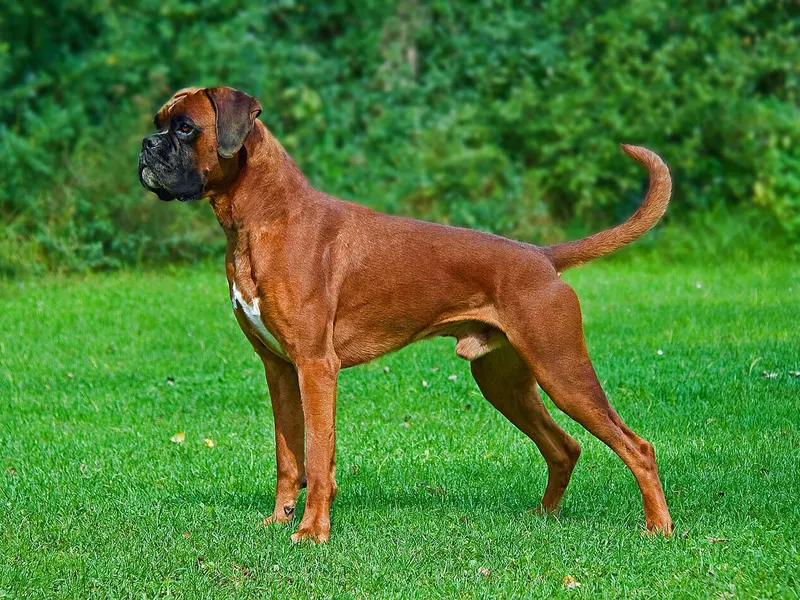
Boxer
Working
50–80 lbs · 10–12 yrs
Doberman Pinscher
Working
60–100 lbs · 10–13 yrs
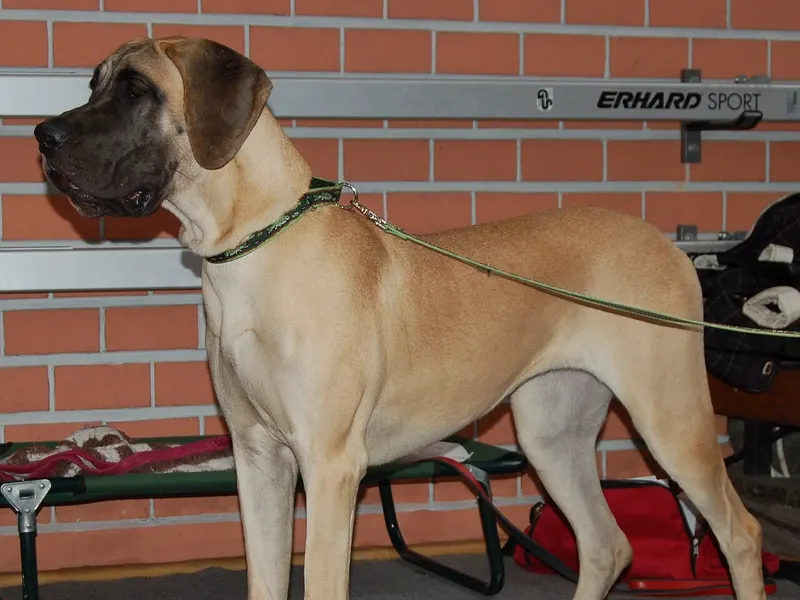
Great Dane
Working
110–175 lbs · 7–10 yrs
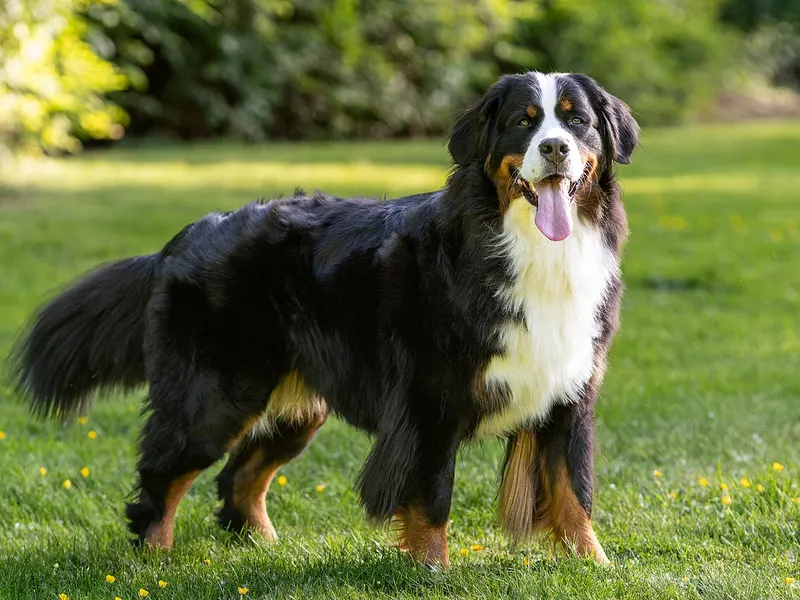
Bernese Mountain Dog
Working
70–115 lbs · 7–10 yrs
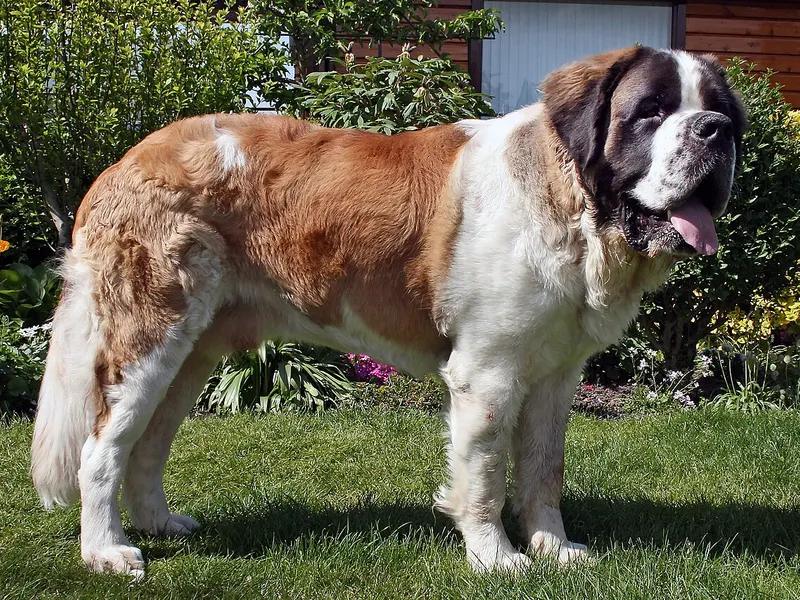
Saint Bernard
Working
120–180 lbs · 8–10 yrs
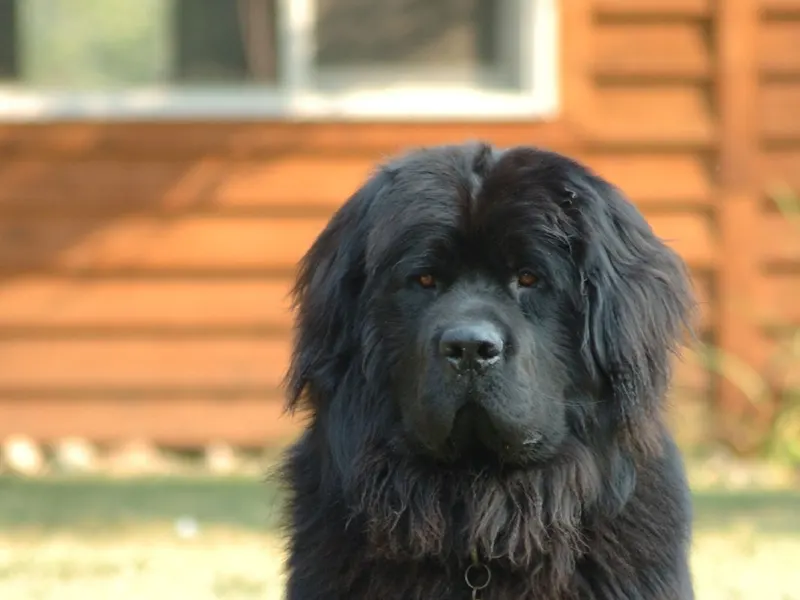
Newfoundland
Working
100–150 lbs · 9–10 yrs
Mastiff
Working
120–230 lbs · 6–10 yrs
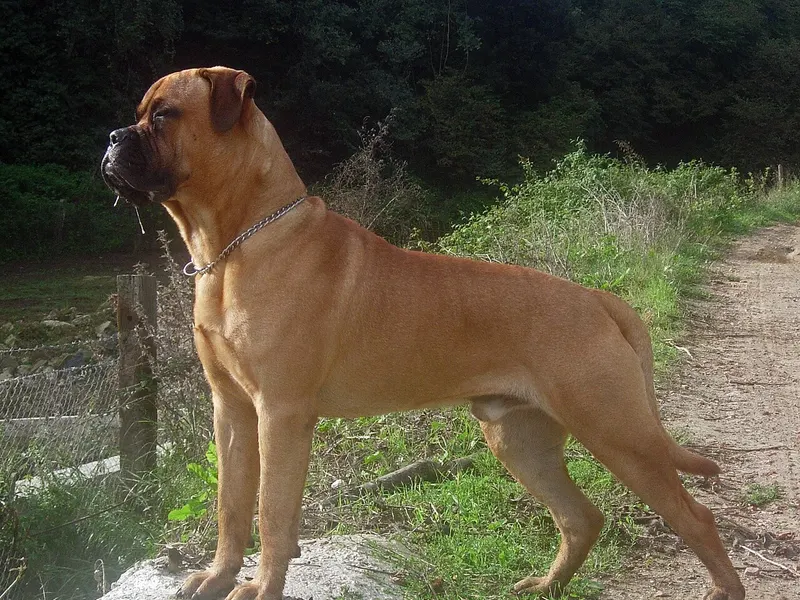
Bullmastiff
Working
100–130 lbs · 7–9 yrs
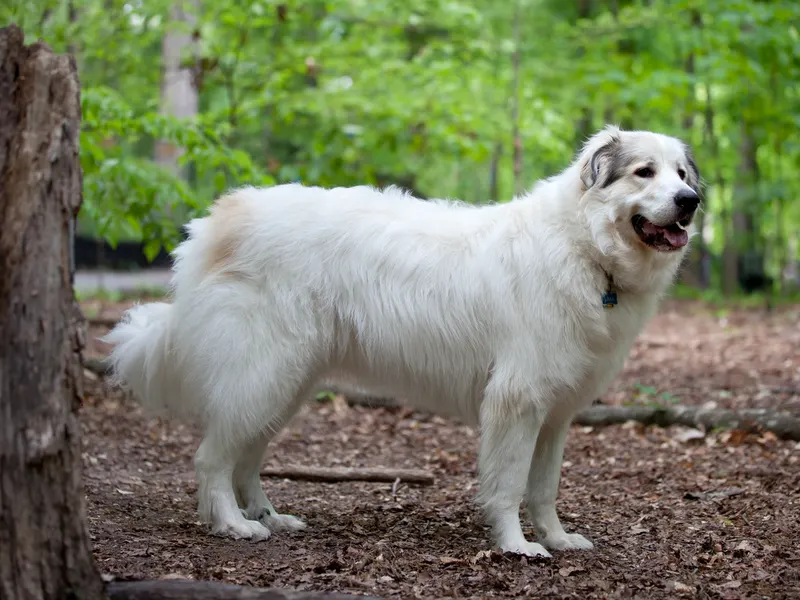
Great Pyrenees
Working
85–115 lbs · 10–12 yrs
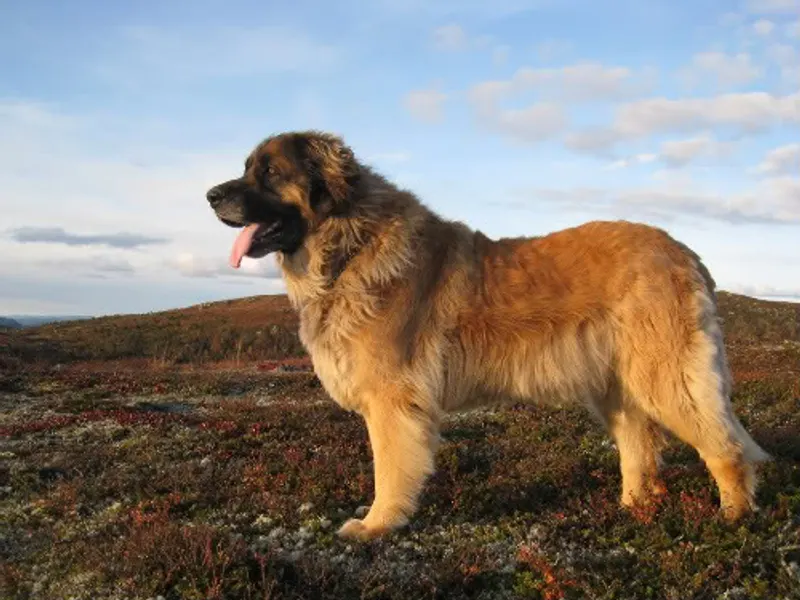
Leonberger
Working
90–170 lbs · 7–9 yrs
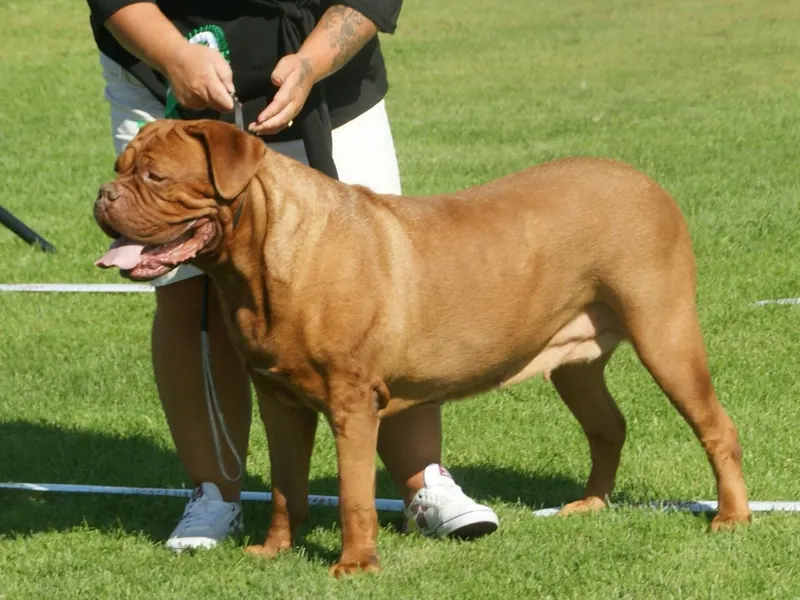
Dogue de Bordeaux
Working
99–110 lbs · 5–8 yrs
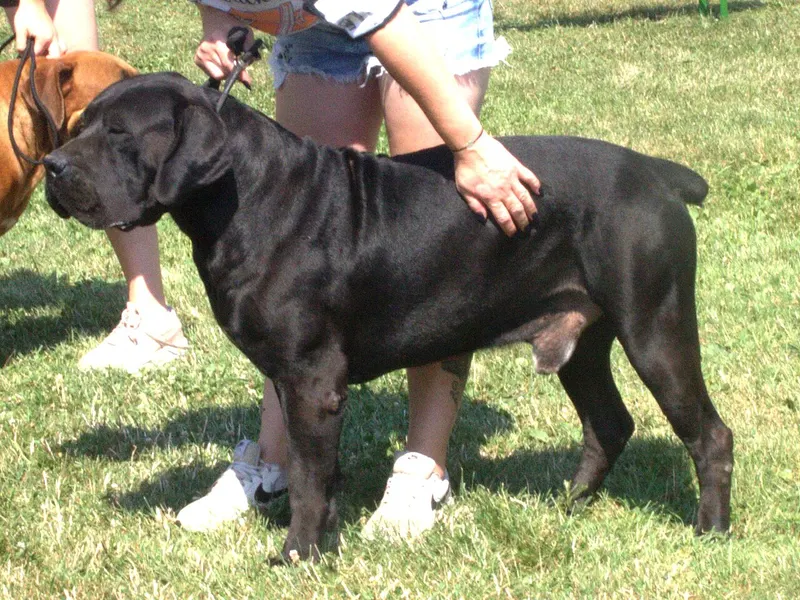
Boerboel
Working
150–200 lbs · 9–11 yrs
Chinook
Working
50–90 lbs · 12–15 yrs
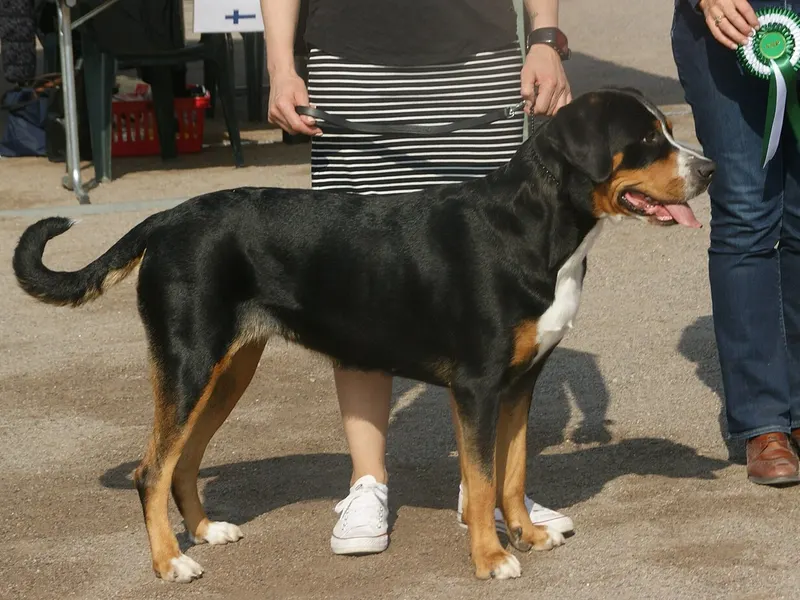
Greater Swiss Mountain Dog
Working
85–140 lbs · 8–11 yrs
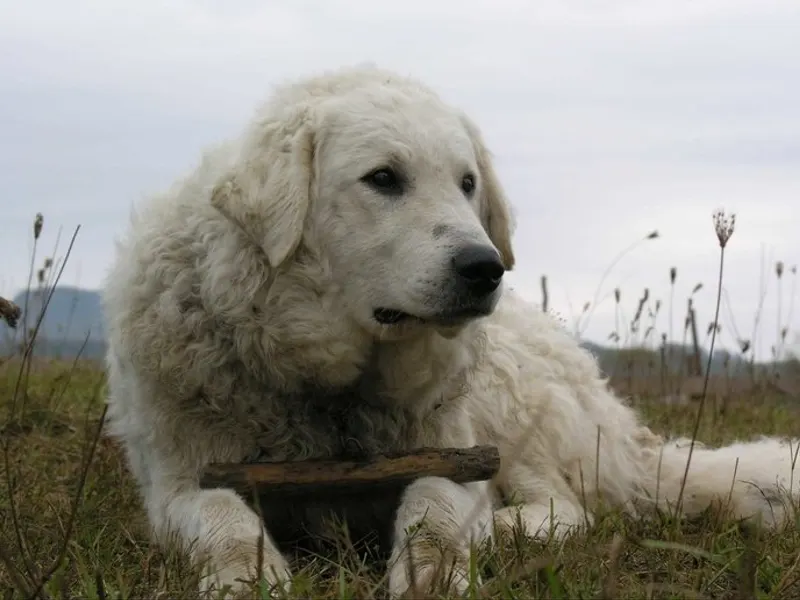
Kuvasz
Working
70–115 lbs · 10–12 yrs
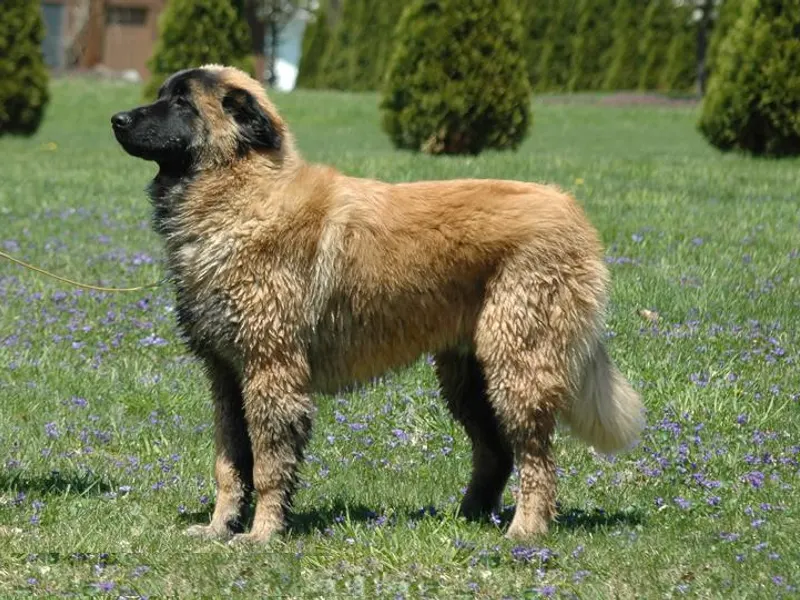
Estrela Mountain Dog
Working
66–110 lbs · 10–12 yrs
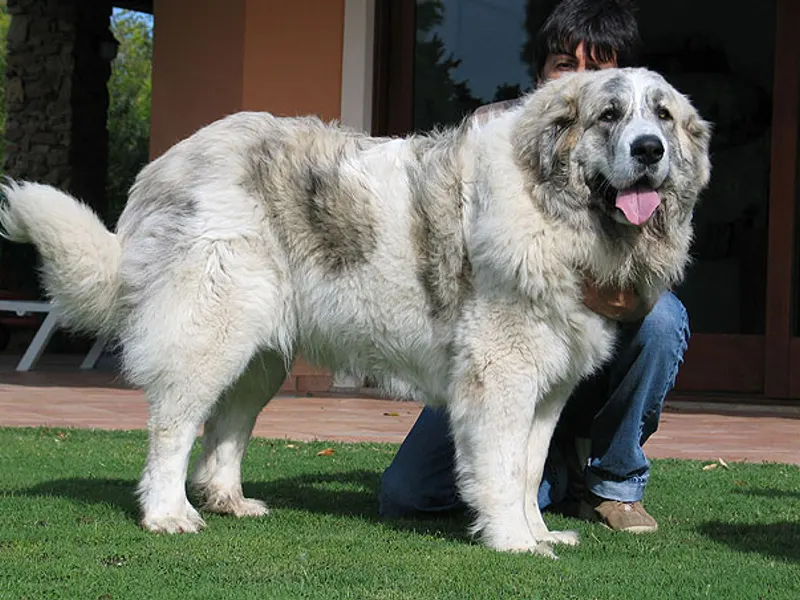
Pyrenean Mastiff
Working
120–240 lbs · 10–11 yrs
Airedale Terrier
Terrier
50–70 lbs · 11–14 yrs
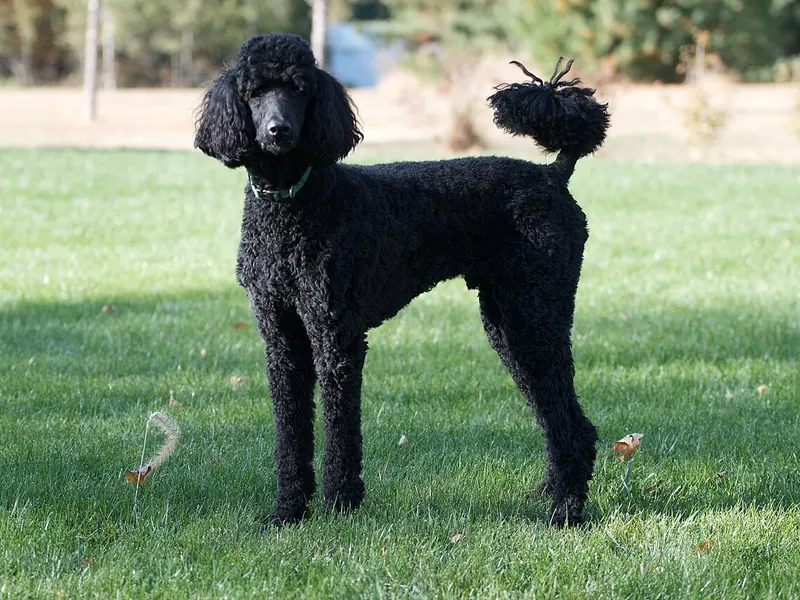
Standard Poodle
Non-Sporting
45–70 lbs · 10–13 yrs
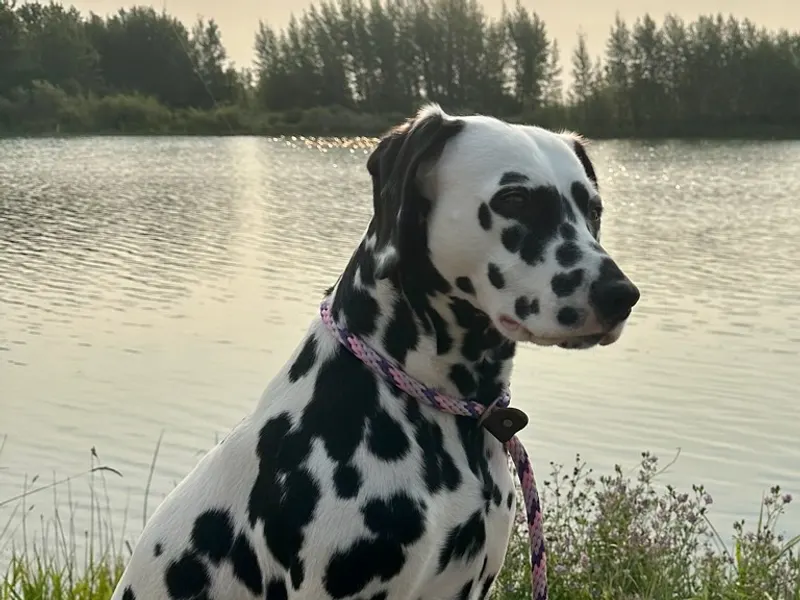
Dalmatian
Non-Sporting
45–70 lbs · 11–13 yrs
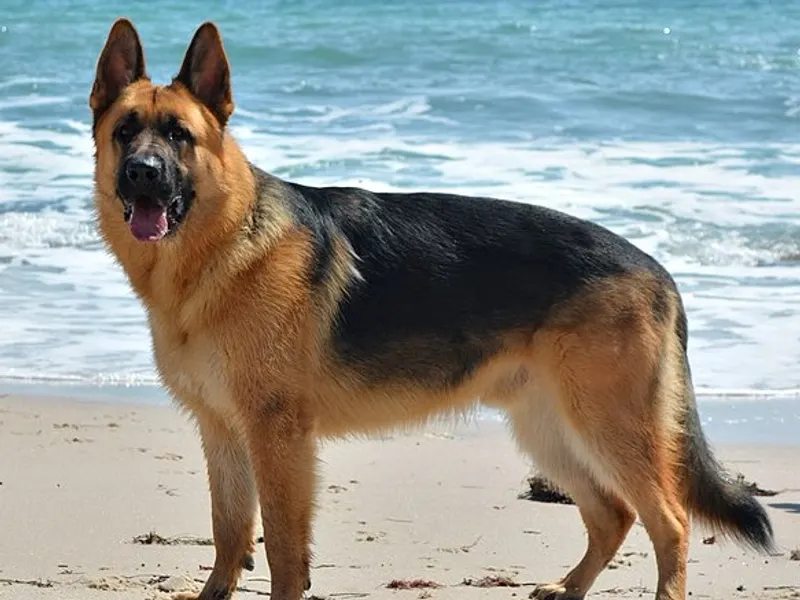
German Shepherd Dog
Herding
50–90 lbs · 9–13 yrs
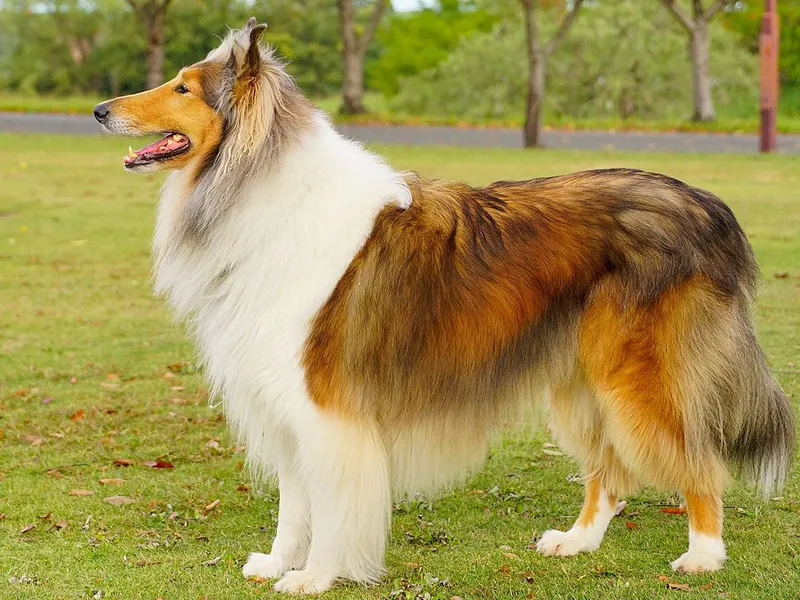
Collie
Herding
50–75 lbs · 12–14 yrs
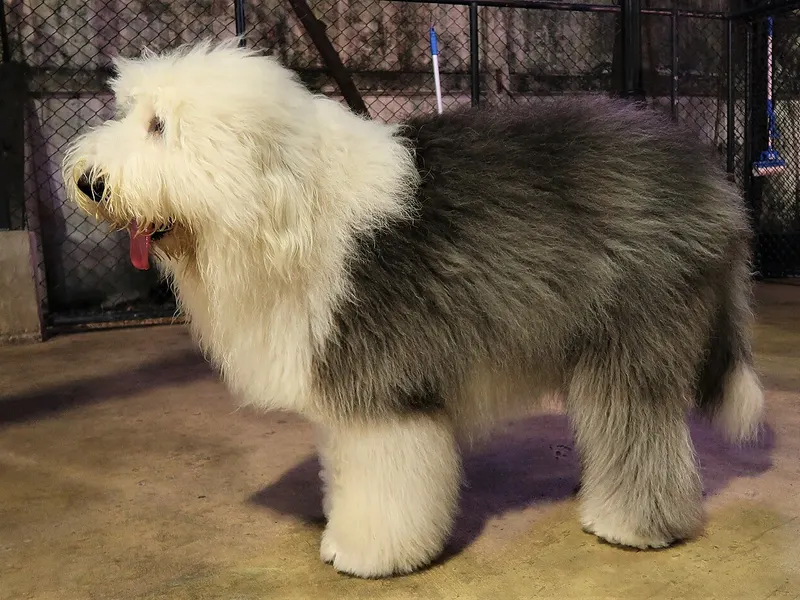
Old English Sheepdog
Herding
60–100 lbs · 10–12 yrs
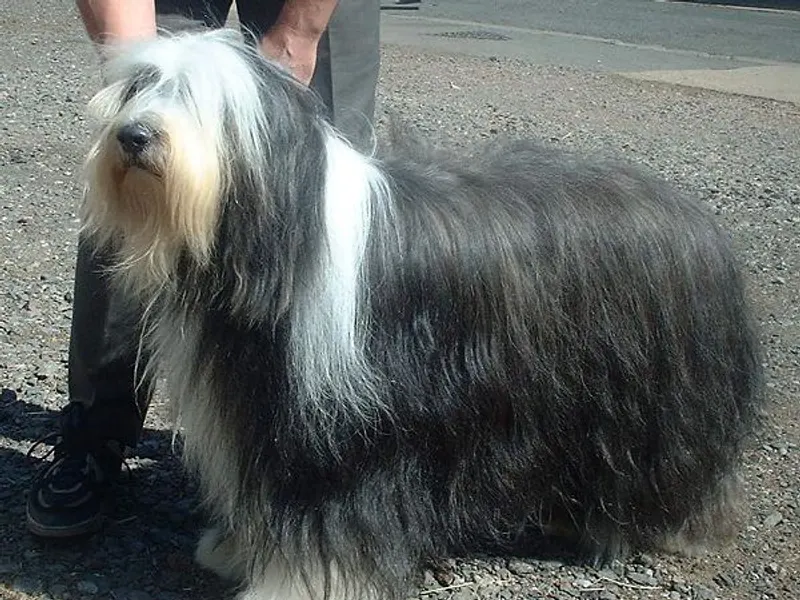
Bearded Collie
Herding
45–55 lbs · 12–14 yrs
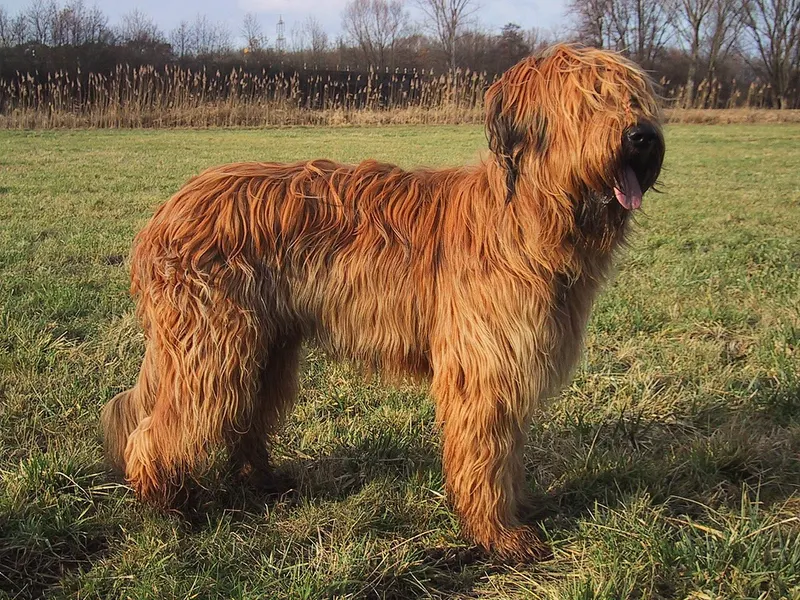
Briard
Herding
55–100 lbs · 10–12 yrs
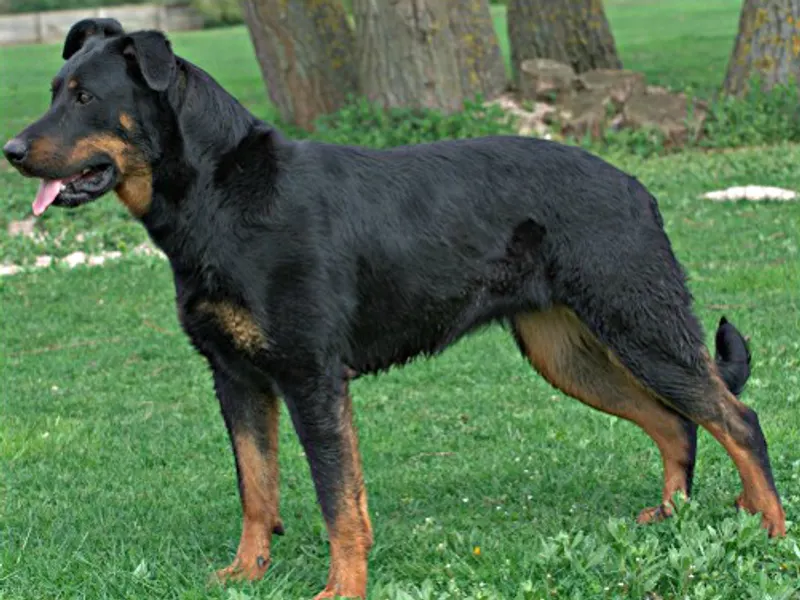
Beauceron
Herding
70–110 lbs · 10–12 yrs
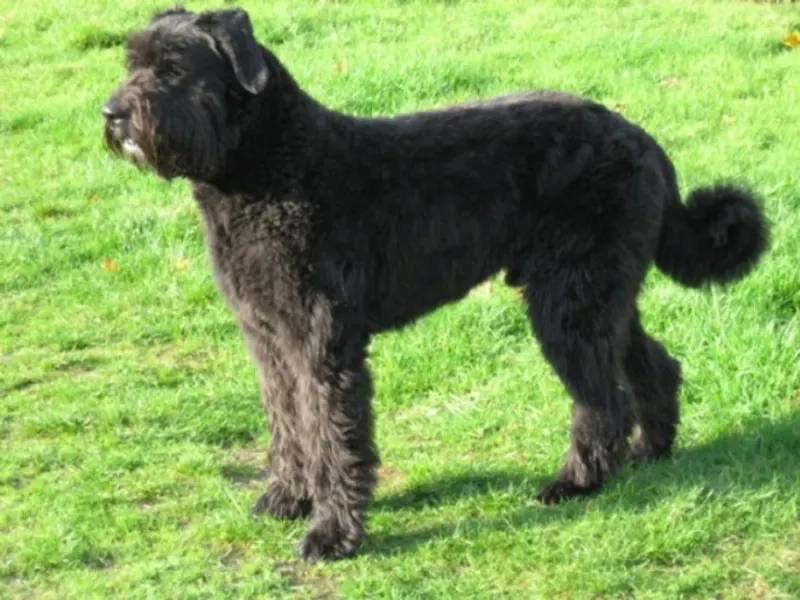
Bouvier des Flandres
Herding
70–110 lbs · 10–12 yrs
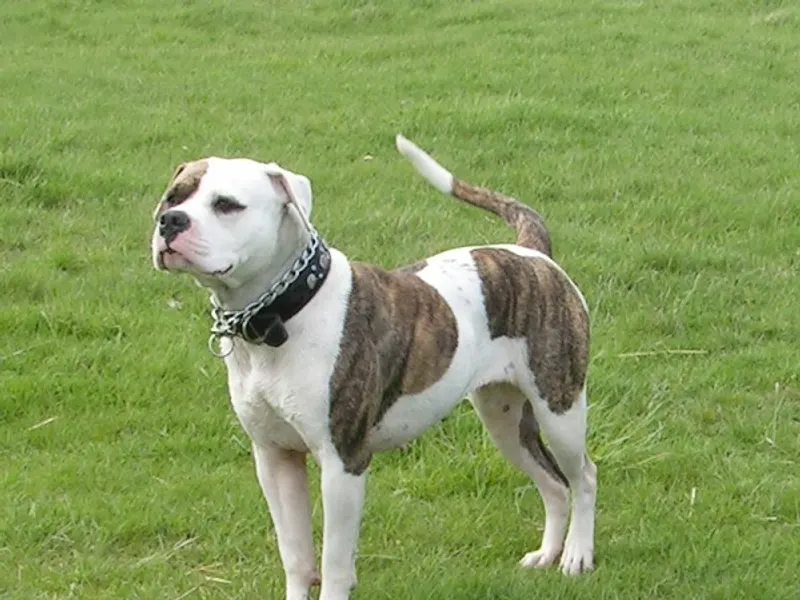
American Bulldog
Foundation Stock
60–120 lbs · 10–12 yrs
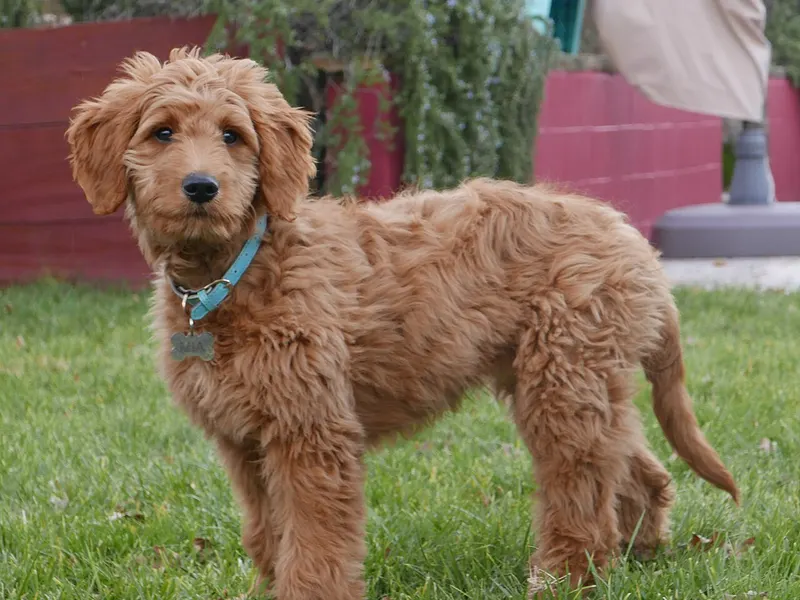
Goldendoodle
Crossbreed
50–90 lbs · 10–15 yrs
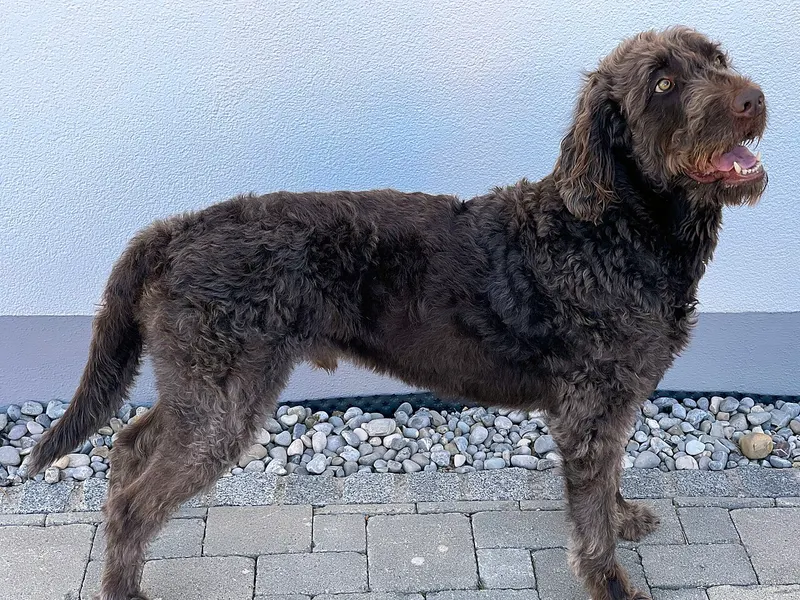
Labradoodle
Crossbreed
45–80 lbs · 12–14 yrs
Sheepadoodle
Crossbreed
45–80 lbs · 12–15 yrs
Bernedoodle
Crossbreed
50–90 lbs · 12–15 yrs
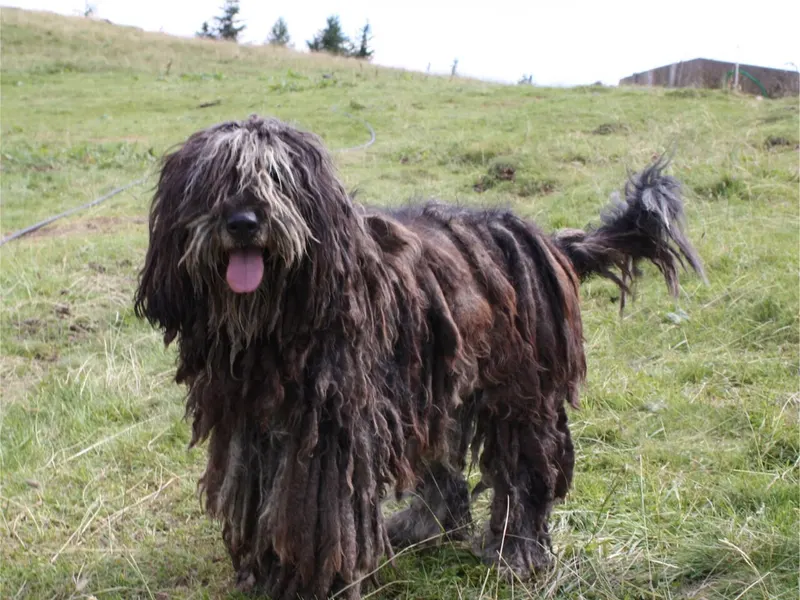
Bergamasco Sheepdog
Herding
57–84 lbs · 13–15 yrs