Large Dog Breeds
63 breeds in this group.
Large dogs on this site, roughly the 50-to-90-pound range, sit at the size where several distinct working traditions converge on a similar physical scale: the biggest Sporting retrievers and pointing breeds, most sighthounds and coonhounds, the mid-sized Working Group guardians, most standard-sized Herding breeds, and a handful of large crossbreeds all land here, generally because that weight range represents a practical upper limit for the specific job each lineage of dog was bred to do — big enough to retrieve a downed goose from cold water, run down game across open country, or hold a bull, but not so large that mobility, stamina, or cost of feeding became counterproductive to the actual working task. The Labrador and Golden Retriever, the two most commonly owned dogs in this bracket, anchor a cluster of large Sporting breeds — German Shorthaired and Wirehaired Pointers, Weimaraner, Chesapeake Bay Retriever, Flat-Coated and Curly-Coated Retrievers, the various setters — all built with the stamina to work a full day's hunt and the swimming or running ability specific retrieving and pointing work demands, and this cluster consistently needs the most genuine daily exercise of any comparably sized group in the registry, closer to 60-90 minutes of real activity than the 20-30 minutes that satisfies many equally large but lower-drive breeds elsewhere in this bracket. The large hounds — Bloodhound, Greyhound, Afghan Hound, Saluki, Rhodesian Ridgeback, Otterhound, and most of the American coonhound breeds — split into the same sighthound-versus-scenthound divide documented across the Hound Group generally, meaning a large hound's exercise profile depends heavily on whether it's built for sprint (Greyhound, Afghan, Saluki — short, intense bursts followed by long rest) or endurance trailing (Bloodhound, coonhounds — sustained, moderate-paced tracking that can cover genuinely long distances). The mid-weight Working Group guardians and draft dogs land heavily in this bracket too — Boxer, Doberman Pinscher, Rottweiler, Akita, Giant Schnauzer, Chinook, Dogo Argentino — carrying the Working Group's protective and guardian instincts documented elsewhere on this site into a size class that, while large, is still manageable for an experienced single owner in a way a true giant breed often isn't. The Standard Poodle, technically classified in the Non-Sporting Group despite sharing an identical water-retrieving working history with its smaller Toy and Miniature counterparts, also lands here at its full adult size, and it's worth noting that the Poodle's reputation as merely a show-ring or companion breed undersells a genuinely capable working retriever history behind the elaborate grooming. The full-sized Herding breeds in this bracket — German Shepherd Dog, Belgian Malinois, Belgian Tervuren, Belgian Sheepdog, Collie, Old English Sheepdog, Bearded Collie, Briard, Beauceron, Bouvier des Flandres — bring the Herding Group's characteristic intelligence and need for mental engagement into a frame large enough to have historically covered real ground moving livestock across open pasture or working alongside mounted shepherds, and several of these breeds (German Shepherd, Malinois especially) have transitioned that same working intensity into police, military, and protection-work roles precisely because a large, athletic, highly trainable dog proved as useful for those newer jobs as for herding itself. The large crossbreeds in this range — Goldendoodle, Labradoodle, Sheepadoodle, Bernedoodle — carry the same genuine size and temperament unpredictability documented for the Crossbreed Group generally, and a first-generation large doodle in particular can vary meaningfully in final adult weight depending on which parent's genes dominate, something worth discussing directly with a breeder rather than assuming a predictable outcome from the cross alone. Because this bracket sits just below the giant-breed range, it's worth understanding as something of a sweet spot for households that want a substantial, physically capable dog without taking on the shortened average lifespan, elevated bloat risk, and higher feeding and veterinary costs that come with the largest giant breeds — large-bracket dogs still carry a meaningfully elevated risk of hip and elbow dysplasia relative to smaller breeds given the mechanical load their frames bear, but generally without the additional giant-breed-specific health burden documented at the very top of the size spectrum, making thoughtful breeder health-testing a genuinely worthwhile investment at this size rather than an optional extra. Because this bracket sits at a genuine size sweet spot for many households, it's worth being specific about the tradeoffs relative to both the medium and giant brackets rather than treating "large" as simply "bigger, therefore more of everything." Relative to medium breeds, dogs in this range generally cost more to feed, need larger crates, beds, and vehicles to transport comfortably, and carry a somewhat elevated risk of orthopedic issues like hip and elbow dysplasia given the greater mechanical load their frames bear — but they avoid the sharply shortened average lifespan and elevated bloat risk that define the giant bracket one step up, making this range, for many working and sporting breeds especially, closer to a genuine physical optimum than either extreme. Exercise needs in this bracket skew high on average relative to the registry as a whole, since it includes the bulk of the most physically demanding Sporting and Herding breeds, but there's real variation worth naming directly: a large sighthound like the Greyhound needs comparatively little daily volume, just a genuine sprint outlet a few times a week, while a large Sporting or Herding breed in the same weight class typically needs 60 to 90 minutes of real daily activity to stay behaviorally settled. Matching a specific breed's actual exercise profile to a household's realistic daily bandwidth matters more in this bracket than in almost any other, since the consequences of a mismatch — a bored, under-exercised 70-pound dog with real physical strength behind its frustration — tend to be more disruptive than the equivalent mismatch in a smaller dog. Training and socialization needs also matter more here than in the smaller brackets given the physical stakes involved. A poorly socialized large dog, even one from a fundamentally gentle breed, carries genuinely higher physical consequences from a bad decision than an equally poorly socialized toy or small breed simply because of size and strength, which is why obedience training and early, structured socialization are treated as close to non-negotiable by most breeders and trainers working with large-breed puppies, more so than the comparatively more forgiving margin for error that exists with a 15-pound dog. This bracket suits households genuinely prepared for that training commitment alongside the space and exercise needs, more than it suits anyone drawn purely to a large dog's imposing presence without planning for the real daily work behind a well-adjusted large adult dog. Crate and vehicle sizing deserve concrete mention for this bracket, since a dog in the 50-to-90-pound range needs meaningfully larger equipment than a medium breed, and undersized crates or vehicle setups are a common, avoidable source of daily friction for owners who researched the breed's temperament thoroughly but didn't plan the practical logistics of transporting and housing a genuinely large animal comfortably. Senior-year health monitoring deserves specific mention for this bracket, since large breeds generally show earlier onset of age-related joint issues than smaller dogs given the greater lifetime mechanical load on their frames, and many veterinarians recommend starting joint-support supplementation and more frequent orthopedic checkups somewhat earlier in a large breed's life than they would for a toy or small breed of comparable overall health. Working-dog certification programs exist for several breeds in this bracket beyond the obvious hunting and herding trials already discussed, including scent-detection and search-and-rescue certification pathways that draw heavily from large Sporting and Herding breeds specifically, offering yet another structured outlet for owners of a large, driven dog whose energy needs exceed what casual daily exercise alone can satisfy. Several national breed clubs for large-bracket breeds maintain detailed longevity and cause-of-death surveys collected from member owners over decades, offering genuinely useful, breed-specific actuarial data for prospective owners wanting a realistic sense of what to expect over a dog's full lifetime rather than relying on general size-bracket averages alone. These surveys have, in several documented cases, directly informed updated breed-club health-testing recommendations, meaning the data collection isn't purely informational but has a real, traceable influence on how conscientious breeders in these clubs approach screening decisions today. Because this bracket represents such a genuine functional cross-section of the registry, it's also one of the more common starting points for first-time dog owners specifically seeking guidance, since narrowing a large, unfamiliar list of unfamiliar breed names down by a concrete, easily understood filter like weight range offers an accessible entry point before diving into the more nuanced group-and-temperament research this site recommends as a second step. Because several breeds in this bracket were originally developed for demanding physical work — hunting, herding, or police and military service — many also carry active working-title programs today distinct from conformation showing, and pursuing one of these titles with an individual dog offers genuine structured engagement for owners specifically seeking to channel a large, driven breed's energy into something more purposeful than routine exercise alone provides. Because several breeds in this bracket were bred originally for cooperative work alongside other dogs in packs or teams, some retain a notably stronger natural comfort with multi-dog households than breeds developed for solitary guard work, a temperament distinction worth researching directly for anyone specifically planning to add a large dog to an already multi-dog home. Because this bracket sits squarely between the more forgiving margins of the medium bracket and the higher stakes of the giant bracket, it rewards genuinely careful research more than either extreme, without demanding quite the same level of specialized planning a true giant breed requires.
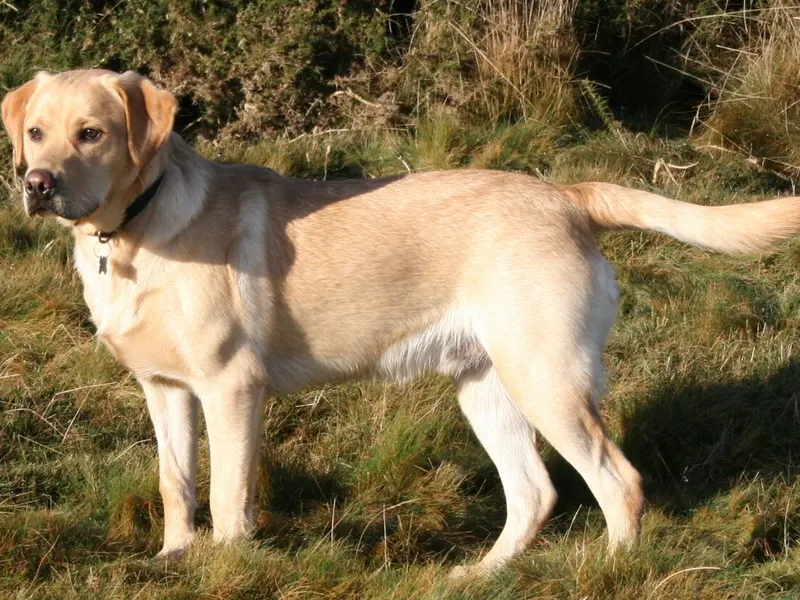
Labrador Retriever
Sporting
55–80 lbs · 10–12 yrs
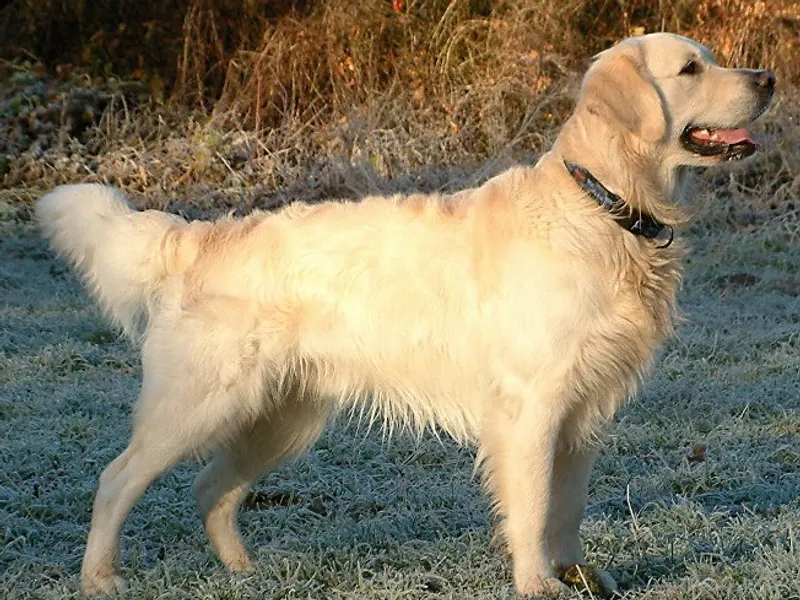
Golden Retriever
Sporting
55–75 lbs · 10–12 yrs
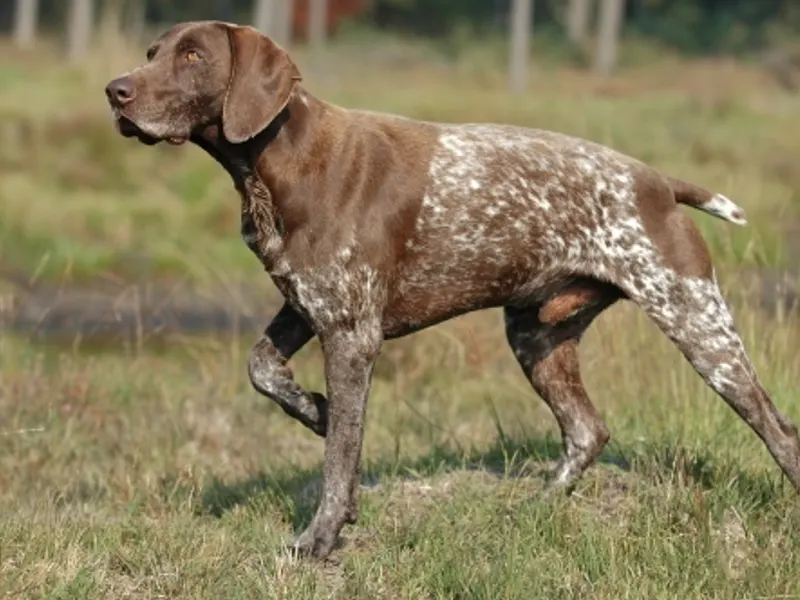
German Shorthaired Pointer
Sporting
45–70 lbs · 10–12 yrs
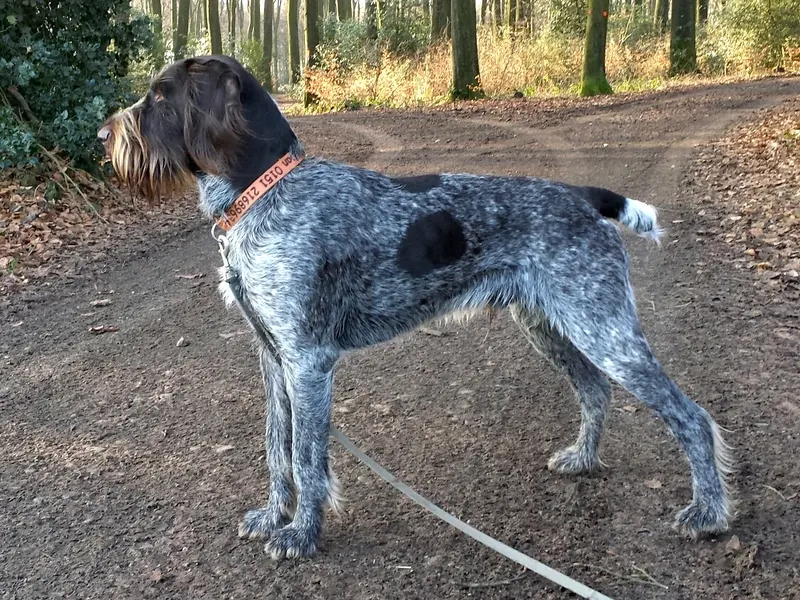
German Wirehaired Pointer
Sporting
50–70 lbs · 12–14 yrs
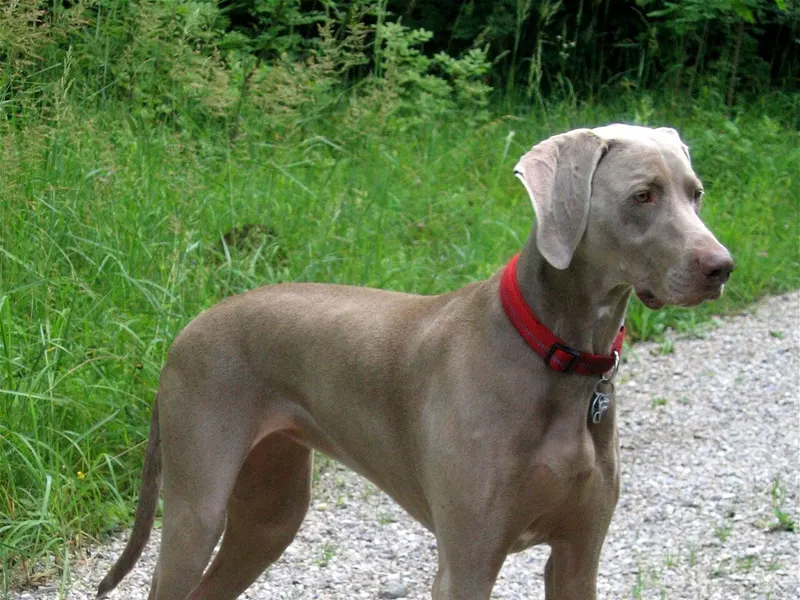
Weimaraner
Sporting
55–90 lbs · 10–13 yrs
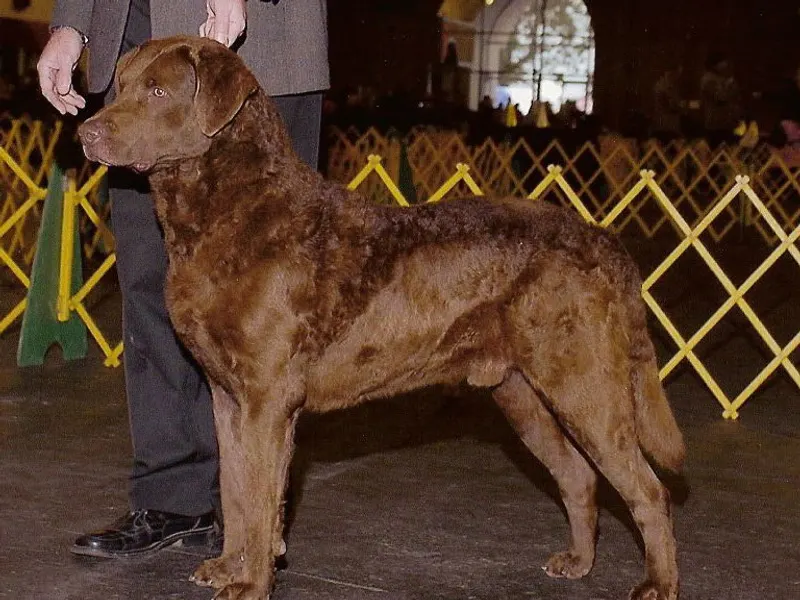
Chesapeake Bay Retriever
Sporting
55–80 lbs · 10–13 yrs
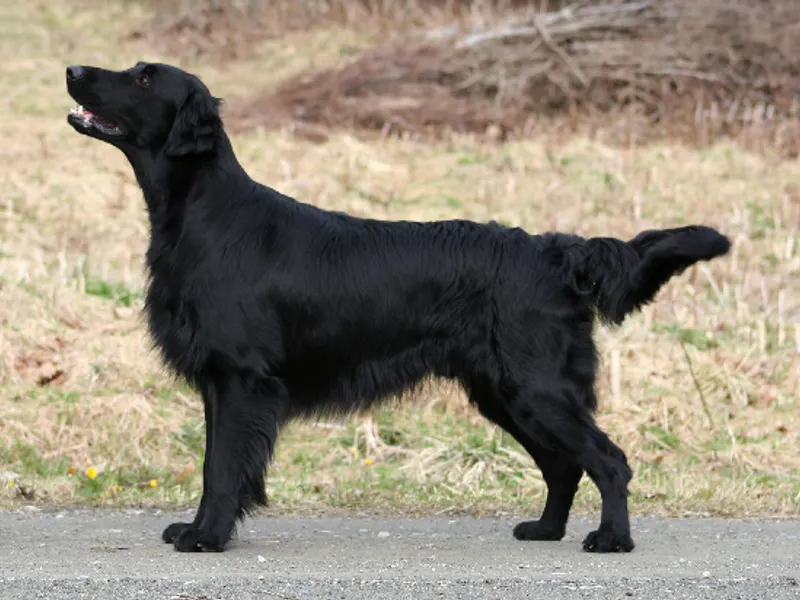
Flat-Coated Retriever
Sporting
55–70 lbs · 8–10 yrs
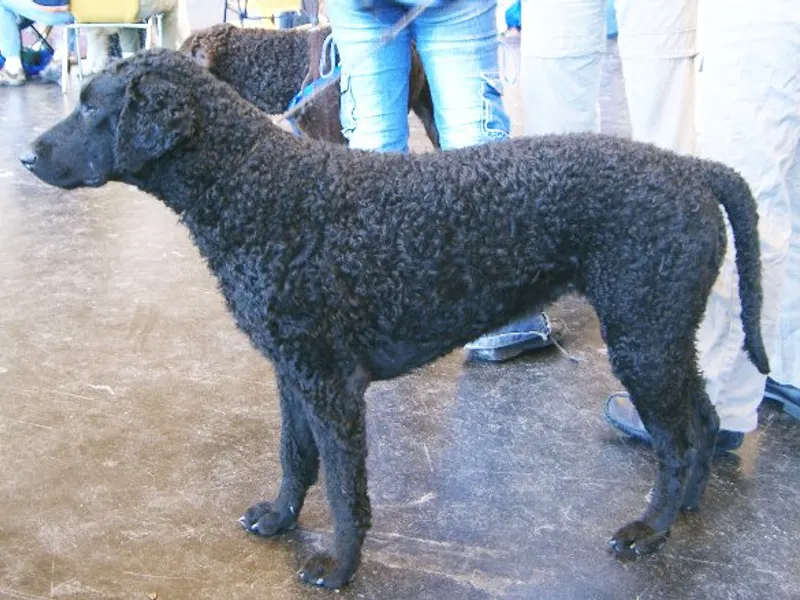
Curly-Coated Retriever
Sporting
60–95 lbs · 10–12 yrs
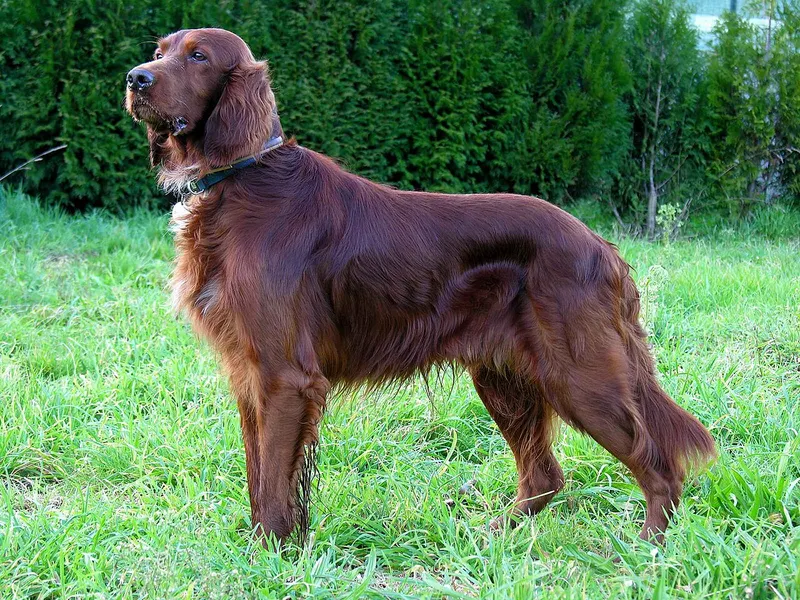
Irish Setter
Sporting
60–70 lbs · 12–15 yrs
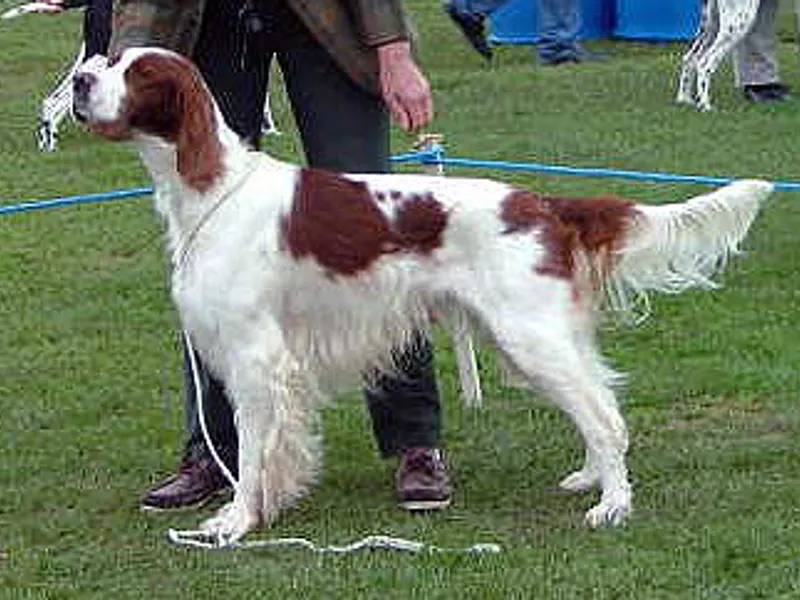
Irish Red and White Setter
Sporting
45–70 lbs · 11–13 yrs
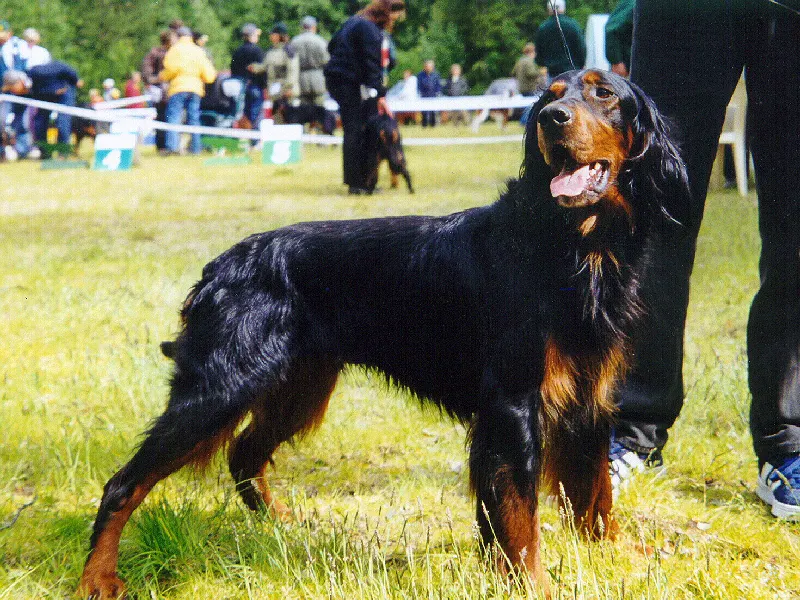
Gordon Setter
Sporting
45–80 lbs · 10–12 yrs
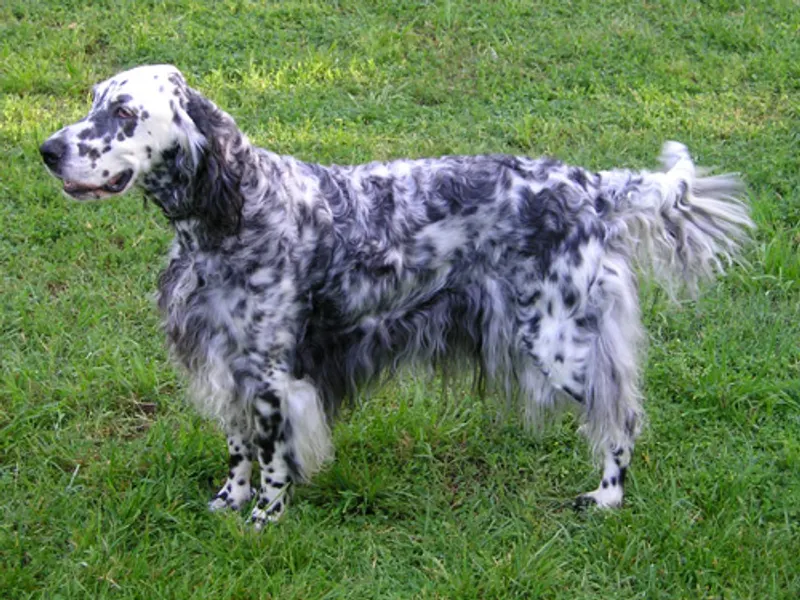
English Setter
Sporting
45–80 lbs · 11–15 yrs
Pointer
Sporting
45–75 lbs · 12–17 yrs
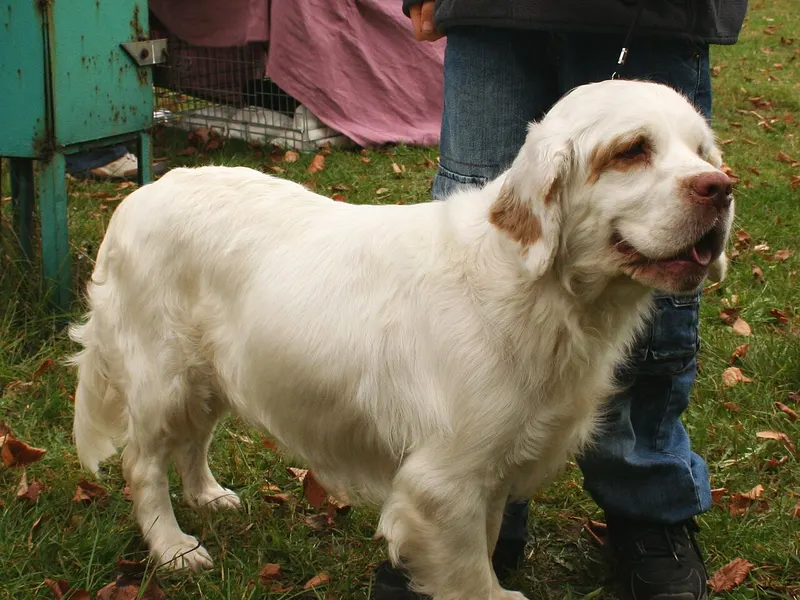
Clumber Spaniel
Sporting
40–85 lbs · 10–12 yrs
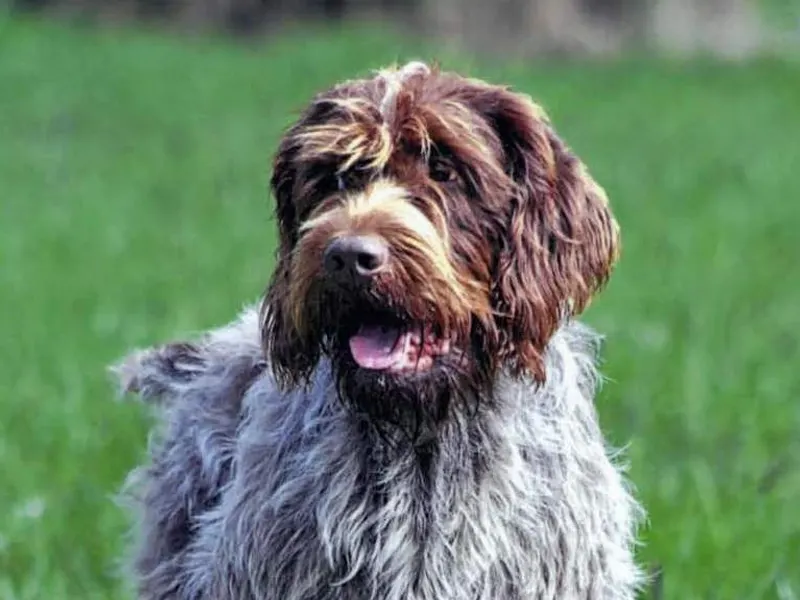
Wirehaired Pointing Griffon
Sporting
35–70 lbs · 12–14 yrs
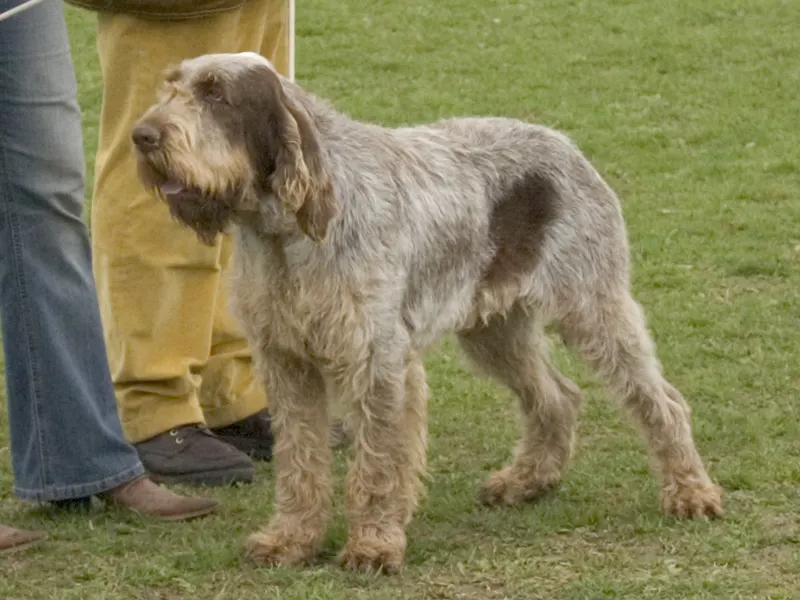
Spinone Italiano
Sporting
62–85 lbs · 10–12 yrs
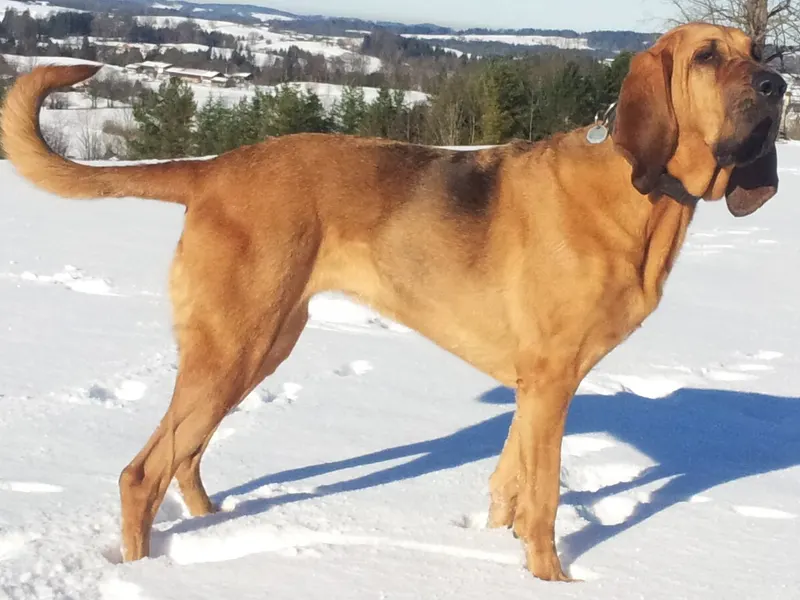
Bloodhound
Hound
80–110 lbs · 10–12 yrs
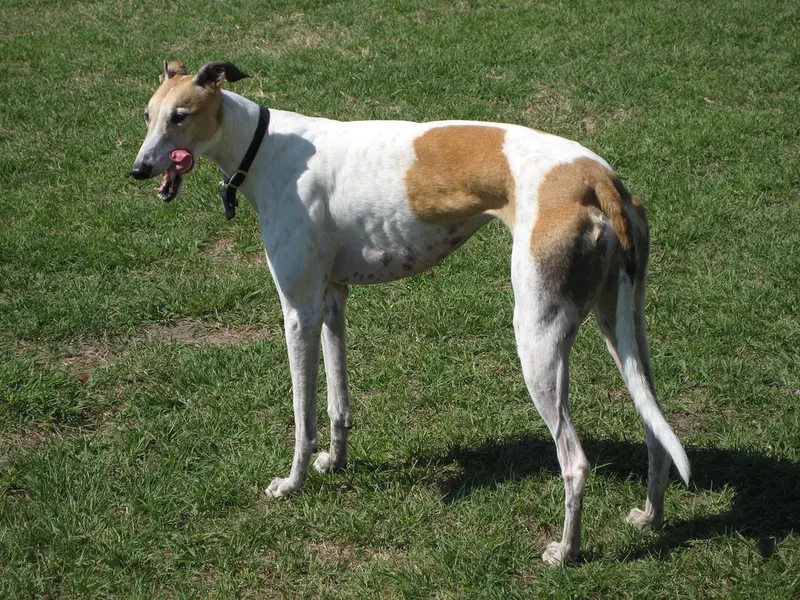
Greyhound
Hound
60–88 lbs · 10–14 yrs
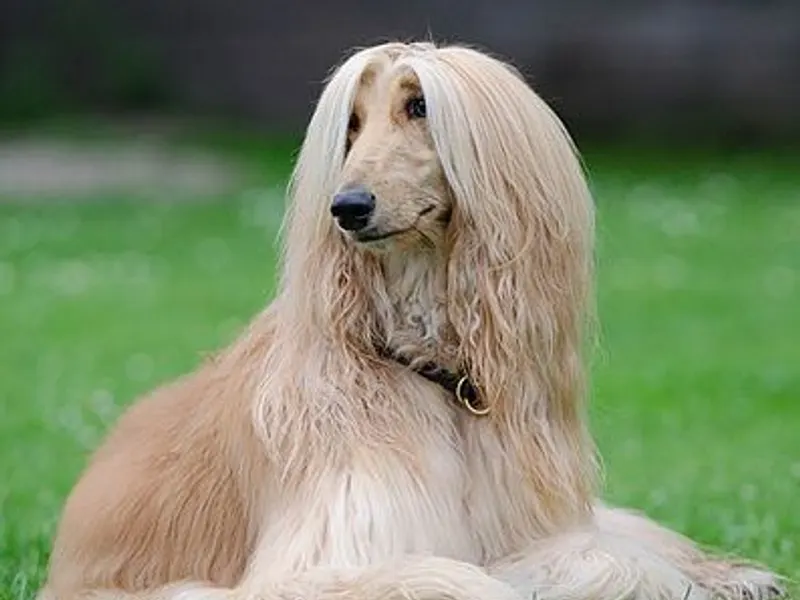
Afghan Hound
Hound
50–60 lbs · 12–18 yrs
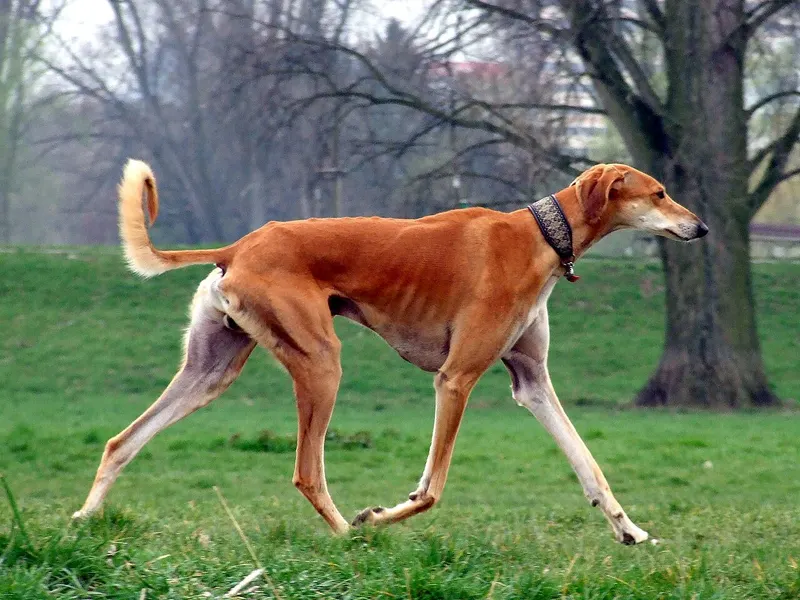
Saluki
Hound
40–65 lbs · 12–14 yrs
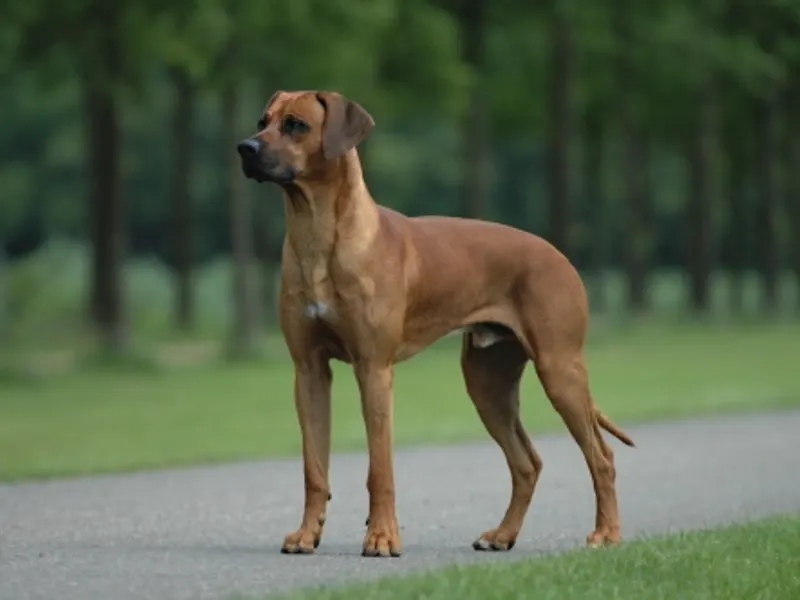
Rhodesian Ridgeback
Hound
70–85 lbs · 10–12 yrs
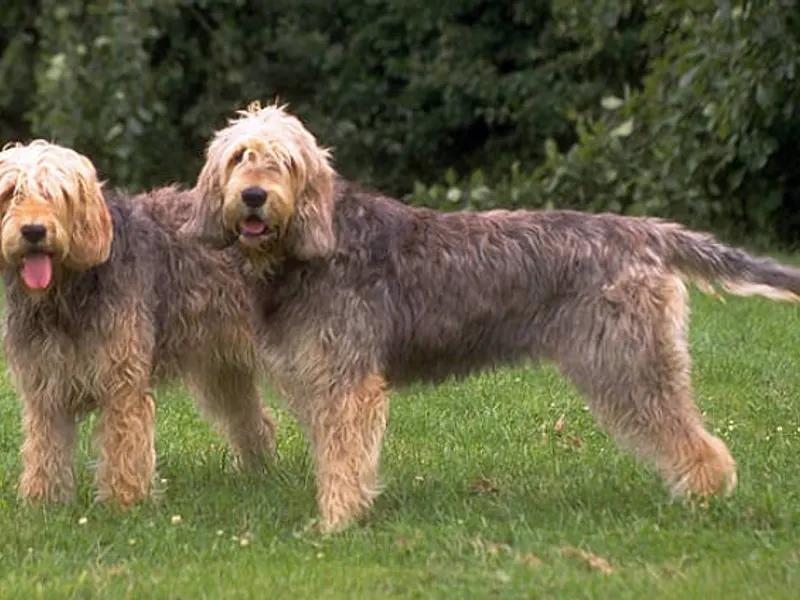
Otterhound
Hound
65–115 lbs · 10–13 yrs
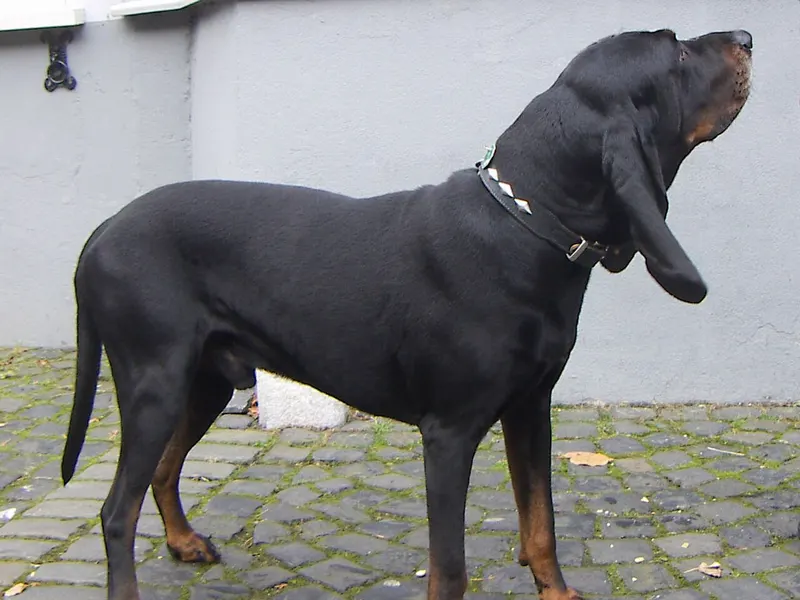
Black and Tan Coonhound
Hound
55–110 lbs · 10–12 yrs
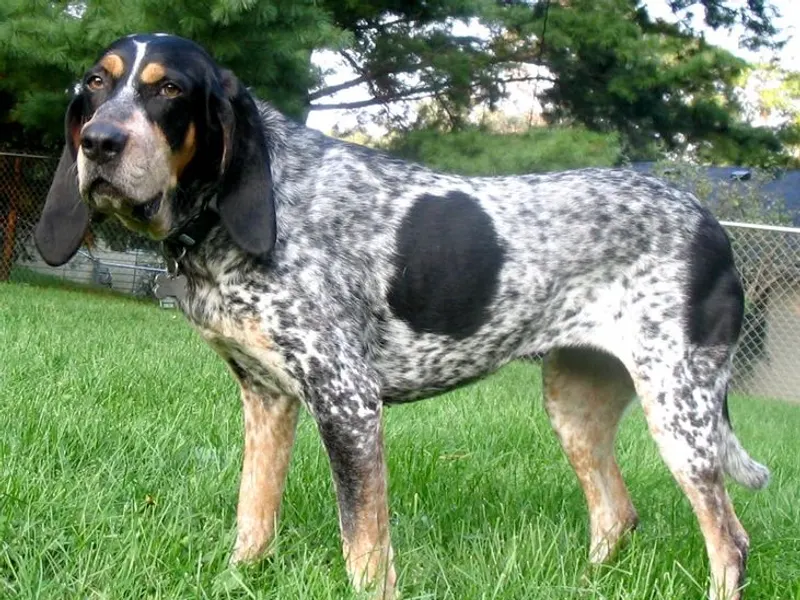
Bluetick Coonhound
Hound
45–100 lbs · 11–12 yrs
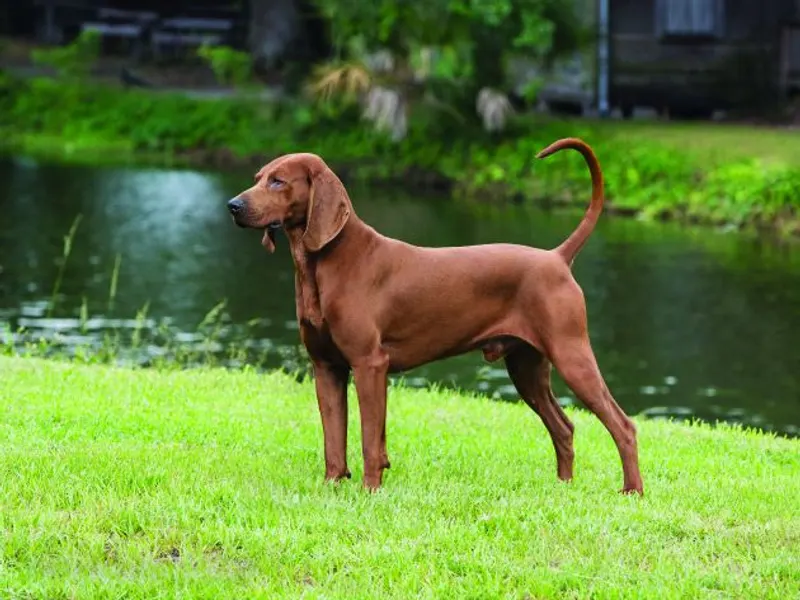
Redbone Coonhound
Hound
45–70 lbs · 12–15 yrs
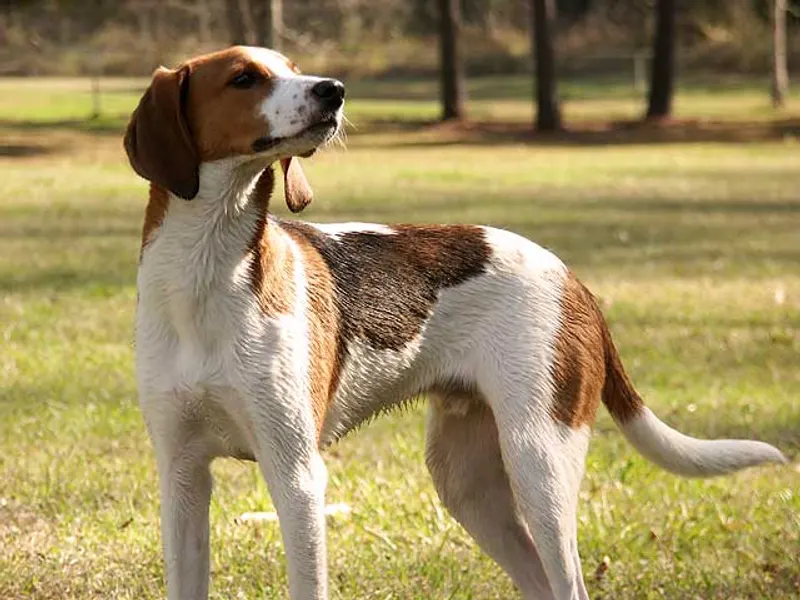
Treeing Walker Coonhound
Hound
50–70 lbs · 12–13 yrs
American English Coonhound
Hound
45–65 lbs · 11–12 yrs
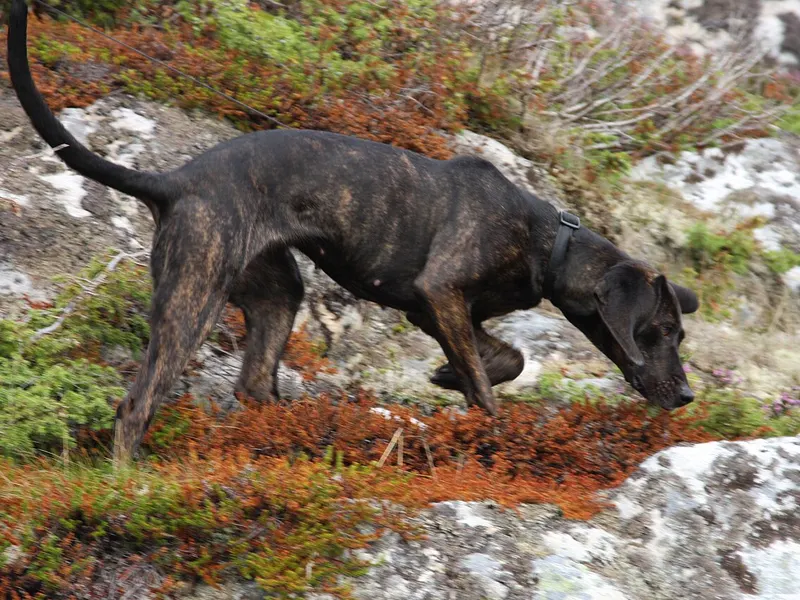
Plott Hound
Hound
40–60 lbs · 12–14 yrs
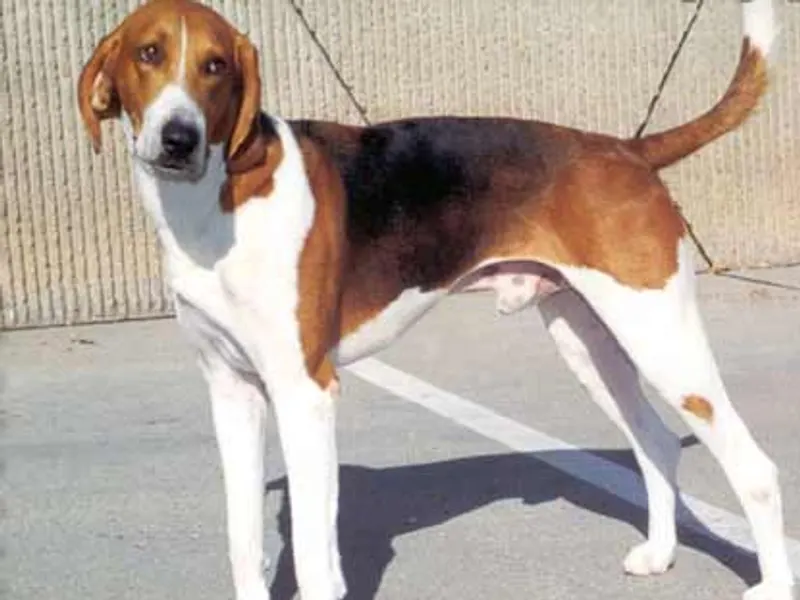
American Foxhound
Hound
45–70 lbs · 11–13 yrs
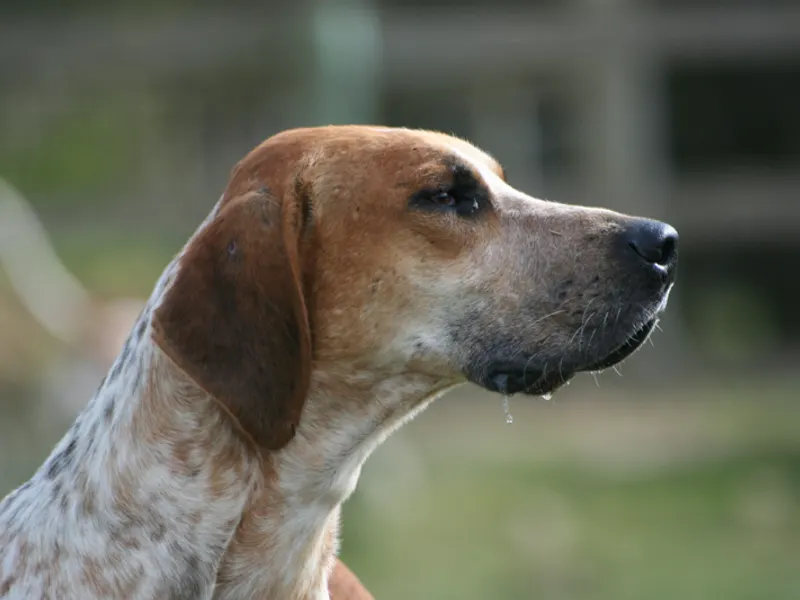
English Foxhound
Hound
55–75 lbs · 10–13 yrs
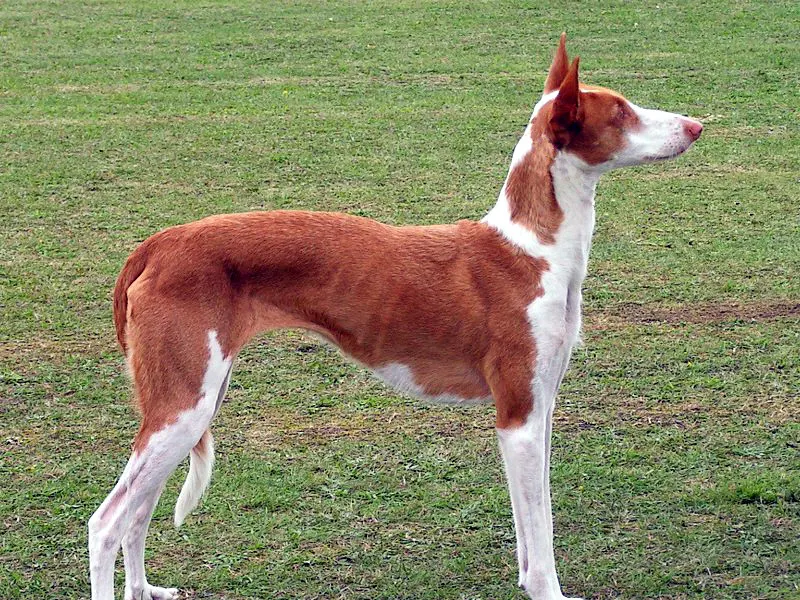
Ibizan Hound
Hound
45–50 lbs · 11–14 yrs
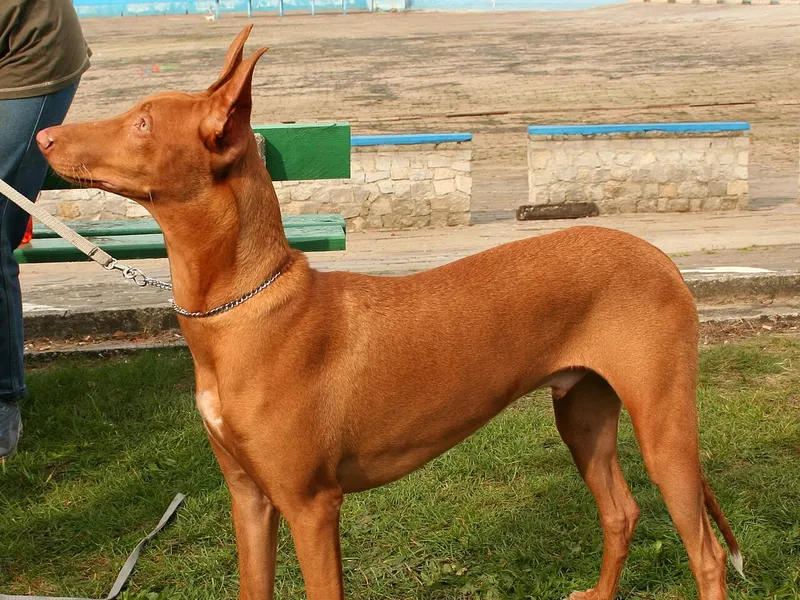
Pharaoh Hound
Hound
45–55 lbs · 11–14 yrs
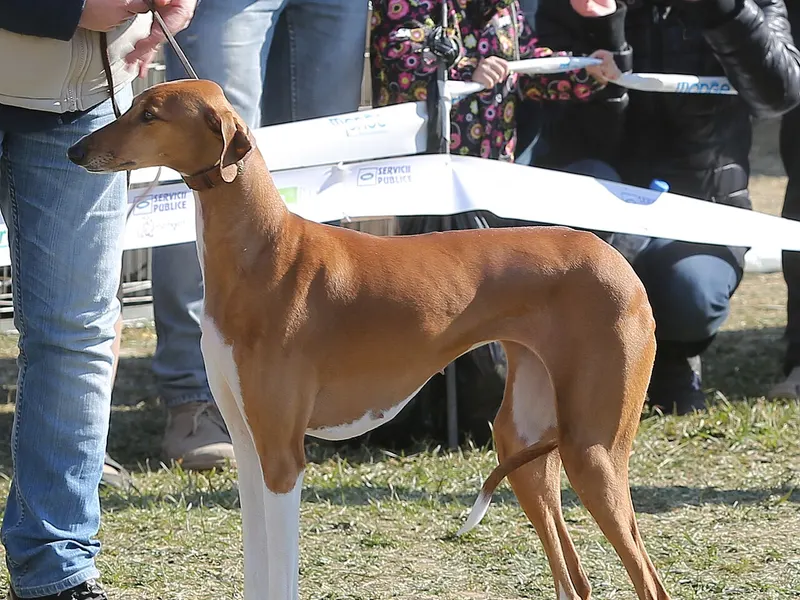
Azawakh
Hound
33–55 lbs · 12–15 yrs
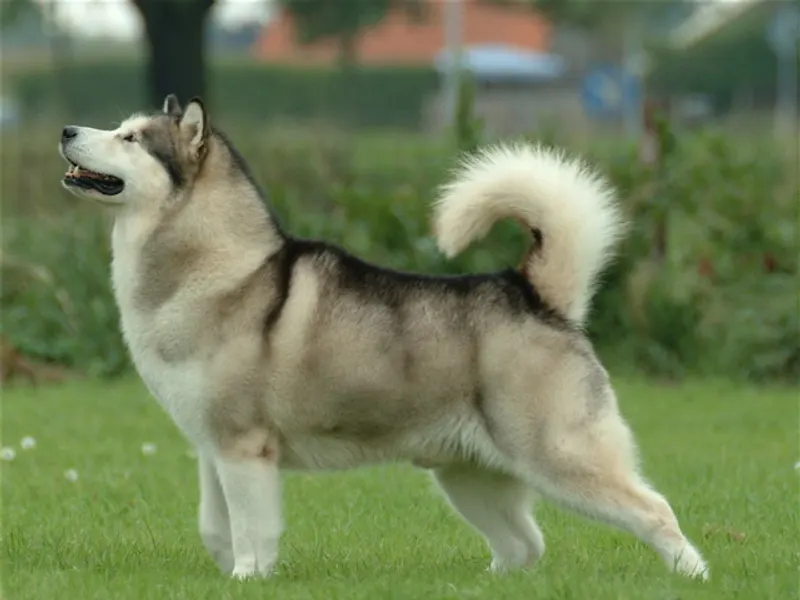
Alaskan Malamute
Working
75–85 lbs · 10–14 yrs
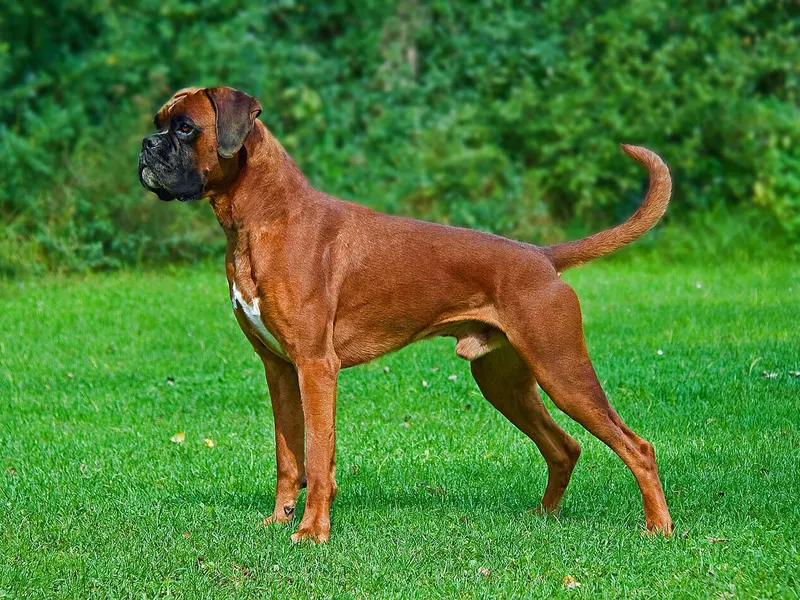
Boxer
Working
50–80 lbs · 10–12 yrs
Doberman Pinscher
Working
60–100 lbs · 10–13 yrs
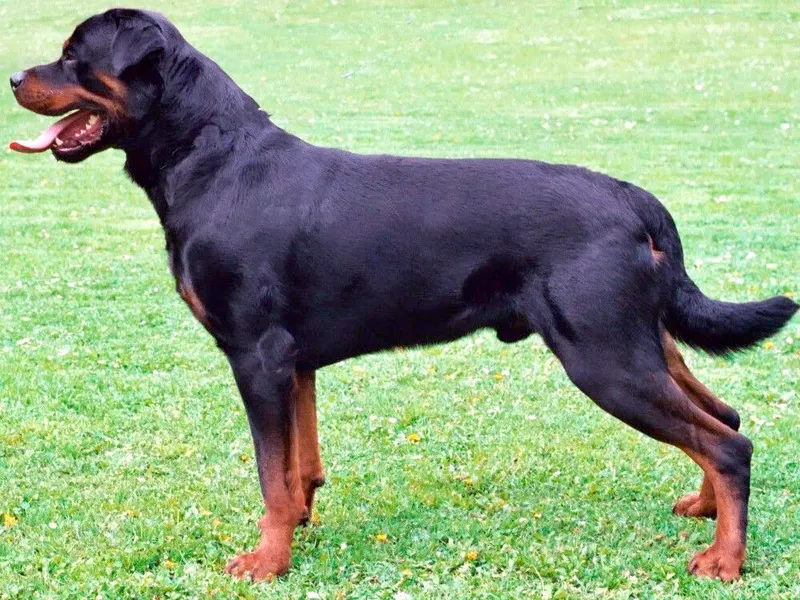
Rottweiler
Working
80–135 lbs · 8–10 yrs
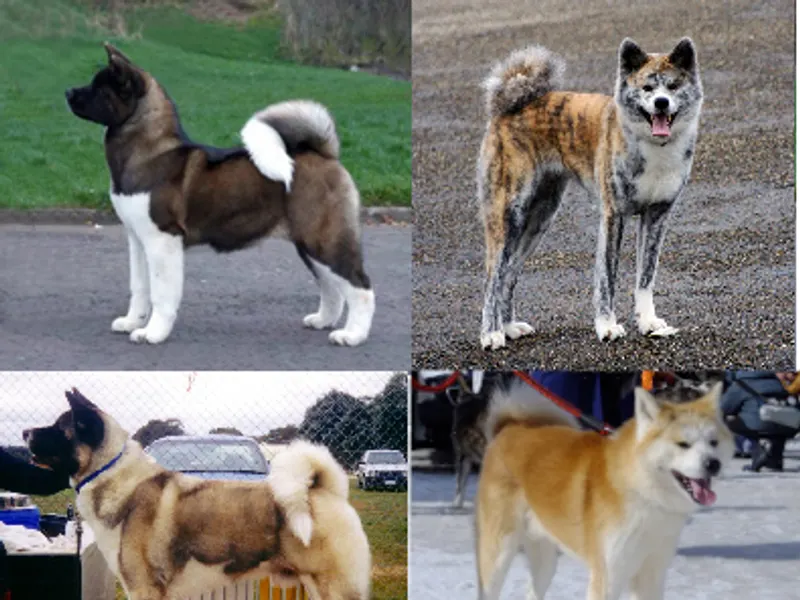
Akita
Working
70–130 lbs · 10–13 yrs
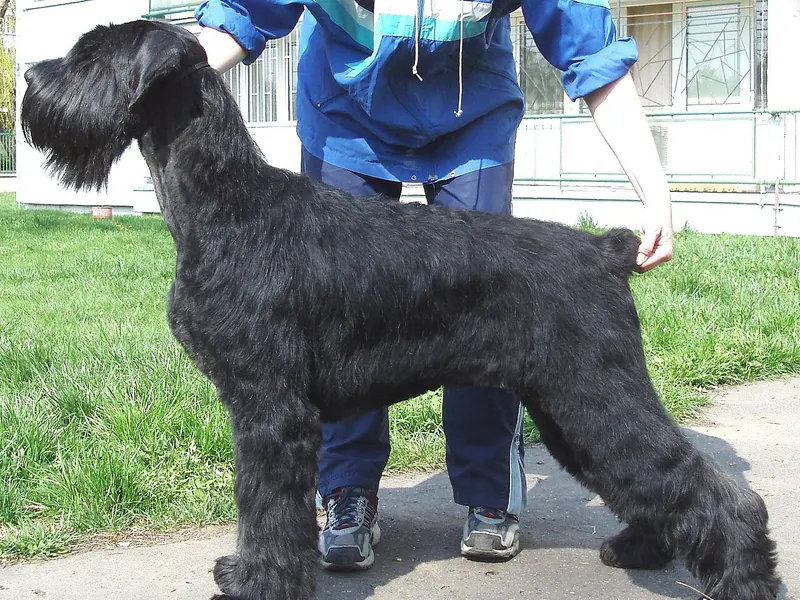
Giant Schnauzer
Working
55–85 lbs · 12–15 yrs
Chinook
Working
50–90 lbs · 12–15 yrs
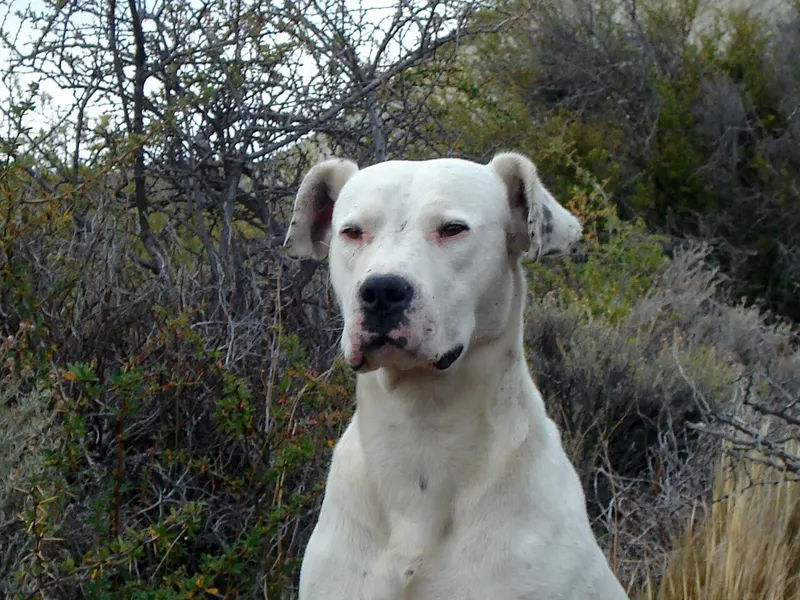
Dogo Argentino
Working
80–100 lbs · 9–15 yrs
Airedale Terrier
Terrier
50–70 lbs · 11–14 yrs
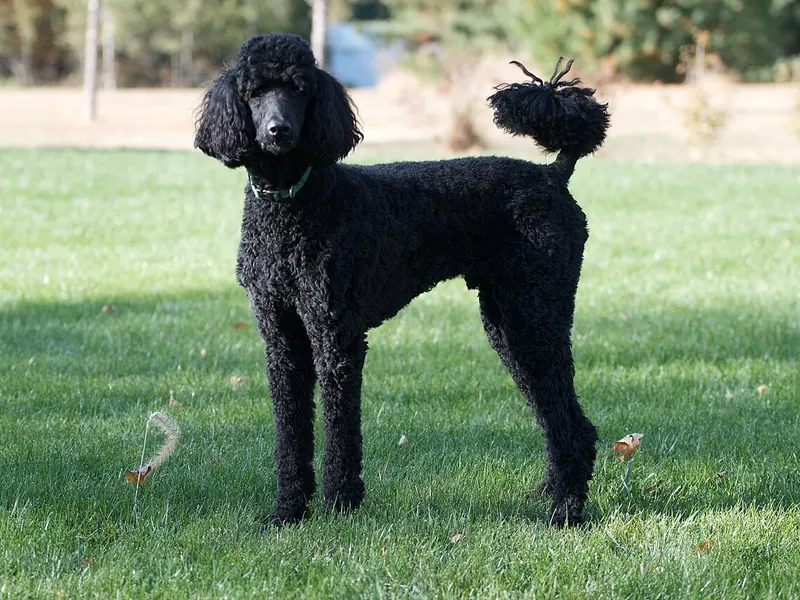
Standard Poodle
Non-Sporting
45–70 lbs · 10–13 yrs
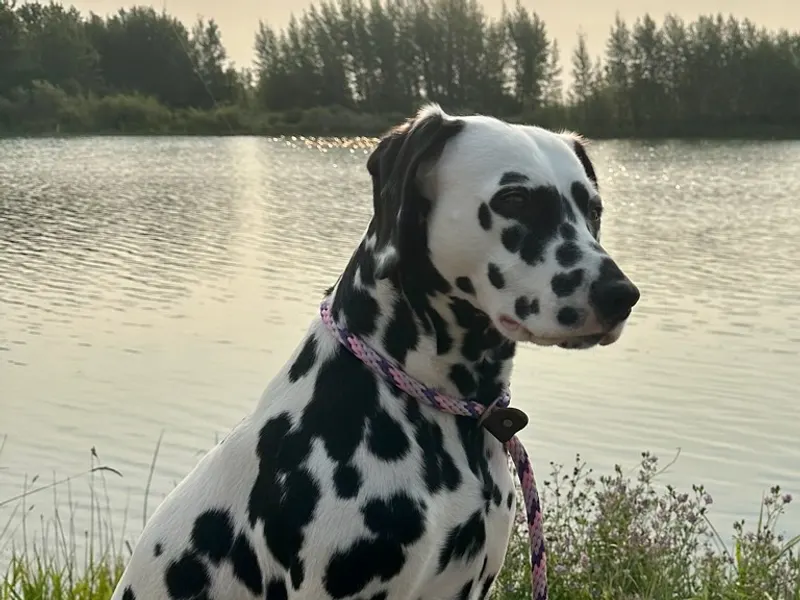
Dalmatian
Non-Sporting
45–70 lbs · 11–13 yrs
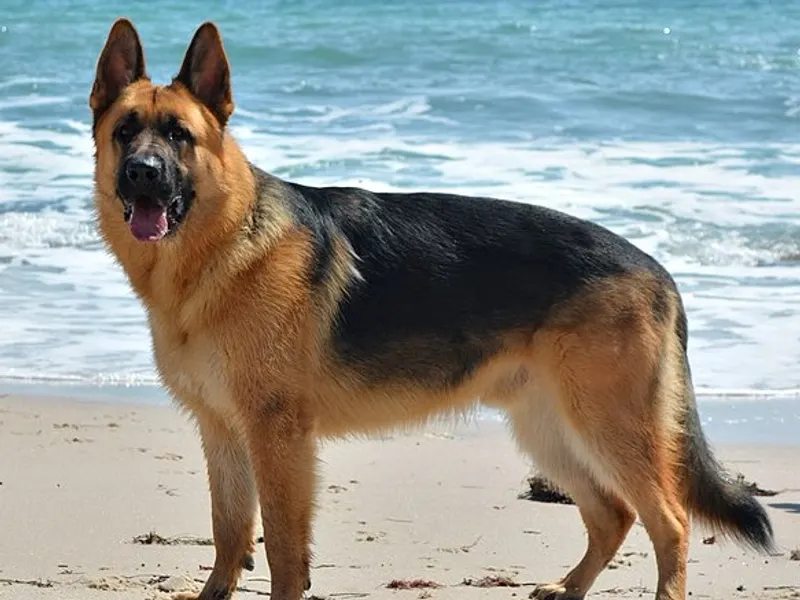
German Shepherd Dog
Herding
50–90 lbs · 9–13 yrs
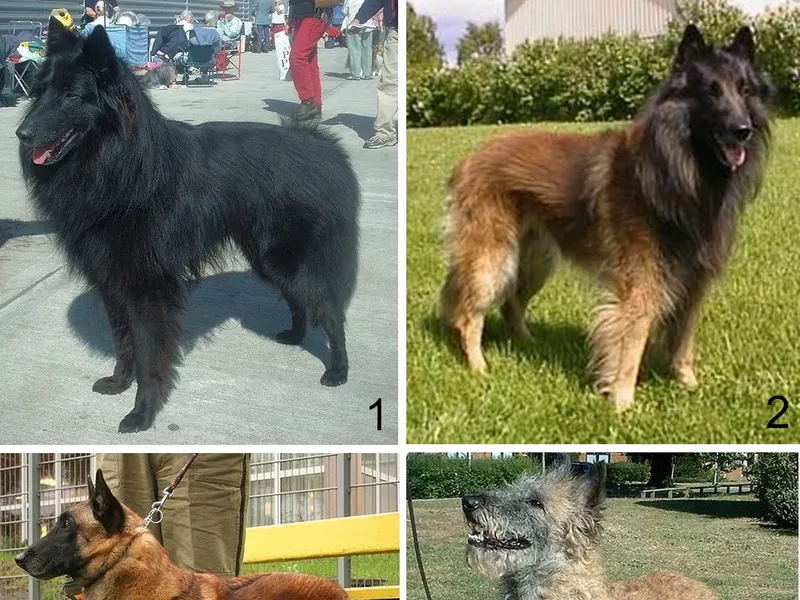
Belgian Malinois
Herding
40–80 lbs · 12–14 yrs
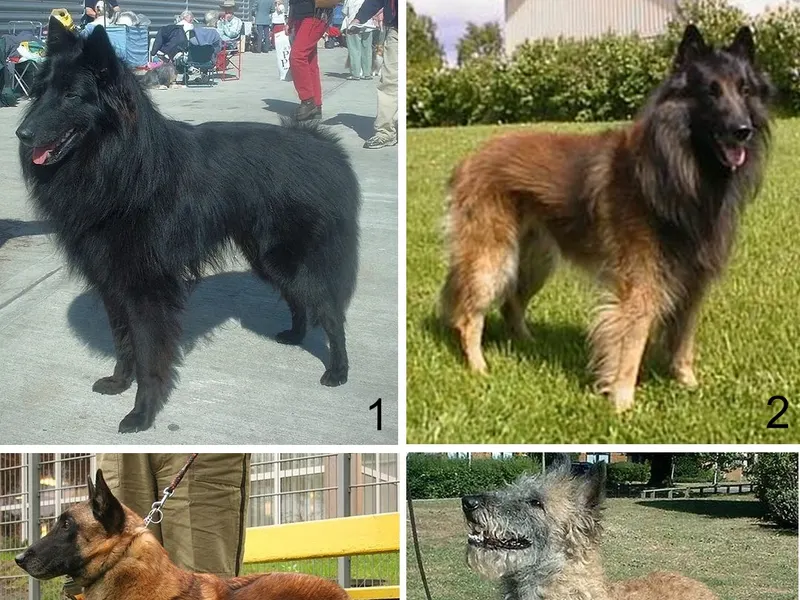
Belgian Tervuren
Herding
45–75 lbs · 12–14 yrs
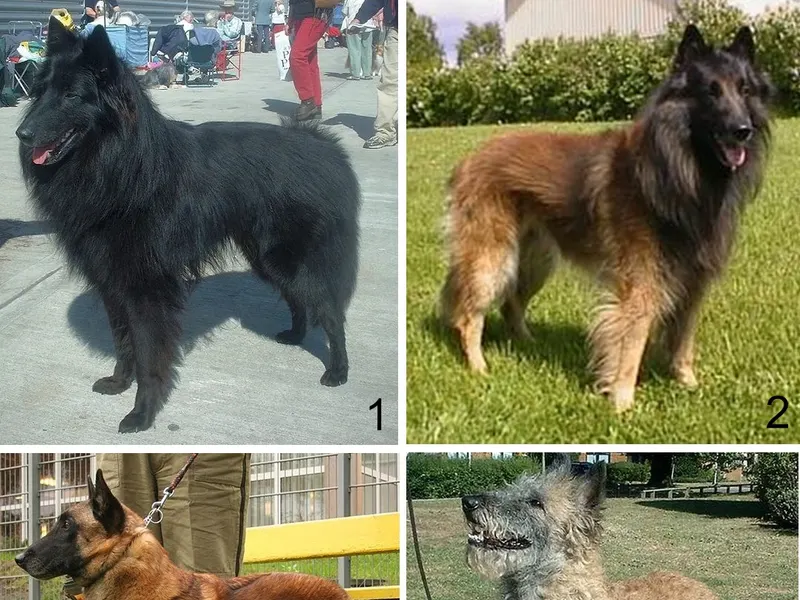
Belgian Sheepdog
Herding
45–75 lbs · 12–14 yrs
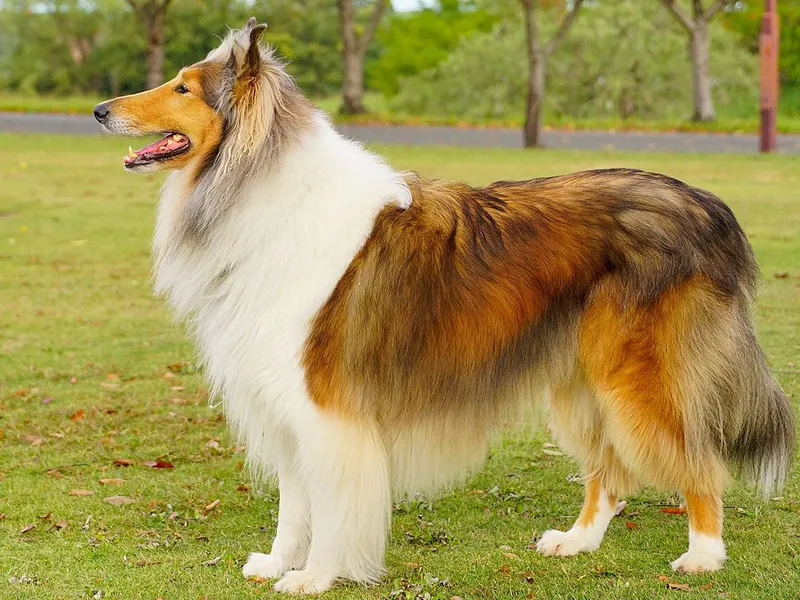
Collie
Herding
50–75 lbs · 12–14 yrs
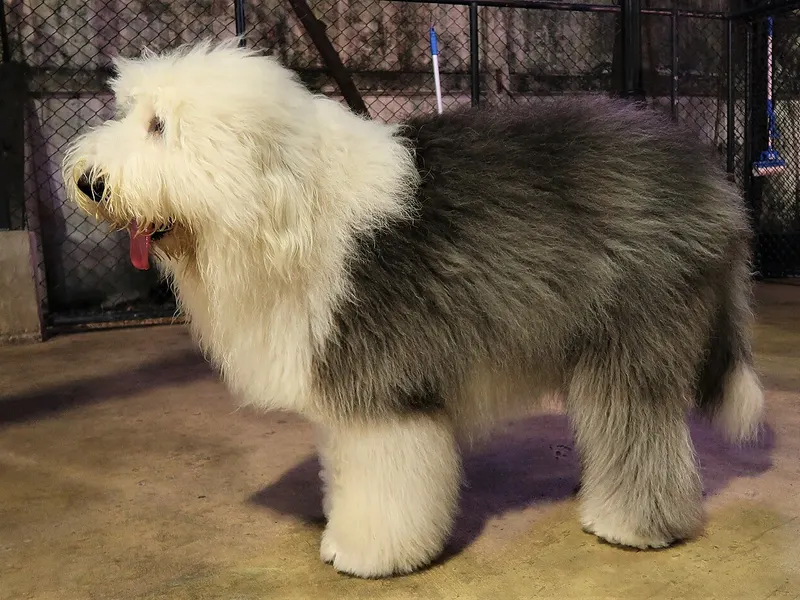
Old English Sheepdog
Herding
60–100 lbs · 10–12 yrs
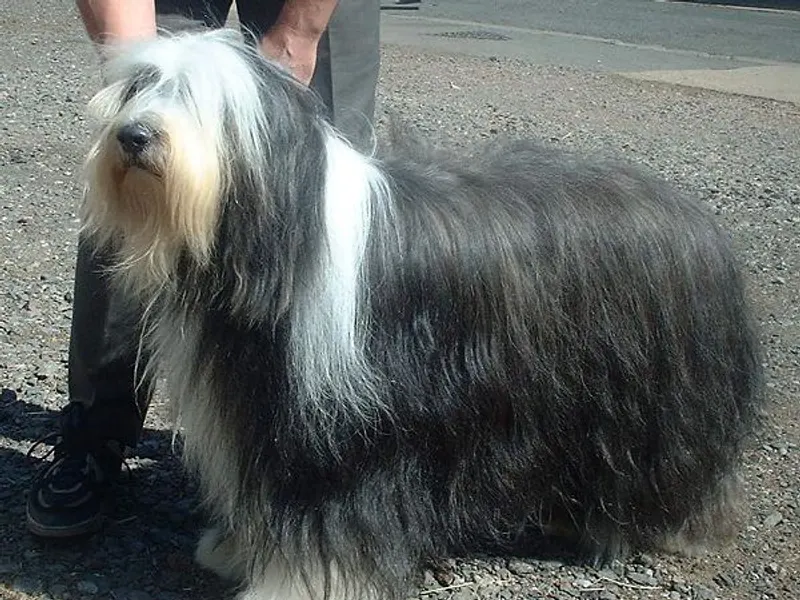
Bearded Collie
Herding
45–55 lbs · 12–14 yrs
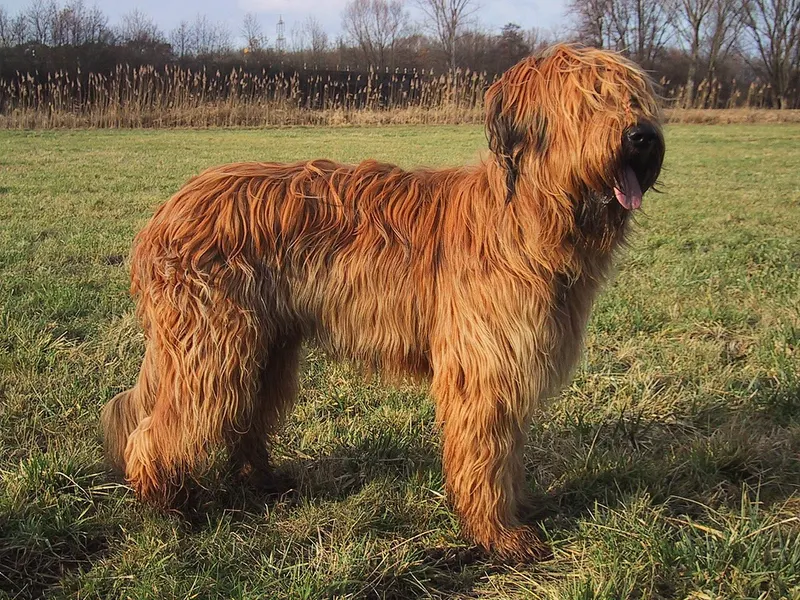
Briard
Herding
55–100 lbs · 10–12 yrs
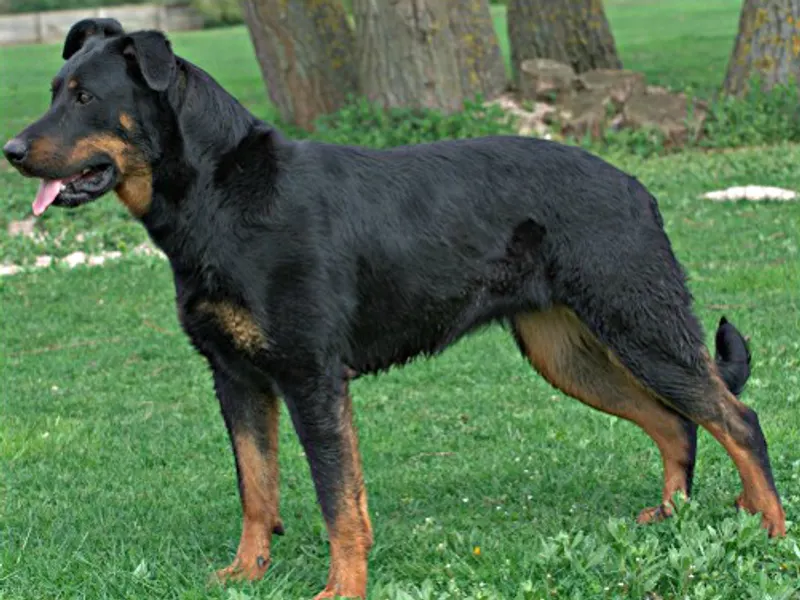
Beauceron
Herding
70–110 lbs · 10–12 yrs
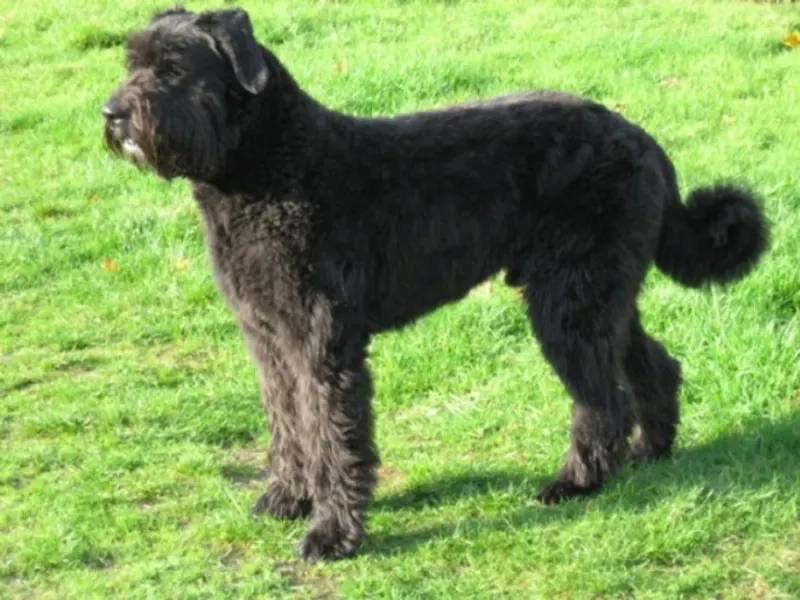
Bouvier des Flandres
Herding
70–110 lbs · 10–12 yrs
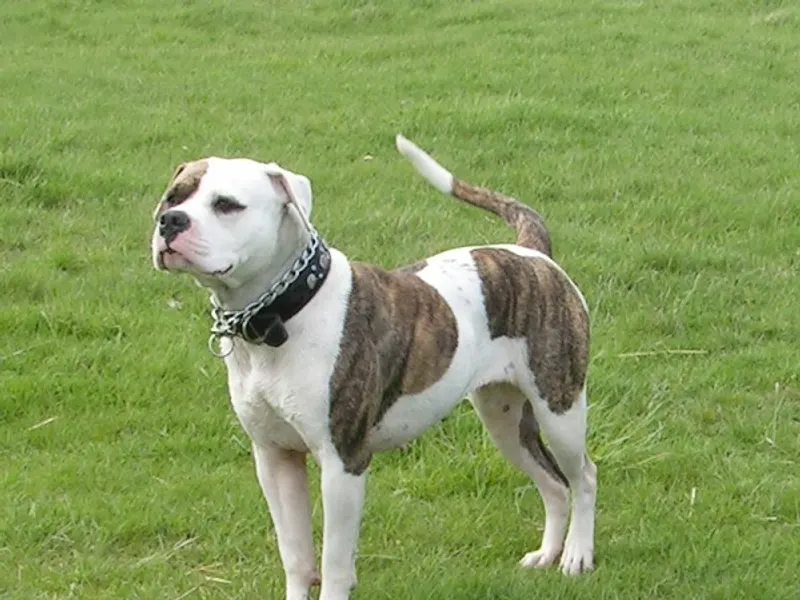
American Bulldog
Foundation Stock
60–120 lbs · 10–12 yrs
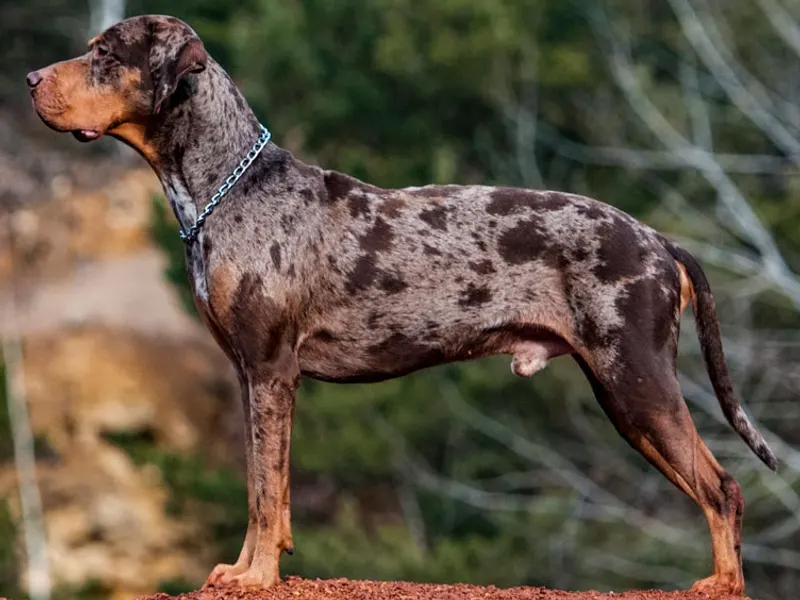
Catahoula Leopard Dog
Foundation Stock
50–95 lbs · 10–14 yrs
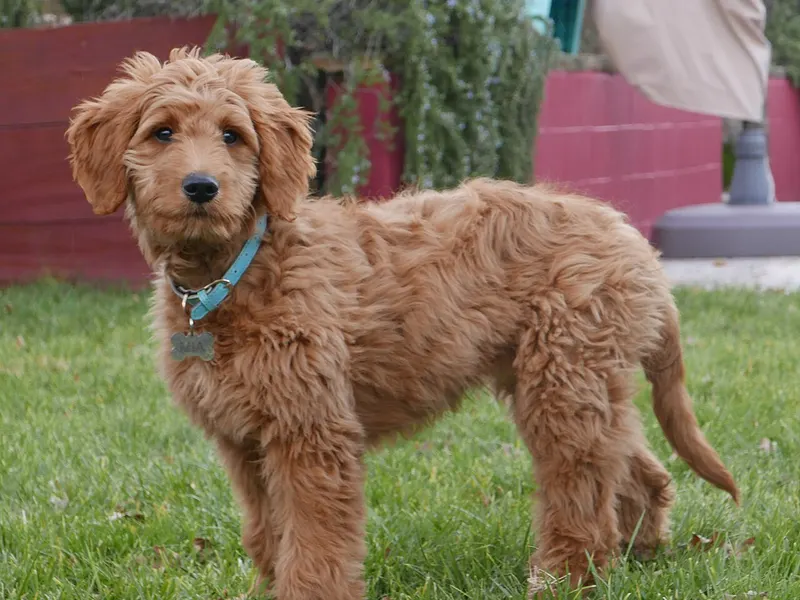
Goldendoodle
Crossbreed
50–90 lbs · 10–15 yrs
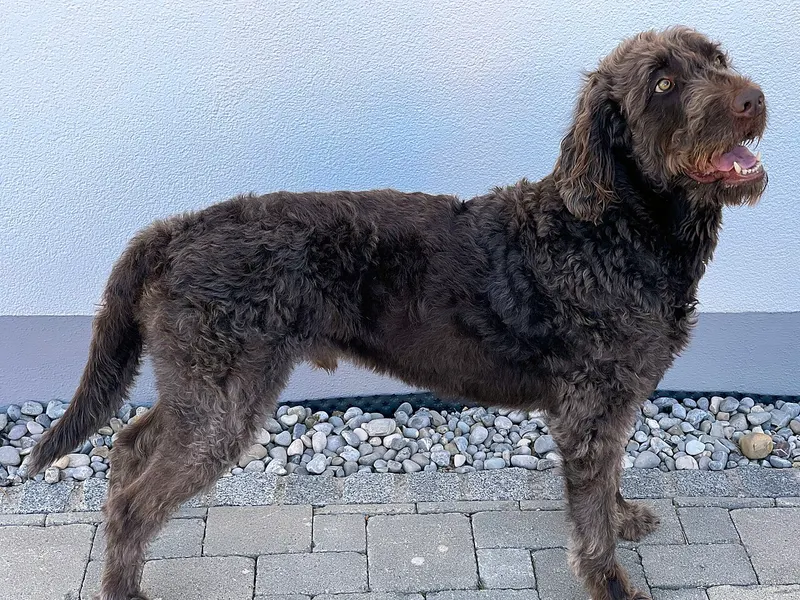
Labradoodle
Crossbreed
45–80 lbs · 12–14 yrs
Sheepadoodle
Crossbreed
45–80 lbs · 12–15 yrs
Bernedoodle
Crossbreed
50–90 lbs · 12–15 yrs
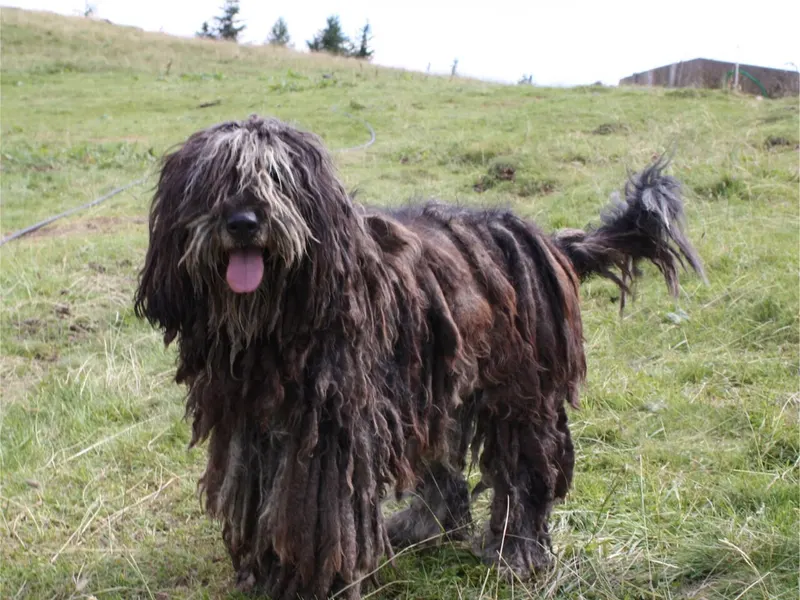
Bergamasco Sheepdog
Herding
57–84 lbs · 13–15 yrs
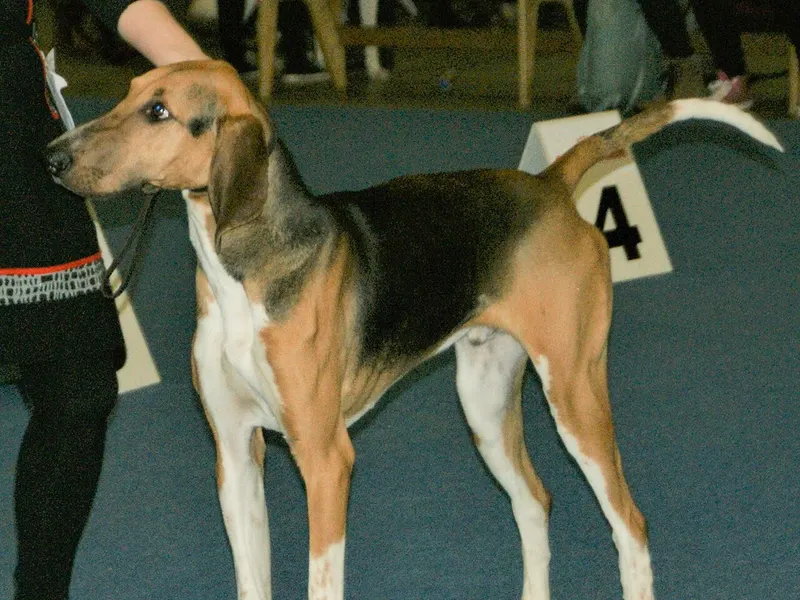
Poitevin
Hound
55–70 lbs · 11–13 yrs
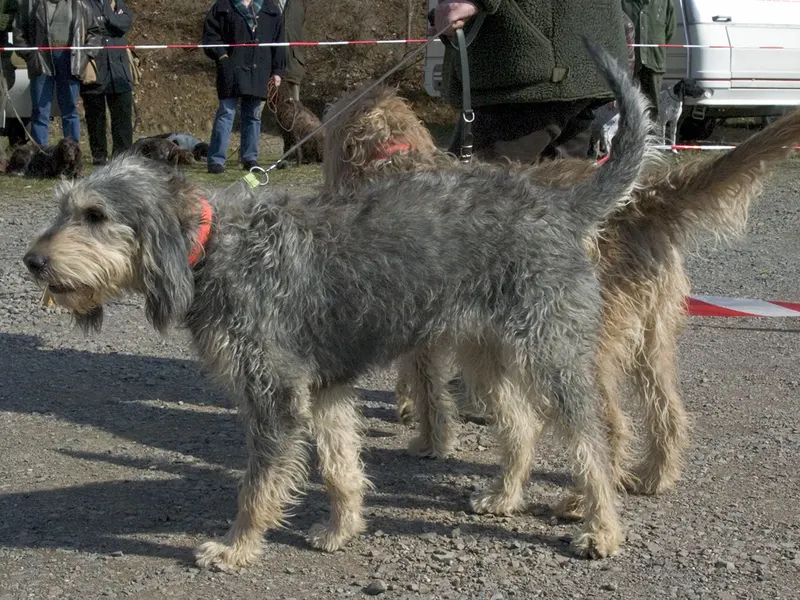
Griffon Nivernais
Hound
50–65 lbs · 12–14 yrs