Best Cats Good With Dogs
Cat-dog compatibility from the feline side of the equation comes down largely to confidence and social flexibility — a cat breed with a naturally bold, unflappable temperament and a documented history of general sociability toward other animals adapts to a resident dog's presence far more readily than a naturally more skittish, easily startled, or strongly territorial breed, regardless of how well-intentioned or gentle the specific dog is, since a fearful cat's instinct to flee or hide can itself trigger a dog's chase instinct even in a dog with genuinely low prey drive. Maine Coons and Ragdolls again anchor this list, consistent with their broader reputation for easygoing, socially tolerant temperament covered elsewhere on this site: both breeds are documented as unusually calm and slow-to-startle compared with more reactive breeds, which in a mixed dog-cat household translates directly into a cat less likely to bolt at a dog's sudden movement or bark, reducing the odds of triggering a chase-response cycle that can escalate tension between the two animals even when neither actually intends harm. Abyssinians and other confident, socially engaged breeds bring a different but related strength to multi-pet households: rather than simply tolerating a dog's presence passively, these breeds are documented as genuinely curious and interactive, often initiating play or investigation with a resident dog rather than avoiding it, which can lead to a more actively bonded cat-dog relationship over time than the more passive coexistence a purely tolerant-but-reserved breed might settle into — though this same boldness requires a dog with correspondingly good impulse control, since an assertive cat that doesn't back down from a dog's attention needs a canine counterpart who won't escalate. It's worth being direct that cat breed is genuinely the smaller half of the compatibility equation here — dog breed and individual temperament (covered on this site's dogs-good-with-cats list), the specific introduction process, and each individual animal's personal history with the other species matter at least as much as, and arguably more than, cat breed selection alone, since a naturally bold, socially confident cat introduced carelessly to a high-prey-drive dog can still end badly, while a more reserved cat breed introduced patiently and gradually to a calm, well-socialized dog can settle into genuine companionship despite not being an obvious "good with dogs" breed on paper. This list rests on documented low reactivity, general social confidence, and consistent owner and breeder reporting of successful multi-species households, but every cat-dog pairing, regardless of breed match on either side, still benefits from a gradual process: scent exchange ahead of eye contact, brief supervised meetings extended slowly over days and weeks, and a permanent safe retreat space — ideally vertical — kept available for the cat even once the household seems settled, since rushing tends to cause more failed pairings than any breed mismatch does. A few more breeds worth naming for multi-species households: the American Shorthair's generally easygoing, adaptable temperament suits cohabitation with a calm dog reasonably well; the Birman's gentle, unflappable nature extends to tolerance of other household animals; and the Exotic Shorthair shares much of the Persian's calm, unbothered demeanor useful for coexisting peacefully with a resident dog. It's worth naming a specific environmental setup that measurably improves cat-dog household success regardless of either animal's breed: ensuring the cat retains permanent, dog-inaccessible vertical space and escape routes — tall cat trees, shelving, or a baby-gated room the dog can't access — gives the cat genuine control over its own exposure to the dog at any given moment, which behaviorists consistently note reduces overall household stress more than almost any other single intervention, since a cat that can reliably retreat to safety tends to develop a far more relaxed, confident relationship with a resident dog than one that feels cornered or without a genuine escape option during every interaction. It's worth naming a specific post-introduction check worth doing periodically even after a pairing seems fully settled: watching for subtle signs of ongoing low-grade stress in the cat specifically — over-grooming, reduced appetite, litter box avoidance, or spending noticeably more time in hiding spots than before the dog arrived — since cats are prone to masking stress well enough that a seemingly successful introduction can still carry an underlying tension worth addressing with additional space or a slower re-introduction process if these signs appear weeks or months in. Feeding the cat and dog in separate, clearly defined areas — even after a pairing seems fully settled — avoids the resource-guarding tension that can otherwise develop around food regardless of how well the two animals generally get along the rest of the day.
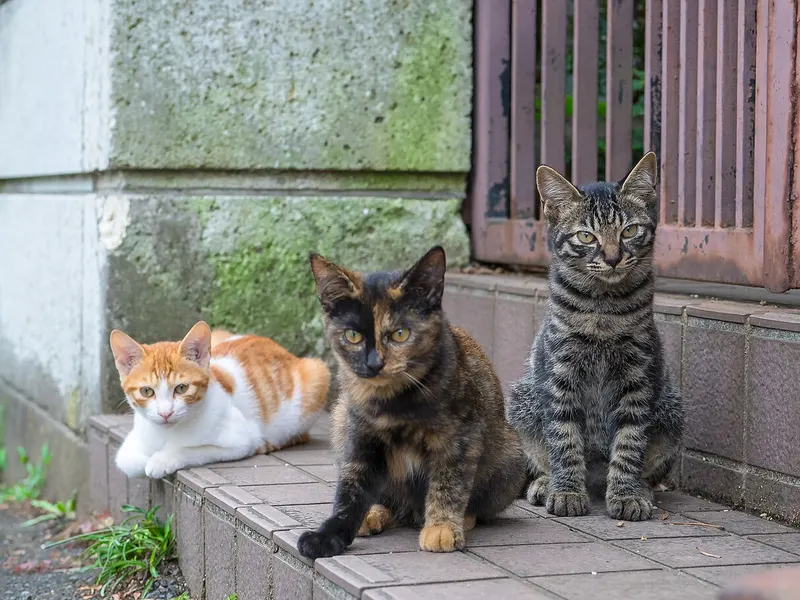
Domestic Shorthair
Semi-foreign
8–12 lbs · 12–18 yrs
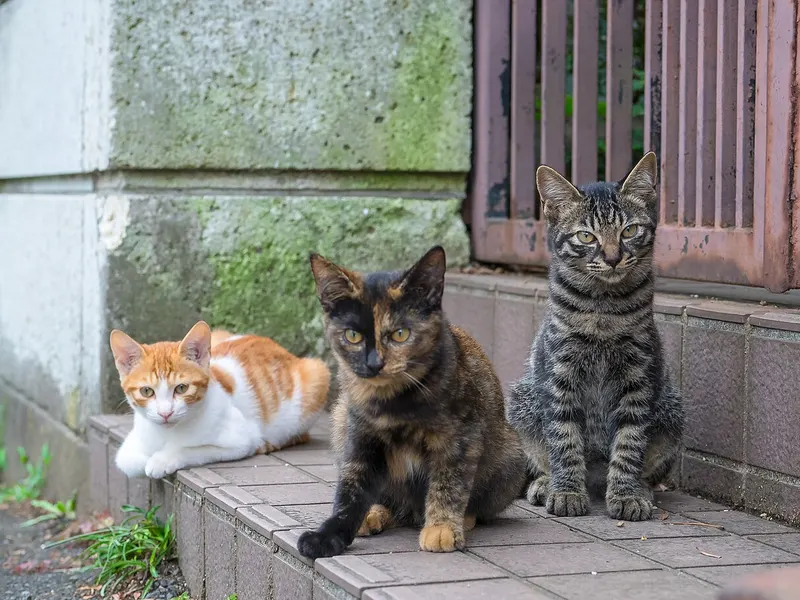
Domestic Longhair
Semi-foreign
8–15 lbs · 12–18 yrs
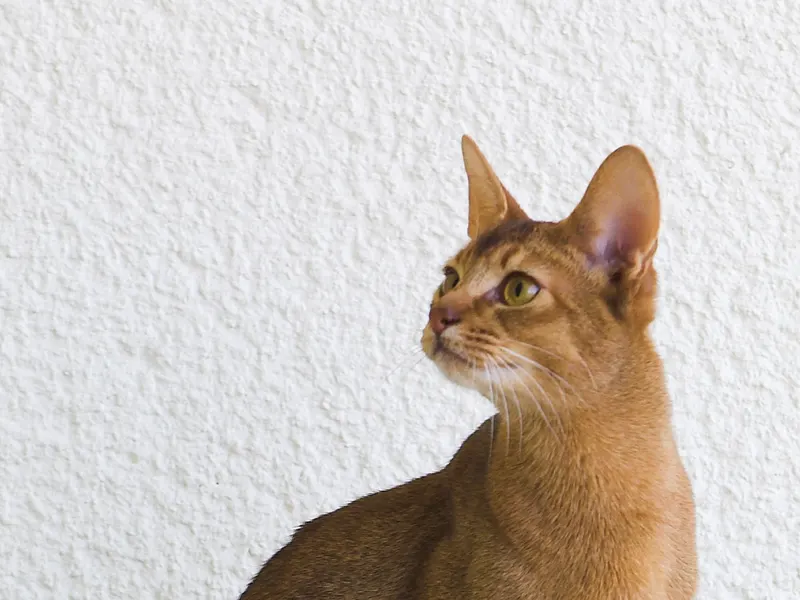
Abyssinian
Foreign
6–10 lbs · 9–15 yrs
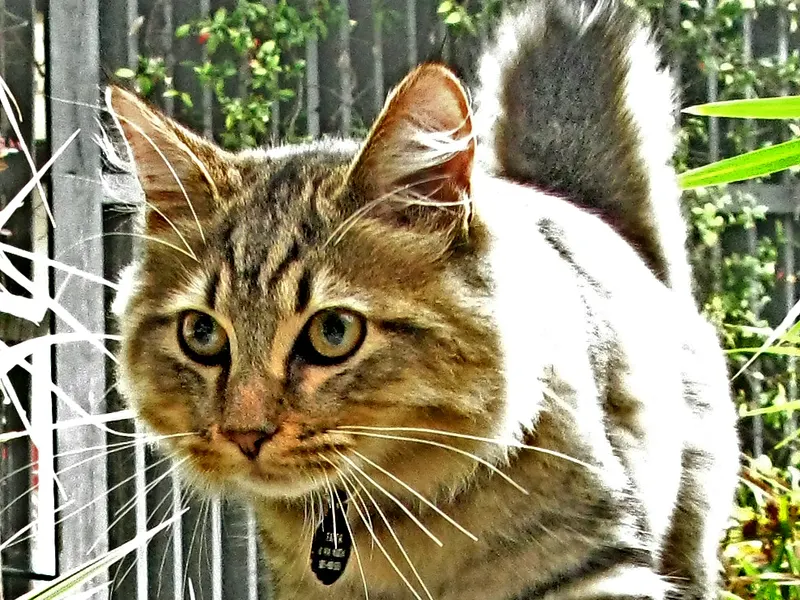
American Bobtail
Semi-cobby
7–16 lbs · 11–15 yrs
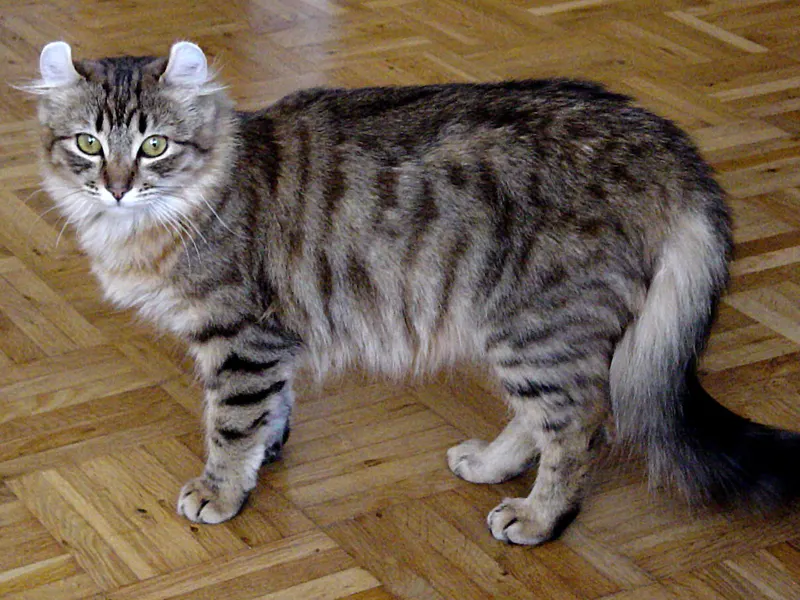
American Curl
Semi-foreign
5–10 lbs · 12–16 yrs
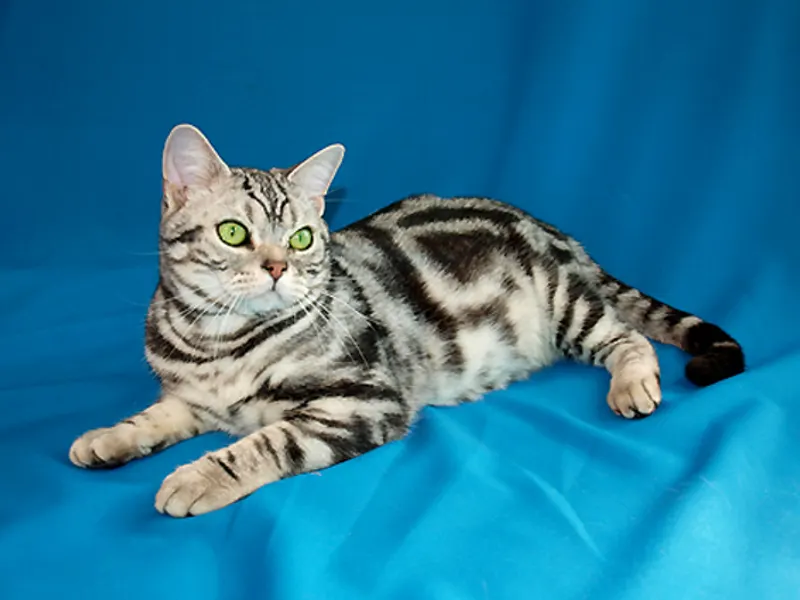
American Shorthair
Cobby
8–15 lbs · 15–20 yrs

American Wirehair
Cobby
8–15 lbs · 14–18 yrs
Birman
Semi-cobby
8–12 lbs · 12–16 yrs
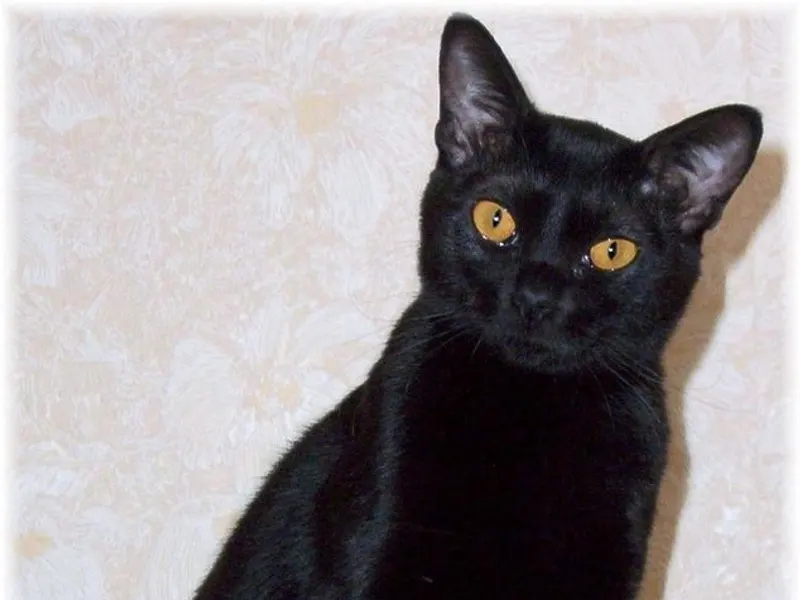
Bombay
Semi-cobby
6–11 lbs · 12–16 yrs
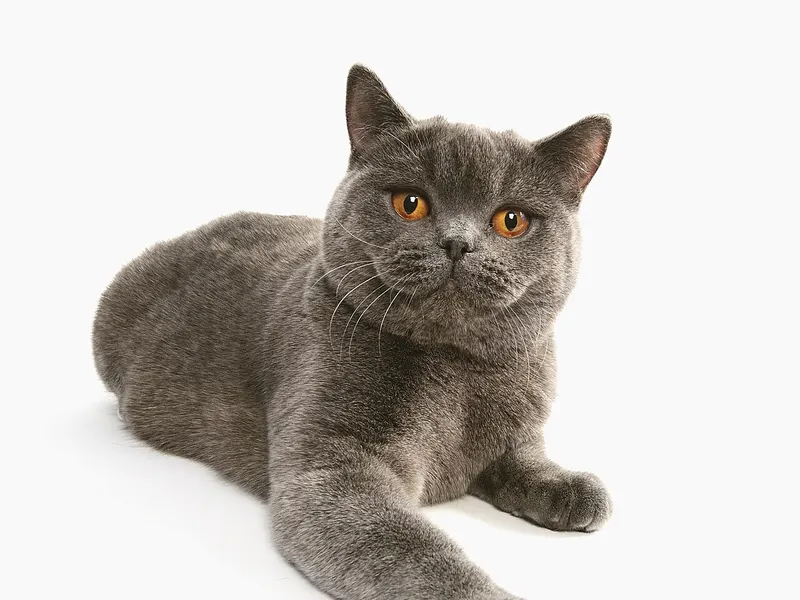
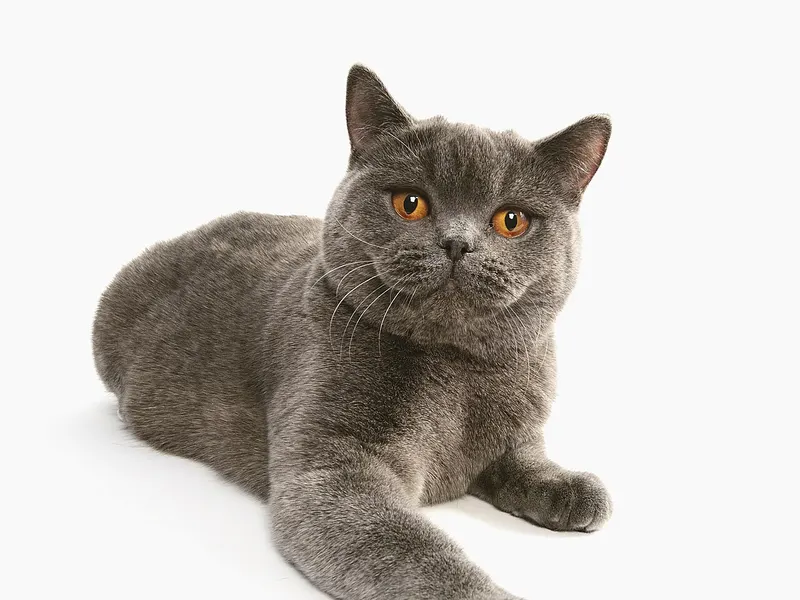
British Shorthair
Cobby
9–18 lbs · 12–17 yrs
British Longhair
Cobby
9–17 lbs · 12–17 yrs
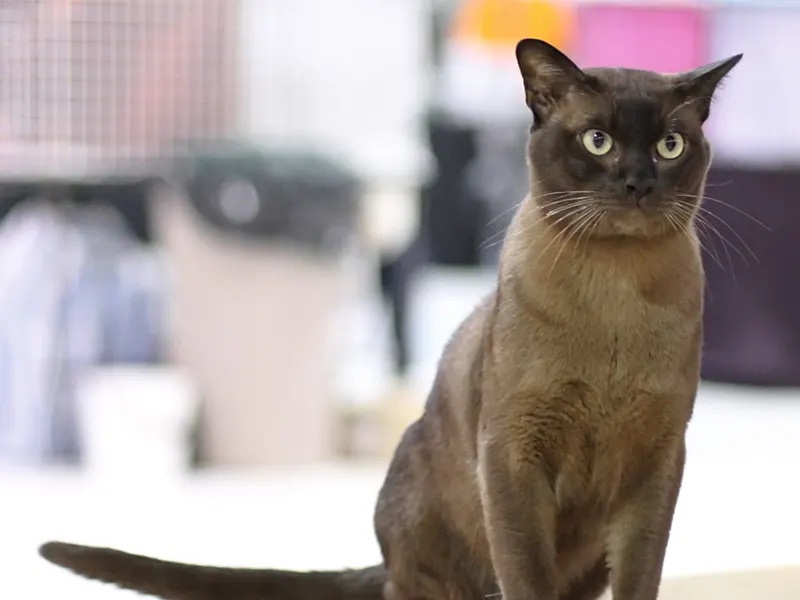
Burmese
Cobby
6–12 lbs · 10–16 yrs
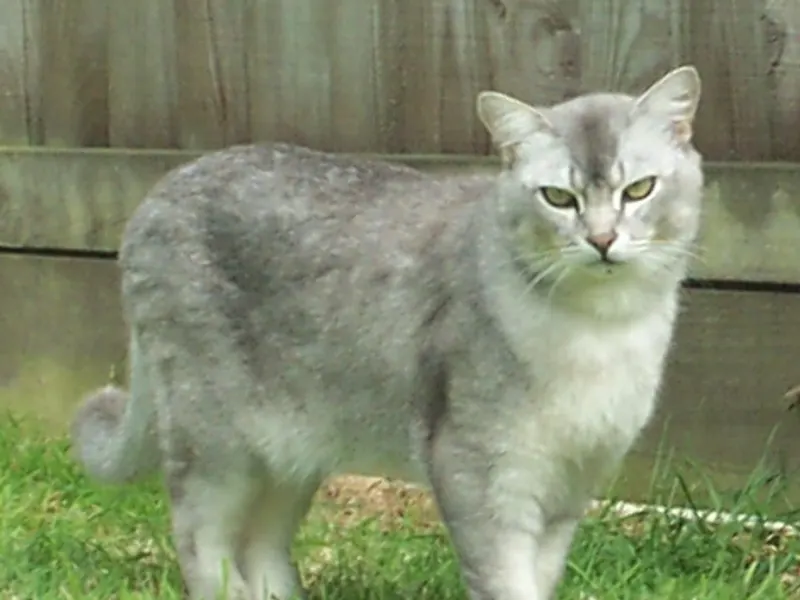
Burmilla
Semi-cobby
6–12 lbs · 10–15 yrs
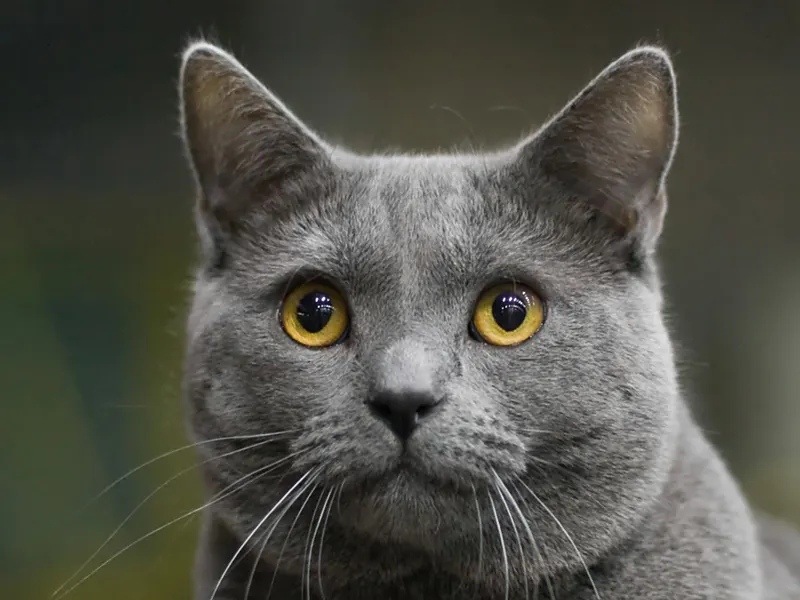
Chartreux
Semi-cobby
7–16 lbs · 12–15 yrs
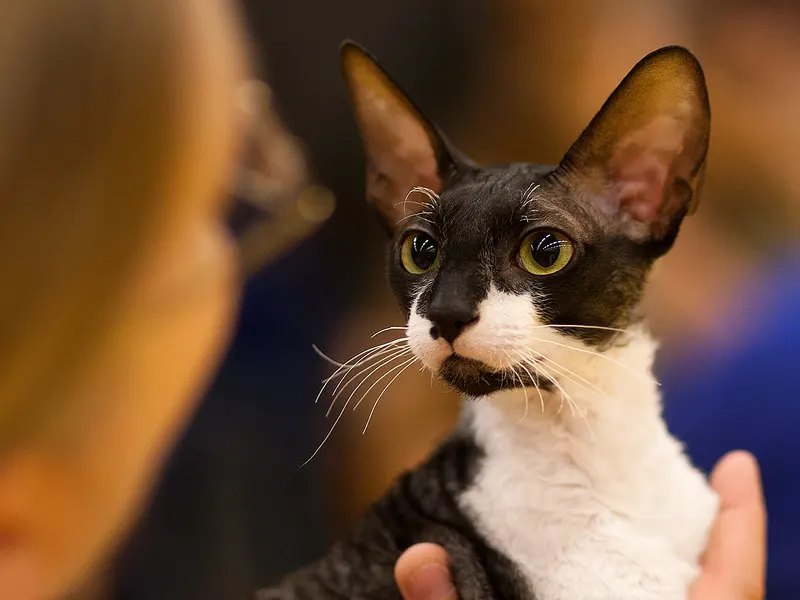
Cornish Rex
Rex
6–10 lbs · 11–15 yrs
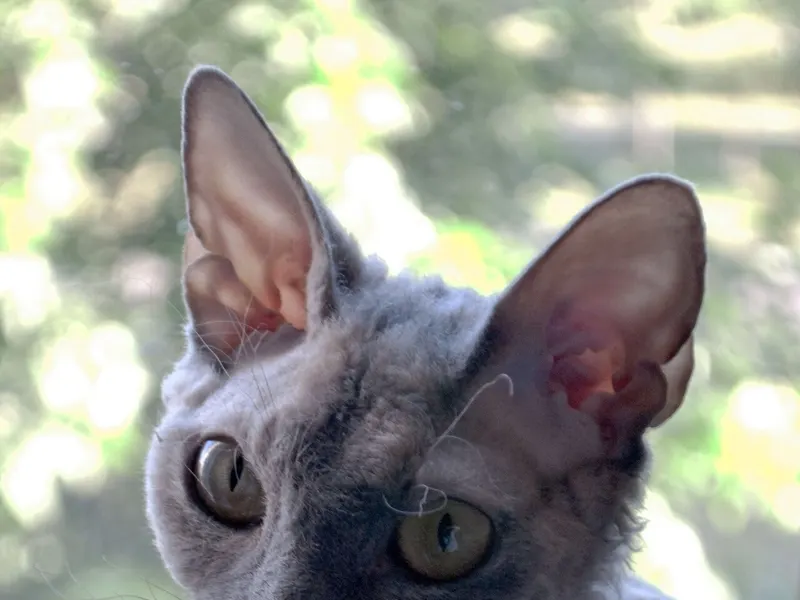
Devon Rex
Rex
6–9 lbs · 9–15 yrs

Exotic Shorthair
Cobby
7–14 lbs · 12–15 yrs
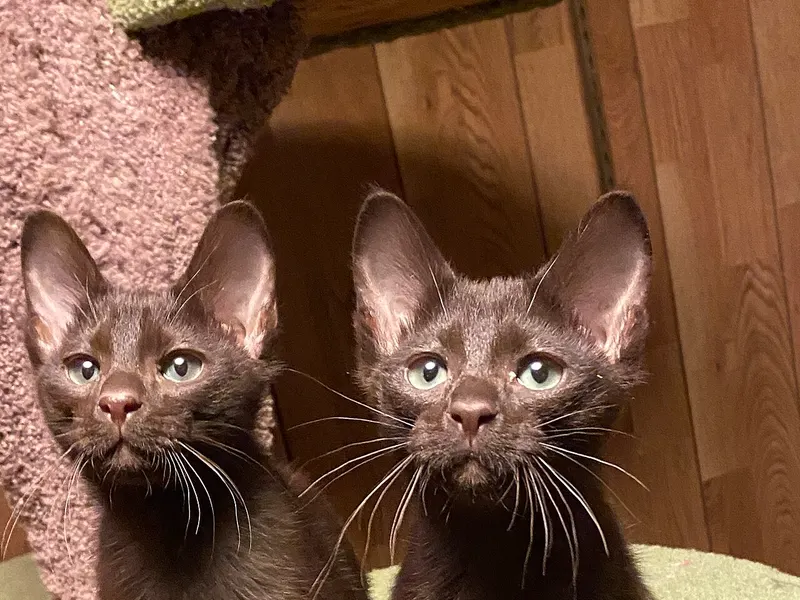
Havana Brown
Foreign
6–10 lbs · 9–15 yrs

Himalayan
Cobby
7–12 lbs · 9–15 yrs
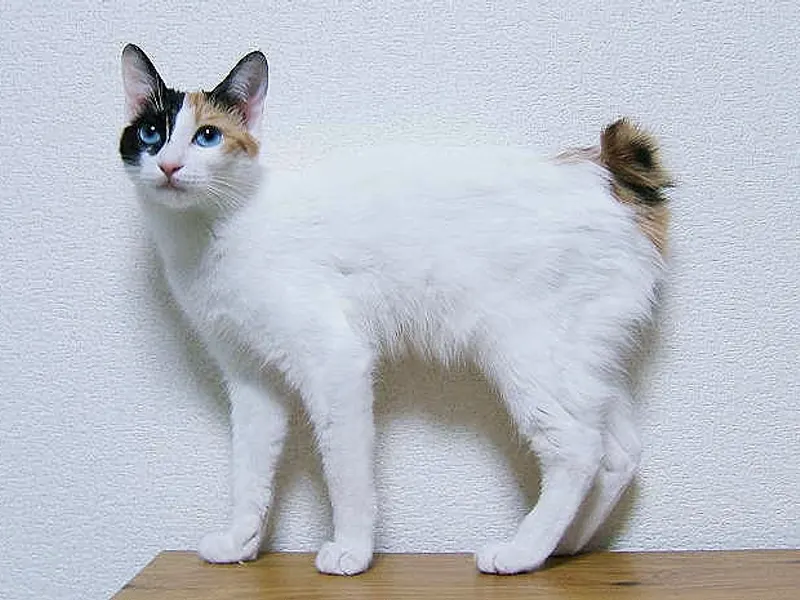
Japanese Bobtail
Semi-foreign
6–10 lbs · 12–16 yrs
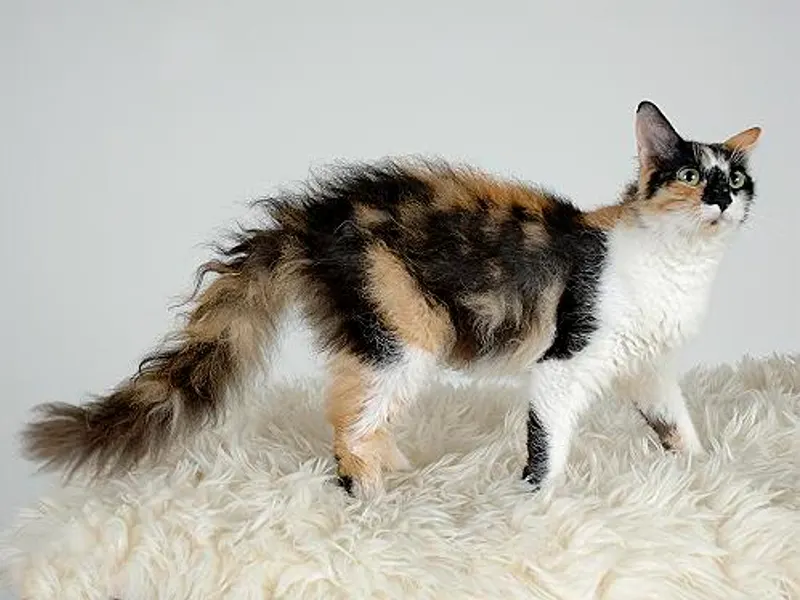
LaPerm
Semi-foreign
6–10 lbs · 10–15 yrs
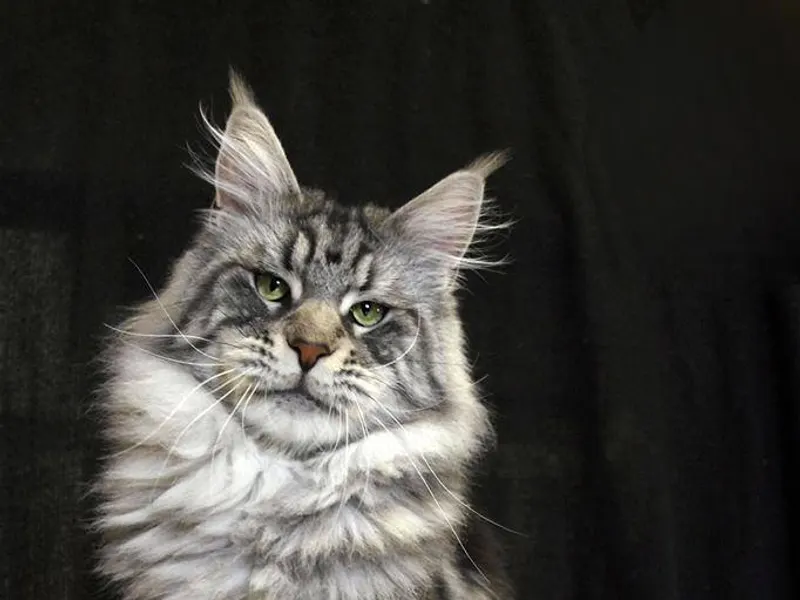
Maine Coon
Long & Substantial
10–25 lbs · 12–15 yrs
Manx
Cobby
8–12 lbs · 8–14 yrs

Munchkin
Semi-cobby
5–9 lbs · 12–15 yrs
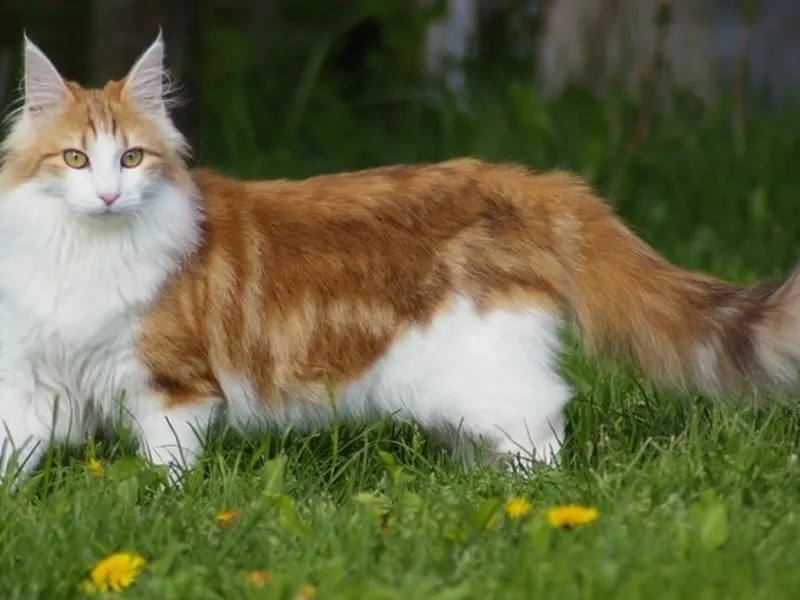
Norwegian Forest Cat
Long & Substantial
10–22 lbs · 14–16 yrs
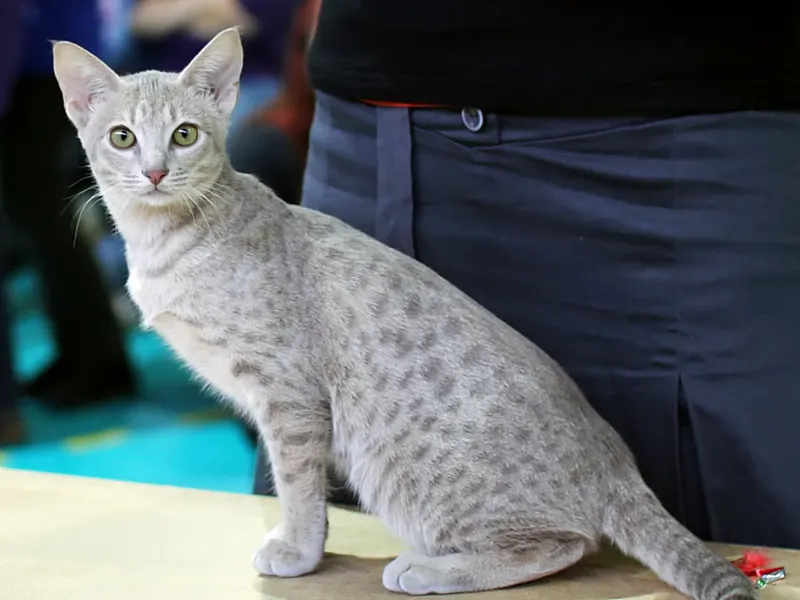
Ocicat
Foreign
6–15 lbs · 12–18 yrs
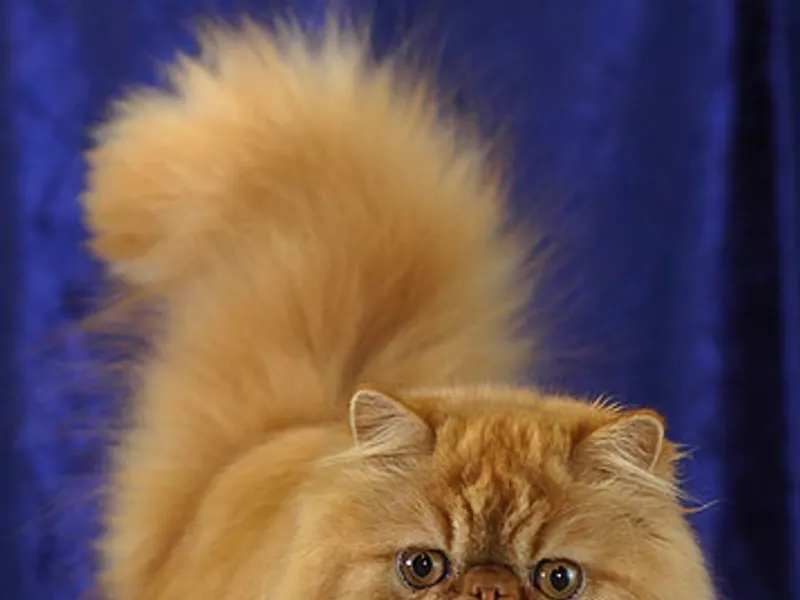
Persian
Cobby
7–12 lbs · 10–17 yrs
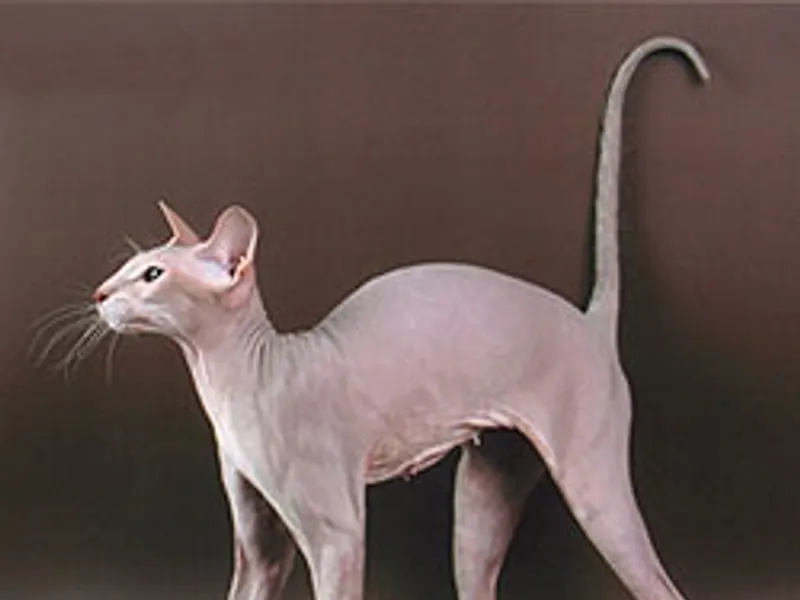
Peterbald
Rex
6–10 lbs · 12–15 yrs
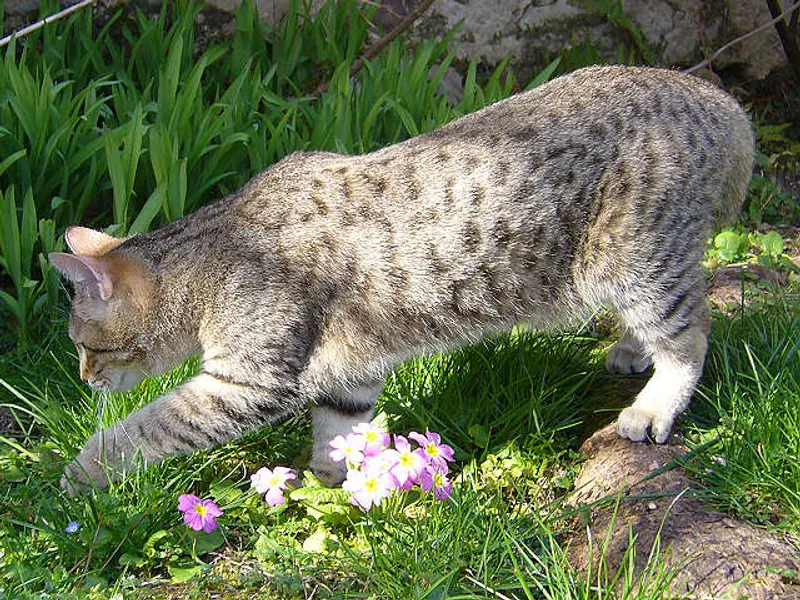
Pixie-bob
Semi-cobby
8–17 lbs · 13–16 yrs
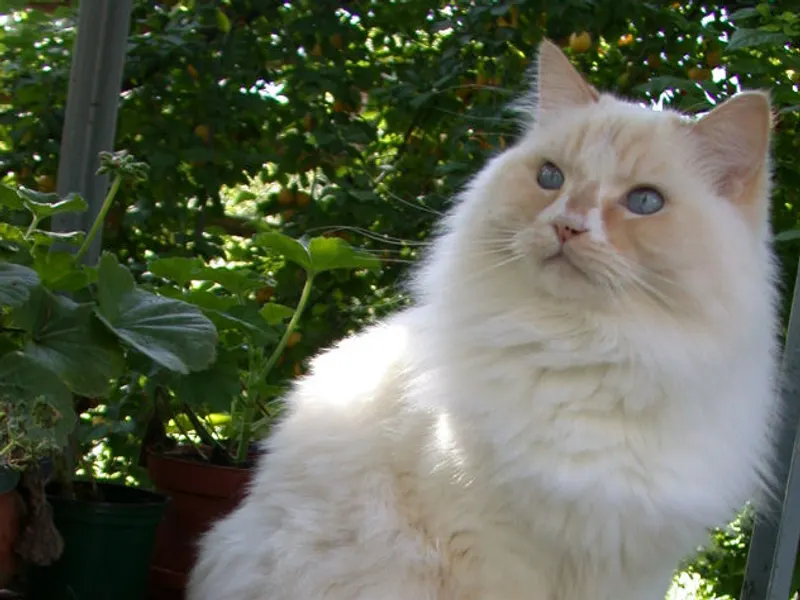
Ragamuffin
Semi-cobby
8–20 lbs · 12–16 yrs
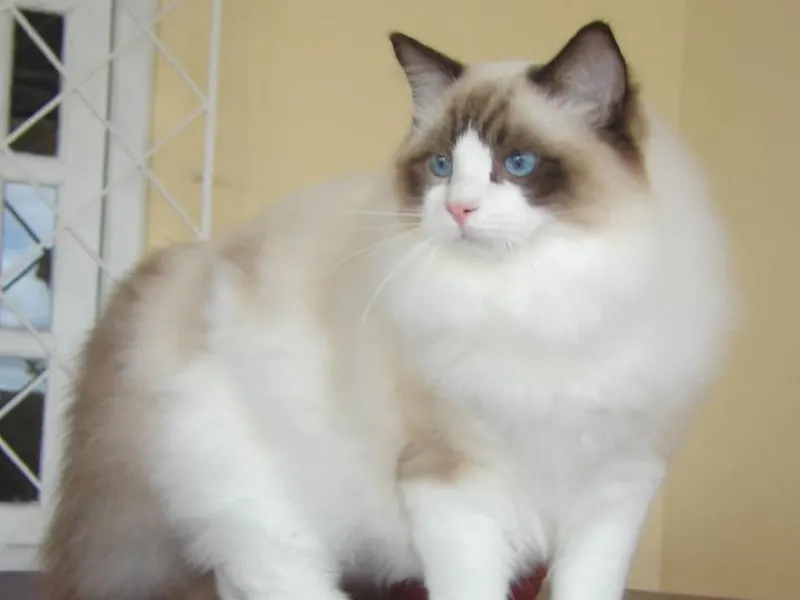
Ragdoll
Semi-cobby
10–20 lbs · 12–17 yrs

Scottish Fold
Semi-cobby
6–13 lbs · 11–15 yrs

Scottish Straight
Semi-cobby
6–13 lbs · 11–15 yrs

Selkirk Rex
Cobby
7–15 lbs · 10–15 yrs
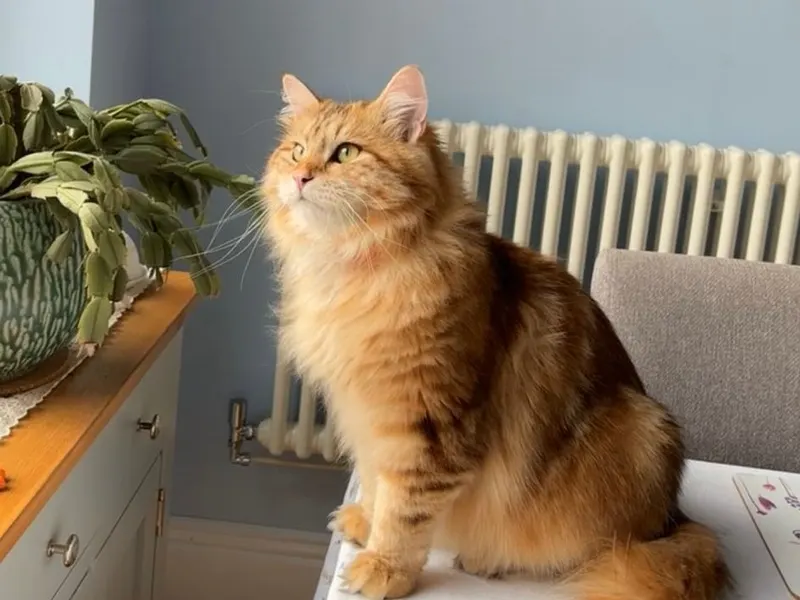
Siberian
Long & Substantial
8–17 lbs · 11–18 yrs
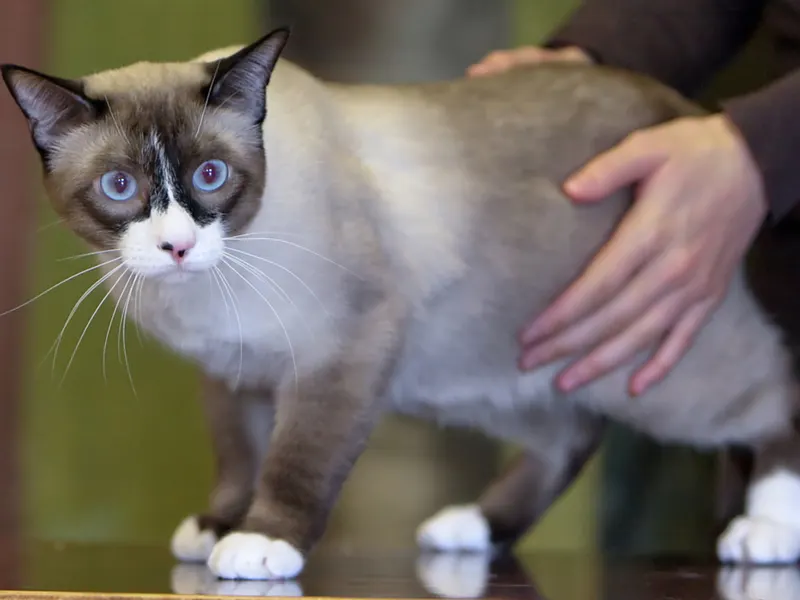
Snowshoe
Semi-cobby
7–12 lbs · 12–15 yrs
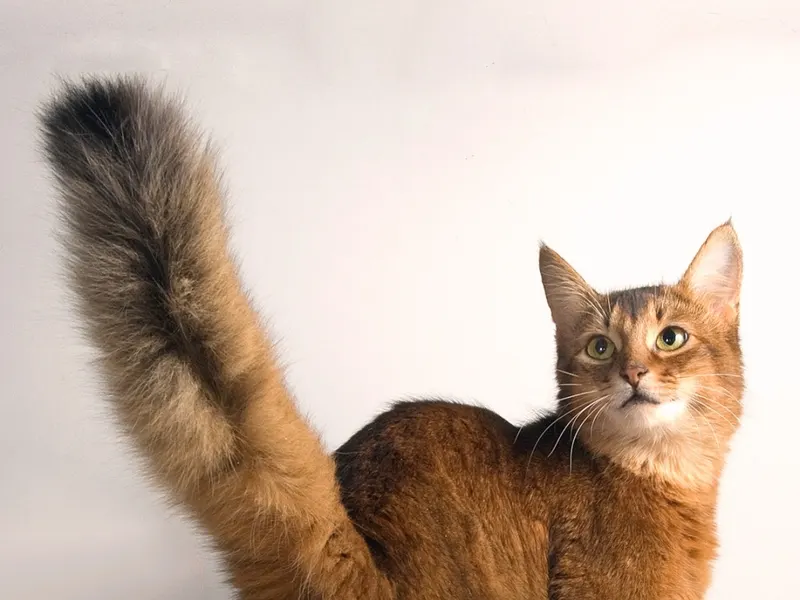
Somali
Foreign
6–10 lbs · 11–16 yrs

Sphynx
Rex
6–12 lbs · 8–14 yrs
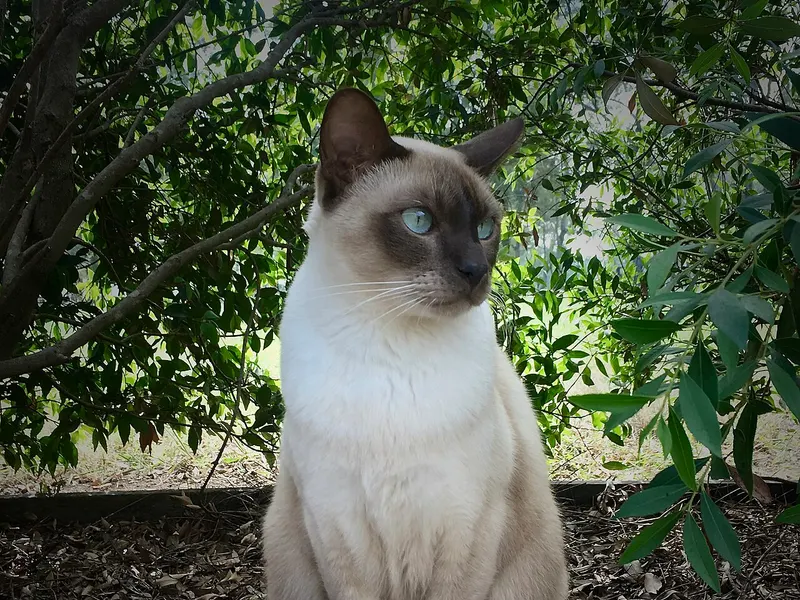
Tonkinese
Semi-foreign
6–12 lbs · 12–16 yrs
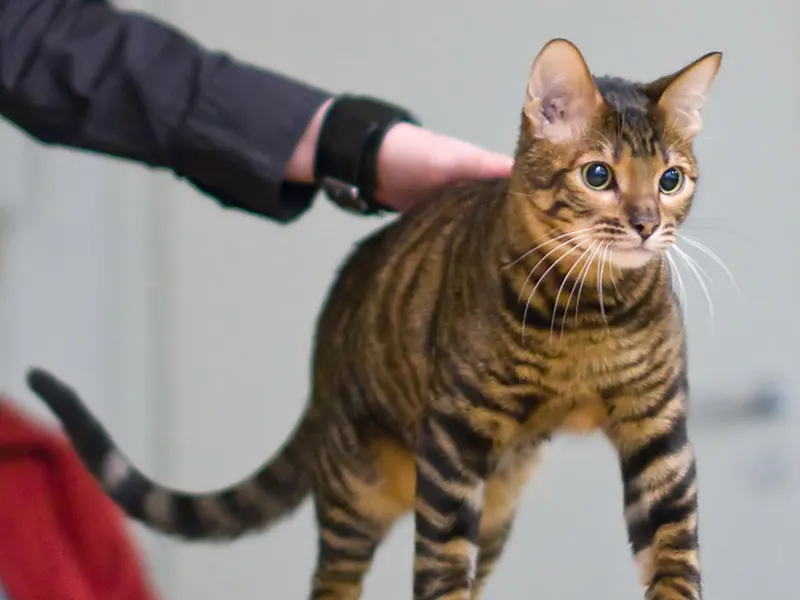
Toyger
Foreign
7–15 lbs · 12–15 yrs
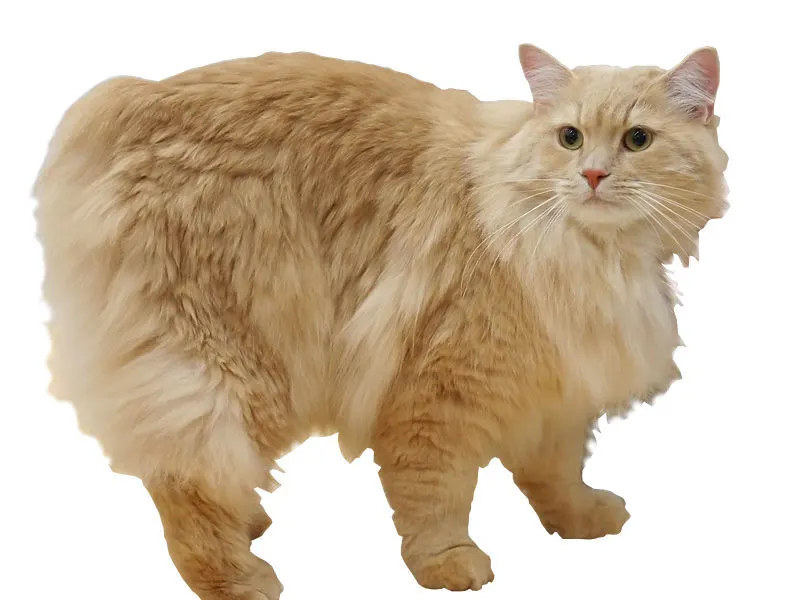
Cymric
Cobby
8–12 lbs · 8–14 yrs
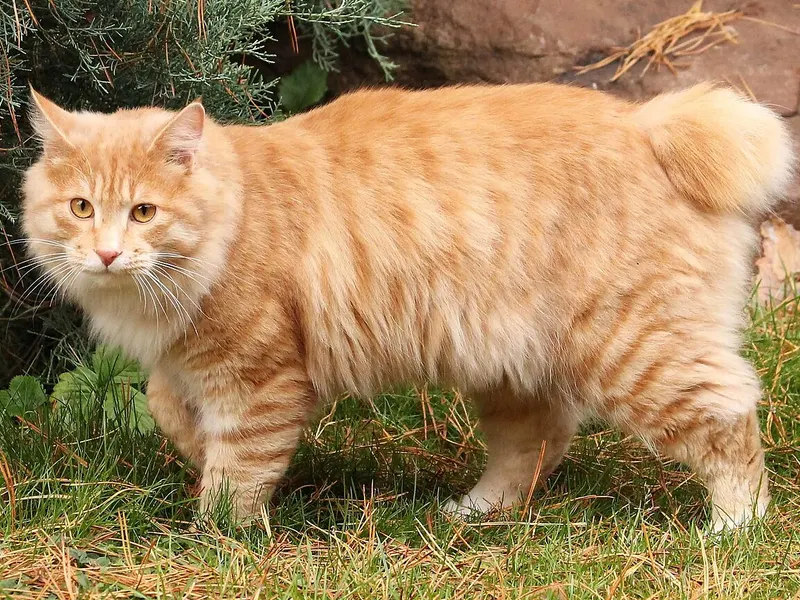
Kurilian Bobtail
Semi-cobby
7–15 lbs · 12–15 yrs

Minskin
Rex
4–6 lbs · 12–14 yrs
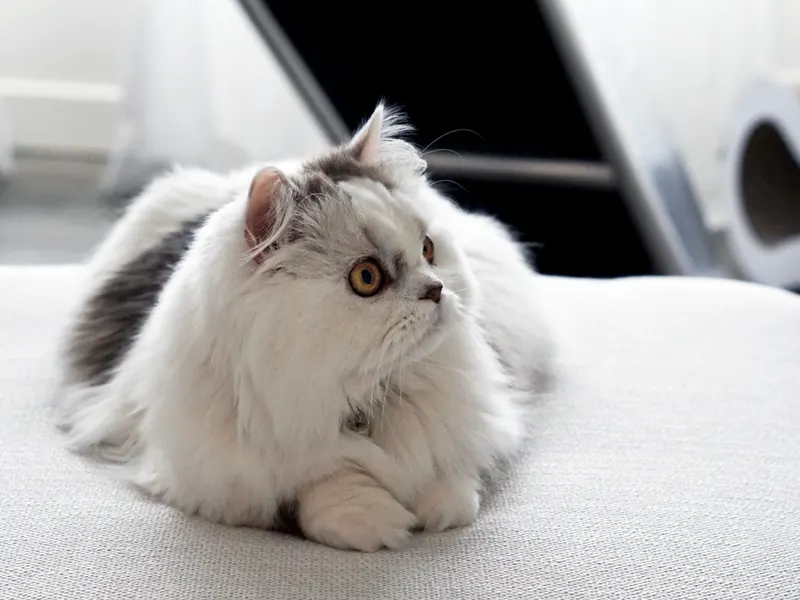
Napoleon (Minuet)
Semi-cobby
5–9 lbs · 12–14 yrs
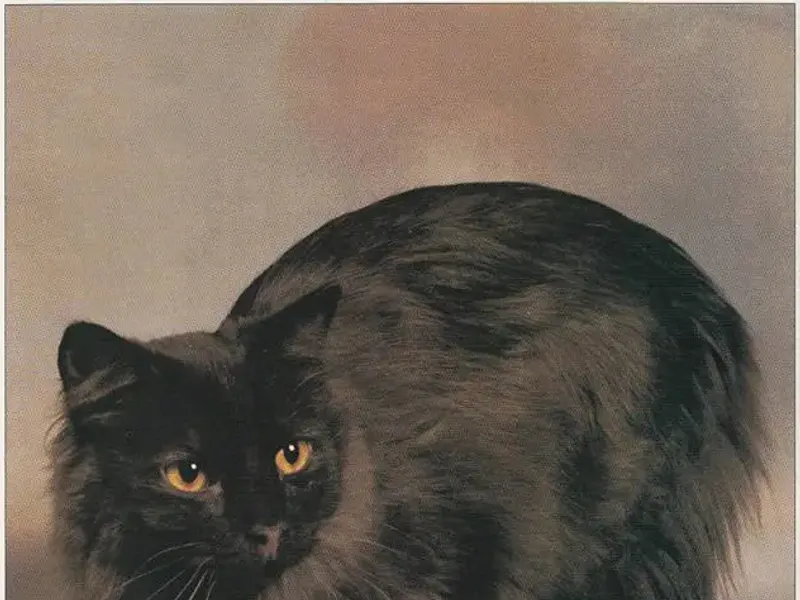
Chantilly-Tiffany
Semi-foreign
7–12 lbs · 12–16 yrs
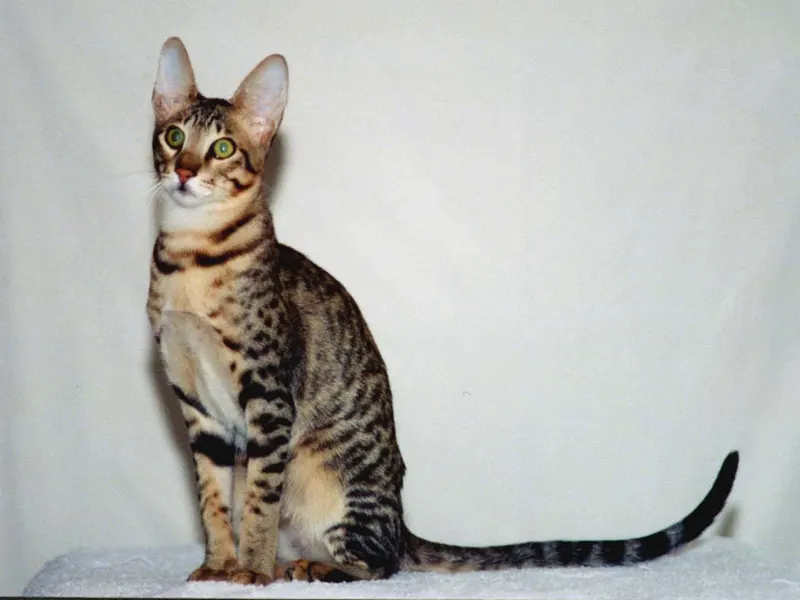
Serengeti
Foreign
8–15 lbs · 12–15 yrs
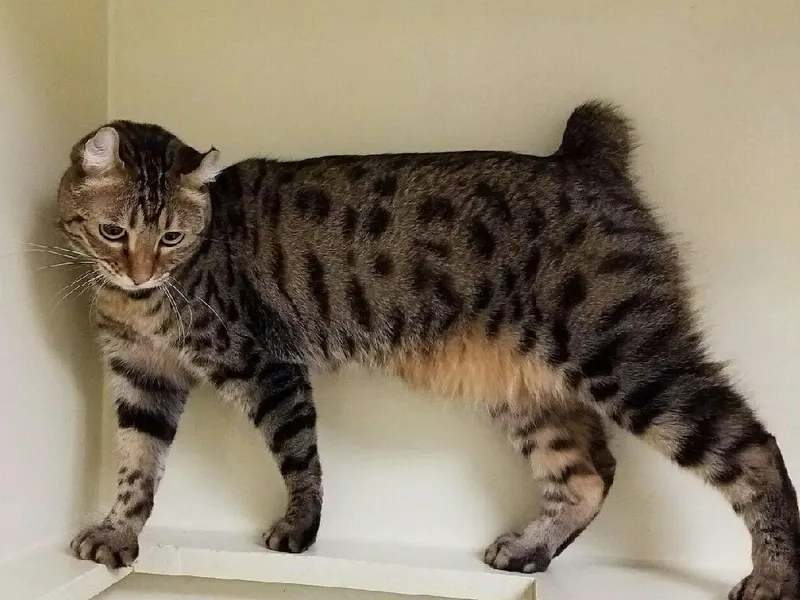
Highlander
Semi-cobby
10–20 lbs · 12–15 yrs
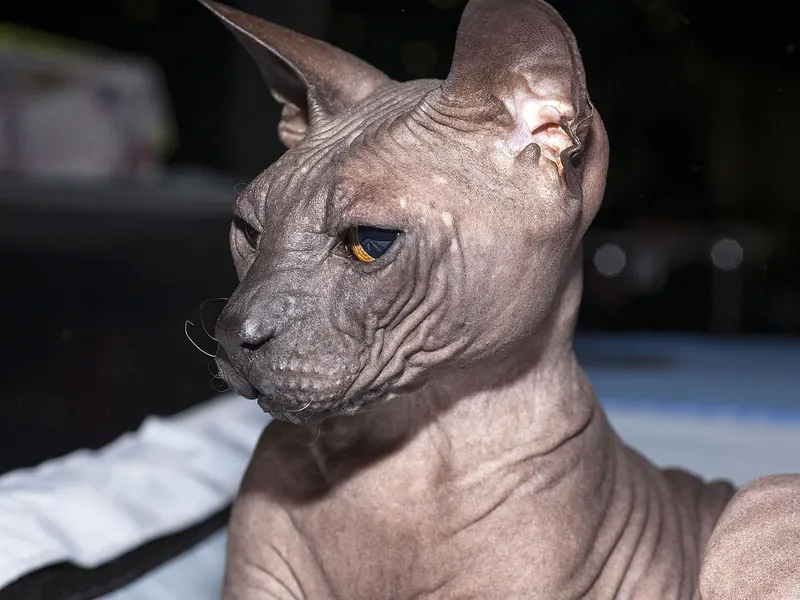
Donskoy
Rex
6–12 lbs · 12–15 yrs