Hypoallergenic Dogs
No dog is truly allergen-free, and it helps to start there rather than end there. What triggers a reaction in most dog-allergic people isn't fur itself but a protein called Can f 1, shed through saliva, dander, and skin cells that hitch a ride on loose hair around a home. A dog that drops less hair spreads less of that protein into carpets, upholstery, and air currents, which is the real mechanism behind every breed on a list like this one — lower shedding means lower allergen load, not zero allergen load. The American College of Allergy, Asthma and Immunology has said plainly that no scientific study has ever confirmed a fully non-allergenic dog breed exists, and a widely cited 2012 study out of the University of Wisconsin-Milwaukee that sampled dust from homes with different breeds found no measurable difference in allergen levels between so-called hypoallergenic dogs and everyone else's. So why do curly-coated and wire-coated breeds — Poodles, Portuguese Water Dogs, Bichons Frises, Kerry Blue Terriers, Wheaten Terriers, various Schnauzers — dominate every hypoallergenic list, including the AKC's own? Their coats grow continuously rather than shedding in seasonal cycles, so loose hair and the dander riding on it get trapped in the coat and removed at grooming rather than distributed through the house. That's a genuine, measurable difference in how much allergen ends up airborne, even though the dog's actual protein output per follicle isn't necessarily lower. A few breeds, like the hairless Xoloitzcuintli or Chinese Crested, sidestep the shedding question almost entirely by having little to no coat to shed from. Inclusion on this list requires a documented low- or non-shedding coat type plus enough real-world and veterinary-allergist consensus to be commonly recommended to allergic families — not a marketing claim. Saliva and urine matter as much as coat: a low-shedding dog that licks a child's face constantly can still trigger a reaction that a higher-shedding but less physically affectionate dog wouldn't. Individual allergen sensitivity is also genuinely variable from person to person and even dog to dog within a breed, which is why allergists consistently recommend spending real time with a specific adult dog — ideally in its own home, over a few visits — before committing to a puppy from that line. A few practical realities matter more than breed choice alone. Regular bathing (weekly to every two weeks) measurably reduces airborne allergen levels regardless of breed, as does keeping the dog off upholstered furniture and out of bedrooms, running a HEPA air purifier, and vacuuming with a HEPA-filtration vacuum. Curly and wire coats generally need professional grooming every four to eight weeks to prevent matting, which is a real cost and time commitment that gets underweighted by people focused only on the allergy angle. Mixed-breed "designer" dogs marketed as hypoallergenic (Labradoodles, Goldendoodles) inherit coat type unpredictably from both parent lines — a doodle puppy can come out with a shedding retriever-type coat despite the marketing, so a documented multi-generational breeding program matters more than the label. The honest framing for anyone allergic browsing this list: treat it as a shortlist of breeds worth a supervised trial visit, not a guarantee. Allergists who work with pet-owning patients regularly recommend exactly that approach — spend time with the actual dog, ideally more than once, before deciding — because breed tendency is real but individual variation, especially in a mixed-breed puppy, can override it. Beyond the Poodle and its crosses, the list of genuinely lower-shedding breeds worth researching includes the Airedale Terrier, Soft Coated Wheaten Terrier, Lagotto Romagnolo (an Italian truffle-hunting breed with a dense, curly, wool-like coat), and the Afghan Hound, whose long, fine coat sheds less than its glamorous appearance suggests once kept properly brushed out. It's worth noting that coat color and texture within a breed can vary the practical grooming burden even among dogs bred to the same low-shedding standard — a Poodle's tightly curled coat mats faster than a looser-curled Labradoodle's, for instance, meaning two dogs marketed under the same "hypoallergenic" umbrella can have meaningfully different upkeep in practice. Prospective owners with a documented dog allergy should also ask a breeder directly whether they can arrange a longer visit, ideally several hours across more than one day, rather than a brief meet-and-greet, since allergic reactions to a specific dog sometimes take repeated or extended exposure to fully manifest, and a fifteen-minute visit that seems fine can still be followed by a reaction once the dog is living in the home full time. Some allergists also recommend a trial period — fostering the specific dog or puppy for a week or two before finalizing an adoption or purchase — as a more reliable test than a single short visit, precisely because allergen sensitivity can be cumulative and dose-dependent rather than triggering immediately on first contact.
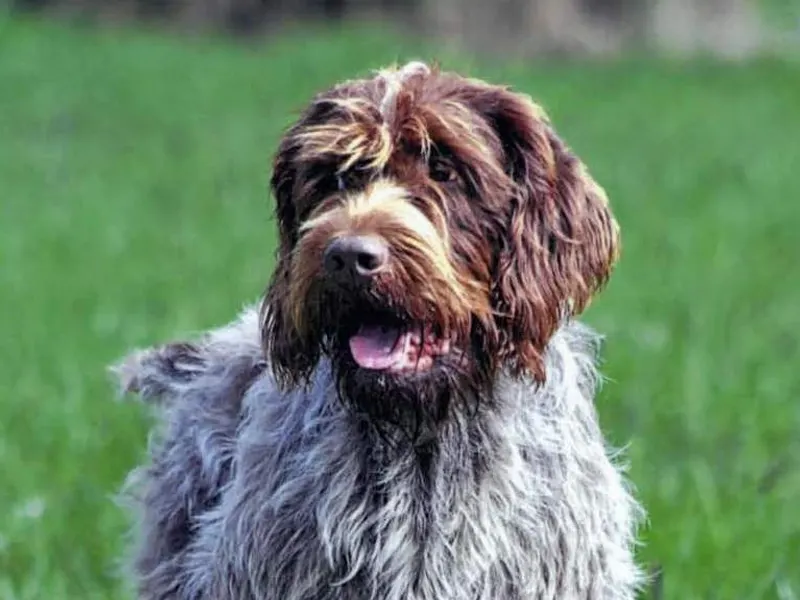
Wirehaired Pointing Griffon
Sporting
35–70 lbs · 12–14 yrs
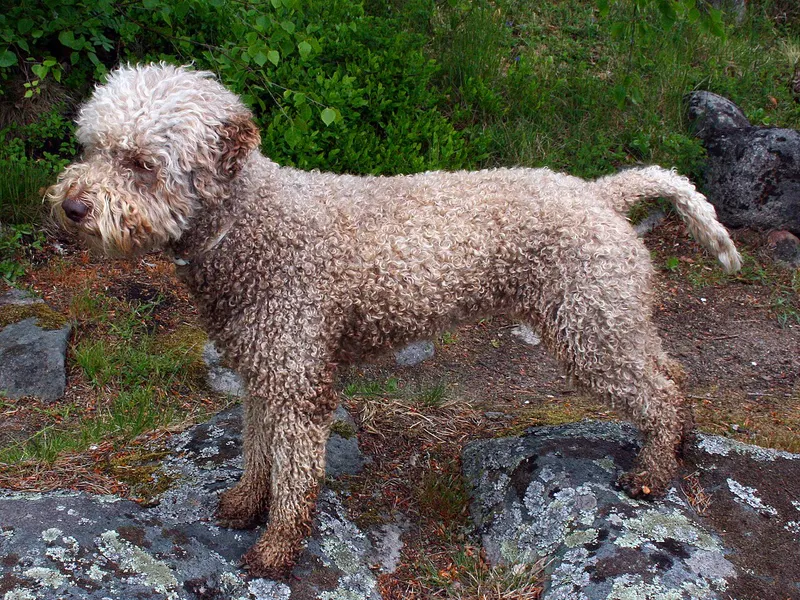
Lagotto Romagnolo
Sporting
24–35 lbs · 15–17 yrs
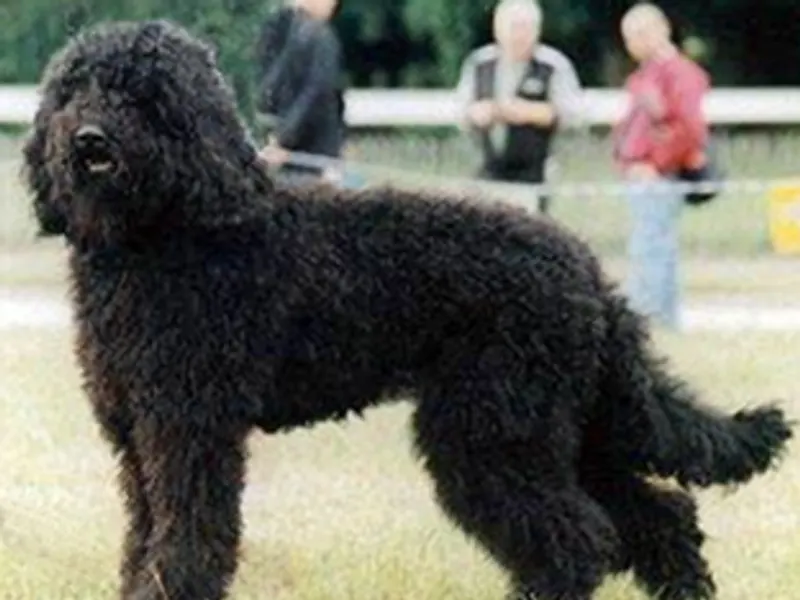
Barbet
Sporting
35–65 lbs · 13–15 yrs
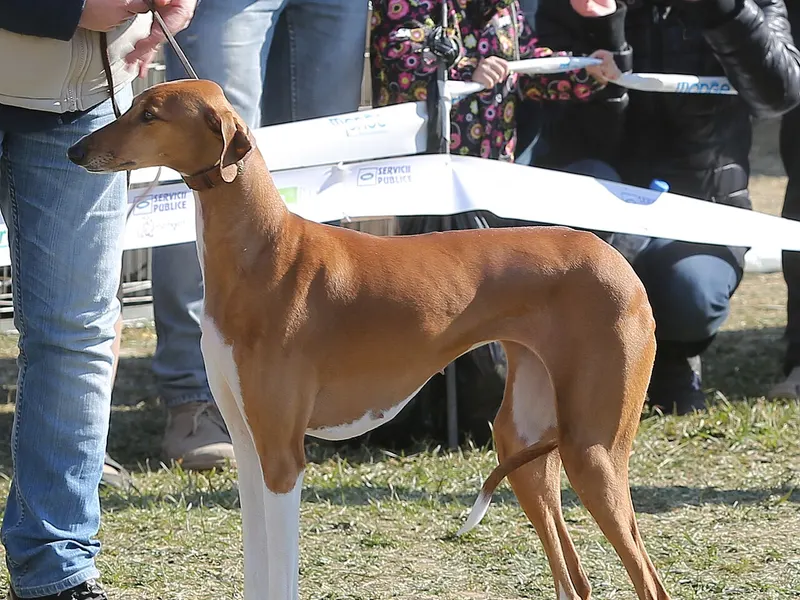
Azawakh
Hound
33–55 lbs · 12–15 yrs
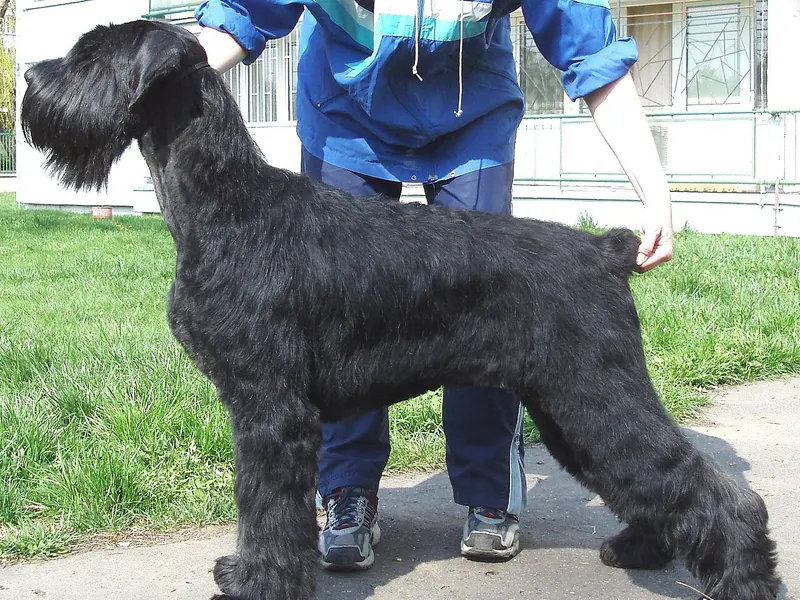
Giant Schnauzer
Working
55–85 lbs · 12–15 yrs
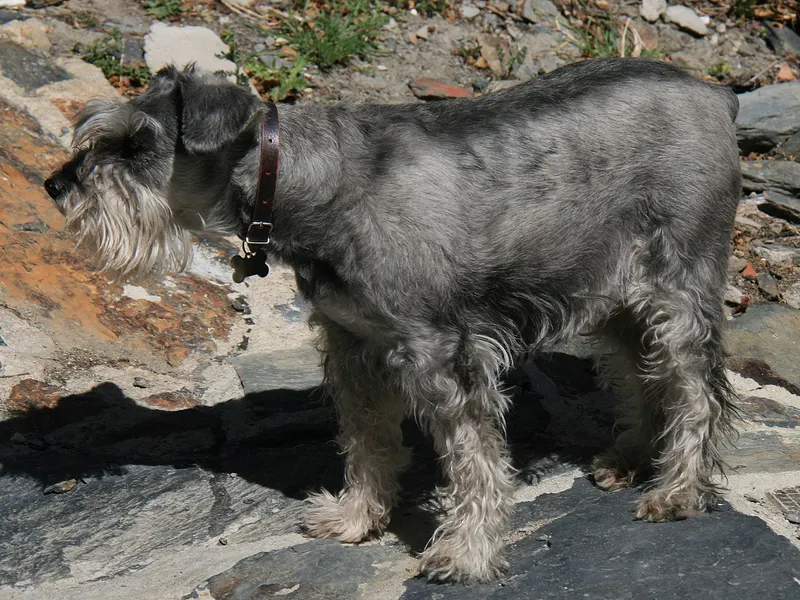
Standard Schnauzer
Working
30–50 lbs · 13–16 yrs
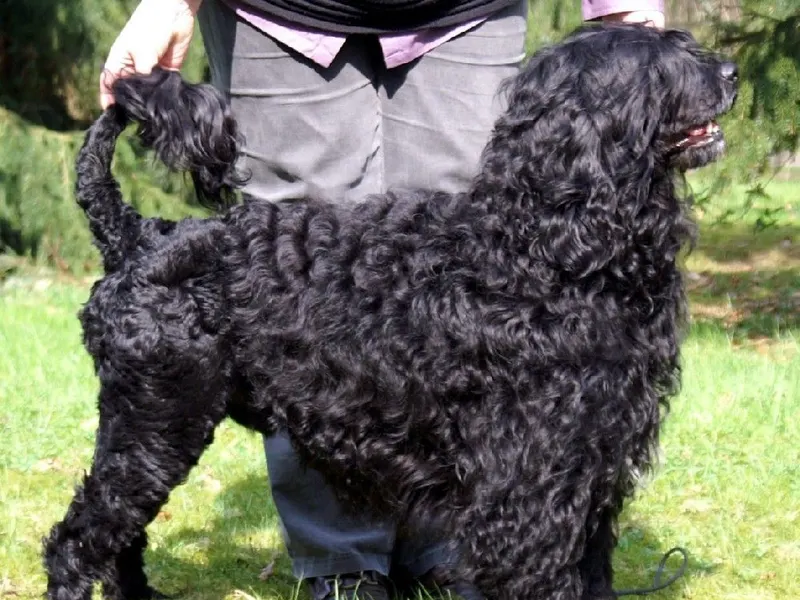
Portuguese Water Dog
Working
35–60 lbs · 11–13 yrs
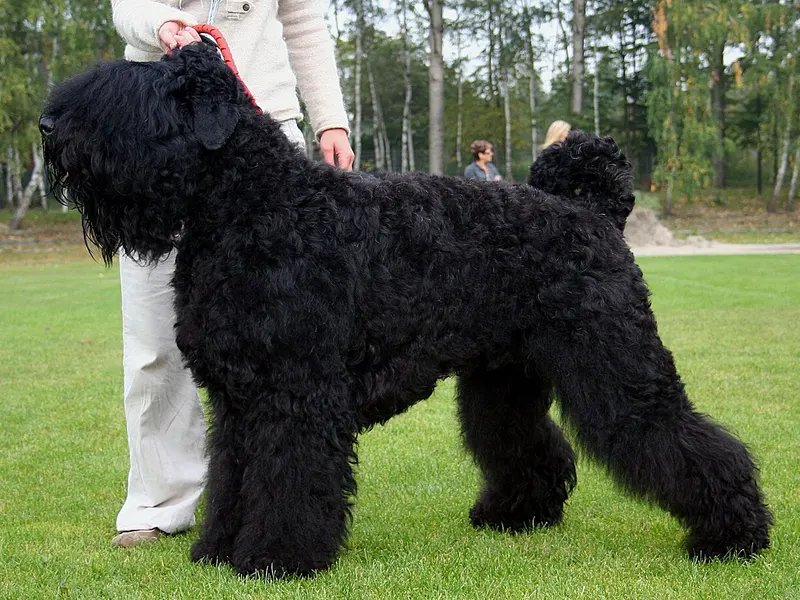
Black Russian Terrier
Working
80–140 lbs · 10–12 yrs
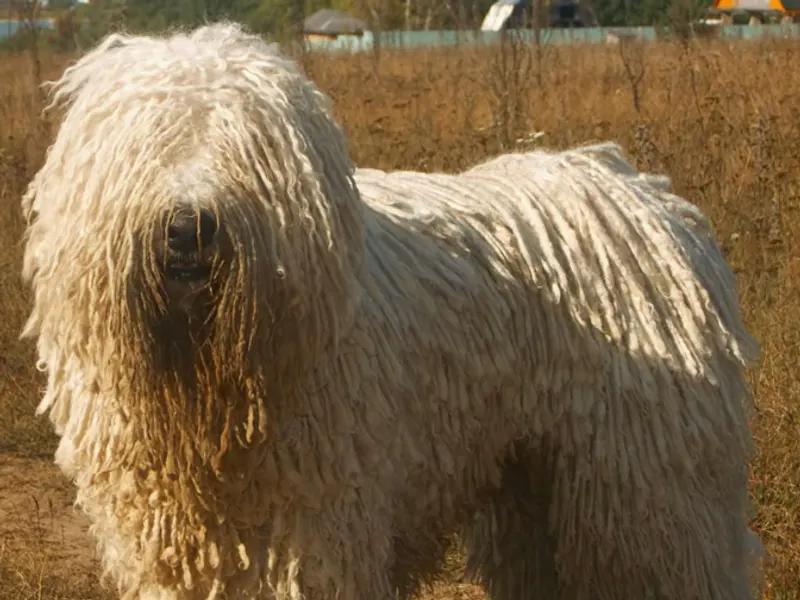
Komondor
Working
80–100 lbs · 10–12 yrs
Airedale Terrier
Terrier
50–70 lbs · 11–14 yrs
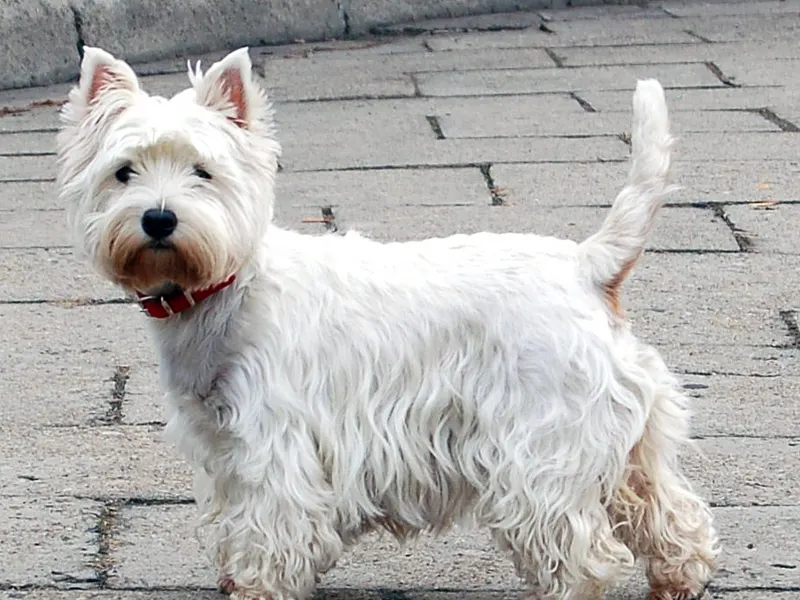
West Highland White Terrier
Terrier
13–22 lbs · 12–16 yrs
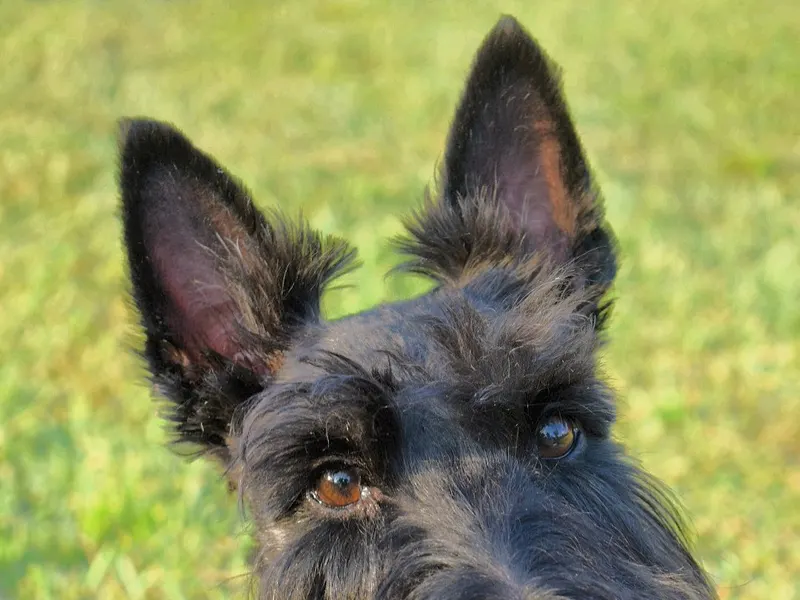
Scottish Terrier
Terrier
18–22 lbs · 11–13 yrs
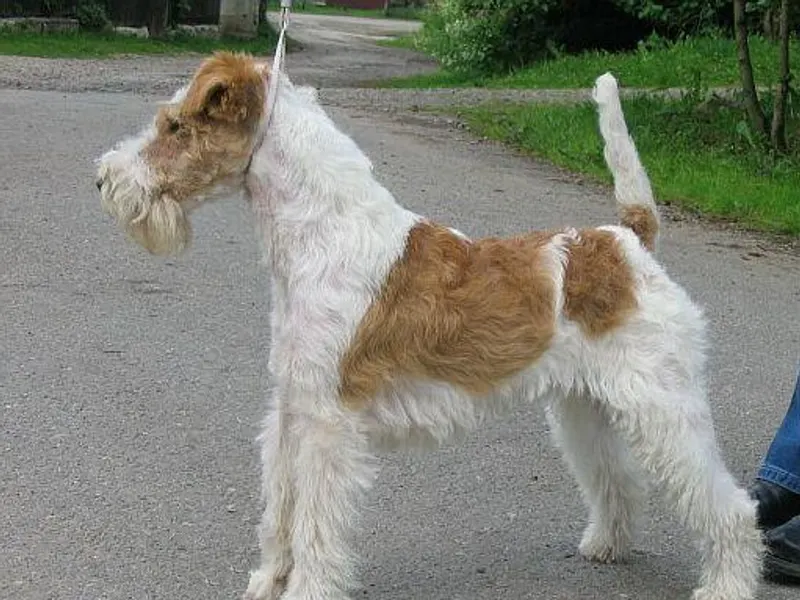
Wire Fox Terrier
Terrier
15–19 lbs · 12–15 yrs
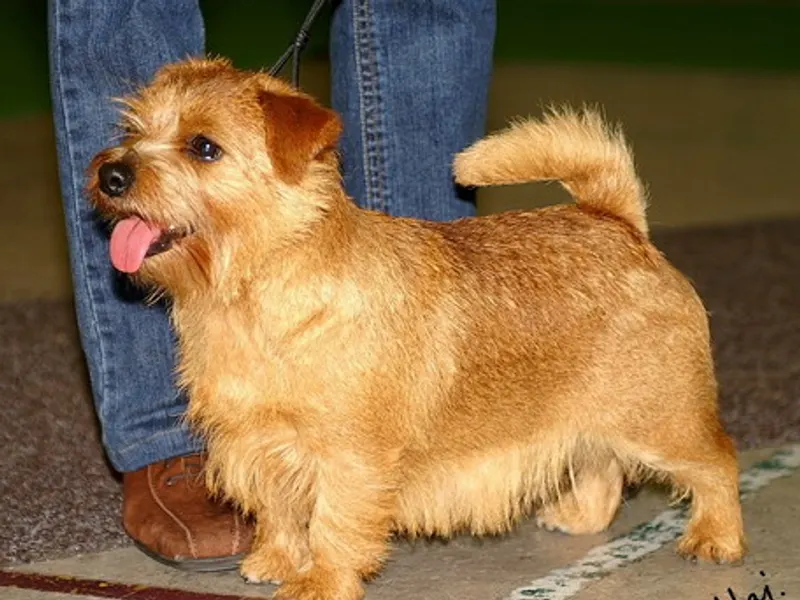
Norfolk Terrier
Terrier
11–12 lbs · 12–15 yrs
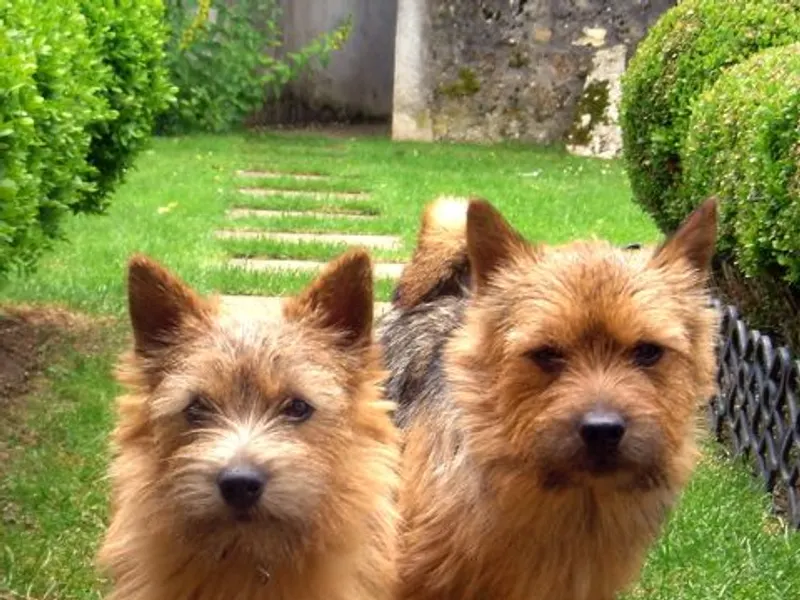
Norwich Terrier
Terrier
11–12 lbs · 12–15 yrs
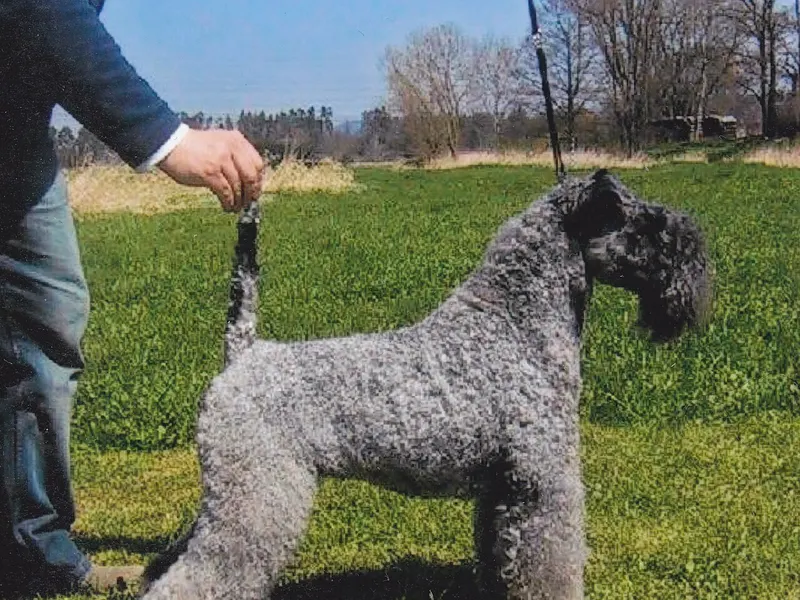
Kerry Blue Terrier
Terrier
33–40 lbs · 12–15 yrs
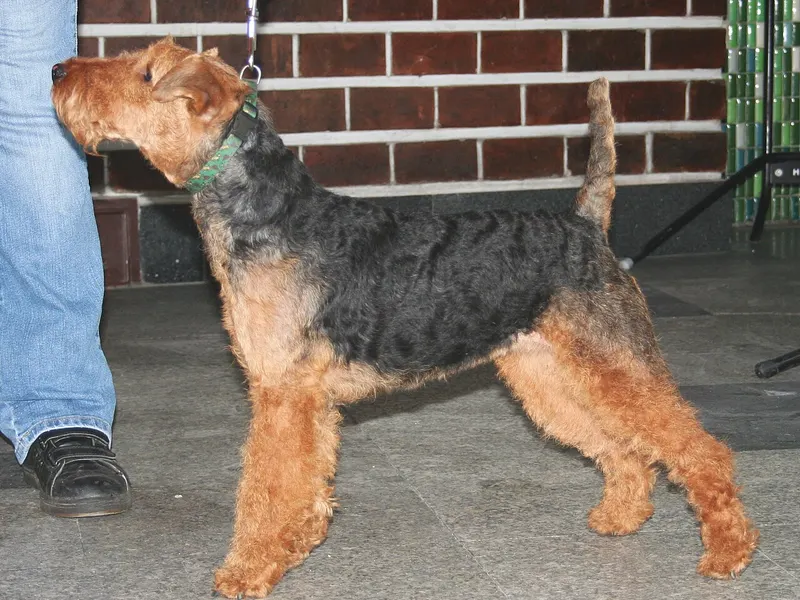
Welsh Terrier
Terrier
20–21 lbs · 12–15 yrs
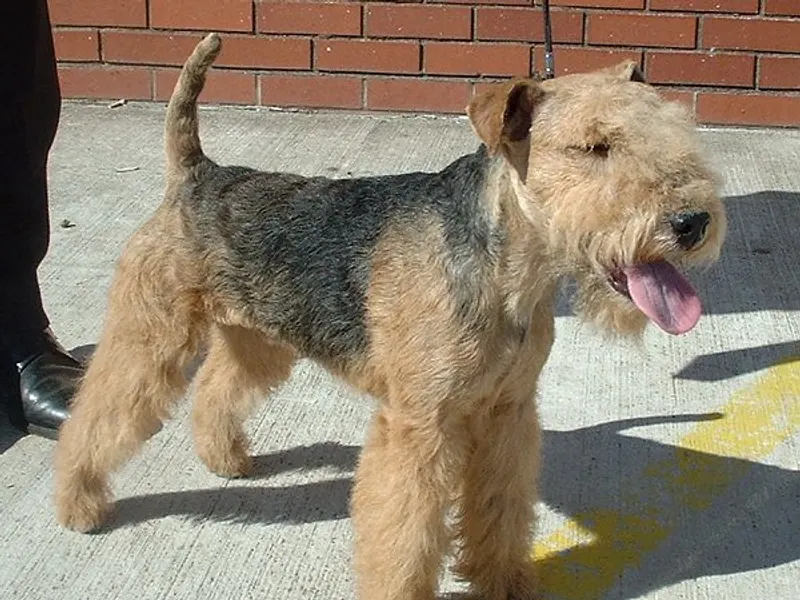
Lakeland Terrier
Terrier
15–17 lbs · 12–16 yrs
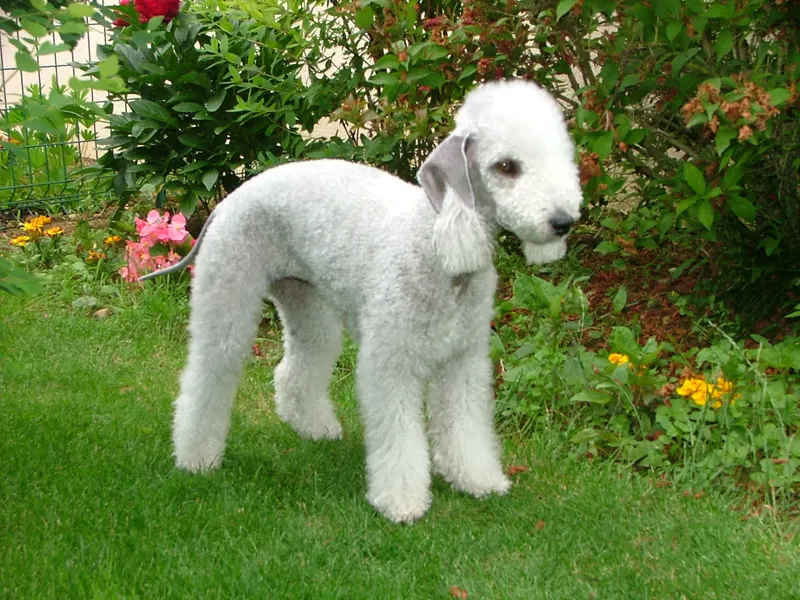
Bedlington Terrier
Terrier
17–23 lbs · 11–16 yrs
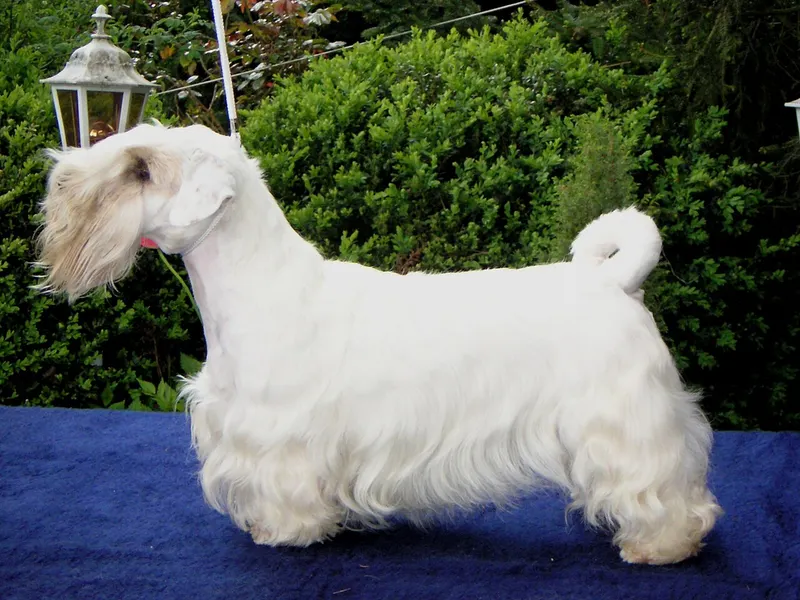
Sealyham Terrier
Terrier
23–24 lbs · 12–14 yrs
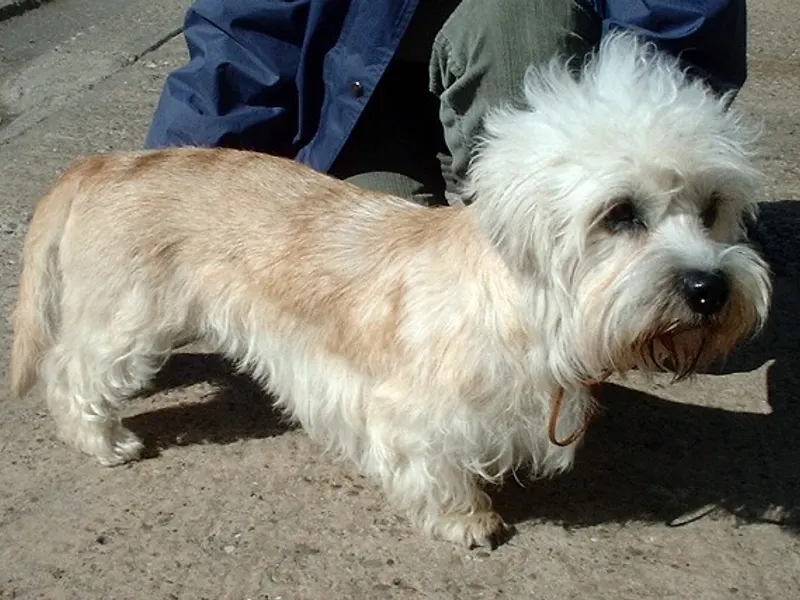
Dandie Dinmont Terrier
Terrier
18–24 lbs · 12–15 yrs
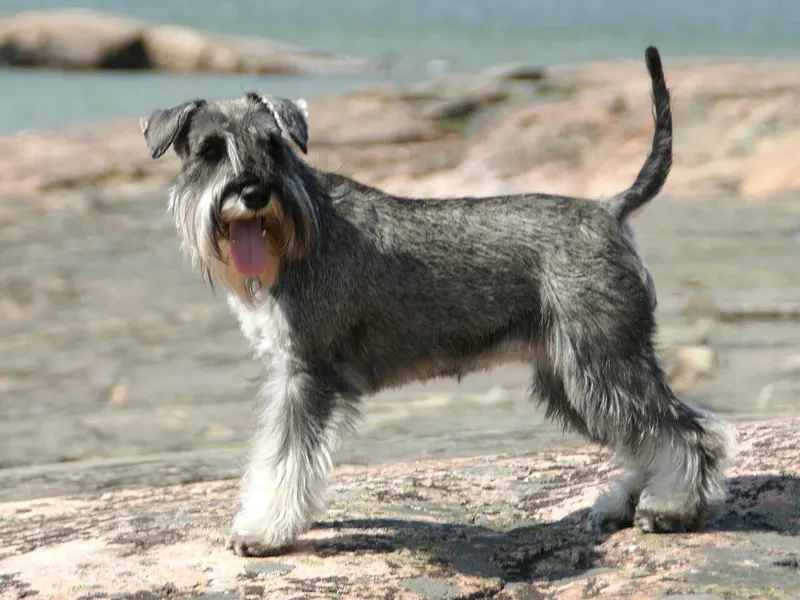
Miniature Schnauzer
Terrier
11–20 lbs · 12–15 yrs
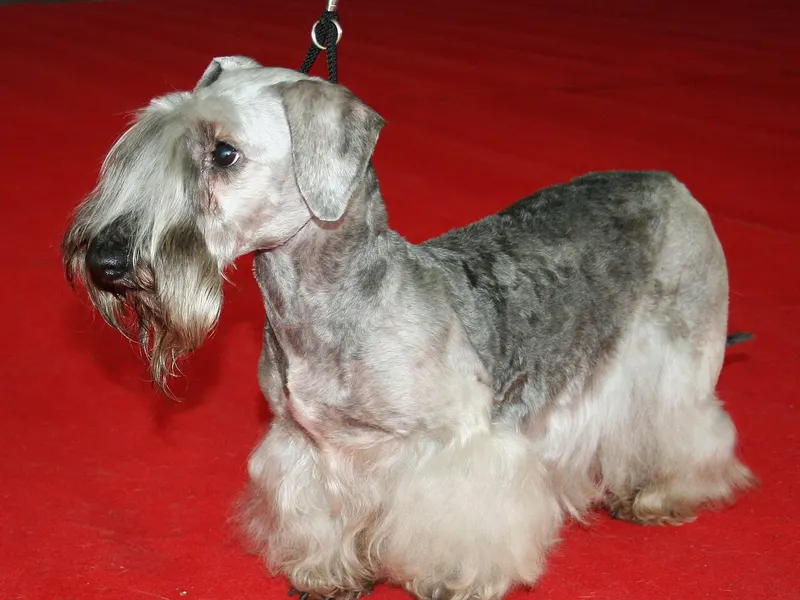
Cesky Terrier
Terrier
13–24 lbs · 12–15 yrs
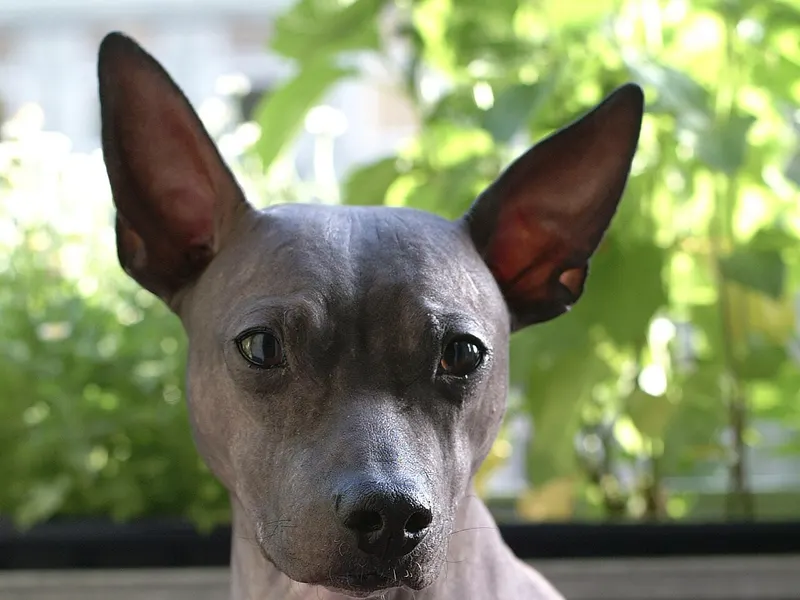
American Hairless Terrier
Terrier
5–16 lbs · 14–16 yrs
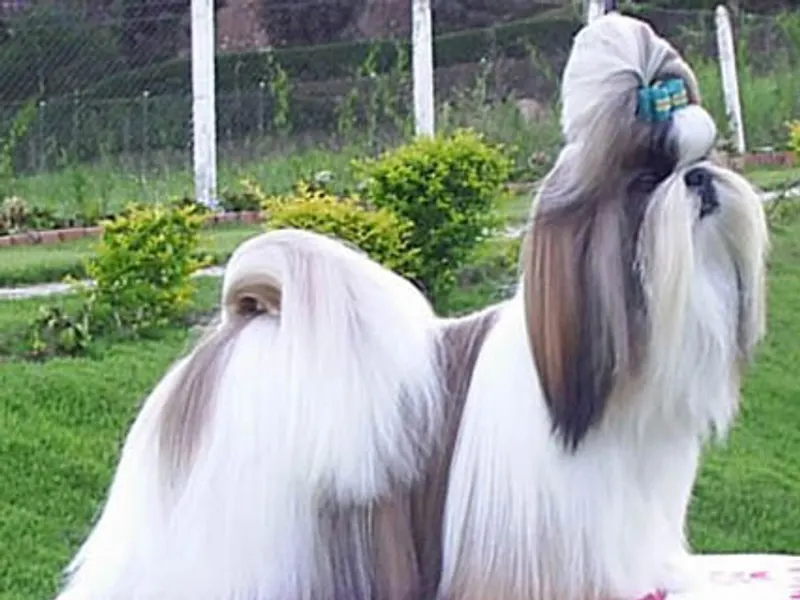
Shih Tzu
Toy
9–16 lbs · 10–16 yrs
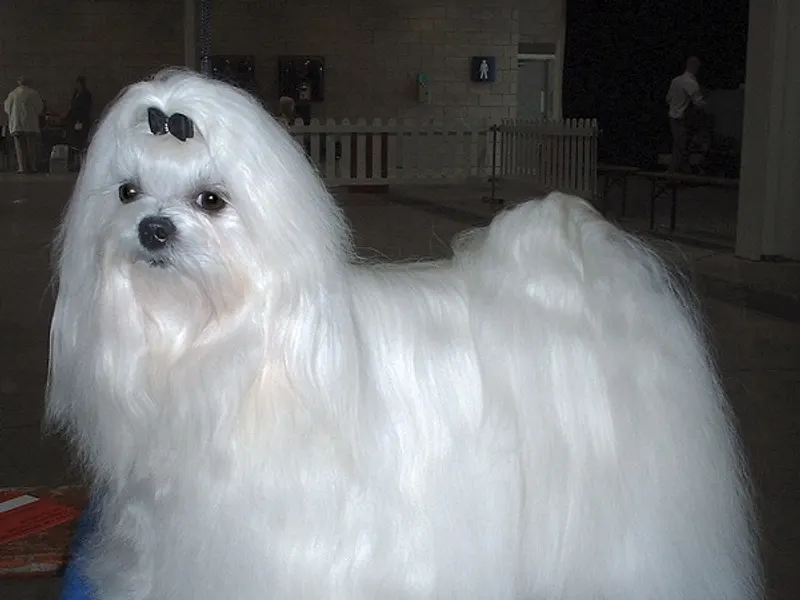
Maltese
Toy
4–7 lbs · 12–15 yrs
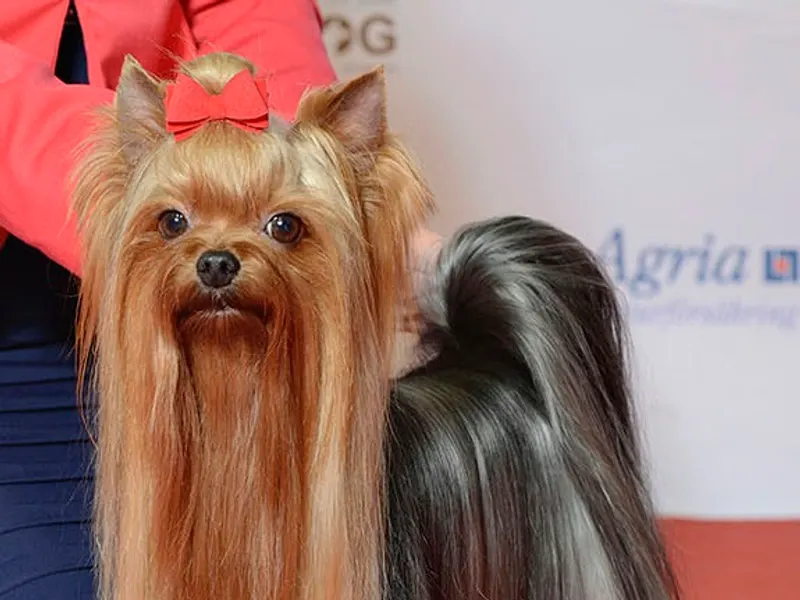
Yorkshire Terrier
Toy
4–7 lbs · 11–15 yrs
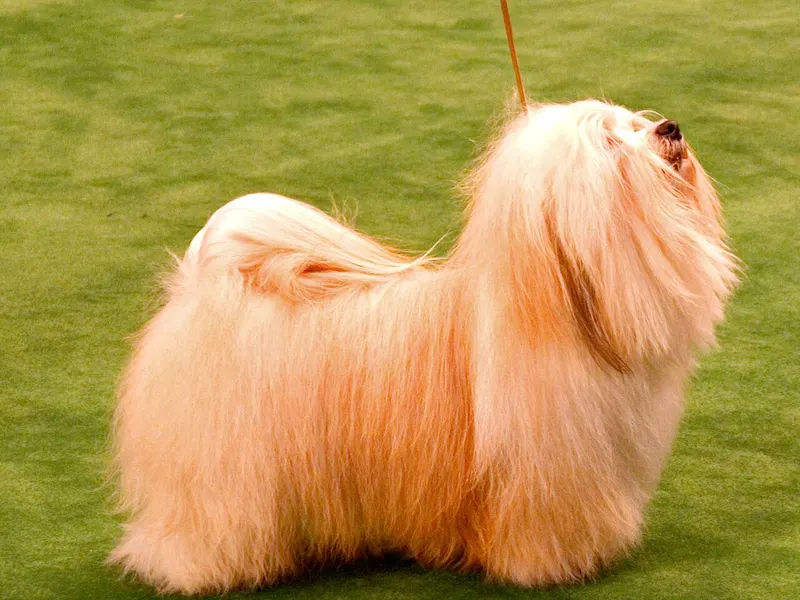
Havanese
Toy
7–13 lbs · 14–16 yrs
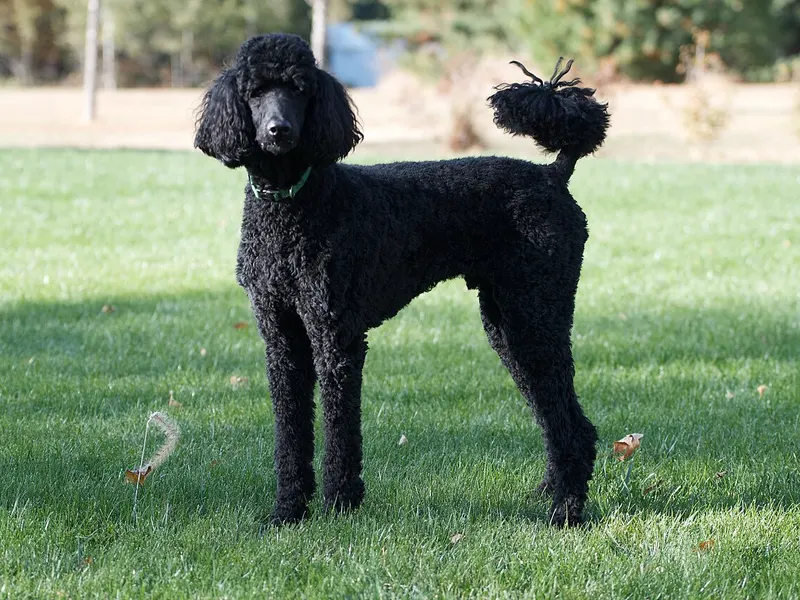
Toy Poodle
Toy
4–6 lbs · 12–15 yrs
Affenpinscher
Toy
7–10 lbs · 12–15 yrs
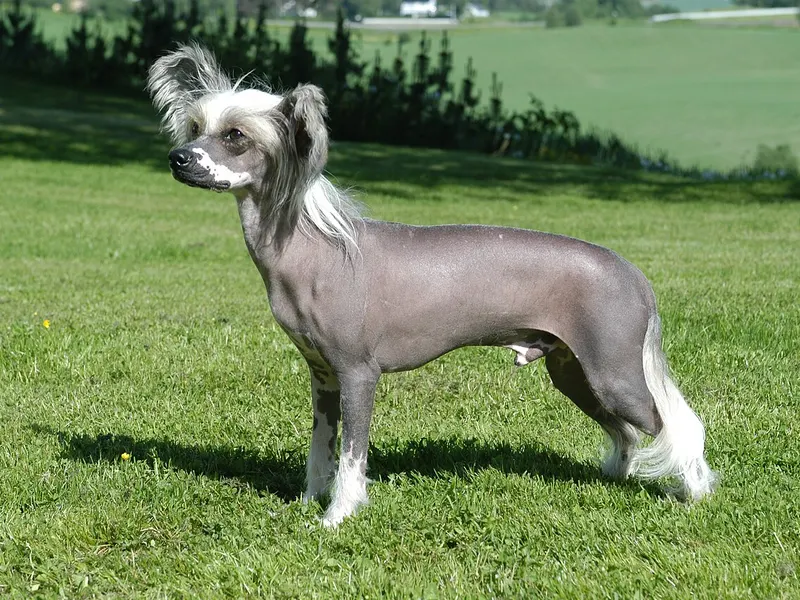
Chinese Crested
Toy
8–12 lbs · 13–15 yrs
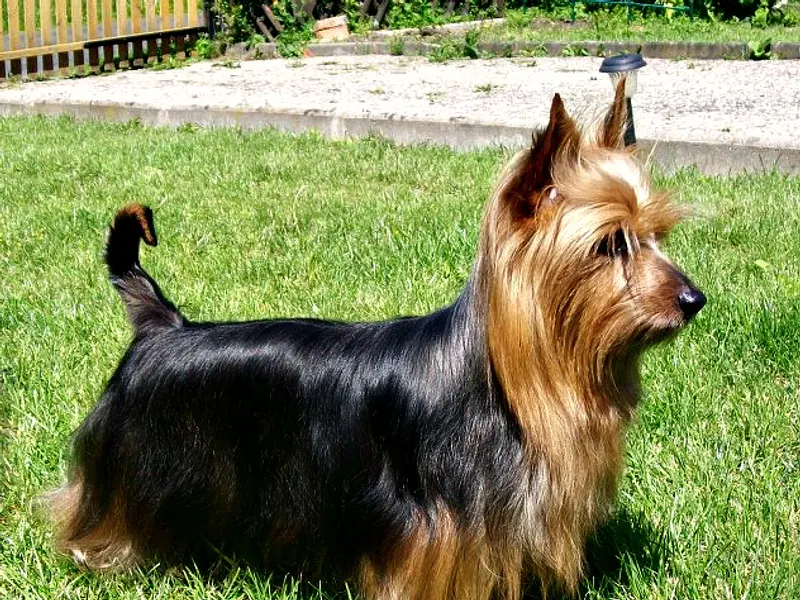
Silky Terrier
Toy
8–10 lbs · 13–15 yrs
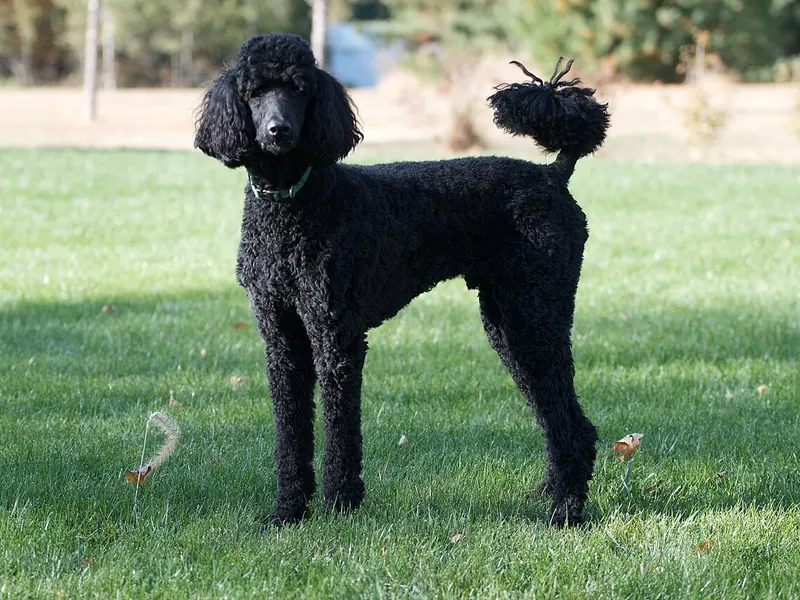
Standard Poodle
Non-Sporting
45–70 lbs · 10–13 yrs
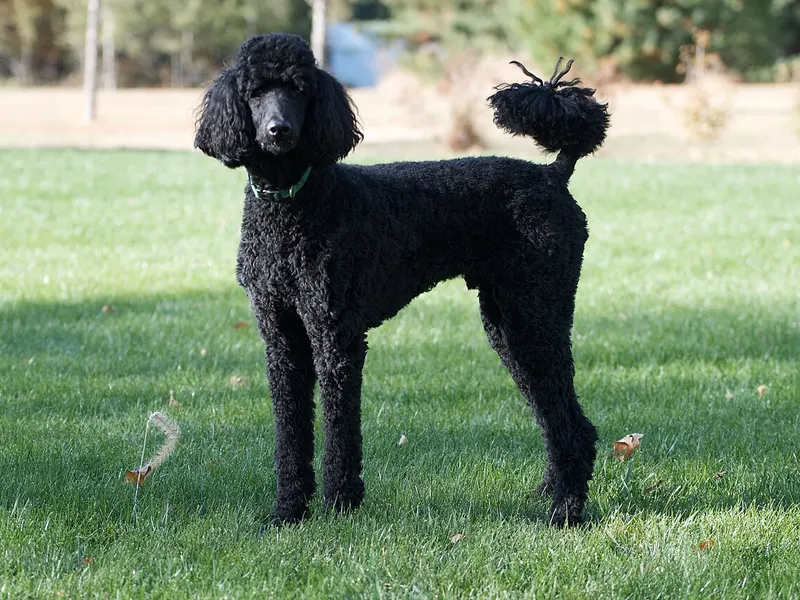
Miniature Poodle
Non-Sporting
10–15 lbs · 12–15 yrs
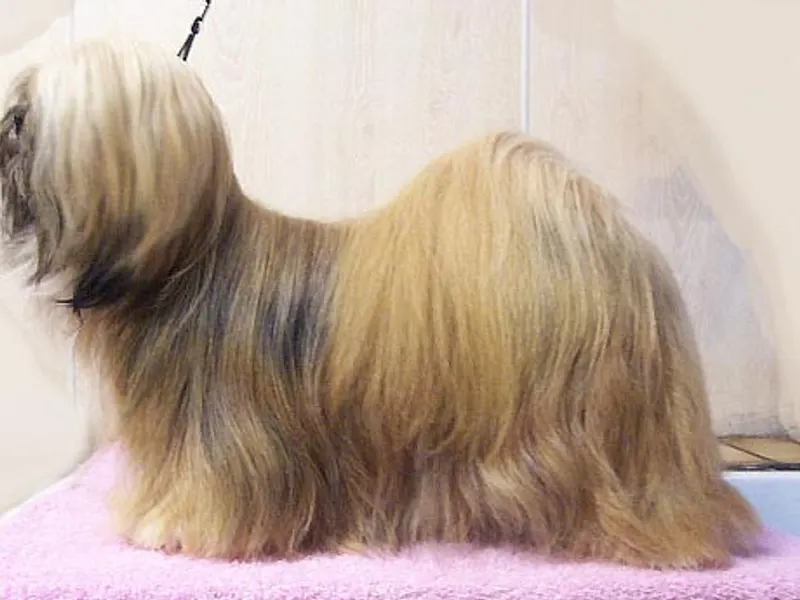
Lhasa Apso
Non-Sporting
12–18 lbs · 12–15 yrs
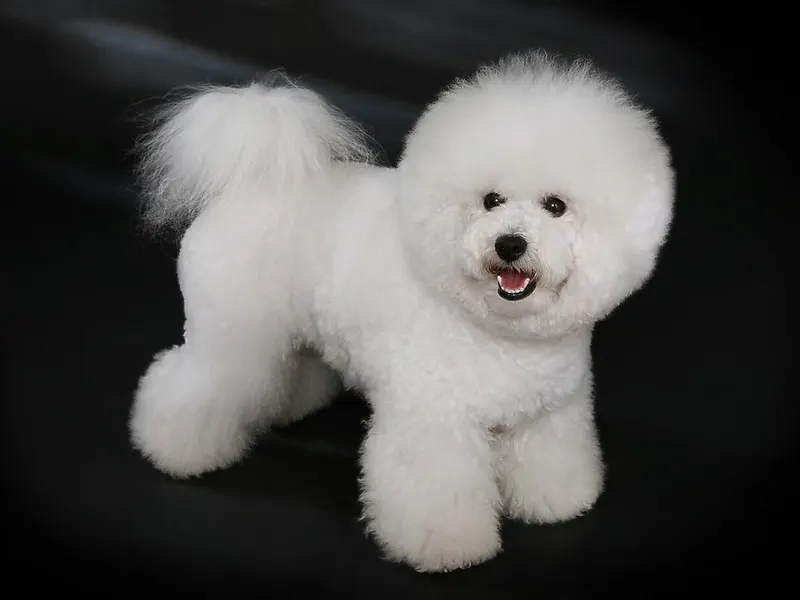
Bichon Frise
Non-Sporting
12–18 lbs · 14–15 yrs
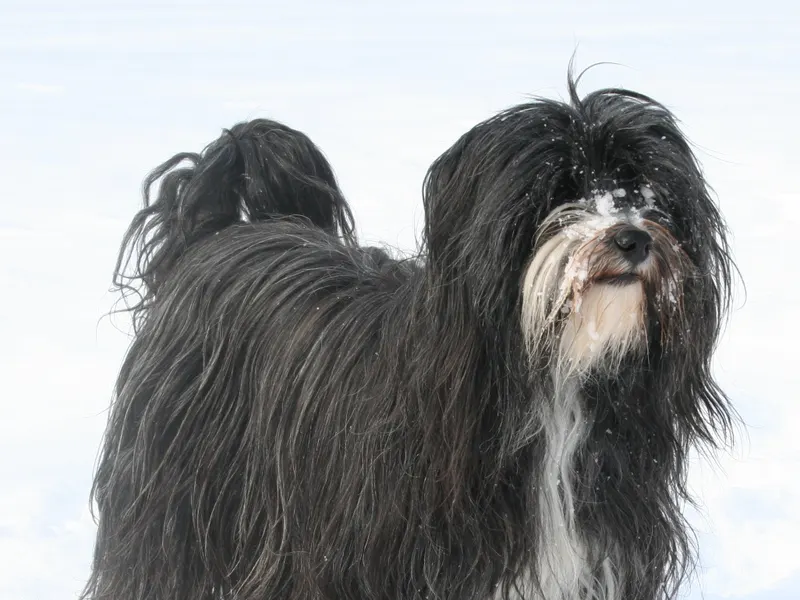
Tibetan Terrier
Non-Sporting
18–30 lbs · 12–15 yrs
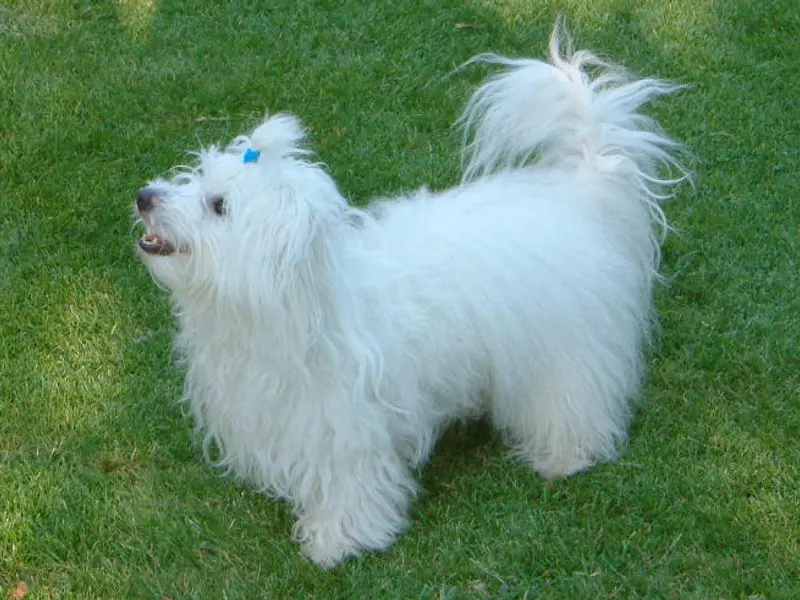
Coton de Tulear
Non-Sporting
8–15 lbs · 14–16 yrs
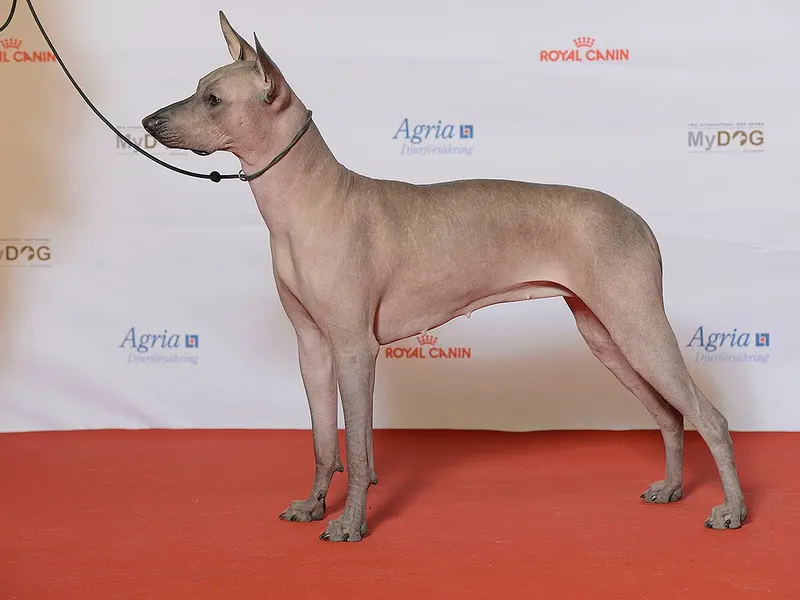
Xoloitzcuintli
Non-Sporting
10–50 lbs · 13–18 yrs
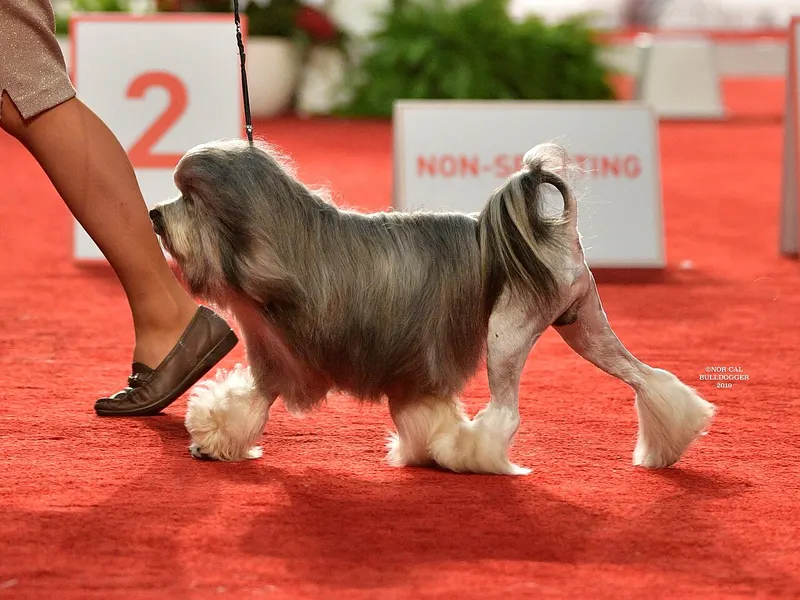
Löwchen
Non-Sporting
9–18 lbs · 13–15 yrs
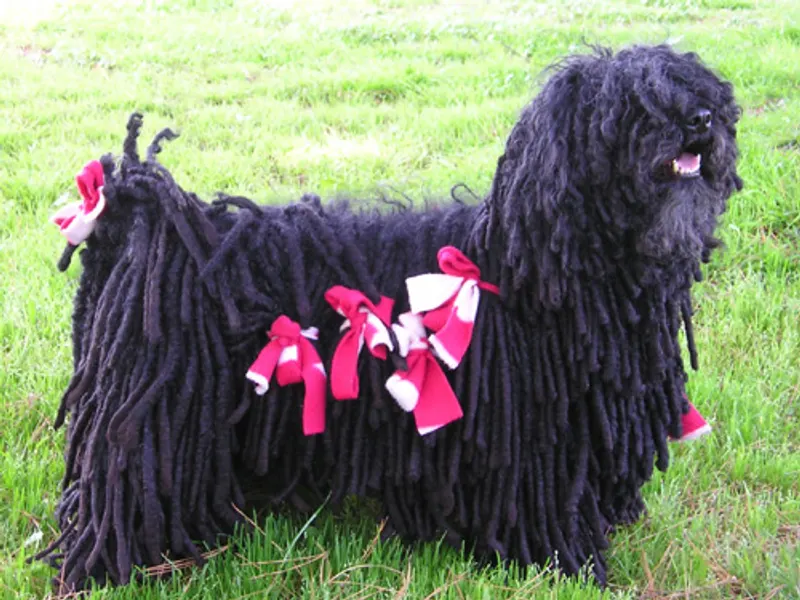
Puli
Herding
25–35 lbs · 10–15 yrs
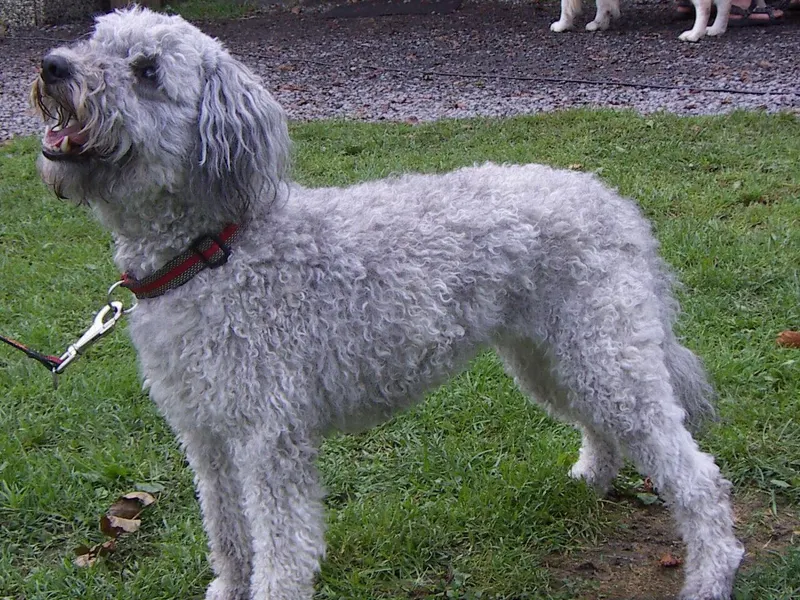
Pumi
Herding
18–33 lbs · 12–13 yrs
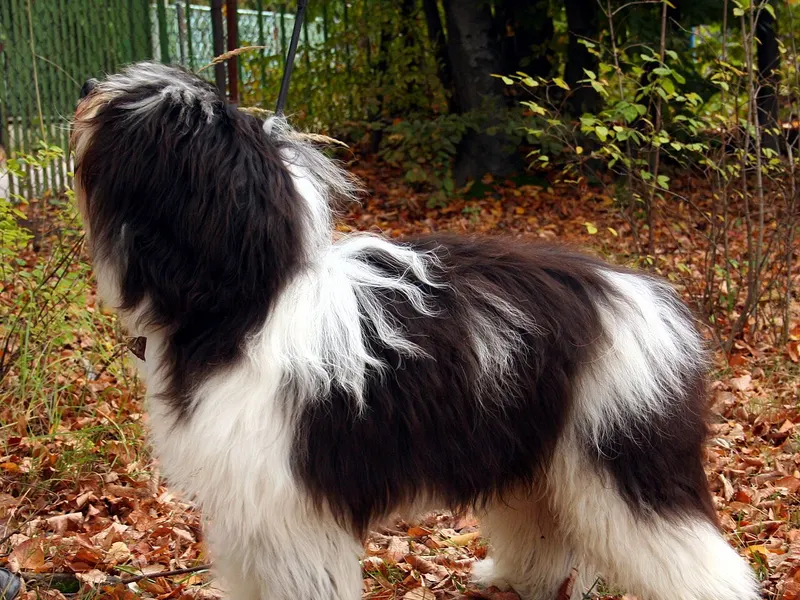
Polish Lowland Sheepdog
Herding
30–50 lbs · 12–14 yrs
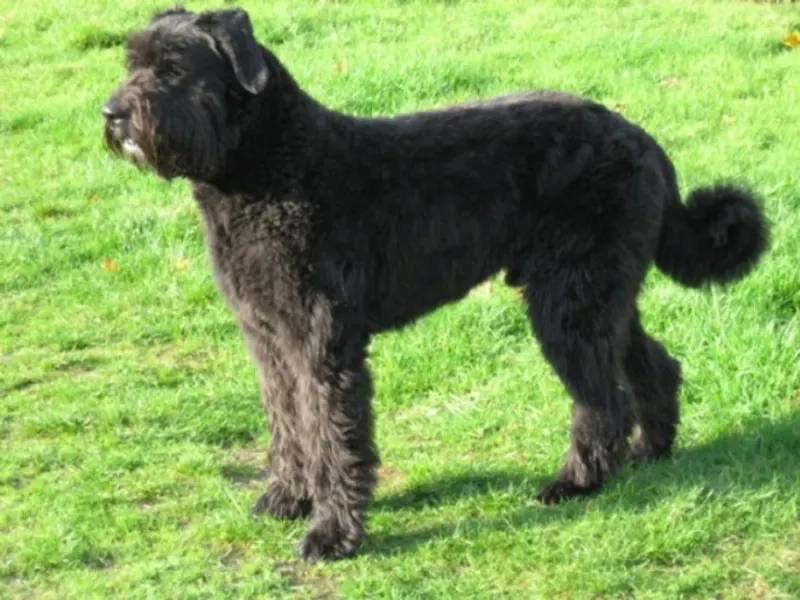
Bouvier des Flandres
Herding
70–110 lbs · 10–12 yrs
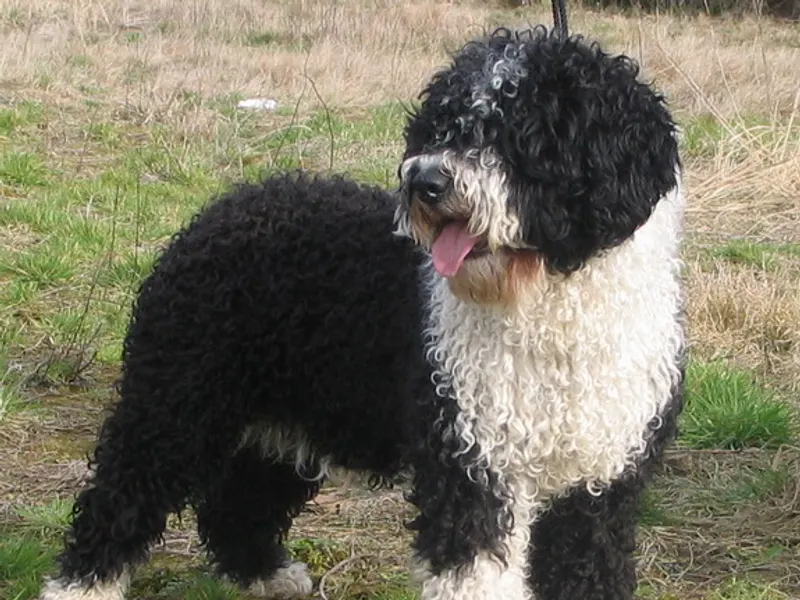
Spanish Water Dog
Herding
31–49 lbs · 12–14 yrs
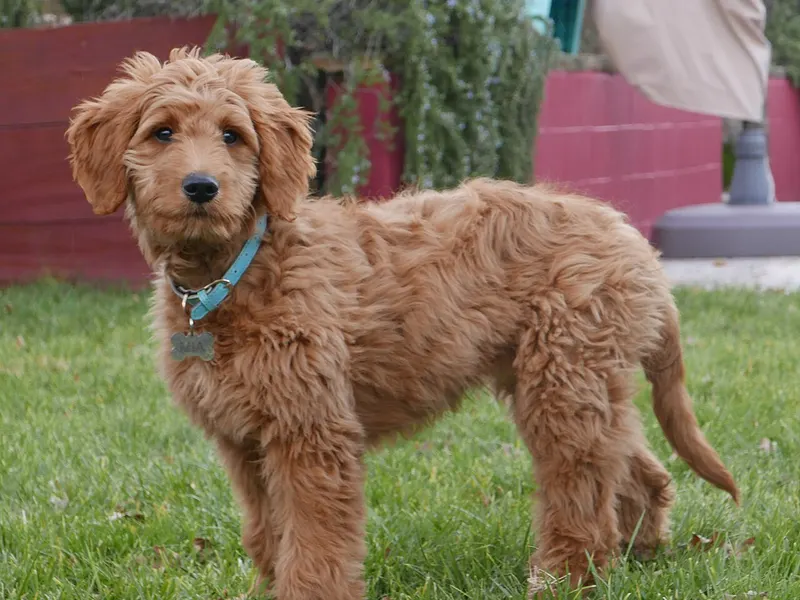
Goldendoodle
Crossbreed
50–90 lbs · 10–15 yrs
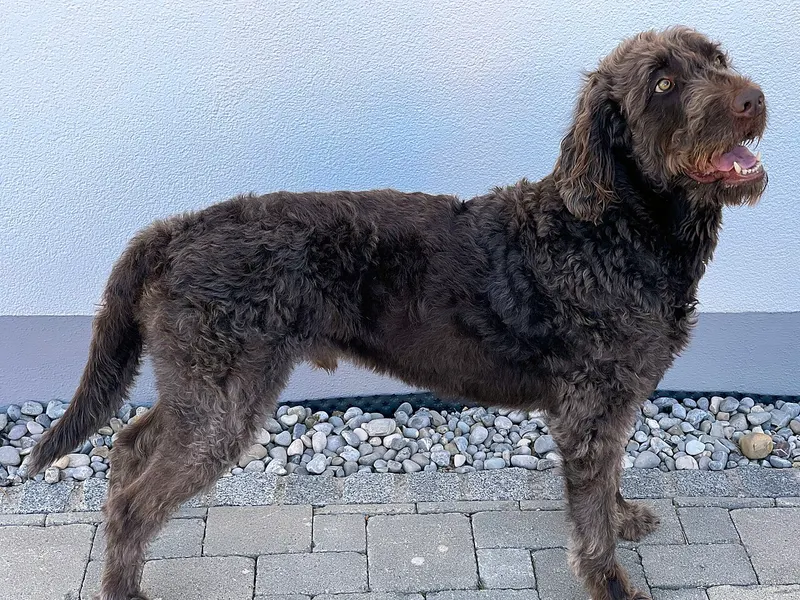
Labradoodle
Crossbreed
45–80 lbs · 12–14 yrs
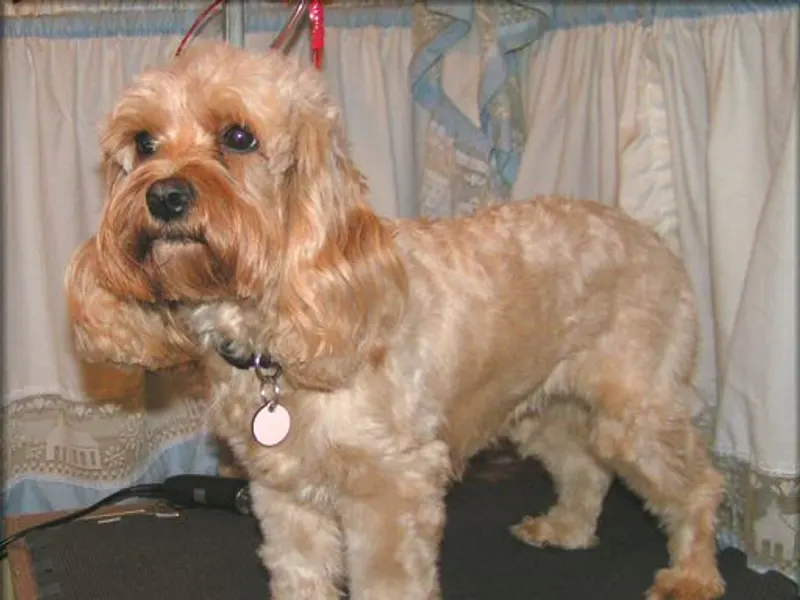
Cockapoo
Crossbreed
12–24 lbs · 13–15 yrs
Maltipoo
Crossbreed
5–20 lbs · 12–15 yrs
Schnoodle
Crossbreed
6–75 lbs · 10–16 yrs
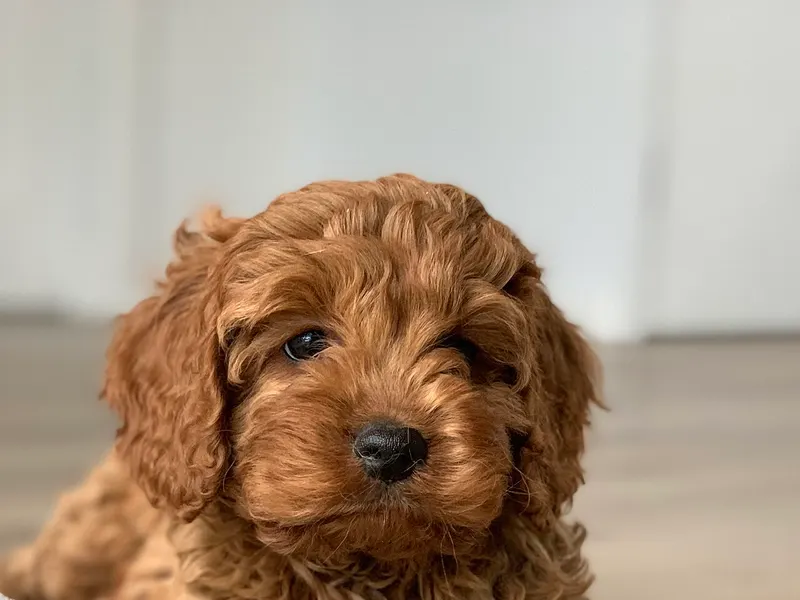
Cavapoo
Crossbreed
9–25 lbs · 12–15 yrs
Yorkipoo
Crossbreed
3–14 lbs · 12–15 yrs
Sheepadoodle
Crossbreed
45–80 lbs · 12–15 yrs
Bernedoodle
Crossbreed
50–90 lbs · 12–15 yrs
Aussiedoodle
Crossbreed
25–70 lbs · 12–15 yrs
Shorkie
Crossbreed
8–16 lbs · 11–16 yrs
Morkie
Crossbreed
4–8 lbs · 10–13 yrs
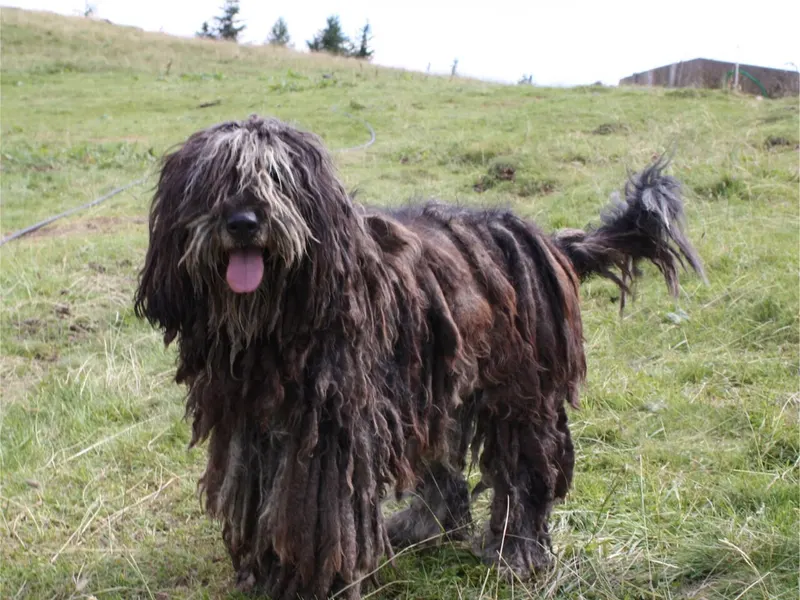
Bergamasco Sheepdog
Herding
57–84 lbs · 13–15 yrs
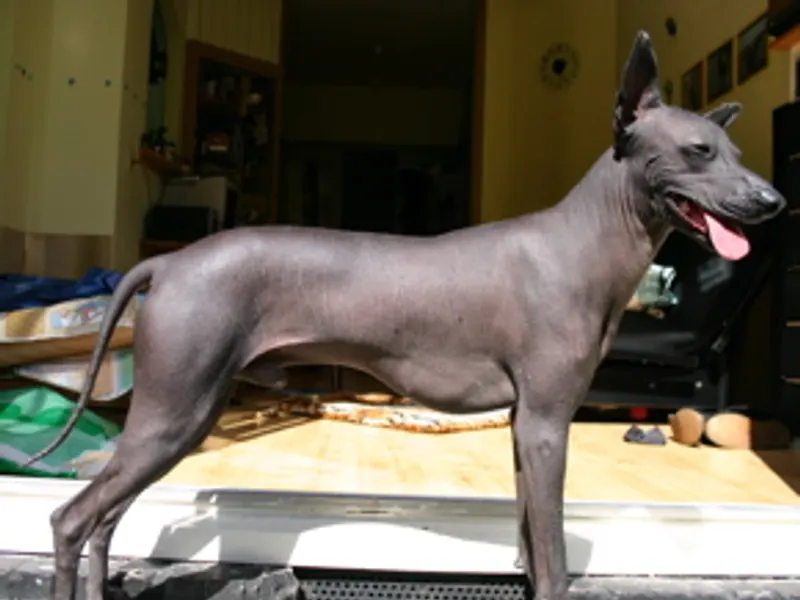
Peruvian Inca Orchid
Foundation Stock
12–55 lbs · 11–12 yrs