Low Maintenance Cats
Genuine low-maintenance status for a cat breed requires several independent factors to line up at once: simple coat care, general health robustness without a documented tendency toward costly hereditary conditions, and a temperament that doesn't demand hours of daily interactive engagement to stay behaviorally content. A breed can fall short by being simple in one respect while demanding in another — a plain-coated breed with a known cardiac predisposition, say, or a robustly healthy breed that turns destructive without constant play — and still fail to deliver the overall lower burden this list is meant to identify. Short-coated breeds without the extreme physical structure linked to documented health problems generally anchor this list, since a straightforward weekly-brushing coat routine avoids both the daily grooming demands of long-haired breeds like the Persian and the specialized bathing needs hairless breeds like the Sphynx require — American Shorthairs and similarly moderate, unexaggerated breeds tend to combine that coat simplicity with a documented general health robustness tied to a broad genetic base and the absence of extreme structural traits (flat faces, very short legs) that carry their own maintenance-adding health considerations. Temperament plays a real, sometimes underweighted role in genuine low-maintenance status: a breed with an independent, self-entertaining streak that doesn't require constant interactive play or intensive daily engagement to avoid boredom-driven behavioral issues (excessive vocalizing, destructive scratching, attention-seeking that escalates when ignored) reduces the ongoing time investment a busy owner needs to provide, even when that same breed is otherwise similar in coat and health terms to a more demanding, high-engagement breed — this is a genuinely separate axis from the physical-care categories and matters especially for owners with limited daily free time. It's worth flagging directly that cats as a species are already, relative to dogs, a lower-maintenance pet by several structural measures — no walks required, generally self-sufficient bathroom habits via litter box, and typically comfortable with somewhat longer stretches of solo time — meaning "low maintenance" among cat breeds specifically describes a narrower band of additional variation on top of that baseline than the equivalent claim does for dogs, where the gap between a high- and low-maintenance breed is considerably wider. No cat is entirely without care requirements regardless of breed, and it's worth naming what stays constant across even the lowest-maintenance breeds on this list: daily fresh food and water, regular litter box cleaning (a genuine daily task, not optional), routine veterinary care including vaccinations and eventual age-related monitoring, and basic engagement and affection that every cat, regardless of independence level, still benefits from for genuine wellbeing. What breeds on this list offer is a lower floor across coat care, health-condition risk, and engagement demand compared with more intensive breeds — not a pet requiring no ongoing attention at all. Rounding out the easy-overall-care picture on the cat side: the Burmese, pairing a simple short coat with generally sound health and a low-drama, adaptable temperament; the Russian Blue's short, dense coat needs minimal grooming despite its plush appearance; and the American Shorthair rounds out the list with a broad genetic base, generally robust health, and straightforward weekly-brushing coat care. One hidden cost affects "low maintenance" status across every cat breed regardless of coat or temperament: litter itself is a genuine recurring expense, and the type chosen affects both cost and a cat's actual willingness to use the box consistently — clumping clay litter remains the most widely preferred option among cats in behavioral studies comparing litter preferences, while some alternative litters (certain crystal or pine-based options, chosen sometimes for cost or environmental reasons) see lower acceptance rates in multi-litter preference testing, meaning a cheaper litter that a specific cat dislikes and avoids can end up costing more in cleaning, replacement, and potential litter-box-avoidance behavioral problems than a slightly pricier litter the cat readily accepts. Automatic litter boxes deserve a specific, balanced mention for genuinely reducing daily maintenance: these devices can meaningfully cut down on manual scooping frequency and are worth the investment for many busy households, though it's worth flagging that some cats show a genuine behavioral aversion to the noise or motion of automated cleaning cycles, meaning a trial period with a return policy in place is worth pursuing before assuming any specific cat will accept the device readily. A predictable monthly budget line for litter, food, and a modest veterinary-care reserve, set aside consistently rather than only after a bill arrives, keeps even a genuinely low-maintenance cat's ownership costs from ever feeling like a surprise. None of these savings habits require sacrificing a cat's actual comfort or health, since the goal is smarter, more consistent spending rather than cutting corners on genuine care needs.
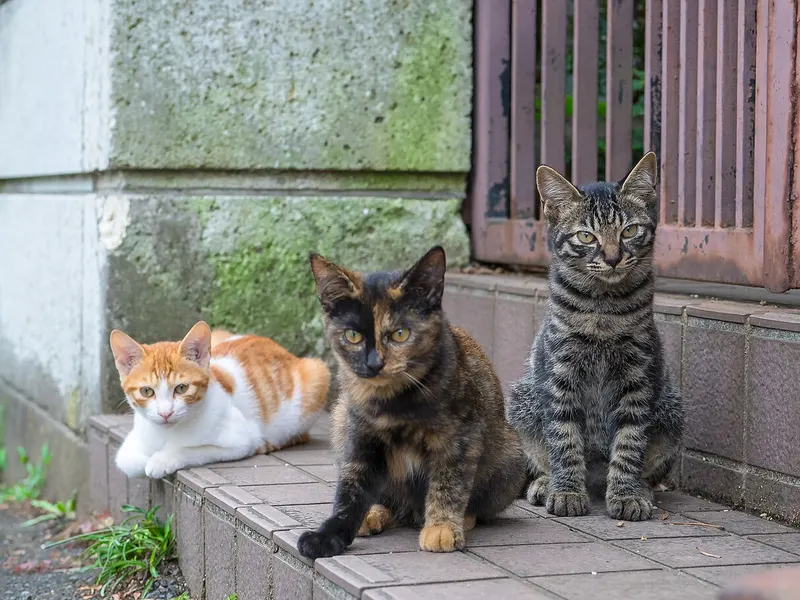
Domestic Shorthair
Semi-foreign
8–12 lbs · 12–18 yrs
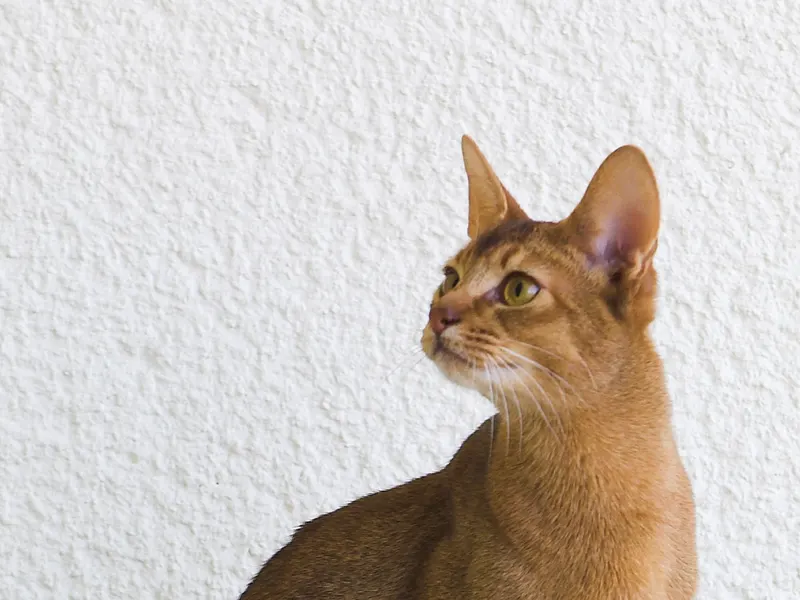
Abyssinian
Foreign
6–10 lbs · 9–15 yrs
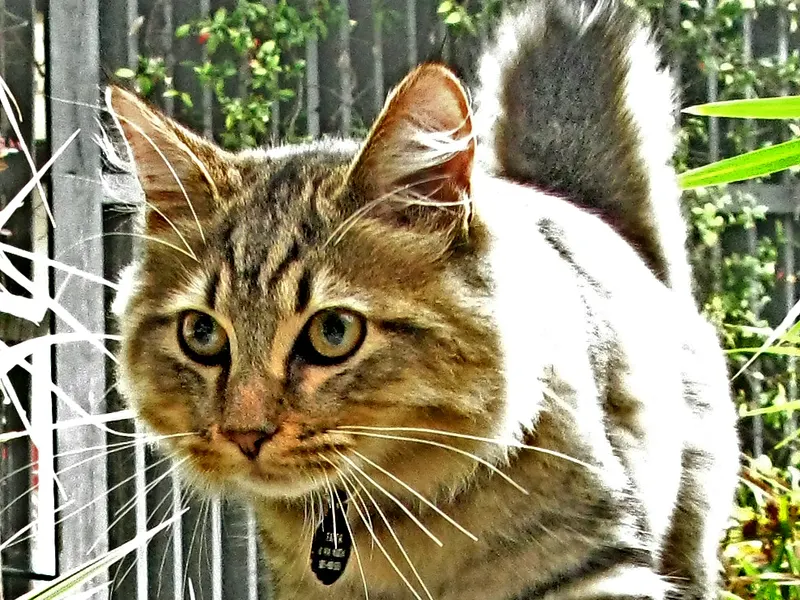
American Bobtail
Semi-cobby
7–16 lbs · 11–15 yrs
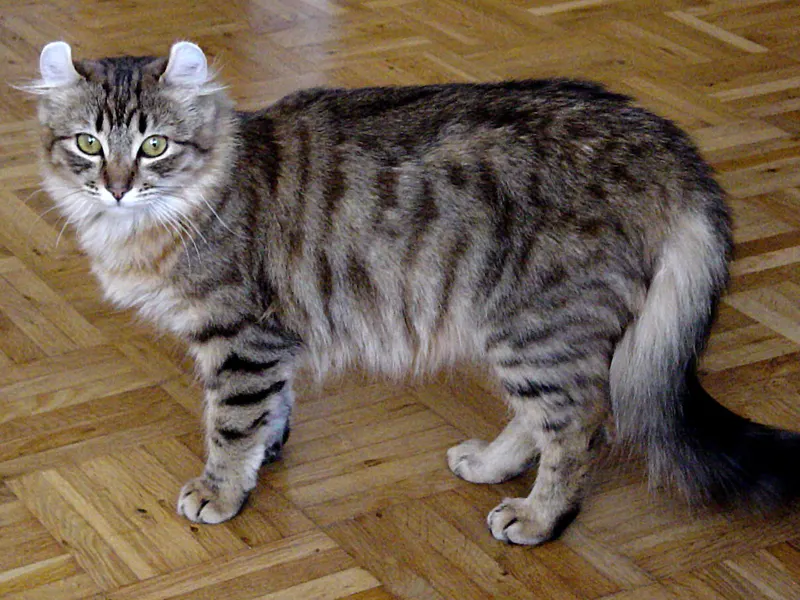
American Curl
Semi-foreign
5–10 lbs · 12–16 yrs
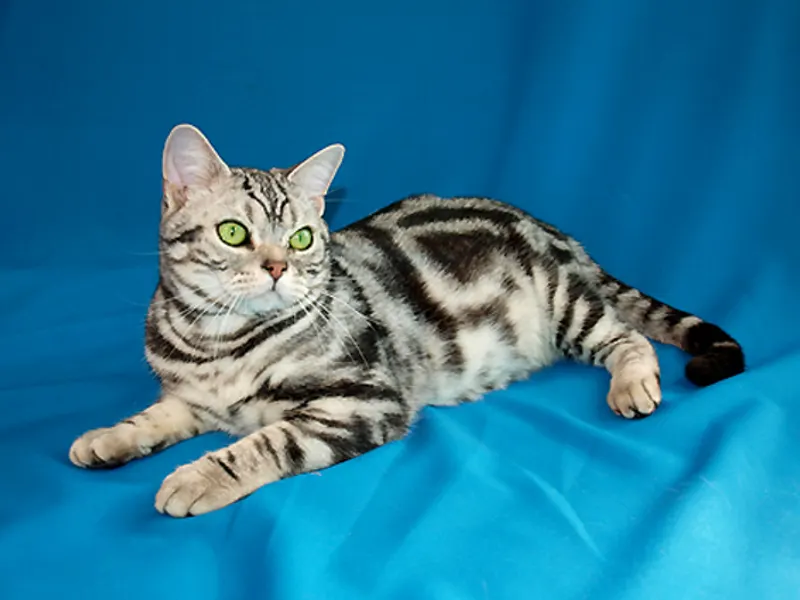
American Shorthair
Cobby
8–15 lbs · 15–20 yrs
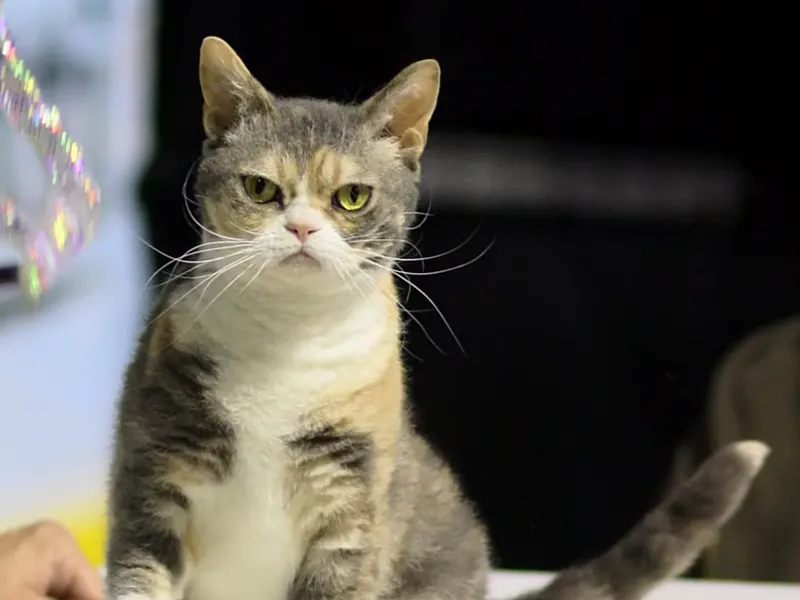
American Wirehair
Cobby
8–15 lbs · 14–18 yrs
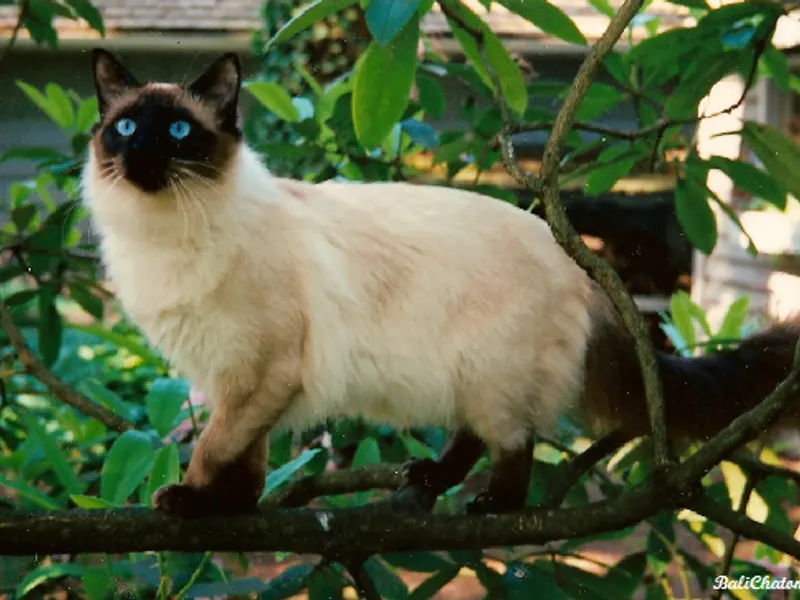
Balinese
Oriental
6–10 lbs · 12–18 yrs
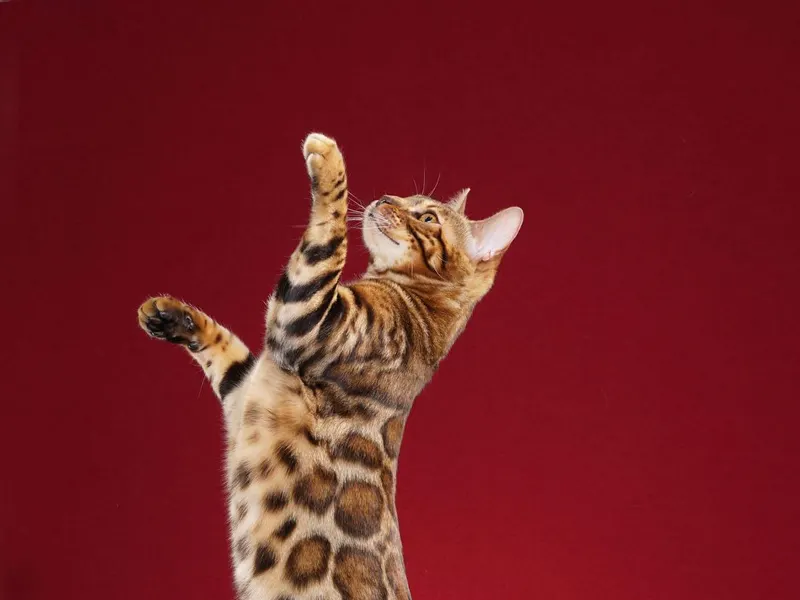
Bengal
Foreign
8–15 lbs · 12–16 yrs
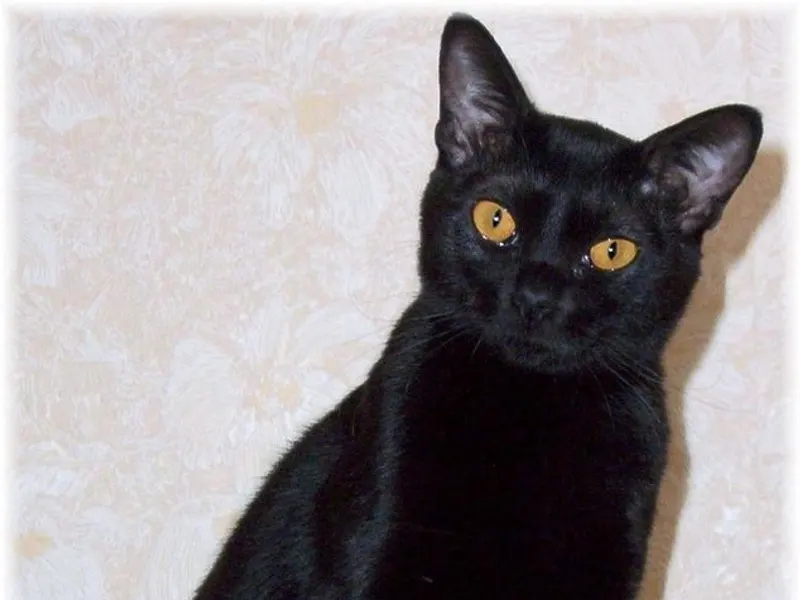
Bombay
Semi-cobby
6–11 lbs · 12–16 yrs
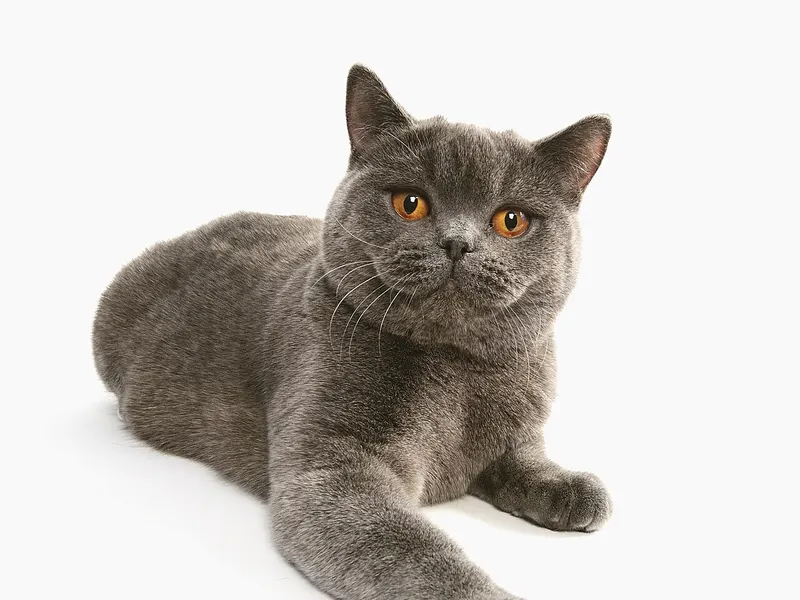
British Shorthair
Cobby
9–18 lbs · 12–17 yrs
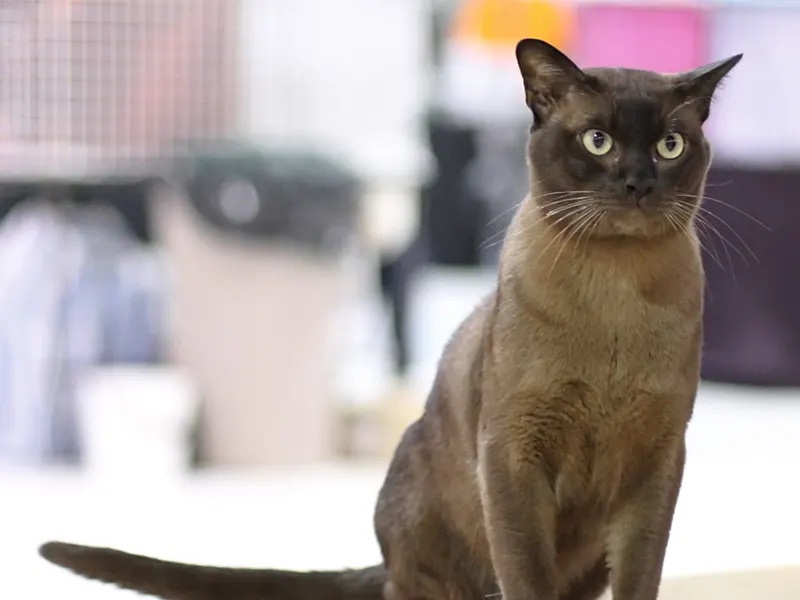
Burmese
Cobby
6–12 lbs · 10–16 yrs
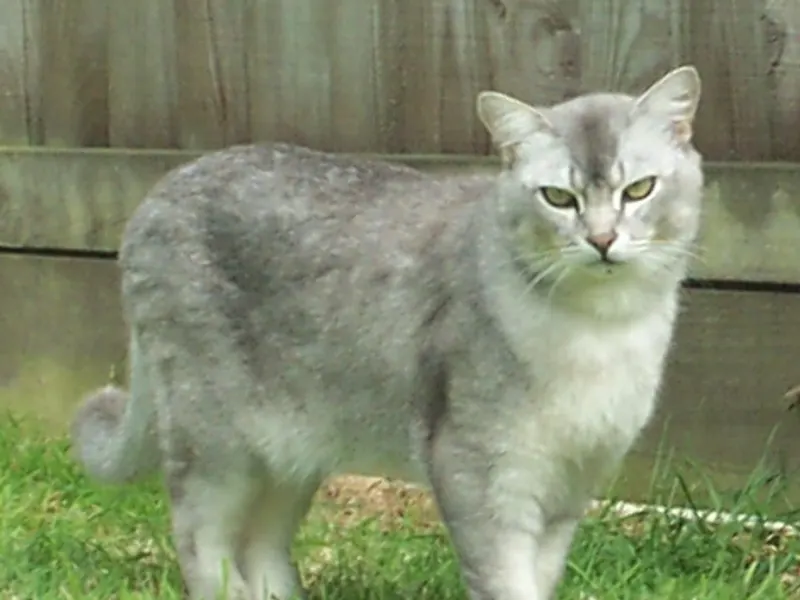
Burmilla
Semi-cobby
6–12 lbs · 10–15 yrs
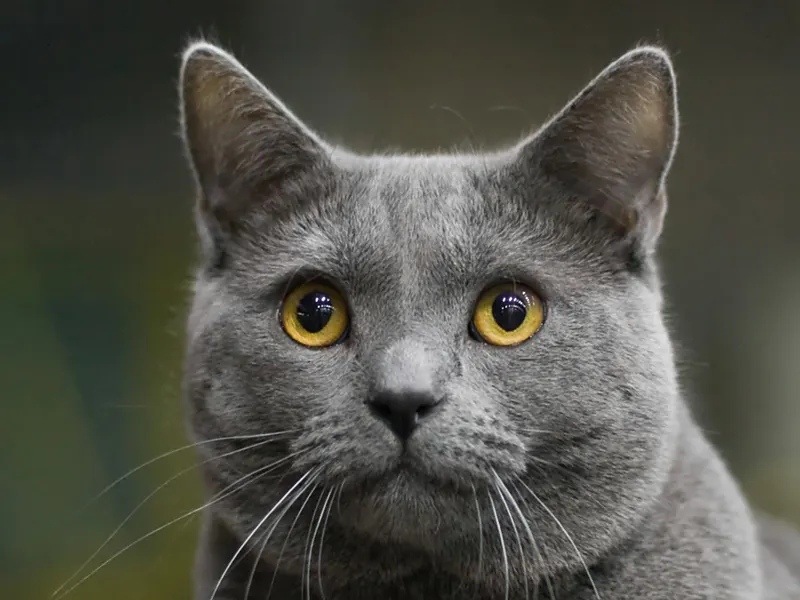
Chartreux
Semi-cobby
7–16 lbs · 12–15 yrs
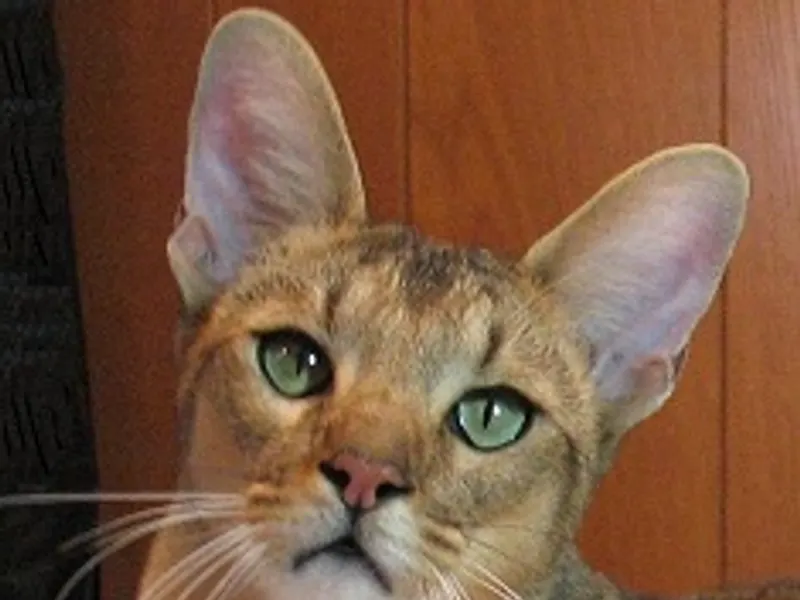
Chausie
Foreign
15–25 lbs · 12–15 yrs
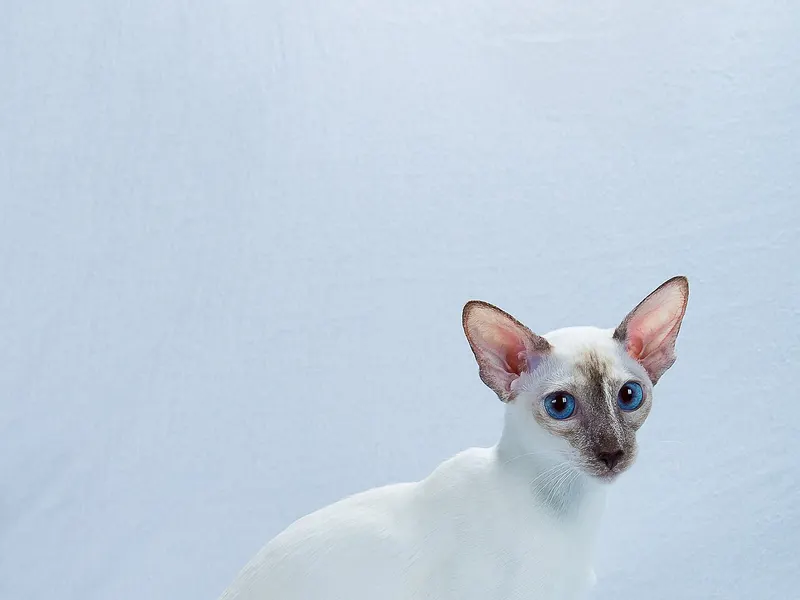
Colorpoint Shorthair
Oriental
6–10 lbs · 12–16 yrs
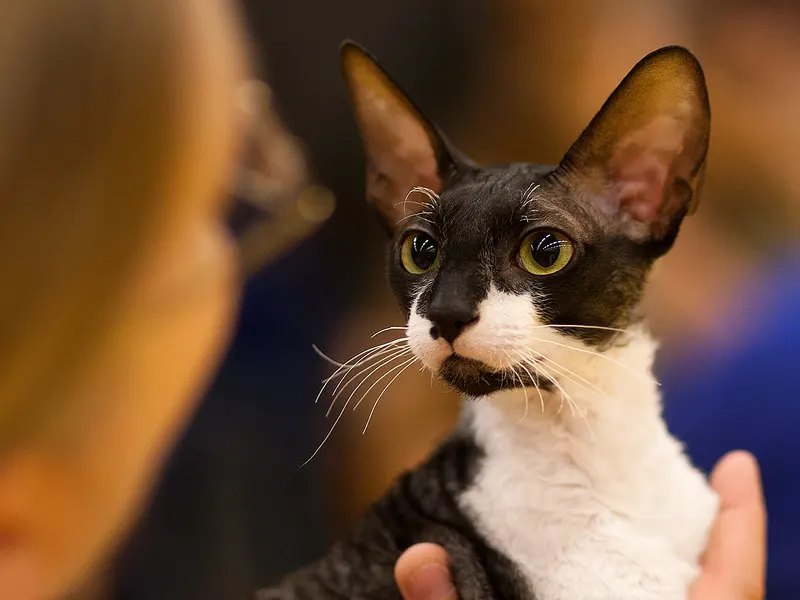
Cornish Rex
Rex
6–10 lbs · 11–15 yrs
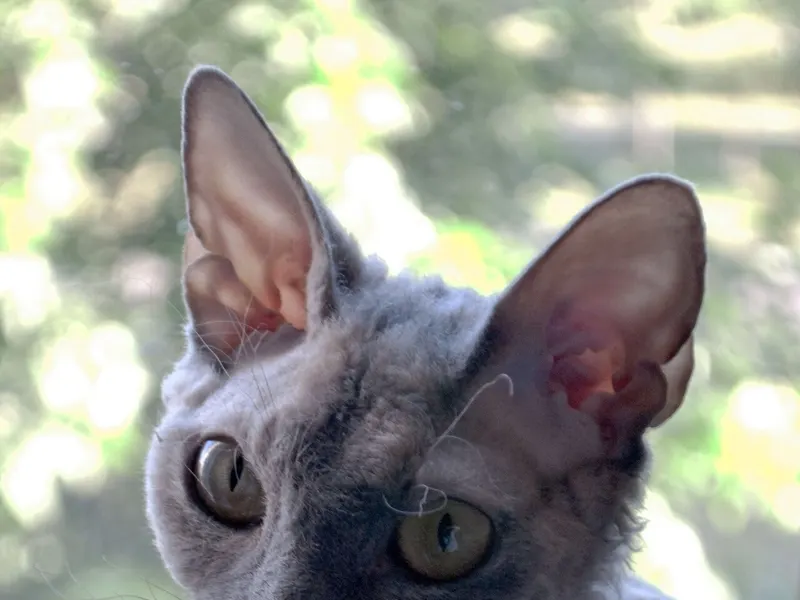
Devon Rex
Rex
6–9 lbs · 9–15 yrs
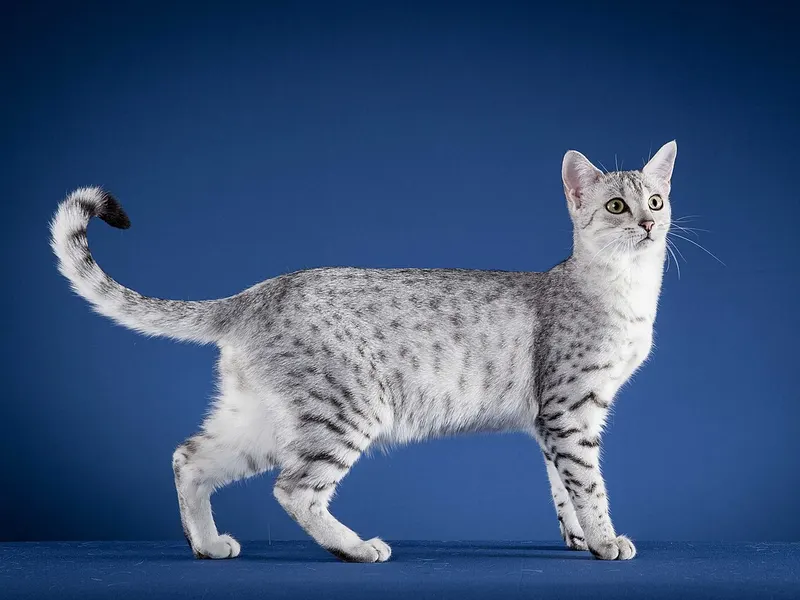
Egyptian Mau
Foreign
6–11 lbs · 12–15 yrs
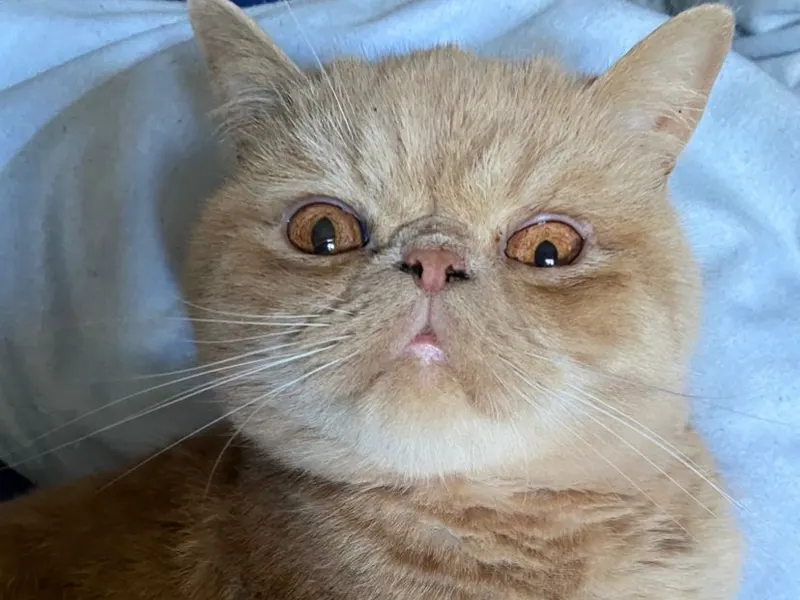
Exotic Shorthair
Cobby
7–14 lbs · 12–15 yrs
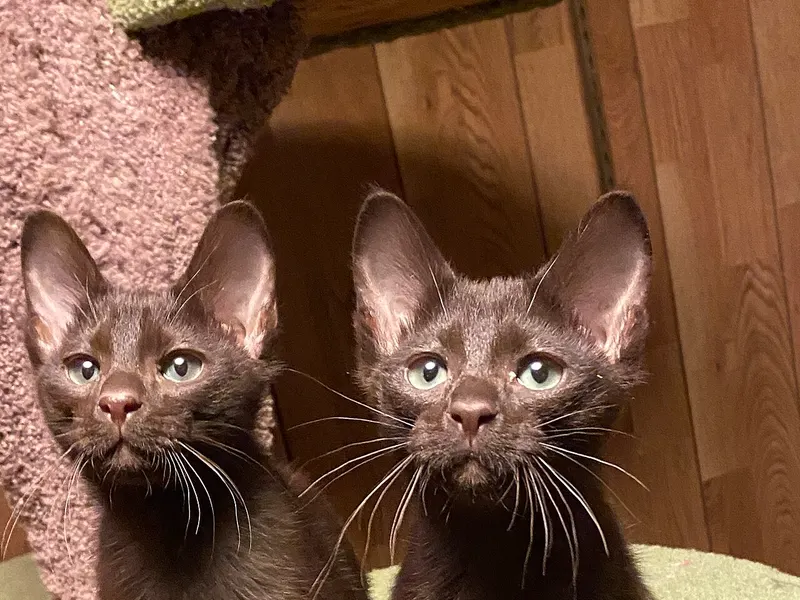
Havana Brown
Foreign
6–10 lbs · 9–15 yrs
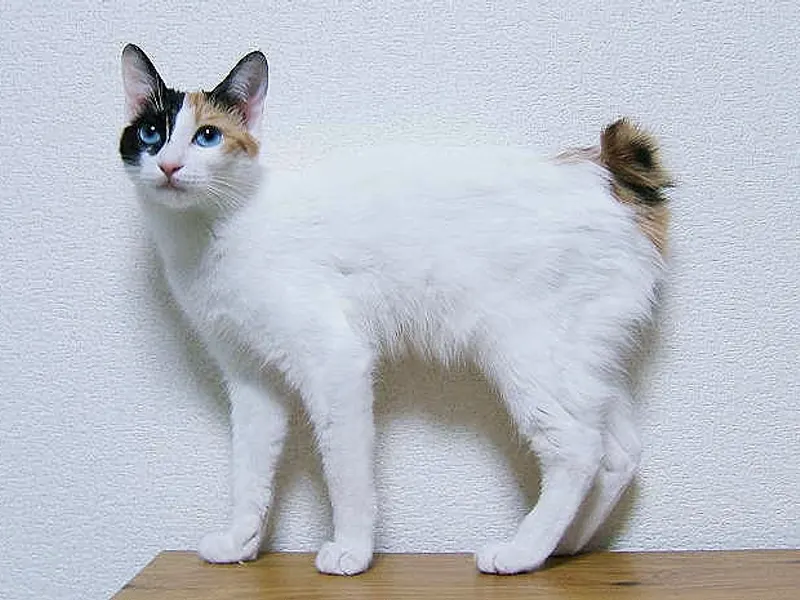
Japanese Bobtail
Semi-foreign
6–10 lbs · 12–16 yrs
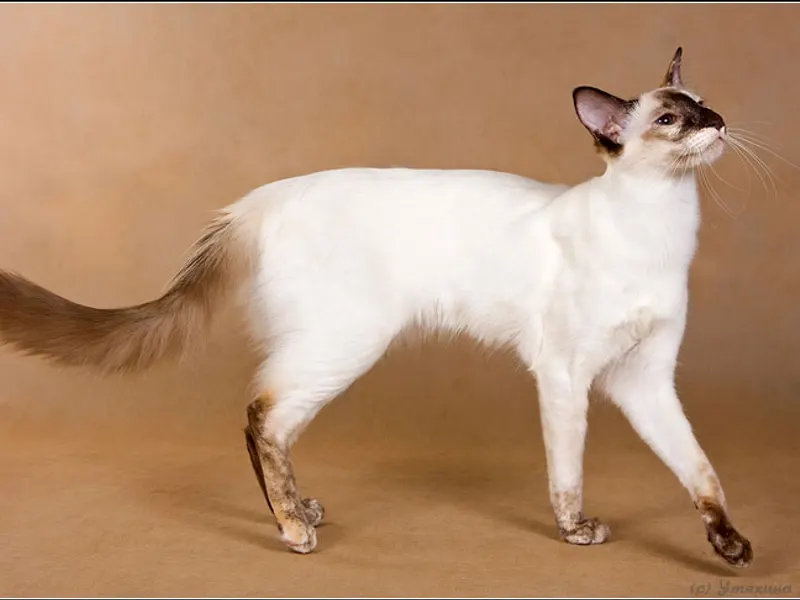
Javanese
Oriental
6–10 lbs · 12–18 yrs
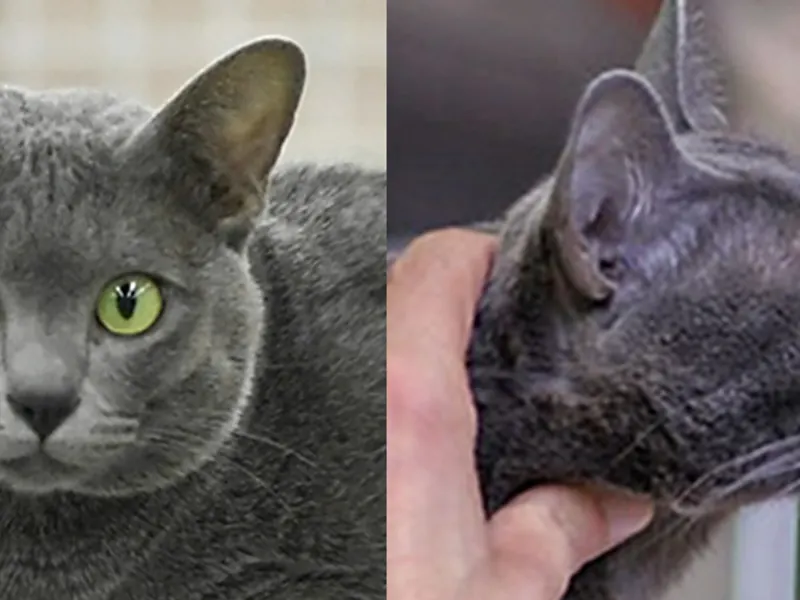
Korat
Foreign
6–10 lbs · 15–20 yrs
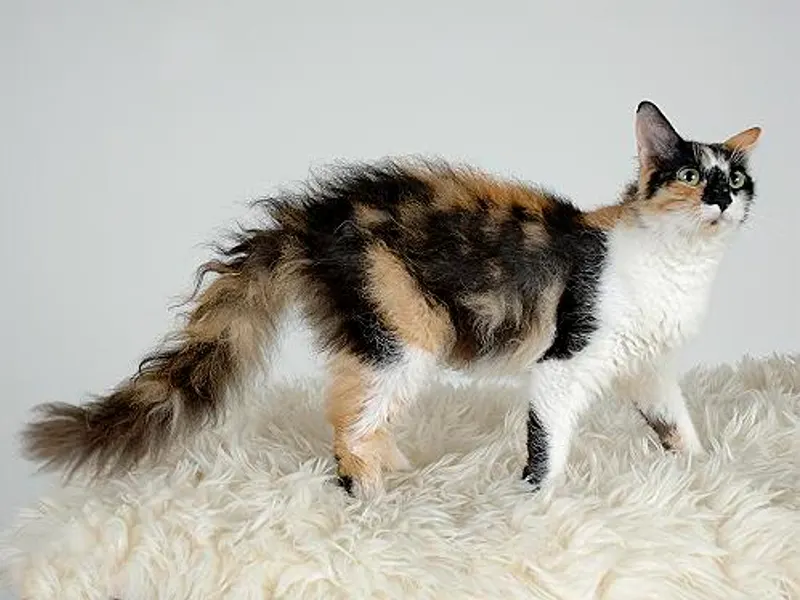
LaPerm
Semi-foreign
6–10 lbs · 10–15 yrs
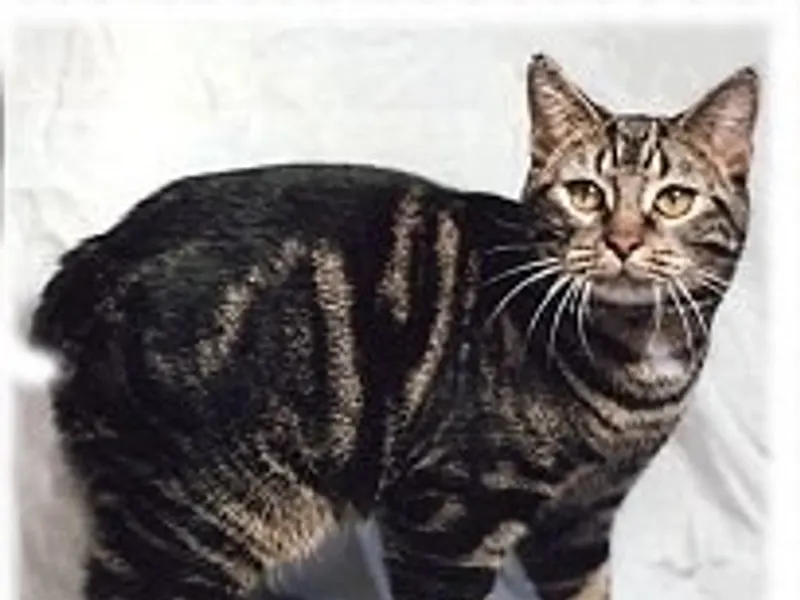
Manx
Cobby
8–12 lbs · 8–14 yrs
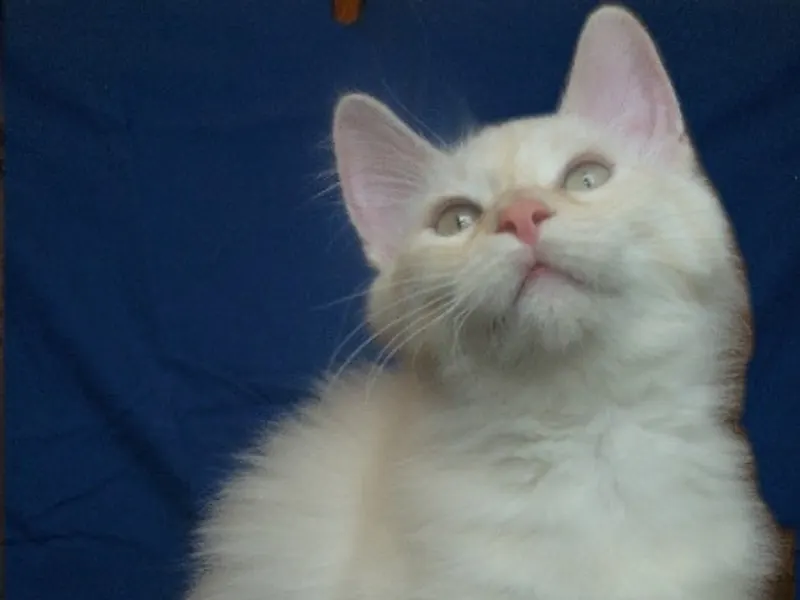
Munchkin
Semi-cobby
5–9 lbs · 12–15 yrs
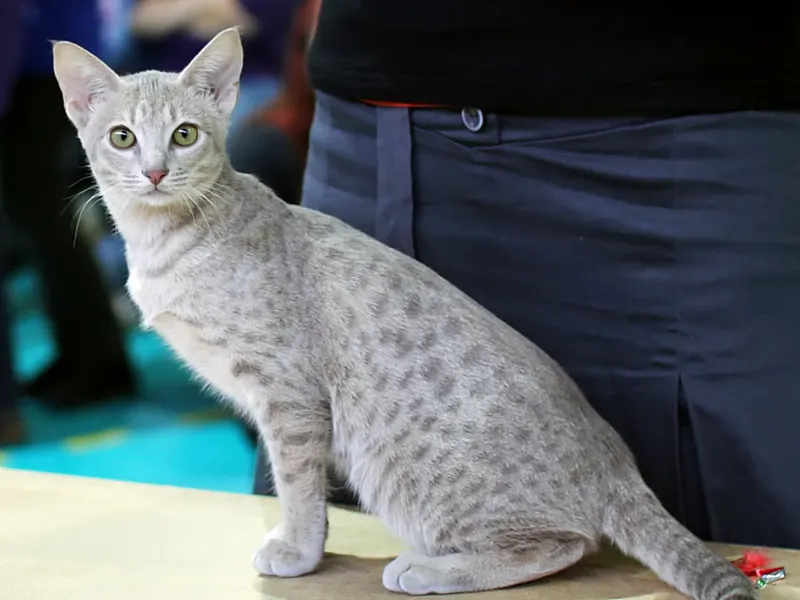
Ocicat
Foreign
6–15 lbs · 12–18 yrs
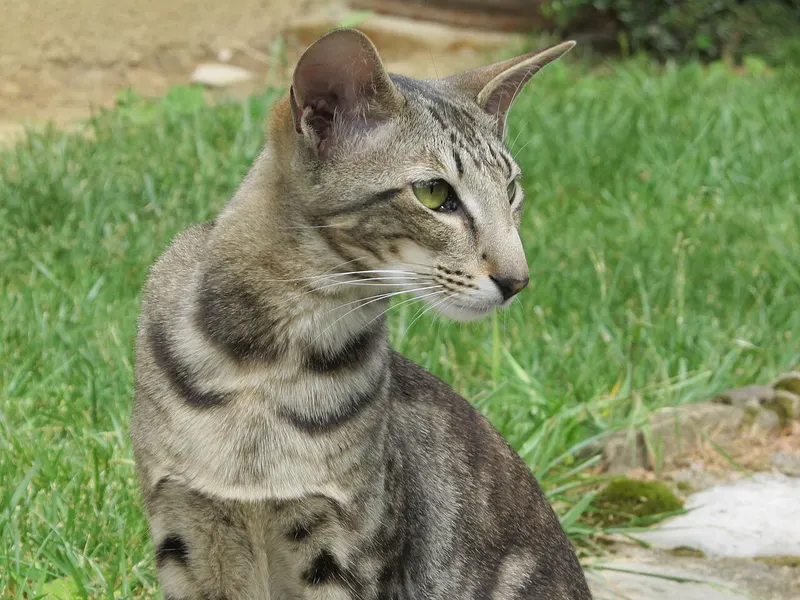
Oriental Shorthair
Oriental
6–10 lbs · 12–15 yrs
Oriental Longhair
Oriental
6–10 lbs · 12–15 yrs
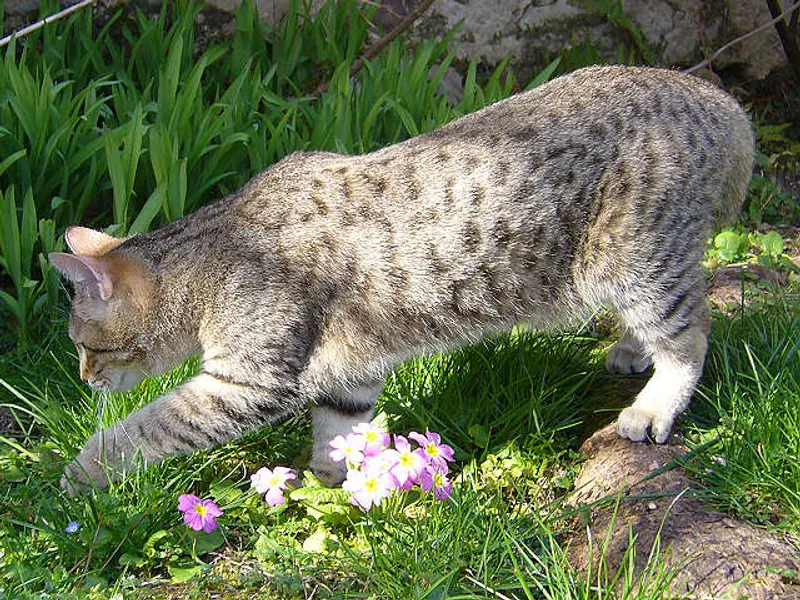
Pixie-bob
Semi-cobby
8–17 lbs · 13–16 yrs
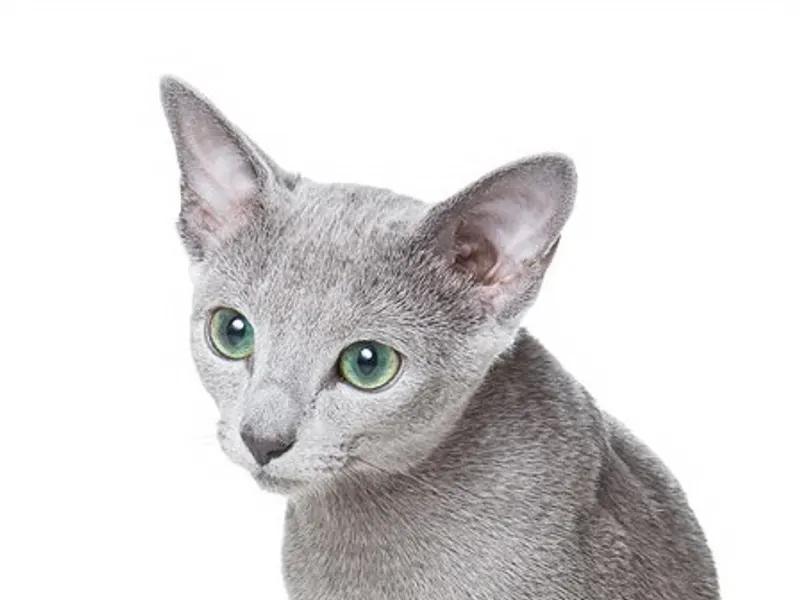
Russian Blue
Foreign
7–12 lbs · 15–20 yrs
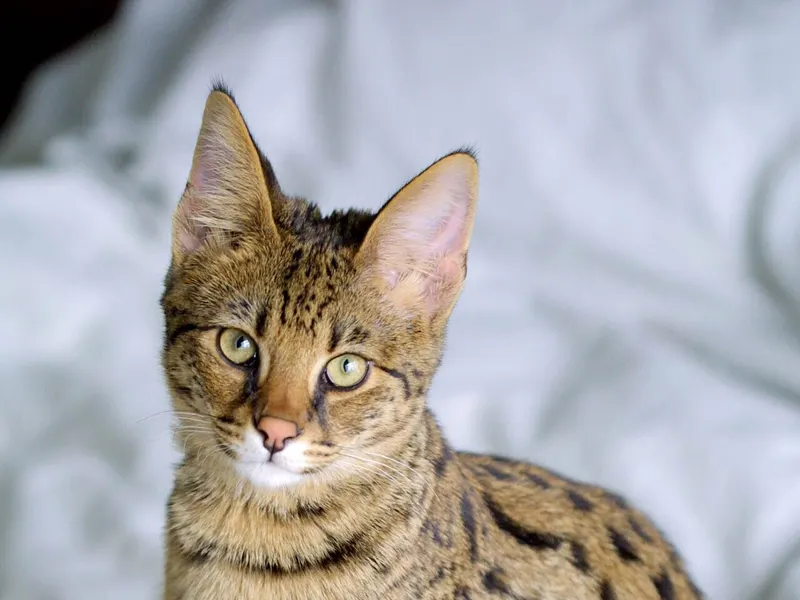
Savannah
Foreign
12–25 lbs · 12–20 yrs
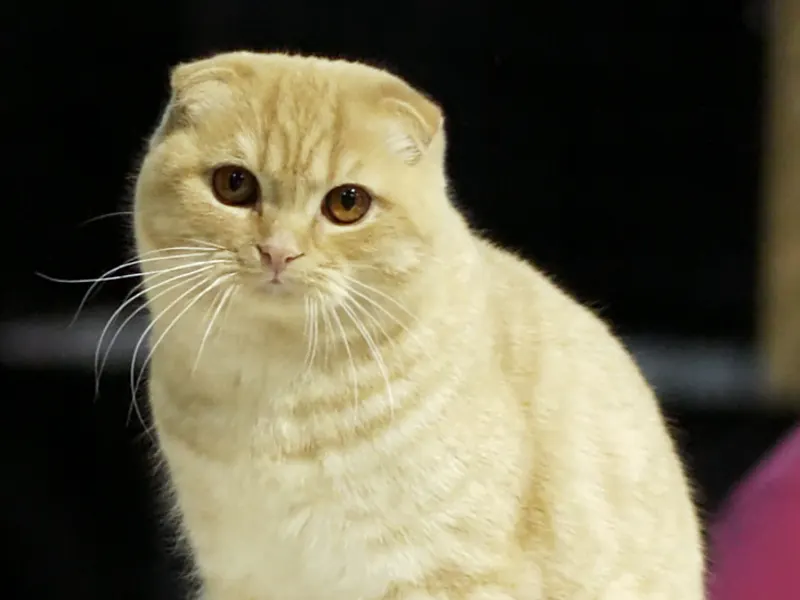
Scottish Fold
Semi-cobby
6–13 lbs · 11–15 yrs
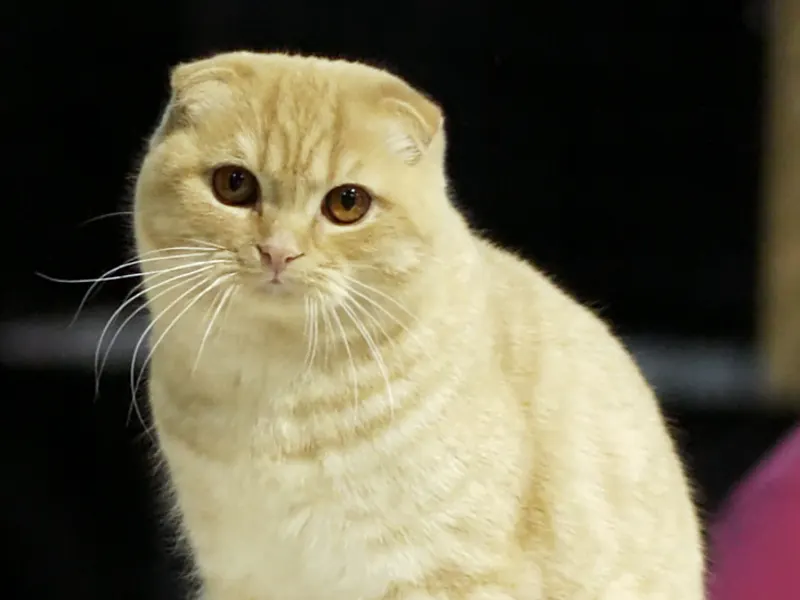
Scottish Straight
Semi-cobby
6–13 lbs · 11–15 yrs

Siamese
Oriental
6–14 lbs · 12–20 yrs
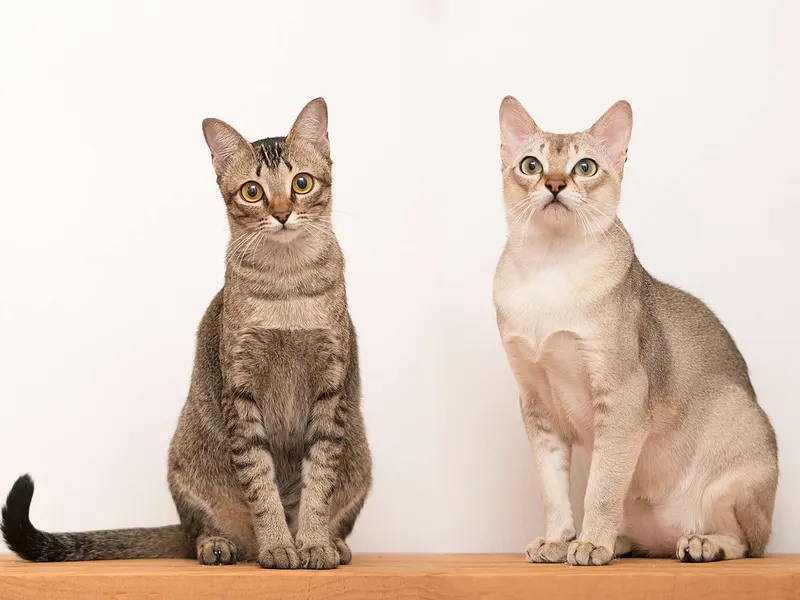
Singapura
Foreign
4–8 lbs · 12–16 yrs
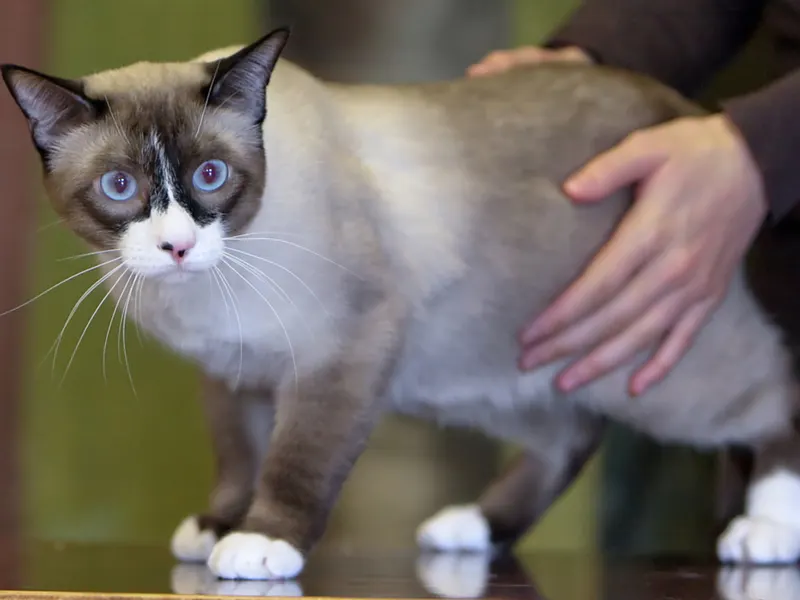
Snowshoe
Semi-cobby
7–12 lbs · 12–15 yrs
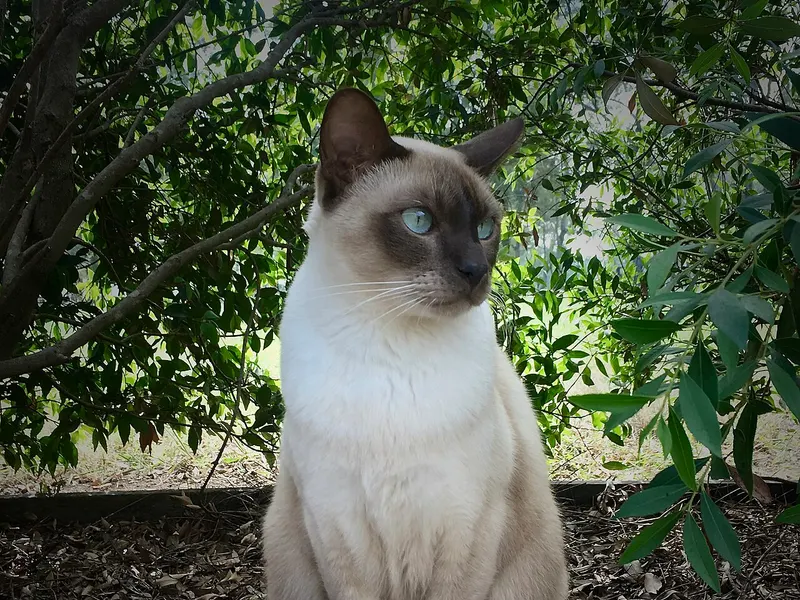
Tonkinese
Semi-foreign
6–12 lbs · 12–16 yrs
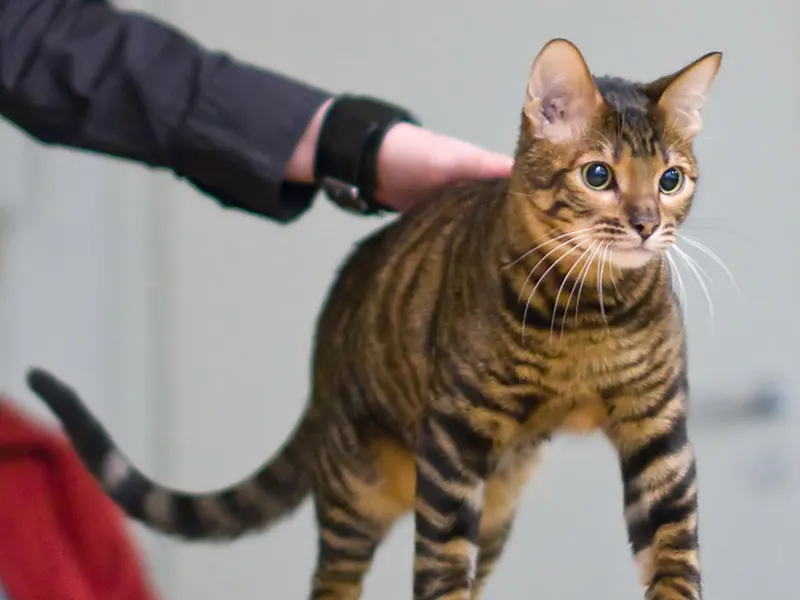
Toyger
Foreign
7–15 lbs · 12–15 yrs
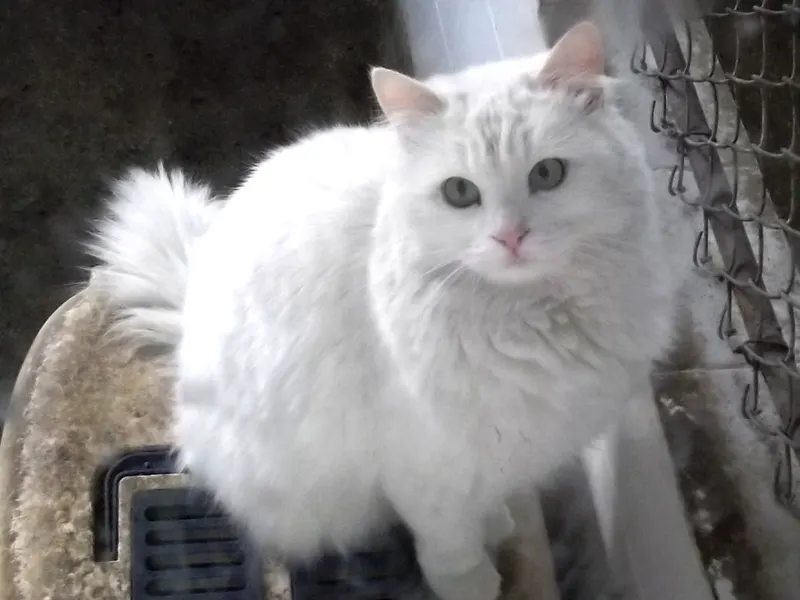
Turkish Angora
Semi-foreign
5–9 lbs · 12–18 yrs
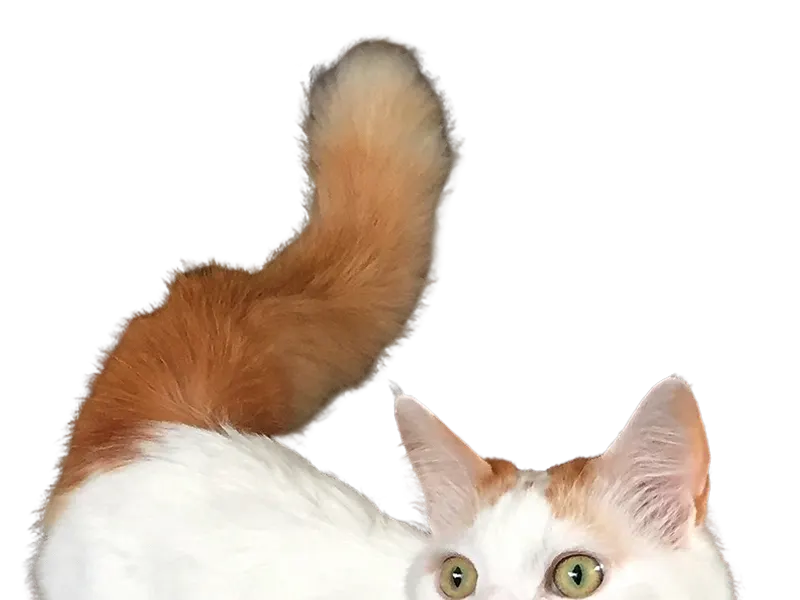
Turkish Van
Semi-foreign
7–19 lbs · 12–17 yrs
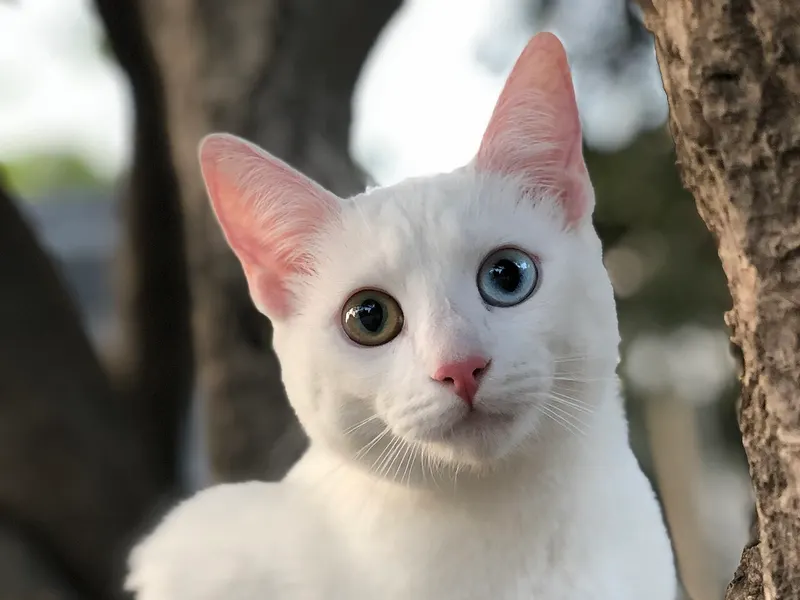
Khao Manee
Foreign
6–10 lbs · 10–15 yrs
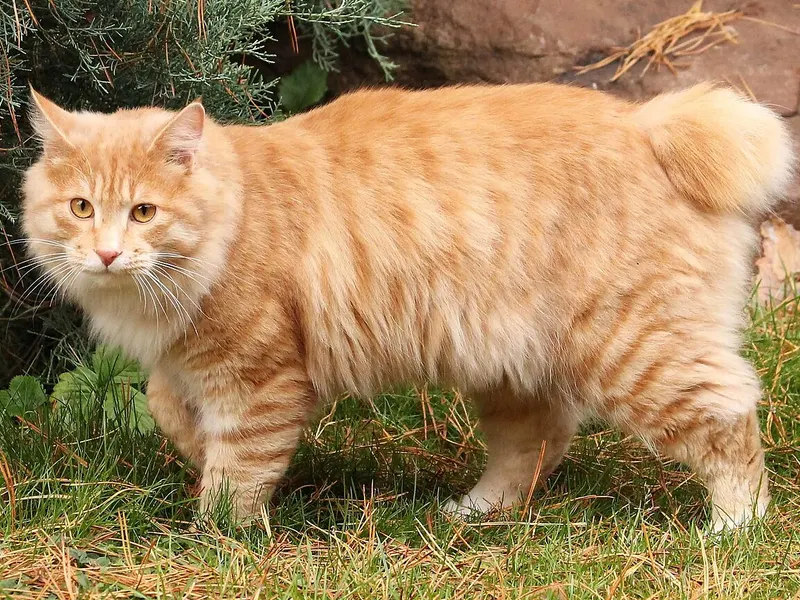
Kurilian Bobtail
Semi-cobby
7–15 lbs · 12–15 yrs
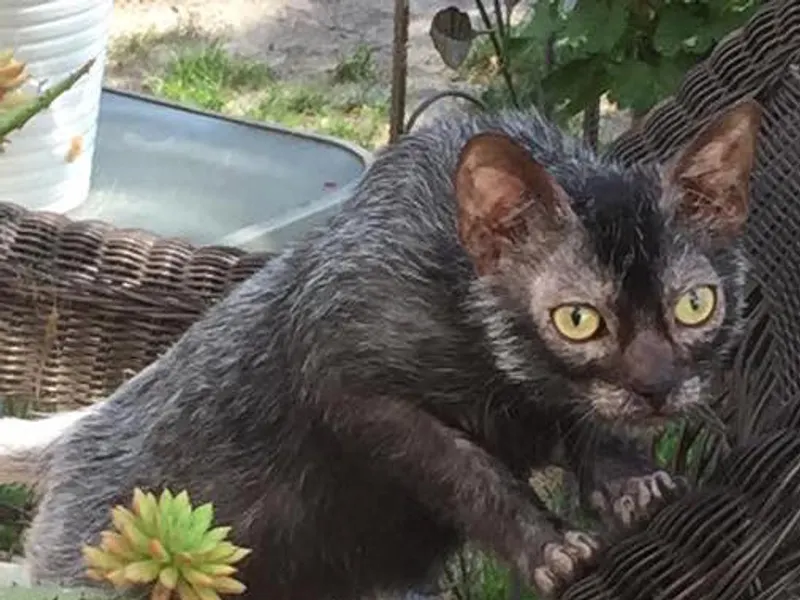
Lykoi
Rex
4–9 lbs · 12–15 yrs
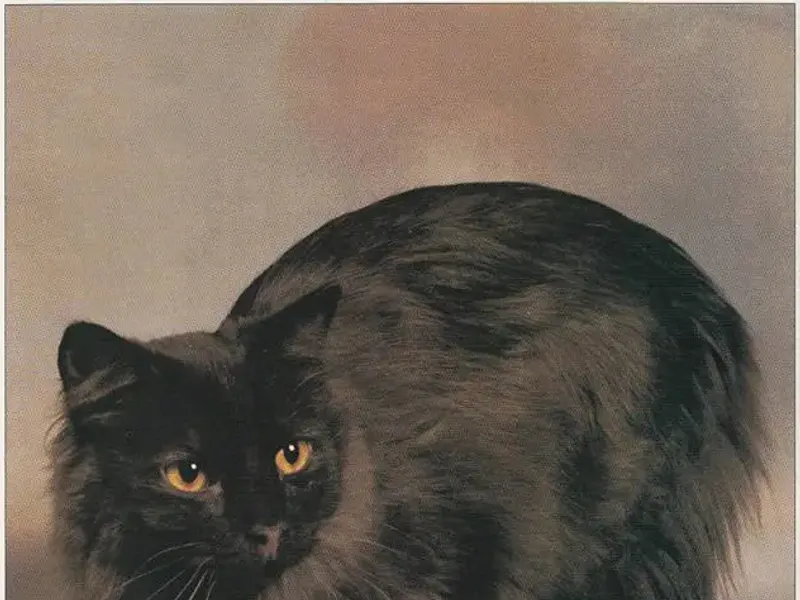
Chantilly-Tiffany
Semi-foreign
7–12 lbs · 12–16 yrs
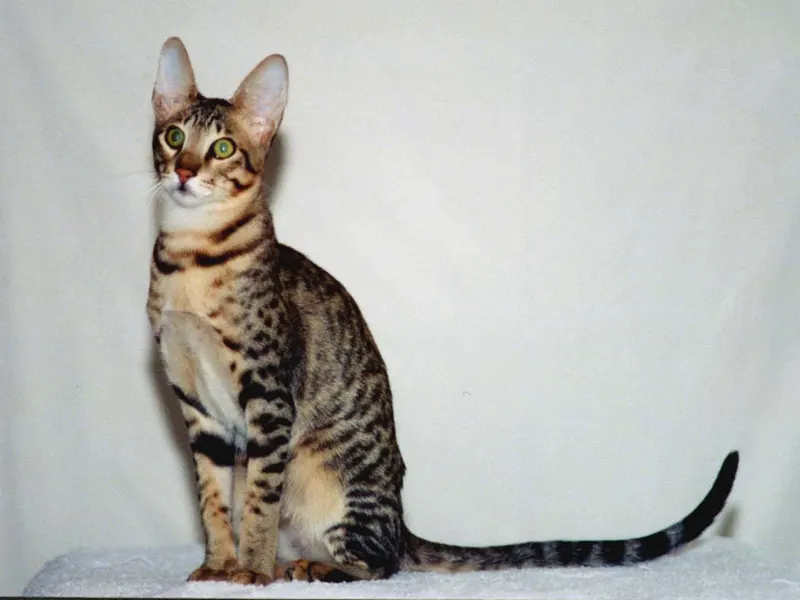
Serengeti
Foreign
8–15 lbs · 12–15 yrs
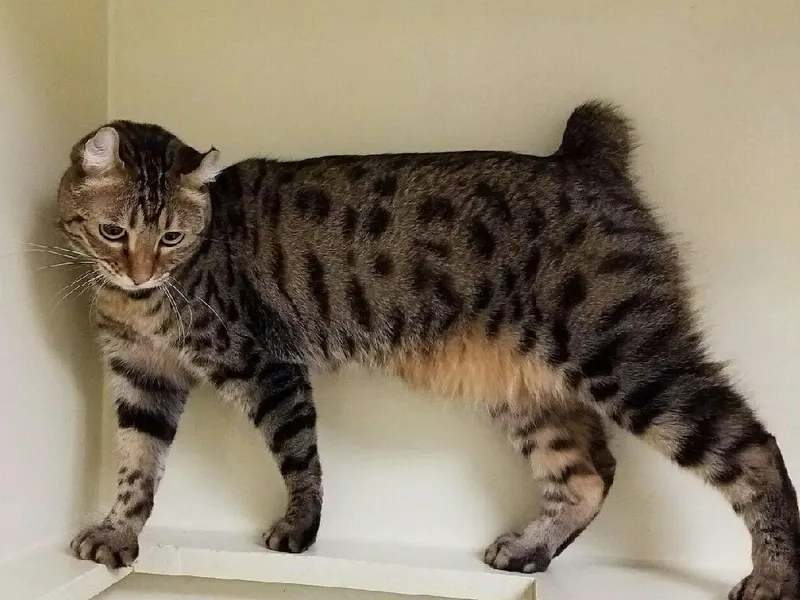
Highlander
Semi-cobby
10–20 lbs · 12–15 yrs