Medium Cat Breeds
48 breeds in this group.
Medium cat breeds — the broad middle of the domestic cat size range, roughly 8 to 12 pounds at maturity — make up the largest category on this site by breed count, which reflects a simple underlying reality: most cat breeds, regardless of their coat, body type, or geographic origin, land in a fairly narrow overall weight range compared to the dramatic size spread seen across dog breeds. A Chihuahua and a Great Dane can differ by a factor of thirty in adult weight; the difference between the smallest and largest commonly kept cat breeds is nowhere near that dramatic, which is part of why cat breed selection tends to hinge far more on temperament, coat, and body-type considerations — covered in depth on this site's dedicated body-type hubs — than on size the way dog breed selection often does. This medium bracket includes cats spanning nearly every body type discussed elsewhere on this site: the compact cobby Persian, British Shorthair, and Exotic Shorthair; the slender foreign-type Abyssinian, Russian Blue, and Bengal; the extreme oriental-type Siamese and Balinese; the semi-cobby Ragdoll, Birman, and Scottish Fold; and the moderate semi-foreign Turkish Van and Turkish Angora — all landing in a comparable overall weight range despite the real differences in silhouette, coat, and proportion documented on those body-type-specific pages. This is a useful reminder that "medium size" as a filter tells a prospective owner relatively little on its own compared with body type, coat length, and temperament, which vary far more meaningfully across this bracket than weight does. The Domestic Shorthair and Domestic Longhair — the catch-all classification for mixed-ancestry cats rather than a deliberately bred pedigree line — make up the numerical majority of pet cats in North America and land comfortably in this medium bracket, a useful reminder that the vast majority of cats people actually live with fall into this size range regardless of whether they're a recognized pedigreed breed or a shelter cat of unknown ancestry, and that weight within this bracket is influenced as much by individual genetics, spay/neuter status, and diet as by breed identity. Breeds developed for a working or practical history rather than a deliberate extreme show type — the American Shorthair, Chartreux, Korat, Egyptian Mau — tend to sit toward the middle of this bracket with builds generally considered more naturally proportioned and, in some veterinary literature, associated with fewer of the structural health concerns documented in the most extreme cobby or oriental show breeds. Because weight variation within this bracket is comparatively modest, the practical differences that matter most for day-to-day ownership within this size range are almost entirely about coat care and temperament rather than about handling size, feeding volume, or space requirements the way large breed-size differences matter more in the dog world. A medium-sized longhaired breed like the Himalayan or Balinese demands considerably more grooming time than a medium-sized shorthaired breed like the American Shorthair or Russian Blue despite both landing in essentially the same weight class, and a highly vocal, attention-demanding breed like the Siamese or Oriental Shorthair requires a genuinely different household commitment than an equally medium-sized but far more independent and quiet breed like the Chartreux or British Shorthair, even though neither difference has anything to do with size at all. Prospective owners drawn to this size bracket specifically — as opposed to browsing the smaller or larger categories on this site — are best served treating "medium" less as a meaningful filter and more as confirmation that size isn't the differentiating factor for their search, then moving directly to this site's body-type, coat, and temperament resources to find the breed that actually matches what they're looking for, since nearly every recognizable domestic cat breed in the world, purebred or otherwise, will land somewhere in this bracket regardless of how different those breeds are from one another in every other meaningful respect. Because size varies so little across this bracket relative to coat and temperament, it's worth offering a more useful framework for narrowing a search within it than weight alone provides. Consider activity level first: some medium breeds, like the Abyssinian and Bengal, are notably high-energy and benefit from active play, climbing structures, and puzzle feeders, while others, like the Chartreux and British Shorthair, are famously placid and content with much less structured stimulation. Consider vocal tendency next, since the difference between a quiet breed like the Russian Blue and a highly vocal one like the Siamese matters enormously for a household's daily experience despite both landing in an identical weight range. Finally, consider independence versus attachment: some medium breeds bond intensely with one or two specific people and struggle with long alone time (Siamese, Balinese), while others adapt more readily to a household's varying schedule and multiple caretakers (American Shorthair, British Shorthair). Multi-cat and multi-pet household suitability also varies meaningfully within this bracket independent of size. Breeds developed with a working farm-cat history — American Shorthair, Chartreux — generally integrate well into multi-pet homes given generations of ancestors that lived alongside other animals as a practical matter rather than as a deliberately selected temperament trait. The more intensely people-focused breeds, particularly the Siamese and its close relatives, can sometimes show more possessiveness or jealousy toward other pets competing for owner attention, a consideration worth discussing with a breeder if a new cat is joining an existing multi-pet household. Cost of ownership across this bracket runs fairly consistently regardless of the specific breed chosen, given how little size varies, though coat-related grooming costs (professional grooming for the longhaired medium breeds like the Himalayan and Balinese) and any breed-specific veterinary screening (cardiac exams for breeds with documented heart-condition risk, for instance) can meaningfully affect the total cost of ownership even when food and litter costs stay roughly comparable across the whole bracket. Because this bracket includes the vast majority of both pedigreed breeds and Domestic Shorthairs and Longhairs, it also represents the size range where adoption from a shelter or rescue is most likely to yield a close match to nearly any specific temperament or coat preference a prospective owner has in mind, simply given the sheer volume and variety of medium-sized cats moving through shelter systems relative to the comparatively rarer small and large breed categories. Because nearly every recognizable cat breed lands in this bracket, prospective owners are also well served checking a specific breed's country-of-origin history and cultural context, much of it detailed across this site's dedicated body-type hubs, since that history — working farm cat, temple companion, deliberate twentieth-century cross — often predicts day-to-day temperament and care needs more reliably within this bracket than weight, coat, or even breed name alone. Breed popularity rankings published annually by CFA and TICA draw almost entirely from this medium bracket given how many recognized breeds land within it, and browsing those published rankings alongside this site's dedicated body-type and temperament resources offers a genuinely useful cross-check for narrowing a search within such a large, otherwise undifferentiated size category. Because size varies so little within this bracket, some breeders and veterinarians instead track body condition score, a standardized assessment of a cat's fat coverage and muscle relative to its own frame, as a more meaningful individual health metric than raw weight alone, especially useful across a bracket this broad in breed variety. A body condition score assessed consistently at each veterinary visit also gives an owner a genuinely useful early signal of weight trending in the wrong direction well before it becomes visually obvious, since gradual weight change in a cat can be surprisingly easy to miss day to day. This kind of consistent tracking matters across every breed in this bracket regardless of coat length, temperament, or country of origin, since the underlying health principle — maintaining an appropriate body condition relative to that individual cat's own frame — applies uniformly even though almost nothing else about this enormously varied medium-size bracket does. Because size varies so little within this bracket, the practical research task for anyone using it as a starting filter is really to move quickly past size and into the body-type, coat, and temperament resources detailed elsewhere on this site, treating the medium-size classification mainly as confirmation that a chosen breed won't present the specific space, cost, or handling considerations documented on the small and large size hubs rather than as a meaningfully differentiating trait on its own. Because this bracket includes both centuries-old landrace breeds and recently developed twentieth-century crosses side by side, it also offers one of the more interesting comparative windows into how differently cat breeds have come into existence across history, and browsing this bracket alongside the body-type hubs elsewhere on this site rewards a reader specifically curious about that broader pattern of breed development across the fancy as a whole. Because the sheer number of recognized breeds landing in this bracket can make a first search feel overwhelming, starting from a specific desired temperament or coat preference and working backward toward matching breeds, rather than starting from the full alphabetical breed list, tends to produce a more manageable and genuinely useful shortlist for most first-time pedigreed-cat buyers. Because this bracket draws from such a wide range of breed histories, a prospective owner curious about a specific breed's original working or companion role is generally well served consulting that breed's dedicated body-type page on this site directly for the fuller history behind it.
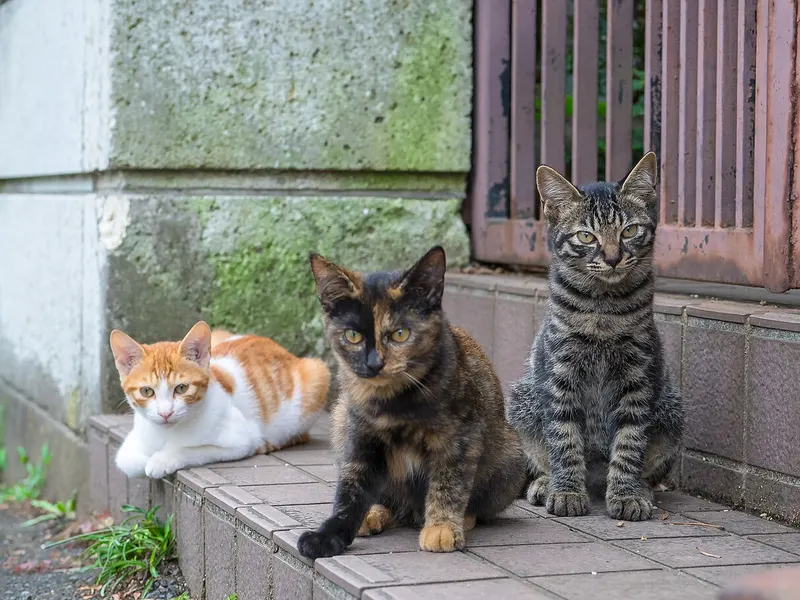
Domestic Shorthair
Semi-foreign
8–12 lbs · 12–18 yrs
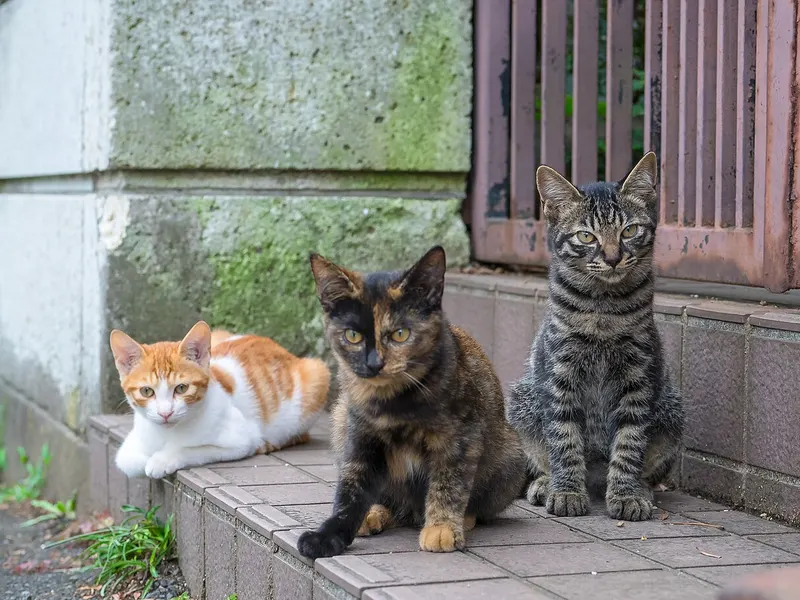
Domestic Longhair
Semi-foreign
8–15 lbs · 12–18 yrs
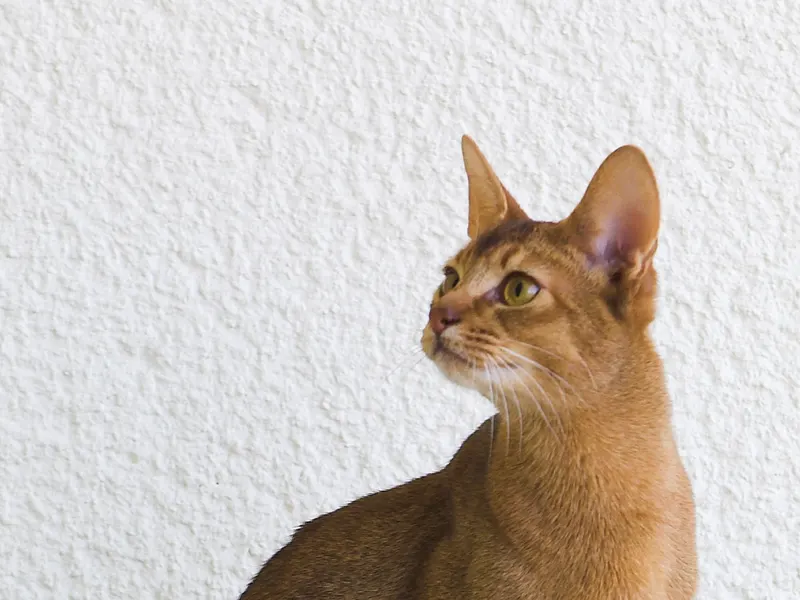
Abyssinian
Foreign
6–10 lbs · 9–15 yrs
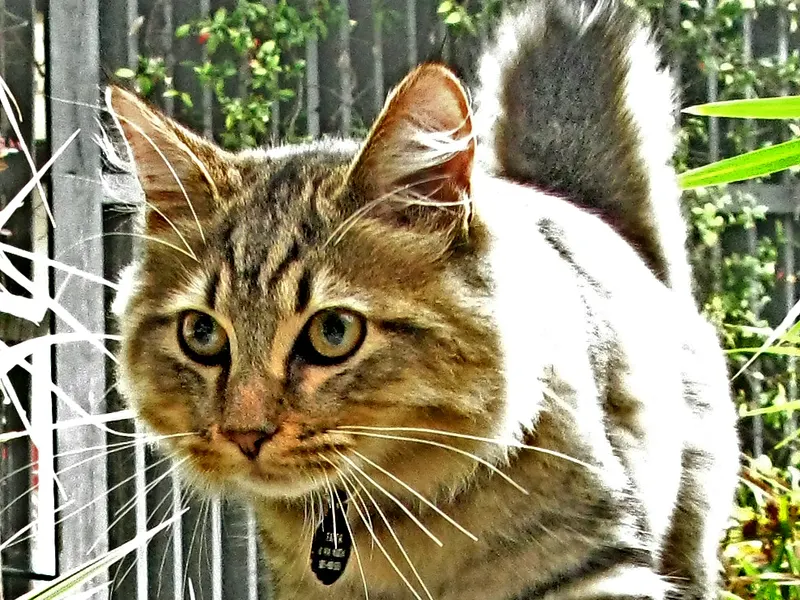
American Bobtail
Semi-cobby
7–16 lbs · 11–15 yrs
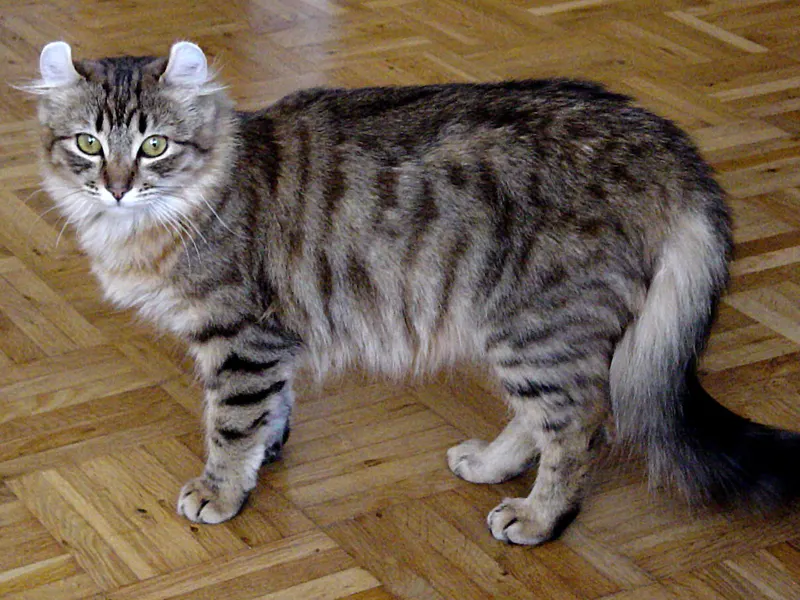
American Curl
Semi-foreign
5–10 lbs · 12–16 yrs
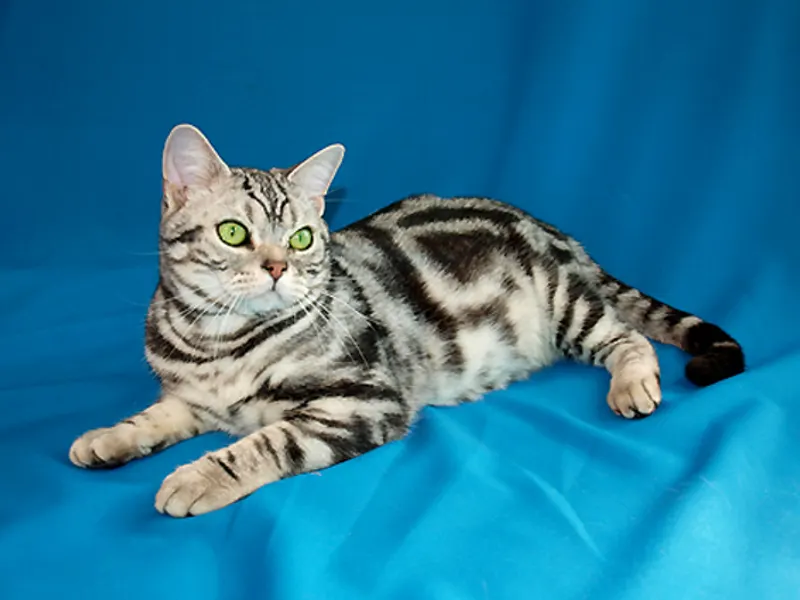
American Shorthair
Cobby
8–15 lbs · 15–20 yrs
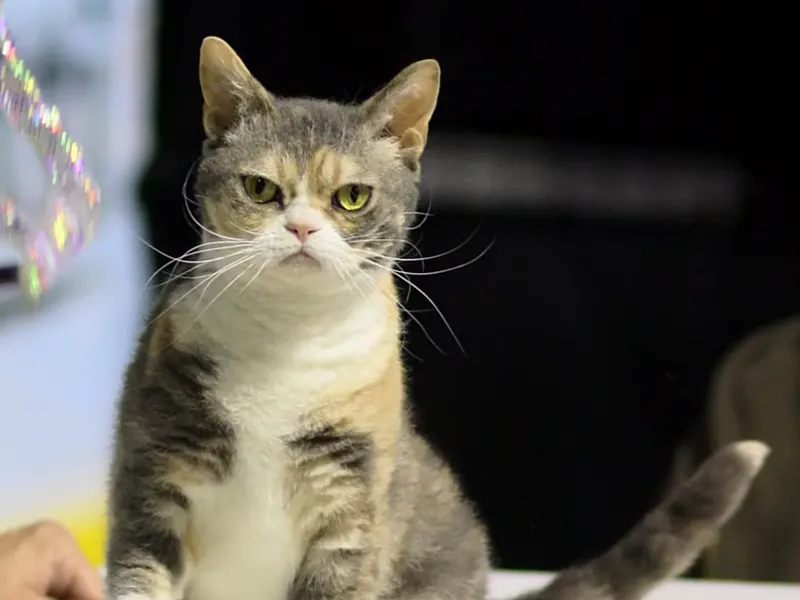
American Wirehair
Cobby
8–15 lbs · 14–18 yrs
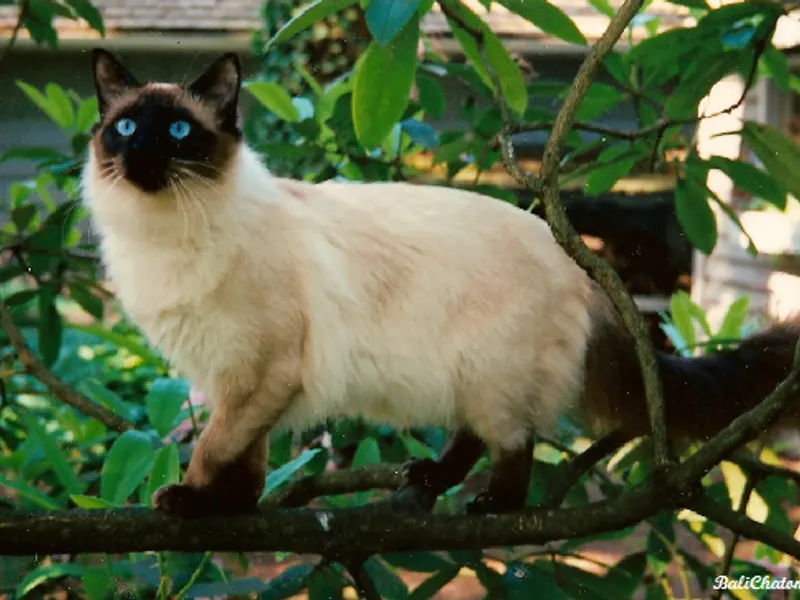
Balinese
Oriental
6–10 lbs · 12–18 yrs
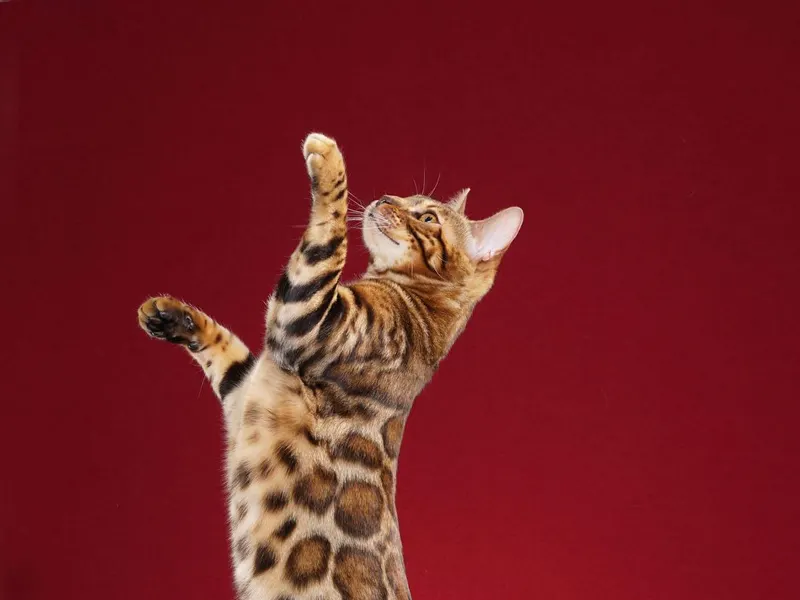
Bengal
Foreign
8–15 lbs · 12–16 yrs
Birman
Semi-cobby
8–12 lbs · 12–16 yrs
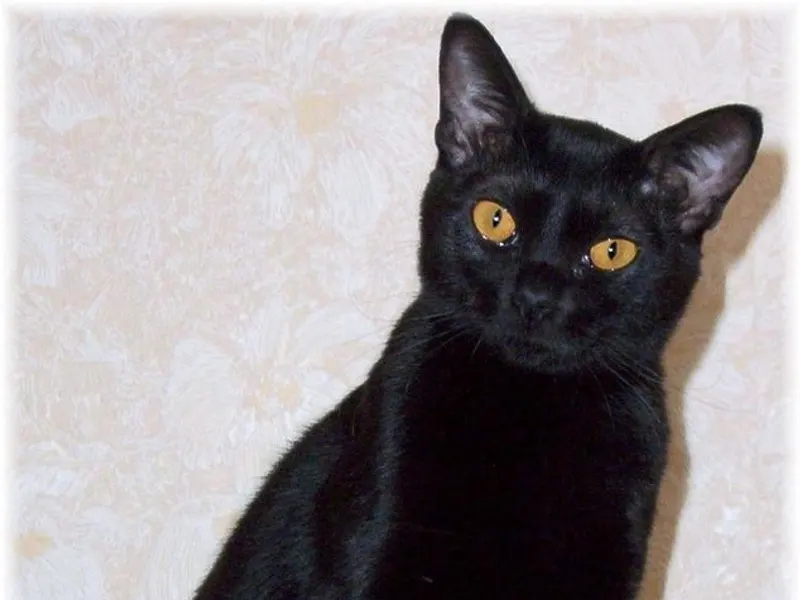
Bombay
Semi-cobby
6–11 lbs · 12–16 yrs
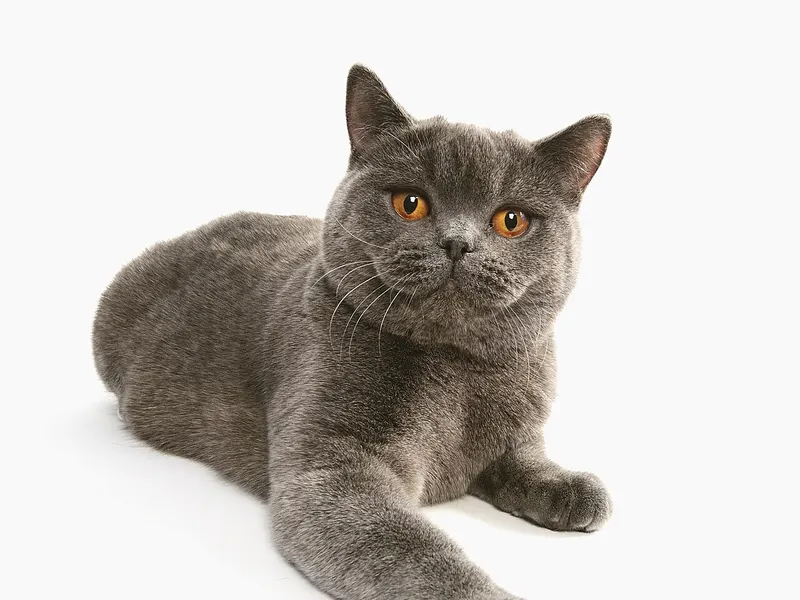
British Shorthair
Cobby
9–18 lbs · 12–17 yrs
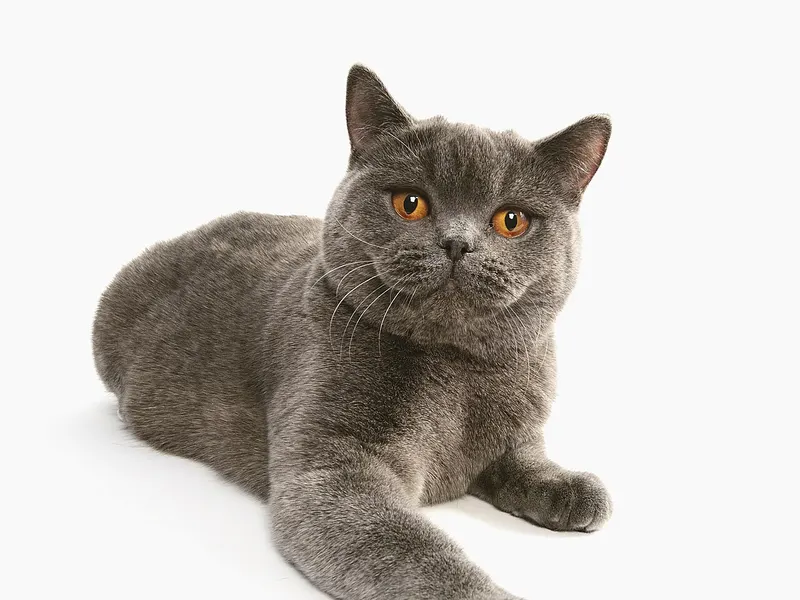
British Longhair
Cobby
9–17 lbs · 12–17 yrs
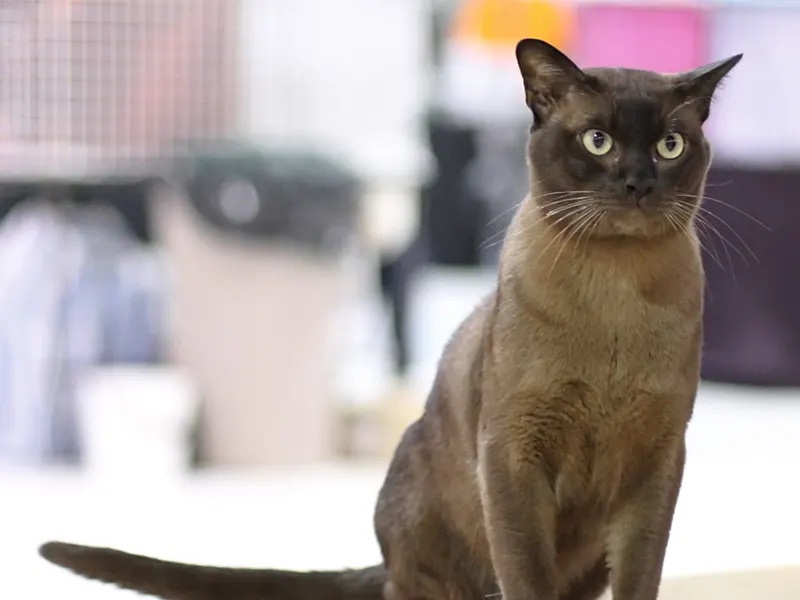
Burmese
Cobby
6–12 lbs · 10–16 yrs
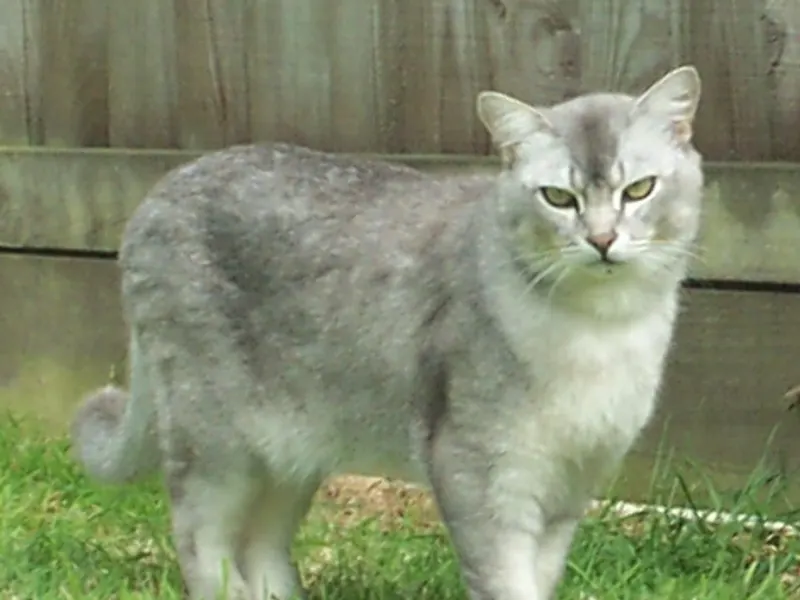
Burmilla
Semi-cobby
6–12 lbs · 10–15 yrs
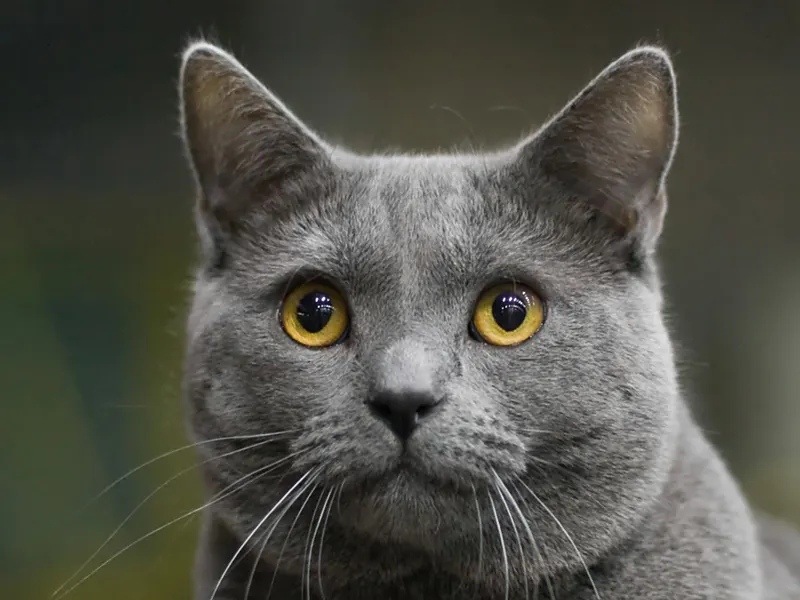
Chartreux
Semi-cobby
7–16 lbs · 12–15 yrs
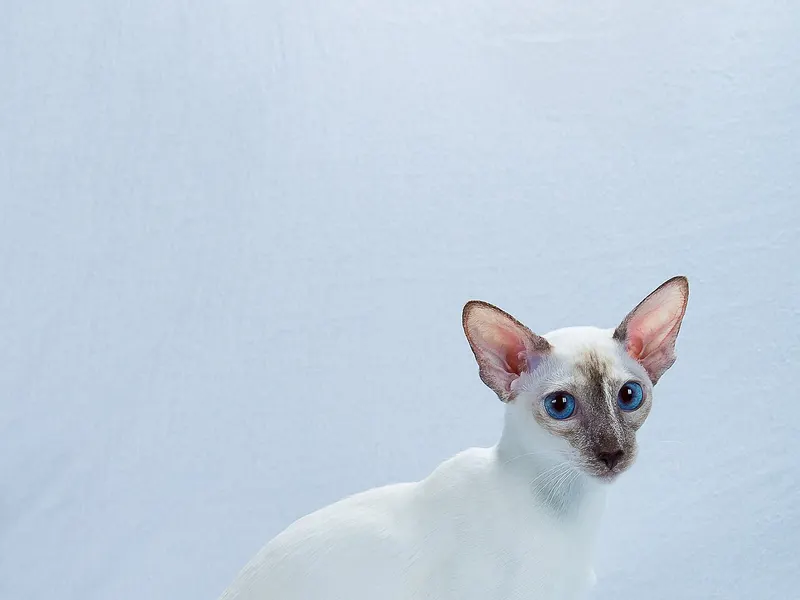
Colorpoint Shorthair
Oriental
6–10 lbs · 12–16 yrs
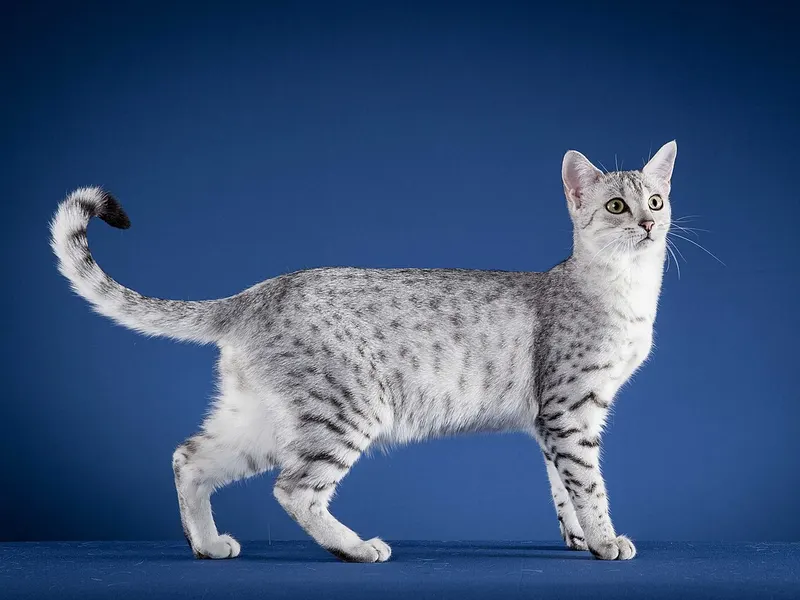
Egyptian Mau
Foreign
6–11 lbs · 12–15 yrs

Exotic Shorthair
Cobby
7–14 lbs · 12–15 yrs
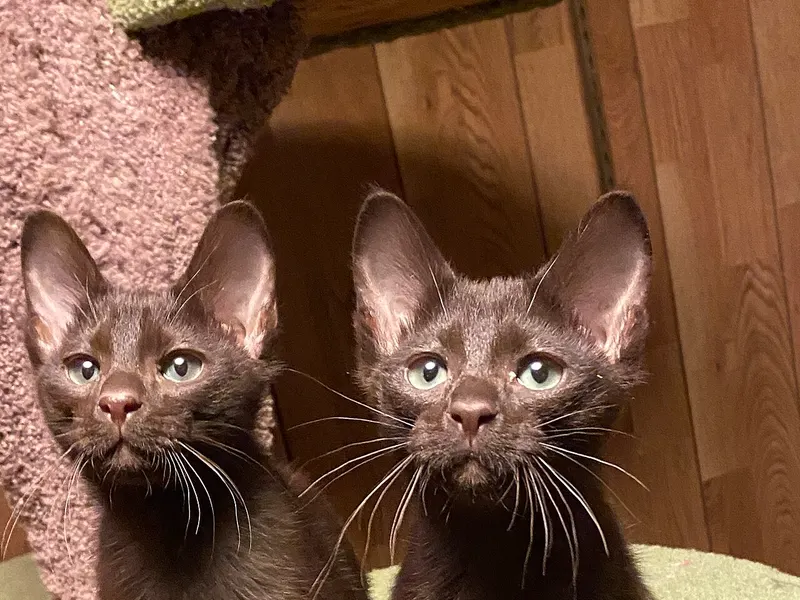
Havana Brown
Foreign
6–10 lbs · 9–15 yrs
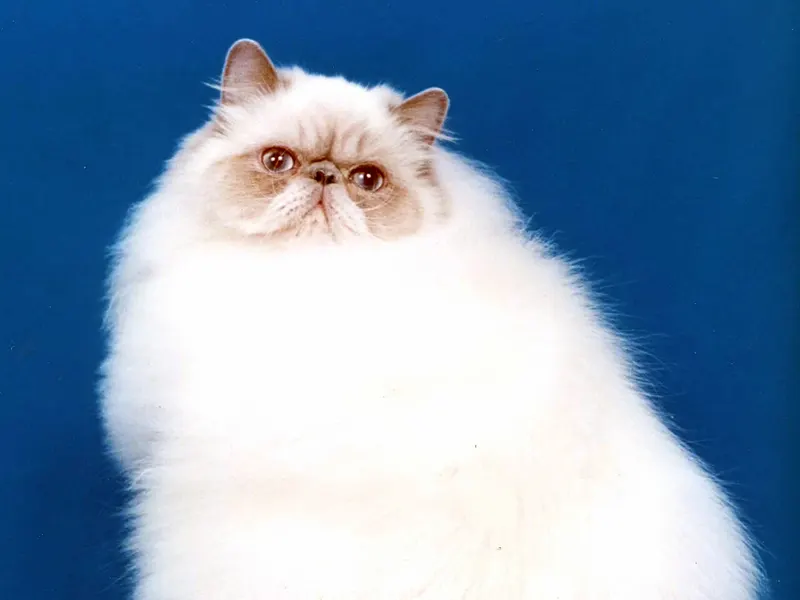
Himalayan
Cobby
7–12 lbs · 9–15 yrs
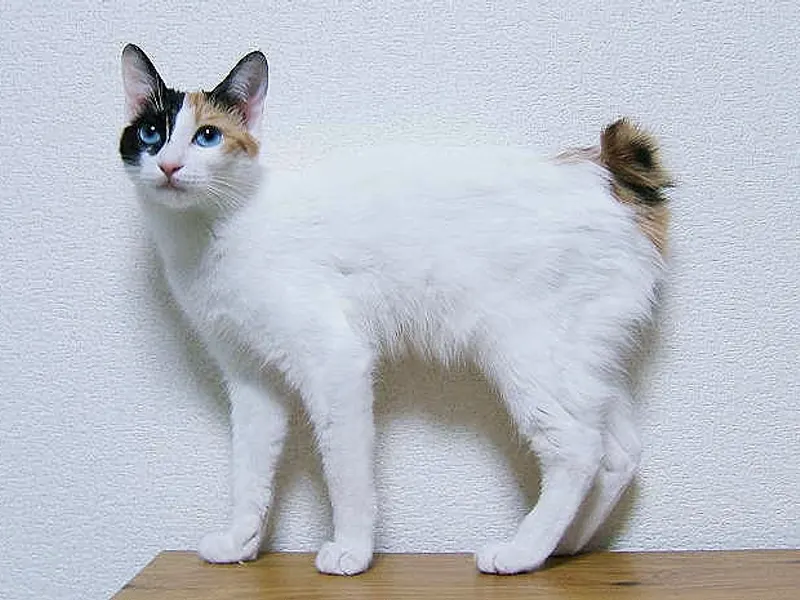
Japanese Bobtail
Semi-foreign
6–10 lbs · 12–16 yrs
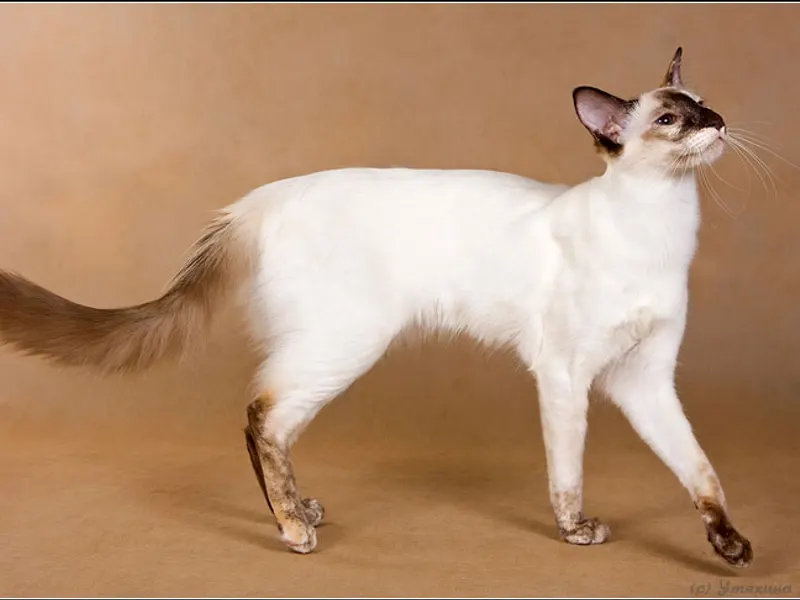
Javanese
Oriental
6–10 lbs · 12–18 yrs
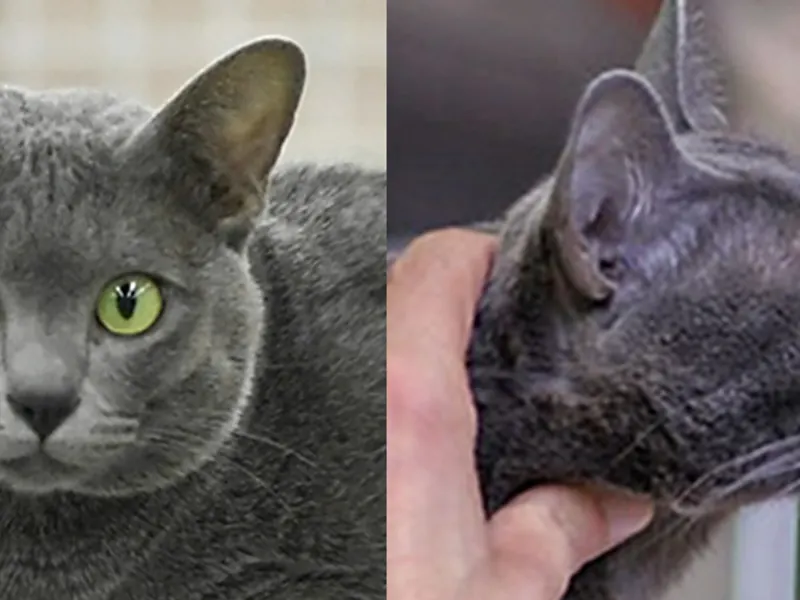
Korat
Foreign
6–10 lbs · 15–20 yrs
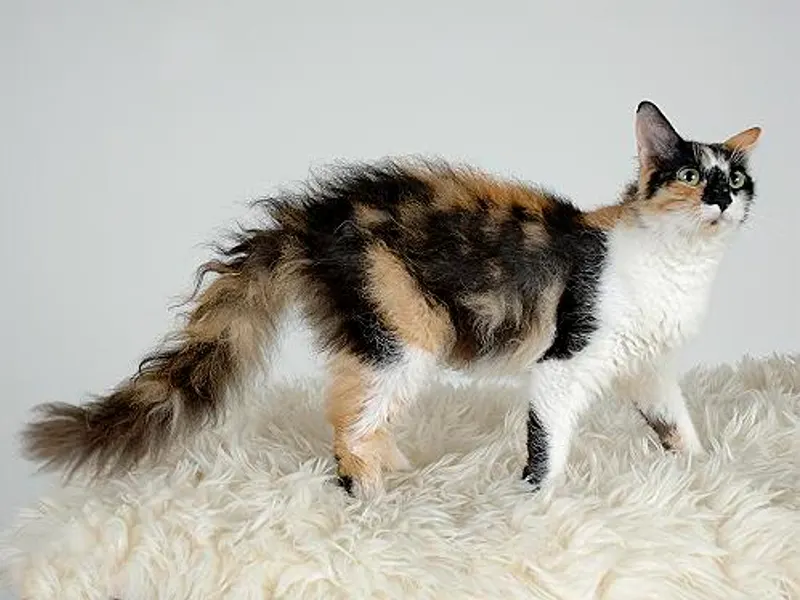
LaPerm
Semi-foreign
6–10 lbs · 10–15 yrs
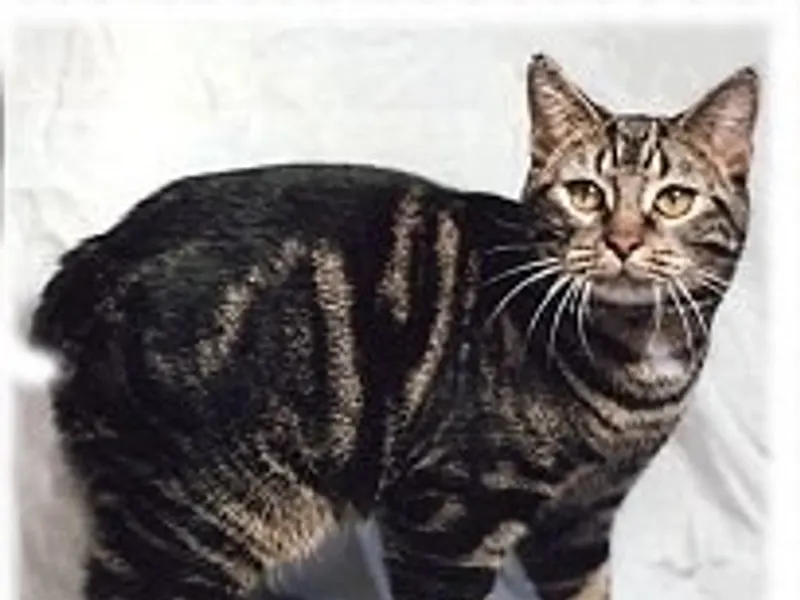
Manx
Cobby
8–12 lbs · 8–14 yrs

Nebelung
Foreign
7–11 lbs · 15–18 yrs
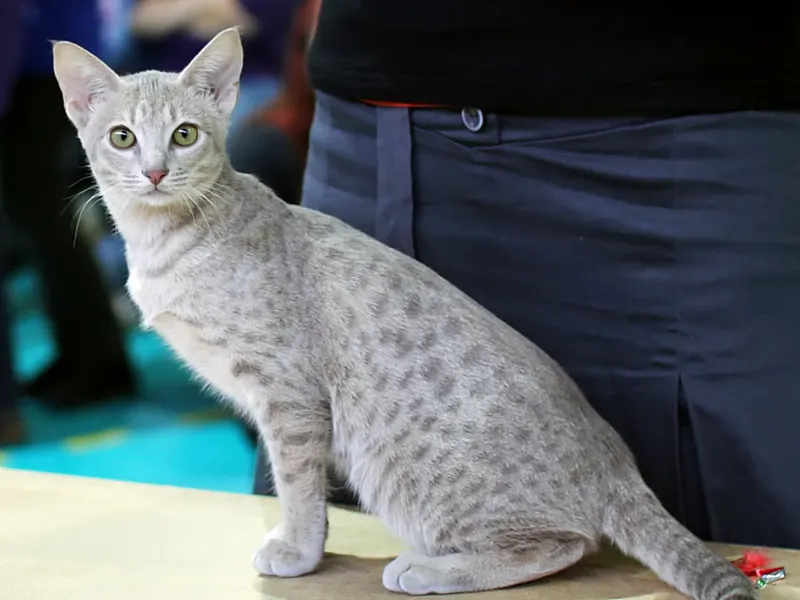
Ocicat
Foreign
6–15 lbs · 12–18 yrs
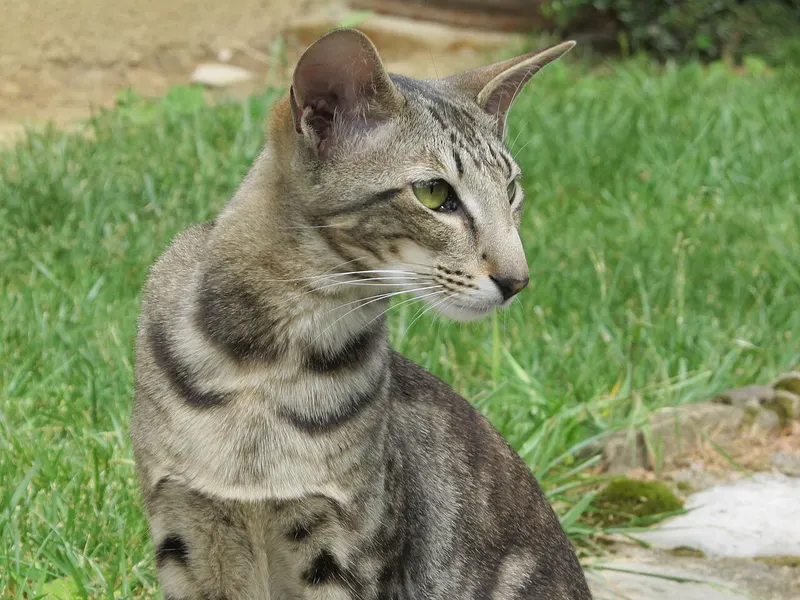
Oriental Shorthair
Oriental
6–10 lbs · 12–15 yrs
Oriental Longhair
Oriental
6–10 lbs · 12–15 yrs
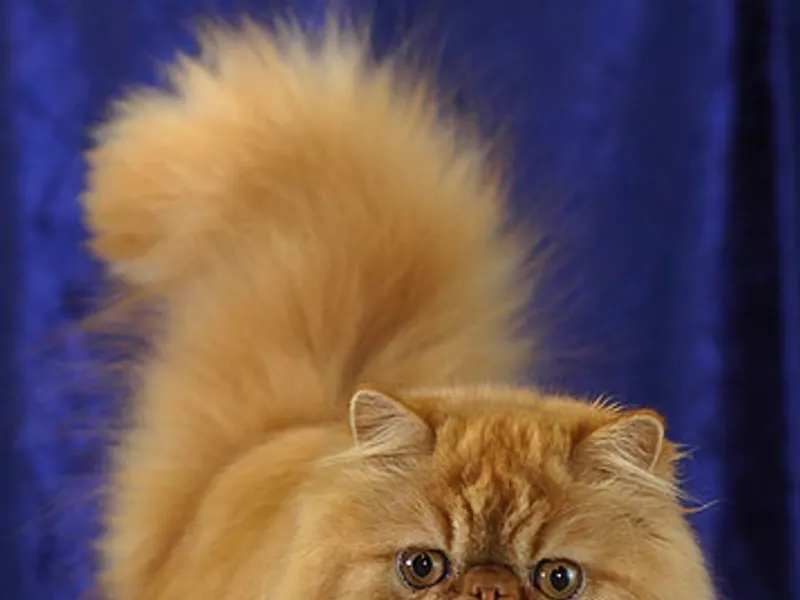
Persian
Cobby
7–12 lbs · 10–17 yrs
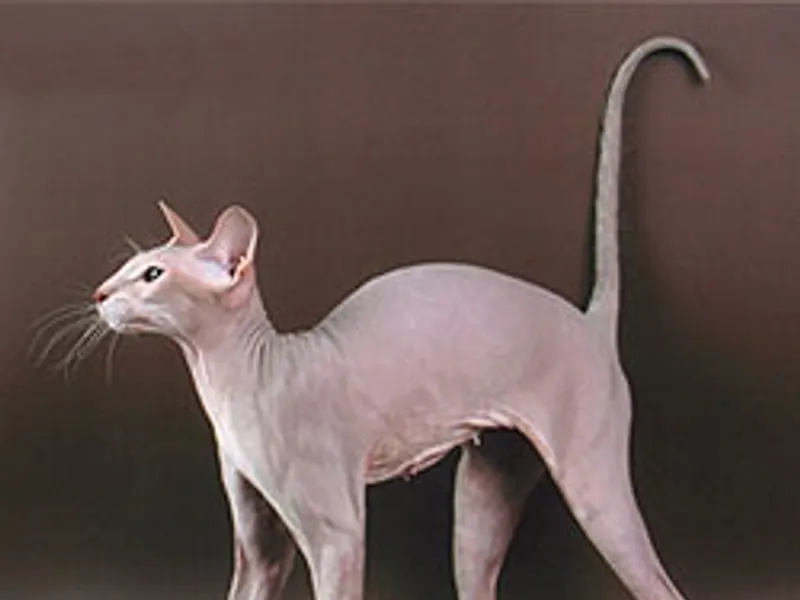
Peterbald
Rex
6–10 lbs · 12–15 yrs
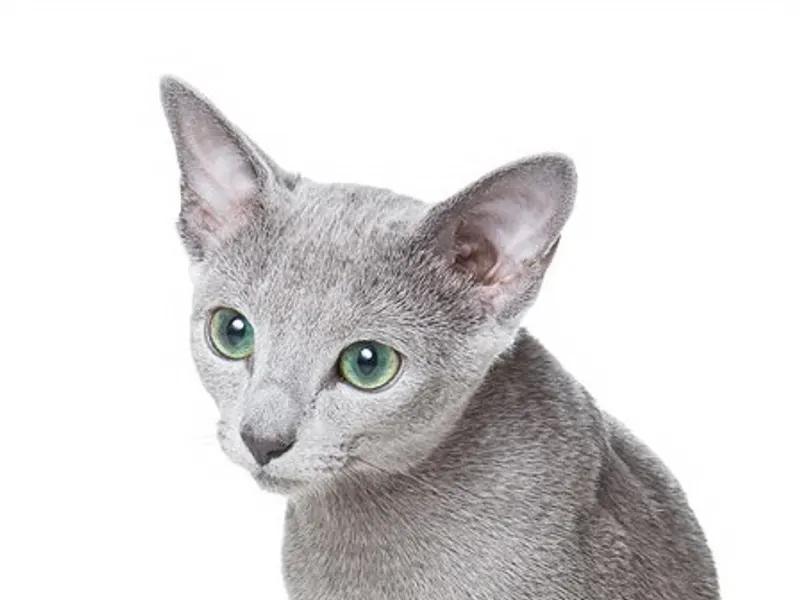
Russian Blue
Foreign
7–12 lbs · 15–20 yrs
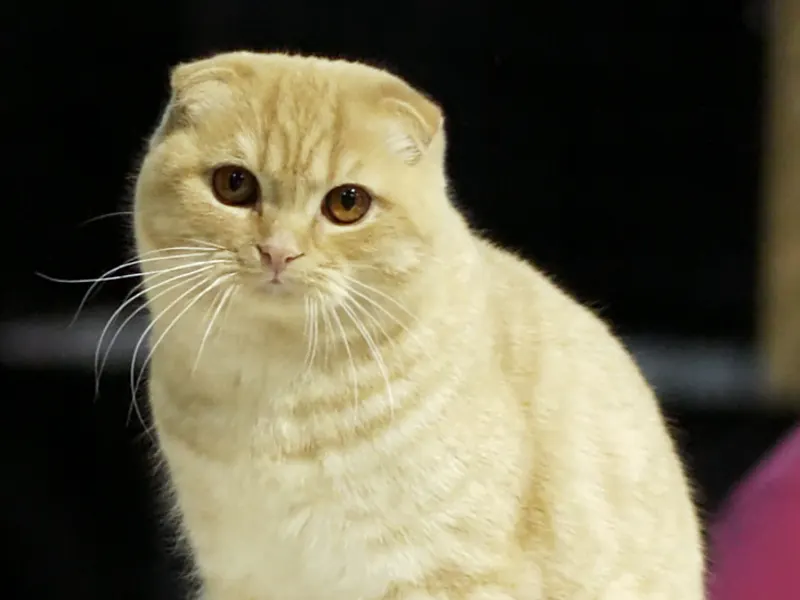
Scottish Fold
Semi-cobby
6–13 lbs · 11–15 yrs
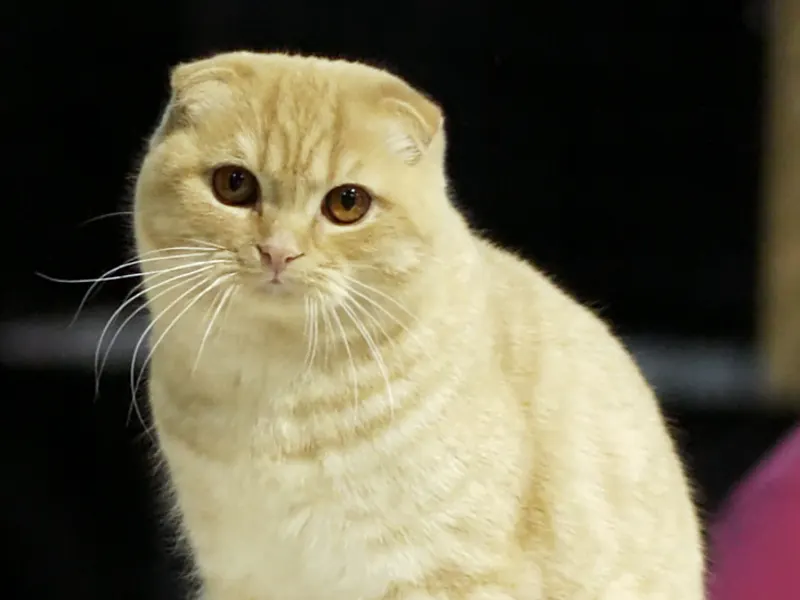
Scottish Straight
Semi-cobby
6–13 lbs · 11–15 yrs

Selkirk Rex
Cobby
7–15 lbs · 10–15 yrs

Siamese
Oriental
6–14 lbs · 12–20 yrs
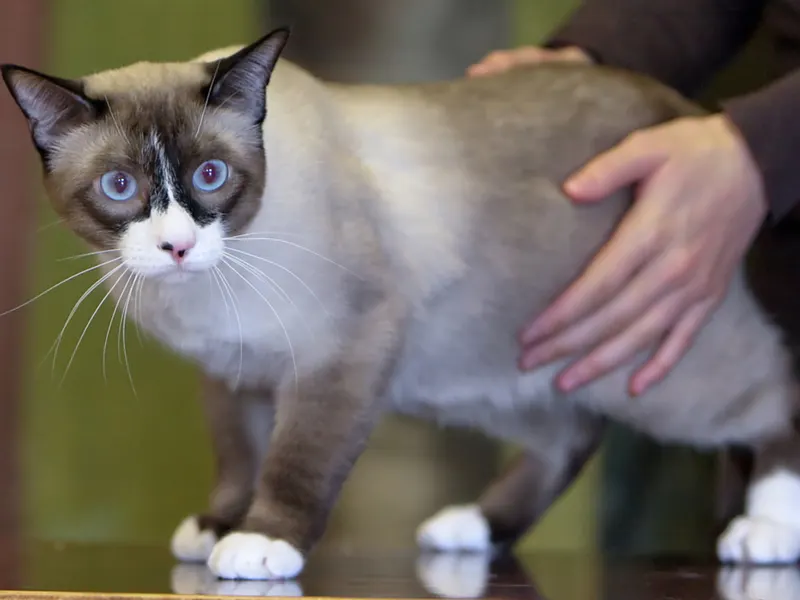
Snowshoe
Semi-cobby
7–12 lbs · 12–15 yrs
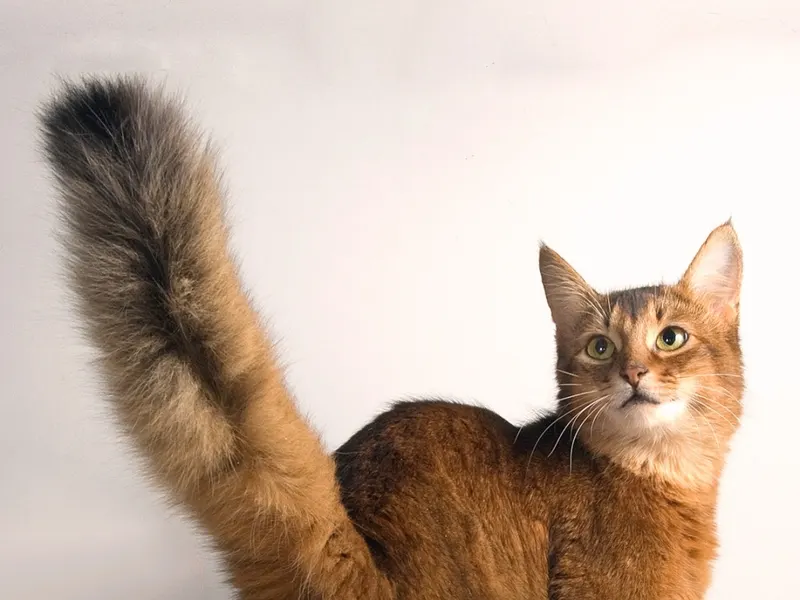
Somali
Foreign
6–10 lbs · 11–16 yrs
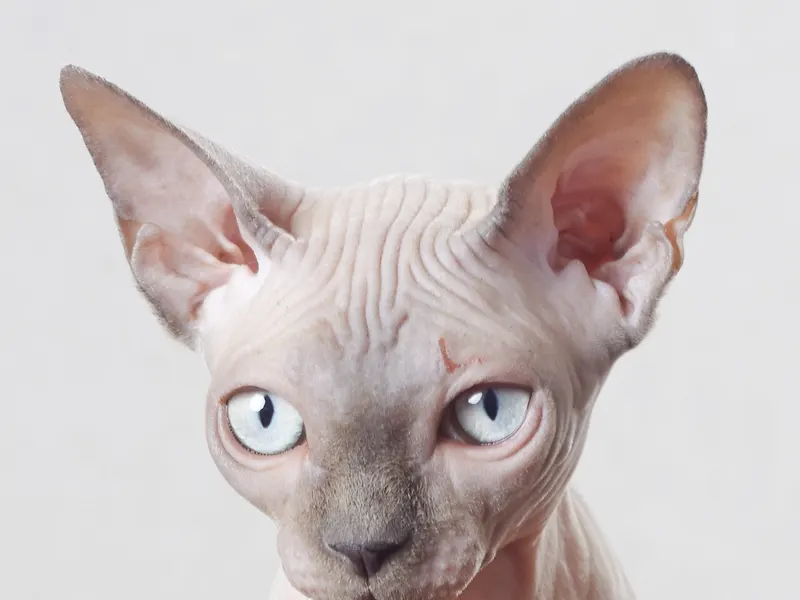
Sphynx
Rex
6–12 lbs · 8–14 yrs
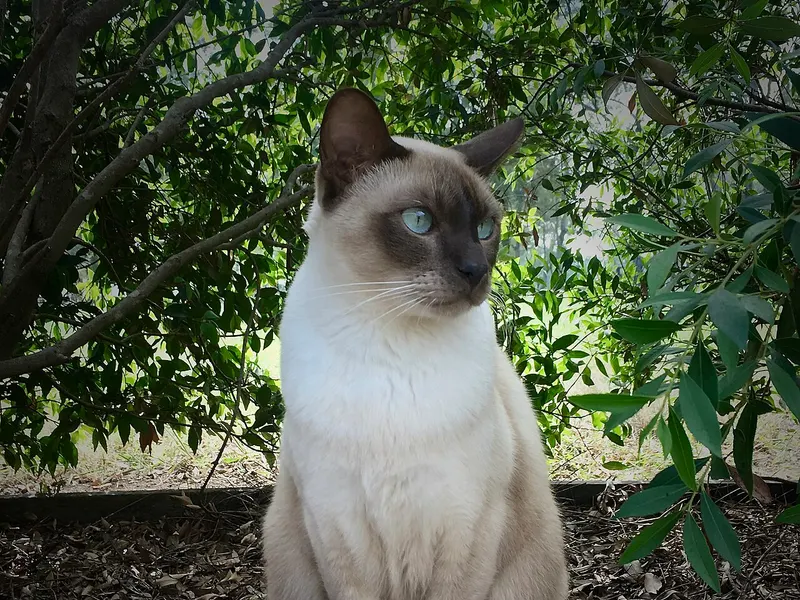
Tonkinese
Semi-foreign
6–12 lbs · 12–16 yrs
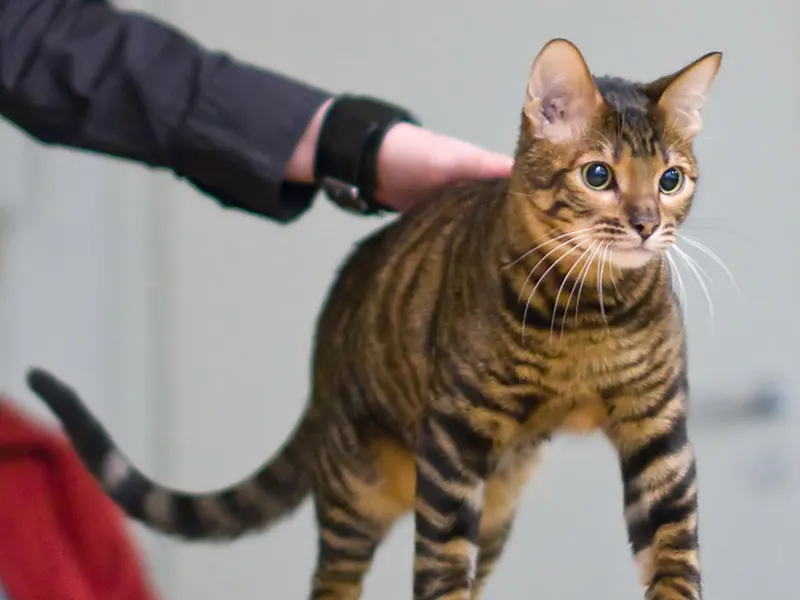
Toyger
Foreign
7–15 lbs · 12–15 yrs
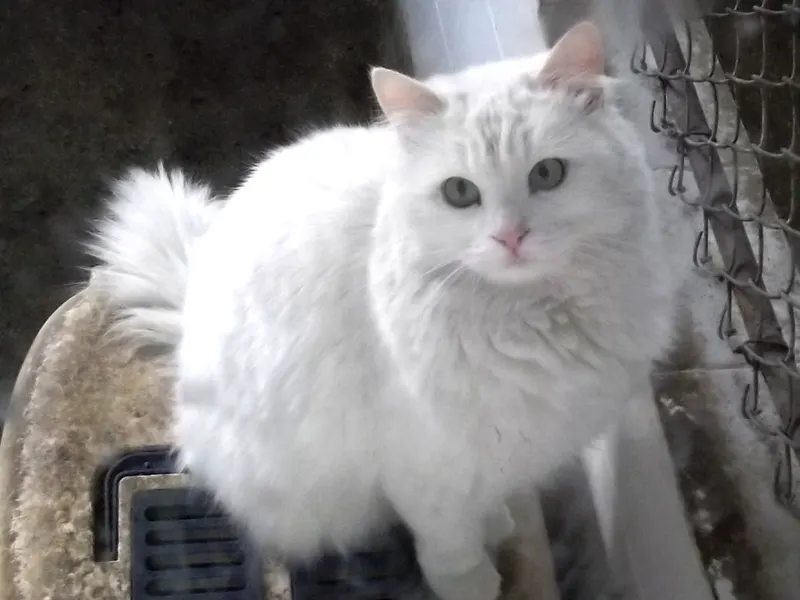
Turkish Angora
Semi-foreign
5–9 lbs · 12–18 yrs
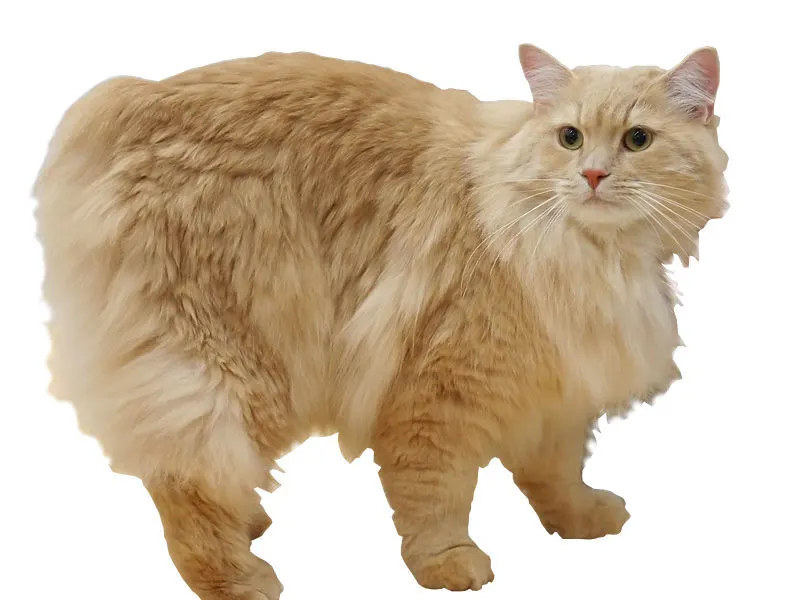
Cymric
Cobby
8–12 lbs · 8–14 yrs
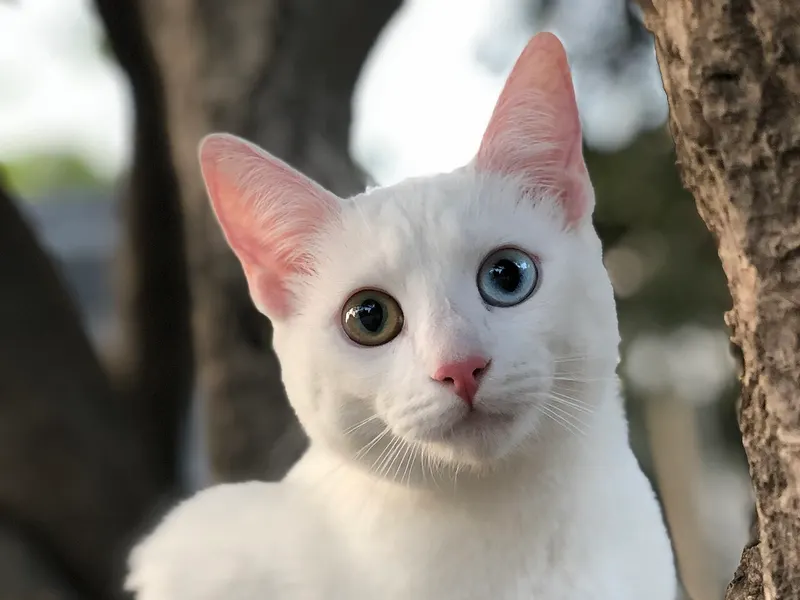
Khao Manee
Foreign
6–10 lbs · 10–15 yrs
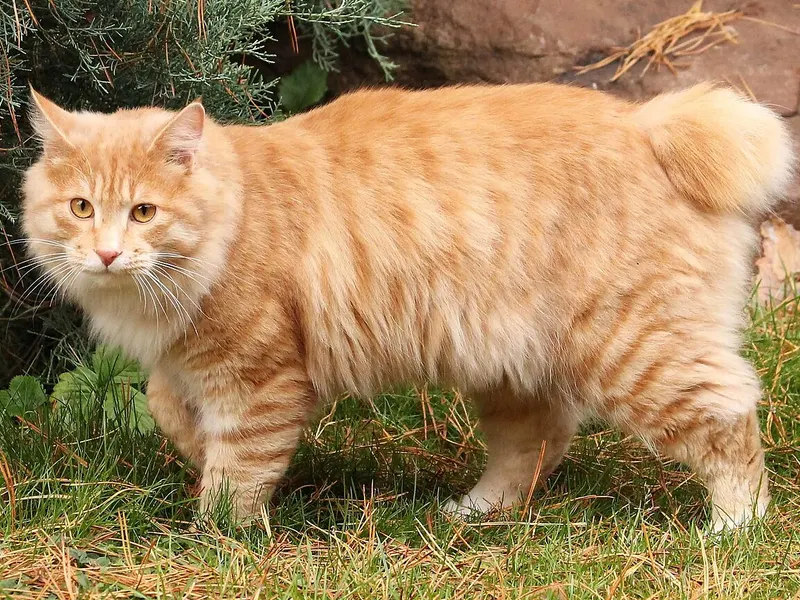
Kurilian Bobtail
Semi-cobby
7–15 lbs · 12–15 yrs
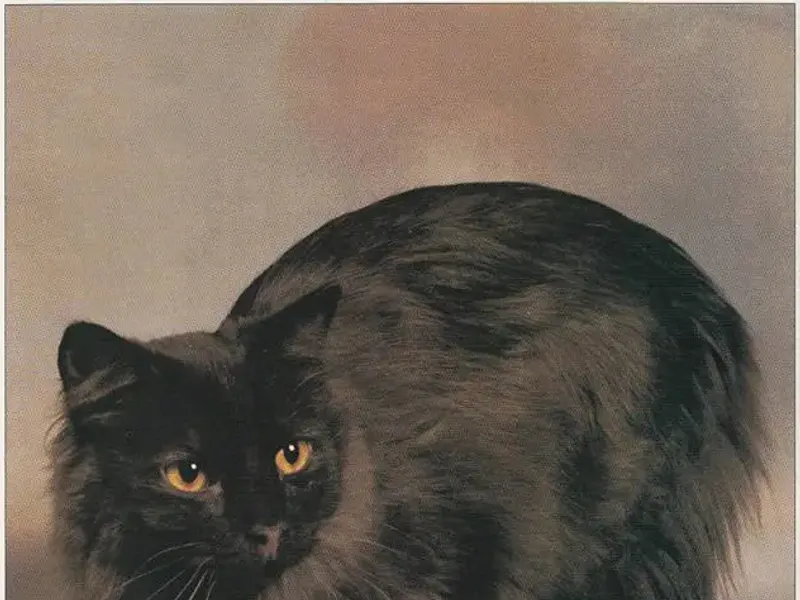
Chantilly-Tiffany
Semi-foreign
7–12 lbs · 12–16 yrs
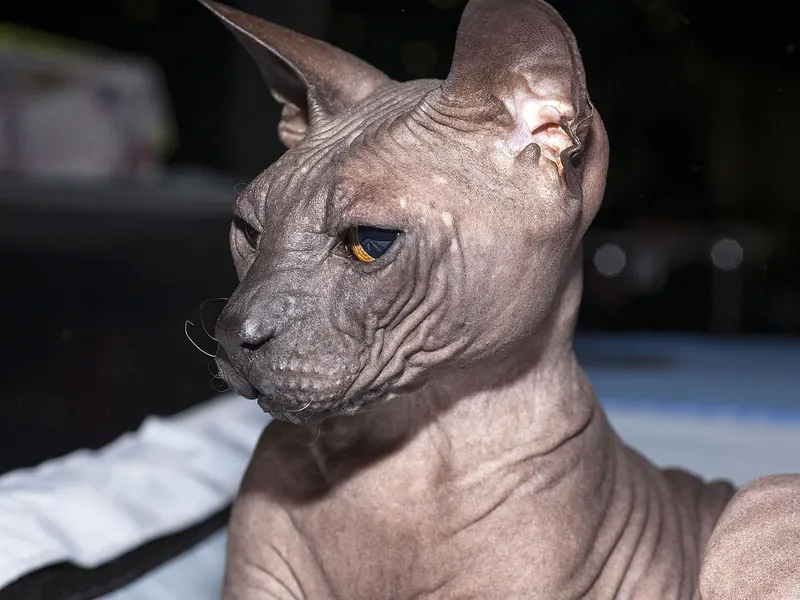
Donskoy
Rex
6–12 lbs · 12–15 yrs