Wire-Coat Dog Breeds
49 breeds in this group.
Wire coats are a genuinely distinct coat structure from either short or long hair, defined by a harsh, coarse, broken-textured outer layer — often described as feeling almost bristle-like to the touch — usually paired with a softer undercoat beneath, and the type is concentrated overwhelmingly in one part of the registry: the Terrier Group, where it was originally bred as a functional adaptation for dogs working underground and through dense brush after vermin and small game, rather than for any ornamental purpose. This distinctive texture shows up on the Wire Fox Terrier, the Airedale, the Cairn, and several other British earth-dog terriers, alongside a handful of non-terrier breeds — the Wirehaired Pointing Griffon and the German Wirehaired Pointer among the Sporting breeds, and the Giant and Standard Schnauzer among the Working and Terrier groups respectively — that adopted a similar texture for comparable protective reasons while working through thick cover in the field. The functional logic behind the wire coat is straightforward and well documented: a harsh, coarse outer coat sheds water, mud, and burrs more effectively than a soft coat would, and it provides real physical protection against thorns, brambles, and the bites of the vermin and game these breeds were bred to pursue underground or through dense undergrowth. A Border Terrier or Wire Fox Terrier working an actual fox den needed a coat tough enough to push through rough terrain and resist a struggling animal's bite without matting into a painful, waterlogged mess the way a softer coat might. This is functionally similar to the reasoning behind a corded coat like the Komondor's, just achieved through coat texture rather than through the coat naturally forming ropes. Wire coats require a genuinely different grooming approach than either short or soft long coats: proper maintenance calls for hand-stripping, a process where dead outer hairs are plucked out (either by hand or with a specialized stripping tool) rather than cut, which preserves the coat's harsh texture and correct color, since the underlying pigment in many wire-coated breeds is concentrated more heavily in the coarser outer hairs. Clipping a wire coat instead of stripping it — a common shortcut at many general pet-grooming salons that aren't specifically experienced with the breed — softens the coat's texture permanently over successive growth cycles and often fades or muddies the color, which matters mainly for anyone planning to show a dog under a breed standard that specifically calls for a correctly textured coat, though even pet owners not planning to show sometimes prefer the traditional texture and will seek out a groomer experienced in hand-stripping specifically for this reason. Hand-stripping is more time-intensive and, done professionally, generally more expensive than a standard clip, and it's a real, ongoing cost and time commitment worth knowing about before choosing a wire-coated breed based on appearance alone. Despite the specialized coat-maintenance needs, wire-coated breeds carry a genuine practical advantage some owners specifically seek out: because a correctly maintained wire coat sheds minimally compared with most double-coated short or long-haired breeds (dead hair tends to stay embedded in the coarse coat rather than falling out on its own the way a softer coat's undercoat does, which is precisely why hand-stripping rather than natural shedding is the primary way old coat gets removed), several wire-coated terriers and the Schnauzer are frequently recommended to allergy-sensitive households, though it's worth repeating that no breed anywhere is a truly guaranteed hypoallergenic choice, since most allergic reactions trace back to dander and saliva proteins rather than to hair itself, and individual sensitivity varies enough that a trial visit with a specific dog remains the only reliable way to know for a given allergy sufferer. Temperamentally, the wire-coated cluster skews heavily toward the Terrier Group's documented tenacity, independence, and high prey drive, since coat texture and working job were selected together rather than separately in most of these breeds' development — a prospective owner drawn to the low-shedding, distinctive texture of a wire coat should go in expecting the same earth-dog intensity, digging instinct, and need for secure containment documented across the Terrier Group generally, rather than assuming coat type alone determines temperament, since in this particular cluster the two traits share the same underlying working history and tend to travel together. Finding a groomer or learning to hand-strip a wire coat correctly is worth treating as a genuine, ongoing research task rather than an assumption that any local groomer can do it well, since hand-stripping is a specialized skill not universally taught in standard grooming curricula, and many general pet-grooming salons default to clipping simply because it's faster and more familiar, even when a client specifically wants the coat stripped. Breed clubs for the wire-coated terriers and Schnauzers frequently maintain referral lists of groomers experienced specifically in hand-stripping, and it's worth seeking these out directly, particularly for anyone planning to show a dog under a breed standard that expects correct wire texture, though pet owners not planning to show sometimes learn to hand-strip their own dog at home with practice and the right tools, a task that, done in stages over time, isn't as physically demanding as it might sound since properly ready hairs pull out with minimal resistance. Cost is a genuine consideration worth naming directly: professional hand-stripping generally costs more per session than a standard clip, both because of the specialized skill involved and because the process takes considerably longer, and it needs to be repeated on a schedule (often every few months) to keep the coat in correct condition, an ongoing cost that adds up over a dog's lifetime more than the periodic grooming needs of most short or double-coated breeds. Beyond the coat itself, it's worth reiterating that choosing a wire-coated breed for its low-shedding, allergy-friendly reputation means also choosing into the Terrier Group's well-documented temperament package in nearly every case, since coat and working history developed together in this cluster rather than independently. A prospective owner specifically drawn to the wire coat's practical advantages should weigh that temperament package honestly — genuine tenacity, independence, digging instinct, and high prey drive — against the household's actual tolerance for those traits, rather than assuming the appealing coat comes attached to an equally low-maintenance temperament, since in this particular coat category the two are genuinely, historically linked rather than separate, independent choices. Show versus pet coat maintenance is worth distinguishing clearly for anyone new to this category, since a dog being actively shown under a breed standard typically needs a considerably more frequent and precise stripping schedule than a pet-only dog, where a less rigorous, more occasional stripping routine — sufficient to prevent matting and maintain reasonable texture without matching exact show-ring standards — is a perfectly reasonable and common choice for owners not planning to compete. Coat texture as a health indicator is worth a brief mention, since a wire coat that's gone notably softer or duller than a dog's usual texture can sometimes signal an underlying nutritional or thyroid issue worth mentioning to a veterinarian, since the coarse, harsh texture that defines this coat type depends partly on adequate nutrition and healthy skin, making a genuine, unexplained texture change a potentially useful, if easy to overlook, early health signal for an attentive owner familiar with their own dog's normal coat feel. Puppy coat texture in wire-coated breeds often differs noticeably from the adult coat, since many puppies of these breeds are born with a softer, less texturally correct coat that only develops its true harsh, wiry quality after the first one or two adult coat changes, meaning a very young wire-coated puppy's coat texture isn't yet a reliable preview of what the mature adult coat will actually feel like. A small number of wire-coated breeds outside the Terrier Group, notably the German Wirehaired Pointer, developed their coat texture specifically for protection while working through thick European hunting cover rather than for underground earth-work, a reminder that wire texture serves multiple distinct functional purposes across the breeds that carry it. The Wirehaired Pointing Griffon carries a similarly protective, weather-resistant coat developed for cold, wet European hunting conditions specifically, and both pointing breeds' wire coats, while textured similarly to a terrier's, evolved under a genuinely different working pressure than the underground vermin work that shaped the Terrier Group's coat requirements. Because a correctly stripped wire coat retains more natural coloring than a clipped one, breeders and show handlers sometimes describe the visual difference as making a well-maintained show dog's coat look noticeably richer and more vibrant than a comparably aged pet-clipped dog of the same breed, a cosmetic distinction that, while irrelevant to the dog's health or comfort, matters considerably to competitive show exhibitors. Because this coat type is concentrated so heavily in a single functional cluster, prospective owners specifically drawn to the wire texture but wary of the associated Terrier Group temperament package have comparatively few true alternatives within the registry, which is worth acknowledging honestly rather than searching indefinitely for a low-shedding wire-coated breed with a fundamentally different, more laid-back temperament profile than this coat type's shared working history tends to produce. Because wire coats require specialized handling knowledge that not every new owner arrives with, breed clubs for these breeds frequently offer grooming workshops or mentorship specifically aimed at teaching new owners proper hand-stripping technique, a genuinely valuable resource worth seeking out early rather than learning entirely through trial and error.
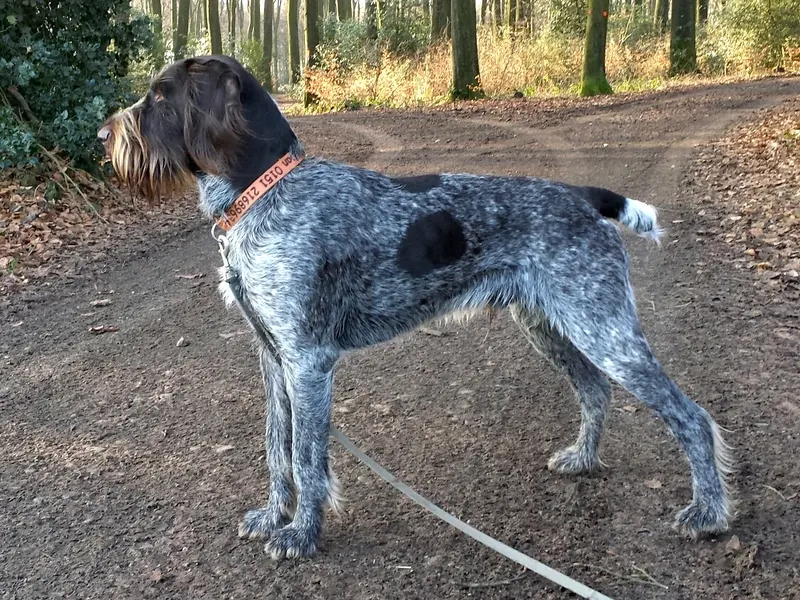
German Wirehaired Pointer
Sporting
50–70 lbs · 12–14 yrs
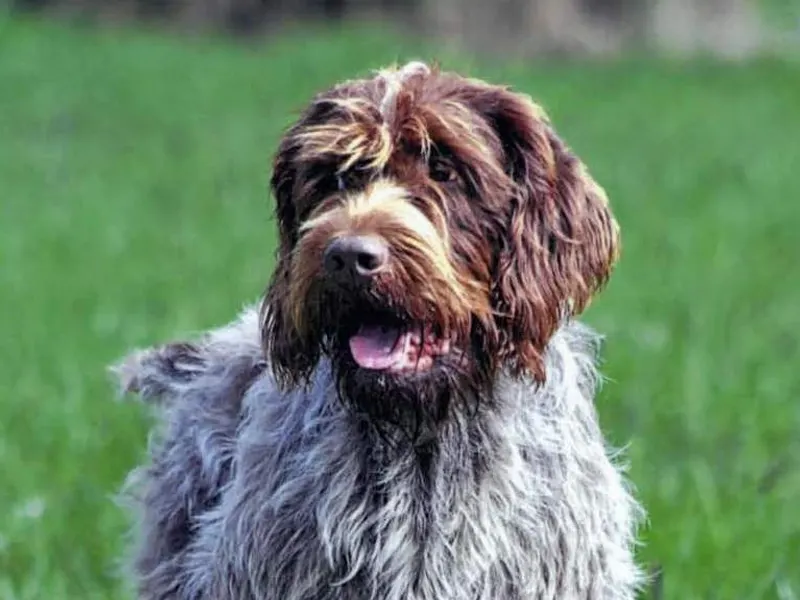
Wirehaired Pointing Griffon
Sporting
35–70 lbs · 12–14 yrs
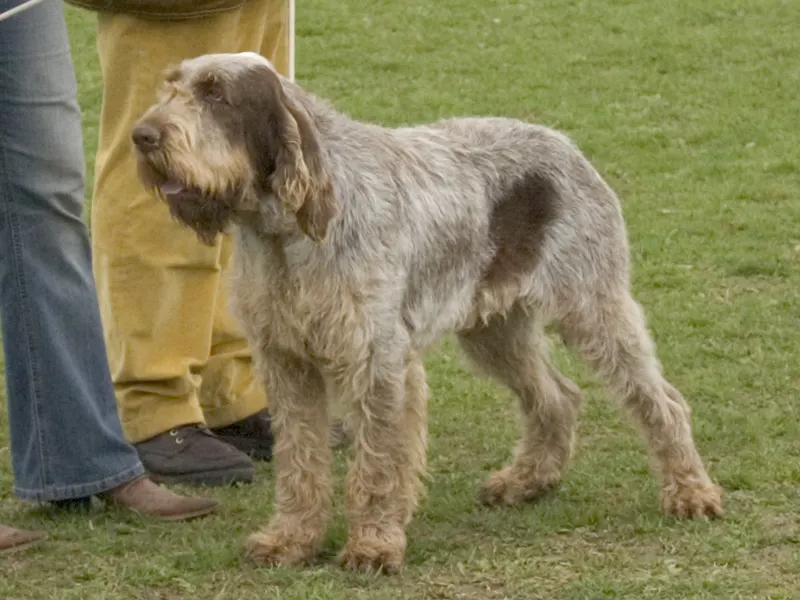
Spinone Italiano
Sporting
62–85 lbs · 10–12 yrs
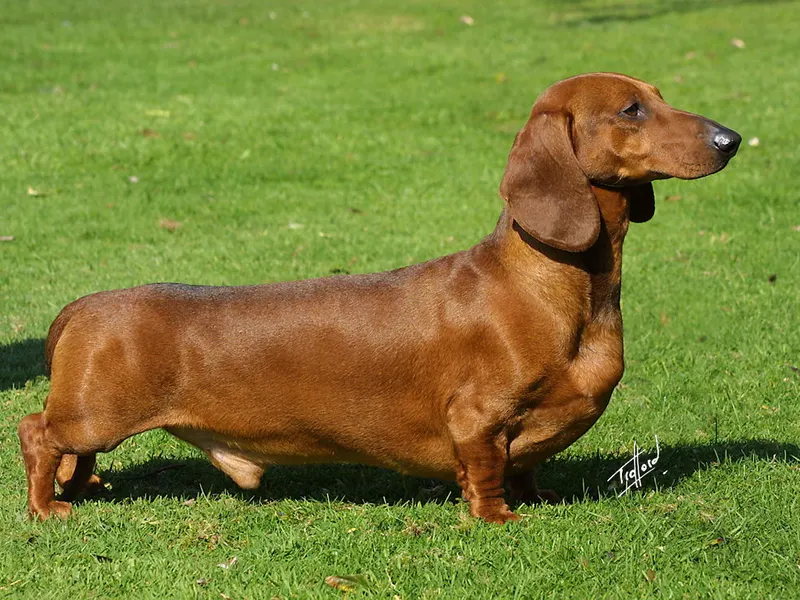
Dachshund
Hound
11–32 lbs · 12–16 yrs
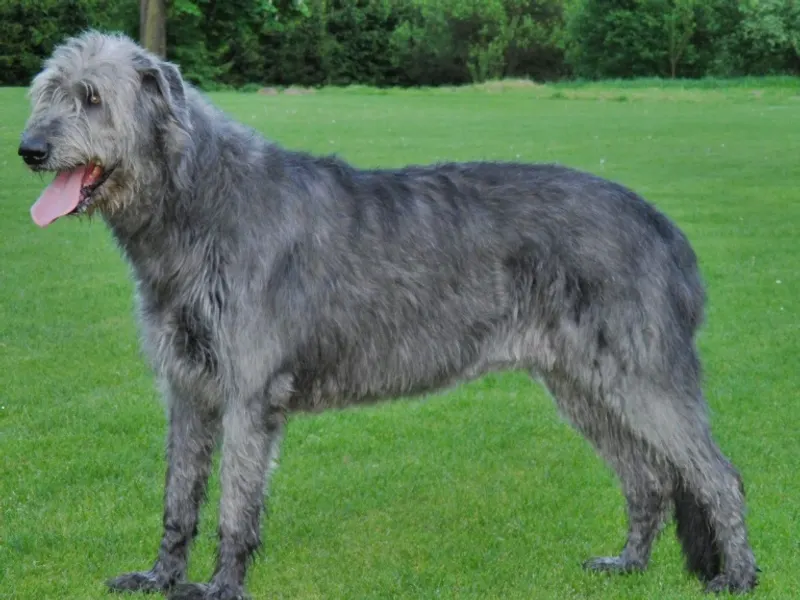
Irish Wolfhound
Hound
105–180 lbs · 6–8 yrs
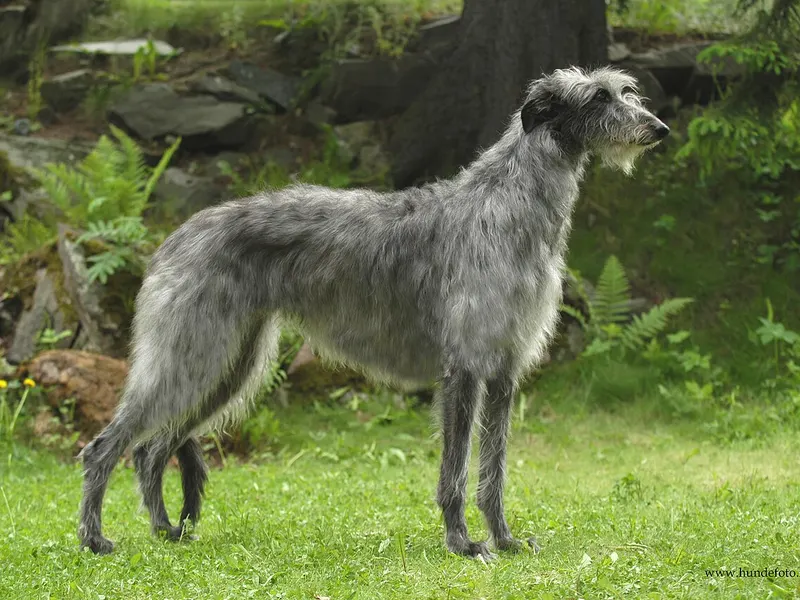
Scottish Deerhound
Hound
75–110 lbs · 8–11 yrs
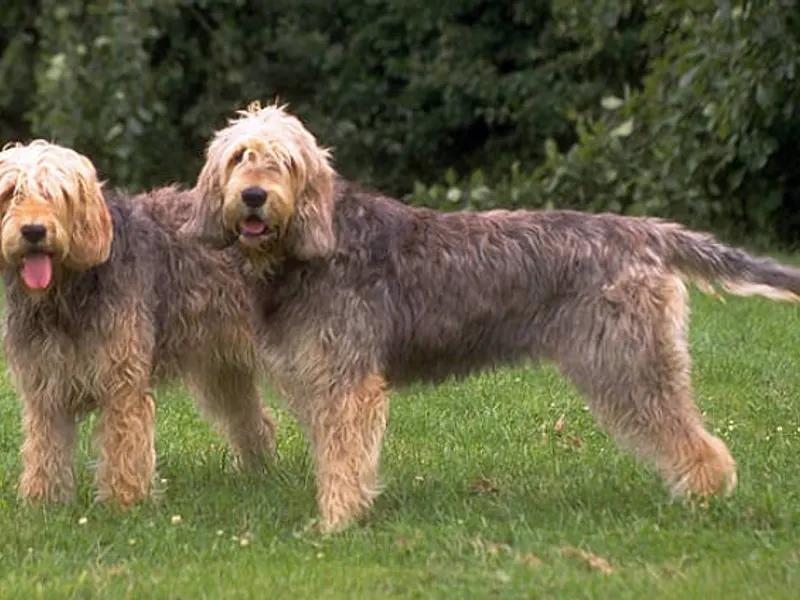
Otterhound
Hound
65–115 lbs · 10–13 yrs
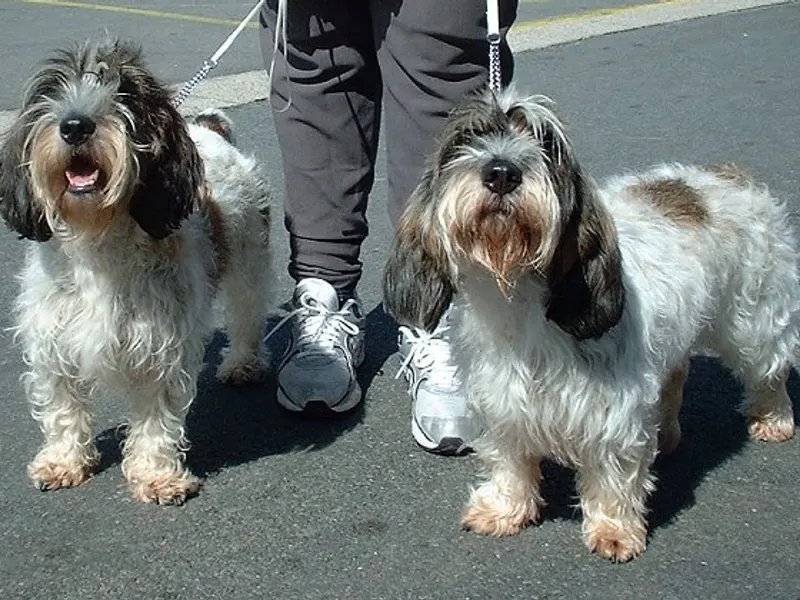
Petit Basset Griffon Vendéen
Hound
25–40 lbs · 13–15 yrs
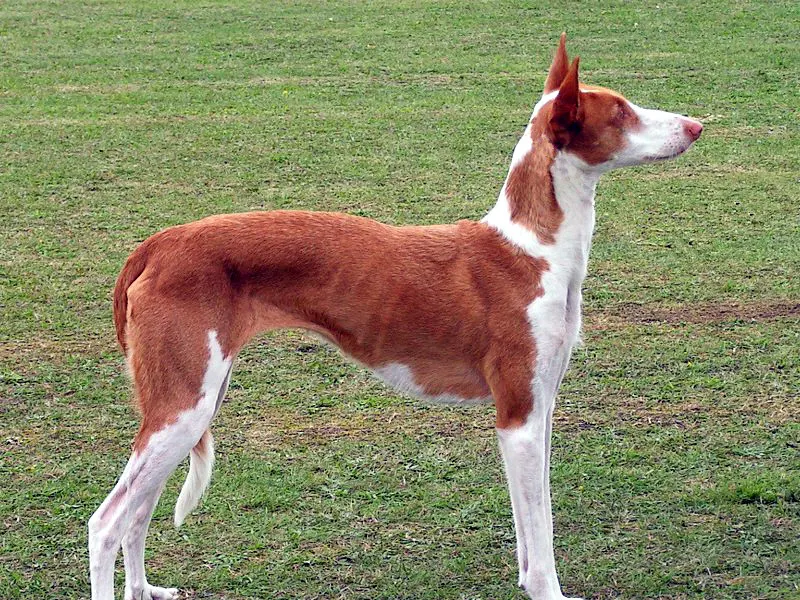
Ibizan Hound
Hound
45–50 lbs · 11–14 yrs
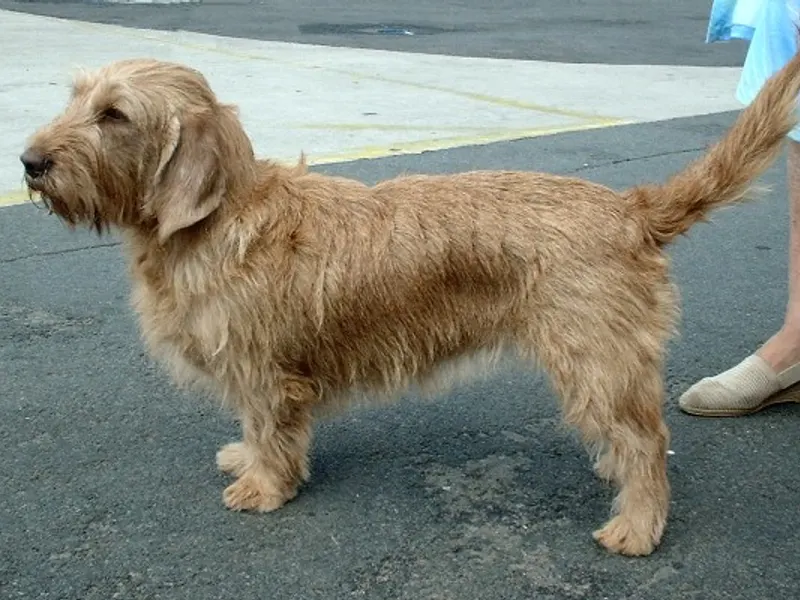
Basset Fauve de Bretagne
Hound
25–35 lbs · 13–14 yrs
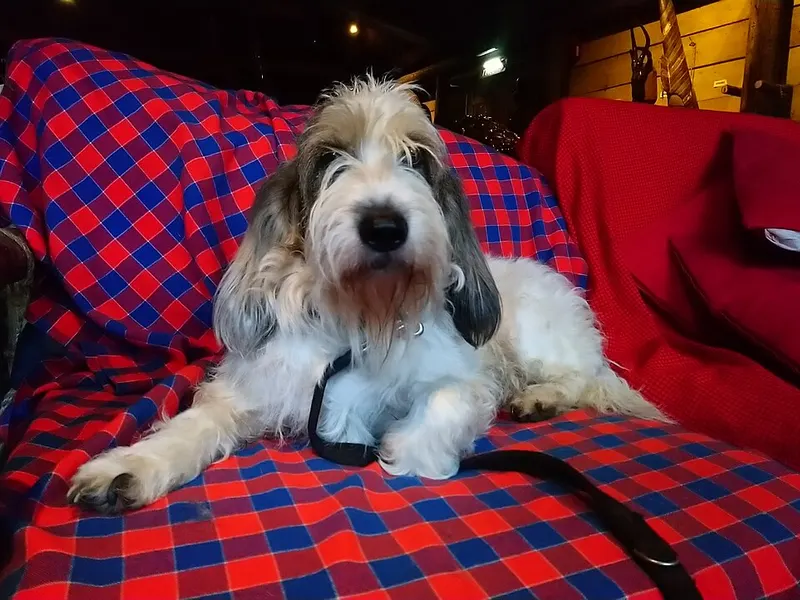
Grand Basset Griffon Vendéen
Hound
40–45 lbs · 12–14 yrs
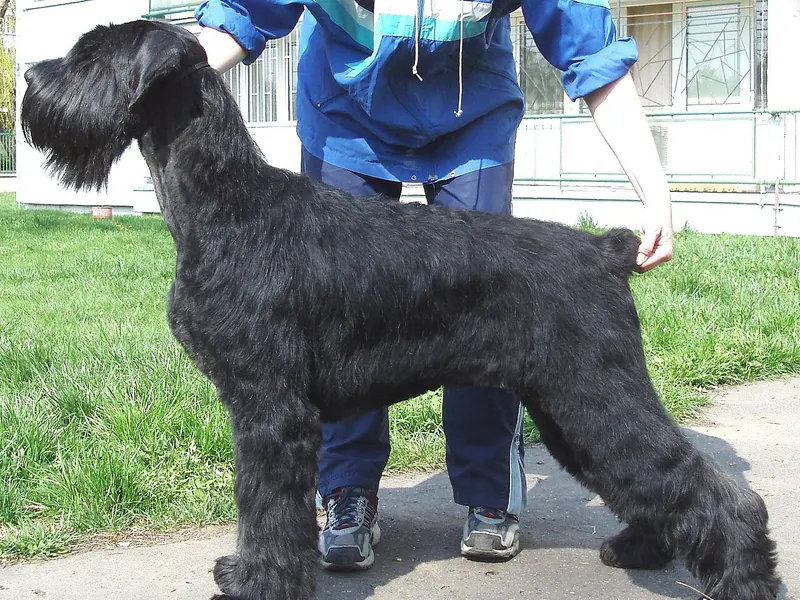
Giant Schnauzer
Working
55–85 lbs · 12–15 yrs
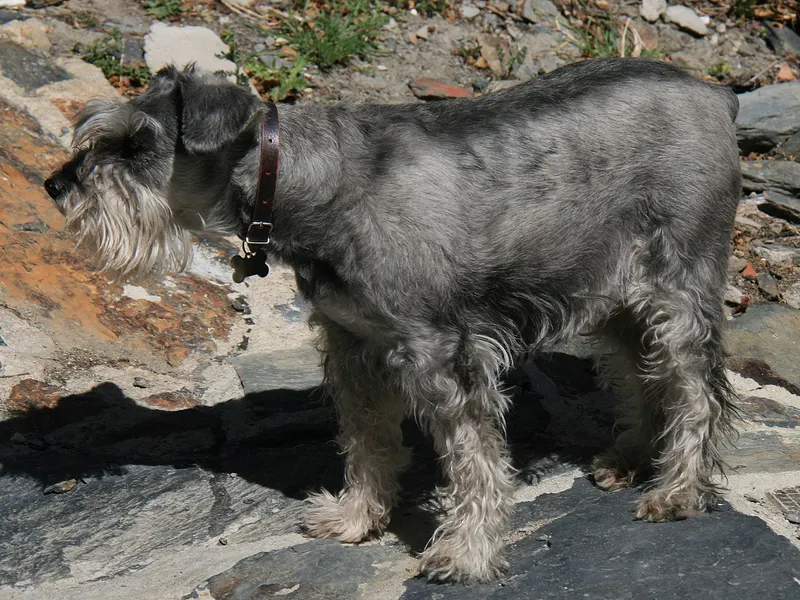
Standard Schnauzer
Working
30–50 lbs · 13–16 yrs
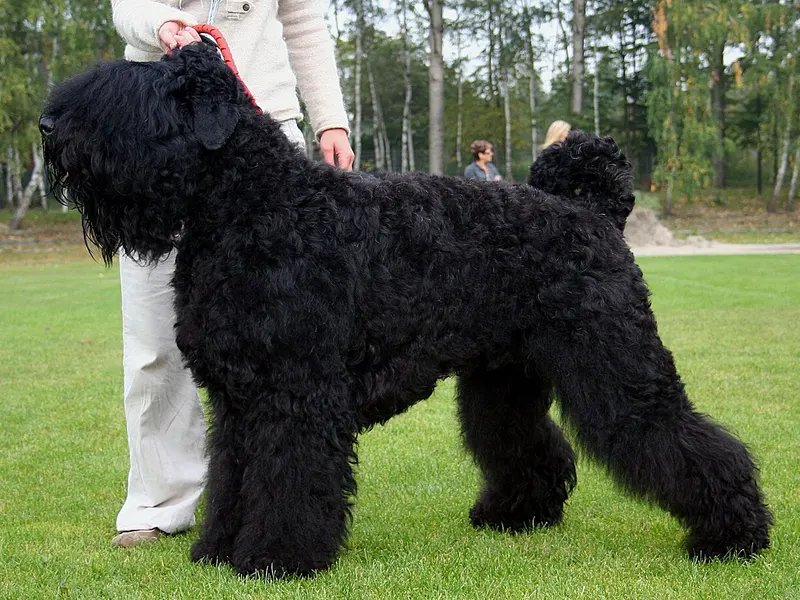
Black Russian Terrier
Working
80–140 lbs · 10–12 yrs
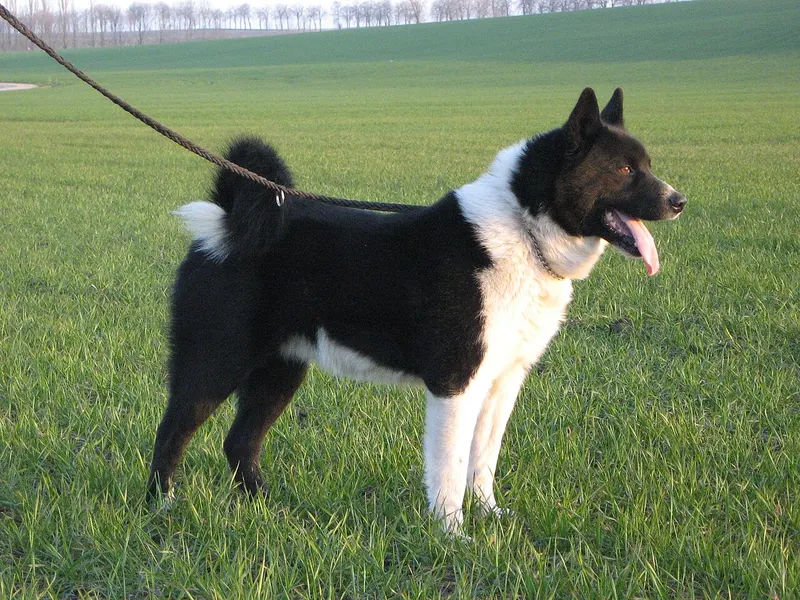
Karelian Bear Dog
Working
44–50 lbs · 11–13 yrs
Airedale Terrier
Terrier
50–70 lbs · 11–14 yrs
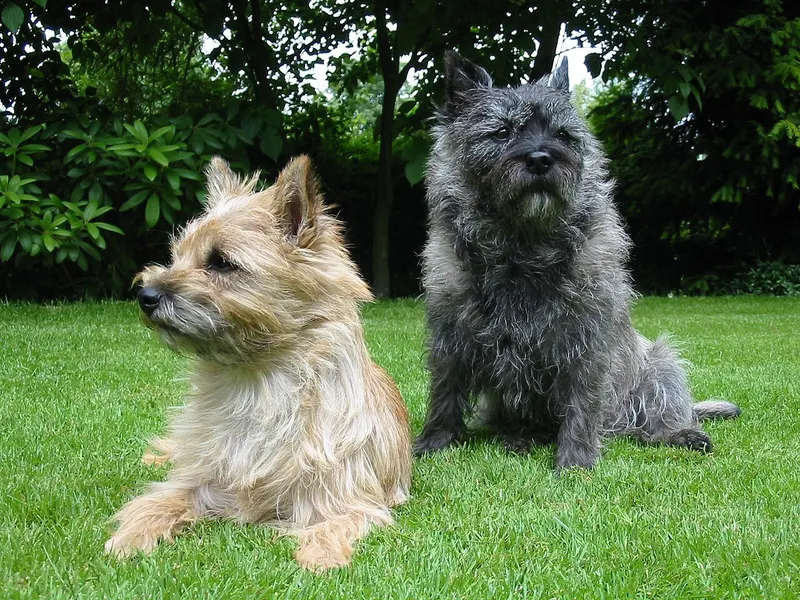
Cairn Terrier
Terrier
13–14 lbs · 13–15 yrs
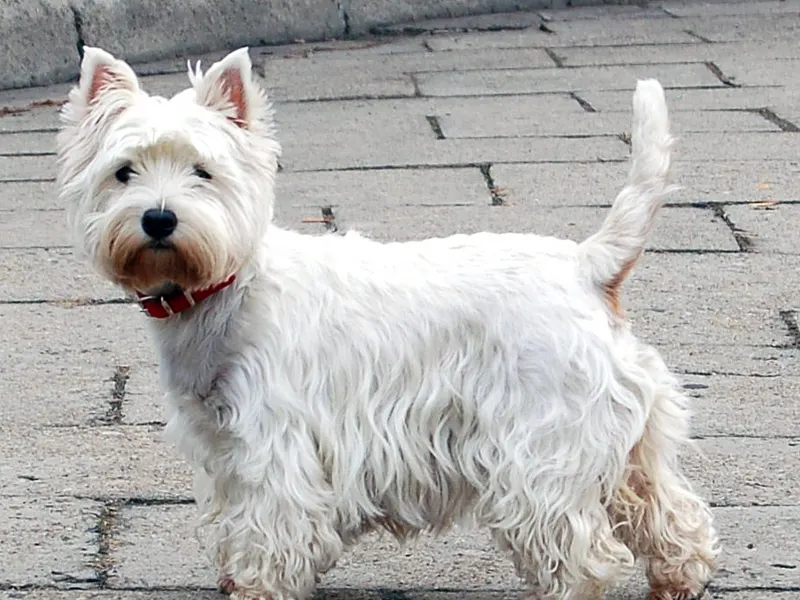
West Highland White Terrier
Terrier
13–22 lbs · 12–16 yrs
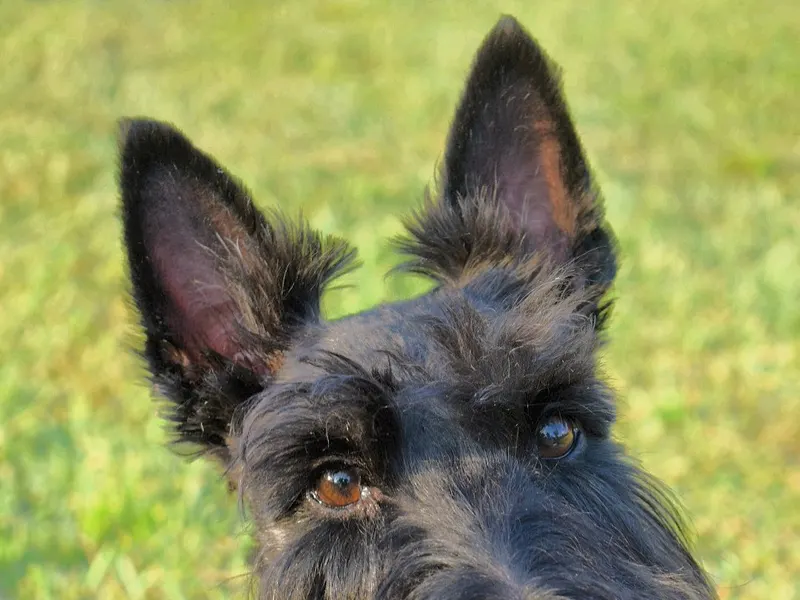
Scottish Terrier
Terrier
18–22 lbs · 11–13 yrs
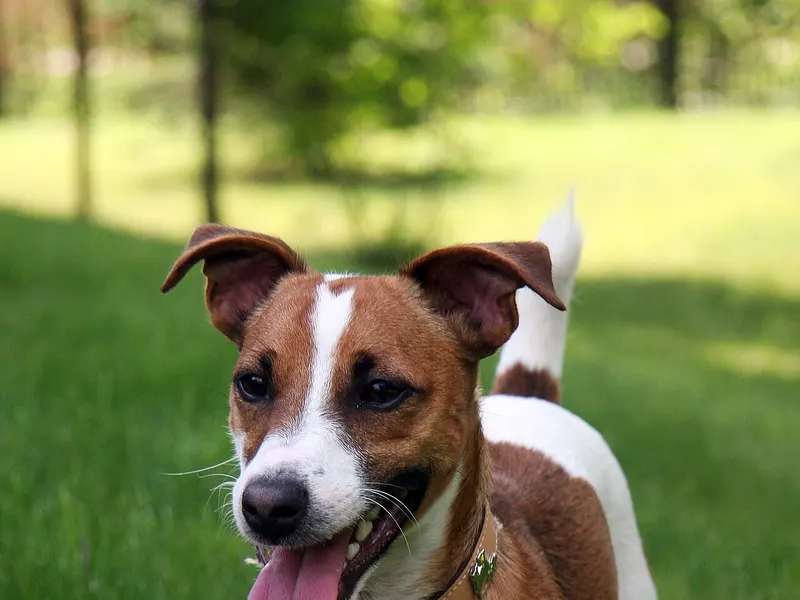
Jack Russell Terrier
Terrier
9–15 lbs · 13–16 yrs
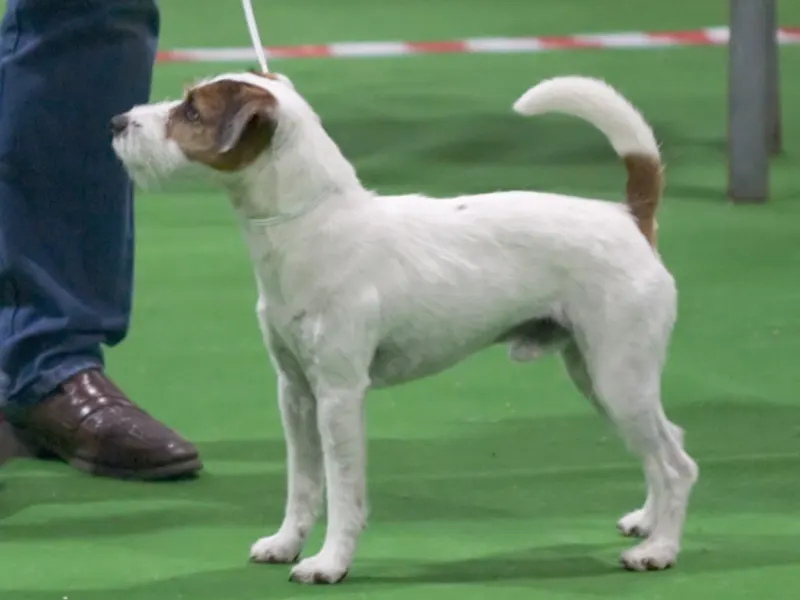
Parson Russell Terrier
Terrier
13–17 lbs · 13–15 yrs
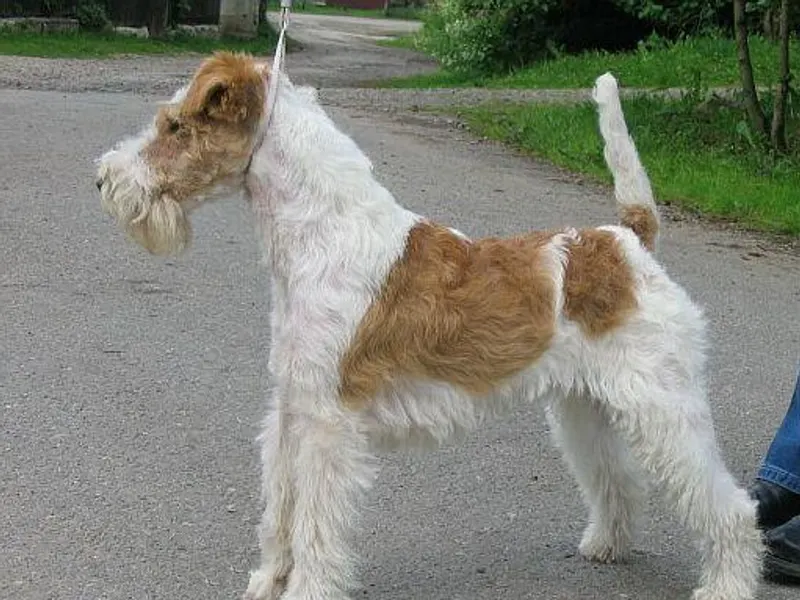
Wire Fox Terrier
Terrier
15–19 lbs · 12–15 yrs
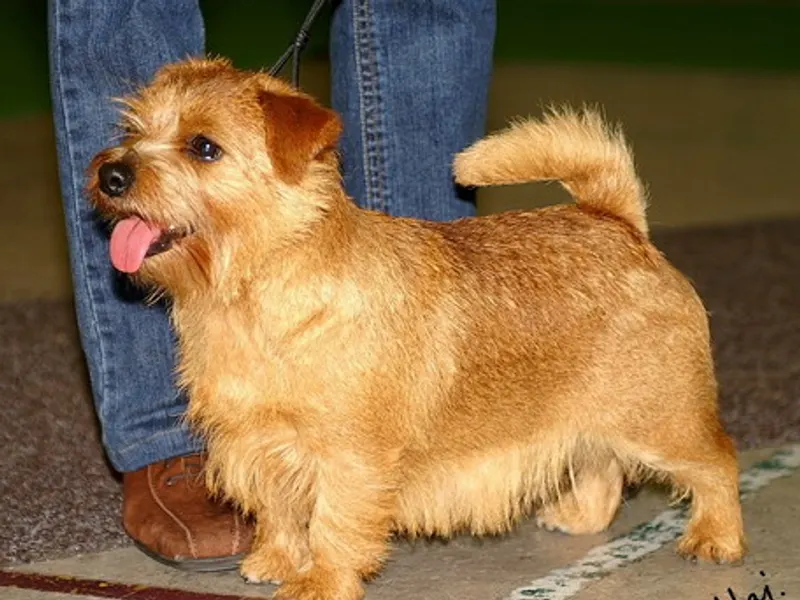
Norfolk Terrier
Terrier
11–12 lbs · 12–15 yrs
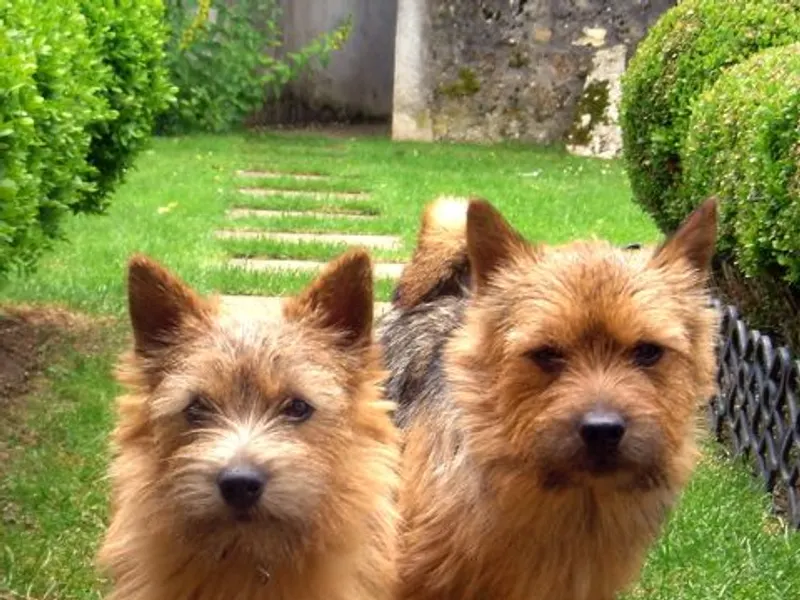
Norwich Terrier
Terrier
11–12 lbs · 12–15 yrs
Border Terrier
Terrier
11.5–15.5 lbs · 12–15 yrs
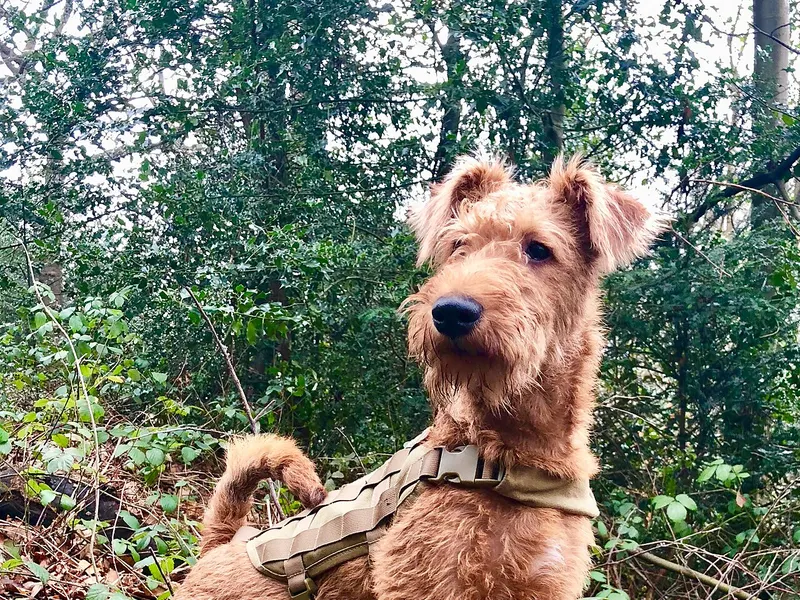
Irish Terrier
Terrier
25–27 lbs · 13–15 yrs
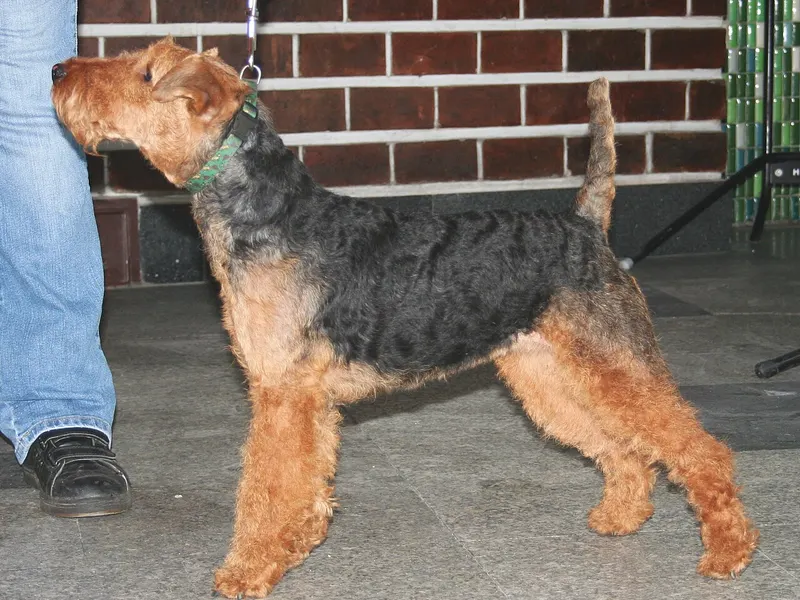
Welsh Terrier
Terrier
20–21 lbs · 12–15 yrs
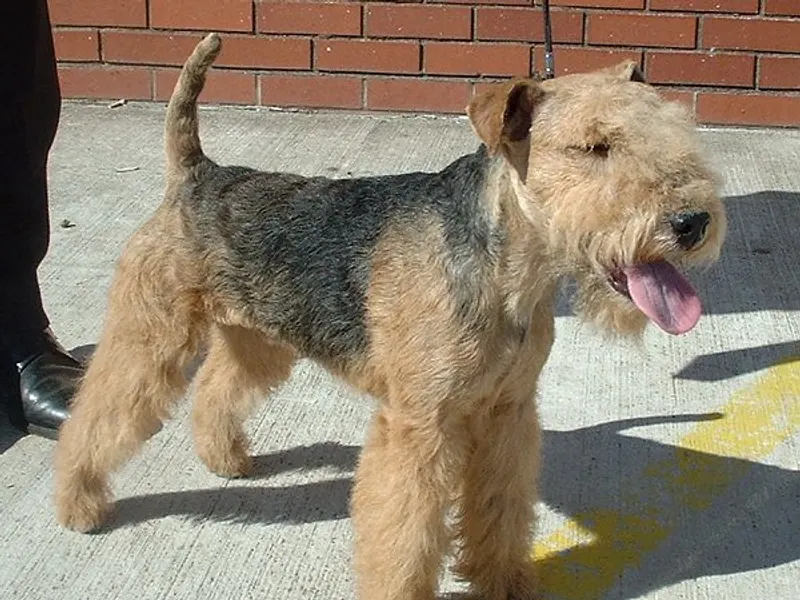
Lakeland Terrier
Terrier
15–17 lbs · 12–16 yrs
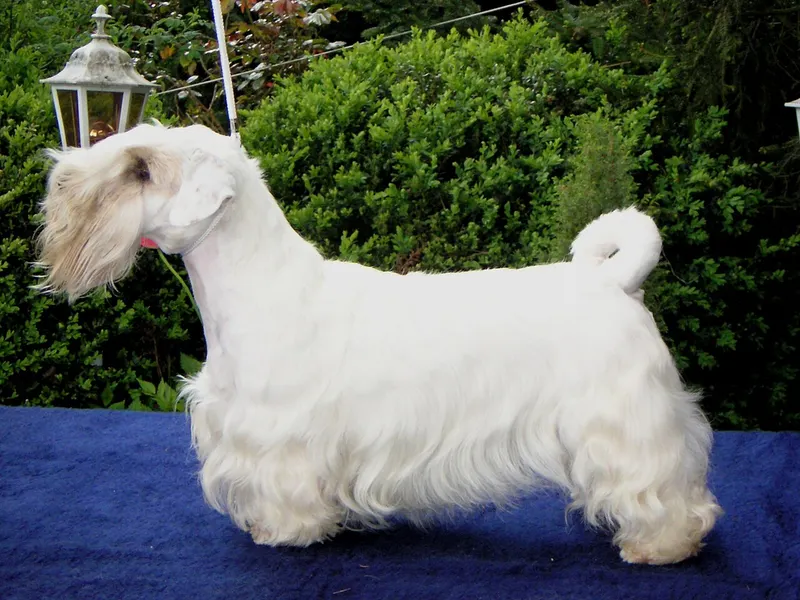
Sealyham Terrier
Terrier
23–24 lbs · 12–14 yrs
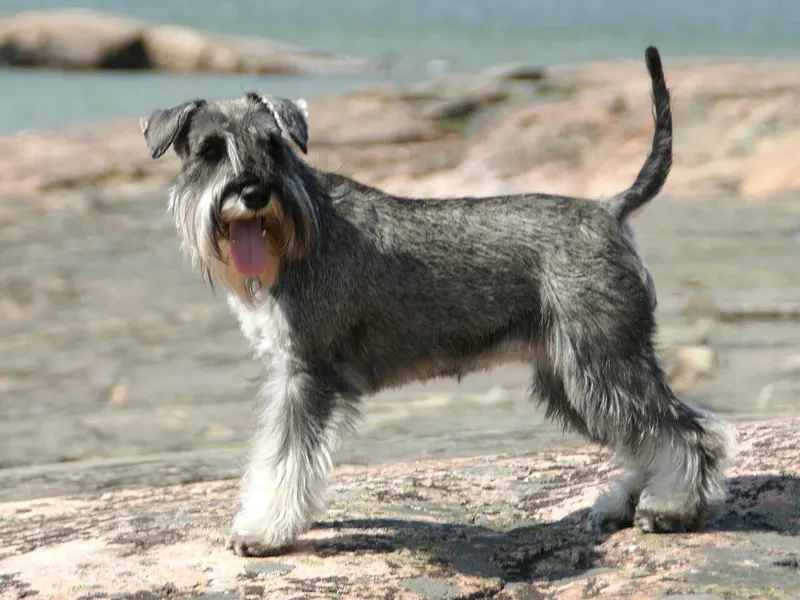
Miniature Schnauzer
Terrier
11–20 lbs · 12–15 yrs
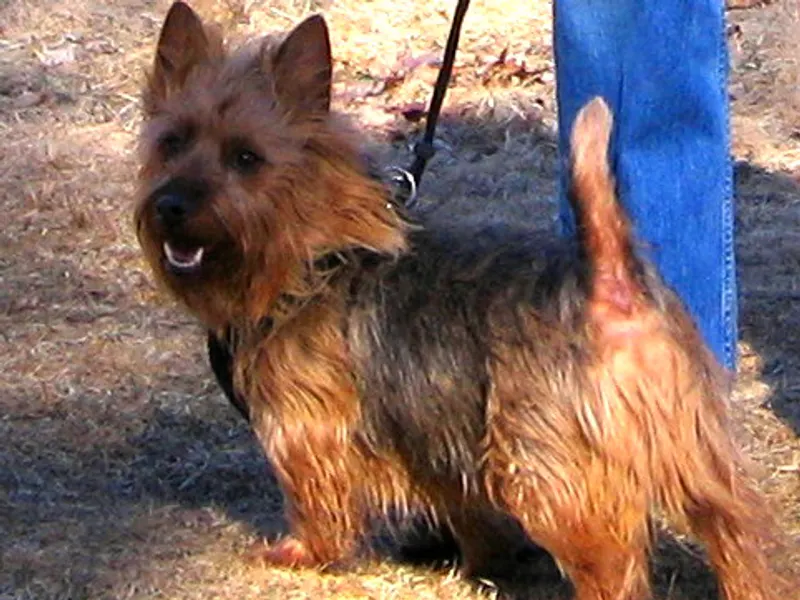
Australian Terrier
Terrier
14–16 lbs · 11–15 yrs
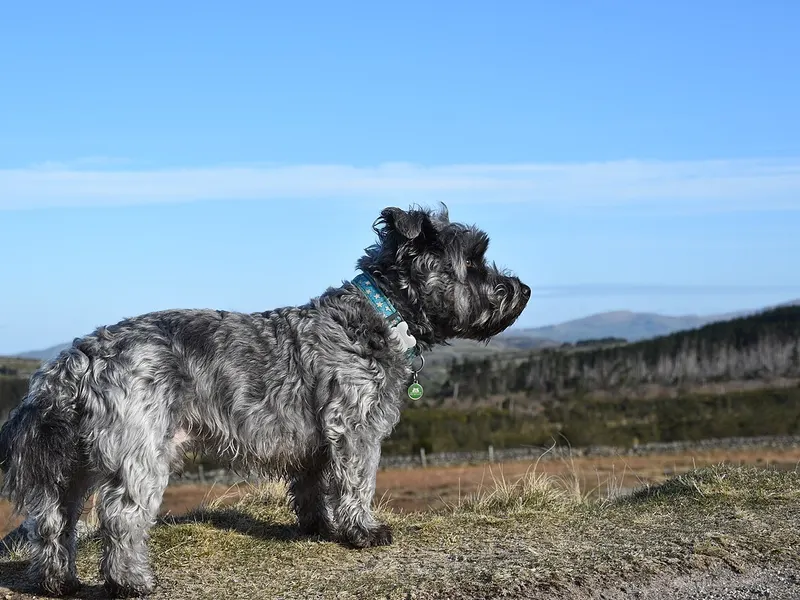
Glen of Imaal Terrier
Terrier
32–40 lbs · 10–15 yrs
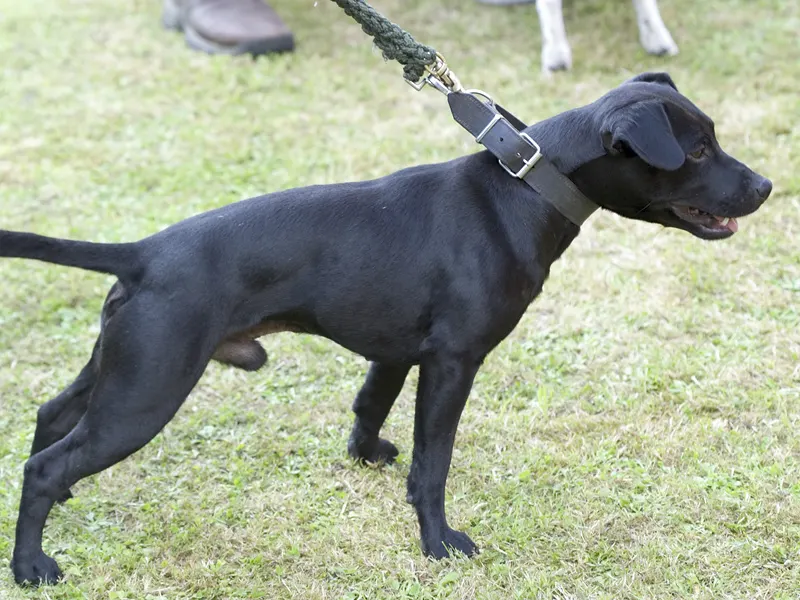
Patterdale Terrier
Terrier
11–13 lbs · 11–13 yrs
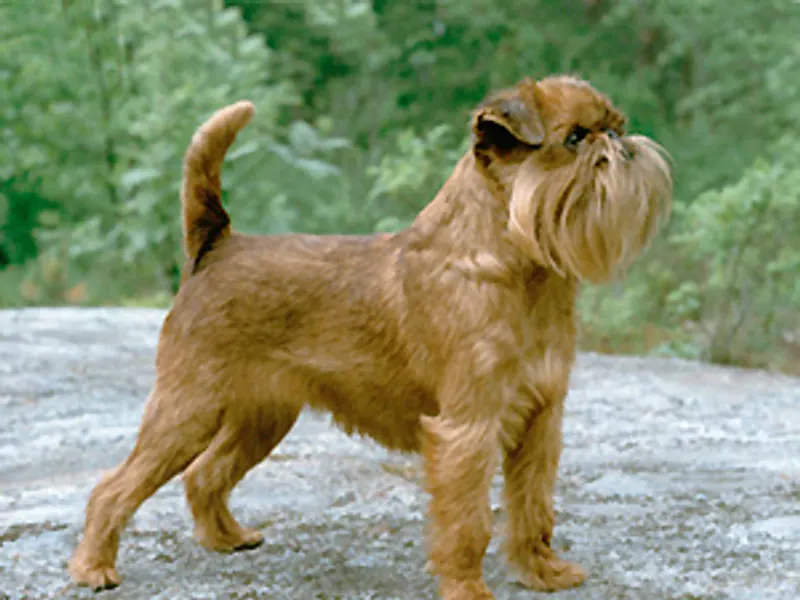
Brussels Griffon
Toy
6–12 lbs · 12–15 yrs
Affenpinscher
Toy
7–10 lbs · 12–15 yrs
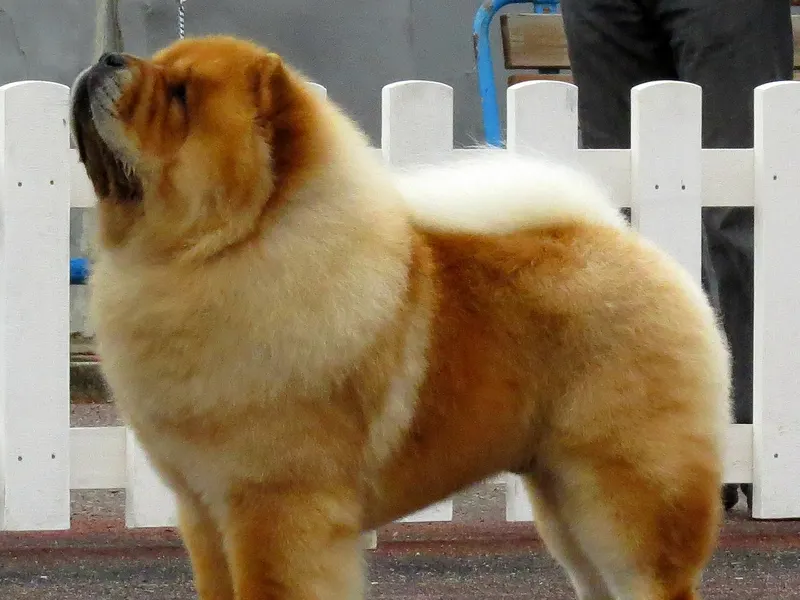
Chow Chow
Non-Sporting
45–70 lbs · 9–15 yrs
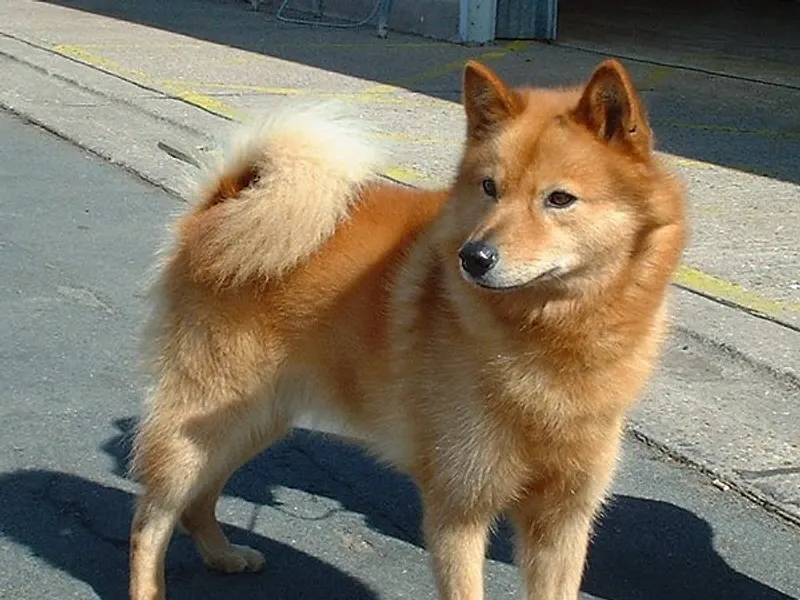
Finnish Spitz
Non-Sporting
20–33 lbs · 13–15 yrs
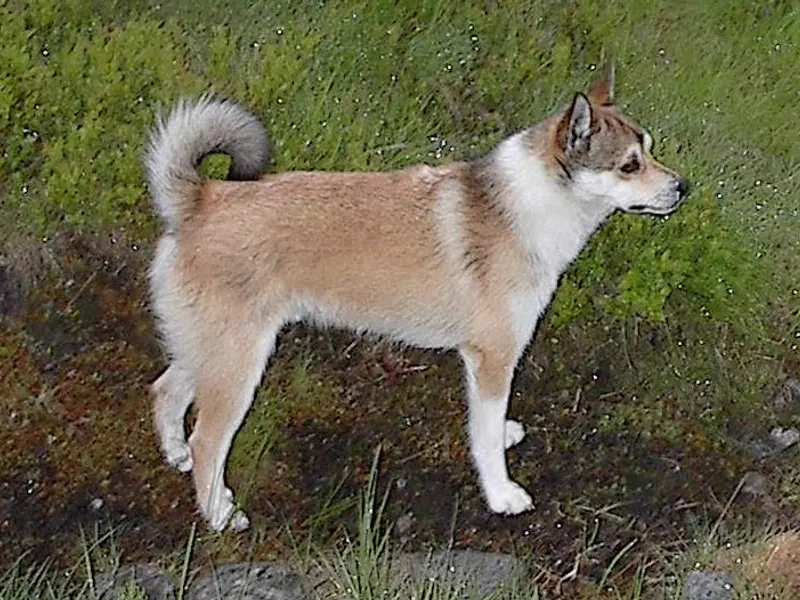
Norwegian Lundehund
Non-Sporting
13–16 lbs · 12–15 yrs
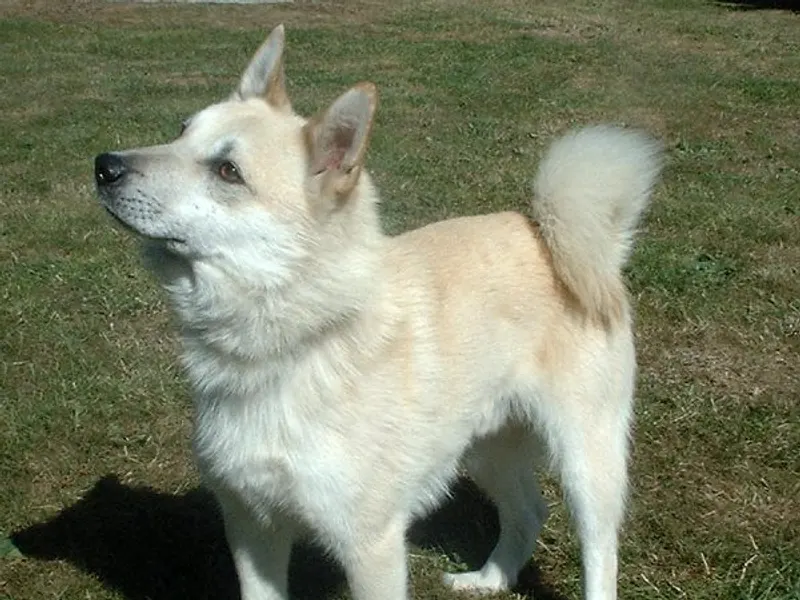
Norwegian Buhund
Herding
26–40 lbs · 12–15 yrs
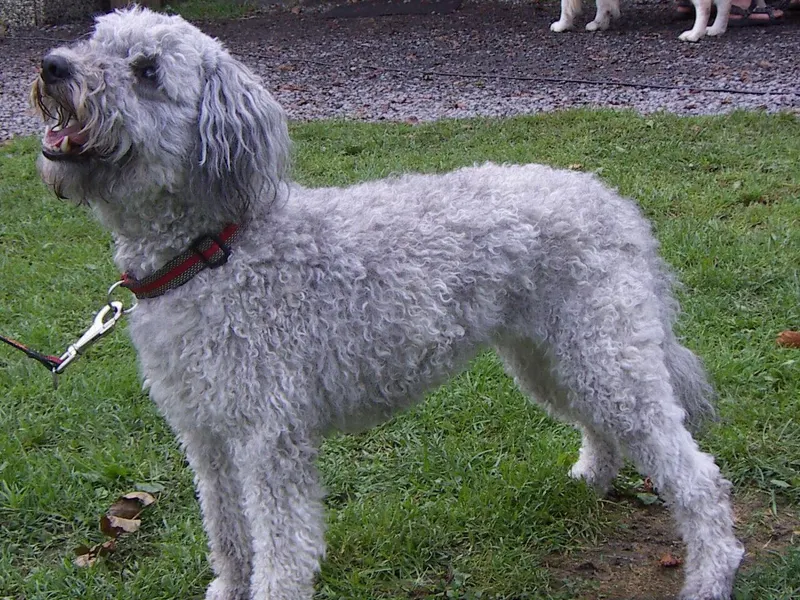
Pumi
Herding
18–33 lbs · 12–13 yrs
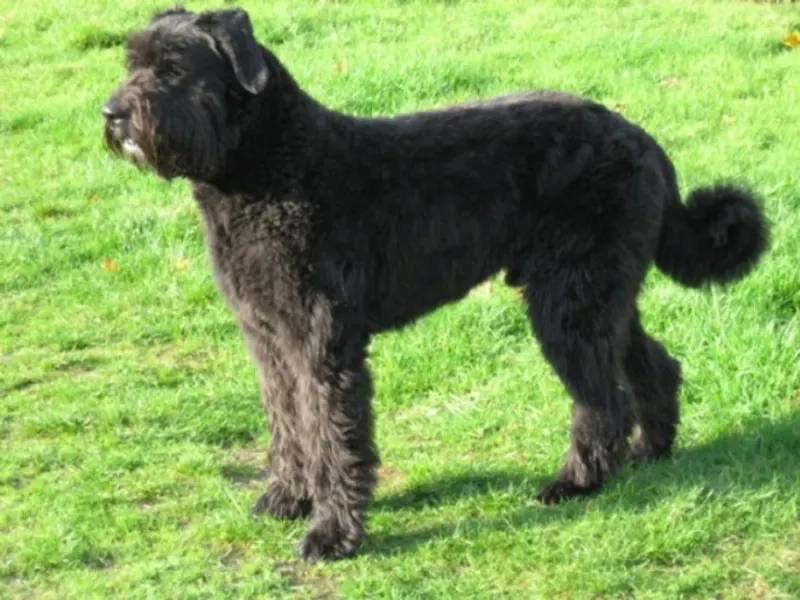
Bouvier des Flandres
Herding
70–110 lbs · 10–12 yrs
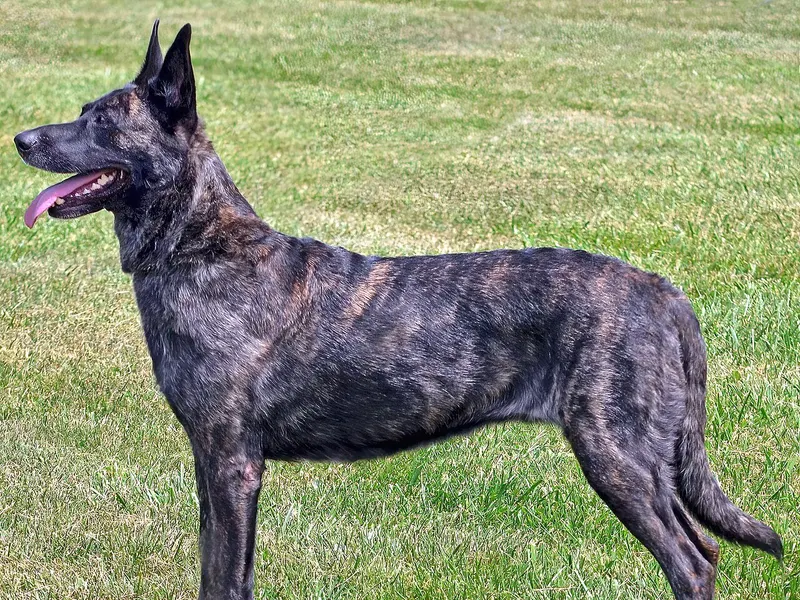
Dutch Shepherd
Herding
42–75 lbs · 11–14 yrs
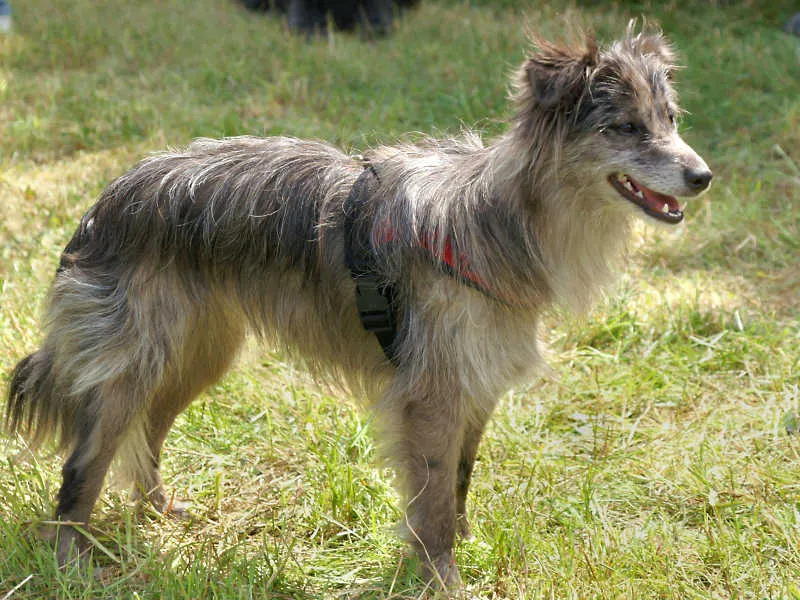
Pyrenean Shepherd
Herding
15–32 lbs · 15–17 yrs
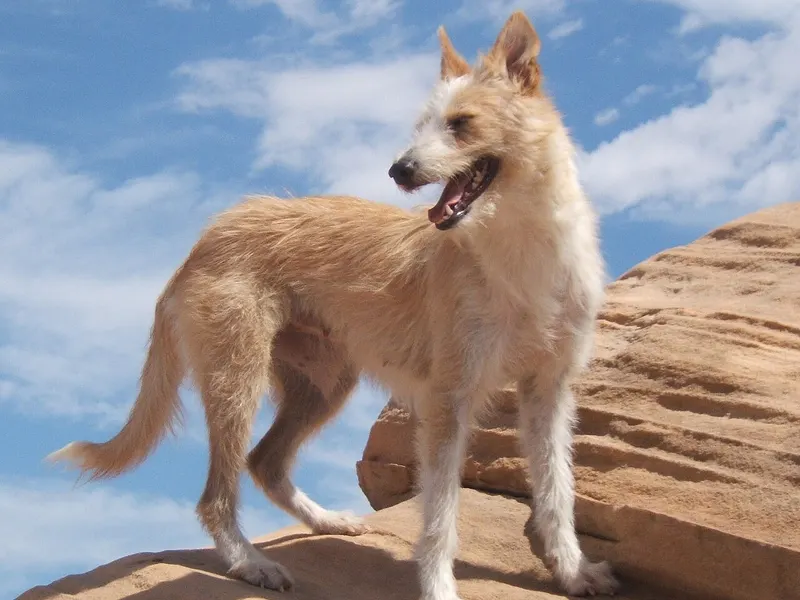
Podengo Português
Foundation Stock
35–44 lbs · 12–15 yrs
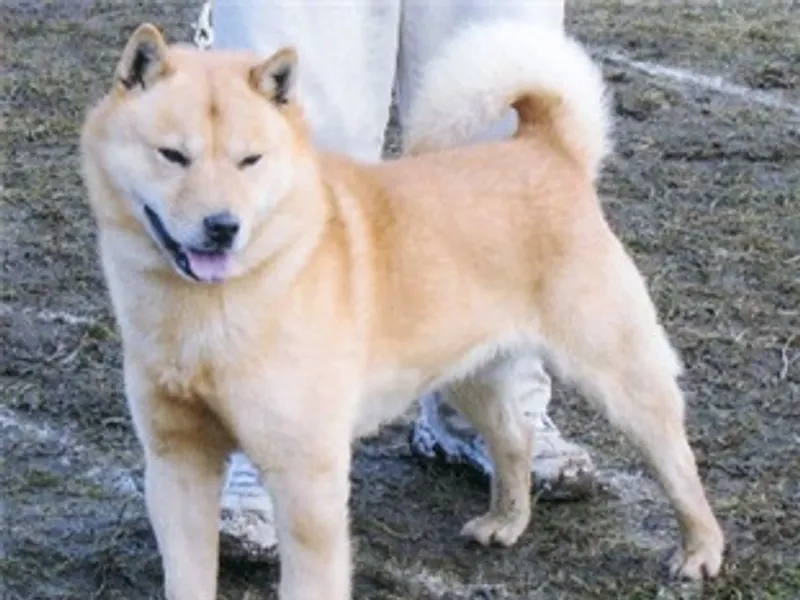
Hokkaido
Foundation Stock
45–65 lbs · 11–13 yrs
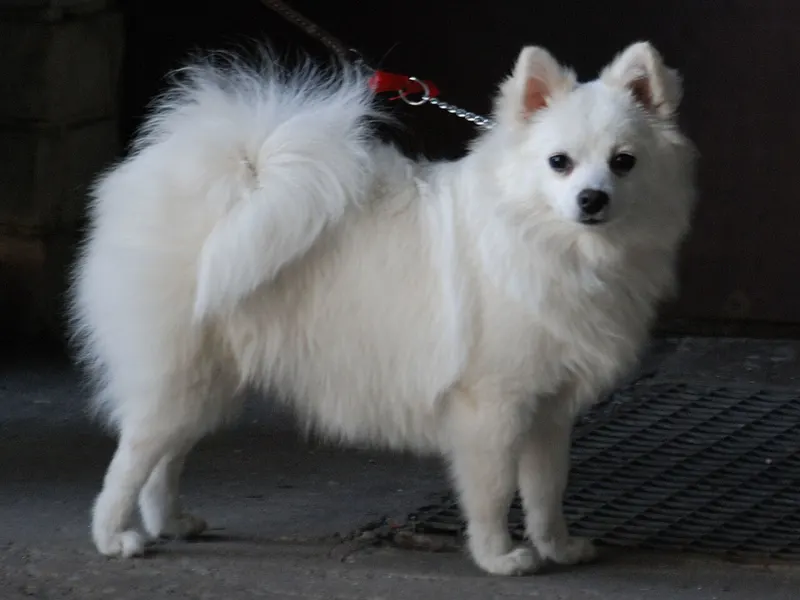
Volpino Italiano
Foundation Stock
9–14 lbs · 14–16 yrs
Schnoodle
Crossbreed
6–75 lbs · 10–16 yrs
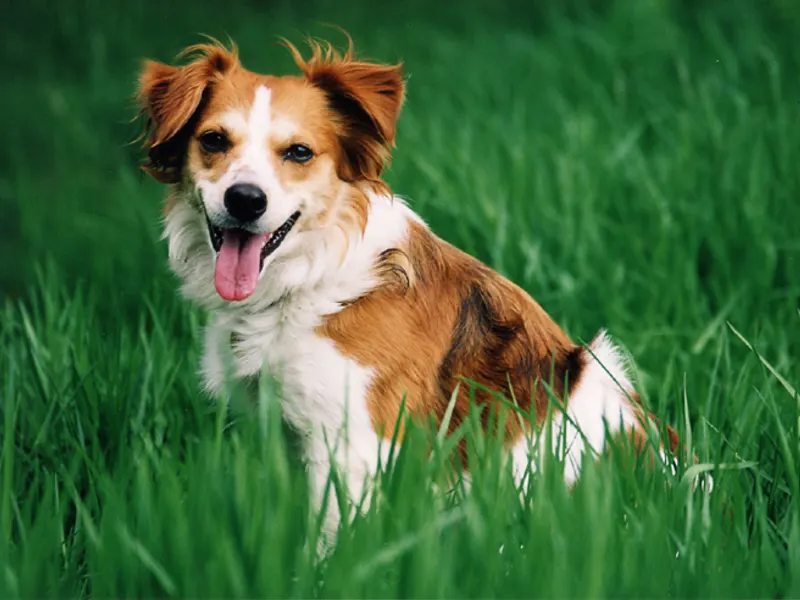
Kromfohrländer
Non-Sporting
20–30 lbs · 13–15 yrs
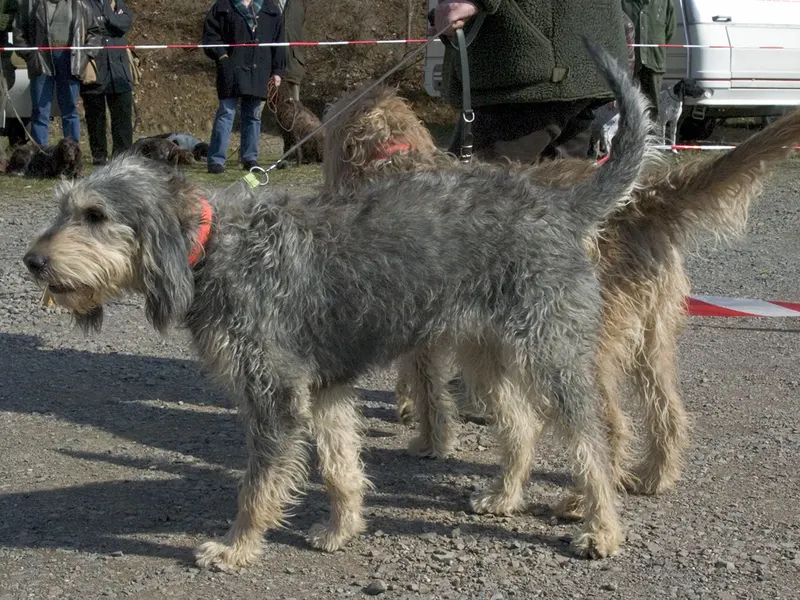
Griffon Nivernais
Hound
50–65 lbs · 12–14 yrs