Healthiest Cat Breeds
Feline genetic health hinges on two intertwined variables worth separating out: how physically extreme a breed's standard is — flat faces linked to breathing and tear-duct problems, exaggerated body proportions, or a history of selecting narrowly for one specific look — set alongside a second, less visible factor, the actual genetic diversity remaining within that breed's population. A breed developed from a small founding population, or bred heavily toward one narrow show-ring ideal, concentrates hereditary conditions across the whole breed over time regardless of how carefully any individual breeder screens their own cats. Mixed-breed domestic cats deserve the same direct mention here that mixed-breed dogs get on this site's healthiest-dogs list: broad veterinary consensus generally finds mixed-ancestry cats carry a documented edge over several purebreds on hereditary-condition rates, plausibly tied to their wider gene pool, though this is a population-level tendency rather than a guarantee for any specific cat, whose actual health still comes down to its own particular ancestry and individual genetics rather than mixed heritage alone conferring automatic immunity. Breeds without a flat-faced (brachycephalic) skull avoid an entire category of documented problems that breeds like the Persian and Exotic Shorthair face no matter how carefully they're bred — labored breathing, chronic tear-duct overflow and the skin irritation that comes with it, and dental crowding are all consequences of the shortened skull shape itself, a body-plan-level risk rather than something limited to a specific breeder's poor practices, echoing the same brachycephalic pattern covered on this site's dog-health content. Certain breeds carry well-documented, breed-specific hereditary conditions worth knowing about directly rather than glossing over: Maine Coons and several other breeds have a documented elevated rate of hypertrophic cardiomyopathy (a heart-muscle thickening condition), and reputable breeders now commonly screen breeding cats via cardiac ultrasound for this specific condition — a genetic health-testing practice that, much like hip-testing in dogs, measurably lowers a kitten's odds of inheriting it when breeders actually follow through, so a screened kitten from a breed with a known condition risk can genuinely be the safer buy over an unscreened kitten from a breed with a rosier general reputation. It's worth being honest that a "healthiest breeds" ranking describes a population-level pattern in documented condition rates, not a promise about any one cat — every cat, whatever its breed, benefits from routine veterinary care, a lean body weight (feline obesity is widespread and largely preventable, and it drives diabetes and joint problems across essentially every breed), dental care, and an owner willing to ask breeders directly about health testing rather than assuming general breed reputation guarantees a healthy kitten. Rounding out the sound-genetic-health picture: the American Shorthair, carrying a broad genetic base and no extreme physical exaggeration, contributing to a generally strong overall health reputation; the Russian Blue is documented with comparatively few widespread breed-specific hereditary conditions; and the Siamese, despite the cardiac and respiratory considerations noted on this site's longevity page, otherwise carries a fairly robust general health profile relative to some more heavily inbred or physically exaggerated breeds. There's one concrete, actionable step worth taking regardless of which breed ends up under consideration: asking a breeder directly which health tests have been performed on a kitten's parents — and asking to see the actual documentation or registry results rather than taking a verbal assurance at face value — is a reasonable, standard request that a reputable breeder will answer readily and transparently, while reluctance or vagueness in response to this specific question is itself a meaningful red flag worth taking seriously before committing to a kitten from that breeder. Weight tracking deserves a concrete method rather than a vague reminder: monthly at-home weigh-ins (holding the cat while standing on a bathroom scale, then subtracting one's own weight) give a simple, trackable baseline that catches gradual weight changes early, before they become visually obvious, and a documented, sudden weight loss in particular — even in a cat that still looks and acts normal day to day — is one of the more reliable early indicators of several serious feline illnesses, worth a prompt veterinary conversation regardless of how healthy the breed's general reputation is. Annual bloodwork starting around age seven, even in an apparently healthy cat, catches several common age-related conditions — kidney and thyroid issues especially — well before symptoms become obvious, giving a meaningfully better treatment outlook than waiting for visible signs to prompt a vet visit. None of this replaces an owner's own daily observation, since subtle behavior changes a person notices at home often prompt the bloodwork that catches a developing issue early in the first place.
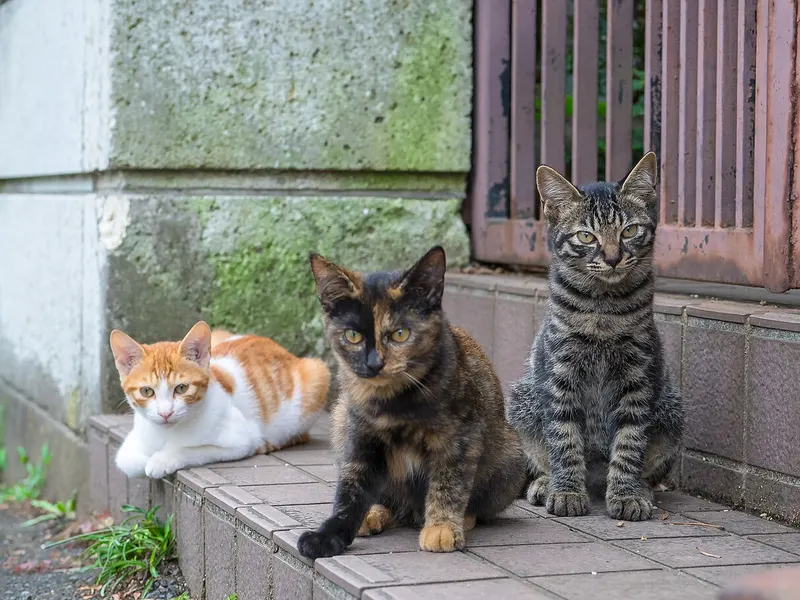
Domestic Shorthair
Semi-foreign
8–12 lbs · 12–18 yrs
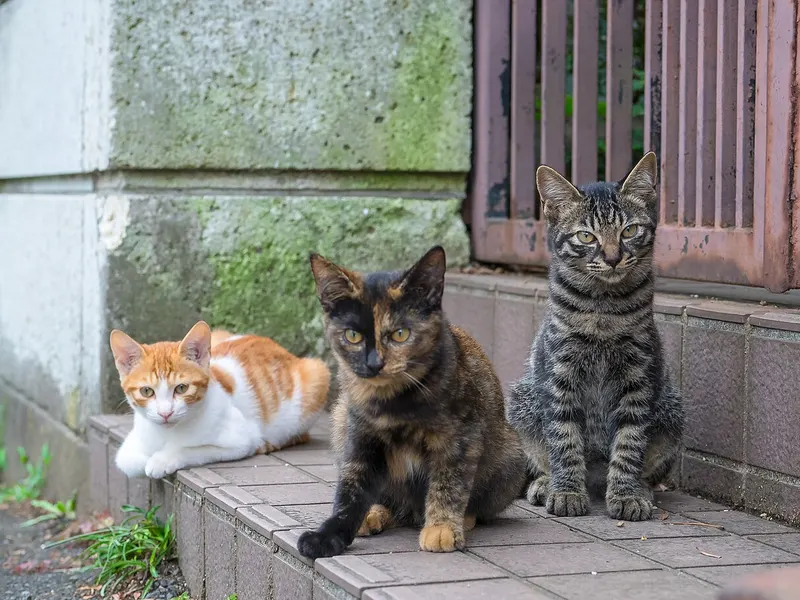
Domestic Longhair
Semi-foreign
8–15 lbs · 12–18 yrs
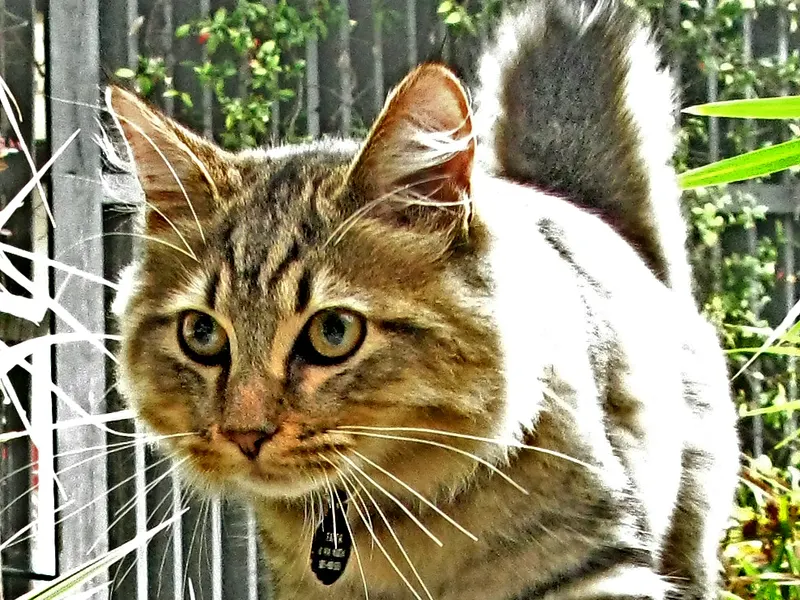
American Bobtail
Semi-cobby
7–16 lbs · 11–15 yrs
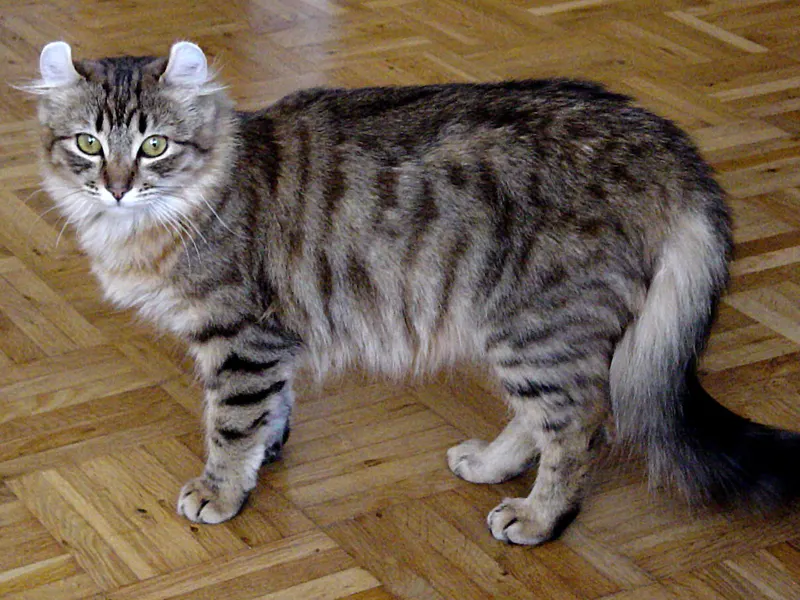
American Curl
Semi-foreign
5–10 lbs · 12–16 yrs
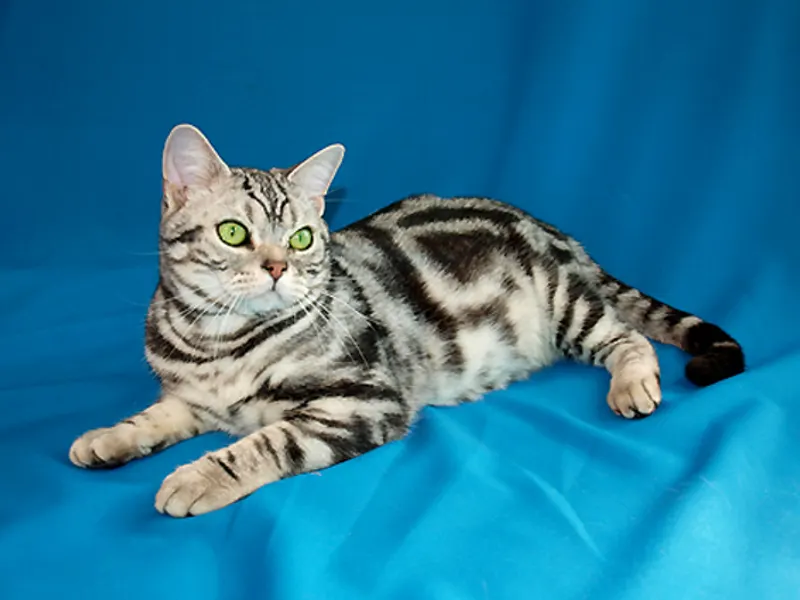
American Shorthair
Cobby
8–15 lbs · 15–20 yrs
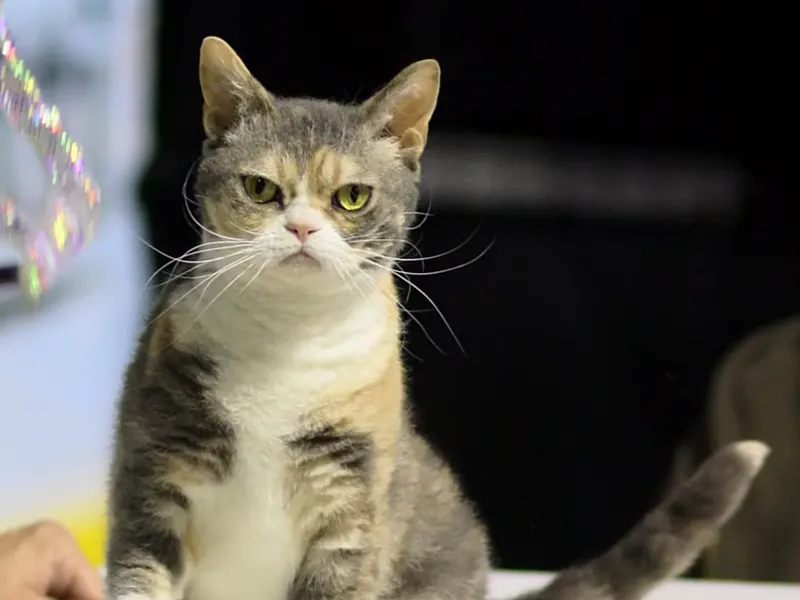
American Wirehair
Cobby
8–15 lbs · 14–18 yrs
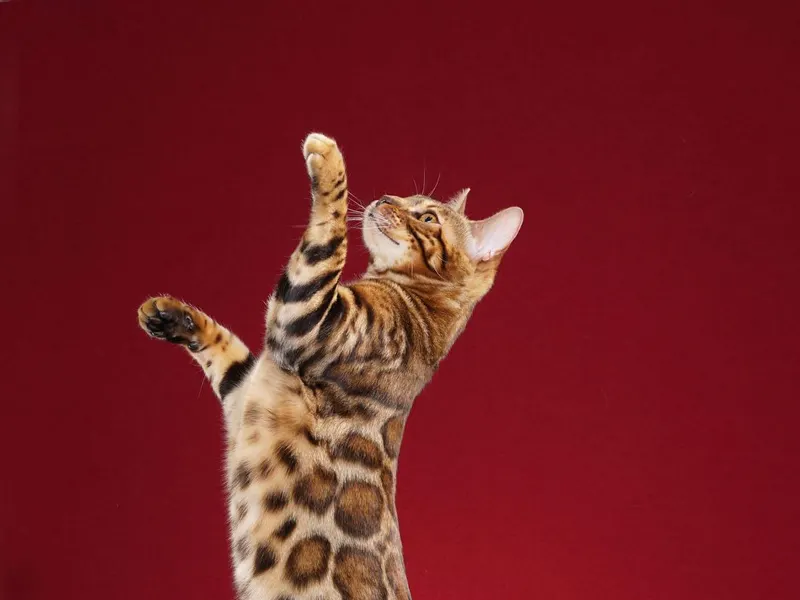
Bengal
Foreign
8–15 lbs · 12–16 yrs
Birman
Semi-cobby
8–12 lbs · 12–16 yrs
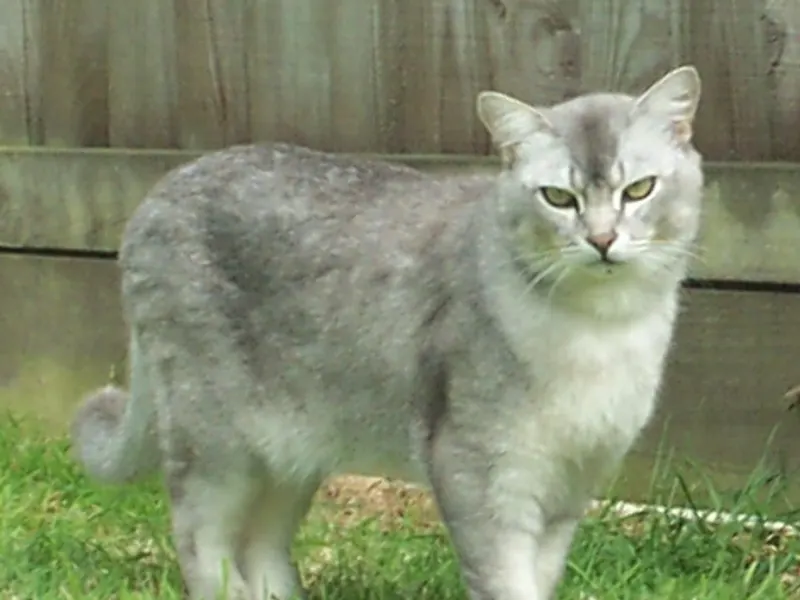
Burmilla
Semi-cobby
6–12 lbs · 10–15 yrs
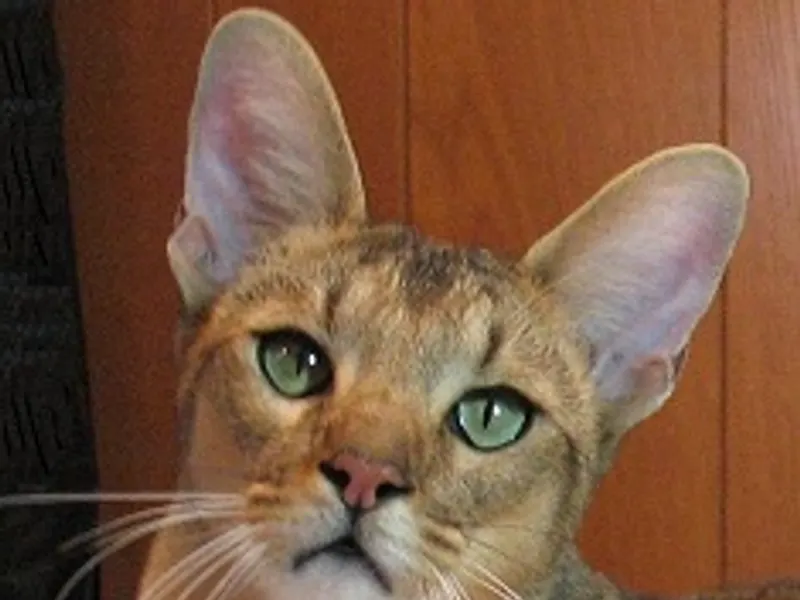
Chausie
Foreign
15–25 lbs · 12–15 yrs
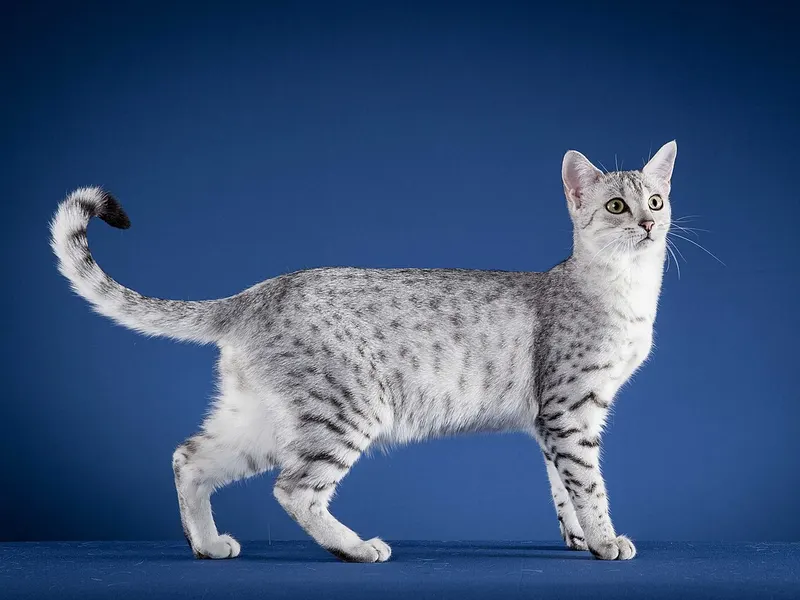
Egyptian Mau
Foreign
6–11 lbs · 12–15 yrs
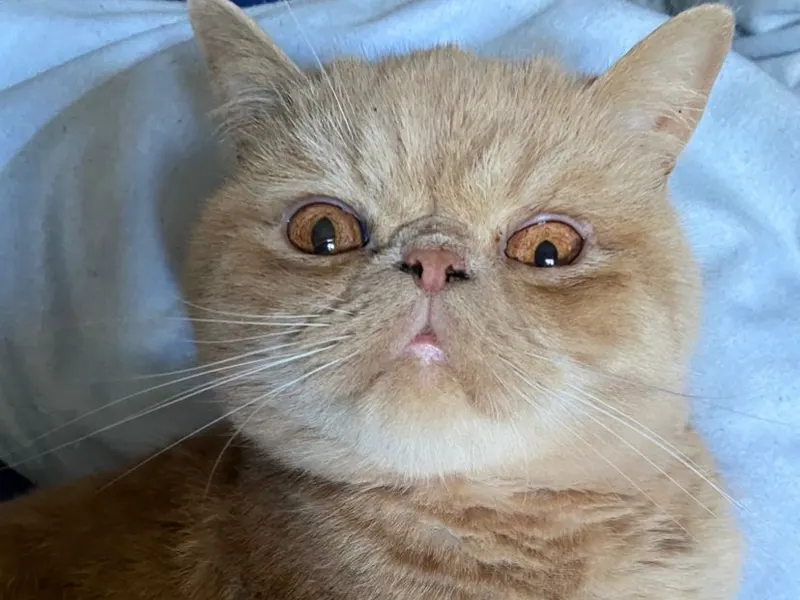
Exotic Shorthair
Cobby
7–14 lbs · 12–15 yrs
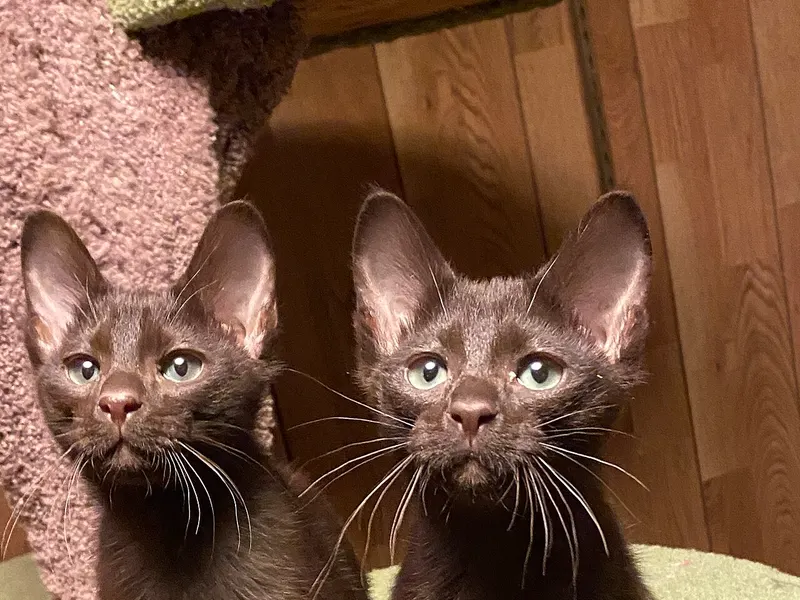
Havana Brown
Foreign
6–10 lbs · 9–15 yrs
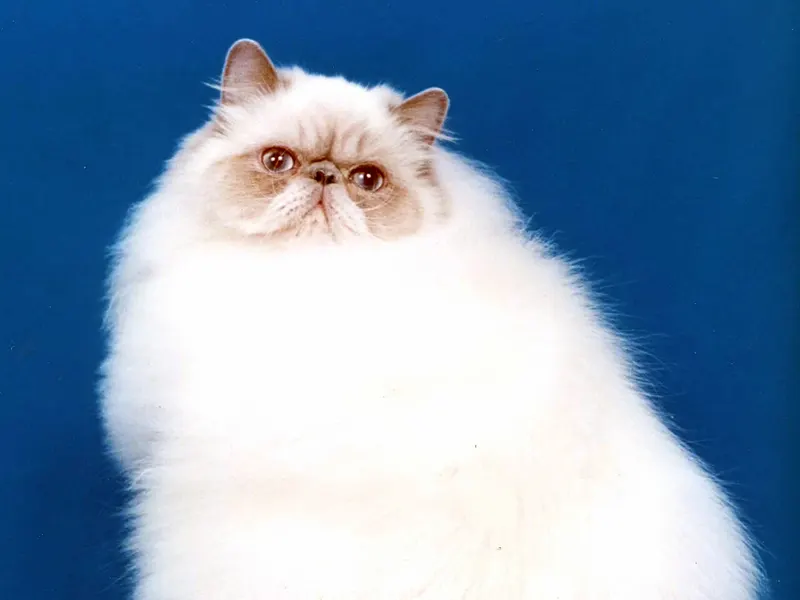
Himalayan
Cobby
7–12 lbs · 9–15 yrs
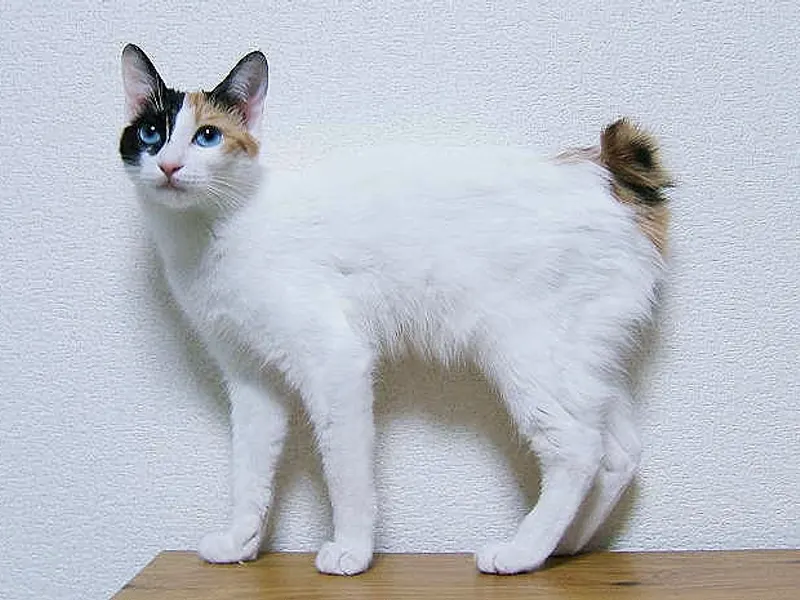
Japanese Bobtail
Semi-foreign
6–10 lbs · 12–16 yrs
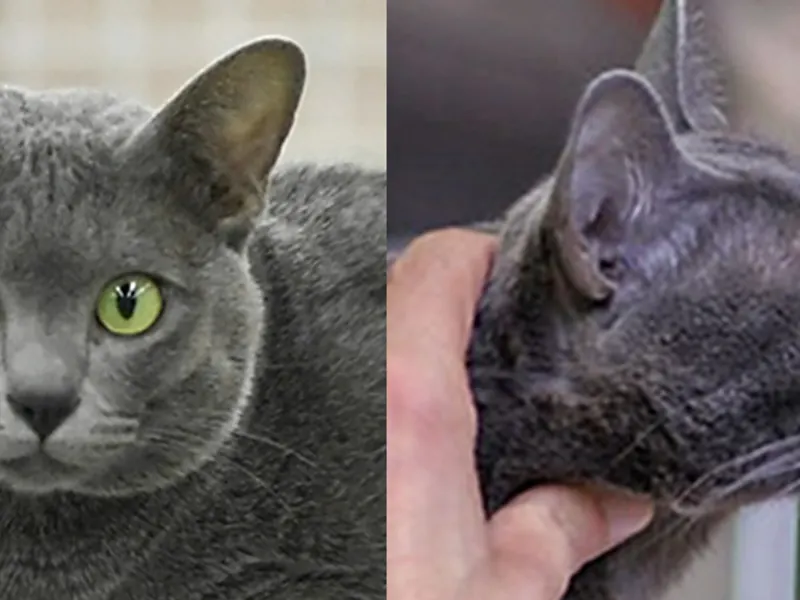
Korat
Foreign
6–10 lbs · 15–20 yrs
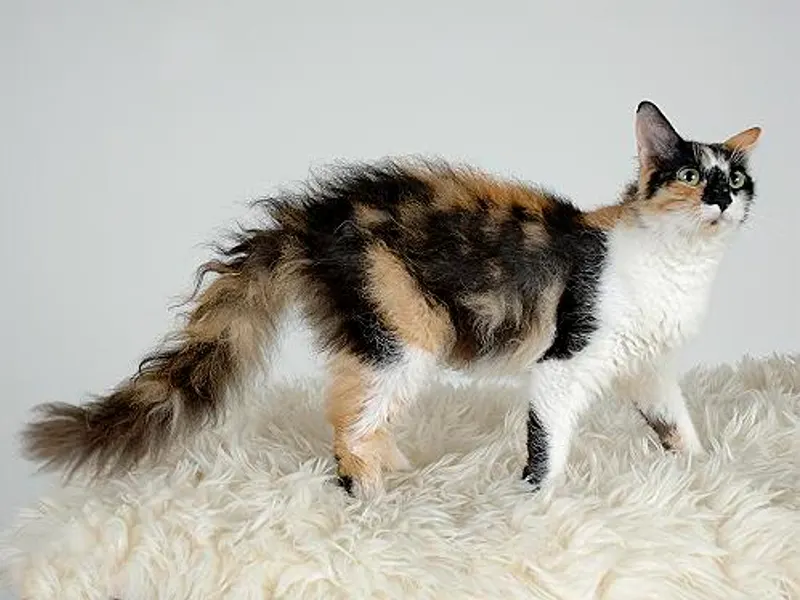
LaPerm
Semi-foreign
6–10 lbs · 10–15 yrs
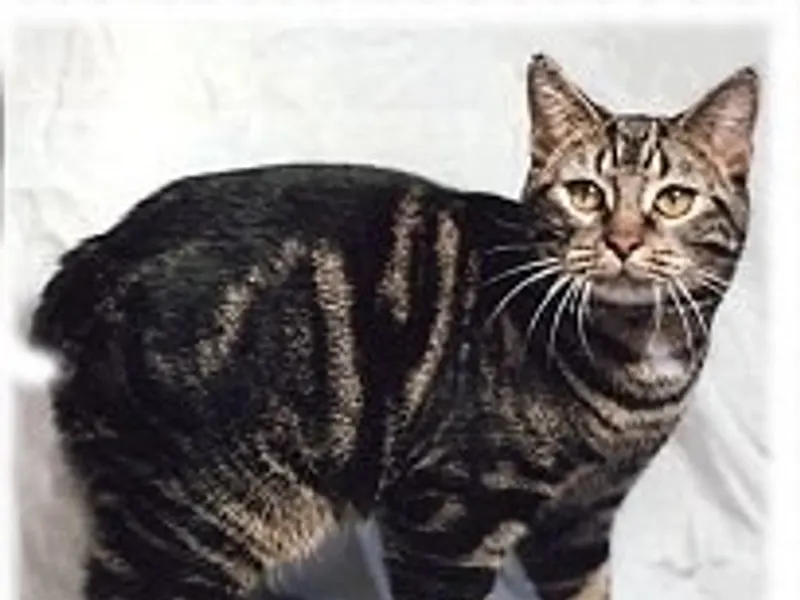
Manx
Cobby
8–12 lbs · 8–14 yrs
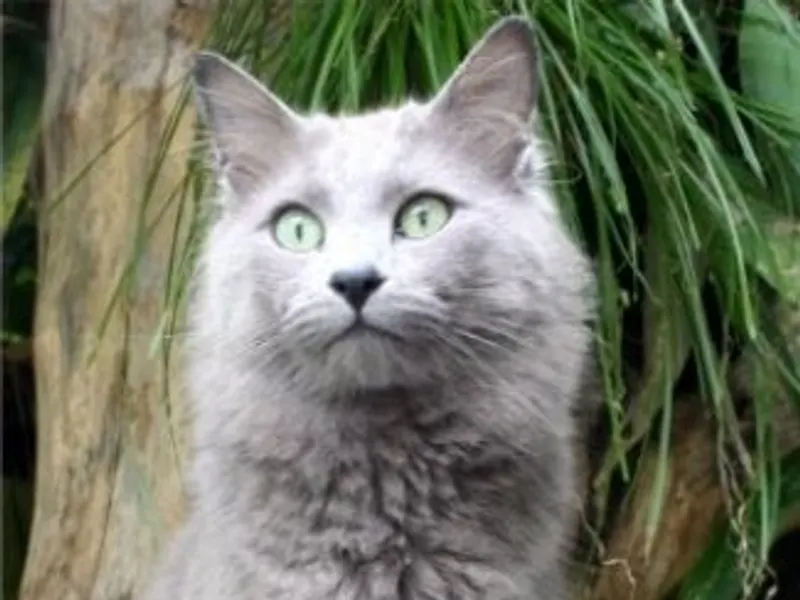
Nebelung
Foreign
7–11 lbs · 15–18 yrs
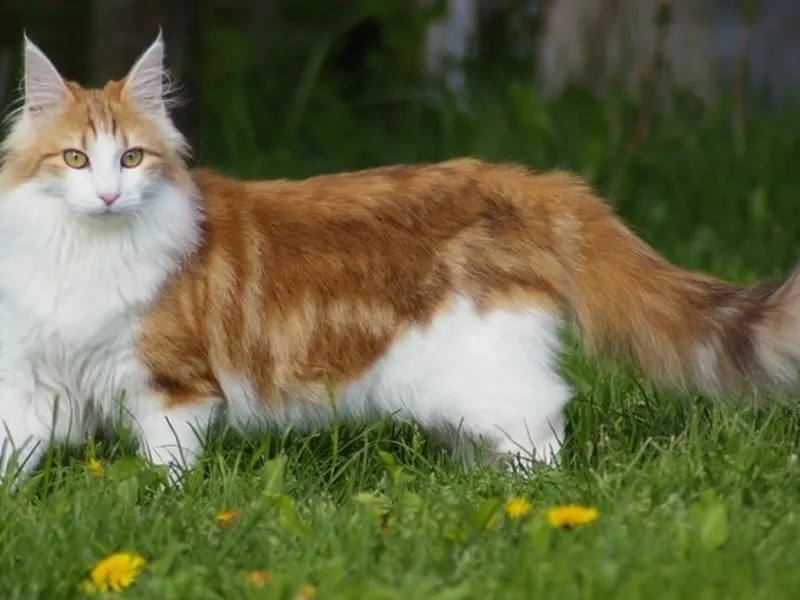
Norwegian Forest Cat
Long & Substantial
10–22 lbs · 14–16 yrs
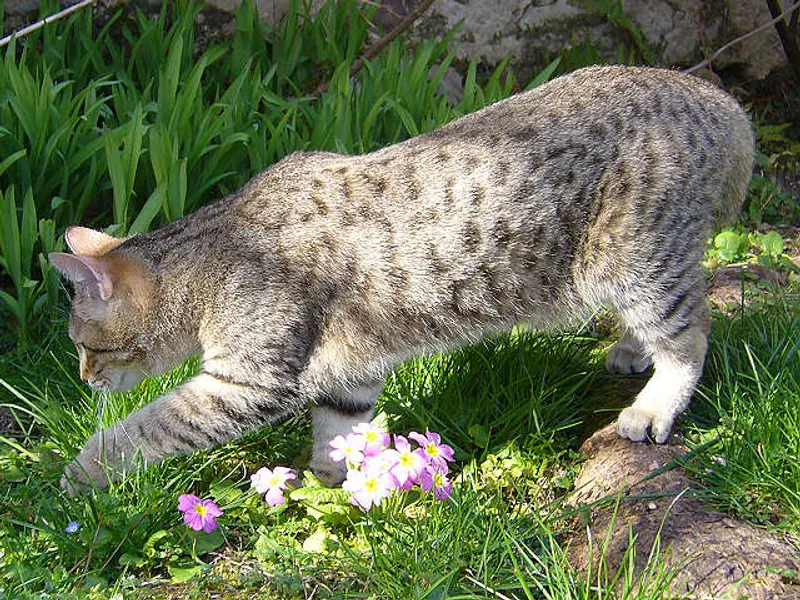
Pixie-bob
Semi-cobby
8–17 lbs · 13–16 yrs
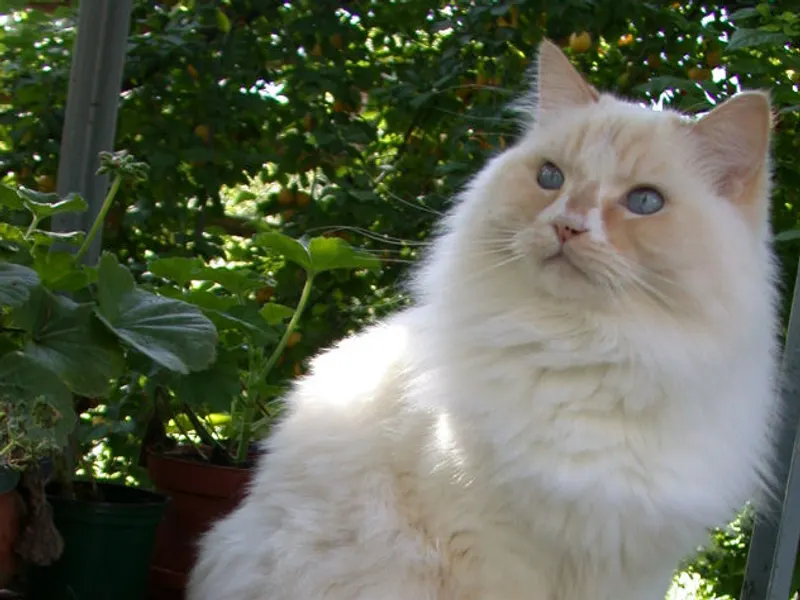
Ragamuffin
Semi-cobby
8–20 lbs · 12–16 yrs
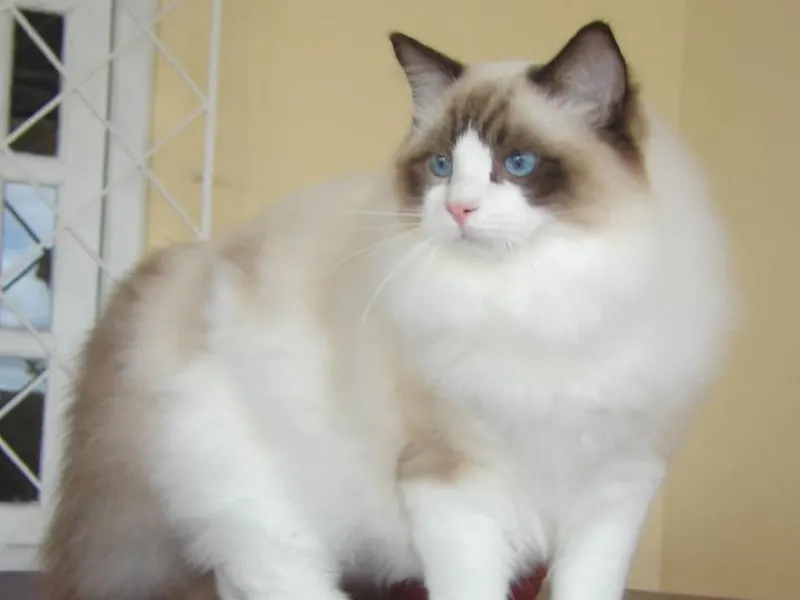
Ragdoll
Semi-cobby
10–20 lbs · 12–17 yrs
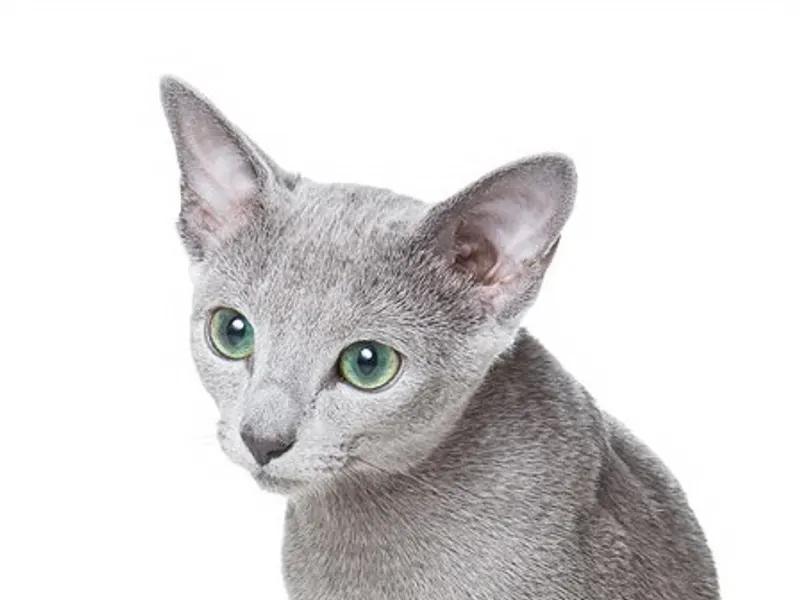
Russian Blue
Foreign
7–12 lbs · 15–20 yrs
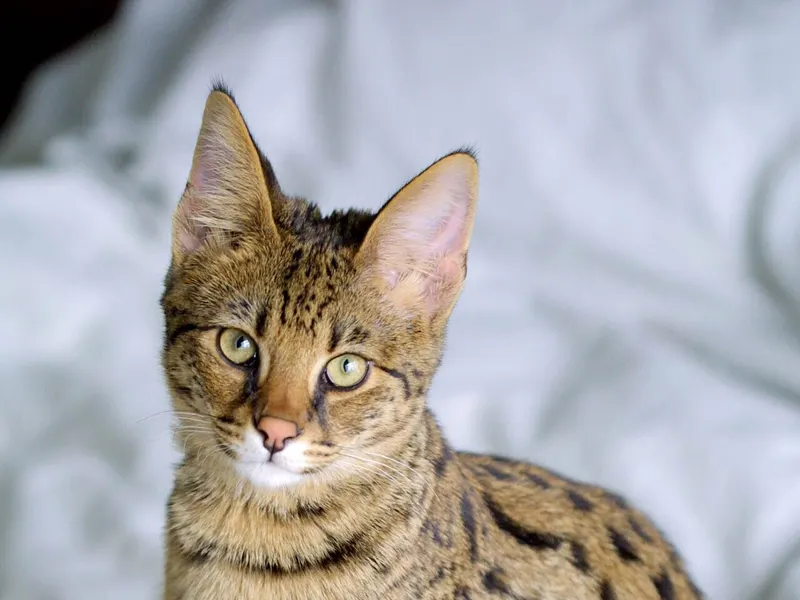
Savannah
Foreign
12–25 lbs · 12–20 yrs
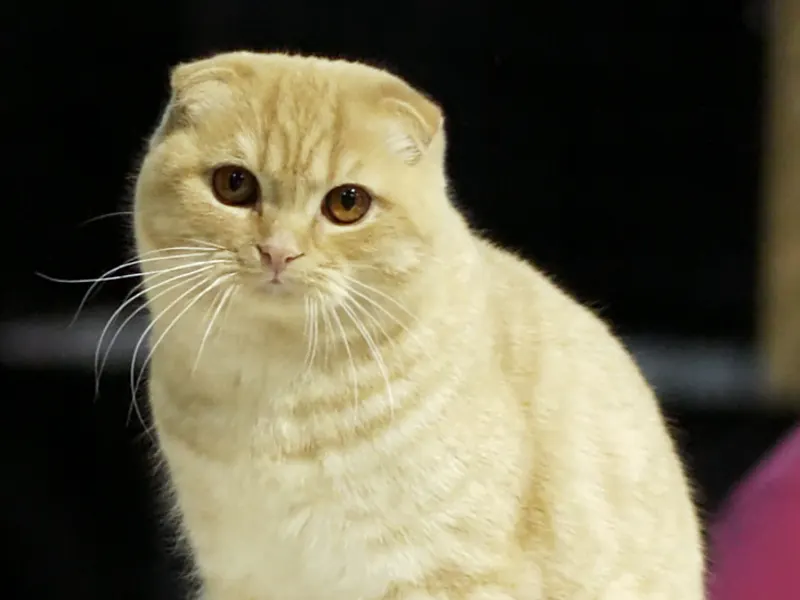
Scottish Fold
Semi-cobby
6–13 lbs · 11–15 yrs
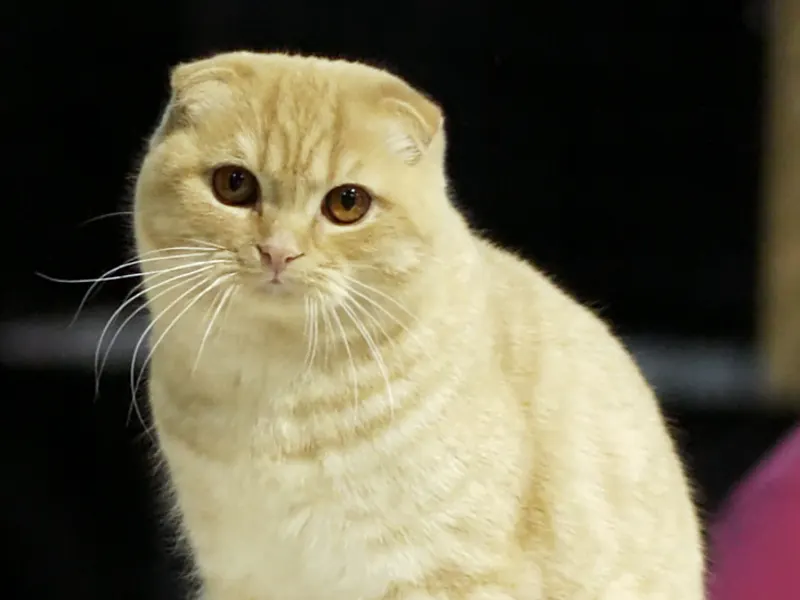
Scottish Straight
Semi-cobby
6–13 lbs · 11–15 yrs
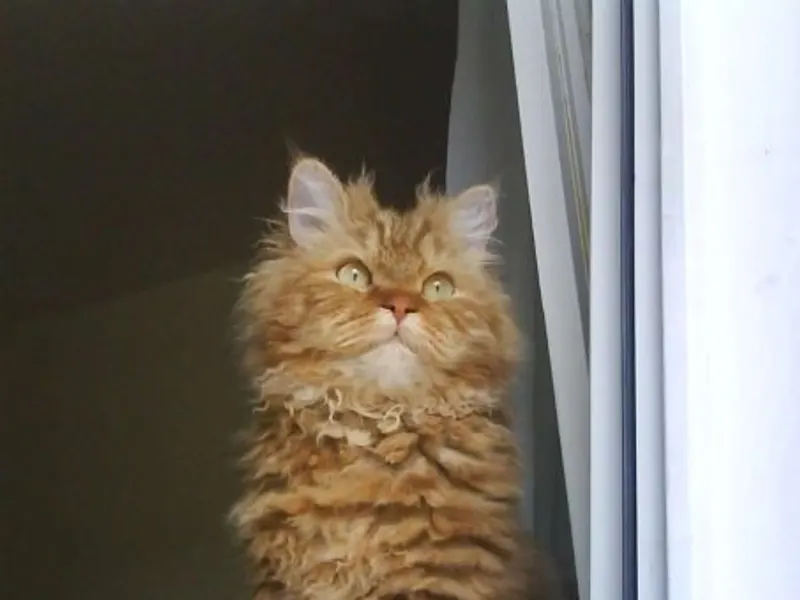
Selkirk Rex
Cobby
7–15 lbs · 10–15 yrs
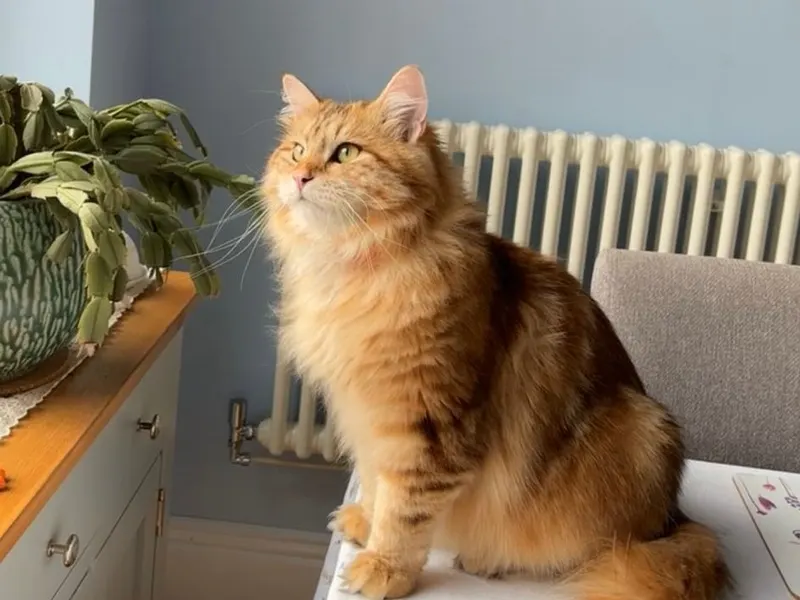
Siberian
Long & Substantial
8–17 lbs · 11–18 yrs
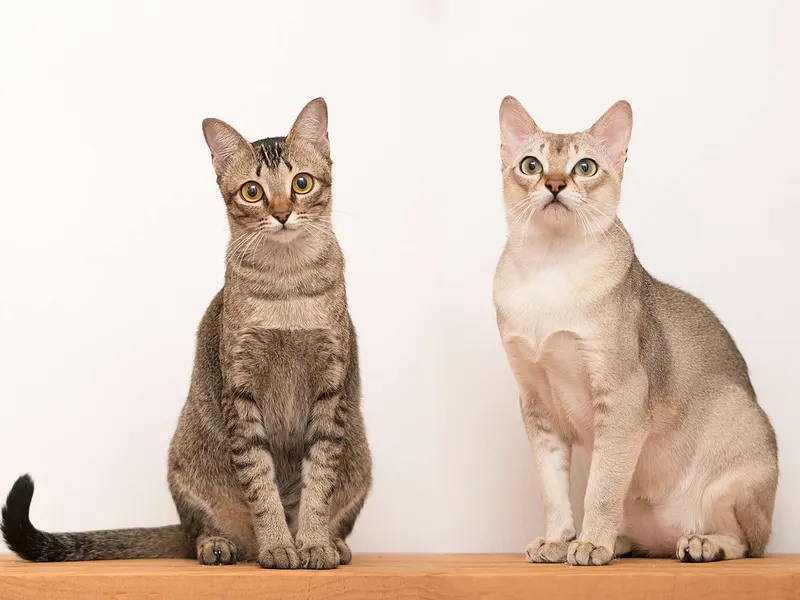
Singapura
Foreign
4–8 lbs · 12–16 yrs
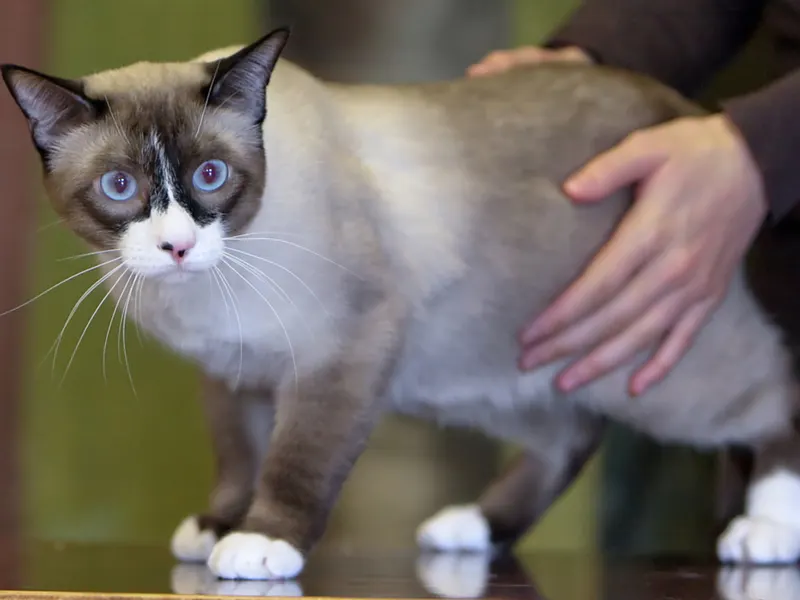
Snowshoe
Semi-cobby
7–12 lbs · 12–15 yrs
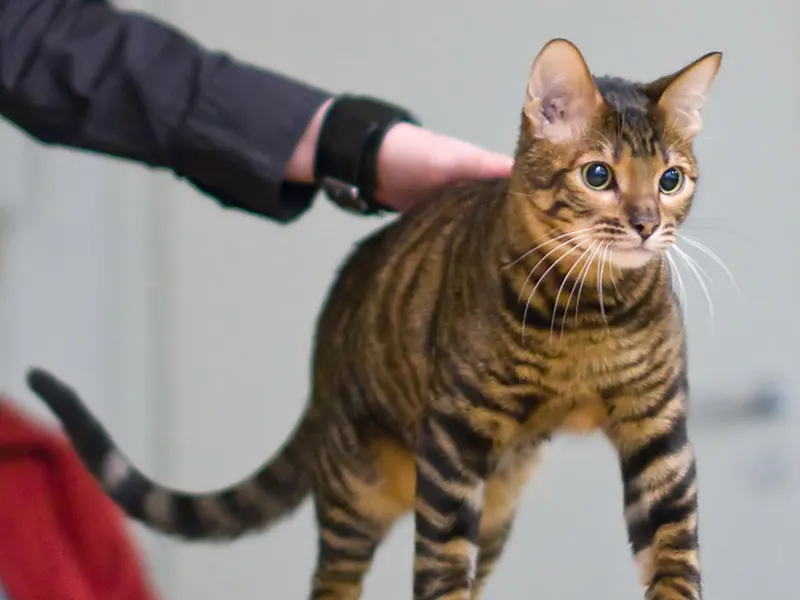
Toyger
Foreign
7–15 lbs · 12–15 yrs
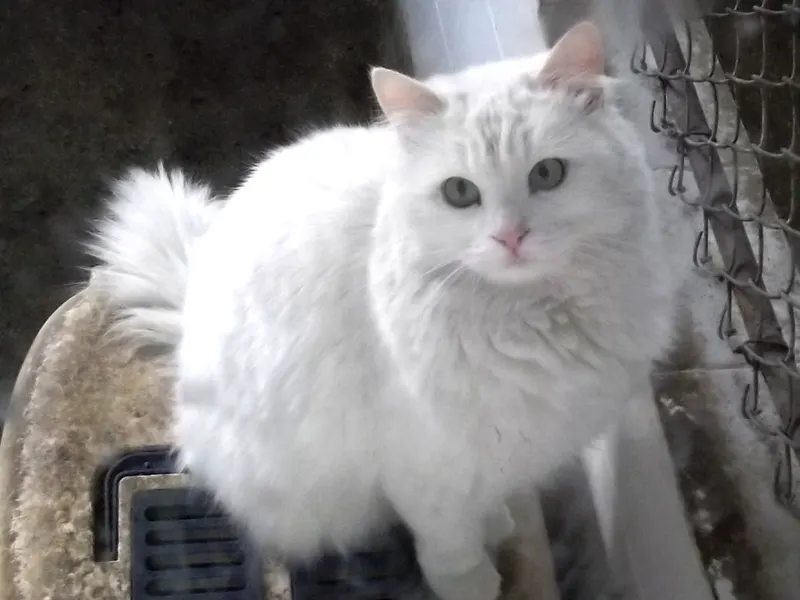
Turkish Angora
Semi-foreign
5–9 lbs · 12–18 yrs
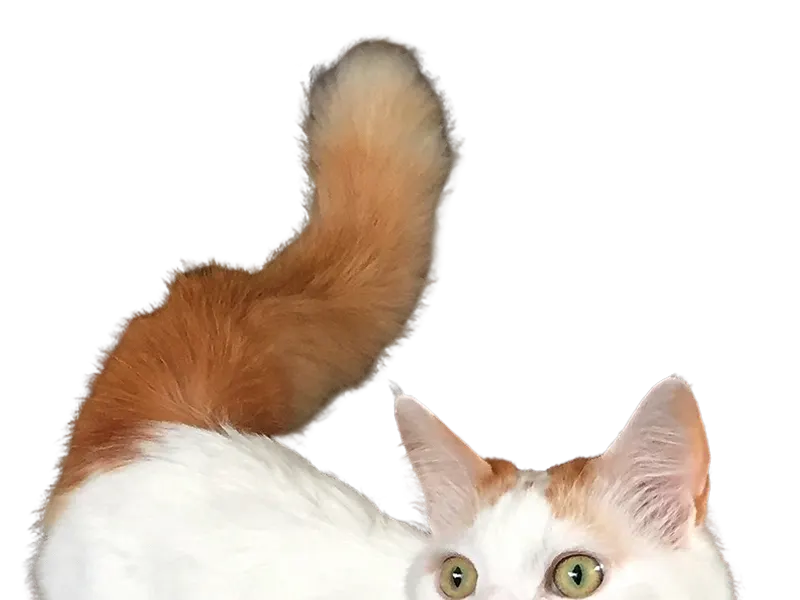
Turkish Van
Semi-foreign
7–19 lbs · 12–17 yrs
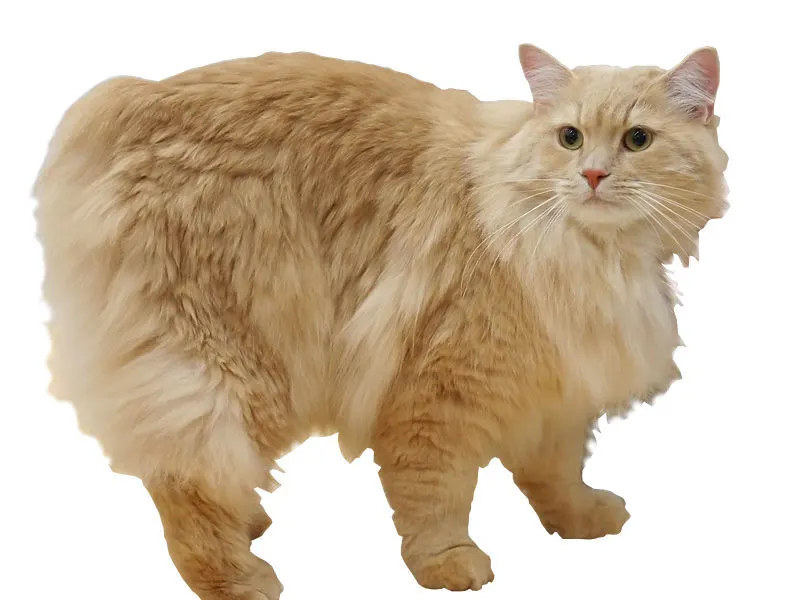
Cymric
Cobby
8–12 lbs · 8–14 yrs
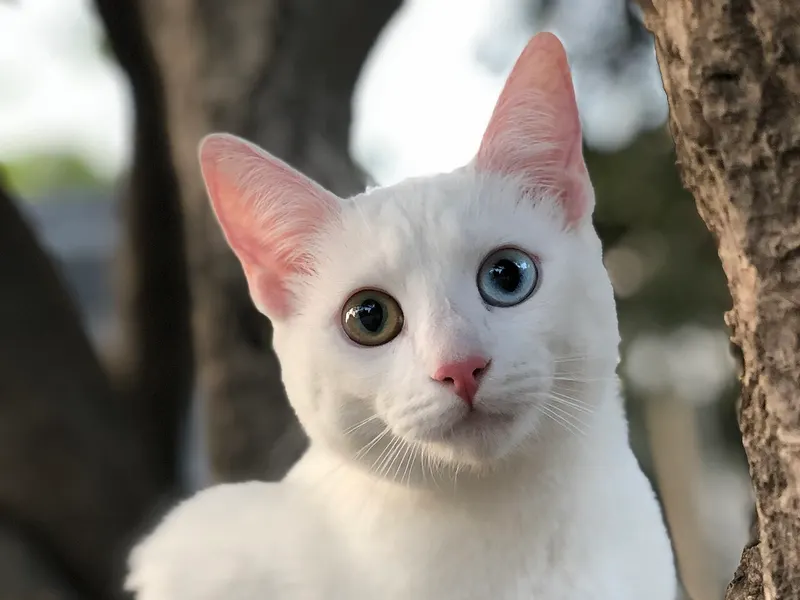
Khao Manee
Foreign
6–10 lbs · 10–15 yrs
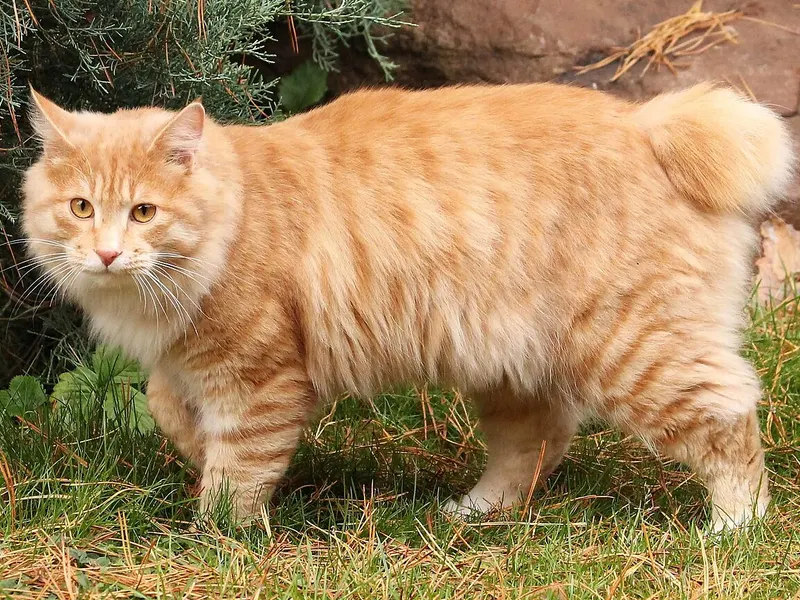
Kurilian Bobtail
Semi-cobby
7–15 lbs · 12–15 yrs
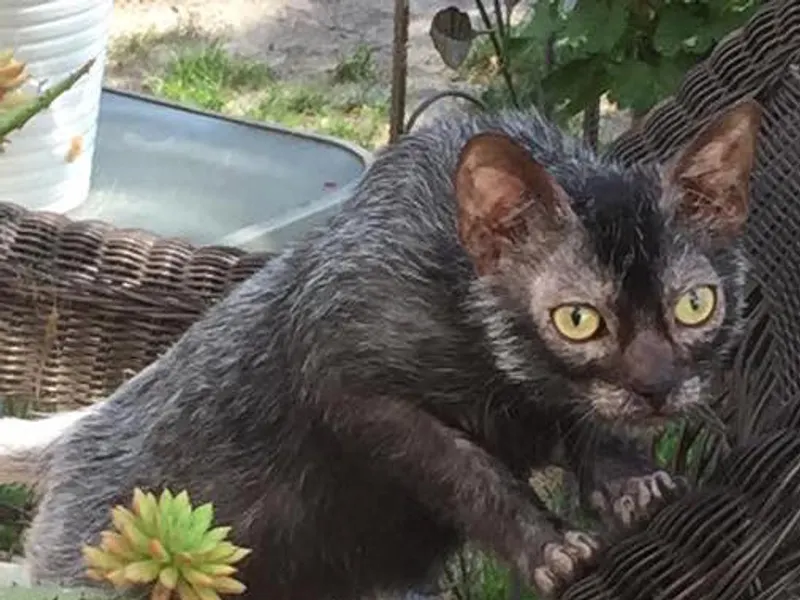
Lykoi
Rex
4–9 lbs · 12–15 yrs
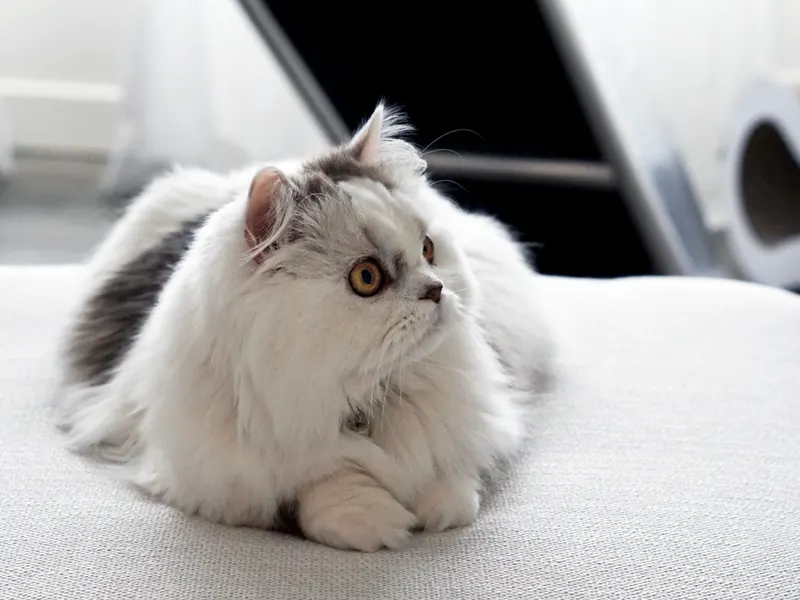
Napoleon (Minuet)
Semi-cobby
5–9 lbs · 12–14 yrs
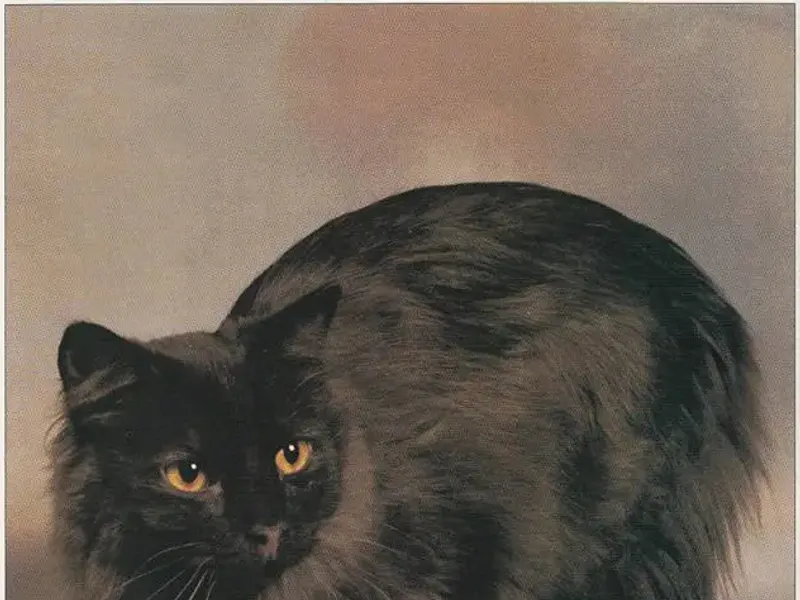
Chantilly-Tiffany
Semi-foreign
7–12 lbs · 12–16 yrs
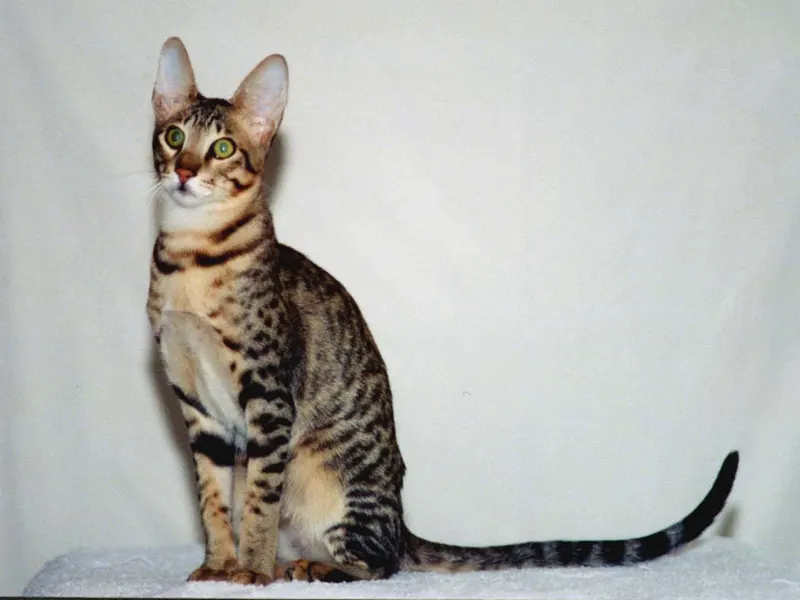
Serengeti
Foreign
8–15 lbs · 12–15 yrs
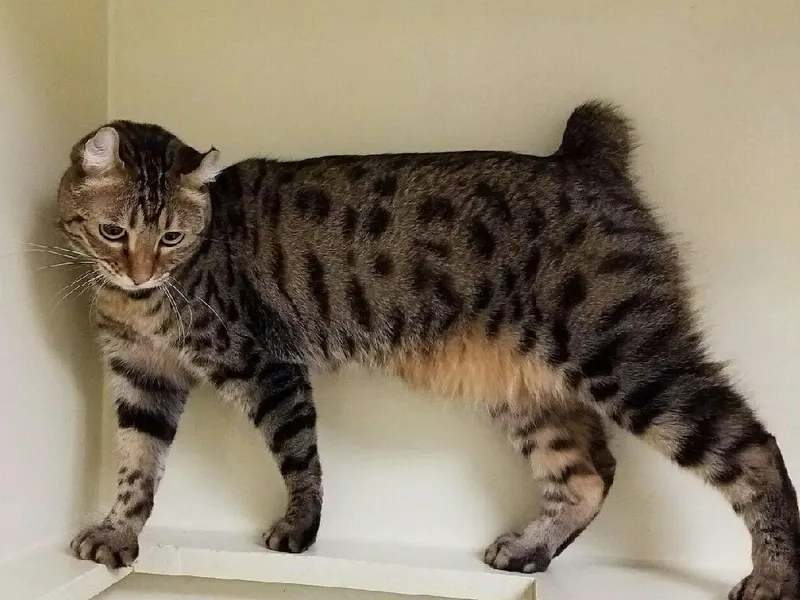
Highlander
Semi-cobby
10–20 lbs · 12–15 yrs