Most Playful Cat Breeds
Play drive in cats traces closely to a breed's inherited hunting instinct intensity, since domestic cat play behavior — pouncing, stalking, chasing — is largely a preserved and somewhat ritualized version of genuine predatory behavior, meaning breeds developed with, or retaining closer genetic ties to, wild ancestor lineages or bred with an emphasis on athleticism and activity tend to show measurably higher and more sustained play drive throughout adulthood than breeds bred more toward a calm, sedentary companion temperament. The Bengal is the clearest example of this connection, given its documented partial ancestry from the Asian leopard cat, a wild species crossed into the domestic breed's foundational lines generations ago — that wild lineage shows up behaviorally as an unusually intense, athletic play style and hunting drive that persists strongly into adulthood, well past the kitten play phase most breeds gradually taper down from, which is part of why Bengals are frequently described by owners and breeders as needing considerably more active engagement than a typical adult cat to stay behaviorally satisfied. Abyssinians round out the top of most playful-breed lists for a related though distinct reason: rather than tracing to recent wild ancestry like the Bengal, the breed's high activity and play drive traces to its general athletic build and historically active temperament, described consistently across breed-club sources as one of the most energetic and engaged domestic breeds, often characterized as needing near-constant mental and physical stimulation to avoid boredom-driven mischief — climbing, investigating, and general household exploration that owners often describe as more dog-like in its persistence than typical cat behavior. It's worth directly correcting an assumption that high play drive is purely a kitten trait that naturally fades with age across all breeds: while most cats do show reduced play intensity as they mature past the kitten and adolescent stages, breeds on this list are specifically documented as retaining notably higher play drive well into adulthood and sometimes throughout their full lifespan, meaning owners drawn to this list should expect an ongoing engagement commitment rather than a phase that resolves itself with maturity the way it more typically does in lower-drive breeds. High play drive comes with real practical implications worth naming directly: these breeds generally need considerably more daily interactive play, environmental enrichment (climbing structures, puzzle feeders, rotating toy novelty), and mental stimulation than a lower-drive breed to avoid that unmet drive redirecting into less welcome outlets like destructive scratching, counter-surfing, or nighttime activity disrupting an owner's sleep — a genuine daily time commitment that's worth weighing honestly against a household's actual available engagement time before choosing a breed from this list purely because high energy sounds appealing in the abstract. A few more high-drive, playful breeds worth naming: the Egyptian Mau, one of the fastest domestic cat breeds, combines notable physical speed with a correspondingly high play drive; the Somali, a long-haired relative of the Abyssinian, carries much of that breed's athletic, curious energy in a fuller coat; and the Turkish Angora's historically active, agile temperament makes it another consistently high-energy breed on playful-cat lists. It's worth naming a specific enrichment category particularly well-suited to high-play-drive breeds: puzzle feeders that require a cat to work for its food — batting a treat-dispensing ball, manipulating a sliding-panel puzzle toy to release kibble — combine the breed's strong play drive with natural foraging instinct, and several veterinary behaviorists specifically recommend this category of enrichment for highly active breeds since it extends mealtime into a longer, more mentally engaging activity than simply eating from a bowl, addressing both the physical play need and a genuine cognitive stimulation need simultaneously in a way passive toys alone don't fully cover. Play session length and frequency matter as much as toy selection for genuinely satisfying a high-play-drive breed: most behaviorists recommend two to three sessions of roughly ten to fifteen minutes daily, mimicking a natural hunting sequence of stalk, chase, catch, and a "kill" moment (letting the cat successfully catch the toy periodically rather than endlessly dangling it out of reach), since ending a session on that successful catch mirrors natural hunting satisfaction more closely than an open-ended play session that never lets the cat "win." Rotating a high-drive cat's toy selection weekly, alongside genuine daily play sessions, keeps engagement fresh in a way that leaving the same toys out permanently rarely sustains, since novelty itself is part of what makes a toy interesting to an intelligent, easily-bored cat. A tired, well-played cat also tends to sleep more soundly through the night, a practical side benefit worth mentioning for any owner whose high-energy cat has previously disrupted sleep with pre-dawn zoomies.
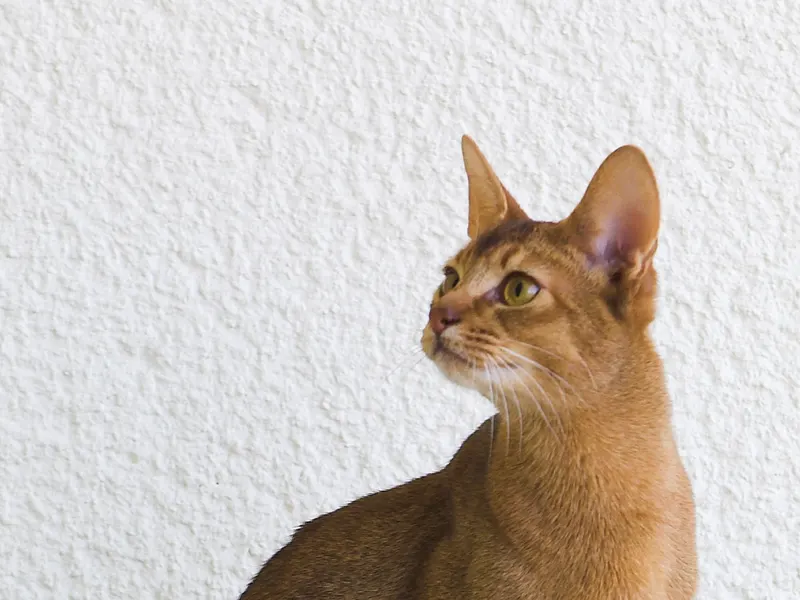
Abyssinian
Foreign
6–10 lbs · 9–15 yrs
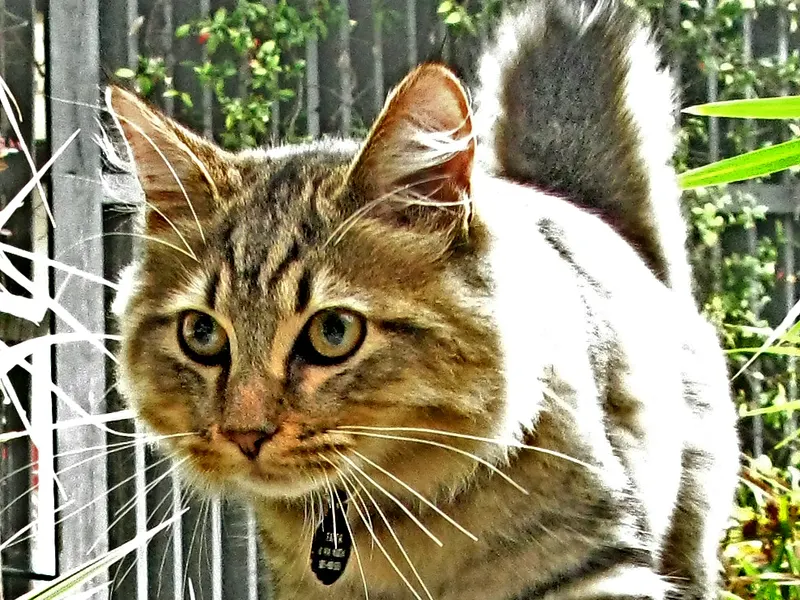
American Bobtail
Semi-cobby
7–16 lbs · 11–15 yrs
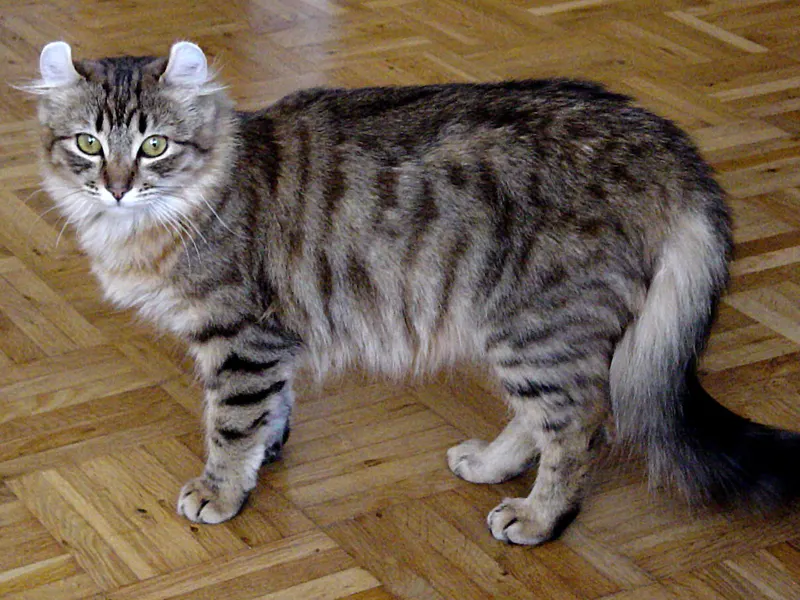
American Curl
Semi-foreign
5–10 lbs · 12–16 yrs
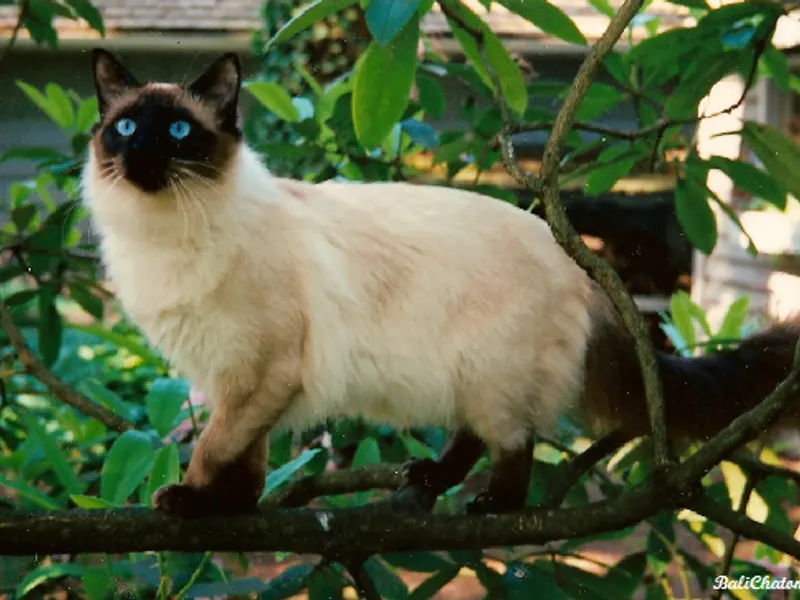
Balinese
Oriental
6–10 lbs · 12–18 yrs
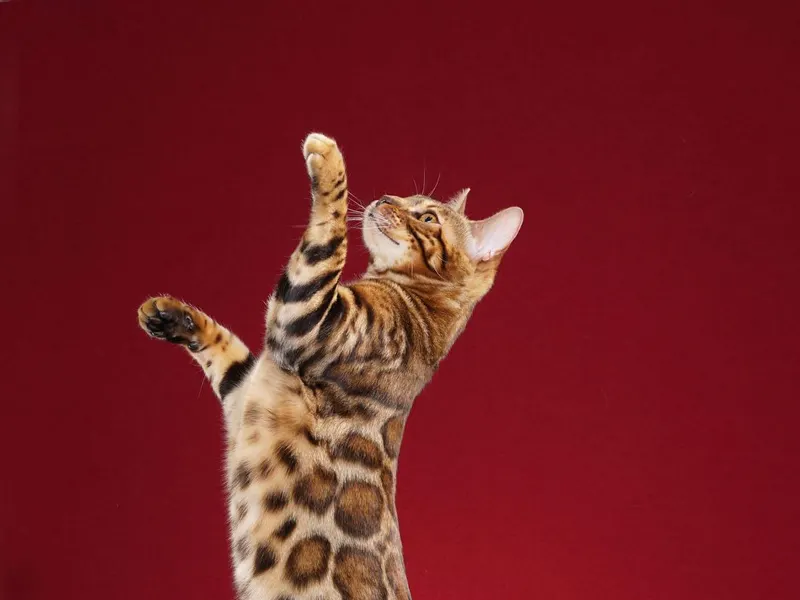
Bengal
Foreign
8–15 lbs · 12–16 yrs
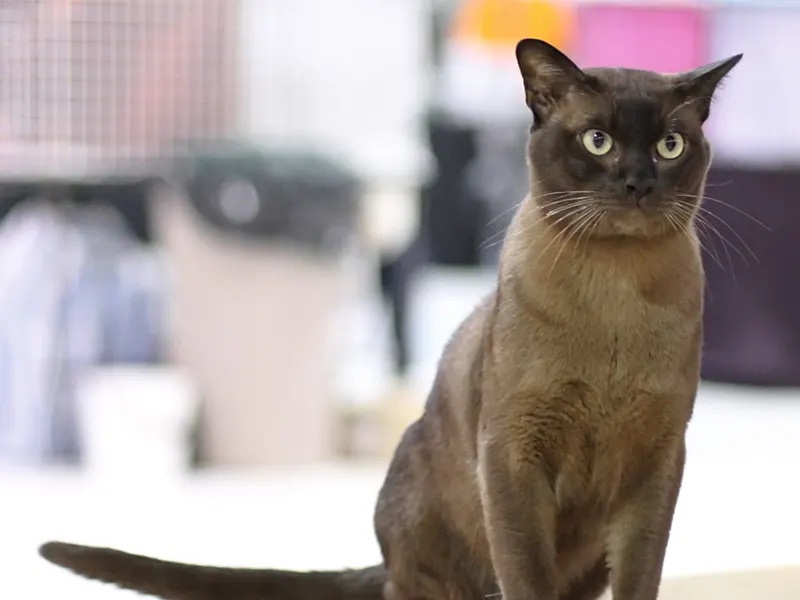
Burmese
Cobby
6–12 lbs · 10–16 yrs
Chausie
Foreign
15–25 lbs · 12–15 yrs
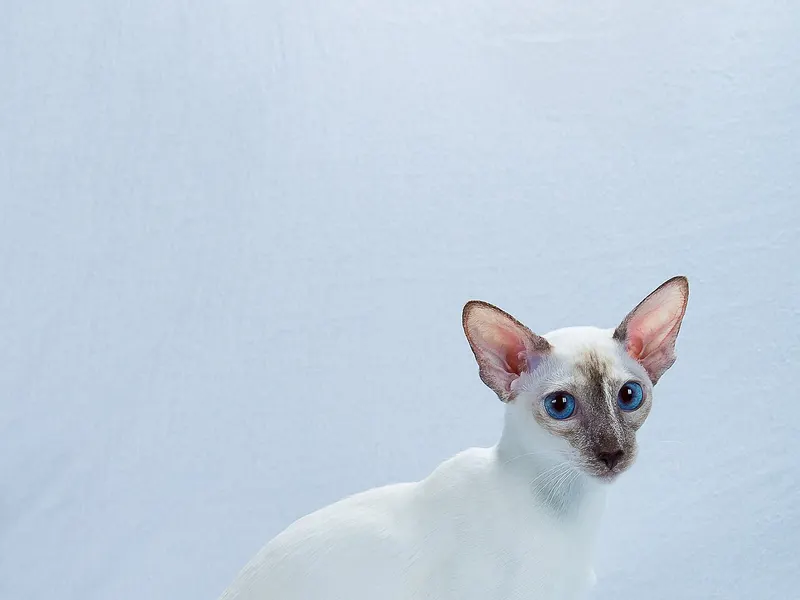
Colorpoint Shorthair
Oriental
6–10 lbs · 12–16 yrs
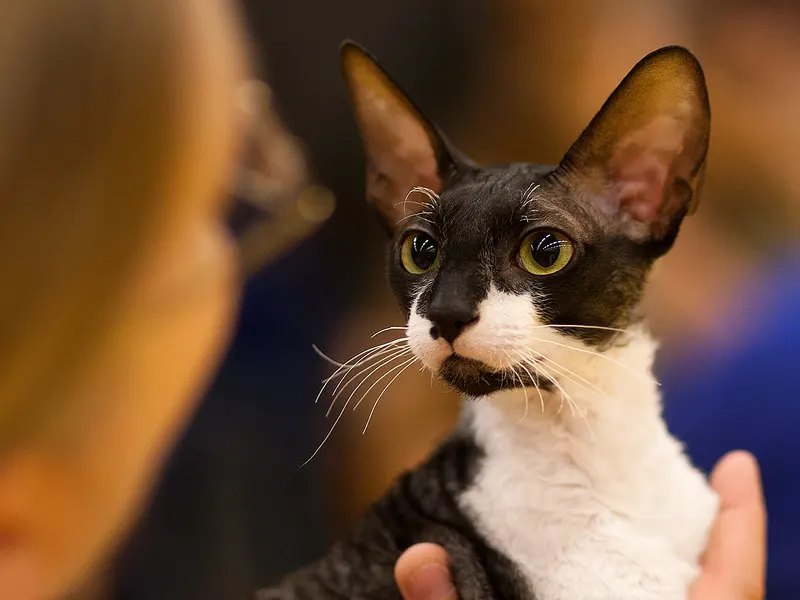
Cornish Rex
Rex
6–10 lbs · 11–15 yrs
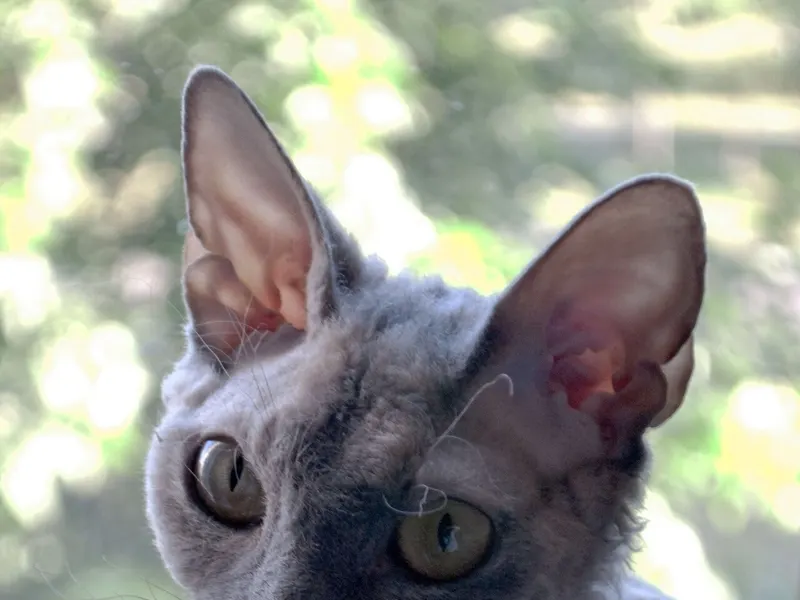
Devon Rex
Rex
6–9 lbs · 9–15 yrs
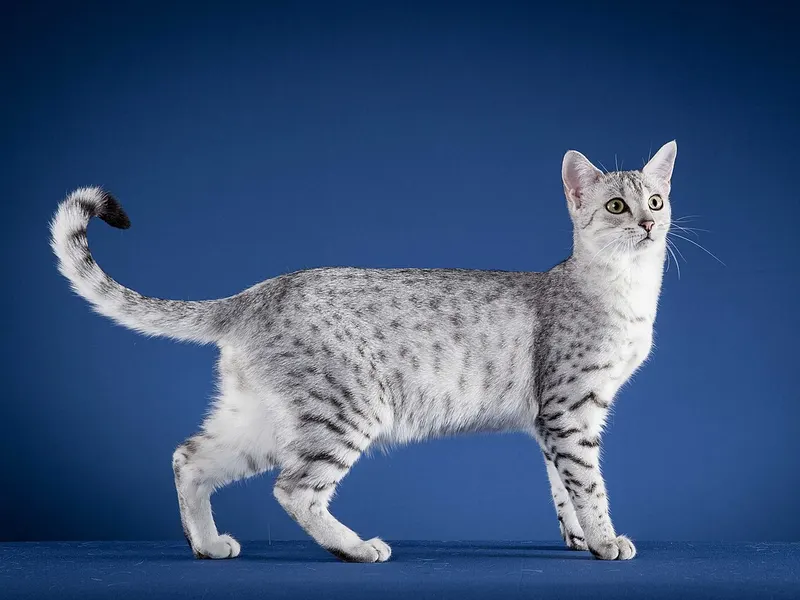
Egyptian Mau
Foreign
6–11 lbs · 12–15 yrs
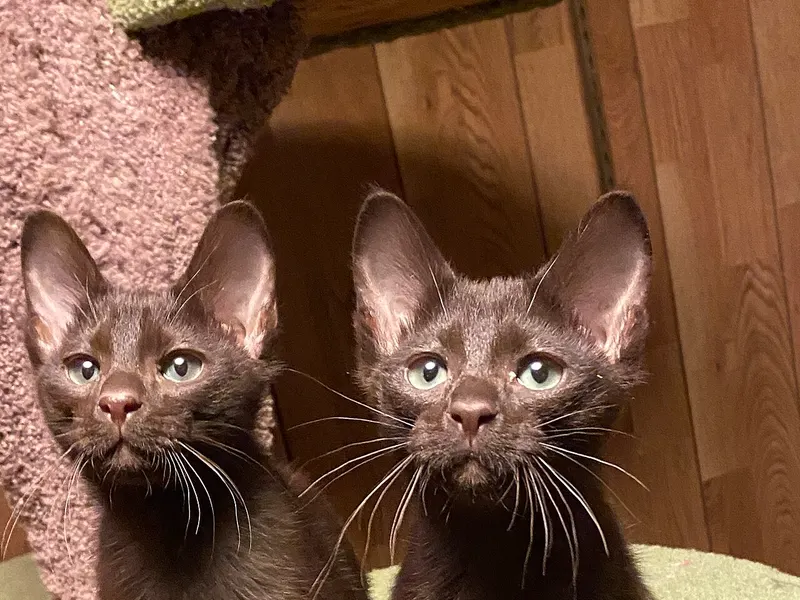
Havana Brown
Foreign
6–10 lbs · 9–15 yrs
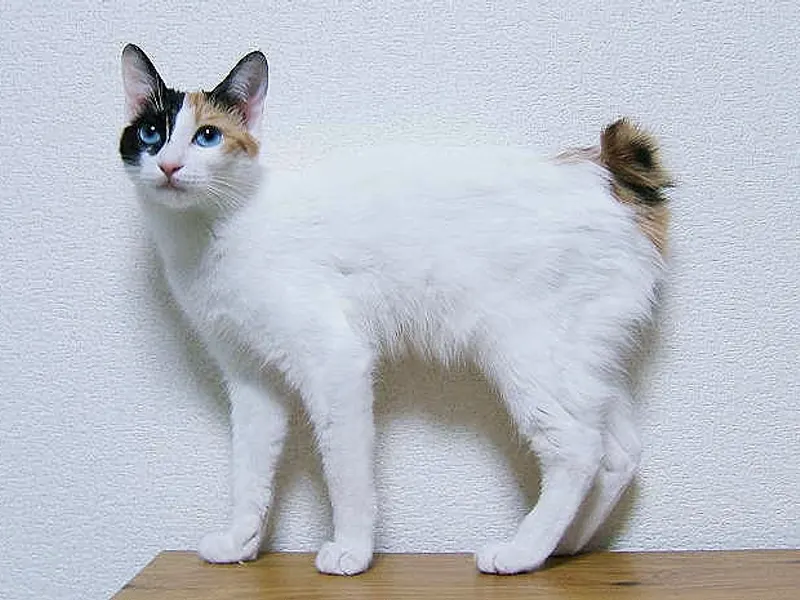
Japanese Bobtail
Semi-foreign
6–10 lbs · 12–16 yrs
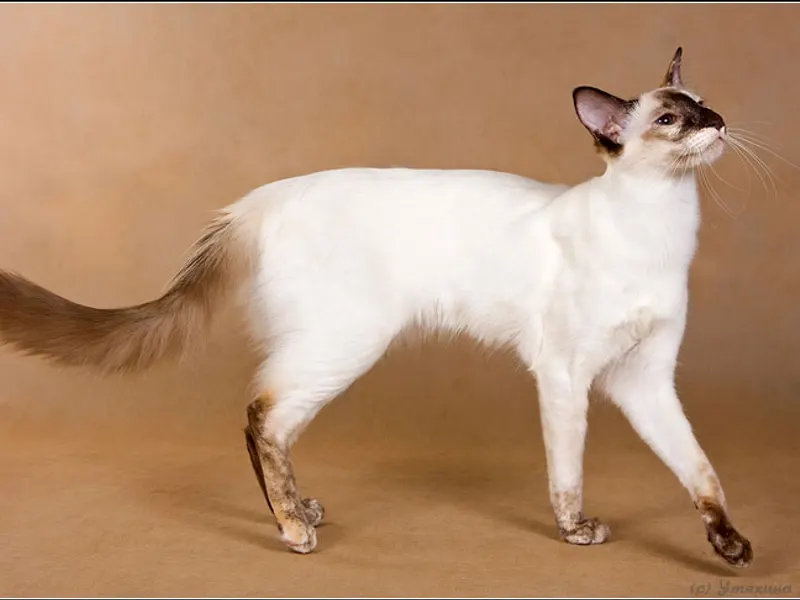
Javanese
Oriental
6–10 lbs · 12–18 yrs
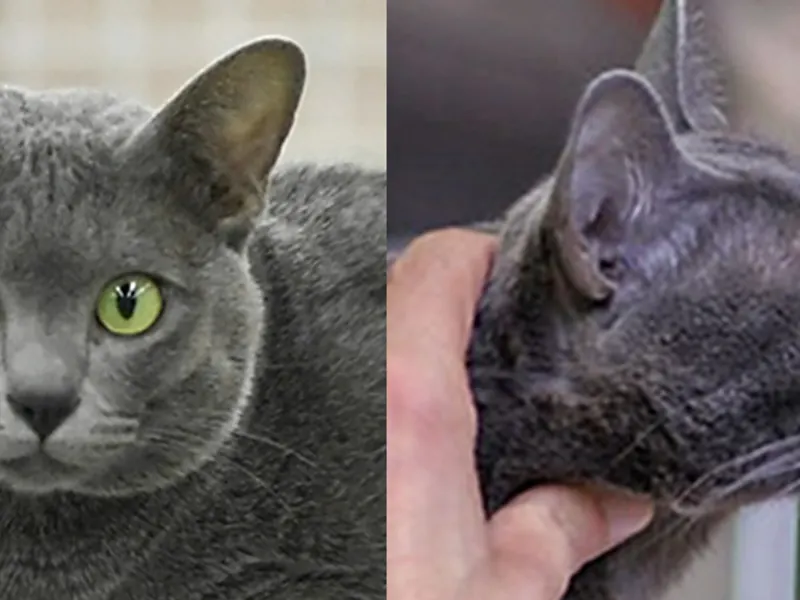
Korat
Foreign
6–10 lbs · 15–20 yrs
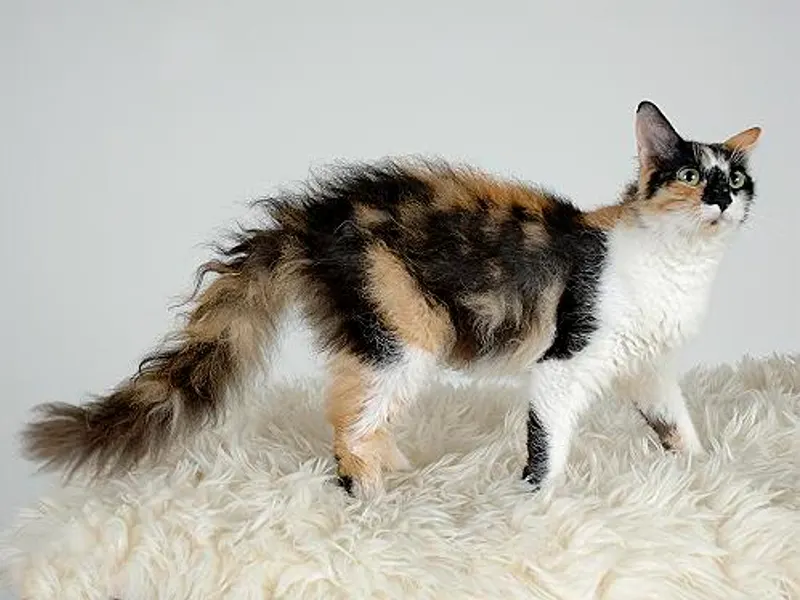
LaPerm
Semi-foreign
6–10 lbs · 10–15 yrs
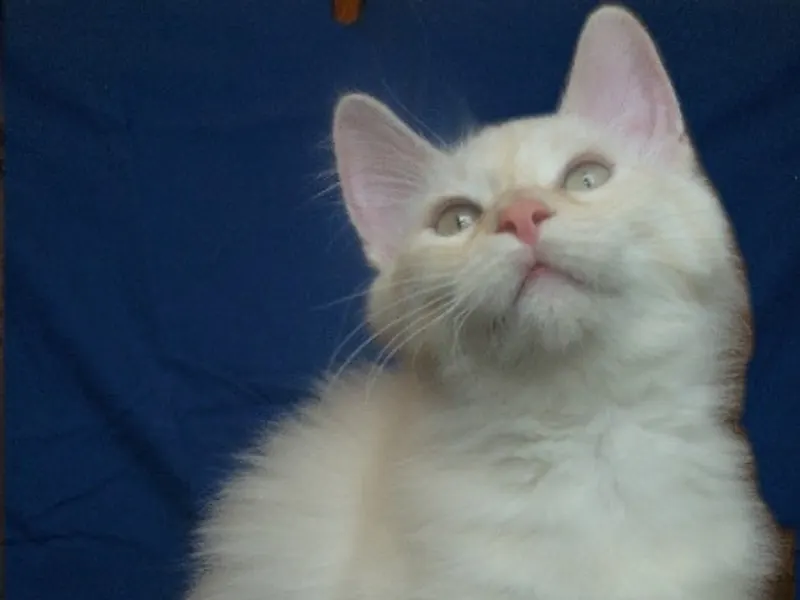
Munchkin
Semi-cobby
5–9 lbs · 12–15 yrs
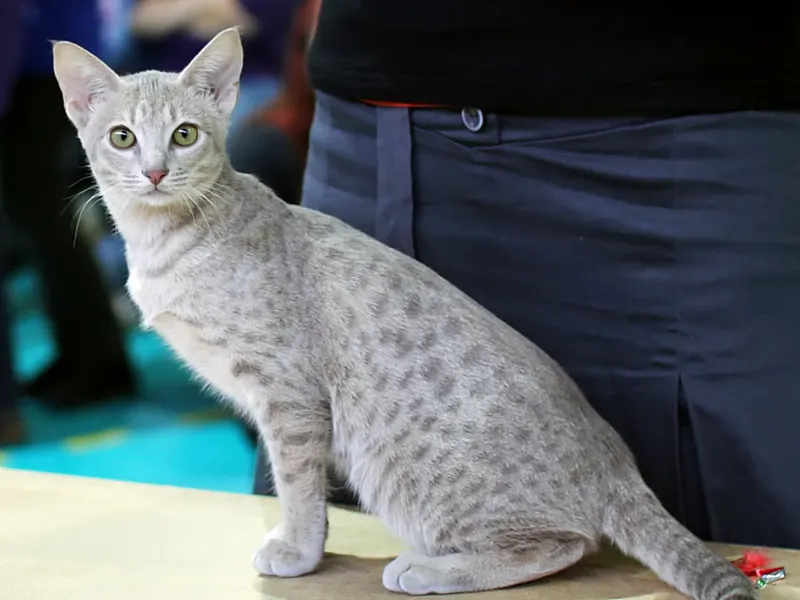
Ocicat
Foreign
6–15 lbs · 12–18 yrs
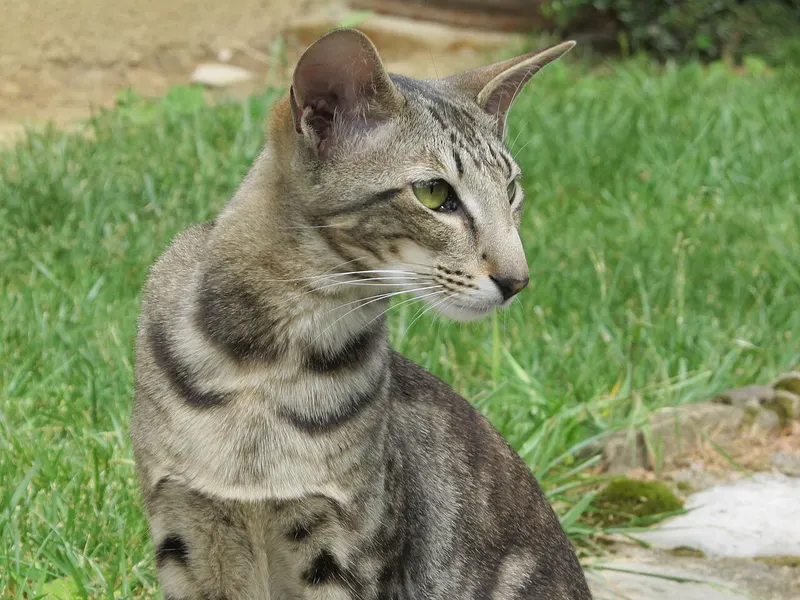
Oriental Shorthair
Oriental
6–10 lbs · 12–15 yrs
Oriental Longhair
Oriental
6–10 lbs · 12–15 yrs
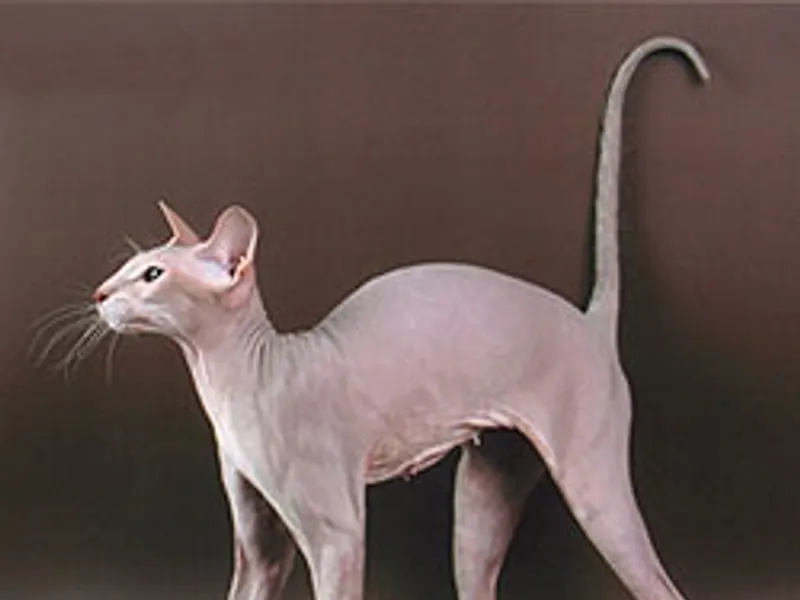
Peterbald
Rex
6–10 lbs · 12–15 yrs
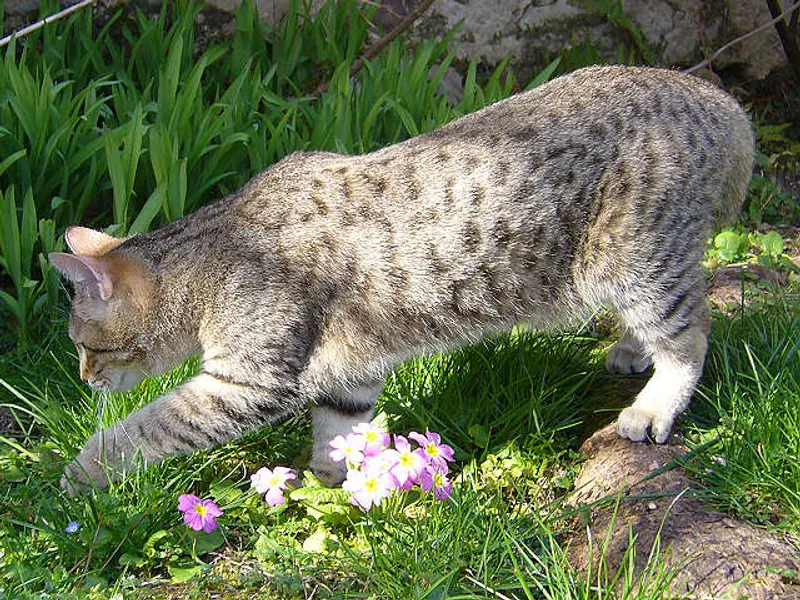
Pixie-bob
Semi-cobby
8–17 lbs · 13–16 yrs
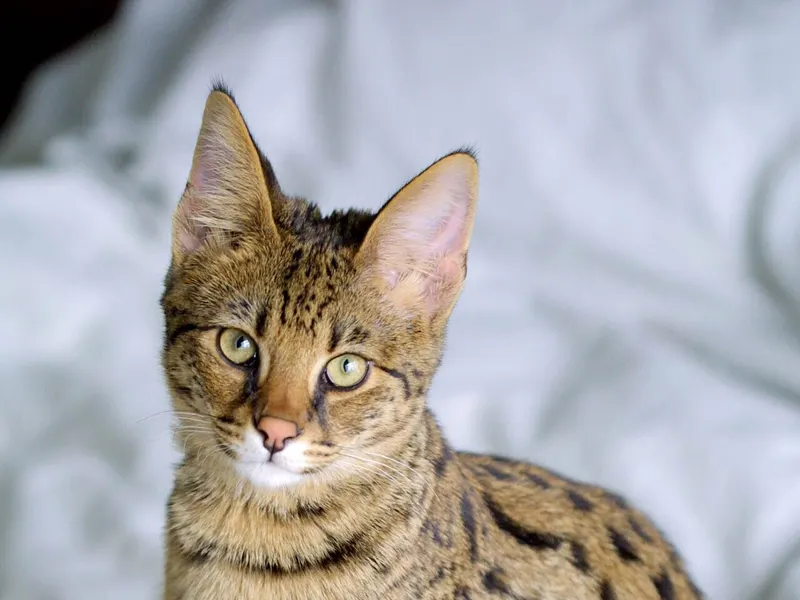
Savannah
Foreign
12–25 lbs · 12–20 yrs
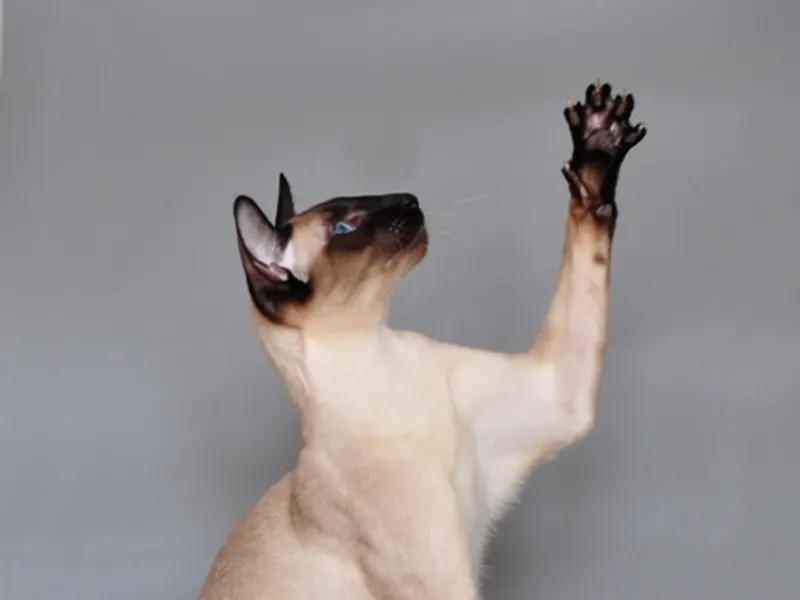
Siamese
Oriental
6–14 lbs · 12–20 yrs
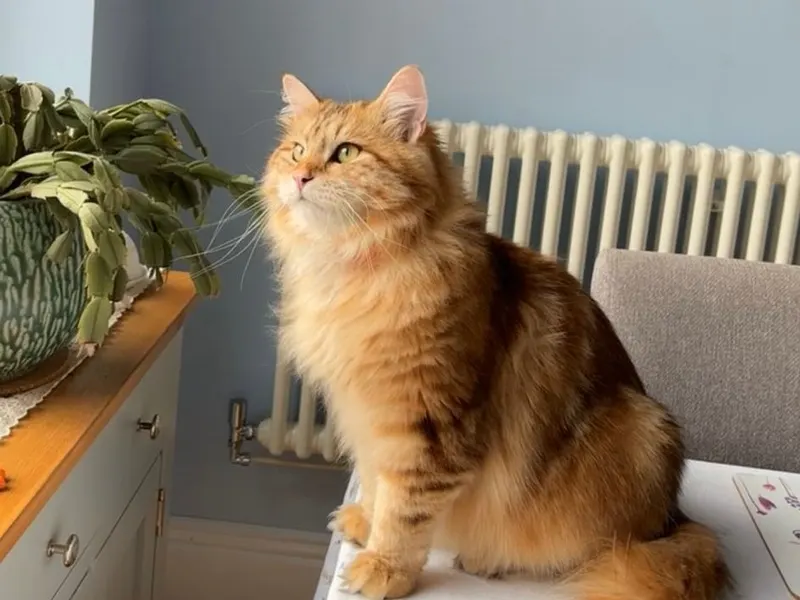
Siberian
Long & Substantial
8–17 lbs · 11–18 yrs
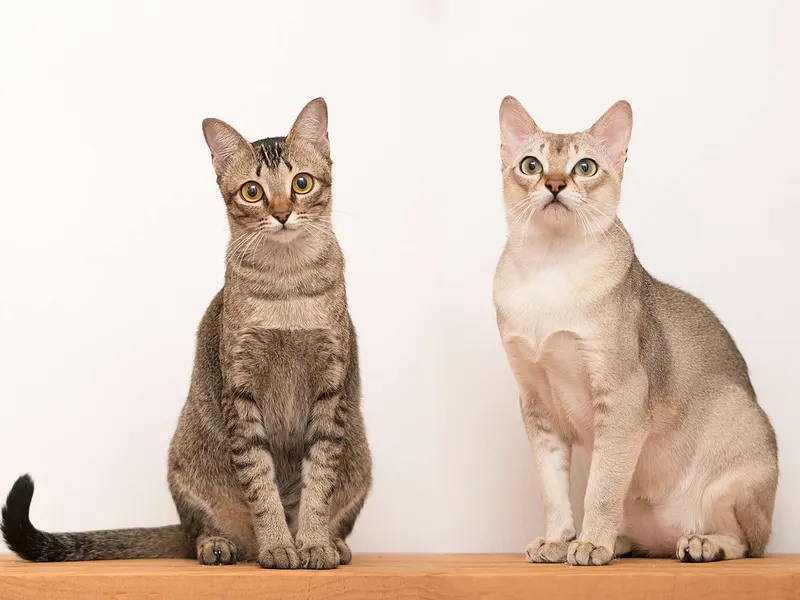
Singapura
Foreign
4–8 lbs · 12–16 yrs
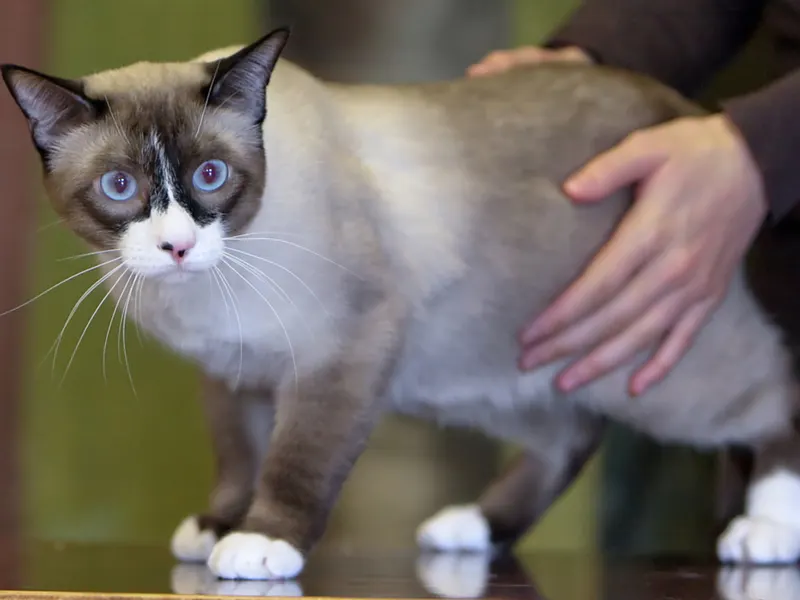
Snowshoe
Semi-cobby
7–12 lbs · 12–15 yrs
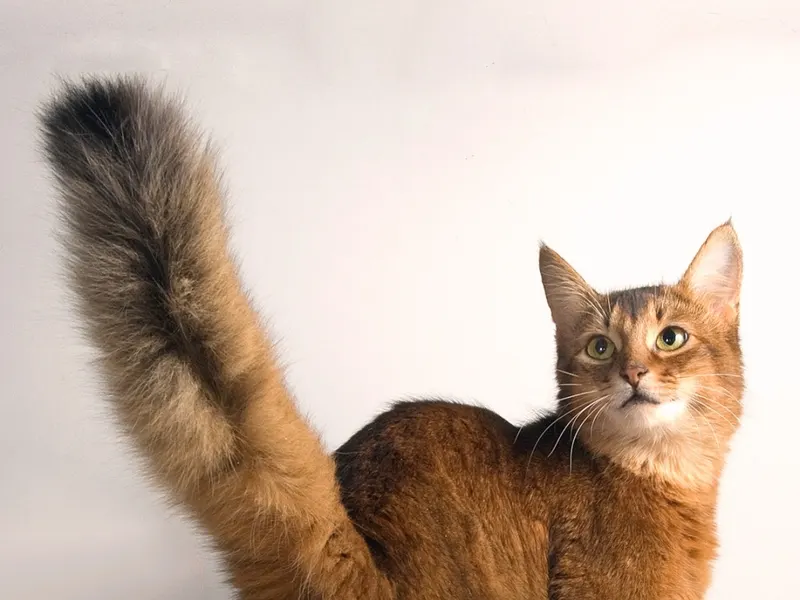
Somali
Foreign
6–10 lbs · 11–16 yrs
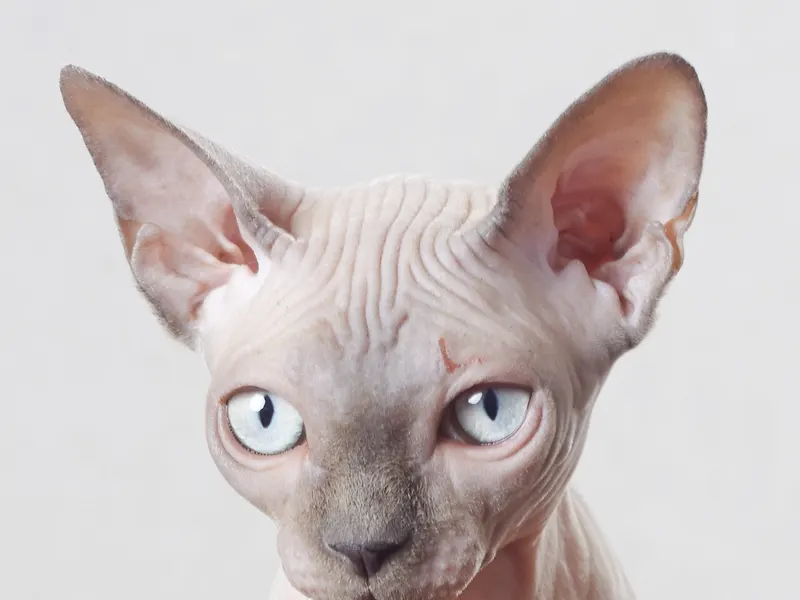
Sphynx
Rex
6–12 lbs · 8–14 yrs
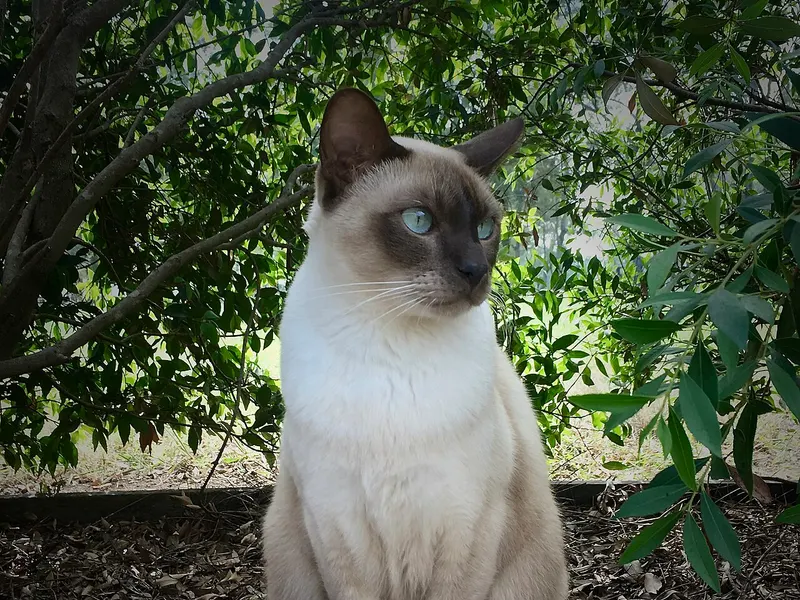
Tonkinese
Semi-foreign
6–12 lbs · 12–16 yrs
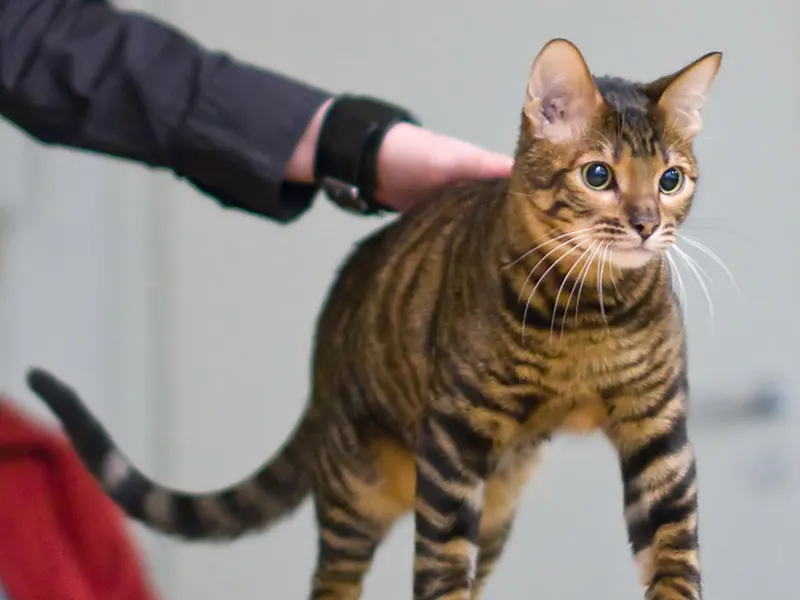
Toyger
Foreign
7–15 lbs · 12–15 yrs
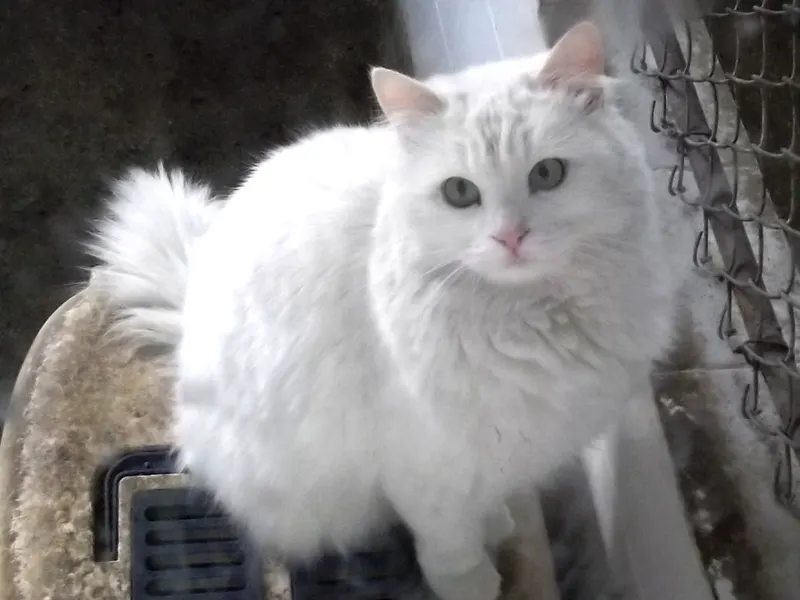
Turkish Angora
Semi-foreign
5–9 lbs · 12–18 yrs
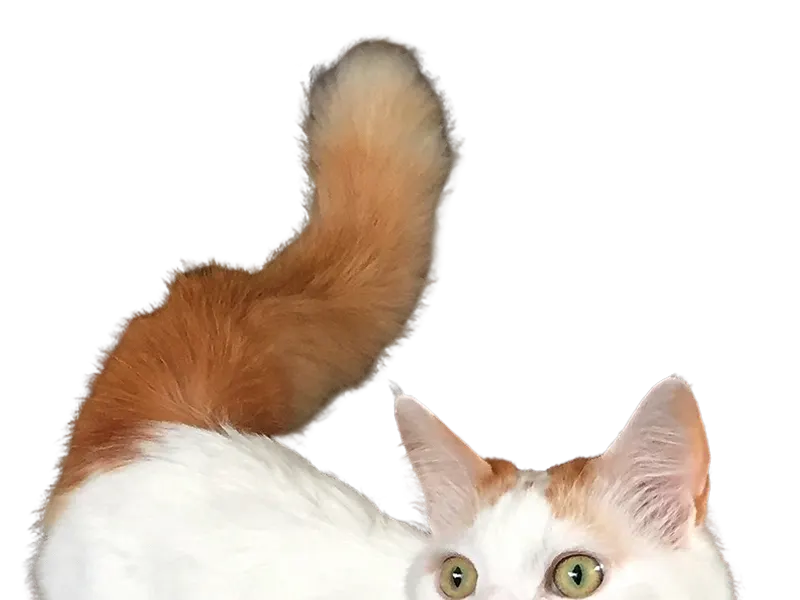
Turkish Van
Semi-foreign
7–19 lbs · 12–17 yrs
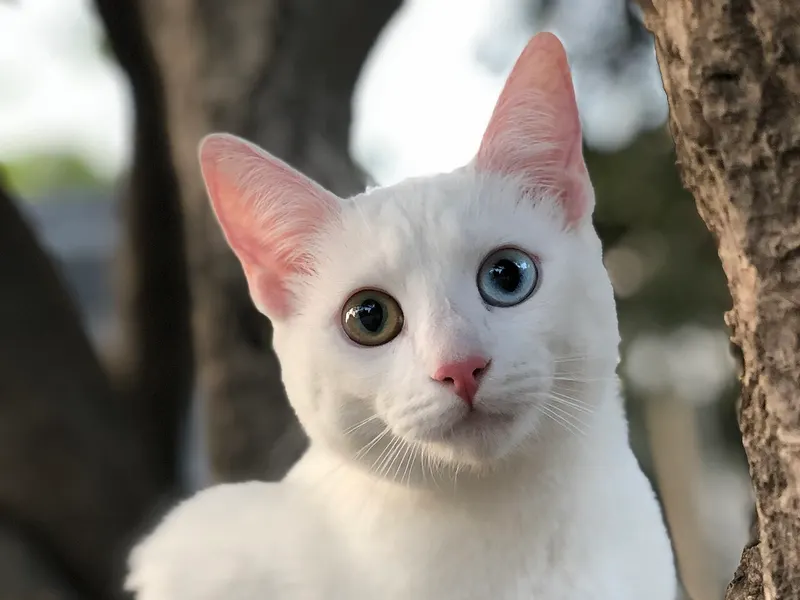
Khao Manee
Foreign
6–10 lbs · 10–15 yrs
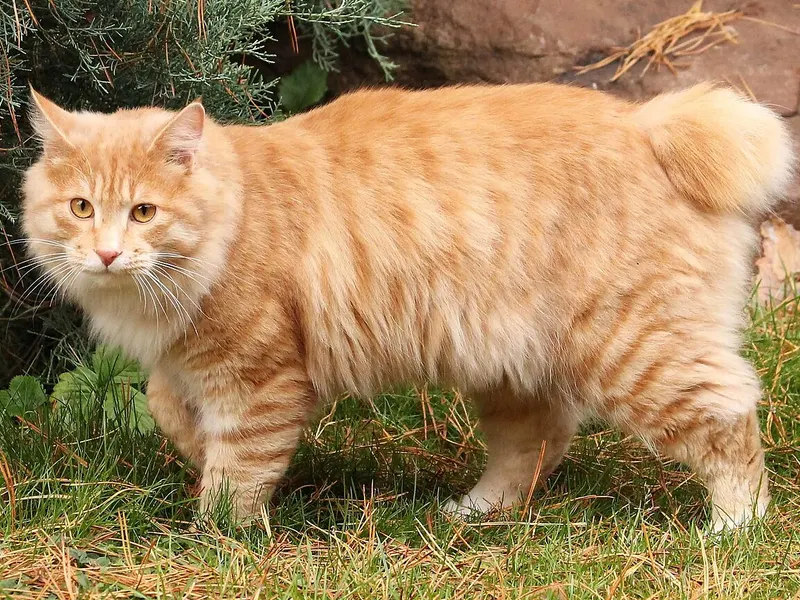
Kurilian Bobtail
Semi-cobby
7–15 lbs · 12–15 yrs
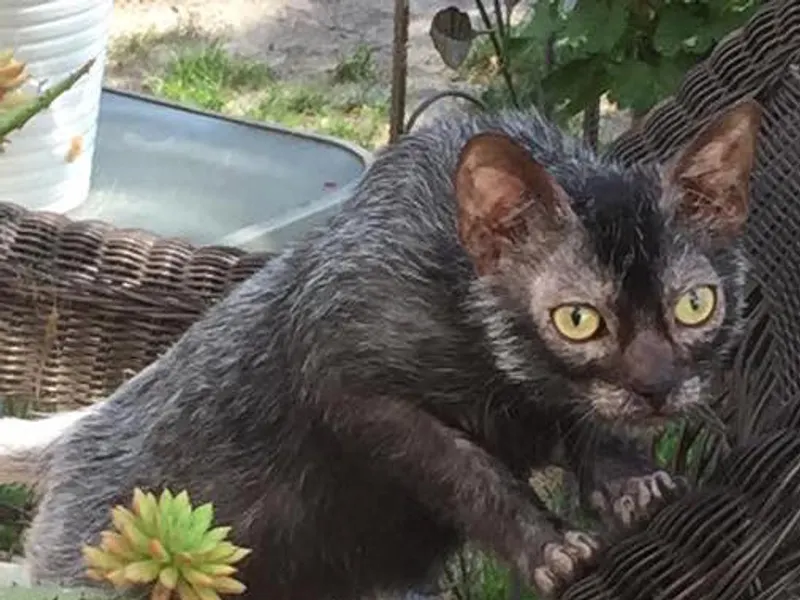
Lykoi
Rex
4–9 lbs · 12–15 yrs
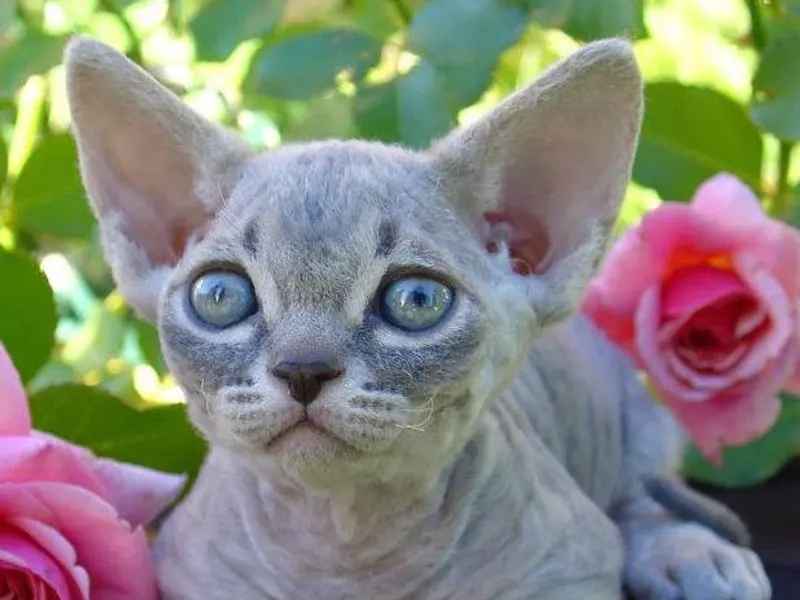
Minskin
Rex
4–6 lbs · 12–14 yrs
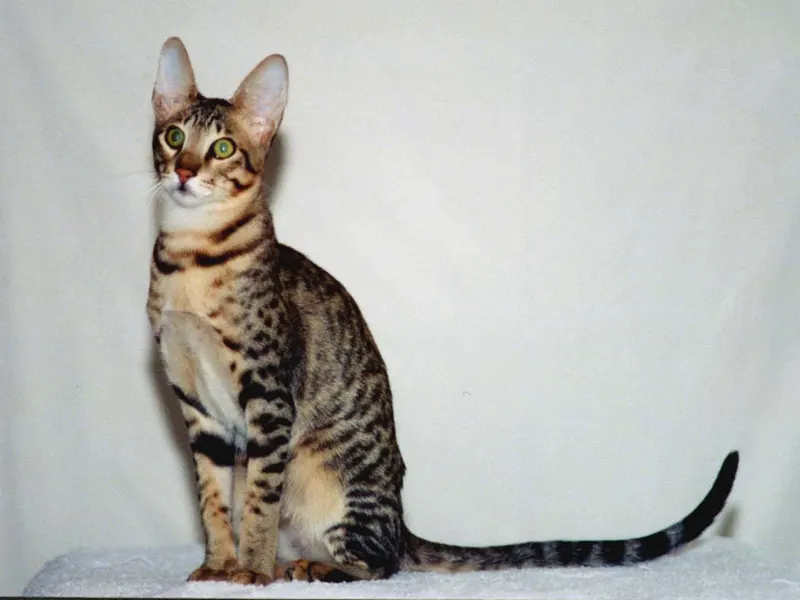
Serengeti
Foreign
8–15 lbs · 12–15 yrs
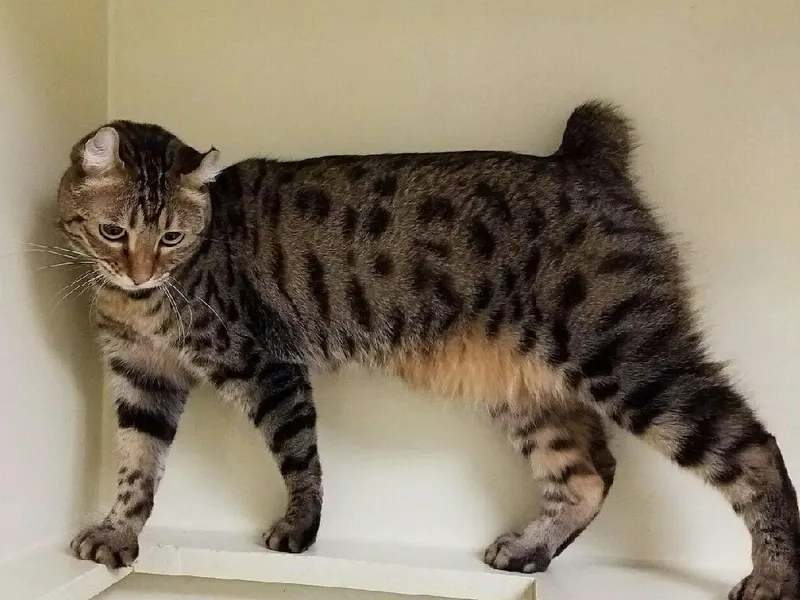
Highlander
Semi-cobby
10–20 lbs · 12–15 yrs
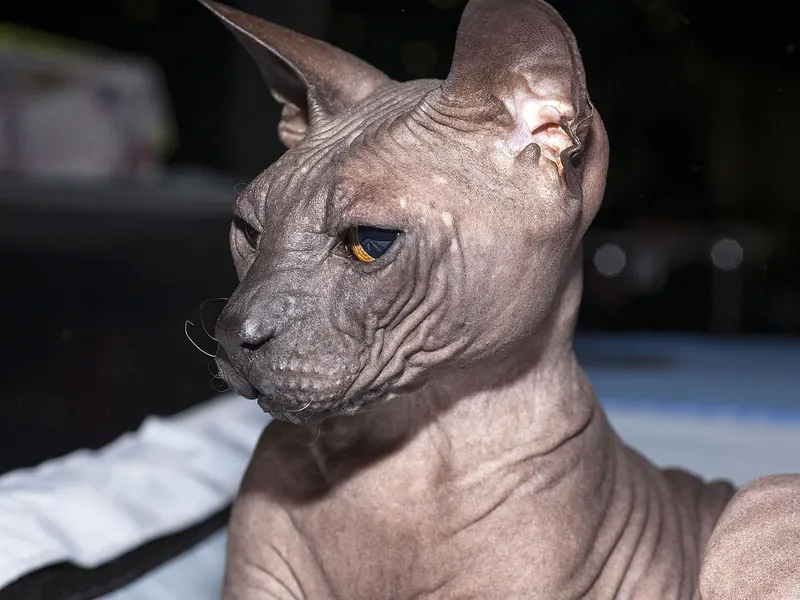
Donskoy
Rex
6–12 lbs · 12–15 yrs