Low Shedding Cats
Shedding volume in cats tracks closely with coat density and length, but the relationship isn't as simple as "short hair sheds less" — some short-haired breeds carry a dense double coat that sheds heavily in volume even though each individual hair is short, while certain long-haired breeds with a single coat layer and finer hair texture actually shed less visible, matting-prone hair overall, which is why this list is organized around documented coat structure rather than simple hair length. The Cornish Rex and Devon Rex anchor this list for a genuinely distinct physical reason: both breeds carry a naturally curly, single-layer coat lacking the coarser guard hairs most cats have, a structural difference that results in dramatically reduced shedding since there's less coat volume and fewer hair types to begin with — the Cornish Rex in particular has almost no guard hairs at all, leaving only the soft undercoat layer, which produces a notably fine, low-shedding coat texture unlike almost any other breed on this site. The Sphynx and other hairless or near-hairless breeds obviously top any low-shedding list by simple lack of coat, though it's worth the same caveat raised on this site's hypoallergenic-cats page: less fur doesn't necessarily mean less mess or lower allergen exposure, since a Sphynx's skin oils accumulate directly on surfaces and require regular bathing (something most other cats don't need) to manage, meaning "low shedding" and "low maintenance" genuinely diverge for hairless breeds in a way that trips up owners expecting a hairless cat to simply be an easier version of a furred one. The Siberian and Balinese, both mentioned on this site's hypoallergenic-cats page for lower Fel d 1 production, are worth a separate mention here on different grounds: despite having notably long, luxurious coats, Siberians in particular are documented to have a lower-shedding coat structure than many other long-haired breeds, since their triple-layer coat, while dense, is also water-resistant and less prone to the constant fine-hair shedding seen in breeds like the Persian, whose extremely dense, long single coat sheds heavily and continuously and requires daily brushing rather than qualifying as low-shedding at all despite sometimes being mistakenly assumed to be manageable because of its plush, well-groomed show appearance. It's worth being direct that no cat is completely shedding-free, and that even genuinely low-shedding breeds still shed some hair, skin cells, and dander continuously as a normal biological process — what these breeds offer is meaningfully reduced visible hair accumulation on furniture and clothing and reduced grooming/brushing burden, not a hair-free home. Regular brushing (even for naturally low-shedding breeds), a good-quality diet supporting healthy skin and coat, and routine veterinary checkups to rule out excessive shedding from an underlying health issue (thyroid problems, allergies, or stress can all increase shedding beyond a breed's normal baseline) all matter more for keeping shedding manageable long-term than breed selection alone. Rounding out a genuinely complete low-shedding shortlist: the Oriental Shorthair, whose fine, close-lying coat sheds minimally and needs little more than occasional light brushing; the Burmese carries a similarly short, low-maintenance coat requiring minimal grooming investment; and the LaPerm, a less common breed with a naturally curly coat similar in structure to the Rex breeds, sheds notably less than most conventionally-coated cats. One grooming-tool distinction matters specifically for low-shedding breeds: a fine-toothed metal comb generally works better than a slicker brush for detecting and removing the beginnings of a mat in a curly or fine coat before it tightens against the skin, since slicker brushes can sometimes brush over the surface of a forming mat without fully addressing it, while a comb's teeth catch on tangles more reliably at the base. For hairless or near-hairless breeds specifically, a soft, non-abrasive cloth used during a weekly wipe-down (rather than an actual brush, which serves no real purpose on bare or near-bare skin) helps remove surface oil buildup between the more infrequent full baths these breeds typically need. It's worth naming a specific seasonal pattern worth expecting even in low-shedding breeds: most cats, regardless of coat type, experience some seasonal shedding increase tied to daylight-length changes in spring and fall, meaning even a naturally low-shedding breed may need slightly more frequent brushing during these transition periods than its baseline year-round grooming schedule would otherwise suggest, a normal pattern rather than a sign of an underlying health issue. Keeping a small, dedicated grooming kit (comb, soft brush, a few grooming wipes) within easy reach makes the regular, brief maintenance sessions these coats need considerably more likely to actually happen consistently than if the tools are stored somewhere less convenient.
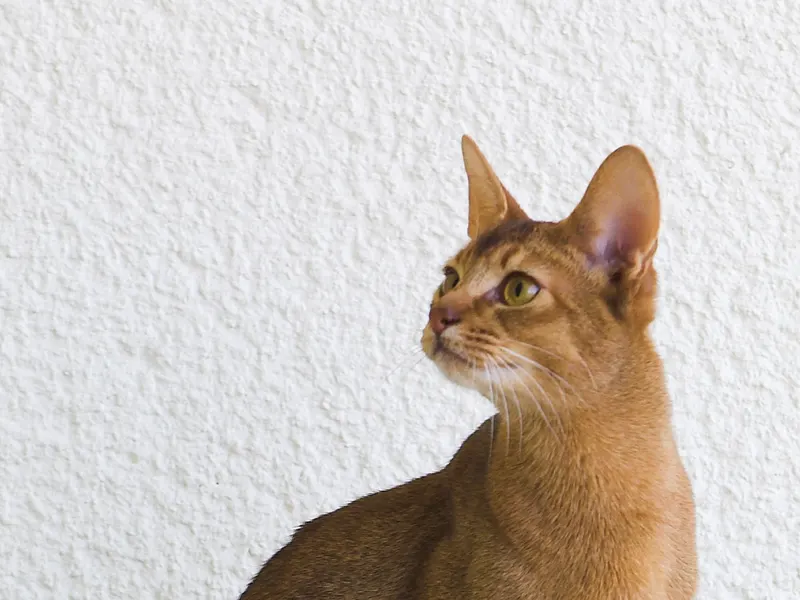
Abyssinian
Foreign
6–10 lbs · 9–15 yrs
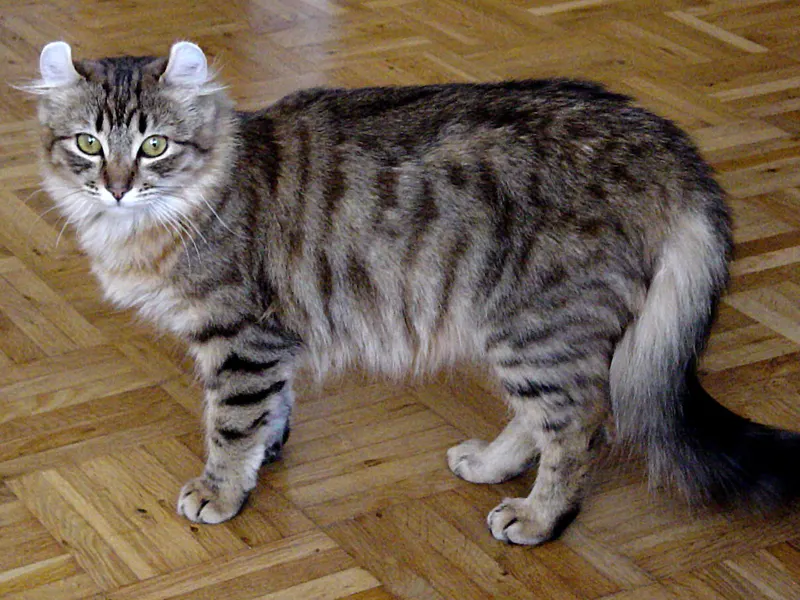
American Curl
Semi-foreign
5–10 lbs · 12–16 yrs
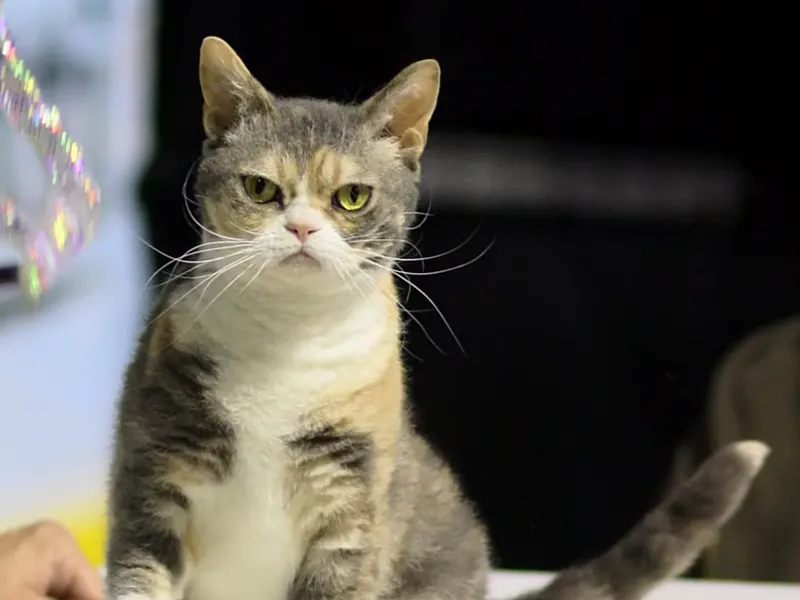
American Wirehair
Cobby
8–15 lbs · 14–18 yrs
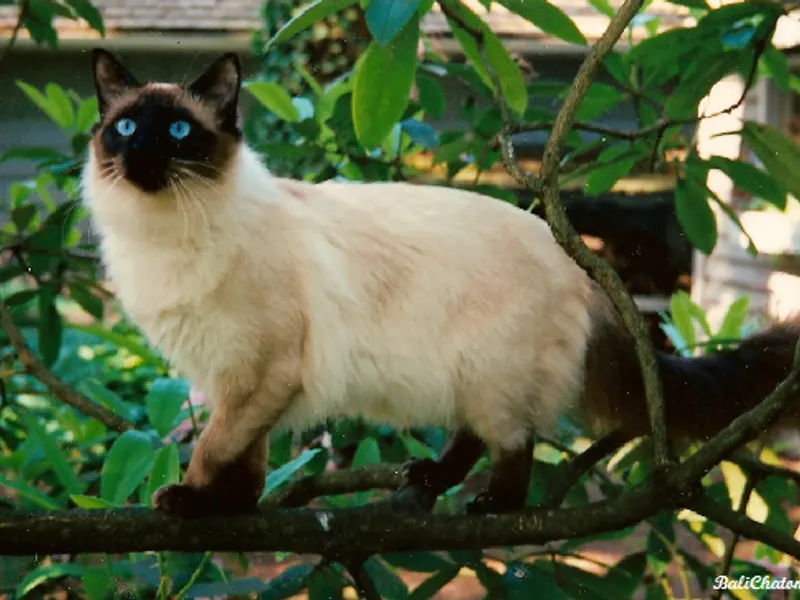
Balinese
Oriental
6–10 lbs · 12–18 yrs
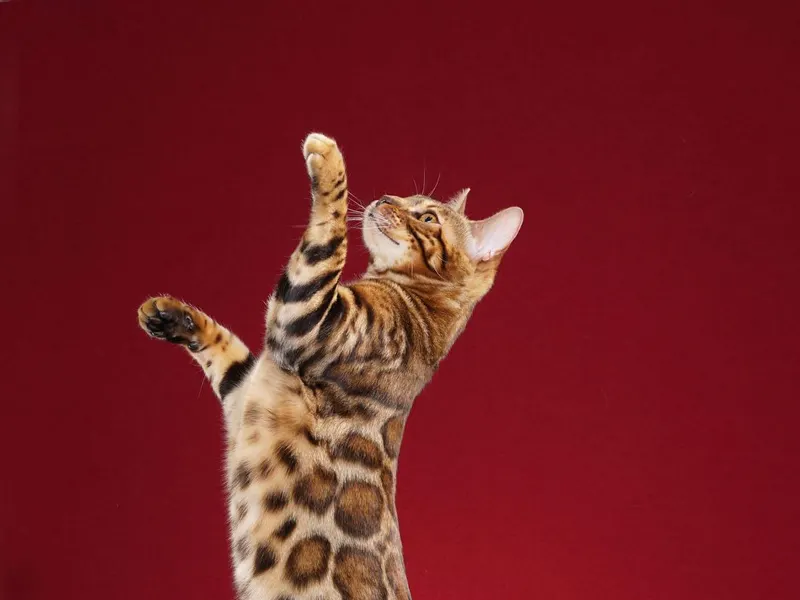
Bengal
Foreign
8–15 lbs · 12–16 yrs
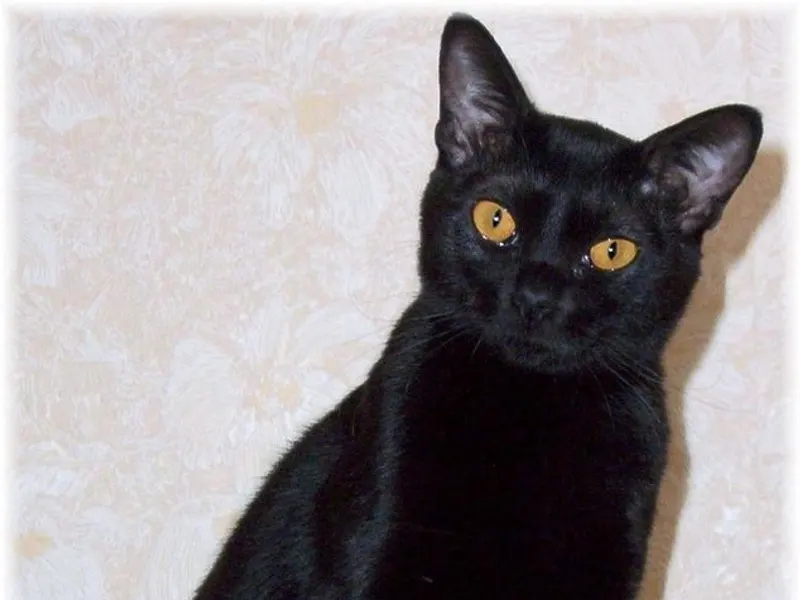
Bombay
Semi-cobby
6–11 lbs · 12–16 yrs
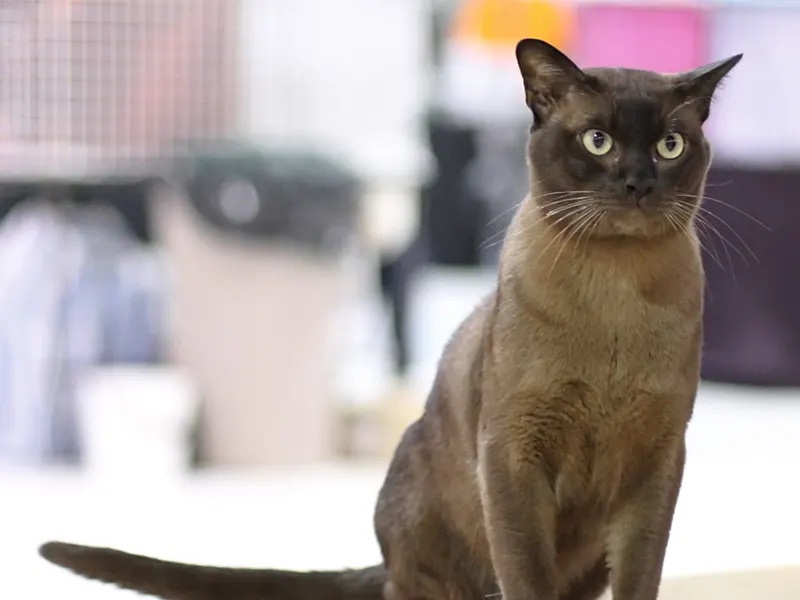
Burmese
Cobby
6–12 lbs · 10–16 yrs
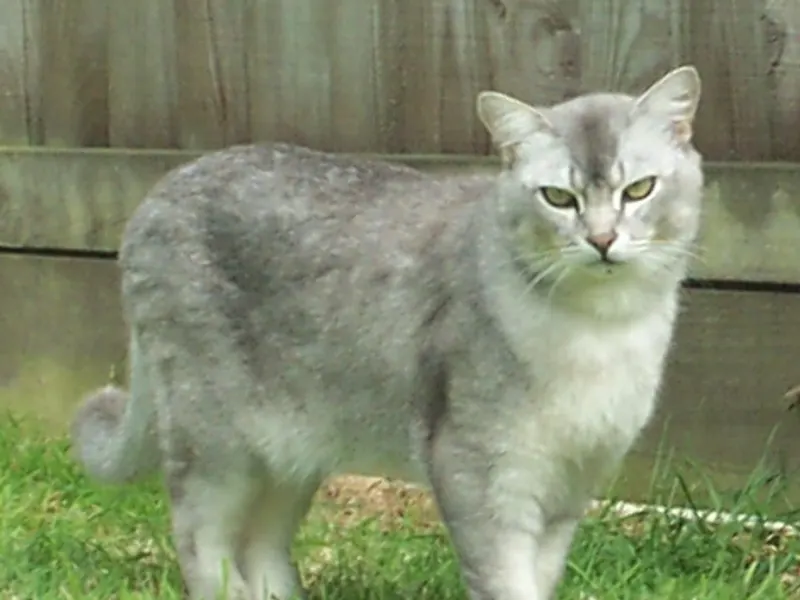
Burmilla
Semi-cobby
6–12 lbs · 10–15 yrs
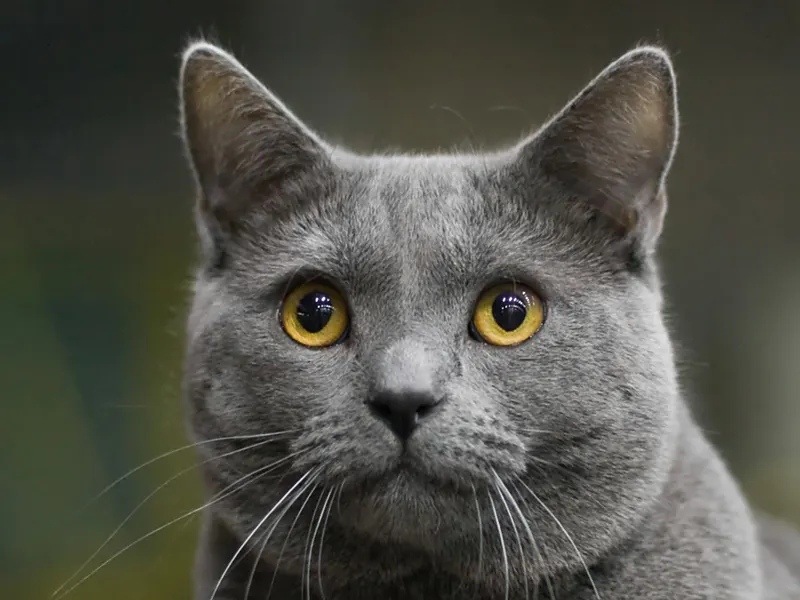
Chartreux
Semi-cobby
7–16 lbs · 12–15 yrs
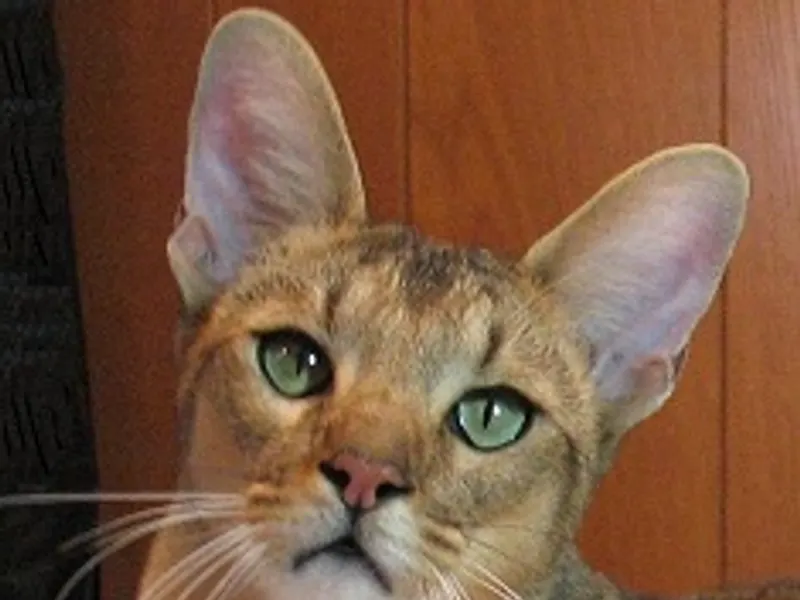
Chausie
Foreign
15–25 lbs · 12–15 yrs
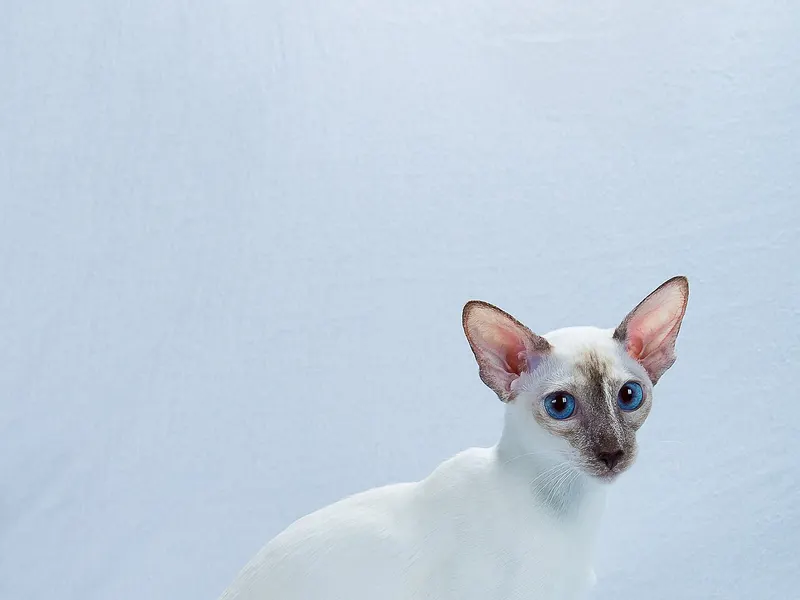
Colorpoint Shorthair
Oriental
6–10 lbs · 12–16 yrs
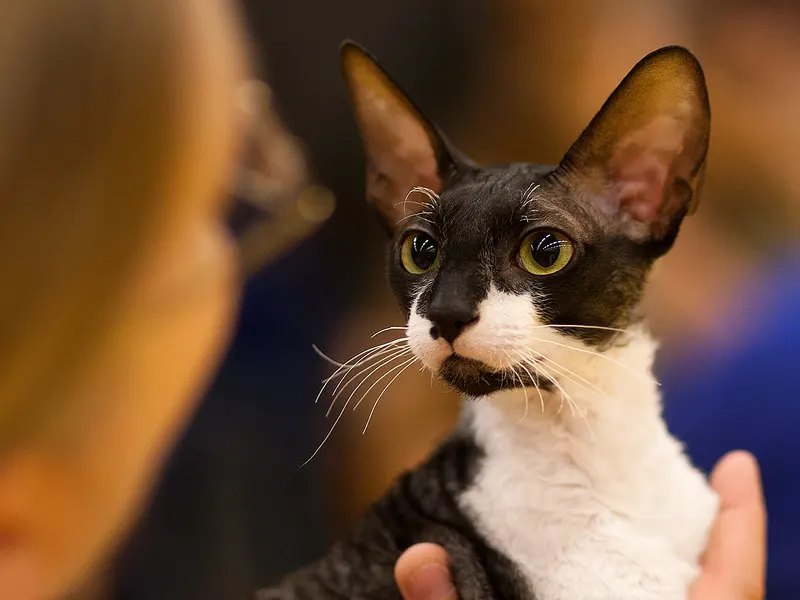
Cornish Rex
Rex
6–10 lbs · 11–15 yrs
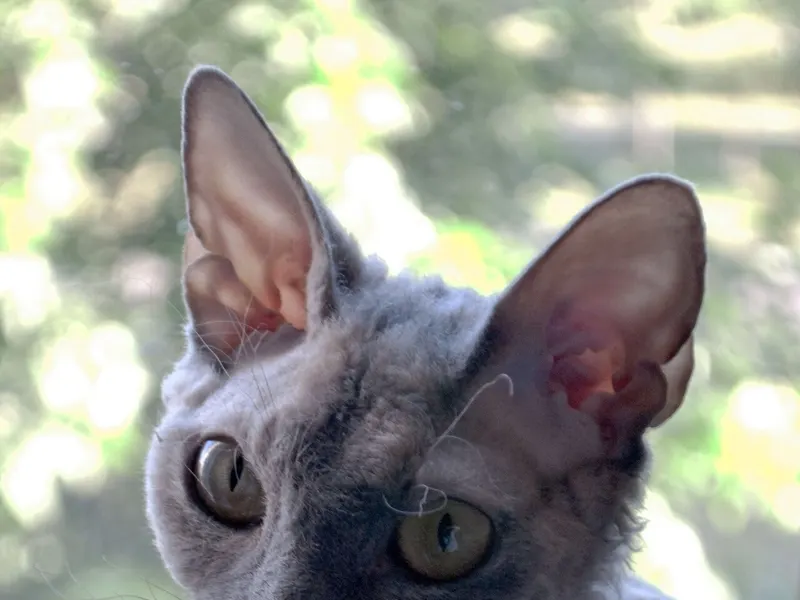
Devon Rex
Rex
6–9 lbs · 9–15 yrs
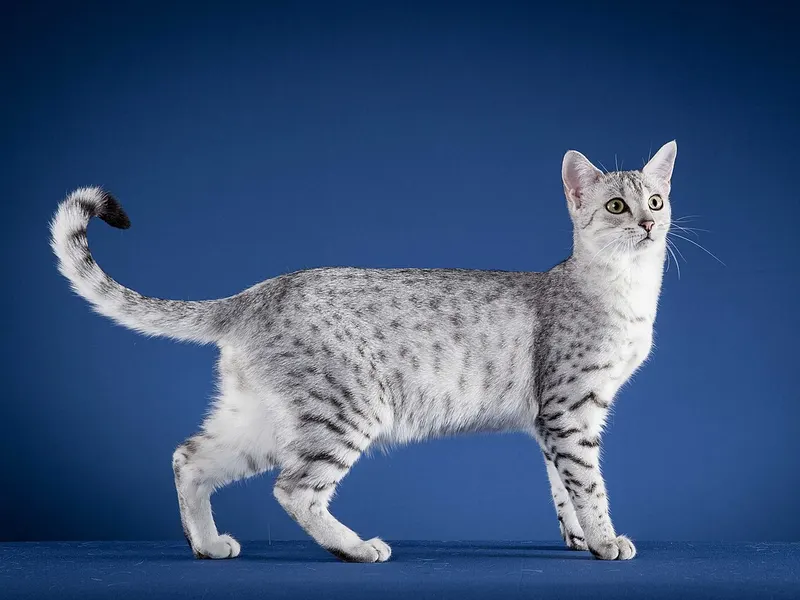
Egyptian Mau
Foreign
6–11 lbs · 12–15 yrs
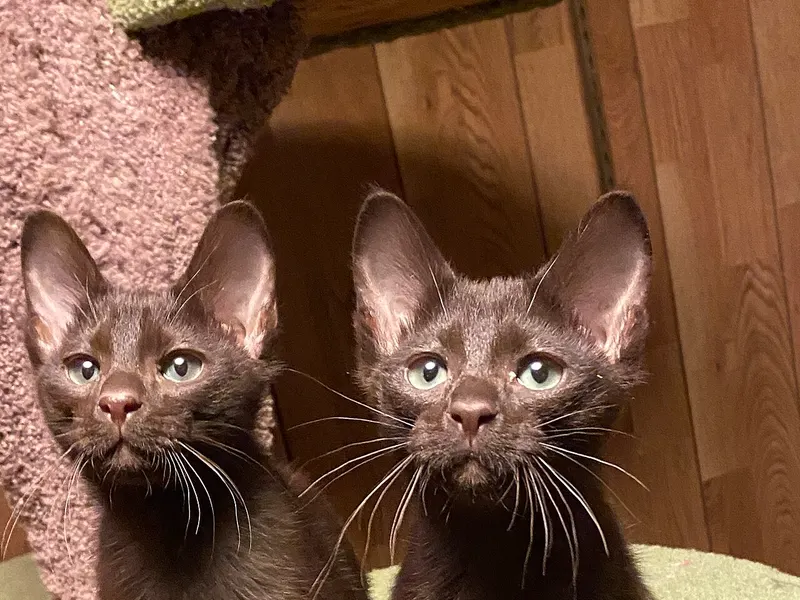
Havana Brown
Foreign
6–10 lbs · 9–15 yrs
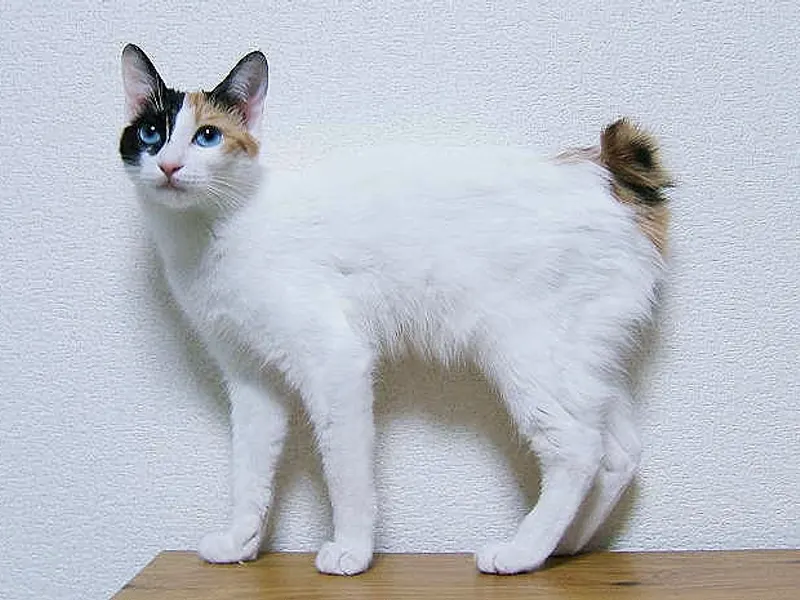
Japanese Bobtail
Semi-foreign
6–10 lbs · 12–16 yrs
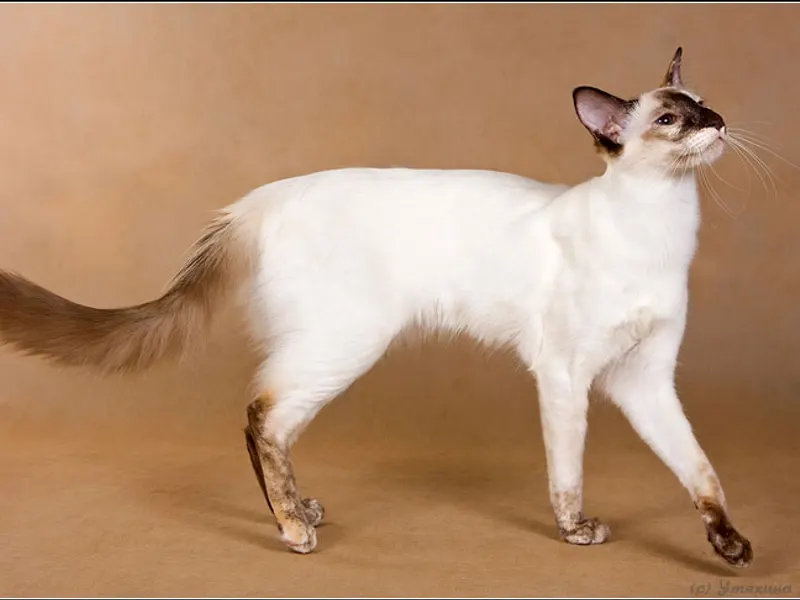
Javanese
Oriental
6–10 lbs · 12–18 yrs
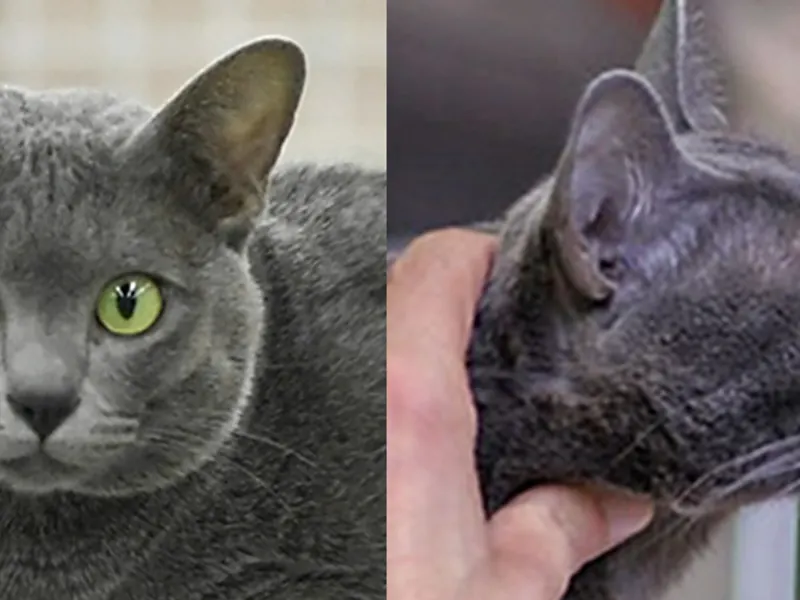
Korat
Foreign
6–10 lbs · 15–20 yrs
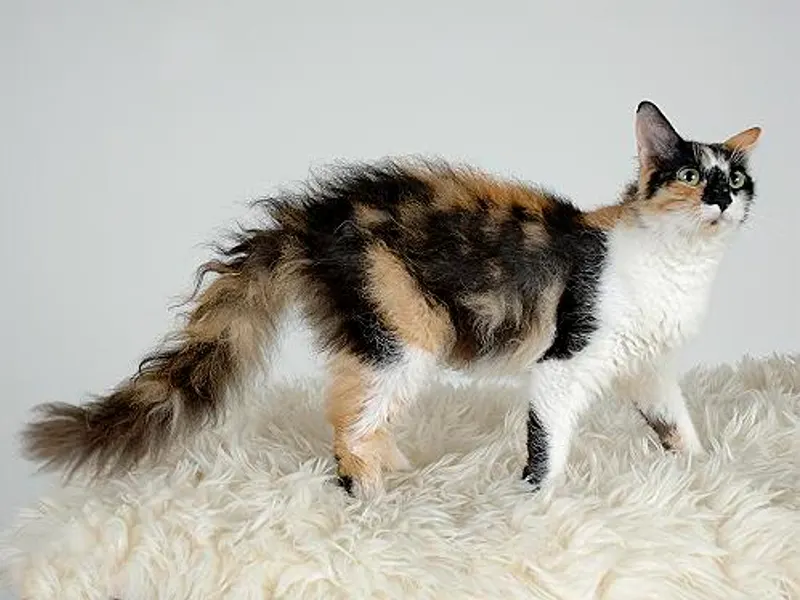
LaPerm
Semi-foreign
6–10 lbs · 10–15 yrs
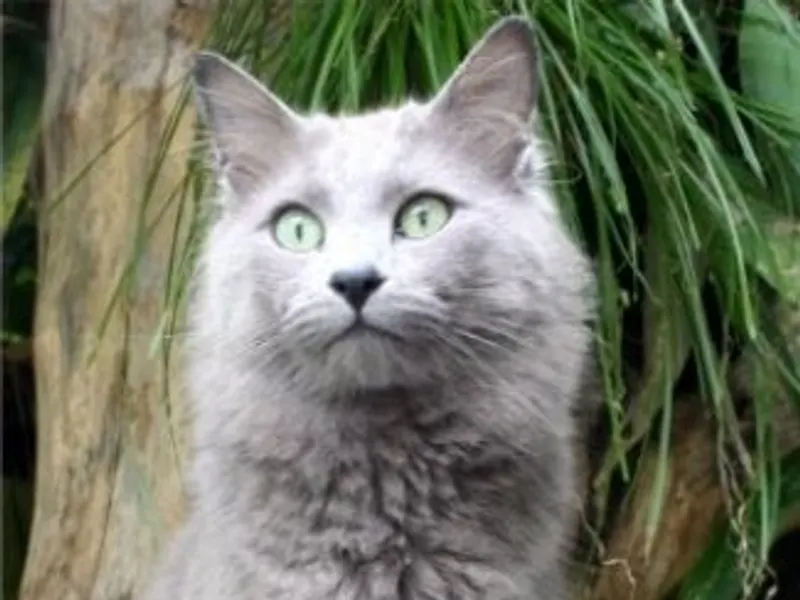
Nebelung
Foreign
7–11 lbs · 15–18 yrs
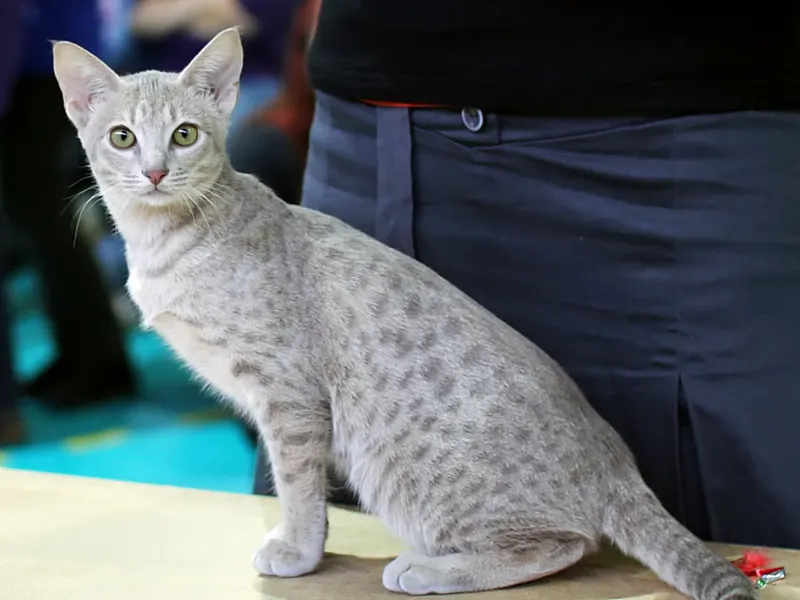
Ocicat
Foreign
6–15 lbs · 12–18 yrs
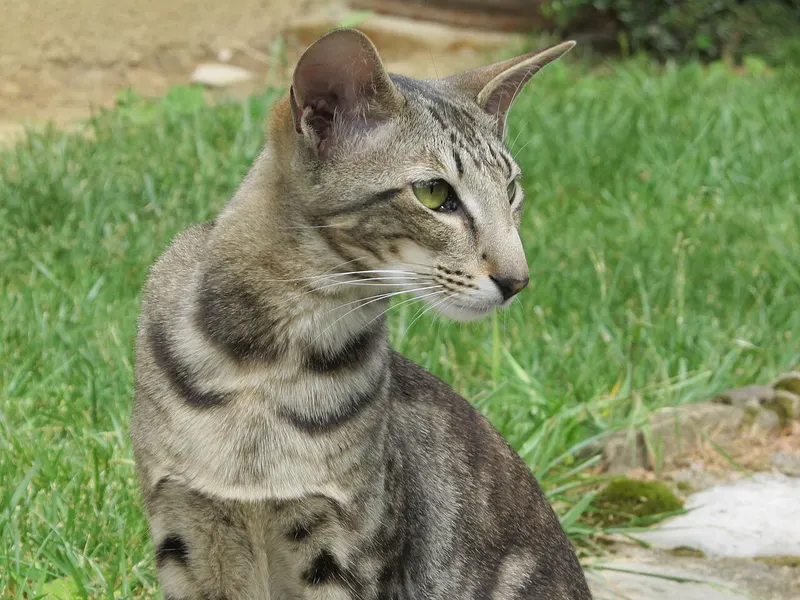
Oriental Shorthair
Oriental
6–10 lbs · 12–15 yrs
Oriental Longhair
Oriental
6–10 lbs · 12–15 yrs
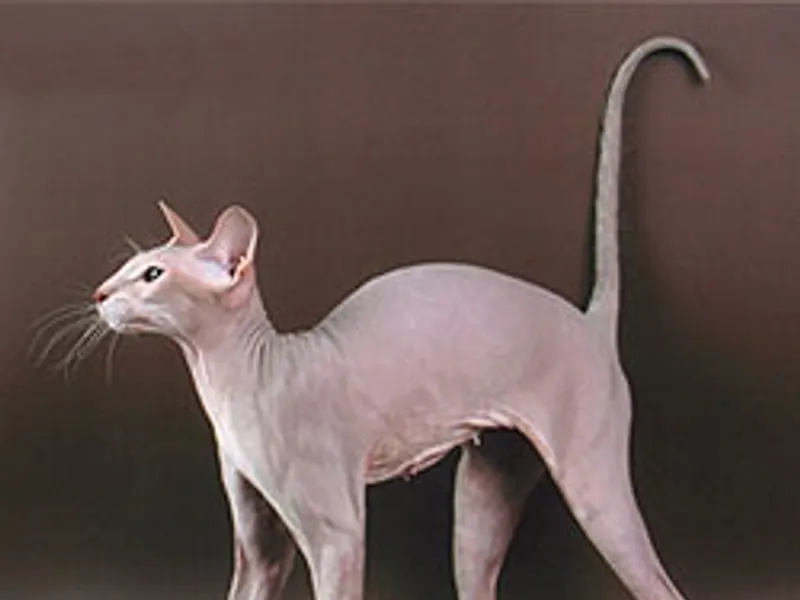
Peterbald
Rex
6–10 lbs · 12–15 yrs
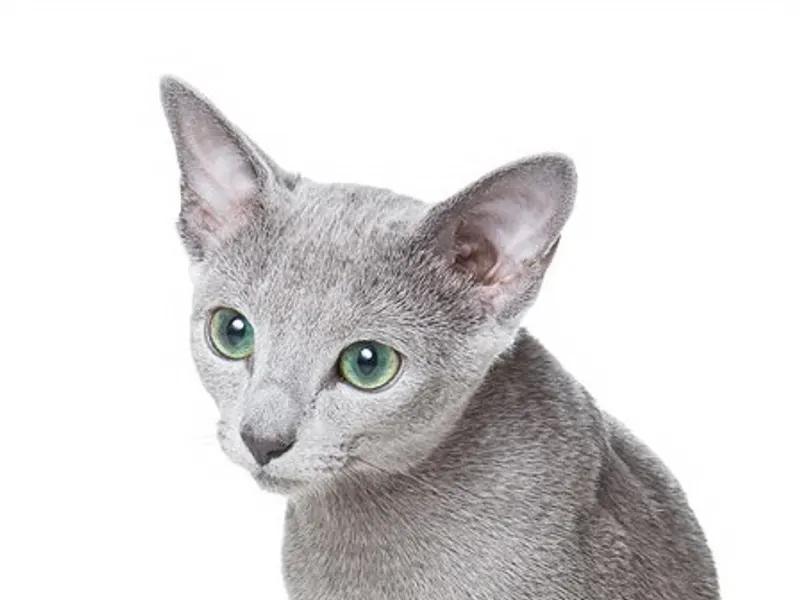
Russian Blue
Foreign
7–12 lbs · 15–20 yrs
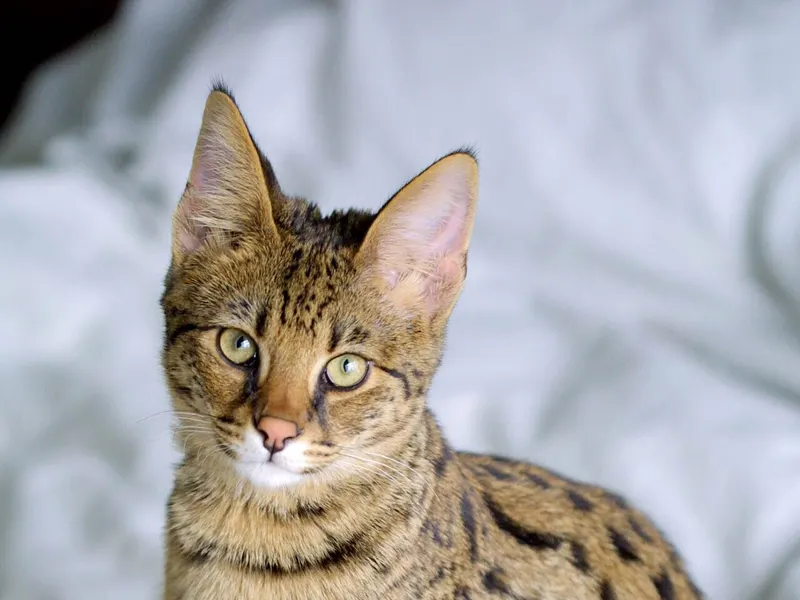
Savannah
Foreign
12–25 lbs · 12–20 yrs
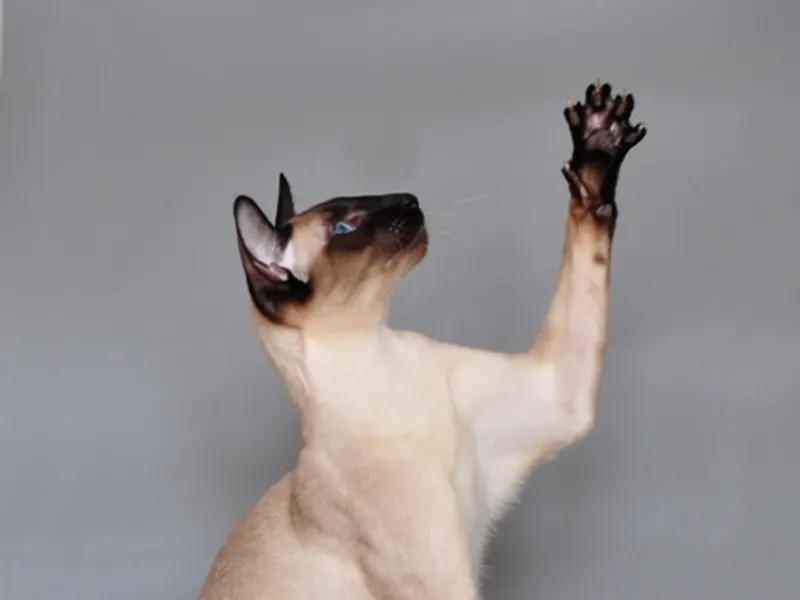
Siamese
Oriental
6–14 lbs · 12–20 yrs
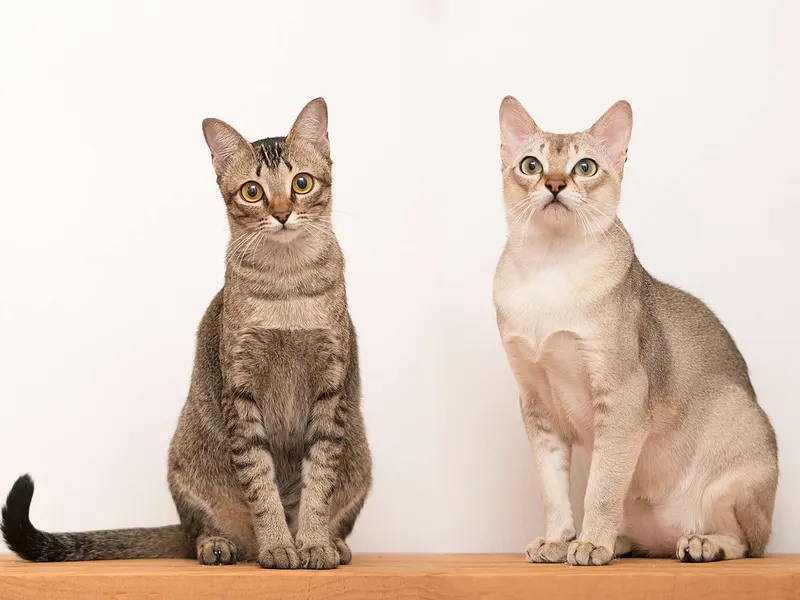
Singapura
Foreign
4–8 lbs · 12–16 yrs
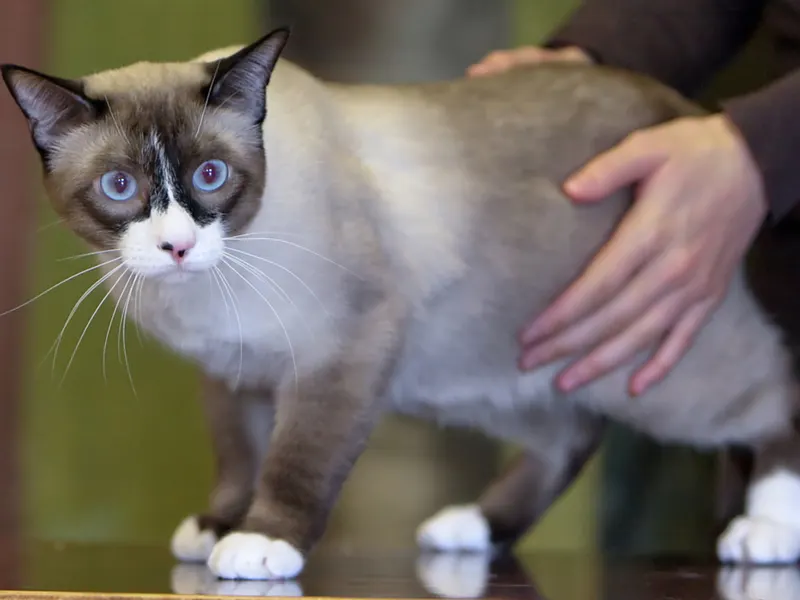
Snowshoe
Semi-cobby
7–12 lbs · 12–15 yrs
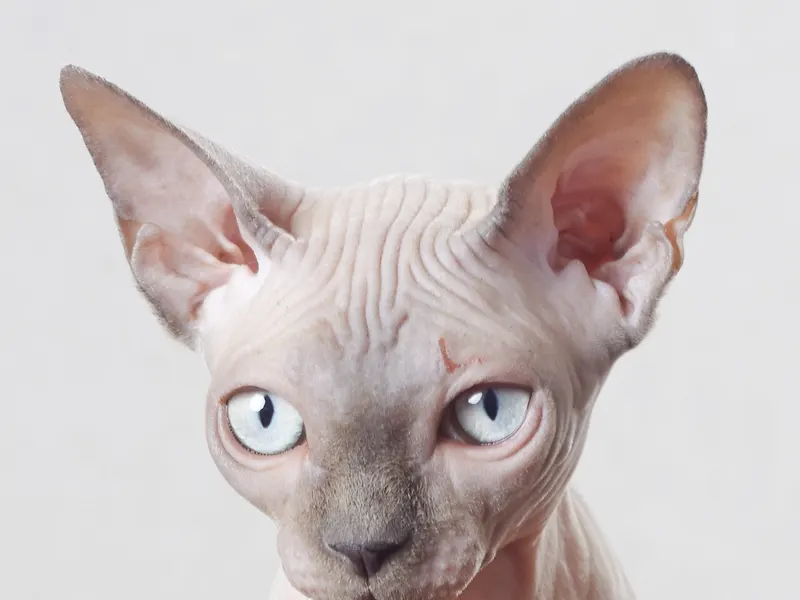
Sphynx
Rex
6–12 lbs · 8–14 yrs
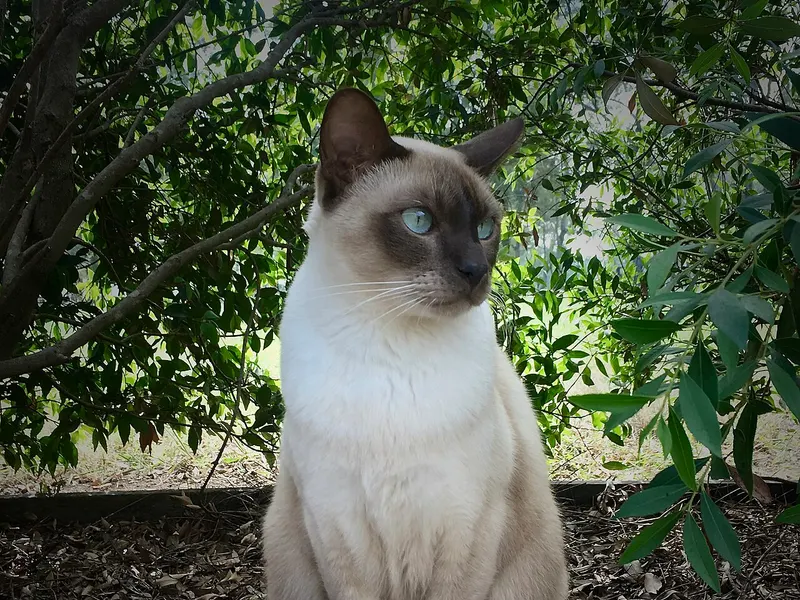
Tonkinese
Semi-foreign
6–12 lbs · 12–16 yrs
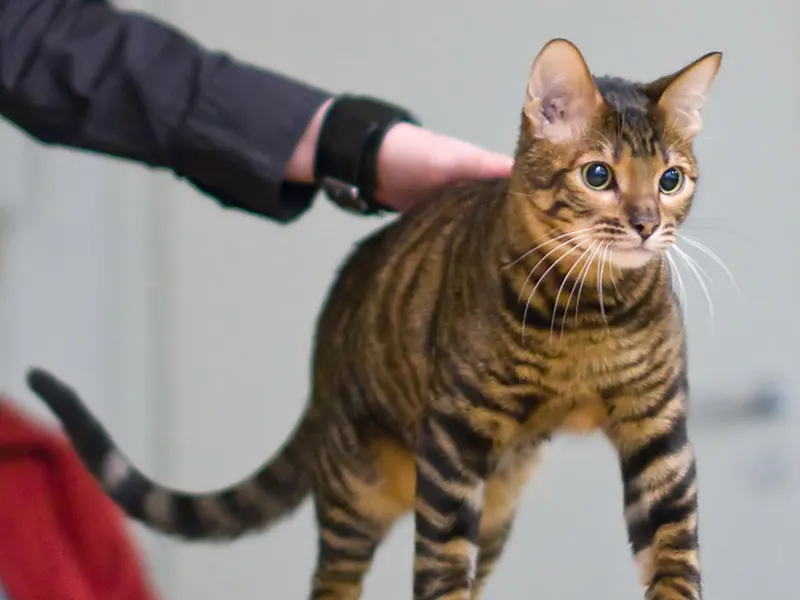
Toyger
Foreign
7–15 lbs · 12–15 yrs
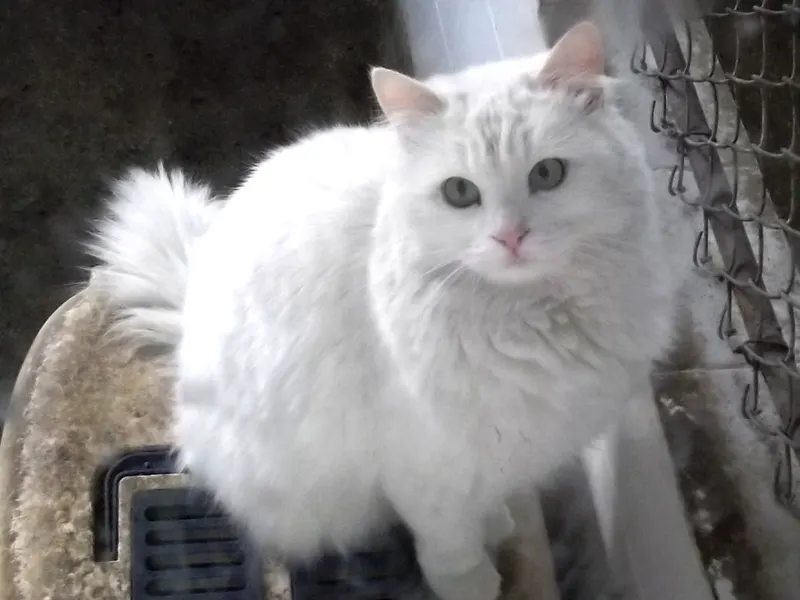
Turkish Angora
Semi-foreign
5–9 lbs · 12–18 yrs
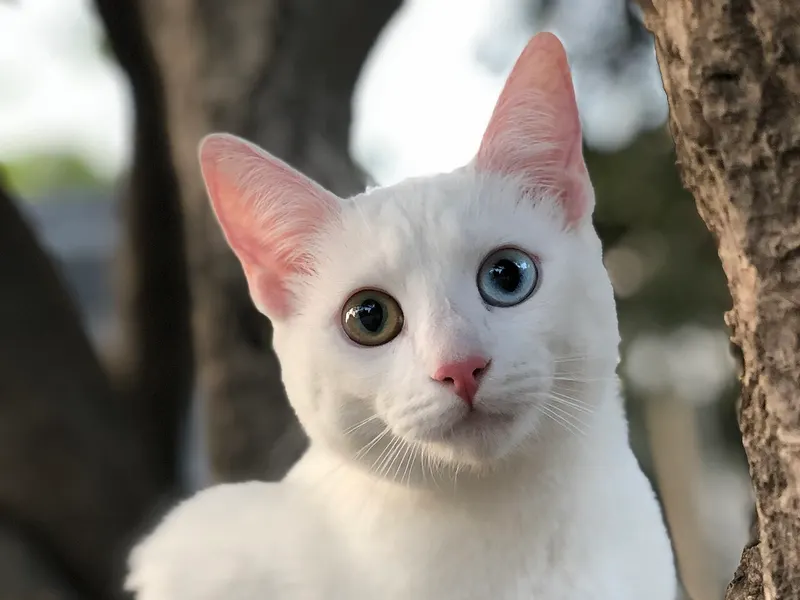
Khao Manee
Foreign
6–10 lbs · 10–15 yrs
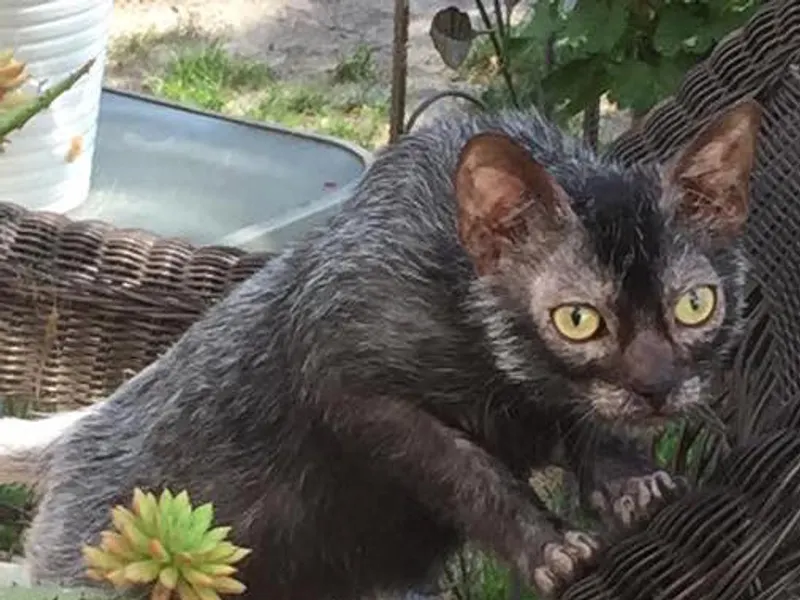
Lykoi
Rex
4–9 lbs · 12–15 yrs
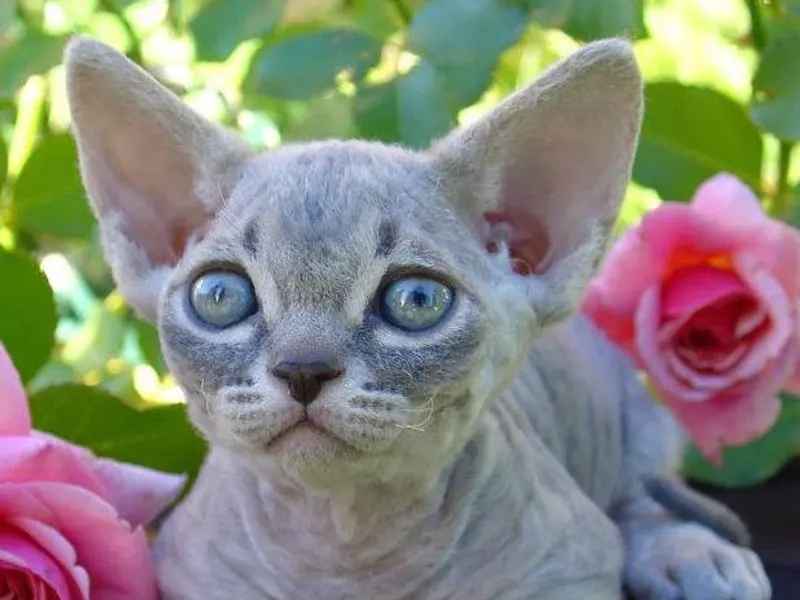
Minskin
Rex
4–6 lbs · 12–14 yrs
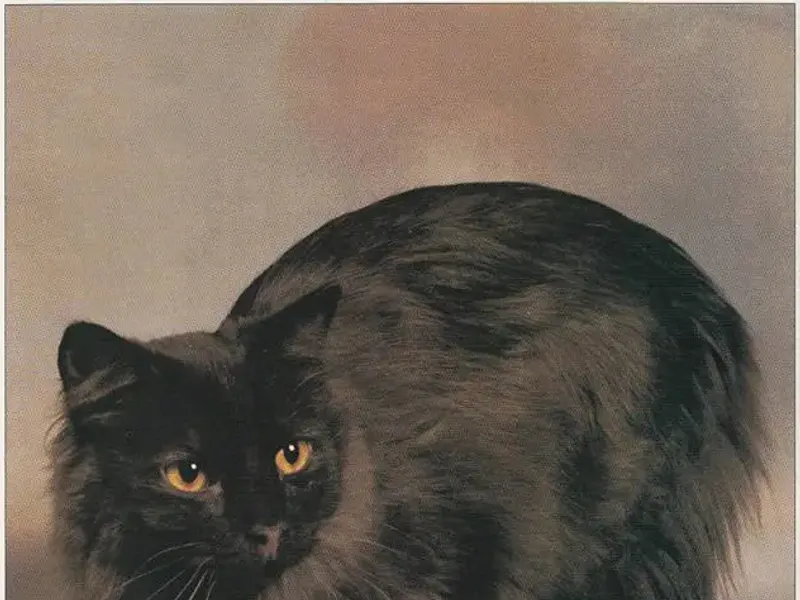
Chantilly-Tiffany
Semi-foreign
7–12 lbs · 12–16 yrs
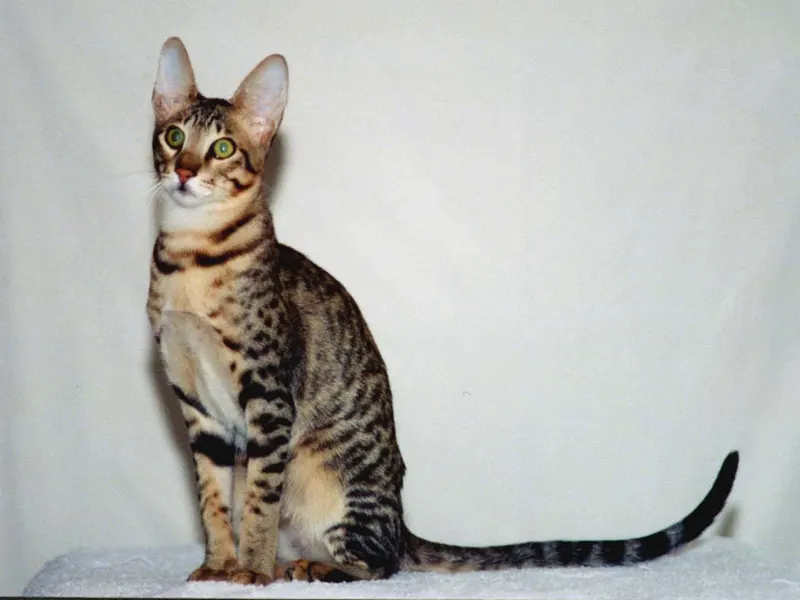
Serengeti
Foreign
8–15 lbs · 12–15 yrs
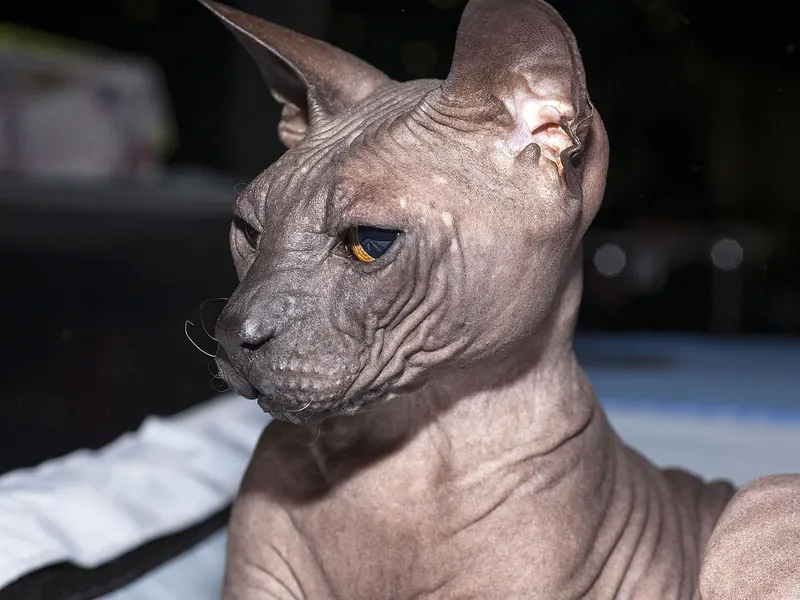
Donskoy
Rex
6–12 lbs · 12–15 yrs