Hound Group Dogs
38 breeds in this group.
Hounds are the oldest functional category of dog by a wide margin, and the group's real organizing principle isn't appearance but method: every breed here was built to find and pursue quarry with minimal ongoing direction from a human, which is precisely why hound owners so often describe their dogs as "independent" or "stubborn" compared with a herding or sporting breed bred to watch a handler's hands. The AKC's Hound Group actually contains two quite different hunting traditions bolted together under one banner. Sighthounds — the Greyhound, Whippet, Afghan Hound, Borzoi, Irish Wolfhound, Scottish Deerhound, Saluki, Ibizan Hound, Pharaoh Hound, Azawakh, and Cirneco dell'Etna — hunt by sight and explosive speed, built with deep chests, long legs, and a spine that flexes like a spring to run down fast game across open ground. Scenthounds — the Beagle, Basset Hound, Bloodhound, Dachshund, Basenji, Norwegian Elkhound, Otterhound, the American coonhound breeds, the French bassets, and the Italian and Scandinavian scent breeds — hunt by nose, working a trail methodically at whatever pace the scent demands, often baying or bawling loudly enough for a hunter following on foot or horseback to track their location without seeing the dog at all. The sighthounds are, on average, the older lineage: the Saluki and the Afghan Hound both claim ancestry stretching back thousands of years to the Middle East and Central Asia, bred by nomadic and royal households alike to course gazelle and hare across desert terrain where sheer speed mattered more than a nose. The Greyhound's body plan — the deepest chest-to-waist ratio of any dog breed, a "double-suspension gallop" that leaves all four feet off the ground twice per stride — has changed remarkably little since depictions on Egyptian tomb art roughly 4,000 years old, though the modern racing and show lines diverged sharply in the twentieth century. The Irish Wolfhound and Scottish Deerhound, by contrast, were built not for pure speed but for the size and courage to bring down wolves and red deer respectively, which is why both are giants — the Wolfhound is typically cited as the tallest AKC breed — despite sharing the same lean, sighthound silhouette as the much smaller Whippet and Italian Greyhound. The scenthound branch tells a different story, one rooted heavily in medieval European monastery breeding and, later, American frontier adaptation. The Bloodhound's scenting lineage traces to dogs kept by the monks of the Abbey of Saint-Hubert in what's now Belgium as early as the eighth century, and the breed's trailing ability — legally admissible as evidence in some U.S. courts — remains essentially unmatched; a Bloodhound can follow a scent trail that's days old and miles long. The Basset Hound and its French cousins (the Basset Fauve de Bretagne, Basset Bleu de Gascogne, Grand Basset Griffon Vendéen, Petit Basset Griffon Vendéen) share a deliberately shortened leg structure that keeps the dog's nose close to the ground and, historically, slow enough for a hunter on foot to keep pace with on foot rather than horseback. America's contribution to the group is the coonhound family — the Black and Tan, Bluetick, Redbone, Treeing Walker, and American English Coonhounds, plus the Plott Hound (bred originally in North Carolina to hunt bear and boar, not raccoon) — all developed from European foxhound stock imported by settlers and adapted for nocturnal raccoon and predator hunting across rough Appalachian and Southern terrain, where a dog's bay had to carry far enough for a hunter to locate a treed animal in the dark. The Beagle and Dachshund, the group's two most popular household breeds, sit at opposite ends of the scenthound size range but share the nose-first, independent-minded temperament that makes recall training genuinely harder in this group than in almost any other. A Beagle that catches an interesting scent trail will often follow it regardless of a call name being shouted behind it, not out of defiance exactly, but because the instinct being triggered is older and stronger than the training layered on top of it — which is precisely why secure fencing and a long line, rather than off-leash trust, are standard advice for nearly every hound breed regardless of individual temperament. The Basenji, an African breed sometimes called the "barkless dog," adds another wrinkle: it doesn't bark in the conventional sense but produces a distinctive yodel-like sound, and it retains an unusually primitive, cat-like independence that makes it one of the harder hounds to housetrain by conventional reward methods alone. Living with a hound breed means planning around two recurring themes: nose-driven wandering and, in the scenthound half of the group specifically, vocalization. A Beagle or coonhound's bay is a working feature, not a flaw, engineered to carry across distance — which makes these breeds a poor fit for close apartment living with thin walls, however well-suited their moderate exercise needs otherwise make them for city life. Sighthounds need the opposite accommodation: a securely fenced space to sprint, since their trigger-and-chase instinct toward small, fast-moving animals is often the strongest of any group, but their at-home energy is frequently lower than people expect — a Greyhound is famously a "40-mph couch potato," content with a daily sprint followed by long hours of napping. Health themes split along the same sighthound/scenthound line: sighthounds are prone to bloat given their deep chests and to sensitivity around anesthesia due to low body fat, while Dachshunds and Bassets, built with an elongated spine over short legs, carry a well-documented, breed-defining risk of intervertebral disc disease that owners should plan for from puppyhood — limiting jumping on and off furniture and stairs rather than treating it as an occasional health hiccup. The group's health and welfare themes deserve their own closer look given how physically demanding both hunting styles are. Ear infections are especially common in the long-, low-eared scenthounds — the Basset Hound, Bloodhound, and Beagle all carry heavy, low-set ears that restrict airflow to the canal, a trait that was actually useful in the field, since it's believed the flapping ears helped waft ground scent up toward the nose while trailing, but the same structure traps moisture and debris in a pet setting and calls for regular cleaning that a prick-eared breed doesn't need nearly as often. Sighthounds carry a notably low body-fat percentage even at a healthy weight, which affects anesthesia dosing (many veterinary anesthesia protocols are adjusted specifically for sighthound breeds) and means these dogs feel cold more acutely than a stockier breed of similar size, often needing a coat in winter despite their athletic build suggesting otherwise. Several hound breeds also carry a well-earned reputation for vocal range that's worth understanding before bringing one home. The Bloodhound's deep bay, the Beagle's higher-pitched howl-bark hybrid, and the coonhounds' distinctive treeing bay are all functional adaptations meant to carry across long distances so a hunter following on foot or horseback could locate the dog without seeing it, and none of that instinct disappears just because the dog's actual job is now companionship. Basenjis are the notable exception, essentially barkless and instead producing a yodel-like sound, a genuinely unusual trait tied to the breed's unusually shaped larynx. Sighthounds and scenthounds also diverge sharply on trainability in ways worth being honest about. A scenthound following an interesting trail is, in a real sense, ignoring the handler because an older, stronger instinct has taken over, not out of defiance, and recall training in this group typically has to work with that reality — a long line and secure fencing rather than off-leash trust remain standard advice regardless of how much obedience training an individual dog has had. Sighthounds present a related but distinct challenge: their prey drive toward small, fast-moving animals, including cats, squirrels, and small dogs, is frequently the strongest of any group, and even a Greyhound raised with a resident cat from puppyhood needs careful, ongoing management around unfamiliar small animals in a way many owners underestimate given the breed's typically calm indoor demeanor. Adoption is worth mentioning specifically for this group, since hounds — Beagles, Bloodhounds, and coonhounds in particular — are disproportionately represented in shelters and breed-specific rescues relative to their overall registration numbers, often surrendered by owners who underestimated the nose-driven wandering and vocal tendencies discussed above rather than because of any inherent unsuitability as pets. A well-matched adopter who understands and plans around those traits from day one frequently ends up with a genuinely wonderful companion, and hound-specific rescue organizations are usually well positioned to match a dog's individual energy level and trainability to a prospective home more precisely than a general shelter intake process can. Regional variation within the coonhound cluster is worth a direct note, since these breeds developed distinct followings tied to specific American hunting regions and traditions — the Bluetick Coonhound remains closely associated with the American South and was even adopted informally as a mascot at the University of Tennessee, while the Treeing Walker Coonhound split off from the older American Foxhound line specifically for its superior treeing instinct, a distinction hunters in the Southeast valued enough to formalize into a separate breed standard in the twentieth century. Sighthound racing also deserves mention: greyhound racing's decline in the U.S. over the past two decades, driven by welfare concerns and changing state law, has actually increased the number of retired racing Greyhounds available through dedicated adoption groups, and these adult dogs are frequently reported by adopters as surprisingly calm, low-energy house companions once their racing career ends, a genuine counterpoint to any assumption that a Greyhound needs a working-dog level of daily activity as a pet.
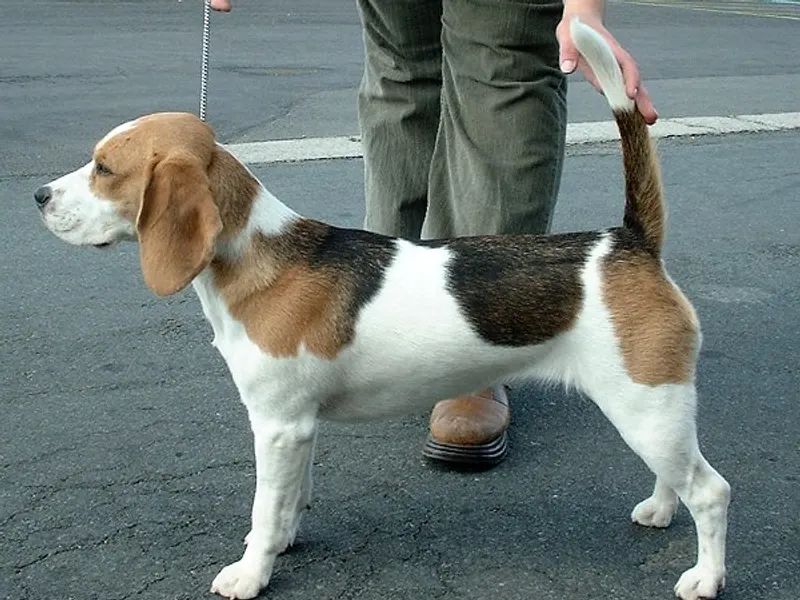
Beagle
Hound
18–30 lbs · 10–15 yrs
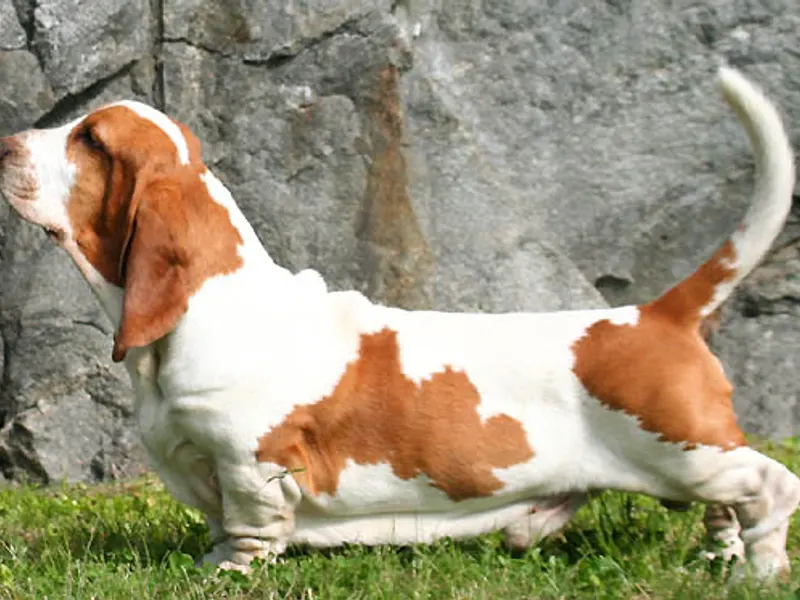
Basset Hound
Hound
40–65 lbs · 12–13 yrs
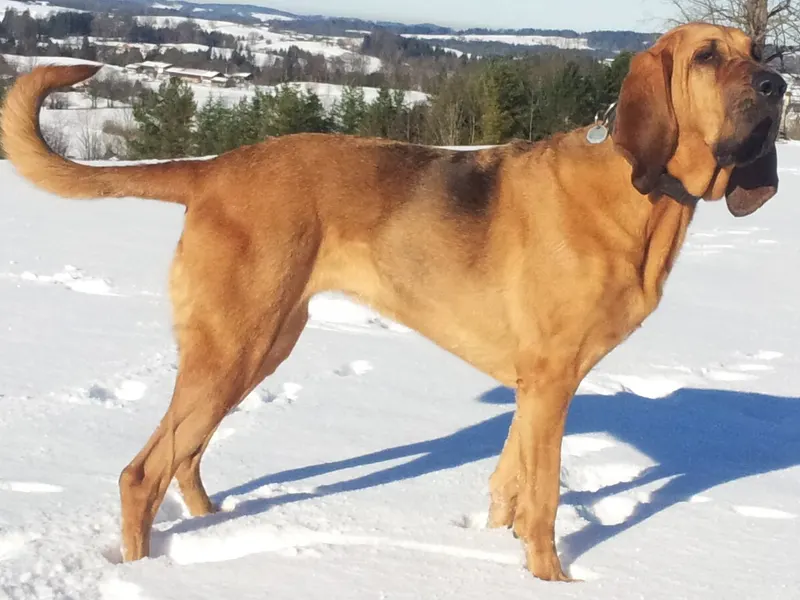
Bloodhound
Hound
80–110 lbs · 10–12 yrs
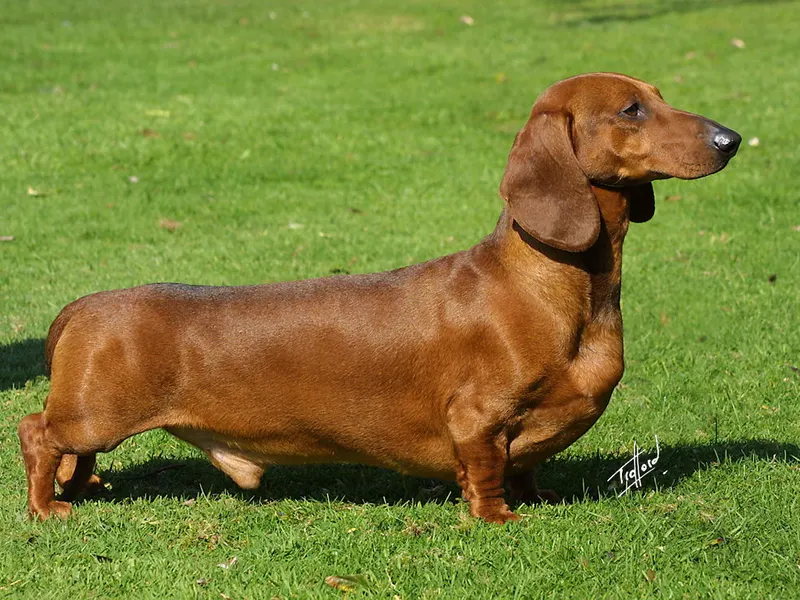
Dachshund
Hound
11–32 lbs · 12–16 yrs
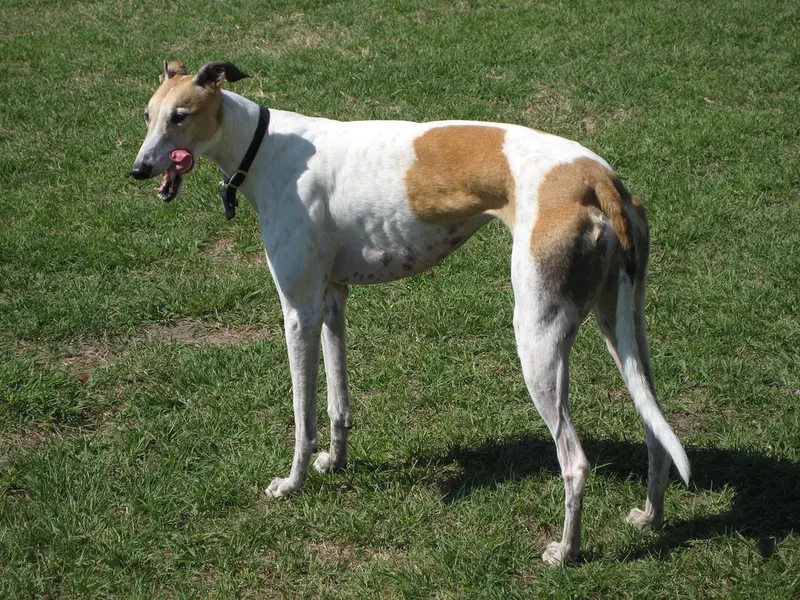
Greyhound
Hound
60–88 lbs · 10–14 yrs
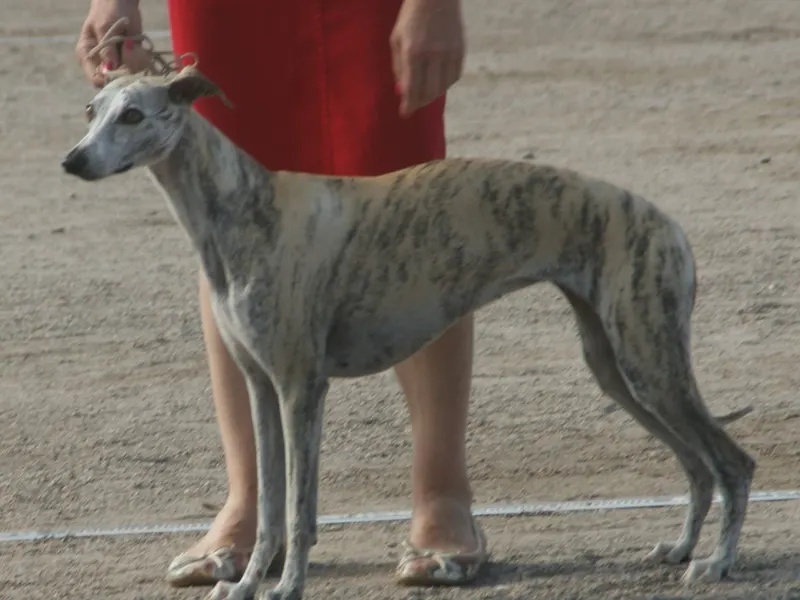
Whippet
Hound
25–40 lbs · 12–15 yrs
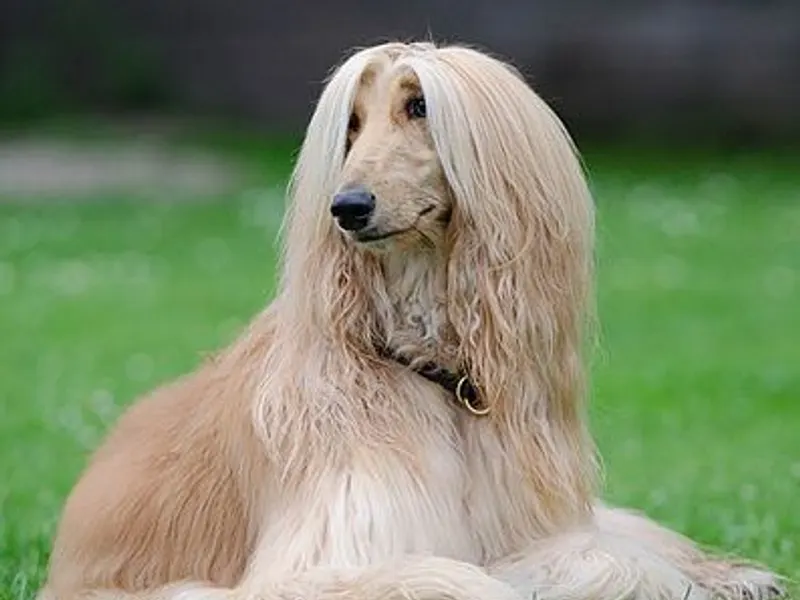
Afghan Hound
Hound
50–60 lbs · 12–18 yrs
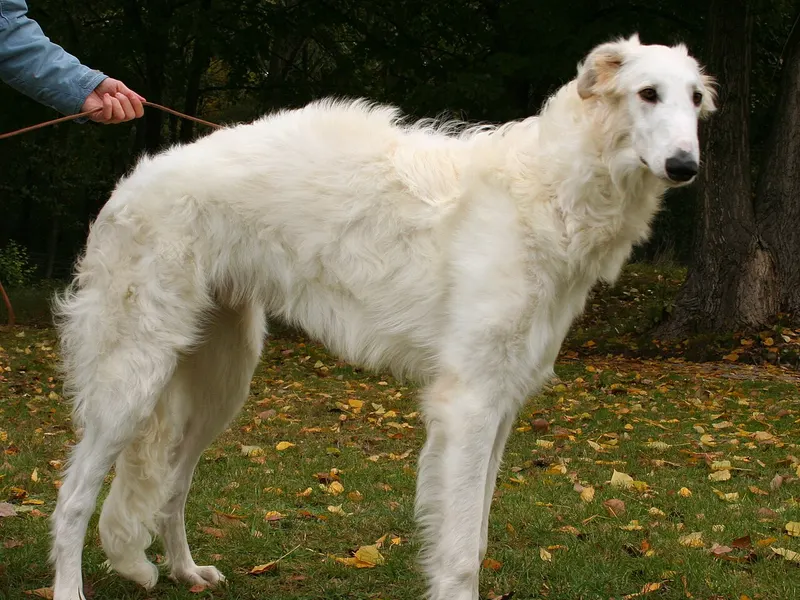
Borzoi
Hound
60–105 lbs · 9–14 yrs
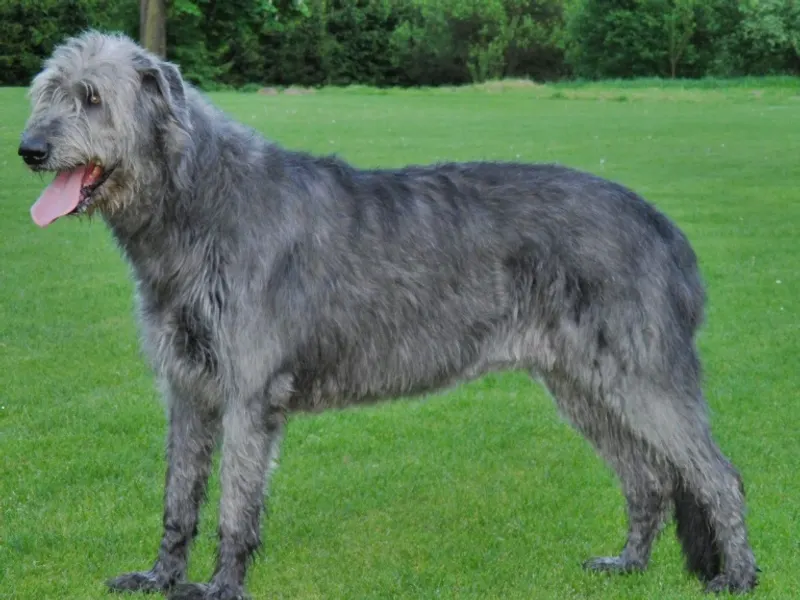
Irish Wolfhound
Hound
105–180 lbs · 6–8 yrs
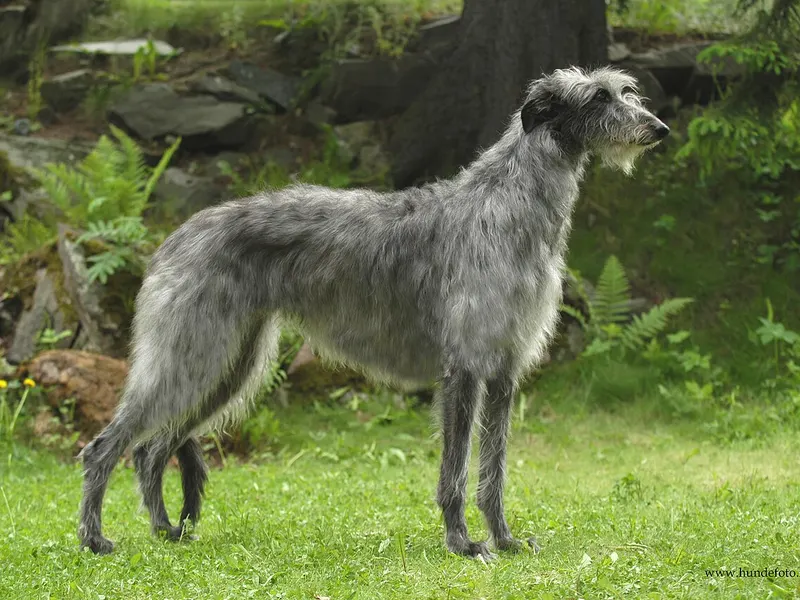
Scottish Deerhound
Hound
75–110 lbs · 8–11 yrs
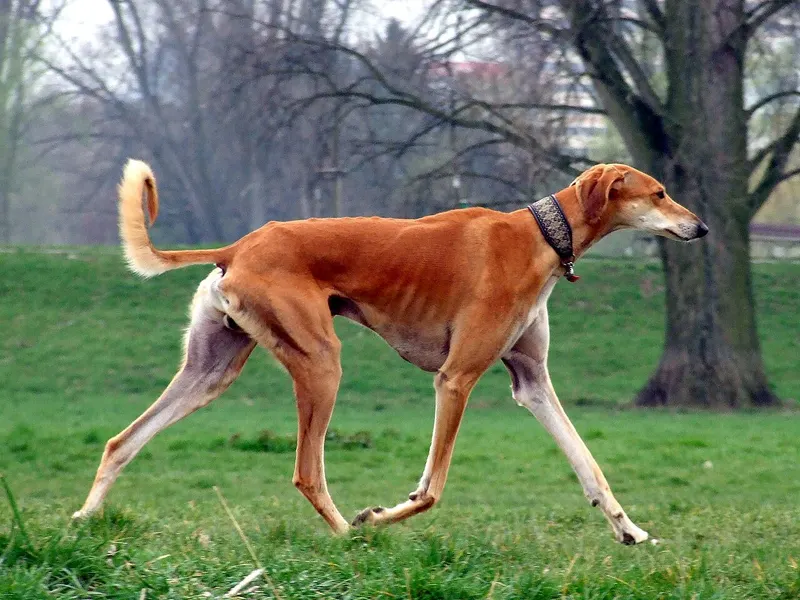
Saluki
Hound
40–65 lbs · 12–14 yrs
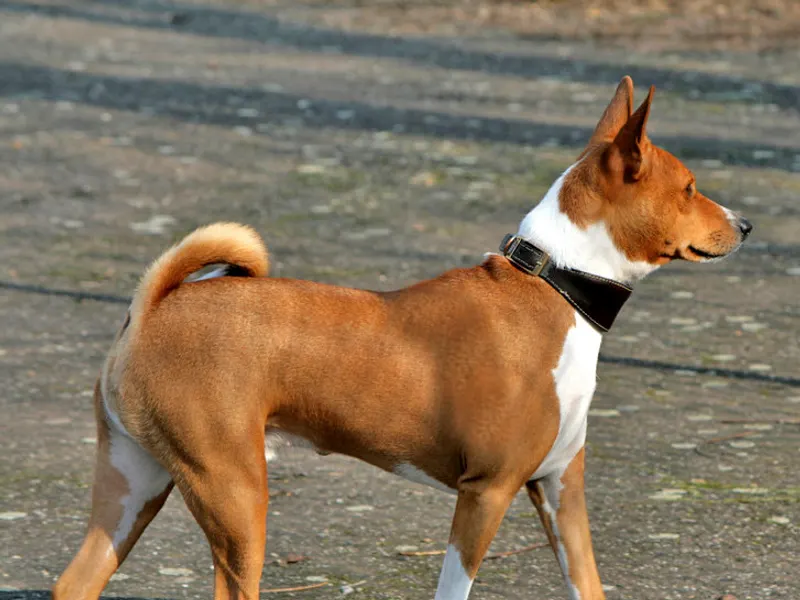
Basenji
Hound
22–24 lbs · 13–14 yrs
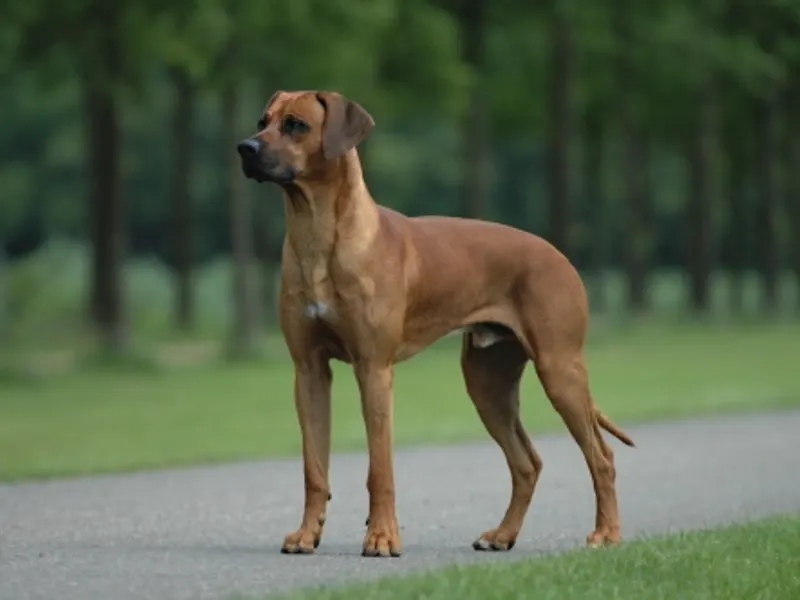
Rhodesian Ridgeback
Hound
70–85 lbs · 10–12 yrs
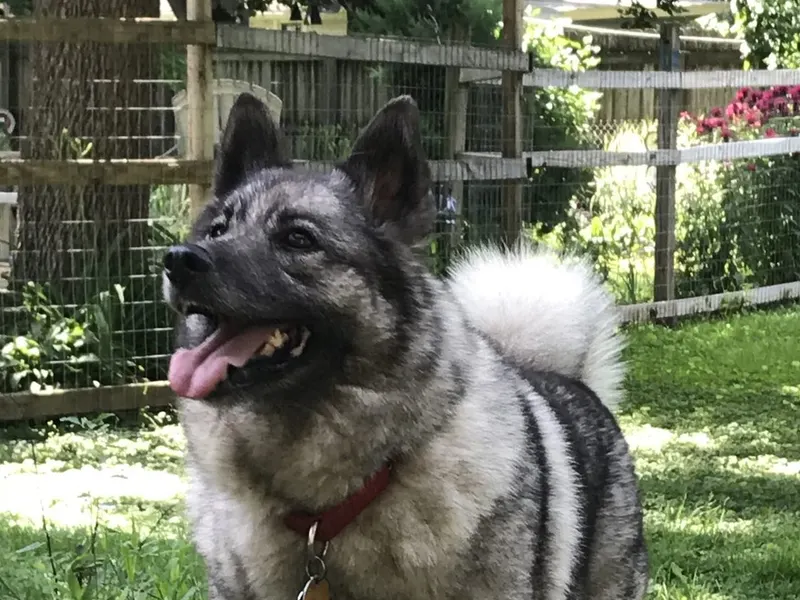
Norwegian Elkhound
Hound
48–55 lbs · 12–15 yrs
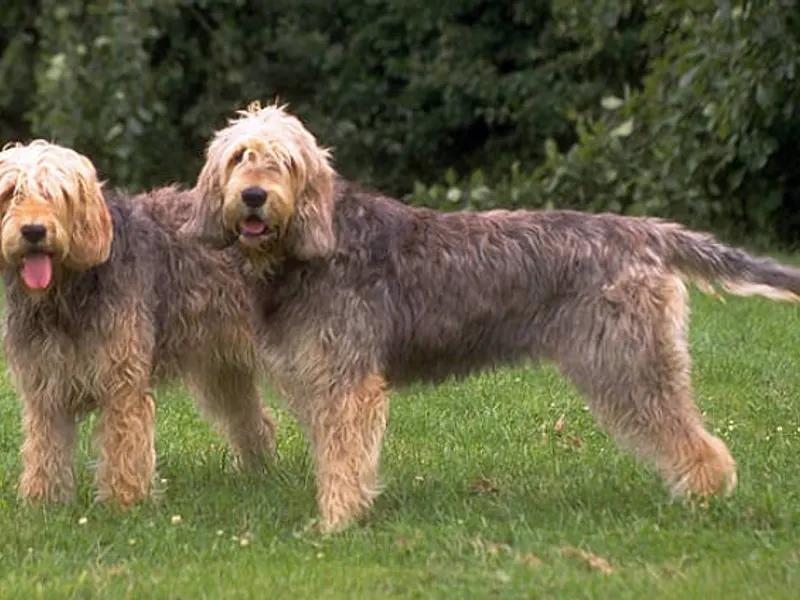
Otterhound
Hound
65–115 lbs · 10–13 yrs
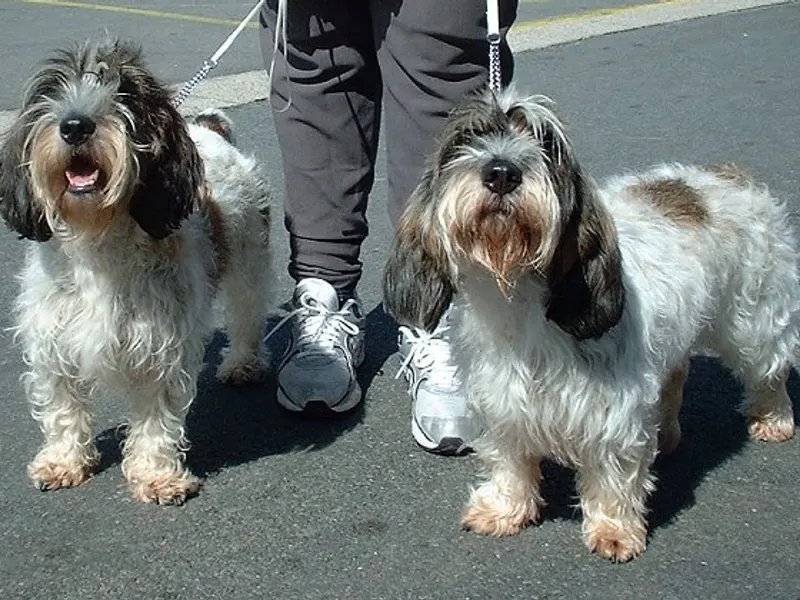
Petit Basset Griffon Vendéen
Hound
25–40 lbs · 13–15 yrs
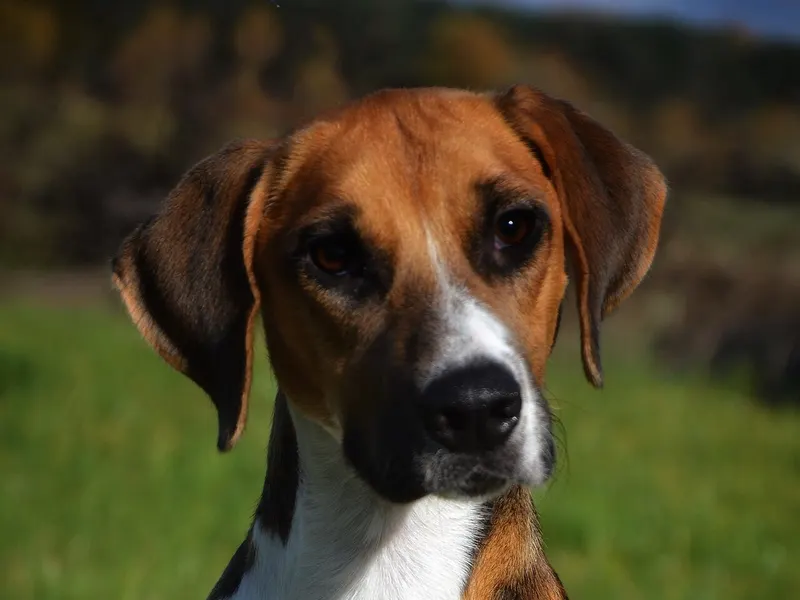
Harrier
Hound
45–60 lbs · 10–12 yrs
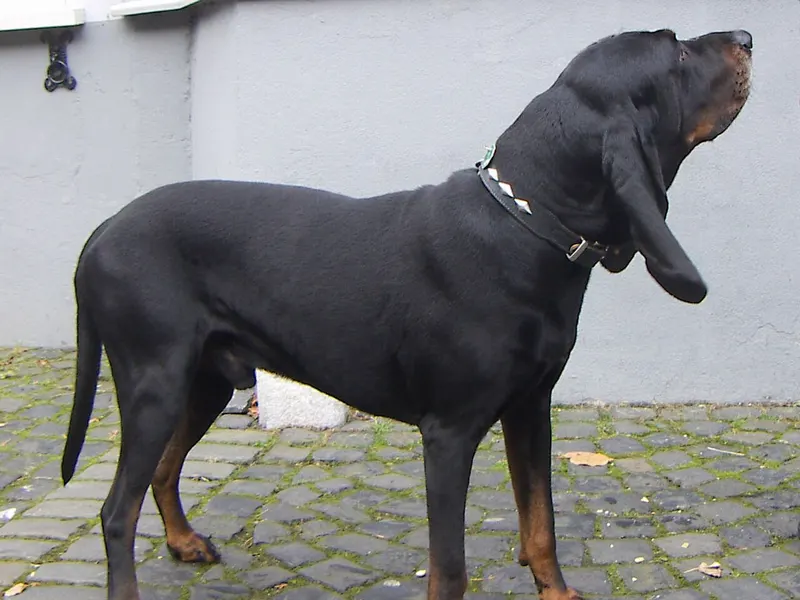
Black and Tan Coonhound
Hound
55–110 lbs · 10–12 yrs
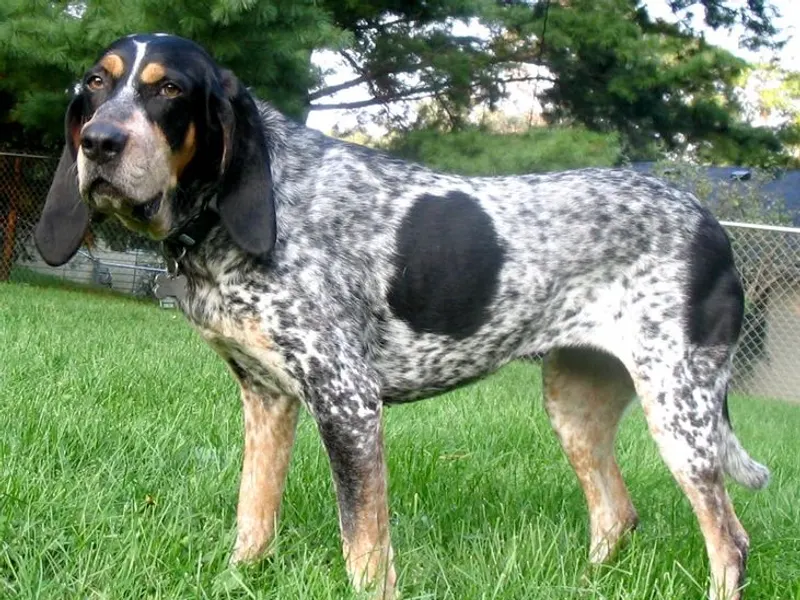
Bluetick Coonhound
Hound
45–100 lbs · 11–12 yrs
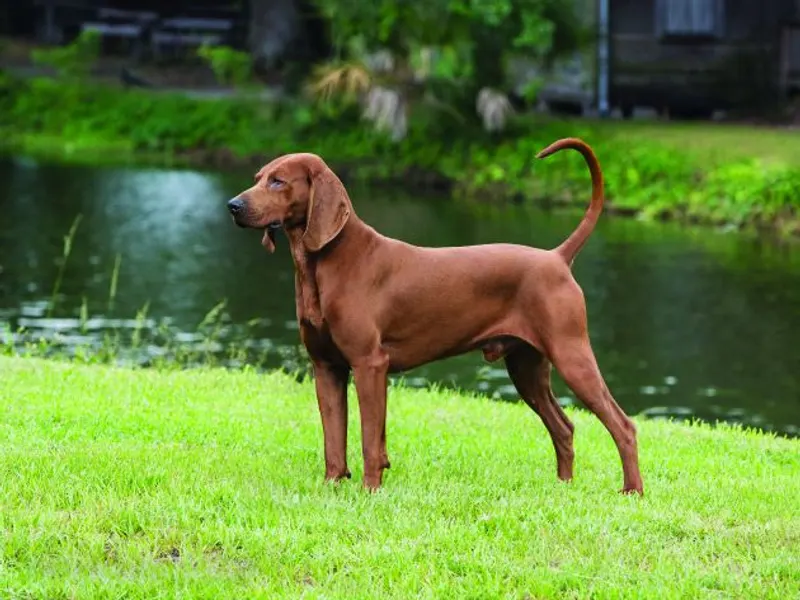
Redbone Coonhound
Hound
45–70 lbs · 12–15 yrs
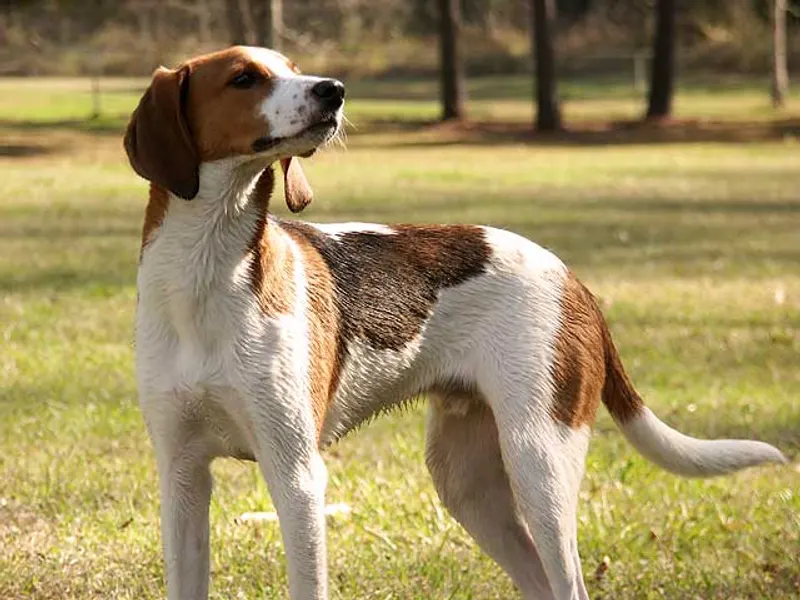
Treeing Walker Coonhound
Hound
50–70 lbs · 12–13 yrs
American English Coonhound
Hound
45–65 lbs · 11–12 yrs
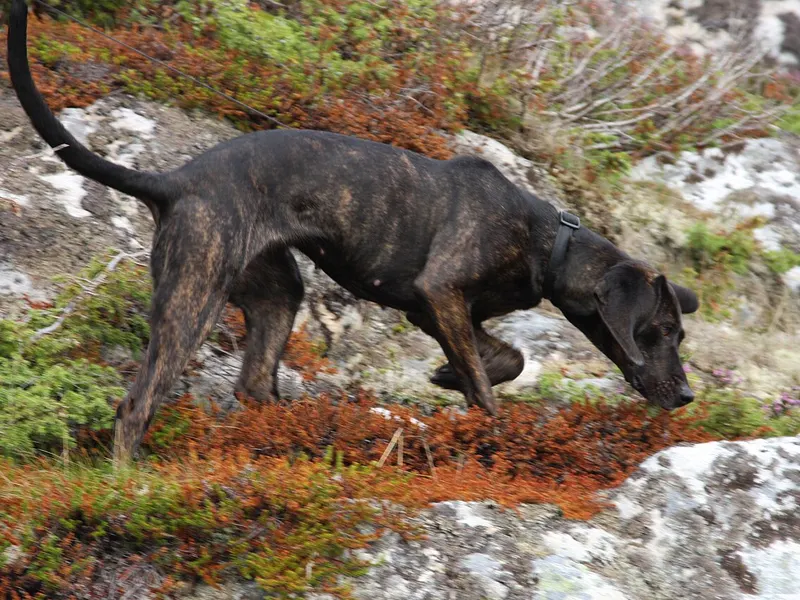
Plott Hound
Hound
40–60 lbs · 12–14 yrs
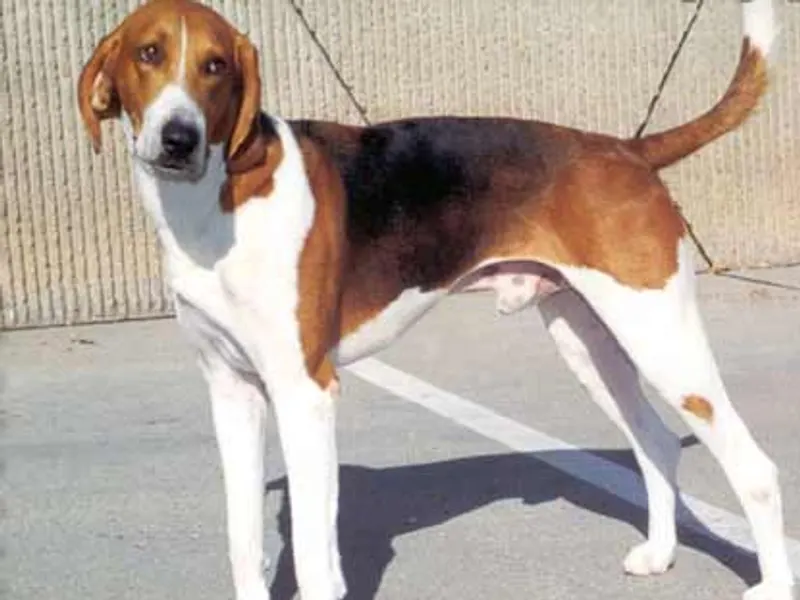
American Foxhound
Hound
45–70 lbs · 11–13 yrs
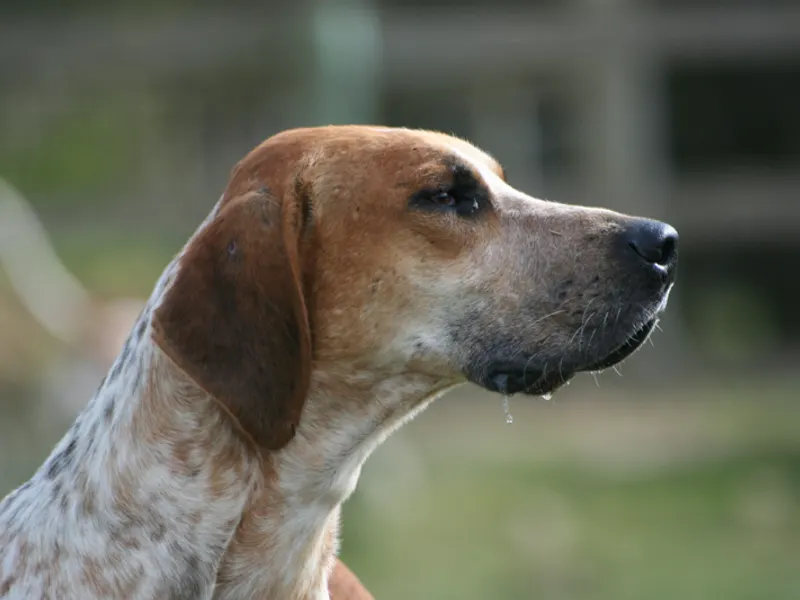
English Foxhound
Hound
55–75 lbs · 10–13 yrs
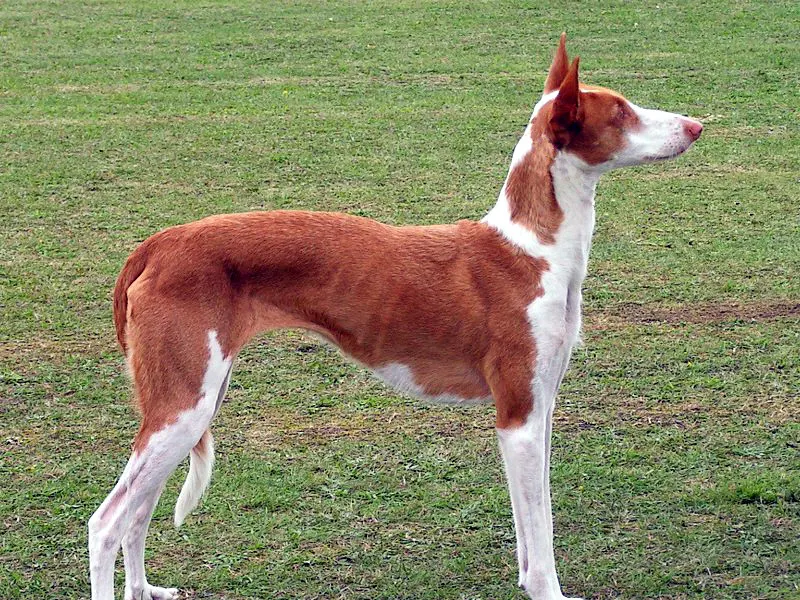
Ibizan Hound
Hound
45–50 lbs · 11–14 yrs
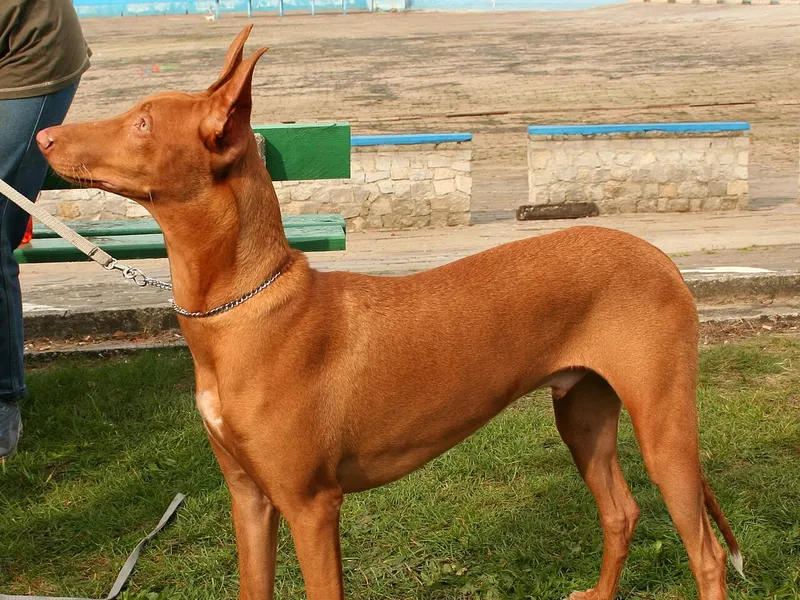
Pharaoh Hound
Hound
45–55 lbs · 11–14 yrs
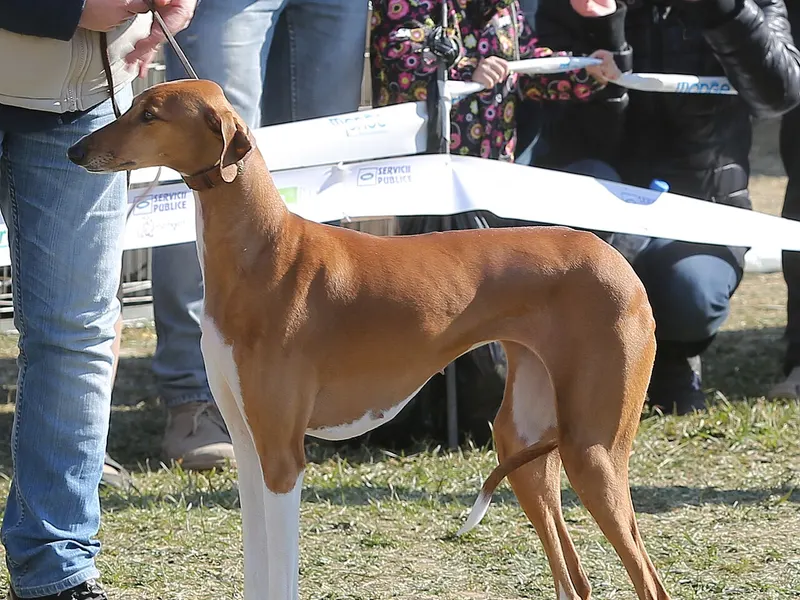
Azawakh
Hound
33–55 lbs · 12–15 yrs
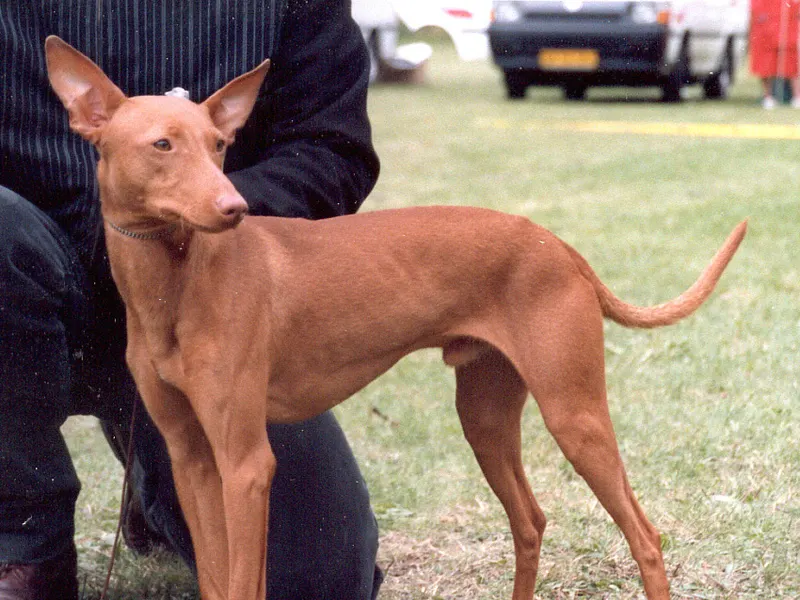
Cirneco dell'Etna
Hound
17–26 lbs · 12–14 yrs
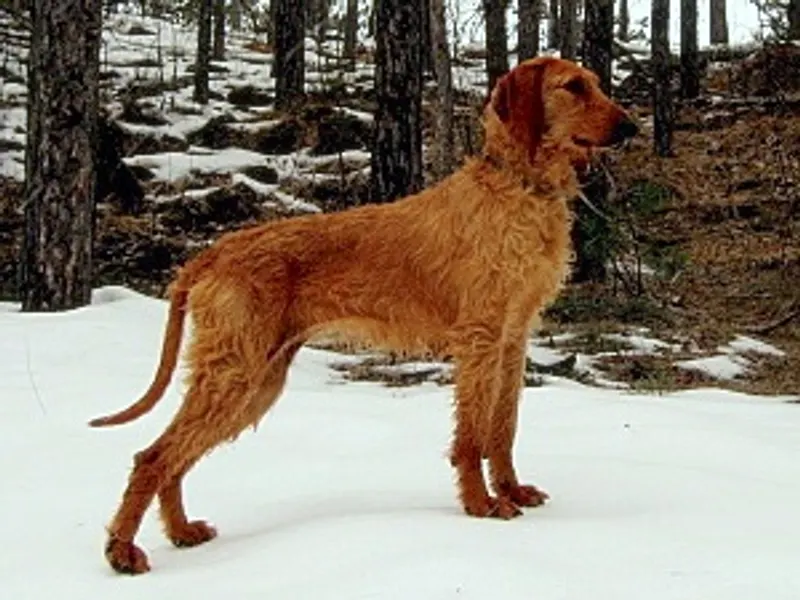
Segugio Italiano
Hound
40–62 lbs · 13–15 yrs
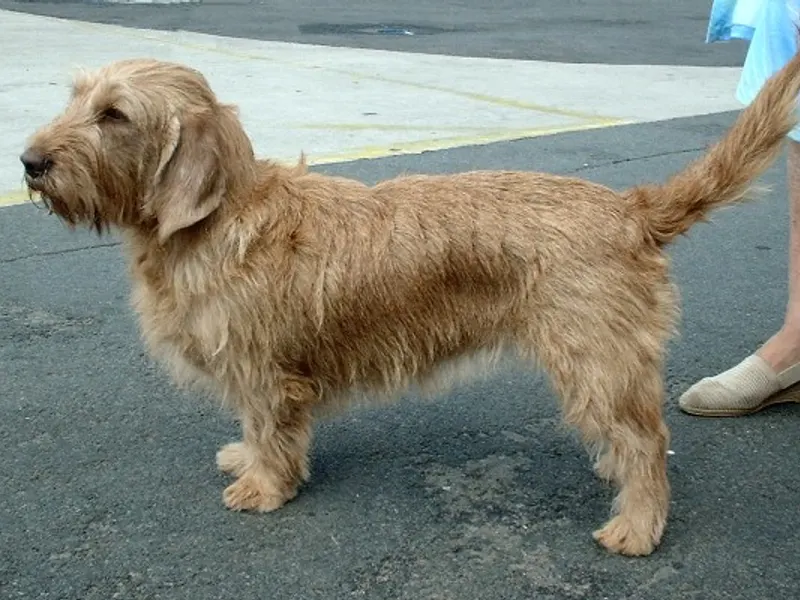
Basset Fauve de Bretagne
Hound
25–35 lbs · 13–14 yrs
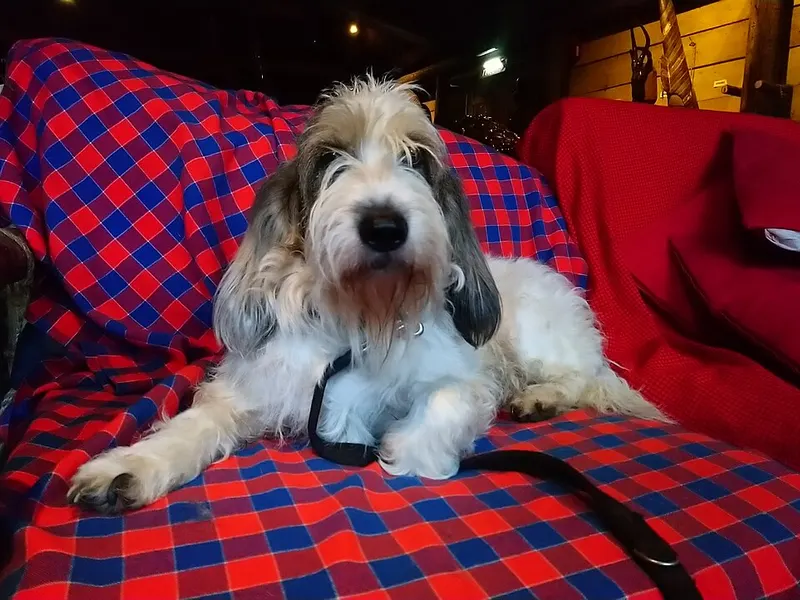
Grand Basset Griffon Vendéen
Hound
40–45 lbs · 12–14 yrs
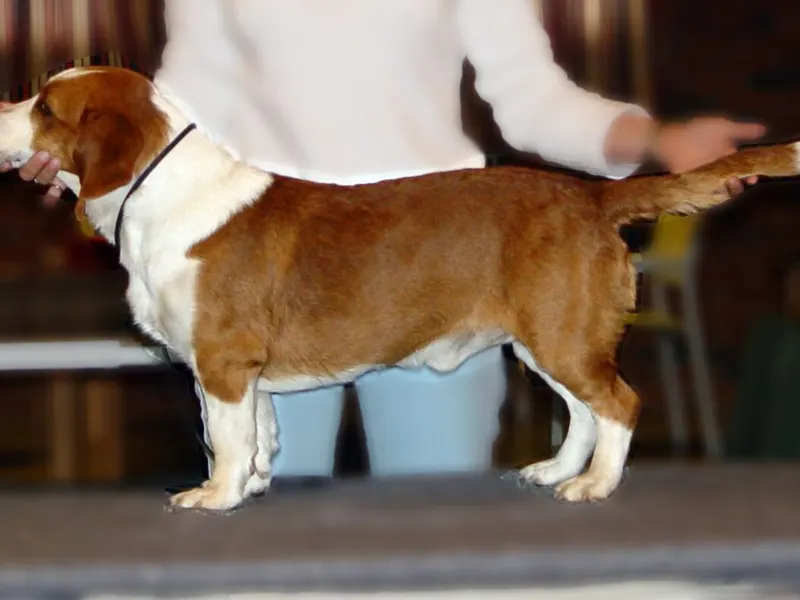
Drever
Hound
30–35 lbs · 12–14 yrs
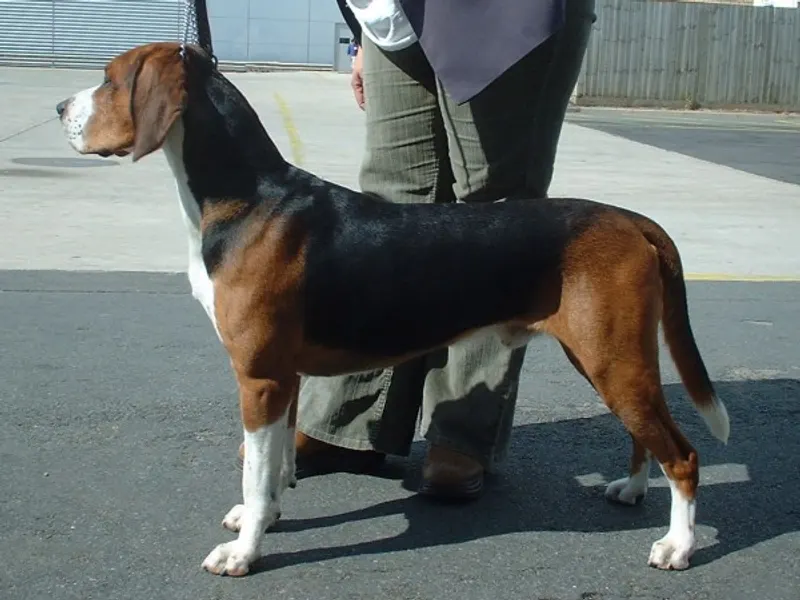
Hamiltonstovare
Hound
40–60 lbs · 12–13 yrs
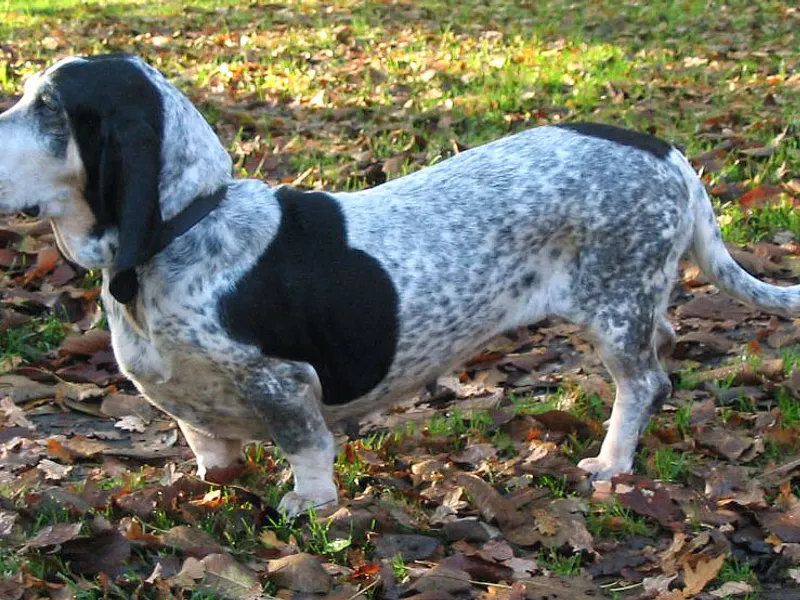
Basset Bleu de Gascogne
Hound
35–45 lbs · 11–13 yrs
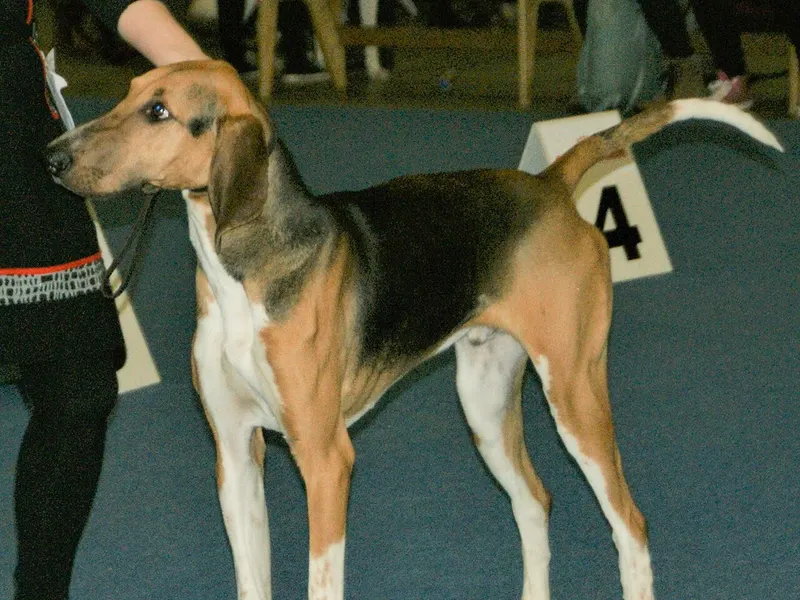
Poitevin
Hound
55–70 lbs · 11–13 yrs
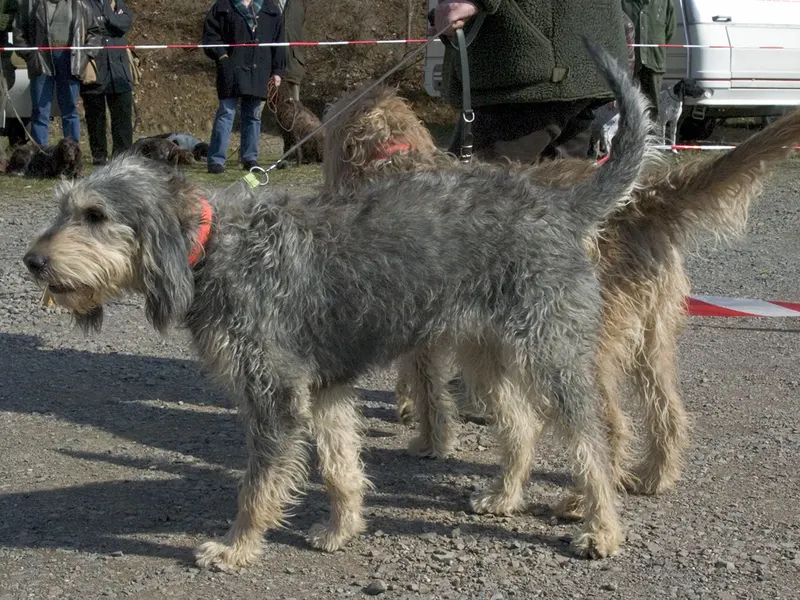
Griffon Nivernais
Hound
50–65 lbs · 12–14 yrs
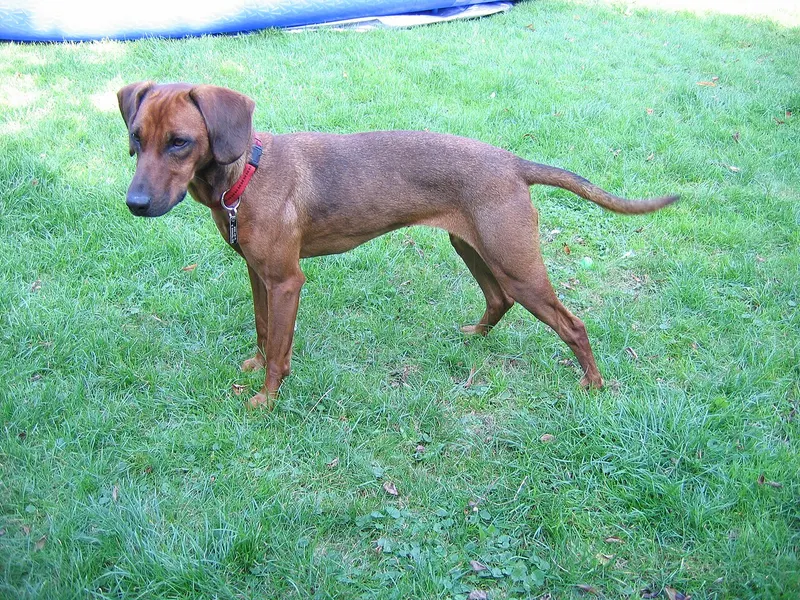
Tyrolean Hound
Hound
33–48 lbs · 12–14 yrs