Long-Coat Dog Breeds
41 breeds in this group.
Long-coated dogs cover a genuinely wide range of texture, density, and original purpose, and the category is best understood by splitting it into a few distinct functional subtypes rather than treating "long hair" as a single uniform trait — the flowing, silky coat of an Afghan Hound, the corded coat of a Puli, and the dense, weather-resistant double coat of a Collie all qualify as "long," but each evolved for a different reason and demands a genuinely different grooming commitment. The silky-coated long-haired breeds — Afghan Hound, Yorkshire Terrier, Maltese, Shih Tzu, Lhasa Apso, Papillon, Cocker Spaniel's feathering — share a fine, often single-layer coat texture that, while beautiful, mats readily without regular brushing, since fine hair tangles and felts against itself far more easily than a coarser texture does. Several of these breeds were developed specifically as ornamental court or show companions where the coat itself was part of the point rather than an incidental trait, and owners choosing one of these breeds for its appearance should go in expecting a genuine daily or near-daily brushing commitment, plus regular professional grooming every four to eight weeks in most cases, since matted fine hair close to the skin isn't just a cosmetic problem — it traps moisture and debris against the skin and can lead to painful skin infections if left unaddressed for long stretches. The double-coated long-haired breeds — Collie, Shetland Sheepdog, Golden Retriever, Bernese Mountain Dog, Newfoundland, Samoyed, Pomeranian, Chow Chow — combine a longer, often coarser outer guard-hair layer with a dense undercoat beneath, a structure generally evolved for genuine cold-weather insulation and water resistance across working or herding backgrounds rather than for ornamental appearance alone, and this coat type sheds dramatically during seasonal coat-blowing periods, often requiring daily brushing for a week or two in spring and fall to manage the volume of loose undercoat coming out, even though the coat is comparatively lower-maintenance the rest of the year than a fine, silky single-layer coat prone to matting year-round. The Samoyed and Pomeranian in particular carry Arctic-region ancestry visible in this coat structure, built originally to withstand genuinely severe cold rather than for the fluffy, ornamental appearance that draws many pet owners to the breeds today. Corded coats represent a distinct and much rarer structural category, found in breeds like the Komondor and Puli, where the coat naturally forms into long, rope-like cords rather than being brushed out — a texture that, counterintuitively, requires more specialized maintenance than either the silky or double-coated categories, since cords need to be regularly separated by hand to prevent them from matting together into one solid, difficult-to-manage mass, and a corded coat takes years to fully develop from puppyhood, meaning young dogs of these breeds don't yet show the mature coat their adult relatives are known for. This coat type evolved specifically for functional reasons on livestock guardian breeds, where the corded texture provided genuine protection against predator bites while also allowing the dog to visually blend in among a flock of sheep it was guarding. Feathered coats — a longer fringe of hair on the ears, chest, legs, and tail over an otherwise shorter body coat, seen in most spaniel breeds and several setters — sit somewhere between the fully long-coated and short-coated categories, and this feathering is a particularly common site for matting and burr collection given how much time these breeds historically spent working through brush and undergrowth, making regular trimming and brushing of the feathered areas specifically (rather than the whole coat) the standard grooming approach for this subtype. Across the entire long-coat category, owners should expect meaningfully more grooming time investment than any short-coated breed requires, whether that investment goes toward daily brushing to prevent matting in the silky-coated breeds, seasonal deshedding sessions in the double-coated breeds, or specialized cord maintenance in the rarer corded breeds — and for households drawn to a long-coated breed primarily for its appearance, it's worth being realistic about whether that grooming commitment, rather than the breed's temperament or size, is the deciding factor in whether the dog stays looking (and feeling) the way the coat is meant to. A realistic weekly grooming routine differs enough across the long-coat subtypes that it's worth spelling out concretely rather than leaving "regular brushing" vague. For the silky single-layer breeds, daily brushing with a pin brush followed by a metal comb to catch any remaining tangles, focusing specifically on friction points like behind the ears, under the front legs, and around the collar, is the realistic standard needed to prevent matting in a full-length coat; many pet owners instead opt for a shorter "puppy cut" trim specifically to reduce this daily commitment to a more manageable weekly routine without changing the dog's temperament or size. For the double-coated long-haired breeds, a slicker brush and a dedicated undercoat rake used two to three times weekly, stepped up to near-daily during seasonal coat blows, manages the volume effectively without requiring the daily attention the silky-coated breeds need to prevent matting specifically. Professional grooming costs and frequency also vary meaningfully by subtype and matter for realistic budgeting. Silky-coated toy and small breeds kept in a full show-length coat often need professional grooming every four to six weeks to manage trims, bathing, and any matting the owner's home routine didn't fully catch. Double-coated long-haired breeds generally need professional grooming less frequently, often every eight to twelve weeks, mainly for a thorough bath and blow-out during heavy shedding season rather than for trimming, since these coats aren't typically cut short the way a silky companion breed's coat sometimes is. It's also worth addressing a persistent and genuinely harmful myth directly: shaving a double-coated long-haired dog down to the skin for summer heat relief, a common but mistaken practice among owners trying to help their dog stay cool, can actually backfire. The double coat provides genuine insulation against heat as well as cold, reflecting the sun and allowing air to circulate against the skin, and shaving it off removes that protection, exposes the skin to sunburn, and can, in some cases, cause the coat to regrow unevenly or improperly afterward. Regular brushing to remove loose undercoat achieves the cooling benefit owners are actually after without the downsides of a full shave-down, and most veterinary dermatologists specifically recommend against shaving double-coated breeds for this reason. Puppy coat versus adult coat is worth understanding directly for several breeds in this category, since a long-haired puppy's initial soft coat often differs meaningfully in texture and density from the adult coat that grows in later, sometimes not fully in until well past a year of age, meaning new owners of a long-coated puppy shouldn't assume the grooming routine that works for the puppy coat will remain sufficient once the denser, more mature adult coat comes in. Regional and seasonal climate planning matters more for this coat category than for short coats, since a long, dense coat that's a genuine functional asset in a cold northern climate can become a real heat-management liability in a hot, humid region, and owners in warmer climates choosing a long-coated breed should plan around shaded outdoor time, cooling mats, and careful exercise timing during the hottest parts of the day rather than assuming the coat itself will regulate temperature as effectively as it would in the breed's original cooler climate. Undercoat versus outer-coat brushing technique matters more for the double-coated long-haired breeds than casual brushing habits often reflect, since working only through the visible outer coat without reaching the denser undercoat beneath leaves the bulk of the shedding hair untouched, and a proper undercoat rake used with deliberate, layered strokes through the coat produces meaningfully better shedding control than a standard slicker brush used alone on these particular breeds. Show clips for several long-coated breeds follow highly specific, breed-standard-mandated patterns, the Poodle's traditional continental and English saddle clips among the most recognizable examples, and it's worth knowing that these elaborate show trims are optional stylistic choices rather than a requirement for any pet owner not planning to compete. Most long-coated breed owners instead opt for a simpler, shorter "pet clip" or "puppy cut" maintained by a regular groomer specifically to reduce the daily brushing burden discussed earlier, a choice that has no bearing on the dog's health, comfort, or temperament and exists purely as a practical convenience decision for owners not pursuing conformation showing. Static electricity and coat friction in dry winter climates can make brushing a long coat noticeably more uncomfortable for a dog than in humid conditions, and many groomers recommend a light anti-static or leave-in conditioning spray specifically during dry months to make the brushing process more comfortable and reduce the risk of hair breakage during routine coat maintenance. Because coat length in dogs, like in cats, traces to specific identifiable genes, breeders working with long-coated lines can now use DNA testing to predict coat length outcomes in a litter with real accuracy before puppies are even born, a genuinely useful tool for breeders managing lines that carry both short- and long-coat genetics and want to plan litters with more predictable coat outcomes for buyers with a specific length preference. Because long coats vary so much in texture and density across this category, a simple in-person test — running a hand through a specific dog's actual coat — remains one of the most reliable ways to judge whether a particular breed's grooming demands genuinely fit an owner's available time before committing to a puppy.
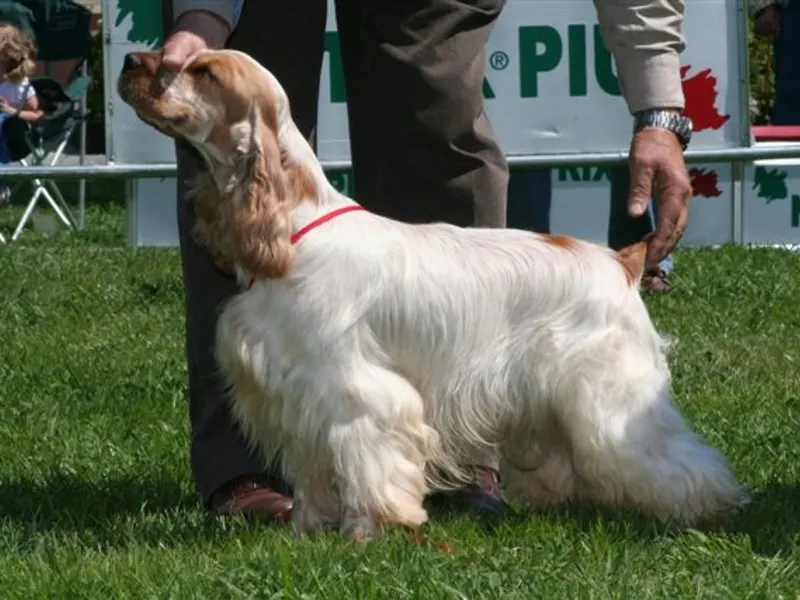
Cocker Spaniel
Sporting
20–30 lbs · 12–15 yrs
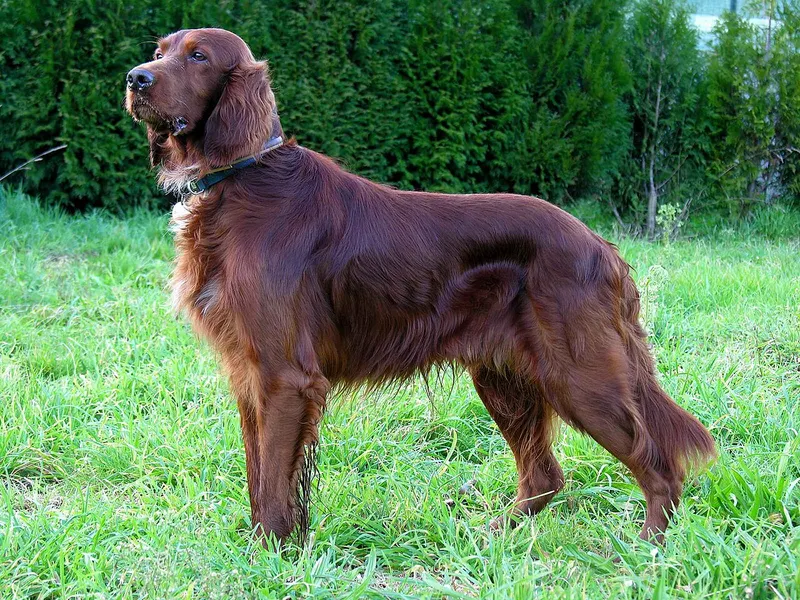
Irish Setter
Sporting
60–70 lbs · 12–15 yrs
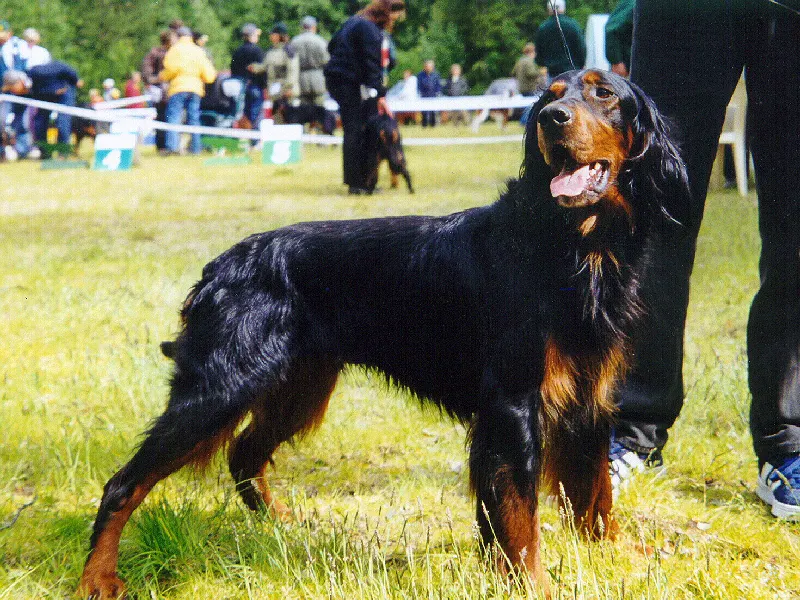
Gordon Setter
Sporting
45–80 lbs · 10–12 yrs
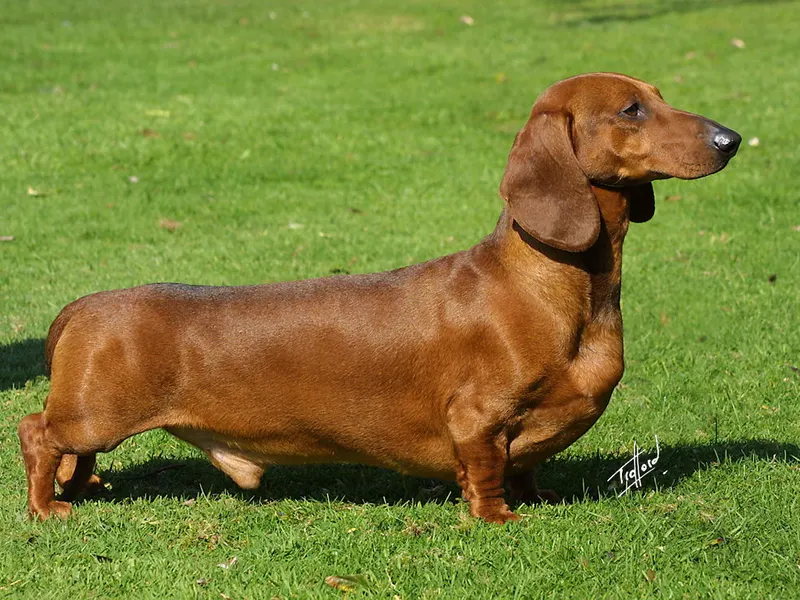
Dachshund
Hound
11–32 lbs · 12–16 yrs
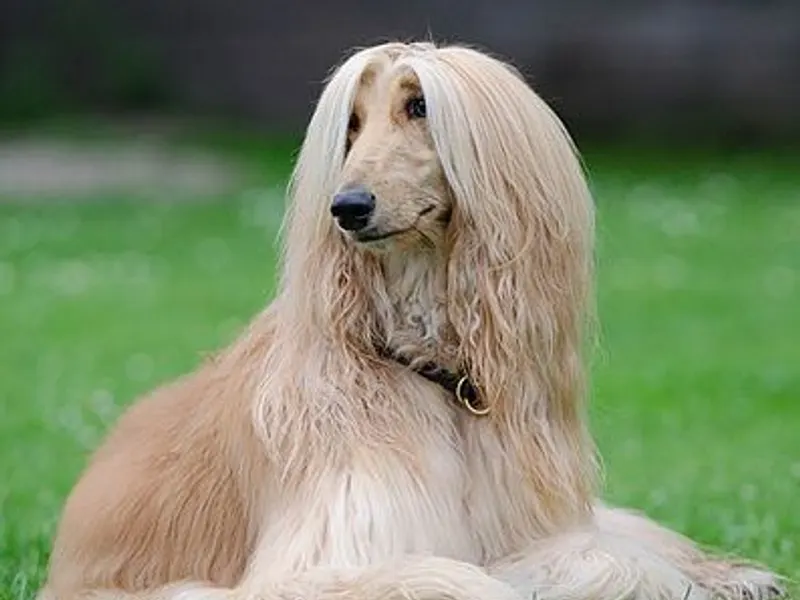
Afghan Hound
Hound
50–60 lbs · 12–18 yrs
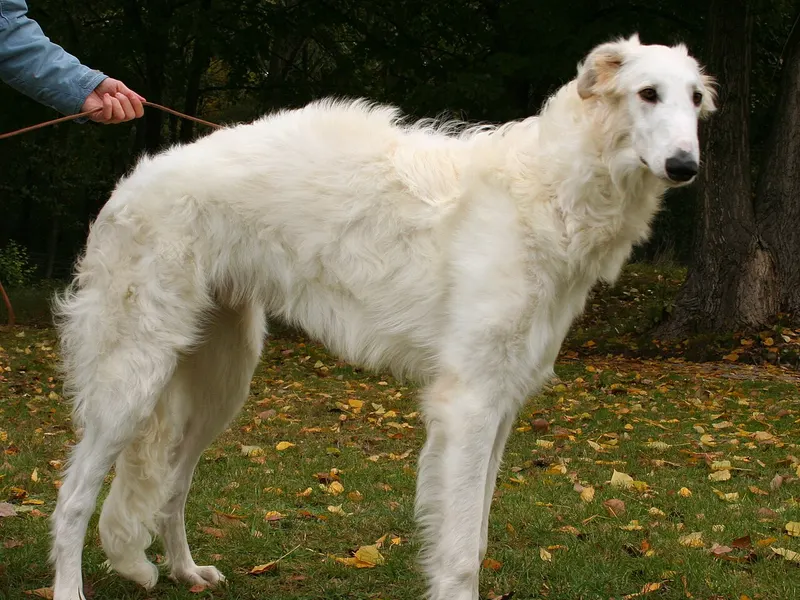
Borzoi
Hound
60–105 lbs · 9–14 yrs
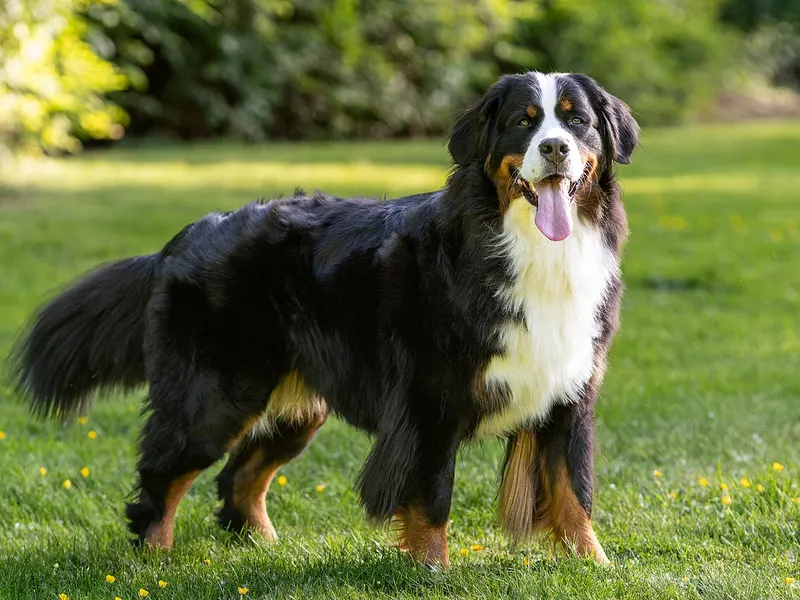
Bernese Mountain Dog
Working
70–115 lbs · 7–10 yrs
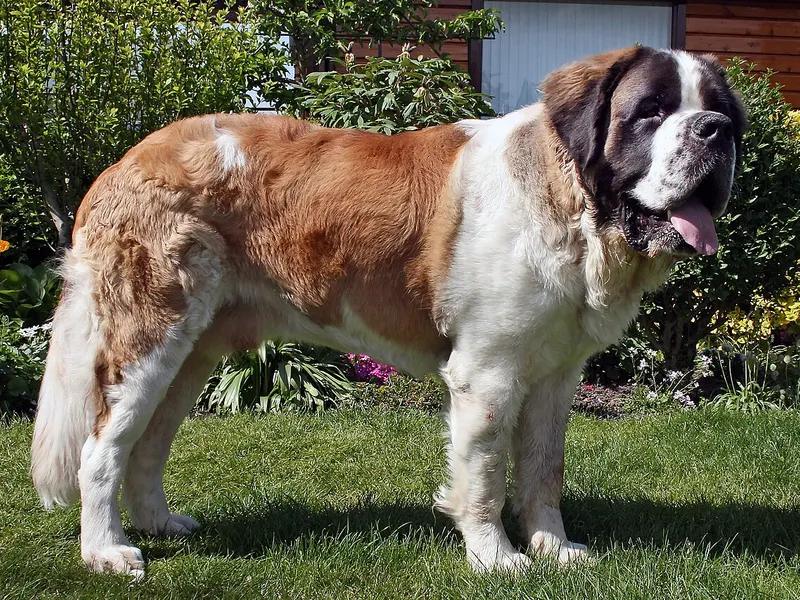
Saint Bernard
Working
120–180 lbs · 8–10 yrs
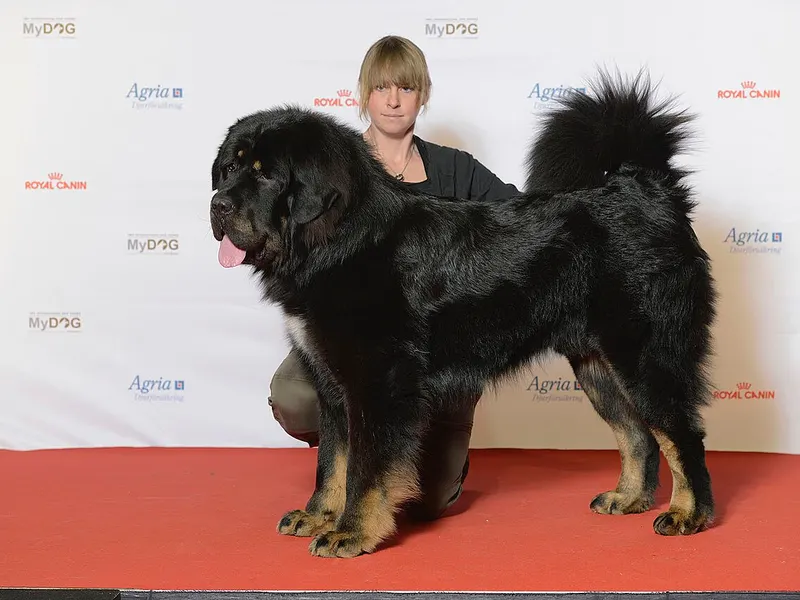
Tibetan Mastiff
Working
70–150 lbs · 10–12 yrs
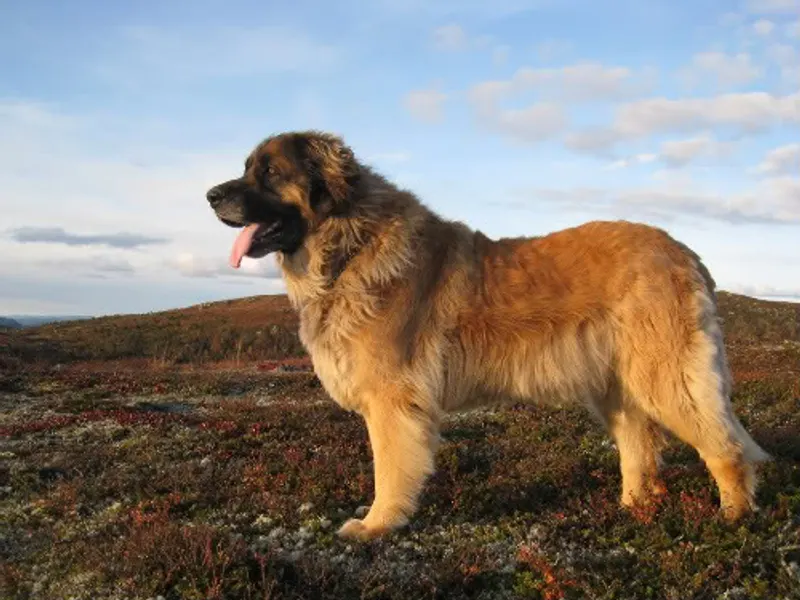
Leonberger
Working
90–170 lbs · 7–9 yrs
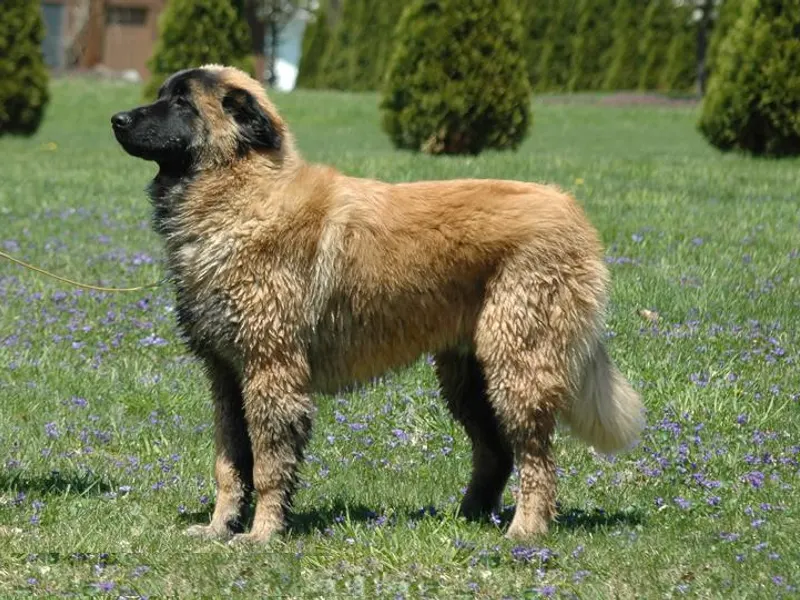
Estrela Mountain Dog
Working
66–110 lbs · 10–12 yrs
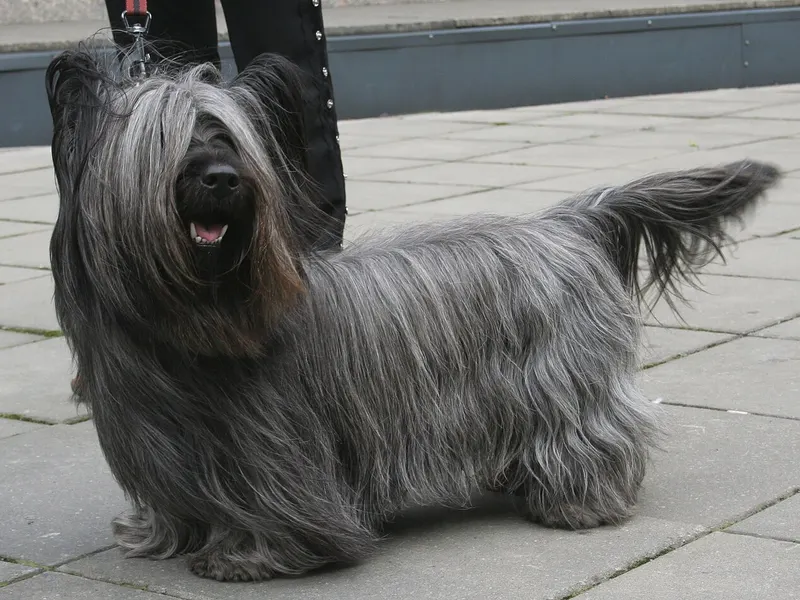
Skye Terrier
Terrier
25–40 lbs · 12–14 yrs
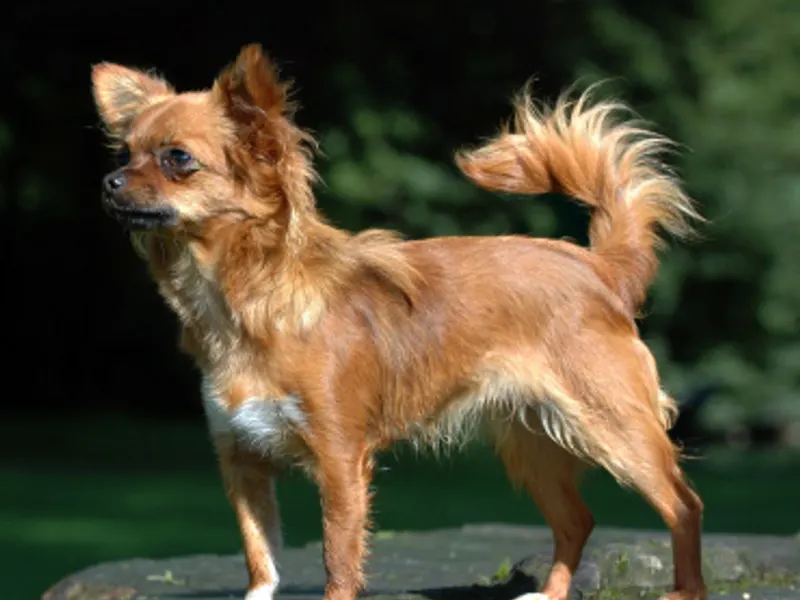
Chihuahua
Toy
2–6 lbs · 14–16 yrs
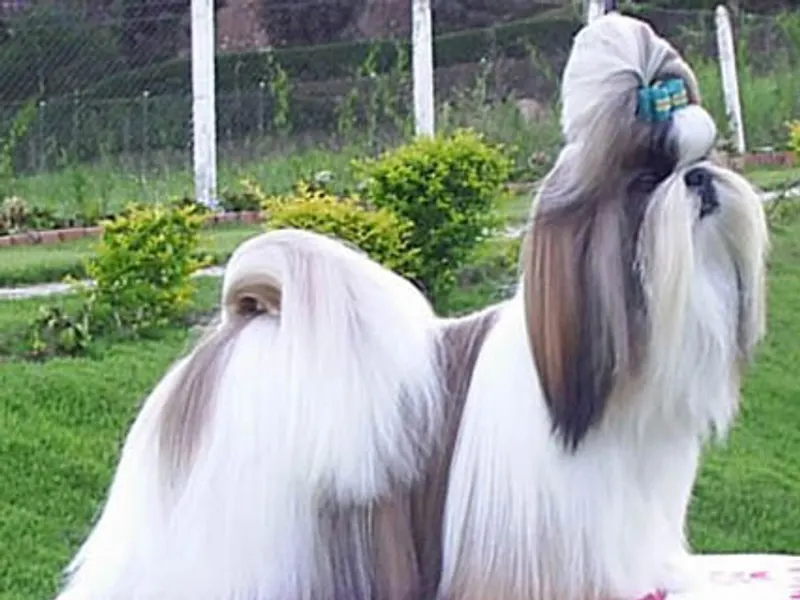
Shih Tzu
Toy
9–16 lbs · 10–16 yrs
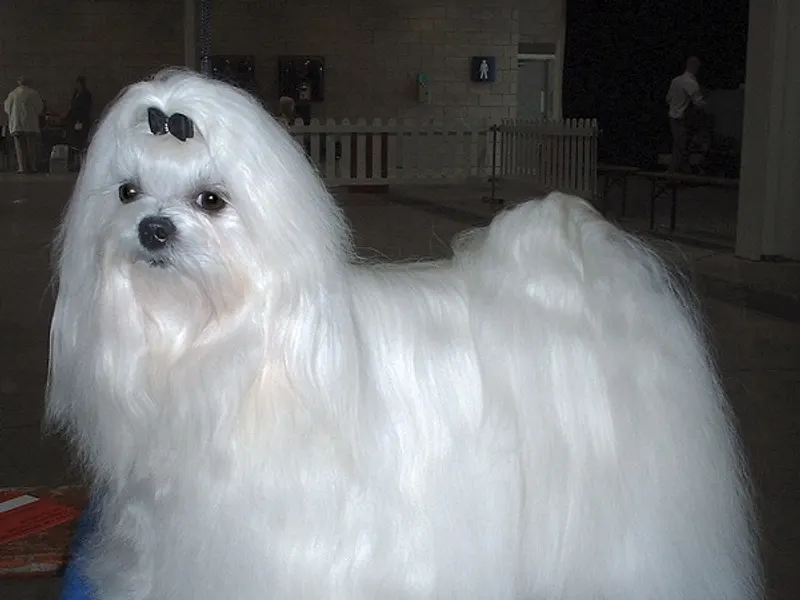
Maltese
Toy
4–7 lbs · 12–15 yrs
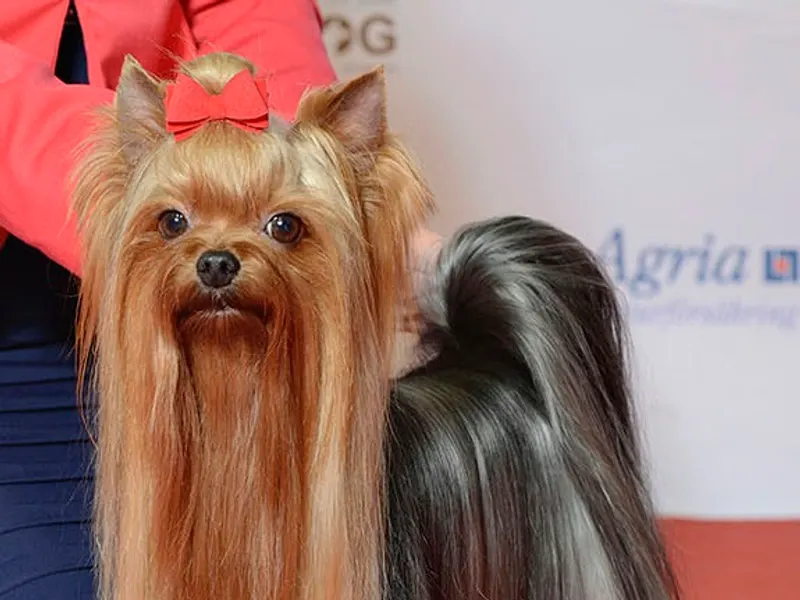
Yorkshire Terrier
Toy
4–7 lbs · 11–15 yrs
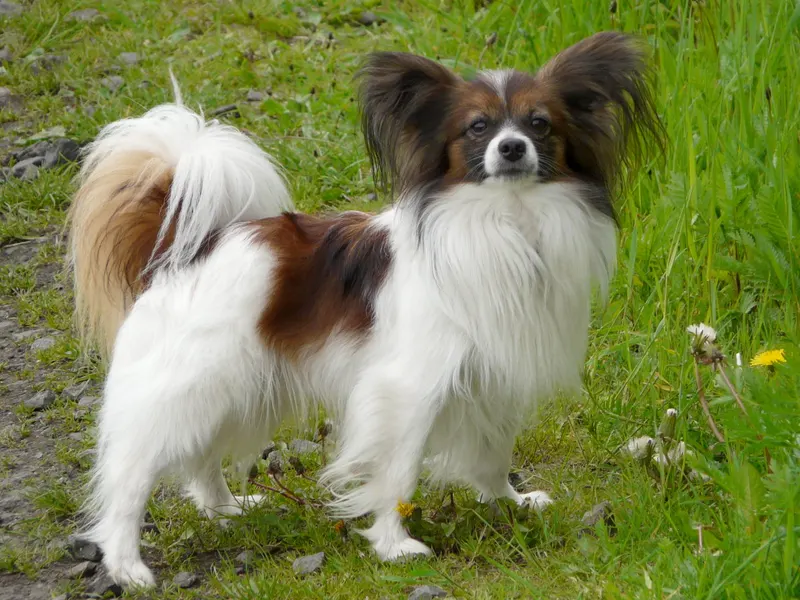
Papillon
Toy
5–10 lbs · 14–16 yrs
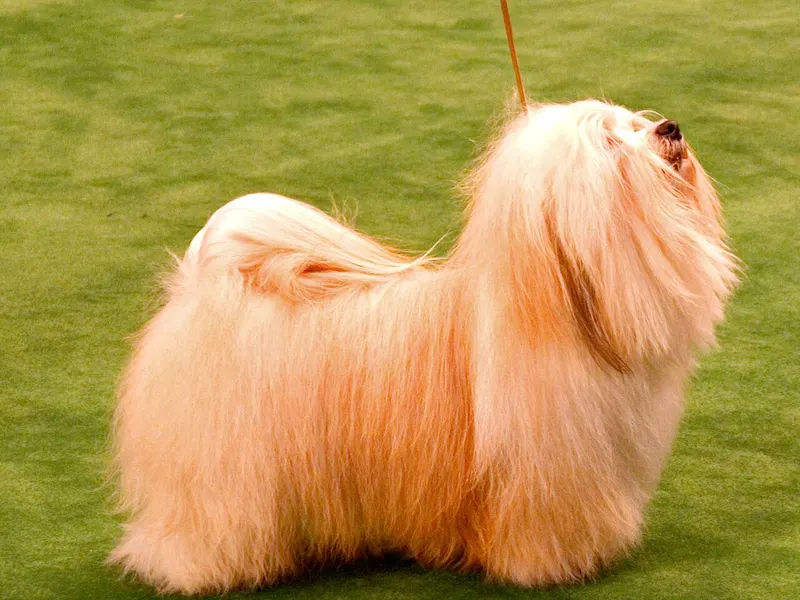
Havanese
Toy
7–13 lbs · 14–16 yrs
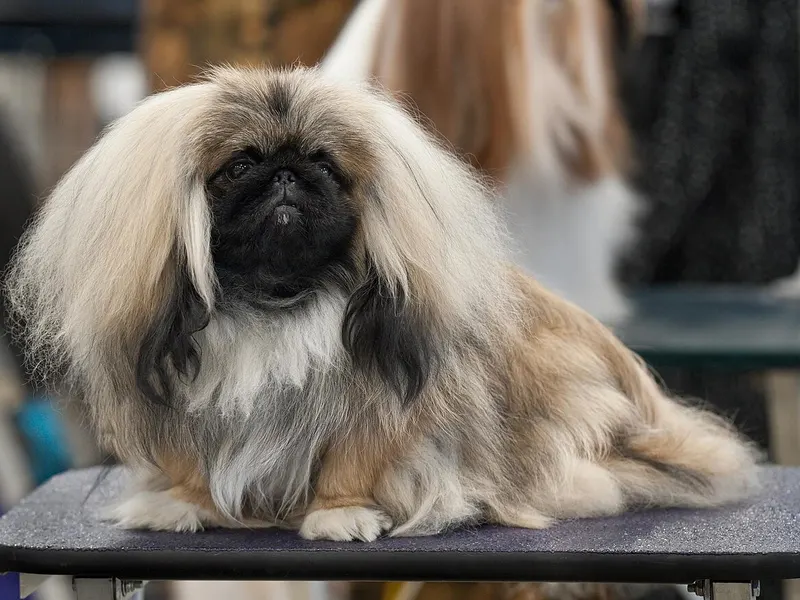
Pekingese
Toy
7–14 lbs · 12–14 yrs
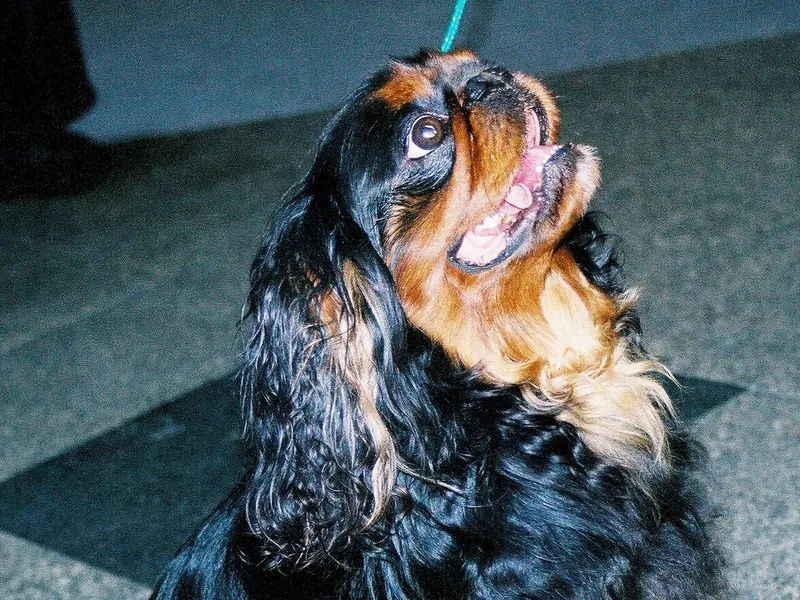
English Toy Spaniel
Toy
8–14 lbs · 10–12 yrs
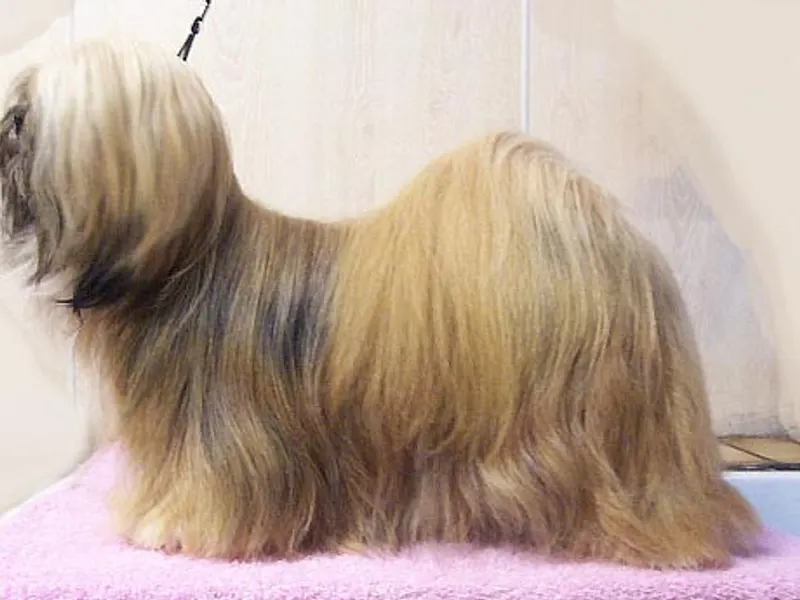
Lhasa Apso
Non-Sporting
12–18 lbs · 12–15 yrs
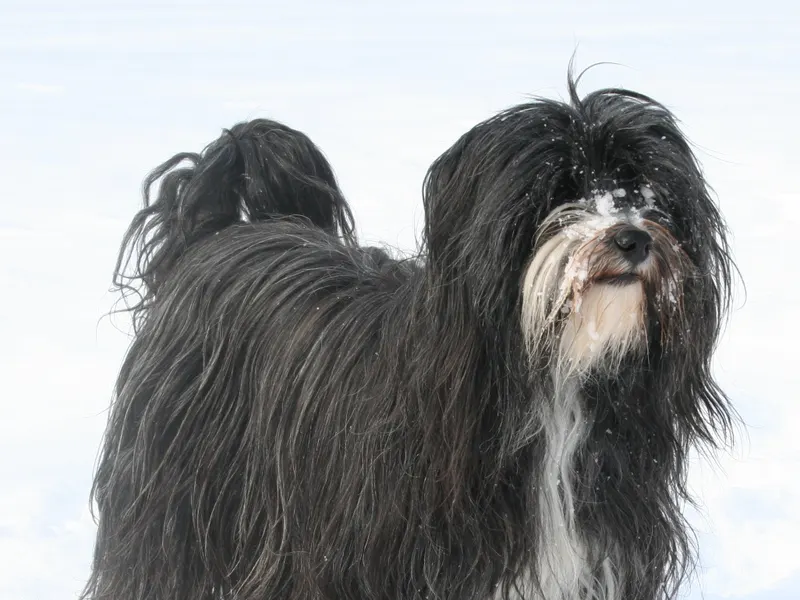
Tibetan Terrier
Non-Sporting
18–30 lbs · 12–15 yrs
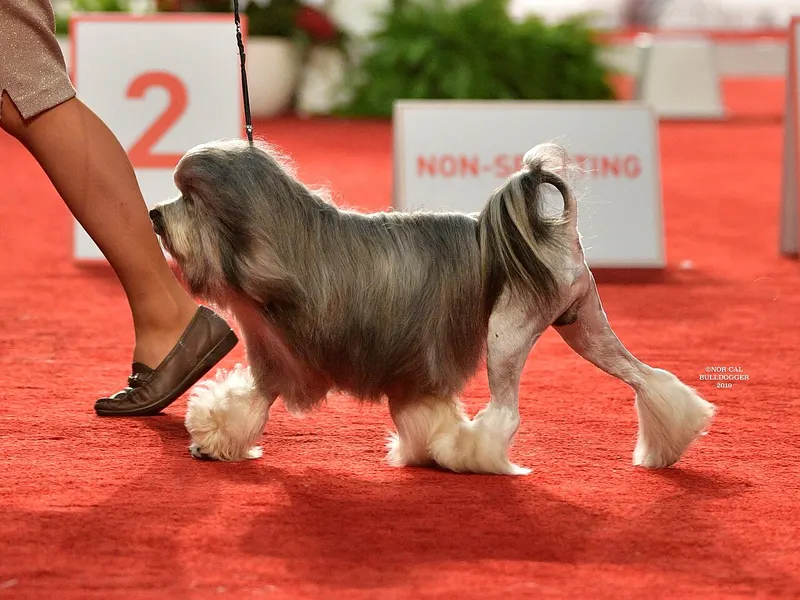
Löwchen
Non-Sporting
9–18 lbs · 13–15 yrs
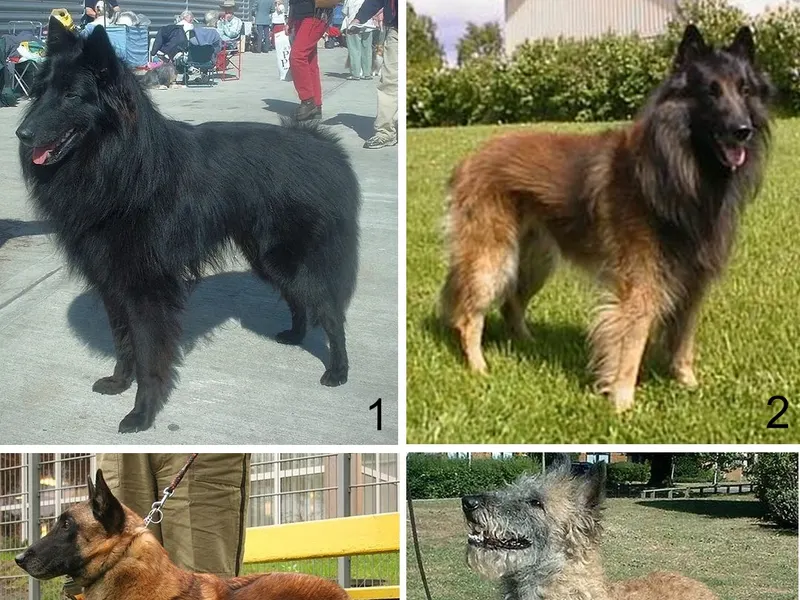
Belgian Tervuren
Herding
45–75 lbs · 12–14 yrs
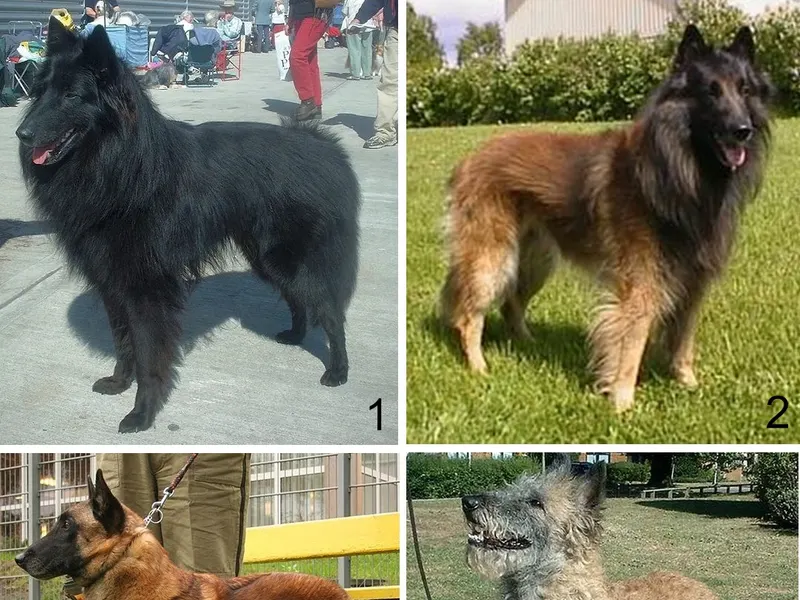
Belgian Sheepdog
Herding
45–75 lbs · 12–14 yrs
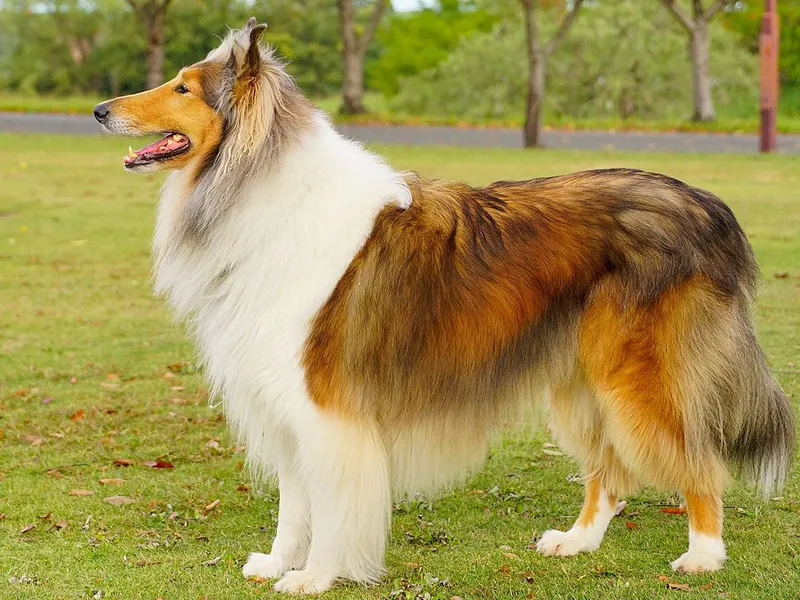
Collie
Herding
50–75 lbs · 12–14 yrs
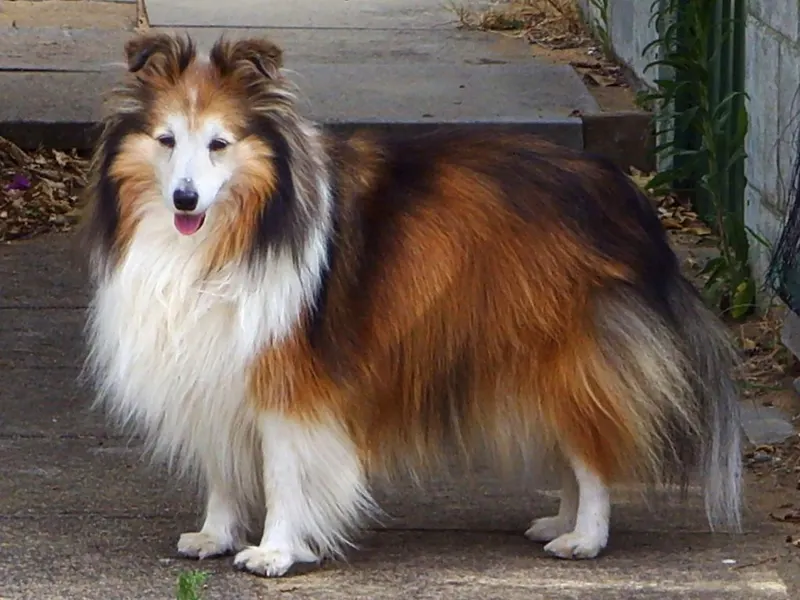
Shetland Sheepdog
Herding
15–25 lbs · 12–14 yrs
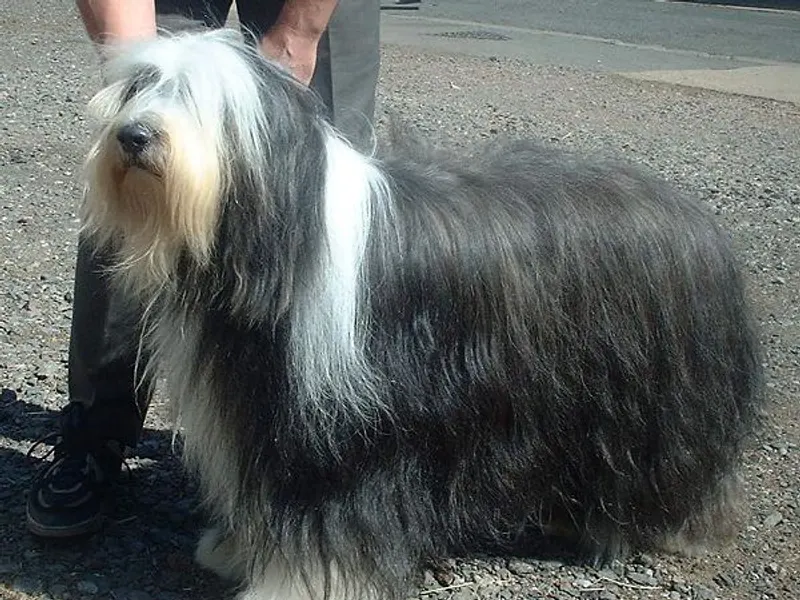
Bearded Collie
Herding
45–55 lbs · 12–14 yrs
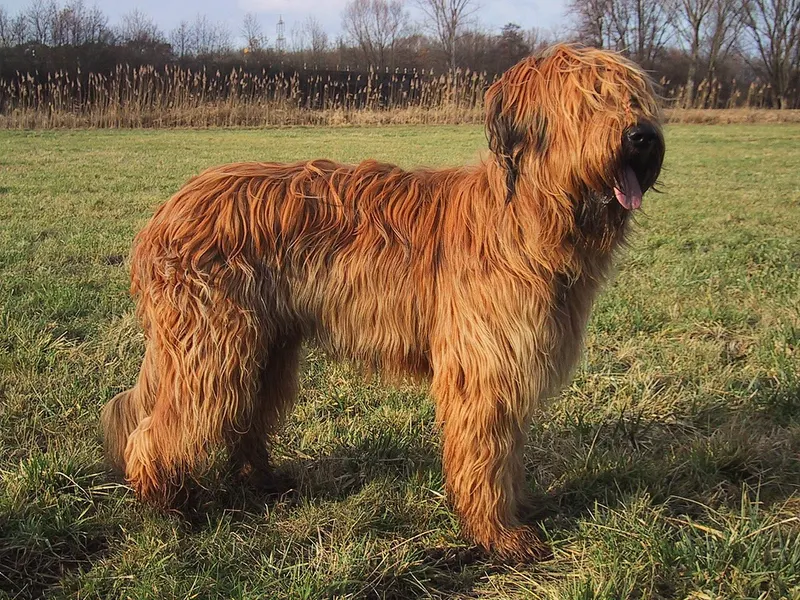
Briard
Herding
55–100 lbs · 10–12 yrs
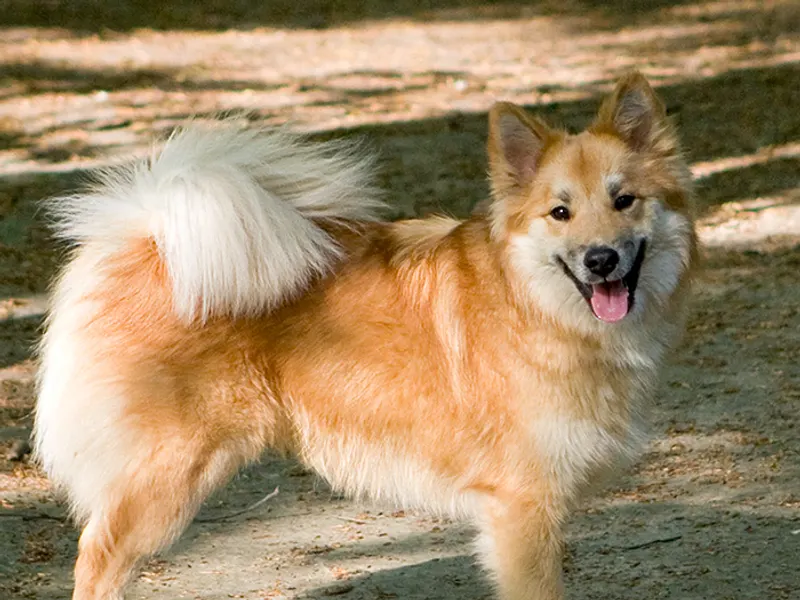
Icelandic Sheepdog
Herding
20–30 lbs · 12–14 yrs
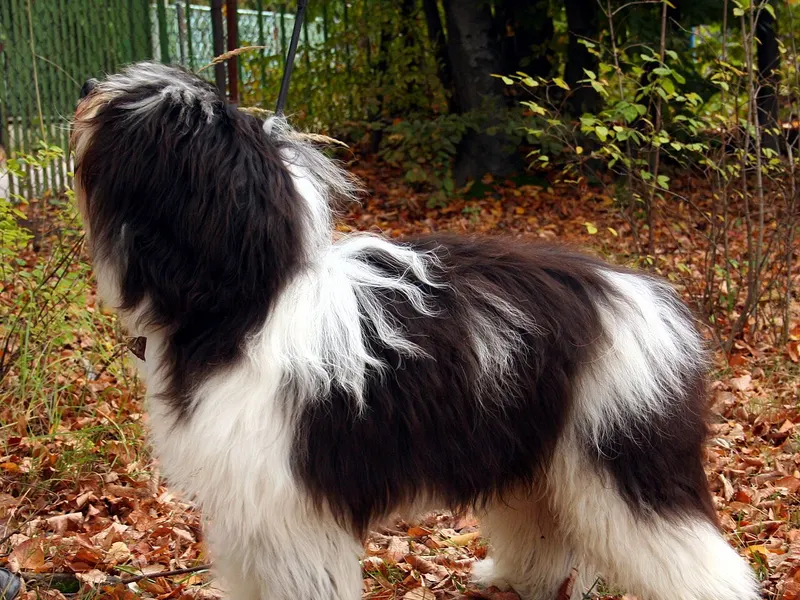
Polish Lowland Sheepdog
Herding
30–50 lbs · 12–14 yrs
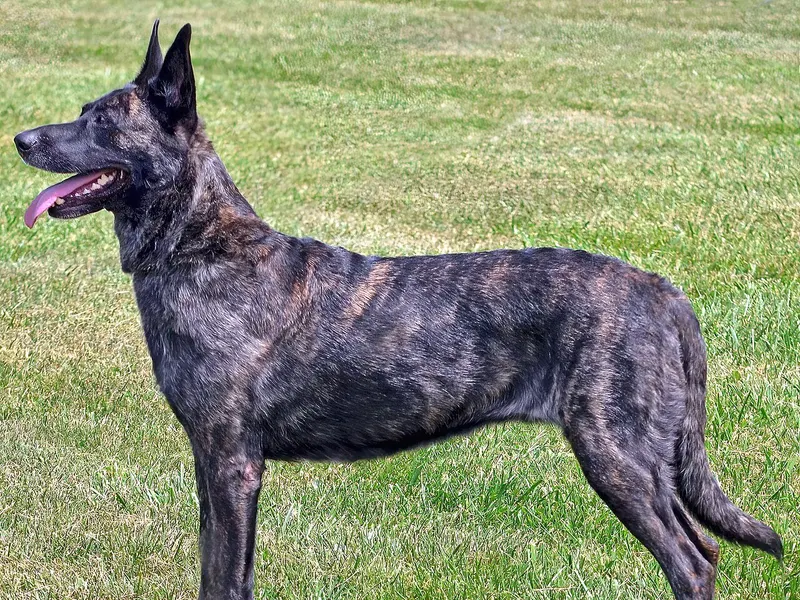
Dutch Shepherd
Herding
42–75 lbs · 11–14 yrs
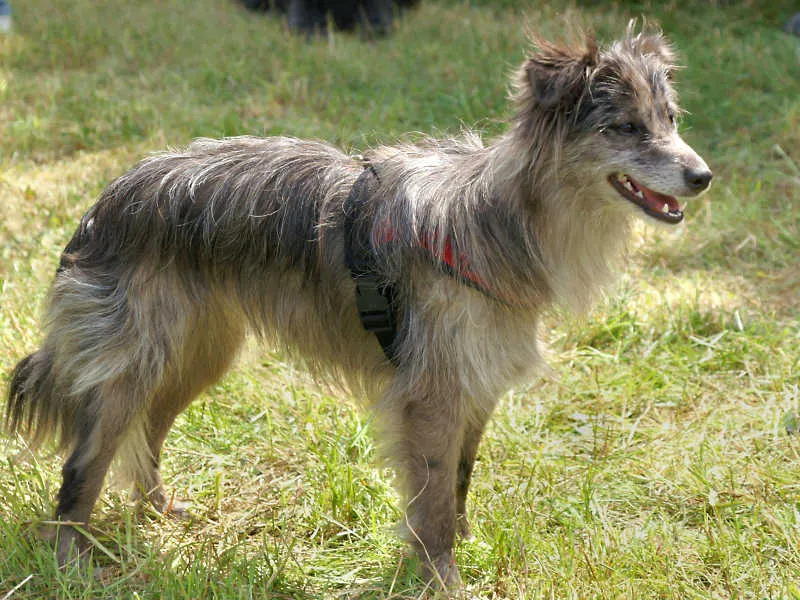
Pyrenean Shepherd
Herding
15–32 lbs · 15–17 yrs
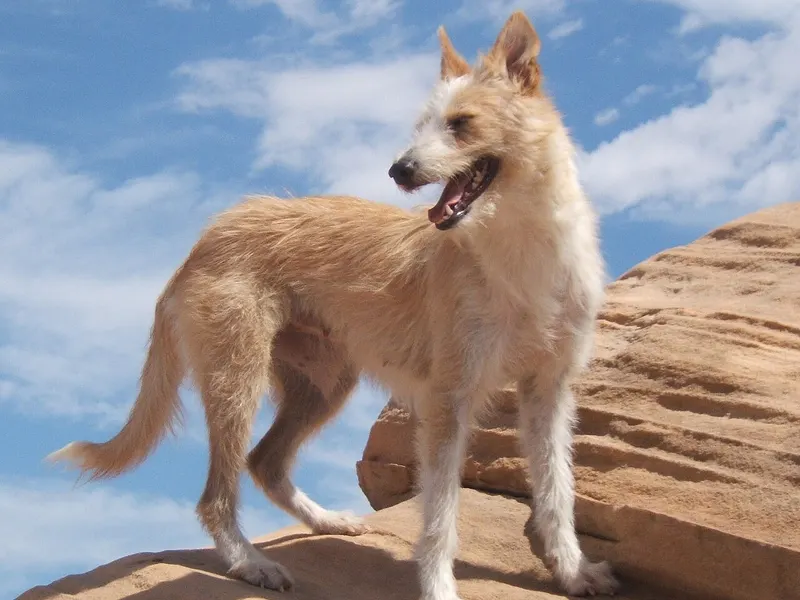
Podengo Português
Foundation Stock
35–44 lbs · 12–15 yrs
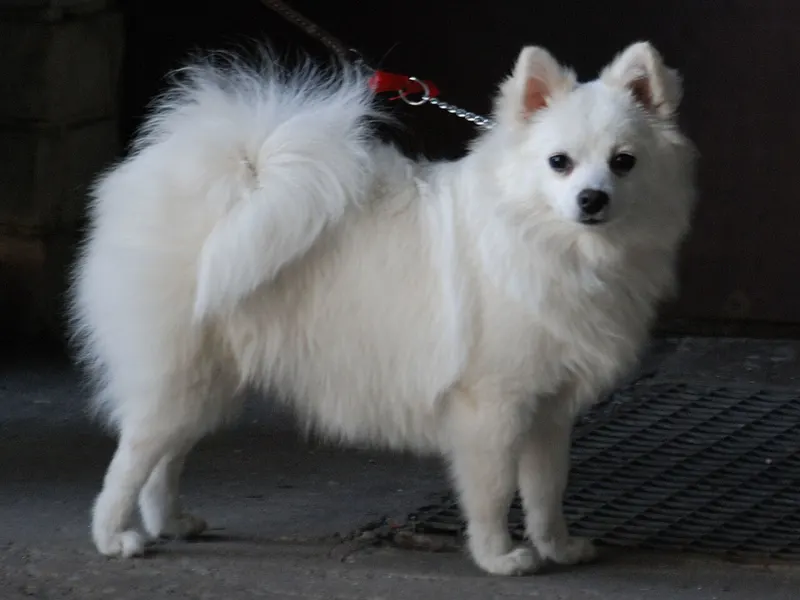
Volpino Italiano
Foundation Stock
9–14 lbs · 14–16 yrs
Shorkie
Crossbreed
8–16 lbs · 11–16 yrs
Morkie
Crossbreed
4–8 lbs · 10–13 yrs
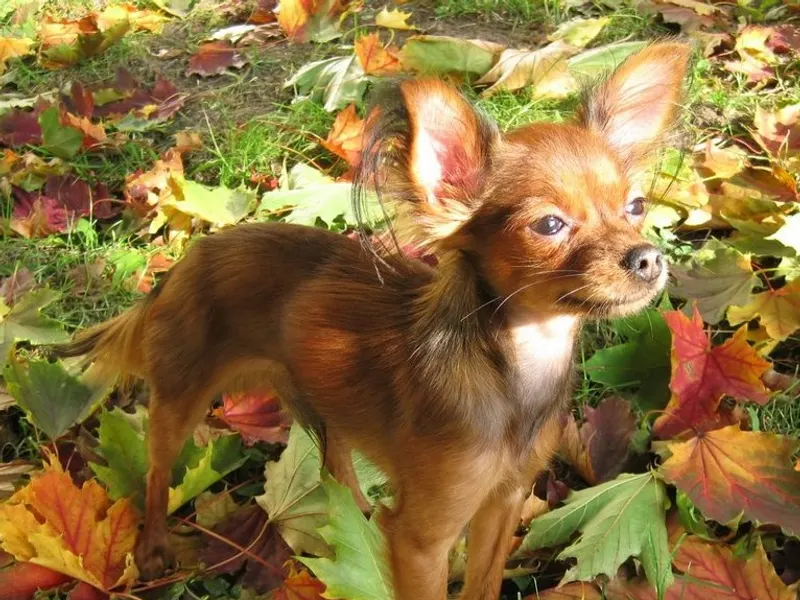
Russian Toy
Toy
3–6 lbs · 10–14 yrs
German Spitz
Non-Sporting
18–29 lbs · 13–15 yrs
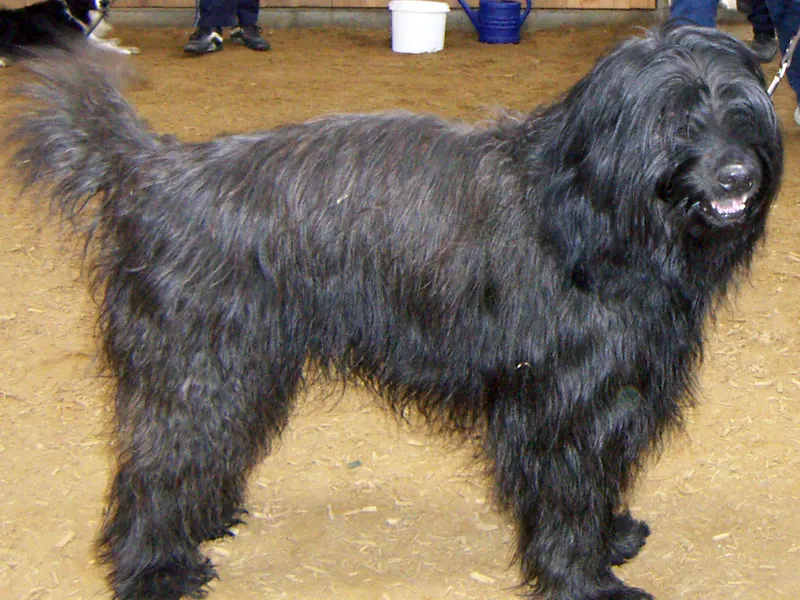
Catalan Sheepdog
Herding
35–55 lbs · 12–14 yrs
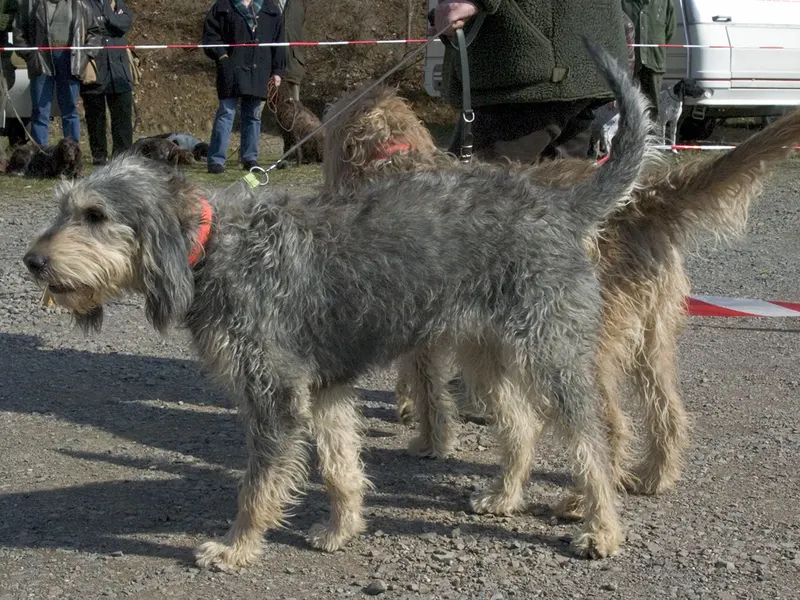
Griffon Nivernais
Hound
50–65 lbs · 12–14 yrs