Herding Group Dogs
35 breeds in this group.
The Herding Group is the AKC's youngest formal category, split off from the old Working Group only in 1983 once it became clear that livestock-moving breeds shared a distinct enough skillset and temperament profile to warrant separation from draft dogs, guardians, and sled dogs. That skillset is genuinely unusual among working dogs: herding breeds don't chase prey to catch it, the way a sighthound does, and they don't guard a flock by living independently among it, the way a Great Pyrenees does — they move livestock deliberately from point A to point B at a handler's direction, using a modified, controlled version of predatory stalking and chasing behavior that's been bred to stop short of the actual kill. Watch a Border Collie work sheep and you're watching genuine wolf-pack hunting behavior — the crouch, the "eye" (an intense, fixated stare used to control stock), the strategic circling — redirected entirely into cooperative labor with a human handler standing at the center of it. That intelligence and biddability, developed over centuries of selection for dogs that could interpret subtle handler commands from a hundred yards away and make independent tactical decisions when out of a shepherd's direct sightline, is why Herding breeds dominate obedience, agility, and dog-sport competitions so disproportionately relative to their share of the overall dog population. The Border Collie in particular is widely considered by working-dog researchers to be the most trainable breed in existence, capable of learning enormous vocabularies (a border collie named Chaser, studied by researchers at Wofford College, was documented to recognize over 1,000 object names). That same trait makes the breed a genuinely poor fit for a sedentary household — a Border Collie or Australian Shepherd without a job, whether that's actual stock work, agility, or at minimum structured daily mental engagement, will frequently invent one, and "herding" children, cyclists, joggers, or other pets by nipping at heels or circling is one of the most common behavioral complaints associated with this group when kept purely as pets without an outlet. The group's geography spans nearly every part of Europe where sheep, cattle, or goat farming shaped rural economies for centuries, and the regional variety is genuinely instructive. The German Shepherd Dog was standardized in 1899 by Max von Stephanitz specifically from various German herding landraces, deliberately bred for versatility rather than pure herding specialization from the start, which is a large part of why the breed transitioned so successfully into police, military, and service work over the following century. The Belgian breeds — Malinois, Tervuren, and Sheepdog (Groenendael) — are technically a single breed split into four coat-and-color varieties by most European kennel clubs (a fourth, the Laekenois, isn't yet AKC-recognized separately), all developed from the same regional Belgian herding stock and now diverging in temperament somewhat by variety, with the Malinois in particular favored heavily by military and police units worldwide for its intensity and drive. The Welsh corgis — Pembroke and Cardigan — represent a distinct, low-to-the-ground herding adaptation: their short stature let them nip at cattle heels and duck under a kick, a genuinely different herding style from the upright, circling work of a Collie or Shepherd, and the two corgi breeds are not closely related genetically despite superficial similarity, with the Cardigan generally considered the older breed by at least a thousand years based on its longer tail and different bone structure. Beyond the well-known breeds, the group includes several less common but historically rich entries. The Puli and Pumi, both Hungarian, share ancestry but diverged in coat and job — the Puli's corded coat, similar in function to the Komondor's, protected it while working outdoors in harsh weather, while the Pumi developed a curlier, less corded coat and a slightly terrier-like temperament suited to a broader mix of herding and vermin control. The Icelandic Sheepdog and Norwegian Buhund both descend from Viking-era Scandinavian herding stock brought along on ship voyages, among the oldest dog breeds documented in the Nordic countries. The Australian Cattle Dog and Australian Kelpie were both developed in nineteenth-century Australia specifically to handle cattle across the vast distances and rough terrain of Australian stations, a job that demanded more physical toughness and independent decision-making than herding sheep in the smaller, hedged fields of Britain — Cattle Dogs in particular are known for nipping at cattle heels hard enough to move genuinely reluctant stock, an instinct that translates into a notably harder bite inhibition threshold with children than most other Herding breeds if the behavior isn't actively managed. Because herding instinct is a modified hunting sequence rather than an absence of prey drive, this group requires a specific kind of owner honesty: a dog bred to control the movement of large animals through eye contact, stalking, and controlled nipping needs a genuine outlet for that behavior, whether that's formal herding trials (many breed clubs run "instinct tests" even for pet-line dogs), a demanding dog sport like agility or flyball, or at minimum a serious daily commitment to structured mental work, not just physical exercise. A tired Border Collie that hasn't used its brain is still a bored Border Collie. Health themes vary by breed, though hip dysplasia is common across the larger members given their athletic build, and the MDR1 gene mutation — which causes dangerous sensitivity to certain common medications including ivermectin and some anesthetics — is documented at meaningfully elevated rates in Collies, Australian Shepherds, and several related breeds, making it worth a genetic test before assuming any drug is automatically safe. Because herding instinct is a modified, incomplete predatory sequence rather than an absence of prey drive, it's worth understanding the actual mechanics a bit further. A full predatory sequence in a wolf or an undomesticated dog runs roughly: orient, eye, stalk, chase, grab-bite, kill-bite, dissect, consume. Herding breeds have been selectively bred to retain the early stages — the eye, the stalk, the chase, sometimes a controlled grab-bite at the heel — while the later, lethal stages have been bred out almost entirely, which is exactly why a well-bred herding dog can control a flock of sheep for hours without actually harming them. This also explains why herding breeds so often direct that truncated sequence at children, joggers, cyclists, or other pets when there's no actual livestock available: the underlying motor pattern is still there looking for an outlet, and "nipping at heels" is, mechanically, the same behavior a Border Collie uses to turn a reluctant ewe, just redirected at a moving child instead. The group's coat and grooming needs vary considerably by breed origin. The corded Puli and Komondor need the same specialized, hands-on cord maintenance discussed on this site's coat-type hubs, a genuinely rare and demanding grooming commitment. The double-coated breeds bred for harsh climates — German Shepherd Dog, Collie, Bearded Collie, Icelandic Sheepdog — shed heavily during seasonal coat blows and need regular brushing with an undercoat rake rather than a basic slicker brush. The short-coated corgis and Australian Cattle Dog need comparatively little grooming despite their dense double coats, though they still shed steadily and benefit from weekly brushing. Several Herding breeds also carry specific inherited health concerns worth naming. Collie eye anomaly is a hereditary condition affecting the retina and other eye structures documented specifically in Collies and several related breeds, common enough that responsible breeders screen puppies for it before eight weeks of age. Degenerative myelopathy, a progressive spinal cord disease with some parallels to ALS in humans, shows up at elevated rates in German Shepherds and several other Herding breeds and is now DNA-testable, letting breeders screen carrier status before breeding. The multidrug resistance gene mutation discussed earlier — affecting sensitivity to ivermectin and certain anesthetics — is documented across Collies, Australian Shepherds, Shetland Sheepdogs, and several related breeds at high enough carrier rates that many veterinarians now recommend genetic testing as a routine precaution for any dog in this cluster before administering affected medications. Dog sports beyond formal herding trials give this group's owners a particularly wide menu of structured outlets, and it's worth naming a few directly: agility, flyball, nose work, and treibball (a sport where dogs herd large exercise balls into a goal, developed specifically to give herding breeds without livestock access an outlet for the same underlying instinct) all draw disproportionately from Herding Group breeds precisely because the combination of physical athleticism and rapid, reliable trainability that makes a good stock dog also makes an excellent sport-competition dog. Livestock-guardian confusion is worth clearing up directly, since newcomers to the group sometimes assume every large, working farm dog belongs here — in fact the true livestock guardian breeds (Great Pyrenees, Anatolian Shepherd, Komondor) are classified in the Working Group specifically because they guard rather than herd, a functional distinction with real behavioral consequences discussed on that group's hub, and it's worth understanding the difference before assuming a farm-dog appearance alone predicts a herding temperament. Ranch and farm placement organizations, distinct from typical pet-adoption rescues, exist specifically for herding breeds with genuine working drive, matching dogs whose owners discover their pet's instinct is too strong for a purely companion role with working farms that can actually use that drive productively, a genuinely useful safety valve for a group where instinct occasionally outstrips a household's ability to provide adequate outlet. The word "collie" itself is believed by some etymologists to derive from an old Scots word for black, reflecting the dark coloring common in early Scottish herding dogs, though the exact linguistic root remains debated among breed historians rather than firmly settled. Regional dialect terms for herding dogs varied enormously across pre-standardization Britain, and much of the modern breed-naming convention in this group only solidified once formal kennel clubs began writing down standards in the late nineteenth century, well after most of these working types had already existed in their regions for generations under looser local names.
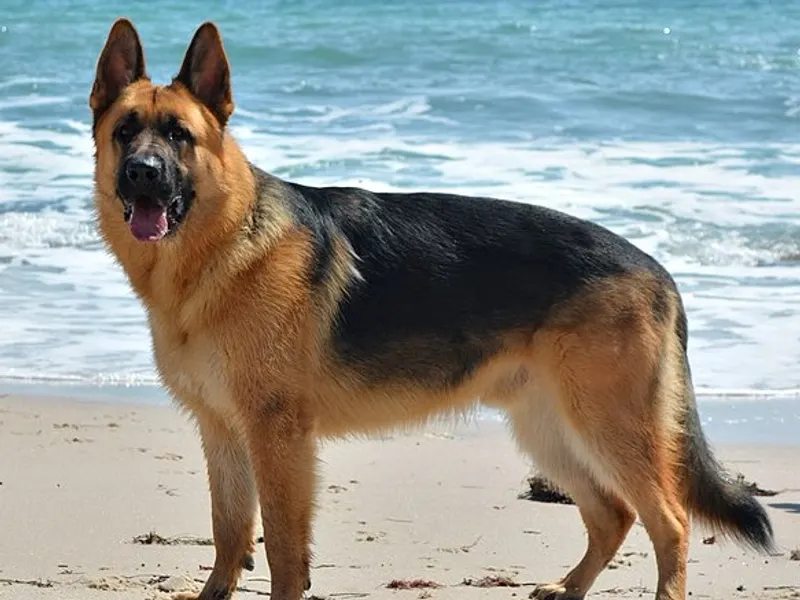
German Shepherd Dog
Herding
50–90 lbs · 9–13 yrs
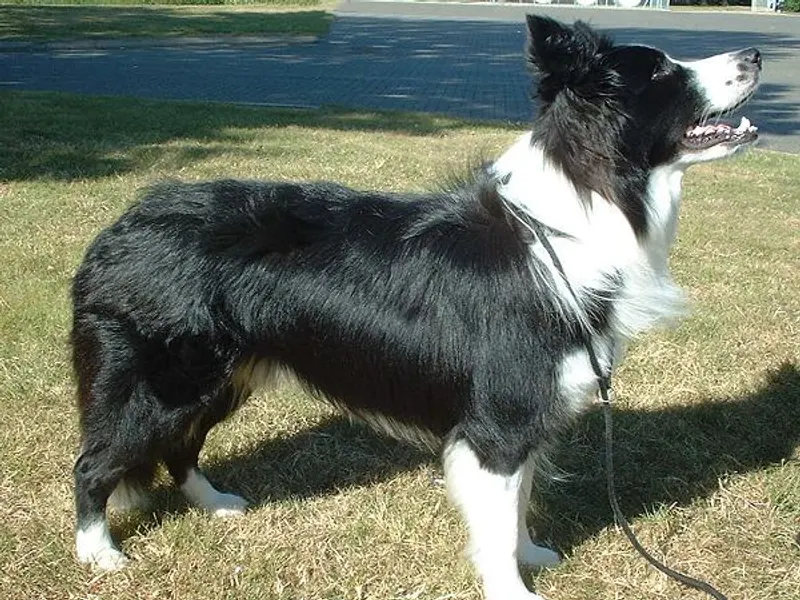
Border Collie
Herding
30–55 lbs · 12–15 yrs
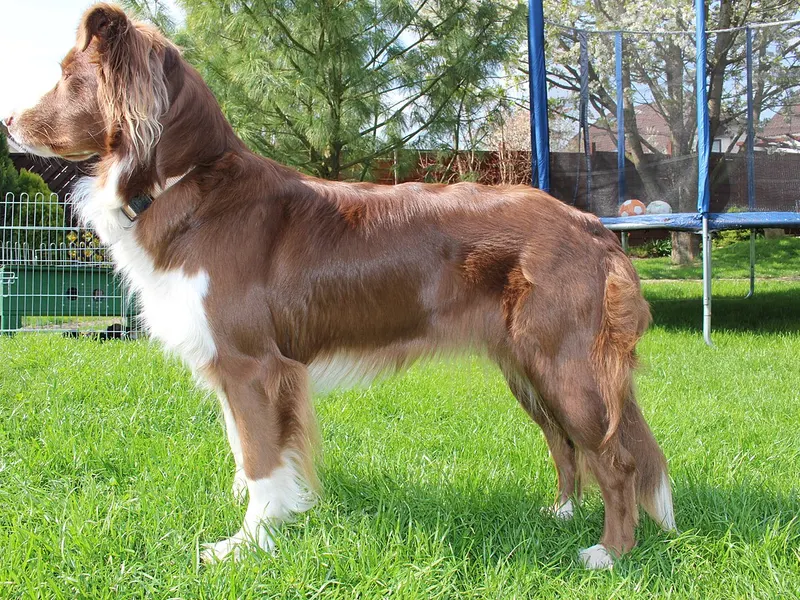
Australian Shepherd
Herding
40–65 lbs · 12–15 yrs
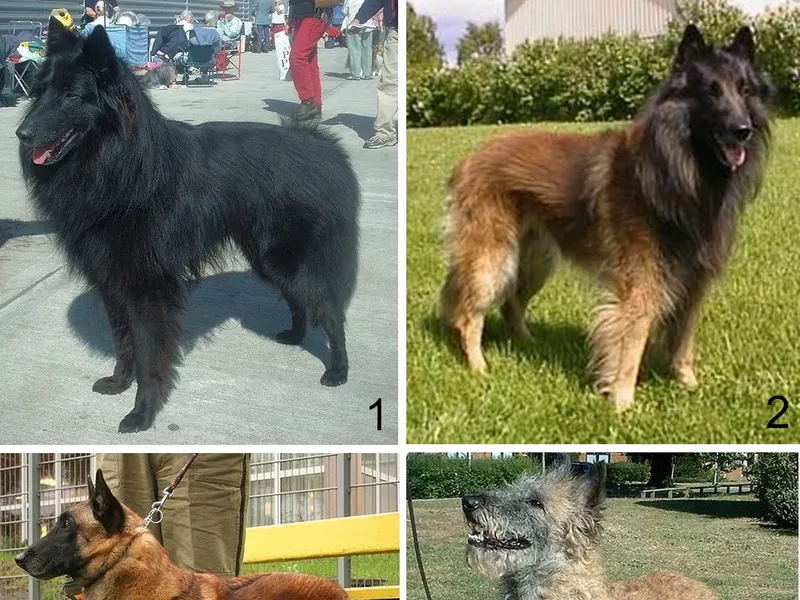
Belgian Malinois
Herding
40–80 lbs · 12–14 yrs
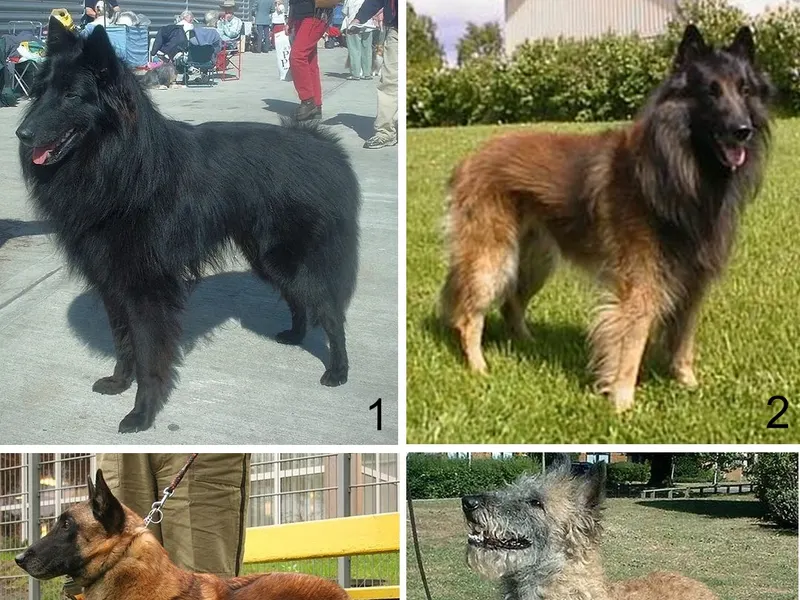
Belgian Tervuren
Herding
45–75 lbs · 12–14 yrs
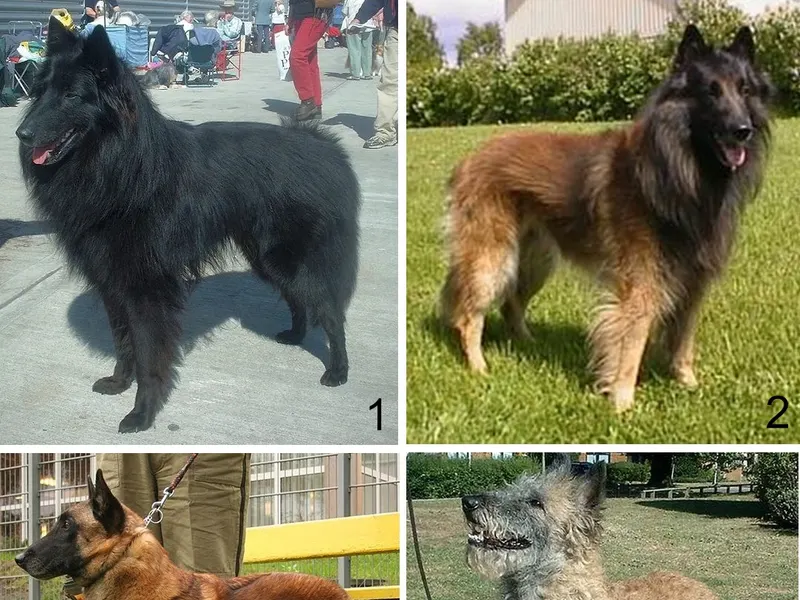
Belgian Sheepdog
Herding
45–75 lbs · 12–14 yrs
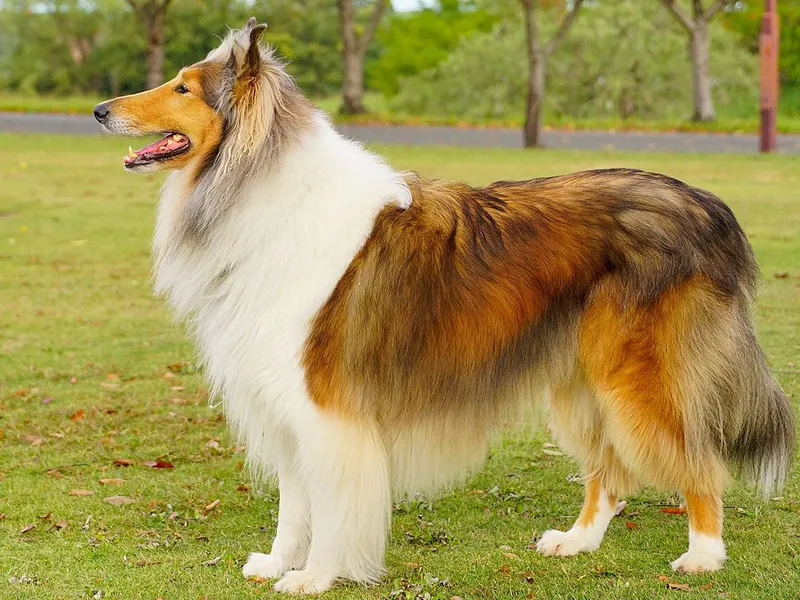
Collie
Herding
50–75 lbs · 12–14 yrs
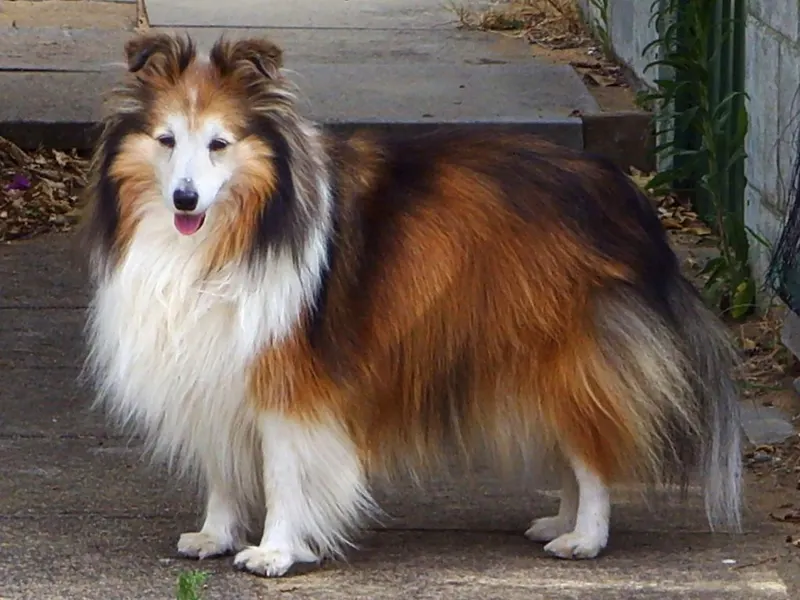
Shetland Sheepdog
Herding
15–25 lbs · 12–14 yrs
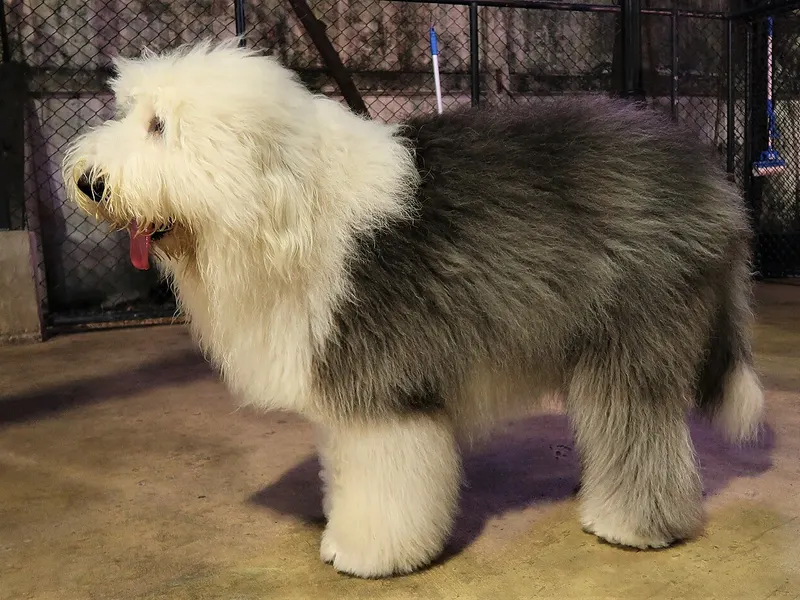
Old English Sheepdog
Herding
60–100 lbs · 10–12 yrs
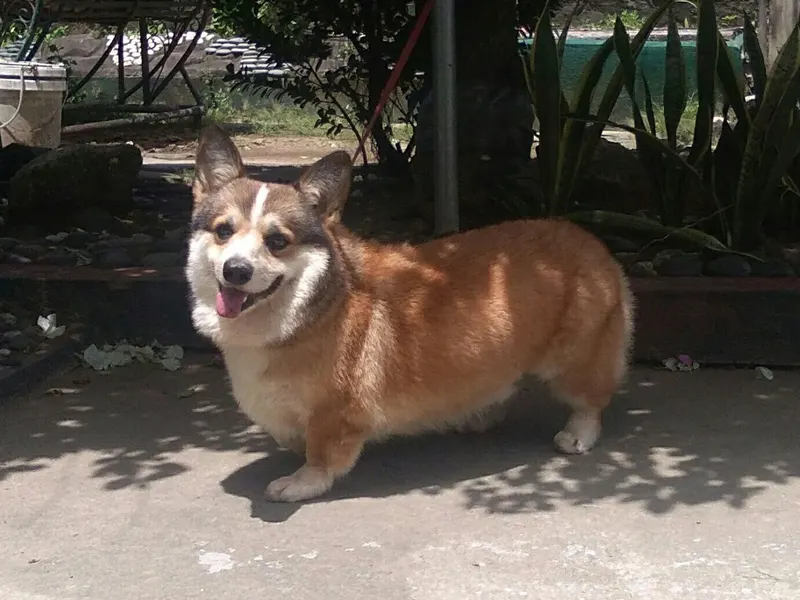
Pembroke Welsh Corgi
Herding
24–30 lbs · 12–13 yrs
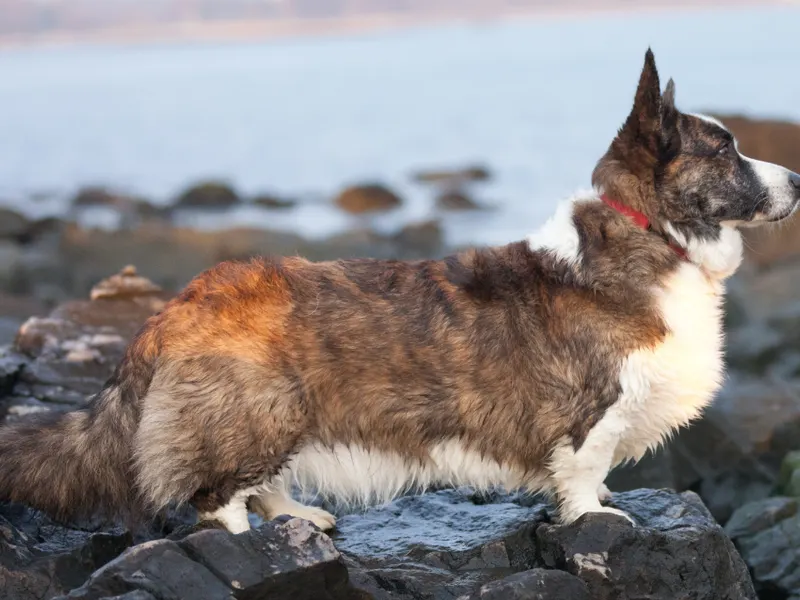
Cardigan Welsh Corgi
Herding
25–38 lbs · 12–15 yrs
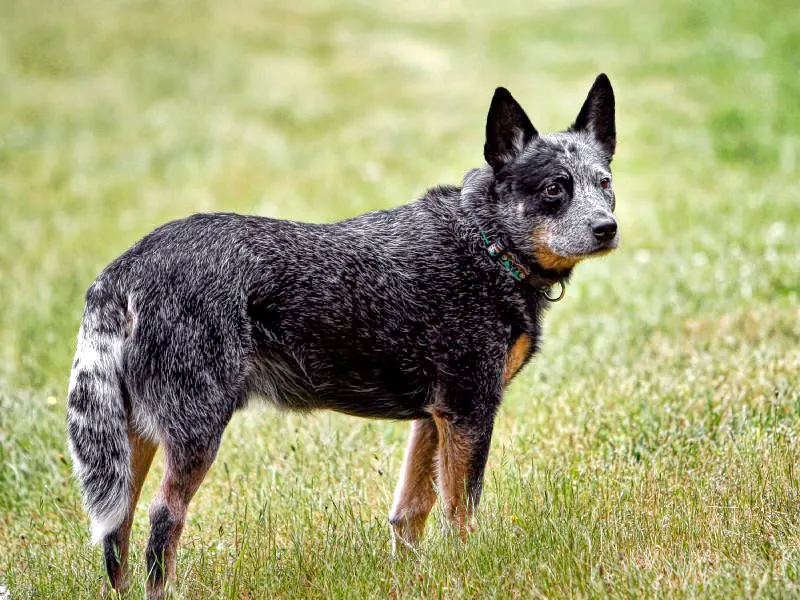
Australian Cattle Dog
Herding
35–50 lbs · 12–16 yrs
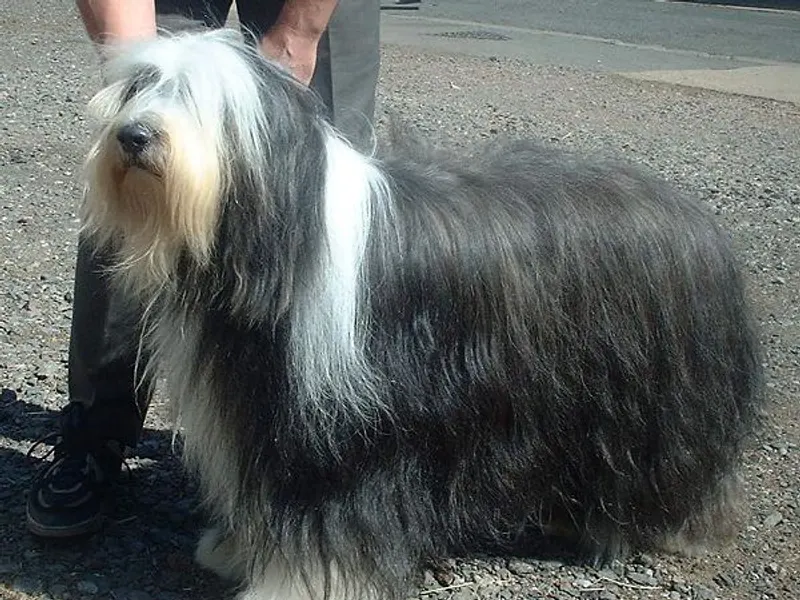
Bearded Collie
Herding
45–55 lbs · 12–14 yrs
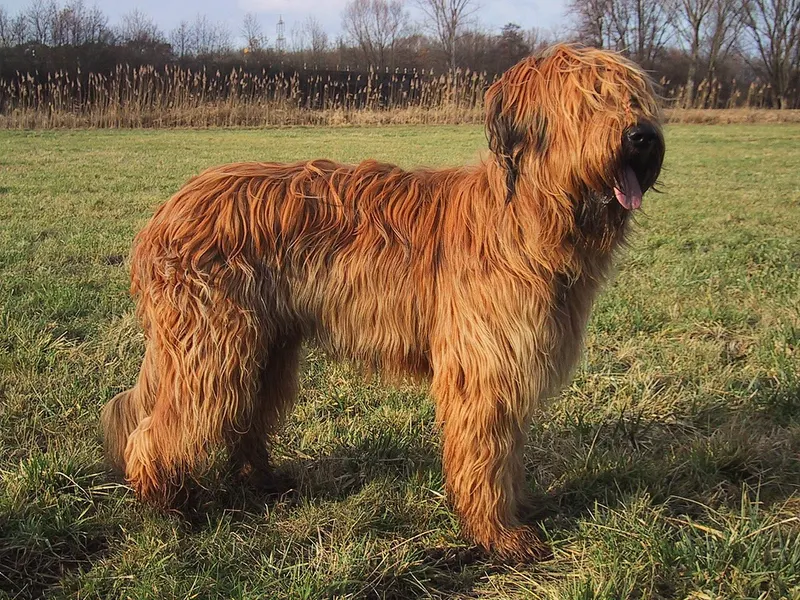
Briard
Herding
55–100 lbs · 10–12 yrs
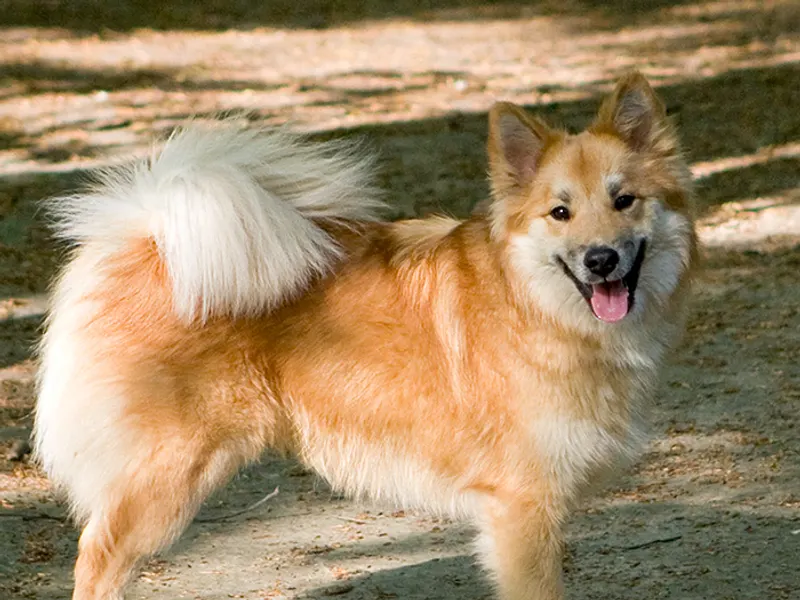
Icelandic Sheepdog
Herding
20–30 lbs · 12–14 yrs
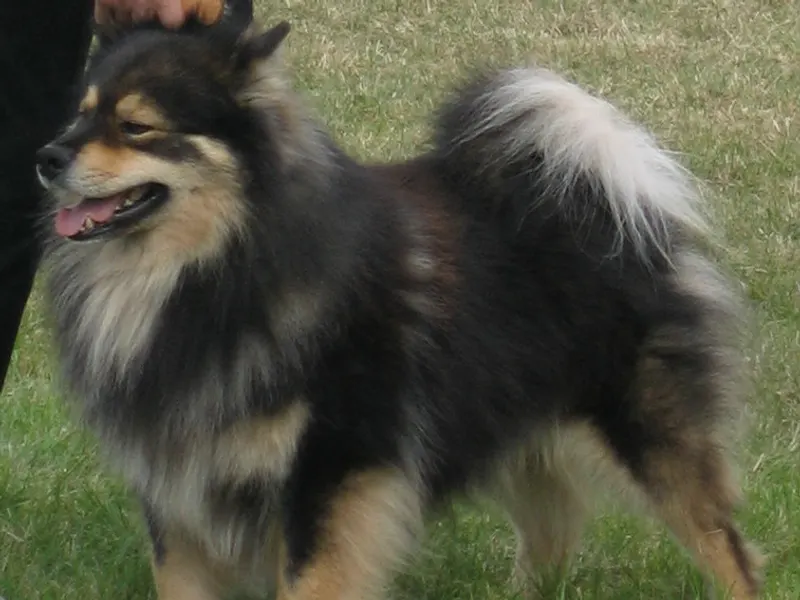
Finnish Lapphund
Herding
33–53 lbs · 12–14 yrs
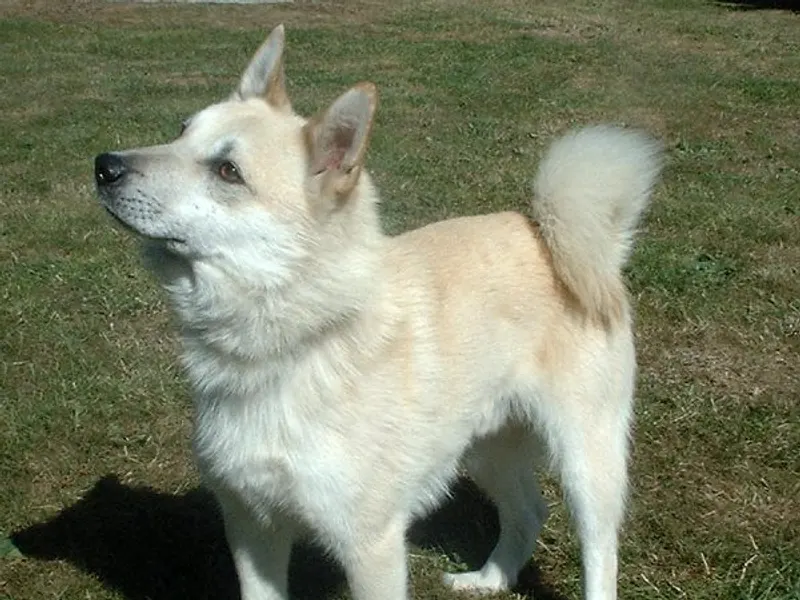
Norwegian Buhund
Herding
26–40 lbs · 12–15 yrs
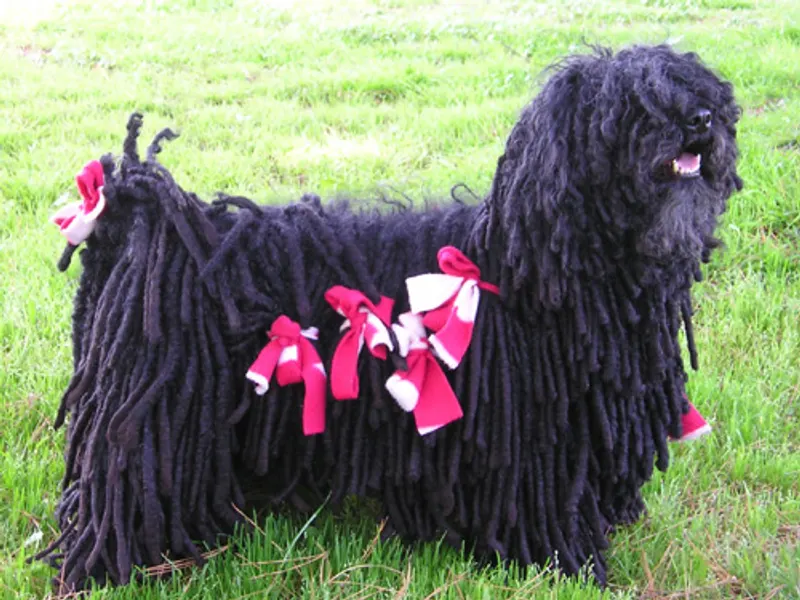
Puli
Herding
25–35 lbs · 10–15 yrs
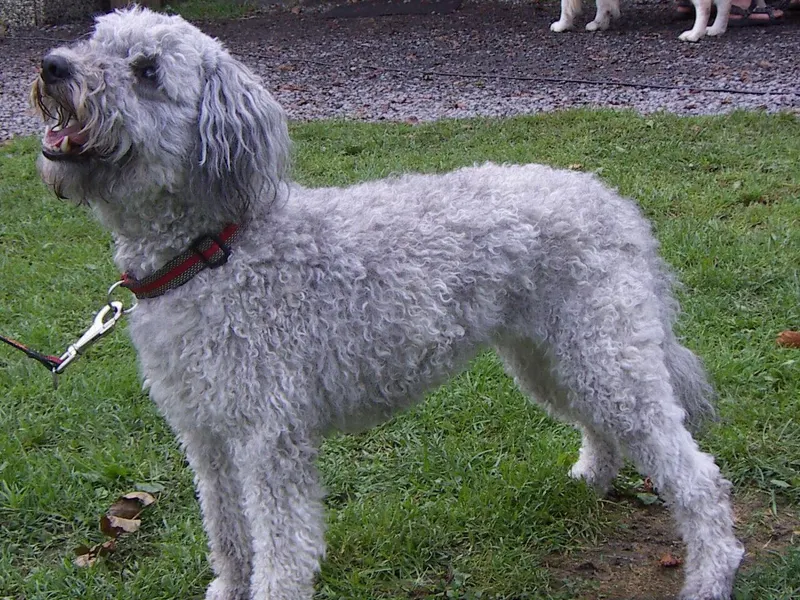
Pumi
Herding
18–33 lbs · 12–13 yrs
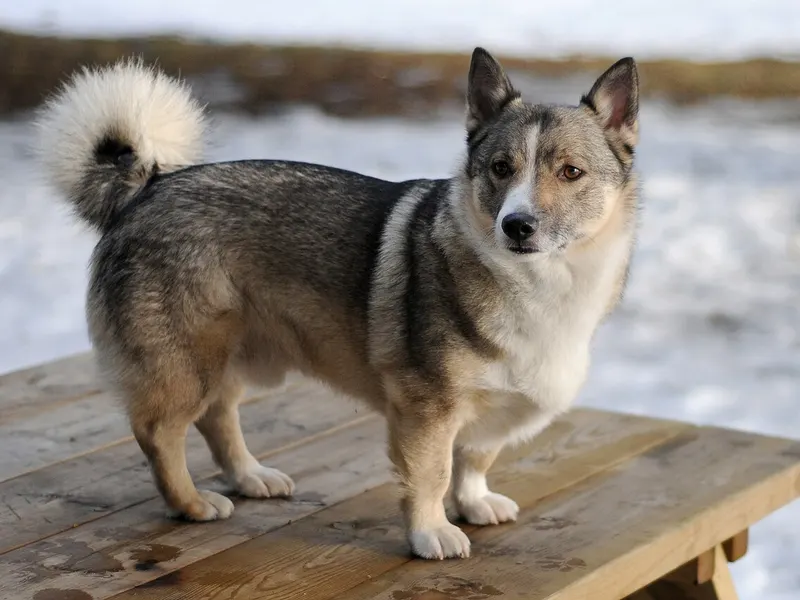
Swedish Vallhund
Herding
20–35 lbs · 12–15 yrs
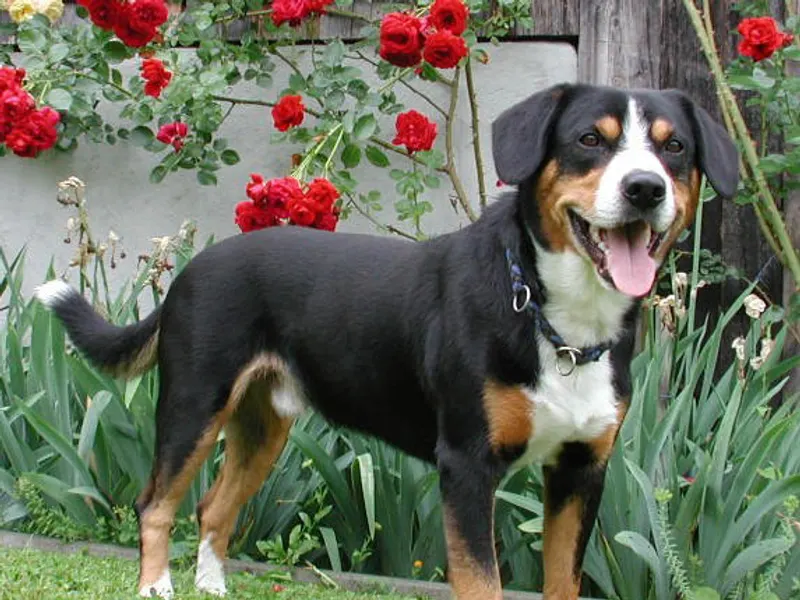
Entlebucher Mountain Dog
Herding
40–65 lbs · 11–15 yrs
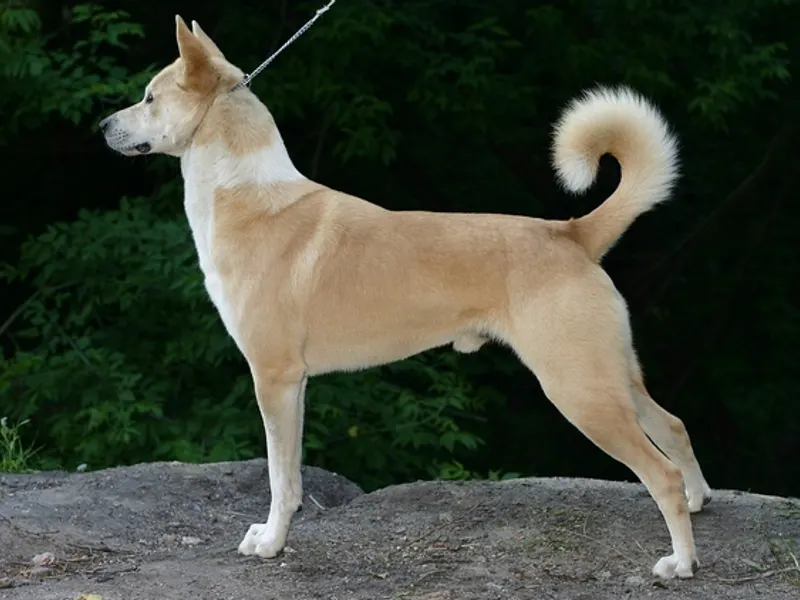
Canaan Dog
Herding
35–55 lbs · 12–15 yrs
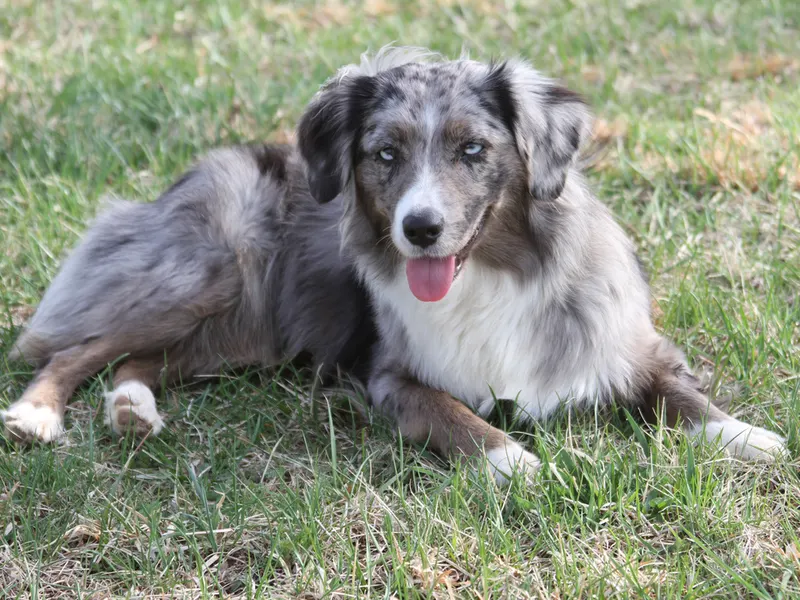
Miniature American Shepherd
Herding
20–40 lbs · 12–13 yrs
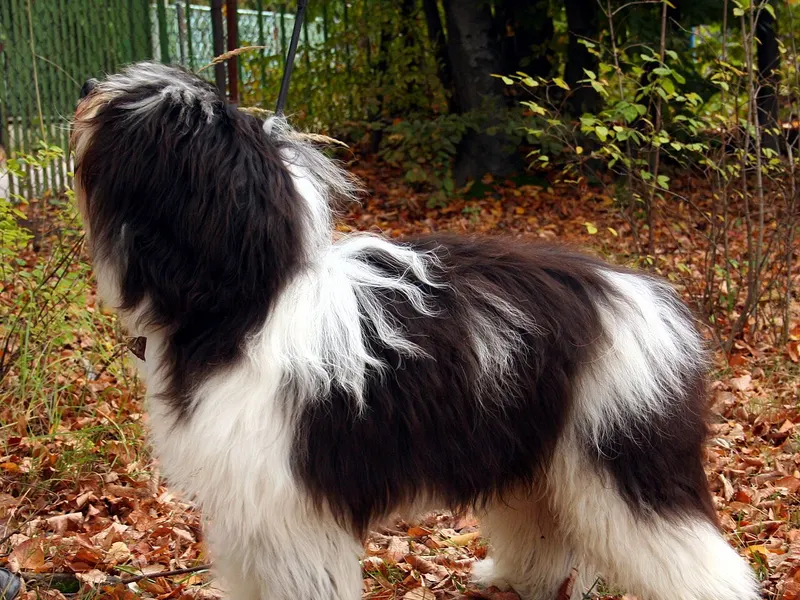
Polish Lowland Sheepdog
Herding
30–50 lbs · 12–14 yrs
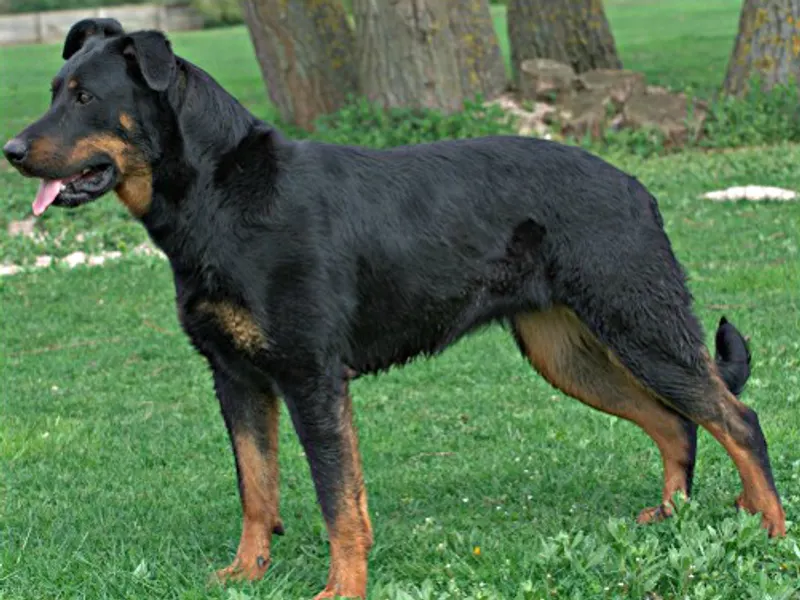
Beauceron
Herding
70–110 lbs · 10–12 yrs
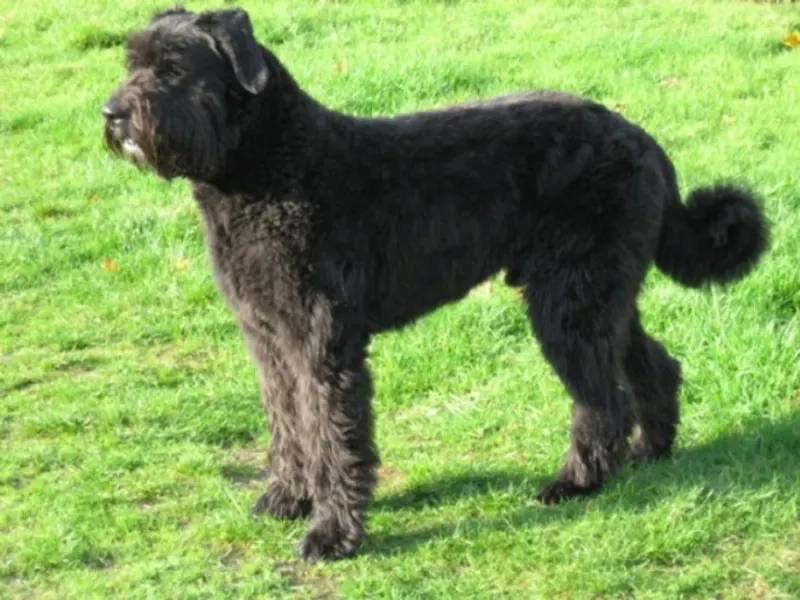
Bouvier des Flandres
Herding
70–110 lbs · 10–12 yrs
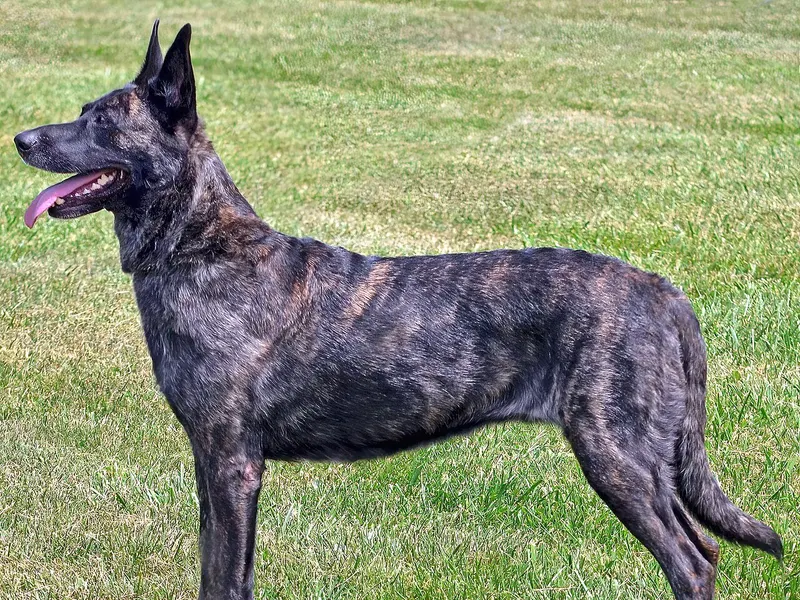
Dutch Shepherd
Herding
42–75 lbs · 11–14 yrs
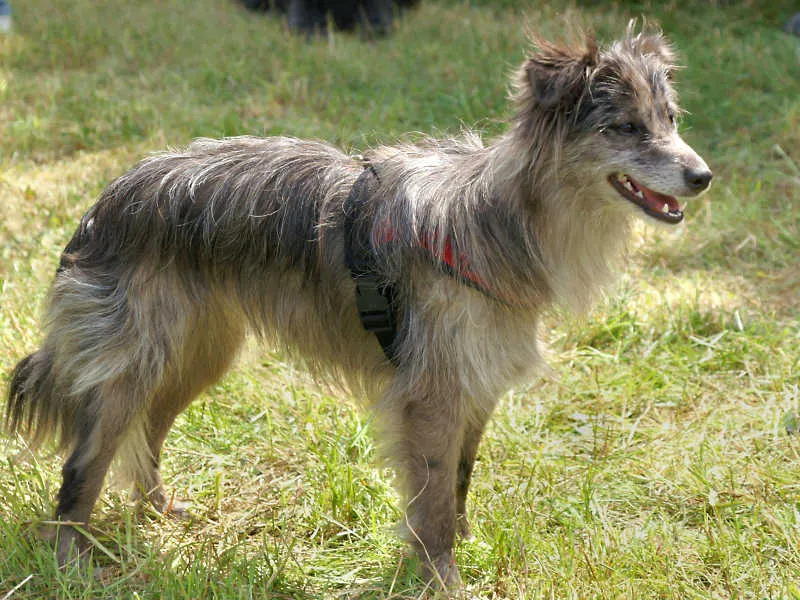
Pyrenean Shepherd
Herding
15–32 lbs · 15–17 yrs
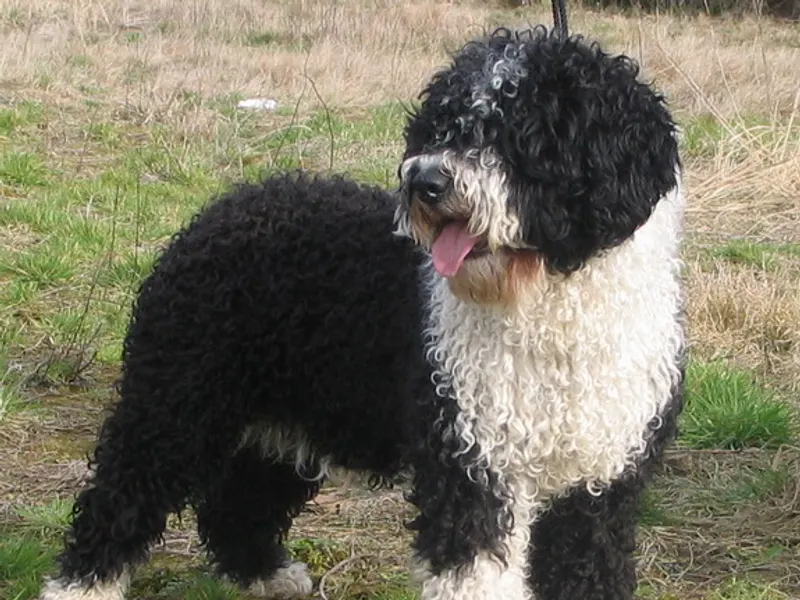
Spanish Water Dog
Herding
31–49 lbs · 12–14 yrs
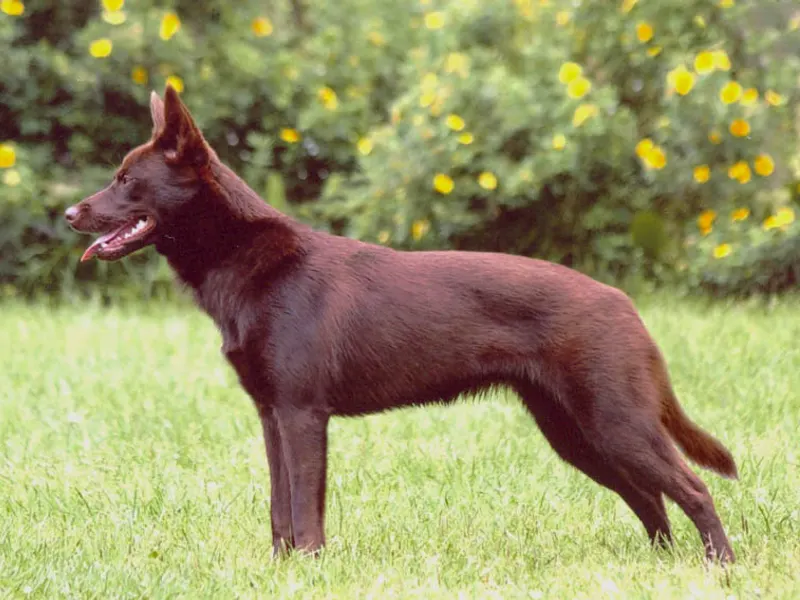
Australian Kelpie
Herding
25–45 lbs · 10–14 yrs
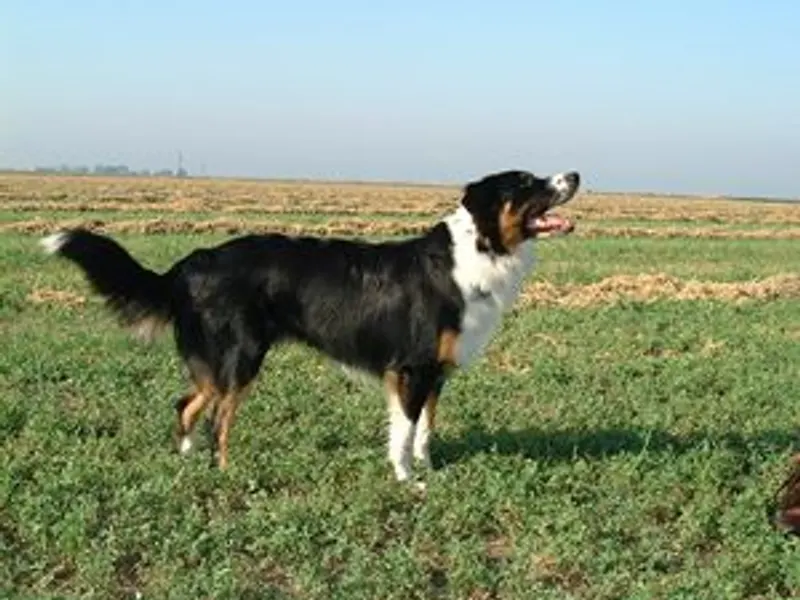
English Shepherd
Herding
40–60 lbs · 12–15 yrs
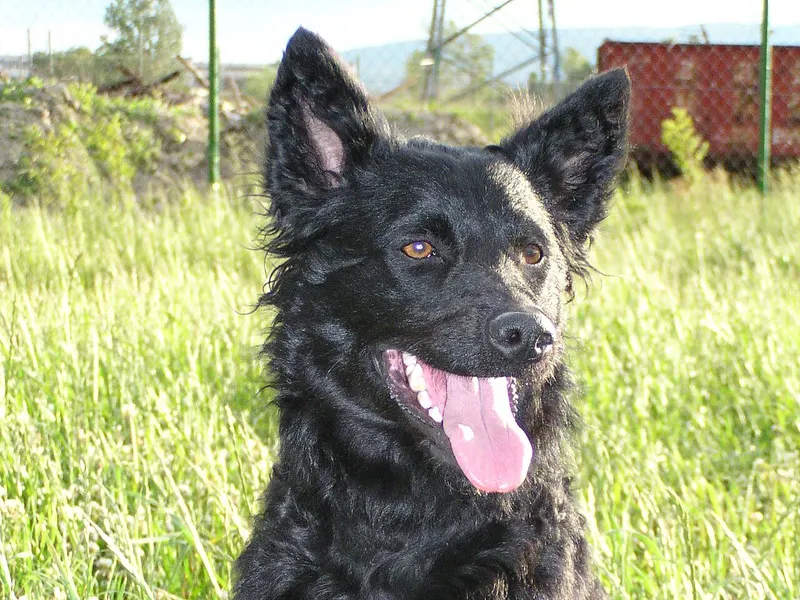
Croatian Sheepdog
Herding
29–44 lbs · 12–14 yrs
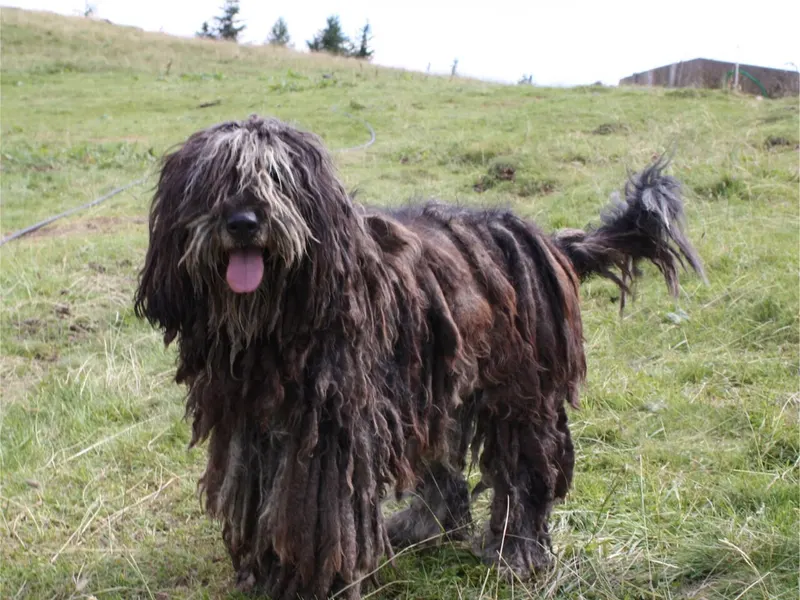
Bergamasco Sheepdog
Herding
57–84 lbs · 13–15 yrs
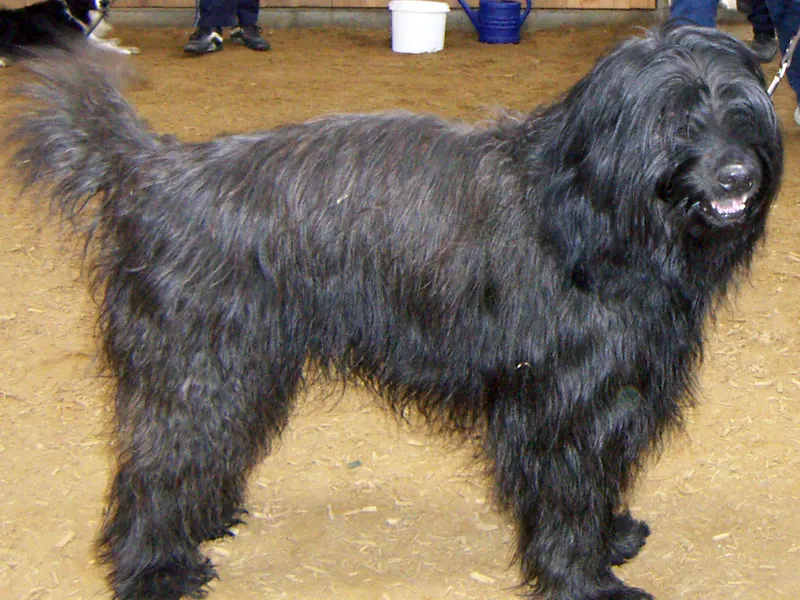
Catalan Sheepdog
Herding
35–55 lbs · 12–14 yrs
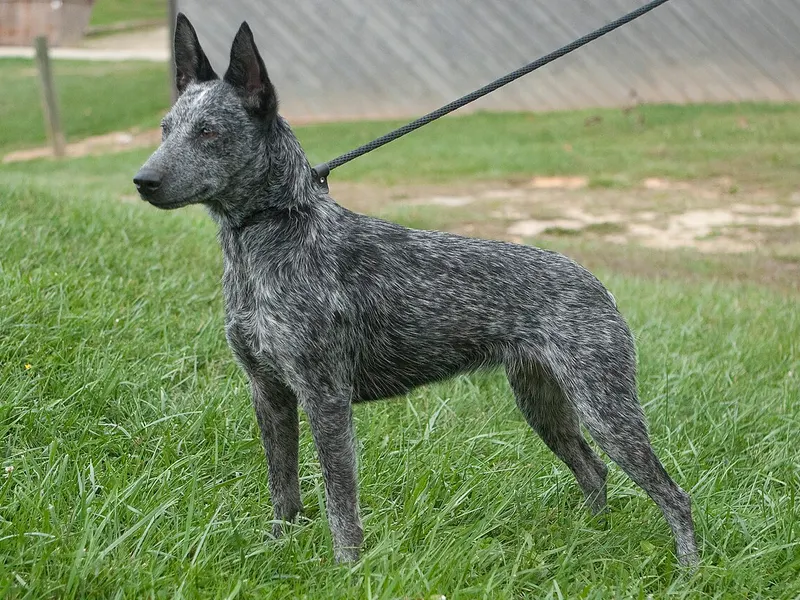
Australian Stumpy Tail Cattle Dog
Herding
33–49 lbs · 12–15 yrs