Quietest Cat Breeds
Vocalization tendency in cats varies by breed in a genuinely documented, heritable way, much like it does in dogs, though the underlying driver is different — cats don't have the same "alert barking" working history that shapes canine vocalization patterns, so feline vocalization tendency traces more to a breed's general temperament (how demonstratively they communicate needs and moods) and, in a few specific breeds, documented physical or genetic factors tied closely to particular breed lineages developed through deliberate selective breeding rather than working purpose. The Siamese sits at the extreme opposite end of this list — among the most vocal breeds that exist, known for loud, frequent, almost conversational vocalizing that's practically a defining breed trait — and is worth mentioning here specifically as the contrast point that makes clear vocalization is a real, breed-linked spectrum trait rather than random individual variation: breeds genetically related to or developed alongside Siamese lines (several Oriental breeds) tend to inherit some of that vocal tendency, while breeds without that lineage and without a strong demonstrative-communication temperament more generally tend to land toward the quieter end instead. British Shorthairs and several other stocky, even-tempered breeds consistently rank among the quietest, tied to a documented generally reserved, low-drama temperament that extends to vocal communication as much as general demeanor — these breeds tend to communicate needs through behavior (waiting by a food bowl, sitting near a door) more than vocal insistence, a quieter communication style some owners find easier to live with and others find slightly less engaging than a more vocally expressive breed, which is worth weighing as a genuine tradeoff rather than assuming quiet is a universal positive. It's worth being direct that "quiet" doesn't mean silent or unable to communicate — every cat vocalizes for genuine needs (hunger, pain, distress, seeking attention), and even the quietest breeds will meow when something genuinely warrants it; what varies by breed is the baseline frequency and volume of more casual, conversational vocalizing rather than a cat's fundamental capacity or willingness to communicate when it matters. A sudden increase in vocalization from a normally quiet cat, or a normally vocal cat going unusually silent, are both worth a veterinary check rather than assumed to be random breed-typical variation, since vocalization changes can signal pain, illness, or cognitive changes especially in older cats. The breeds here carry a documented lower baseline vocalization tendency reported in breed-club descriptions and consistent owner surveys — not any absolute claim about silence. For apartment or noise-sensitive households drawn to this list specifically, it's worth noting individual variation within any breed remains real — a specific cat's personality, its comfort level in a given home, and how consistently its needs are met all affect vocalization in practice alongside whatever baseline tendency its breed carries. Rounding out the quiet-breed picture: the Persian's calm, undemanding temperament extends to lower vocalization than more talkative breeds; the Russian Blue's reserved, quiet demeanor pairs naturally with its more independent overall temperament; and the Scottish Fold is frequently described by owners as a soft-spoken, gentle-voiced breed even in the rarer instances it does vocalize. One distinction is worth drawing out clearly: the gap between a cat's own normal quiet baseline and a genuinely concerning shift away from it — a cat that becomes markedly more vocal than its own established baseline — not the breed's general reputation, but that specific cat's own normal pattern — especially if paired with changes in litter box habits, appetite, or activity level, warrants a veterinary visit, since increased vocalization is a documented symptom of several treatable conditions including hyperthyroidism (particularly relevant in older cats), urinary tract discomfort, and cognitive changes in senior cats, meaning a sudden shift away from a cat's own quiet baseline carries real diagnostic value regardless of what a breed's general reputation predicts. Environmental stress reduction can meaningfully lower vocalization even in an already-quiet breed prone to occasional stress-triggered meowing: consistent daily routines, minimizing sudden loud noises where possible, and providing enough resources (litter boxes, food and water stations, resting spots) for every cat in a multi-cat household to avoid resource-related tension all reduce the kind of anxiety-driven vocalization that can occur even in breeds with a generally quiet baseline temperament. A calm, predictable daily routine — consistent feeding times, a stable environment — tends to reinforce a naturally quiet breed's baseline temperament, since routine disruption is one of the more common triggers for a normally quiet cat's occasional vocal outburst. Even the quietest cat still communicates plenty through body language alone, and learning to read that silent vocabulary rewards an attentive owner with a fuller picture of a cat's actual mood day to day.
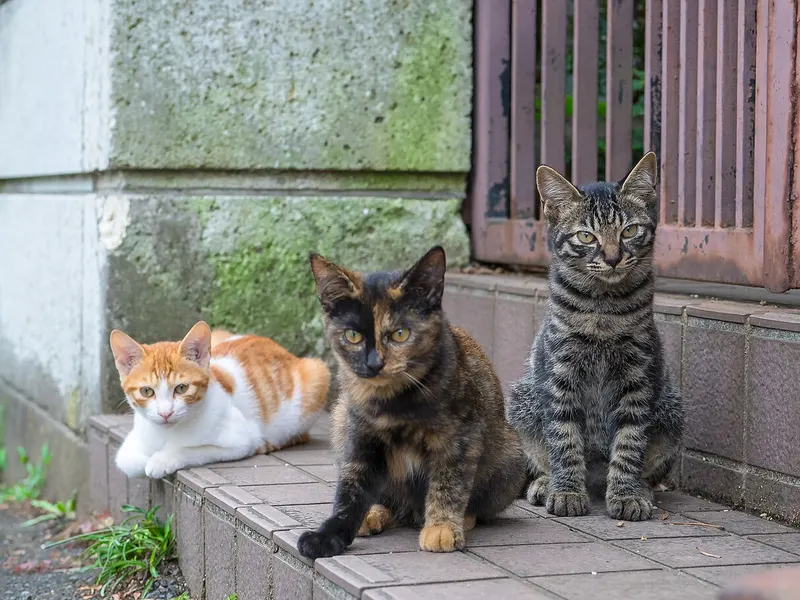
Domestic Shorthair
Semi-foreign
8–12 lbs · 12–18 yrs
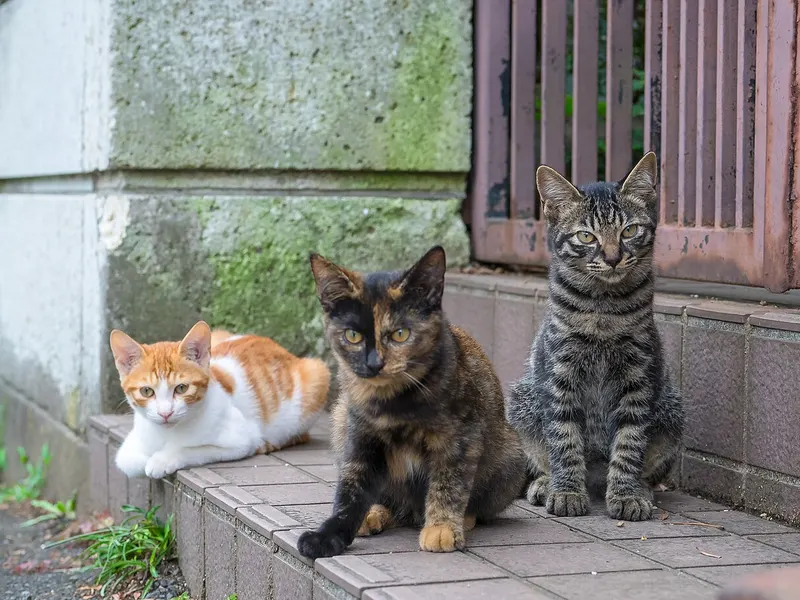
Domestic Longhair
Semi-foreign
8–15 lbs · 12–18 yrs
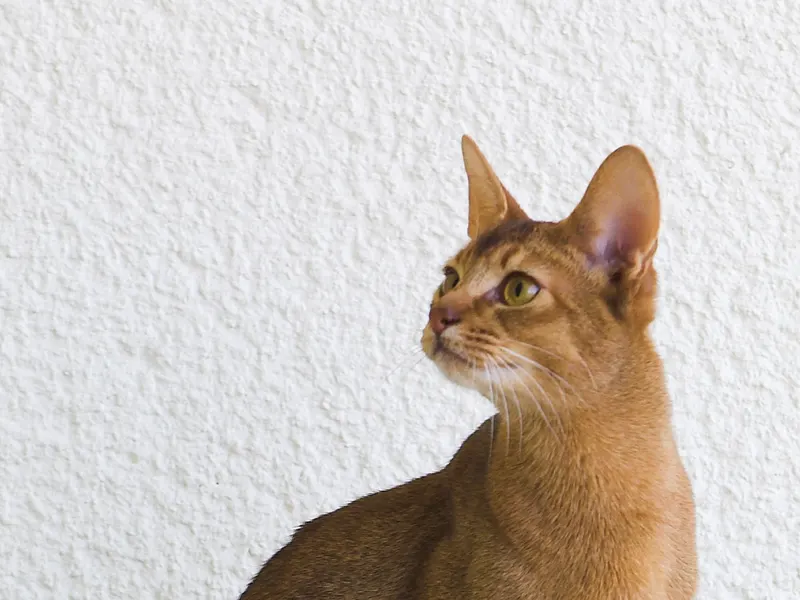
Abyssinian
Foreign
6–10 lbs · 9–15 yrs
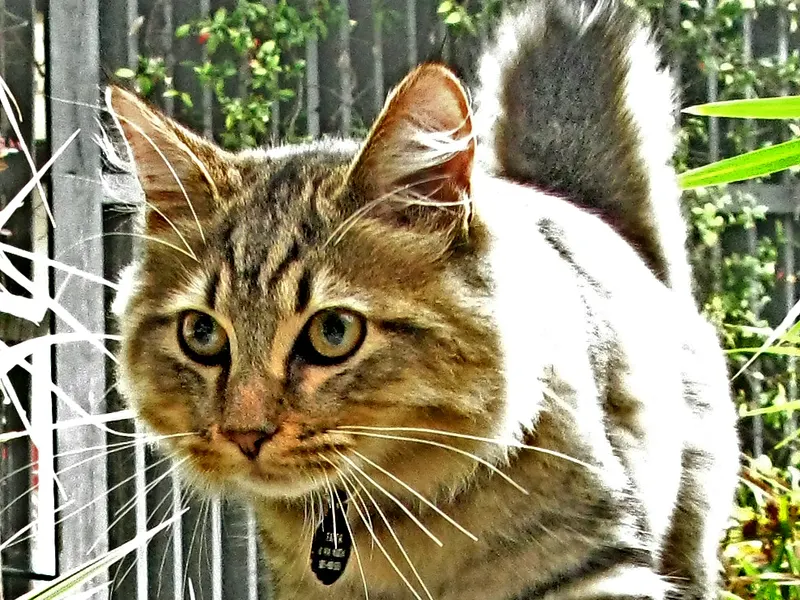
American Bobtail
Semi-cobby
7–16 lbs · 11–15 yrs
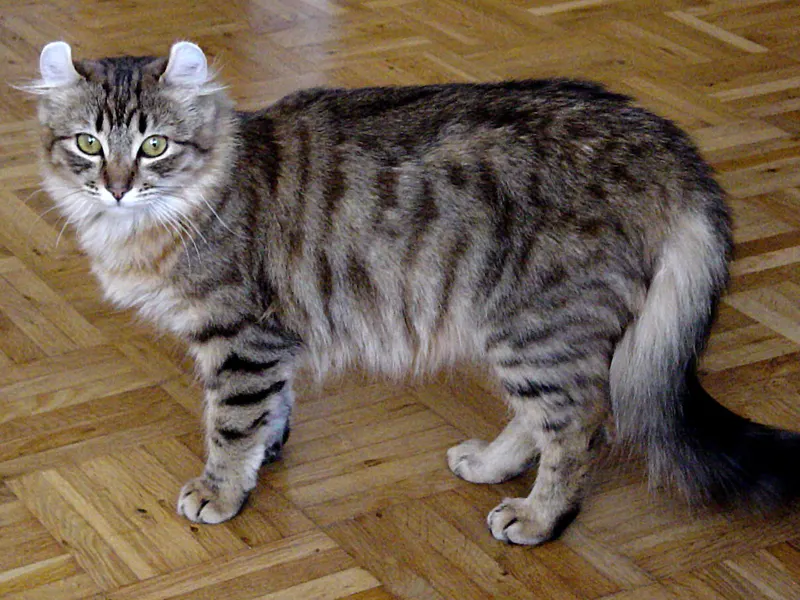
American Curl
Semi-foreign
5–10 lbs · 12–16 yrs
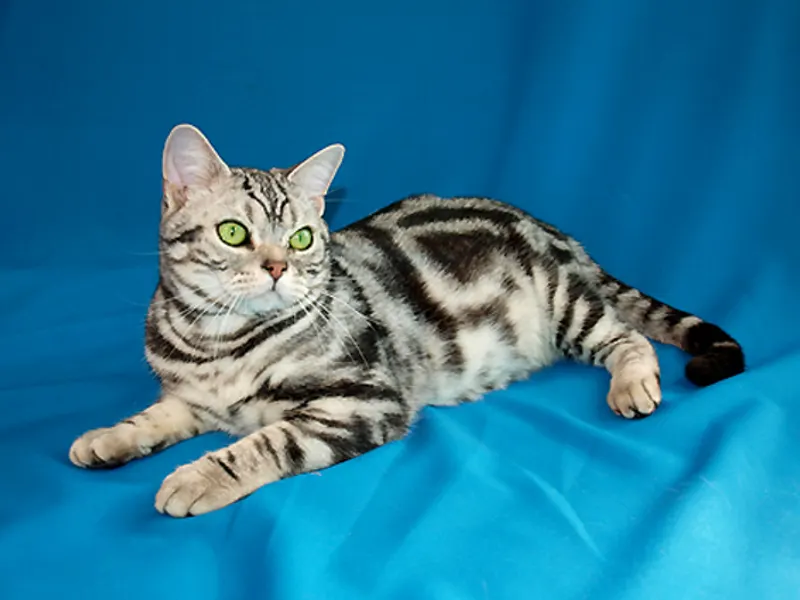
American Shorthair
Cobby
8–15 lbs · 15–20 yrs
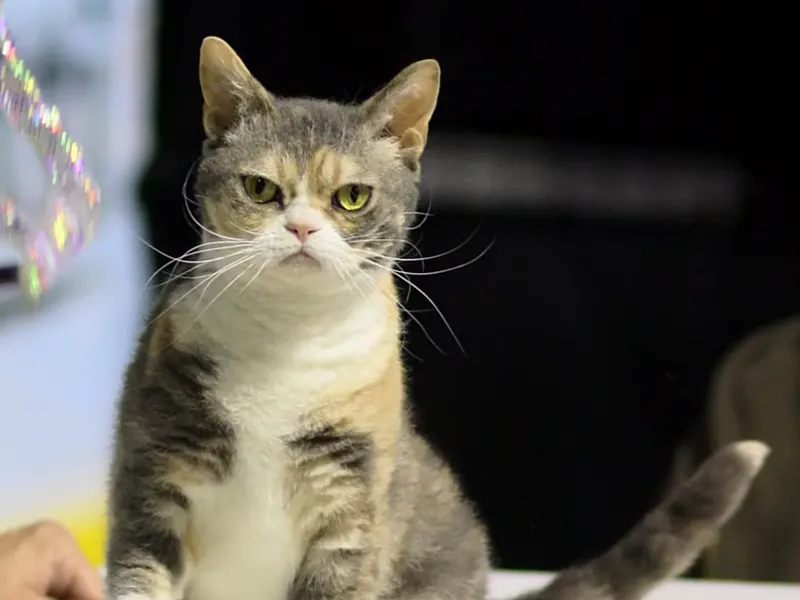
American Wirehair
Cobby
8–15 lbs · 14–18 yrs
Birman
Semi-cobby
8–12 lbs · 12–16 yrs
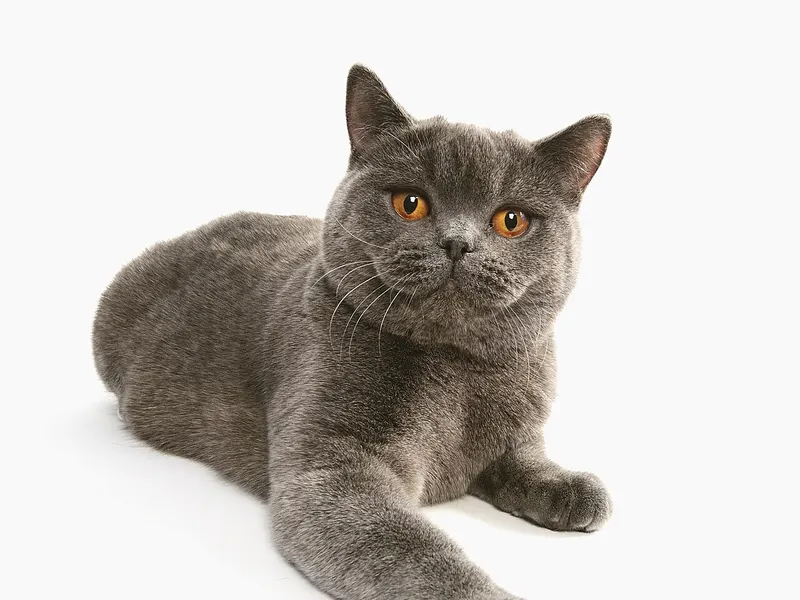
British Shorthair
Cobby
9–18 lbs · 12–17 yrs
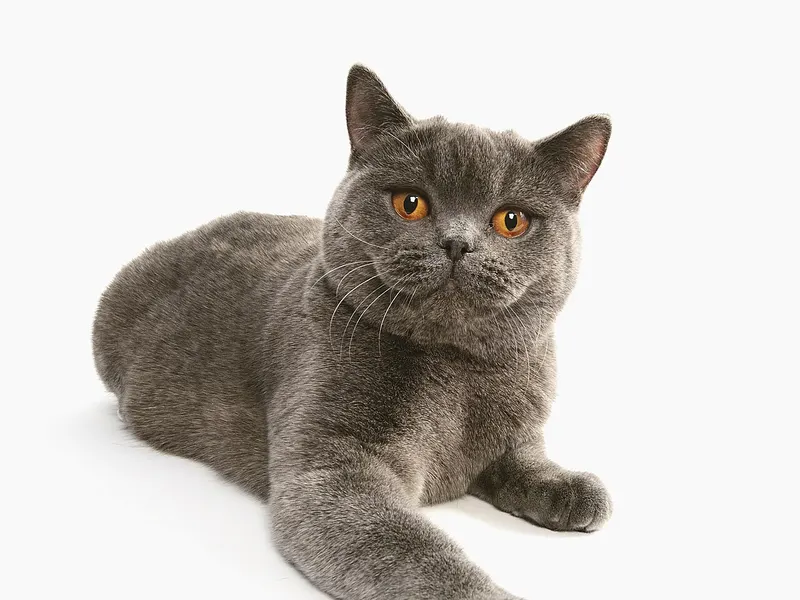
British Longhair
Cobby
9–17 lbs · 12–17 yrs
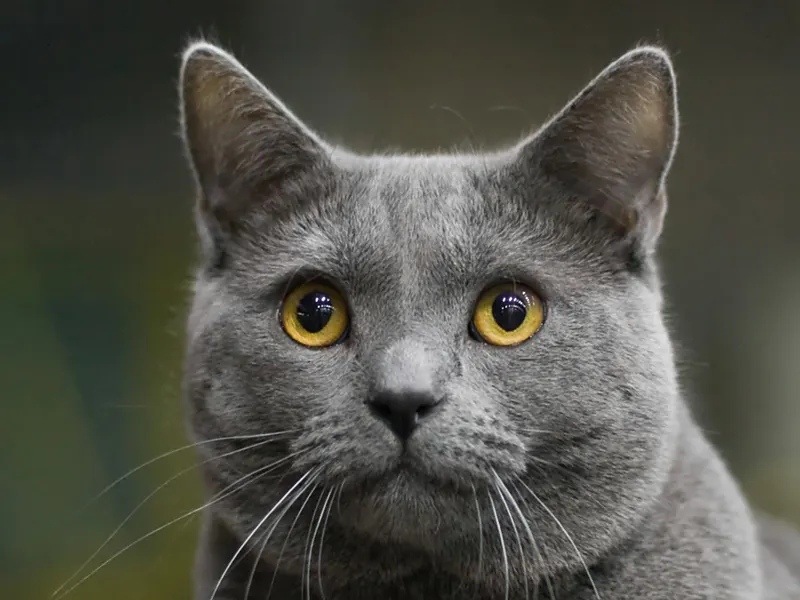
Chartreux
Semi-cobby
7–16 lbs · 12–15 yrs
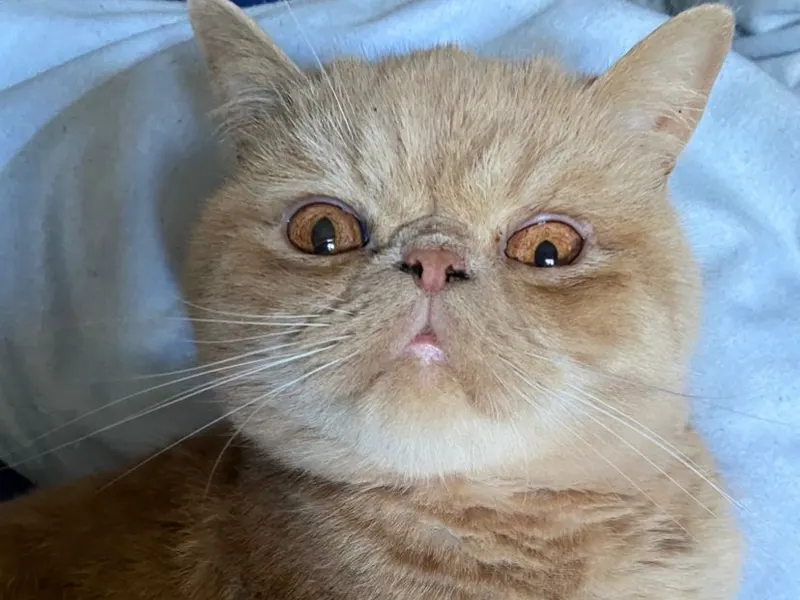
Exotic Shorthair
Cobby
7–14 lbs · 12–15 yrs
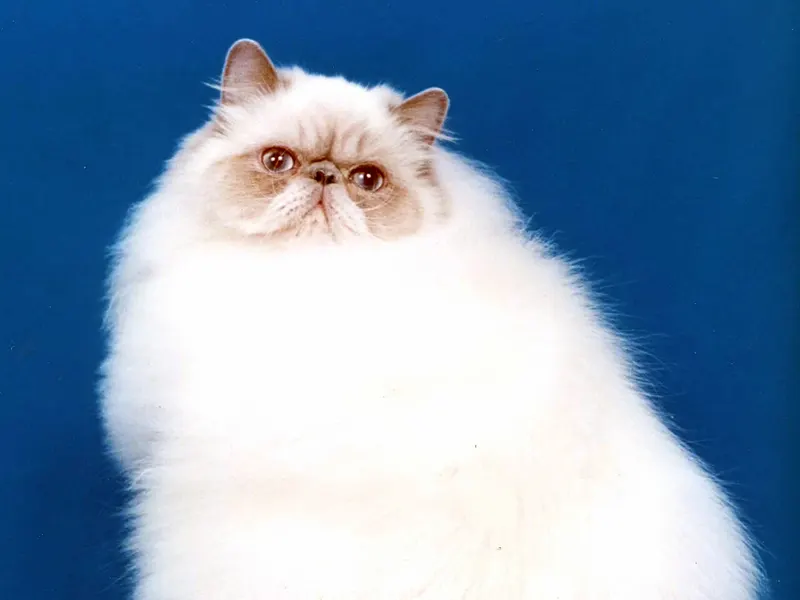
Himalayan
Cobby
7–12 lbs · 9–15 yrs
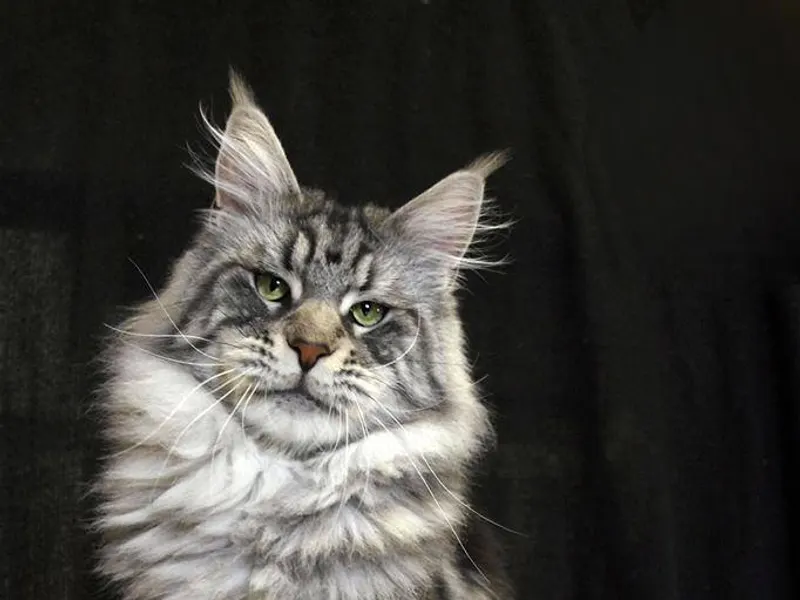
Maine Coon
Long & Substantial
10–25 lbs · 12–15 yrs
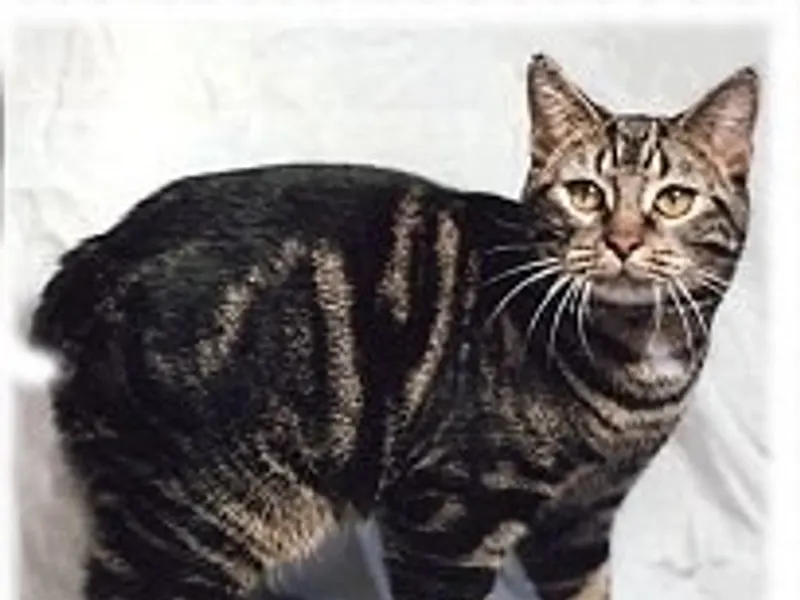
Manx
Cobby
8–12 lbs · 8–14 yrs
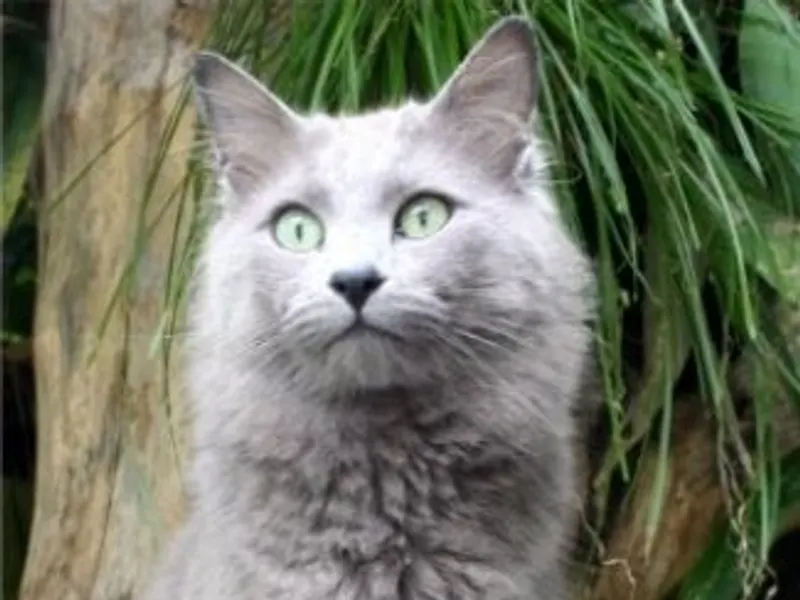
Nebelung
Foreign
7–11 lbs · 15–18 yrs
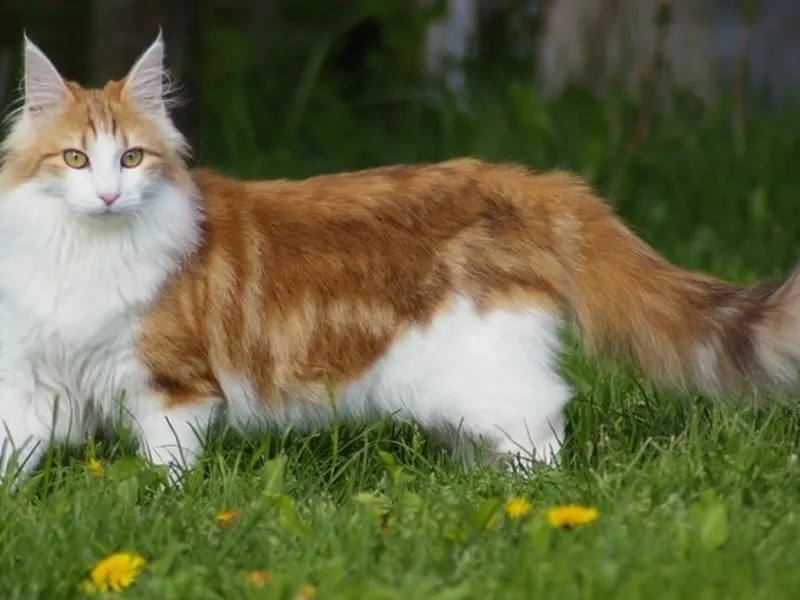
Norwegian Forest Cat
Long & Substantial
10–22 lbs · 14–16 yrs
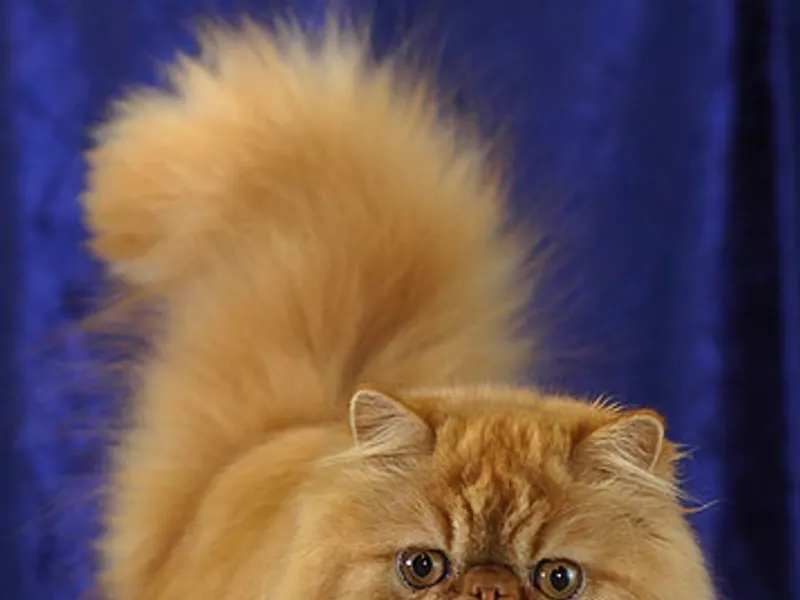
Persian
Cobby
7–12 lbs · 10–17 yrs
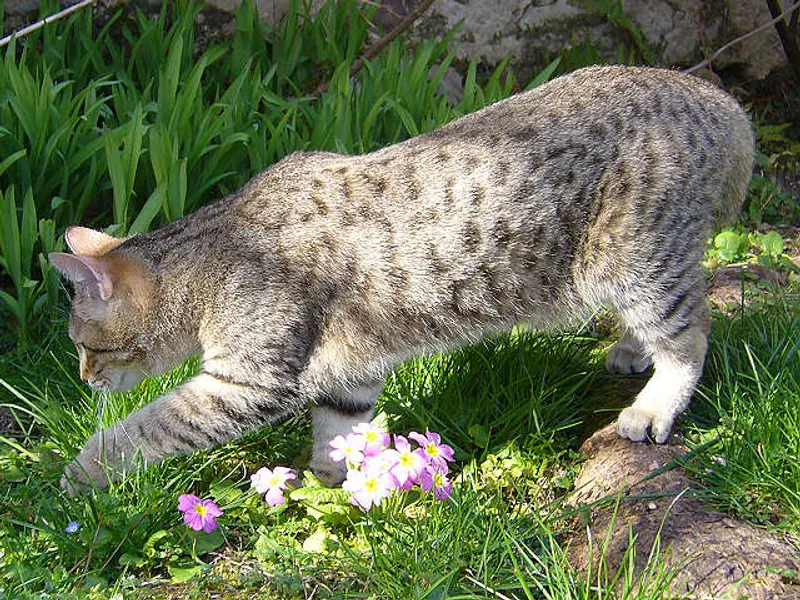
Pixie-bob
Semi-cobby
8–17 lbs · 13–16 yrs
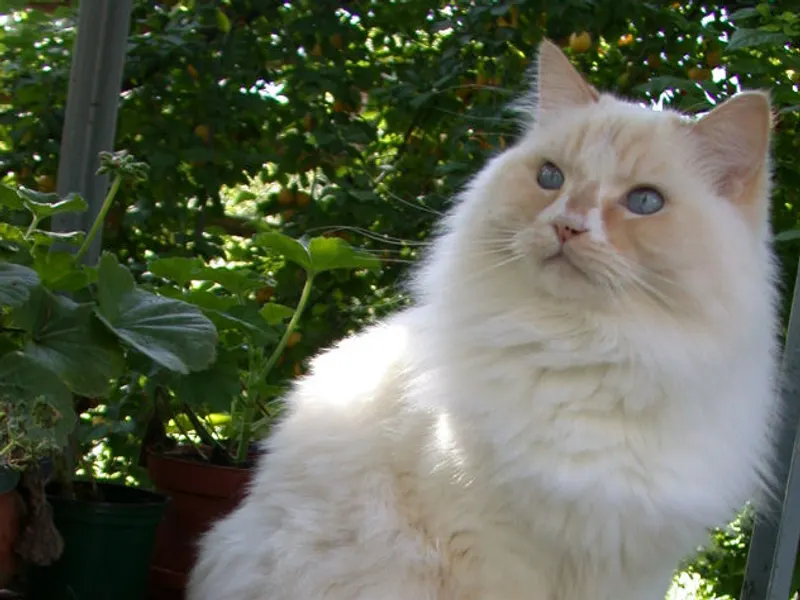
Ragamuffin
Semi-cobby
8–20 lbs · 12–16 yrs
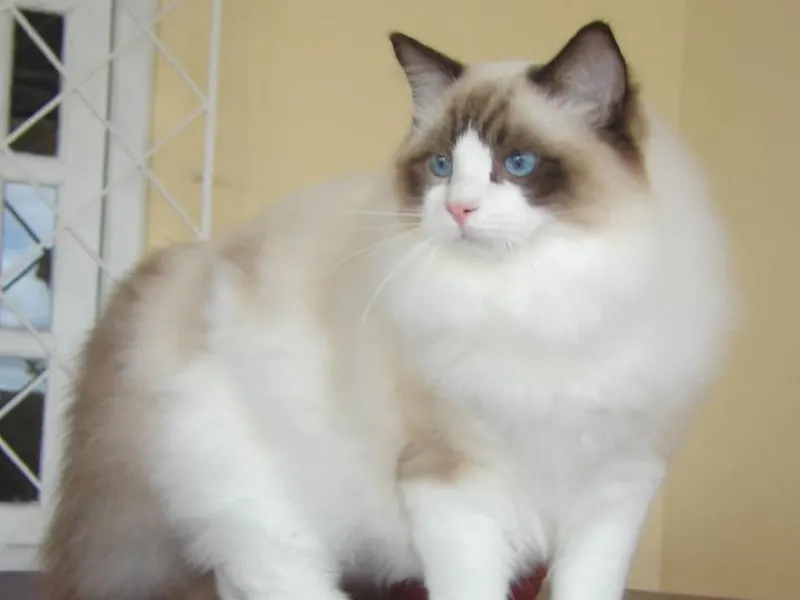
Ragdoll
Semi-cobby
10–20 lbs · 12–17 yrs
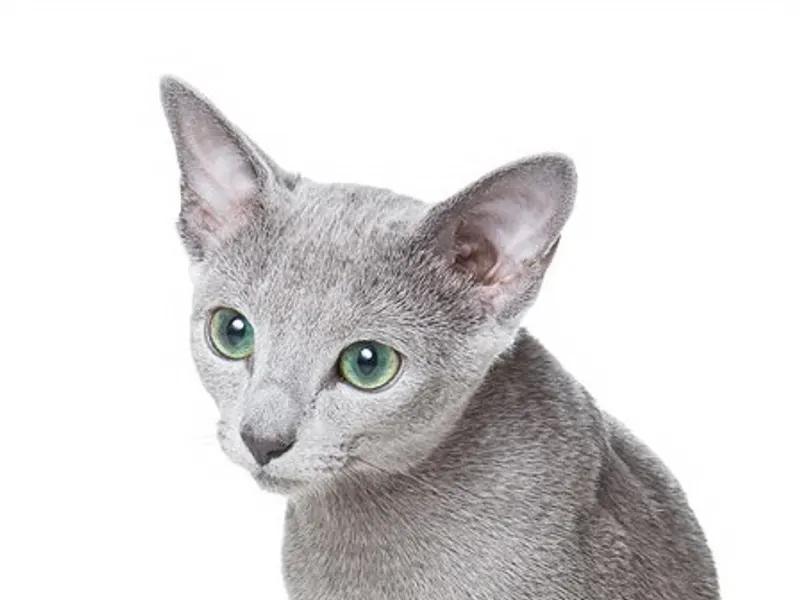
Russian Blue
Foreign
7–12 lbs · 15–20 yrs
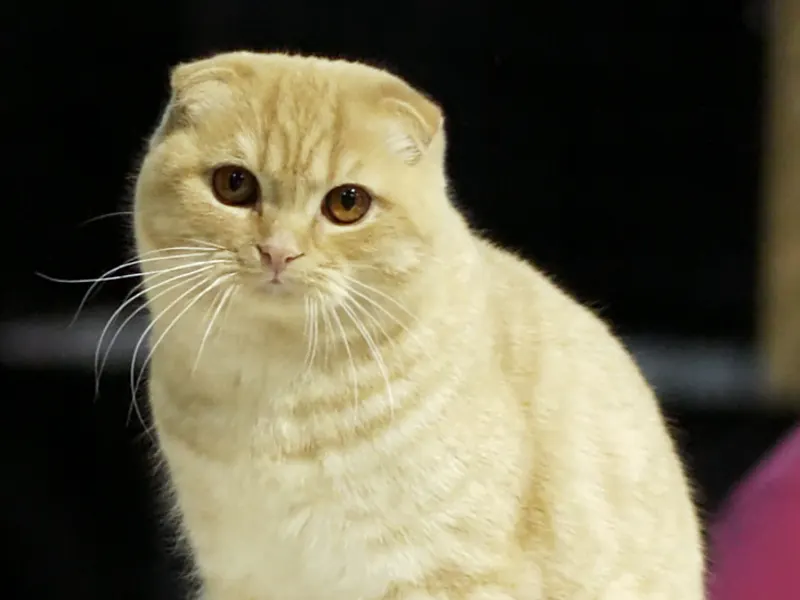
Scottish Fold
Semi-cobby
6–13 lbs · 11–15 yrs
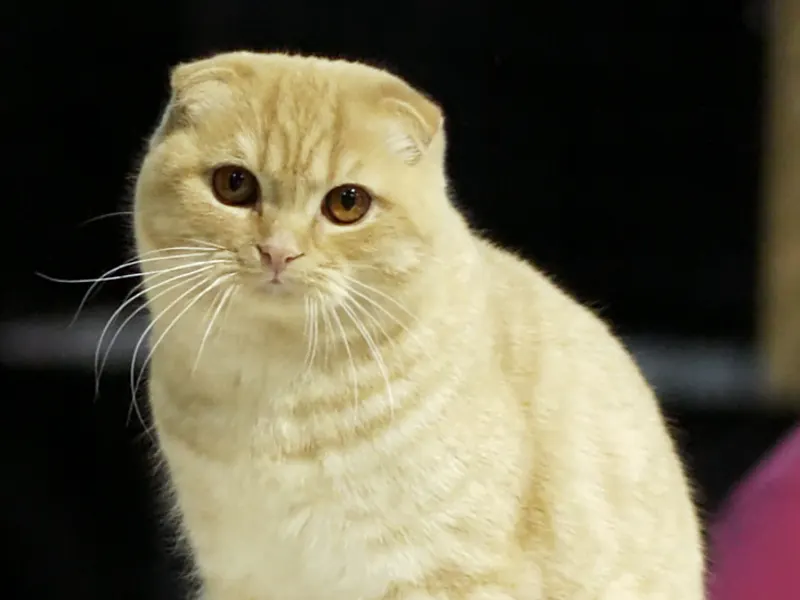
Scottish Straight
Semi-cobby
6–13 lbs · 11–15 yrs
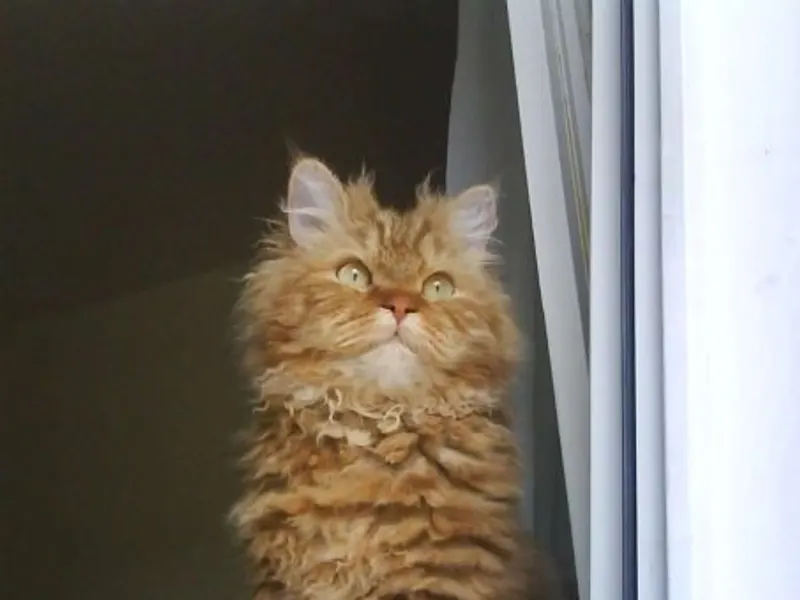
Selkirk Rex
Cobby
7–15 lbs · 10–15 yrs
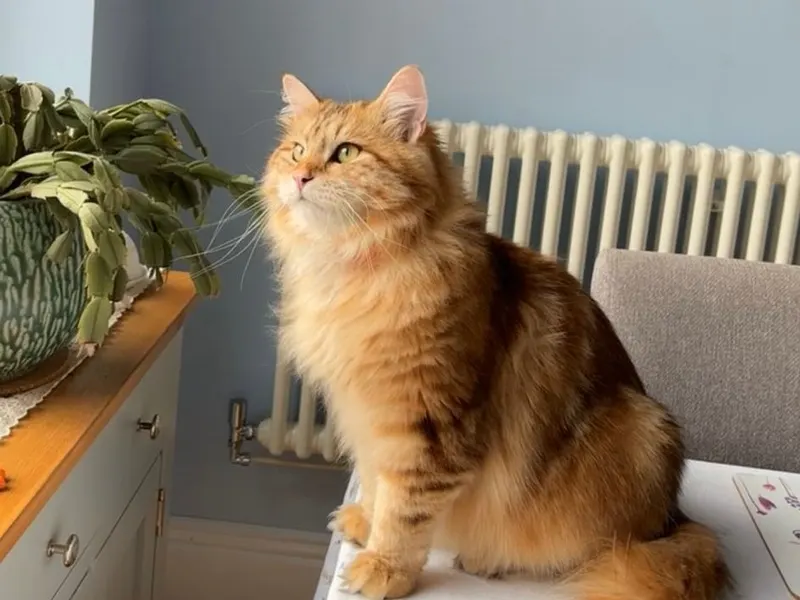
Siberian
Long & Substantial
8–17 lbs · 11–18 yrs
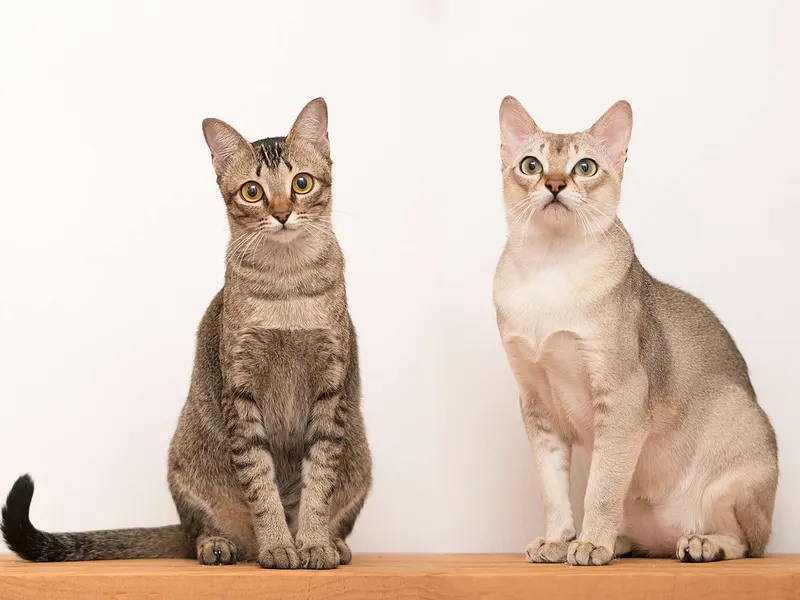
Singapura
Foreign
4–8 lbs · 12–16 yrs
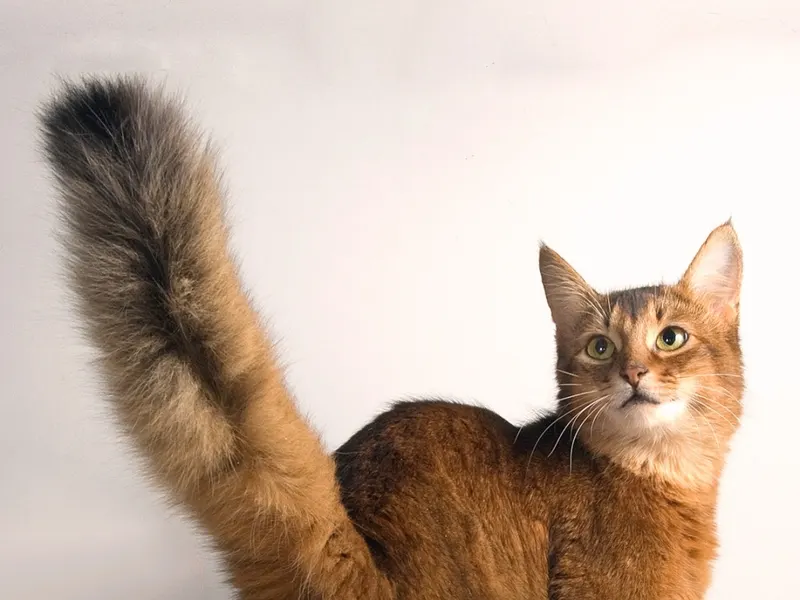
Somali
Foreign
6–10 lbs · 11–16 yrs
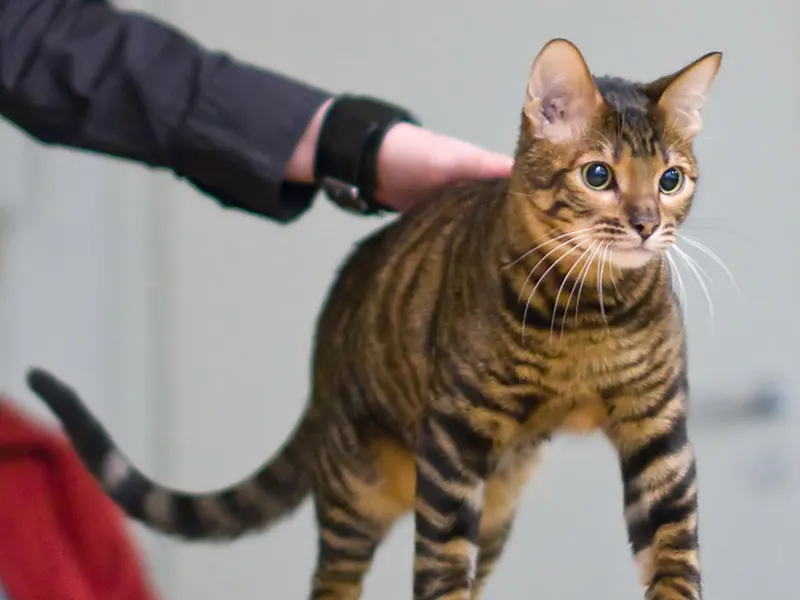
Toyger
Foreign
7–15 lbs · 12–15 yrs
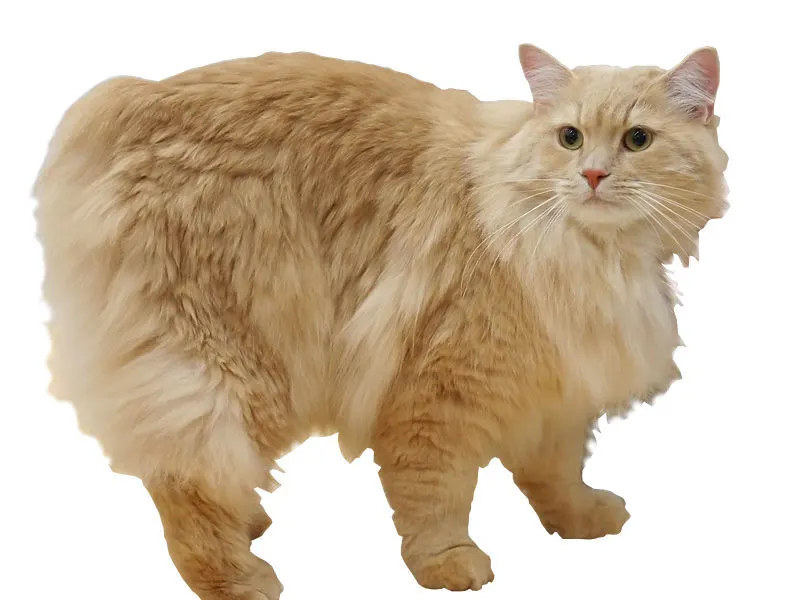
Cymric
Cobby
8–12 lbs · 8–14 yrs
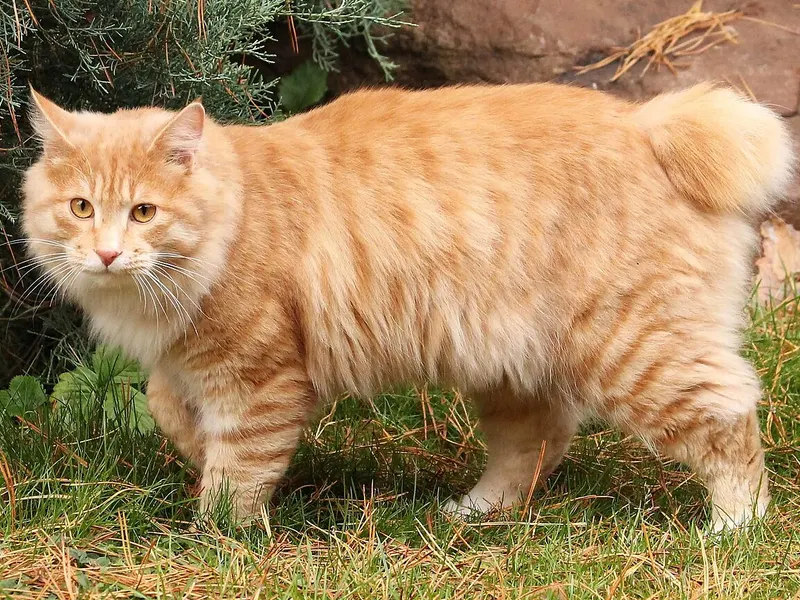
Kurilian Bobtail
Semi-cobby
7–15 lbs · 12–15 yrs
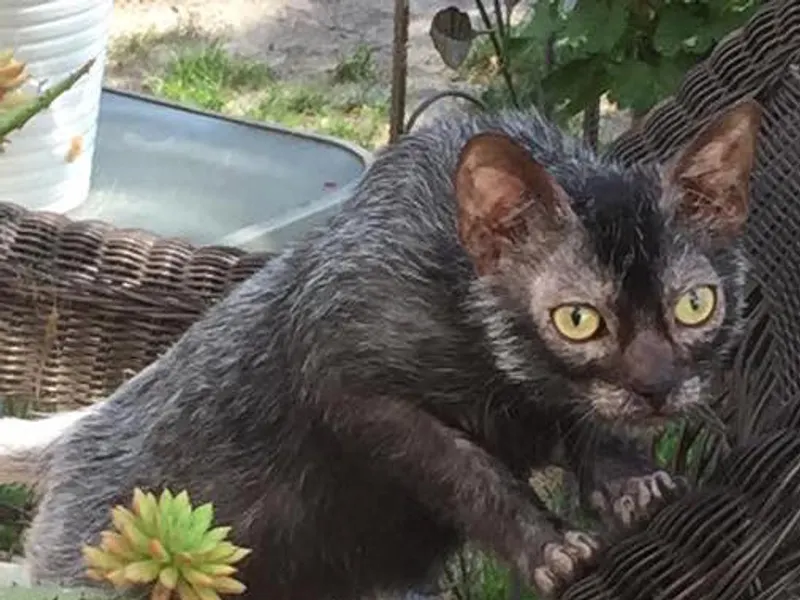
Lykoi
Rex
4–9 lbs · 12–15 yrs
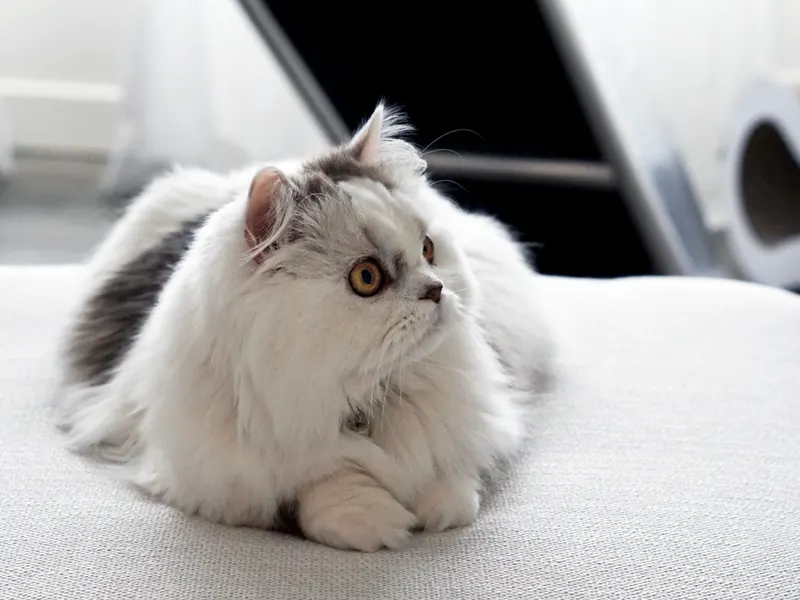
Napoleon (Minuet)
Semi-cobby
5–9 lbs · 12–14 yrs