Working Group Dogs
35 breeds in this group.
The Working Group is the AKC's category for dogs bred to perform physical labor for people directly — pulling loads, guarding property and livestock, water rescue — as opposed to the cooperative field hunting of the Sporting and Hound groups or the flock-moving instinct of Herding breeds. It's also, on average, the group with the largest dogs in the registry: the Great Dane, Mastiff, Saint Bernard, Newfoundland, Great Pyrenees, and Tibetan Mastiff are all here, alongside midsize but powerfully built guardians like the Boxer, Doberman Pinscher, and Rottweiler. That size and strength is the reason the AKC and most trainers treat early socialization and structured obedience work as non-negotiable for this group in a way they don't insist on quite as strongly elsewhere — a poorly socialized 150-pound Mastiff or Cane Corso is a genuinely different liability than a poorly socialized Beagle, not because the temperament is inherently worse but because the physical consequences of a bad decision scale with the dog's size. Within the group, the clearest functional split is between the northern sled-and-draft breeds and the guardian breeds, and the two histories couldn't be more different. The Siberian Husky, Alaskan Malamute, and Samoyed all descend from working dogs bred by circumpolar peoples — the Chukchi of northeast Siberia for the Husky, native Alaskan communities for the Malamute, the nomadic Nenets people of Siberia for the Samoyed — to pull sleds and, in the Samoyed's case, also herd reindeer and guard camp through arctic winters. These breeds carry double coats built for extreme cold, an independent working style suited to a dog that might run ahead of a musher's direct control for miles, and a stamina level that a small backyard cannot satisfy; the modern sport of dog-sled racing and its shorter cousin, canicross, exist largely because so many pet owners of these breeds discovered a fenced yard alone left the dog under-stimulated to the point of chronic escape attempts and destructive digging. The guardian breeds split further into livestock guardians and property/personal guardians, a distinction that matters enormously for temperament expectations. The Great Pyrenees, Anatolian Shepherd Dog, Komondor, Kuvasz, and Tibetan Mastiff were bred over centuries to live essentially unsupervised among sheep or goat flocks, making independent decisions about threats without a shepherd present to direct them — which produces a dog that is calm and gentle with its own flock or family but instinctively wary of unfamiliar people and animals, and notably resistant to obedience-style training that asks the dog to defer constantly to human judgment rather than trust its own. The Komondor's distinctive corded coat, which resembles dreadlocks, isn't a grooming choice but a functional adaptation: the cords mimicked sheep's wool closely enough that the dog could blend into a flock at a glance and provided real protection against wolf bites. The property and personal guardians — Rottweiler, Doberman Pinscher, Boxer, Cane Corso, Bullmastiff, Dogue de Bordeaux, Black Russian Terrier, Boerboel, Presa Canario, Dogo Argentino — were bred more recently and more deliberately for close partnership with a single handler, and while temperaments vary enormously by breed and individual line, this branch generally responds far better to structured obedience training than the flock guardians do, precisely because that responsiveness to a handler was the trait being selected for. The Rottweiler descends from Roman cattle-driving mastiffs left behind in the German town of Rottweil, later repurposed by local butchers to pull carts of meat to market and guard the day's earnings — a working history visible in the breed's continued strength and protective instinct today. The Doberman Pinscher has a far more recent and specific origin story: it was developed in the 1890s by a German tax collector named Karl Friedrich Louis Dobermann, who wanted a dog imposing enough to protect him on his rounds, and it remains one of the few breeds whose creation can be traced to one person's stated purpose. The Boxer descends from now-extinct German bullenbeisser stock used to hold large game and later cattle before slaughter, and carries a distinctively playful, almost clownish temperament into adulthood that surprises people expecting a purely serious guard dog. The giant "gentle" breeds — Newfoundland, Saint Bernard, Bernese Mountain Dog, Leonberger, Greater Swiss Mountain Dog — round out the group with a temperament profile that's notably calmer and more biddable than the guardian lines, developed for draft work, water rescue (the Newfoundland is a genuinely strong swimmer with webbed feet, used historically to rescue drowning sailors), and Alpine farm labor rather than protection. Because this group spans from 35-pound Standard Schnauzers to 200-pound Mastiffs, exercise and space needs vary more than almost anywhere else in the registry, but a few health and welfare themes recur widely. Giant breeds carry a shortened average lifespan — often 7 to 10 years against the 12 to 14 typical of mid-sized dogs — and a well-documented risk of bloat (gastric dilatation-volvulus) tied to their deep chests, which is why many veterinarians now recommend prophylactic gastropexy surgery for the largest breeds in this group at the time of spay or neuter. Hip and elbow dysplasia are common across nearly every large Working breed given the sheer mechanical load their frames carry. Prospective owners should also weigh legal and insurance realities honestly: several breeds here — Rottweiler, Doberman, Cane Corso, Presa Canario, Dogo Argentino — are subject to breed-specific legislation or homeowner's insurance exclusions in some U.S. jurisdictions, a practical consideration entirely separate from the dog's actual individual temperament. Legal and insurance considerations deserve direct attention for this group specifically, since several members are subject to breed-specific legislation or homeowner's-insurance exclusions in parts of the U.S. and elsewhere — a genuinely practical factor separate from any individual dog's temperament that prospective owners should research in their specific city, county, and insurance policy before committing, since restrictions vary enormously by jurisdiction and change periodically. This isn't a judgment on the breeds themselves, most of which show no elevated bite risk in controlled temperament testing when well-bred and well-socialized, but a practical reality of owning a large guardian breed that a Labrador owner simply doesn't have to navigate. Training approaches also need to be tailored by sub-type within this group rather than applied uniformly. The livestock guardian breeds — bred for centuries to make independent decisions without a handler present — respond poorly to harsh correction-based methods and tend to disengage from repetitive obedience drills that don't respect their independent judgment, while the personal-protection and property-guardian breeds like the Rottweiler and Doberman generally thrive on and even need the structure and engagement of formal obedience or protection-sport training such as Schutzhund/IPO, which channels the breed's drive constructively rather than leaving it with no outlet. Getting this distinction backward — trying to drill a Great Pyrenees through repetitive obedience the way one might a Doberman, or leaving a Doberman without any structured training at all — is a common source of frustration for owners who chose a breed based on general "Working Group" reputation rather than understanding which specific sub-history their dog actually comes from. The group's northern sled breeds carry an escape-artist reputation that's worth taking seriously rather than dismissing as exaggeration. Siberian Huskies and Alaskan Malamutes are both notorious diggers and jumpers, bred over generations to cover enormous distances, and a standard backyard fence is frequently inadequate without a buried barrier or a fence tall enough to prevent climbing — shelter intake data in many regions shows these breeds disproportionately represented among escaped and surrendered dogs, almost always tied to insufficient exercise and inadequate containment rather than any inherent behavioral problem with the individual dog. First-time ownership of a large Working breed benefits from realistic self-assessment before committing, since physical handling strength matters here in a way it simply doesn't for a 20-pound dog — a 100-pound Rottweiler or Cane Corso that pulls hard on a leash or reacts strongly to a trigger requires a handler physically capable of managing that pull safely, and many trainers specifically recommend structured leash and impulse-control training starting in early puppyhood, well before the dog reaches its full adult strength, precisely because retrofitting that training onto an already-powerful adolescent or adult dog is considerably harder than building it in from the start. Bite-force and physical-capability statistics circulate widely online for several breeds in this group, and it's worth treating most of them skeptically, since rigorous, controlled comparative bite-force studies across dog breeds are considerably rarer and less standardized than the confidently cited numbers suggest — a breed's genuine behavioral temperament, shaped heavily by individual socialization and training, is a far more meaningful predictor of real-world safety than any bite-force figure, however often those figures get repeated as settled fact. Working titles and certifications, like AKC Temperament Test passes or formal protection-sport titles (Schutzhund/IPO, Mondioring), offer a more grounded, verifiable way to evaluate an individual working-line dog's actual trained temperament than breed reputation alone. Bloodline transparency matters more in this group than in most, given the size and strength involved, and reputable breeders of the guardian and protection-oriented breeds specifically will typically discuss a litter's parents' individual temperaments in detail, including any documented working titles or temperament certifications, rather than relying on breed reputation alone to reassure a prospective buyer about what an individual puppy is likely to grow into. Guide and service-dog programs draw on several Working Group breeds beyond the more commonly cited Sporting-group retrievers, and Boxers, Newfoundlands, and Bernese Mountain Dogs have all been used successfully in various assistance and therapy roles, their combination of size, calm confidence, and trainability making them well suited to structured public-facing work when carefully bred and trained for it. Search-and-rescue organizations similarly draw on several breeds from this group for their combination of physical stamina, scent capability, and handler focus, roles that echo the same working partnership these breeds were originally bred to provide, just redirected toward a modern application their original breeders never anticipated.
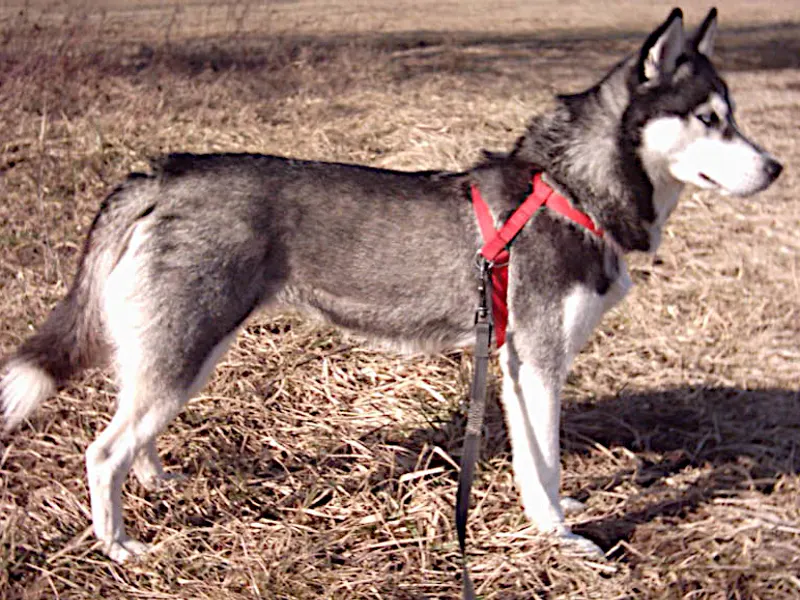
Siberian Husky
Working
35–60 lbs · 12–14 yrs
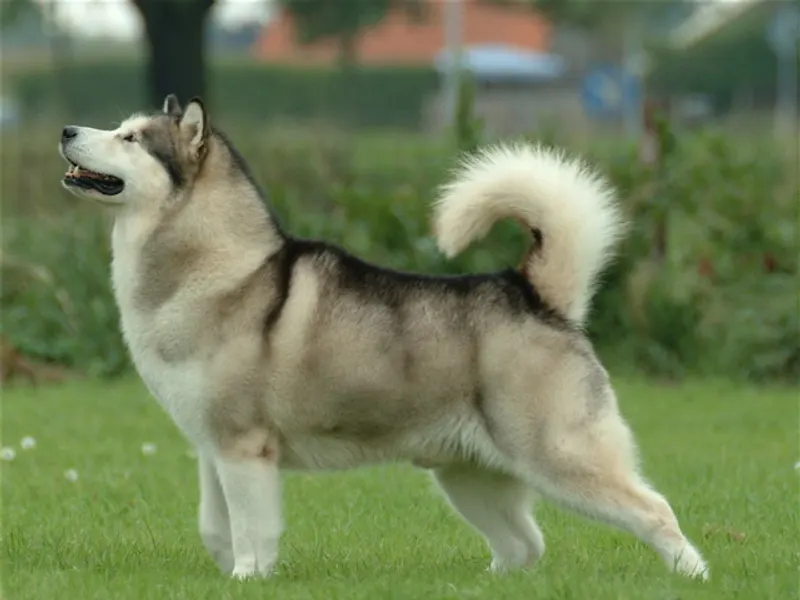
Alaskan Malamute
Working
75–85 lbs · 10–14 yrs
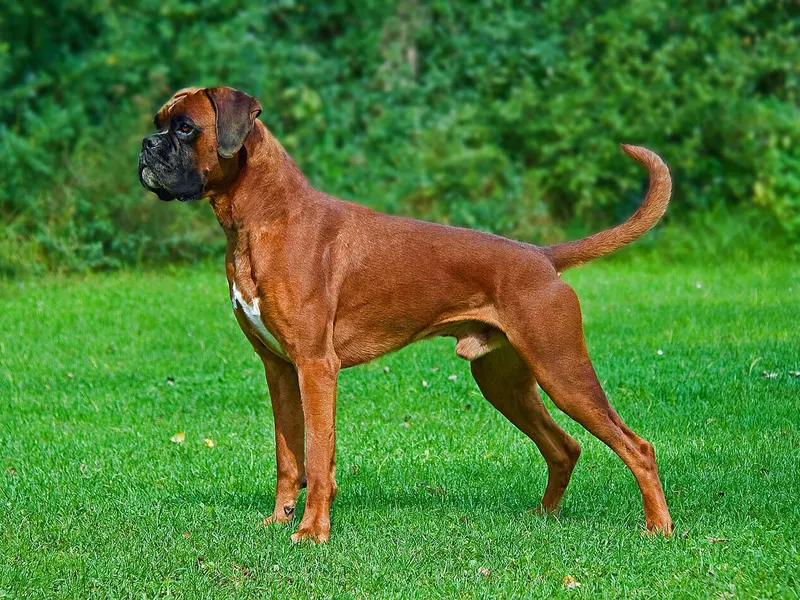
Boxer
Working
50–80 lbs · 10–12 yrs
Doberman Pinscher
Working
60–100 lbs · 10–13 yrs
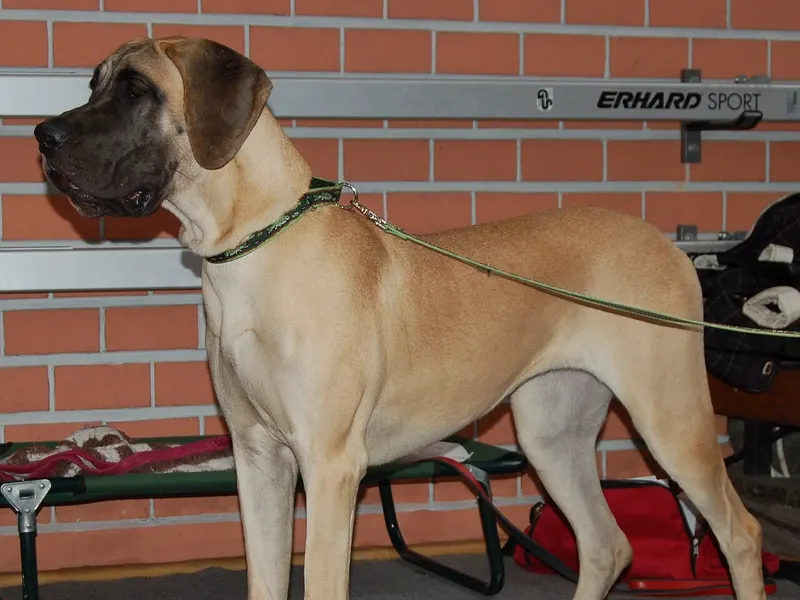
Great Dane
Working
110–175 lbs · 7–10 yrs
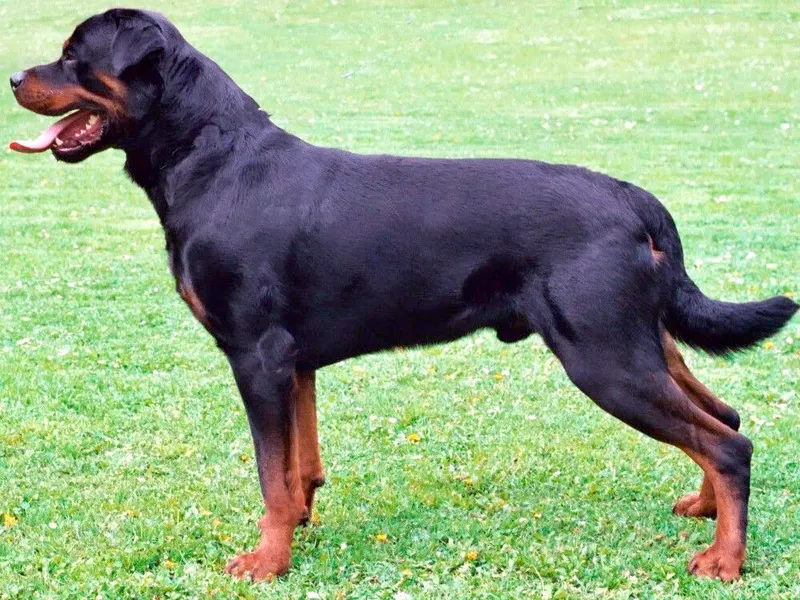
Rottweiler
Working
80–135 lbs · 8–10 yrs
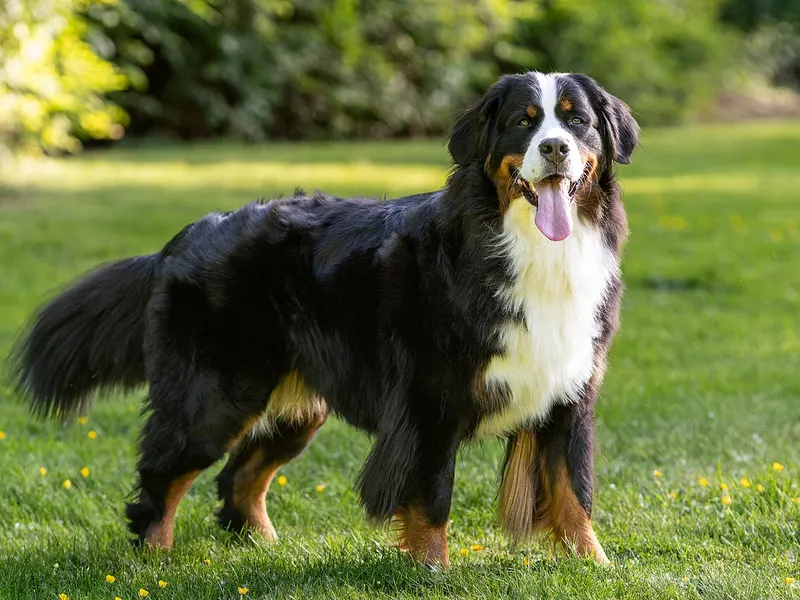
Bernese Mountain Dog
Working
70–115 lbs · 7–10 yrs
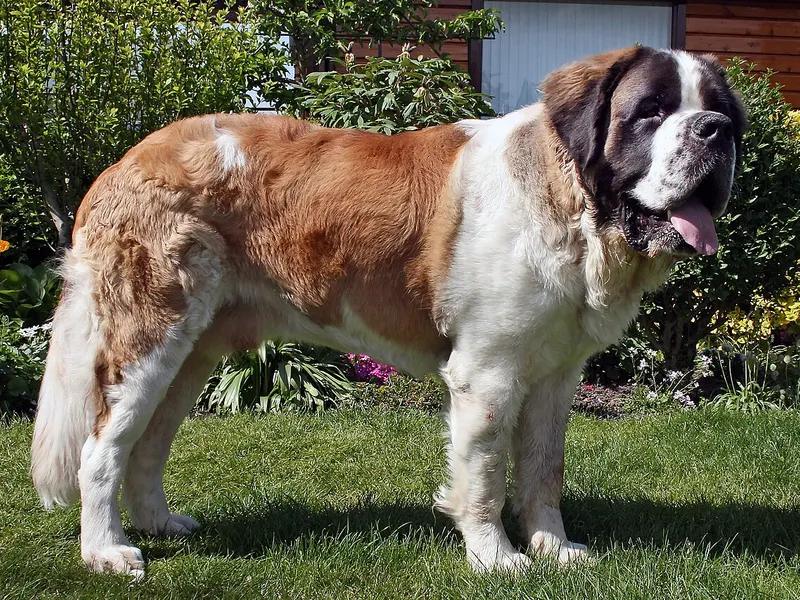
Saint Bernard
Working
120–180 lbs · 8–10 yrs
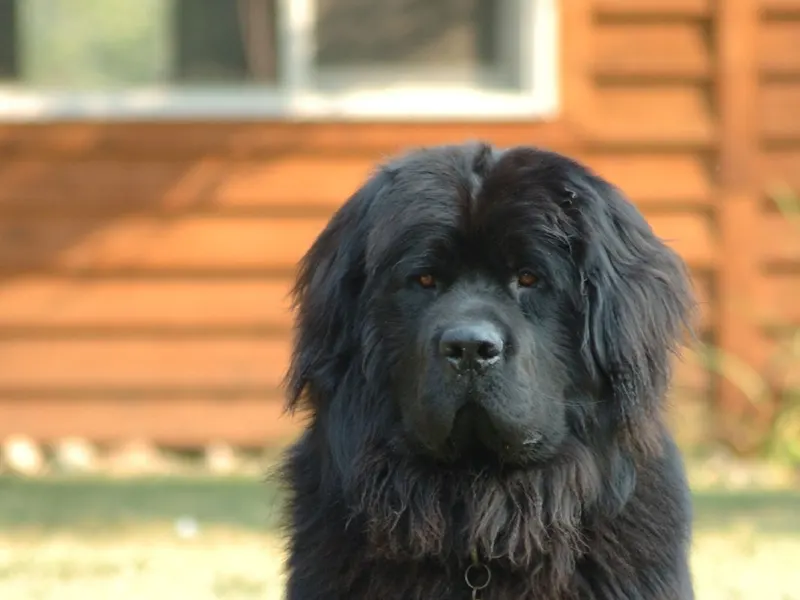
Newfoundland
Working
100–150 lbs · 9–10 yrs
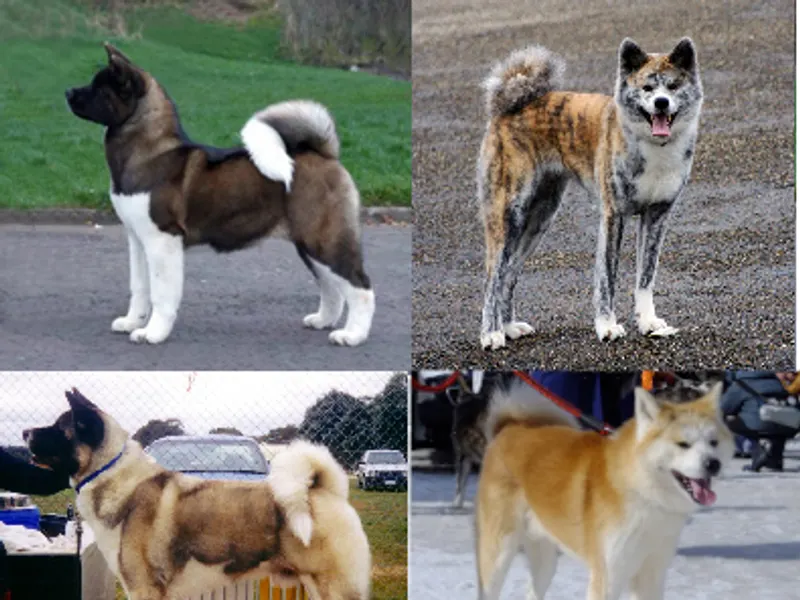
Akita
Working
70–130 lbs · 10–13 yrs
Mastiff
Working
120–230 lbs · 6–10 yrs
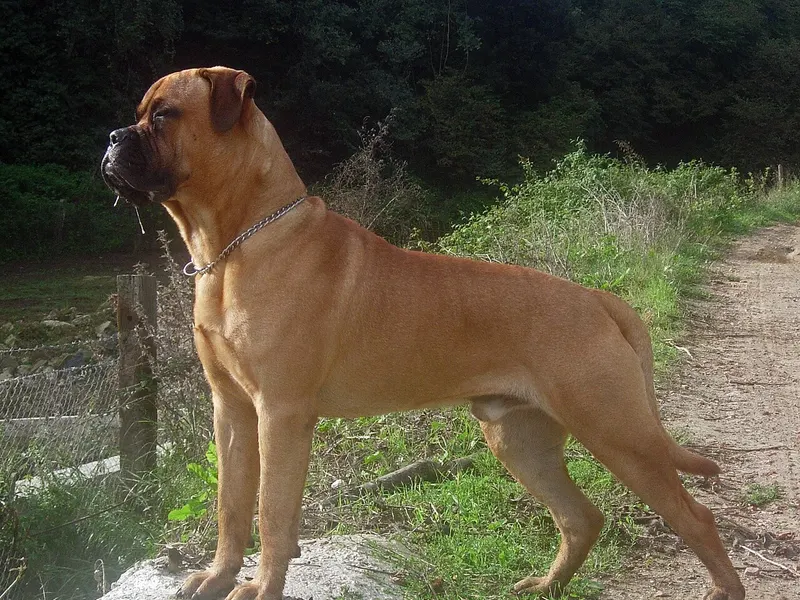
Bullmastiff
Working
100–130 lbs · 7–9 yrs
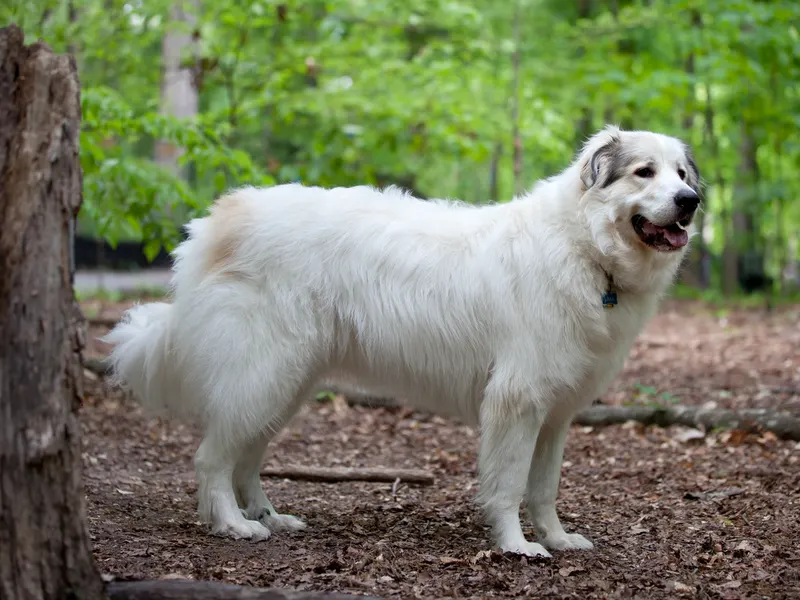
Great Pyrenees
Working
85–115 lbs · 10–12 yrs
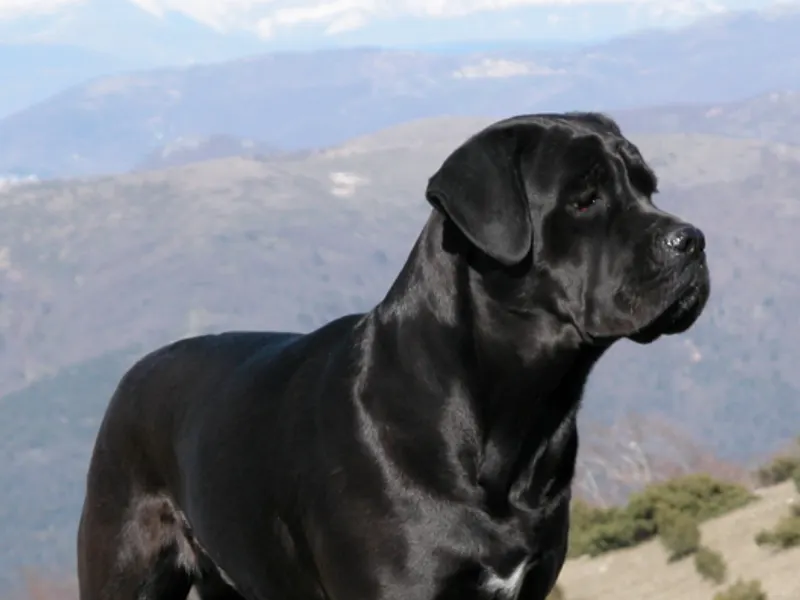
Cane Corso
Working
88–120 lbs · 9–12 yrs
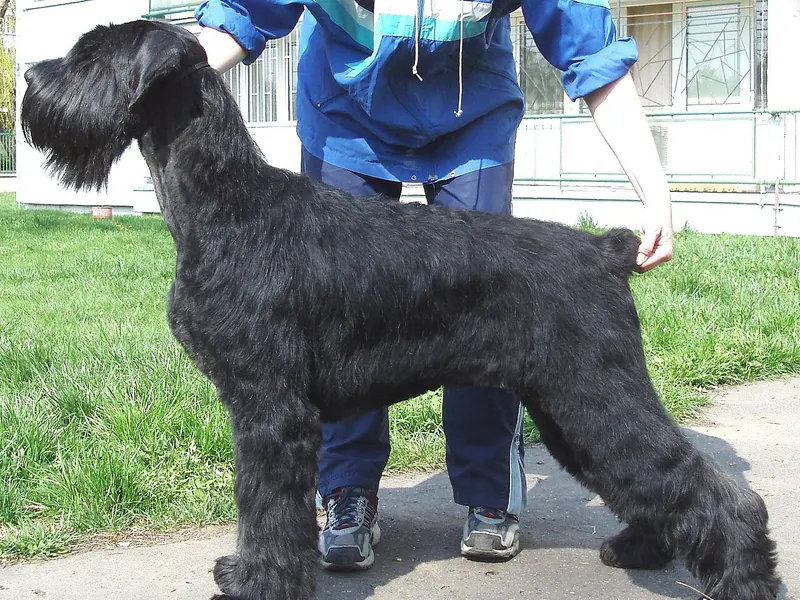
Giant Schnauzer
Working
55–85 lbs · 12–15 yrs
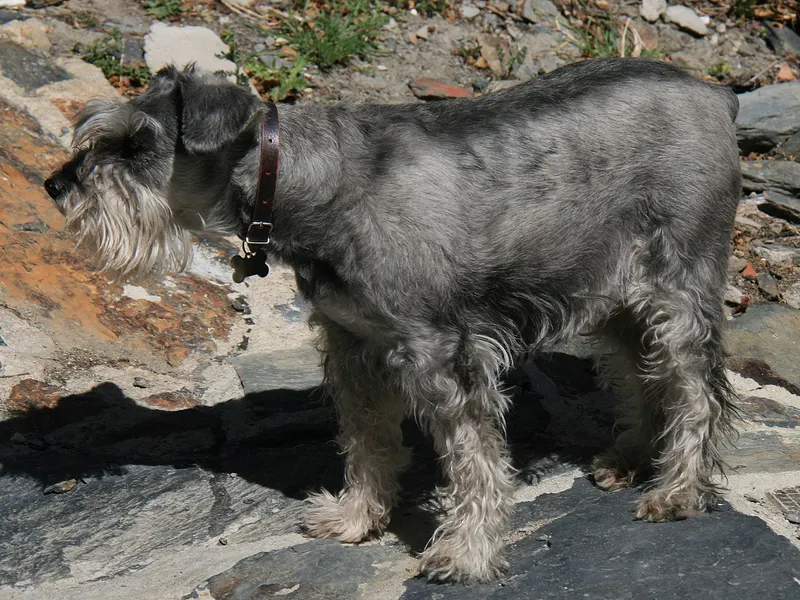
Standard Schnauzer
Working
30–50 lbs · 13–16 yrs
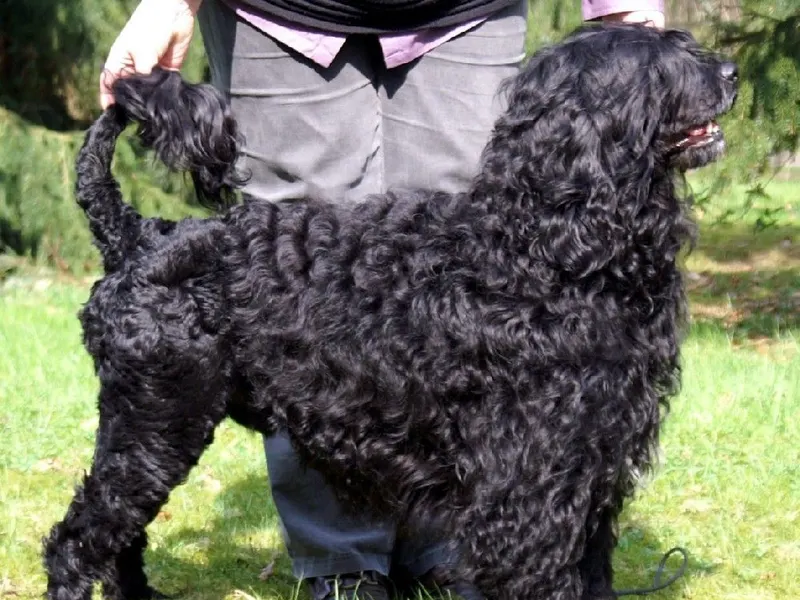
Portuguese Water Dog
Working
35–60 lbs · 11–13 yrs
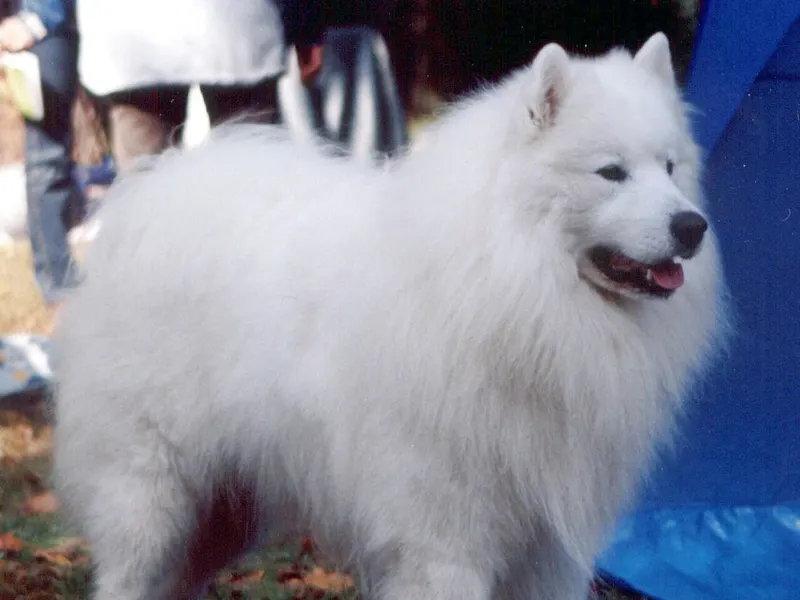
Samoyed
Working
35–65 lbs · 12–14 yrs
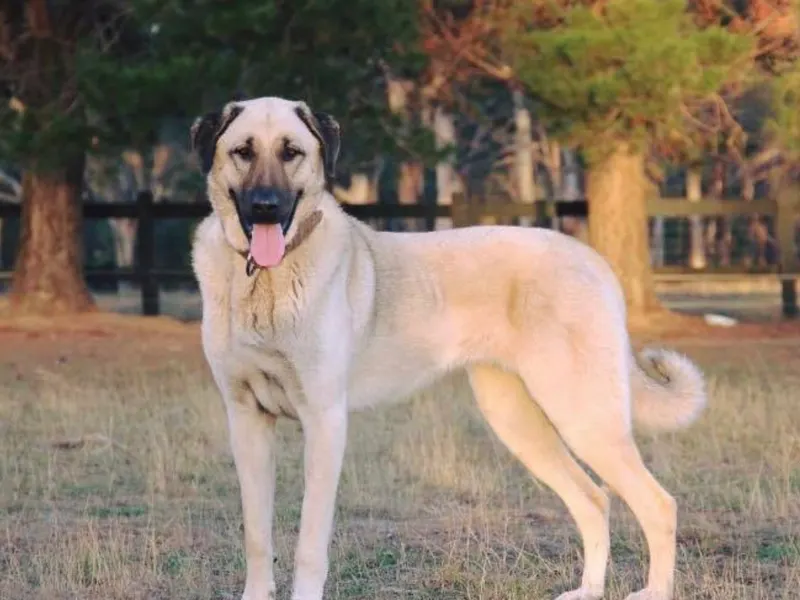
Anatolian Shepherd Dog
Working
80–150 lbs · 11–13 yrs
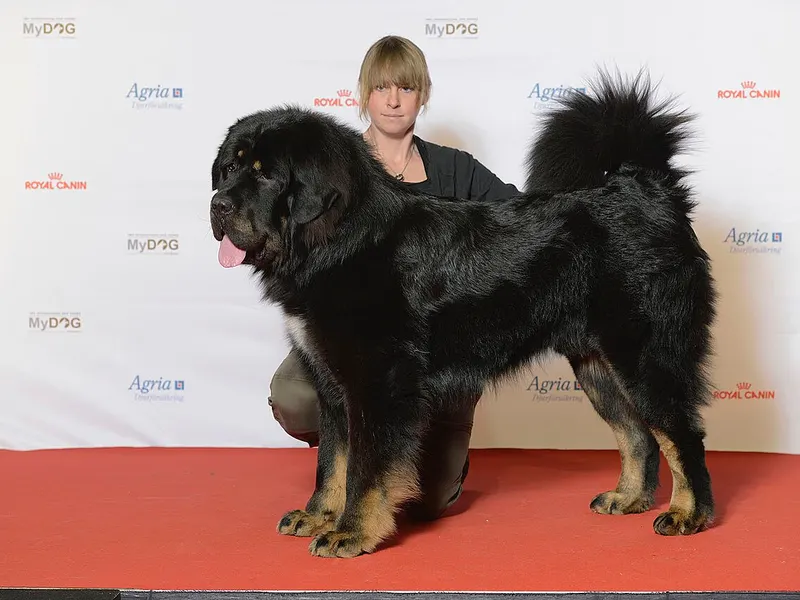
Tibetan Mastiff
Working
70–150 lbs · 10–12 yrs
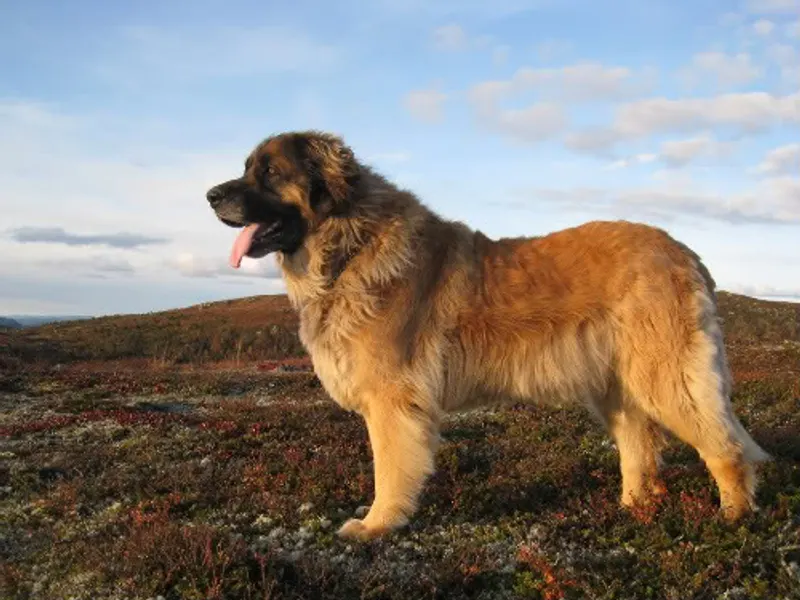
Leonberger
Working
90–170 lbs · 7–9 yrs
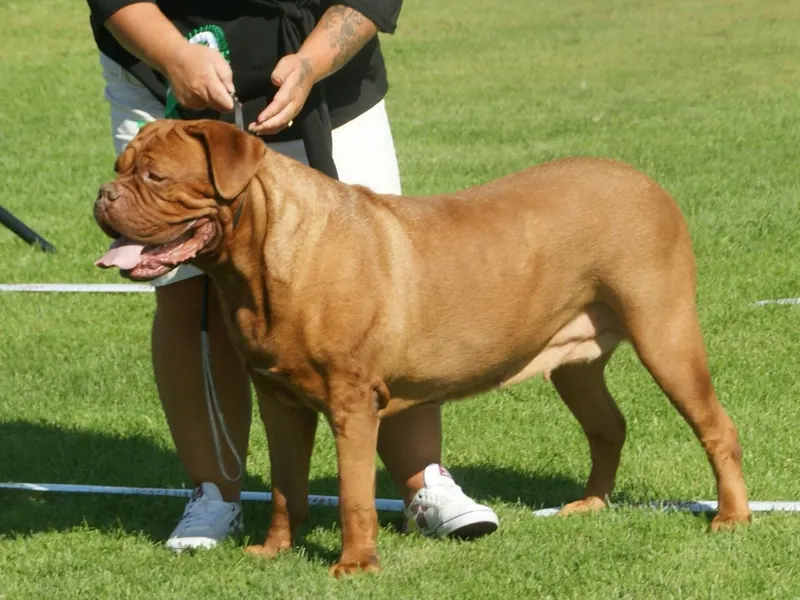
Dogue de Bordeaux
Working
99–110 lbs · 5–8 yrs
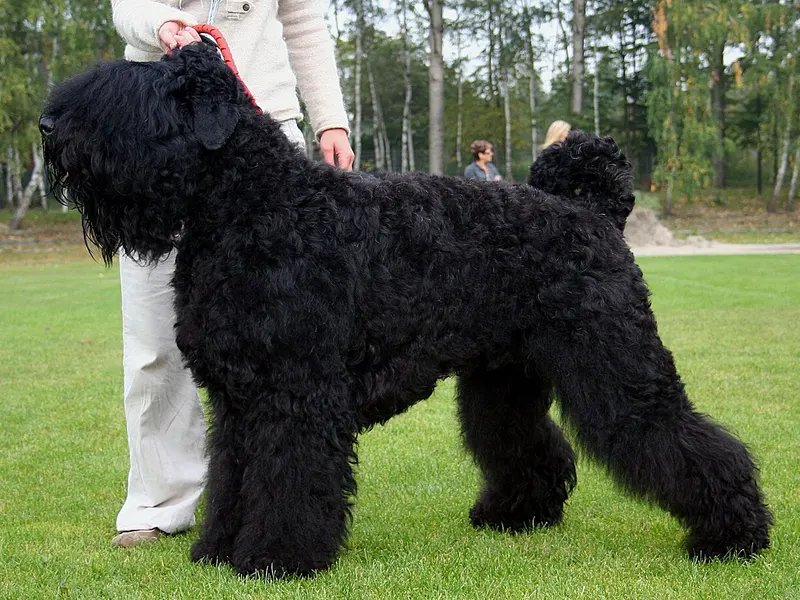
Black Russian Terrier
Working
80–140 lbs · 10–12 yrs
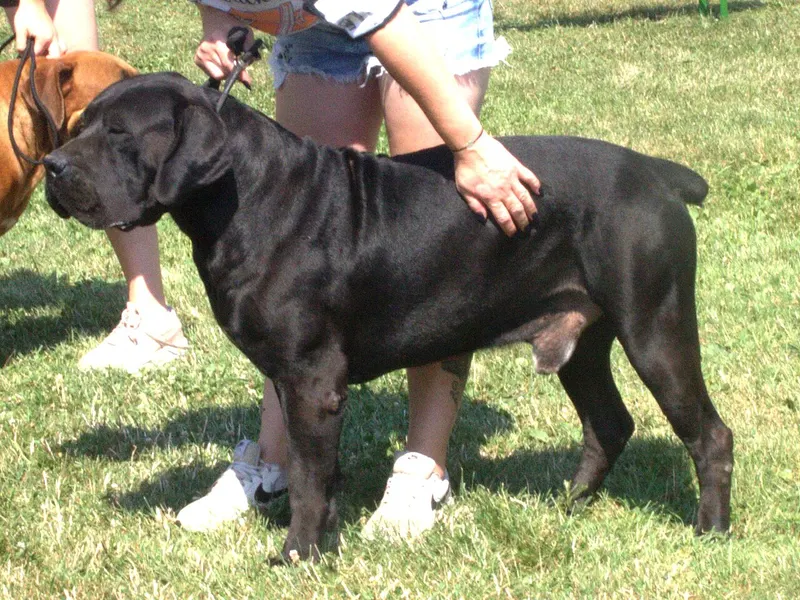
Boerboel
Working
150–200 lbs · 9–11 yrs
Chinook
Working
50–90 lbs · 12–15 yrs
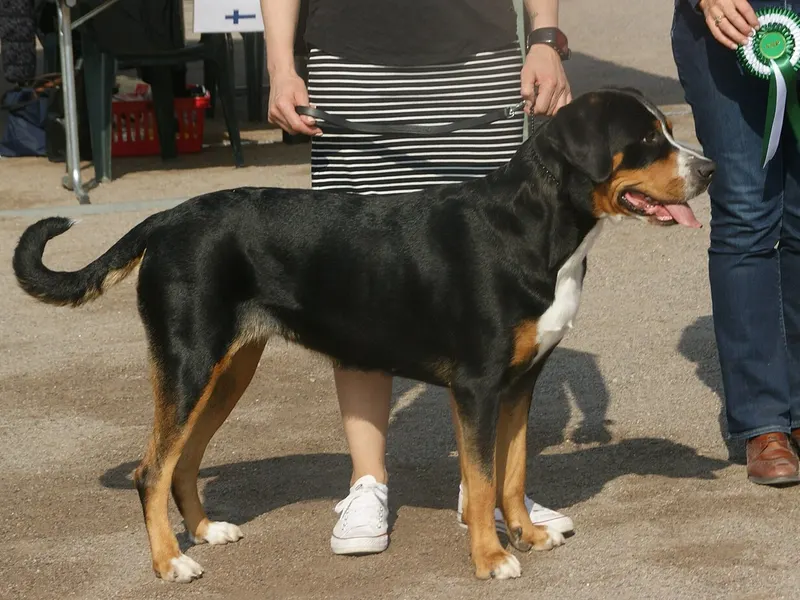
Greater Swiss Mountain Dog
Working
85–140 lbs · 8–11 yrs
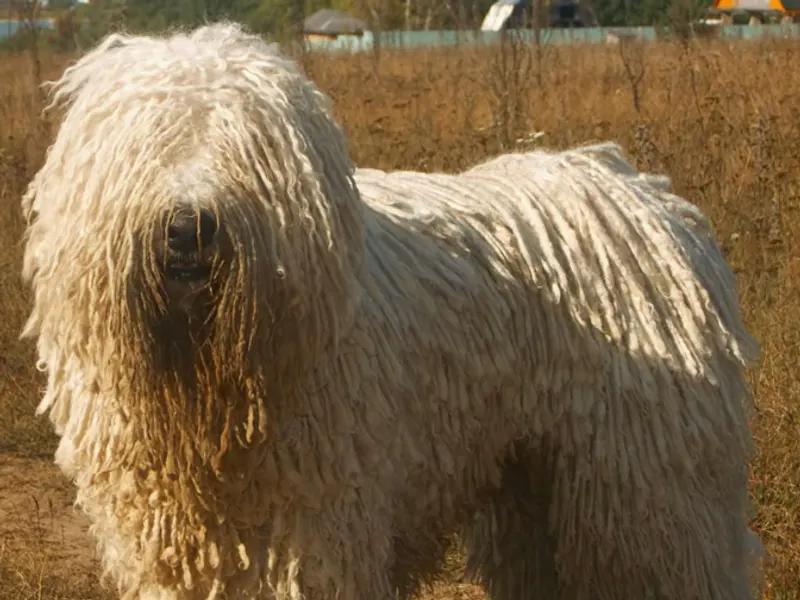
Komondor
Working
80–100 lbs · 10–12 yrs
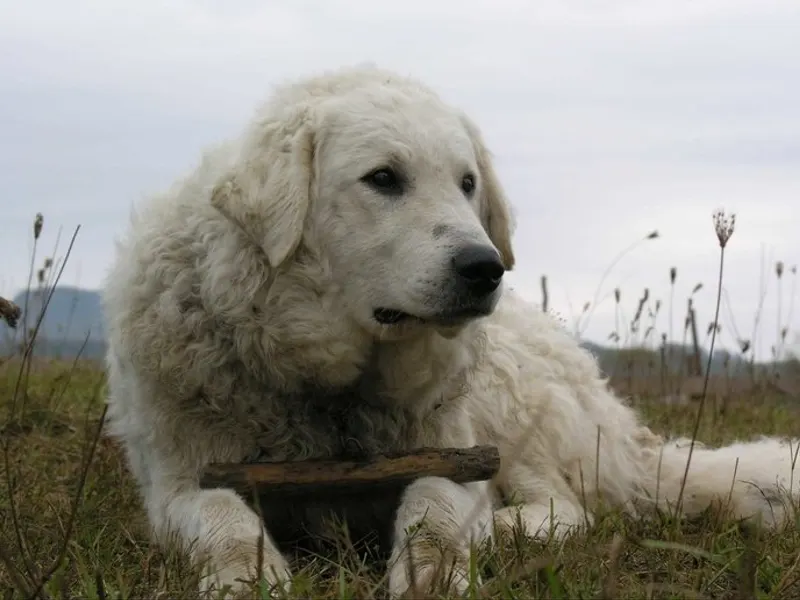
Kuvasz
Working
70–115 lbs · 10–12 yrs
Neapolitan Mastiff
Working
110–150 lbs · 7–9 yrs
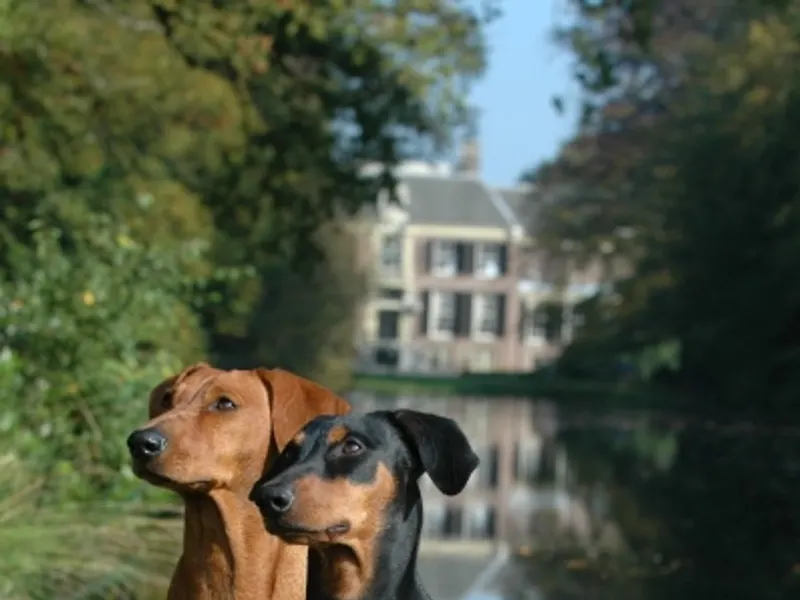
German Pinscher
Working
25–45 lbs · 12–14 yrs
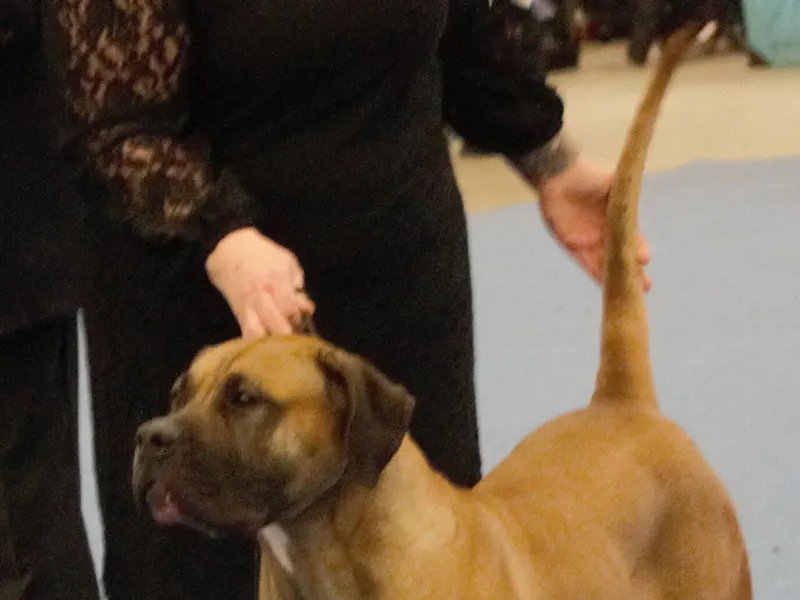
Presa Canario
Working
80–130 lbs · 9–11 yrs
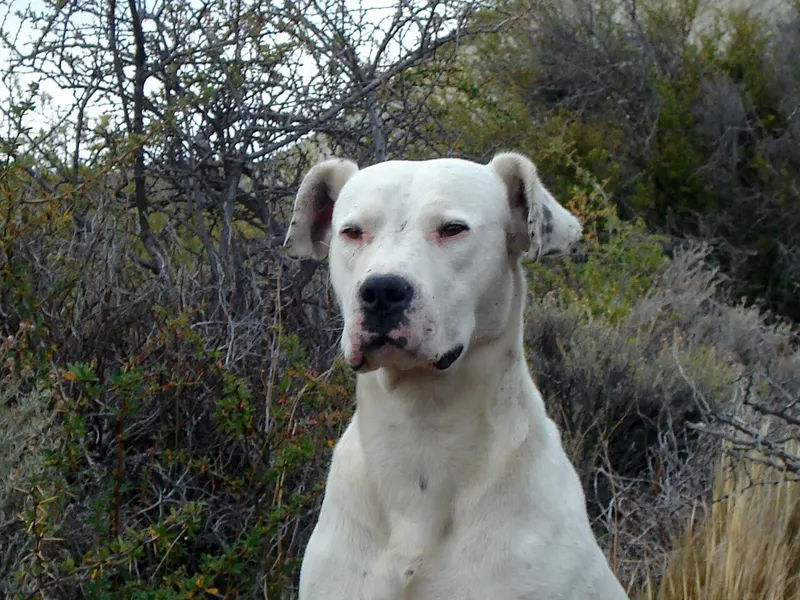
Dogo Argentino
Working
80–100 lbs · 9–15 yrs
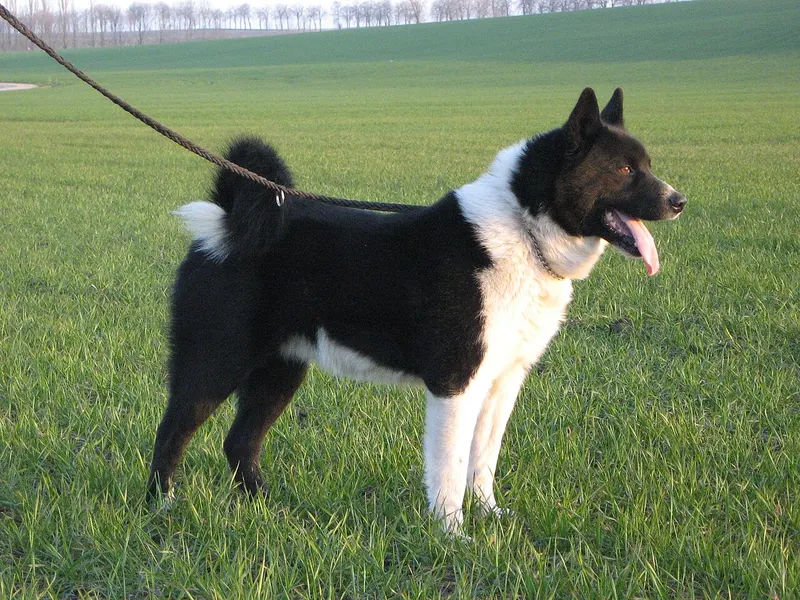
Karelian Bear Dog
Working
44–50 lbs · 11–13 yrs
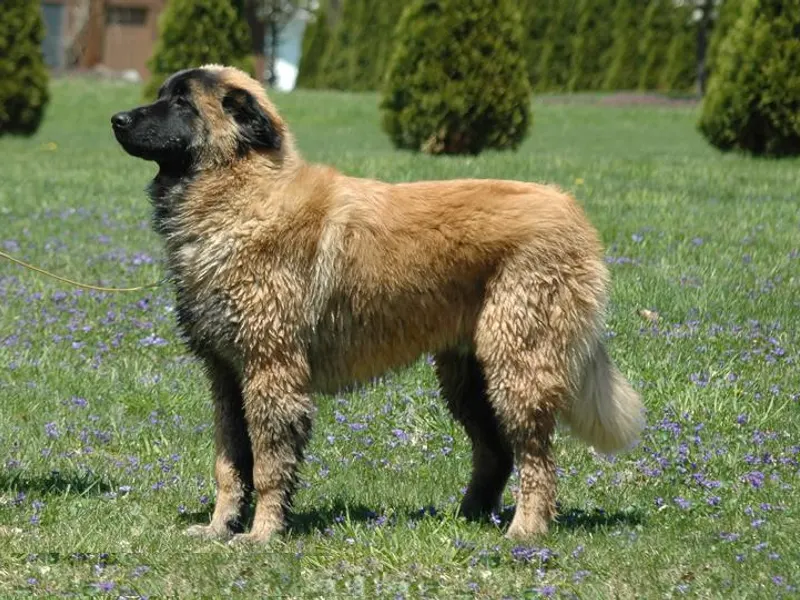
Estrela Mountain Dog
Working
66–110 lbs · 10–12 yrs
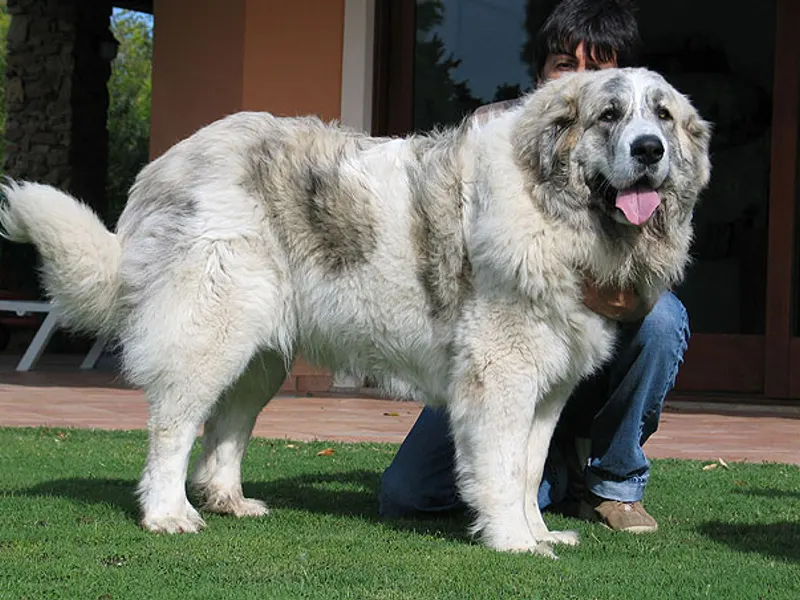
Pyrenean Mastiff
Working
120–240 lbs · 10–11 yrs