Shorthair Cat Breeds
30 breeds in this group.
Shorthair is the overwhelmingly dominant coat type in the domestic cat world — the large majority of both pedigreed breeds and the mixed-ancestry Domestic Shorthair population carry it — and while "shorthair" sounds like it should describe one simple, uniform coat, the actual texture, density, and care needs vary considerably across breeds depending on each one's specific genetic background and original working or show history. The plush, dense shorthair coats found in breeds like the British Shorthair, American Shorthair, Chartreux, and Russian Blue carry a notably thick undercoat beneath the visible outer hairs, giving these breeds a genuinely substantial, "teddy bear" feel despite the short overall length, and this density means these coats, while low-maintenance relative to any long-haired breed, still benefit from weekly brushing to manage loose undercoat, particularly during spring and fall seasonal shedding periods when the volume of hair coming out increases noticeably. The Russian Blue's dense double coat in particular is often cited as an adaptation to its likely cold-climate northern Russian origins, giving it genuine insulating properties beyond what a typical single-layer shorthair coat provides. The finer, single-layer shorthair coats found in the Siamese, Oriental Shorthair, Abyssinian, Bengal, and most of the slender foreign and oriental body-type breeds discussed elsewhere on this site lie close against the body with minimal undercoat, and this coat type is genuinely the lowest-maintenance in the entire cat fancy — a quick weekly wipe-down or brush is generally sufficient, and shedding volume, while never zero, is noticeably lower than in the denser plush-coated breeds. The Abyssinian's coat carries an additional distinctive feature separate from length: individual hairs are "ticked," banded with two or more alternating colors along each hair shaft, a genetic trait shared with its long-haired sibling breed the Somali and producing the shimmering, agouti-like appearance associated with both. The wire and rex-textured shorthair coats — American Wirehair, Cornish Rex, Devon Rex, Selkirk Rex — represent distinct genetic mutations layered onto an otherwise short coat length, each discussed at greater length on this site's dedicated Rex body-type hub, and each carries meaningfully different care needs from the standard shorthair breeds despite the shared "short" length classification: the Cornish and Devon Rex in particular have thinner overall coats than their curl-free counterparts, given their reduced or absent guard hairs, and run more cold-sensitive as a result, needing warmer indoor conditions and sometimes protective layers in cold weather despite technically being shorthaired breeds. The Domestic Shorthair, the catch-all classification for the large population of mixed-ancestry cats without deliberately bred pedigree, represents by far the largest population of shorthaired cats in North America and shows the widest genuine coat variation of any single "breed" category on this site, since it draws on an essentially unrestricted genetic pool rather than the narrowed gene pool of a deliberately bred pedigree line — a Domestic Shorthair's coat can range from fine and single-layered to dense and plush depending entirely on that individual cat's specific mixed ancestry, which is a useful reminder that pedigree status, not coat length alone, is what predicts a consistent, predictable coat texture from one individual to the next. Across nearly every breed in this category, shorthair coats share the practical advantage of being the lowest-maintenance coat type available in the cat world — minimal matting risk, generally lower professional grooming needs, and easier at-home care than any long-haired equivalent — which makes this coat type a reasonable default recommendation for first-time cat owners or households without much time for daily grooming, though it's worth remembering that low grooming maintenance doesn't correlate with low shedding volume in every case, since the denser plush-coated shorthair breeds can shed a meaningful amount of hair despite requiring comparatively little brushing time to manage it. It's worth being specific about shedding management across the shorthair category, since even the lowest-maintenance coat types benefit from some routine rather than none at all. A weekly session with a rubber grooming mitt or a fine-toothed flea comb, even on the lowest-shedding fine-coated breeds like the Siamese or Abyssinian, helps distribute natural skin oils and catches loose hair before it accumulates on furniture, and it doubles as a useful opportunity to check for skin issues, parasites, or lumps early. For the denser plush-coated breeds — British Shorthair, American Shorthair, Chartreux — stepping that routine up to two or three times weekly during spring and fall shedding seasons meaningfully reduces the loose-hair volume around the home compared with brushing only occasionally. Bathing needs for shorthaired cats are generally minimal to nonexistent for healthy adults with normal grooming habits, since cats are naturally efficient self-groomers and most shorthaired breeds' coats don't trap dirt or oil the way a longhaired coat can — an important practical advantage of this coat category worth naming directly for anyone weighing shorthair against longhair options primarily on maintenance grounds. The main exceptions are the rex and hairless-adjacent shorthair breeds discussed above, whose reduced or absent guard hairs mean the skin's natural oils aren't absorbed and distributed the normal way, requiring the more frequent bathing routine described on this site's dedicated Rex body-type hub. Dental and general health monitoring matters across every coat length, but it's worth mentioning here specifically because a shorthaired cat's easier-to-inspect coat and skin can make it simpler for an owner to spot early signs of weight change, skin issues, or parasites during routine handling than it would be through a dense longhaired coat, a genuine, if secondary, practical advantage of the shorthair category for owners wanting to stay closely attuned to a cat's physical condition through regular petting and handling alone, without needing to part thick fur to check the skin underneath. Because shorthaired cats represent the large majority of shelter and rescue populations, adoption is worth highlighting as a genuinely strong option for anyone drawn to this coat category specifically for its low-maintenance appeal, since a shorthaired adult cat's coat condition, unlike a longhaired cat's, is rarely a factor complicating adoption the way matting or grooming neglect sometimes can be with a longhaired cat that's spent time in a shelter environment without regular brushing. Seasonal shedding, while generally less dramatic in shorthaired cats than in the denser plush or double-coated breeds, still increases noticeably in spring and fall for most breeds in this category, and a brief uptick in brushing frequency during those transition periods remains worthwhile even for the lowest-shedding fine-coated breeds like the Siamese or Abyssinian, since even a modest seasonal increase in loose hair is easier to manage with slightly more frequent attention than left to accumulate on furniture and clothing. Coat health as a general wellness indicator is worth one further practical note: a shorthaired cat's coat condition, whether it looks glossy and smooth or dull and patchy, is often one of the first visible signs of an underlying diet, hydration, or health issue precisely because the coat is so easy to observe closely, giving attentive owners of shorthaired cats a genuinely useful, low-effort early-warning signal worth checking during any routine petting session. Because shorthaired cats groom themselves efficiently and generally need minimal owner intervention, some owners mistakenly assume no coat care is needed at all, but even the lowest-maintenance shorthair breed benefits from the occasional brushing session described above, both for shedding control and as a bonding opportunity between cat and owner. Regular, gentle brushing sessions, even on a coat that technically needs very little maintenance, also give an owner routine, low-stress physical contact that makes veterinary handling, nail trims, and other necessary care easier over a cat's lifetime, a benefit worth weighing alongside the purely practical shedding-control case for grooming even the most self-sufficient shorthaired breeds. Because shorthair coat texture itself varies so much across this category — from the Russian Blue's dense double coat to the Siamese's fine single layer to the Cornish Rex's curled texture — it's genuinely worth handling a specific breed in person before assuming any general "shorthair" description predicts exactly what a given cat will feel like, since the word covers a considerably wider range of actual tactile experience than its simplicity suggests. Breeders and rescue organizations alike generally encourage exactly this kind of in-person interaction before a final decision, both to confirm coat preference and to get a firsthand sense of an individual cat's temperament, which, as with every category discussed across this site, varies meaningfully by individual animal regardless of how consistent a breed's general reputation might be. Owners transitioning a cat from an outdoor or semi-outdoor lifestyle to fully indoor living sometimes notice a shorthaired coat becoming visibly glossier within weeks, likely reflecting more consistent nutrition and reduced environmental wear, a small but genuine before-and-after difference worth watching for as one practical sign that an indoor transition is going well for a specific cat. Because shorthaired cats represent such a broad slice of the overall cat population, their coat needs are also the best studied in general feline dermatology research, giving veterinarians a genuinely deep evidence base to draw on when advising owners of this coat type compared with some of the rarer coat mutations discussed elsewhere on this site. A useful rule of thumb for any first-time shorthair owner: if a coat looks glossy and lies flat with only a light weekly brushing, the current routine is almost certainly sufficient, and stepping it up further usually isn't necessary outside seasonal shedding peaks.
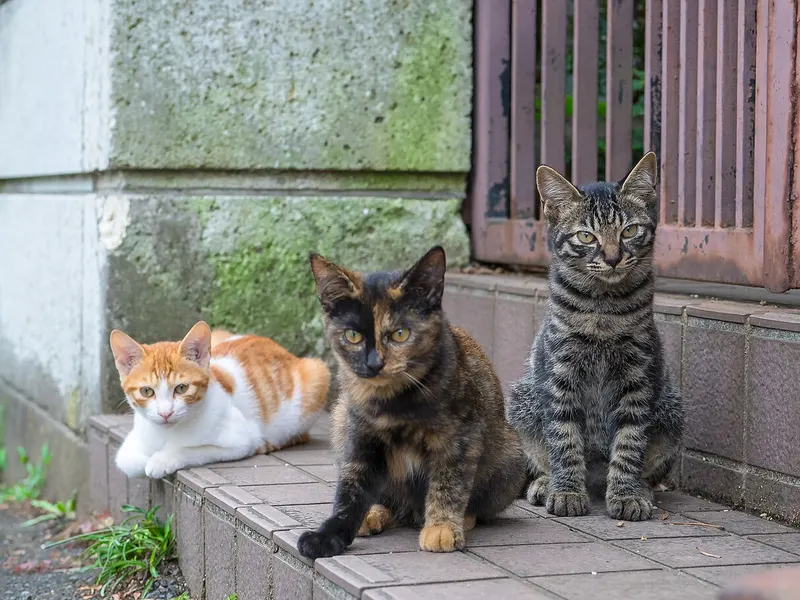
Domestic Shorthair
Semi-foreign
8–12 lbs · 12–18 yrs
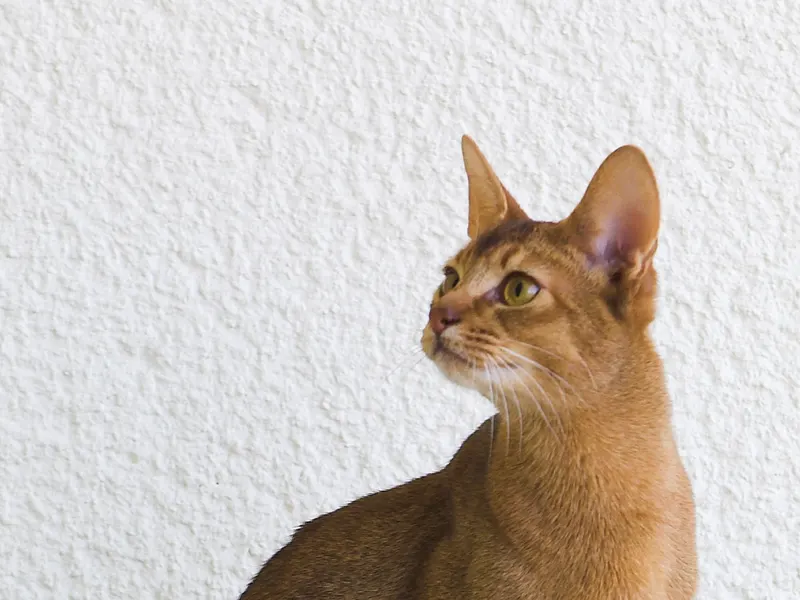
Abyssinian
Foreign
6–10 lbs · 9–15 yrs
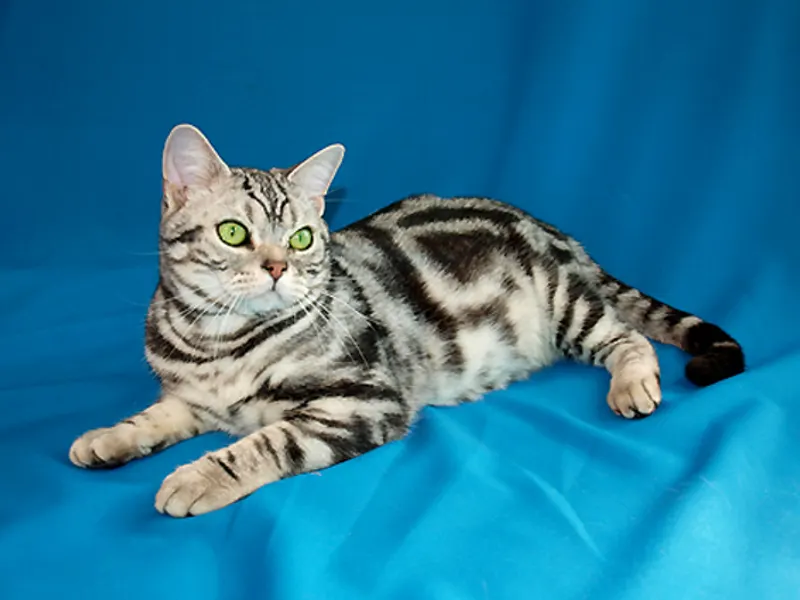
American Shorthair
Cobby
8–15 lbs · 15–20 yrs
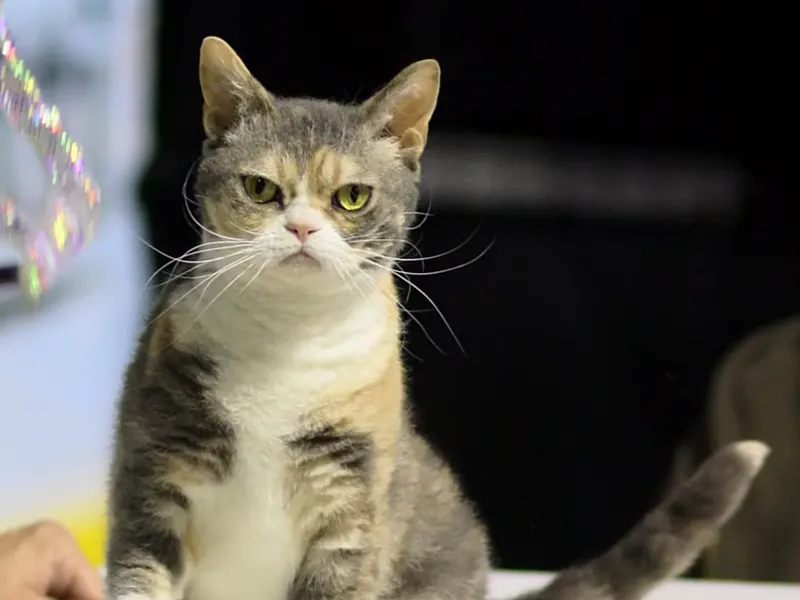
American Wirehair
Cobby
8–15 lbs · 14–18 yrs
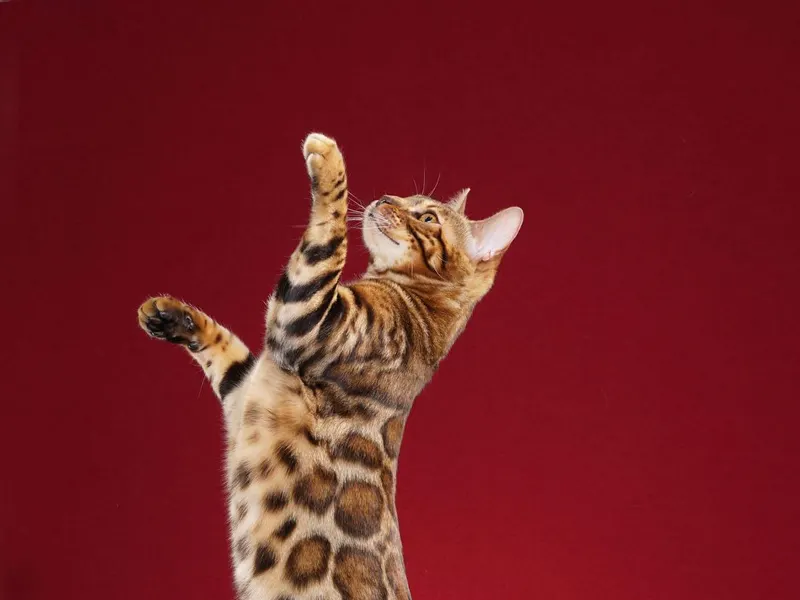
Bengal
Foreign
8–15 lbs · 12–16 yrs
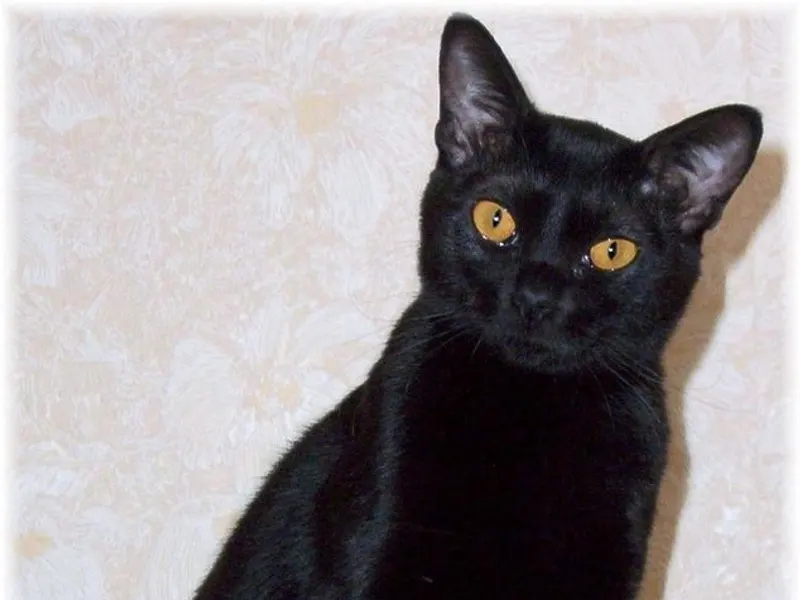
Bombay
Semi-cobby
6–11 lbs · 12–16 yrs
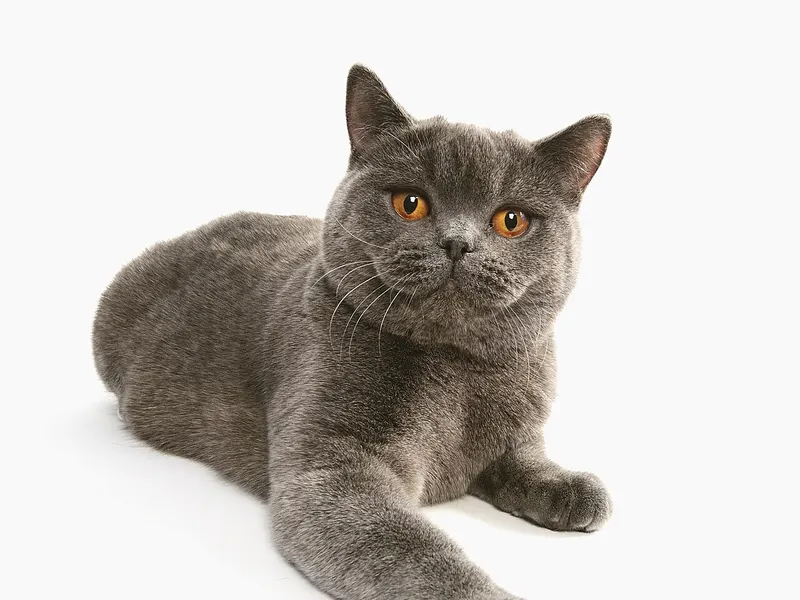
British Shorthair
Cobby
9–18 lbs · 12–17 yrs
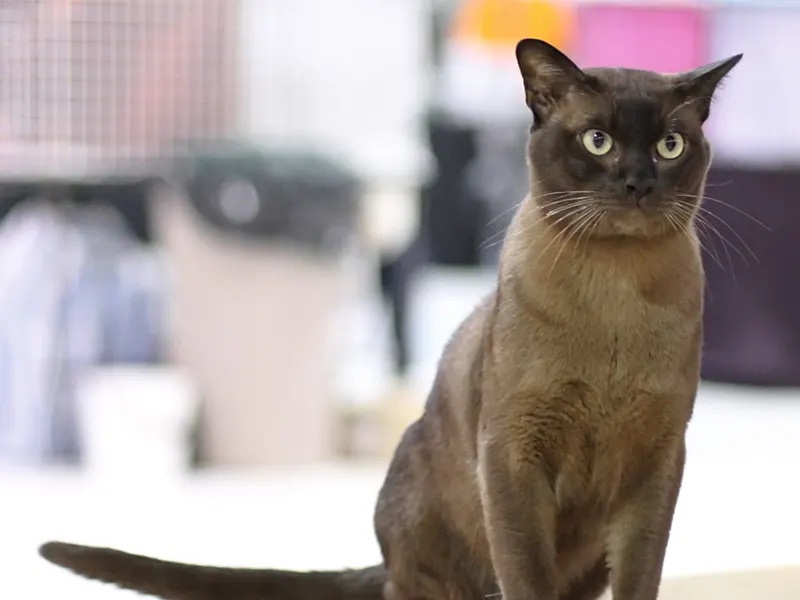
Burmese
Cobby
6–12 lbs · 10–16 yrs
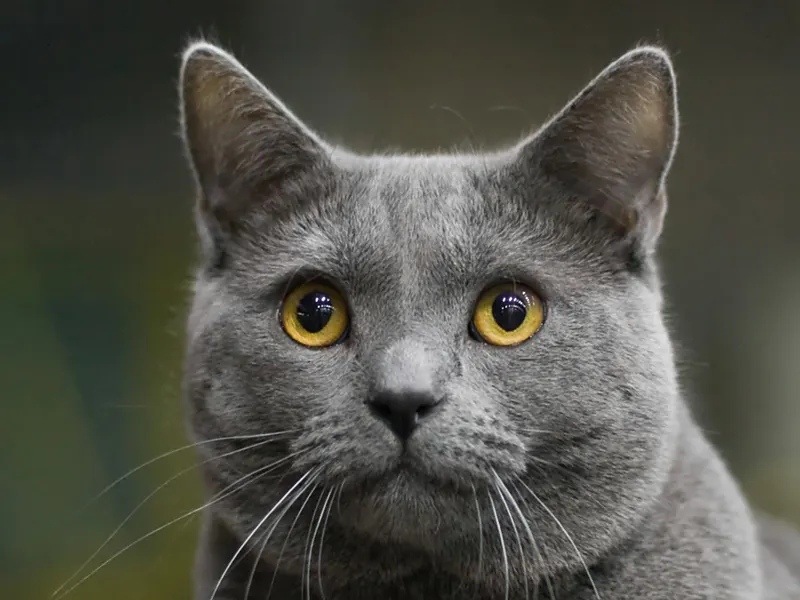
Chartreux
Semi-cobby
7–16 lbs · 12–15 yrs
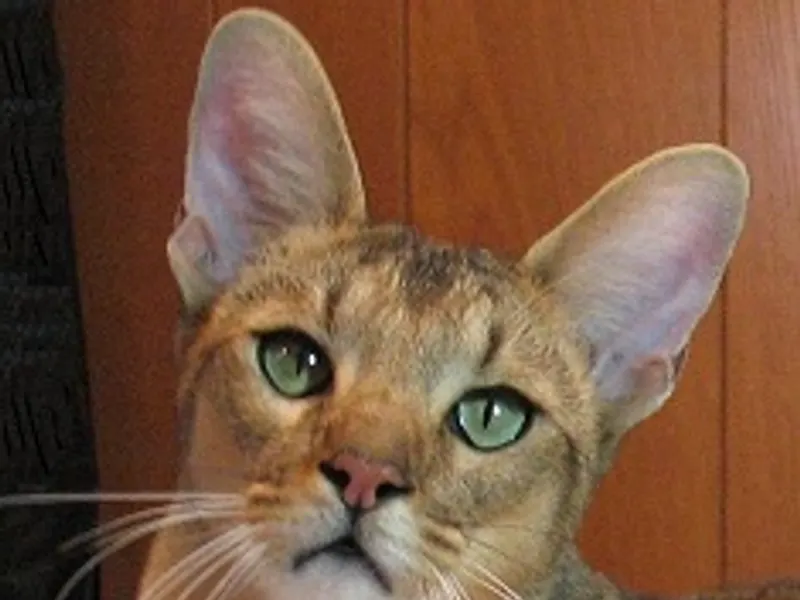
Chausie
Foreign
15–25 lbs · 12–15 yrs
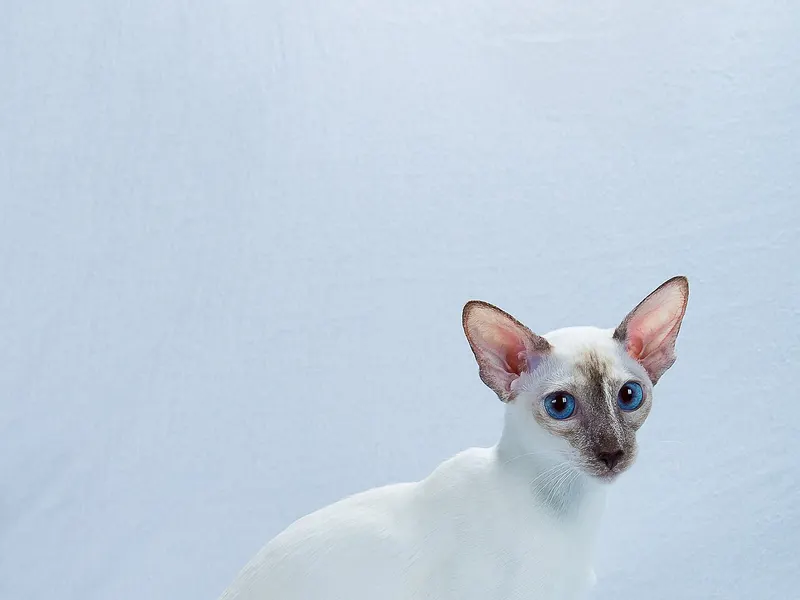
Colorpoint Shorthair
Oriental
6–10 lbs · 12–16 yrs
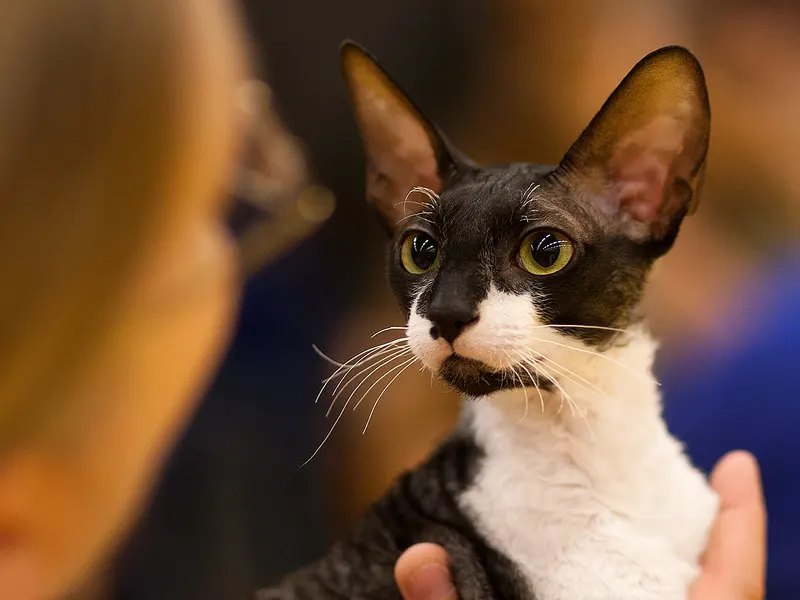
Cornish Rex
Rex
6–10 lbs · 11–15 yrs
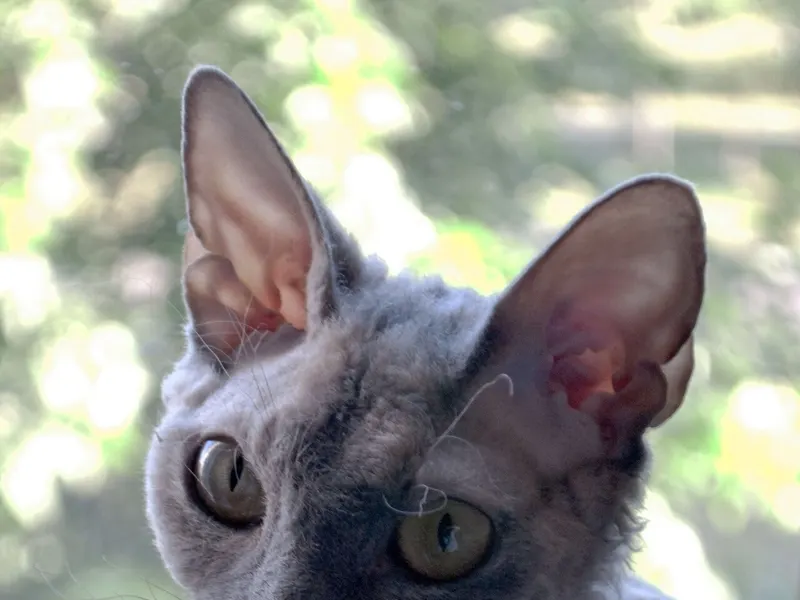
Devon Rex
Rex
6–9 lbs · 9–15 yrs
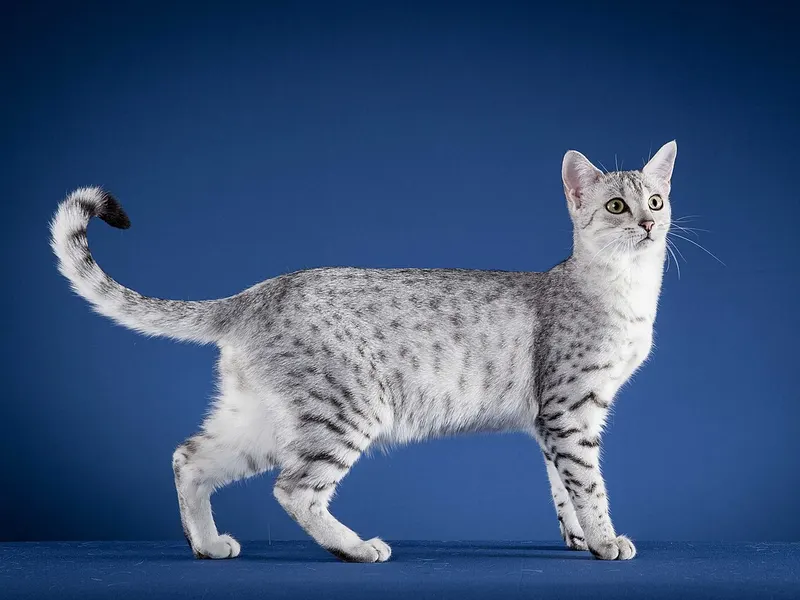
Egyptian Mau
Foreign
6–11 lbs · 12–15 yrs
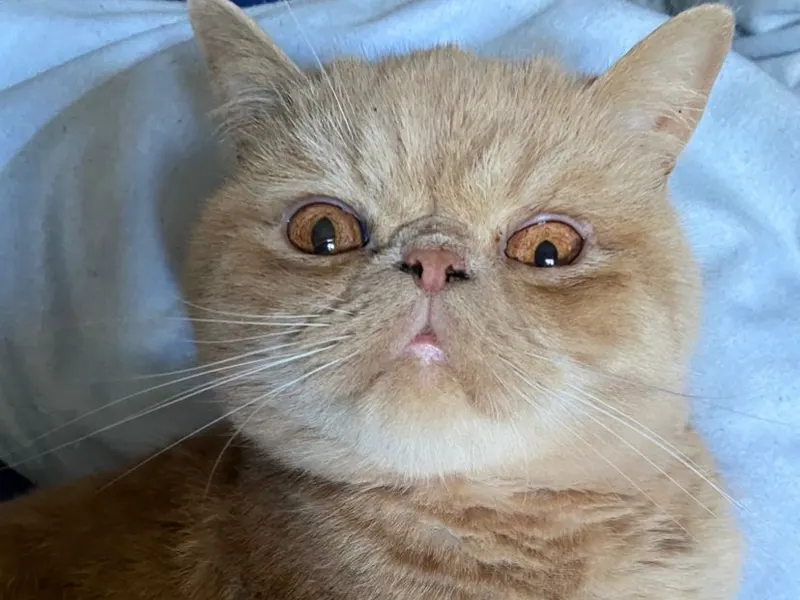
Exotic Shorthair
Cobby
7–14 lbs · 12–15 yrs
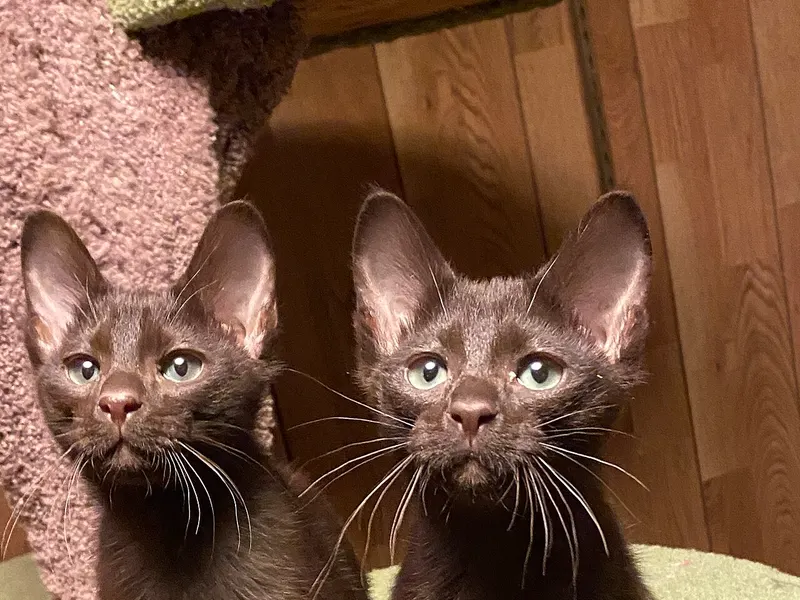
Havana Brown
Foreign
6–10 lbs · 9–15 yrs
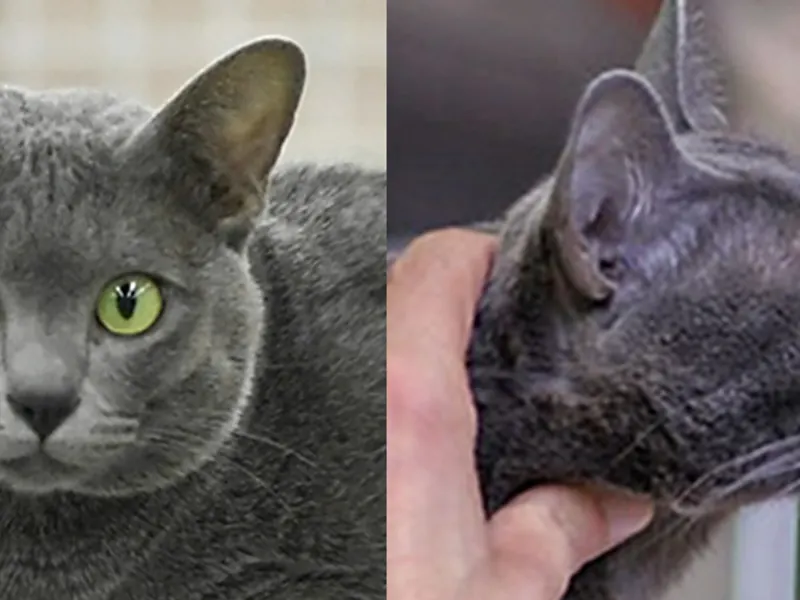
Korat
Foreign
6–10 lbs · 15–20 yrs
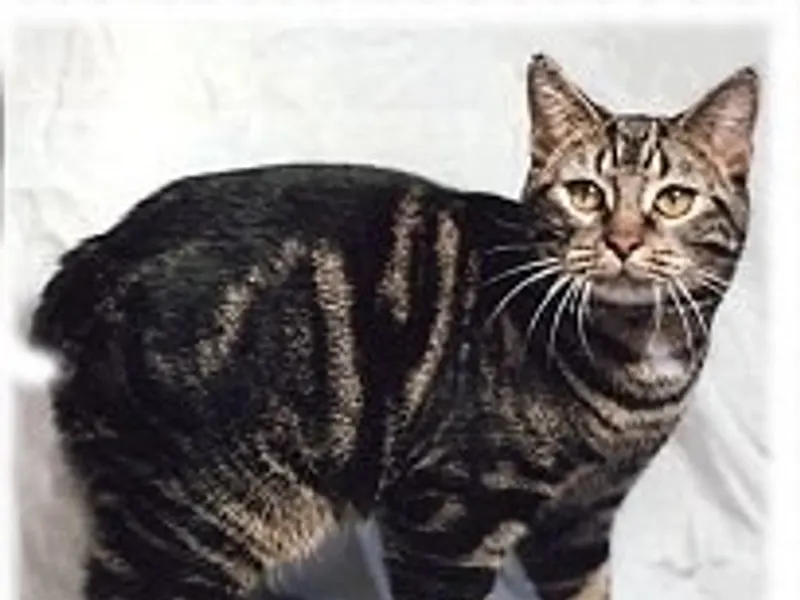
Manx
Cobby
8–12 lbs · 8–14 yrs
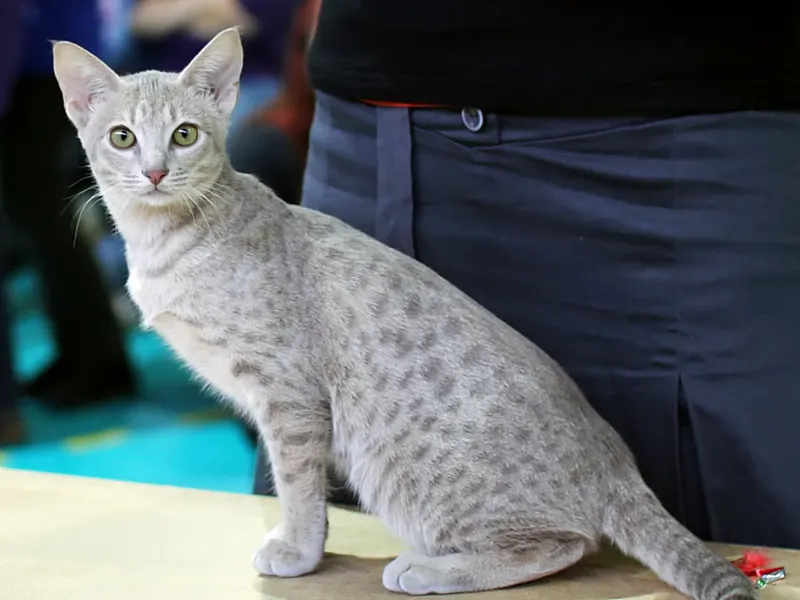
Ocicat
Foreign
6–15 lbs · 12–18 yrs
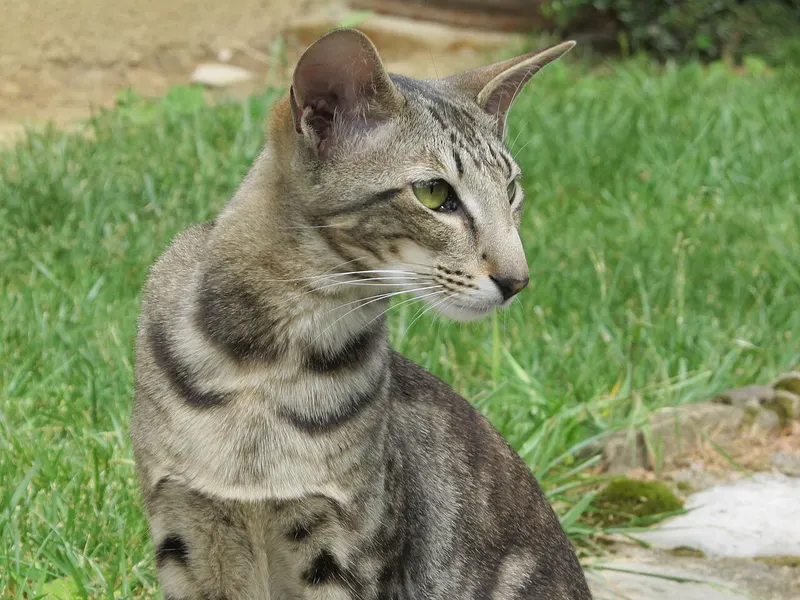
Oriental Shorthair
Oriental
6–10 lbs · 12–15 yrs
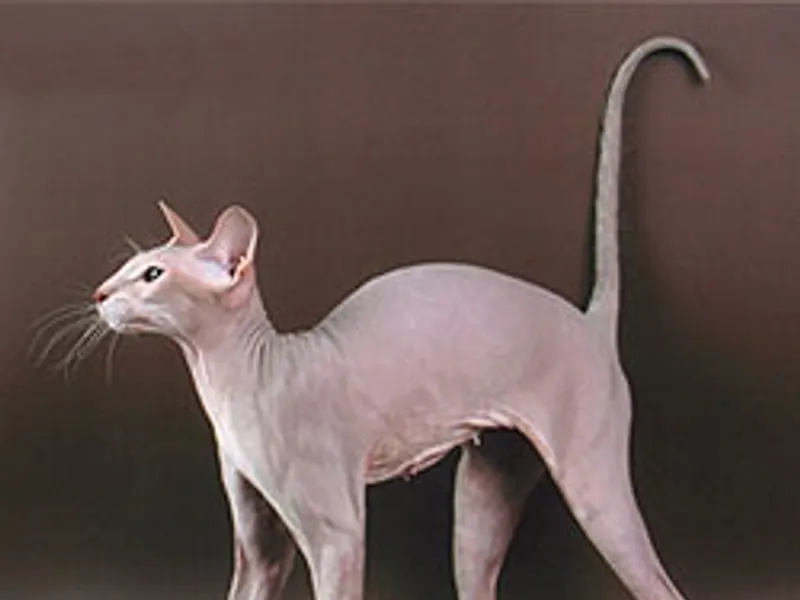
Peterbald
Rex
6–10 lbs · 12–15 yrs
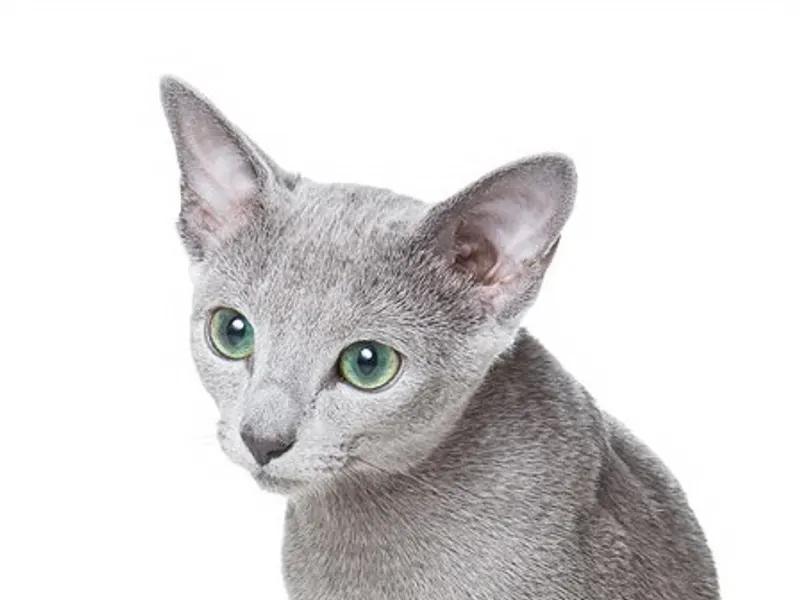
Russian Blue
Foreign
7–12 lbs · 15–20 yrs
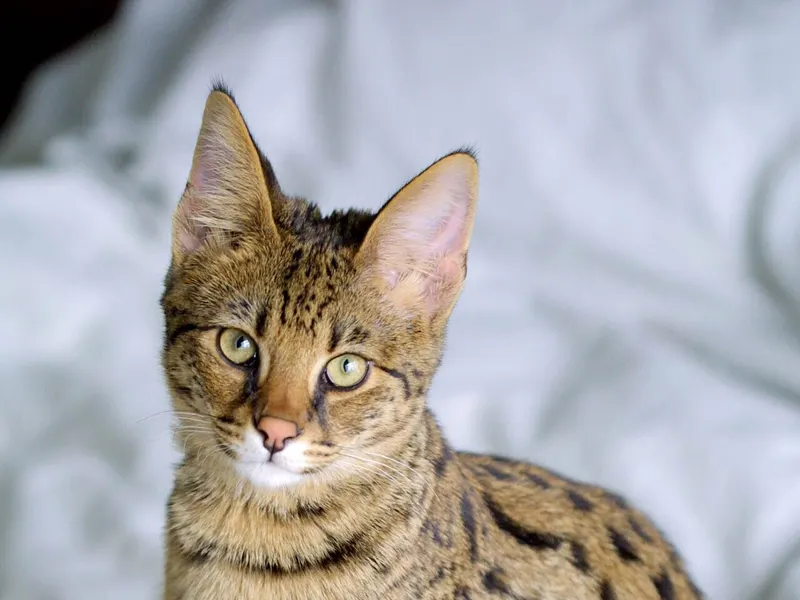
Savannah
Foreign
12–25 lbs · 12–20 yrs
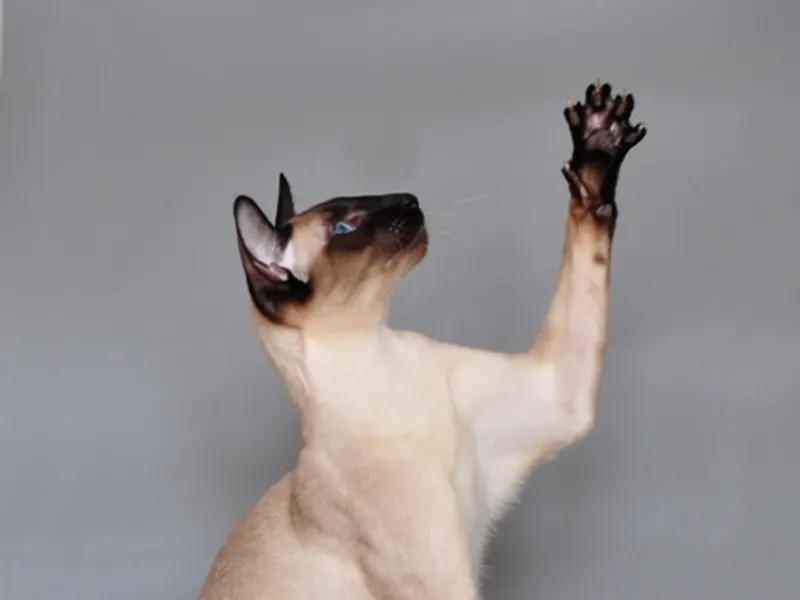
Siamese
Oriental
6–14 lbs · 12–20 yrs
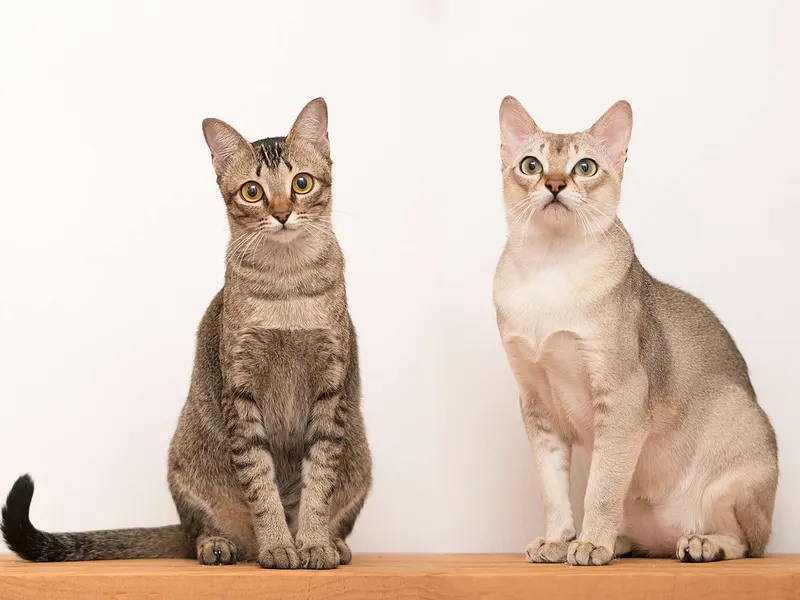
Singapura
Foreign
4–8 lbs · 12–16 yrs
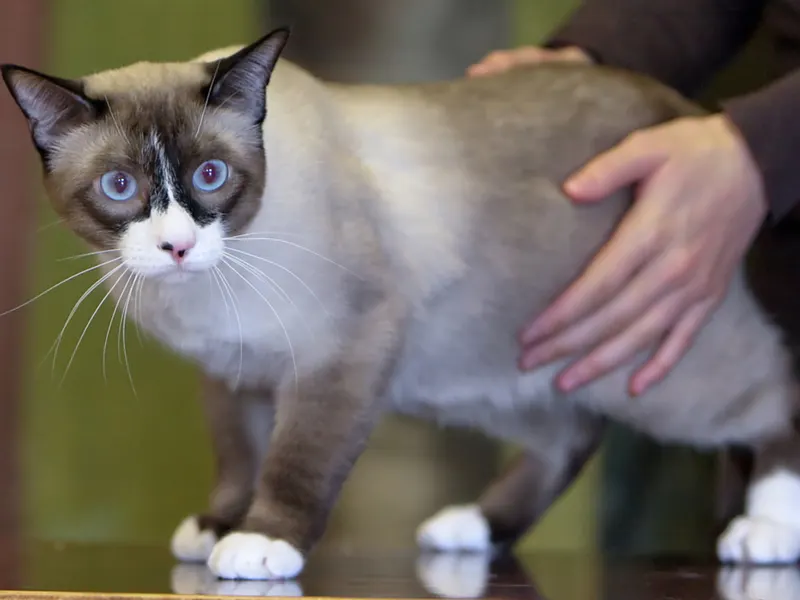
Snowshoe
Semi-cobby
7–12 lbs · 12–15 yrs
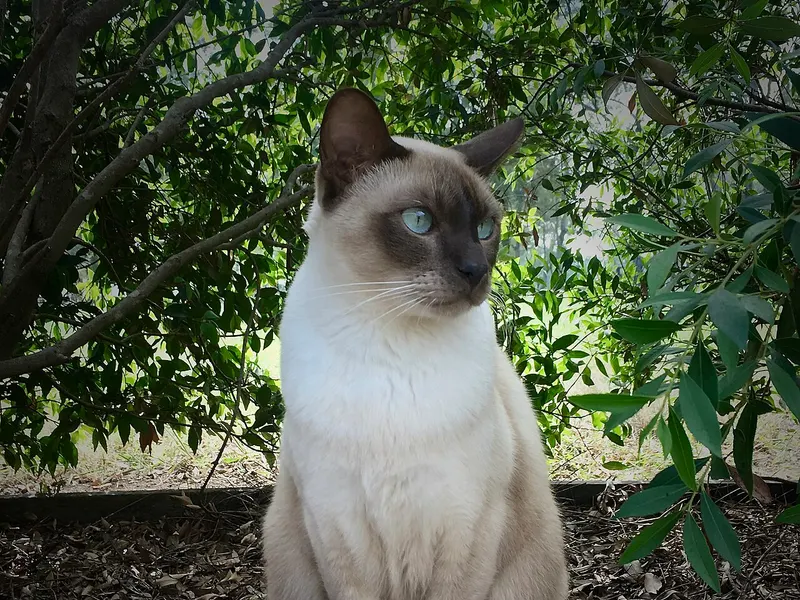
Tonkinese
Semi-foreign
6–12 lbs · 12–16 yrs
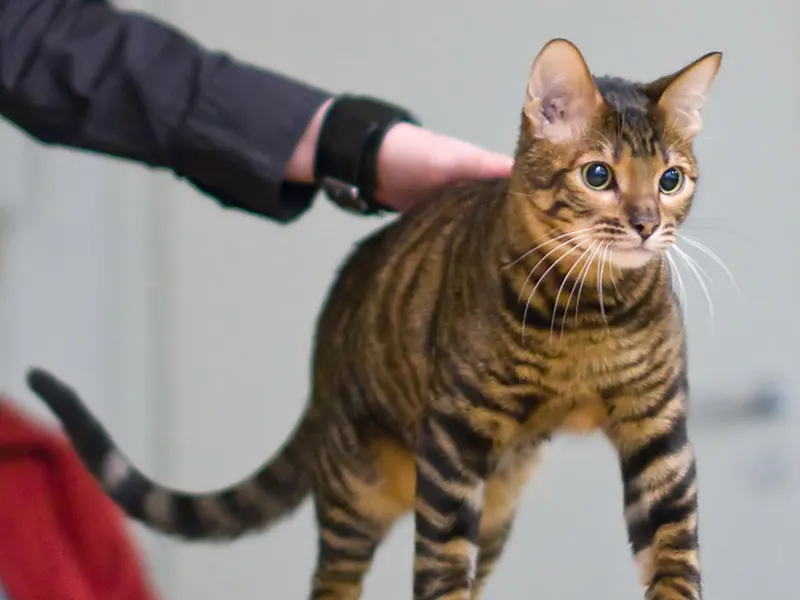
Toyger
Foreign
7–15 lbs · 12–15 yrs
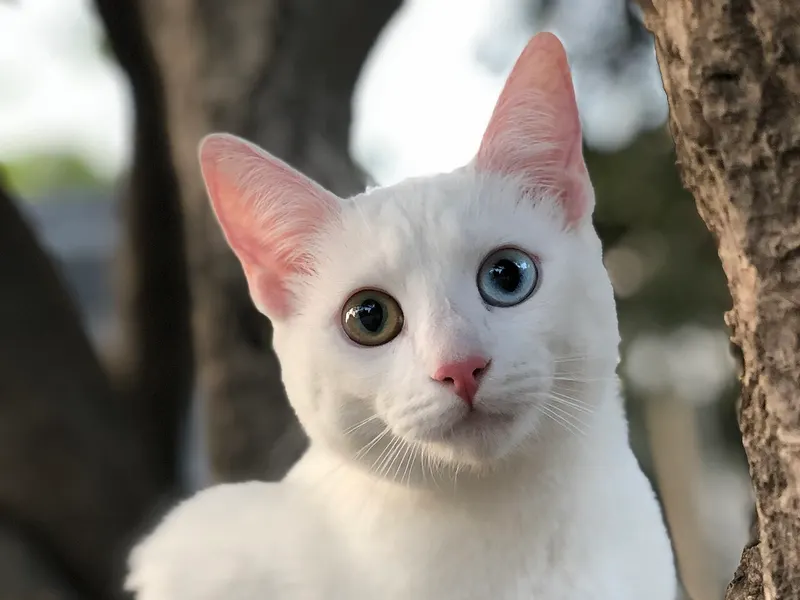
Khao Manee
Foreign
6–10 lbs · 10–15 yrs
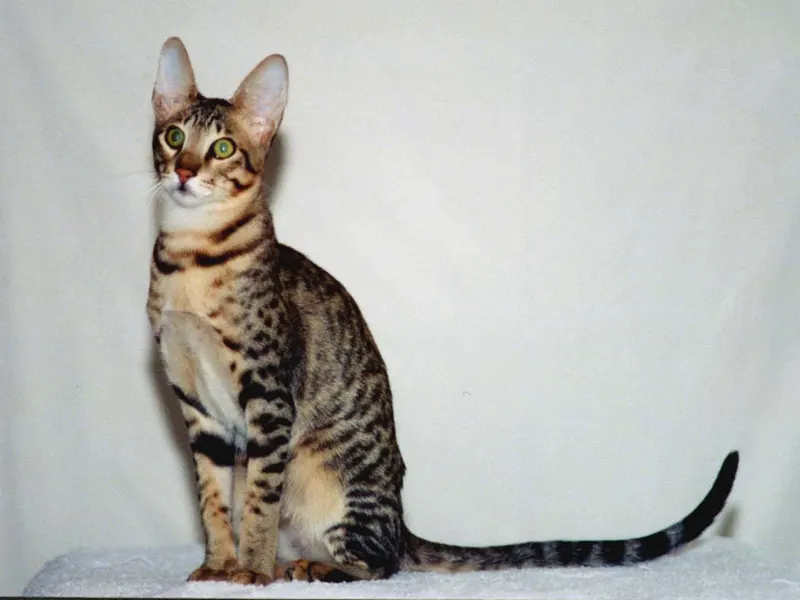
Serengeti
Foreign
8–15 lbs · 12–15 yrs