Longhair Cat Breeds
32 breeds in this group.
Long-haired cat breeds carry a recessive gene responsible for extended hair length, one that, based on genetic and historical research, is believed to have arisen and spread from cat populations in regions of Turkey, Iran (historically Persia), and Russia before European breeders began deliberately selecting for and standardizing the trait starting in the sixteenth and seventeenth centuries — which is why several of the oldest and most influential long-haired breeds (Turkish Angora, Persian, and the broader "Persian-type" lineage) trace back to those specific regions rather than representing independent mutations arising separately worldwide the way, say, several short-coat rex mutations did. The Persian represents the long-haired world's most extreme grooming demand by a wide margin: its dense, extremely long double coat mats readily without daily brushing, and the breed's characteristically flat face compounds the maintenance challenge, since facial folds and tear-duct drainage require regular separate cleaning beyond the coat-brushing routine most long-haired breeds need. This combination of intensive coat care and brachycephalic-related health monitoring makes the Persian genuinely one of the higher-commitment breeds in the entire cat fancy, and prospective owners drawn to the breed's plush appearance should go in with realistic expectations about the daily time investment required rather than treating grooming as an occasional task. The semi-longhair breeds — Maine Coon, Norwegian Forest Cat, Siberian, Ragdoll, Birman, Turkish Angora, Turkish Van, Somali, Balinese, Javanese — carry a meaningfully more manageable coat than the Persian's, generally requiring a thorough brushing session two to three times weekly rather than daily attention, since these coats tend toward a silkier or more water-resistant texture with less dense undercoat prone to matting than the Persian's extreme coat carries. This cluster's three landrace breeds, all developed for cold-climate survival rather than show-ring appearance, evolved their coats specifically for functional weather resistance rather than ornamental appearance, and all three shed dramatically during seasonal coat-blowing periods (typically spring, as the dense winter undercoat releases) even though their day-to-day grooming needs the rest of the year are comparatively moderate. The color-point long-haired breeds — Himalayan, Balinese, Birman — each arrived at their coat and pattern combination through a different route worth distinguishing: the Himalayan resulted from a deliberate mid-century program pairing Persian and Siamese stock, aiming to land the Siamese's color-point pattern onto a Persian's long coat and cobby body, the Balinese emerged from a spontaneous long-hair mutation appearing within Siamese breeding lines rather than from a deliberate cross with a long-haired breed at all, and the Birman's pointed pattern paired with distinctive white "gloved" paws is original to the breed's own documented (if partly legendary) history rather than borrowed from crossing with either the Siamese or Persian lines. Long-haired coats generally shed visible tufts and mats more readily than any shorthair equivalent, and the practical grooming reality — daily to near-daily brushing for the Persian, several times weekly for most semi-longhair breeds, plus more frequent bathing than shorthair breeds typically need since a longer coat traps more surface debris and oil against the skin — should be treated as a genuine, ongoing time commitment rather than an occasional chore, particularly for owners without prior long-haired-cat experience who might underestimate how quickly an unbrushed long coat mats, especially around the armpits, belly, and behind the ears where friction from normal movement accelerates tangling. Matted fur left unaddressed isn't merely cosmetic — it can pull painfully at the skin and, if severe enough, trap moisture and lead to skin infections requiring a veterinary shave-down under sedation, which is precisely the outcome regular home brushing is meant to prevent. For households prepared for that grooming commitment, though, long-haired breeds offer a genuinely distinct aesthetic and, in the cold-climate landrace breeds especially, a coat that reflects real functional history rather than purely ornamental breeding. Beyond routine brushing, it's worth naming the specific trouble spots that account for most long-haired mat formation, since targeted attention to these areas prevents the majority of serious matting before it starts. The armpits, where the front legs meet the body, the belly, and the area behind the ears and under the chin all experience more friction from normal movement and scratching than the rest of the coat, and mats tend to form there first and fastest; a brushing routine that focuses specifically on these friction points, even if the rest of the coat gets a lighter pass, catches most developing problems before they progress to the point of needing a shave-down. The area around the base of the tail and the "britches" on the hind legs are similarly prone to matting, particularly in cats that are less mobile or older and less able to reach and groom these areas themselves. Senior long-haired cats deserve particular mention, since arthritis and reduced flexibility with age genuinely compromise a cat's ability to self-groom effectively, and owners of aging long-haired cats often need to step up their own brushing involvement specifically to compensate for a decline in the cat's own grooming routine that might not be obvious until matting has already become a problem — a pattern worth watching for proactively rather than assuming a cat that groomed itself well for years will continue doing so indefinitely without any change in owner involvement. It's also worth clarifying a common point of confusion: coat length in cats is governed by a single recessive gene, meaning two shorthaired parent cats can still occasionally produce a longhaired kitten if both carry a hidden copy of the gene, which is part of why longhaired kittens sometimes turn up unexpectedly in mixed-breed or Domestic Shorthair litters despite neither visible parent showing the trait. This genetic mechanism, combined with the trait's long documented presence in cat populations from Turkey, Iran, and Russia specifically, is part of why long hair shows up as a recognized, naturally occurring variation across so many different breed lines worldwide rather than being confined to one narrow breeding lineage. Because matting in a neglected long-haired coat can become severe enough to require a full veterinary shave-down under sedation, prospective adopters of a longhaired shelter or rescue cat should specifically ask about the current condition of the coat and any recent grooming history, since a cat arriving with significant matting already present needs a more involved initial grooming plan than a well-maintained coat would, a genuinely useful question to ask before finalizing any longhaired cat adoption. Professional grooming for severely matted long-haired cats sometimes requires a full shave-down under sedation when matting has progressed too far for manual de-matting to be safe or comfortable for the cat, a more involved and costly intervention than routine grooming, which is precisely why the proactive, friction-point-focused brushing routine described above is worth treating as genuine preventive care rather than an optional grooming preference, since the alternative, once matting becomes severe, is considerably more stressful for both cat and owner. Diet and hydration also influence coat quality meaningfully in long-haired breeds, and a well-hydrated cat on an appropriate diet generally shows a softer, less tangle-prone coat than a dehydrated or poorly nourished one, making nutrition and water intake a genuine, if indirect, part of an effective long-haired grooming strategy rather than brushing alone accounting for the full picture of coat health. Regular veterinary checkups for long-haired cats often include a specific coat and skin assessment beyond the general exam, since matting or skin irritation hidden beneath a dense coat can sometimes go unnoticed by an owner during normal handling, making a professional check a useful periodic supplement to home grooming rather than a replacement for it. Some veterinary clinics and professional groomers now offer a dedicated "lion cut" or full body clip specifically for long-haired cats whose owners struggle to keep up with matting, a more drastic but genuinely useful option for elderly, arthritic, or overweight cats no longer able to self-groom effectively and whose owners can't fully compensate through brushing alone. Because long-haired coat length is governed by a single recessive gene as noted above, breed clubs occasionally see the same underlying trait expressed slightly differently depending on which shorthaired ancestor breed contributed the recessive allele originally, meaning two long-haired breeds descended from otherwise unrelated shorthaired foundation lines can show subtly different coat density, texture, or growth pattern despite both technically carrying the same basic long-hair gene. This genetic nuance is mostly of interest to breeders and geneticists rather than pet owners, but it does help explain why "long-haired" as a category covers such a genuinely wide range of actual coat experience, from the Persian's extreme density to the Balinese's comparatively lighter, silkier length, in much the same way the shorthair category spans an equally wide practical range beneath a single simple descriptive word. Owners who show long-haired breeds competitively typically follow a considerably more intensive pre-show grooming routine, including specialized shampoos and conditioners formulated to maximize coat volume and shine temporarily, a level of preparation well beyond ordinary pet-maintenance needs and worth distinguishing clearly from the everyday brushing routine recommended for a purely companion cat. Because a well-brushed long coat also helps a cat regulate its own body temperature more effectively by preventing dense, matted clumps from trapping excess heat against the skin, routine grooming genuinely serves a comfort function beyond the purely cosmetic benefit most owners associate with a tidy-looking coat. A cat carrying visible mats behind the ears or under the front legs at a shelter intake exam is one of the more common practical signs staff use to flag a longhaired cat as needing an experienced adopter comfortable with grooming.
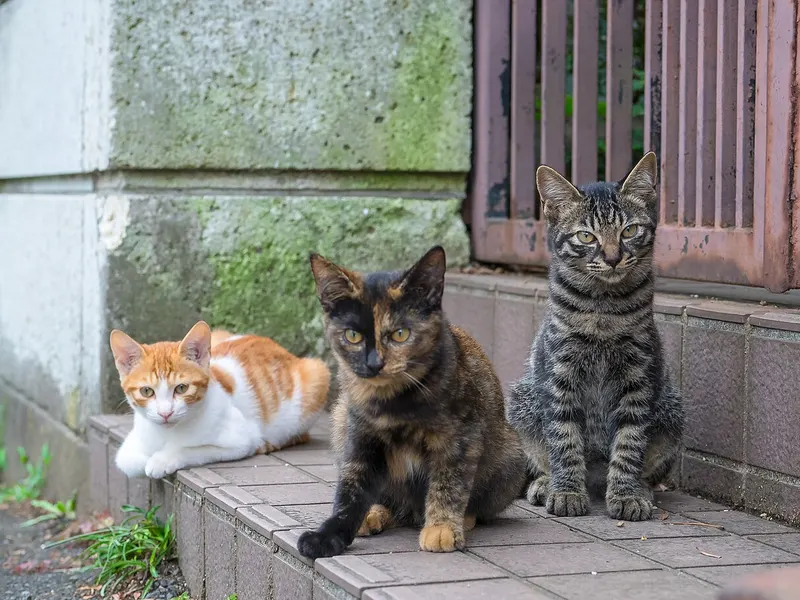
Domestic Longhair
Semi-foreign
8–15 lbs · 12–18 yrs
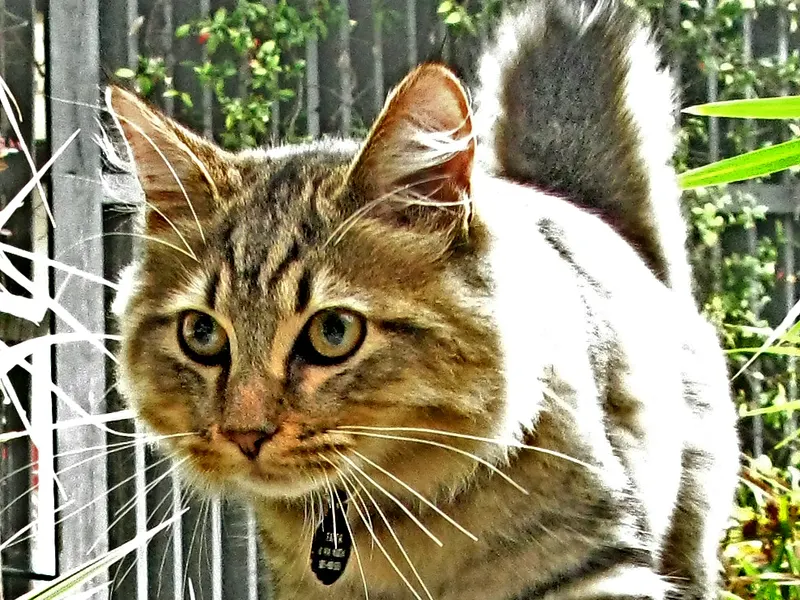
American Bobtail
Semi-cobby
7–16 lbs · 11–15 yrs
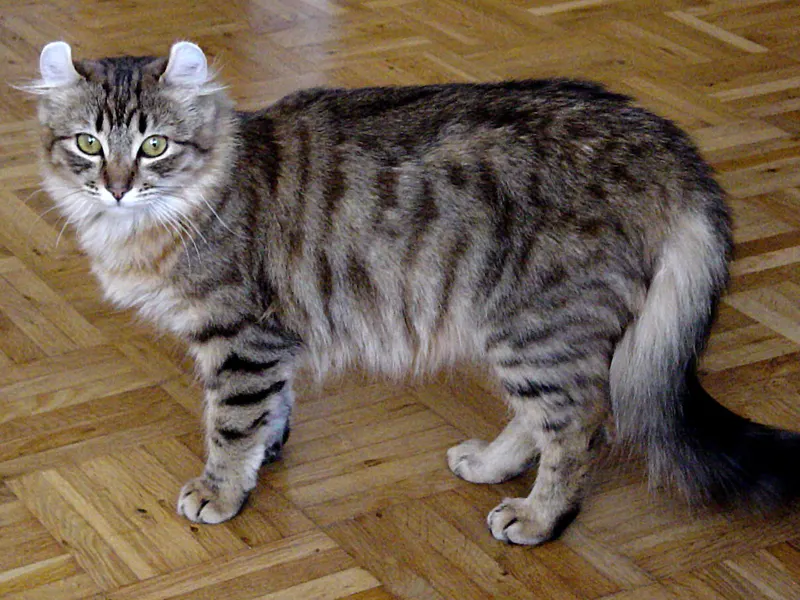
American Curl
Semi-foreign
5–10 lbs · 12–16 yrs
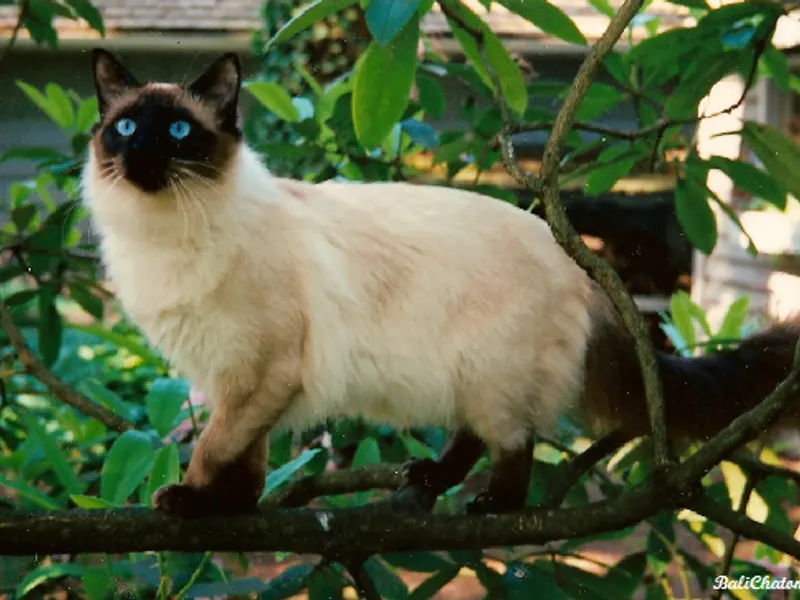
Balinese
Oriental
6–10 lbs · 12–18 yrs
Birman
Semi-cobby
8–12 lbs · 12–16 yrs
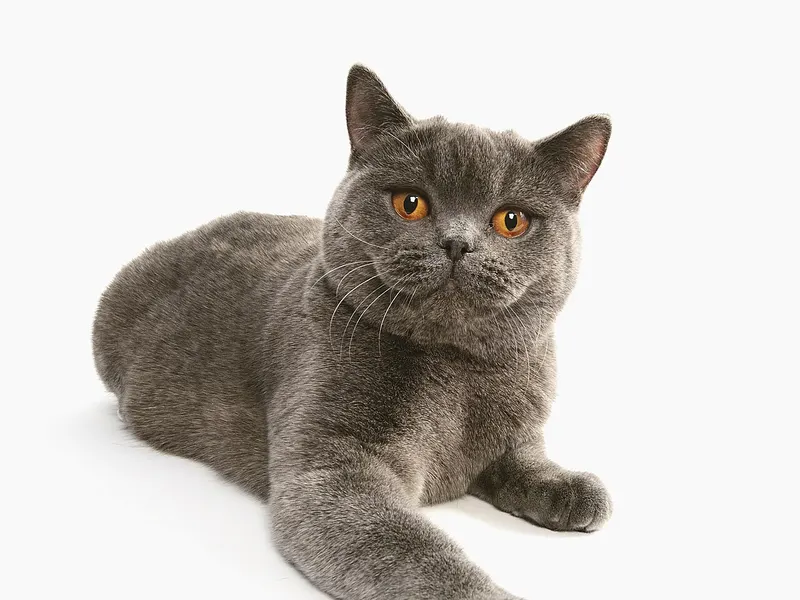
British Longhair
Cobby
9–17 lbs · 12–17 yrs
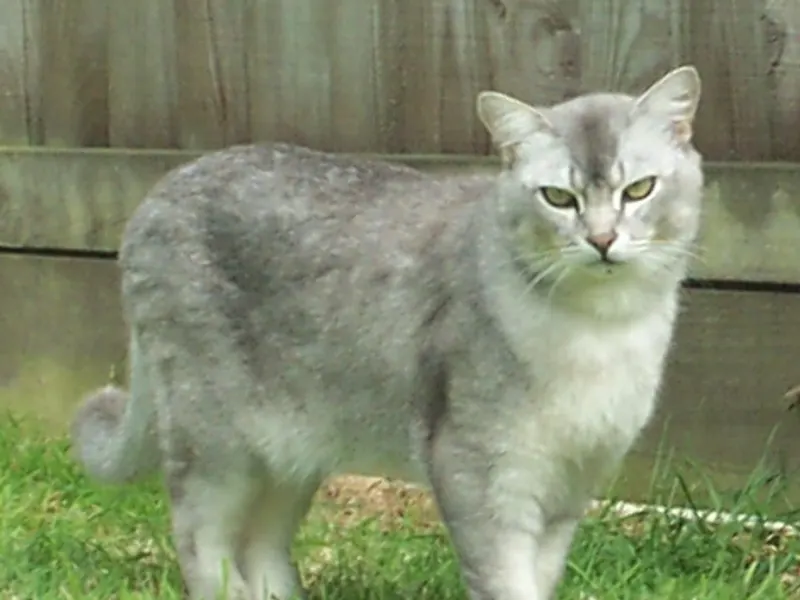
Burmilla
Semi-cobby
6–12 lbs · 10–15 yrs
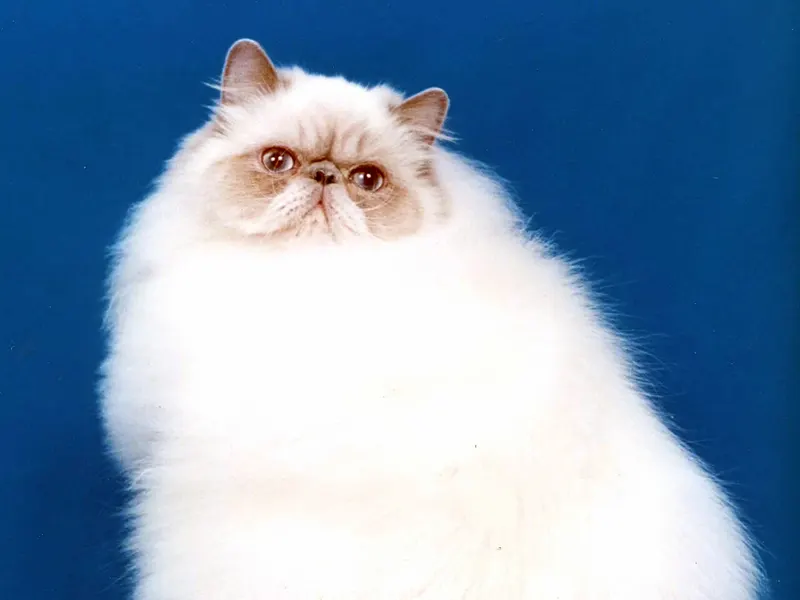
Himalayan
Cobby
7–12 lbs · 9–15 yrs
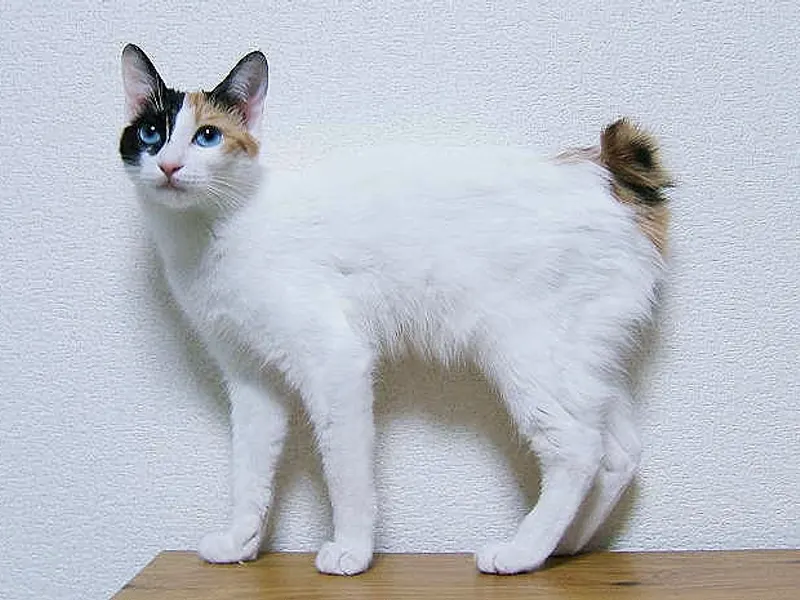
Japanese Bobtail
Semi-foreign
6–10 lbs · 12–16 yrs
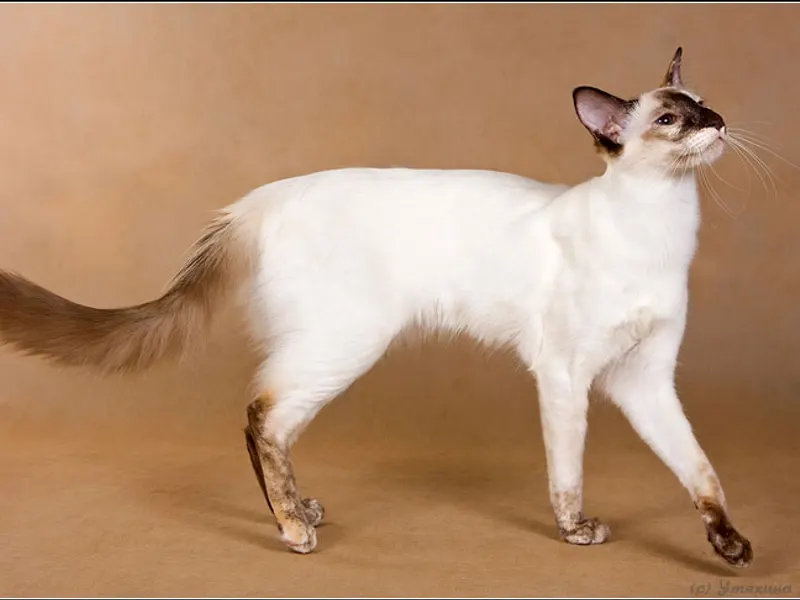
Javanese
Oriental
6–10 lbs · 12–18 yrs
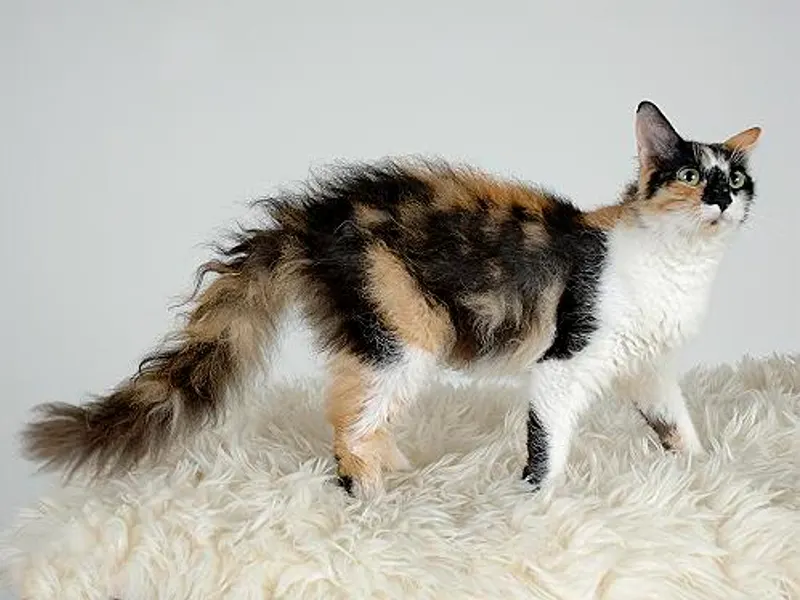
LaPerm
Semi-foreign
6–10 lbs · 10–15 yrs
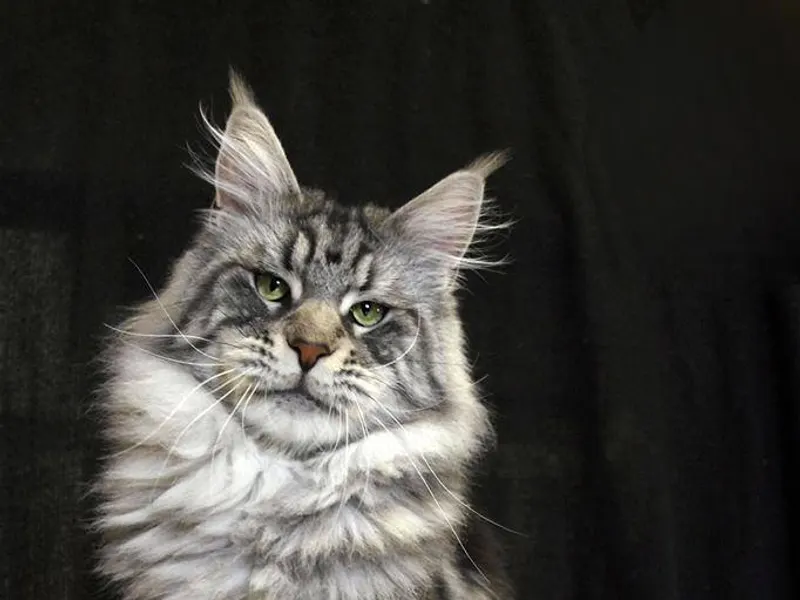
Maine Coon
Long & Substantial
10–25 lbs · 12–15 yrs
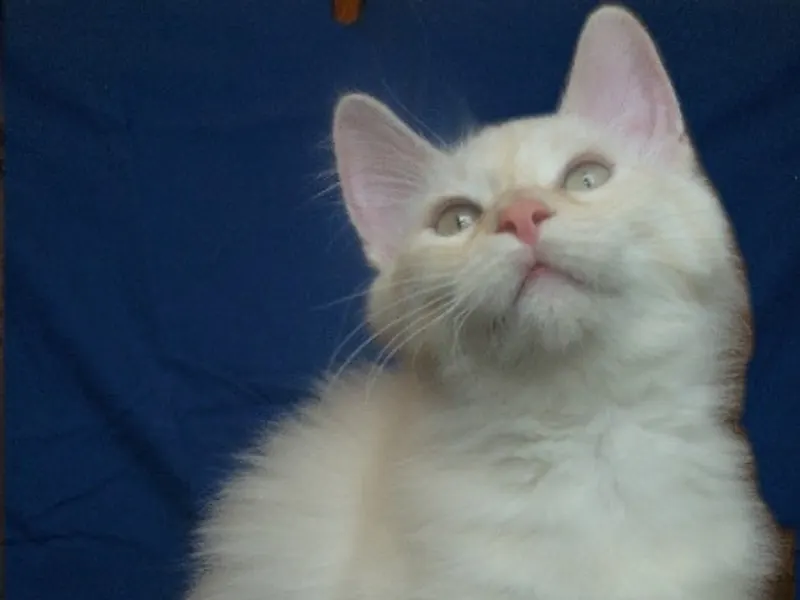
Munchkin
Semi-cobby
5–9 lbs · 12–15 yrs
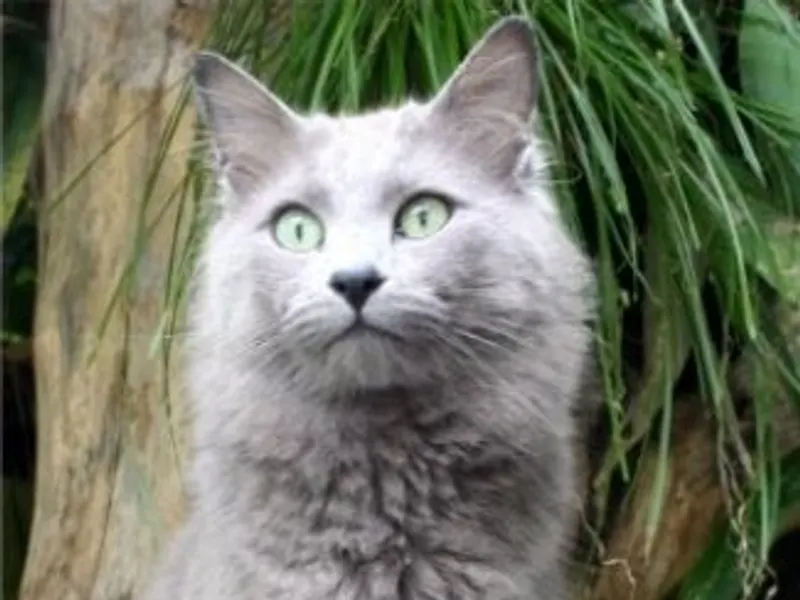
Nebelung
Foreign
7–11 lbs · 15–18 yrs
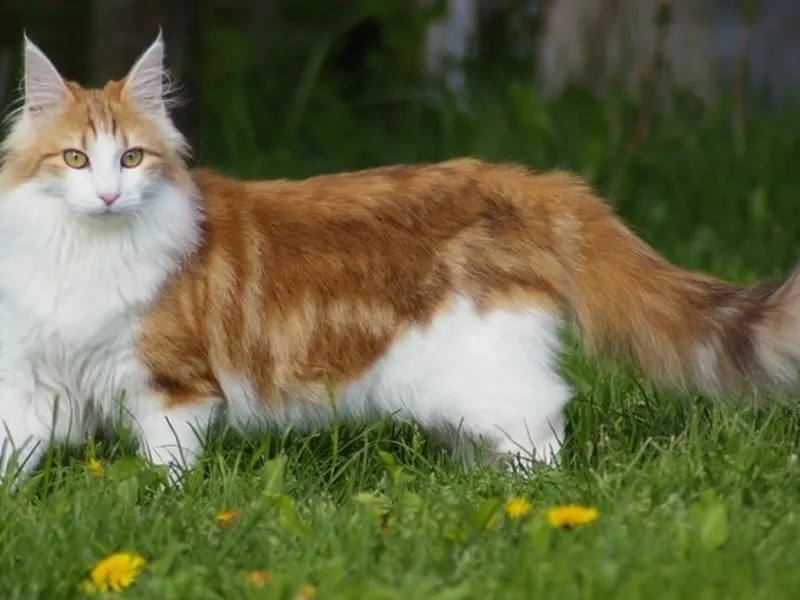
Norwegian Forest Cat
Long & Substantial
10–22 lbs · 14–16 yrs
Oriental Longhair
Oriental
6–10 lbs · 12–15 yrs
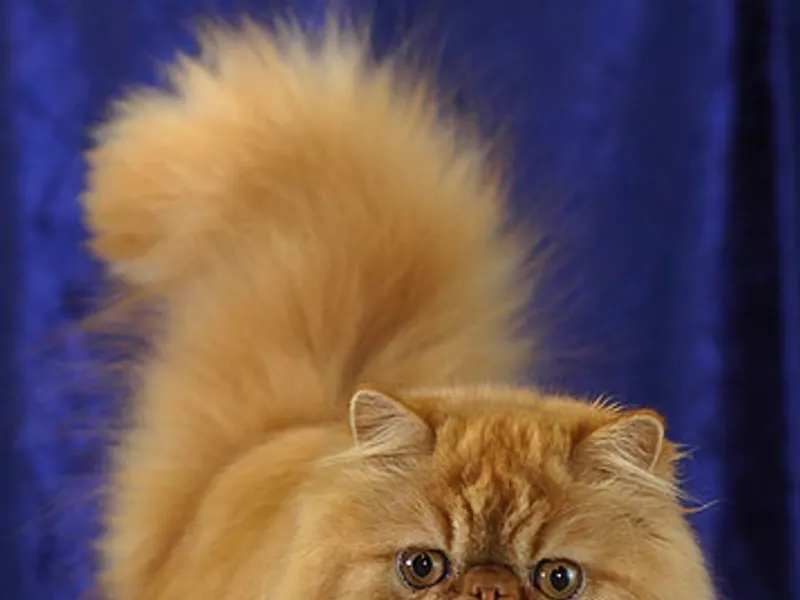
Persian
Cobby
7–12 lbs · 10–17 yrs
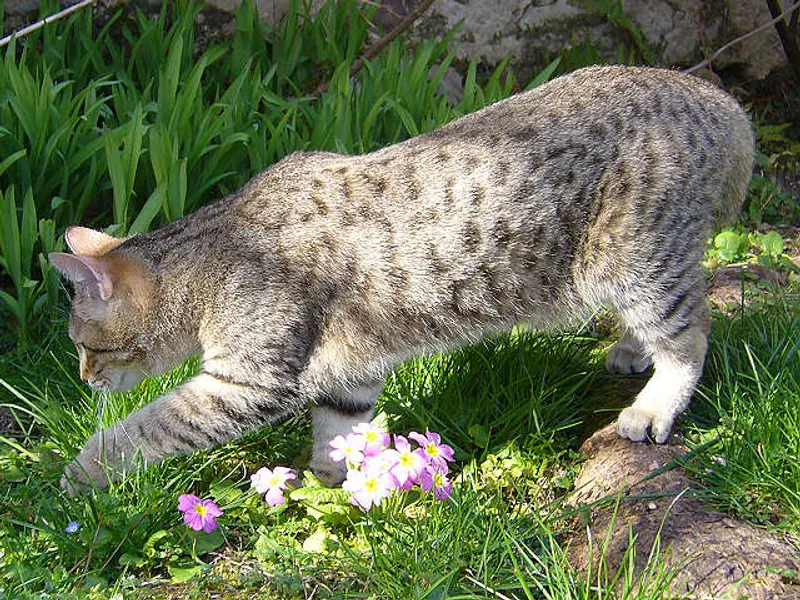
Pixie-bob
Semi-cobby
8–17 lbs · 13–16 yrs
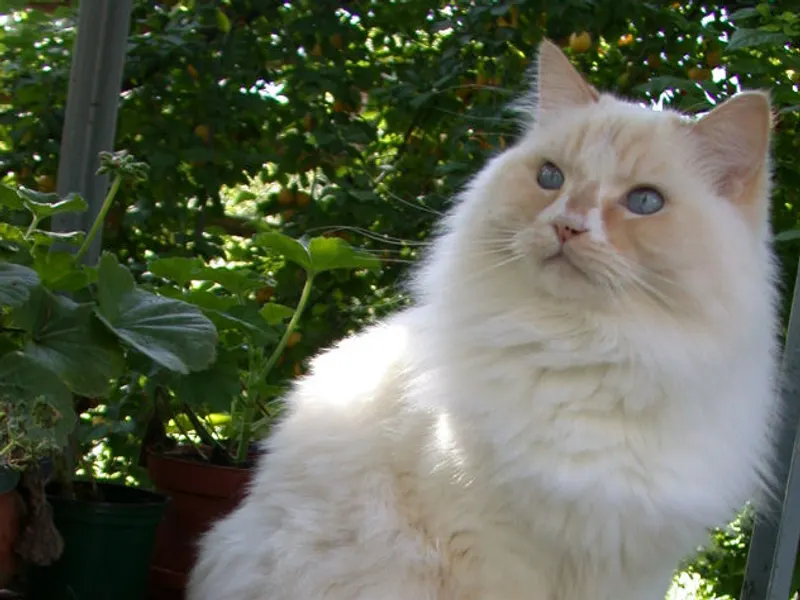
Ragamuffin
Semi-cobby
8–20 lbs · 12–16 yrs
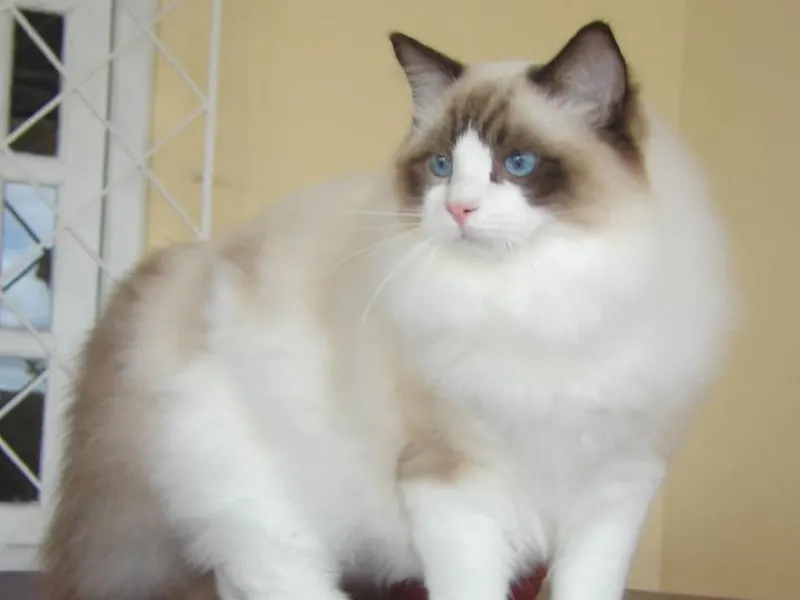
Ragdoll
Semi-cobby
10–20 lbs · 12–17 yrs
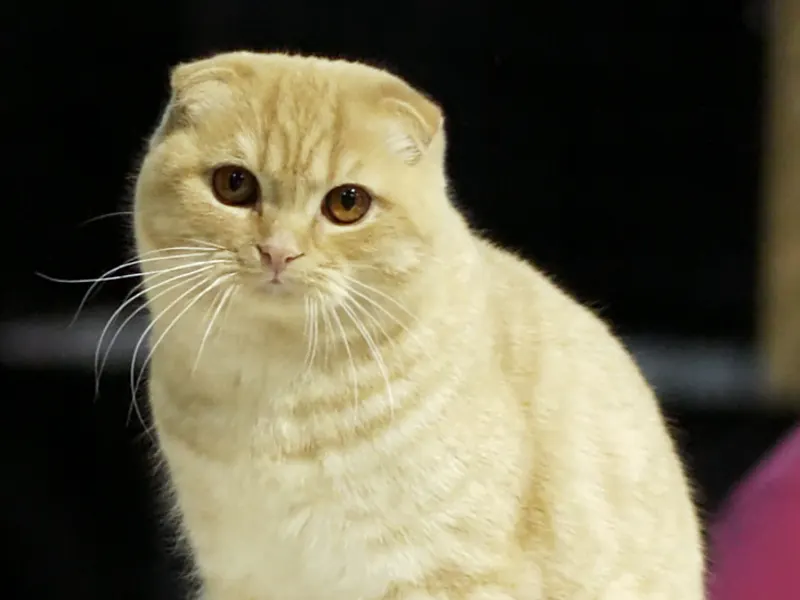
Scottish Fold
Semi-cobby
6–13 lbs · 11–15 yrs
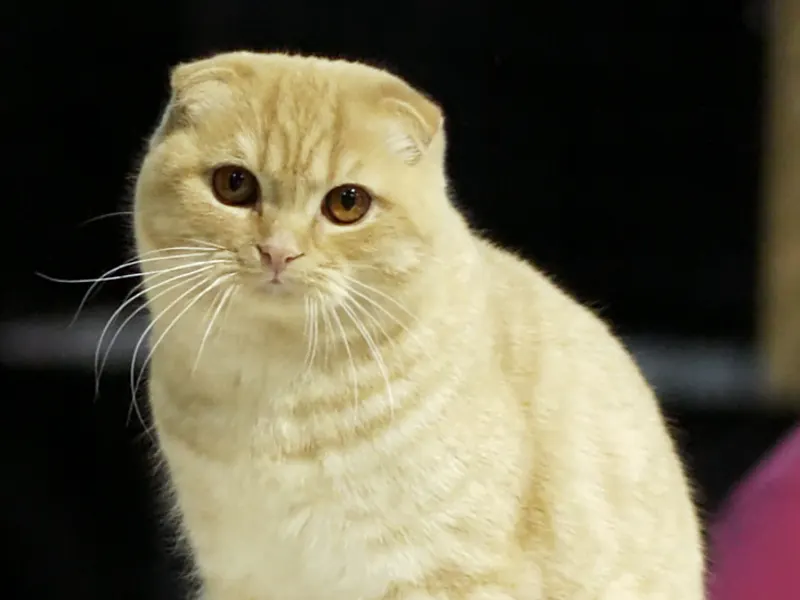
Scottish Straight
Semi-cobby
6–13 lbs · 11–15 yrs
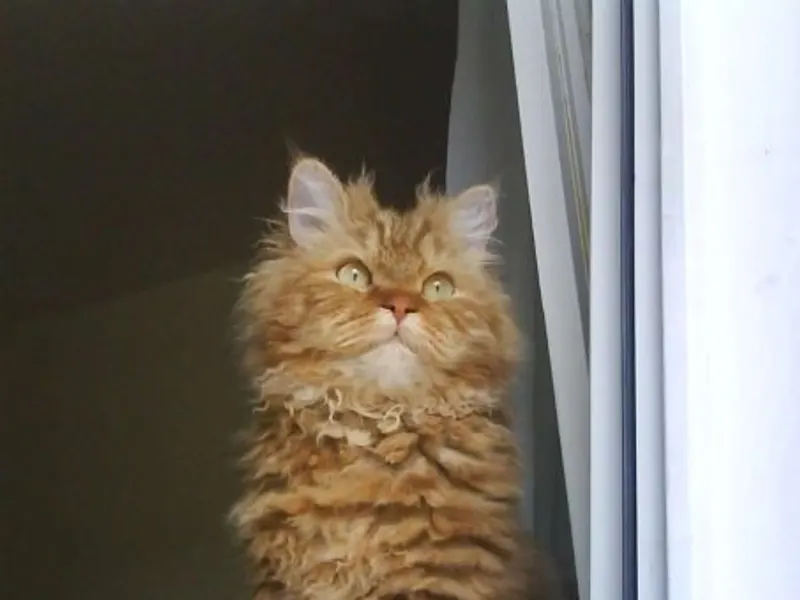
Selkirk Rex
Cobby
7–15 lbs · 10–15 yrs
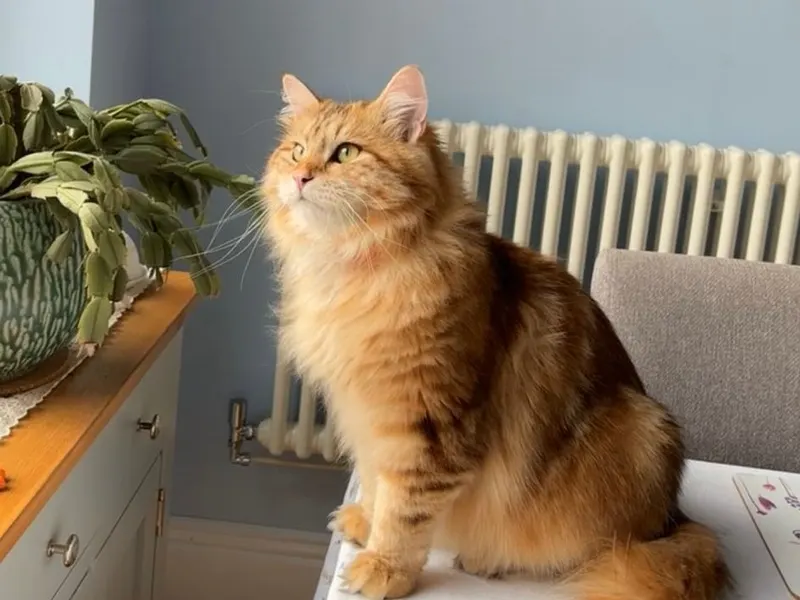
Siberian
Long & Substantial
8–17 lbs · 11–18 yrs
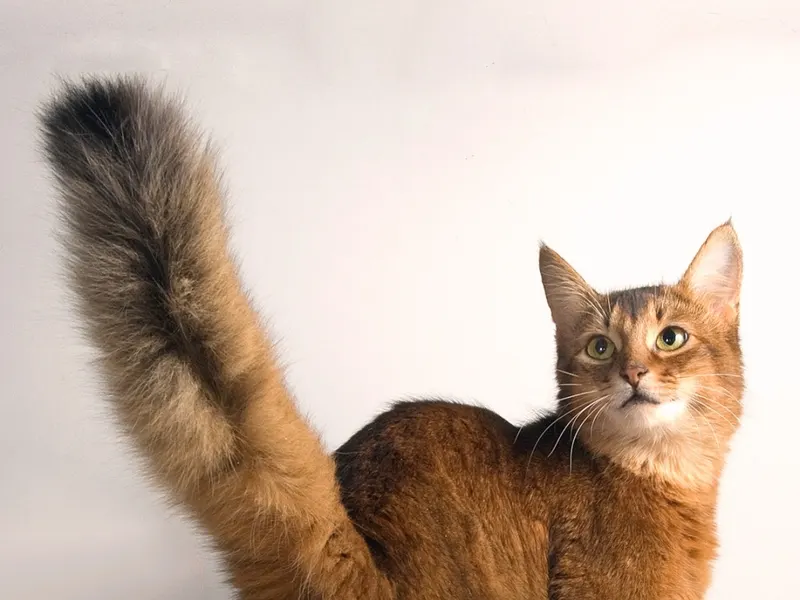
Somali
Foreign
6–10 lbs · 11–16 yrs
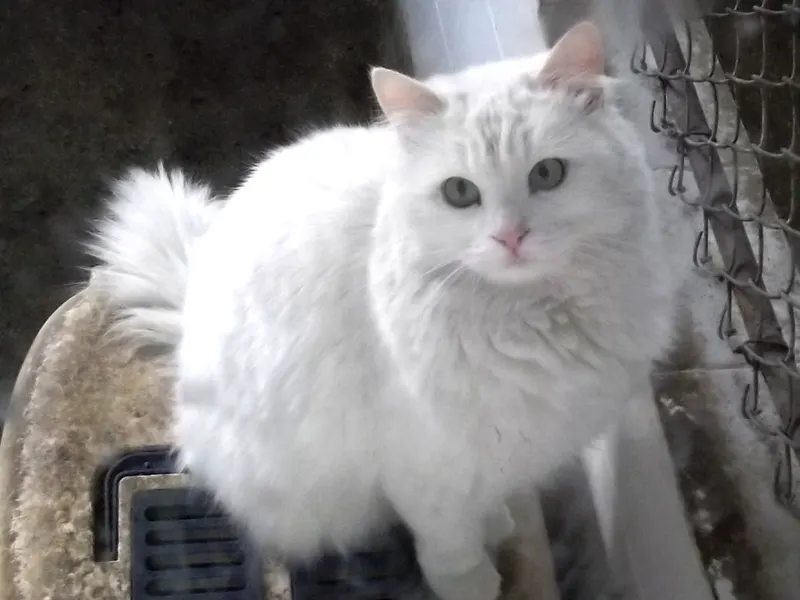
Turkish Angora
Semi-foreign
5–9 lbs · 12–18 yrs
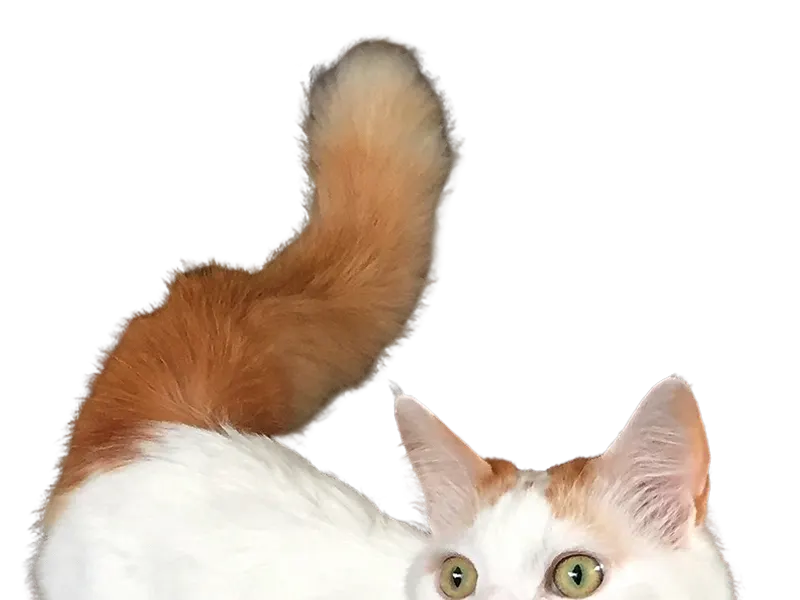
Turkish Van
Semi-foreign
7–19 lbs · 12–17 yrs
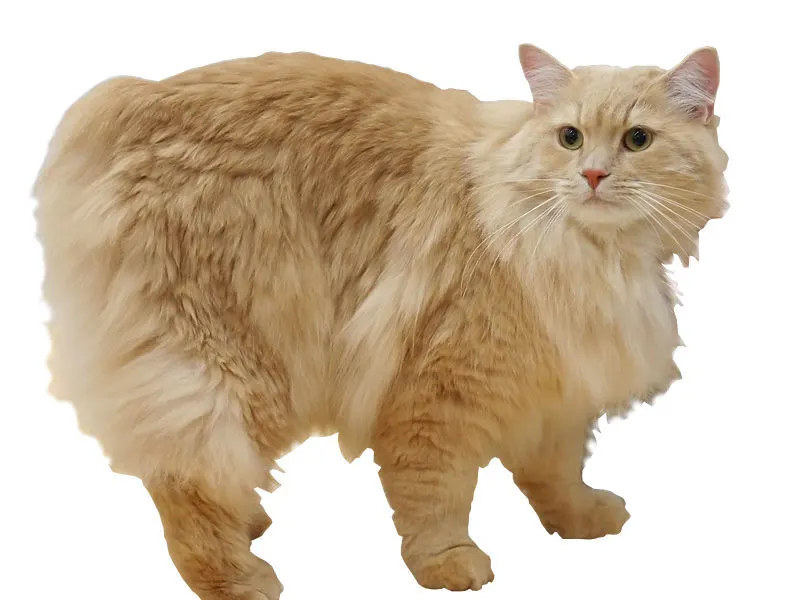
Cymric
Cobby
8–12 lbs · 8–14 yrs
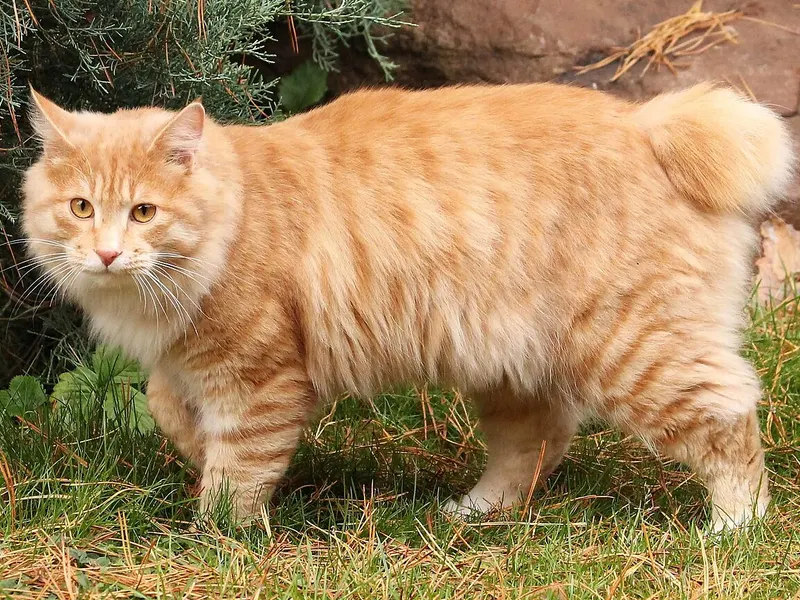
Kurilian Bobtail
Semi-cobby
7–15 lbs · 12–15 yrs
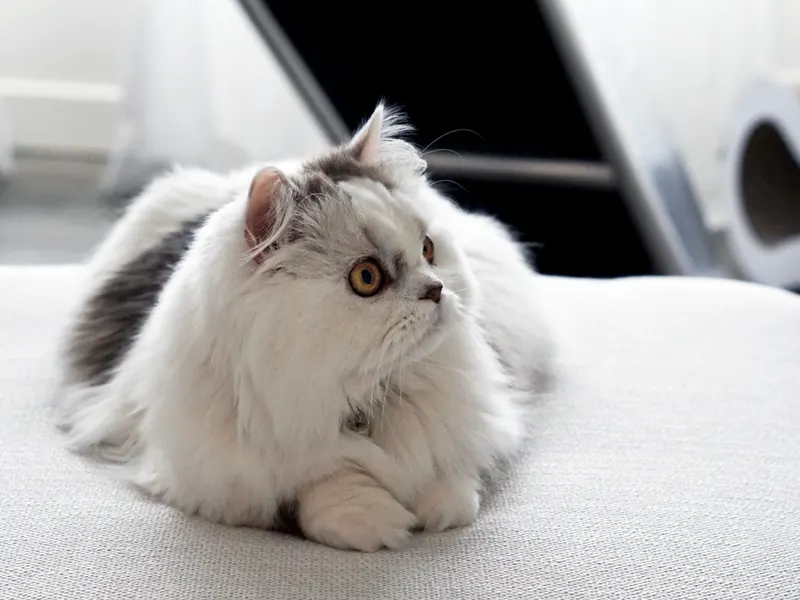
Napoleon (Minuet)
Semi-cobby
5–9 lbs · 12–14 yrs
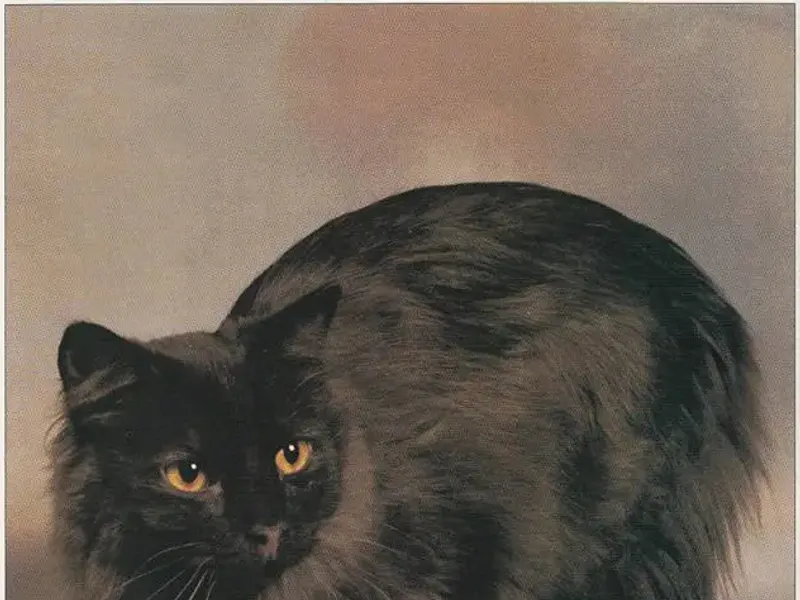
Chantilly-Tiffany
Semi-foreign
7–12 lbs · 12–16 yrs
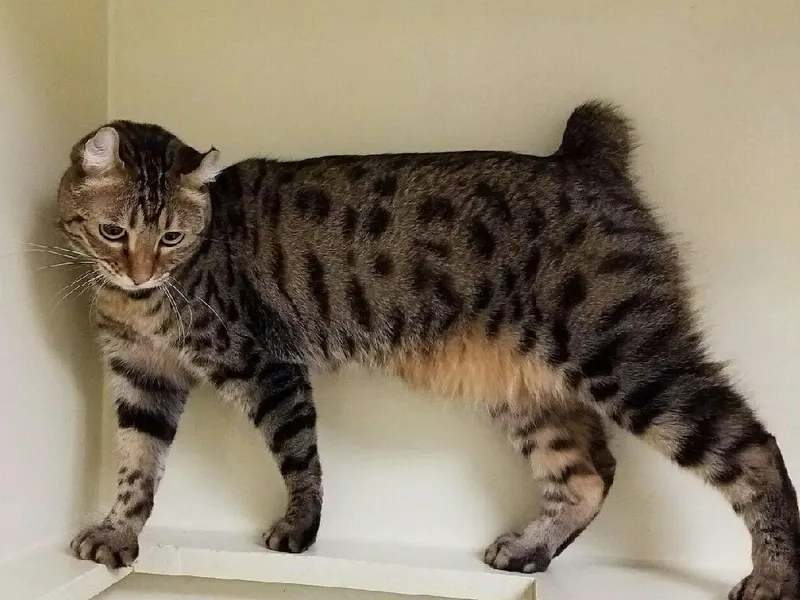
Highlander
Semi-cobby
10–20 lbs · 12–15 yrs