Terrier Group Dogs
33 breeds in this group.
Terrier comes from the Latin "terra," earth, and it names the group's original job precisely: these dogs were bred to go into burrows after foxes, badgers, otters, and rats, and to fight when they got there. That job selected hard for a specific temperament package — fast reflexes, a high pain tolerance, fearlessness toward animals many times a terrier's own size, and an independence born from working alone underground where no handler could intervene — and it's a package that shows up in nearly every breed in this group regardless of size, from a five-pound Norfolk Terrier to the comparatively giant, 65-pound Airedale Terrier, often called the "king of terriers" for its size and its historical use hunting otters and badgers along British riverbanks. The group's geography is heavily British and Irish, which makes sense given the ratting and vermin-control economy of the English countryside from roughly the 1700s onward, when landowners and farmers needed working dogs small enough to pursue quarry underground but tenacious enough to finish the job. The West Highland White, Cairn, and Scottish Terriers all developed in Scotland, each bred slightly differently for local terrain — the West Highland White's coloring was reportedly favored specifically so hunters wouldn't mistake the dog for the fox or badger it was chasing and shoot it by accident. The English earth-working terriers — the Fox Terriers (Wire and Smooth), Jack Russell and Parson Russell Terriers, and the Border Terrier — were bred to run with foxhound packs on horseback hunts and then go to ground when a fox denned, which demanded a dog fast enough to keep pace with hounds and horses yet small enough to fit down a fox's earth. The Bull-and-terrier breeds — the Staffordshire Bull Terrier, American Staffordshire Terrier, and Bull Terrier — trace instead to nineteenth-century blood-sport crosses of bulldog and terrier stock bred originally for bull-baiting and later, illegally, for dogfighting, a dark history that shaped strong prey drive and dog-selectivity in some lines but has little bearing on how an individually well-bred, well-socialized dog of these breeds actually behaves with people — American Staffordshire and Staffordshire Bull Terriers in particular are frequently rated among the most people-friendly breeds in temperament testing, even as they retain the group's characteristic wariness toward unfamiliar dogs. Beyond the British Isles, the group includes a scattering of continental and even non-European entries that arrived at a similar working template independently. The Cesky Terrier was developed in 1940s Czechoslovakia specifically by crossing Sealyham and Scottish Terrier stock to produce a quieter, less aggressive earth dog suited to organized hunts. The Miniature Schnauzer, technically classified here despite its German ratting-dog origins overlapping with farm and stable vermin control rather than fox hunting proper, brings a notably more trainable, less independent temperament than most of the group, which is part of why it consistently ranks among the most popular small dogs in the U.S. The Australian Terrier and the rare American Hairless Terrier and Brazilian Terrier round out a group that, taken together, spans nearly every continent's answer to the same basic problem: a small, hardy, courageous dog to control vermin on a working farm. Temperamentally, terriers as a group are notorious for two traits that catch first-time owners off guard: high prey drive toward small animals, including cats and small dogs in some individual cases despite a friendly disposition toward people, and a level of vocal, physical intensity that doesn't fade much with age the way it does in some other groups. This isn't a design flaw — it's the same alertness and tenacity that made the group useful in the first place, now with no burrow to dig and no rat to catch, which is why terriers are disproportionately represented among dogs surrendered for "too much energy" or "digging" despite frequently being smaller, lower-exercise-need dogs on paper than a Labrador or Border Collie. The digging instinct in particular is close to universal across the group and rarely trainable away entirely; owners who provide a designated digging pit or sandbox report far better outcomes than those trying to eliminate the behavior outright. Coat care splits the group roughly in half. The wire-coated breeds — Airedale, Wire Fox Terrier, Welsh Terrier, Lakeland Terrier, Irish Terrier, Border Terrier, Cairn — need hand-stripping every few months to maintain the harsh, weatherproof texture the coat is bred for; clipping instead of stripping softens the coat over time and changes its color, which is a cosmetic rather than health issue but matters to owners planning to show. The smooth-coated bull-and-terrier breeds need minimal grooming by comparison. Health themes vary by breed more than they converge as a group, though patellar luxation and various inherited eye conditions turn up across several of the smaller terriers, and it's genuinely worth breed-specific research rather than assuming "terrier" implies one health profile. On the whole, this group suits an owner who wants a big personality in a manageable body, enjoys a dog with genuine opinions and stubborn streaks, and can commit to the mental engagement — earthdog trials, flirt poles, structured digging outlets — that keeps a terrier's old working drive from curdling into frustration. Training a terrier well means working with the breed's independence rather than expecting the same handler-focused responsiveness bred deliberately into the Sporting or Herding groups. Short, high-energy training sessions built around genuine engagement — earthdog trials, flirt poles, scent games — generally produce far better results than long, repetitive obedience drills, since terriers were bred specifically to solve problems on their own underground without a handler's real-time direction, and that same independent problem-solving streak shows up at home as a dog that questions a command rather than automatically complying with it. This isn't disobedience so much as a genuinely different working style than a retriever's built-in eagerness to please, and owners who understand that distinction generally have an easier time than those expecting Labrador-level biddability from a Cairn or Jack Russell. Several breeds in this group deserve individual mention for facts that don't fit neatly elsewhere. The Bedlington Terrier, with its curly, lamb-like coat, was reportedly developed in part from Whippet crosses to add speed to its ratting and small-game work, and it remains one of the more visually distinctive members of the group as a result, looking almost nothing like the classic wiry earth-dog silhouette most people picture. The Norfolk and Norwich Terriers are nearly identical in size and coat and were only split into separate breeds in the 1960s based on ear carriage — the Norfolk's ears drop forward, the Norwich's stand erect — a genuinely minor physical distinction that nonetheless earned each its own breed standard. The Kerry Blue Terrier and Irish Terrier both carry real working history as multi-purpose Irish farm dogs, expected to hunt vermin, guard property, and herd in a pinch, a versatility that shows up today as a notably confident, all-purpose temperament compared with some of the more narrowly specialized earth-dog terriers. Health themes across the group vary more by individual breed than they converge, but a few patterns recur widely enough to mention. Patellar luxation, a kneecap that slips out of its normal groove, shows up at elevated rates across several of the smaller terriers, and various inherited eye conditions — progressive retinal atrophy among them — turn up in breed-specific health surveys across the group with enough regularity that reputable breeders routinely screen for them. It's worth breed-specific research rather than assuming "terrier" implies a single shared health profile, since a Bull Terrier and a Cairn Terrier, despite both belonging to the same AKC group, come from genuinely different genetic backgrounds with different inherited risks. Multi-dog households considering a terrier should plan introductions and ongoing management with real care, since same-sex aggression and general dog-selectivity turn up more frequently in terrier breed surveys than in most other groups, a legacy of breeding that valued gameness and tenacity toward other animals as a working trait rather than selecting it out. This doesn't mean terriers can't live successfully alongside other dogs — many do, especially with careful early socialization and thoughtful pairing — but it does mean a terrier owner should go in with realistic expectations rather than assuming compatibility will simply work itself out through exposure alone. Earthdog trials, a formal AKC sport built specifically around this group's original job, let terrier owners test and channel real digging and quarry-chasing instinct in a controlled, humane setting using an artificial tunnel and a safely caged, unharmed quarry animal (typically rats, protected behind a barrier the dog cannot reach) — it's one of the more direct ways an owner can give a terrier a genuine outlet for instincts that otherwise show up destructively as backyard digging or fence-line obsession with squirrels and other small animals passing by. Digging outlets deserve one more concrete suggestion beyond a designated sandbox: burying treats or toys in an approved digging area and actively encouraging the behavior there, rather than only correcting it elsewhere in the yard, tends to redirect the instinct more successfully than suppression alone, since the goal with a terrier's digging drive is rarely elimination but redirection toward a spot where it does no harm. Regional terrier clubs in the UK still run traditional working certificate tests distinct from the American earthdog format, preserving a slightly different, older evaluation standard tied more directly to actual historical fox and badger work than the standardized artificial-tunnel format more common in the U.S. today. Barn Hunt, a newer American sport built around scent detection and quarry-finding in a hay-bale maze rather than underground tunneling, has also become popular specifically among terrier owners as another structured, instinct-based outlet that doesn't require the specialized tunnel equipment earthdog trials do.
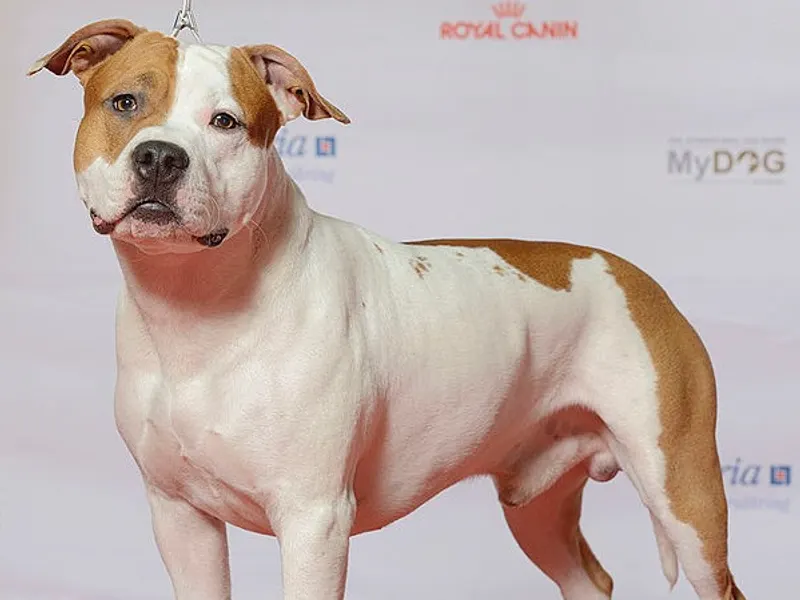
American Staffordshire Terrier
Terrier
40–70 lbs · 12–16 yrs
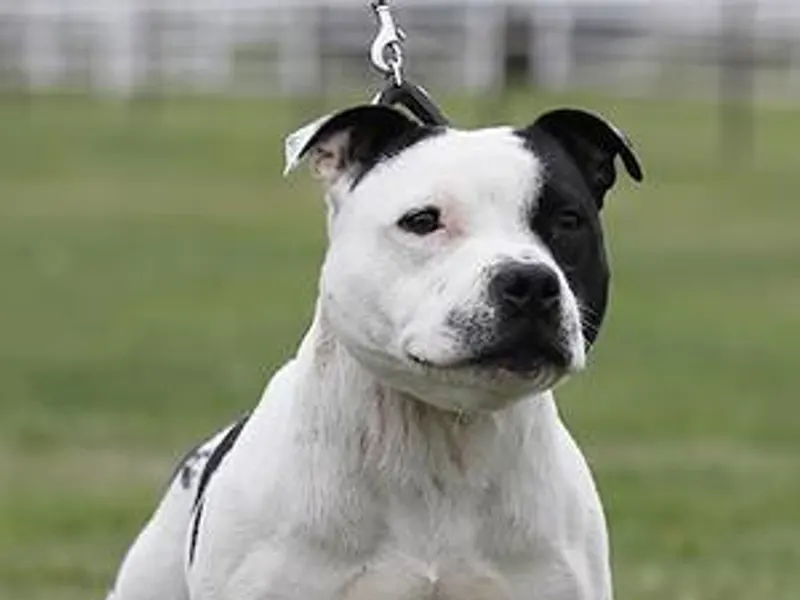
Staffordshire Bull Terrier
Terrier
24–38 lbs · 12–14 yrs
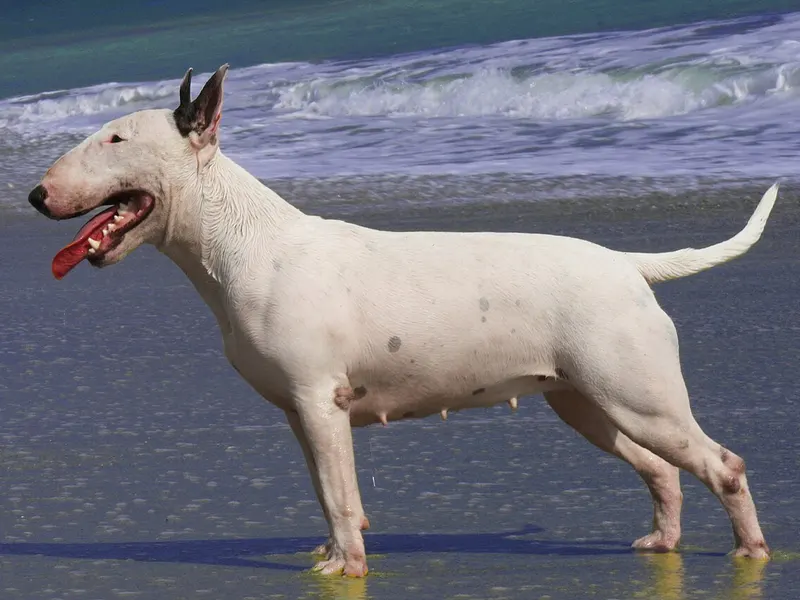
Bull Terrier
Terrier
35–65 lbs · 11–13 yrs
Airedale Terrier
Terrier
50–70 lbs · 11–14 yrs
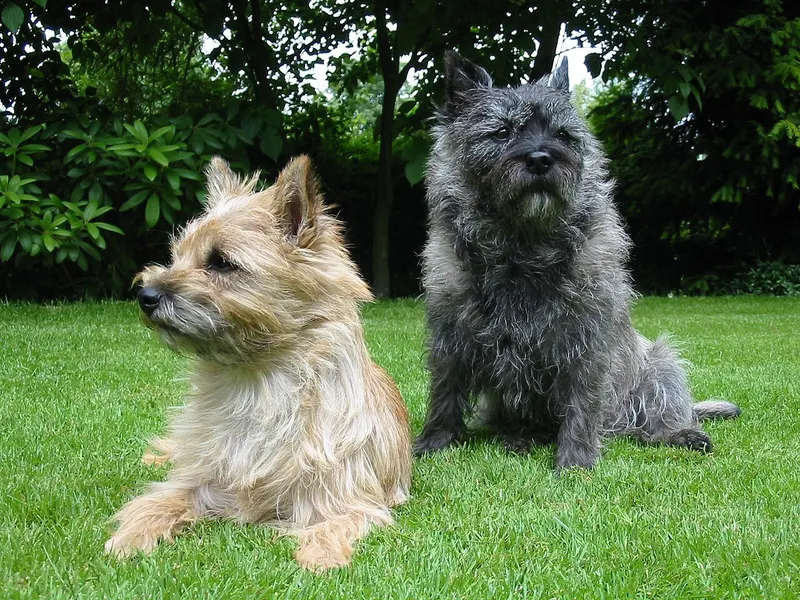
Cairn Terrier
Terrier
13–14 lbs · 13–15 yrs
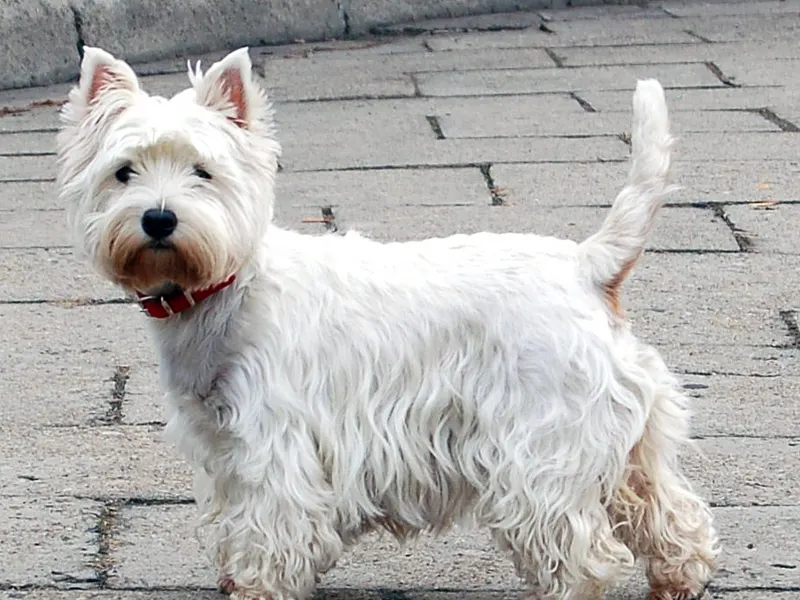
West Highland White Terrier
Terrier
13–22 lbs · 12–16 yrs
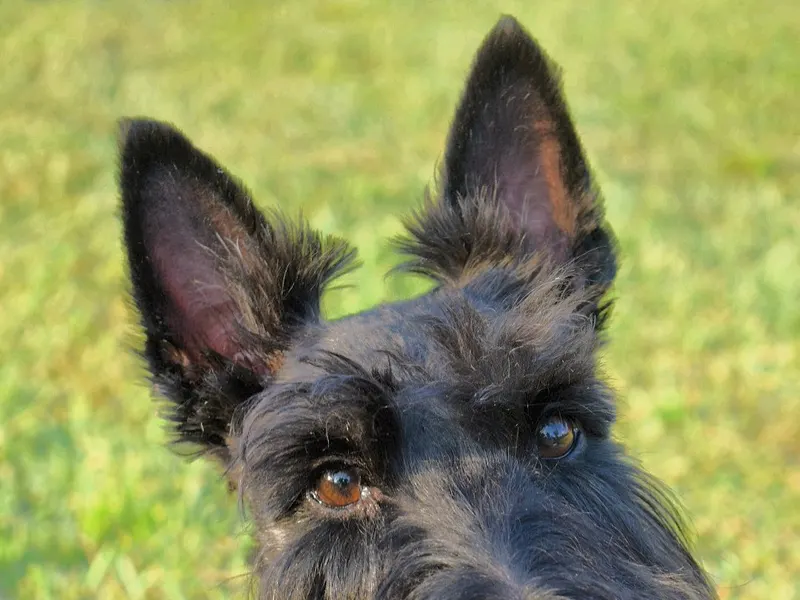
Scottish Terrier
Terrier
18–22 lbs · 11–13 yrs
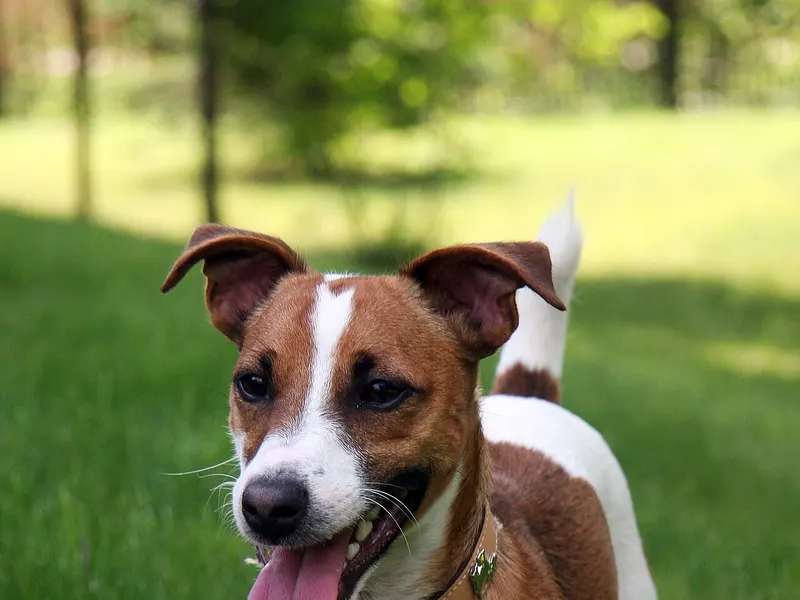
Jack Russell Terrier
Terrier
9–15 lbs · 13–16 yrs
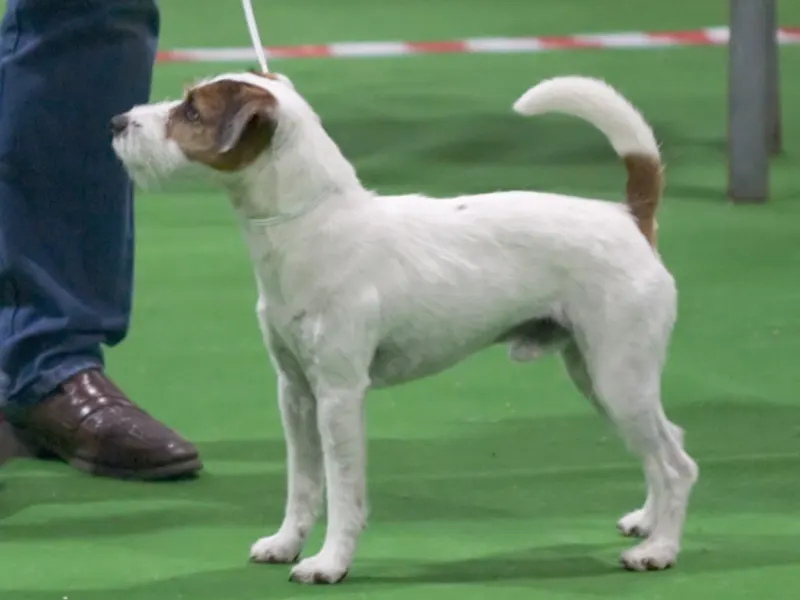
Parson Russell Terrier
Terrier
13–17 lbs · 13–15 yrs
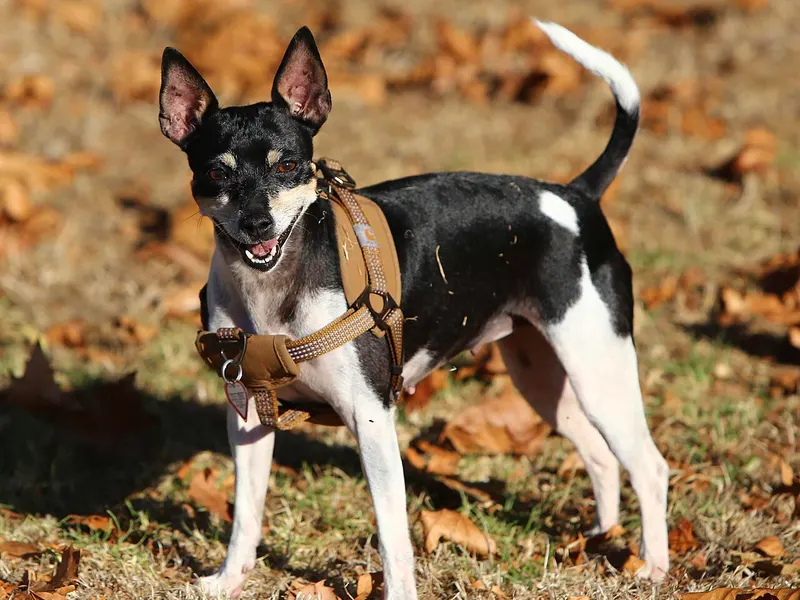
Rat Terrier
Terrier
10–25 lbs · 15–18 yrs
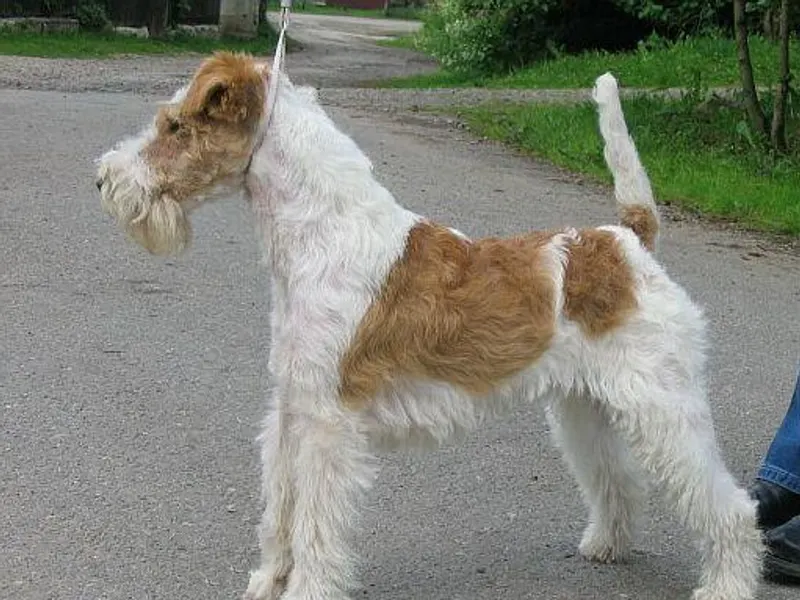
Wire Fox Terrier
Terrier
15–19 lbs · 12–15 yrs
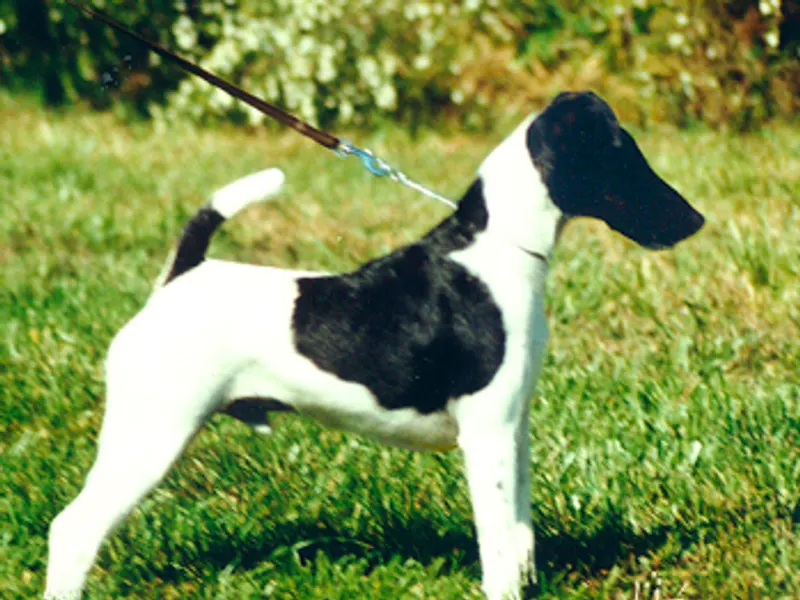
Smooth Fox Terrier
Terrier
15–18 lbs · 12–15 yrs
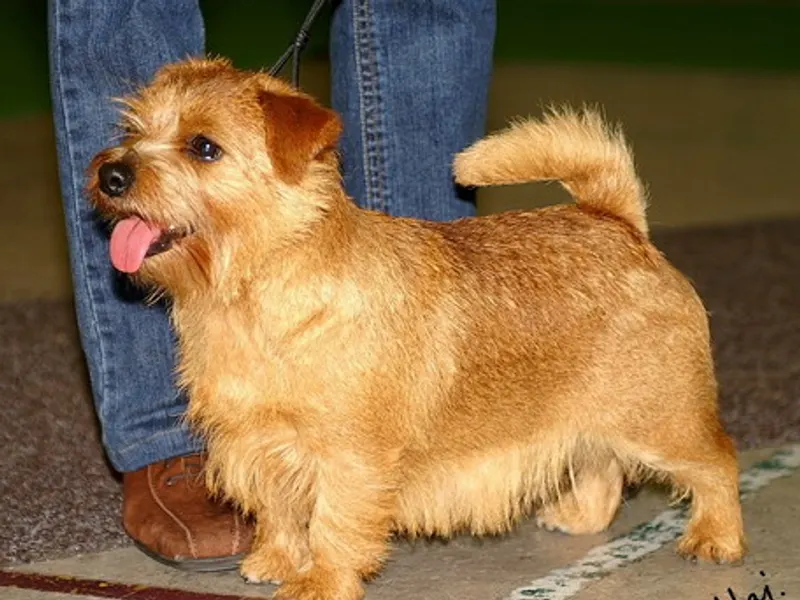
Norfolk Terrier
Terrier
11–12 lbs · 12–15 yrs
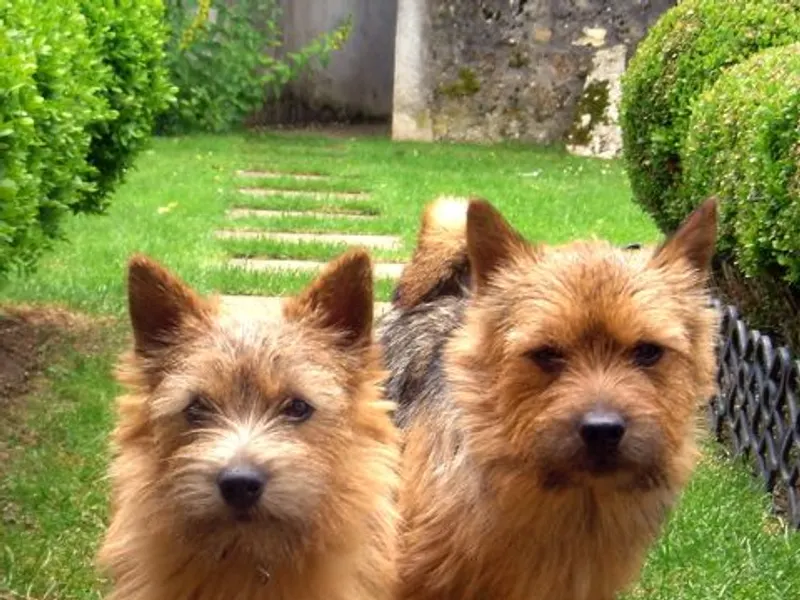
Norwich Terrier
Terrier
11–12 lbs · 12–15 yrs
Border Terrier
Terrier
11.5–15.5 lbs · 12–15 yrs
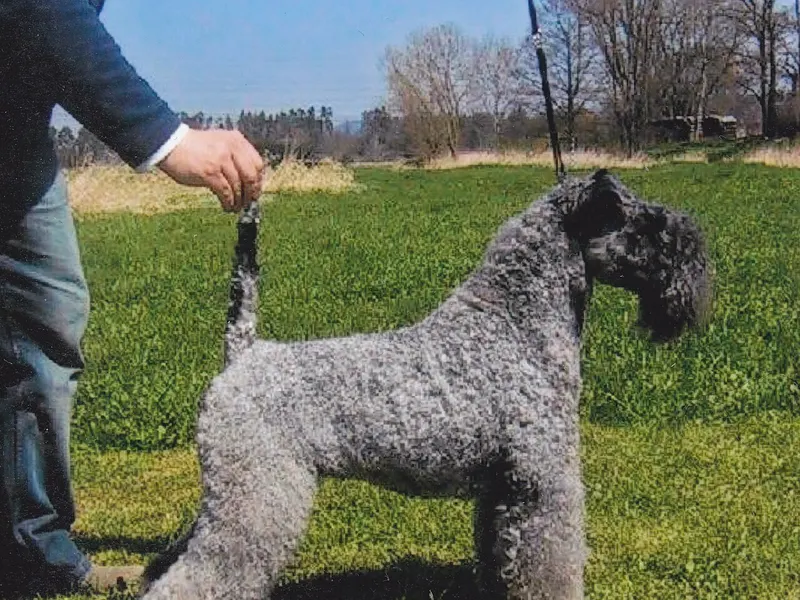
Kerry Blue Terrier
Terrier
33–40 lbs · 12–15 yrs
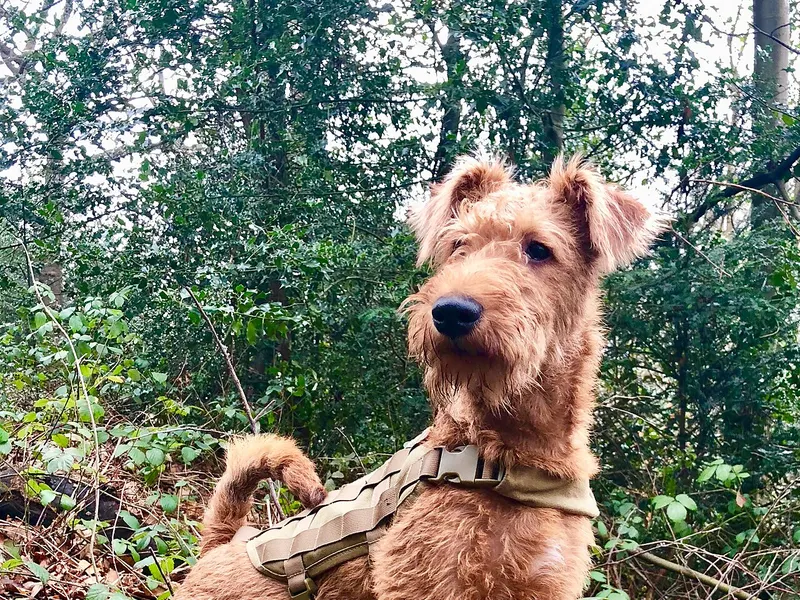
Irish Terrier
Terrier
25–27 lbs · 13–15 yrs
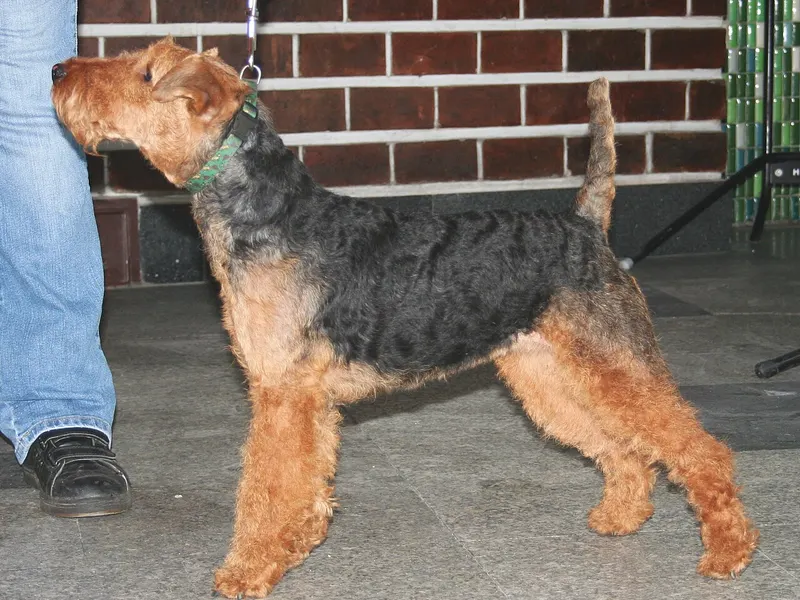
Welsh Terrier
Terrier
20–21 lbs · 12–15 yrs
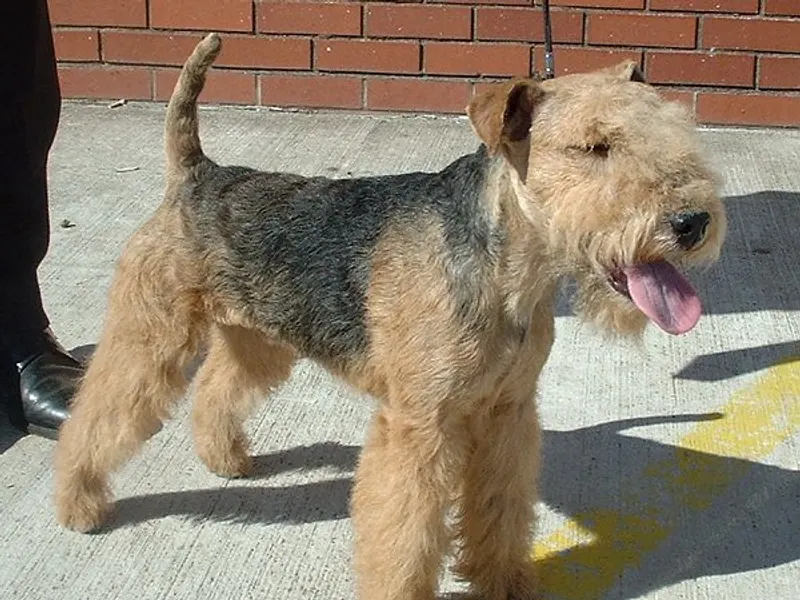
Lakeland Terrier
Terrier
15–17 lbs · 12–16 yrs
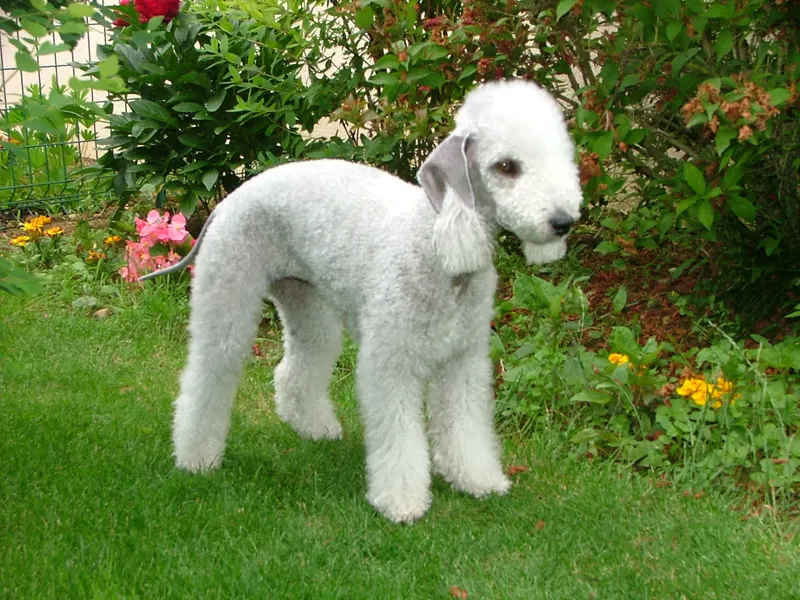
Bedlington Terrier
Terrier
17–23 lbs · 11–16 yrs
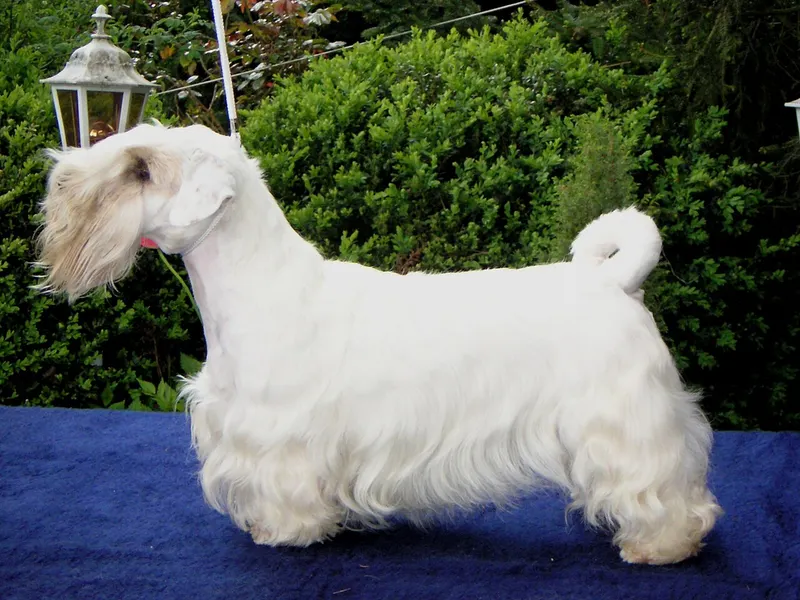
Sealyham Terrier
Terrier
23–24 lbs · 12–14 yrs
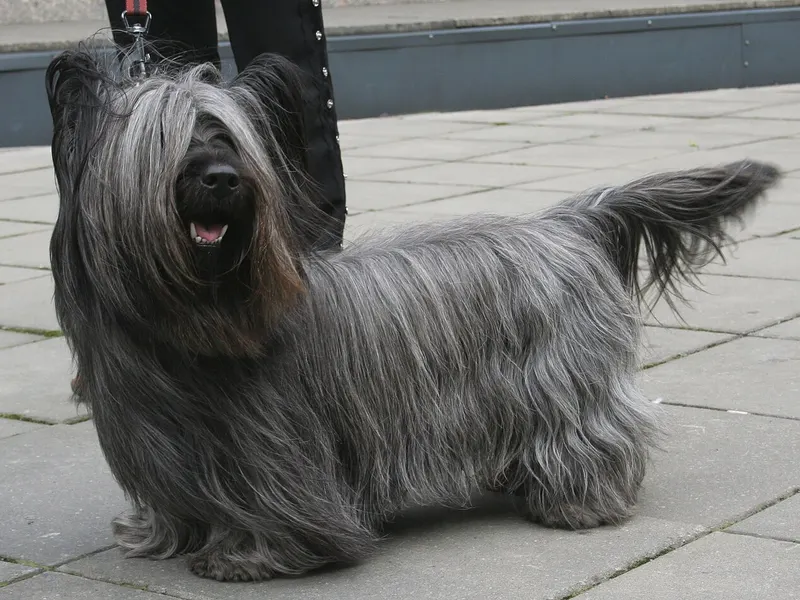
Skye Terrier
Terrier
25–40 lbs · 12–14 yrs
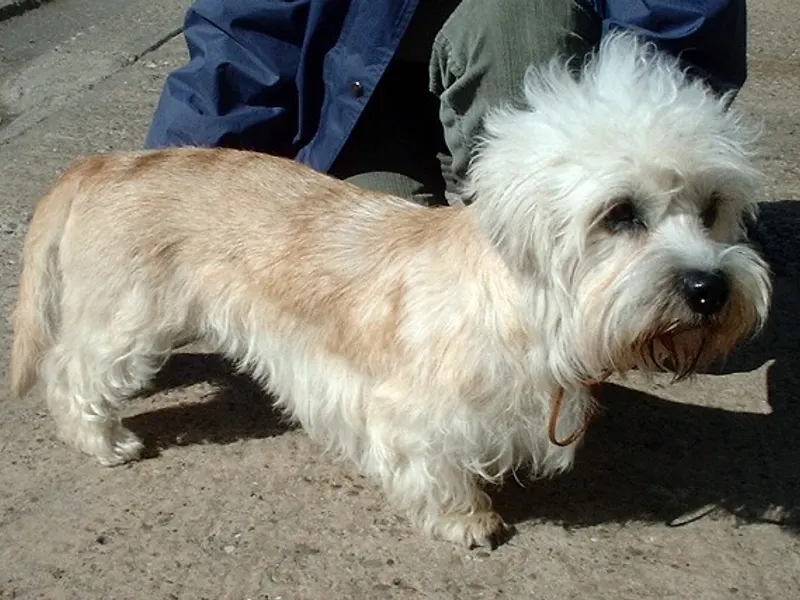
Dandie Dinmont Terrier
Terrier
18–24 lbs · 12–15 yrs
Manchester Terrier
Terrier
12–22 lbs · 15–17 yrs
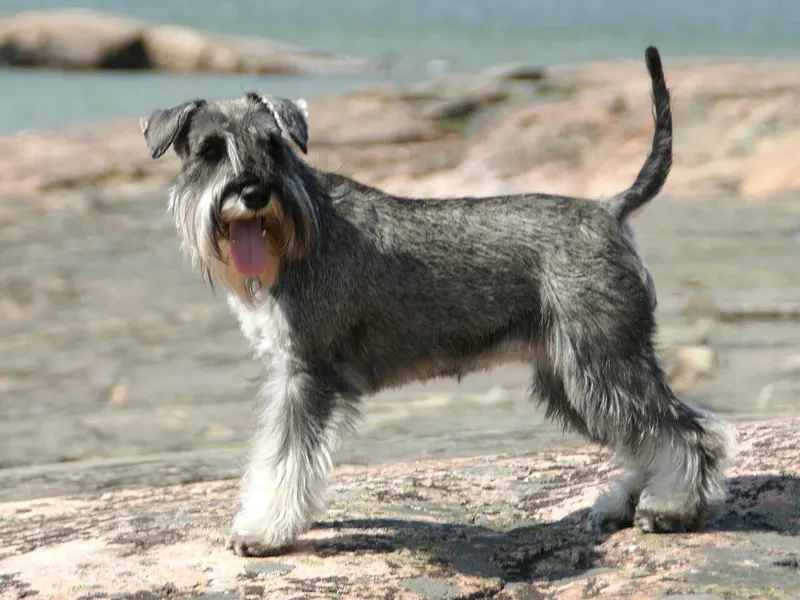
Miniature Schnauzer
Terrier
11–20 lbs · 12–15 yrs
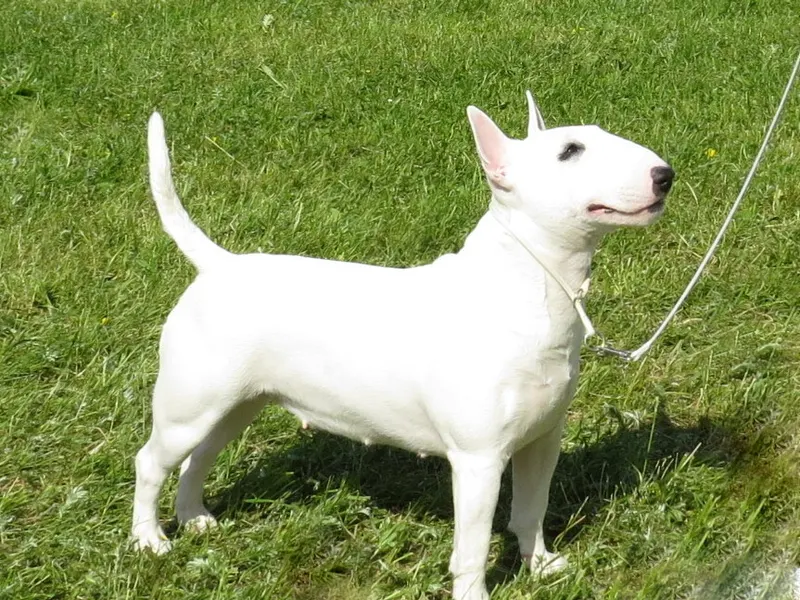
Miniature Bull Terrier
Terrier
25–33 lbs · 11–14 yrs
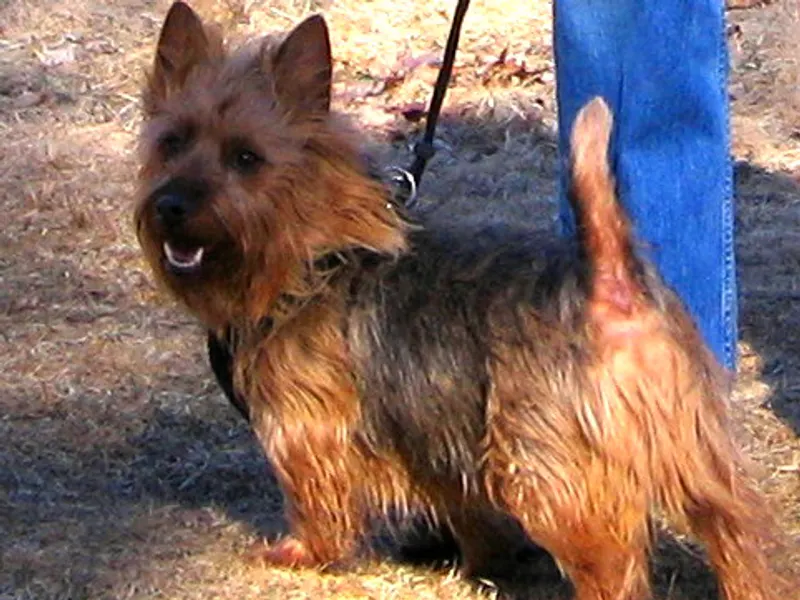
Australian Terrier
Terrier
14–16 lbs · 11–15 yrs
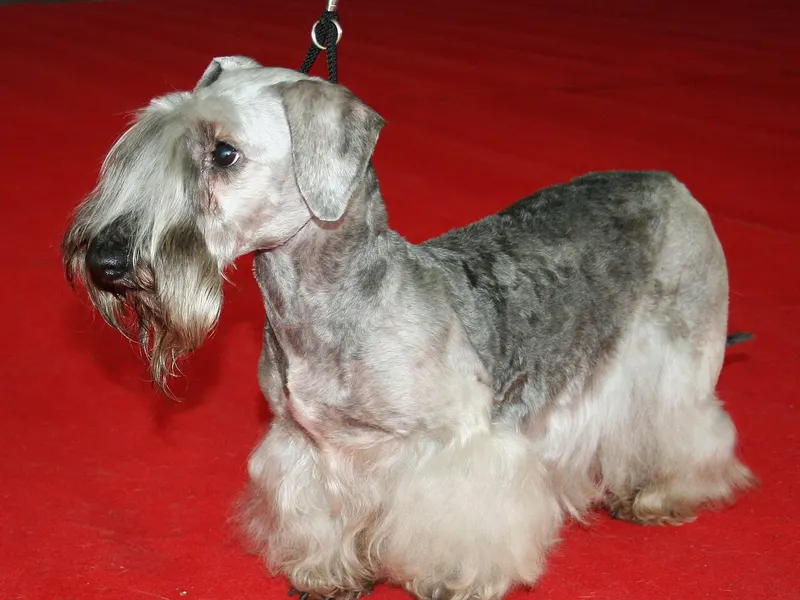
Cesky Terrier
Terrier
13–24 lbs · 12–15 yrs
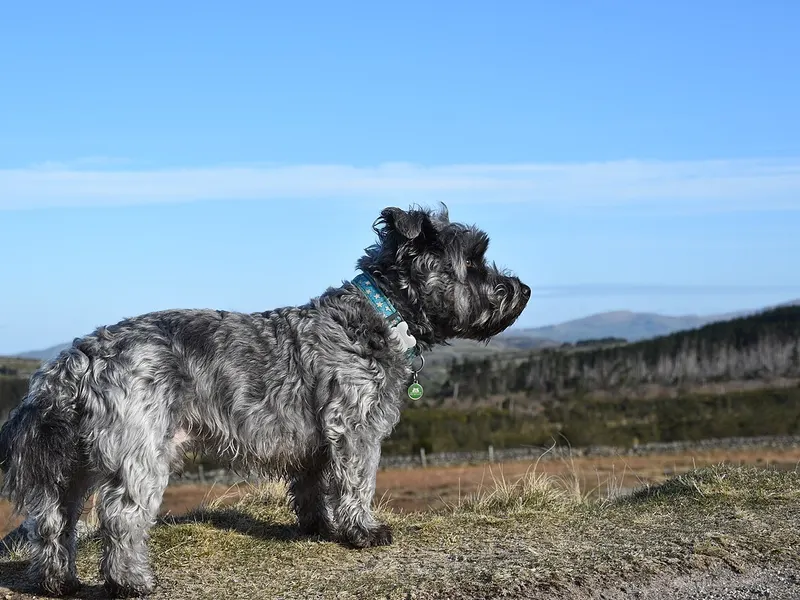
Glen of Imaal Terrier
Terrier
32–40 lbs · 10–15 yrs
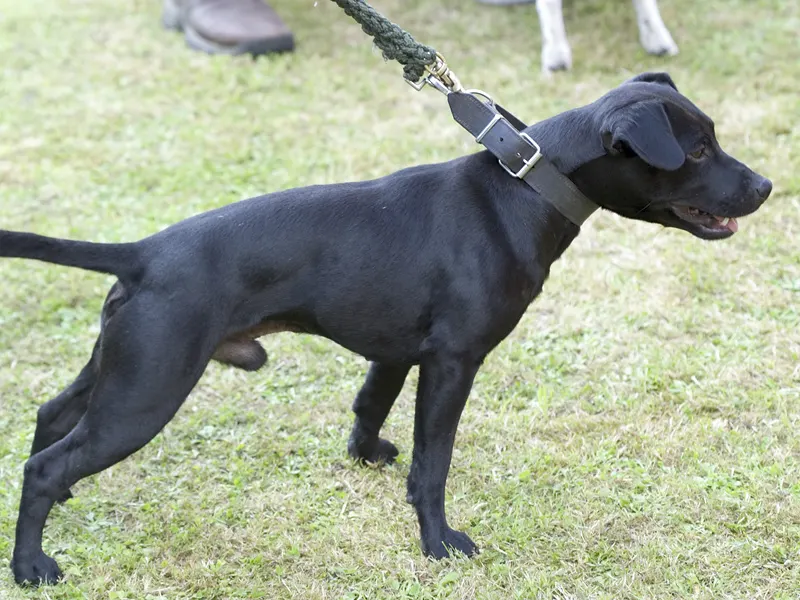
Patterdale Terrier
Terrier
11–13 lbs · 11–13 yrs
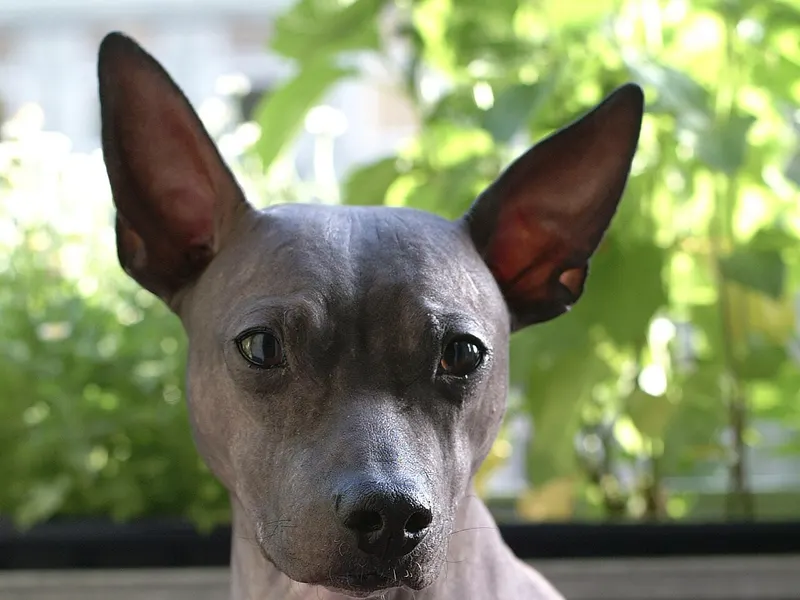
American Hairless Terrier
Terrier
5–16 lbs · 14–16 yrs
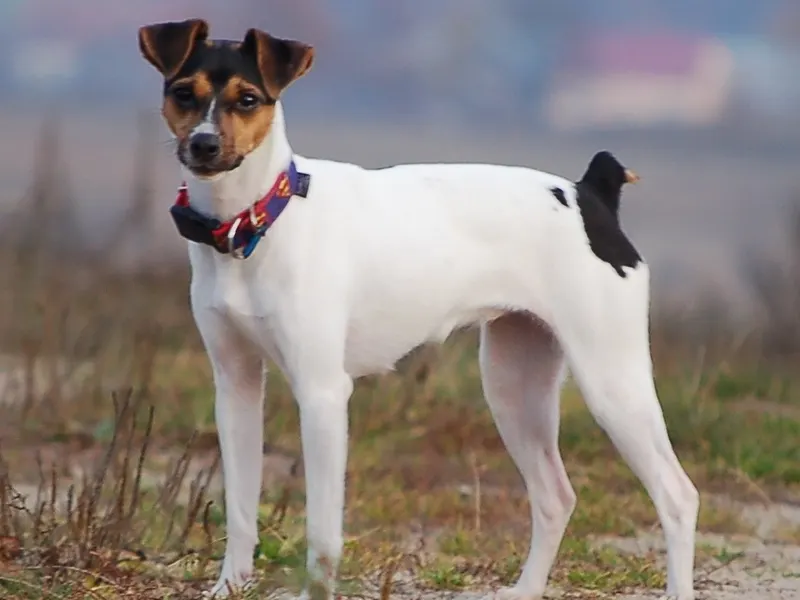
Brazilian Terrier
Terrier
14–22 lbs · 12–14 yrs
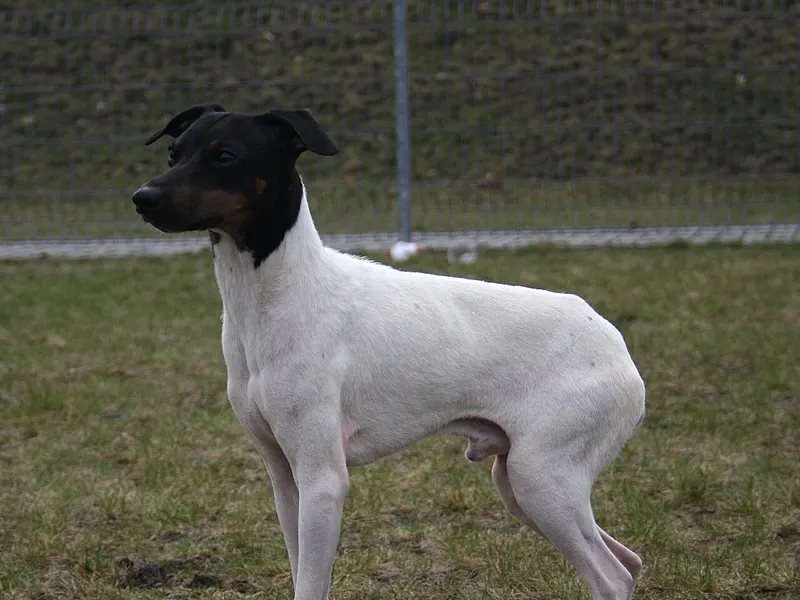
Japanese Terrier
Terrier
5–9 lbs · 12–15 yrs