Best Small Dogs For Apartments
Small size is a genuine practical advantage in apartment living — easier to carry down stairs during a fire alarm, less floor space needed to turn around comfortably, lower food and often lower veterinary-medication costs — but it is not, on its own, what determines whether a small breed actually thrives in a compact space with shared walls and close neighbors. The traits that matter alongside size are the same ones that matter for any apartment dog: moderate-to-low energy, low tendency toward reactive or alert barking, and a temperament that tolerates confinement and routine without becoming anxious or destructive. This is where several genuinely small, popular breeds fall short of expectations despite being obvious first guesses for a "small dog" apartment list. A number of toy and terrier breeds carry a strong alert-barking instinct bred in for their original vermin-hunting or watchdog roles, meaning their small size doesn't translate to apartment-friendliness the way people assume — a Yorkshire Terrier or Chihuahua, for instance, can be a genuinely vocal, territorial presence in a building with shared hallways despite weighing under ten pounds, which is precisely the mismatch this list is built to avoid by filtering on temperament rather than size alone. Breeds that qualify here — Bichons Frises, Cavalier King Charles Spaniels, French Bulldogs, and several other genuinely companion-bred toy breeds — were selected historically for calm, people-focused companionship rather than a working or guarding job, and that breeding history shows up directly as lower baseline reactivity and vocalization alongside the expected low exercise needs. French Bulldogs specifically also carry a caveat worth flagging alongside their apartment suitability: as a brachycephalic breed, they need climate-controlled indoor living (genuinely well-suited to apartment life for this reason) but should be exercised gently and monitored for breathing difficulty, especially in warm weather, meaning their apartment fit comes with a specific care requirement rather than being purely a convenience upgrade over larger breeds. Stairs and building layout deserve real consideration for small breeds specifically in a way they don't for larger, more physically robust dogs: some small breeds with proportionally long backs or delicate joints (several toy breeds are prone to luxating patella, a kneecap condition, or intervertebral disc issues) can struggle with or be injured by repeated stair use, which matters directly if an apartment building has no elevator. This is a genuinely breed-specific health consideration worth researching before choosing among small breeds for a walk-up unit specifically. The overall takeaway for apartment dwellers drawn to a small dog: use size as a starting filter for practical logistics like carrying capacity and living space, but let temperament — vocalization tendency, tolerance for routine, and how the breed responds to being alone for a workday — do the real qualifying work, since a small dog with a big vocal presence or high anxiety can be a far more disruptive apartment neighbor than a larger, calmer breed several floors away. Rounding out the apartment-friendly small-breed picture: the Havanese combines a low-shedding coat, small size, and a notably calm, adaptable temperament suited to close-quarters living; the Shih Tzu offers a similarly companionable, low-energy temperament bred purely for companionship rather than any working or guarding role; and the Maltese rounds out the list with its long history as a lap-focused companion breed, low exercise needs, and generally quiet, adaptable temperament. It's worth addressing a genuine practical concern for small-breed apartment dwellers directly: housetraining can be more challenging for some small breeds due to their smaller bladder capacity and, in a few breeds, a documented tendency toward stubbornness during the housetraining process specifically — a consistent schedule, frequent opportunities to go out (or use an indoor potty solution like a litter box or turf pad, increasingly common for small apartment dogs unable to access outdoor space quickly enough), and patience through what can be a longer housetraining timeline than some larger breeds require all matter more for small apartment dogs than breed choice alone. Noise from a building's shared spaces — elevators, hallway foot traffic, other residents' dogs barking through thin walls — can itself trigger reactive barking in a small dog regardless of its own baseline temperament, and this is worth testing for directly during an apartment visit with a specific dog if possible, since some dogs that seem calm in a quiet breeder or shelter setting respond differently once genuinely exposed to a building's ambient noise. Crate training, approached as a calm safe-space rather than punishment, can also help a small dog settle during noisy building moments (fireworks, a loud party next door) in a way that benefits apartment living specifically more than it might in a quieter house setting.
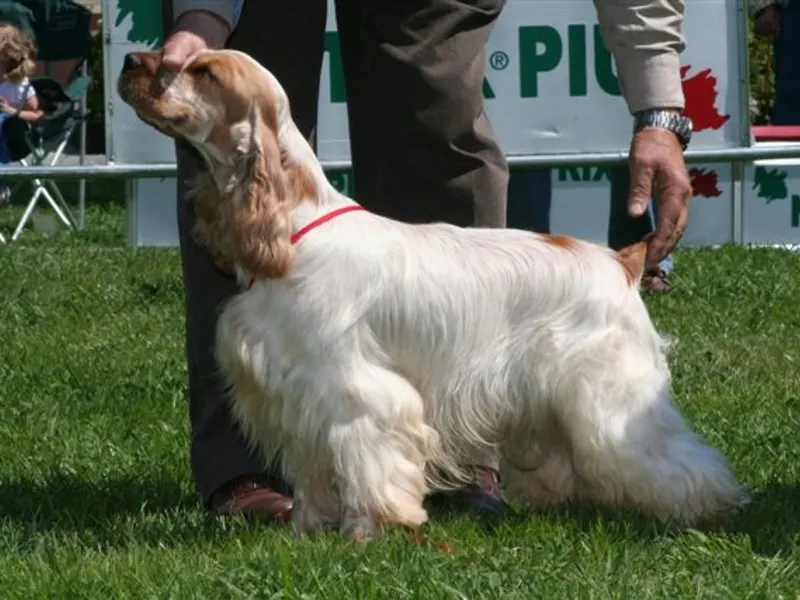
Cocker Spaniel
Sporting
20–30 lbs · 12–15 yrs
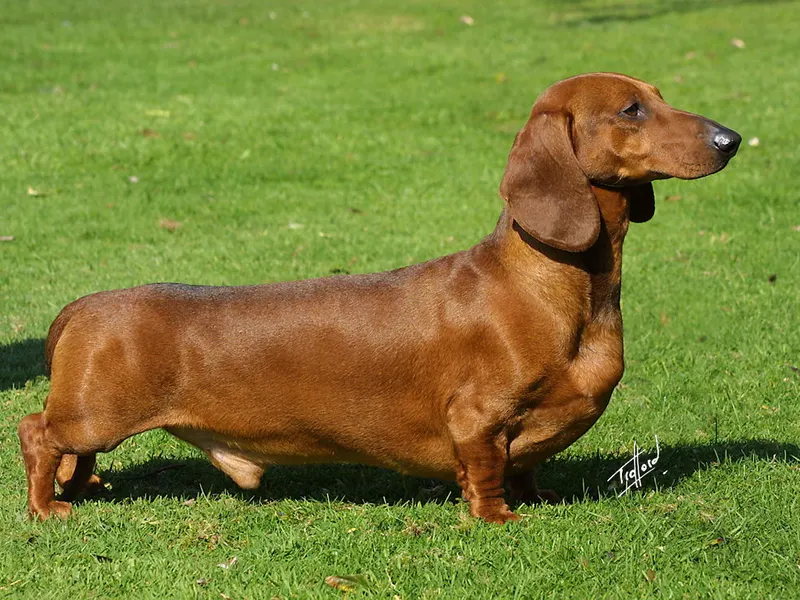
Dachshund
Hound
11–32 lbs · 12–16 yrs
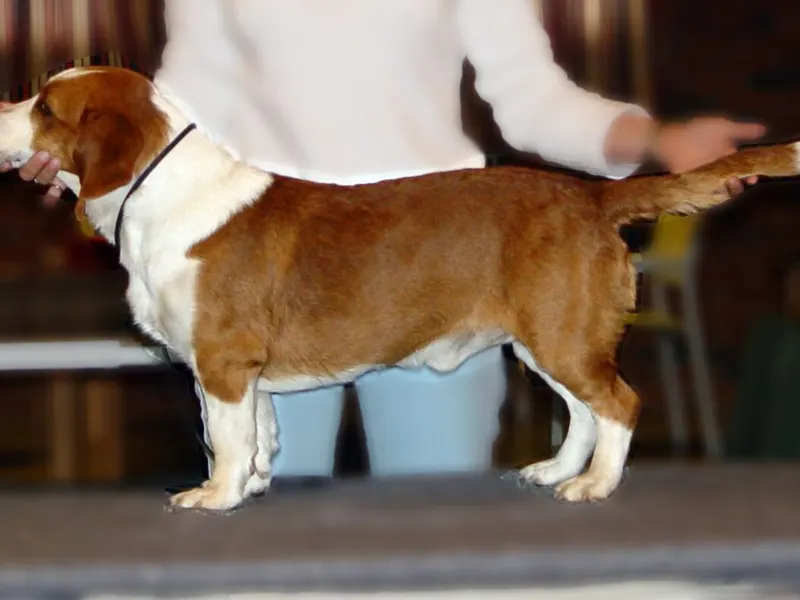
Drever
Hound
30–35 lbs · 12–14 yrs
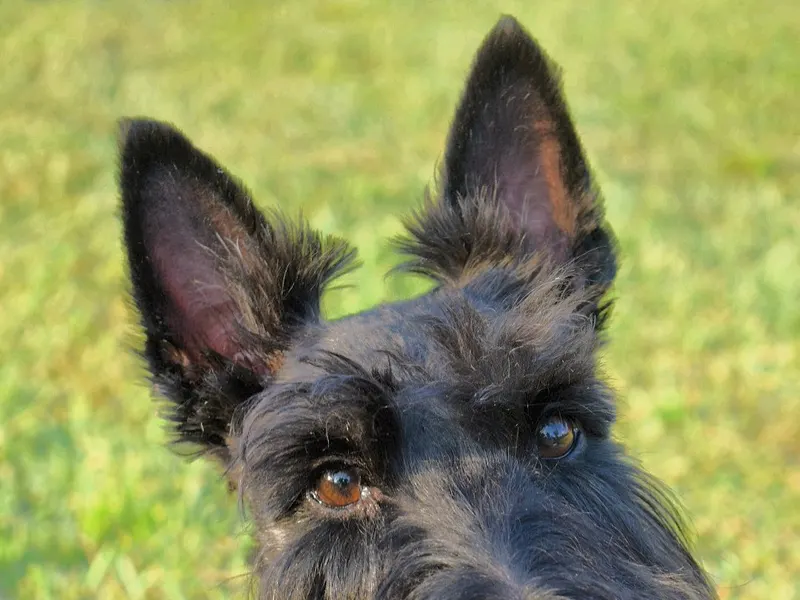
Scottish Terrier
Terrier
18–22 lbs · 11–13 yrs
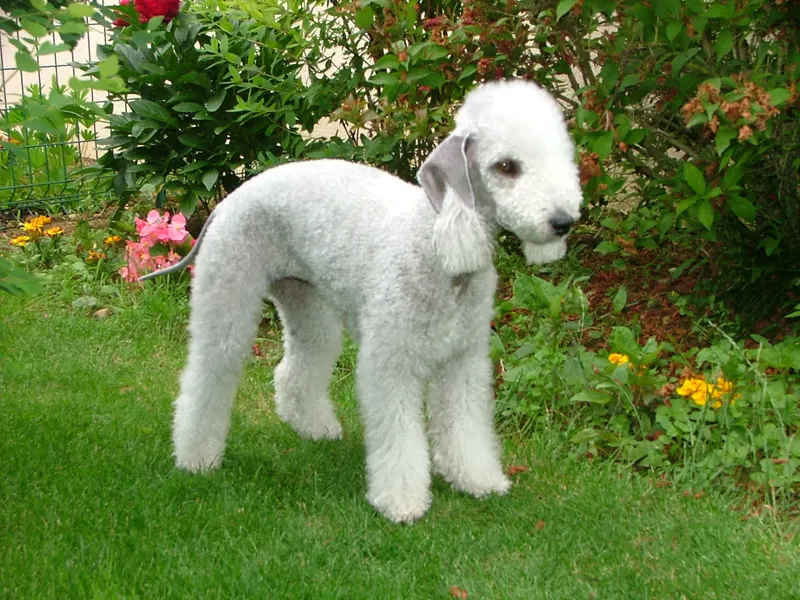
Bedlington Terrier
Terrier
17–23 lbs · 11–16 yrs
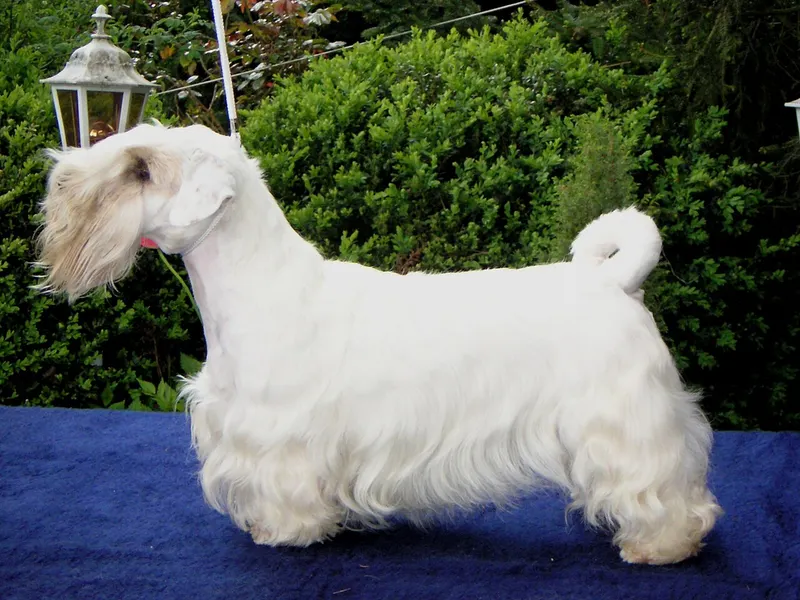
Sealyham Terrier
Terrier
23–24 lbs · 12–14 yrs
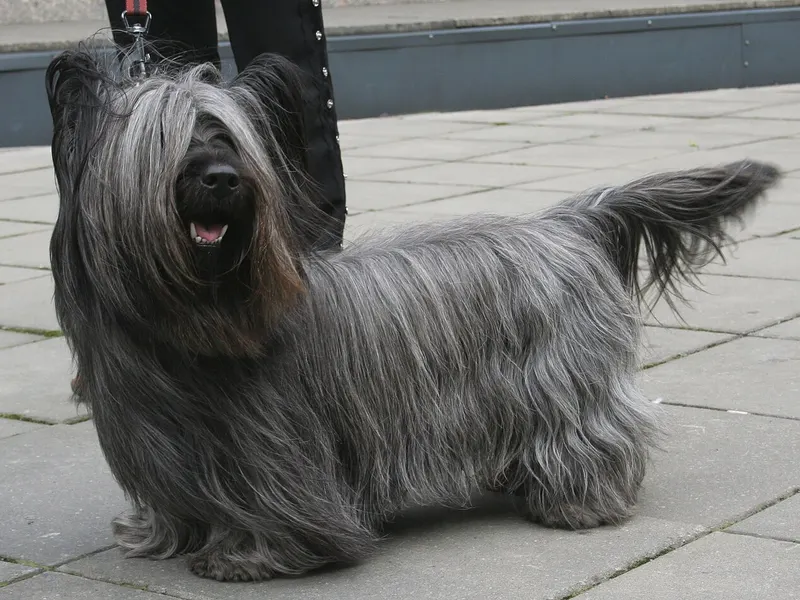
Skye Terrier
Terrier
25–40 lbs · 12–14 yrs
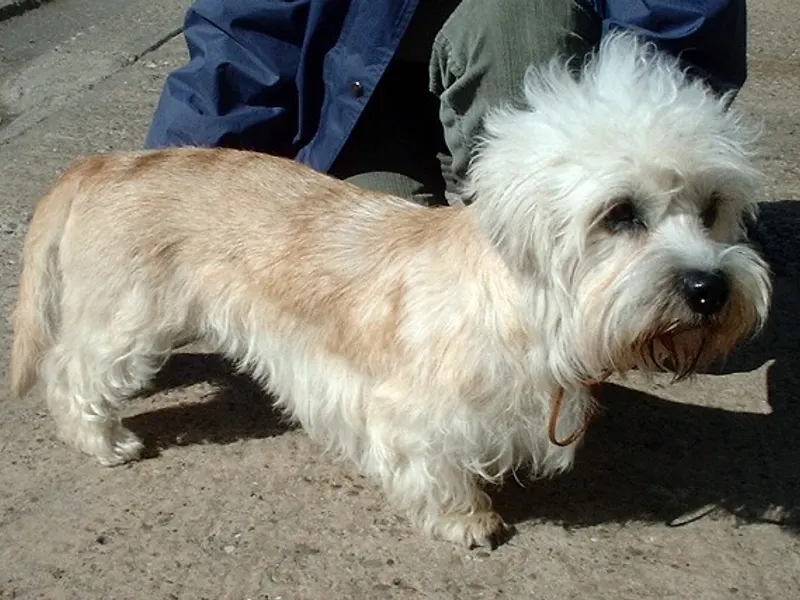
Dandie Dinmont Terrier
Terrier
18–24 lbs · 12–15 yrs
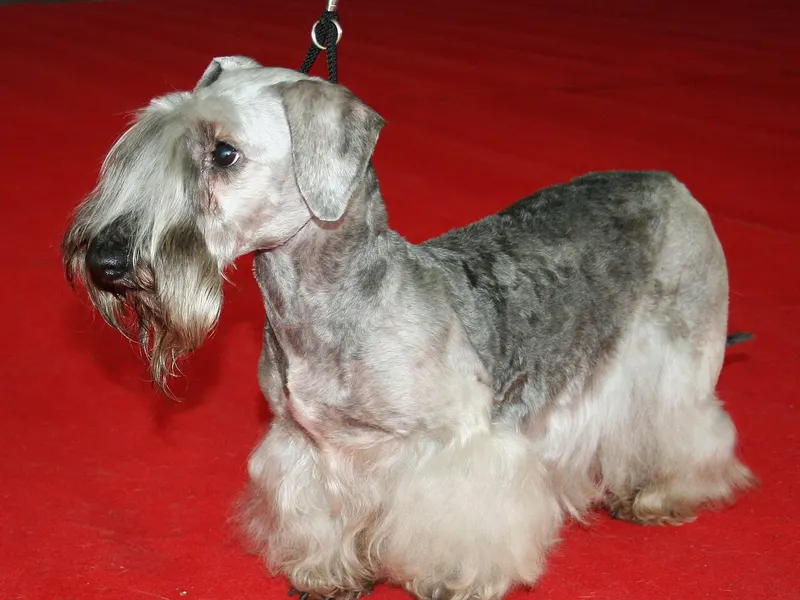
Cesky Terrier
Terrier
13–24 lbs · 12–15 yrs
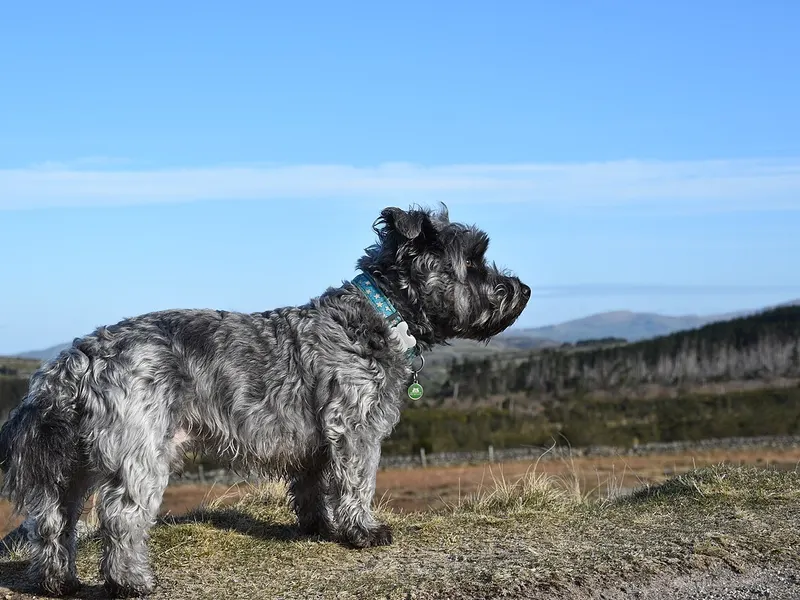
Glen of Imaal Terrier
Terrier
32–40 lbs · 10–15 yrs
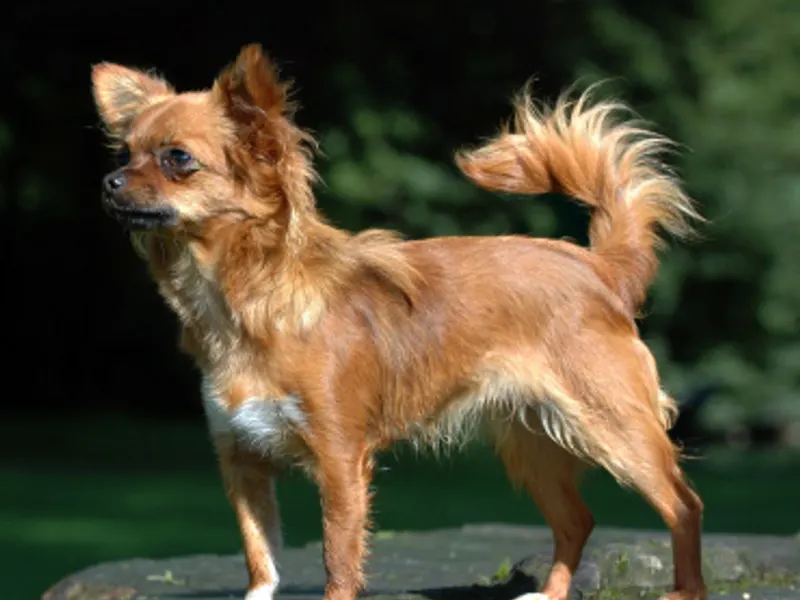
Chihuahua
Toy
2–6 lbs · 14–16 yrs
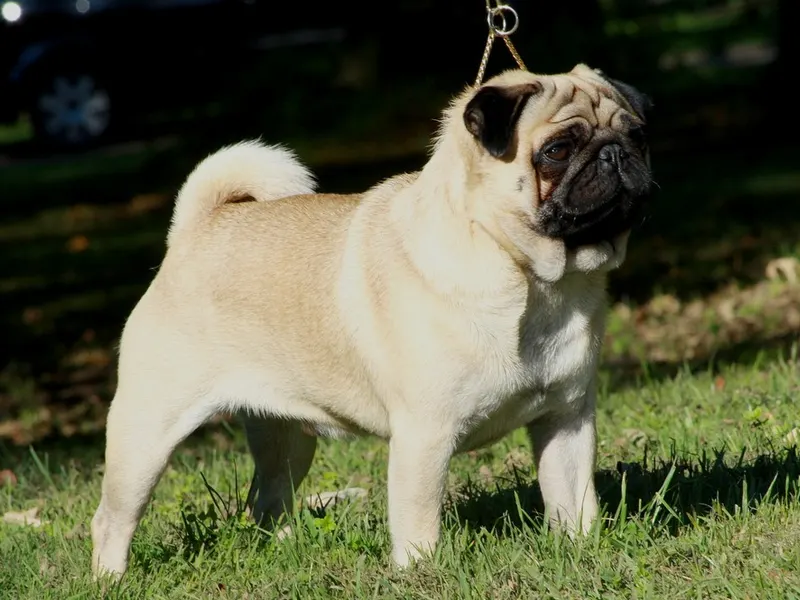
Pug
Toy
14–18 lbs · 13–15 yrs

Shih Tzu
Toy
9–16 lbs · 10–16 yrs

Maltese
Toy
4–7 lbs · 12–15 yrs

Yorkshire Terrier
Toy
4–7 lbs · 11–15 yrs
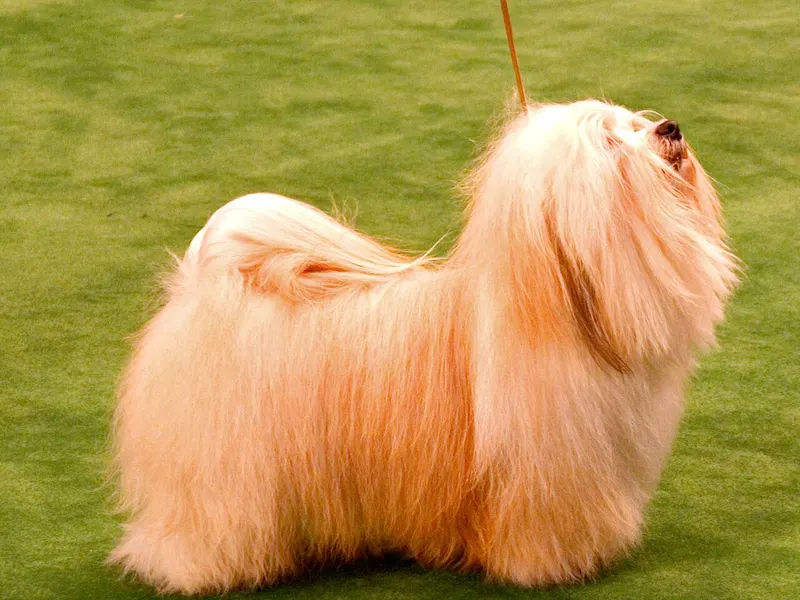
Havanese
Toy
7–13 lbs · 14–16 yrs
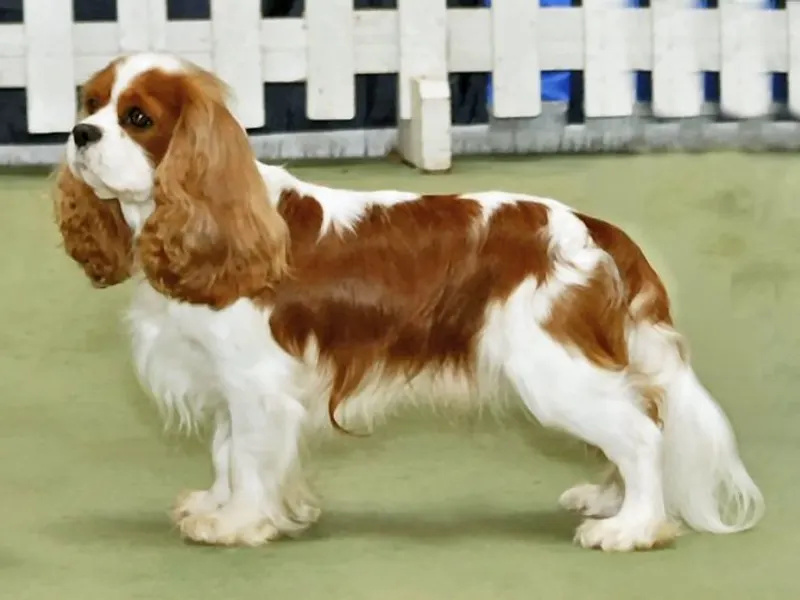
Cavalier King Charles Spaniel
Toy
13–18 lbs · 9–14 yrs
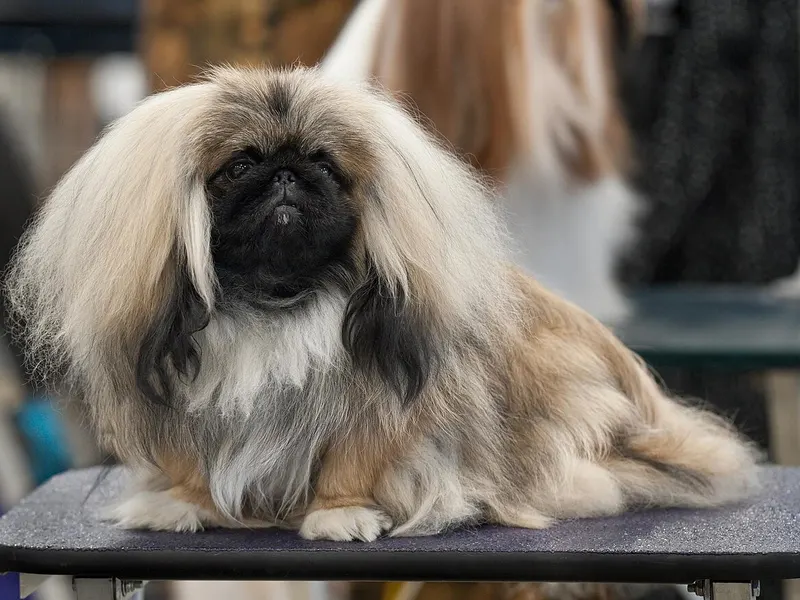
Pekingese
Toy
7–14 lbs · 12–14 yrs
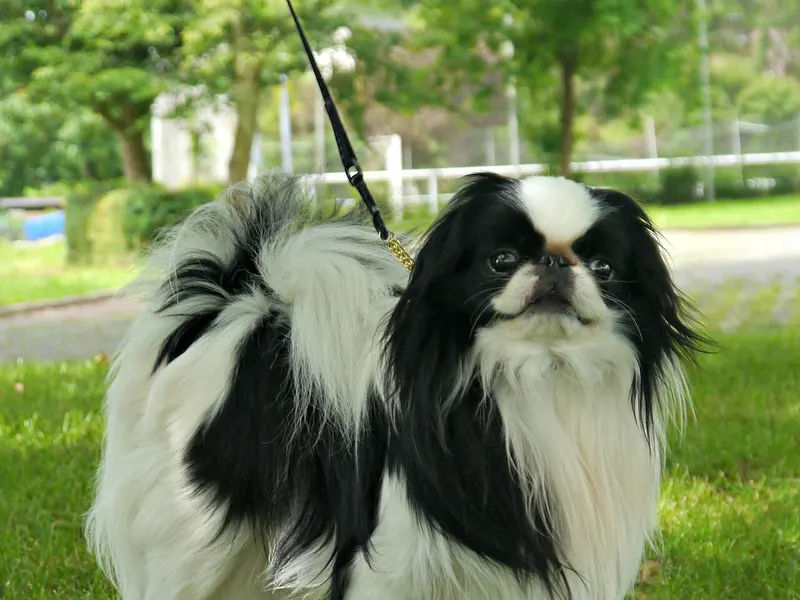
Japanese Chin
Toy
7–11 lbs · 10–12 yrs
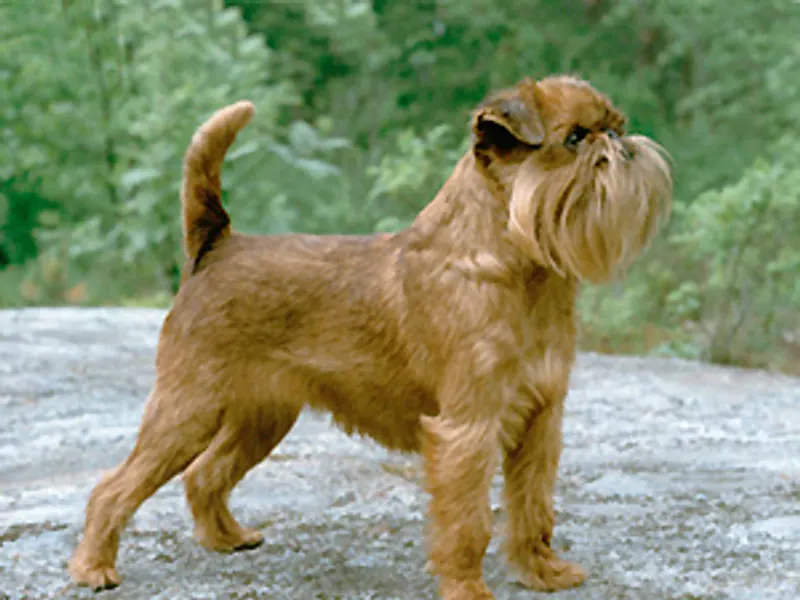
Brussels Griffon
Toy
6–12 lbs · 12–15 yrs
Affenpinscher
Toy
7–10 lbs · 12–15 yrs
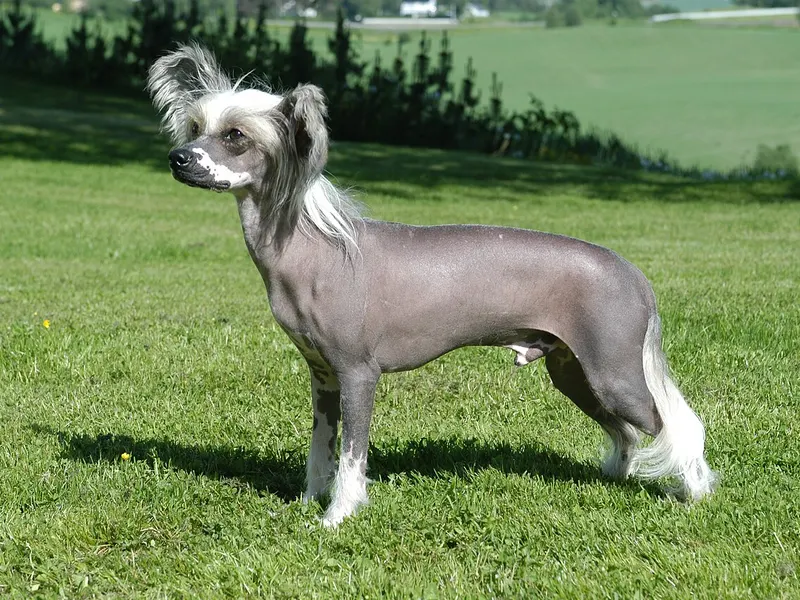
Chinese Crested
Toy
8–12 lbs · 13–15 yrs

English Toy Spaniel
Toy
8–14 lbs · 10–12 yrs
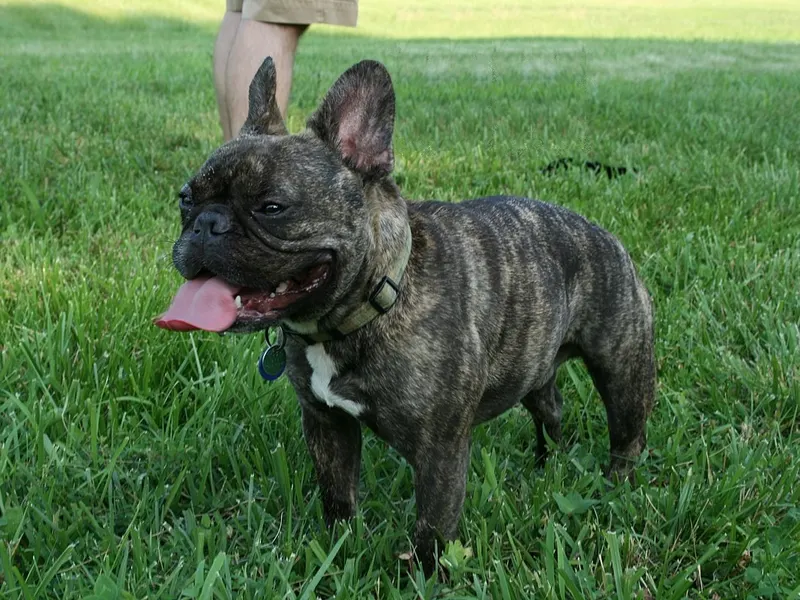
French Bulldog
Non-Sporting
16–28 lbs · 10–14 yrs
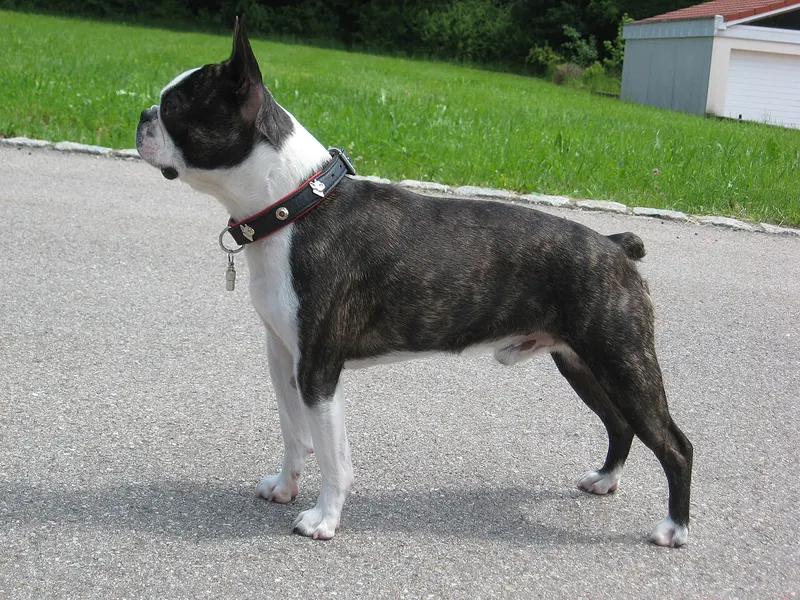
Boston Terrier
Non-Sporting
12–25 lbs · 11–13 yrs
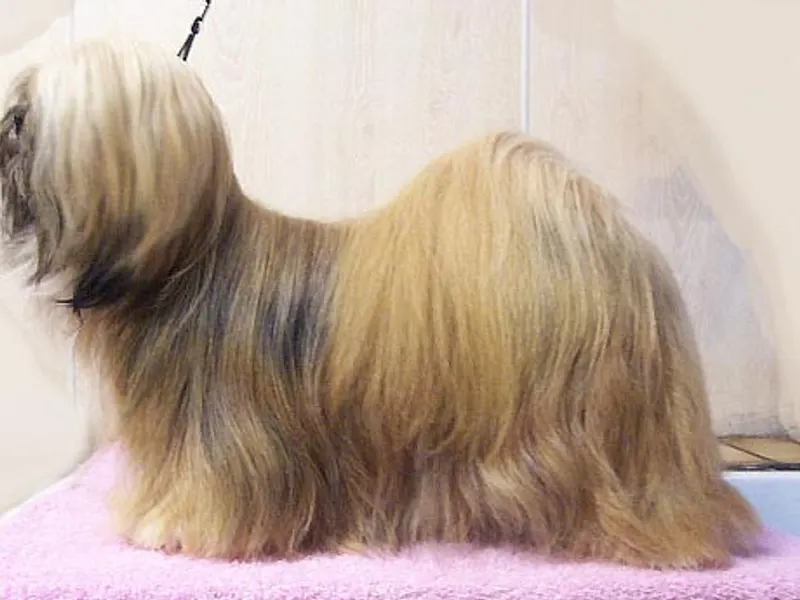
Lhasa Apso
Non-Sporting
12–18 lbs · 12–15 yrs
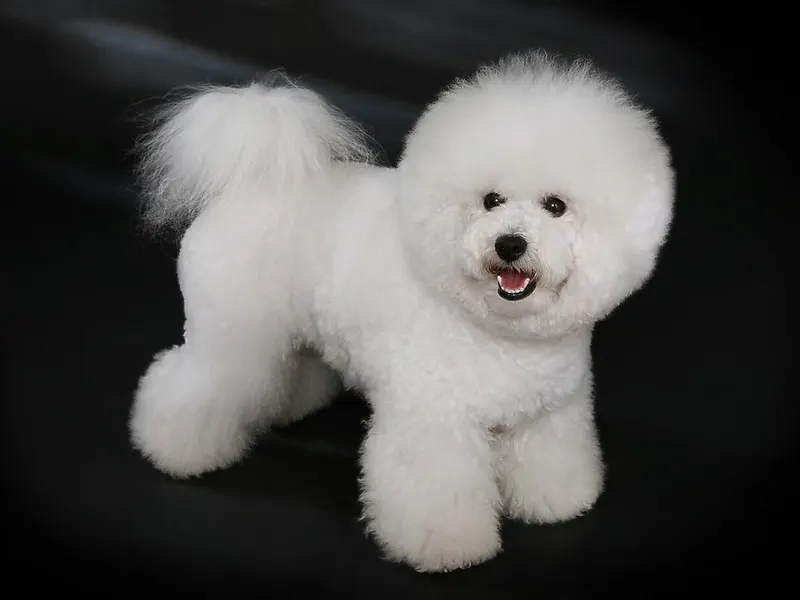
Bichon Frise
Non-Sporting
12–18 lbs · 14–15 yrs
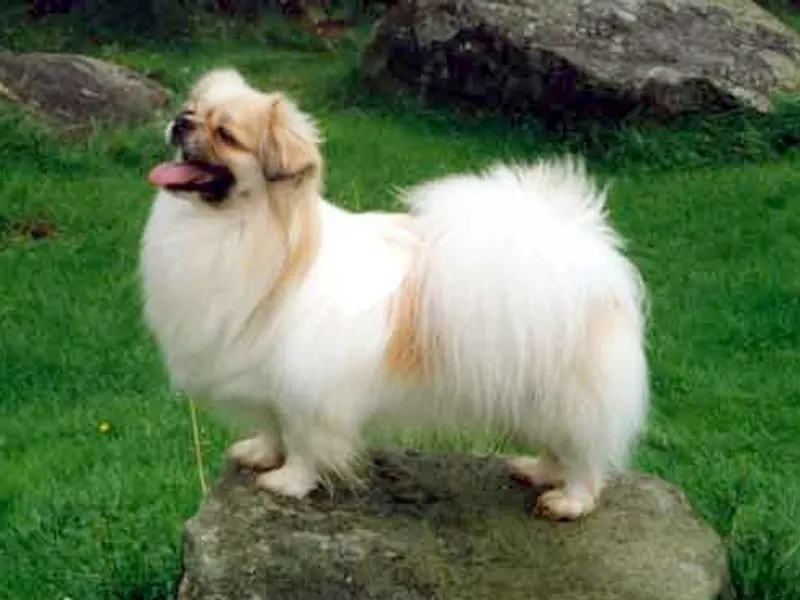
Tibetan Spaniel
Non-Sporting
9–15 lbs · 12–15 yrs
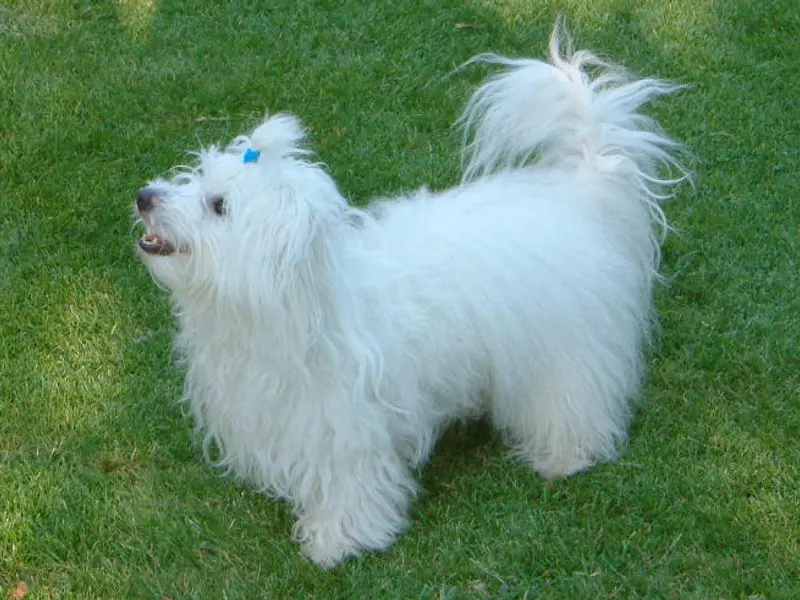
Coton de Tulear
Non-Sporting
8–15 lbs · 14–16 yrs
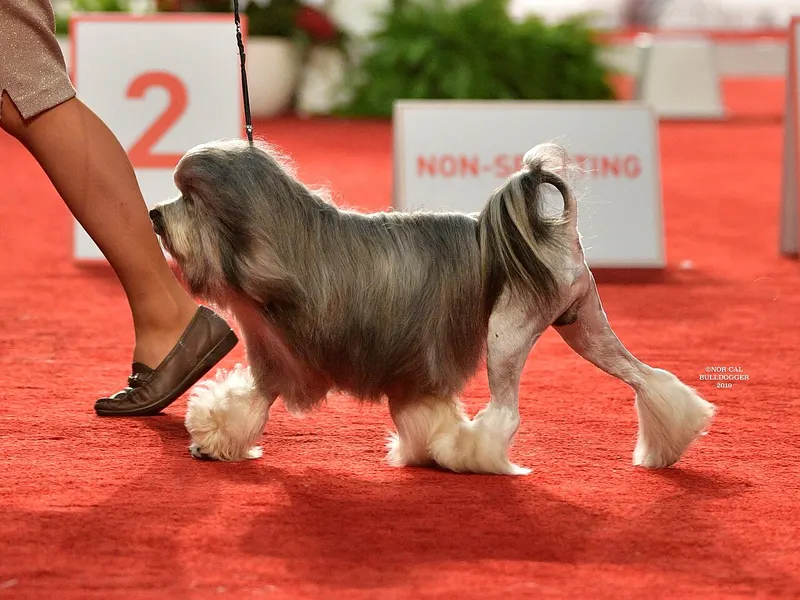
Löwchen
Non-Sporting
9–18 lbs · 13–15 yrs
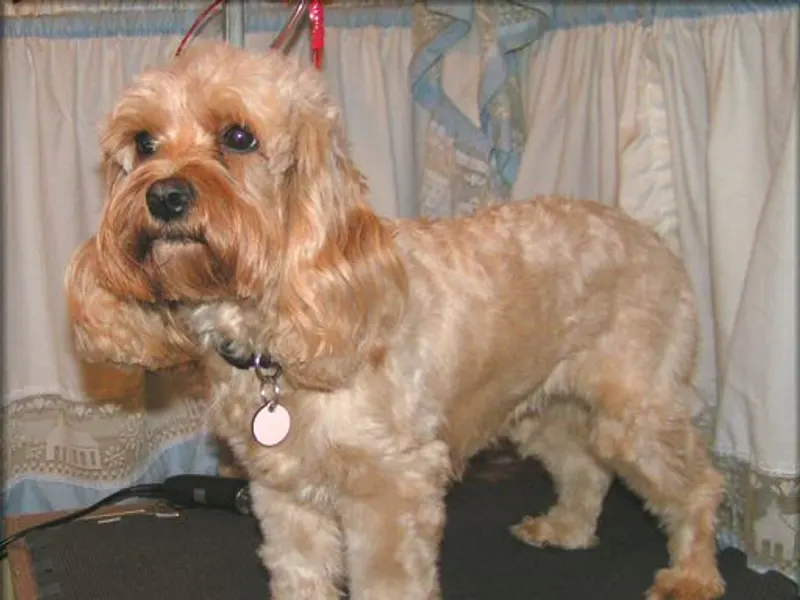
Cockapoo
Crossbreed
12–24 lbs · 13–15 yrs

Puggle
Crossbreed
18–30 lbs · 10–13 yrs
Maltipoo
Crossbreed
5–20 lbs · 12–15 yrs

Cavapoo
Crossbreed
9–25 lbs · 12–15 yrs
Yorkipoo
Crossbreed
3–14 lbs · 12–15 yrs
Chiweenie
Crossbreed
5–12 lbs · 13–16 yrs
Shorkie
Crossbreed
8–16 lbs · 11–16 yrs
Morkie
Crossbreed
4–8 lbs · 10–13 yrs